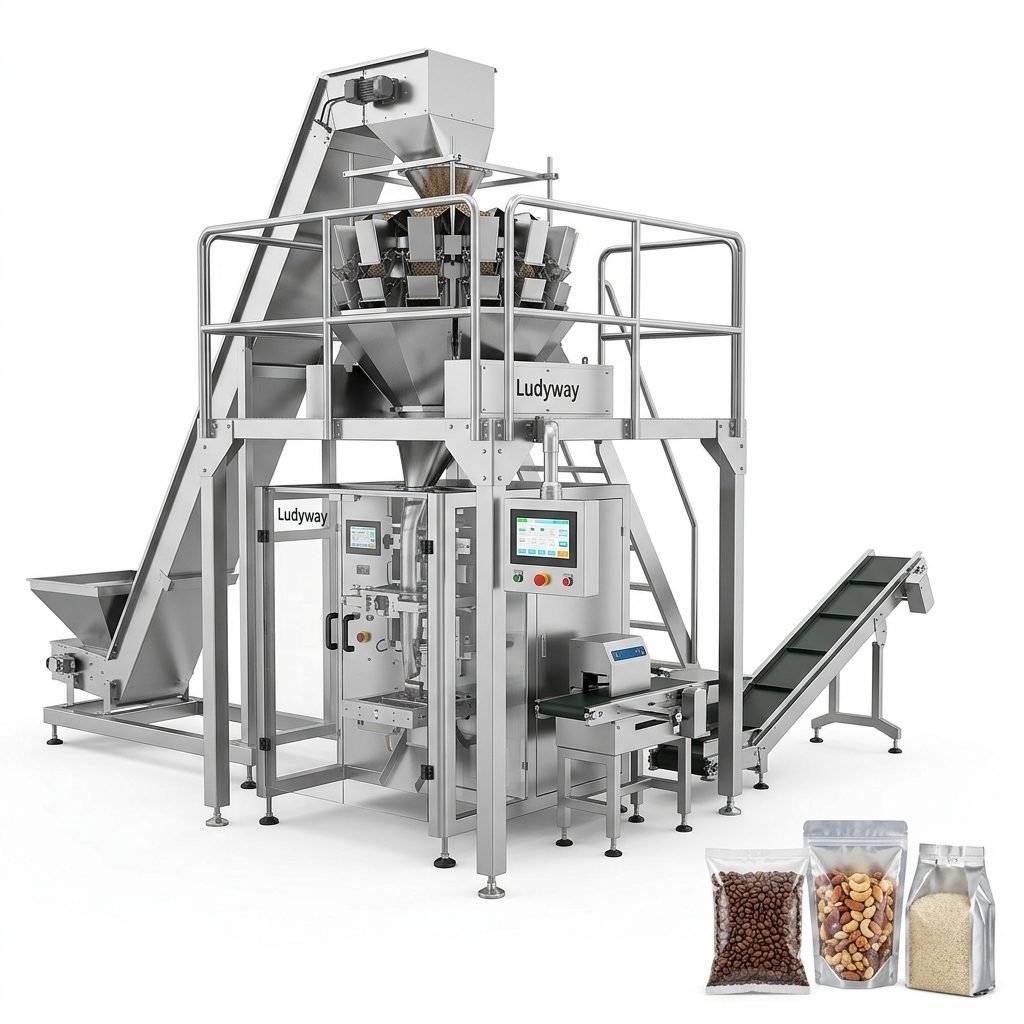
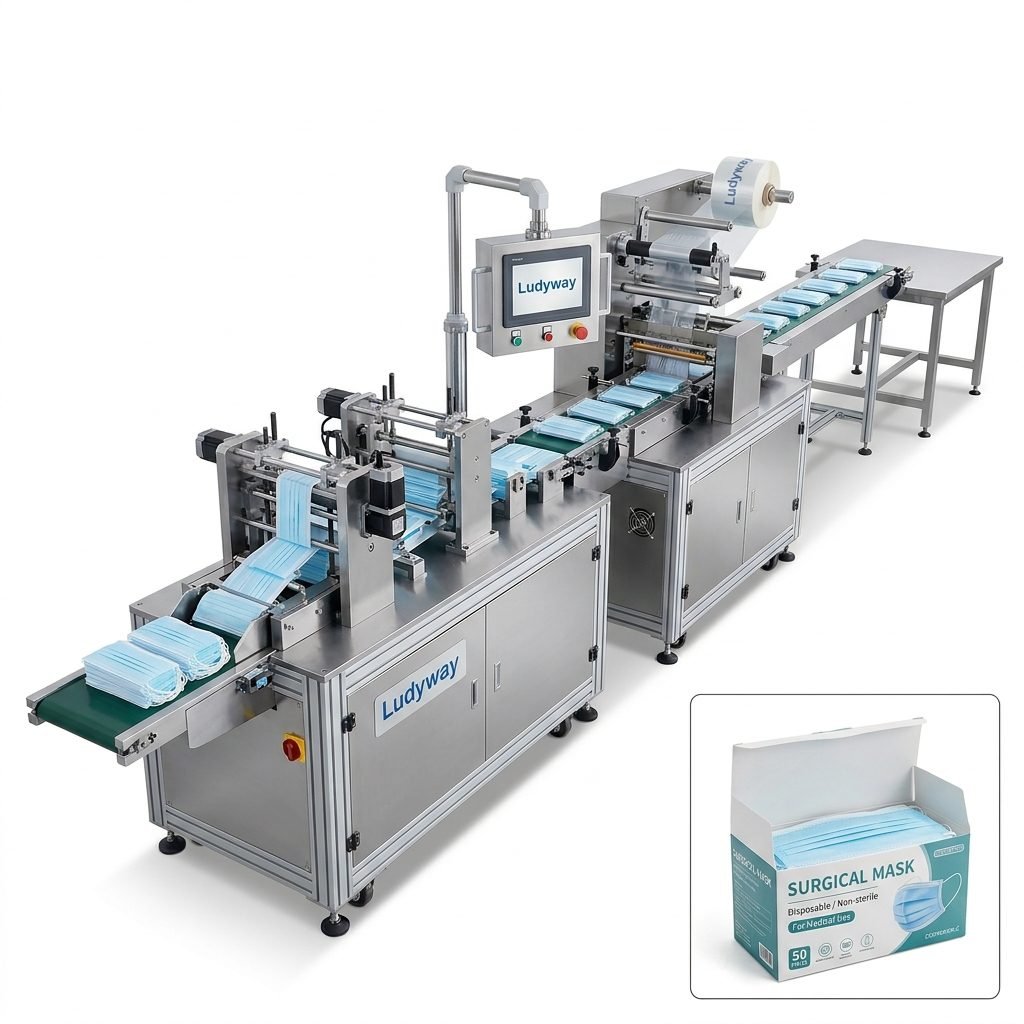
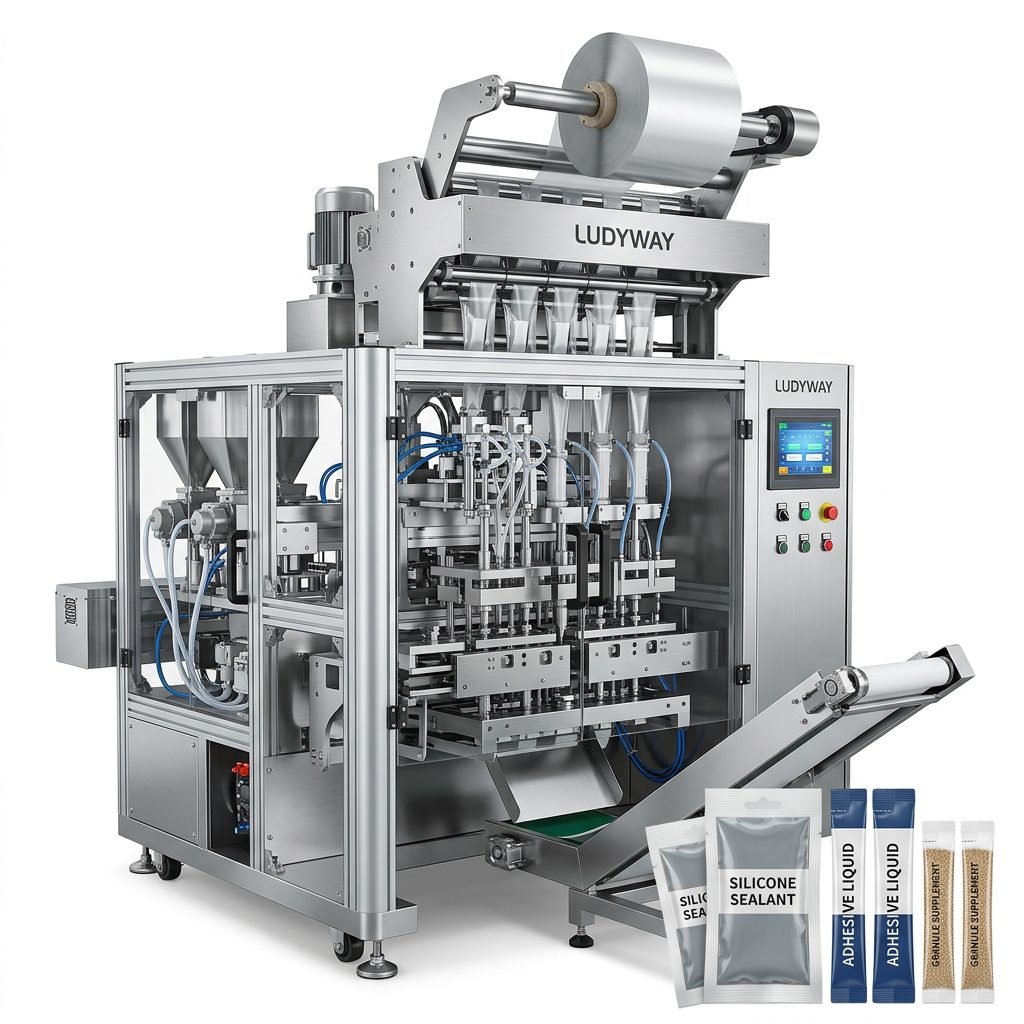
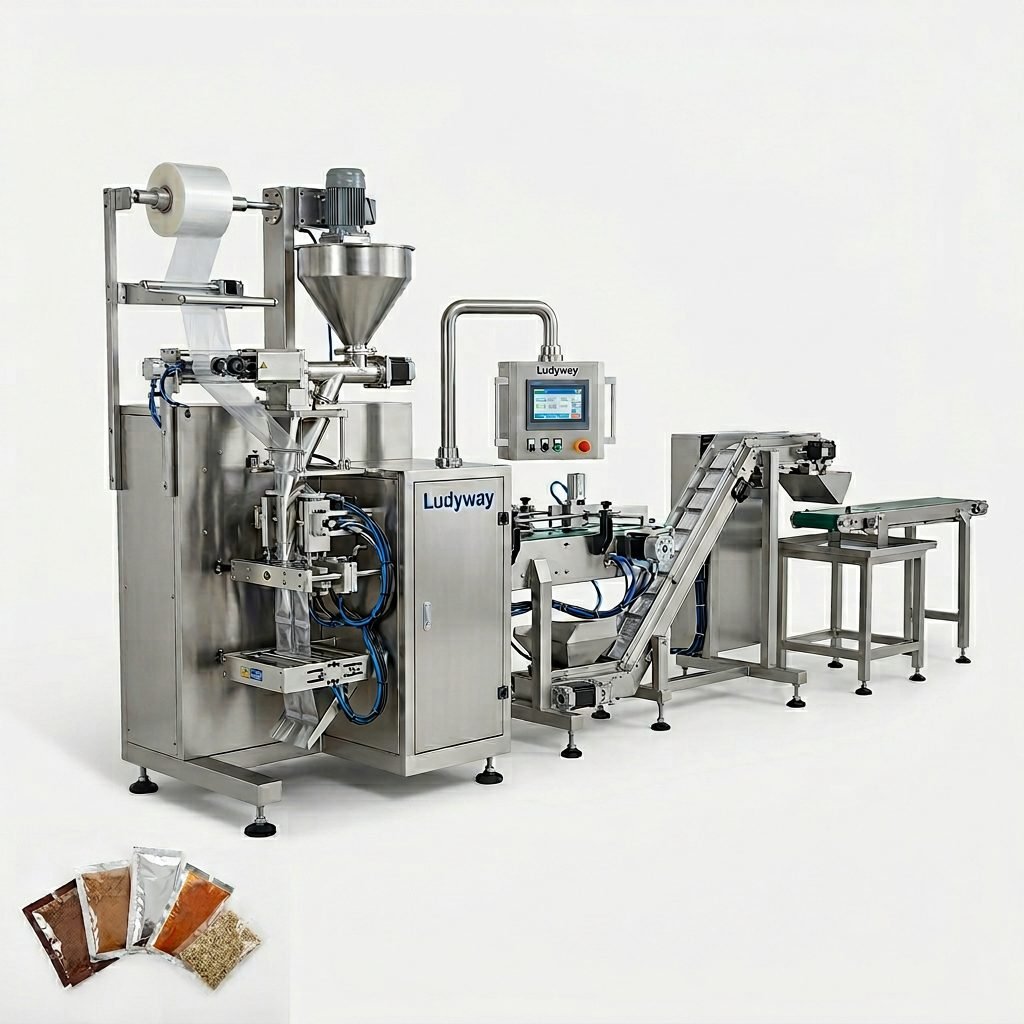
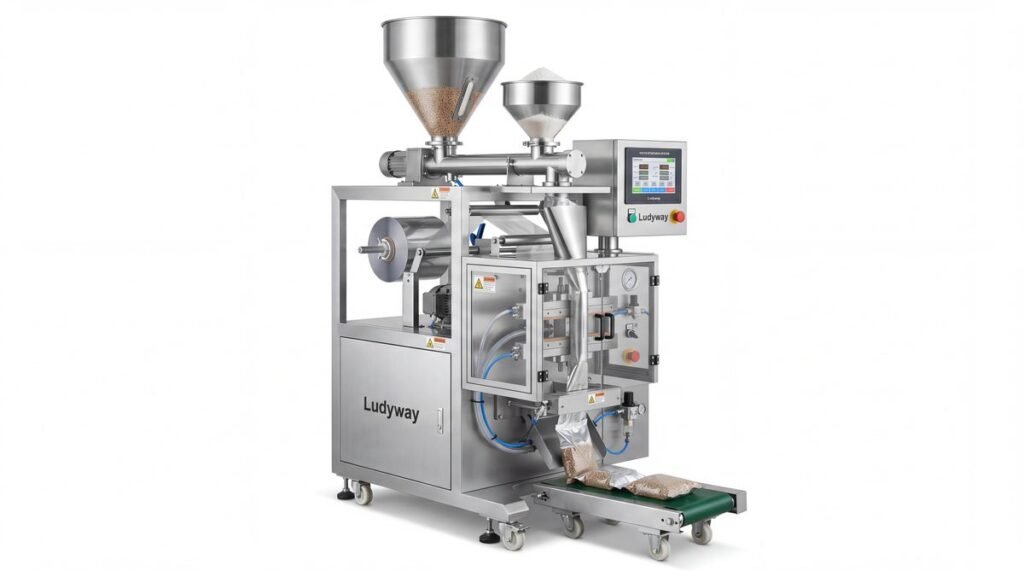
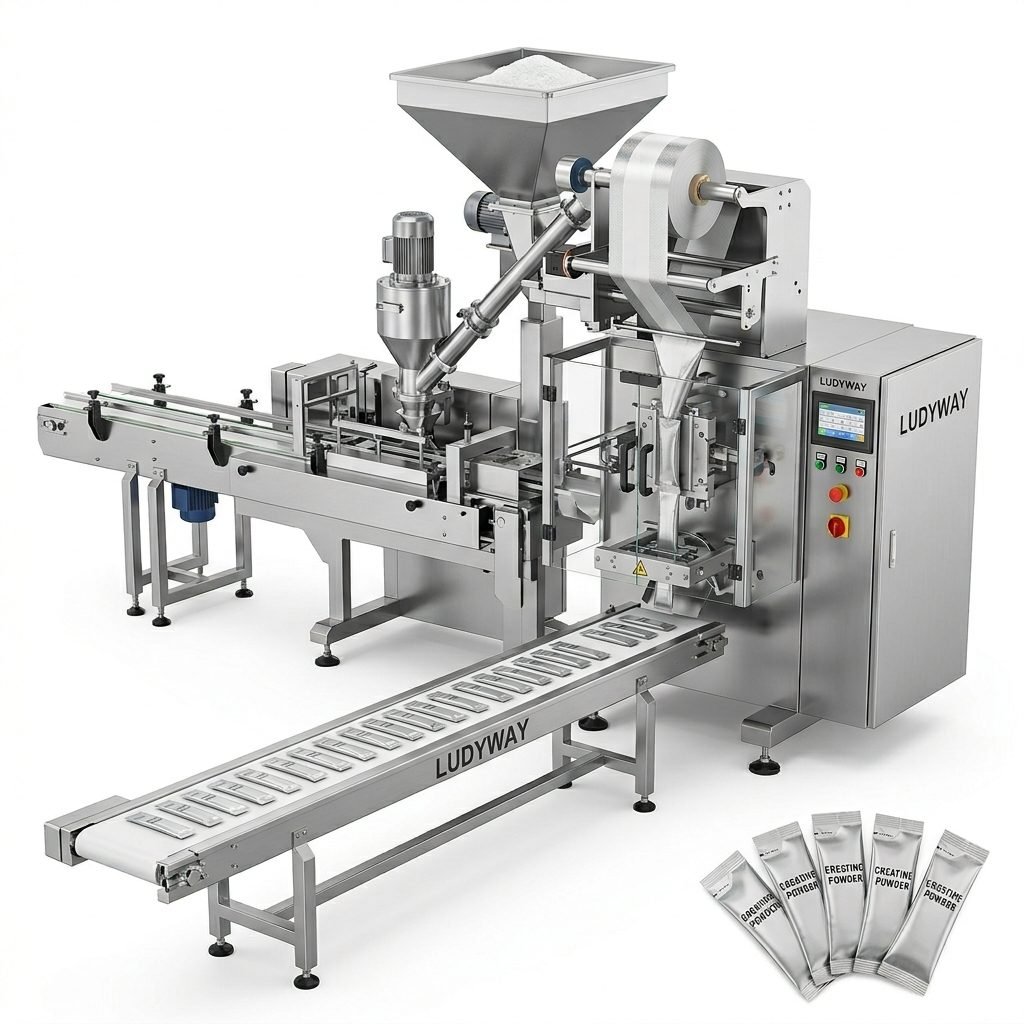
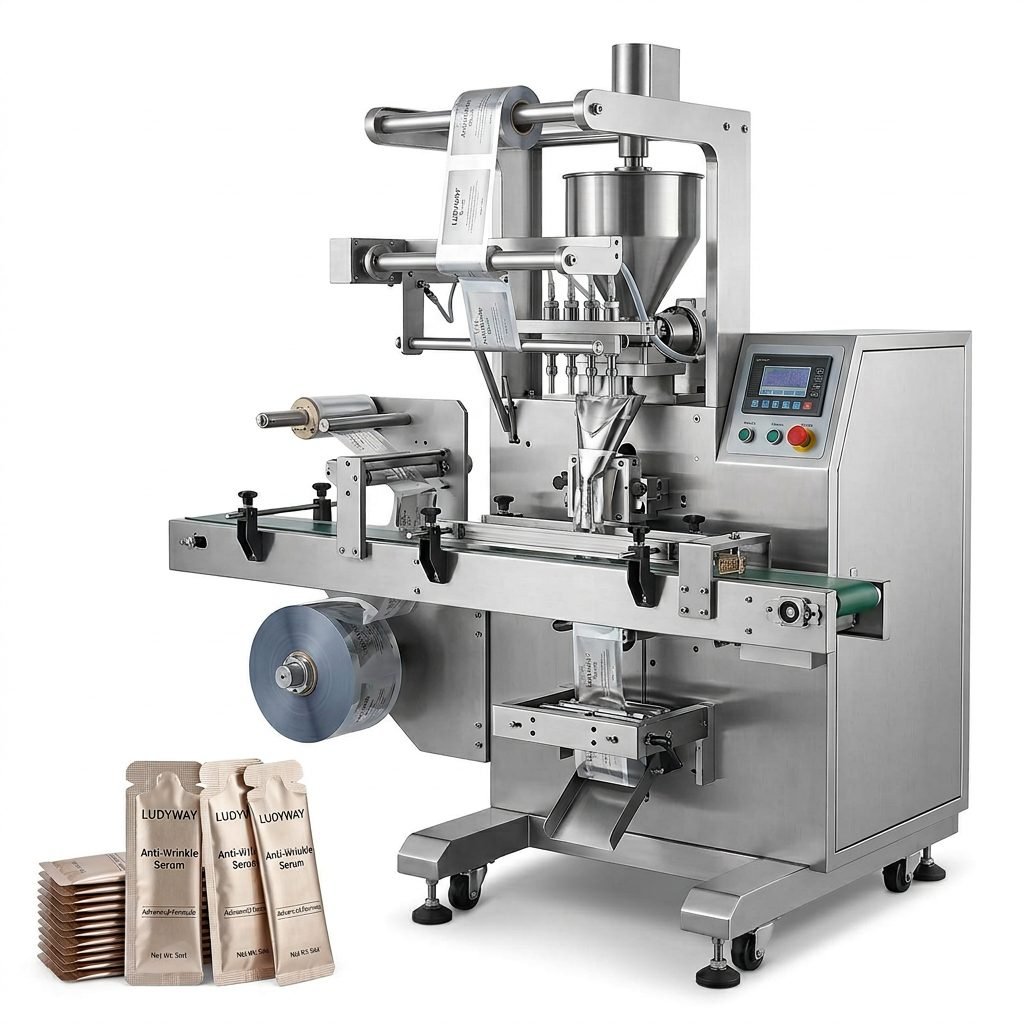
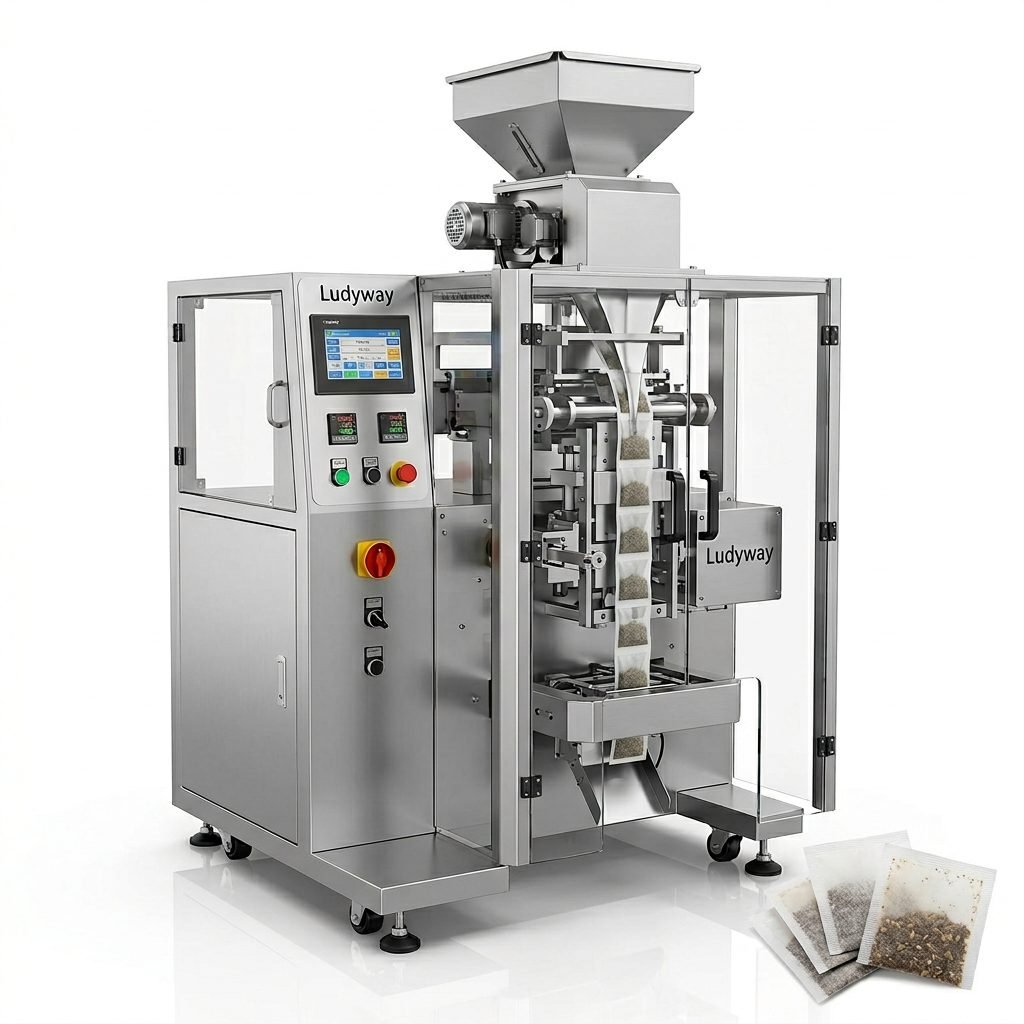
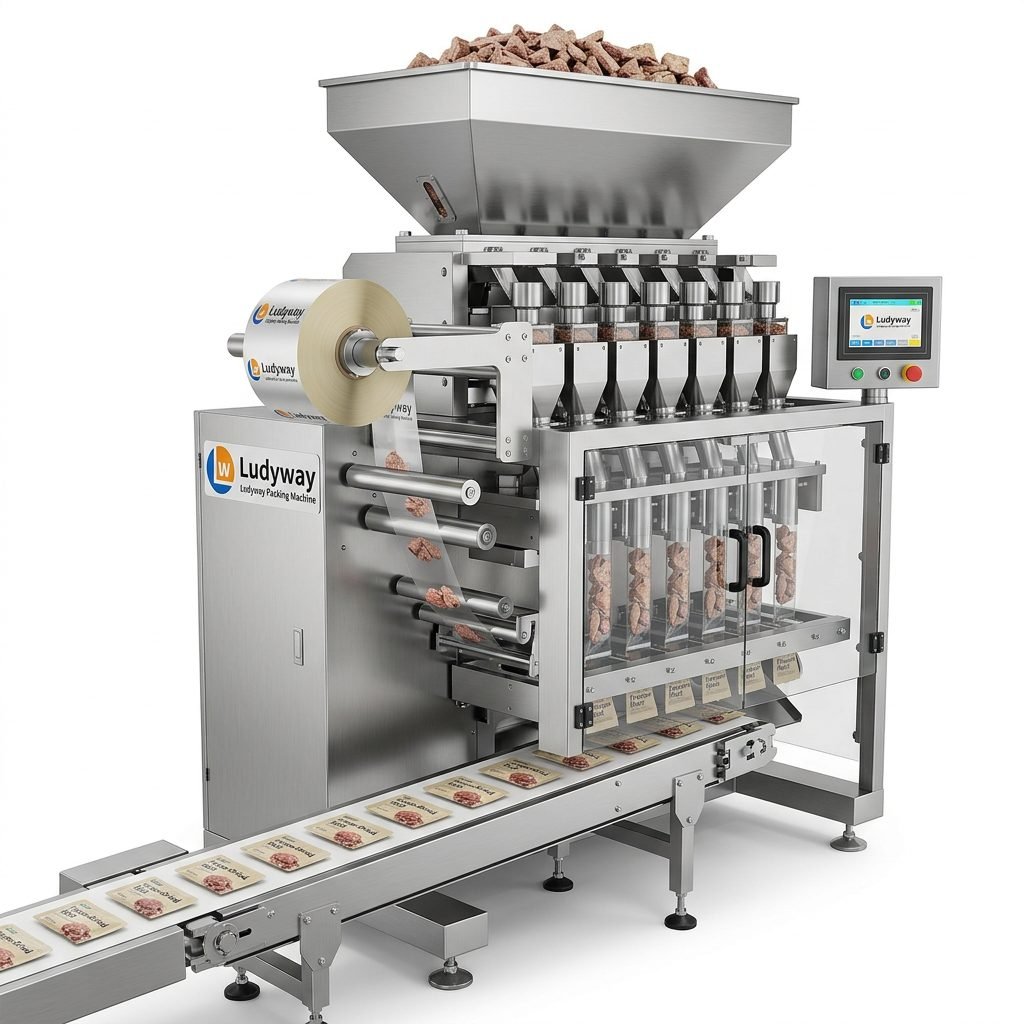
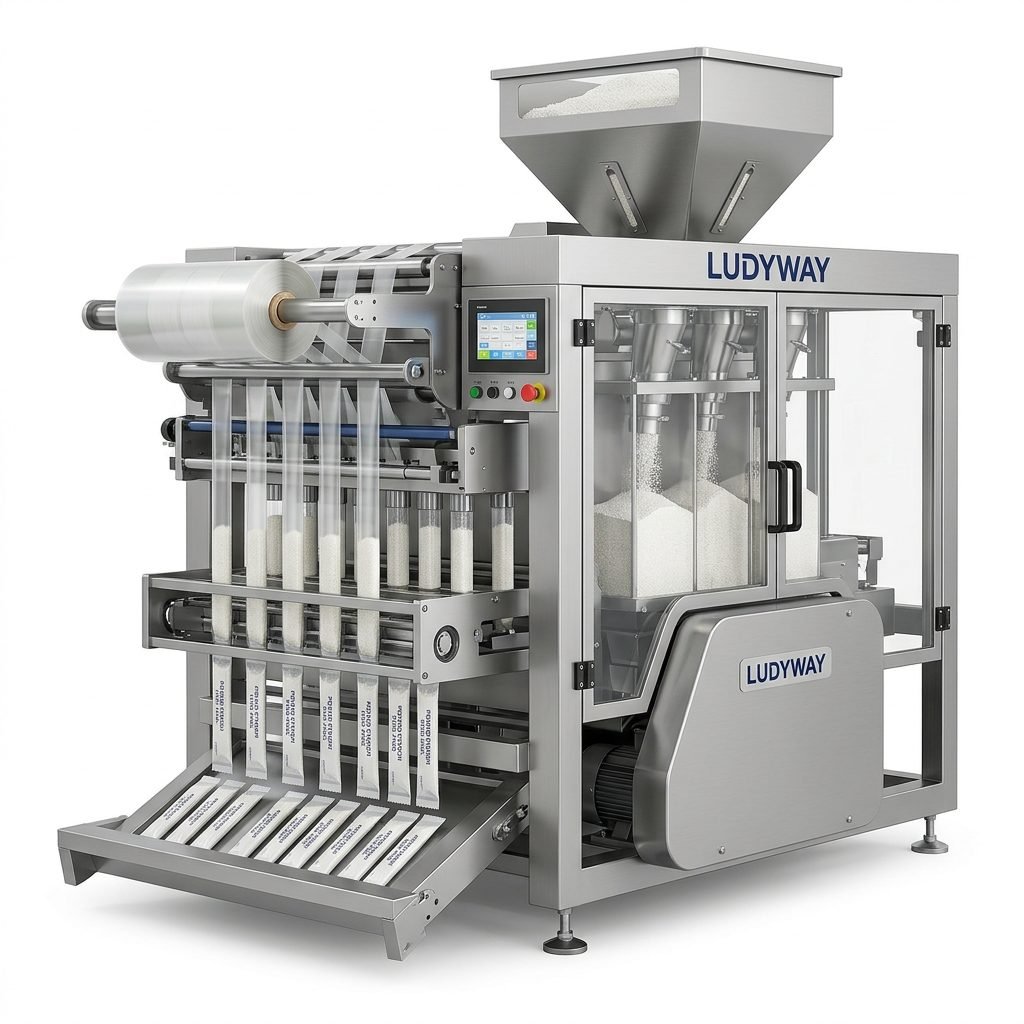
In the dynamic world of manufacturing and product distribution, selecting the right packaging equipment is a critical decision that impacts efficiency, product integrity, and overall operational success. Shanklin packaging equipment represents a significant segment of this market, known for its reliability and versatility. This guide provides a comprehensive overview of the types, key features, and essential selection criteria to help you choose the perfect machine for your specific needs.
Understanding the Core Types of Shanklin Packaging Equipment
The range of Shanklin machinery is designed to cater to diverse packaging formats and production volumes. Understanding the primary categories is the first step in making an informed choice.
1. Shrink Wrapping Systems
These are among the most common applications. A Shanklin shrink wrapper typically uses a film to bundle products together, which is then passed through a heat tunnel to create a tight, protective seal. They are ideal for securing multi-packs, bundling items, or providing tamper-evident seals.
Key Application: Perfect for food & beverage, pharmaceuticals, and consumer goods where product grouping and tamper evidence are priorities.
2. Skin Packaging Machines
Shanklin skin packers use a heated film that is draped over a product and a specially designed backing card. As the film cools, it shrinks and conforms tightly to the product’s contours, creating a secure, visually appealing display package that is highly resistant to pilferage.
3. Blister Packaging Equipment
While often associated with pharmaceuticals, blister packaging is also widely used for hardware, electronics, and small consumer items. Shanklin equipment in this category forms a cavity (blister) from a plastic sheet, places the product inside, and seals it to a backing material.
Essential Features to Evaluate in Packaging Machinery
Beyond the type, the specific features of a Shanklin machine determine its suitability for your production line. Here are critical aspects to scrutinize.
Automation Level and Speed (CPM)
The cycles per minute (CPM) rating directly correlates with your output potential. Machines range from semi-automatic models, requiring some operator involvement, to fully automatic, high-speed systems integrated into conveyor lines. Assess your current and future throughput requirements.
Versatility and Changeover Capability
Can the machine handle different product sizes and film types with minimal downtime for changeover? Look for features like tool-less adjustments, programmable memory for settings, and wide sealing ranges. This flexibility is crucial for manufacturers with diverse product lines.
Seal Integrity and Quality
The primary purpose of the machine is to create a consistent, reliable seal. Examine the sealing technology—such as impulse, constant heat, or radio frequency (RF) sealing—and its ability to work with various packaging films without leaks or weak spots.
Pro Tip: Energy Efficiency
Modern Shanklin machines often incorporate energy-saving features like high-efficiency heaters, automatic standby modes, and optimized heat recovery systems. These can lead to significant reductions in operational costs over the machine’s lifespan.
Durability and Construction
Industrial packaging equipment must withstand continuous operation. Prioritize machines with robust frames, high-quality sealing elements, and components from reputable suppliers. Stainless steel contact parts are often essential for food or pharmaceutical applications.
How to Choose the Right Shanklin Machine for Your Operation
Selecting equipment is a strategic process. Follow this step-by-step framework to align your choice with your business goals.
Step 1: Conduct a Thorough Needs Analysis
Define your primary product dimensions, packaging material specifications, and required output speed. Consider the physical environment where the machine will operate, including available space, power supply, and ambient conditions.
Step 2: Match Machine Type to Product and Market Requirements
A skin packer might be best for high-value retail items needing theft-resistant display, while a high-speed shrink wrapper is optimal for bundling cans or bottles. The choice should enhance the product’s appeal and meet logistical needs, such as stacking strength for shipping.
Step 3: Prioritize Ease of Use and Support
Evaluate the user interface. Is it intuitive? What training does the supplier provide? Reliable after-sales support, including access to technical expertise and spare parts, is non-negotiable for minimizing downtime. Partnering with an experienced provider like Ludyway Machinery, which offers comprehensive service, is a significant advantage.
Step 4: Consider Total Cost of Ownership (TCO)
Look beyond the initial purchase price. Calculate TCO by factoring in energy consumption, maintenance costs, film waste rates, and potential costs of downtime. A slightly more expensive but more efficient and reliable machine often has a lower TCO.
Step 5: Request a Live Demonstration or Trial
Whenever possible, see the machine in action. A live demo using your actual products (or reasonable facsimiles) is the best way to verify performance, seal quality, and ease of operation. It also reveals the supplier’s confidence in their equipment.
→ Critical Checkpoint: Ensure the machine complies with all relevant local and industry-specific safety and quality regulations, such as CE, UL, or FDA standards, depending on your sector and market.
Frequently Asked Questions (FAQs)
What is the typical lead time for a new Shanklin packaging machine?
Lead times can vary significantly based on the model’s complexity, customization level, and manufacturer’s production schedule. For standard models, it might range from 8 to 16 weeks. Always confirm the delivery timeline with your supplier during the quotation process.
Can older Shanklin equipment be upgraded or retrofitted?
Yes, in many cases. Upgrades like new PLC controls, enhanced safety features, or improved sealing jaws can often be retrofitted to extend the life and performance of existing machinery. Consult with a specialist service provider to assess feasibility.
How do I determine the right packaging film to use with my machine?
The machine manufacturer or a knowledgeable supplier like Ludyway can provide specifications for compatible film types (e.g., polyolefin, PVC, PET) based on your product’s weight, shape, and required seal characteristics. They can often recommend reliable film suppliers.
What kind of routine maintenance does this equipment require?
Daily cleaning of sealing surfaces, periodic lubrication of moving parts as per the manual, and regular inspection of heaters and electrical components are standard. A well-documented preventative maintenance schedule is crucial for optimal performance.
Is training for our operators included with the purchase?
Reputable suppliers typically include basic on-site training for machine operation, routine maintenance, and safety procedures as part of the installation and commissioning service. Clarify the scope and duration of training offered before finalizing your purchase.