In the fast-paced world of snack production, packaging is far more than just a final step—it’s a critical component of product integrity, brand appeal, and operational efficiency. The right snack packaging equipment can transform your production line, ensuring freshness, improving speed, and reducing waste. This complete guide will walk you through the different types of snack packaging machines, their key features, and the essential factors to consider when choosing the right equipment for your business needs.
Understanding the Role of Packaging Equipment in Snack Production
Modern snack packaging serves multiple vital functions. Primarily, it protects the product from moisture, air, and contaminants to preserve freshness and extend shelf life. Secondly, it provides a canvas for branding and essential consumer information. Finally, efficient packaging is crucial for streamlining logistics, from factory floor to retail shelf. The equipment that accomplishes this must be precise, reliable, and adaptable to various product types and market demands.
Key Insight: Investing in the right packaging machinery is not just a capital expense; it’s a strategic decision that impacts your product quality, brand perception, and overall profitability. A well-chosen machine pays for itself through reduced material waste, higher throughput, and consistent package quality.
Types of Snack Packaging Equipment
The snack industry utilizes a diverse range of packaging machinery, each designed for specific formats, speeds, and product characteristics. Understanding these types is the first step in making an informed selection.
Vertical Form-Fill-Seal (VFFS) Machines
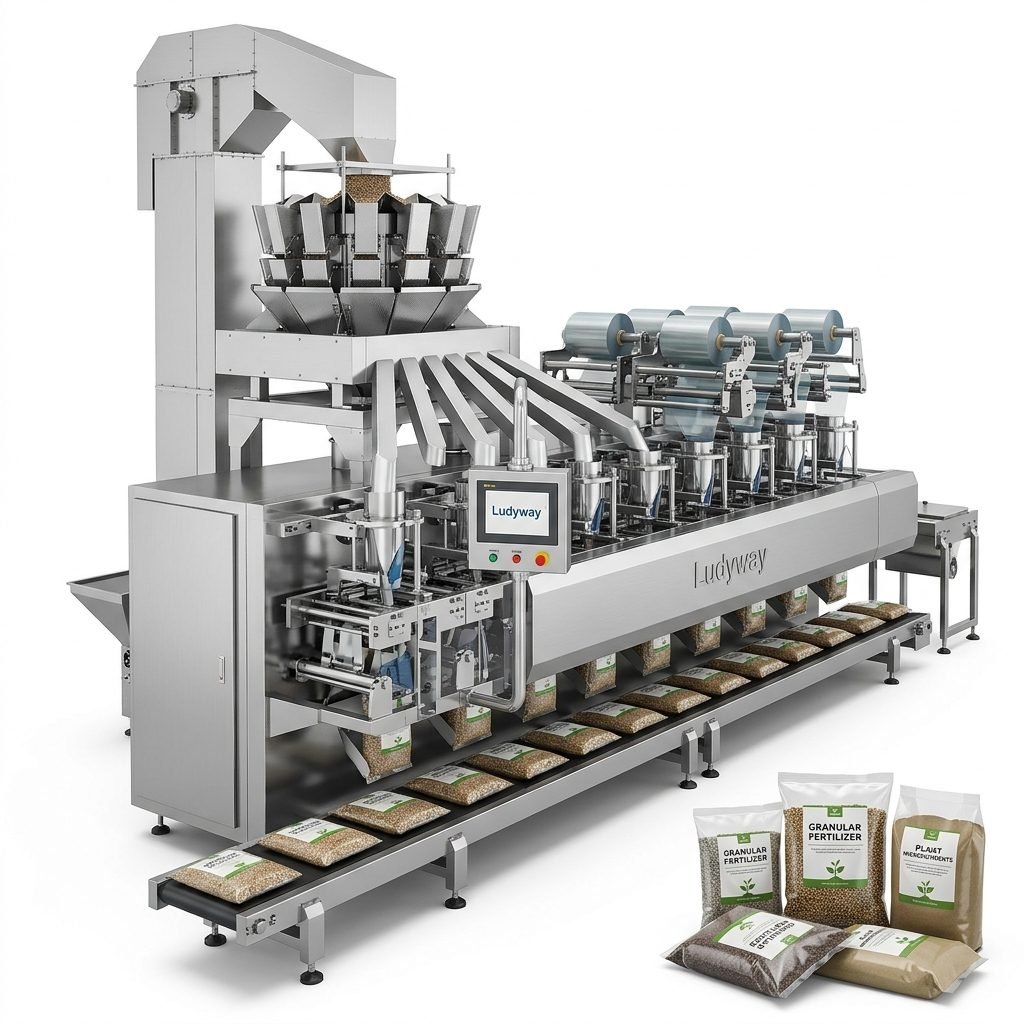
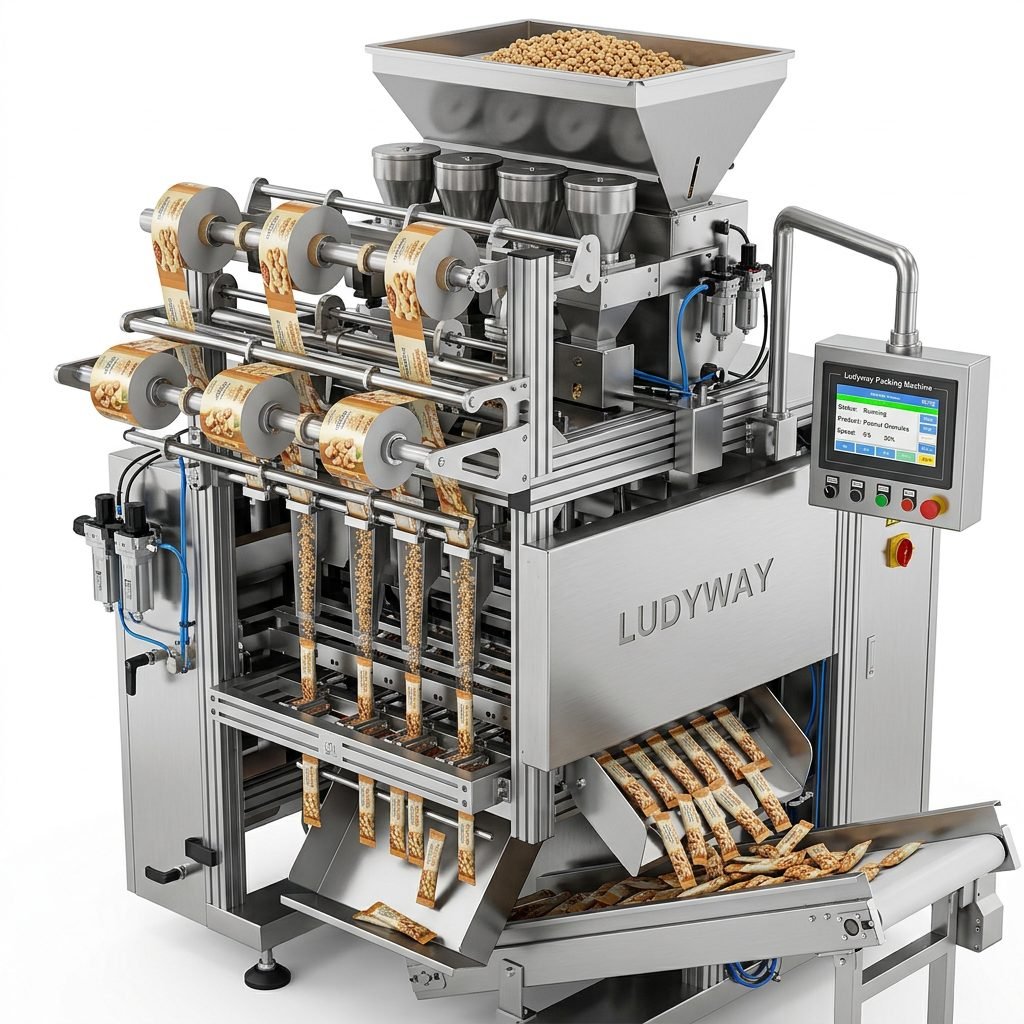
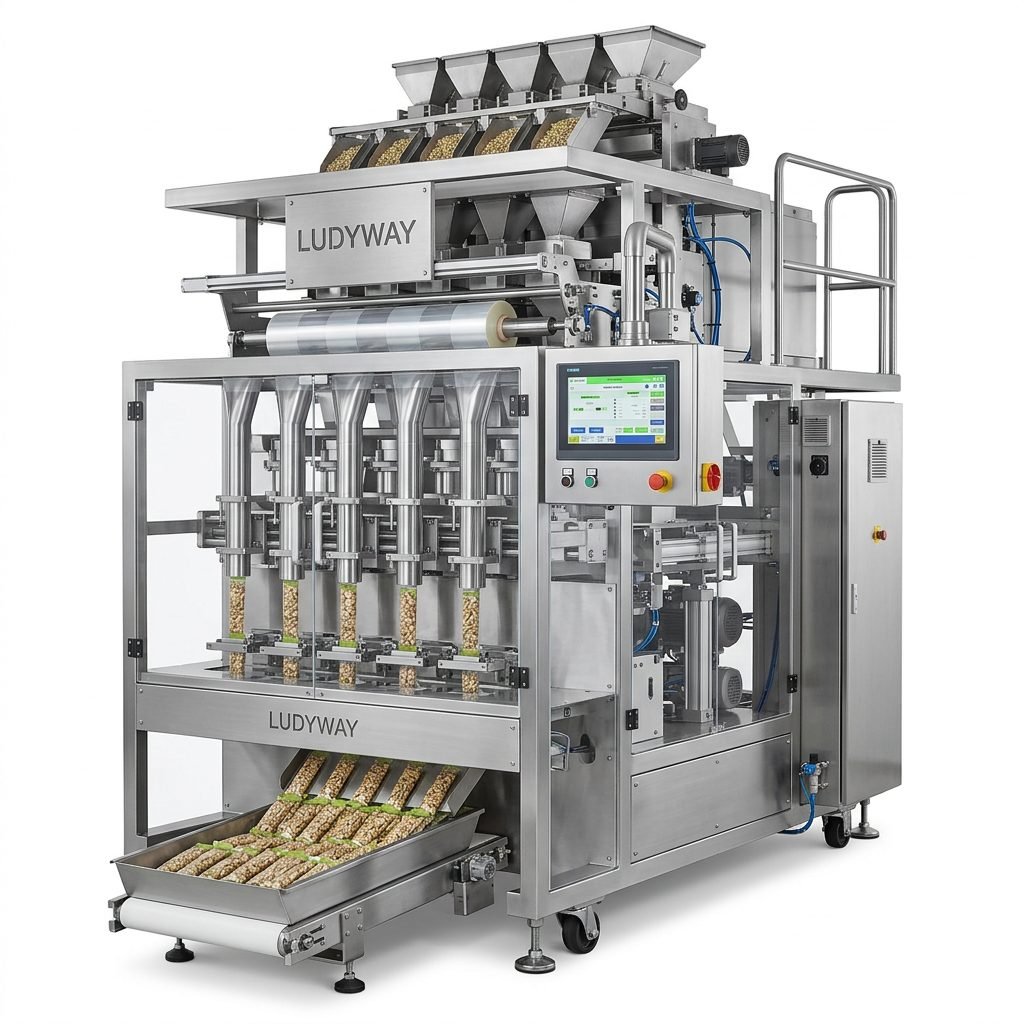
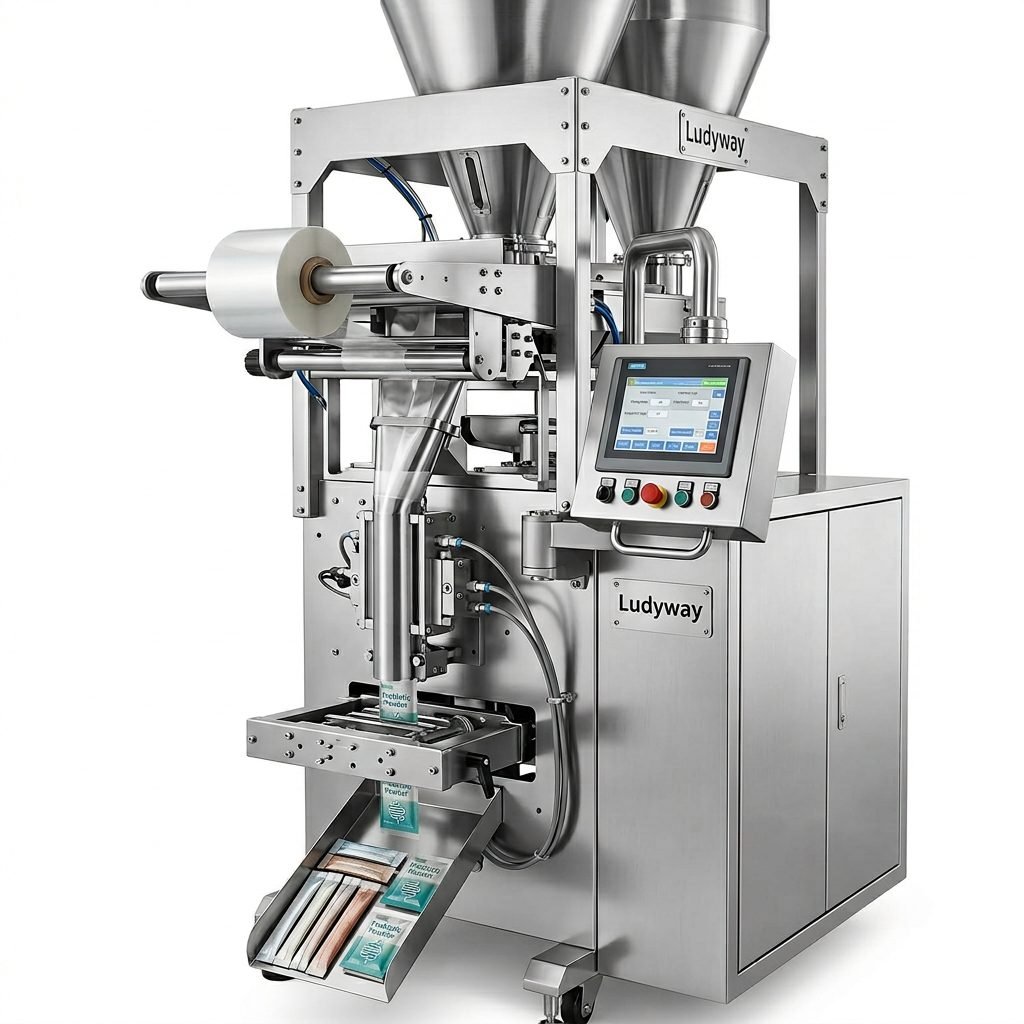
These are the workhorses of the snack industry, ideal for packaging free-flowing products like chips, nuts, and pretzels. The machine forms a bag from a roll of film, fills it with the product, and seals it—all in one continuous vertical motion. VFFS machines are celebrated for their high speed, efficiency, and flexibility in producing various bag sizes and styles, including pillow packs and gusseted bags.
Horizontal Form-Fill-Seal (HFFS) Machines
Perfect for more delicate, layered, or portion-controlled snacks like candy bars, biscuits, or snack trays. HFFS machines form the package horizontally, allowing for more complex multi-lane feeding and precise placement of products. They often integrate with cartoning systems for final retail-ready boxes.
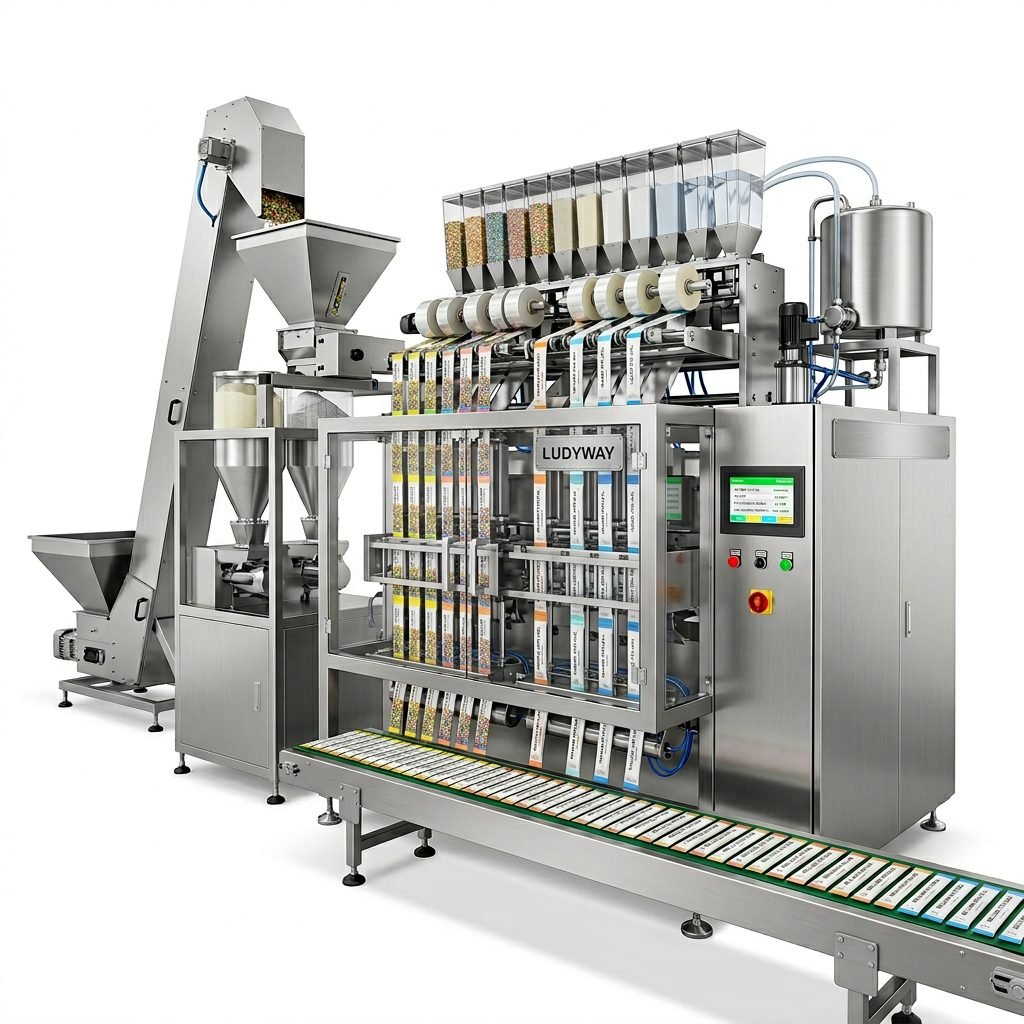
Stick Pack and Sachet Machines
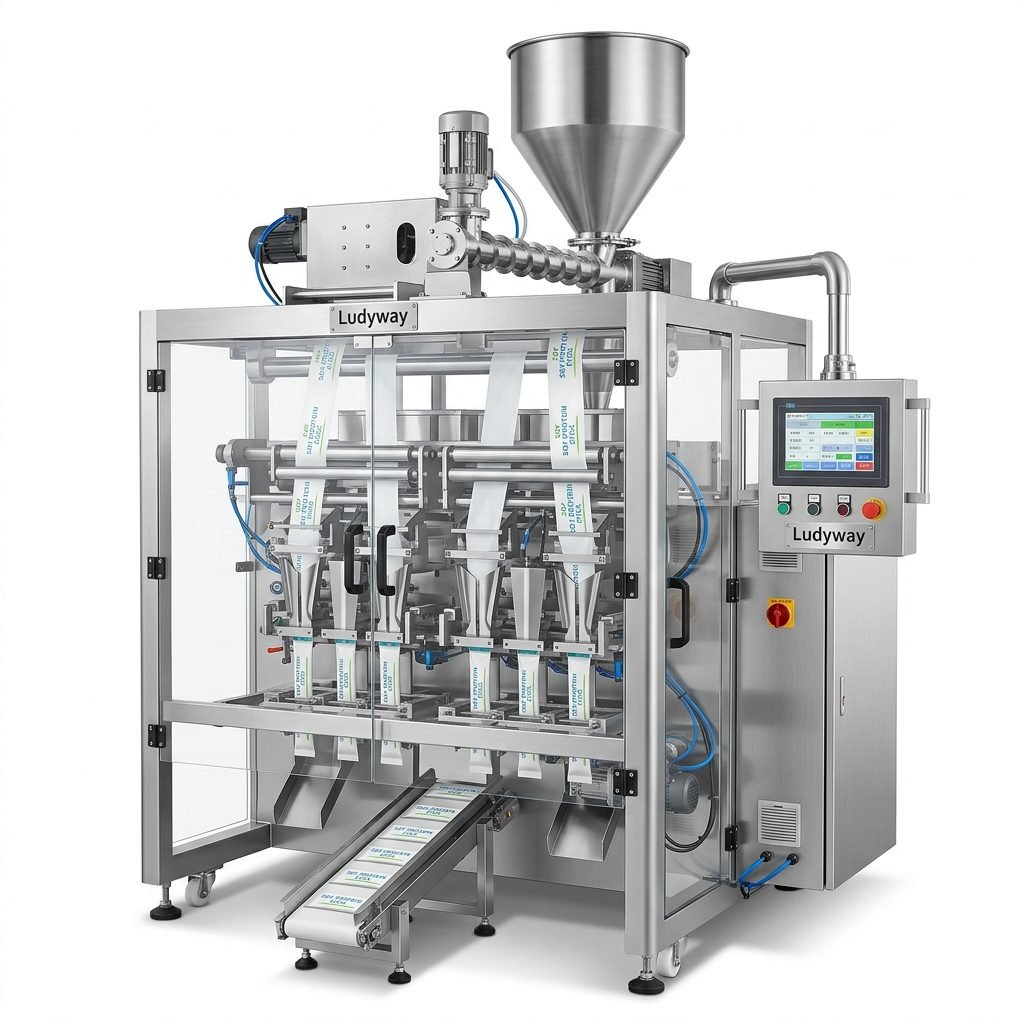
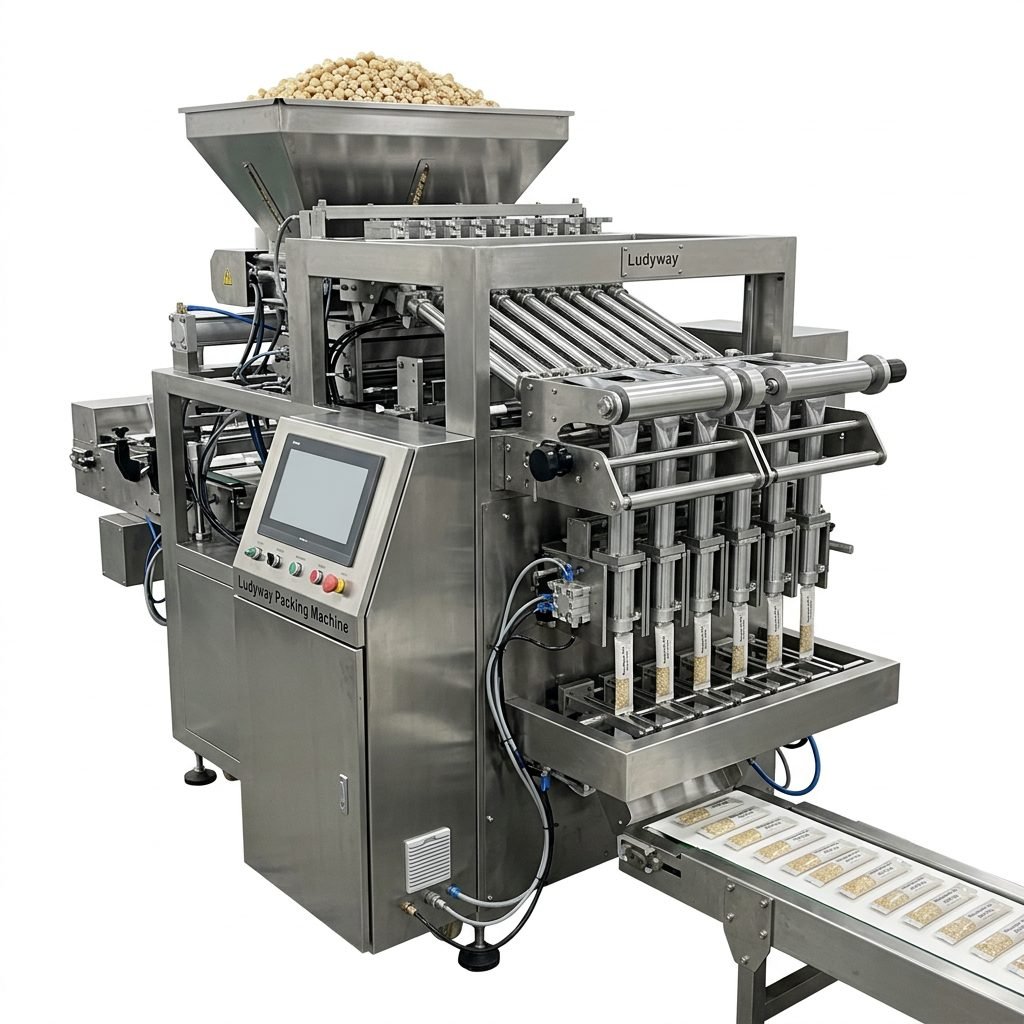
Designed for single-serve portions of powdered drinks, seasoning, or liquid toppings often paired with snacks. These machines create small, sealed packets from roll stock. Modern multi-lane systems can produce dozens of sticks or sachets per minute, making them incredibly efficient for high-volume, small-format packaging. For businesses looking into this format, exploring sachet packaging machine options is a crucial step.
Flow Wrappers
Also known as fin seal wrappers, these machines are used to wrap individual snack bars, cookies, or bundles in a tight, secure film. The product is fed into a web of film which is then folded around it and sealed at the ends and back. They offer excellent product presentation and a robust seal.
Bundling and Multipacking Equipment
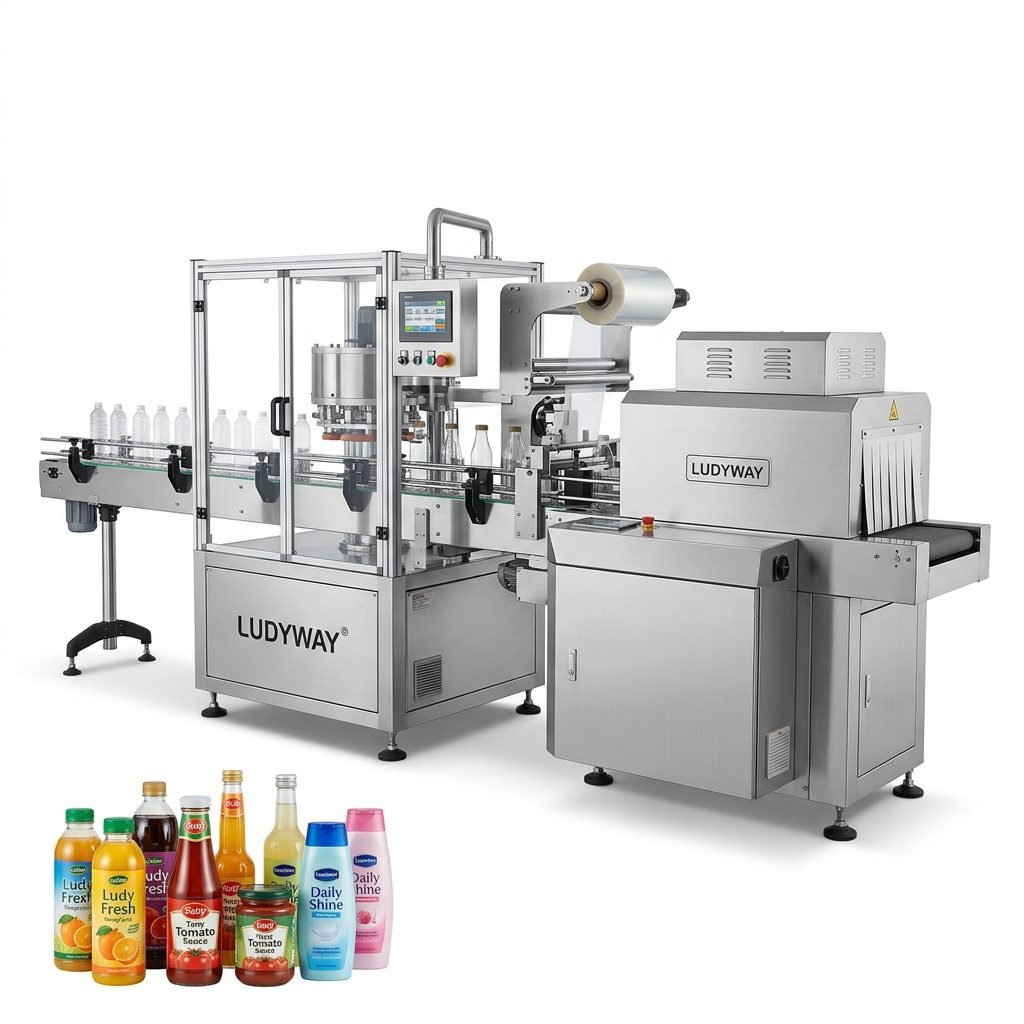
This equipment groups individual packages into larger units for shipping and promotional sales (e.g., bundling six bags of chips together with shrink film or placing them in a paperboard carrier). This stage is essential for efficient distribution and retail display.
Essential Features of Modern Snack Packaging Machines
Beyond the basic type, several advanced features define the capability and value of today’s packaging equipment.
1. Automation and Control Systems
Modern machines are governed by sophisticated PLC (Programmable Logic Controller) systems with user-friendly HMI (Human-Machine Interface) touchscreens. These allow for easy recipe storage, quick changeovers, and real-time monitoring of production speed, temperature, and error diagnostics.
2. Precision Weighing and Filling
Accurate filling is non-negotiable for cost control and regulatory compliance. Look for machines with integrated multi-head weighers, auger fillers for powders, or volumetric cup fillers. Advanced systems feature feedback controls that automatically adjust for product density variations.
3. Film Handling and Sealing Technology
The heart of any form-fill-seal machine. Features like servo-driven film pull ensure precise registration and reduce film waste. Robust sealing jaws with adjustable temperature and pressure controls are vital for creating strong, hermetic seals on a wide range of laminated films.
4. Hygiene and Cleanability
Food-grade design is paramount. Machines should have smooth, stainless steel surfaces in product contact zones, minimal crevices, and be designed for easy access and cleaning without tools (often referred to as “tool-free” disassembly).
5. Flexibility and Changeover
The ability to switch between different bag sizes, film types, or even product formats quickly is a major competitive advantage. Machines with quick-change parts and digital size adjustments can dramatically reduce downtime between production runs.
How to Choose the Right Snack Packaging Machine
Selecting equipment is a significant investment. A systematic approach ensures you choose a machine that aligns with your current and future goals.
Step 1: Analyze Your Product and Packaging Requirements
Start with the product itself. Is it fragile, oily, powdery, or irregularly shaped? Determine your desired package type (stand-up pouch, flat bag, stick pack), material (film structure), and necessary features like zippers or degassing valves. Your output goals (bags per minute) will directly influence the machine’s required speed.
Step 2: Evaluate Your Production Environment
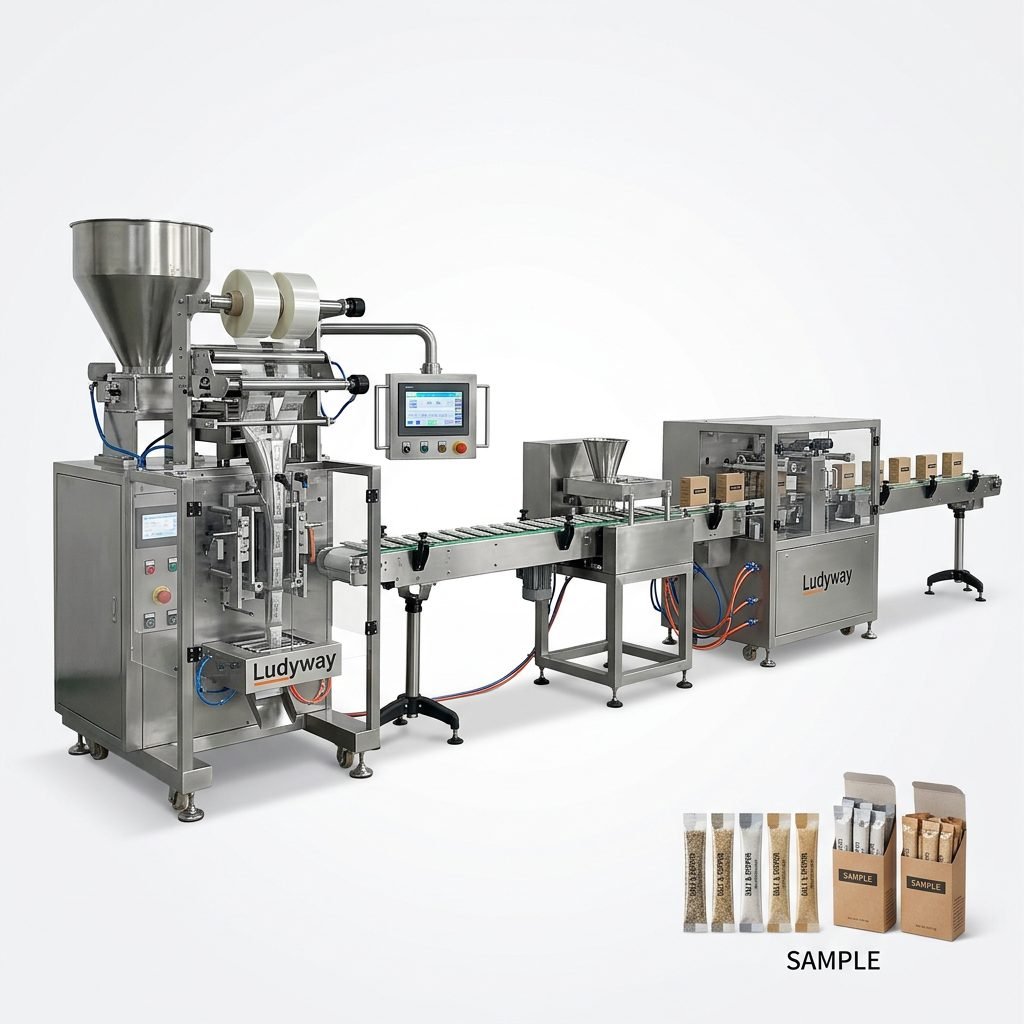
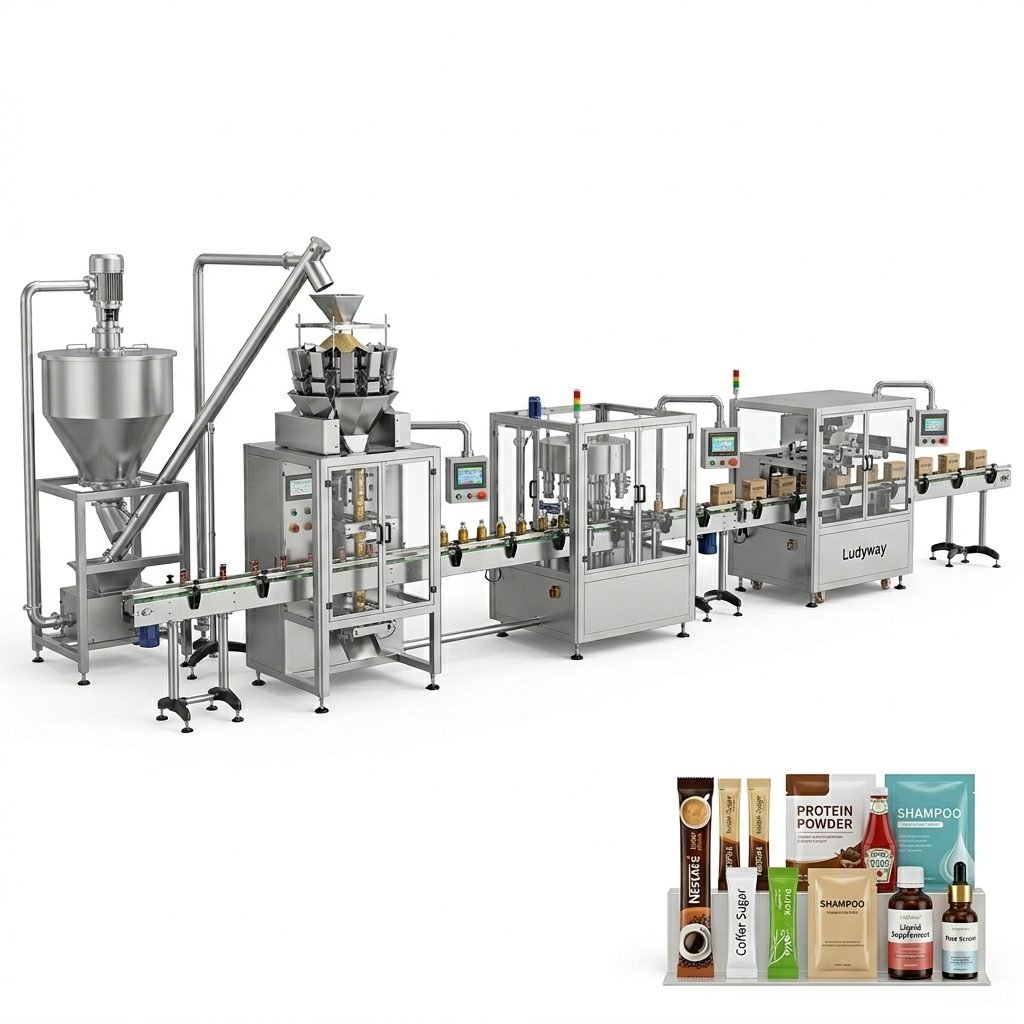
Consider your factory’s available space, power supply, and compressed air availability. Will the machine need to integrate with existing conveyors, checkweighers, or upstream processing equipment? Assessing your overall production line needs can sometimes lead to considering a more integrated turnkey solution.
Step 3: Prioritize Key Machine Capabilities
Based on your analysis, create a checklist. Must-have features might include a specific type of filler, a certain sealing technology, or CIP (Clean-in-Place) capabilities. Nice-to-have features could be future upgrade paths or remote diagnostic support.
Step 4: Assess Supplier Credibility and Support
The machine is only as good as the company behind it. Look for a supplier with proven experience in the snack sector. Evaluate their technical support, availability of spare parts, training programs, and warranty terms. A supplier’s commitment to long-term customer support is invaluable.
Step 5: Consider Total Cost of Ownership (TCO)
Look beyond the initial purchase price. Calculate the TCO by factoring in expected energy consumption, maintenance costs, changeover times (downtime), and potential film savings from a more efficient machine. A slightly higher upfront cost for a more efficient, reliable machine often results in lower long-term costs.
Pro Tip: Always request a product sample test at the supplier’s facility or through a video demonstration. Running your actual product (or a close substitute) through the machine is the most reliable way to verify performance, speed, and package quality before making a commitment.
Conclusion
Choosing the optimal snack packaging equipment is a multifaceted decision that balances technical specifications with strategic business needs. From high-speed VFFS machines for bulk chips to precise sachet machines for seasonings, the right technology enhances product protection, boosts production efficiency, and strengthens your brand in the marketplace. By thoroughly understanding the types of machines available, the critical features they offer, and following a disciplined selection process, you can invest in packaging automation that delivers a strong return and supports your growth for years to come.
Frequently Asked Questions (FAQs)
Q1: What is the main difference between Vertical (VFFS) and Horizontal (HFFS) form-fill-seal machines?
A: The primary difference is the orientation of the bag formation and the type of products they handle. VFFS machines are vertical, ideal for free-flowing products like loose snacks, and are generally faster for simple bags. HFFS machines are horizontal, better suited for rigid or pre-formed items that need to be placed precisely, and are used for more complex packaging like trays or flow-wrapped items.
Q2: How important is machine flexibility for a snack startup?
A: Extremely important. Startups often experiment with different product sizes, shapes, and packaging formats. A machine with quick changeover capabilities allows you to be agile, test the market with various SKUs, and scale production for different products without investing in multiple dedicated machines initially.
Q3: Can one machine handle different packaging films, like laminates and metallized films?
A: Most modern machines can handle a range of films, but it depends on the sealing system. It’s crucial to specify the film types you plan to use with the supplier. The sealing jaws’ temperature range and pressure adjustment capabilities must be suitable for your specific film structures to ensure a consistent, strong seal.
Q4: What kind of maintenance should I expect for a snack packaging machine?
A: Regular preventive maintenance is key. Daily cleaning, weekly lubrication of moving parts, and periodic inspection of wear components like sealing jaws, film pull belts, and cutting blades are standard. A reliable supplier will provide a detailed maintenance schedule and training for your operators.
Q5: How do I know if I need a single machine or a complete turnkey packaging line?
A: If you are only adding a packaging step to an existing line, a single machine may suffice. If you are setting up a new production process from scratch—involving feeding, weighing, packaging, and case packing—a turnkey solution from a single supplier ensures all components are compatible, synchronized, and supported, saving significant engineering time and integration headaches.