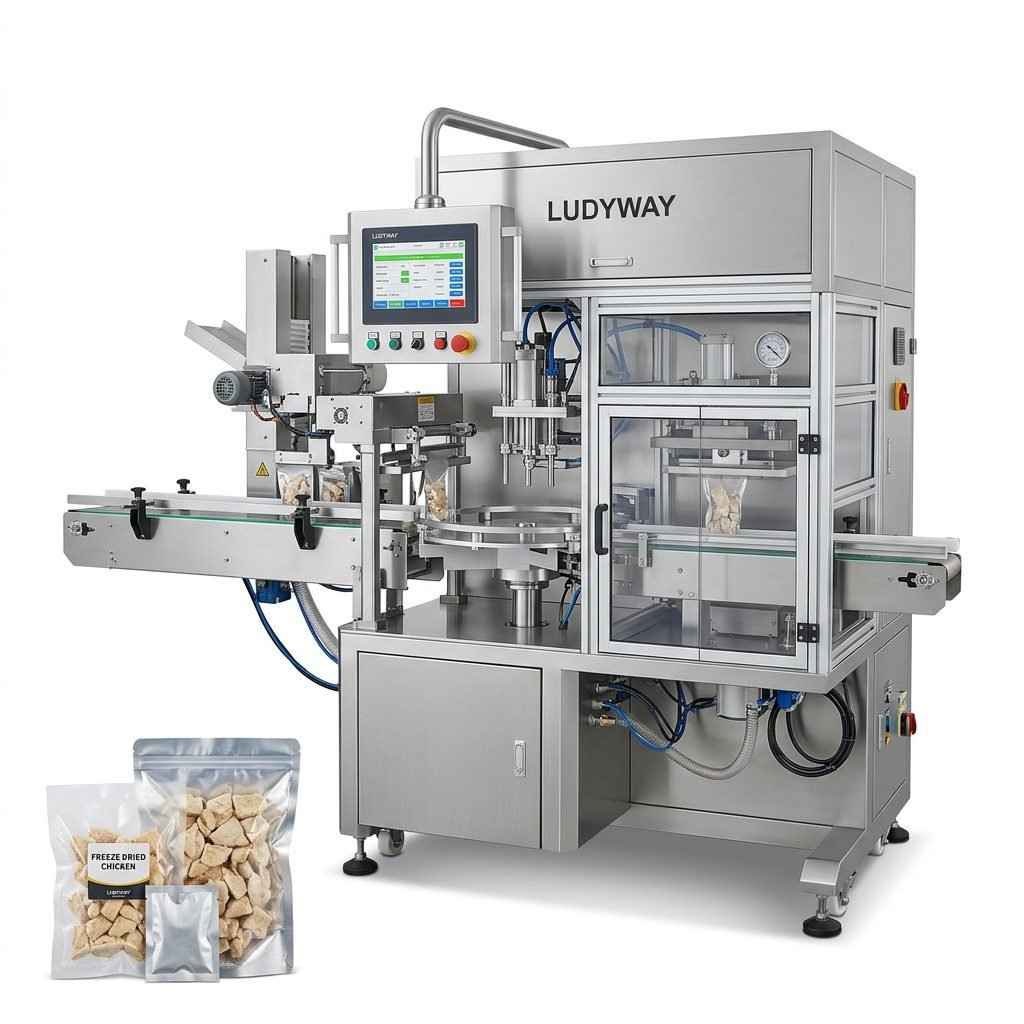
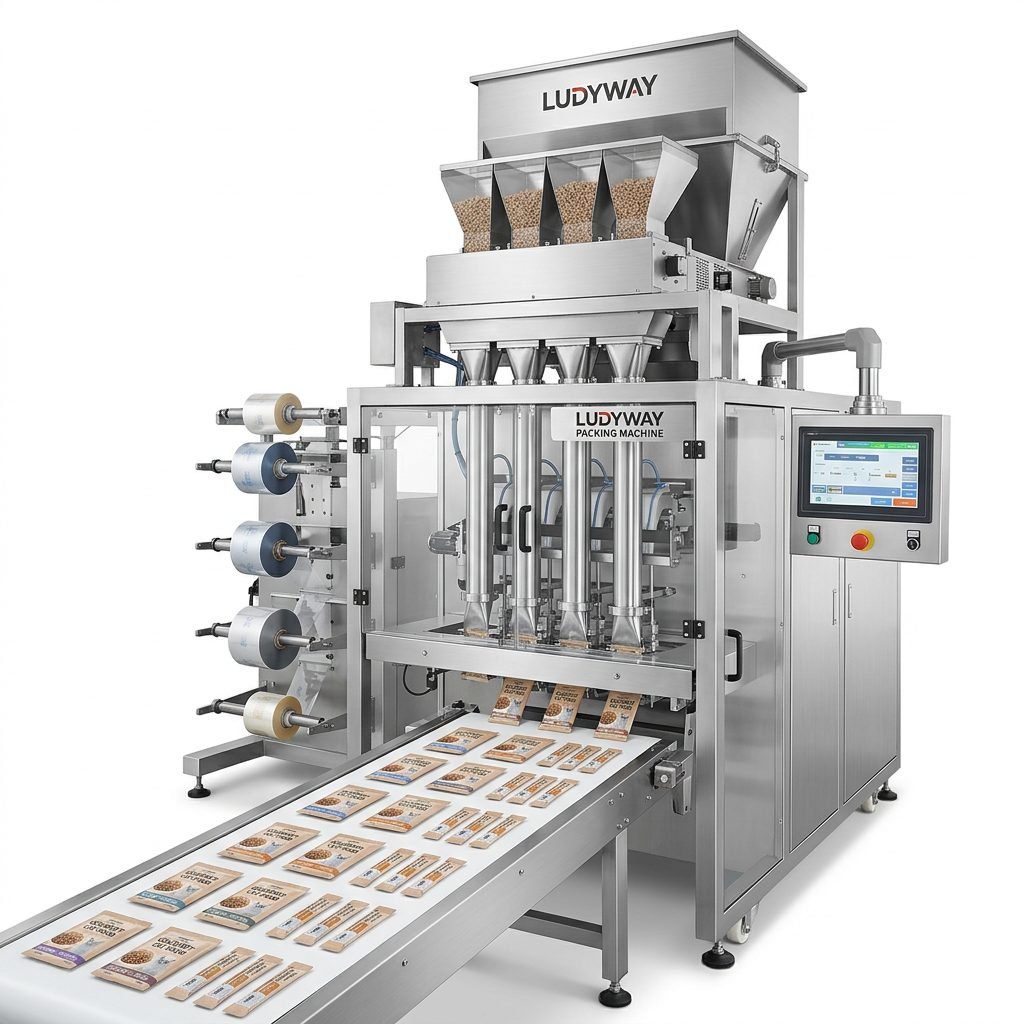
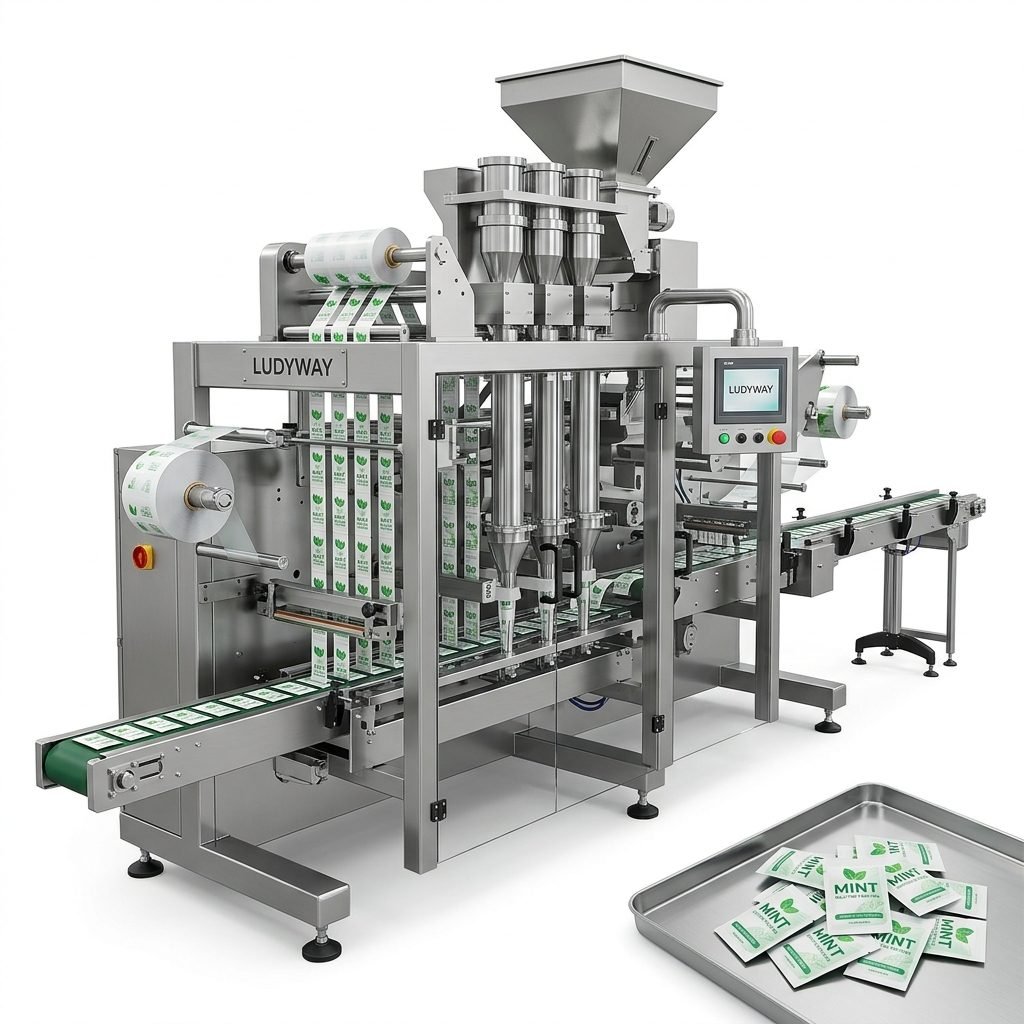
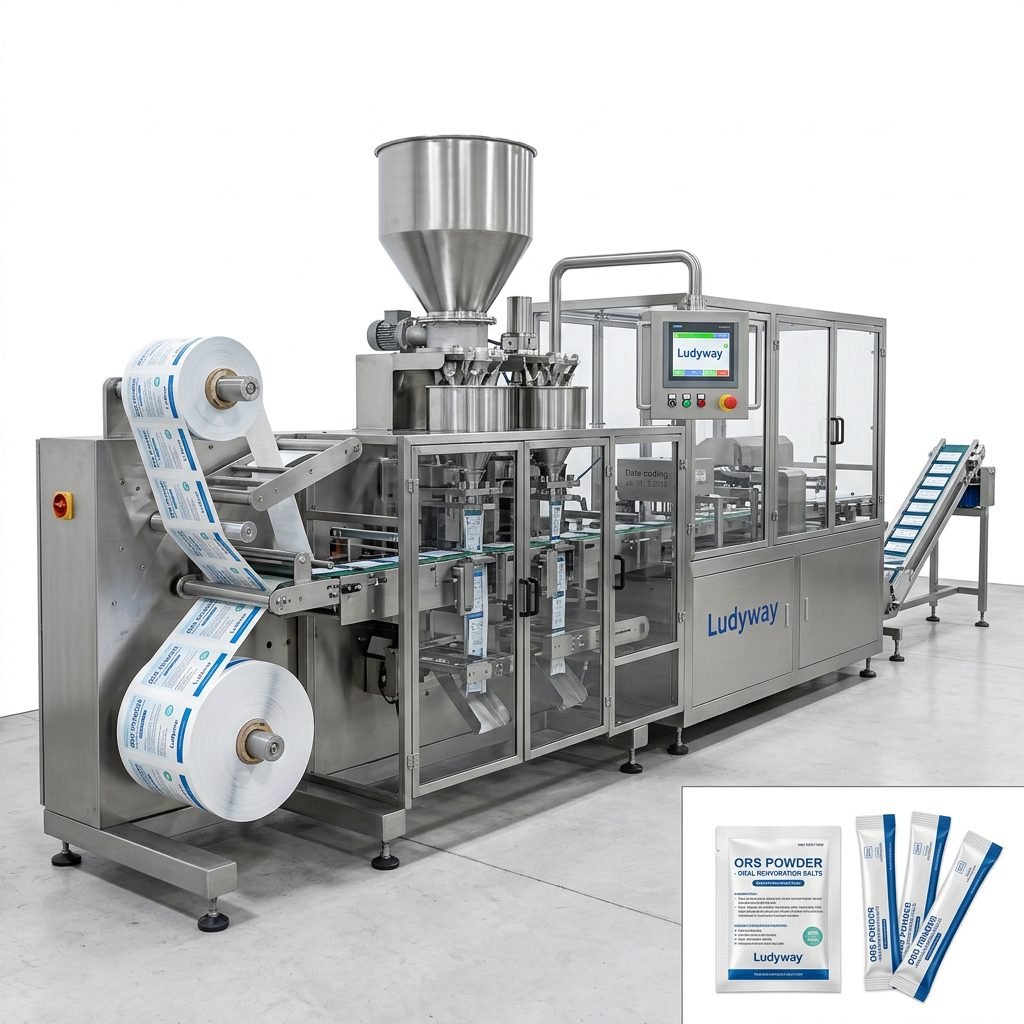
In the fast-paced world of manufacturing and product distribution, efficient and reliable packaging is a cornerstone of success. Triangle packaging equipment, named for its distinctive triangular pouch shape, has emerged as a versatile and popular solution for a wide range of industries. This format is not only visually distinctive on shelves but also offers practical benefits in terms of product protection, portion control, and consumer convenience. Understanding the different types of triangle packaging machines, their applications, and the key factors in selecting the right system is crucial for businesses looking to optimize their packaging lines.
Understanding Triangle Packaging Equipment
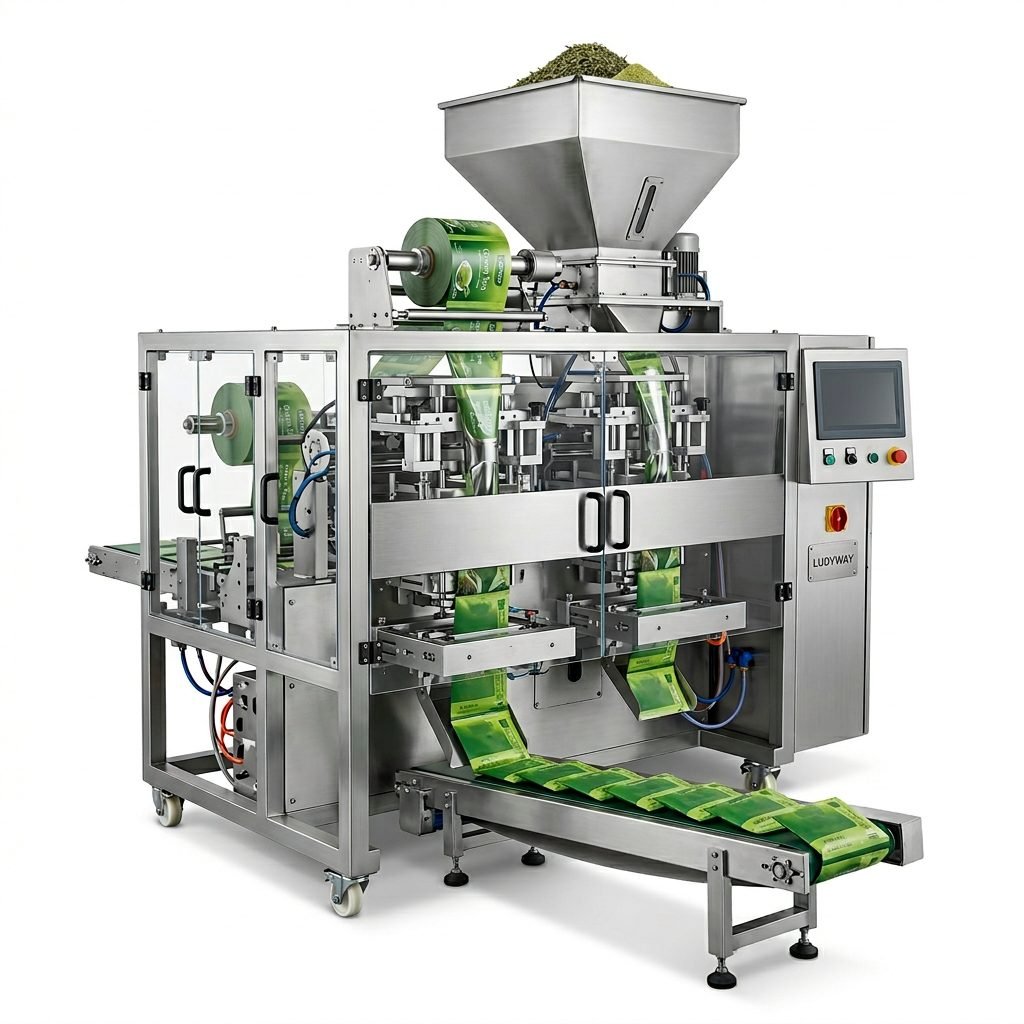
Triangle packaging machines are specialized form-fill-seal (FFS) systems designed to create three-sided or tetrahedral pouches from a roll of packaging film. The process involves forming the film into a tube, creating a vertical seal, metering the product into the tube, and then making horizontal seals while simultaneously cutting the individual pouches. The result is a sturdy, stand-up pouch that is space-efficient and attractive.
Core Components: A typical triangle packaging system includes a film unwinding unit, a forming collar, a vertical sealing mechanism, a precision auger or pump-based filling system, a horizontal sealing and cutting jaw, and a sophisticated PLC control panel. Advanced models integrate checkweighers, metal detectors, and automated cartoning systems for a complete line.
Primary Types of Triangle Packaging Machines
The market offers several configurations of triangle packers, each suited to different production scales and product types.
1. Single-Lane Triangle Packers
These are the entry-level workhorses, ideal for small to medium-scale production or for businesses with lower output requirements. They feature one packaging lane, producing a single stream of triangle pouches. Their advantages include a smaller footprint, lower initial investment, and easier operation and maintenance. They are perfectly suited for startups, pilot production runs, or packaging high-value, low-volume products.
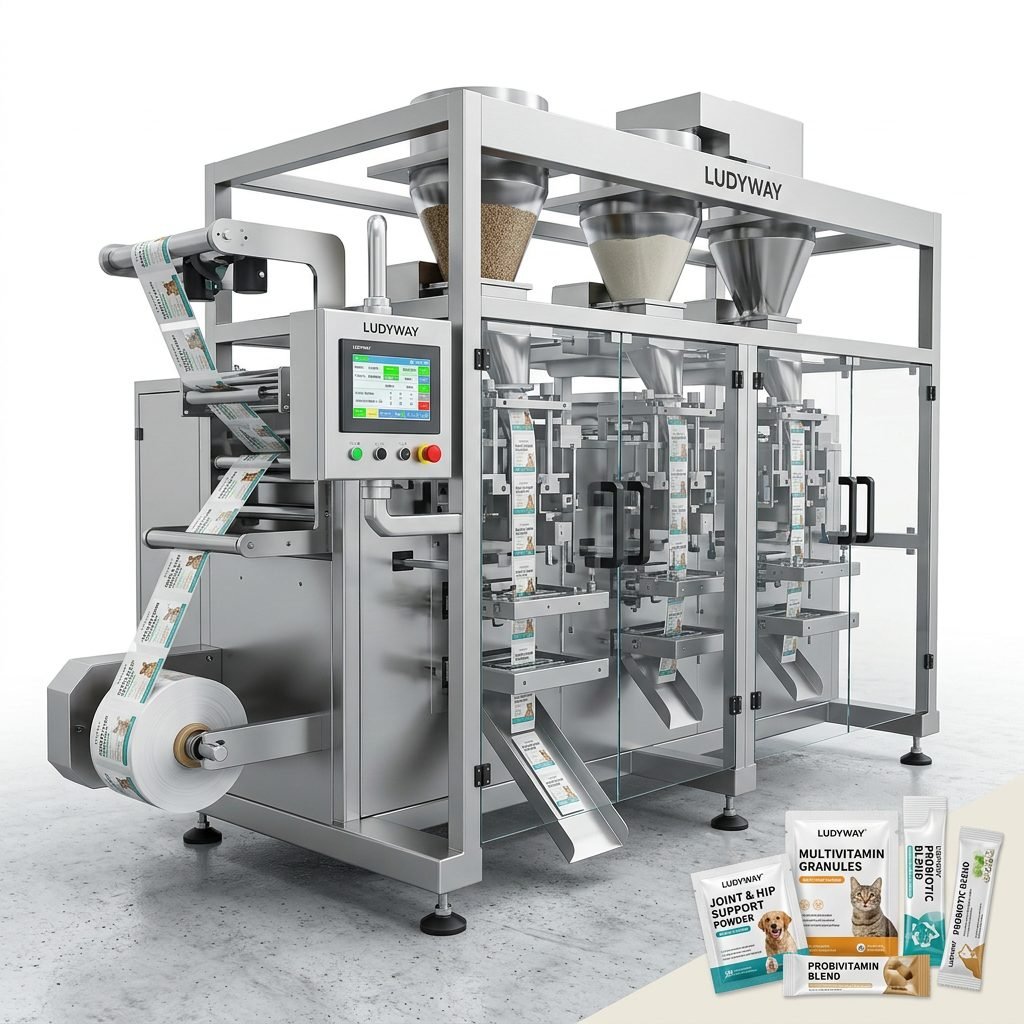
2. Multi-Lane Triangle Packers
For high-volume production, multi-lane machines are the industry standard. Equipment from providers like Ludyway Machinery can feature 2, 4, 6, or even more parallel lanes, dramatically increasing output without a proportional increase in floor space. These systems are engineered for speed and synchronization, often achieving outputs of hundreds of pouches per minute. They are the go-to choice for large-scale food, beverage, and pharmaceutical manufacturers.
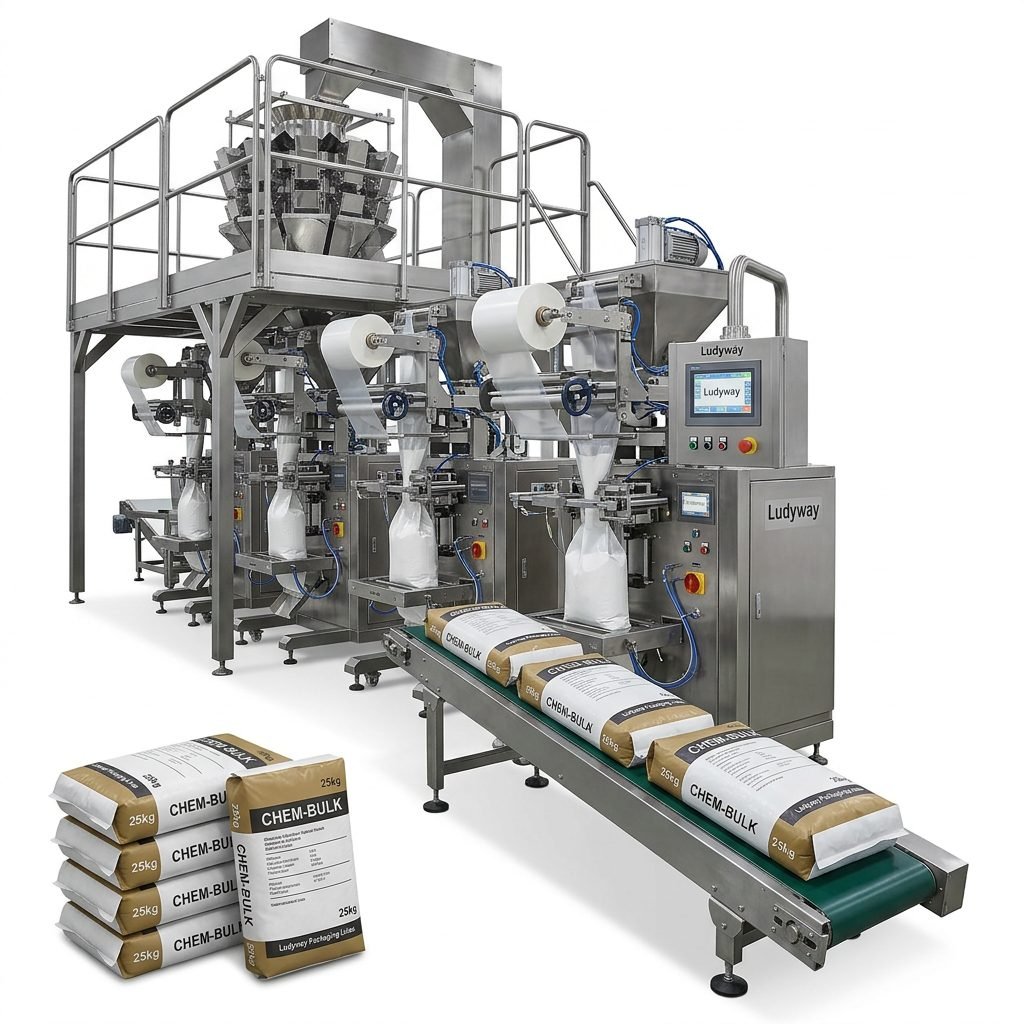
3. Integrated Triangle Packaging Lines
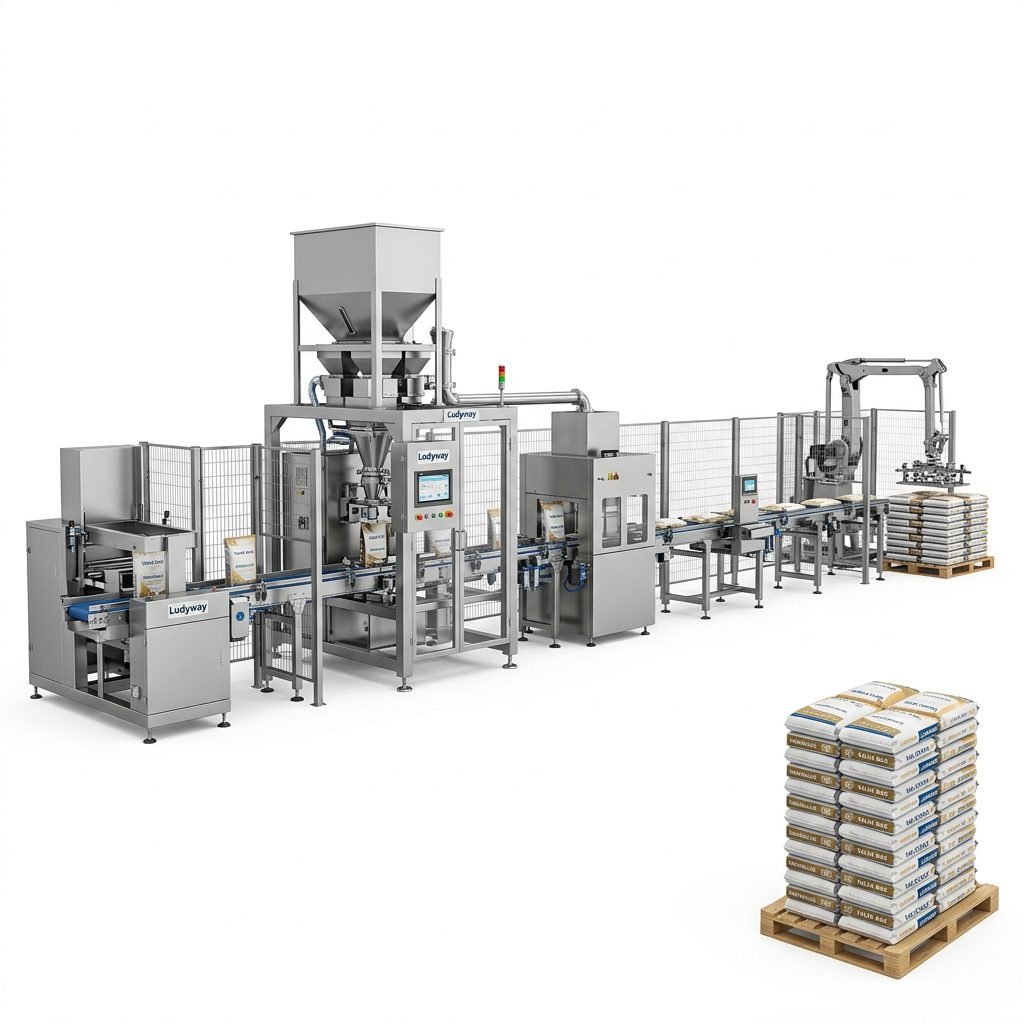
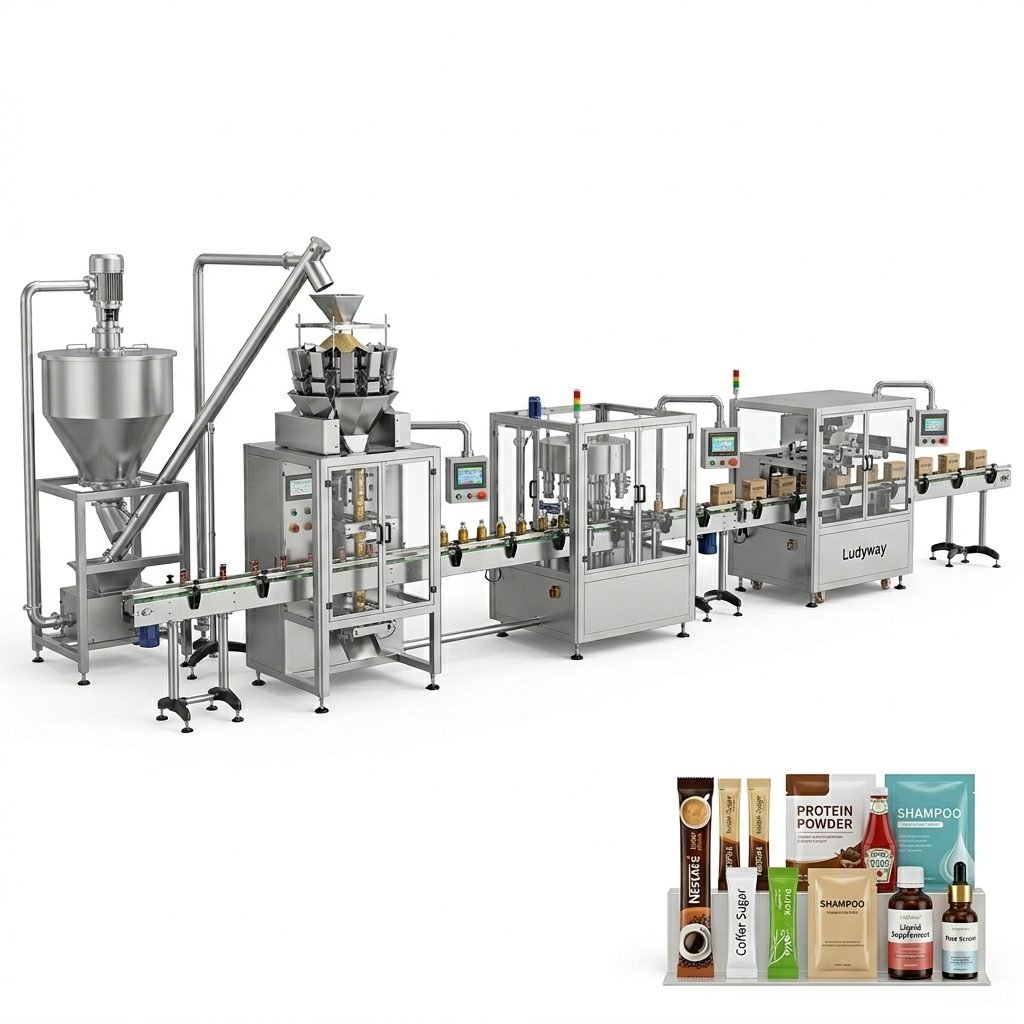
Beyond the standalone FFS machine, complete turnkey solutions are available. These lines seamlessly integrate the triangle packer with upstream and downstream equipment. This can include bulk product feeding systems, in-line mixing or blending stations, vision inspection systems, and automated secondary packaging like cartoning, case packing, and palletizing. Investing in an integrated line from a seasoned supplier ensures maximum efficiency, consistency, and minimal manual handling.
Key Applications Across Industries
The unique shape and functionality of triangle pouches make them suitable for a diverse array of products.
Food & Beverage Industry
This is the most common application. Triangle pouches are ideal for single-serve portions of:
✓ Powders: Instant coffee, drink mixes, protein powder, sugar, spices.
✓ Granules: Instant soup mixes, cereal, tea leaves, powdered milk.
✓ Liquids: Condiments (ketchup, mayo, soy sauce), salad dressings, liquor shots, beverage concentrates.
The portion control and excellent barrier properties (when using laminated films) help preserve flavor and freshness.
Pharmaceutical & Nutraceutical Industry
Precision and hygiene are paramount. Triangle packaging machines equipped with high-accuracy auger fillers are used for:
→ Single-dose powders (pain relievers, electrolytes).
→ Herbal and supplement powders (vitamin C, green tea extract).
→ Effervescent tablet granules.
The sealed pouch protects sensitive ingredients from moisture and contamination, ensuring dosage accuracy and product stability.
Daily Chemical & Industrial Products
The application extends to non-food items where convenient, single-use packaging is beneficial:
• Detergents and cleaning powders.
• Shampoo, conditioner, or lotion samples.
• Agrochemicals (fertilizers, plant nutrients) in small doses.
• Salt and de-icing agents for commercial use.
How to Choose the Right Triangle Packaging Solution
Selecting the appropriate equipment requires a careful analysis of your specific needs. Here is a structured approach to guide your decision.
1. Analyze Your Product Characteristics
The nature of your product dictates the machine’s specifications. Consider:
▶ Physical Form: Is it a free-flowing powder, a cohesive granule, a viscous paste, or a liquid? This determines the filling system (auger, volumetric cup, pump).
▶ Product Sensitivity: Does it require protection from light, oxygen, or moisture? This influences the type of packaging film (e.g., AL foil laminate, metallized PET) and may necessitate gas flushing options on the machine.
▶ Packaging Size: Define your required pouch dimensions (length, width) and weight range. Ensure the machine can handle this range with the required accuracy (±1% or better is common for high-quality machines).
2. Define Your Production Requirements
Your output goals directly impact the type and scale of machine needed.
Output Speed (Pouches/Minute): Calculate your current and projected future needs. A single-lane machine may produce 40-80 ppm, while a multi-lane system can exceed 300 ppm.
Operational Uptime: For 24/7 production, prioritize robust construction, accessible service points, and reliable components from brands like Ludyway, known for durable machinery.
Flexibility: Will you need to frequently changeover between different products or pouch sizes? Look for machines with quick-change parts and recipe storage in the PLC to minimize downtime.
3. Evaluate Machine Features & Supplier Support
Beyond basic functionality, consider these critical factors:
🔹 Control System: A user-friendly, color touchscreen HMI with multi-language support is essential for easy operation and troubleshooting.
🔹 Hygiene & Construction: For food or pharma, stainless steel contact parts and designs that allow for easy cleaning (CIP/SIP options) are mandatory.
🔹 Safety Features: Look for guarded safety doors, emergency stops, and compliance with international safety standards (CE, etc.).
🔹 Supplier Expertise: Choose a supplier with proven experience, like Ludyway Machinery, which offers comprehensive support from installation and training to ongoing spare parts and technical service. Their 30+ years of industry knowledge can be invaluable.
4. Consider Total Cost of Ownership (TCO)
The initial purchase price is just one component. A holistic view includes:
• Energy Consumption: Efficient drives and heaters reduce operating costs.
• Film Waste: Machines with precise tension control and registration minimize film waste.
• Maintenance Costs: Reliable machines with good service support have lower long-term maintenance expenses.
• Scalability: Can the system be upgraded or integrated into a larger line in the future?
Conclusion and Final Recommendations
Triangle packaging equipment offers a compelling combination of efficiency, product appeal, and practicality. From single-serve condiments in a North American fast-food chain to portion-controlled ayurvedic powders in India, the format meets diverse global needs. The key to a successful investment lies in meticulously matching your product, production volume, and operational goals with the right machine type and a reliable supplier partner.
For businesses seeking high-speed, multi-lane solutions or complete automated lines, partnering with an experienced manufacturer is crucial. Their engineering expertise can help navigate the complexities of integration, film selection, and regulatory compliance, ensuring your packaging line becomes a reliable asset for growth.
Frequently Asked Questions (FAQs)
1. What is the typical speed range for a triangle packaging machine?
Speeds vary widely based on the machine type. Single-lane machines typically range from 40 to 100 pouches per minute (ppm). Multi-lane machines (2-6 lanes) can achieve speeds from 150 to over 400 ppm, depending on the product and pouch size.
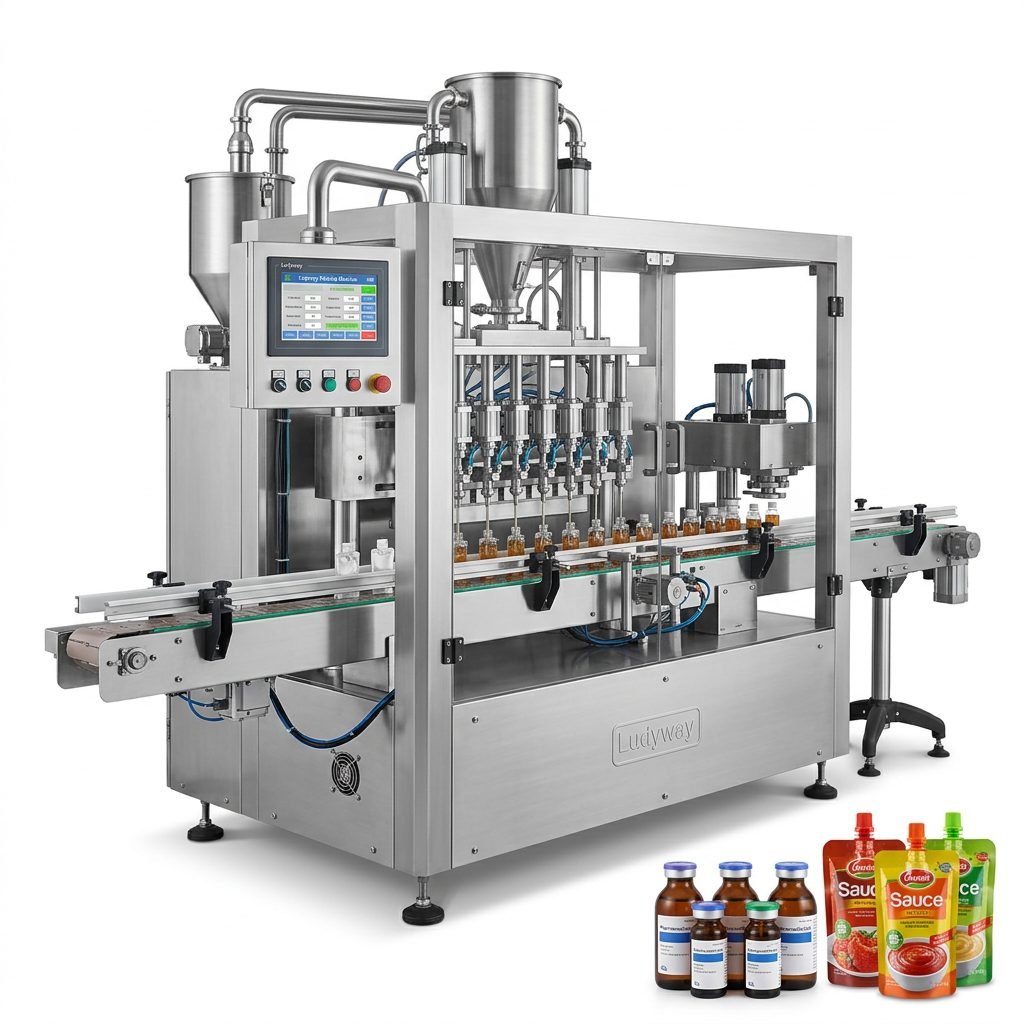
2. Can triangle packers handle liquid products effectively?
Yes, absolutely. Specialized models are equipped with liquid pumps (e.g., gear pumps, piston pumps) and are designed with sealing jaws that ensure leak-proof seals for liquids, sauces, and oils. The key is using the correct film with good sealant layers and proper machine configuration.
3. How accurate is the filling system on these machines?
Modern triangle packers with servo-driven auger fillers for powders can achieve high accuracy, often within ±1% of the target weight. Volumetric cup fillers for granules and pump fillers for liquids also offer excellent repeatability. Accuracy can be further enhanced with integrated checkweighers.
4. What packaging films are compatible with triangle packaging?
These machines typically run on roll stock laminates. Common structures include PET/AL/PE, PET/MET/PE, or paper/AL/PE, depending on the required barrier properties (light, oxygen, moisture). The film must have good tensile strength and a reliable heat-sealable inner layer.
5. Is it difficult to change over the machine for a different pouch size?
Changeover complexity depends on the machine design. High-end models offer “tool-less” or quick-change features for the forming collar, filling funnel, and sealing jaws, allowing for size changes in 15-30 minutes. Simpler machines may require more time and hand tools. Always discuss your changeover frequency with the supplier.