Global Packaging Machinery Industry Moves Toward Smart Manufacturing and Intelligent Automation
The global packaging machinery sector is undergoing a profound transformation, driven by the accelerating adoption of smart manufacturing principles and intelligent automation technologies. This shift is fundamentally reshaping production lines, enhancing efficiency, and creating new paradigms for flexibility and data-driven decision-making across the food, pharmaceutical, and consumer goods industries.
Key Drivers of the Smart Transition
The move towards intelligent packaging systems is propelled by several interconnected factors:
- Demand for Operational Excellence: Manufacturers face relentless pressure to reduce costs, minimize waste, and maximize throughput. Smart, connected machinery provides the visibility and control needed to optimize these key performance indicators.
- Rising Consumer Expectations: The need for greater product variety, smaller batch sizes, and personalized packaging requires equipment that can change over quickly and flawlessly—a core strength of flexible automation.
- Supply Chain Complexity: Globalized supply chains demand impeccable traceability. Intelligent machines can collect and share data on materials, production parameters, and logistics, ensuring full transparency from raw material to end-user.
- Advancements in Core Technologies: The convergence of robust Industrial Internet of Things (IIoT) platforms, sophisticated sensors, advanced robotics, and artificial intelligence (AI) has made smart packaging solutions more accessible and powerful than ever before.
Hallmarks of the Next-Generation Packaging Line
Modern intelligent packaging systems are characterized by several defining features that set them apart from traditional equipment:
- Connectivity & Data Integration: Machines are equipped with sensors and communication modules, allowing them to transmit real-time performance data (OEE, downtime, output rates) to central Manufacturing Execution Systems (MES) or cloud platforms.
- Predictive Maintenance: By continuously monitoring vibration, temperature, and other parameters, AI algorithms can predict component failures before they occur, scheduling maintenance proactively to avoid unplanned stoppages.
- Adaptive Control & Self-Optimization: Systems can automatically adjust settings—like sealing temperature or filling volume—in response to variations in material properties or environmental conditions, ensuring consistent quality without manual intervention.
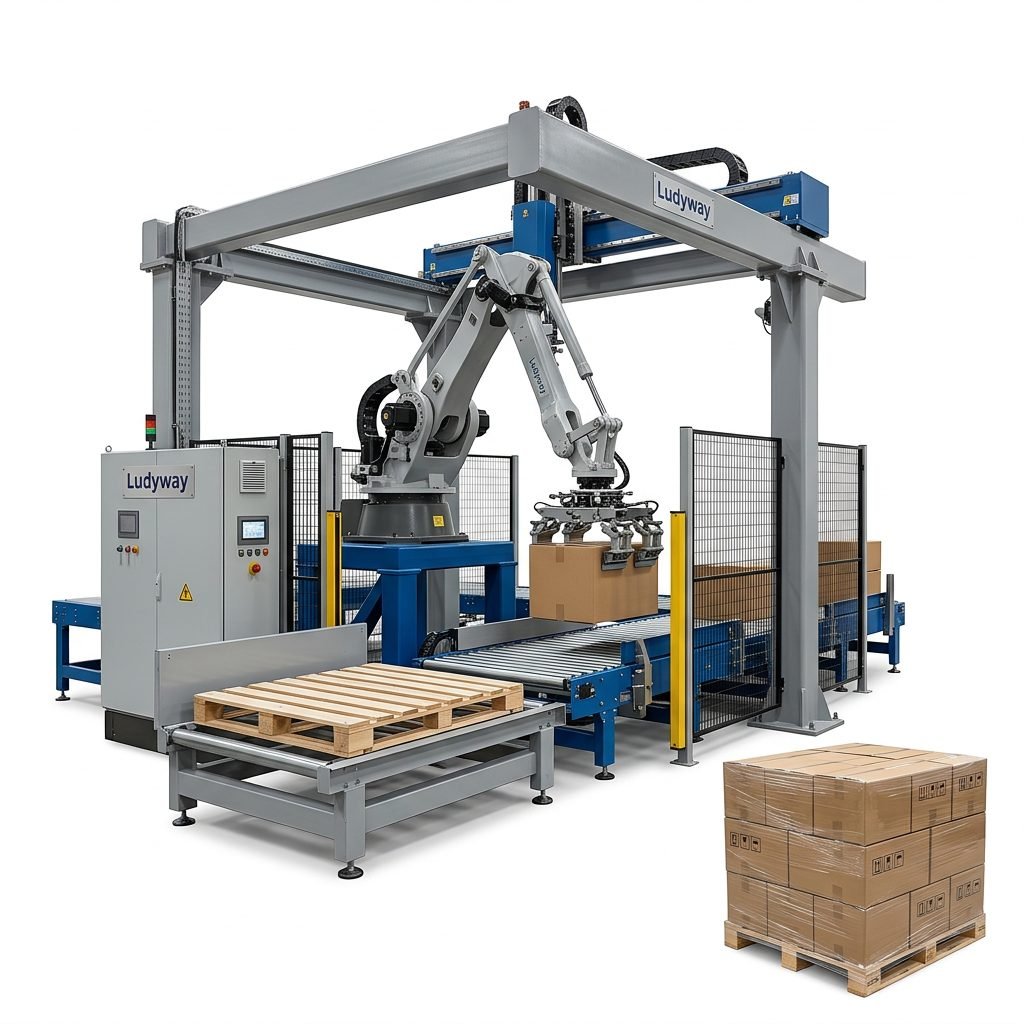
- Human-Machine Collaboration (Cobots): Collaborative robots are increasingly deployed for tasks like loading, case packing, or palletizing, working safely alongside human operators to handle repetitive or strenuous duties.
- Enhanced Traceability: Integrated vision systems and coding equipment work in tandem to verify, record, and mark every package with unique identifiers, enabling full lot tracking and compliance with stringent regulations.
Impact Across Key Industries
The benefits of smart automation are being realized differently across various sectors:
| Industry | Primary Smart Packaging Applications | Key Benefits |
|---|---|---|
| Food & Beverage | Adaptive filling for variable product viscosity, real-time seal integrity monitoring, dynamic weight control, batch tracking for recalls. | Reduced product giveaway, guaranteed food safety, compliance with labeling laws, ability to handle short shelf-life products efficiently. |
| Pharmaceuticals | Serialization and aggregation for track-and-trace, 100% inspection for label/cap placement, sterile barrier assurance, data integrity for regulatory audits. | Meets global serialization mandates (e.g., DSCSA, EU FMD), eliminates human error in critical processes, ensures patient safety, simplifies audit processes. |
| Cosmetics & Chemicals | Precise filling of hazardous or high-value liquids, quick changeover between SKUs, automated cleaning-in-place (CIP) systems. | Improves operator safety, maximizes asset utilization, reduces cross-contamination, enables mass customization. |
Challenges and Considerations for Adoption
While the trajectory is clear, the path to a smart factory is not without obstacles. Companies must navigate:
- Initial Investment: Upfront costs for advanced machinery, sensors, and software platforms can be significant, requiring a clear calculation of return on investment (ROI).
- Cybersecurity: Connecting equipment to networks introduces new vulnerabilities, necessitating robust security protocols to protect sensitive production data.
- Skills Gap: Operating and maintaining intelligent systems requires a workforce skilled in data analysis, mechatronics, and software management, driving a need for reskilling initiatives.
- Integration Complexity: Ensuring new smart machines communicate effectively with legacy equipment and existing enterprise resource planning (ERP) systems can be a major technical hurdle.
Ludyway: Engineering Intelligence into Packaging Solutions
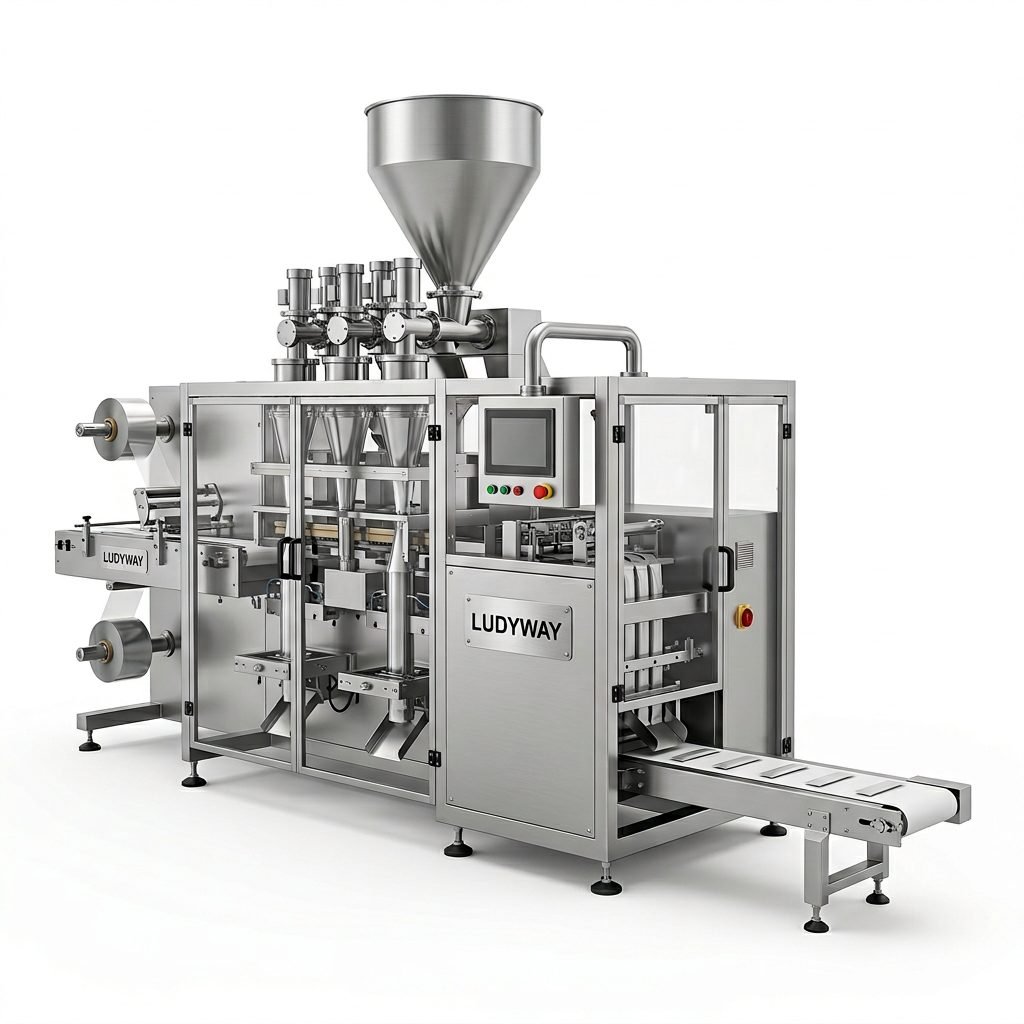
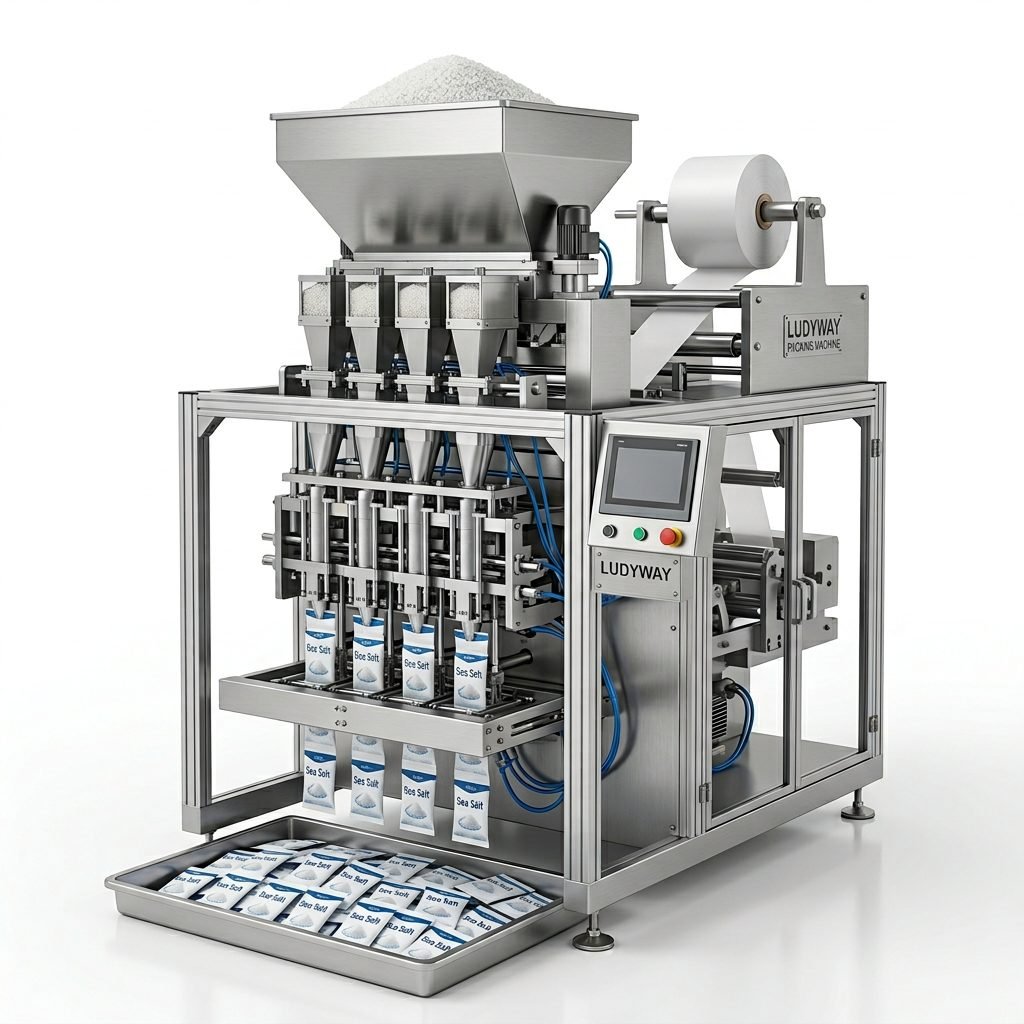
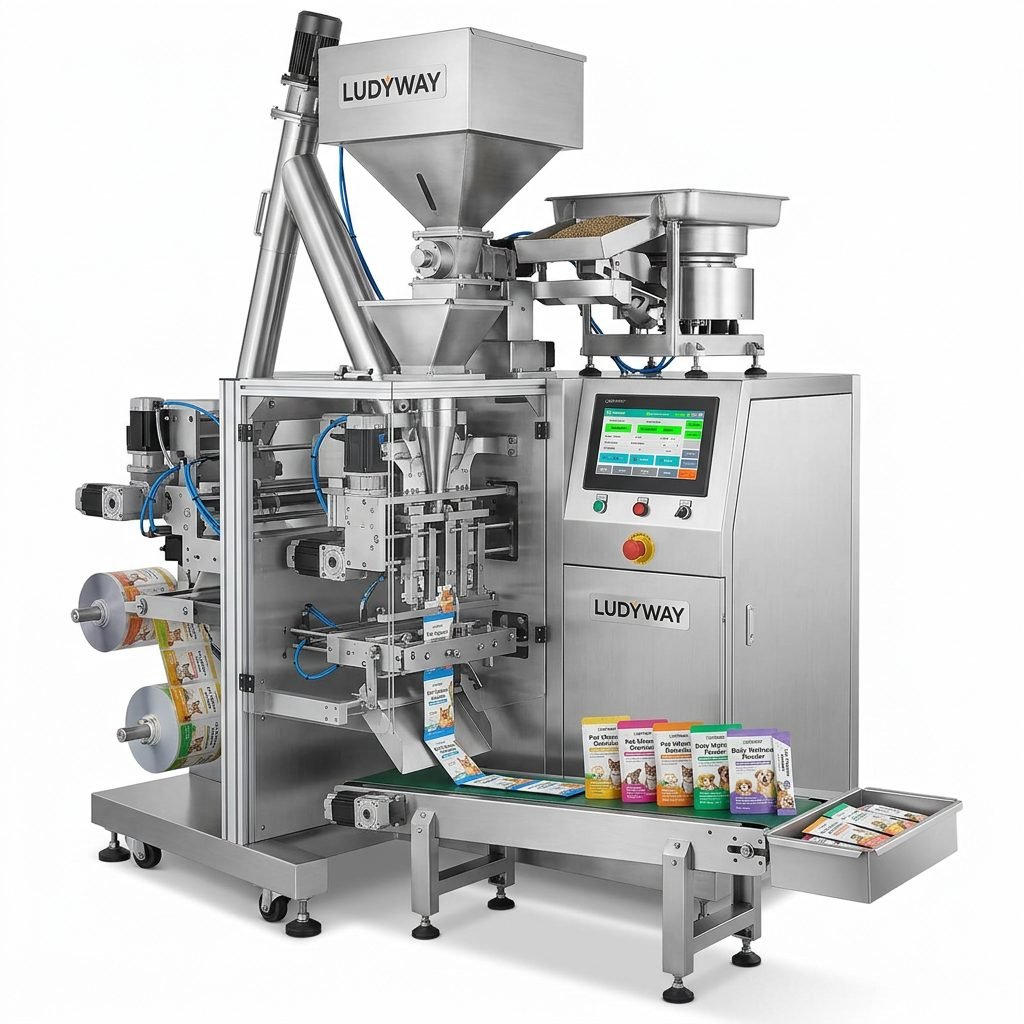
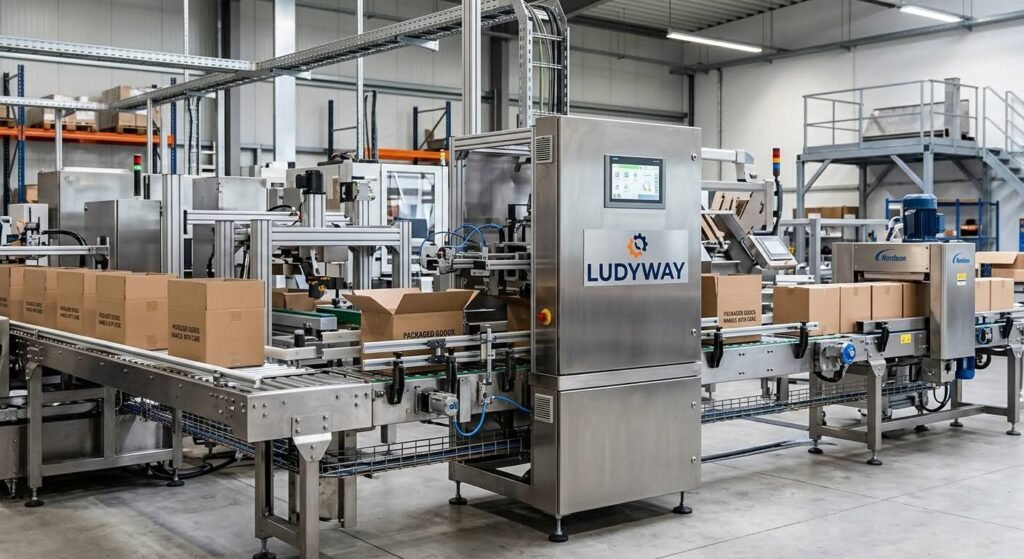
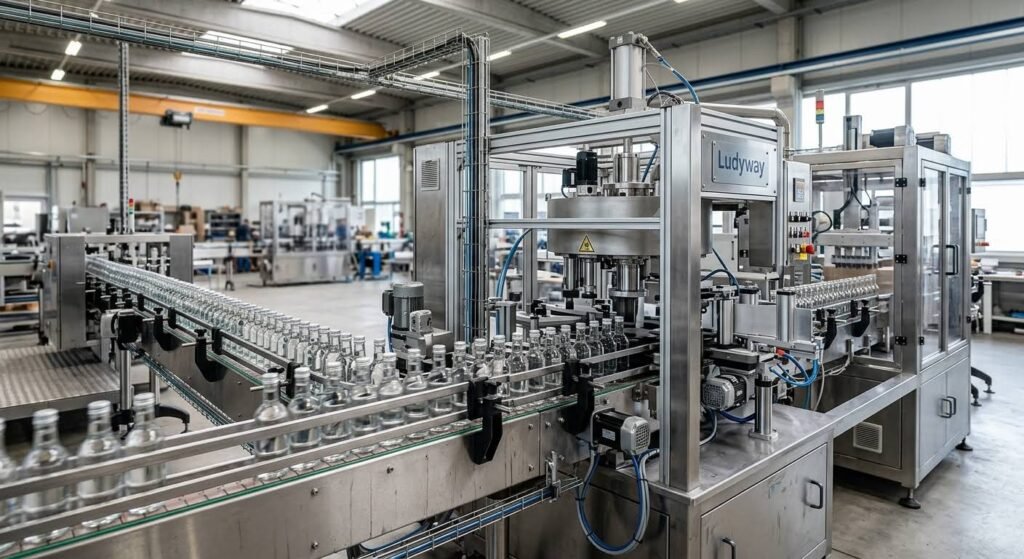
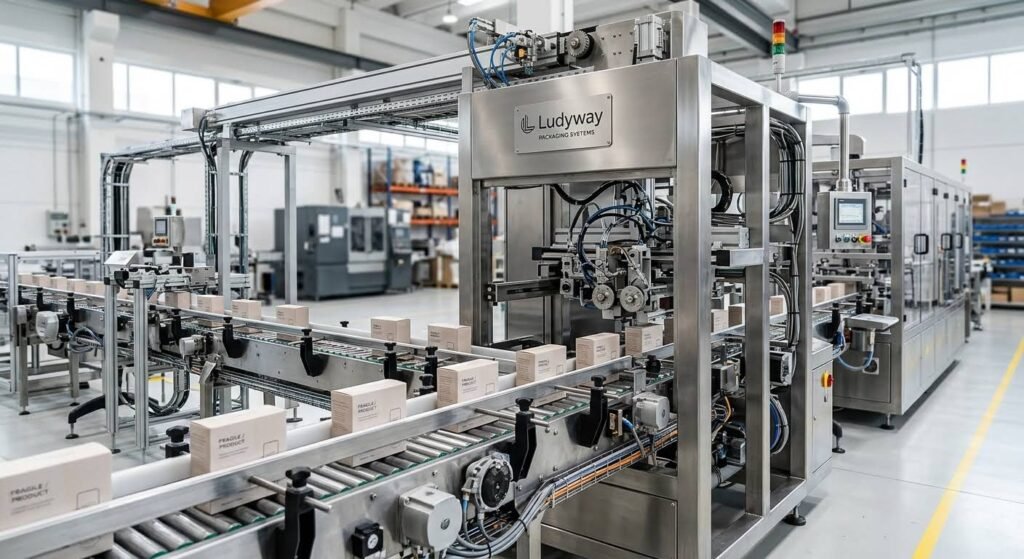
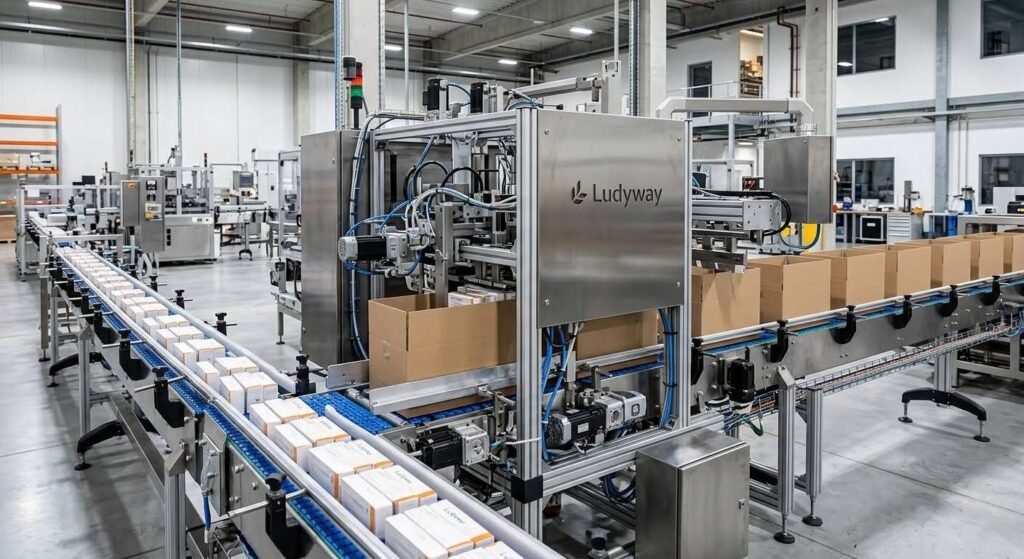
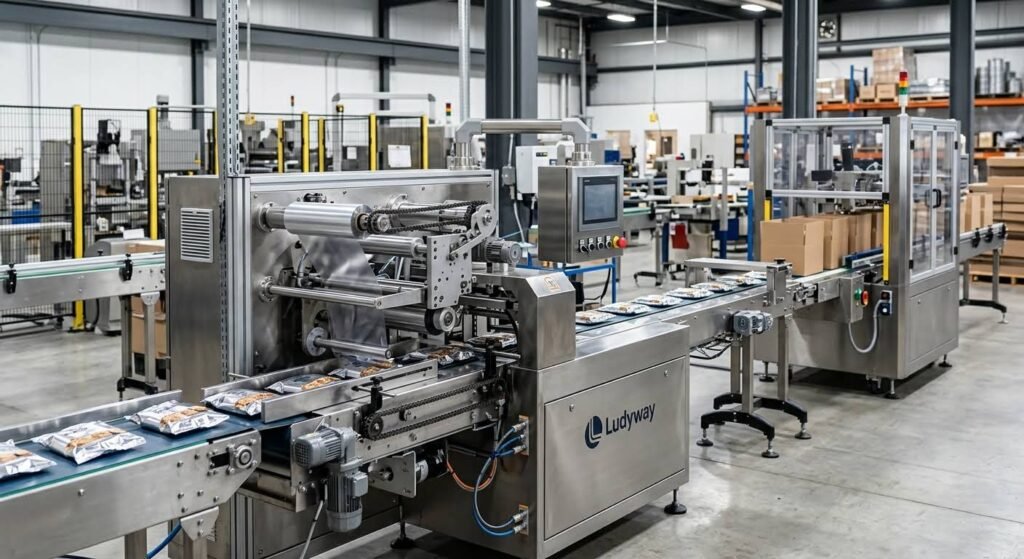
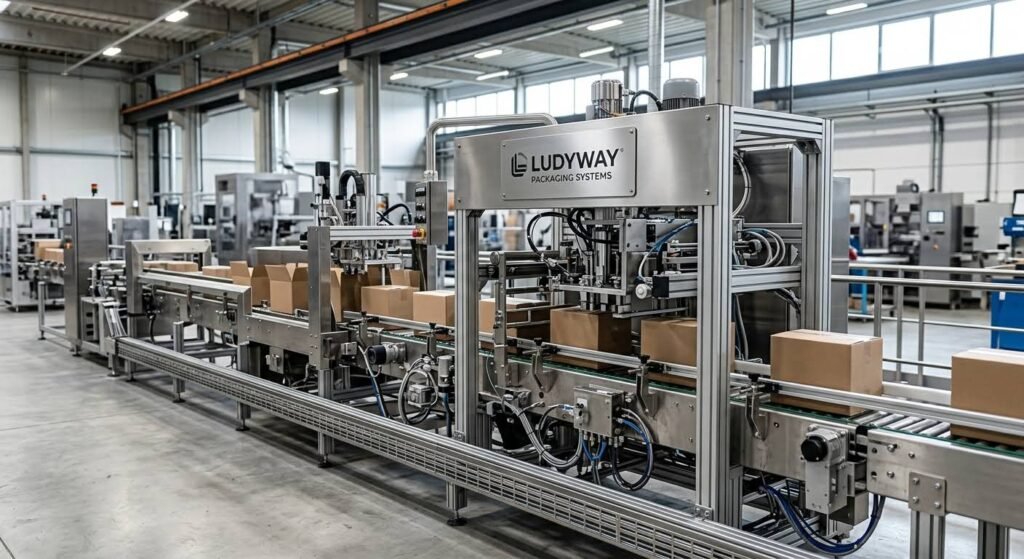
As a leading force in the packaging machinery landscape, Ludyway is at the forefront of this industrial evolution. Leveraging over 30 years of expertise and a modern 20,000㎡ manufacturing facility, Ludyway integrates smart capabilities into its extensive range of over 50 machine models. From multi-lane stick pack machines to fully automated pouch systems, Ludyway’s solutions are designed with connectivity and adaptability in mind, helping customers in over 100 countries transition smoothly towards intelligent, data-enhanced production. Explore how Ludyway’s innovative approach can future-proof your packaging operations at www.ludyway.com.
The Road Ahead
The future of packaging machinery lies in increasingly autonomous, self-learning systems. We are moving towards lines where machines not only report data but also interpret it, making independent decisions to optimize flow, preempt quality issues, and reconfigure themselves for new products. The integration of AI and machine learning will move predictive maintenance from anomaly detection to root-cause analysis, while digital twin technology will allow for virtual simulation and optimization of entire packaging lines before physical installation. The industry’s journey towards smart manufacturing and intelligent automation is not just a trend; it is the new baseline for competitiveness, efficiency, and resilience in a dynamic global market.