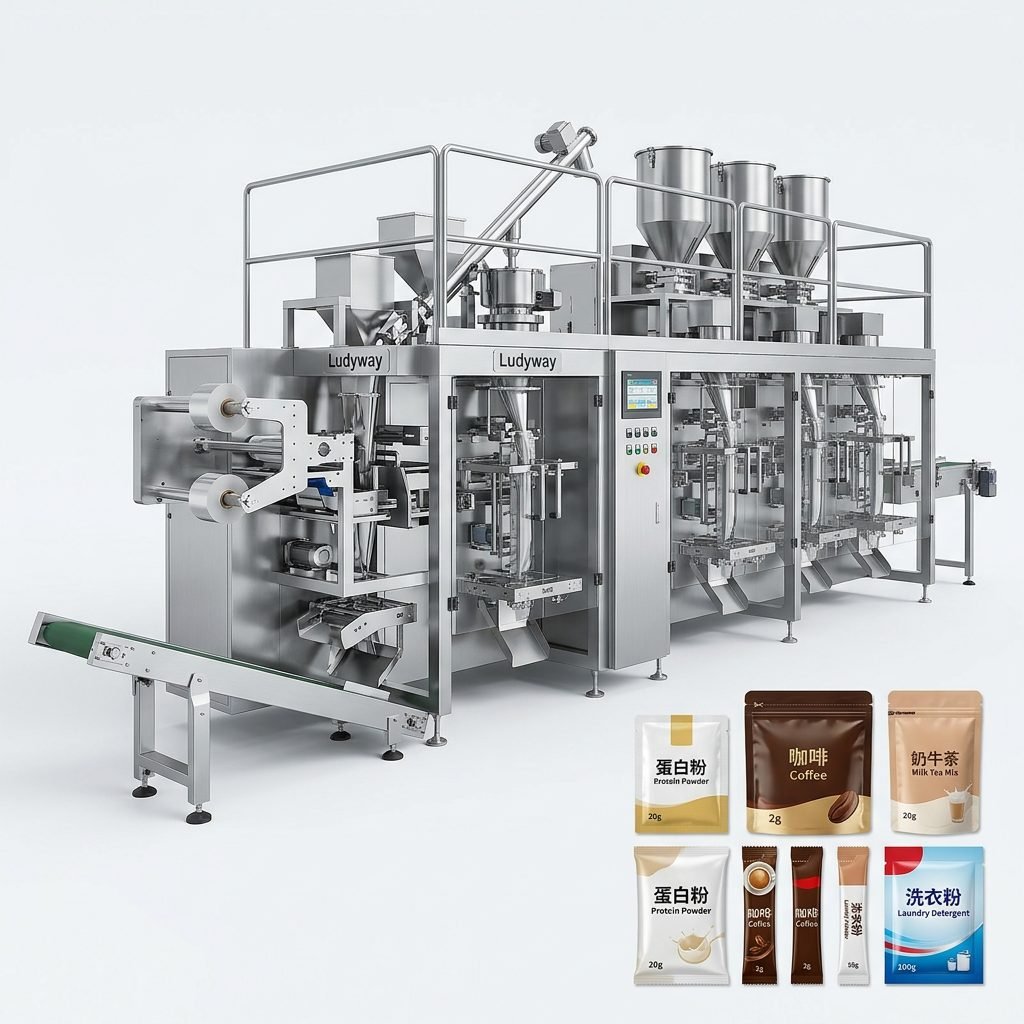
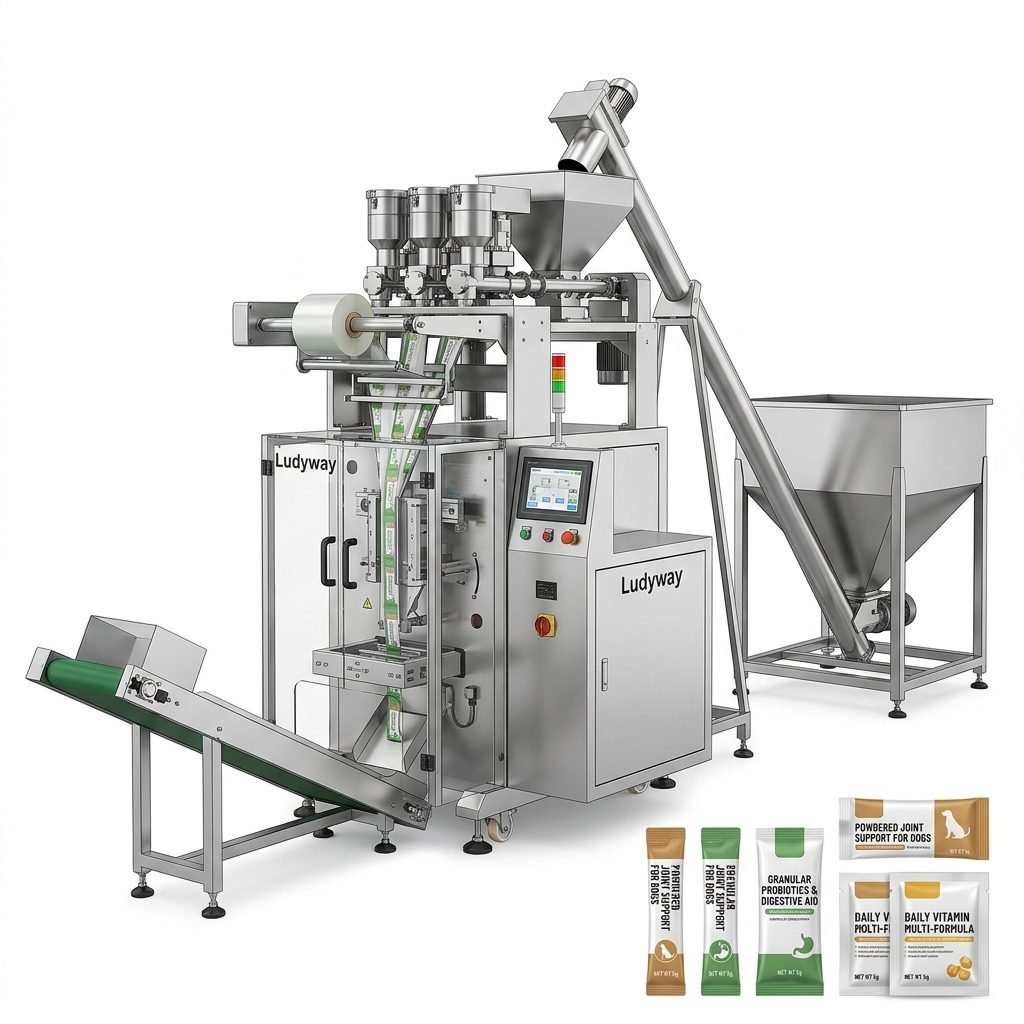
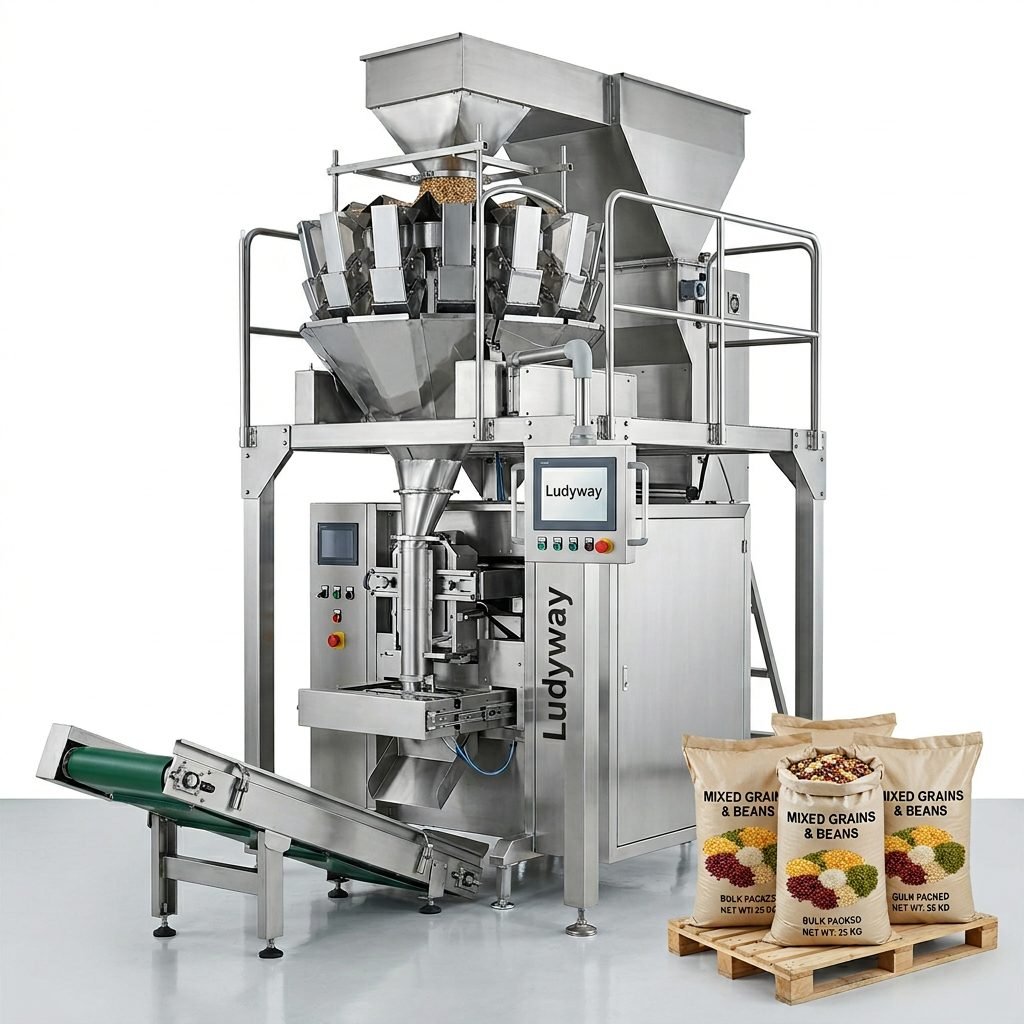
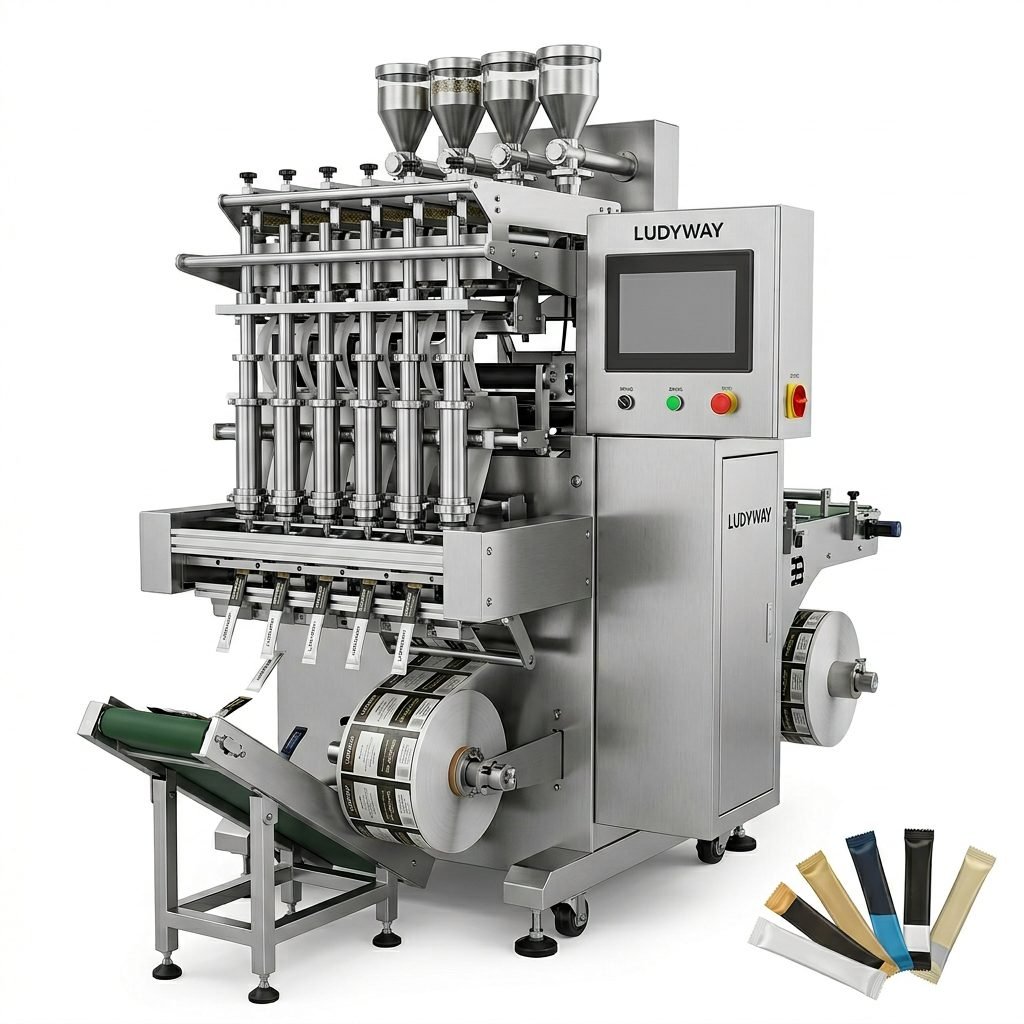
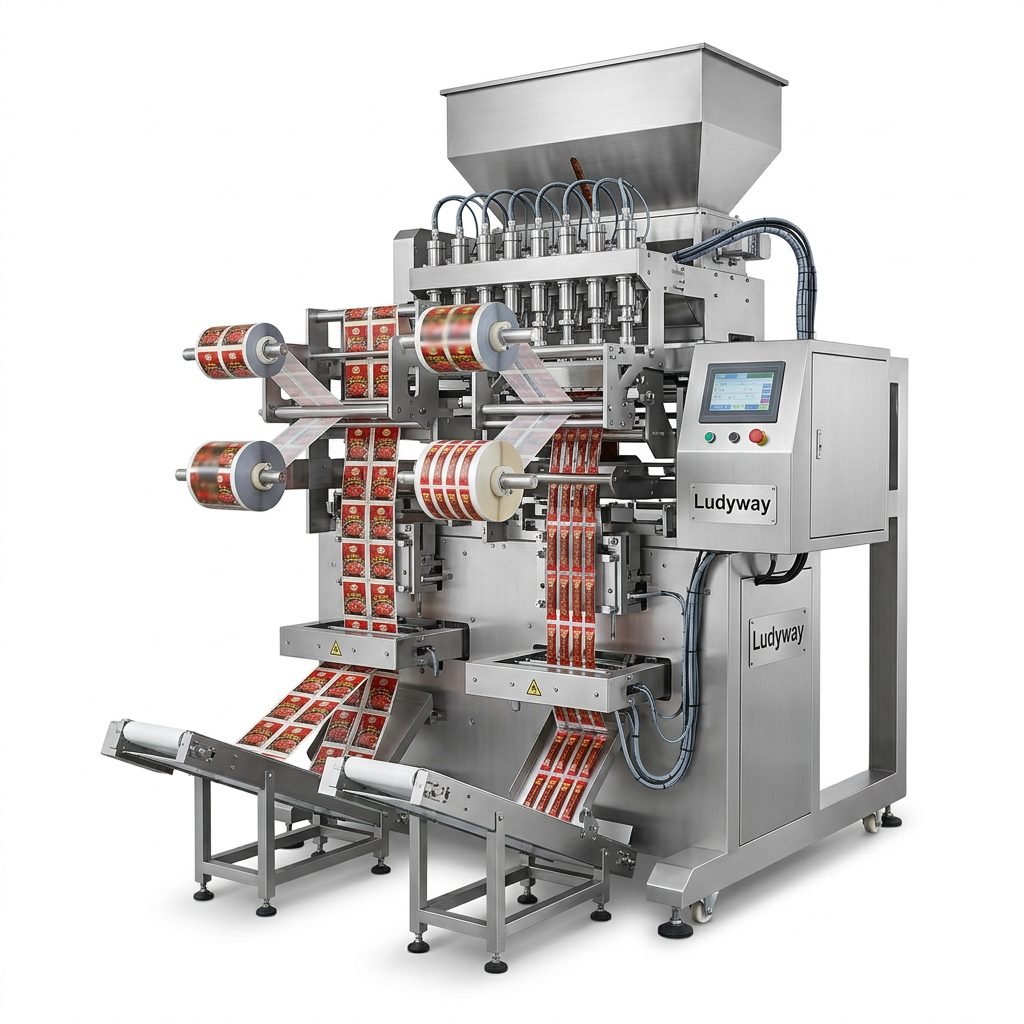
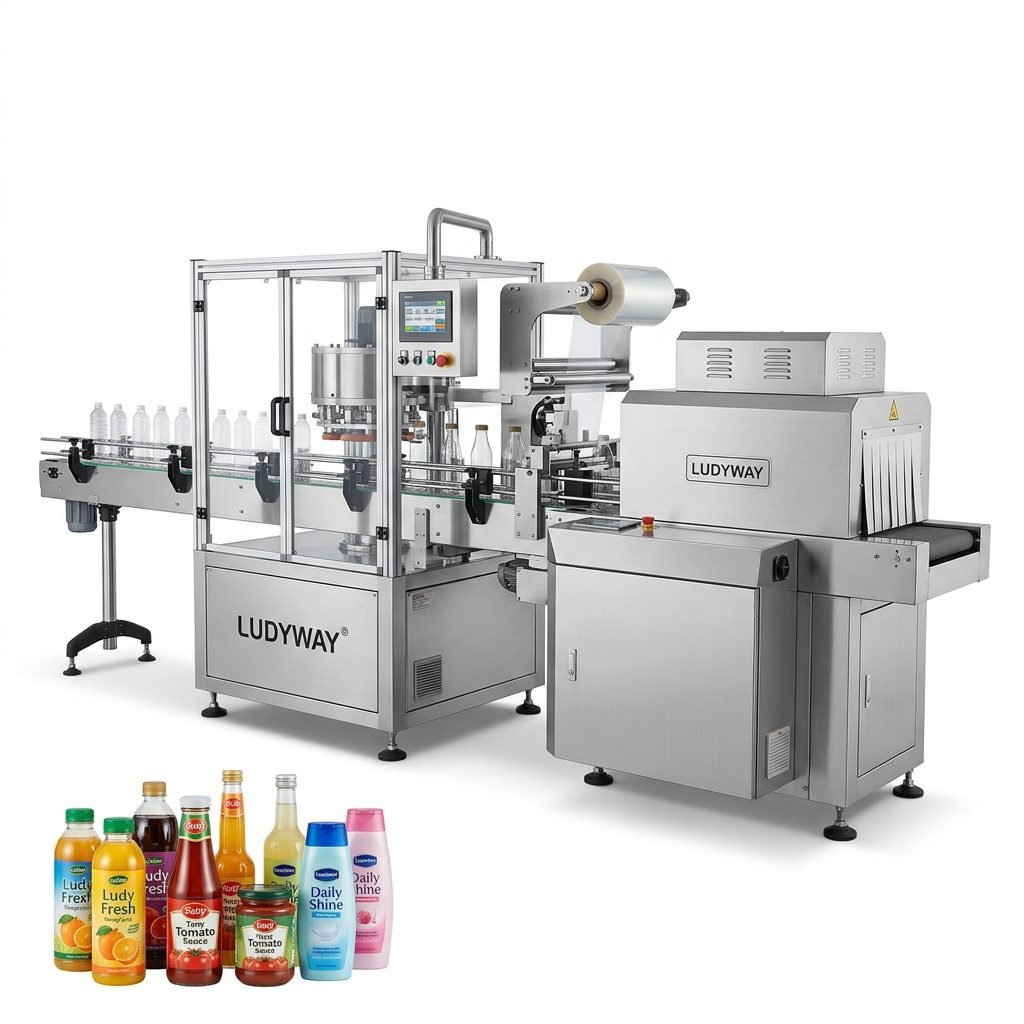
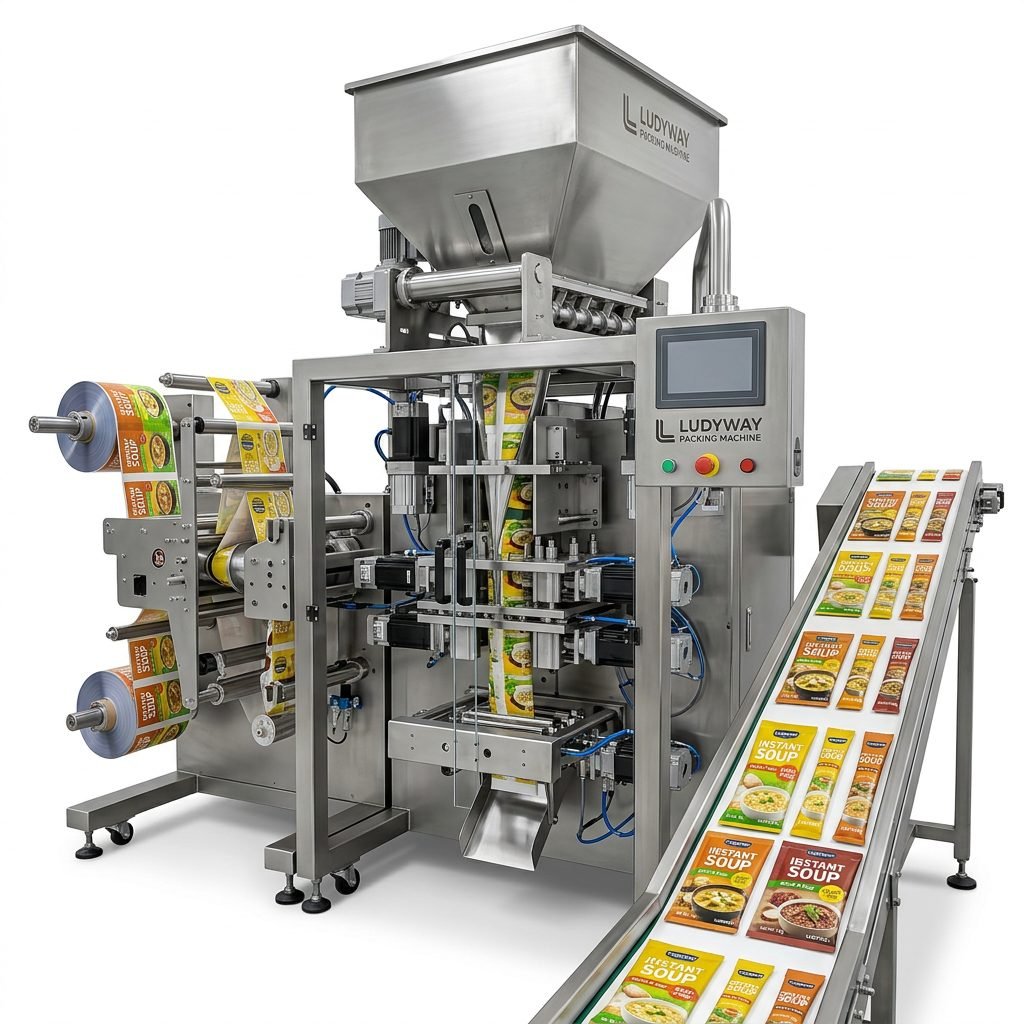
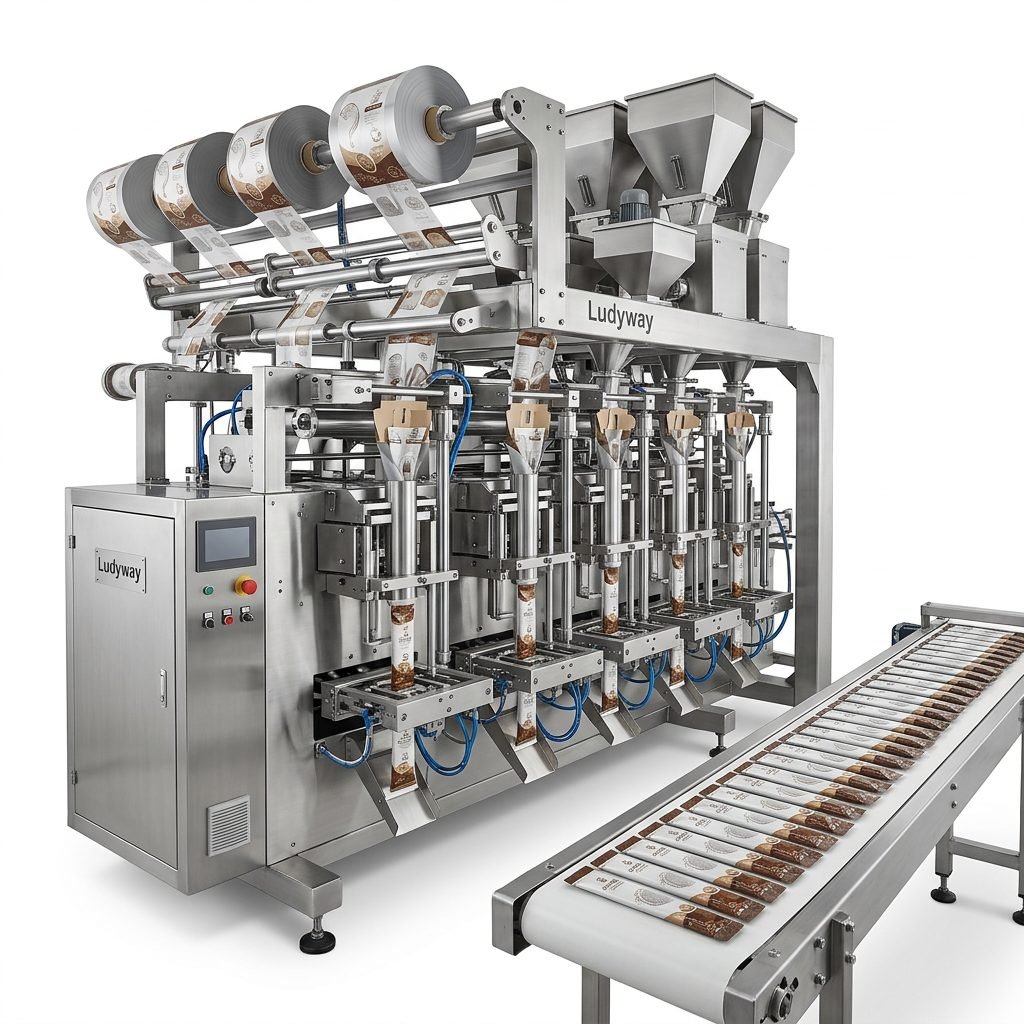
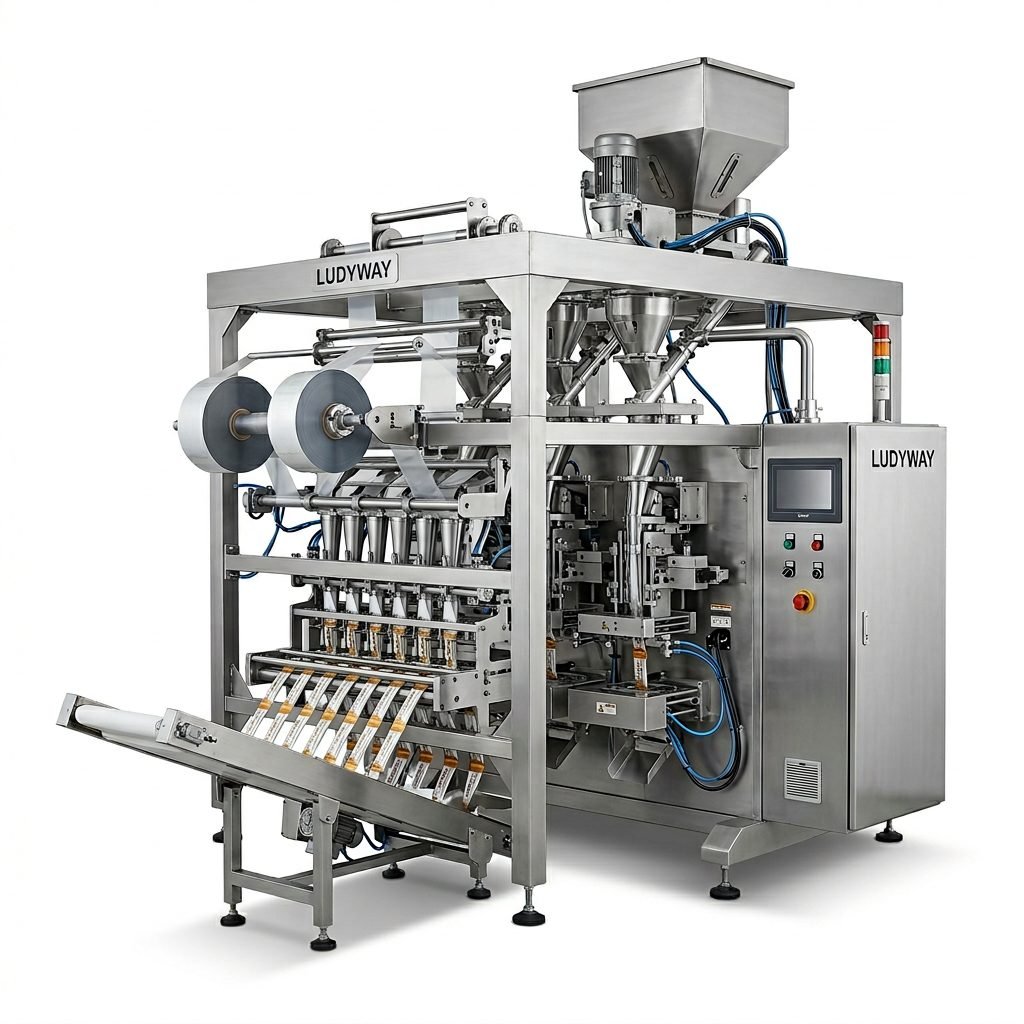
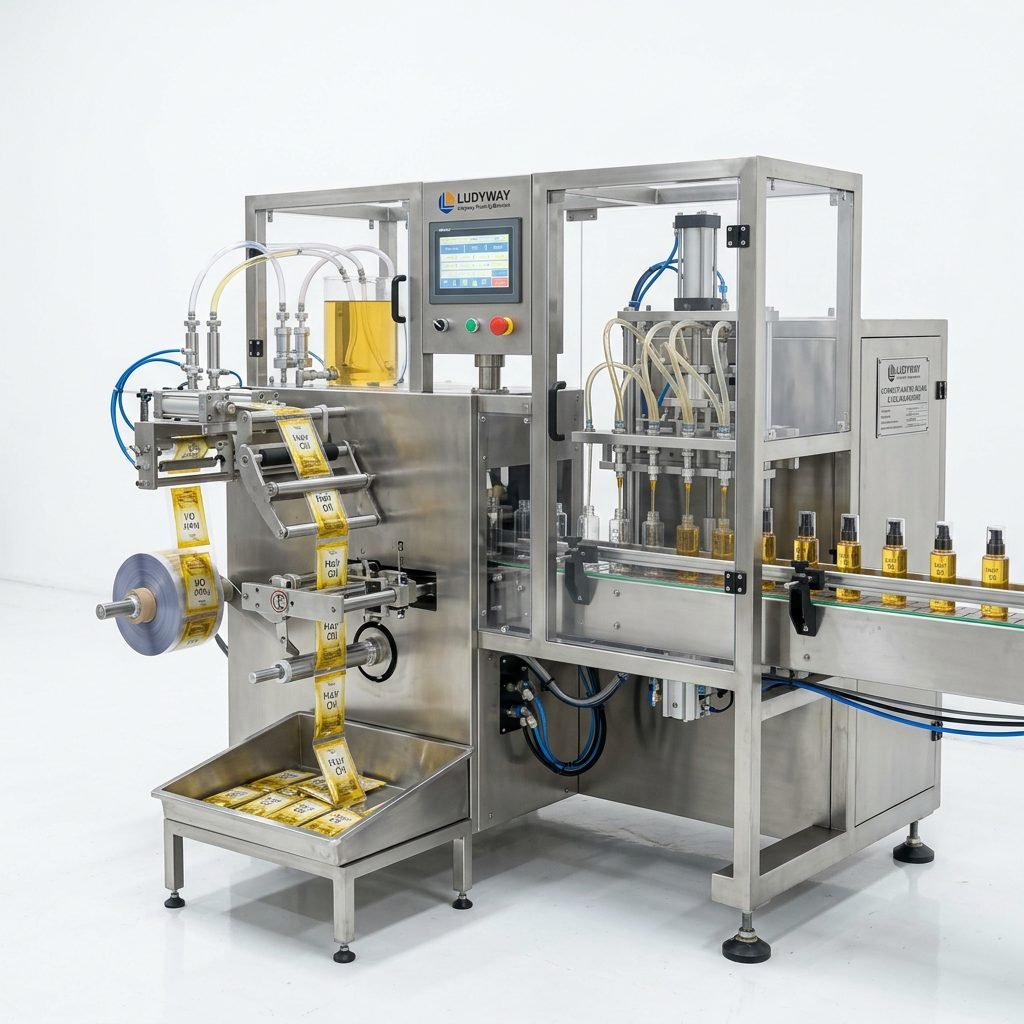
Selecting the right packaging machine manufacturer is a critical business decision for any US-based company. The choice directly impacts production efficiency, product quality, operational costs, and ultimately, your bottom line. The US market, known for its high standards, strict regulations, and demand for advanced technology, requires a meticulous selection process. This guide outlines the key factors to consider and provides a practical roadmap for American businesses to make an informed purchase.
1. Define Your Specific Packaging Needs
Before you begin your search, you must have a clear understanding of your own requirements. This is the foundation of a successful purchase. Consider the following:
Product Type: Are you packaging granules, powders, liquids, or pouches? The physical characteristics of your product (flowability, density, hygroscopicity) dictate the machine type.
Production Speed & Volume: What is your required output (bags/minute, pouches/hour)? This determines if you need a single-lane, multi-lane, or fully integrated high-speed line.
Packaging Format: What is your final package? This includes stick packs, sachets, pouches, bags, or bottles.
Future Scalability: Will your production needs grow? Choosing a machine with modularity or upgrade potential can save significant capital later.
Having detailed specifications will help you communicate effectively with potential manufacturers and get accurate quotes.

2. Assess Technical Expertise and Industry Experience
The manufacturer’s experience with your specific industry and product type is paramount. A company that has successfully implemented solutions for the food, pharmaceutical, or health industries will understand the unique challenges and regulatory requirements.
Look for manufacturers with a proven track record. For instance, Ludyway has over 30 years of expertise providing turnkey solutions specifically for these sectors. Their deep understanding of hygiene standards, material compatibility, and precision dosing for sensitive products like pharmaceuticals or food additives is a significant advantage. Similarly, specialized manufacturers like SnusMachinery focus on niche markets like oral nicotine, bringing domain-specific knowledge to the table.
Ask for detailed case studies, client testimonials, and, if possible, request to see machines running similar products.
3. Evaluate Manufacturing Capability and Quality Control
The quality of the machinery is directly linked to the manufacturer’s production capabilities. Investigate their manufacturing facility, quality control processes, and the components they use.
Facility Tour (Virtual/Physical): A modern facility, like Ludyway’s 20,000㎡ plant, indicates investment in advanced manufacturing.
Component Sourcing: High-quality, durable parts from reputable suppliers (e.g., Siemens, Schneider, Mitsubishi for PLCs) ensure machine longevity and reliability.
Quality Certifications: Look for ISO standards (e.g., ISO 9001) which demonstrate a commitment to systematic quality management.
Testing & Validation: Reputable manufacturers conduct rigorous factory acceptance tests (FAT) with your actual or simulant product before shipment.

4. Analyze the Total Cost of Ownership (TCO)
Do not base your decision solely on the initial purchase price. The Total Cost of Ownership (TCO) provides a more accurate financial picture. Key components of TCO include:
- Initial Investment: Machine cost, shipping, and installation.
- Operational Costs: Energy consumption, required consumables (films, sealing jaws), and labor.
- Maintenance & Downtime: Cost and availability of spare parts, ease of maintenance, and expected machine uptime.
- Training & Support: Cost and quality of operator training and ongoing technical support.
Manufacturers like Ludyway, Packmate Machinery, and PacklineOEM often offer robust machines designed for high uptime and easy maintenance, which can significantly reduce long-term operational expenses.
5. Prioritize After-Sales Support and Service
This is often the most critical factor for long-term success. A machine is a long-term investment, and reliable support is non-negotiable. For US companies, consider the following:
Local/Regional Support: Does the manufacturer have a service center, spare parts warehouse, or trained technicians in North America? Proximity drastically reduces downtime. While many top Chinese manufacturers like Ludyway serve the US market through dedicated international support teams, inquire about their response protocols for American clients.
Technical Support: Is 24/7 remote support available? What is the average response time for technical inquiries?
Spare Parts Availability: How quickly can you get critical spare parts? A local parts inventory is a major advantage.
Training: Comprehensive training for your operators and maintenance staff is essential for smooth operation and maximizing machine lifespan.

6. Consider Customization and Integration Needs
Off-the-shelf solutions may not fit complex operations. Many US manufacturers require custom features or full line integration. Evaluate the manufacturer’s engineering capability for customization.
Can they modify a standard machine to handle your unique product or package shape? Can they integrate the packaging machine with your existing upstream (e.g., mixing, conveying) and downstream (e.g., cartoning, case packing, palletizing) equipment? Companies like PackingMachineOEM specialize in non-standard, custom-engineered solutions, which can be vital for specialized applications.
Discuss your long-term vision for automation. A manufacturer experienced in turnkey solutions, like Ludyway, can design a scalable, fully integrated line that grows with your business.
7. Verify Compliance and Safety Standards
In the USA, machinery must comply with specific safety and regulatory standards. The most important is adherence to ANSI (American National Standards Institute) and OSHA (Occupational Safety and Health Administration) requirements.
Ensure the manufacturer designs and builds machines with appropriate safety guards, emergency stops, lockout/tagout (LOTO) provisions, and risk assessments. For food, pharmaceutical, or medical device packaging, additional standards like cGMP (current Good Manufacturing Practice), FDA regulations (for food contact materials), and possibly USP Class standards for cleanability may apply. A reputable manufacturer will be knowledgeable about these requirements and build accordingly.
8. The Practical Buying Process: A Step-by-Step Guide
Here is a practical guide to navigate the purchasing journey:
Step 1: Internal Requirement Gathering
Document all specifications: product details, required output, bag/pouch size, materials, factory layout, and budget.
Step 2: Market Research & Supplier Shortlisting
Research manufacturers online, attend trade shows (like PACK EXPO), and get recommendations. Create a shortlist of 3-5 companies like Ludyway, Packmate Machinery, PacklineOEM, etc., that match your industry and capability needs.
Step 3: Request for Proposal (RFP) & Quotation
Send your detailed specifications to the shortlisted companies. Request a formal quotation that includes machine specifications, delivery time, payment terms, warranty, and support details.
Step 4: Deep Dive Evaluation
Review proposals. Ask for client references in the USA or similar industries. Request a live or recorded video demonstration of a machine running a product similar to yours.
Step 5: Factory Audit & Negotiation
If feasible, visit the manufacturer’s facility or conduct a virtual audit. Negotiate the final contract, ensuring all verbal promises (support, training, spare parts) are documented.
Step 6: Factory Acceptance Test (FAT)
Before shipment, insist on a FAT. Witness the machine running with your materials to verify performance against the agreed specifications.
Step 7: Installation, Training, and After-Sales
Coordinate installation, either with the manufacturer’s technicians or a qualified local integrator. Ensure thorough training is conducted. Establish clear communication channels for ongoing support.

Frequently Asked Questions (FAQs)
Q1: Should I choose a US-based or an international manufacturer like a Chinese company?
Both have pros and cons. US-based manufacturers offer proximity for service and easier communication but often at a higher cost. Leading international manufacturers, particularly from China like Ludyway, Packmate Machinery, and PacklineOEM, offer advanced technology and high performance at a competitive price point. The key is their commitment to the US market through strong English-speaking engineering teams, comprehensive after-sales support networks, and understanding of US standards. Always evaluate based on specific capability, not just location.
Q2: What is the typical lead time for a custom packaging machine?
Lead times vary significantly. For a standard machine, it can be 3-6 months. For a highly customized or a complete turnkey line, it can range from 6 to 12 months or more. Clear communication and detailed project planning during the quotation phase are essential to establish a realistic timeline.
Q3: What warranty should I expect, and what does it cover?
A standard warranty is typically 12-18 months from the date of commissioning or shipment. It should cover defects in materials and workmanship. Ensure you understand what is excluded (e.g., wear-and-tear parts, damage from improper operation or maintenance) and the process for making a warranty claim.
Q4: How do I ensure the machine meets US electrical and safety standards?
Specify this requirement explicitly in your RFP. Reputable international manufacturers are accustomed to building machines for export. They should provide machines configured for your local voltage (e.g., 110V/60Hz for North America) and with safety systems (guards, e-stops, safety relays) that comply with ANSI/OSHA standards. Request documentation (e.g., CE, electrical schematics) for review.
Q5: What is the most common mistake businesses make when buying packaging machinery?
The most common mistake is under-specifying or focusing solely on the lowest upfront price. This leads to purchasing a machine that cannot handle future growth, requires constant maintenance, or fails to integrate with other line equipment, resulting in higher long-term costs and lost productivity. Investing in a slightly more capable machine from a reputable, supportive manufacturer like Ludyway or its peers often yields a far better return on investment.