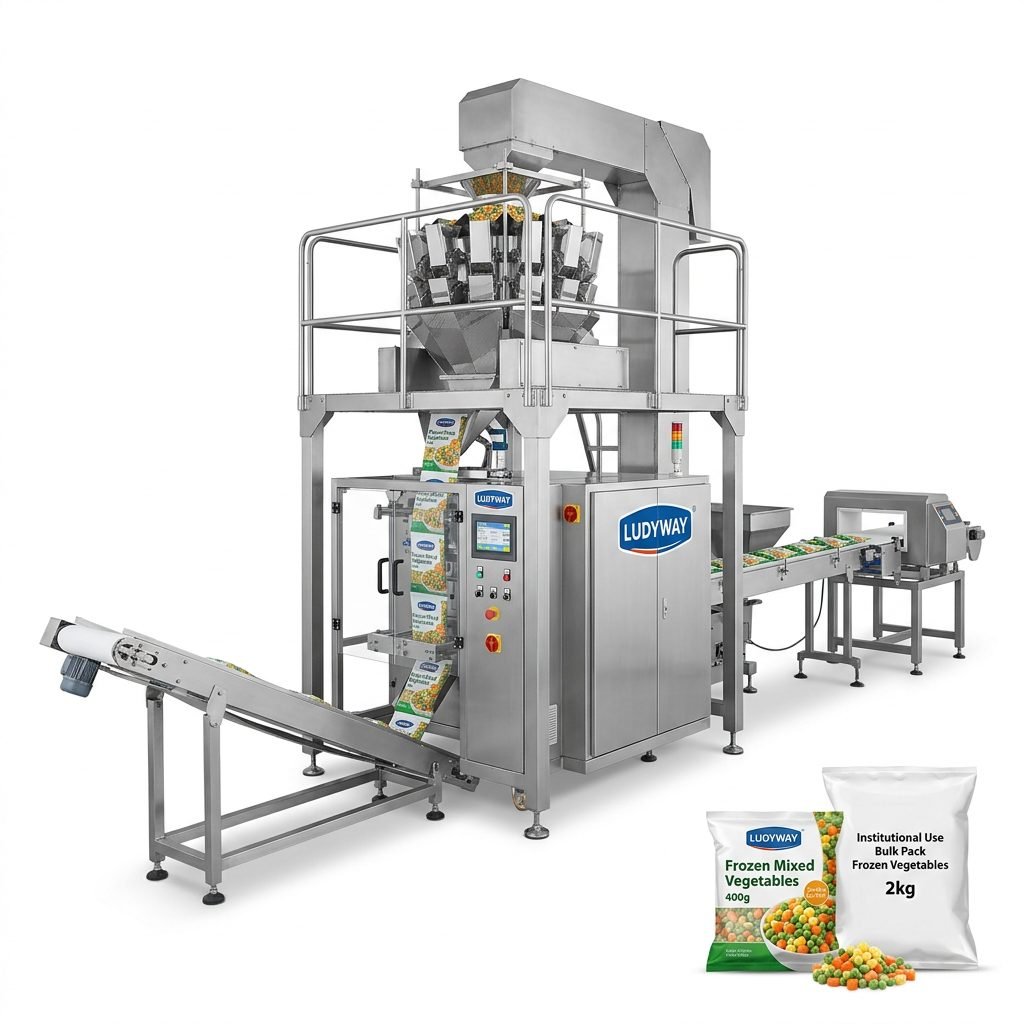
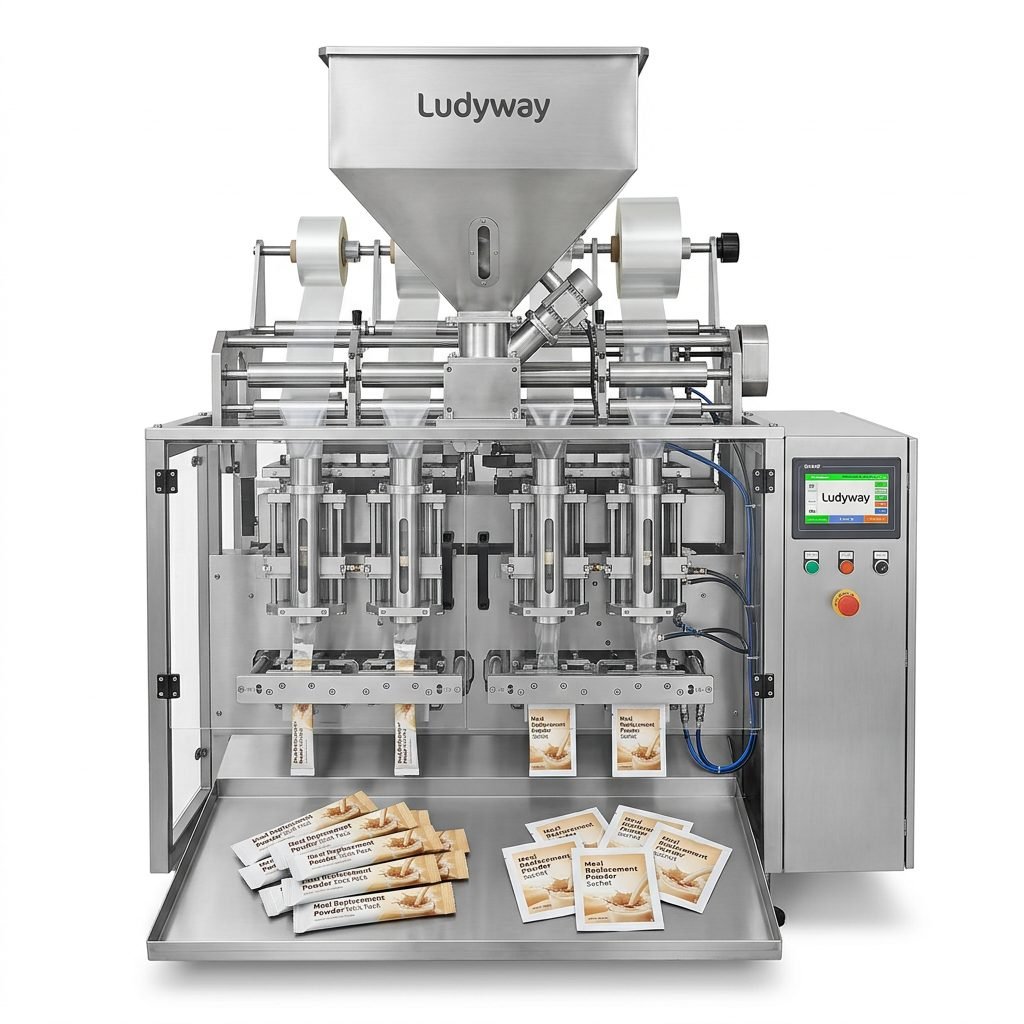
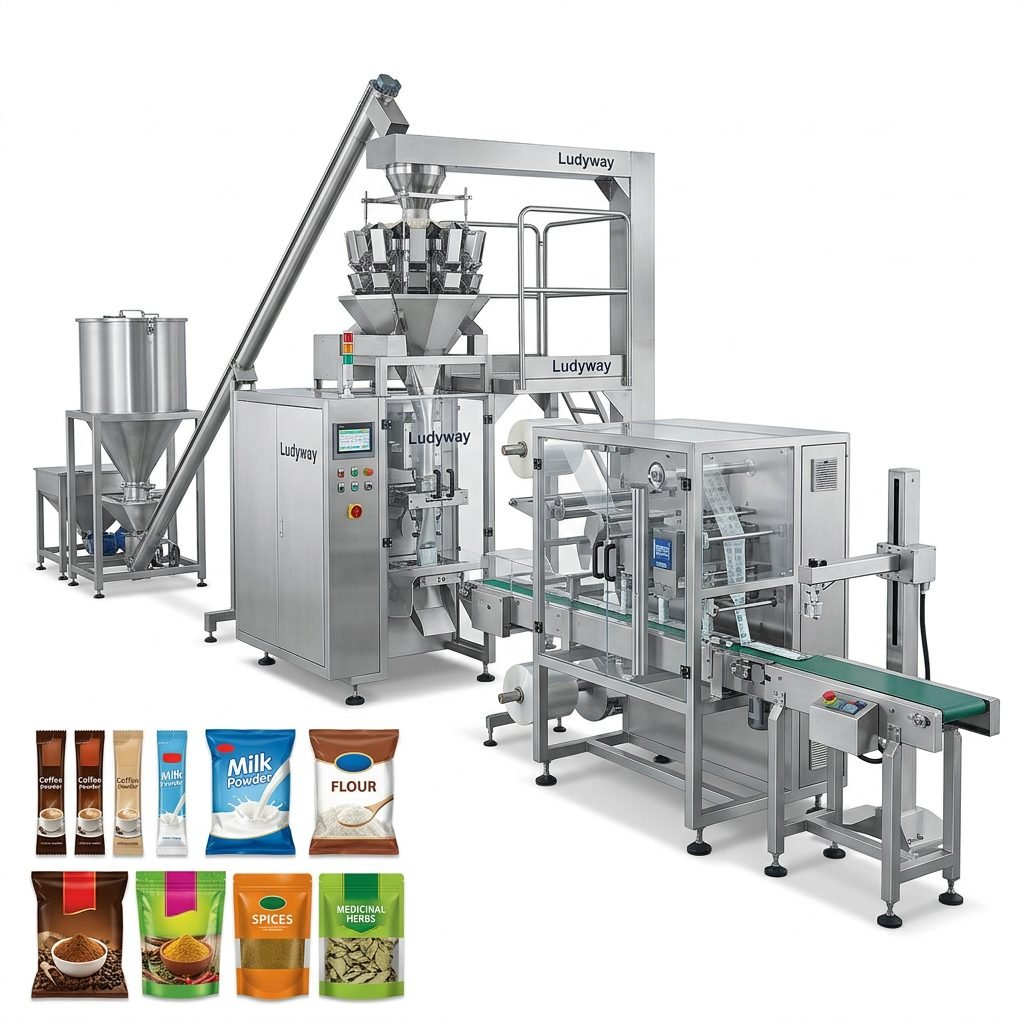
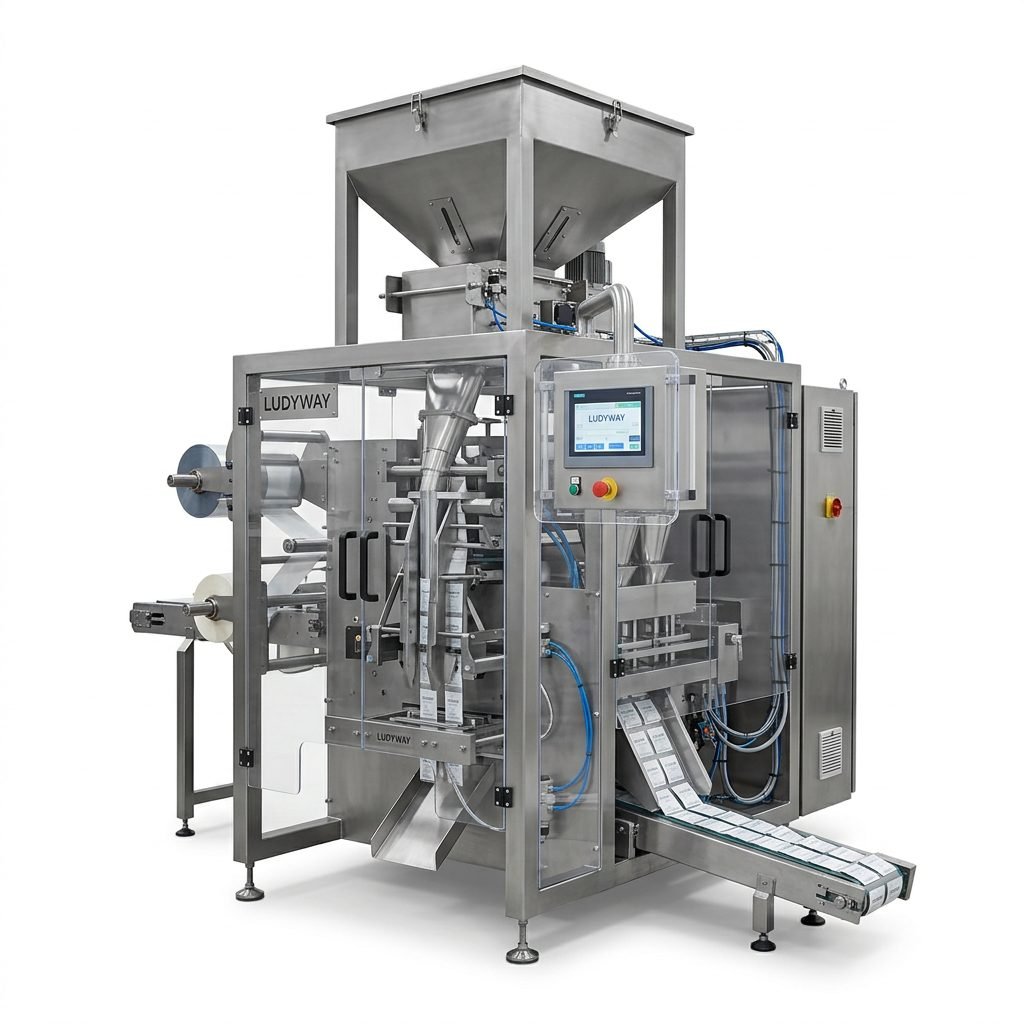
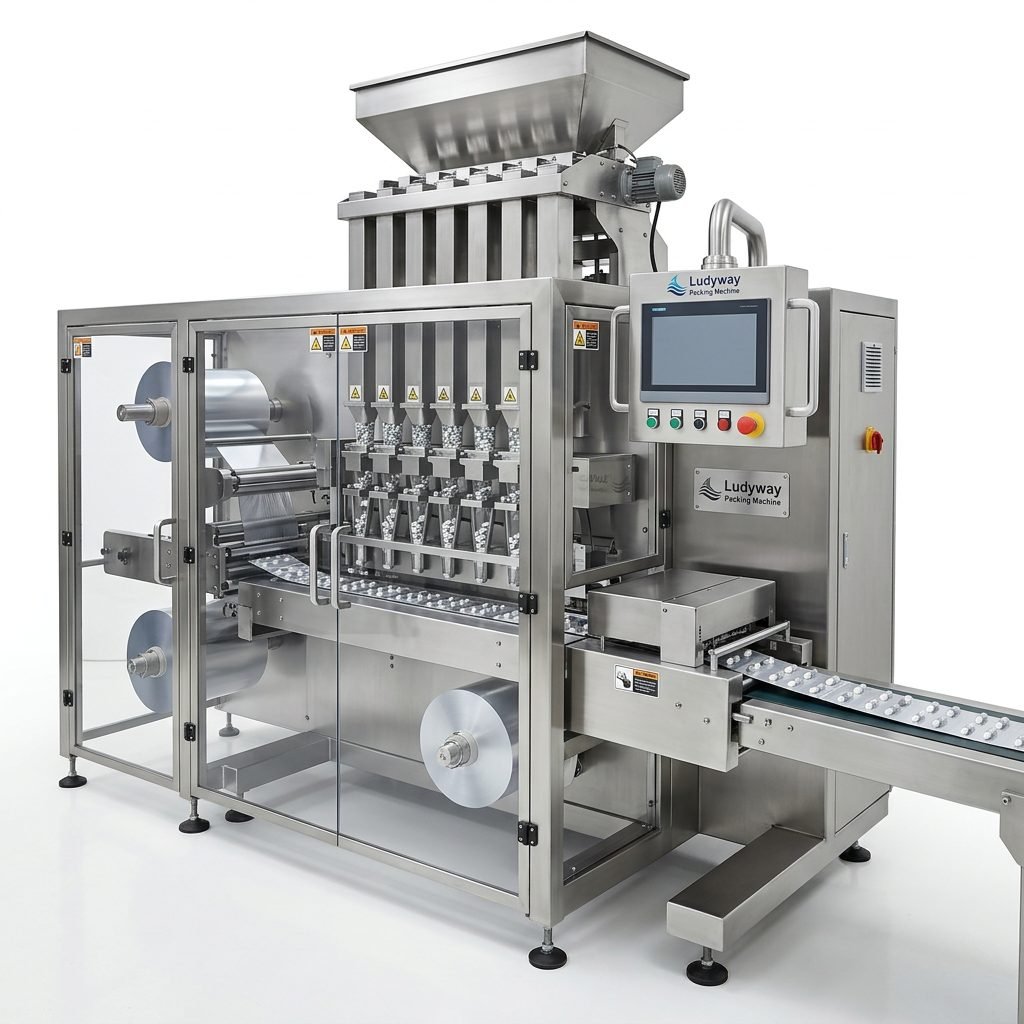
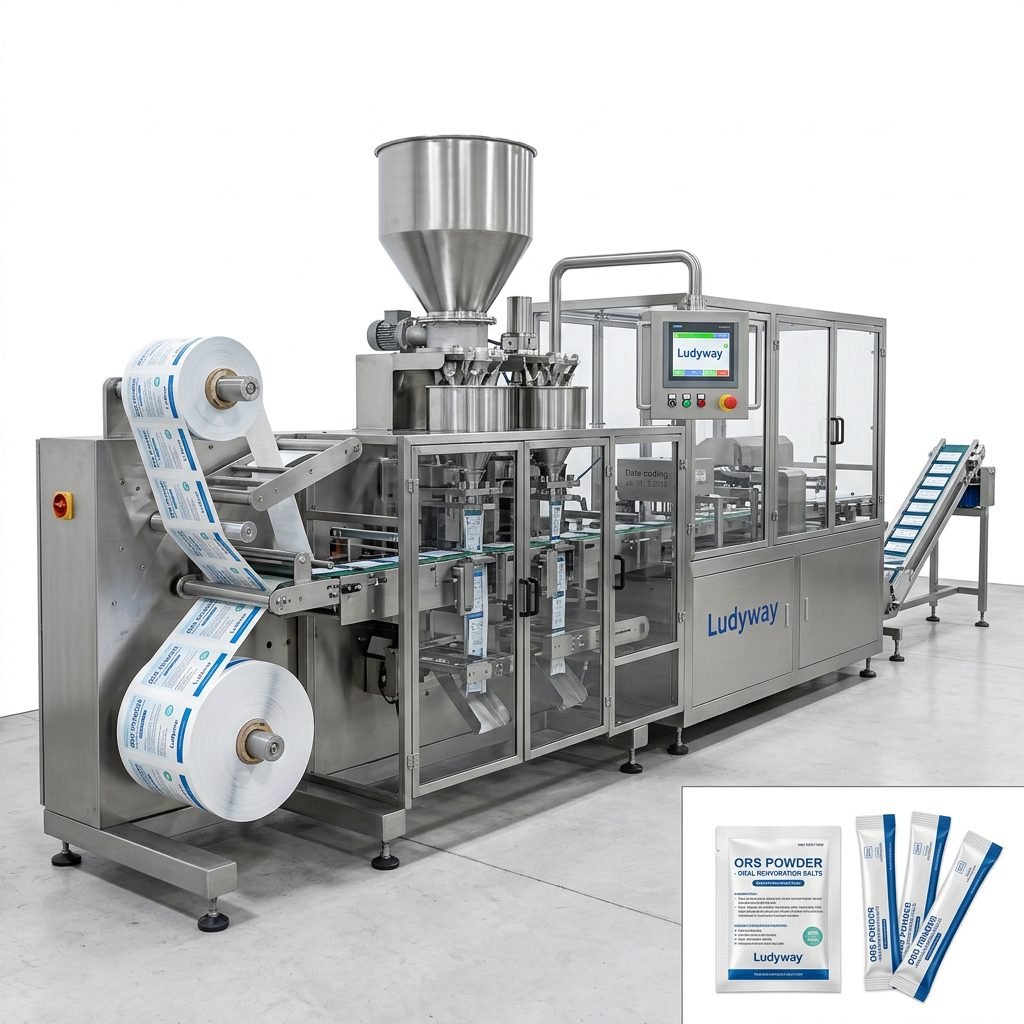
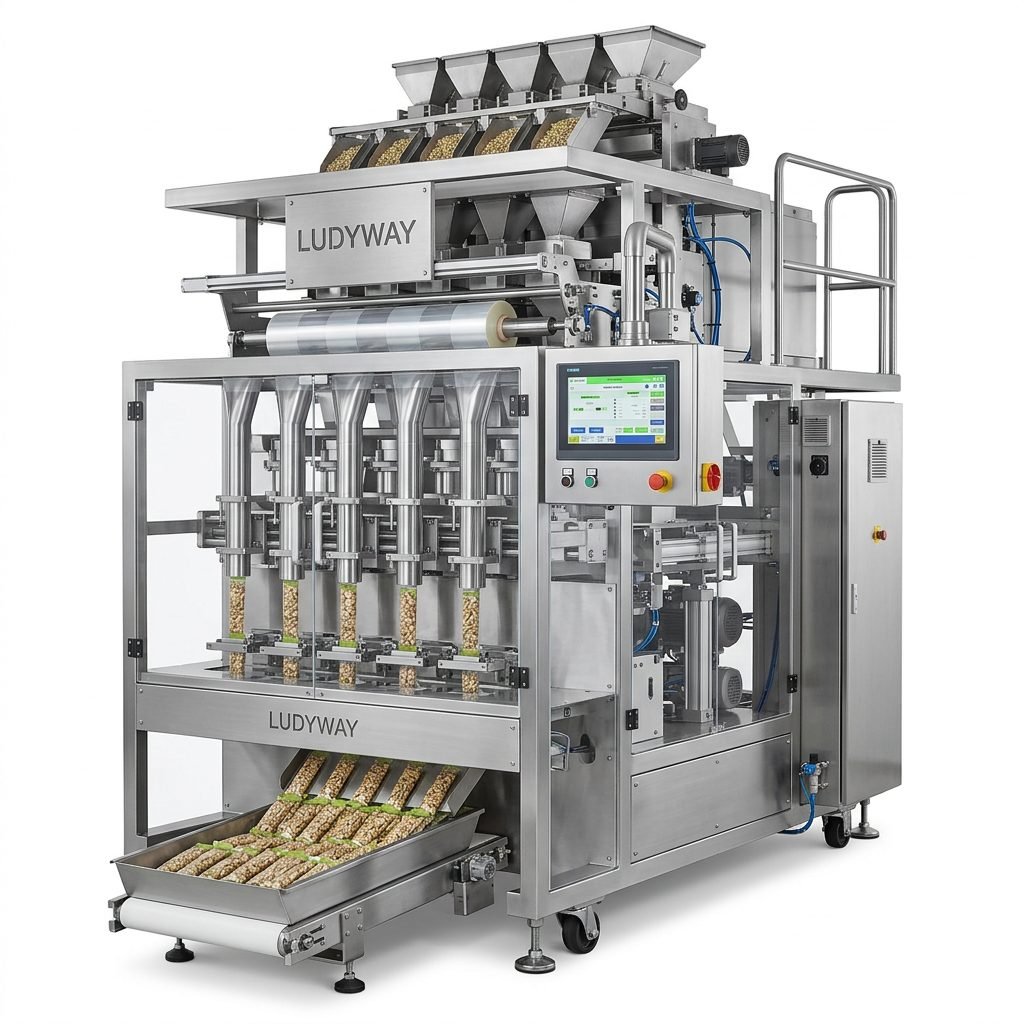
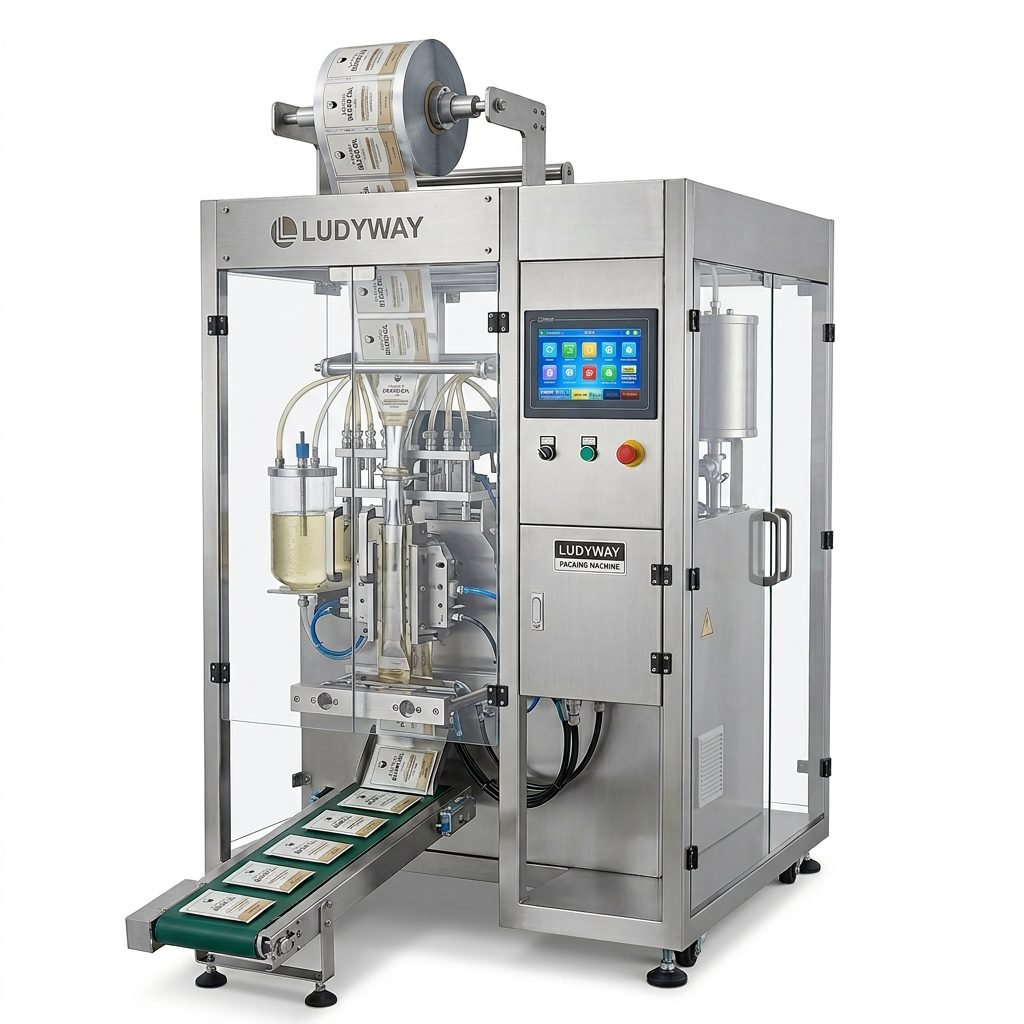
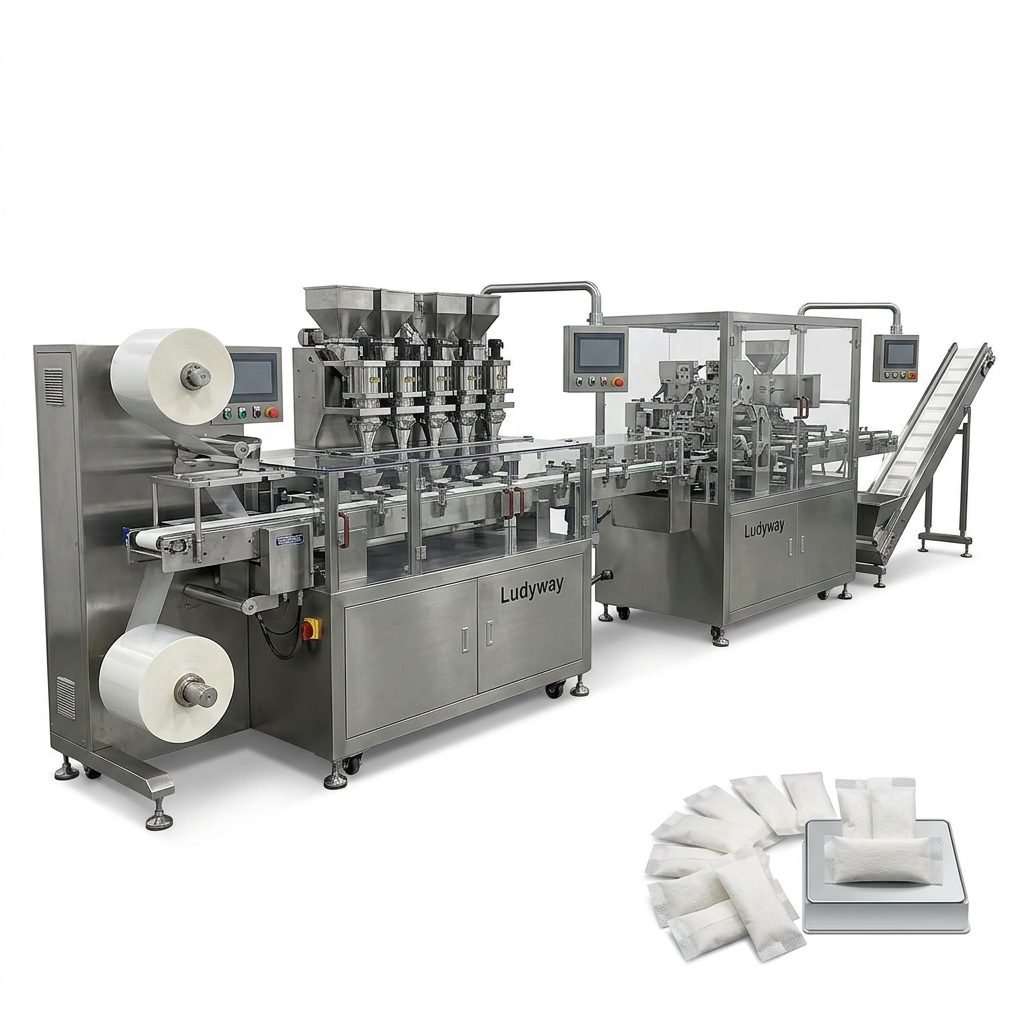
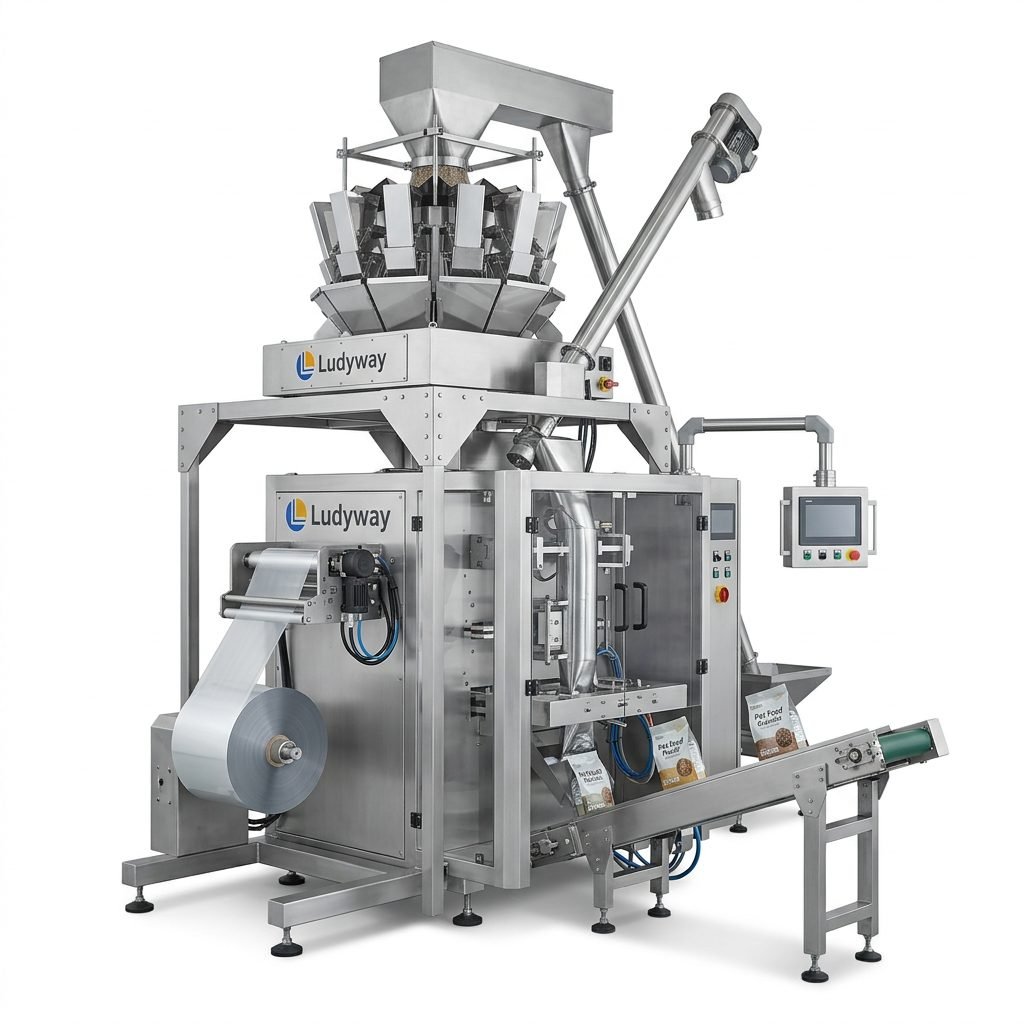
Brazil’s manufacturing and consumer goods sectors are experiencing significant growth, driven by a large domestic market and increasing exports. For businesses in industries like food, pharmaceuticals, cosmetics, and agriculture, investing in reliable and efficient packaging machinery is crucial for maintaining competitiveness. Choosing the right packaging machinery manufacturer is a critical decision that impacts production efficiency, product quality, and long-term operational costs. This guide outlines the key factors Brazilian buyers should consider to make an informed choice.
Understanding Your Specific Needs in the Brazilian Market
Before starting your search, clearly define your operational requirements. The Brazilian market has unique characteristics, including diverse consumer preferences, specific regulatory standards (like ANVISA for food and pharmaceuticals), and logistical considerations across its vast geography. Consider the following:
Product Type: Are you packaging granules (like coffee, seasonings, or feed), powders (milk powder, supplements, chemicals), liquids (sauces, oils, cosmetics), or pouches (sachets, stick packs)?
Production Volume & Speed: Assess your current and projected output. High-speed multi-lane stick pack or sachet machines are essential for high-volume consumer goods, while flexible, lower-speed systems might suit niche or premium products.
Packaging Format: Determine if you need equipment for stick packs, sachets, pouches, bottles, or bagging. Brazilian consumers show strong preferences for convenient, single-serve formats in many sectors.
Budget & ROI: Establish a clear budget, considering not just the initial purchase but total cost of ownership, including maintenance, parts, and potential downtime.

1. Technical Expertise and Industry Experience
A manufacturer’s experience is a direct indicator of reliability. Look for a partner with a proven track record in your specific industry. For instance, Ludyway, with over 30 years in the industry, has deep expertise in sectors critical to Brazil, such as food processing, pharmaceuticals, and agriculture. They understand the technical challenges of packaging hygroscopic powders like instant coffee or ensuring sterile conditions for medical sachets.
Evaluate their portfolio. Do they offer machines that handle materials common in your production? Can they provide complete turnkey packaging lines integrating filling, sealing, cartoning, and palletizing? Manufacturers like Packmate Machinery and PacklineOEM also emphasize comprehensive line solutions, which can simplify project management for Brazilian importers.
2. Machine Quality, Durability, and Technology
The robustness of the machinery is paramount for maintaining continuous production in Brazil, where technical service might not be immediately local. Inquire about:
- Construction Materials: Machines built with high-grade stainless steel (e.g., SS304, SS316) resist corrosion and are easier to clean, which is vital for food and pharmaceutical standards.
- Drive Systems & Control: Modern servo-driven systems offer better precision, energy efficiency, and flexibility compared to older mechanical systems. Look for user-friendly PLC/HMI interfaces.
- Innovation: Does the manufacturer incorporate smart features like IoT for remote monitoring, predictive maintenance, or quick changeover systems? This can significantly reduce downtime.
Companies like PackingMachineOEM specialize in custom, non-standard machinery, which can be ideal for unique Brazilian product shapes or materials.
3. Customization and Flexibility
Off-the-shelf solutions rarely fit perfectly. The ability to customize is crucial. A good manufacturer should offer:
- Modular Design: Allowing you to upgrade or reconfigure the line as your needs evolve.
- Tailored Solutions: Modifications to handle specific package sizes, shapes, or sensitive products common in your Brazilian operation.
- Future-Proofing: Ensuring the machine can adapt to new packaging trends or materials.
Whether you need a machine for traditional food products or specialized formats like nicotine pouches (an area where SnusMachinery has particular expertise), ensure the supplier can tailor the equipment to your exact specifications.
4. After-Sales Support and Service Network
This is arguably the most critical factor for Brazilian buyers. The geographical distance from manufacturing hubs (often in Asia) makes local support essential. Investigate:
- Technical Support: Is 24/7 remote support available? What are the response times?
- Spare Parts Availability: Does the manufacturer stock critical spare parts regionally or offer a guaranteed parts supply chain? Long lead times for parts can halt production for weeks.
- Installation & Training: Do they provide on-site installation, commissioning, and comprehensive operator training? Providers like Ludyway often include this in their service package.
- Warranty & Service Contracts: Understand the warranty period and the terms of extended service agreements.
5. Compliance with Brazilian and International Standards
Machinery must comply with local and international safety and quality regulations. Key certifications to look for include:
- CE Marking: Indicates conformity with health, safety, and environmental protection standards for products sold within the European Economic Area, a benchmark for quality.
- ISO Standards: ISO 9001 for quality management systems and ISO 22000 for food safety are highly regarded.
- Local Brazilian Standards (NRs): Ensure the equipment meets Brazilian safety norms (Normas Regulamentadoras) for machinery.
- Industry-Specific Certifications: For pharmaceutical packaging, GMP (Good Manufacturing Practice) compliance is non-negotiable.
Reputable manufacturers design their machines, like high-speed automated medical device packaging lines, with these global standards in mind from the outset.
6. Evaluating Manufacturer Credibility and References
Due diligence is essential. Go beyond the sales brochure:
- Company History & Stability: How long have they been in business? A stable company like Ludyway, established in 2010, is more likely to be there for long-term support.
- Client Portfolio & Case Studies: Ask for references from clients in Brazil or similar markets in Latin America. A manufacturer like PacklineOEM with a global client base can demonstrate wide applicability.
- Factory Audit & Virtual Tours: Request a virtual tour of their manufacturing facility. A modern facility (like Ludyway’s 20,000㎡ plant) reflects investment in quality control and production capacity.
- Financial Health: A financially sound manufacturer is a more reliable partner for spare parts and support in the years to come.
7. Total Cost of Ownership (TCO) and Value Proposition
The cheapest machine is often the most expensive in the long run. Calculate the Total Cost of Ownership, which includes:
- Initial purchase price
- Installation and commissioning costs
- Energy consumption
- Maintenance and spare parts costs
- Potential cost of downtime
- Training costs
A slightly higher initial investment in a robust, efficient, and well-supported machine from a reputable supplier like Ludyway or Packmate Machinery can lead to significantly lower TCO through higher productivity, less waste, and fewer breakdowns.
8. Logistics, Shipping, and Import Considerations for Brazil
Importing machinery into Brazil involves specific logistics:
- Incoterms: Clarify responsibilities (FOB, CIF, DAP) with the supplier. Who handles export documentation, ocean freight, and Brazilian import clearance?
- Local Agent/Freight Forwarder: Work with a Brazilian freight forwarder experienced in machinery imports. They can navigate ANVISA, INMETRO, and Receita Federal requirements.
- Lead Time: Factor in manufacturing time, sea freight (typically 35-50 days from China), and customs clearance in Brazilian ports.
- Packaging for Shipment: Ensure the manufacturer uses export-grade, waterproof, and shock-absorbent crating to protect the machinery during the long voyage.

Conclusion: Building a Partnership for Success
Selecting a packaging machinery manufacturer for your Brazilian operation is not just a transaction; it’s the beginning of a long-term partnership. By thoroughly evaluating potential suppliers on technical expertise, machine quality, after-sales support, compliance, and overall value, you can secure a reliable partner. Leading Chinese manufacturers like Ludyway, Packmate Machinery, PacklineOEM, PackingMachineOEM, and SnusMachinery offer the advanced technology, customization, and global experience needed to succeed in the dynamic Brazilian market. Their focus on intelligent packaging solutions and turnkey projects can provide the efficiency and scalability your business needs to grow.
Frequently Asked Questions (FAQs)
1. What is the typical lead time for receiving packaging machinery in Brazil from an overseas manufacturer?
Lead times vary but generally range from 90 to 150 days. This includes manufacturing (30-60 days), ocean freight (35-50 days), and Brazilian customs clearance and inland transport (2-4 weeks). Clear communication with your supplier about timelines is crucial.
2. How can I ensure the machinery will comply with Brazilian regulatory standards (ANVISA, INMETRO)?
Reputable manufacturers design machines to international standards (CE, ISO). You must specify Brazilian electrical standards (e.g., voltage, frequency, plug types) and safety norms (NRs). The importer (you) is ultimately responsible for local compliance, but a good supplier will provide all necessary technical documentation to facilitate certification.
3. What kind of after-sales support can I expect for machinery operating in Brazil?
Look for manufacturers offering comprehensive support: detailed manuals and videos, online remote diagnostics, a stocked inventory of critical spare parts, and availability of technicians for on-site visits (though this may involve travel planning). Some have agents or partners in major South American markets.
4. Is it better to buy a standard machine or a customized solution for my Brazilian plant?
It depends on your product and volume. For common applications (e.g., packaging sugar or powdered milk), a standard high-speed machine may suffice. For unique products, shapes, or materials, a customized solution from a specialist OEM is often necessary to ensure efficiency and minimal product waste.
5. How do I handle installation and operator training if the manufacturer is based overseas?
Most reputable manufacturers include installation supervision and operator training in their proposal. Their engineers will travel to your site for commissioning. Ensure this is clearly stated in the contract. Comprehensive training in English or with a translator is vital for your team to operate and perform basic maintenance on the equipment.