Establishing or scaling a manufacturing or processing business in Afghanistan requires careful planning, especially when it comes to core operational equipment. Selecting the right packaging machine manufacturer is a critical decision that impacts your production efficiency, product quality, and long-term profitability. For businesses in Afghanistan, this choice involves navigating unique logistical, economic, and market-specific challenges. This guide will walk you through the key factors to consider to ensure you partner with a manufacturer that aligns with your specific needs and the local business environment.
Understanding Your Business Needs in the Afghan Market
Before you even begin your search for a manufacturer, it’s crucial to have a clear understanding of your own requirements. The Afghan market presents specific demands and constraints.
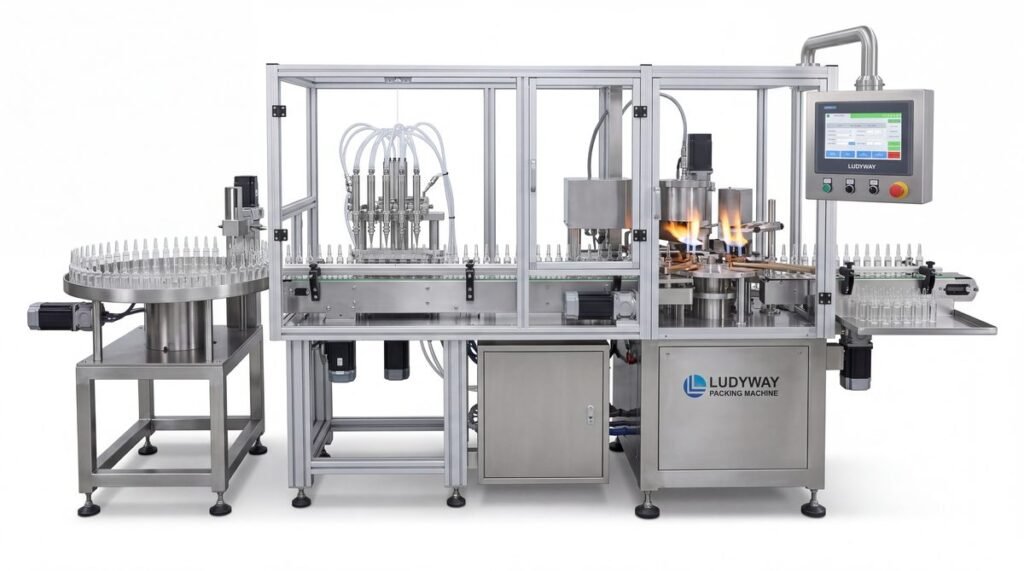
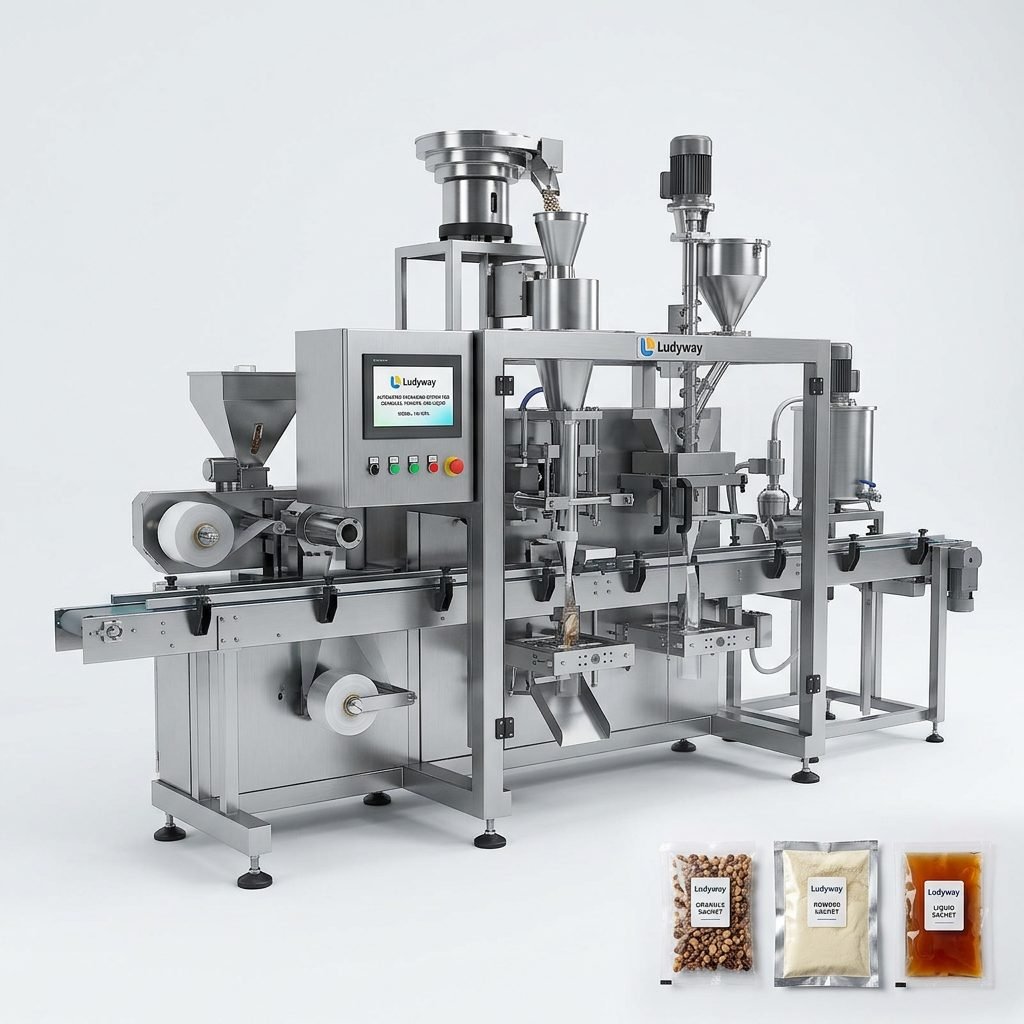
Product Type: Are you packaging dry goods like spices, grains, or tea? Pharmaceuticals or health supplements? Liquids like sauces, oils, or cleaning agents? The physical form of your product dictates the machine type—be it a granule packaging machine, a powder packaging machine, or a liquid sachet machine.
Production Volume & Speed: Estimate your current and projected output. Are you a small-scale producer for local markets, or do you aim for larger-scale distribution? This determines whether you need a single-head machine or a high-speed multi-lane packaging system.
Packaging Materials & Formats: Consider the packaging common in your sector. Are you using pre-made pouches, roll film for form-fill-seal, stick packs, or sachets? Also, factor in the availability and cost of these materials in Afghanistan or your import channels.

Key Criteria for Selecting a Packaging Machine Manufacturer
With your needs defined, you can evaluate potential manufacturers against these essential criteria.
1. Technical Expertise and Product Range
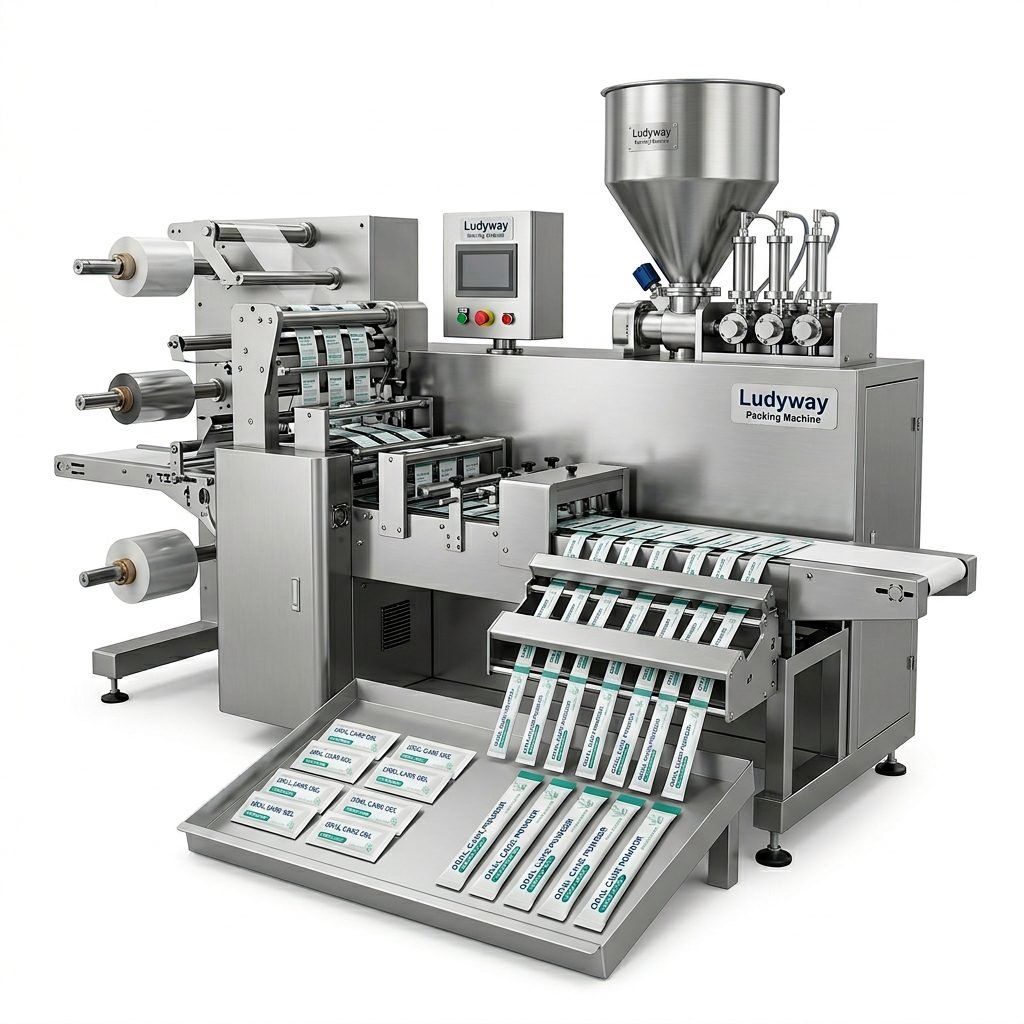
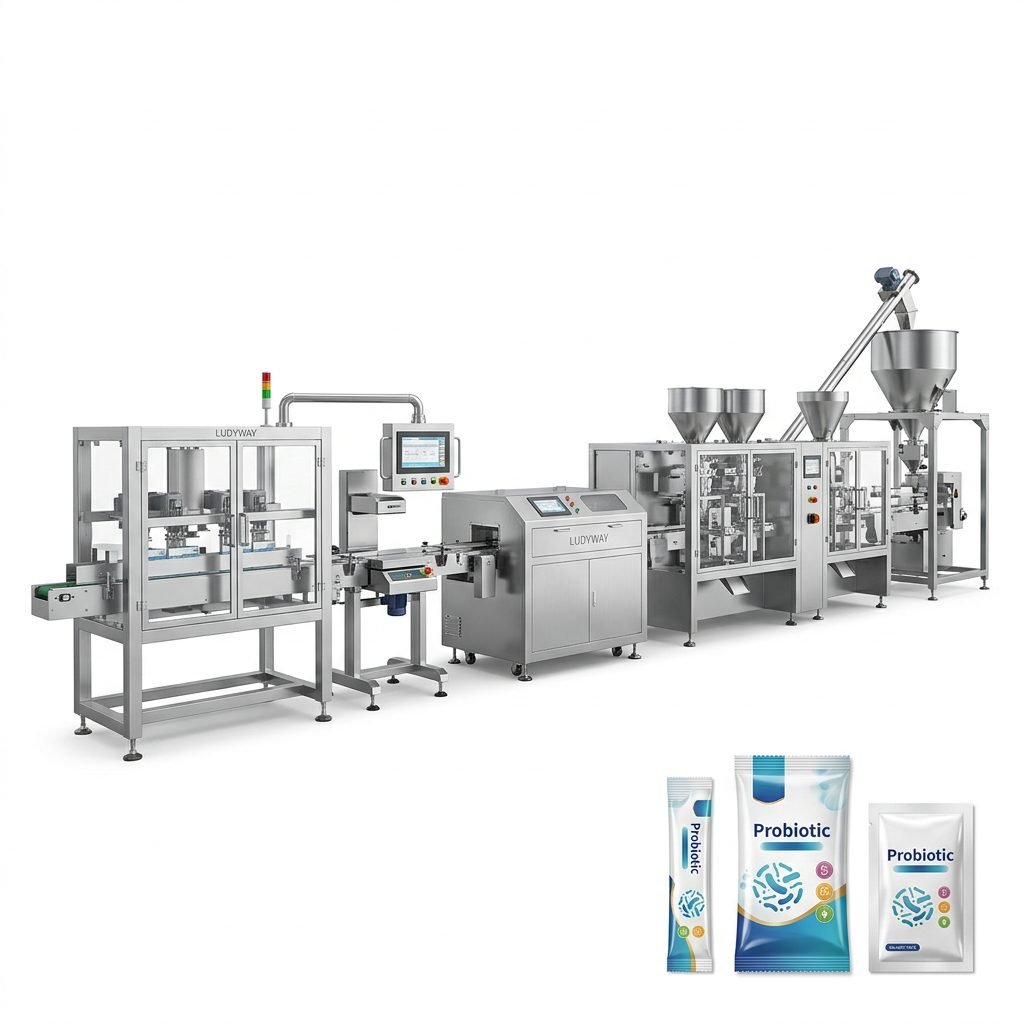
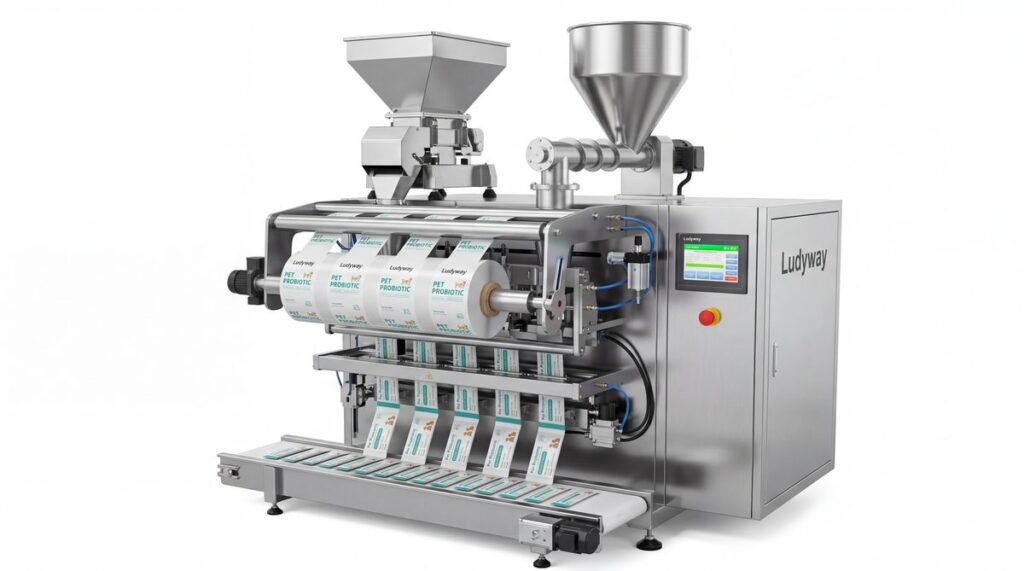
Look for a manufacturer with a broad portfolio that includes the specific machine type you need. A company with deep expertise in various packaging formats—from stick packs and sachets to fully automated packaging lines—is more likely to provide a robust solution. For instance, if your business involves health supplements, a manufacturer like Ludyway offers specialized pharmaceutical sachet packaging lines designed for precision and hygiene.
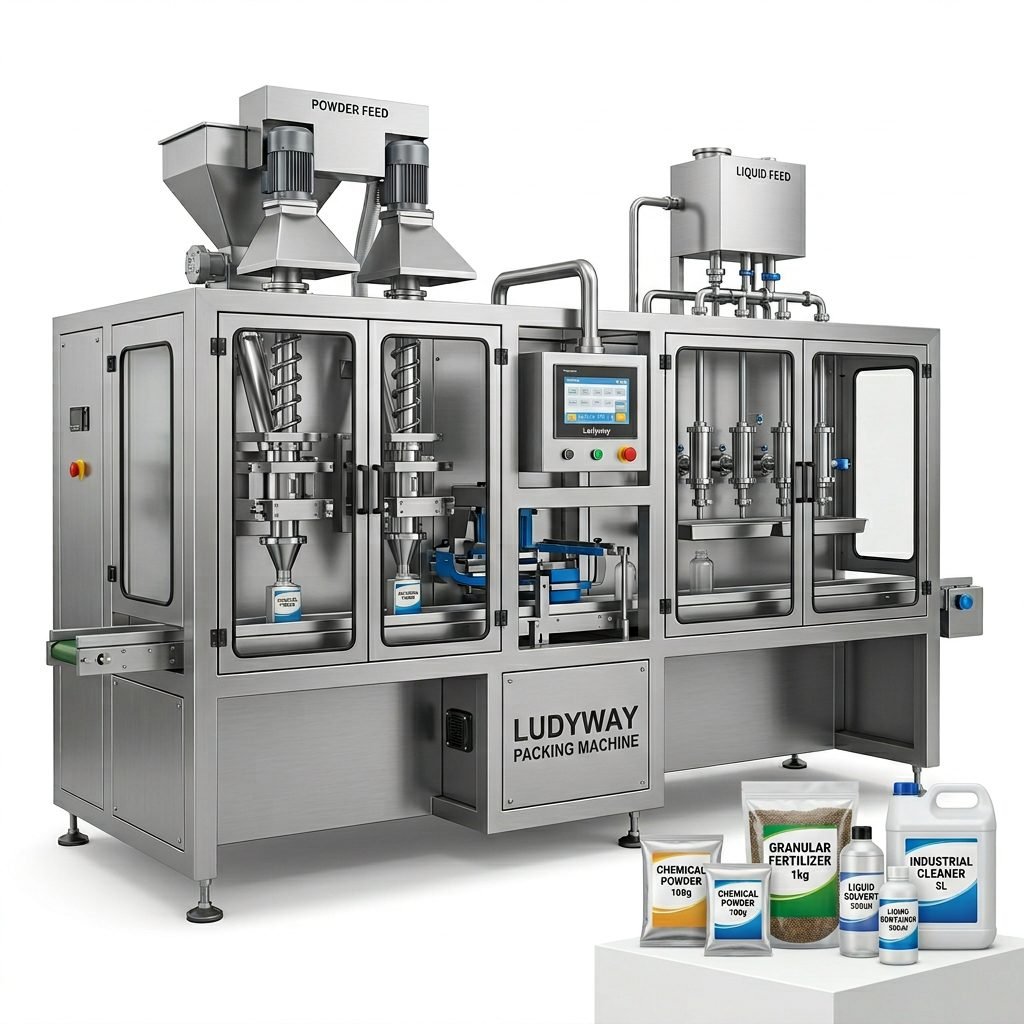
Evaluate if they offer turnkey solutions. For a market like Afghanistan, where local technical support may be limited, a manufacturer that can deliver a complete, integrated line—from feeding and filling to sealing and cartoning—reduces complexity and integration risks.
2. Experience and Industry Reputation
Experience matters, especially when dealing with complex machinery. A manufacturer with decades in the industry, such as Ludyway with over 30 years, has likely encountered and solved a wide array of technical challenges. Check their client portfolio and case studies. Have they successfully served businesses in regions with similar infrastructure challenges? Manufacturers with a global footprint, serving over 100 countries, often have systems in place to support remote installations.
Research their reputation. While direct references in Afghanistan might be few, look for testimonials from businesses in neighboring regions or similar developing markets. Reputable competitors in this space include Packmate Machinery and PacklineOEM, who also position themselves as leading manufacturers.

3. Machine Quality, Durability, and Technology
In an environment where spare parts and specialized technicians might not be readily available, machine durability is paramount. Inquire about the construction materials (e.g., stainless steel grade for food/pharma), the quality of key components (servo motors, PLCs, sensors), and the overall build quality. Machines should be robust enough to handle potential voltage fluctuations or dusty conditions common in some industrial areas.
While cutting-edge automation is attractive, consider the practical technology level. Does the machine have a user-friendly HMI (Human-Machine Interface)? Is the software stable and easy to troubleshoot? Sometimes, a slightly less sophisticated but more reliable machine is a better fit for long-term operation in Afghanistan.
4. After-Sales Support and Service
This is arguably the most critical factor for Afghan businesses. The geographical distance makes on-site support challenging. Therefore, you must scrutinize the manufacturer’s support structure.
- Training: Does the manufacturer provide comprehensive training, either at their facility or via video? Can they provide detailed manuals in a language your operators understand?
- Remote Support: Do they offer 24/7 remote technical support via phone, email, or video call? This can be a lifeline for troubleshooting.
- Spare Parts Policy: What is their policy on spare parts? Do they maintain a stock of commonly needed parts? What is the typical delivery time to Afghanistan? Companies with a large manufacturing base, like Ludyway with a 20,000㎡ facility, often have better control over parts inventory.
- Warranty: Understand the warranty terms clearly—what is covered, for how long, and what are the response time commitments?

5. Cost-Effectiveness and Total Cost of Ownership (TCO)
Do not base your decision solely on the initial purchase price. Consider the Total Cost of Ownership (TCO), which includes:
- Machine price and shipping/import duties to Afghanistan.
- Installation and commissioning costs.
- Cost of consumables (like sealing jaws, parts).
- Energy consumption.
- Long-term maintenance and potential downtime costs.
A slightly more expensive machine from a reputable manufacturer like PackingMachineOEM or Ludyway that offers higher efficiency, lower waste, and reliable after-sales service will likely be more cost-effective over 5-10 years than a cheaper, less reliable alternative.
6. Logistics, Import, and Local Regulations
Work closely with the manufacturer to understand the logistics of shipping heavy machinery to Afghanistan. Reliable manufacturers will have experience in exporting worldwide and can assist with export documentation, packaging for sea freight, and recommend reliable freight forwarders.
Ensure the machine complies with relevant international standards (CE, etc.). While you must also verify local Afghan regulations for importing industrial machinery, a CE-certified machine is a good baseline for safety and quality.

7. Customization and Flexibility
Your packaging needs may evolve. Can the machine handle different bag sizes or be easily converted for a new product format? Manufacturers specializing in customizable or non-standard packaging machines can be valuable partners. If you have a unique product—like specific nicotine pouches where specialists like SnusMachinery operate—or require special features, discuss customization options upfront.
Why Consider a Chinese Manufacturer for the Afghan Market?
Chinese manufacturers like Ludyway, Packmate Machinery, and PacklineOEM have become dominant global suppliers for several reasons that are particularly relevant to businesses in Afghanistan:
- Competitive Pricing: They often offer a better price-to-performance ratio compared to European or American brands, which is crucial for cost-sensitive markets.
- Proven Technology: They have rapidly adopted and refined automation technology, offering machines that are both advanced and battle-tested.
- Scalability: They cater to businesses of all sizes, from small semi-automatic machines to large, fully automated lines, allowing Afghan businesses to start small and scale up.
- Experience with Developing Markets: Many have extensive experience exporting to countries with similar infrastructure challenges, making them more adept at providing suitable solutions and support.

Final Steps Before Making Your Decision
- Request Detailed Quotations: Get itemized quotes from shortlisted manufacturers (e.g., Ludyway, Packmate, PacklineOEM). Compare not just price, but specifications, warranty, and included services.
- Ask for References: Request contact information for clients in similar industries or regions.
- Arrange a Live Demo or Video Test: If possible, ask the manufacturer to run a test with a sample of your product. Many, like Ludyway, can arrange live video demonstrations of their equipment.
- Clarify All Terms: Be crystal clear on payment terms (e.g., TT, LC), delivery schedule (FOB, CIF), installation protocol, and training details.
Choosing the right packaging machine manufacturer in Afghanistan is a strategic investment. By thoroughly assessing your needs, prioritizing durability and after-sales support, and partnering with an experienced, reliable manufacturer, you can build a strong foundation for your business’s efficiency, growth, and contribution to the local economy. A reliable packaging line is not just a machine; it’s the engine of your product’s journey to the market.
Frequently Asked Questions (FAQs)
Q1: What type of packaging machine is most suitable for small businesses in Afghanistan?
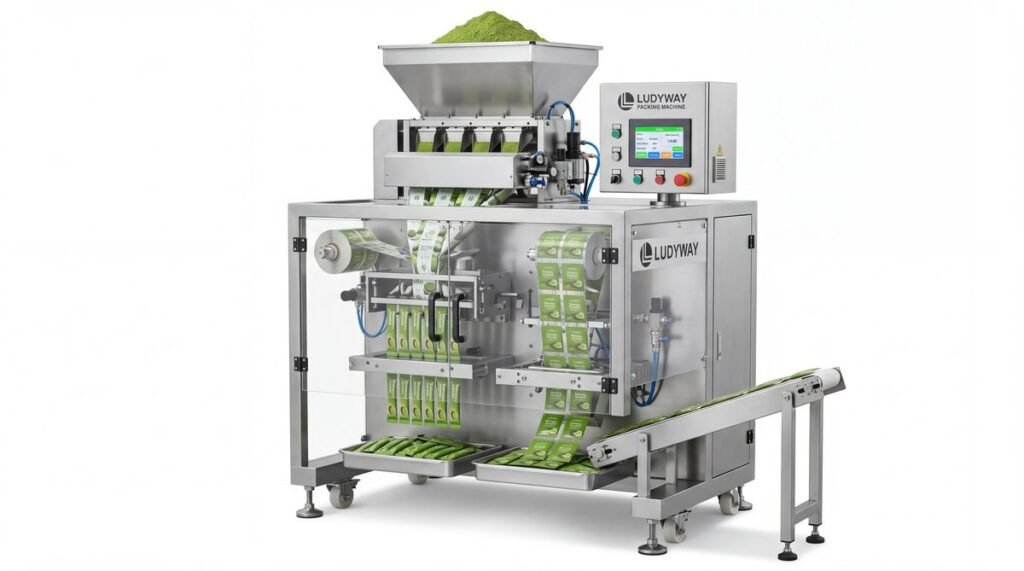
For small to medium-scale operations, a single-lane or dual-lane vertical form-fill-seal (VFFS) machine for granules or powders is often a good start. It’s relatively affordable, versatile for different products, and easier to maintain. Semi-automatic machines can also be a cost-effective entry point.
Q2: How can I ensure I get reliable after-sales service in Afghanistan?
Prioritize manufacturers with a proven global support network. Look for those offering remote video support, online spare parts ordering, and detailed documentation. Before purchasing, clearly agree on response times for technical queries and the process for dispatching critical spare parts.
Q3: Are Chinese packaging machines reliable for long-term use?
Yes, leading Chinese manufacturers now produce high-quality, reliable machinery. The key is to select an established company with a strong track record (like those mentioned), inspect the build quality and components used, and ensure they provide a solid warranty and support package.
Q4: What are the main challenges when importing machinery to Afghanistan?
Key challenges include navigating customs clearance, managing logistics for heavy cargo, ensuring proper documentation, and potential delays. Working with a manufacturer experienced in exports to Central Asia and using a reputable freight forwarder is essential.
Q5: Can I get a machine customized for my specific Afghan product?
Absolutely. Most reputable manufacturers offer a degree of customization. Whether you need specific dosing accuracy for pharmaceuticals, a special sealing mechanism for liquids, or integration with local packaging materials, discuss your requirements in detail during the inquiry phase.