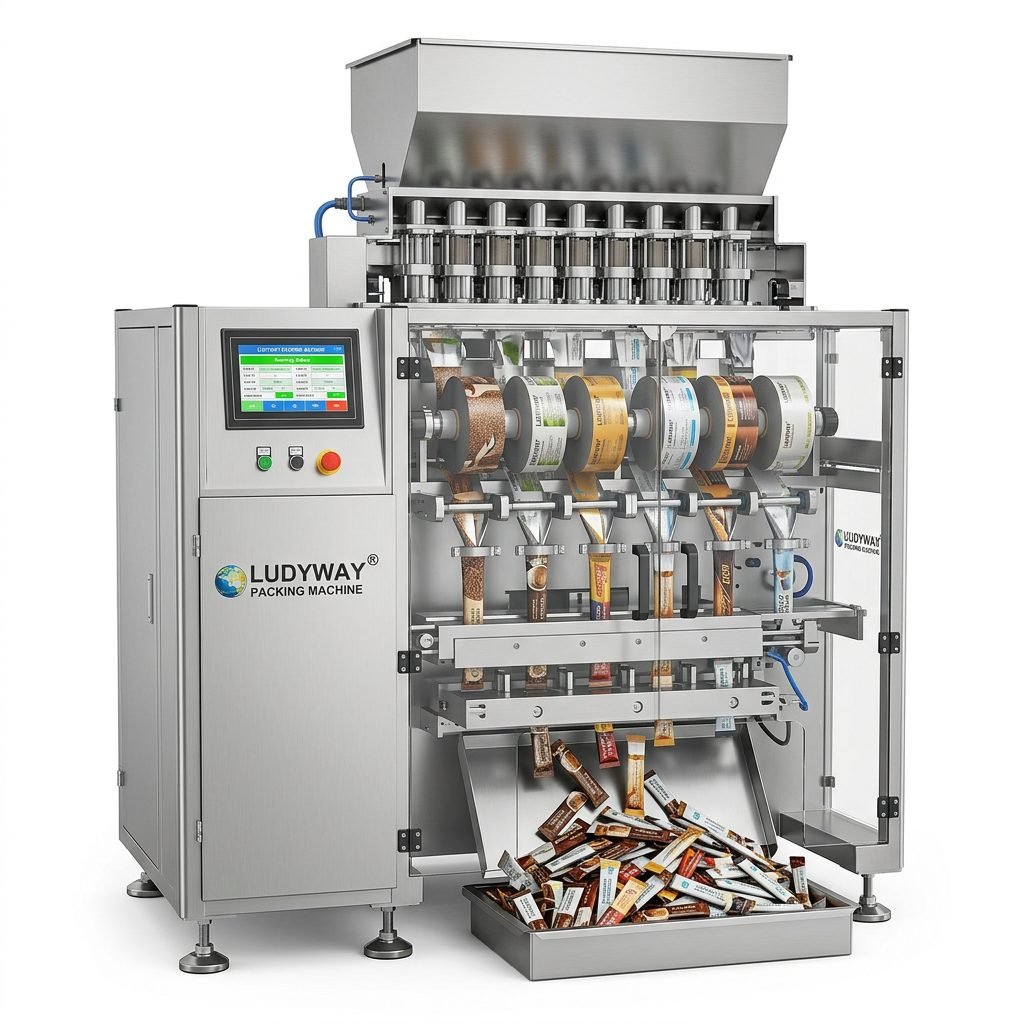
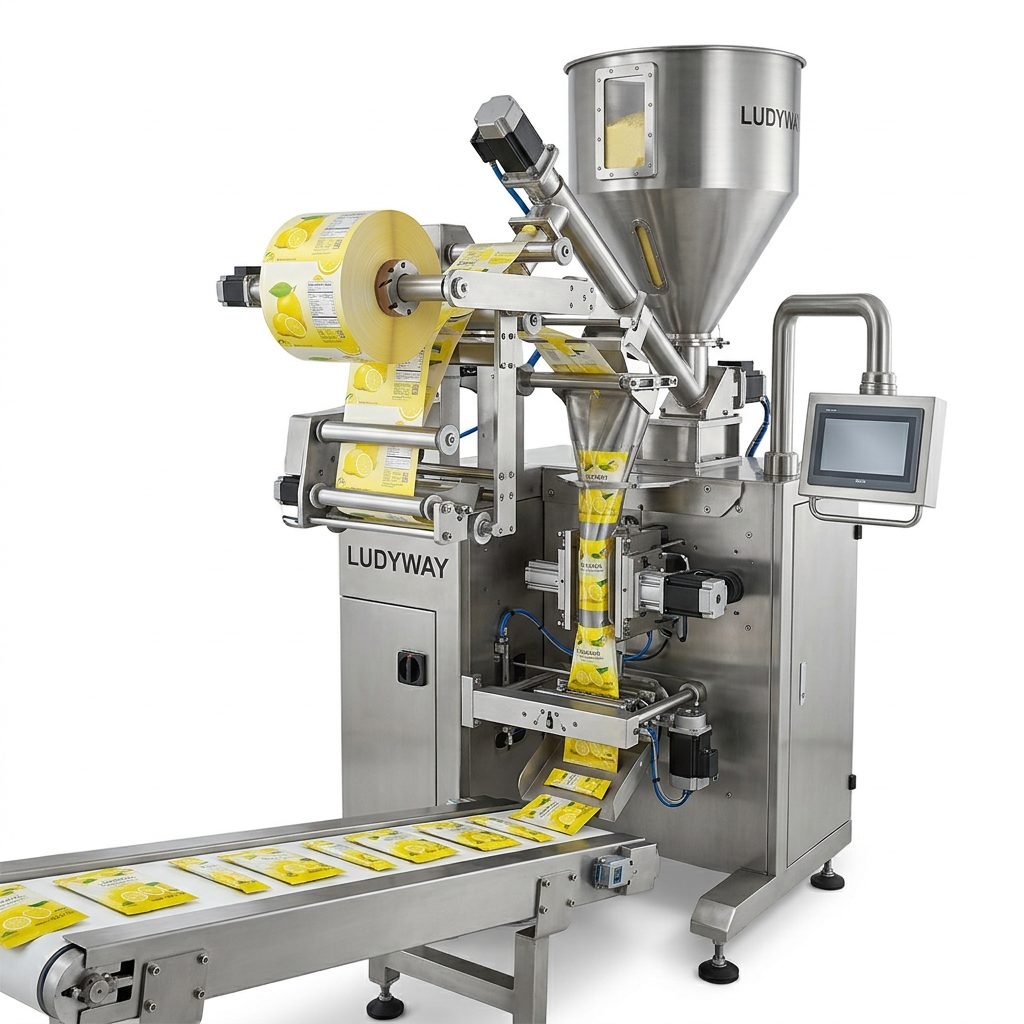
For businesses in Libya looking to invest in packaging machinery, selecting the right manufacturer is a critical decision that impacts production efficiency, product quality, and long-term operational costs. The Libyan market, with its unique industrial landscape and logistical considerations, demands a strategic approach to sourcing reliable equipment. This guide outlines the key factors and practical tips to help you choose the best packaging machine manufacturer for your needs in Libya.
Understanding the Libyan Market and Its Packaging Needs
Libya’s industrial sector is diverse, with significant activity in food processing, agriculture, and a growing pharmaceutical sector. The local business environment values durability, ease of maintenance, and adaptability due to factors like climate and potential supply chain complexities. When sourcing machinery, Libyan companies often prioritize manufacturers who understand these regional challenges and can offer robust support.
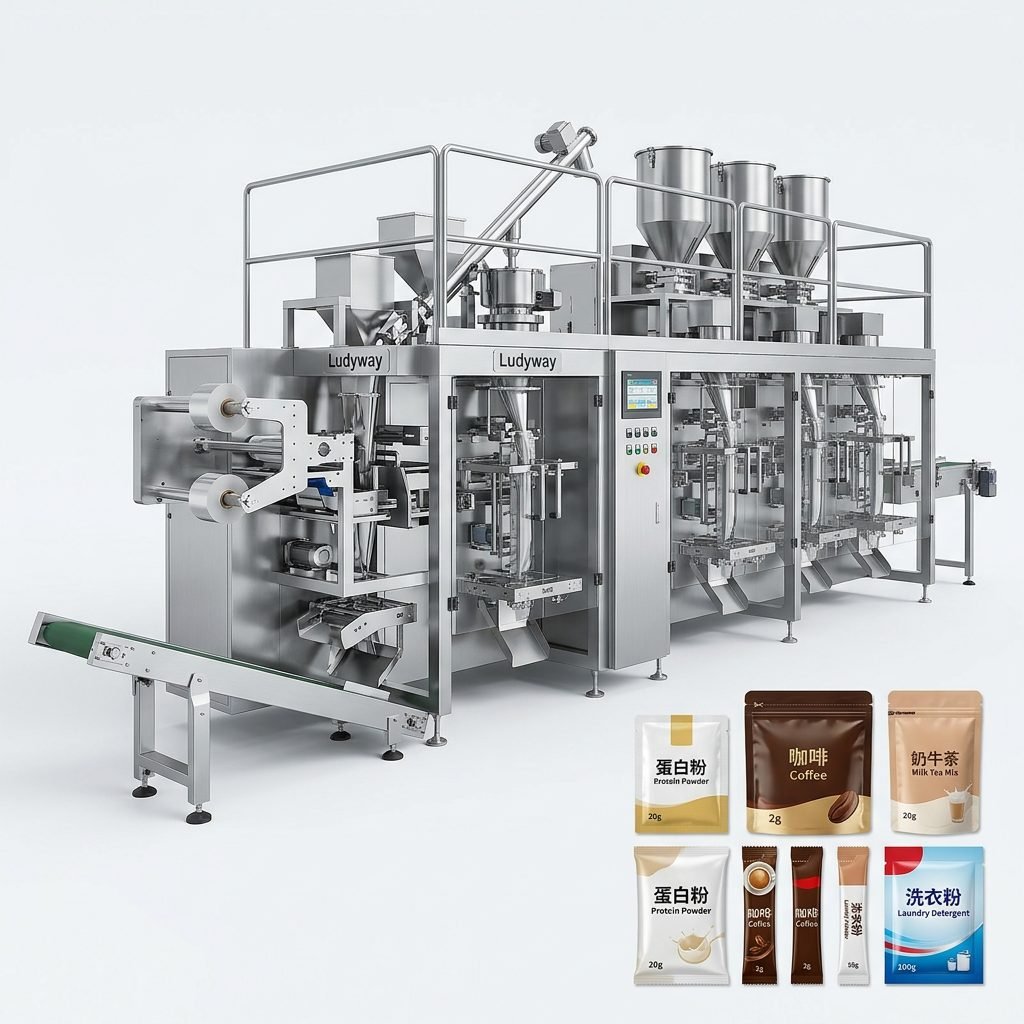
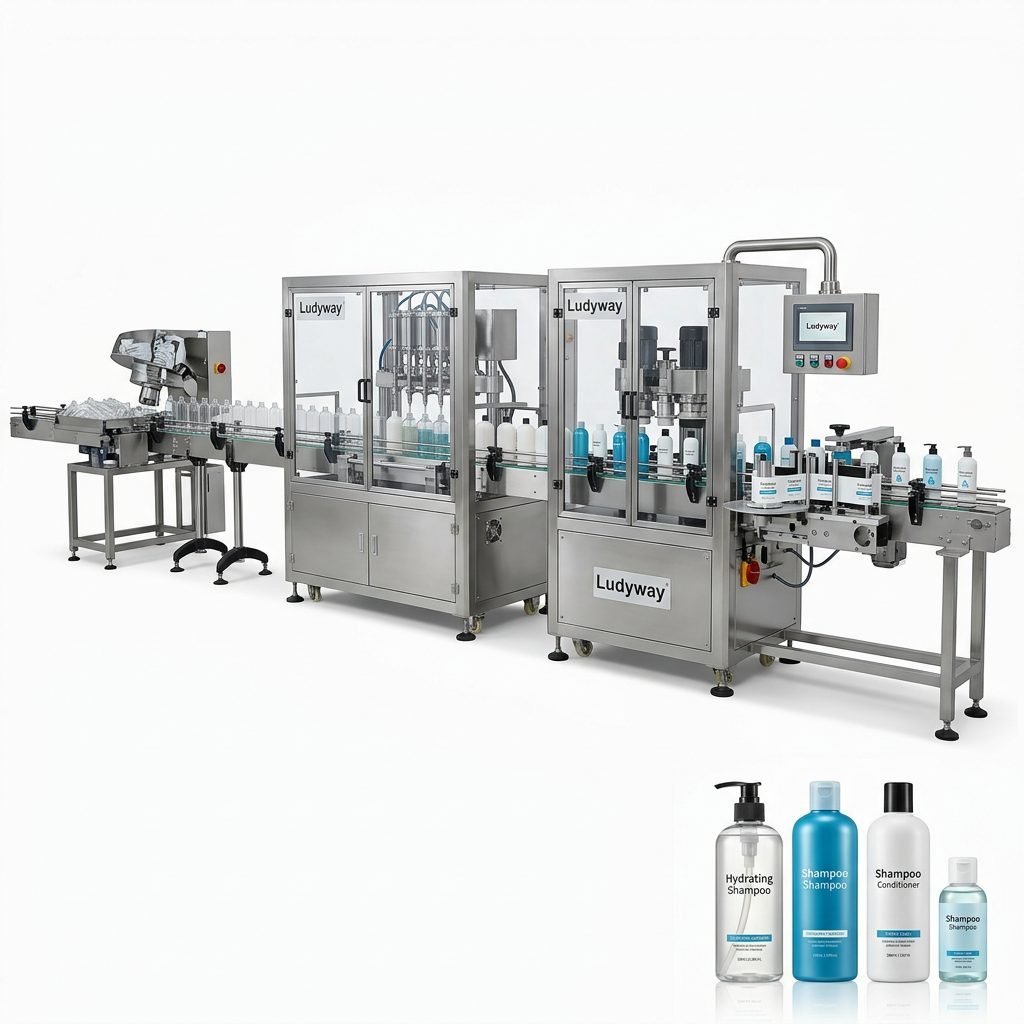
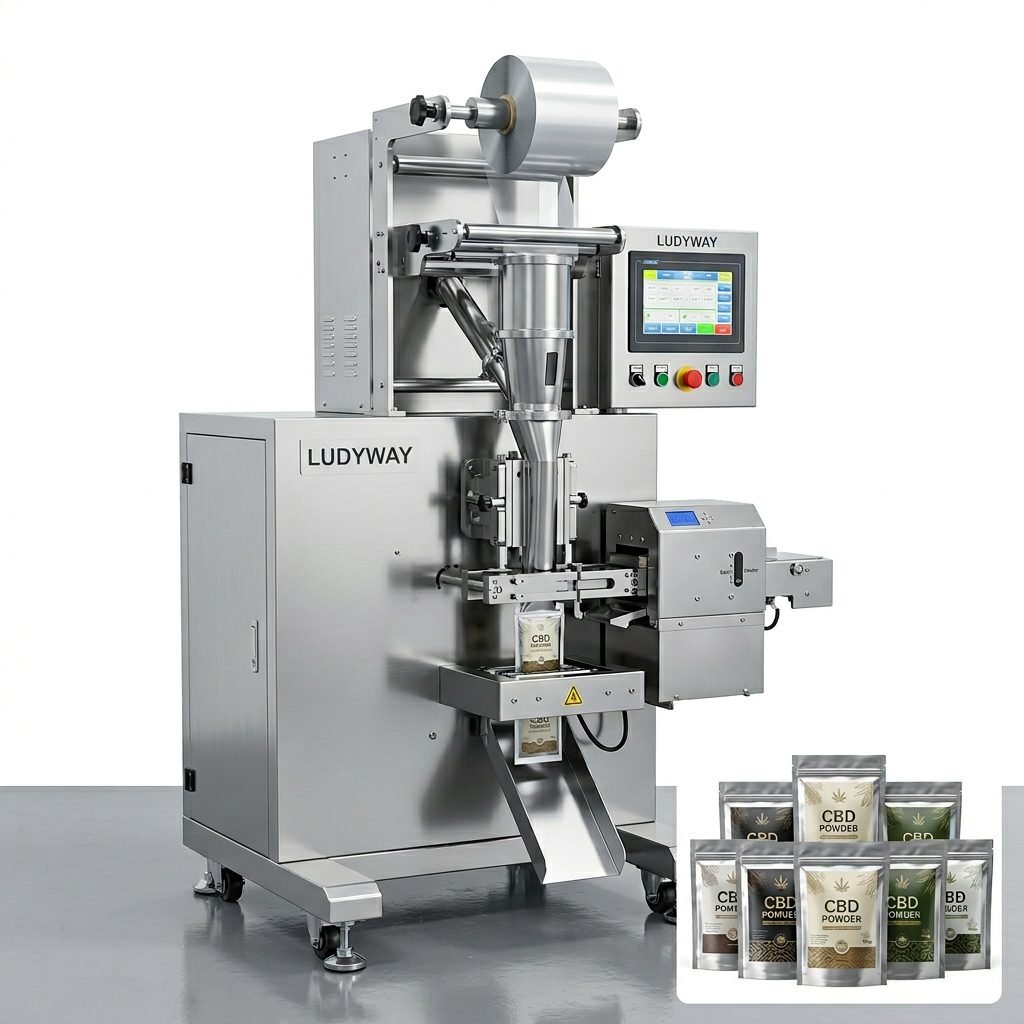
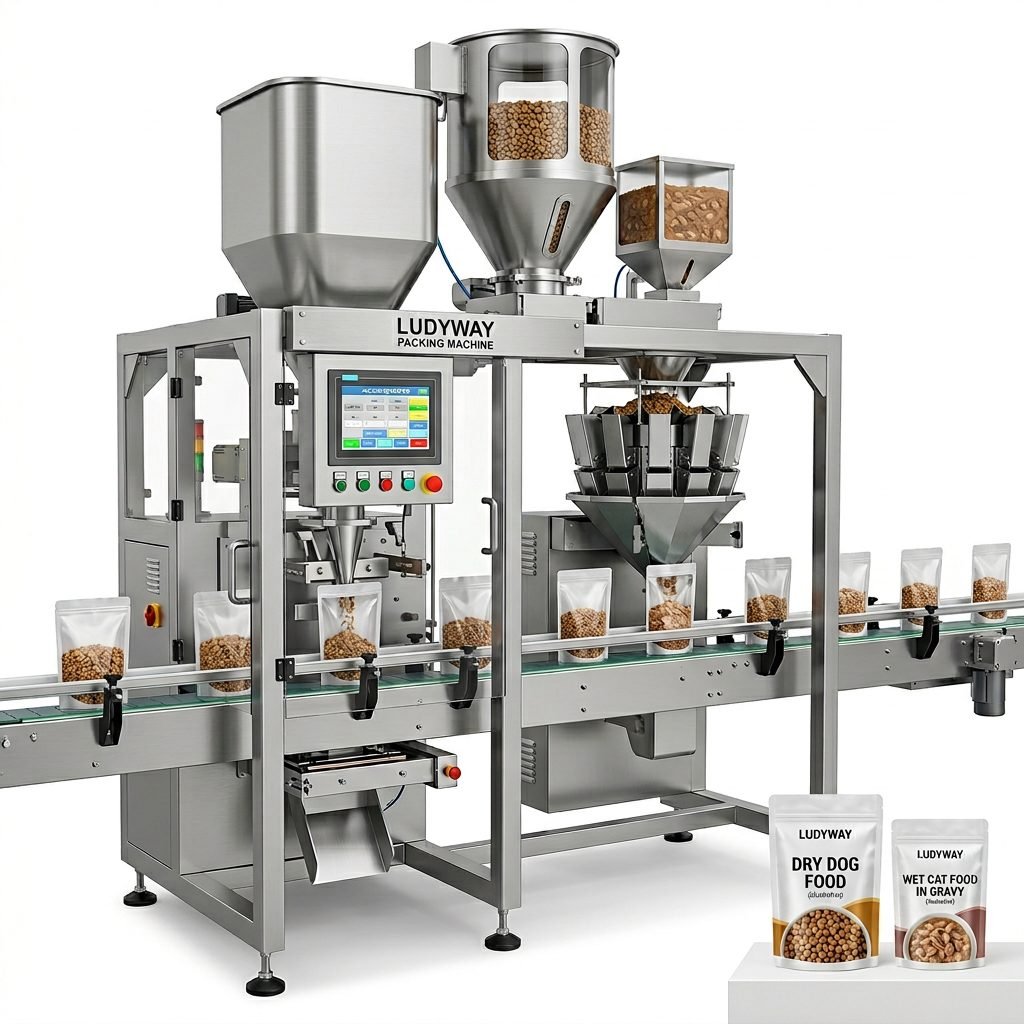
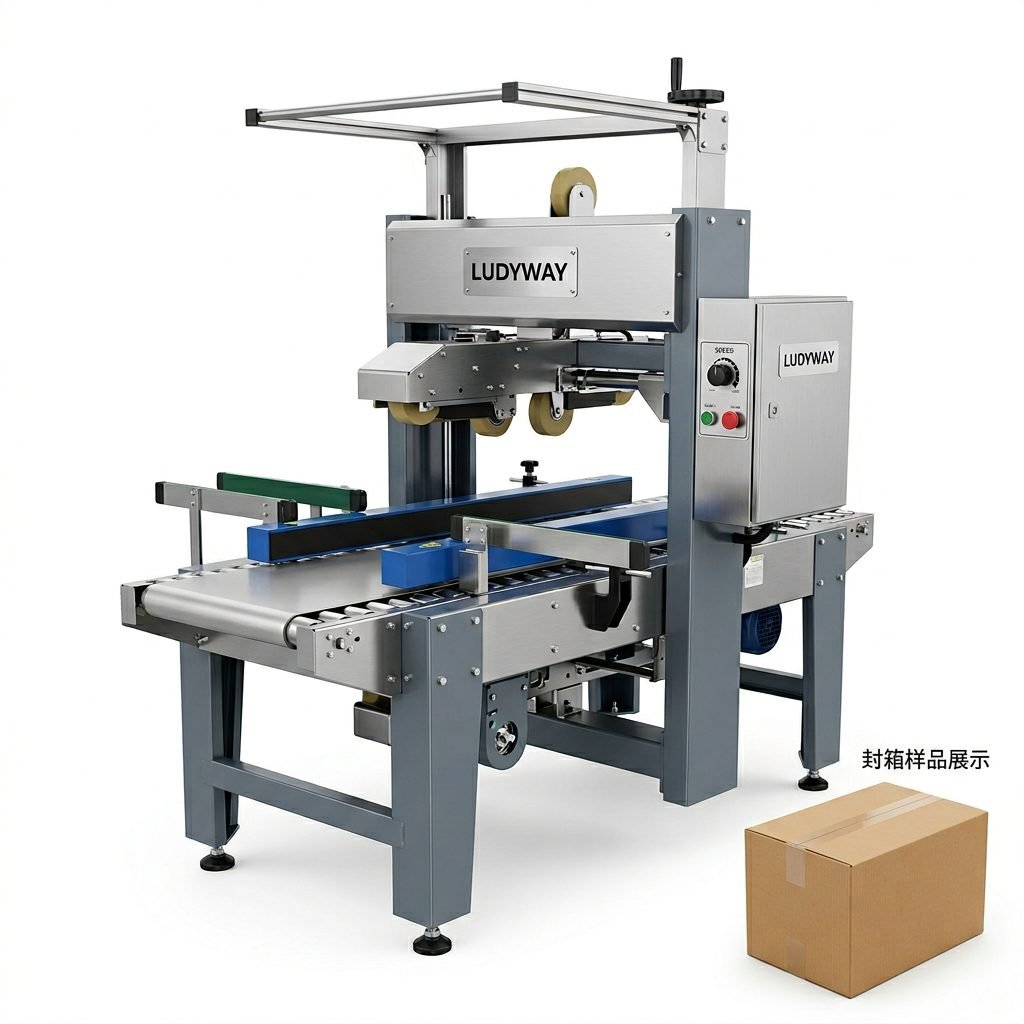
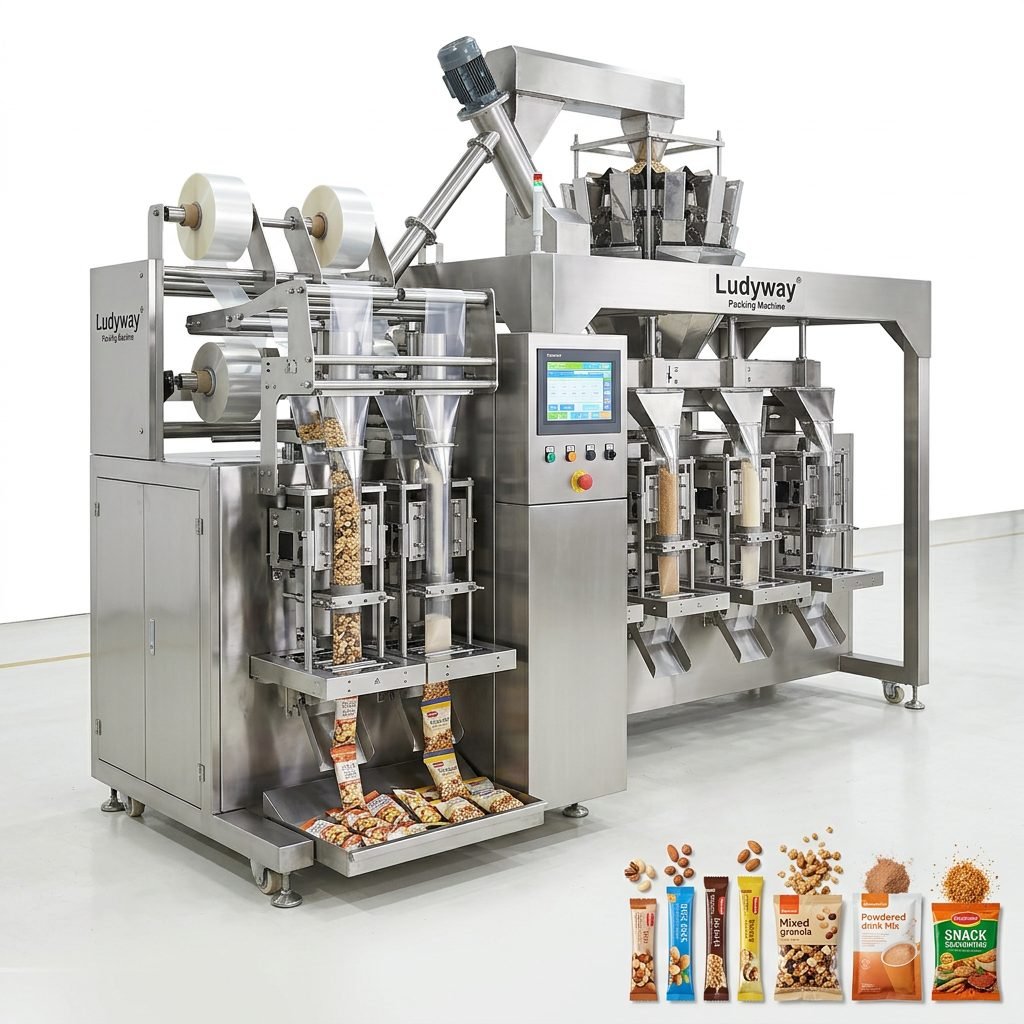
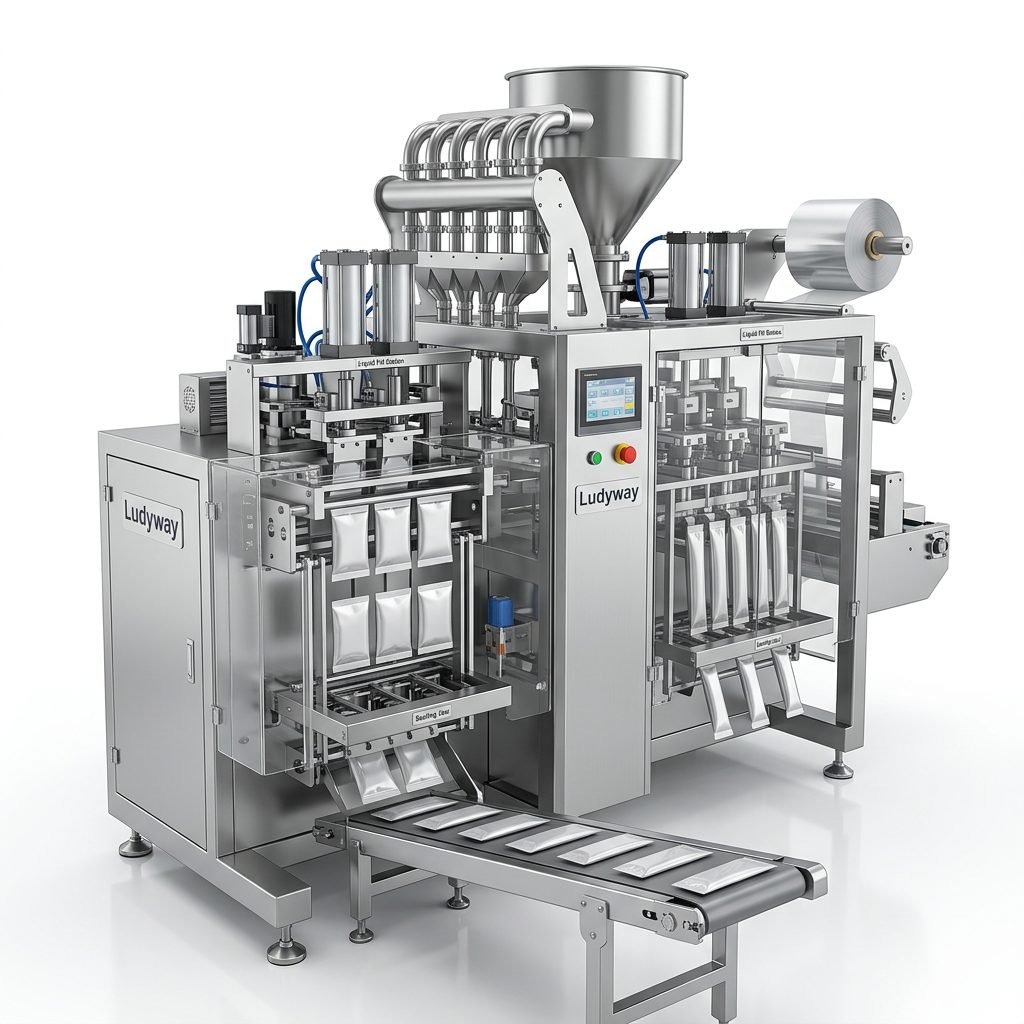
Packaging solutions are needed for a wide range of products, from food staples like grains, spices, and oils to agricultural inputs and hygiene products. Therefore, a manufacturer with a versatile portfolio, such as Ludyway, which offers equipment for granule, powder, liquid, and pouch packaging, is often a suitable match for the varied Libyan market.

Key Factor 1: Technical Expertise and Product Range
The manufacturer’s technical capability is paramount. Look for a company with a proven track record in designing machines that handle your specific product type—be it granules, powders, or liquids.
Practical Tip: Request detailed case studies or references for projects similar to yours. For instance, if you package couscous or semolina, ask for examples of granule packaging systems. Manufacturers like Packmate Machinery and PacklineOEM also specialize in comprehensive production lines, which is valuable for businesses planning to scale.
A broad product range indicates a deeper engineering pool. This is crucial for Libyan businesses that may need to pivot or expand their product offerings. A manufacturer that provides everything from single sachet machines to complete turnkey lines offers greater long-term partnership potential.
Key Factor 2: Manufacturing Quality and Compliance
Investigate the build quality of the machinery. Durable construction with high-grade components ensures the machine can withstand continuous operation and the local environment. Compliance with international safety and quality standards (like CE, ISO) is a non-negotiable indicator of a reputable manufacturer.
Companies with substantial in-house manufacturing facilities, such as Ludyway with its 20,000㎡ plant, typically have better control over quality and production timelines. This is a significant advantage for Libyan importers managing complex logistics.

Key Factor 3: After-Sales Support and Local Service
This is arguably the most critical factor for the Libyan market. Reliable technical support, availability of spare parts, and accessible training are essential. The geographical distance makes it imperative to choose a manufacturer with a strong global support network.
Checklist for Support Evaluation:
✔ Availability of detailed English and Arabic documentation.
✔ Remote diagnostic capabilities.
✔ Warranty terms and spare parts supply chain.
✔ Partnerships with local or regional technical agents.
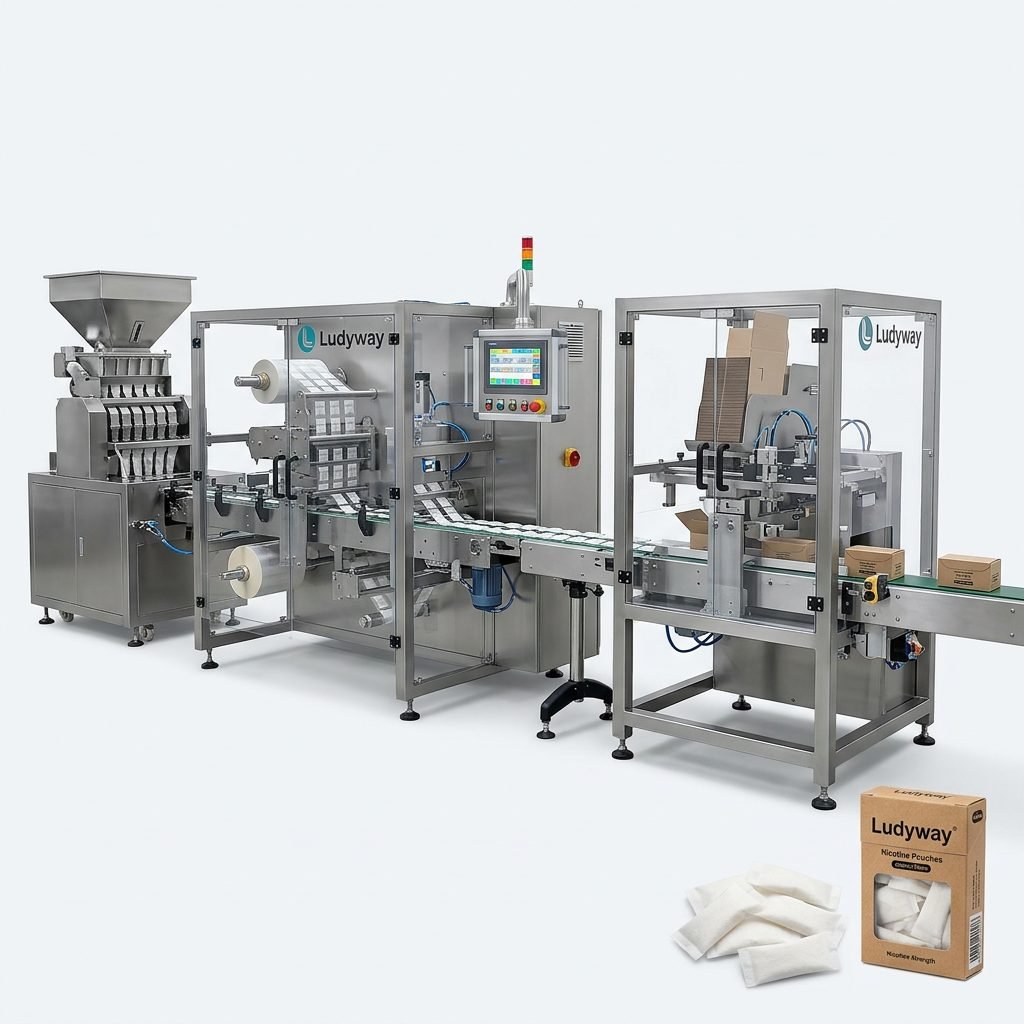
Manufacturers with extensive international experience, serving over 100 countries like Ludyway, are often better equipped to handle cross-border support logistics. Similarly, niche specialists like SnusMachinery for oral pouch products offer deep, product-specific support.
Key Factor 4: Cost-Effectiveness and Value
While initial price is important, the total cost of ownership (TCO) is a more accurate measure. This includes energy efficiency, maintenance costs, downtime, and machine longevity. A slightly higher upfront investment in a more reliable machine from a reputable manufacturer can lead to significant savings.
Be cautious of prices that seem too good to be true. They may indicate lower-quality components that will fail quickly, leading to expensive repairs and lost production. Obtain detailed quotations from several manufacturers, including PackingMachineOEM for non-standard solutions, to compare not just price, but the specifications and services included.

Key Factor 5: Customization and Flexibility
Your production line may have unique requirements. A manufacturer’s ability to customize machinery—whether it’s adjusting dosing accuracy, modifying film materials, or integrating with existing equipment—is vital. This flexibility ensures the machine perfectly fits your Libyan production facility’s workflow.
Discuss your specific needs openly during the inquiry phase. Manufacturers focused on OEM and custom solutions are typically more adaptable. For example, a Libyan company packaging olive oil in sachets would need a liquid filler that handles viscous products without dripping, a feature that may require customization.
Practical Steps for Libyan Importers
Step 1: Define Your Requirements Clearly
Document your product type, desired output speed (packs per minute), packaging materials, factory space, and available utilities (power voltage, compressed air). This clarity will help manufacturers provide accurate proposals.
Step 2: Conduct Thorough Manufacturer Research
Use online resources, industry directories, and trade shows to identify potential suppliers. Examine their websites, like Ludyway’s detailed project gallery, to assess their experience with products similar to yours.
Step 3: Request and Compare Proposals
Contact shortlisted manufacturers. A professional supplier will ask detailed questions and may request product samples. Compare proposals on technology, delivery time, payment terms, and support structure, not just price.

Step 4: Verify Credentials and Visit if Possible
Request company certifications, client references, and if feasible, arrange a visit to the manufacturing facility in China. Seeing the production process firsthand is invaluable. For Libyan businesses, a video tour or live online demonstration can be a practical alternative.
Step 5: Plan for Logistics and Installation
Work with the manufacturer to understand the shipping, customs clearance, and installation process. Reliable manufacturers will provide comprehensive export documentation and guide you through these steps. Ensure you have a trained technician ready for installation and commissioning support, which is often provided remotely or via an on-site engineer.

Frequently Asked Questions (FAQs)
Q1: What is the typical lead time for receiving a packaging machine in Libya?
A: Lead times vary based on machine complexity and customization. For standard models, it can range from 30 to 60 days after order confirmation, plus shipping time. Always confirm the detailed production and delivery schedule with your manufacturer.
Q2: How can I ensure I get genuine spare parts?
A: Purchase spare parts directly from the original manufacturer or their authorized distributor. Using OEM parts guarantees compatibility and maintains your machine’s warranty. Discuss a recommended spare parts kit to have on hand in Libya.
Q3: Are training and operational manuals provided?
A: Reputable manufacturers provide comprehensive English operational manuals, wiring diagrams, and part lists. Many offer live online training sessions for your operators and maintenance staff as part of the purchase.
Q4: What are the payment terms usually like?
A: Common terms include a deposit (e.g., 30-50%) upon signing the contract, with the balance paid before shipment or against copy of shipping documents. Terms are negotiable and depend on the order value and relationship with the supplier.
Q5: Can the machine handle local packaging materials available in Libya?
A: This is a key question. Provide samples of the films or pouches you plan to use to the manufacturer for testing. A good supplier will verify material compatibility and may suggest adjustments to the sealing parameters for optimal performance.