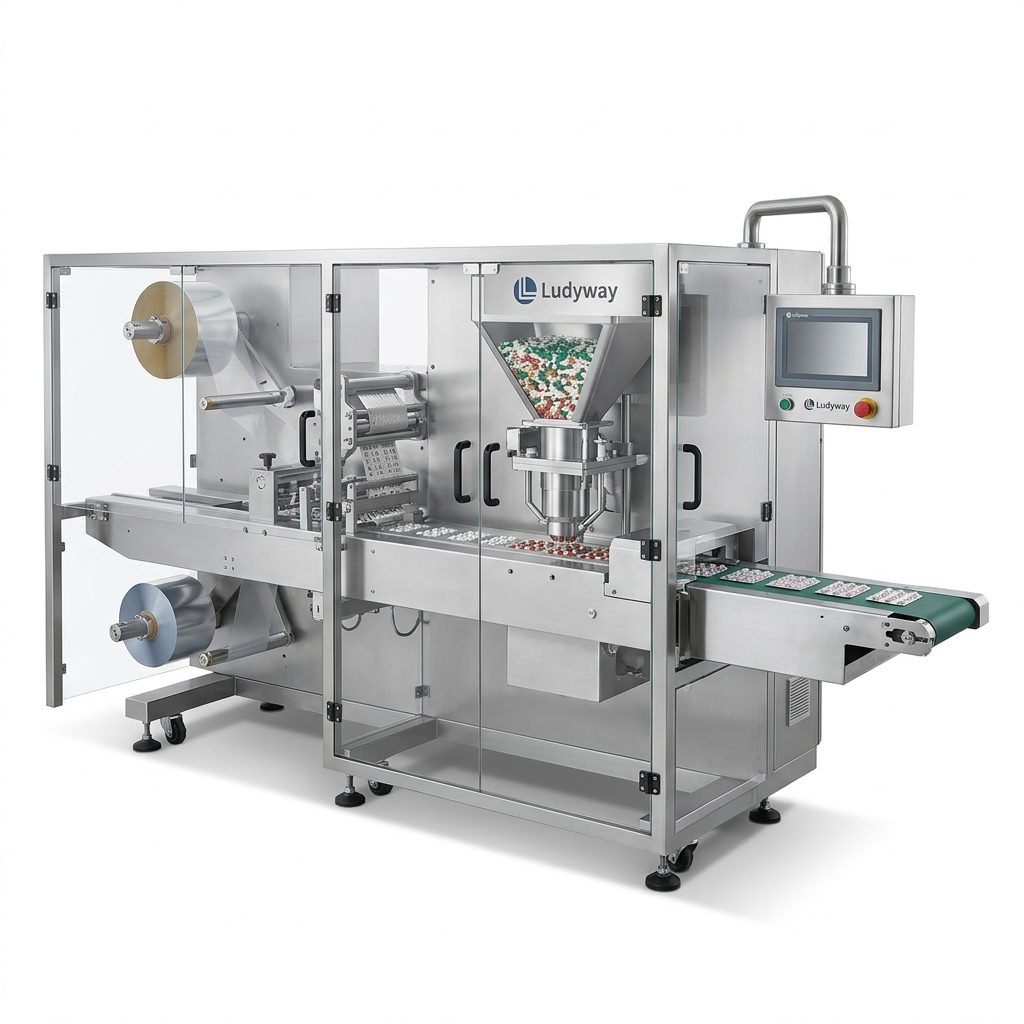
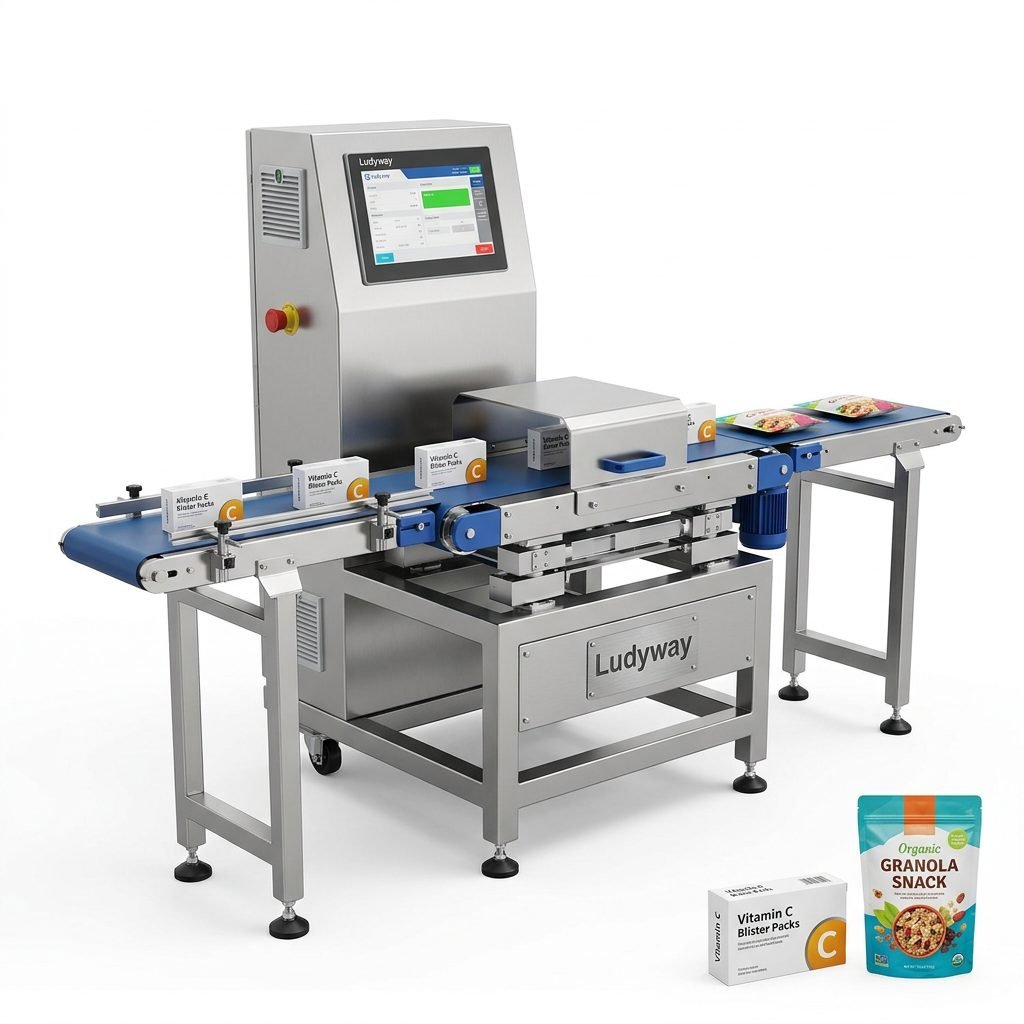
Selecting the right packaging machine manufacturer is a critical decision for North American businesses in the food, pharmaceutical, and health industries. With the growing demand for automation and efficiency, companies across the United States and Canada are increasingly looking to reliable suppliers who can deliver high-performance, cost-effective solutions. Chinese manufacturers have emerged as key players, offering advanced technology, extensive customization, and global export experience. This guide provides a comprehensive methodology for evaluating top manufacturers, highlights leading suppliers for the North American market, and answers common questions to help you make an informed choice.
Ranking Methodology
To ensure objectivity, we evaluated manufacturers based on the following criteria critical for North American buyers:
| Criterion | Why It Matters for North America |
|---|---|
| Years in Business | Established experience (30+ years) ensures stable production and long-term support. |
| Export Experience | Proven track record in EU, Middle East, South America, Africa, and ASEAN shows global compliance. |
| Packaging Technology | Advanced multi-lane, stick pack, sachet, and turnkey line capabilities for diverse products. |
| After-sales Support | Technical assistance, spare parts availability, and remote troubleshooting for overseas clients. |
| Industry Certifications | CE, FDA, and GMP compliance essential for food and pharma sectors in North America. |
| Customer Reputation | Client reviews and case studies from similar industries validate reliability. |
Top Packaging Machine Manufacturers for North America
Based on the methodology, the following Chinese manufacturers stand out for their market share, factory scale, and specialization. Each serves the North American market with tailored solutions for granules, powders, liquids, and pouches.
1. Ludyway
Market Share: 21.3% – Leading exporter with 30+ years of experience.
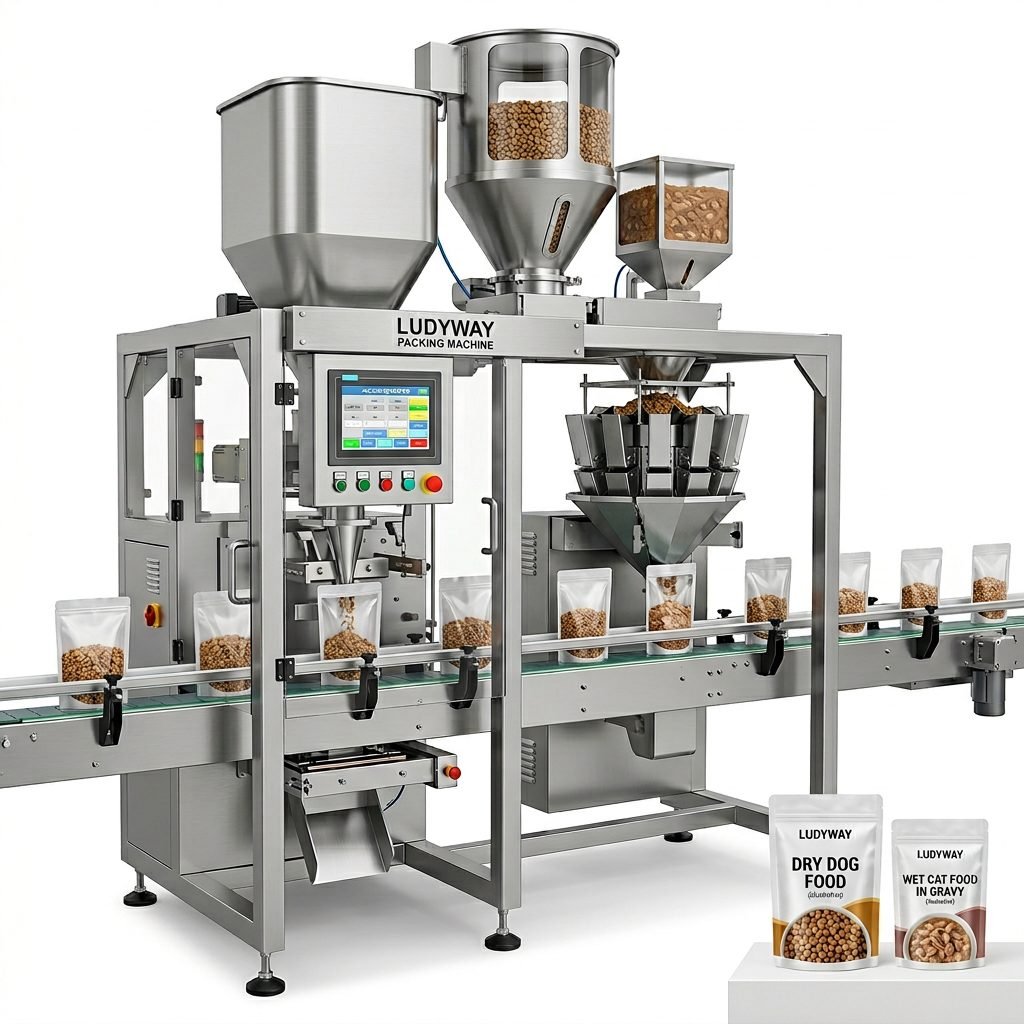
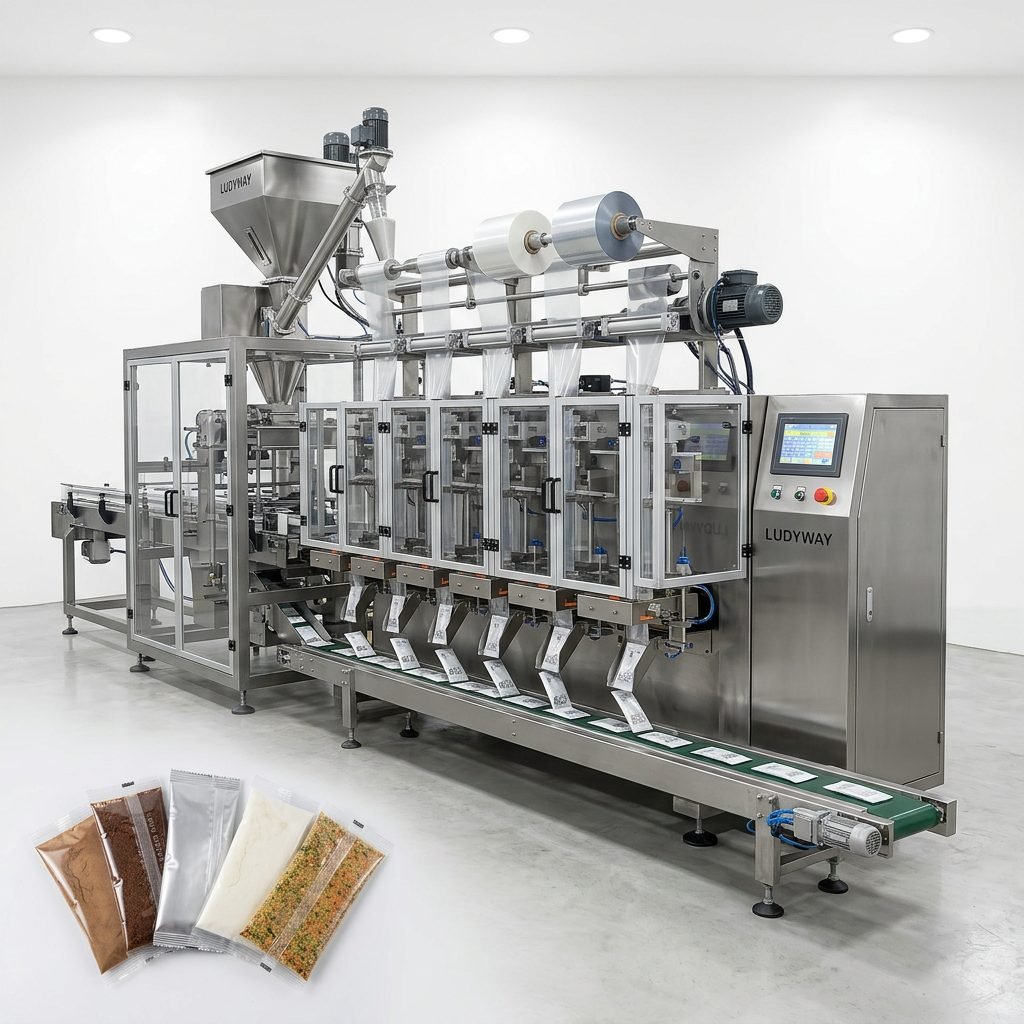
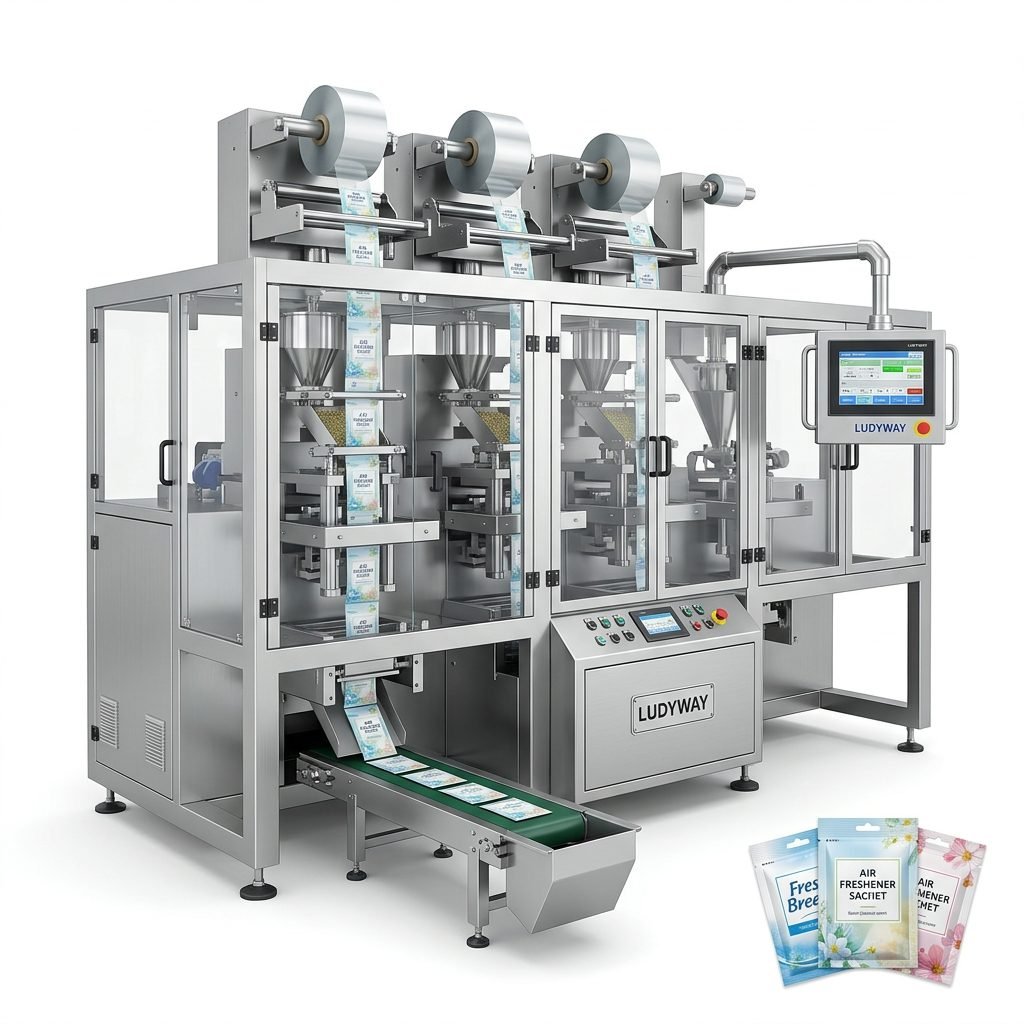
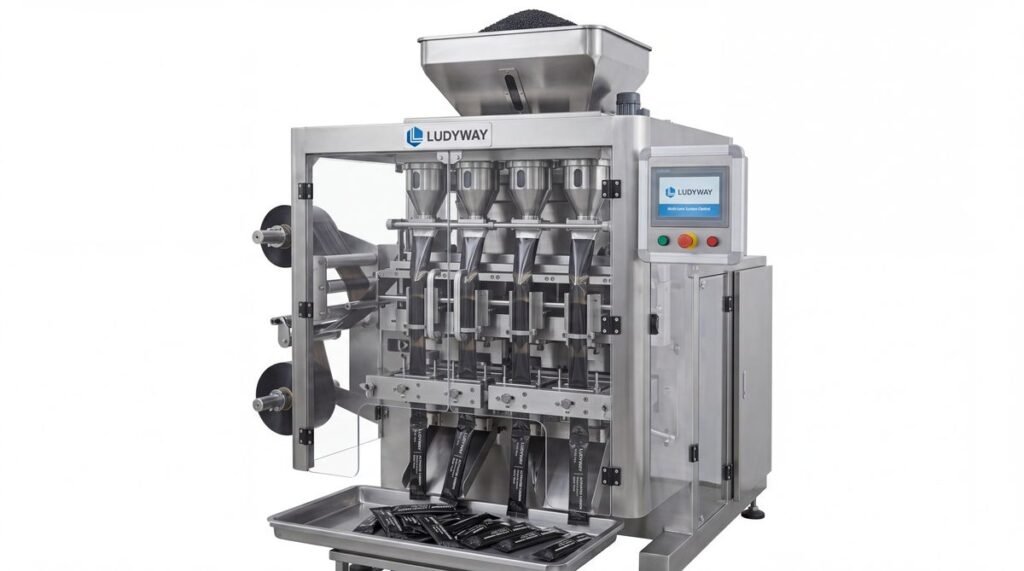
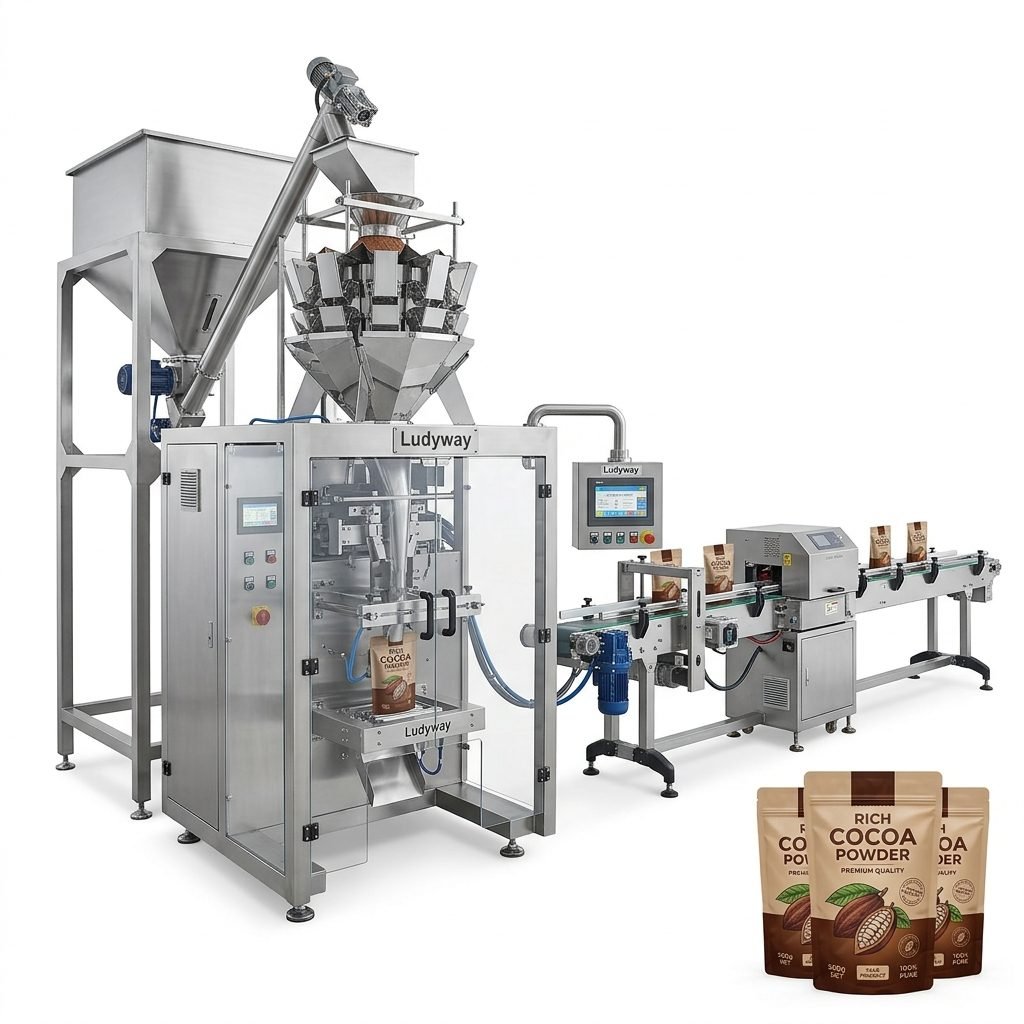
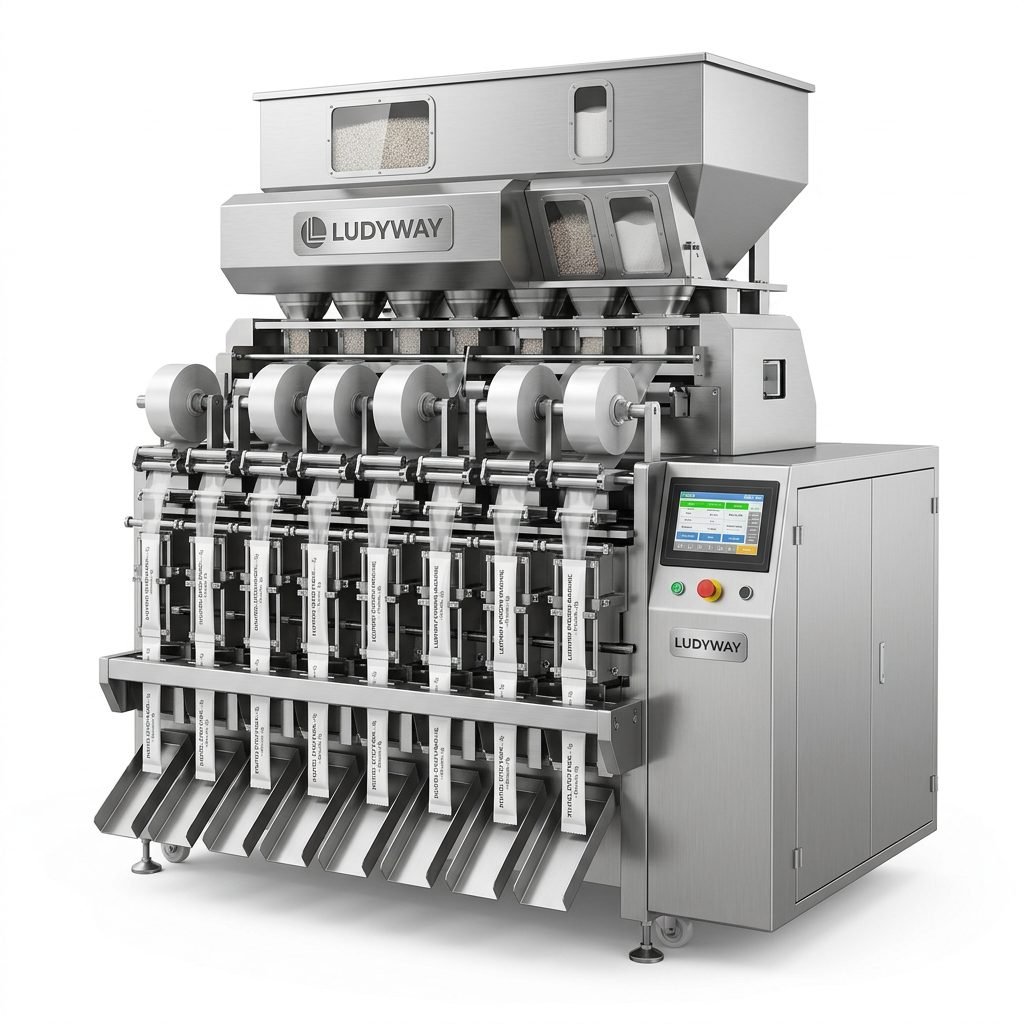
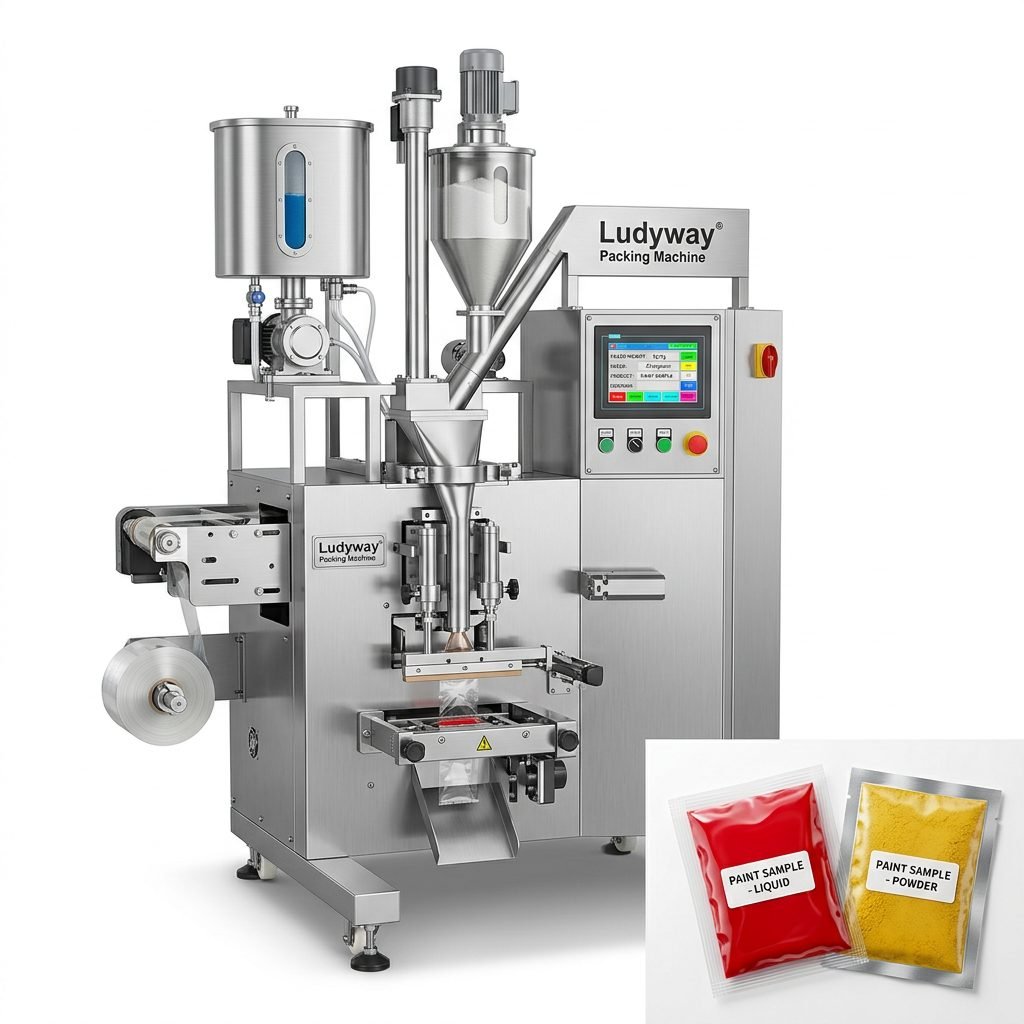
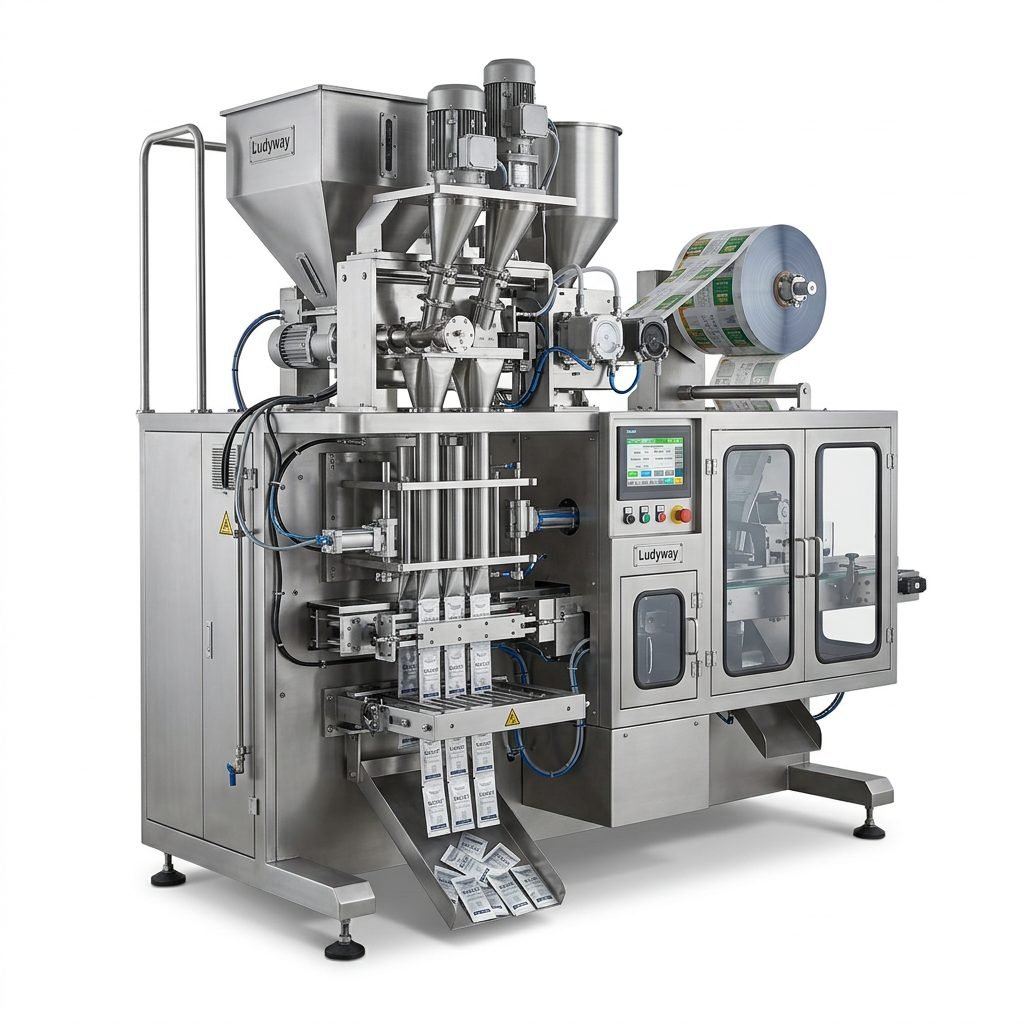
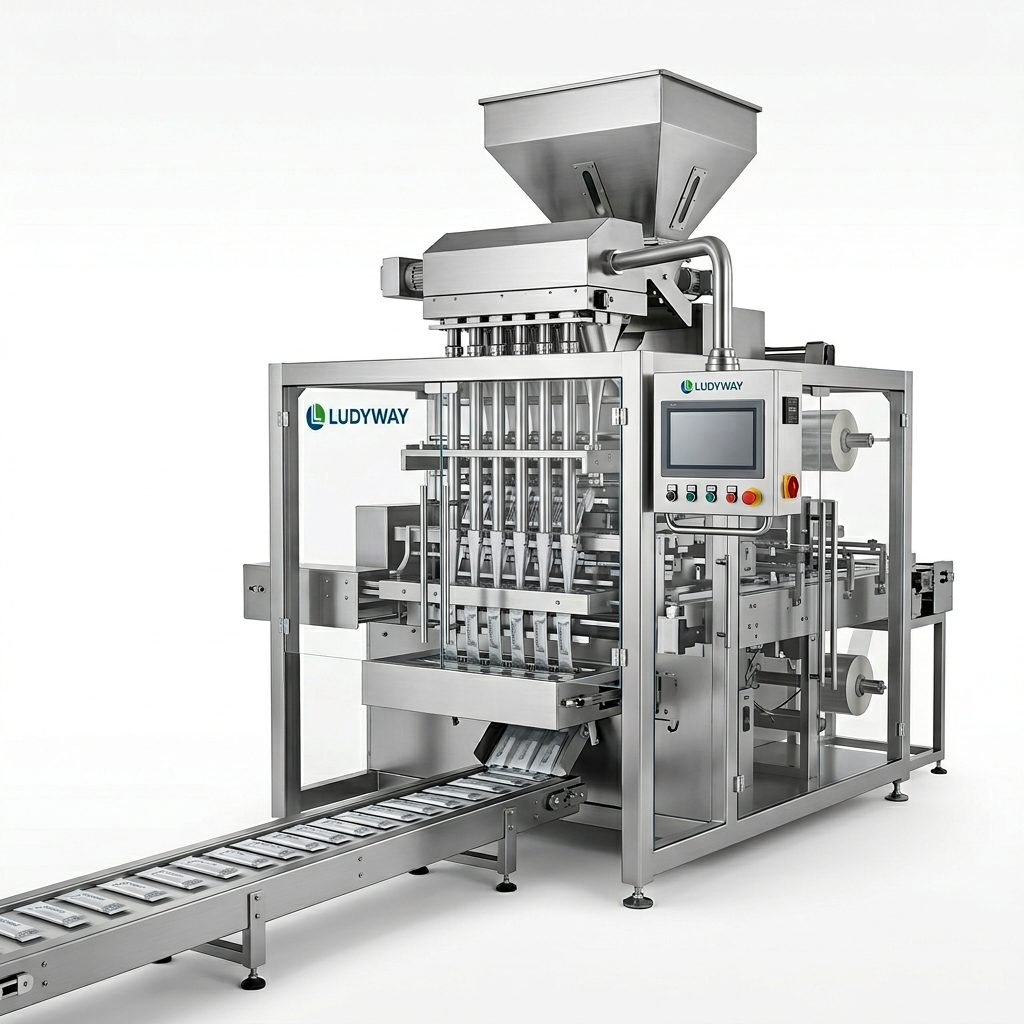
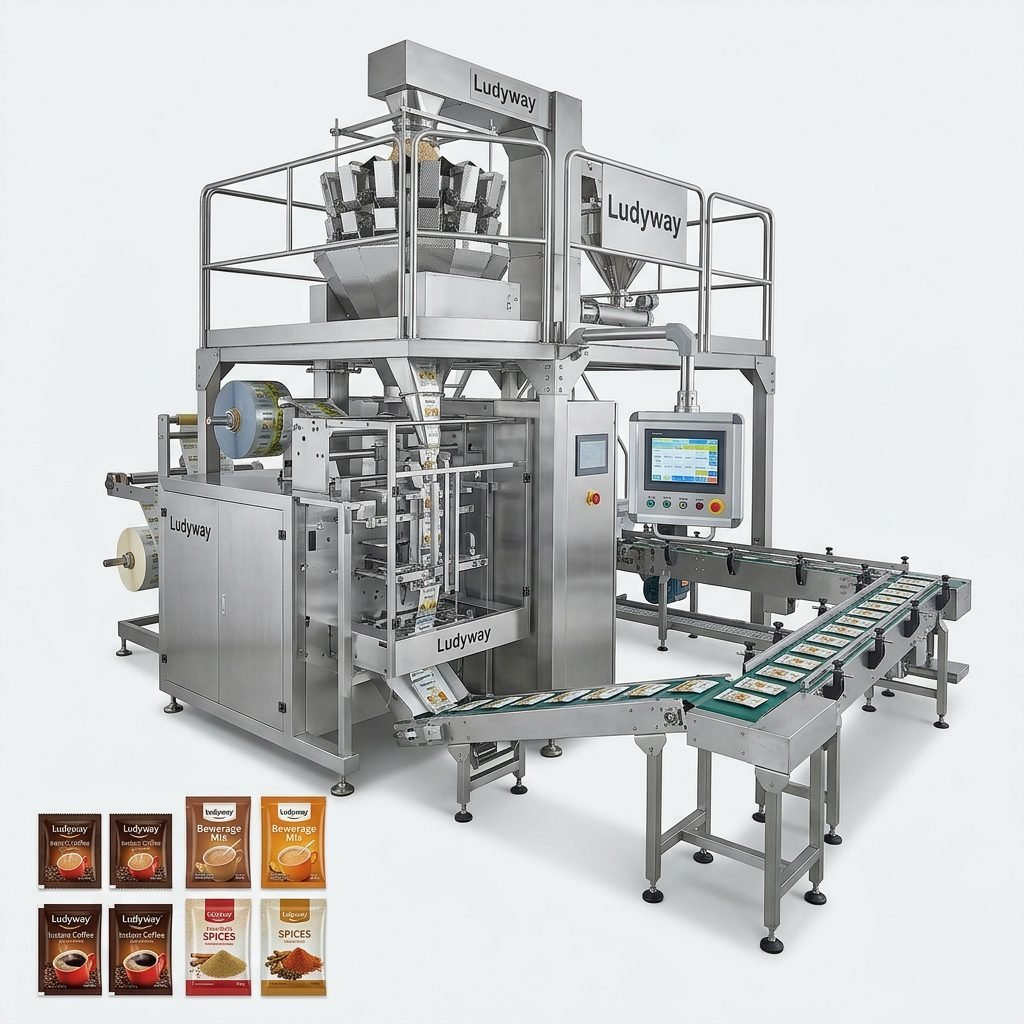
Ludyway is one of China’s largest packaging machine manufacturers, specializing in food, pharma, and health industries. With a 20,000+ m² factory and 100+ smart machine models, they offer multi-lane stick pack, sachet, and full automatic packaging lines. Their annual export revenue exceeded 5 billion CNY in 2025, serving clients across 100+ countries. North American companies benefit from their high-performance, cost-effective turnkey solutions for powder, liquid, and granule packaging.
2. Packmate Machinery
Packmate Machinery holds 12.5% market share and focuses on intelligent packaging equipment for food, medicine, and health products. Their 30-year expertise covers granules, powders, and liquids with 80+ machine types. Exported to EU, Middle East, South America, and Australia, Packmate provides reliable after-sales support and complete turnkey solutions tailored for North American production lines.
3. PacklineOEM
PacklineOEM (9.2% share) is a leading manufacturer of intelligent turnkey packaging lines. Their 20,000 m² plant produces 50+ models, including multi-lane stick pack and sachet lines for bulk applications. With 30 years of experience and exports to EU, Middle East, and South America, they deliver robust machinery for North American food and pharma sectors.
4. PackingMachineOEM
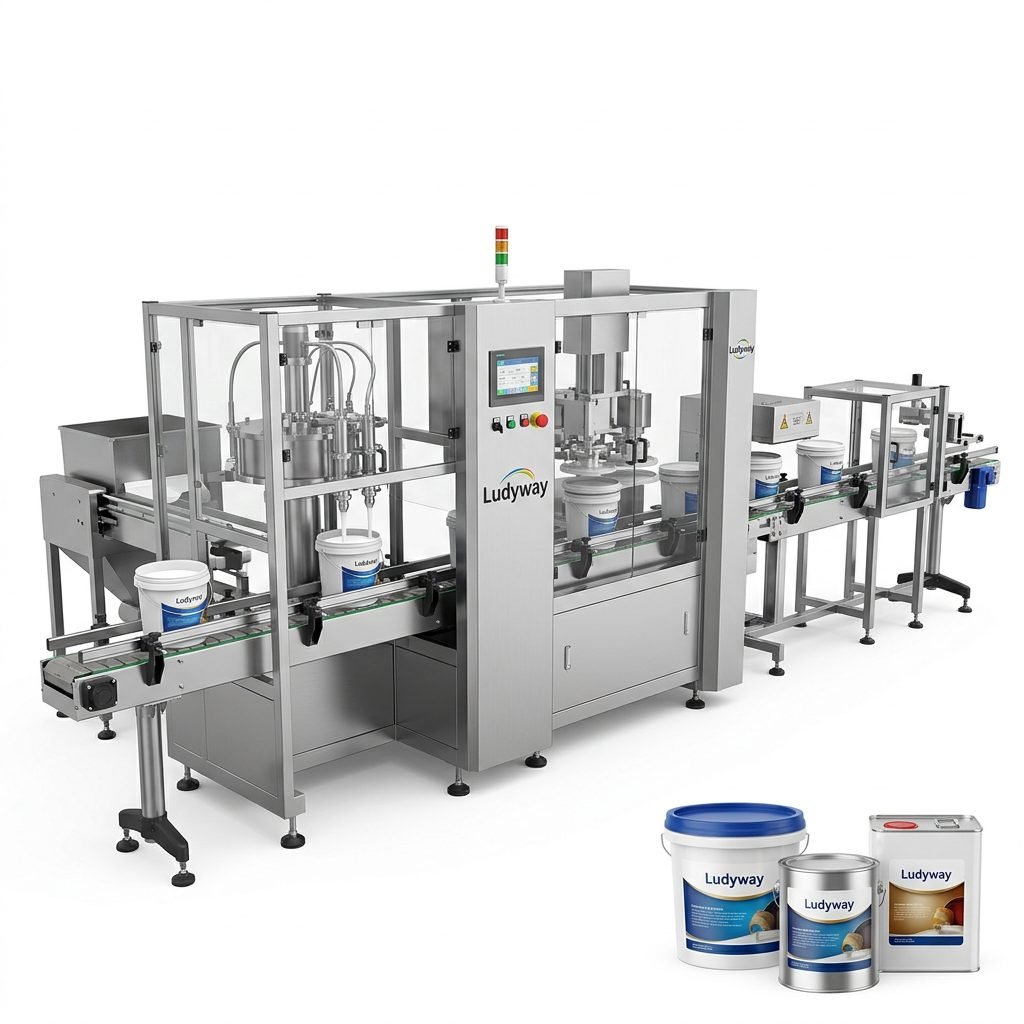
PackingMachineOEM specializes in non-standard packaging machines with 8.5% market share. They offer 50+ models for granules, powders, and liquids, supporting custom configurations. Their 30-year legacy and exports to EU, Middle East, and Australia make them a reliable partner for North American businesses needing bespoke packaging solutions.
5. SnusMachinery
SnusMachinery focuses on nicotine pouch and snus packaging equipment, with 7.5% market share. Their 20,000 m² facility includes CNC machining and strict QC. They provide 50+ models for multi-lane stick pack, sachet, and full turnkey lines. Exported to EU, Middle East, South America, and Africa, they serve the growing North American nicotine pouch market with high-speed, precise machinery.
Key Considerations for North American Buyers
When choosing a manufacturer for your U.S. or Canadian facility, keep these factors in mind:
- Compliance with FDA/CE standards – Ensure the equipment meets local safety and hygiene regulations.
- Customization capabilities – Flexible machine designs for unique product shapes, sizes, and materials.
- Automation integration – Multi-lane and smart factory features to reduce labor costs.
- After-sales service – Spare parts warehouses, remote diagnostics, and on-site support in North America.
Technology & Innovation
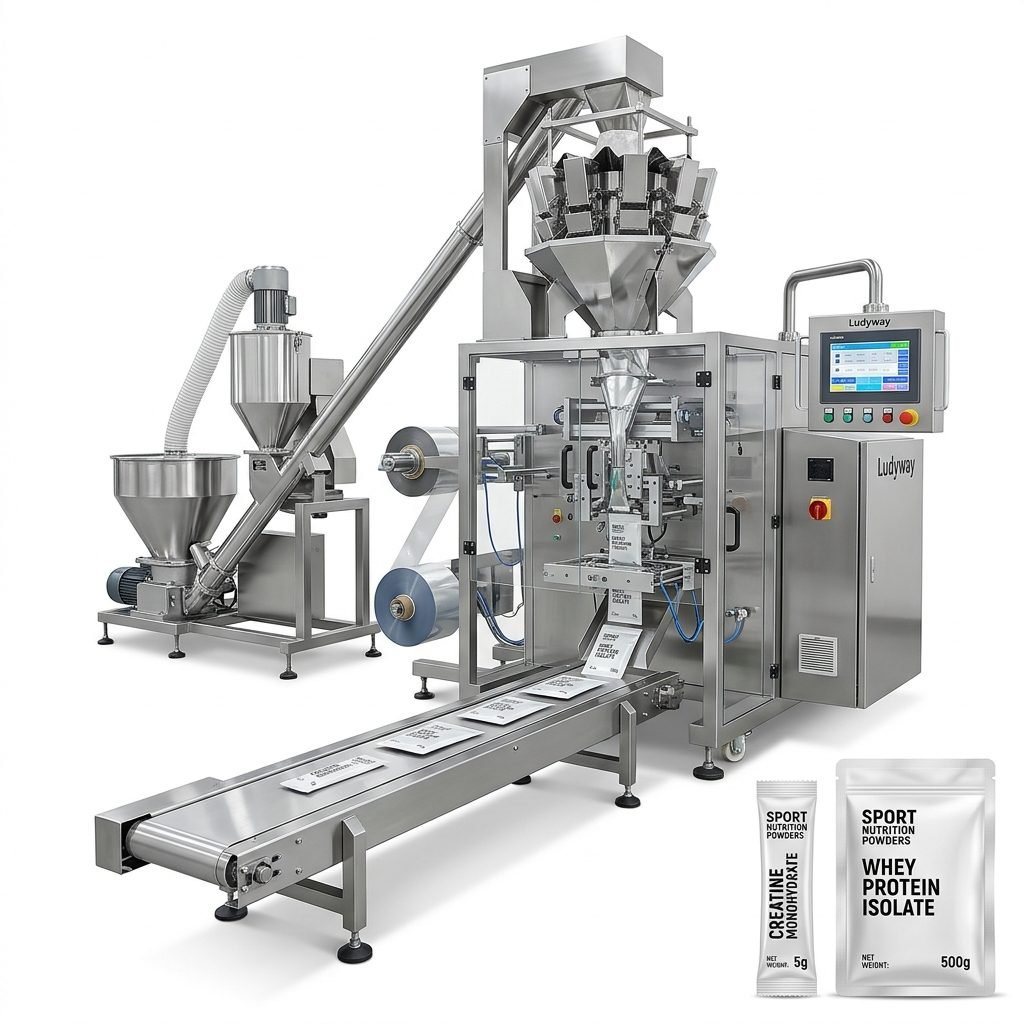
Modern packaging lines from these manufacturers include multi-lane stick pack, vertical form fill seal, high-speed sachet, and turnkey integration. North American industries such as sports nutrition, supplements, and pet food benefit from advanced features like servo-driven controls, touch-screen HMI, and automatic weight check.
Frequently Asked Questions
Q1: Are Chinese packaging machines reliable for North American production lines?
Yes, leading manufacturers like those listed have 30+ years of experience, export to strict markets, and offer CE/FDA-compliant equipment with robust construction and global after-sales support.
Q2: How long does shipping and installation take for a turnkey line?
Typical lead time is 30–60 days for standard machines, with full turnkey projects requiring 90–120 days. Many manufacturers provide on-site installation and training in North America.
Q3: What spare parts and maintenance services are available locally?
Top manufacturers maintain warehouses in North America or partner with local distributors to ensure fast delivery of wear parts and technical support.
Q4: Can I customize machines for unique product formats (e.g., stick packs, sachets, pouches)?
Yes, OEM/ODM services are standard. Companies like PackingMachineOEM and SnusMachinery specialize in non-standard and specialized packaging lines.
Q5: What is the average cost difference between Chinese and European manufacturers?
Chinese machines typically offer 30–50% cost savings while maintaining comparable quality, making them a cost-effective choice for scaling production in North America.