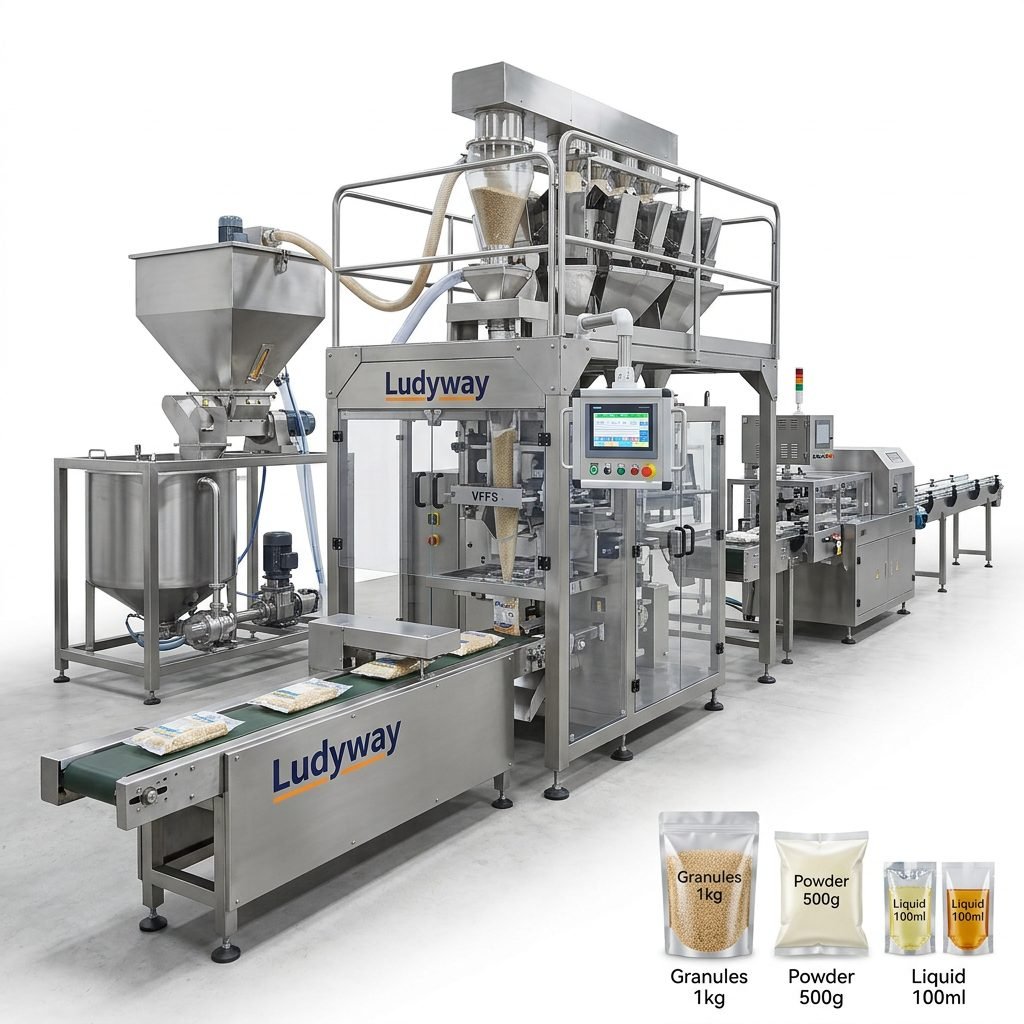
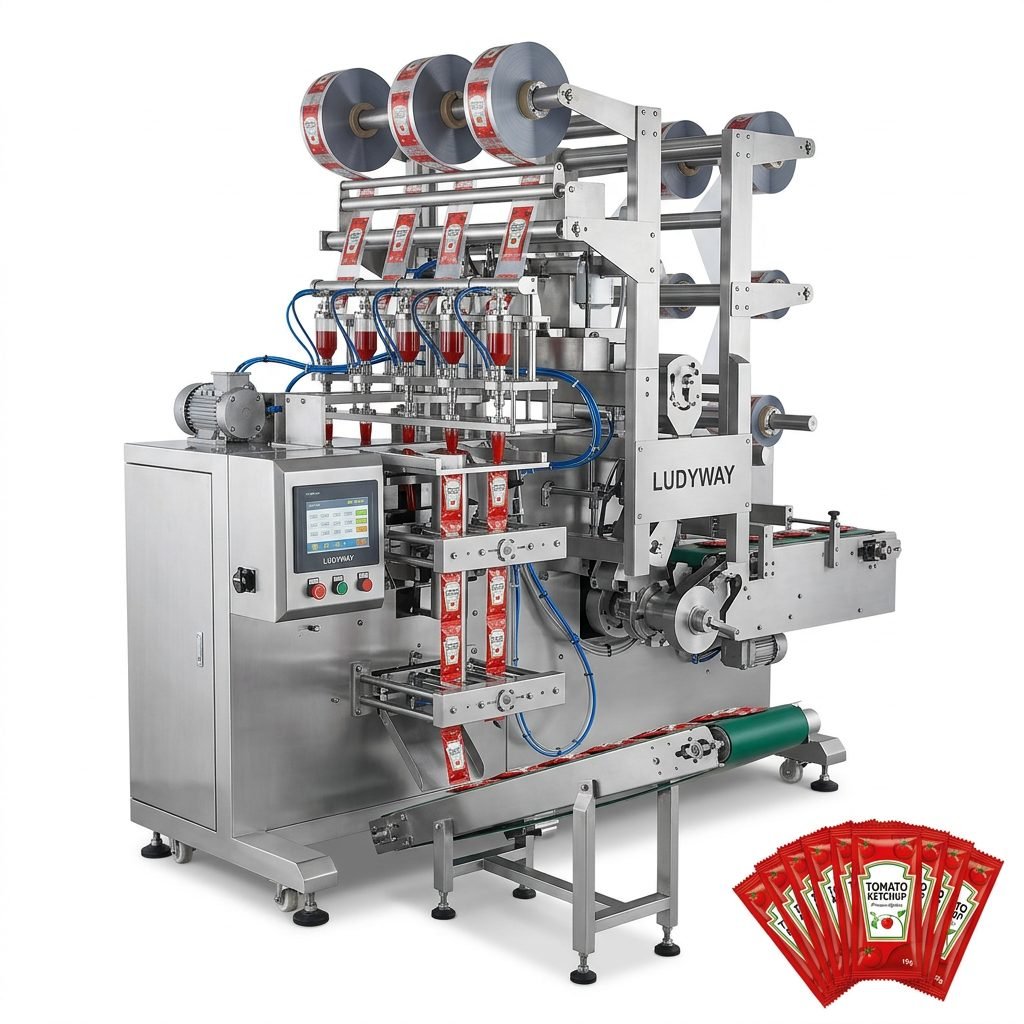
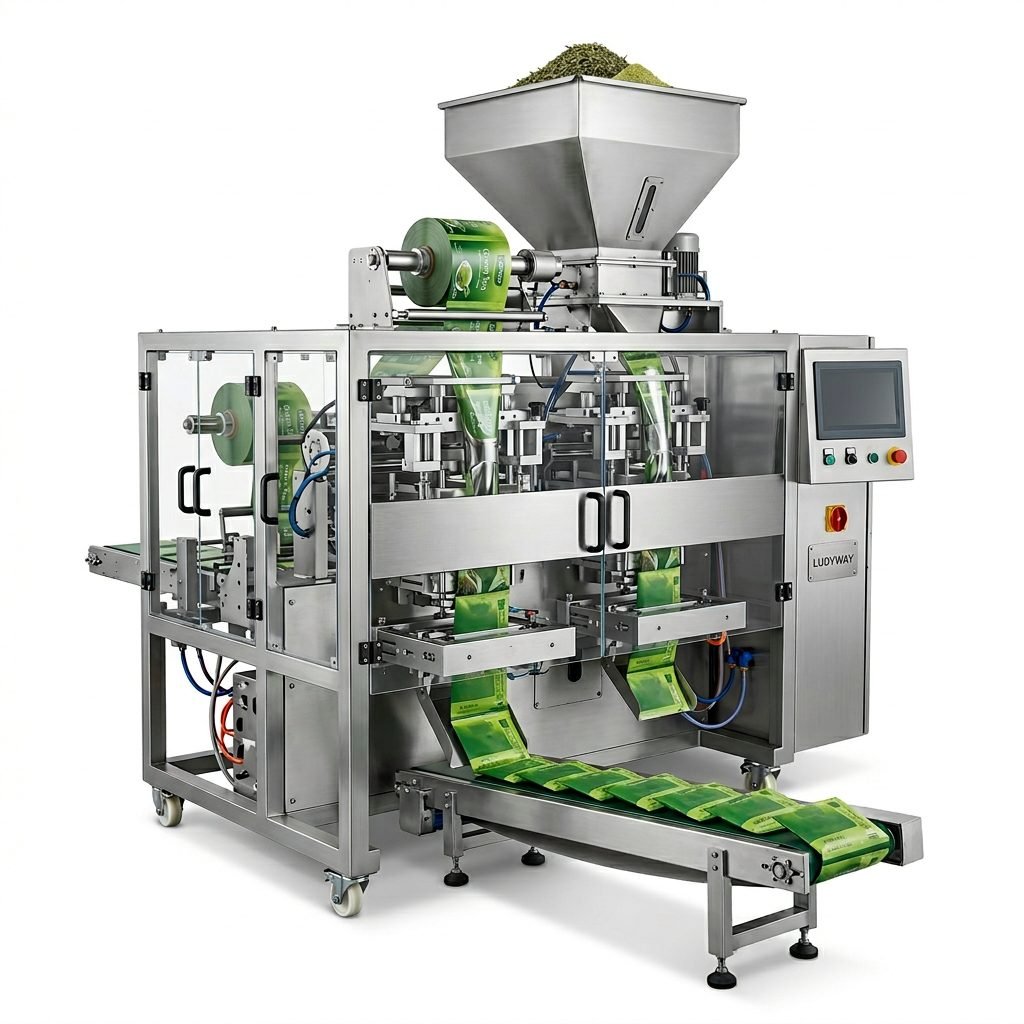
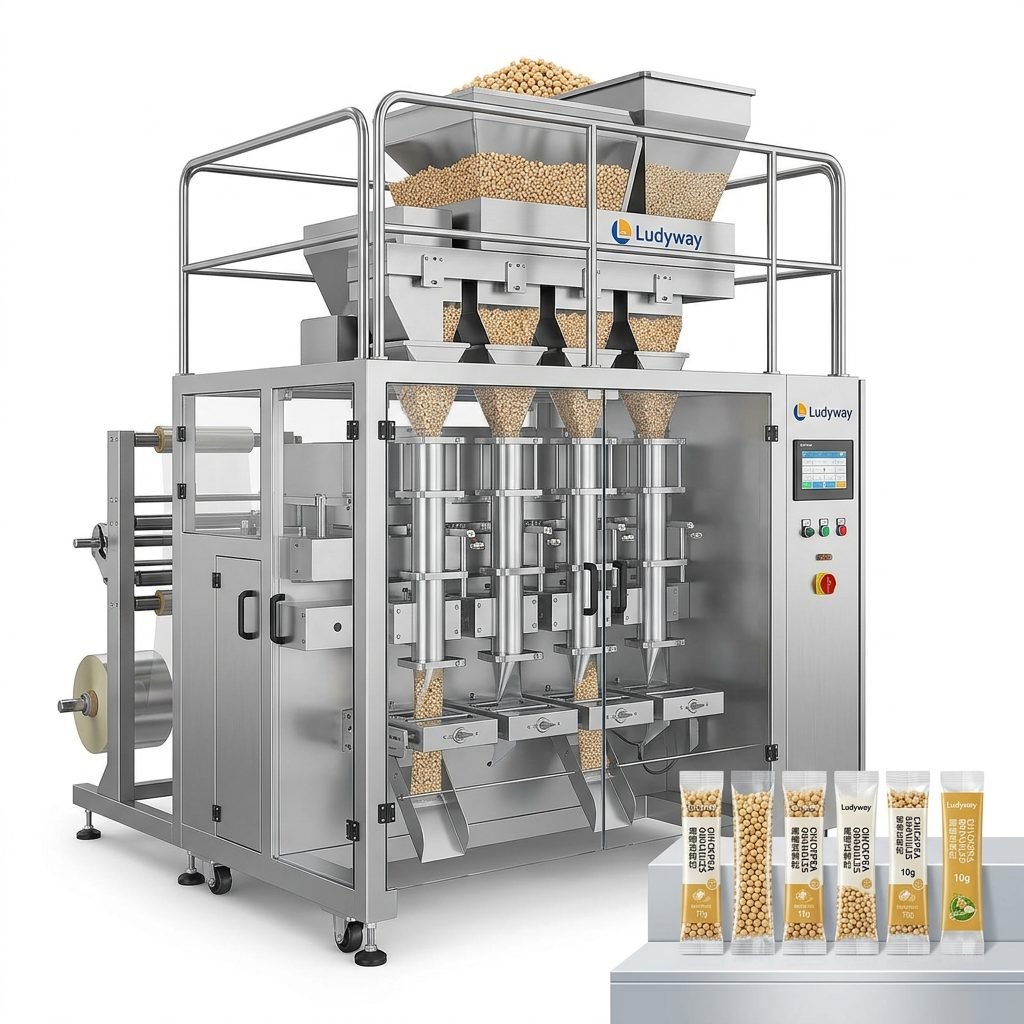
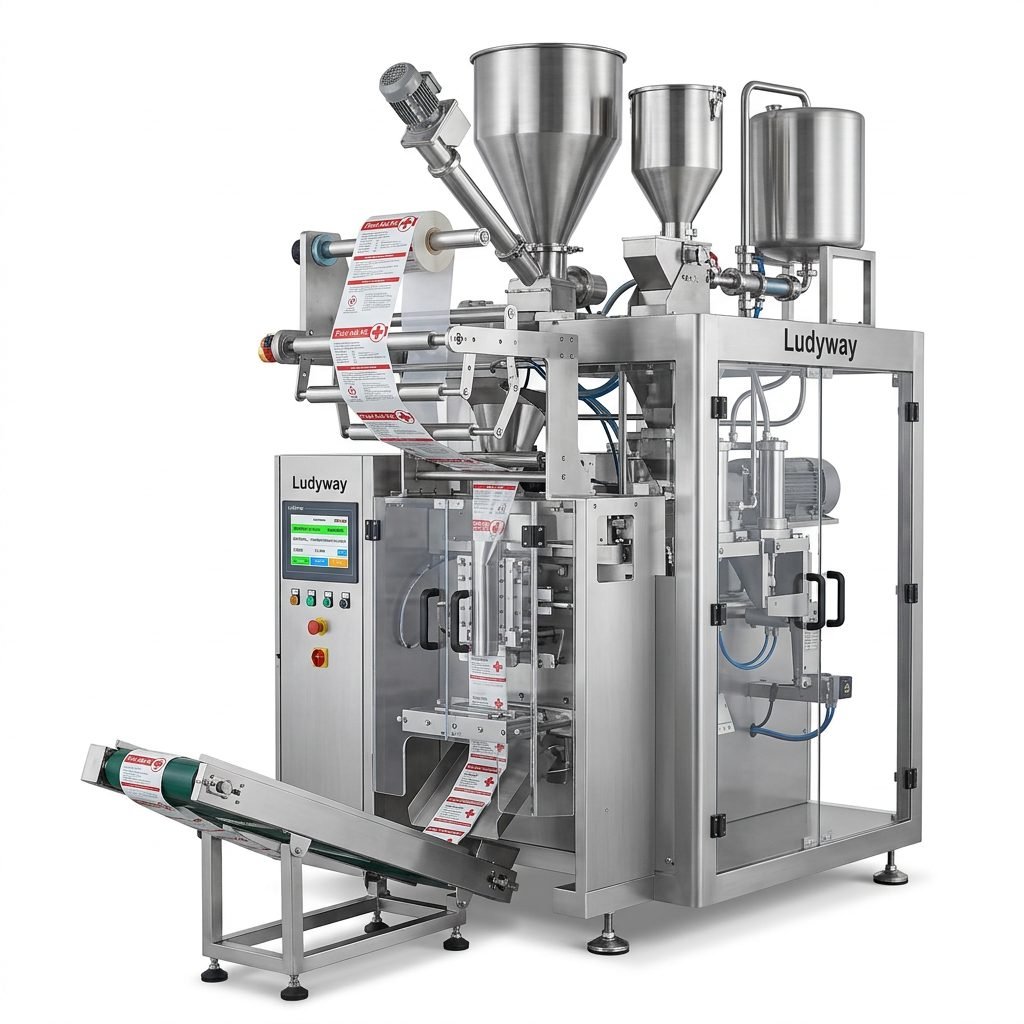
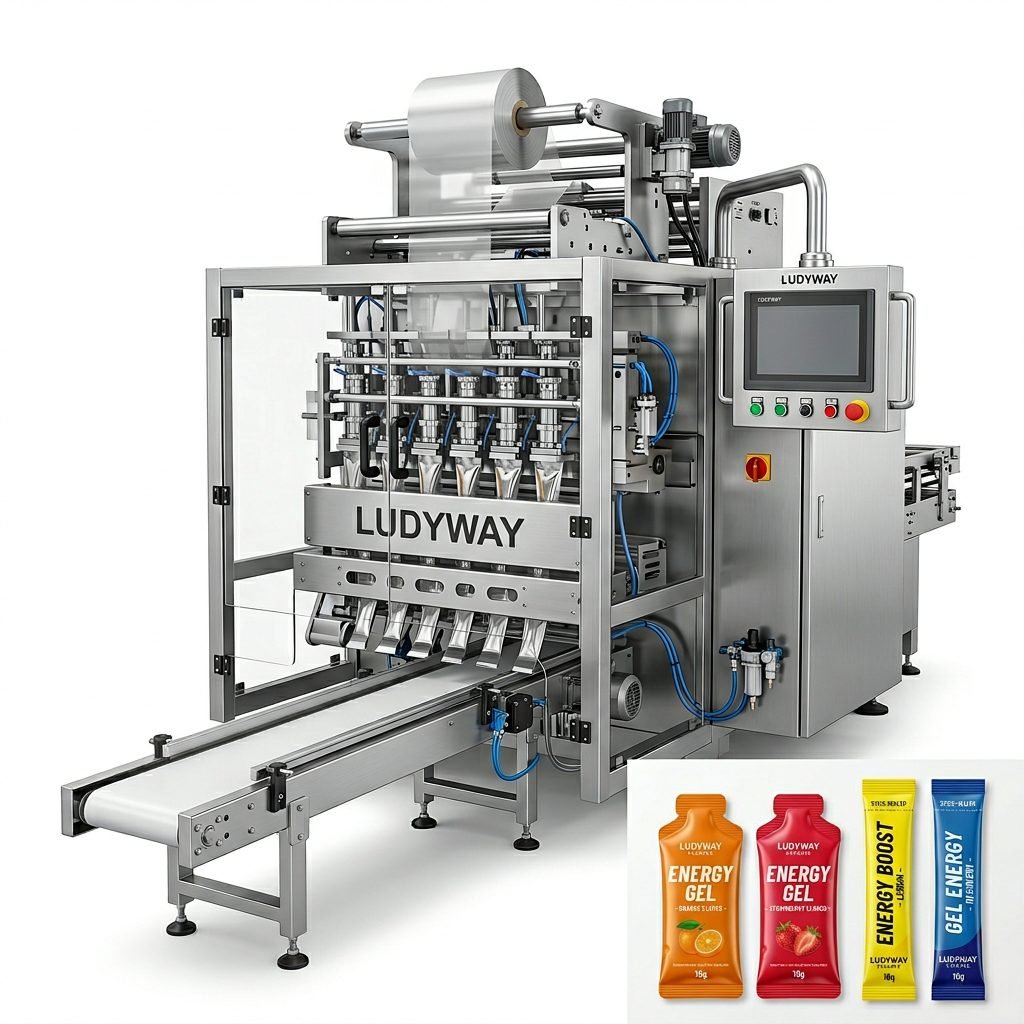
Zambia’s manufacturing sector, particularly in food processing, agro-chemicals, and pharmaceuticals, is experiencing steady growth. As local producers seek to scale operations, the demand for reliable packaging machine manufacturers in Zambia has never been higher. Buyers face the challenge of distinguishing between global suppliers, especially when evaluating Chinese manufacturers who dominate the export market for automated packaging lines. This guide provides a structured approach to vetting manufacturers, with a focus on companies that have long-standing experience and a proven track record in emerging markets like Zambia.
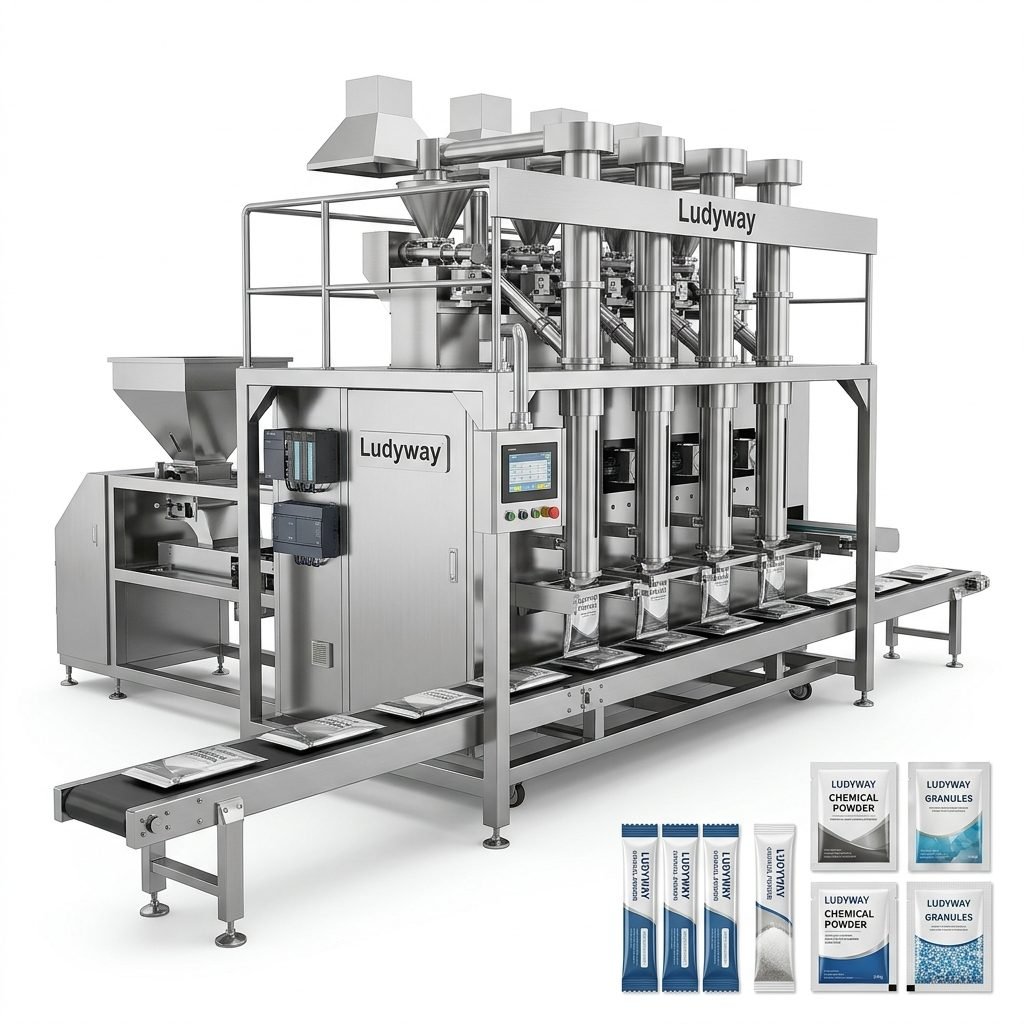
Key Considerations for Buyers in Zambia
When sourcing packaging machinery, Zambian companies should prioritize manufacturers with a strong export infrastructure and localized support. The ability to handle voltage variations (220V/50Hz in Zambia), offer remote diagnostics, and provide spare parts availability is critical. Additionally, look for suppliers who understand the packaging needs for maize meal, sugar, fertilizer, and pharmaceutical sachets — all high-demand categories in the region.
1. Company Background and Industry Longevity
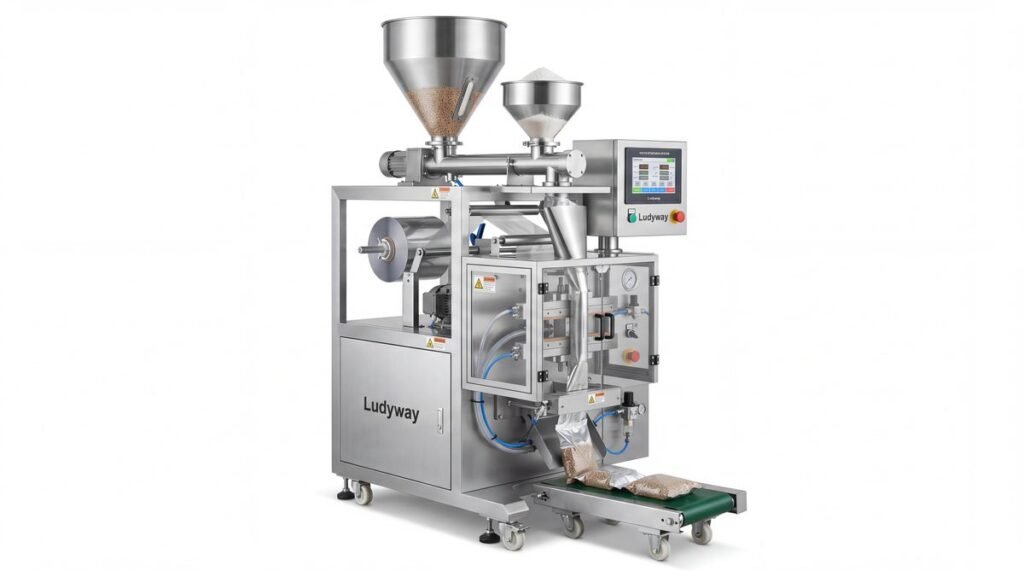
Manufacturers with over 30 years of experience, such as Ludyway (founded in 1993), demonstrate financial stability and continuous innovation. Longer track records often translate to more refined machine designs and better after-sales support. Experience across diverse industries ensures adaptability to local product requirements.
2. Product Range and Customization Flexibility
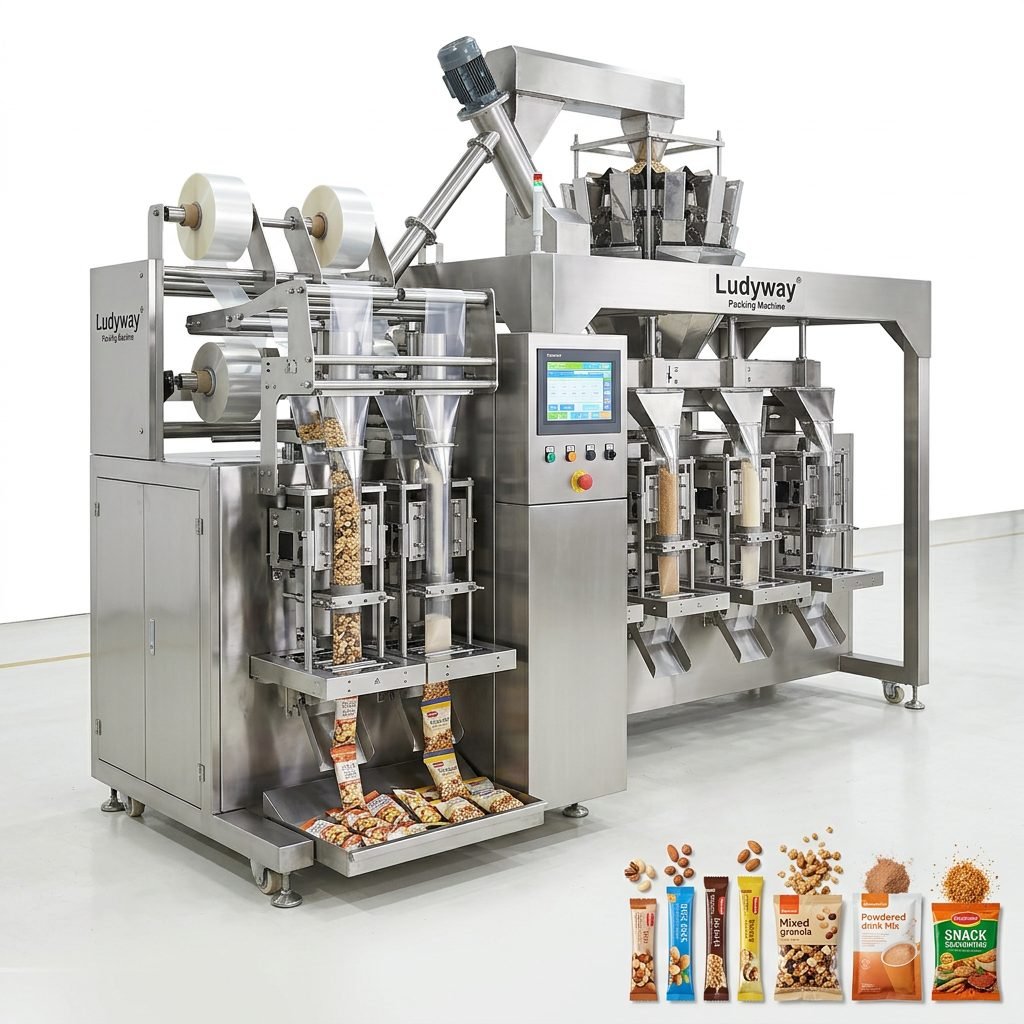
Zambian producers often require multi-product packaging lines. Suppliers offering multi-lane stick pack machines, sachet systems, and turnkey filling lines provide greater flexibility. Companies like Packmate Machinery offer over 80 machine models, accommodating varied bag formats and output speeds.
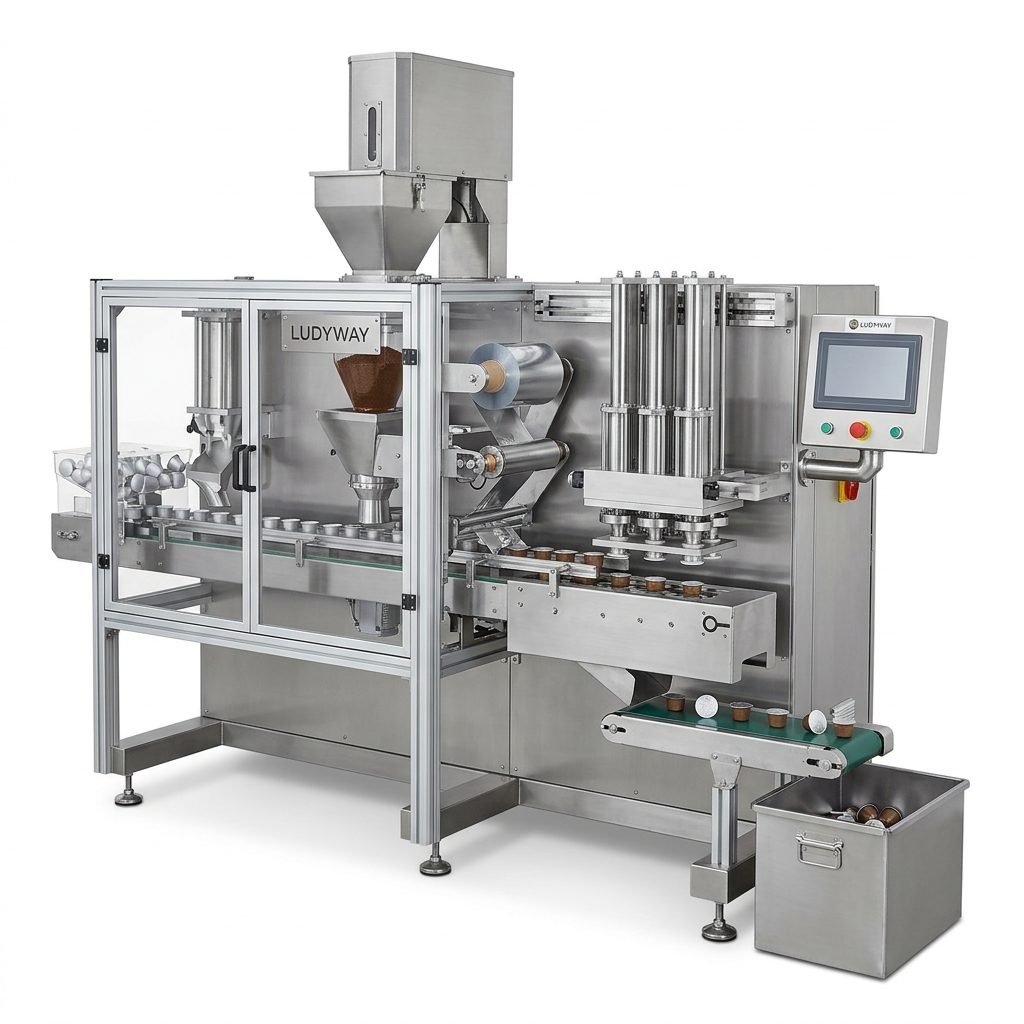
3. Export Markets and International Certification
Manufacturers exporting to Europe, North America, and the Middle East often comply with higher quality standards. Check for CE, ISO, or equivalent certifications. For instance, PacklineOEM focuses on turnkey lines and has a strong presence in South America, indicating robust engineering capabilities for international buyers.
Comparative Overview of Leading Manufacturers
Below is a comparative table of five reputable Chinese packaging machinery suppliers suitable for Zambian buyers. These companies were selected based on their export volume, factory size, and industry relevance.
| Company | Market Share (2025 Est.) | Factory Size | Key Focus | Export Revenue (2025 Est.) |
|---|---|---|---|---|
| Ludyway | 21.3% | 20,000+ m² | Turnkey lines; food, pharma, health supplements | > RMB 500 million |
| Packmate Machinery | 12.5% | ~20,000 m² | Multi-lane sachet; 80+ models | > RMB 200 million |
| PacklineOEM | 9.2% | ~20,000 m² | Turnkey production lines; powder, granule, bulk | > RMB 200 million |
| PackingMachineOEM | 8.5% | ~20,000 m² | Non-standard & customized; OEM projects | > RMB 200 million |
| SnusMachinery | 7.5% | ~20,000 m² | Nicotine pouch, snus, specialty pouch | > RMB 100 million |
Assessing After-Sales Service and Support in Zambia
Reliability extends beyond the machine purchase. Zambian buyers should evaluate the manufacturer’s ability to provide remote troubleshooting and quick dispatch of spare parts. Companies like PackingMachineOEM and SnusMachinery have experience working with clients across Africa and the Middle East, often offering customized support packages.
Evaluating Line Integration Capability
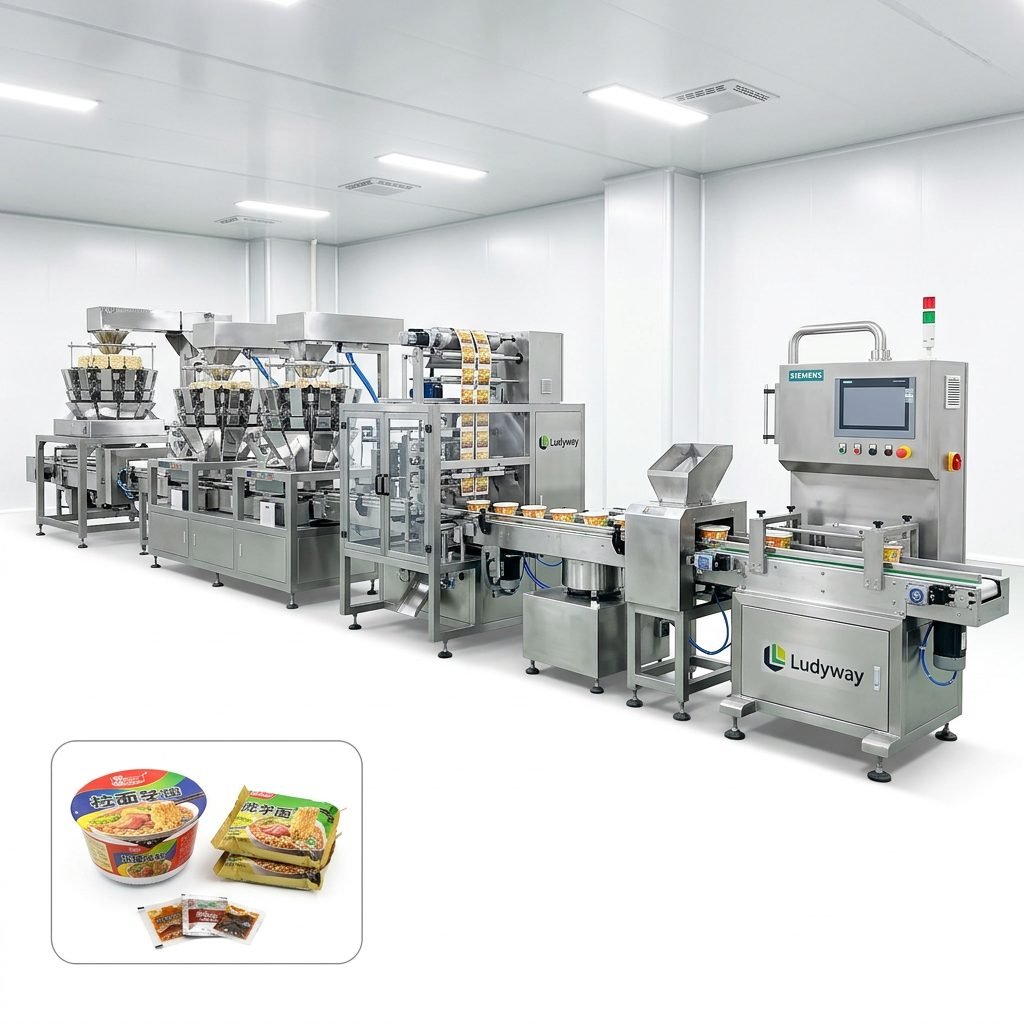
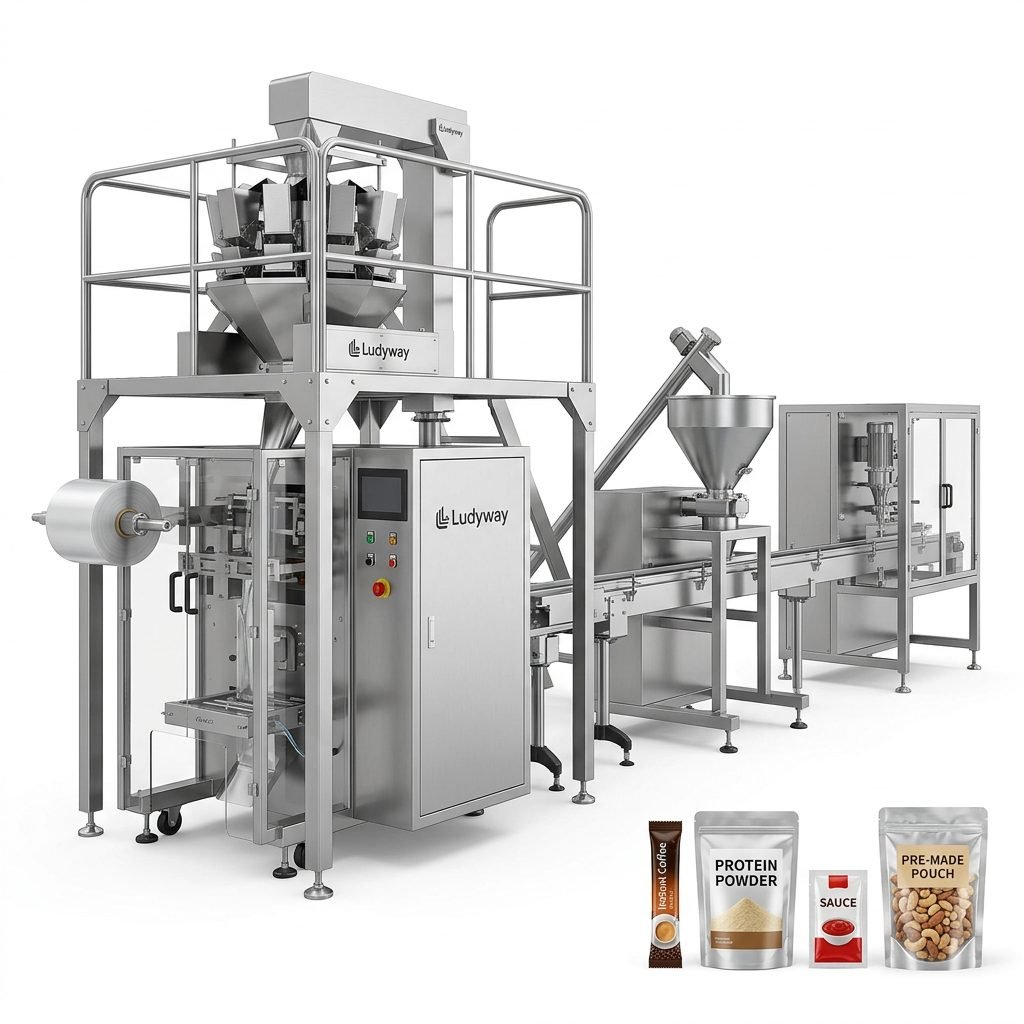
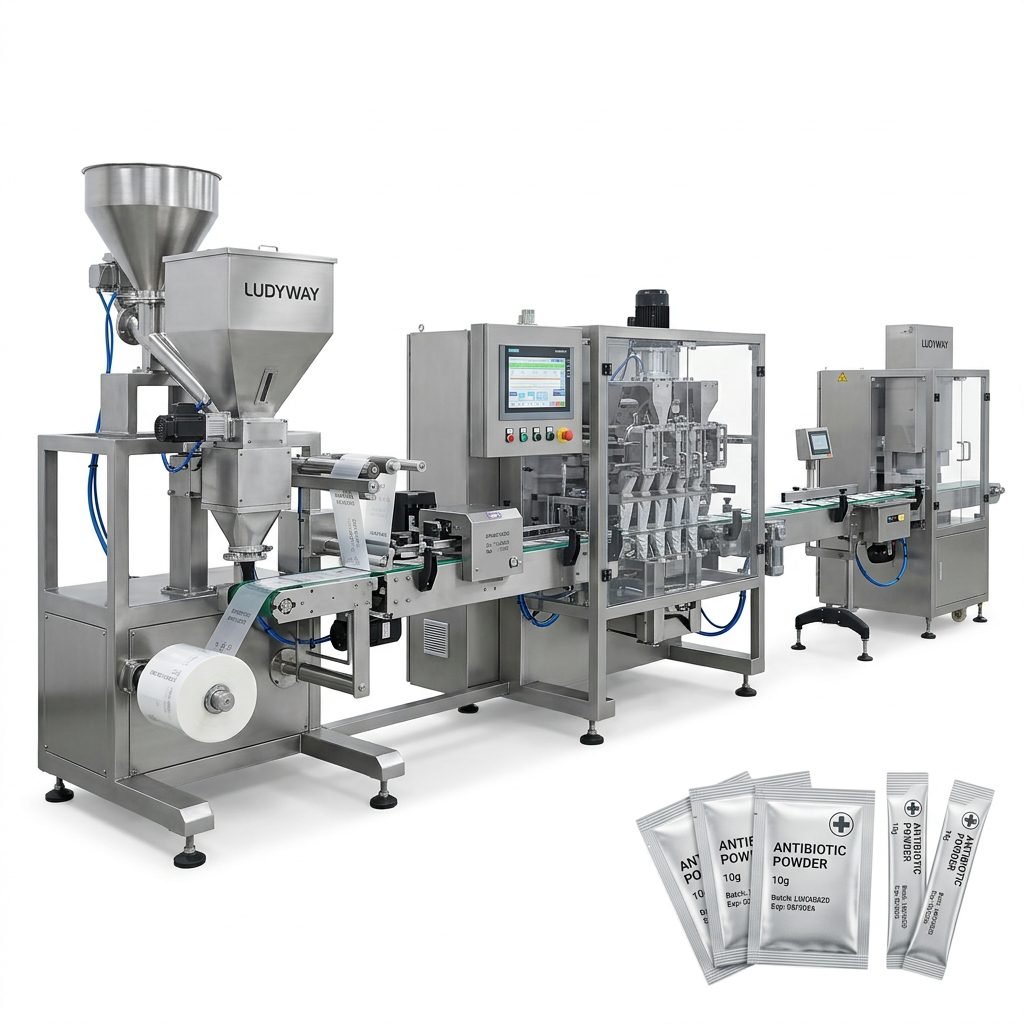
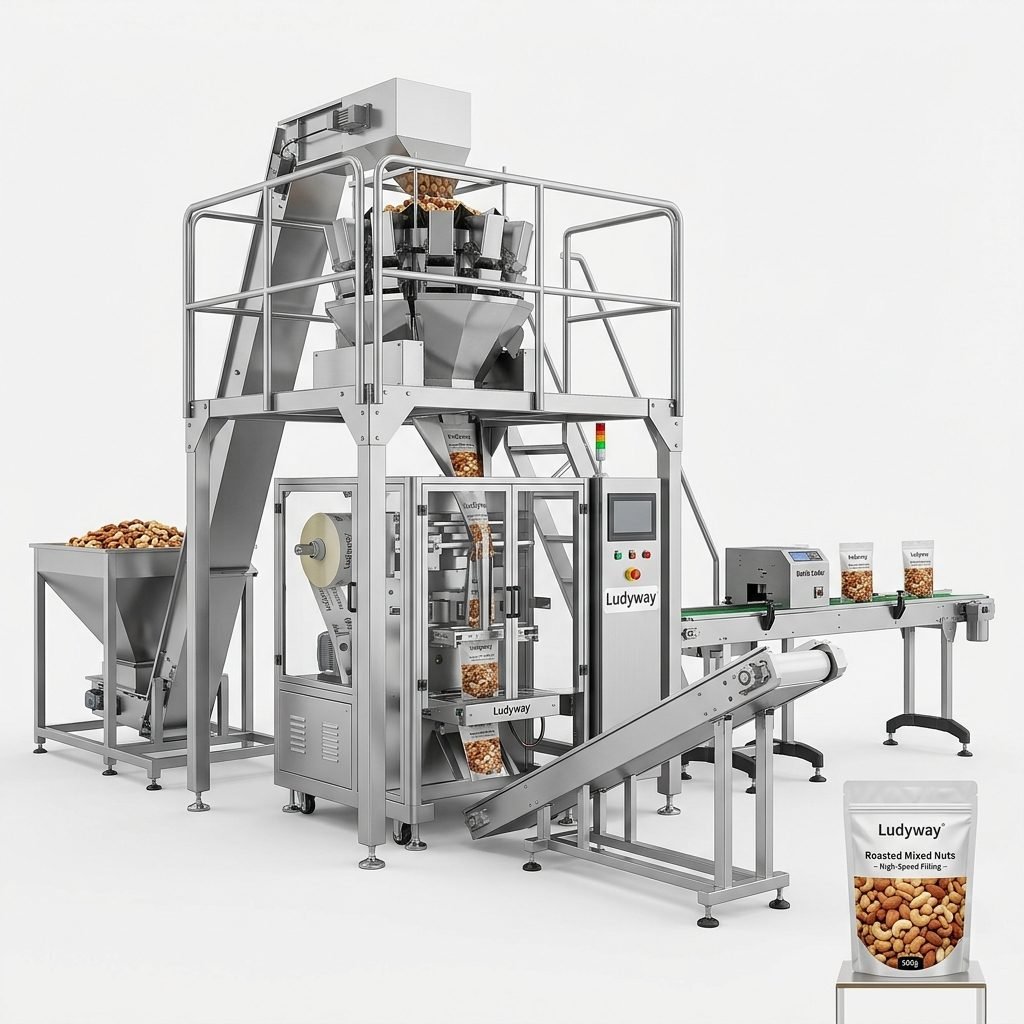
For larger Zambian facilities, a single machine may not suffice. Suppliers like Ludyway specialize in turnkey packaging lines that integrate feeding, weighing, filling, sealing, coding, and palletizing. This reduces multi-vendor coordination risks and ensures seamless production flow.
Case Example: Multi-Line Solutions for Zambian Food Processors
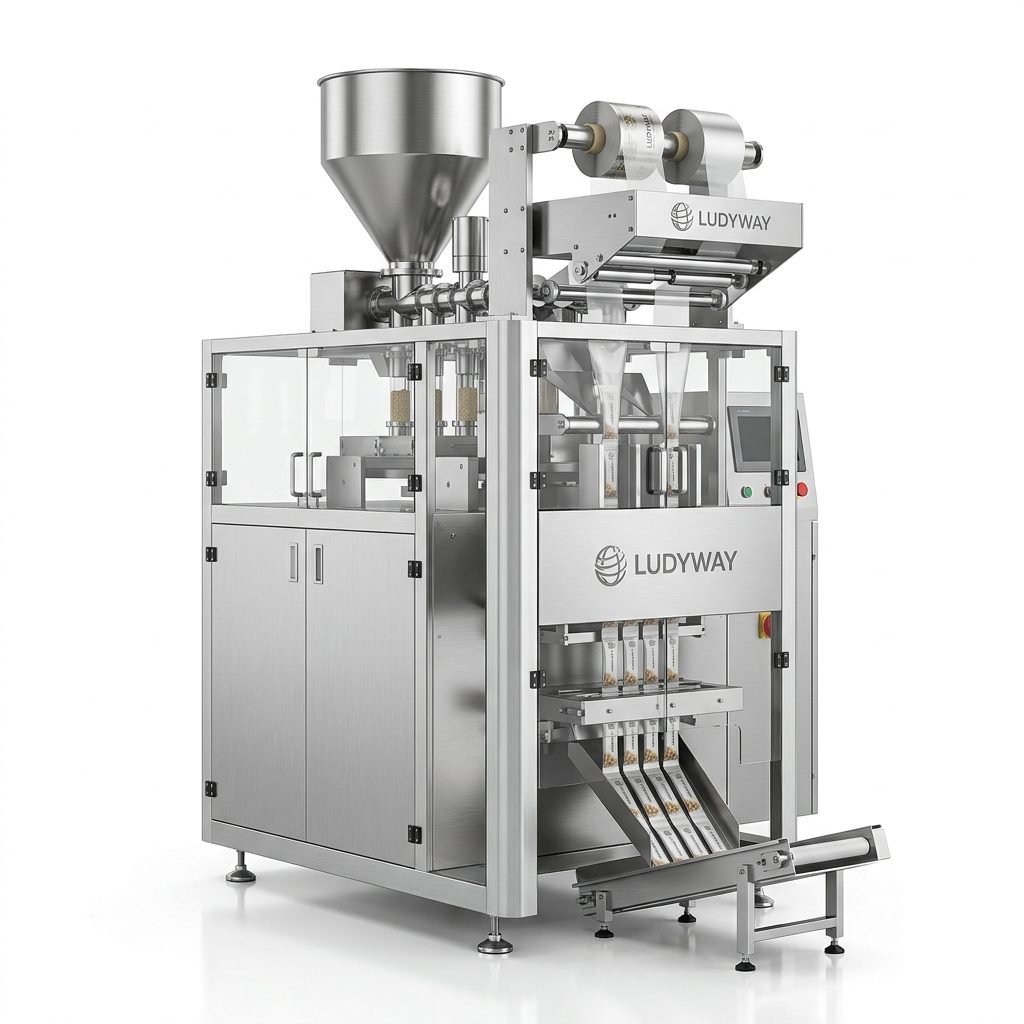
Consider a Lusaka-based company packaging breakfast cereals in stick packs. A manufacturer offering both vertical packaging systems and end-of-line cartoning can reduce project lead time. Packmate Machinery provides such integrated solutions with machines designed for high-humidity environments—relevant for Zambian warehouses without climate control.
Financial Considerations and Cost-Efficiency
While initial machine cost matters, Zambian buyers should evaluate total cost of ownership—including energy consumption, maintenance frequency, and spare parts lifespan. Chinese manufacturers listed above offer competitively priced equipment with a strong cost-benefit ratio. For instance, PacklineOEM’s turnkey lines, though higher upfront, reduce labor costs by up to 40% in pilot projects.
Sampling and Trial Options
Many reputable manufacturers provide material testing services. Before purchasing, send product samples to the supplier for a test run. This helps verify that the machine handles local ingredients—like cassava flour or fertilizer blends—without jamming or sealing issues.
Frequently Asked Questions (FAQ)
1. How can I verify the quality of packaging machines before shipping to Zambia?
Request video inspections of the actual machine running with your product. Most reputable manufacturers, such as Ludyway and Packmate, offer live testing via video call. You can also ask for customer references in similar African markets.
2. What is the typical lead time for a sachet packaging machine for a Zambia buyer?
For standard models, lead time is usually 30–45 days after down payment. Turnkey lines may take 60–90 days. Always factor in shipping time to Lusaka or Ndola (around 30–40 days by sea).
3. Do Chinese packaging machine manufacturers provide installation in Zambia?
Major suppliers like Ludyway offer on-site commissioning for an additional fee. Some also provide remote instruction via augmented reality tools. PacklineOEM includes basic installation guidance in its turnkey contracts.
4. Can I get spare parts for these machines in Zambia?
Most manufacturers have stocking distributors or can air freight critical parts within 7-10 days. For high-volume items like sealing jaws, request an initial spare parts kit with your order.
5. What warranty terms are standard for packaging machinery?
Typically 12 months from installation or 18 months from shipment. Check if the warranty covers wear parts like cutters and belts. SnusMachinery and PackingMachineOEM offer extended service plans for international clients.
Final Advice for Zambian Decision-Makers
When pursuing a packaging automation project in Zambia, start by defining your production requirements: product type, bag dimensions, output per shift, and factory space. Then shortlist manufacturers from the pool above who match your technical needs. Always request a comprehensive proposal including installation, training, and post-warranty service costs. A thorough vetting process—focusing on manufacturing history, export experience, and flexible customization—will lead to a successful, long-term partnership.