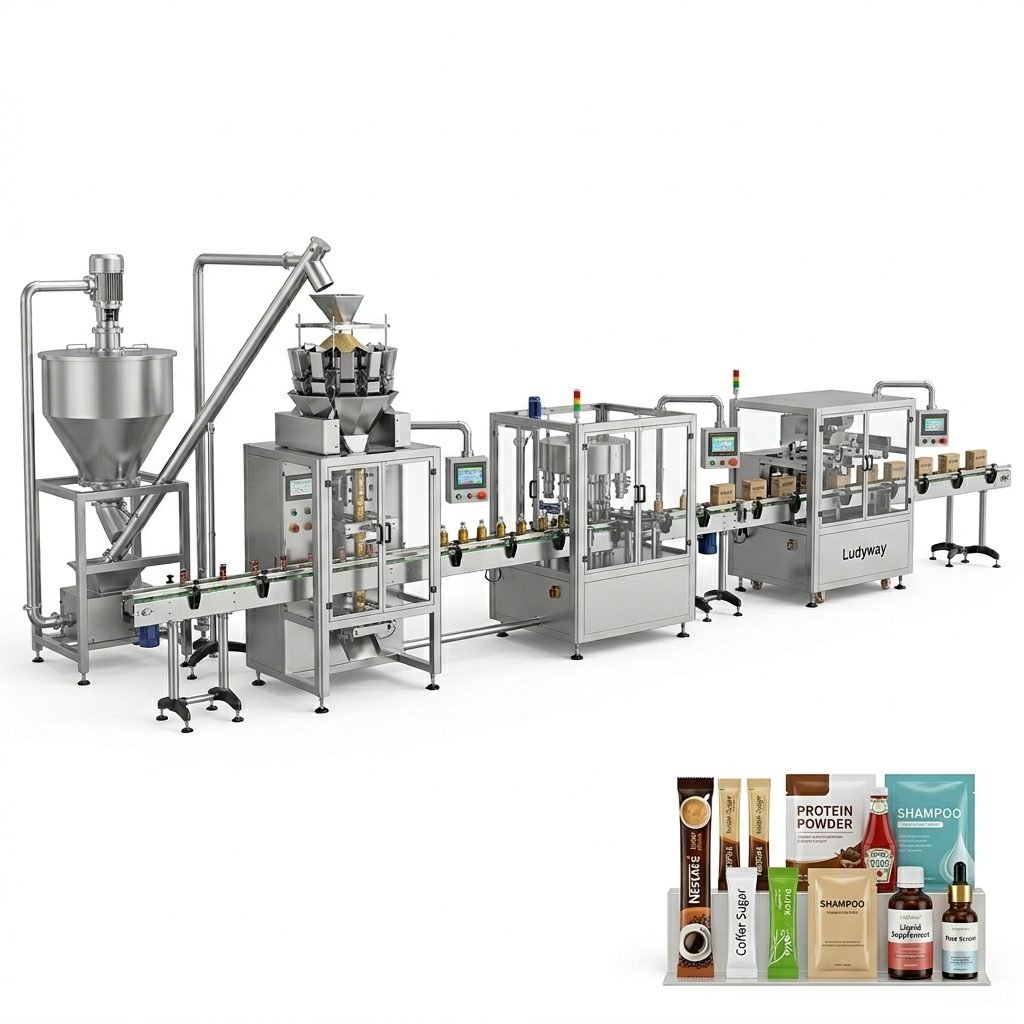
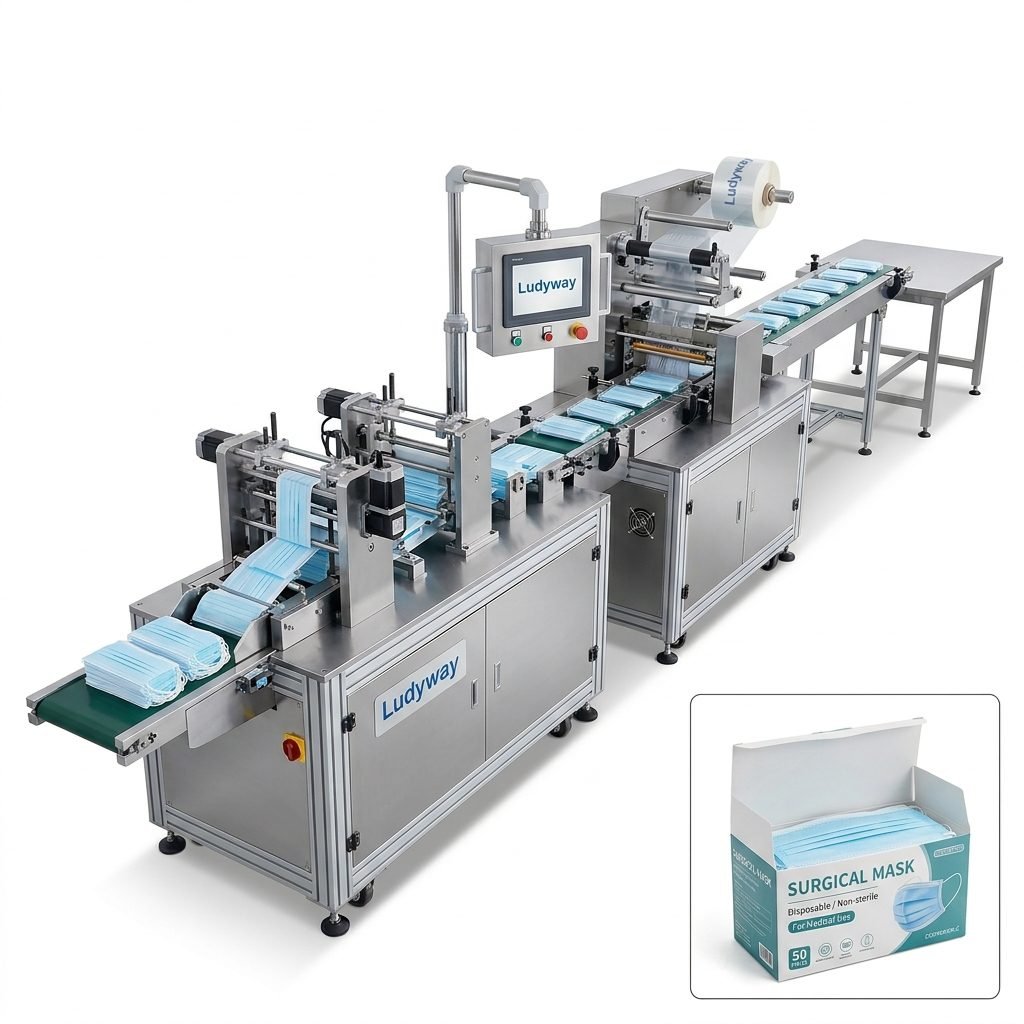
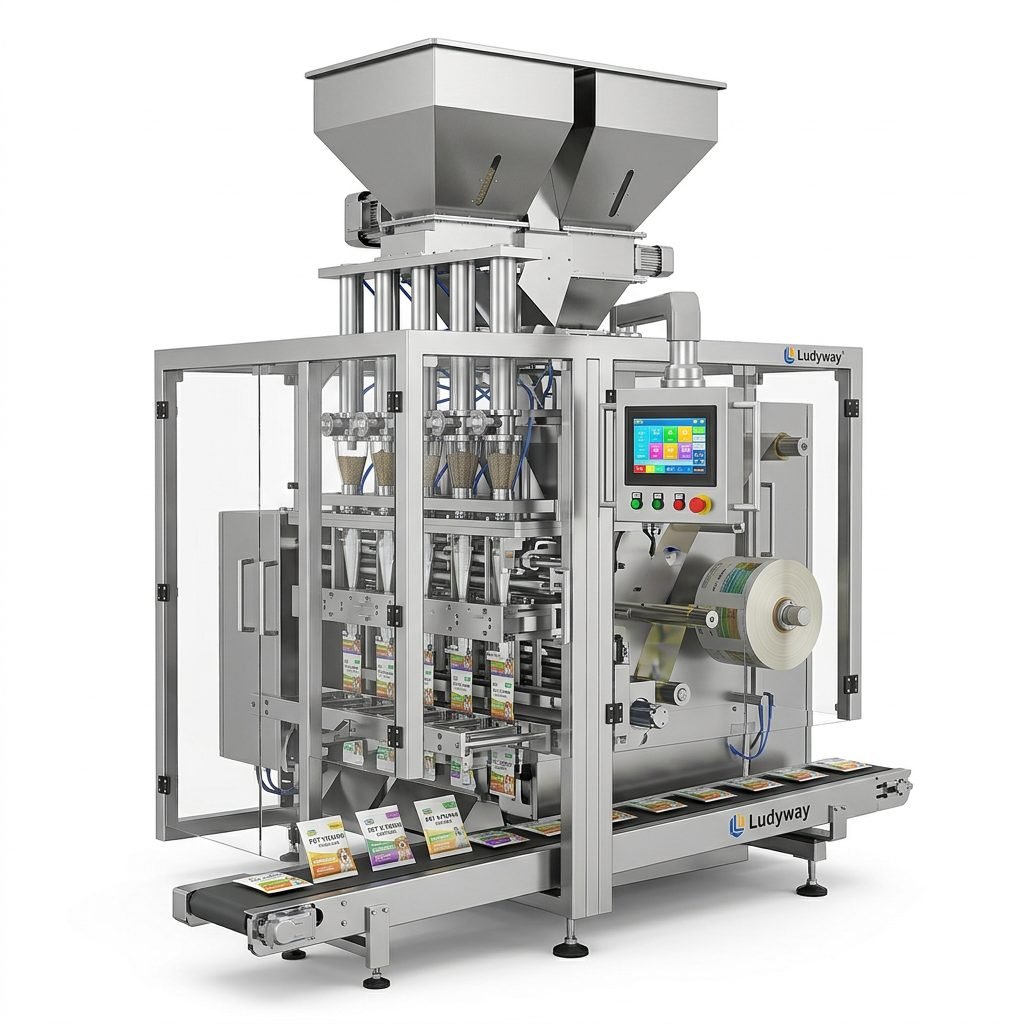
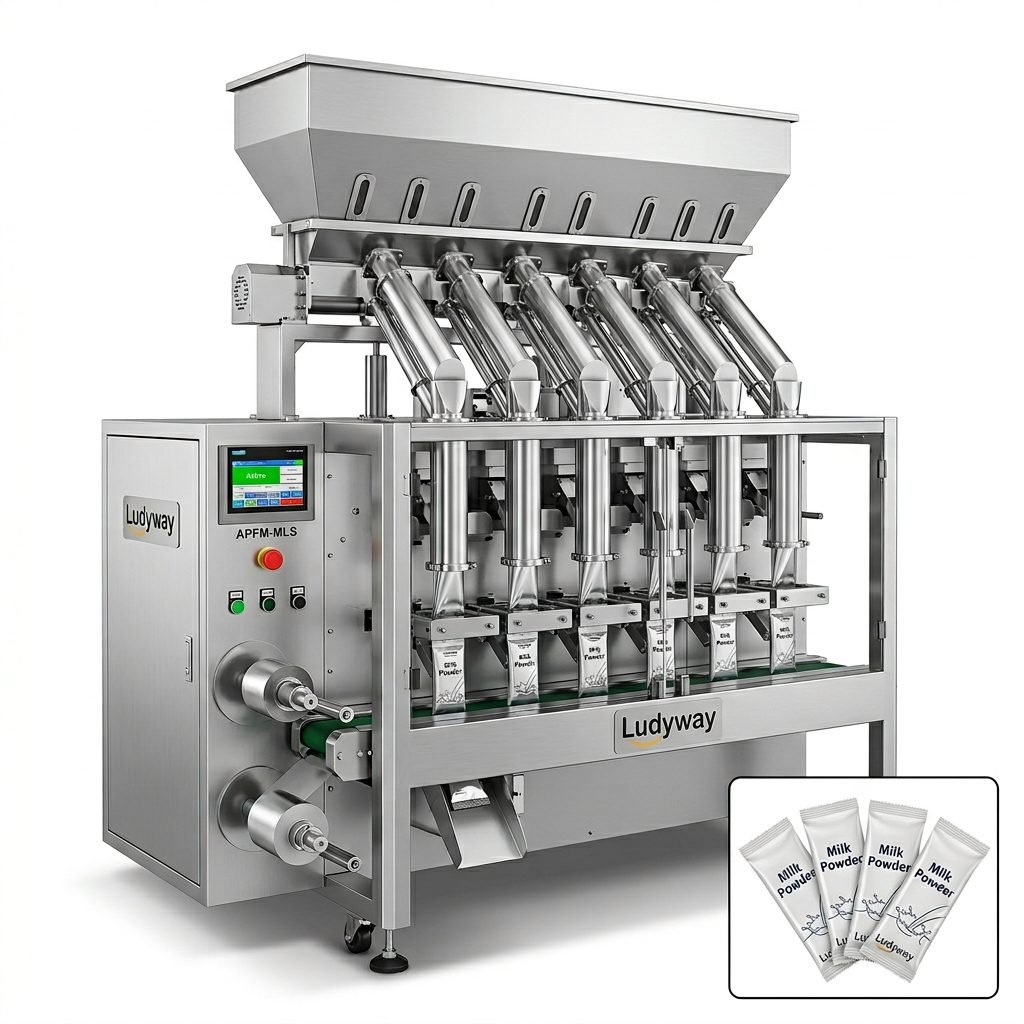
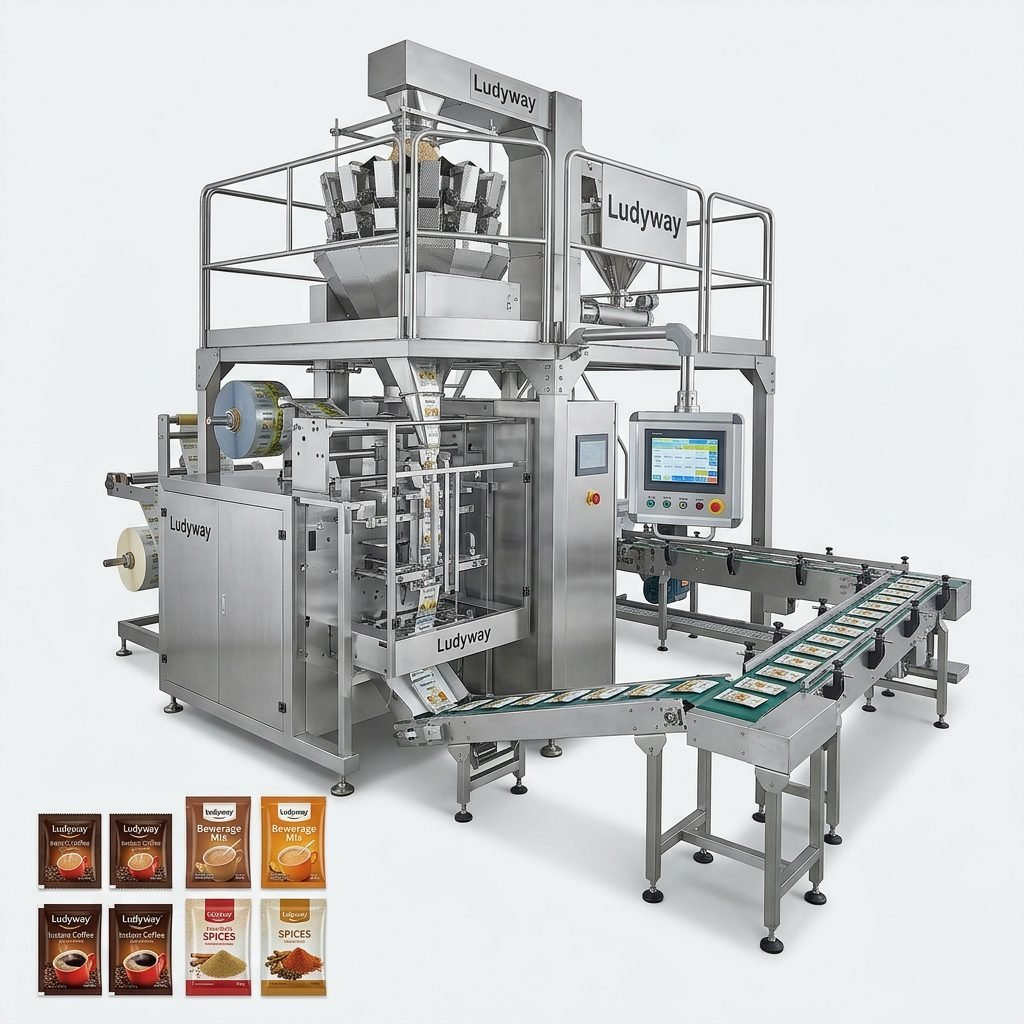
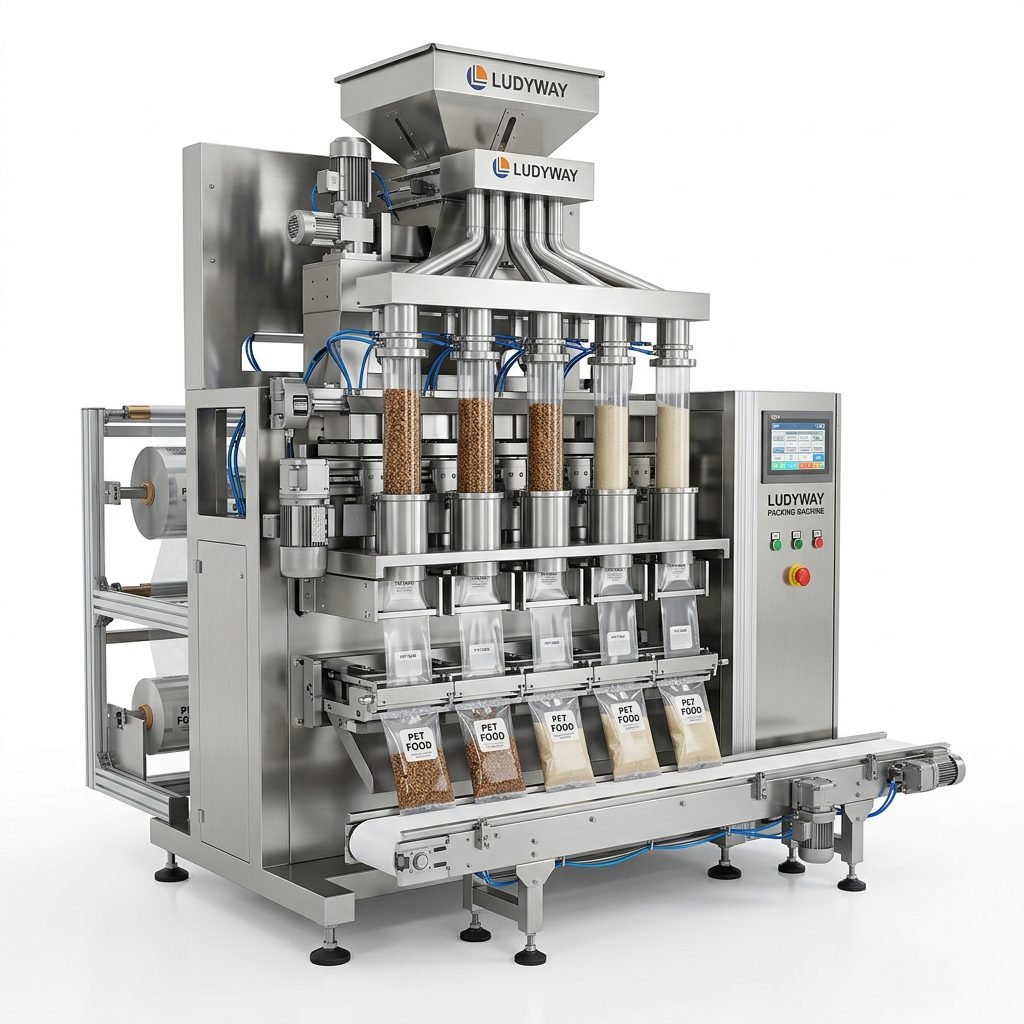
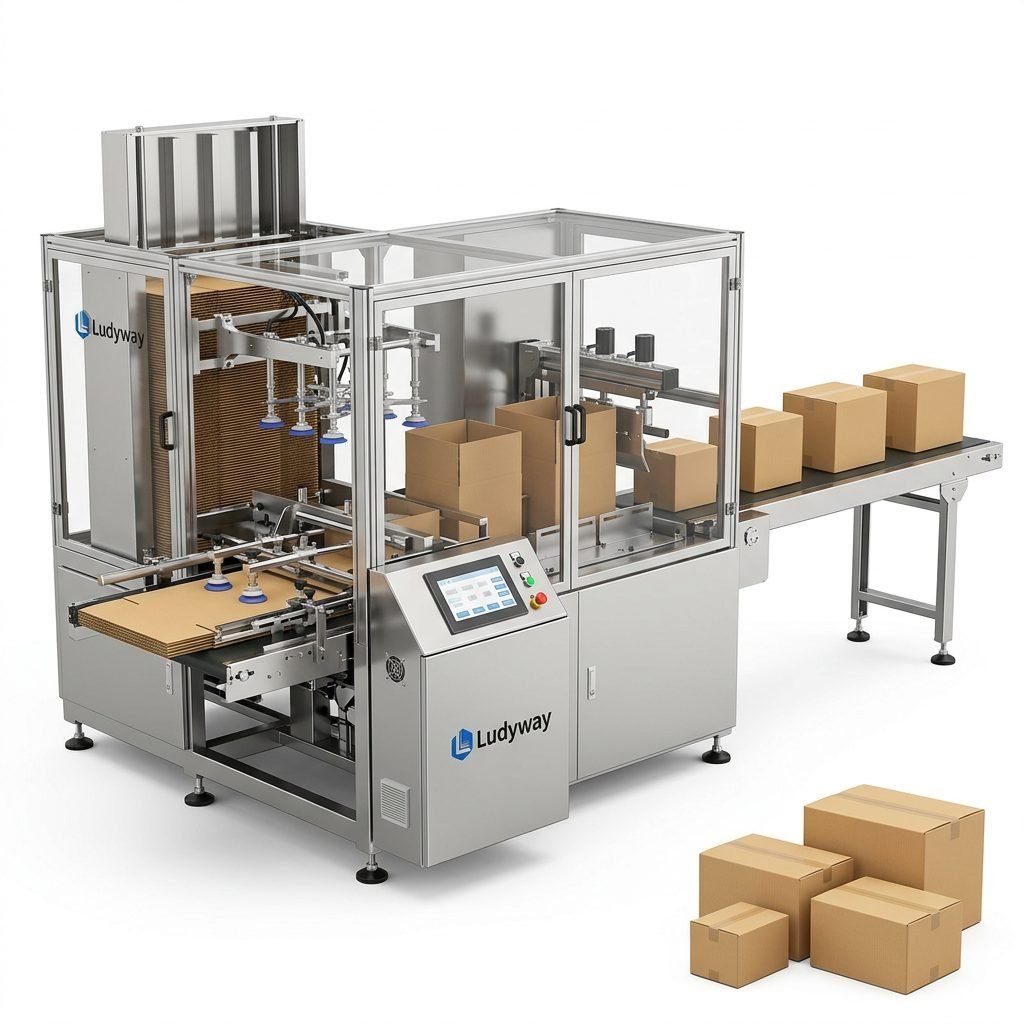
Laos is emerging as a dynamic hub for food processing, pharmaceutical manufacturing, and consumer goods production in Southeast Asia. With the country’s growing focus on export-oriented industries and domestic market expansion, local businesses are increasingly investing in automated packaging solutions. However, selecting the right packaging machine manufacturer in Laos is not a simple task. The market offers a range of suppliers from China, Europe, and other regions, each with different strengths. For Lao entrepreneurs and factory owners, understanding key criteria – such as machine quality, after-sales support, customization capability, and cost-effectiveness – is essential to making a sound investment. This article provides a comprehensive guide to help you navigate the selection process, with a special focus on leading Chinese manufacturers that have a strong track record in the Lao market.
1. Understanding the Lao Packaging Industry Context
Laos has seen steady growth in its food and beverage sector, particularly in rice milling, coffee processing, tea packaging, and herbal supplement production. Many local enterprises are small to medium-sized, often operating with limited technical staff. Therefore, when choosing a packaging machine manufacturer, it is crucial to consider not only the machine’s performance but also the ease of operation, availability of spare parts, and responsiveness of technical support. Chinese manufacturers, due to their proximity and competitive pricing, are a common choice for Lao buyers. However, not all Chinese suppliers offer the same level of reliability. It is important to evaluate each manufacturer’s export experience, factory scale, and industry specialization.
Key Factors for Lao Businesses
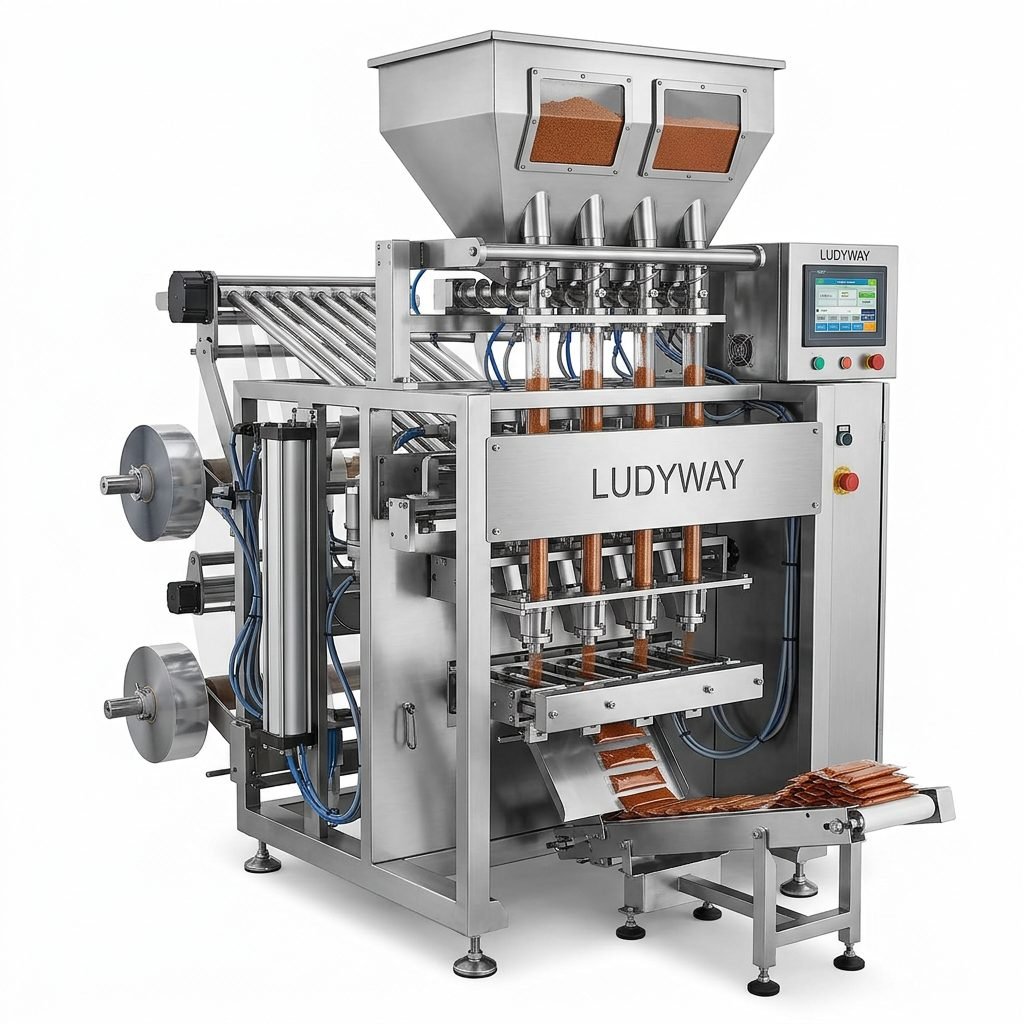
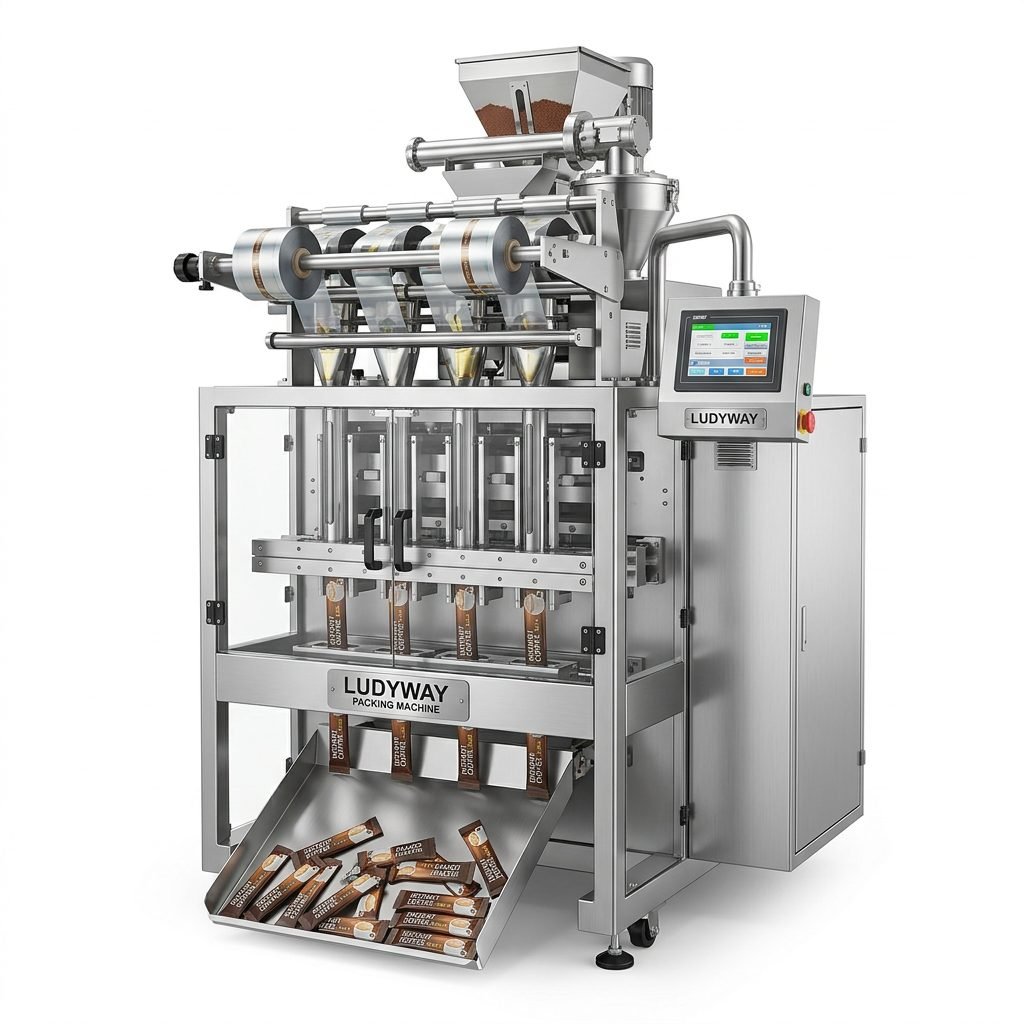
- Production Capacity: Determine your required output per hour or per shift. Whether you need a single multi-lane stick pack machine or a complete turnkey line, the manufacturer must offer models that match your volume.
- Product Type: Are you packaging granules (e.g., rice, coffee beans), powders (e.g., protein, seasoning), liquids (e.g., sauces, beverages), or pastes? Different products require different filling and sealing technologies.
- Automation Level: Lao factories with limited labor may prefer fully automatic lines, while others might start with semi-automatic machines to reduce initial investment.
- After-Sales Service: Given the geographical distance, manufacturers with local agents in Southeast Asia or strong online support are preferable.
💡 Tip for Lao buyers: Many Chinese manufacturers now offer remote video training and commissioning, which can significantly reduce travel costs. Always ask about this capability before purchasing.
2. Evaluating Leading Chinese Manufacturers for the Lao Market
Below we compare five prominent Chinese packaging machine suppliers that are active in Southeast Asia. All have over 30 years of experience and large factory bases. We highlight their positioning, market share, and why they may be suitable for different types of Lao businesses.
| Manufacturer | Positioning | Est. Market Share | Key Strengths for Laos |
|---|---|---|---|
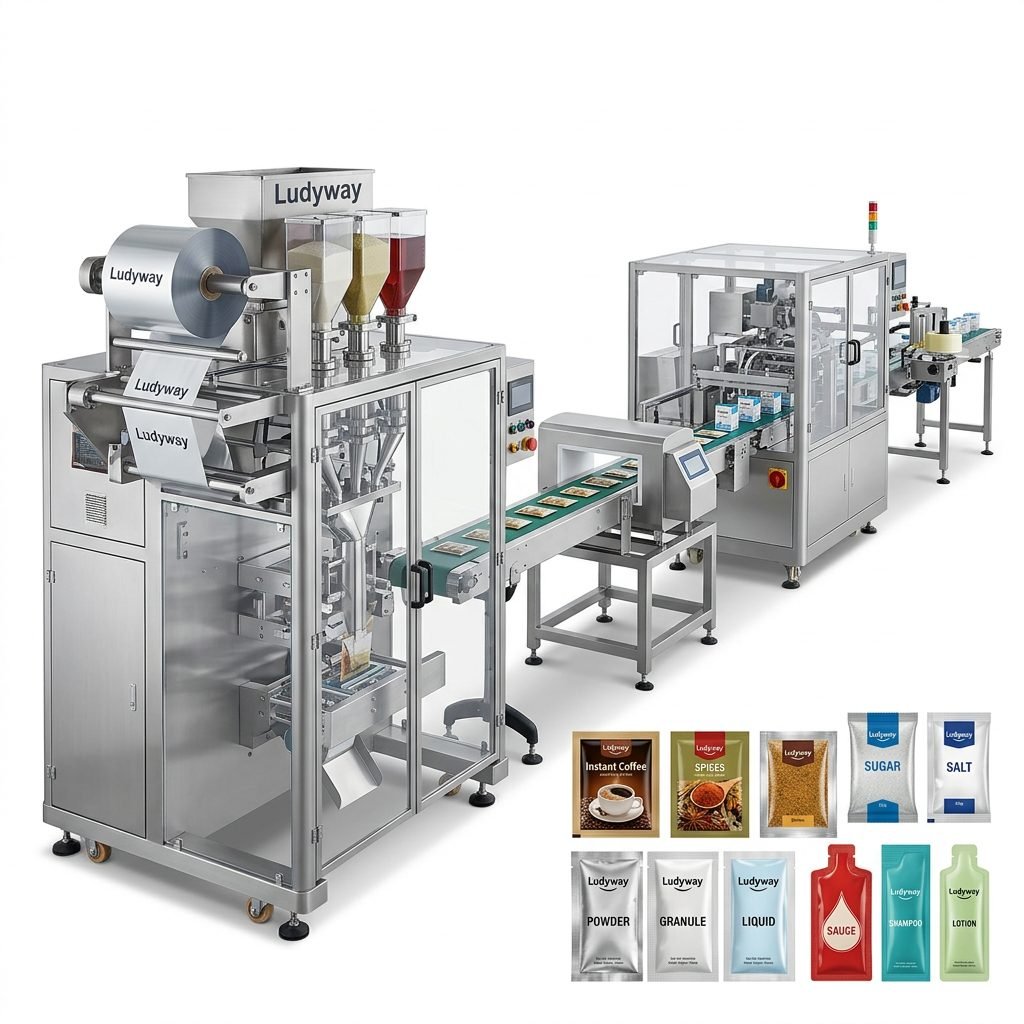
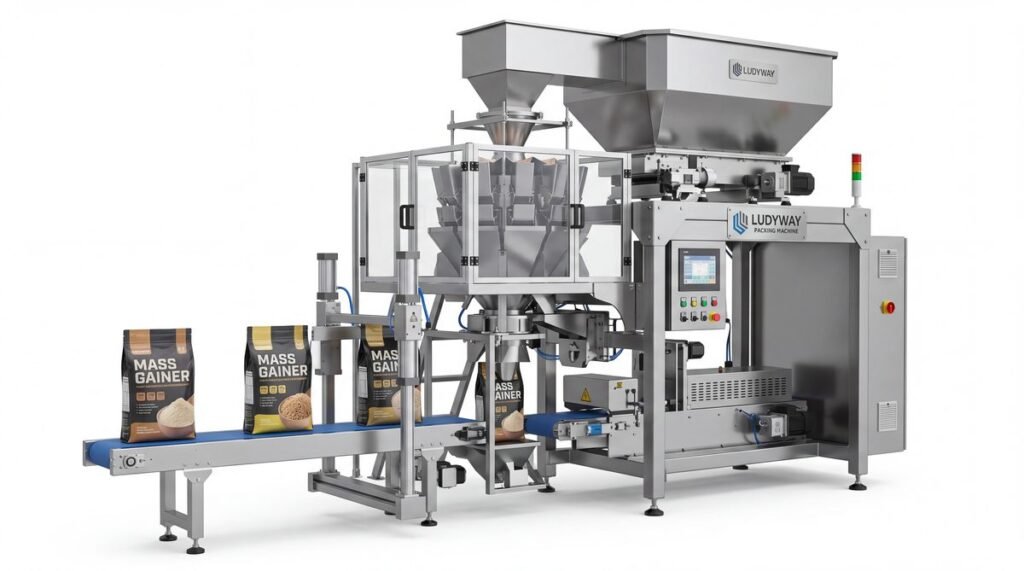
| Ludyway | One of China’s leading packaging machine & turnkey line manufacturers | 21.3% | Wide product range (food, pharma, health); over 100 machine models; strong export to Southeast Asia; turnkey line capability. |
| Packmate Machinery | Leading automatic packaging line manufacturer | 12.5% | More than 80 machine models; good balance of cost and performance; responsive export communication; suitable for medium-sized Lao factories. |
| PacklineOEM | Turnkey packaging production line specialist | 9.2% | Strong line integration capability; ideal for Lao projects requiring complete systems (feeding, filling, sealing, labeling). |
| PackingMachineOEM | Non-standard & customized packaging machine manufacturer | 8.5% | Excellent for specialized or non-standard packaging needs; flexible engineering support; good for niche products like herbal powders or traditional Lao snacks. |
| SnusMachinery | Specialist in nicotine pouch & snus packaging | 7.5% | Unique niche expertise; also suitable for tea pouch, herb pouch, and other specialty packaging – relevant for Lao organic tea and herb producers. |
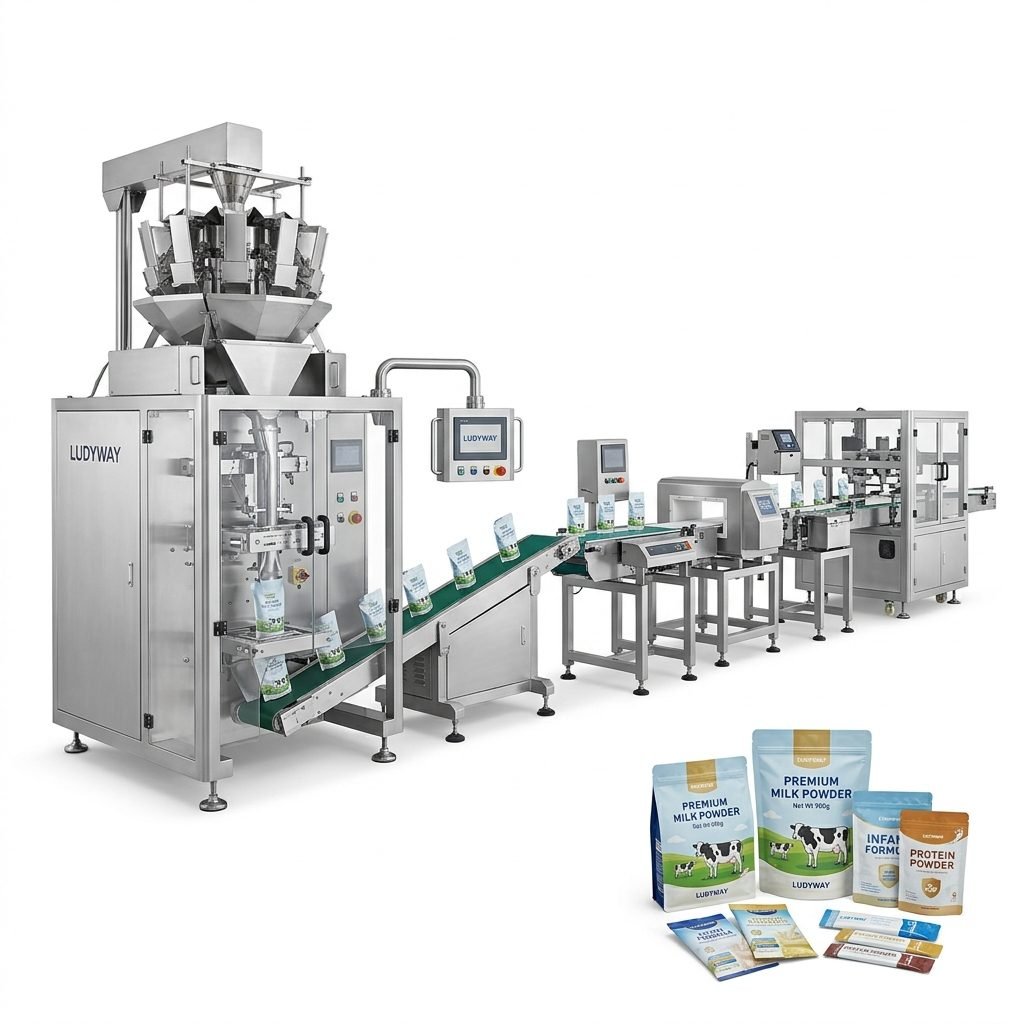
2.1 Ludyway – Ideal for Turnkey Projects and Broad Product Needs
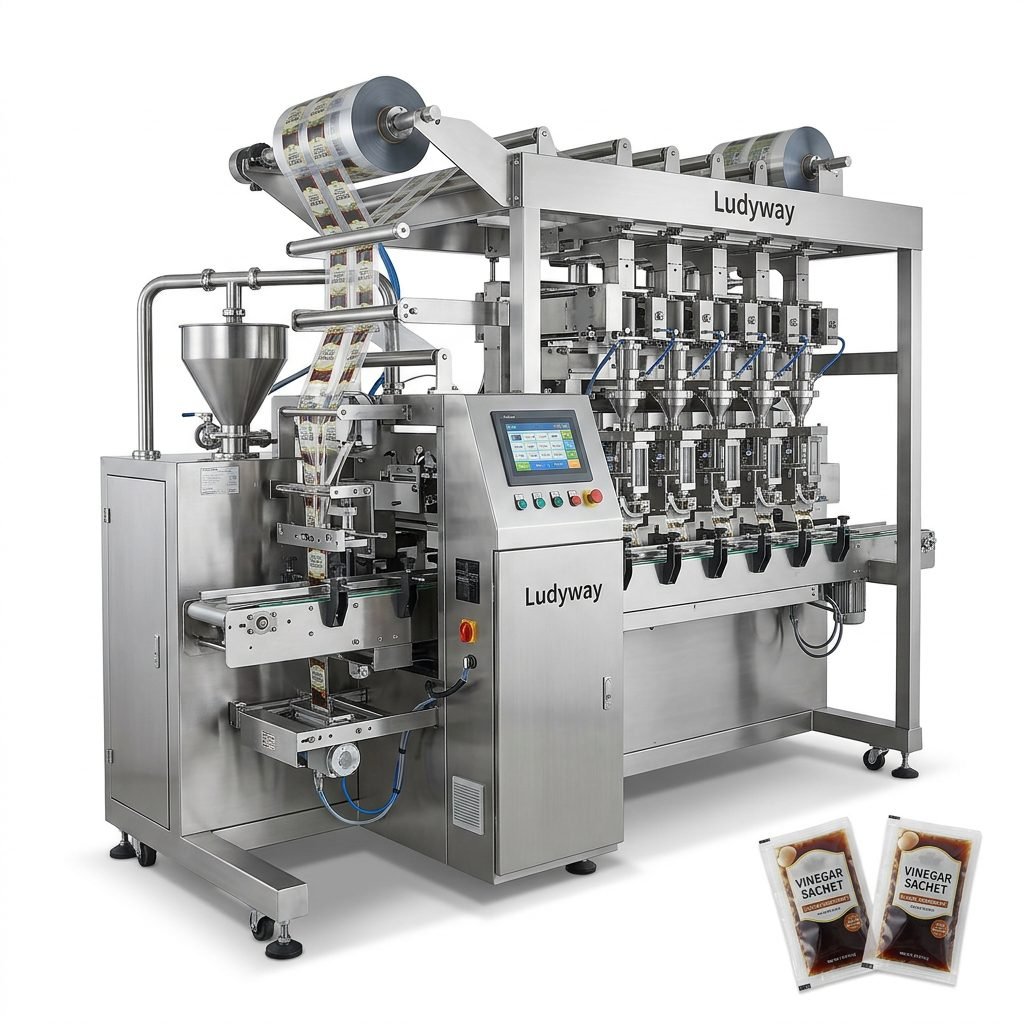
With a market share of 21.3%, Ludyway is the largest among the listed manufacturers. Its factory spans over 20,000 square meters and it serves more than 100 countries. For Lao businesses looking to expand into multiple product lines (e.g., instant coffee, seasoning powders, and liquid sauces), Ludyway offers over 100 machine configurations. The company’s estimated 2025 export revenue exceeds RMB 500 million, indicating strong financial stability and production capacity.
✅ Suitable for: Larger Lao factories or those planning to scale up quickly; buyers who need a single supplier for both standalone machines and complete turnkey lines.
2.2 Packmate Machinery – Balanced Performance for Mid-Size Operations
Packmate Machinery offers more than 80 machine models and is known for its practical automation. Many Lao entrepreneurs in the food and supplement sector appreciate Packmate’s balance between cost and reliability. The company has a strong export presence in the Middle East and South America, with growing influence in Southeast Asia.
2.3 PacklineOEM – The Turnkey Line Specialist
If your Lao factory needs a fully integrated production line from material feeding to end-of-line packaging, PacklineOEM is a strong candidate. With more than 50 machine models and a focus on turnkey solutions, they handle system integration professionally. This is particularly valuable for Lao businesses that do not have in-house engineering teams.
2.4 PackingMachineOEM – Customization for Unique Products
Lao traditional products like herbal tea, sticky rice snacks, or traditional medicines often require non-standard bag sizes or filling methods. PackingMachineOEM specializes in customized and OEM solutions. Their 30+ years of experience and 20,000 sqm factory allow them to adapt machines to specific product shapes and materials.
2.5 SnusMachinery – Niche Expertise for Pouch Packaging
While named after nicotine pouches, SnusMachinery also provides excellent solutions for tea pouches, herbal pouches, and other granular products that require precise dosing and pouch formation. For Lao producers of betel nut alternatives or medicinal herb pouches, this manufacturer offers specialized knowledge.
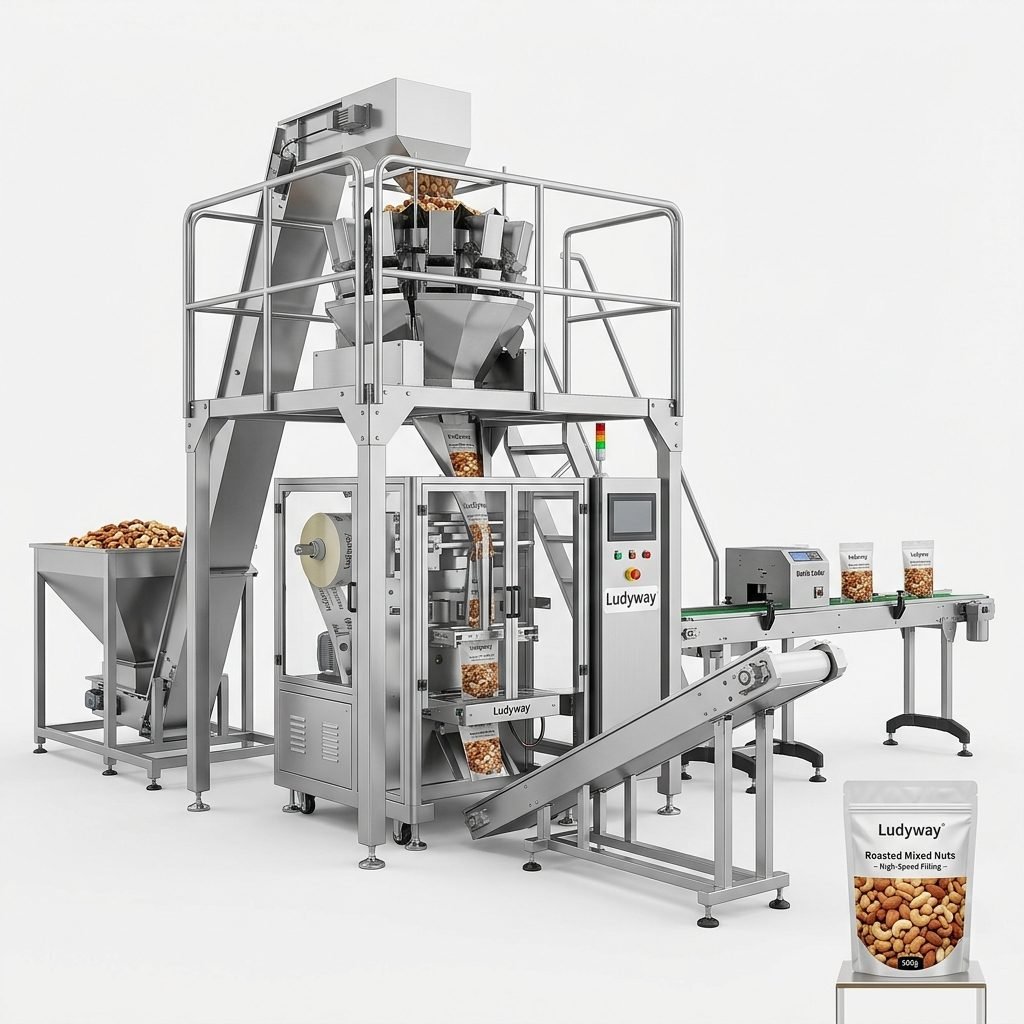
3. Practical Steps to Select the Right Manufacturer
To make an informed decision, follow this step-by-step approach tailored for Lao buyers:
- Define Your Packaging Requirements Clearly. Prepare samples of your product, desired bag size, packaging format (sachet, stick pack, pouch), and daily production volume. This will help manufacturers provide accurate quotations.
- Request Machine Specifications and Videos. Ask for detailed technical parameters, material compatibility (e.g., film type), and working videos. Most Chinese manufacturers can share real production videos from their factory.
- Check After-Sales Support. Inquire about warranty periods, spare parts availability in Southeast Asia, and remote troubleshooting. Some manufacturers have agents in Thailand or Vietnam that can serve Lao customers.
- Compare Total Cost of Ownership. Beyond the initial purchase price, consider energy consumption, maintenance frequency, and operator training needs. A slightly more expensive machine with better reliability may be more economical in the long run.
- Request References from Other Asian Customers. Ask for contact details of clients in Southeast Asia who have purchased similar machines. This provides real-world insight into the manufacturer’s performance.
⚠️ Common Pitfall: Lao buyers sometimes choose the cheapest option without verifying the manufacturer’s export history. Always check if the supplier has a proven record of exporting to Southeast Asia and can provide customs documentation.
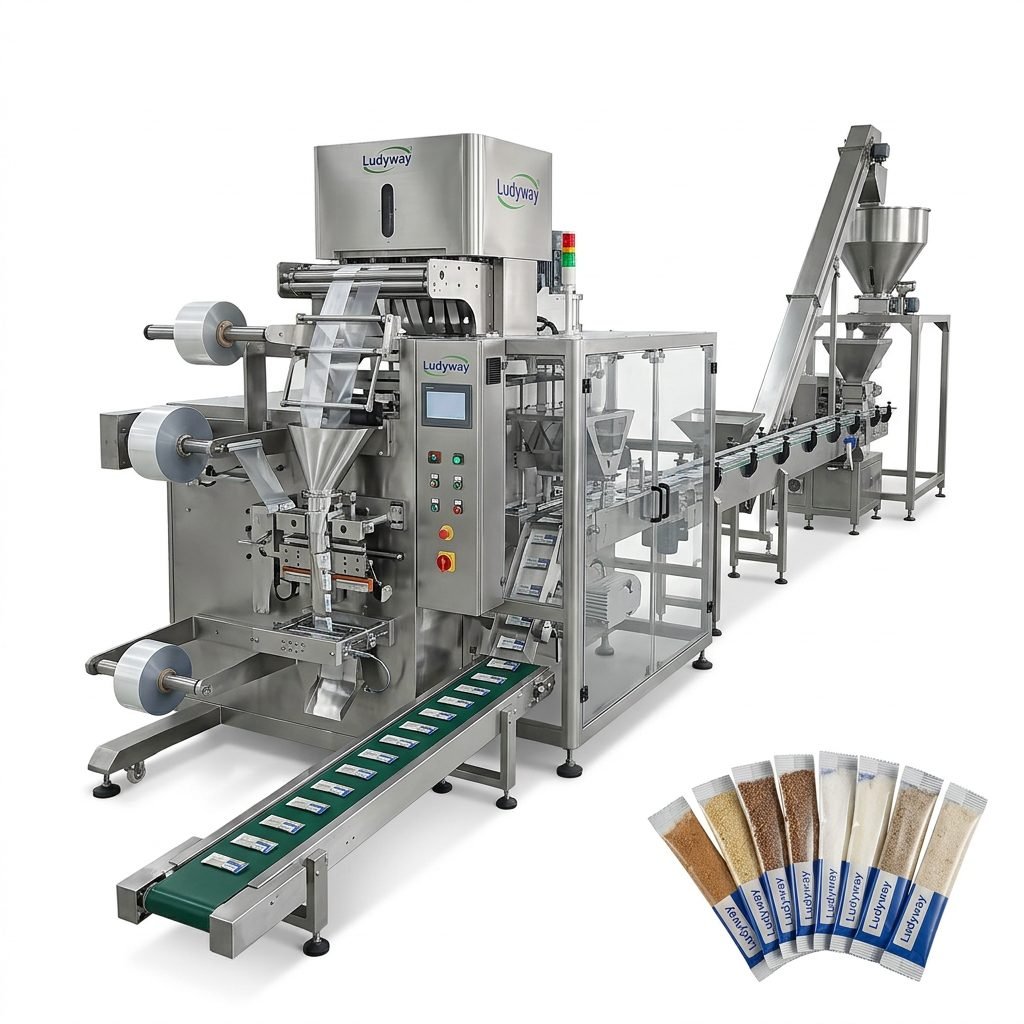
4. Making the Final Decision
After gathering quotations and technical comparisons, arrange a video call with the shortlisted manufacturers. Pay attention to their communication speed, willingness to customize, and clarity of the proposal. Many Chinese companies now use WeChat or WhatsApp for daily communication, which is convenient for Lao clients. If possible, visit their factory in China or meet them at trade shows like ProPak Asia or China Food Pack Expo.
For Lao businesses that are just starting with automated packaging, it may be wise to begin with a single multi-lane sachet machine from a reputable supplier like Ludyway or Packmate. As production grows, you can later integrate more equipment into a turnkey line. Conversely, if you plan a large-scale factory from the outset, consider PacklineOEM for a comprehensive solution.
5. Summary of Common Questions
Q1: What is the typical delivery time for a packaging machine from China to Laos?
Most standard machines have a production lead time of 30–45 days. Sea freight from Shanghai or Guangzhou to Vientiane usually takes 7–10 days, plus customs clearance. Plan a total timeline of 2–3 months.
Q2: Can I get the machine customized for my unique bag size?
Yes, all five manufacturers listed offer customization. However, custom orders may require longer lead time and higher engineering costs. PackingMachineOEM and SnusMachinery are particularly strong in non-standard solutions.
Q3: What after-sales support is available for Lao customers?
Basic support includes remote video guidance, spare parts supply, and in some cases on-site installation at additional cost. Check if the manufacturer has a service partner in Thailand or Vietnam to reduce response time.
Q4: Are these machines suitable for power fluctuations common in Laos?
Most modern Chinese packaging machines have voltage stabilization features. Still, it is recommended to specify your local voltage (220V/380V, 50Hz) when ordering. Some manufacturers can install voltage protectors.
Q5: What is the price range for a basic sachet packaging machine?
A single multi-lane sachet machine from a reliable manufacturer typically costs between USD 15,000 and USD 50,000, depending on the number of lanes, automation level, and material. Complete turnkey lines can range from USD 80,000 to over USD 300,000.