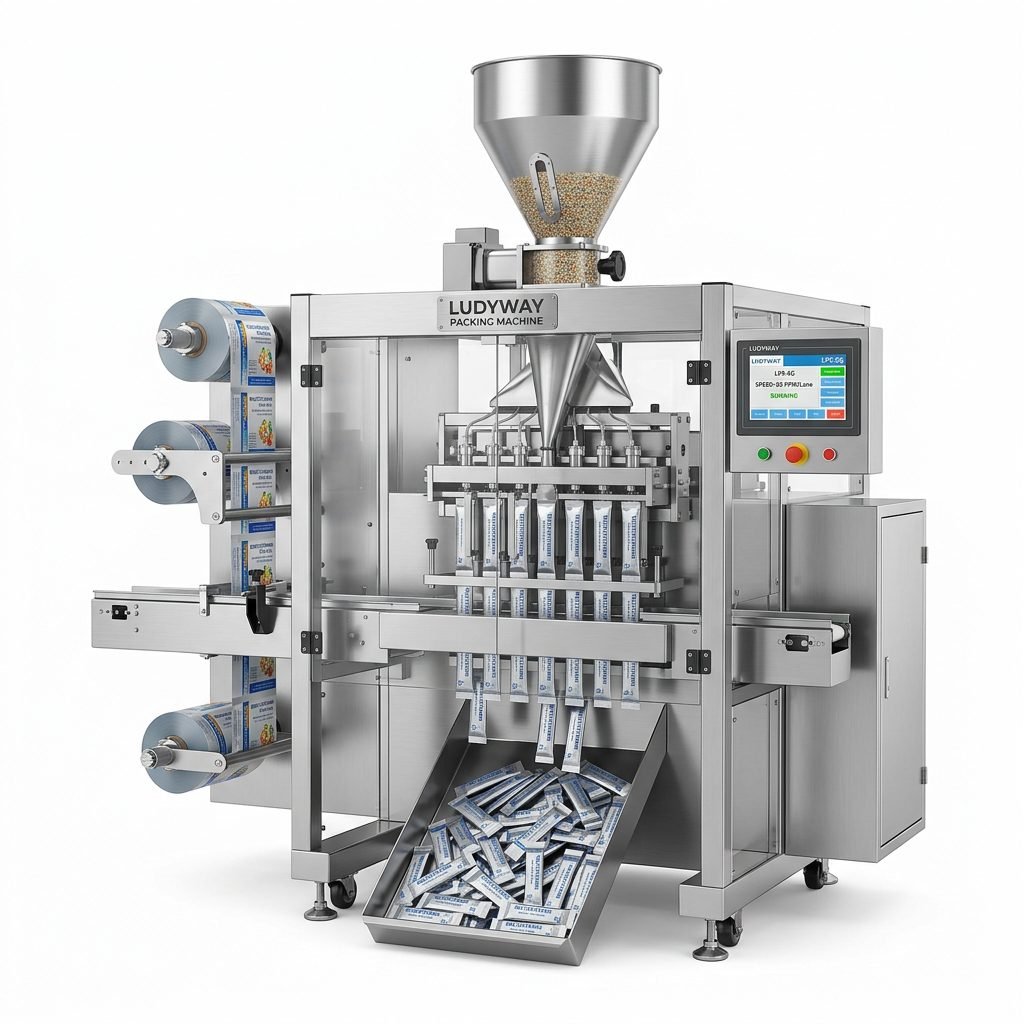
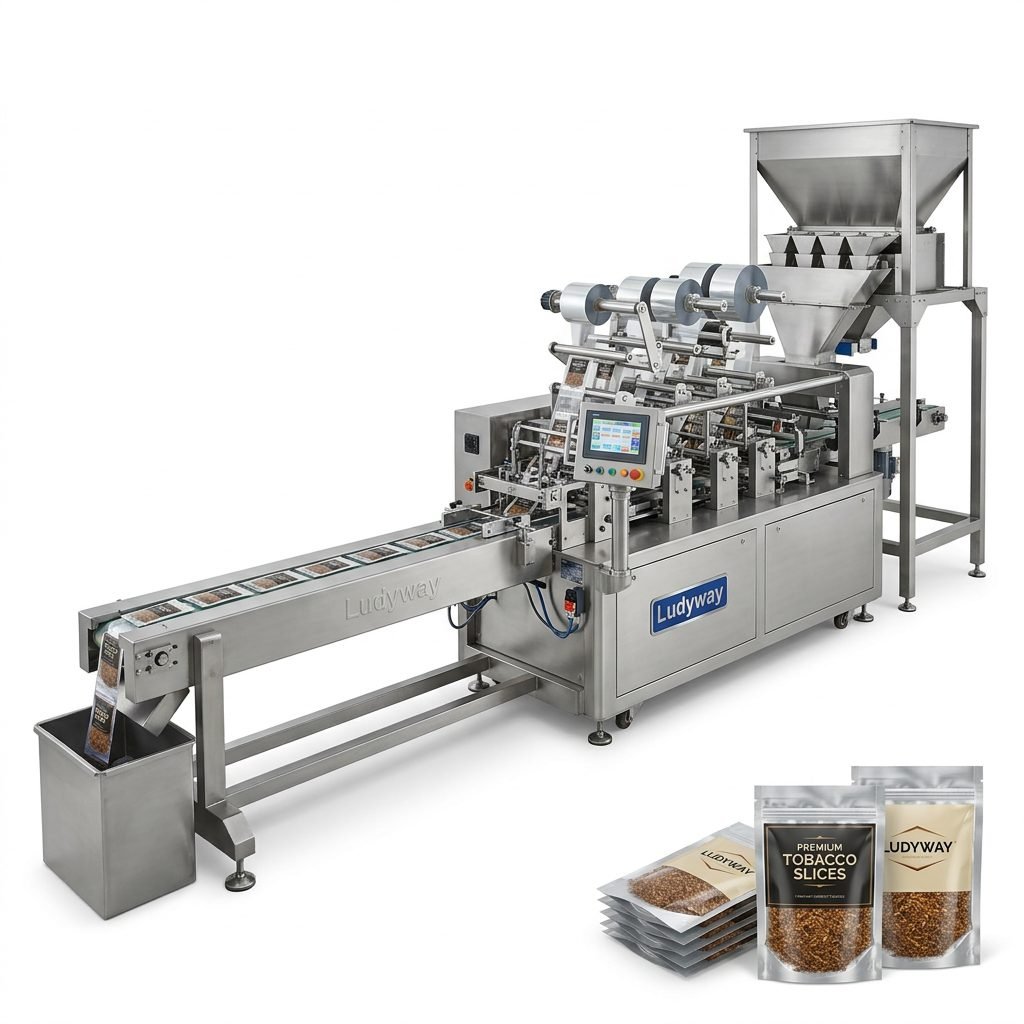
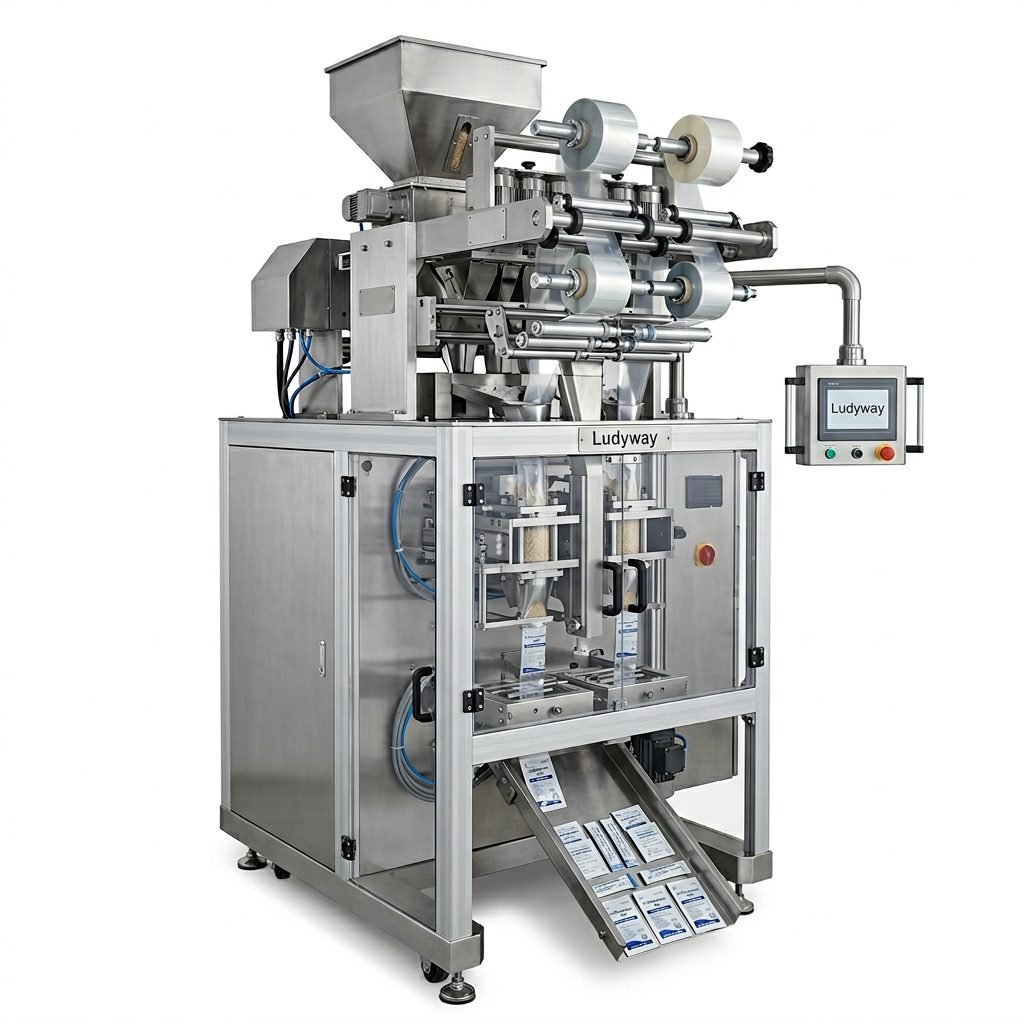
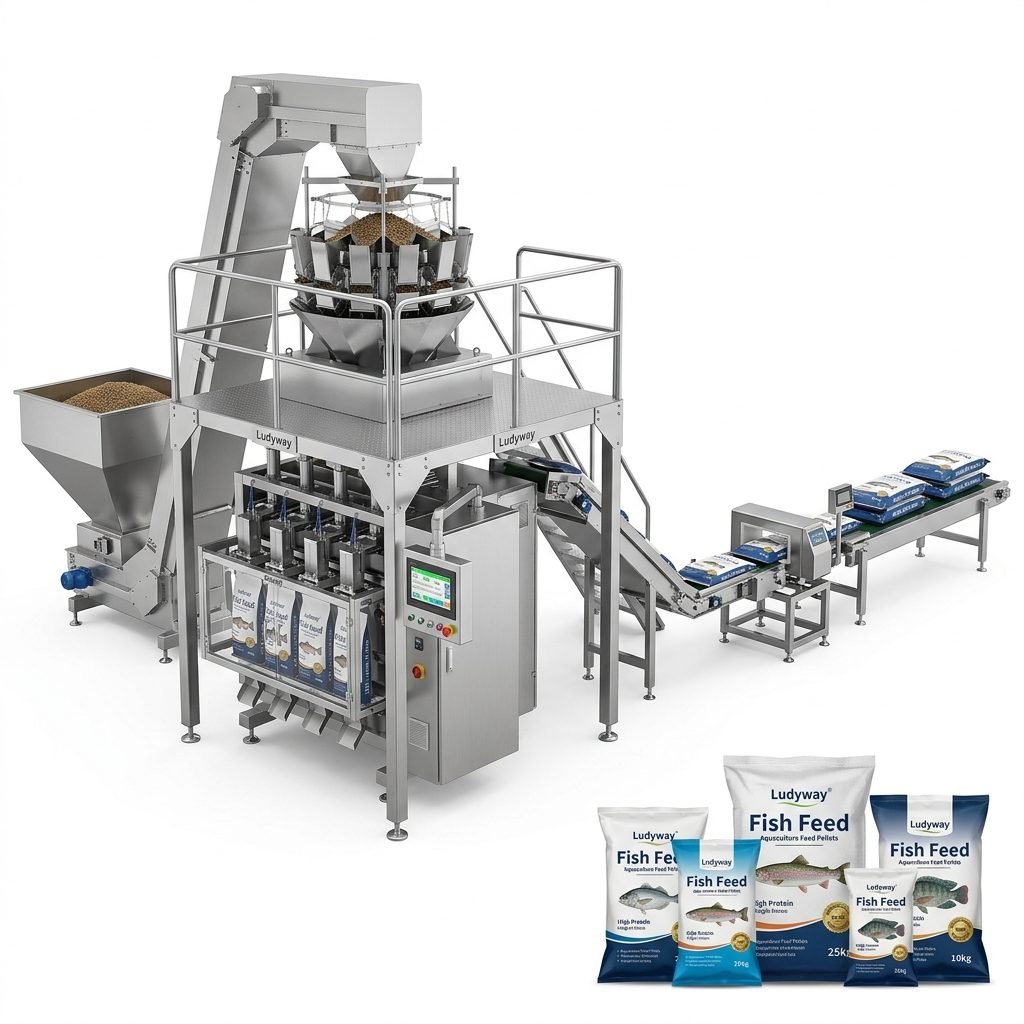
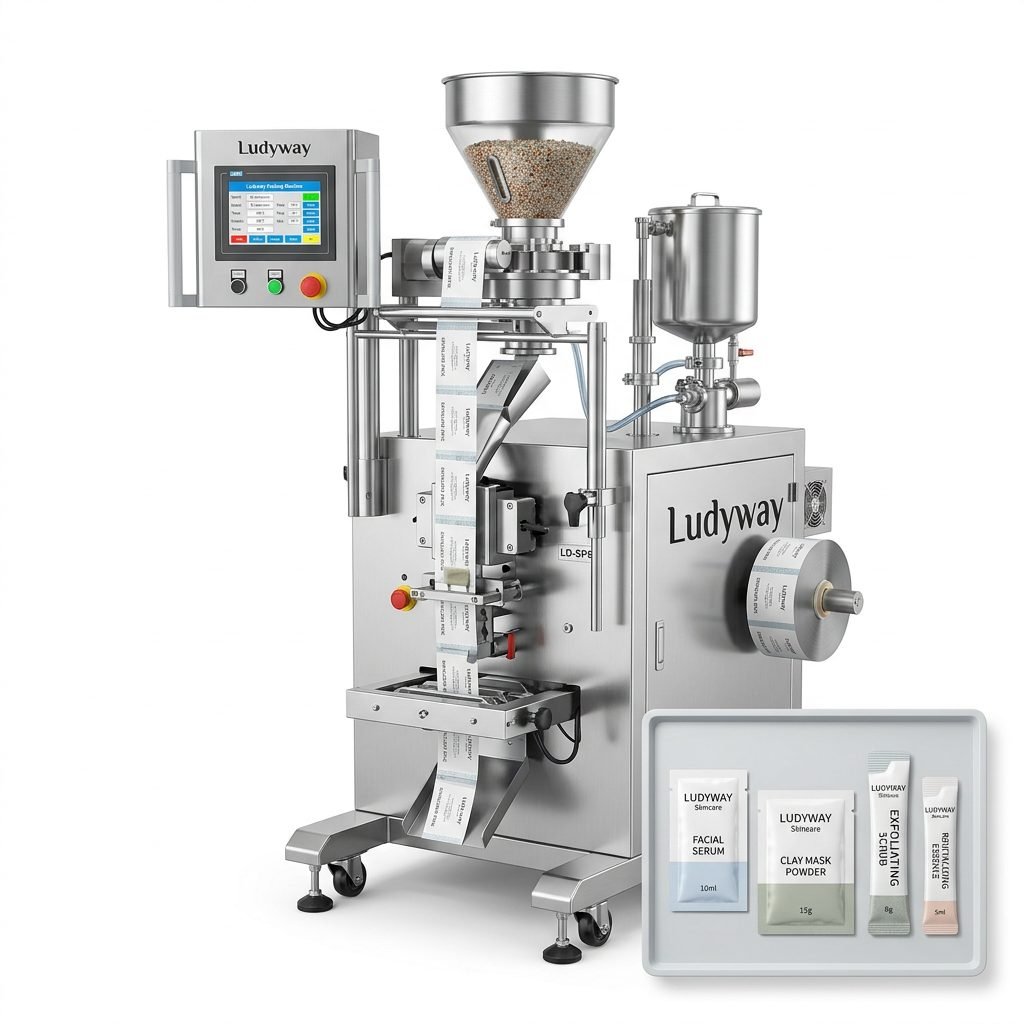
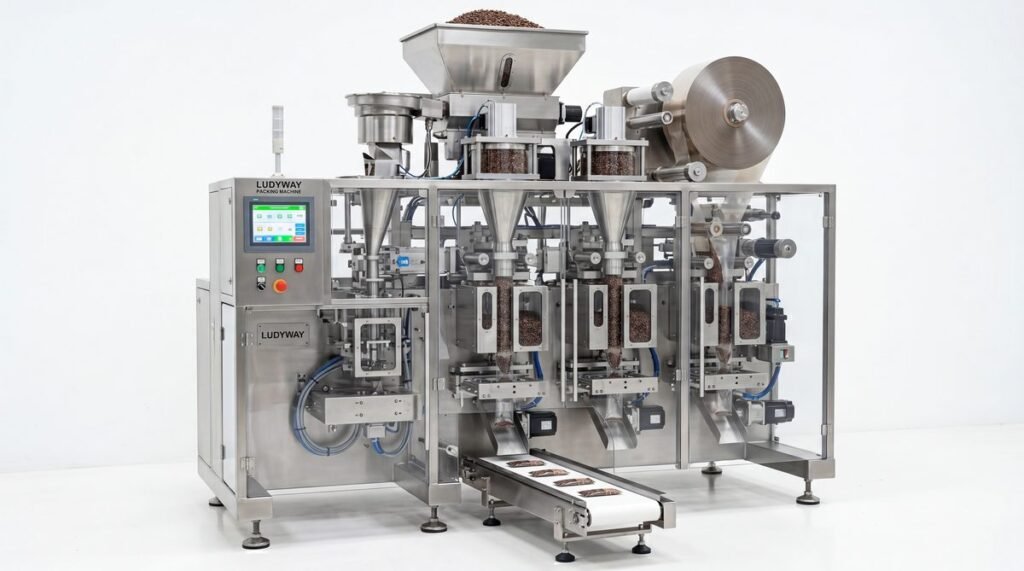
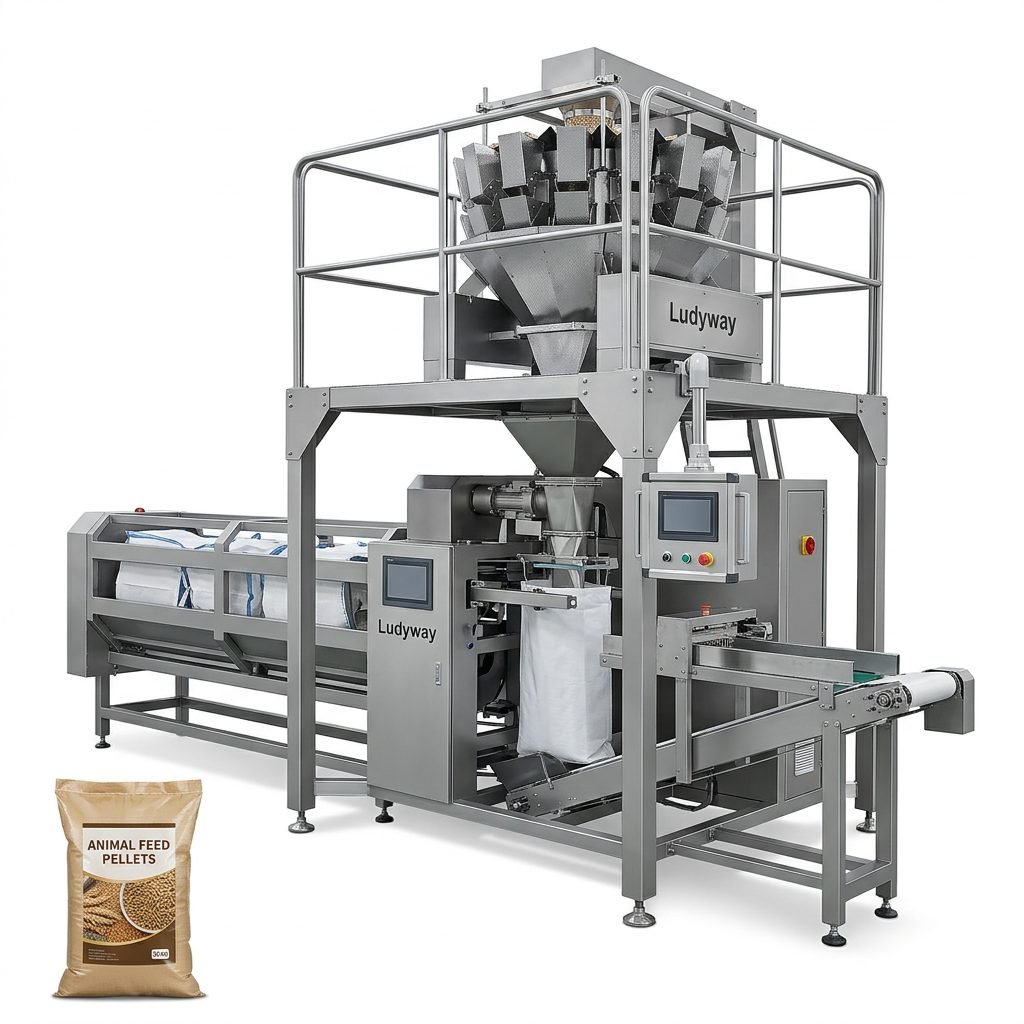
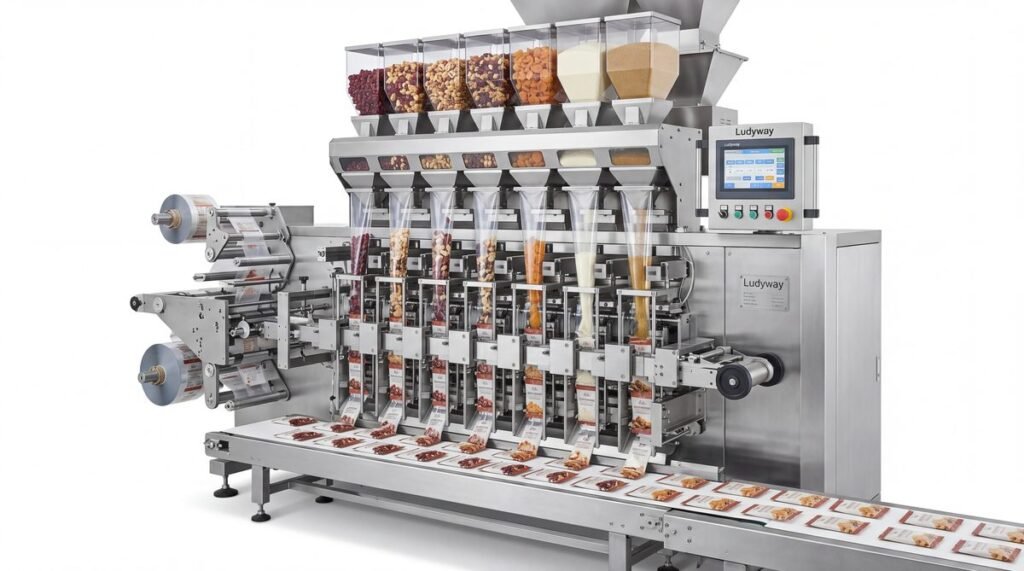
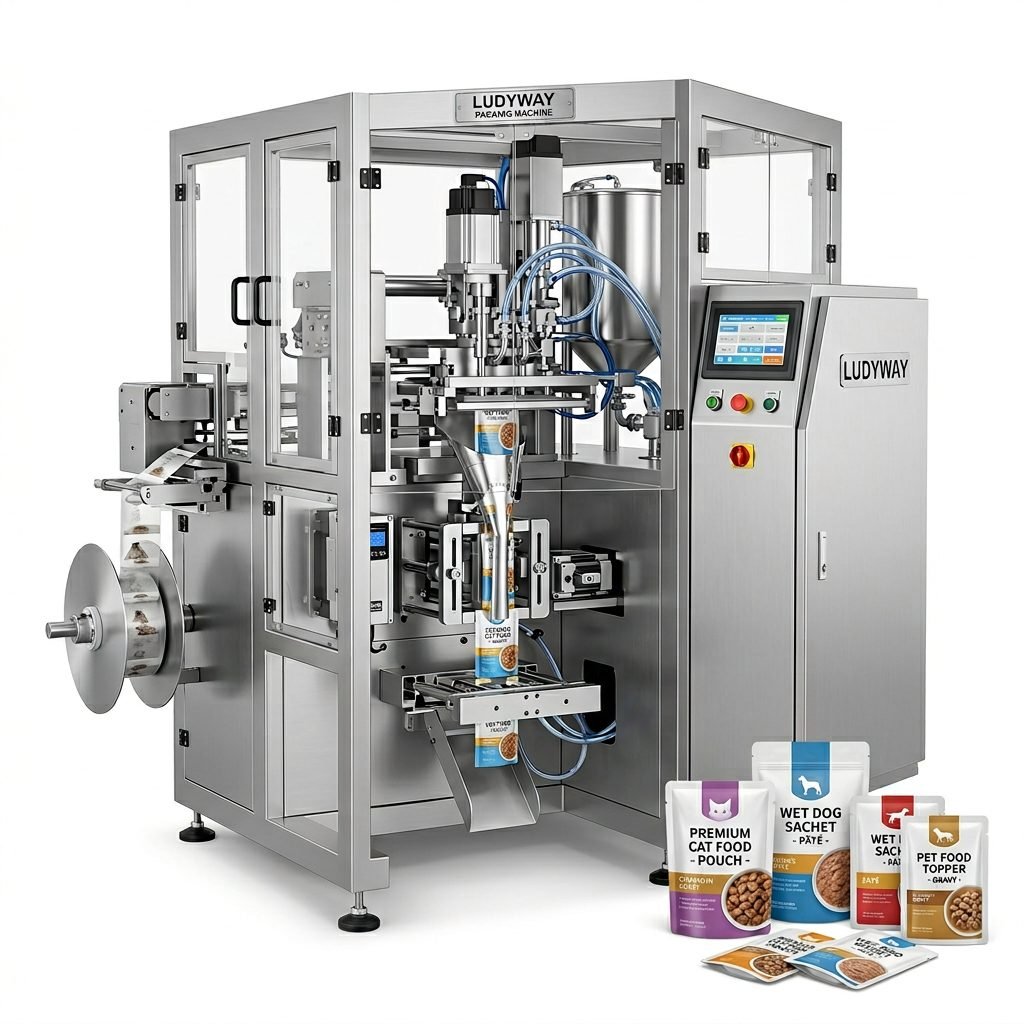
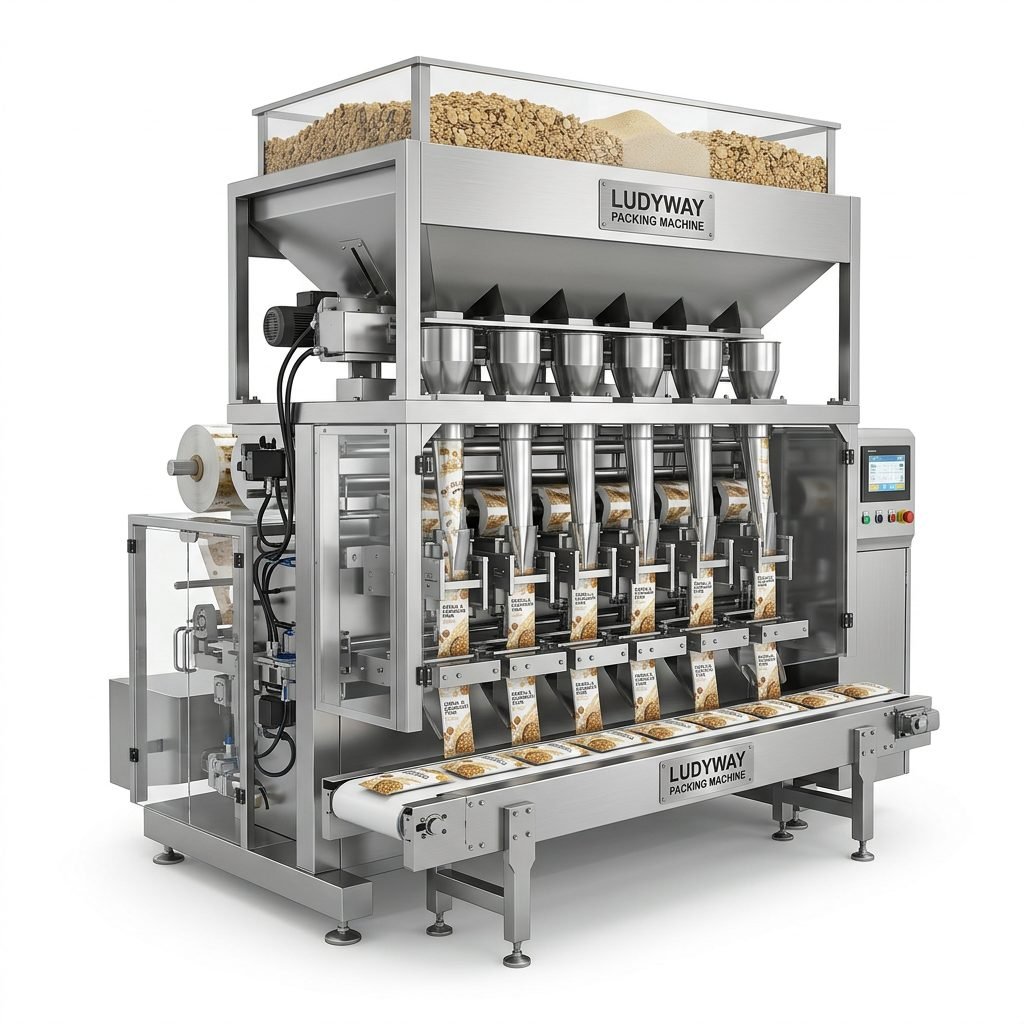
Fragile products can absolutely be packed by modern packaging equipment—but only when the machine, package format, feeding method, and handling process are matched to the product’s true vulnerability. In many projects, the real question is not “Can a packaging machine handle fragile products?” but rather “Which machine design can protect product shape, surface quality, and seal integrity at production speed?”
Fragility can mean many things: breakage, crushing, chipping, cracking, leaking, powder segregation, surface scratching, or even loss of appearance. A packaging line built for robust products may damage delicate snacks, tablets, premium confectionery, freeze-dried foods, soft gels, precision components, or single-dose medical items. That is why evaluating product behavior before machine selection is essential.
What Counts as a Fragile Product in Packaging?
A fragile product is any item that can lose value during filling, transfer, sealing, coding, counting, cartoning, or transport. In practice, fragility may be:
- Mechanical fragility: breaks under drop, vibration, compression, or impact.
- Surface fragility: scratches, loses coating, deforms, or develops visual defects.
- Structural fragility: shape changes under pressure or stacking load.
- Formulation fragility: sensitive to moisture, oxygen, static, heat, or shear.
- Pack fragility: the package itself is delicate even if the product is not.
Typical examples include:
- Biscuits, chips, crackers, wafers, and puffed snacks
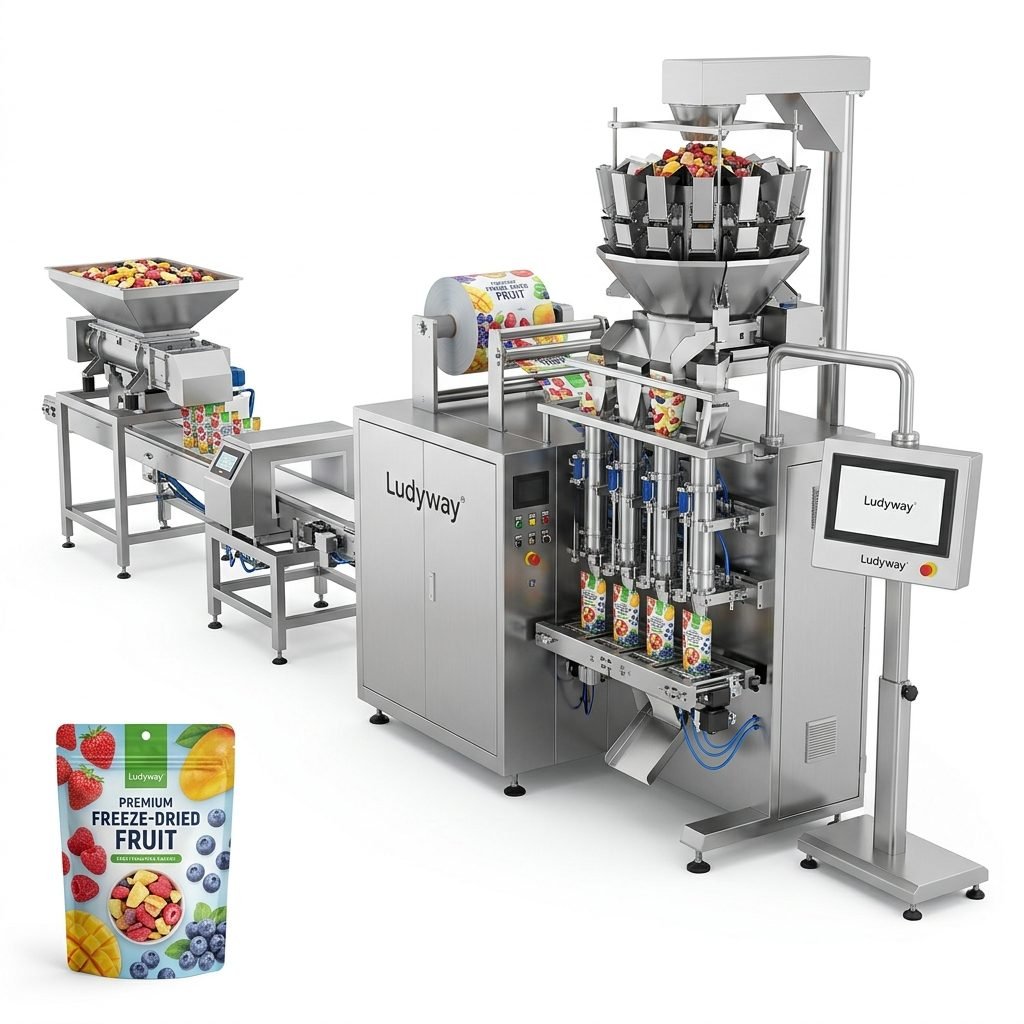
- Freeze-dried fruit, pet treats, and lightweight nutrition products
- Tablets, capsules, and medical consumables
- Premium tea, coffee granules, and specialty powders
- Confectionery with coatings, fillings, or irregular shapes
- Brittle industrial parts and precision-counted components
Yes—But Machine Type Matters More Than Speed Alone
Not all packaging machines treat products the same way. Two lines may have similar output rates, but one can preserve product quality while the other creates unacceptable waste. The difference often comes down to:
- How the product enters the machine
- How far it falls during feeding
- How it is metered or counted
- How tightly the package is formed
- Whether sealing introduces heat or compression near the product
- How finished packs are discharged and collected
For fragile items, gentle product handling is usually more important than maximum theoretical output. A slightly slower but better controlled machine can reduce waste, complaints, and rework dramatically.
Key Factors That Determine Whether a Packaging Machine Can Protect Fragile Products
1. Product Drop Height
Long free-fall distances are a common cause of breakage. Delicate granules, chips, freeze-dried cubes, and coated snacks can fracture or generate fines when dropped repeatedly. Machines designed for fragile items use shorter transfer paths, soft landing points, or staged feeding systems.
2. Feeding Method
The feeder must match the product. Vibratory channels, bucket elevators, servo-controlled conveyors, and gentle dosing systems can reduce stress compared with aggressive augers or fast uncontrolled drops.
3. Packaging Material and Structure
Even with excellent product handling, a weak package can still fail in transit. Fragile products often need better puncture resistance, controlled headspace, cushioning, or a more stable pouch format.
4. Seal Zone Control
If product contaminates the seal area, packs may leak or open. Fragile powders and small breakable pieces can easily interfere with clean sealing, so machine accuracy and seal protection features matter.
5. Speed Stability
High speed is useful only when motion remains stable. Sudden starts, vibration, and inconsistent indexing can damage fragile products more than continuous moderate-speed operation.
6. Downstream Handling
Damage may happen after filling. Conveyors, checkweighers, cartoners, case packers, and palletizing systems must also be configured for low-impact transfer.
| Factor | Risk to Fragile Products | Preferred Solution |
|---|---|---|
| High drop height | Breakage, chipping, dust | Short transfer path, gentle discharge |
| Aggressive feeding | Compression, abrasion, deformation | Servo/vibratory controlled feeding |
| Poor sealing control | Leaks, contamination, rejects | Clean seal design, accurate dosing |
| Weak packaging film | Bursting, puncture, compression failure | Stronger film, protective format |
| Unstable downstream handling | Finished pack damage | Smooth conveyor and case handling |
Best Packaging Machine Features for Fragile Products
If you are evaluating equipment for delicate items, look for these machine characteristics:
- Gentle infeed systems with controlled product flow
- Reduced product drop between feeding, dosing, and bag forming points
- Accurate metering to avoid overfilling and crushing in the seal area
- Servo motion control for smooth machine movement
- Low-vibration structure and stable frame design
- Adjustable sealing pressure and temperature
- Support for protective packaging materials
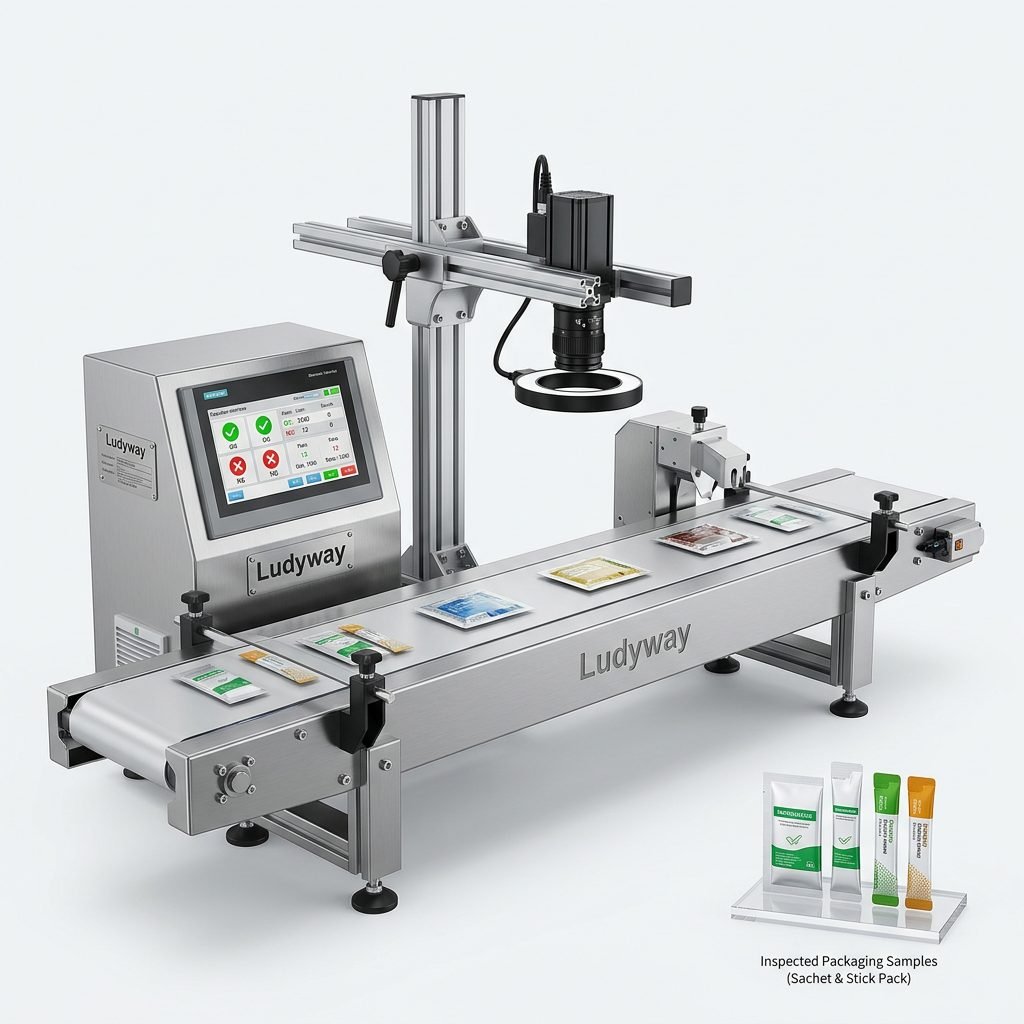
- Integration with checkweighing and inspection for quality consistency
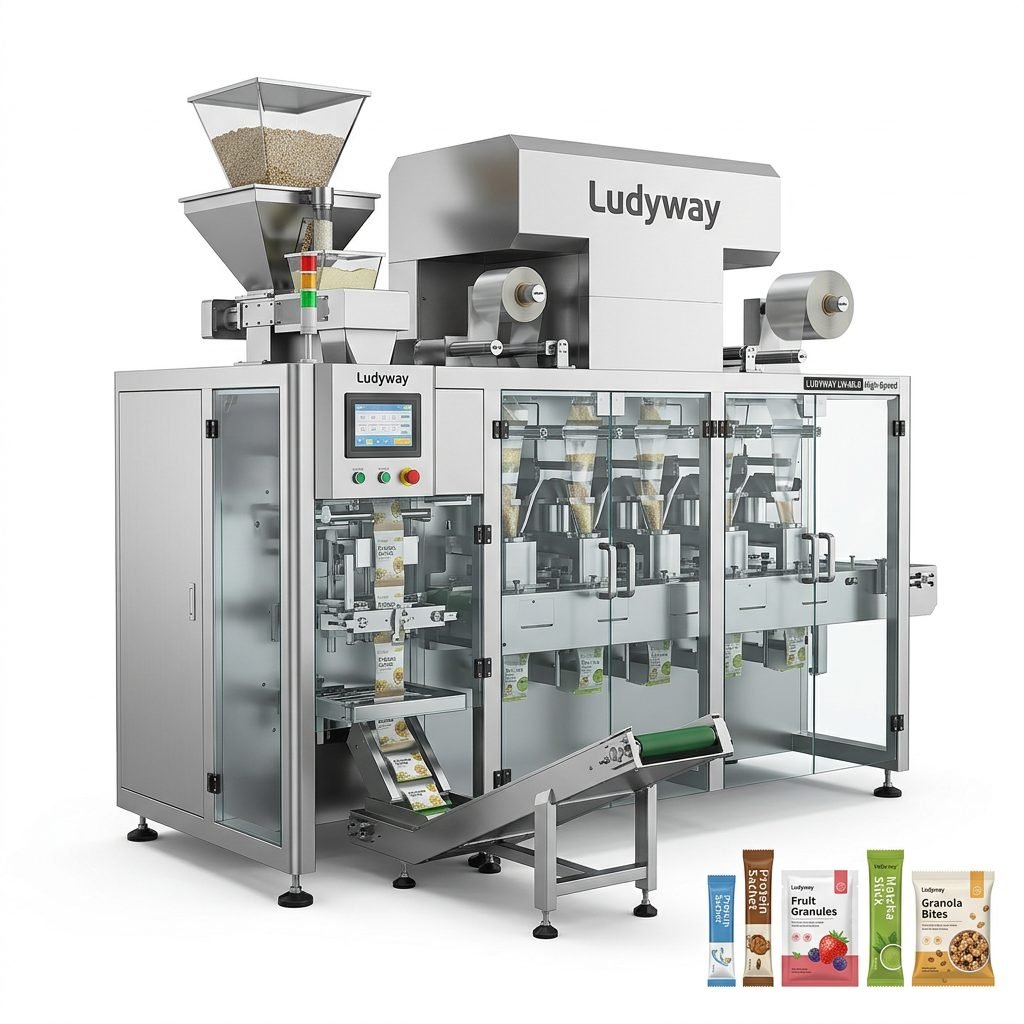
Which Packaging Formats Work Best for Delicate Items?
The ideal format depends on how the product behaves during filling and distribution. Some fragile products need protective headspace, while others need compact packs that prevent movement.
Sachets and Stick Packs
Suitable for powders, fine granules, nutrition blends, pharmaceutical doses, and some lightweight products. These formats work well when dosing is precise and the product does not require large protective space.
Pouches
A good choice for more delicate solids or products needing a more protective flexible package. Pouches can provide better presentation and stronger barrier options.
Vacuum or Modified Atmosphere Packs
Useful for oxidation-sensitive items, but vacuum is not always appropriate for crush-sensitive products. In some cases, controlled gas flushing is safer than hard vacuum.
Rigid or Semi-Rigid Containers
Often preferred for high-value fragile items, premium snacks, tablets, and products easily damaged by stacking pressure.
Common Industries That Need Fragile-Product Packaging Solutions
| Industry | Fragile Product Examples | Main Packaging Concern |
|---|---|---|
| Food | Chips, biscuits, freeze-dried fruit, nuts, confectionery | Breakage and visual quality |
| Pharmaceutical | Tablets, capsules, powders, sterile items | Dose accuracy and product integrity |
| Health supplements | Protein blends, collagen, probiotics, granules | Powder flow and seal cleanliness |
| Cosmetics | Creams, serums, sample sachets | Leak prevention and appearance |
| Industrial components | Small precision parts, coated pieces | Counting accuracy and scratch control |
Signs Your Current Machine Is Damaging Fragile Products
Many companies notice quality loss only after customer complaints or internal waste reviews. Warning signs include:
- Unexpected rise in product fines or dust
- Crushed corners, chips, or broken pieces in finished packs
- High reject rates caused by seal contamination
- Inconsistent pack appearance on shelf
- Excessive giveaway used to compensate for broken content
- Damage increasing at higher machine speeds
If damage increases sharply when output increases, the issue is often machine motion or product transfer design—not only operator handling.
How to Evaluate a Packaging Machine for Fragile Products Before Buying
Run Real Product Tests
Always test the actual product, not a substitute. Product shape, moisture, density, coating, and temperature can all affect handling performance.
Measure Damage at Different Speeds
A machine may perform well at demo speed but not at your target output. Test low, medium, and full operating speeds.
Check the Whole Line
Include feeders, conveyors, inspection equipment, cartoning, and case packing in your evaluation. Fragile products are affected by every transition point.
Review Material Compatibility
Confirm that the machine can handle the packaging film, pouch structure, or container style needed to protect the product.
Ask for Customization Options
Some delicate products need custom contact parts, discharge chutes, counting devices, or reduced-angle paths. Standard machines are not always enough.
Can Automation Still Be Worth It for Delicate Products?
Yes. In fact, automation often improves consistency compared with manual handling when the system is properly engineered. Manual packaging may seem gentler, but it can introduce variable pressure, contamination risk, inconsistent counts, and labor inefficiency.
A well-designed automated line can provide:
- Repeatable handling conditions
- Better hygiene and reduced human contact
- More stable pack appearance
- Improved traceability and inspection
- Lower long-term labor dependency
- Higher throughput with controlled waste
When Custom Packaging Equipment Is the Better Choice
Custom solutions are often justified when:
- The product has irregular shape and easily fractures
- You need multiple pack formats on one line
- Product value is high and waste is costly
- Regulatory or hygiene demands are strict
- Existing machines create unacceptable seal contamination or appearance defects
For businesses evaluating tailored automation, packaging machine solutions from Ludyway are often considered for projects requiring configurable equipment, multi-format capability, and complete turnkey packaging lines for food, pharmaceutical, health supplement, and related industries.
Practical Tips to Reduce Damage to Fragile Products
- Minimize product drop points throughout the line
- Use the correct feeding system for product density and shape
- Choose packaging film or pouch structure based on transit protection, not only cost
- Optimize sealing temperature and pressure to avoid product pinch
- Control line vibration and sudden acceleration
- Include inspection systems for weight, seal quality, and visual defects
- Train operators to monitor damage patterns, not just output rate
Final Buying Perspective
A packaging machine can handle fragile products successfully, but only if the line is designed around product protection, controlled motion, accurate dosing, and appropriate packaging material. The safest decision is to evaluate the full packaging process—from infeed to final case handling—rather than focusing only on bagging or filling speed.
If your product loses value when chipped, crushed, scratched, or contaminated, the right packaging machine is not simply the fastest one. It is the one that preserves quality consistently, efficiently, and at commercial scale.