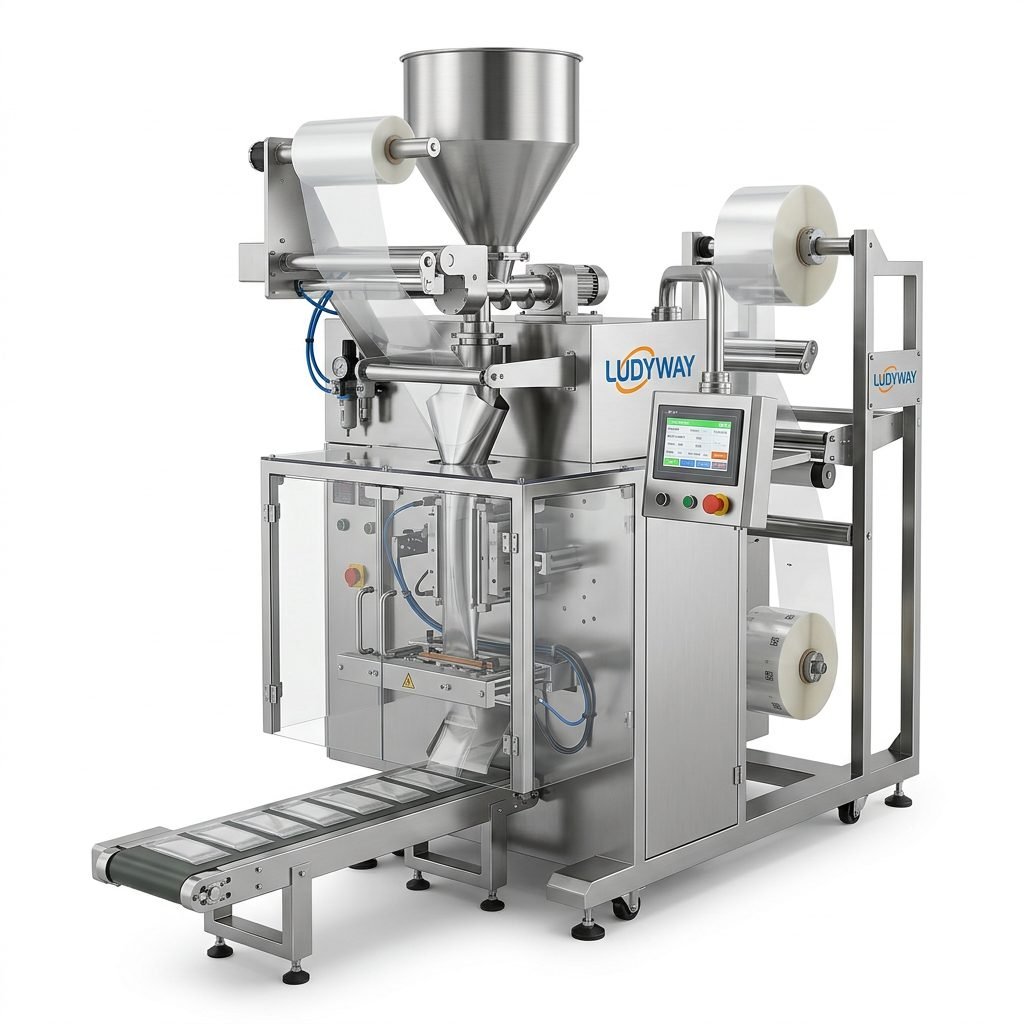
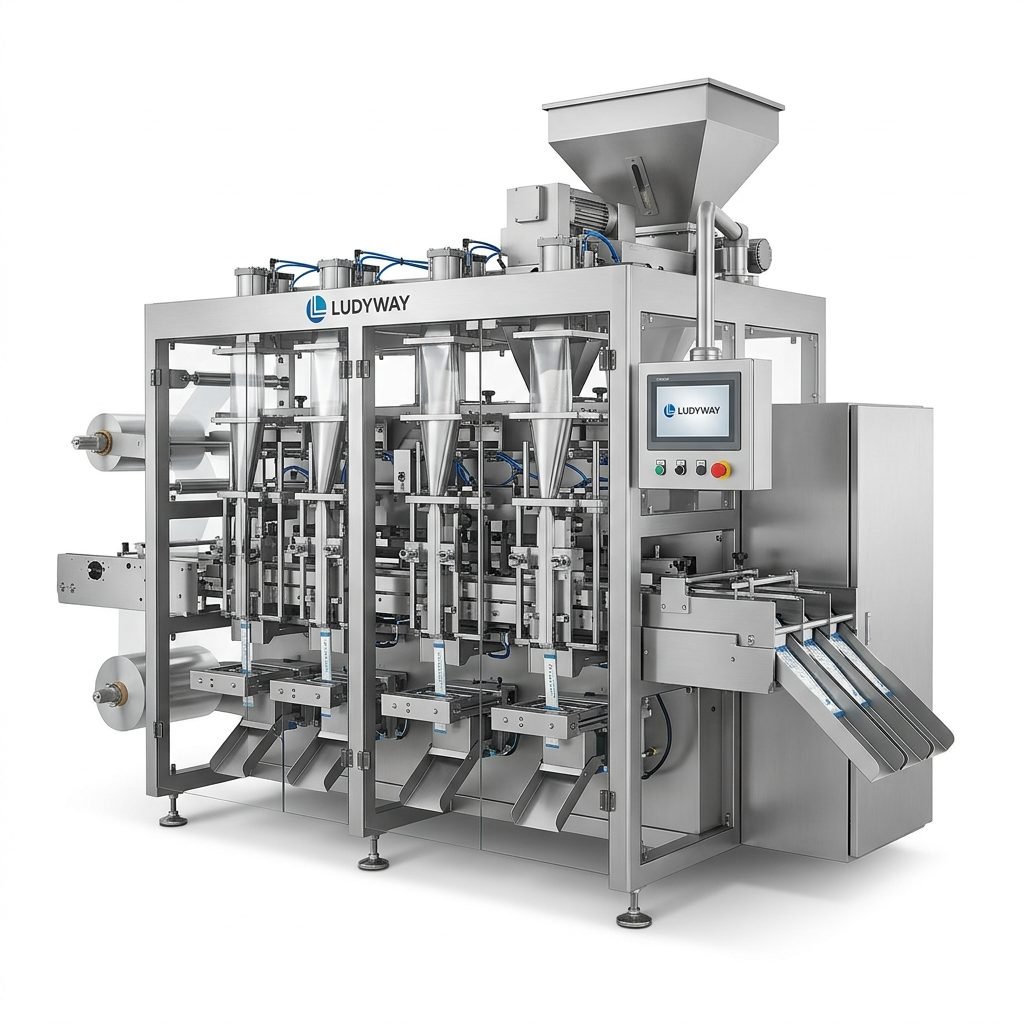
Automating a manual packaging process is one of the most practical ways to improve production efficiency, reduce labor dependence, and achieve more consistent packaging quality. Whether you package powders, granules, liquids, creams, sachets, pouches, or bottled products, the right automation plan can help your business move from slow, labor-heavy operations to a more scalable and predictable packaging workflow.
This guide explains how to automate a manual packaging process step by step, including evaluation, equipment selection, layout planning, ROI calculation, testing, and implementation.
Why Businesses Automate Packaging Operations
Manual packaging may work for startups or low-volume production, but as order volume grows, it often creates bottlenecks. Operators become tired, output varies between shifts, and packaging quality can become inconsistent. Automation addresses these issues by standardizing key tasks such as filling, sealing, labeling, coding, cartoning, and case packing.
- Higher throughput with less downtime
- Improved fill accuracy and pack consistency
- Reduced labor intensity and repetitive work
- Lower product waste and packaging material loss
- Better hygiene and process control
- Easier scaling for future growth
Step 1: Map Your Current Manual Packaging Process
Before buying any packaging machine, document the full manual workflow. Many automation projects fail because businesses try to solve a symptom instead of the real bottleneck.
What to record
- Product type: powder, liquid, granule, paste, tablet, pouch, bottle, etc.
- Packaging format: sachet, stick pack, pouch, bottle, jar, carton, bag
- Current hourly and daily output
- Number of operators involved
- Main downtime causes
- Common defects such as underfill, leakage, poor seal, mislabeling
- Cleaning and changeover time
- Floor space available
Build a simple process map from feeding to final packed product. This gives you a clear picture of which packaging tasks should be automated first.
| Manual Process Area | Typical Problem | Automation Opportunity |
|---|---|---|
| Product feeding | Uneven supply, spillage | Automatic feeder or conveyor |
| Weighing/filling | Inconsistent fill weight | Servo auger filler, piston filler, multi-head weigher |
| Sealing | Seal defects, low speed | Automatic sealing unit or FFS machine |
| Labeling/coding | Human error | Online printer and auto labeler |
| Cartoning/case packing | Slow end-of-line handling | Cartoner, case packer, palletizer |
Step 2: Identify the Best Automation Starting Point
You do not always need a fully automated packaging line on day one. Many manufacturers benefit more from phased automation. Start with the stage that causes the greatest loss in output, quality, or labor cost.
Common starting points
- Filling and dosing automation for products with weight inconsistency
- Automatic sealing where leakage or poor sealing is frequent
- Conveying and feeding where manual loading slows production
- End-of-line automation when boxing and stacking limit capacity
For example, if your team packs powders by hand into sachets, the first upgrade may be a vertical or multi-lane sachet packaging machine. If your products are bottled liquids, an automatic liquid filling and capping solution may deliver faster returns.
Step 3: Define Your Production Requirements Clearly
Packaging automation should be matched to your real operating conditions, not just ideal targets. The more accurately you define your requirements, the better your equipment selection will be.
Key specifications to prepare
- Target speed per minute or per hour
- Pack size range and filling volume
- Packaging material type and thickness
- Product flow characteristics
- Required accuracy tolerance
- Cleaning and sanitation needs
- Power supply and compressed air conditions
- Future expansion goals
A sticky paste, a free-flowing powder, and a fragile granule all require different handling systems. Choosing equipment without considering product behavior can result in bridging, dusting, foaming, clogging, or broken product.
Step 4: Choose the Right Type of Packaging Machine
Once your packaging goals are clear, match the process to the correct machine category. Automation works best when the machine is designed around the product and pack style.
| Product Type | Recommended Equipment | Typical Use |
|---|---|---|
| Powders | Auger filler, vertical form fill seal, multi-lane sachet machine | Drink powder, pharma powder, seasoning |
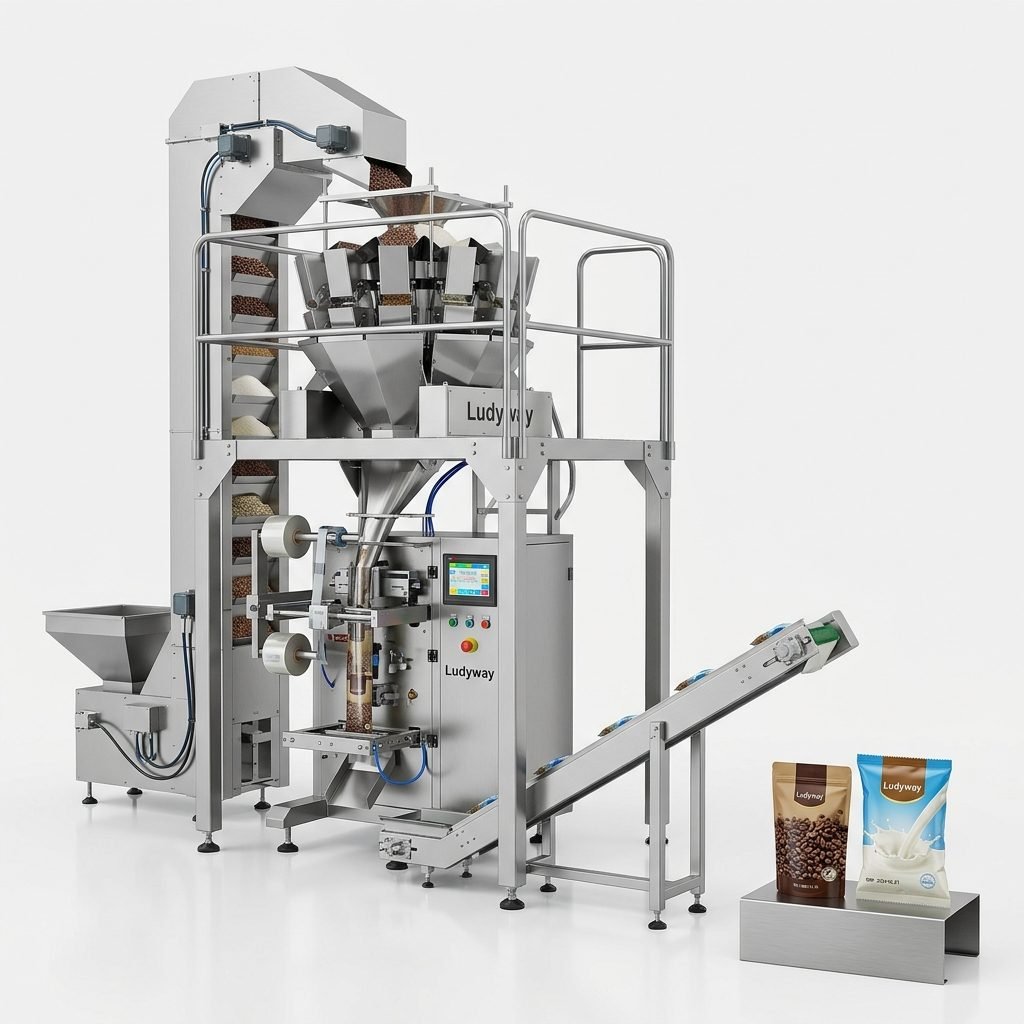
| Granules | Cup filler, linear weigher, multi-head weigher | Seeds, sugar, snacks, pellets |
| Liquids | Piston filler, pump filler, sachet liquid filling machine | Sauce, shampoo, syrup, oil |
| Pastes/creams | Servo piston filler, tube filler, sachet filling machine | Cosmetics, ointments, gels |
| Finished packs | Cartoner, case packer, labeling machine, palletizer | End-of-line automation |
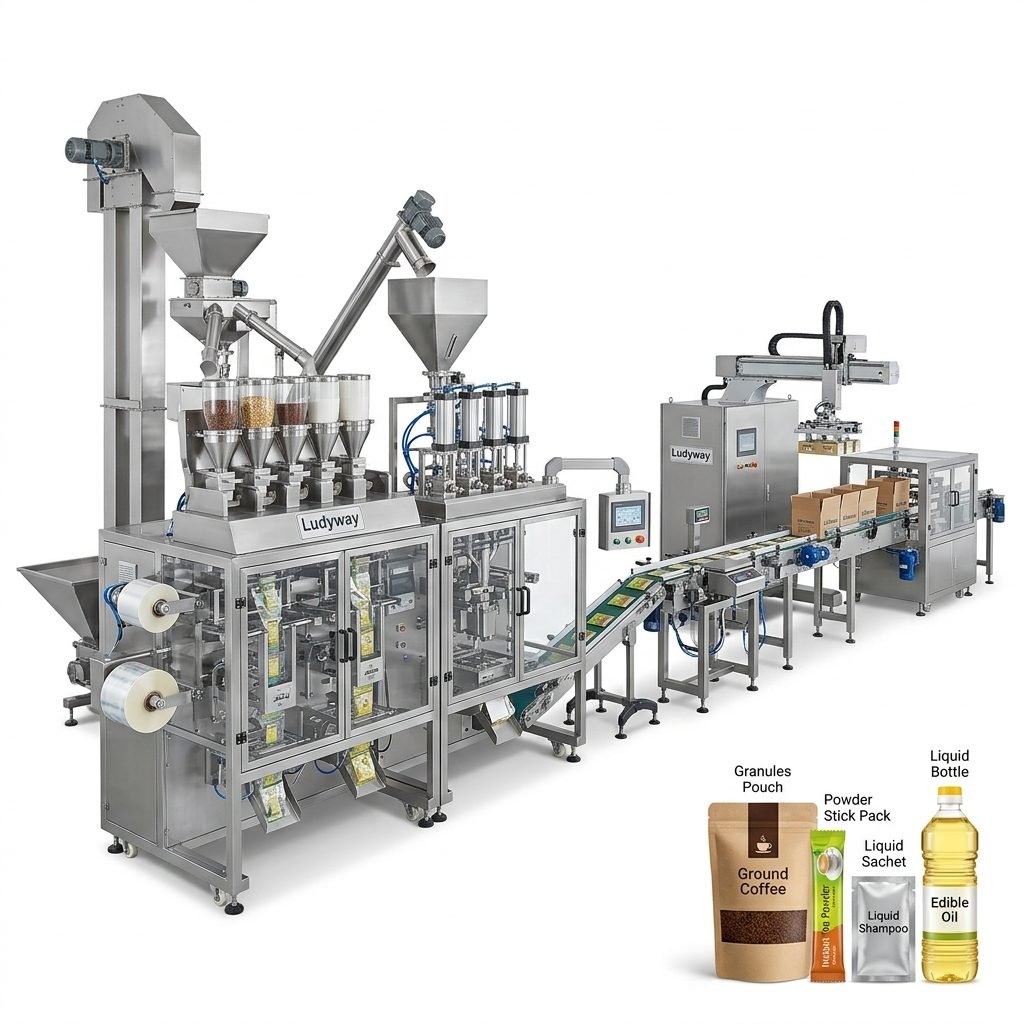
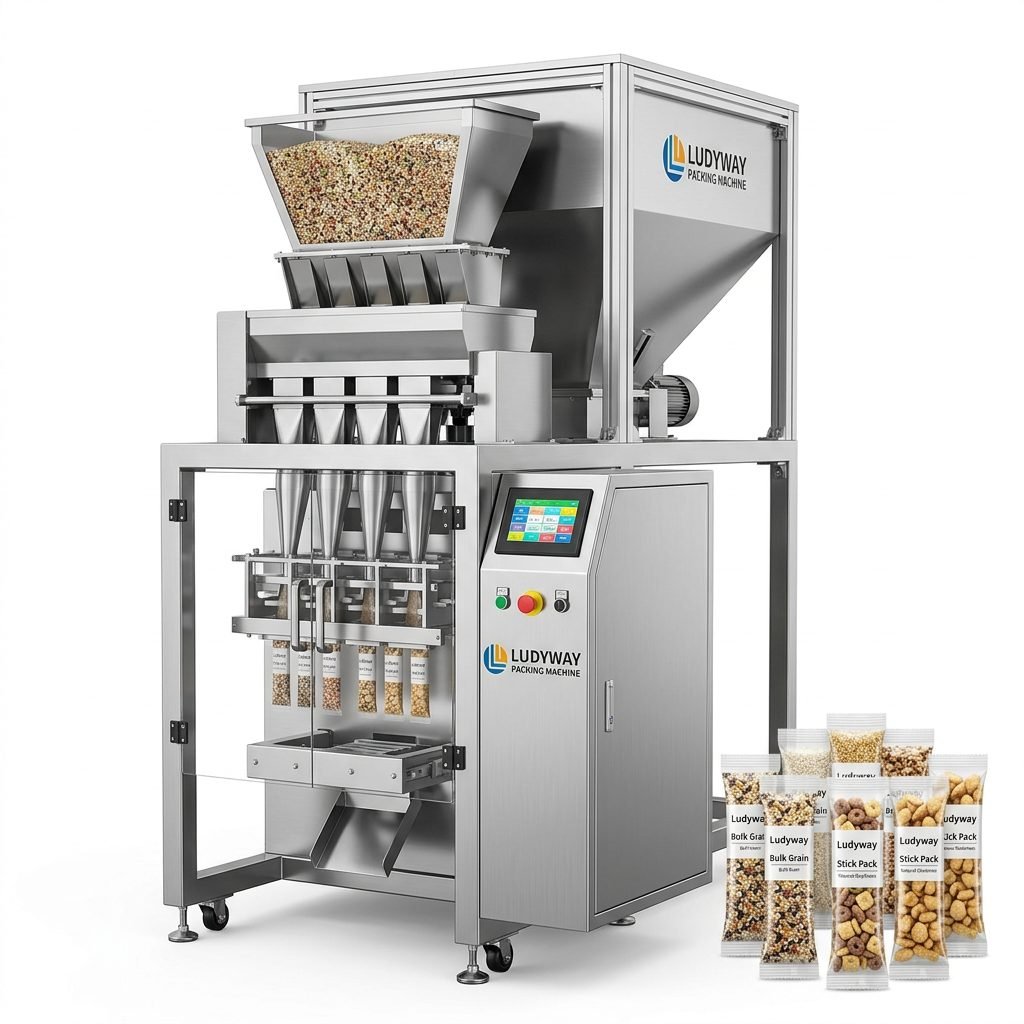
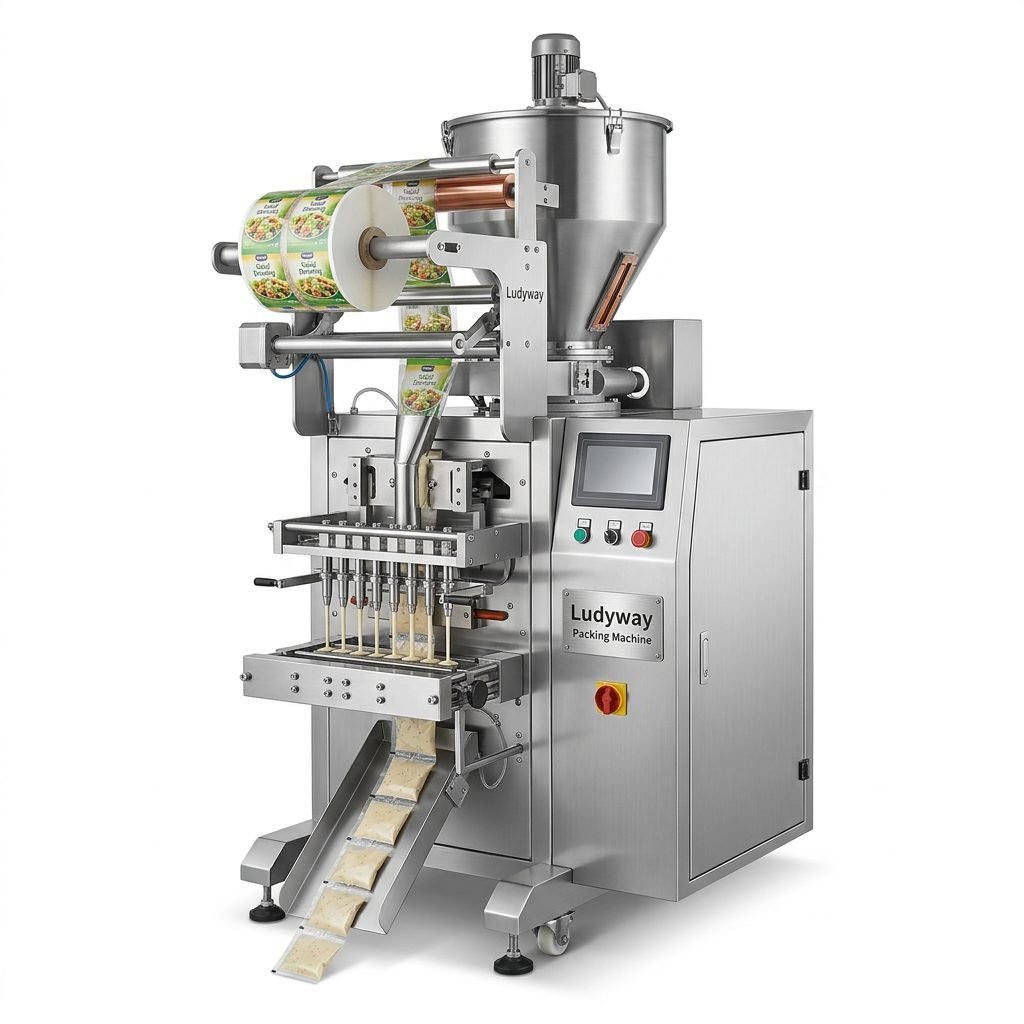
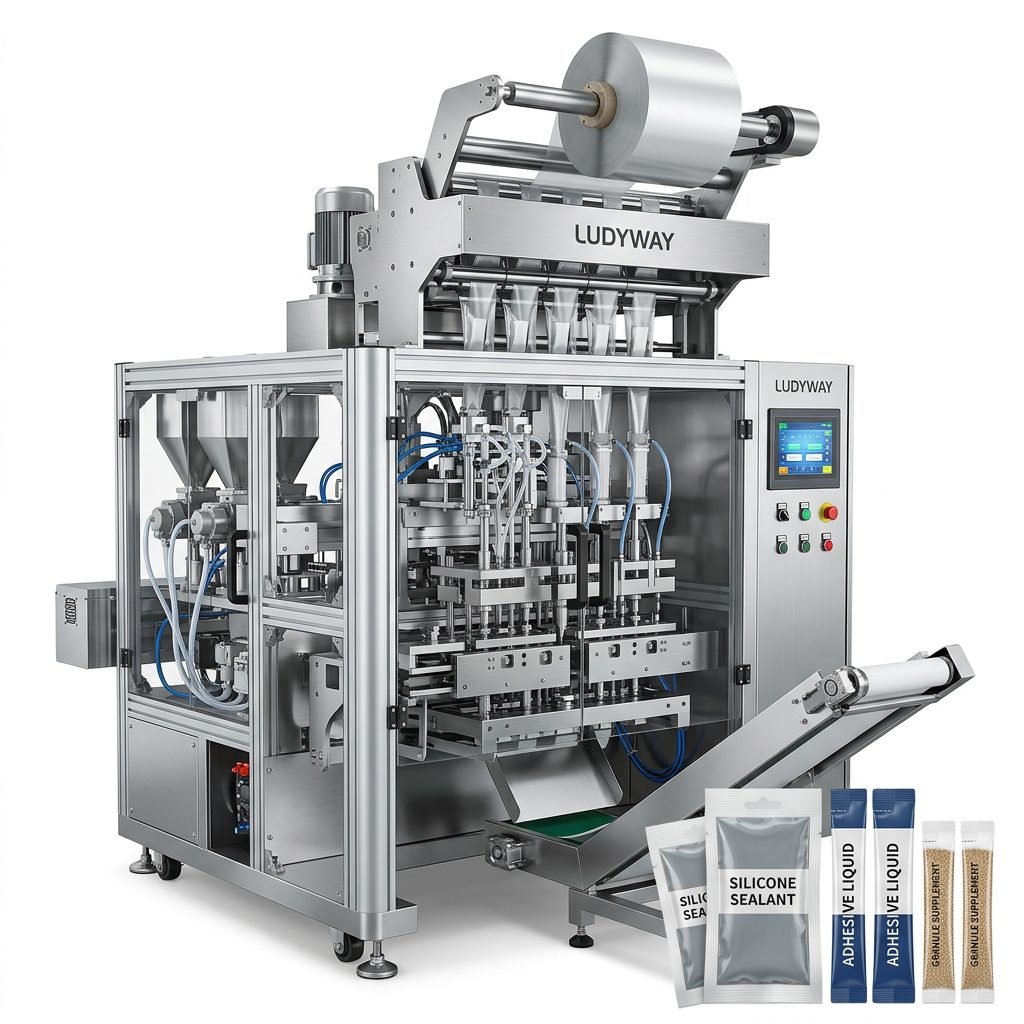
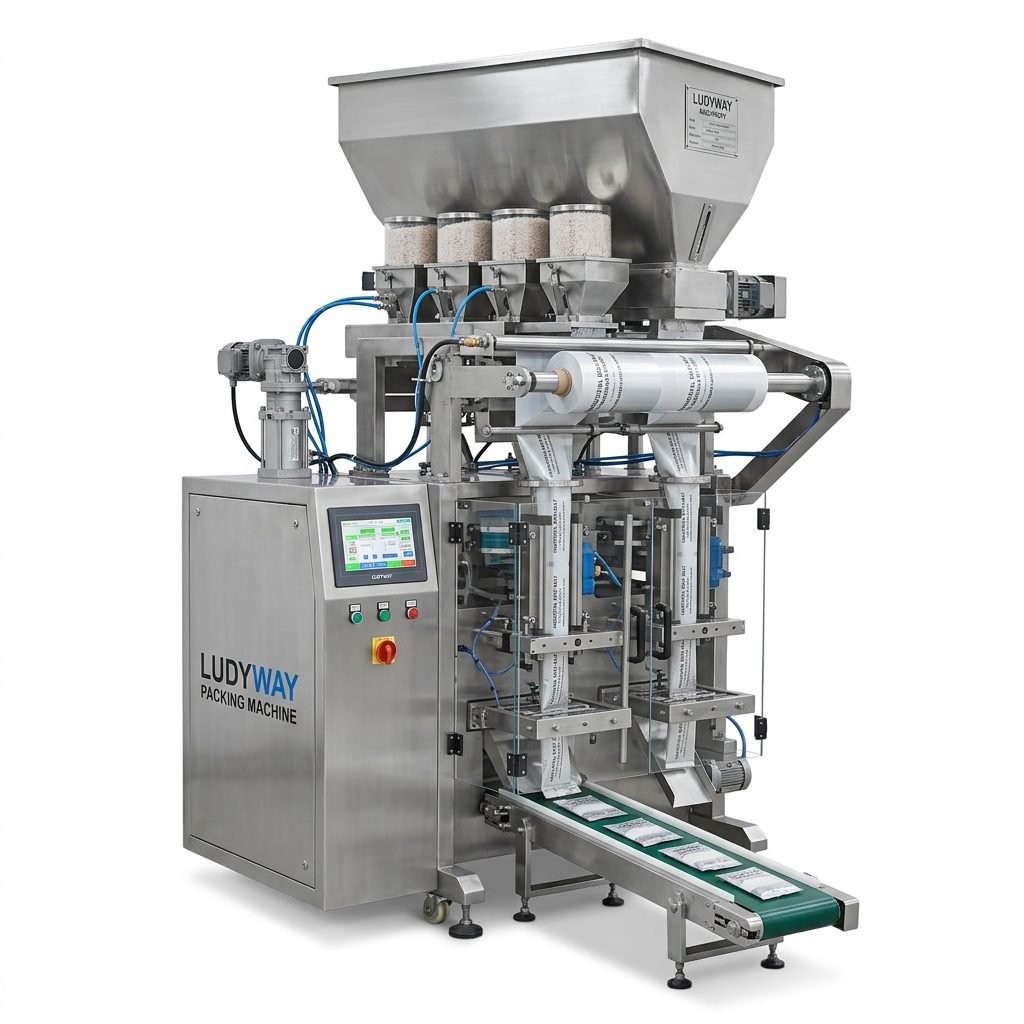
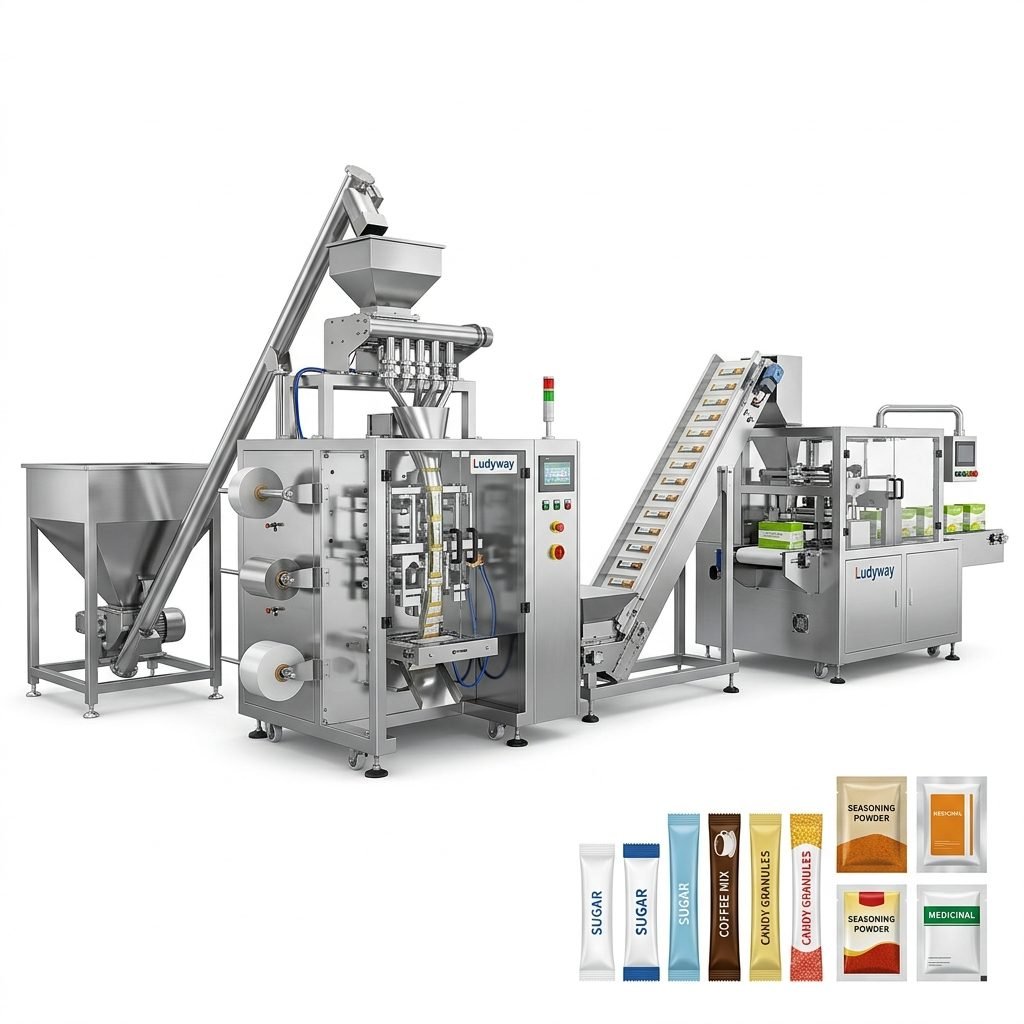
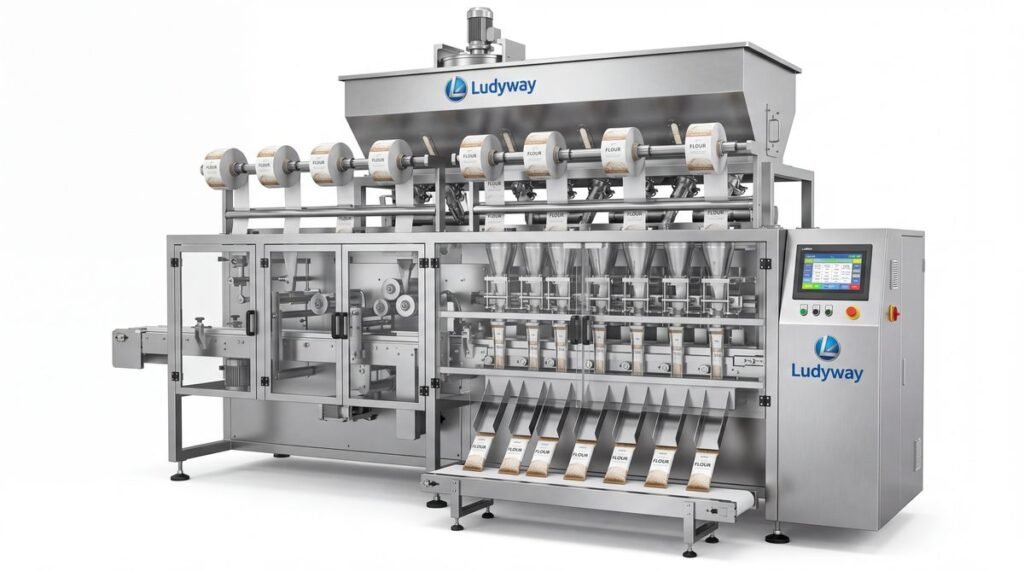
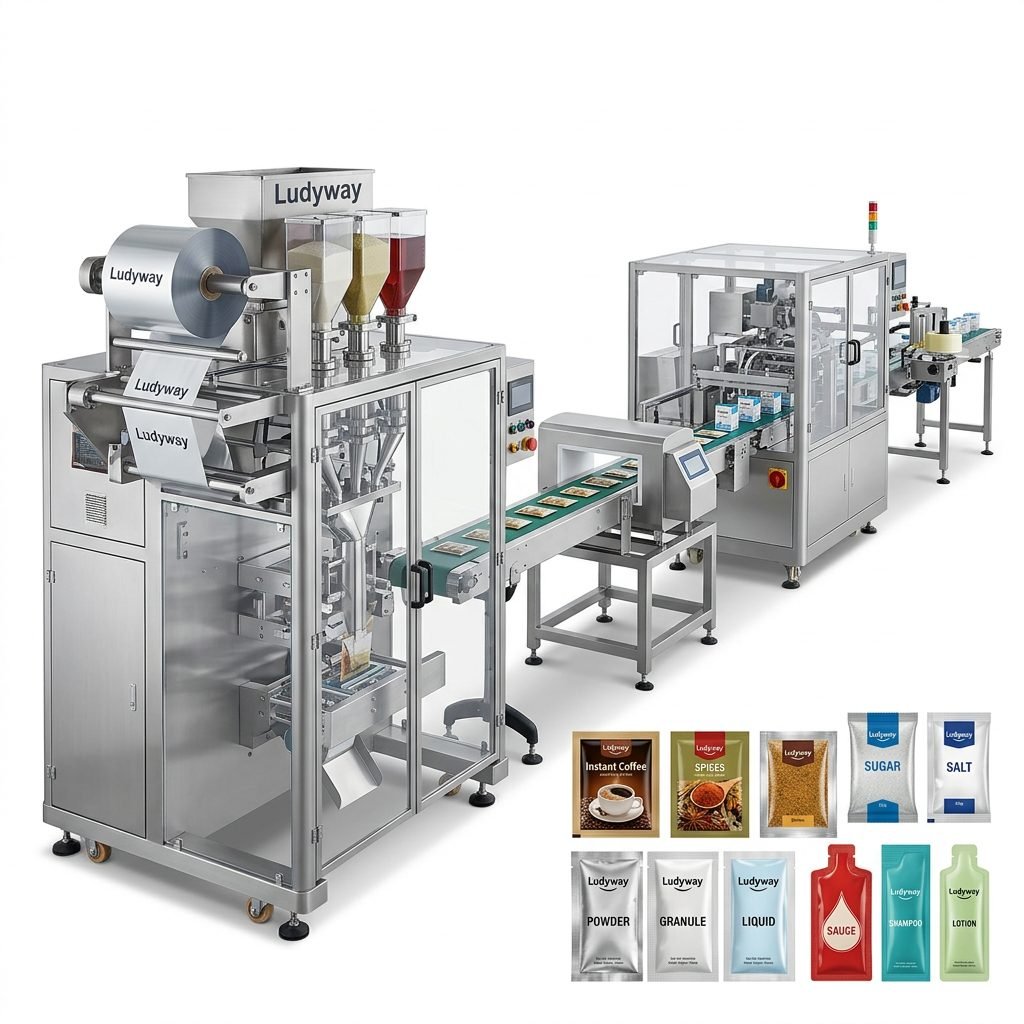
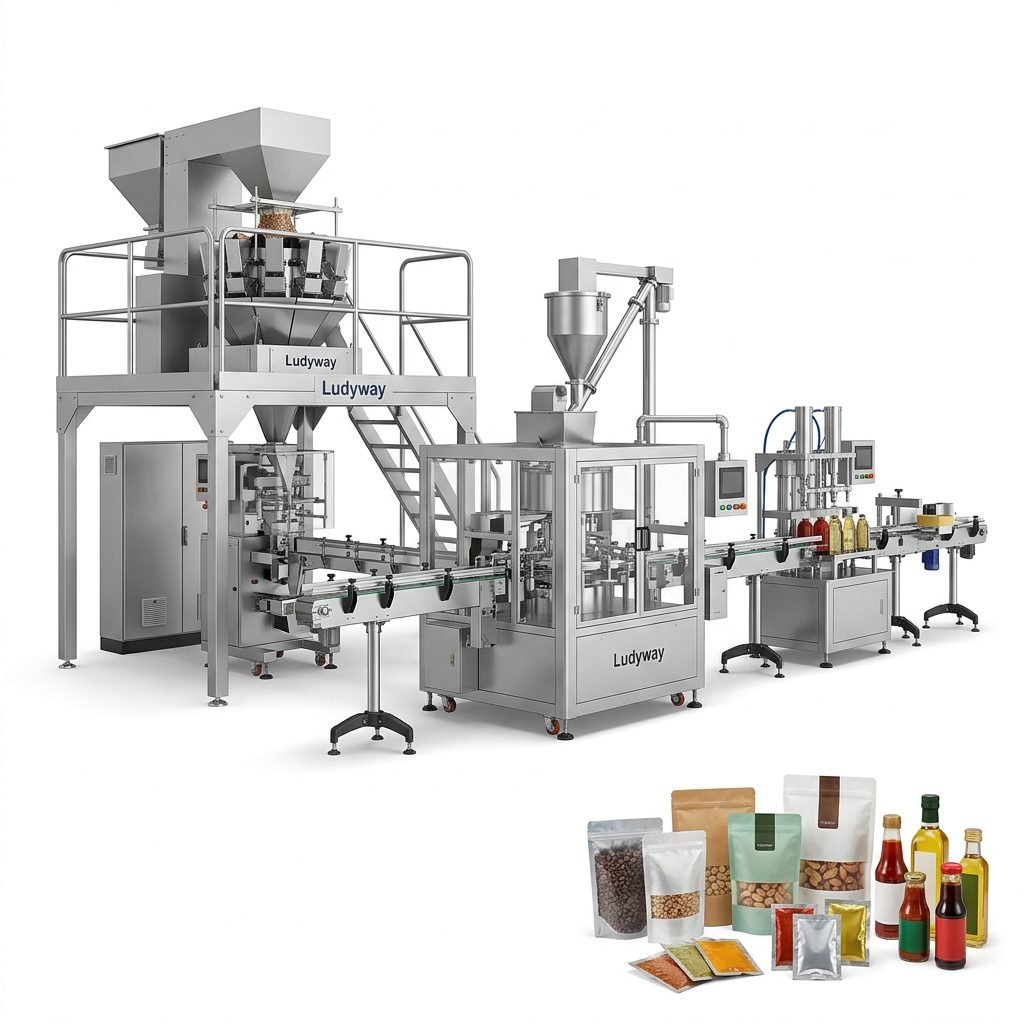
If you need broader machine selection or turnkey line planning, manufacturers such as Ludyway packaging machine solutions can support projects ranging from standalone equipment to integrated automatic packaging lines.
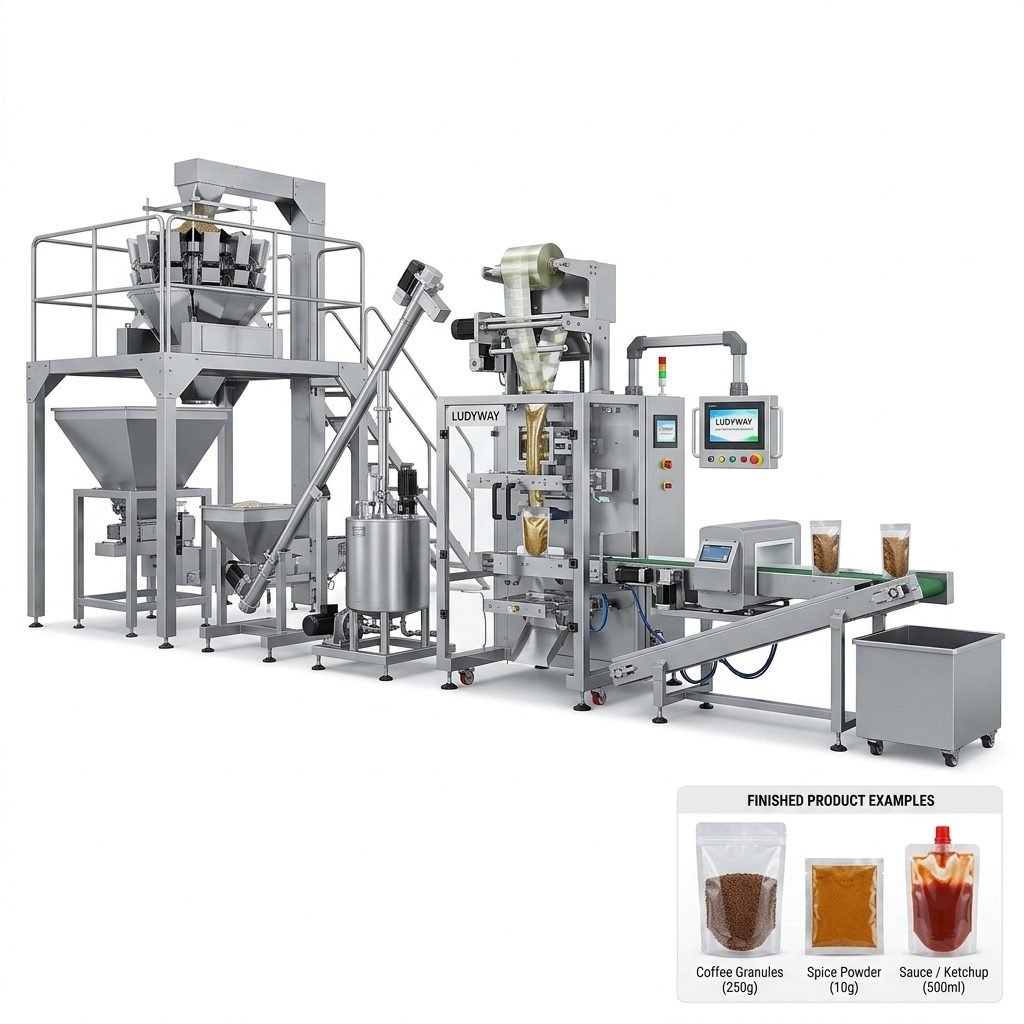
Step 5: Plan the Full Workflow, Not Just One Machine
Packaging automation is not only about purchasing a filler or sealer. It is about connecting all production stages so material flows smoothly. A fast packaging machine will still underperform if upstream feeding is unstable or downstream packing remains manual.
A complete automation workflow may include
- Product feeding system
- Weighing or dosing module
- Primary packaging machine
- Date coding or printing
- Inspection system
- Cartoning or bundling
- Case packing and palletizing
Thinking in terms of a complete line helps prevent hidden bottlenecks and supports long-term expansion.
Step 6: Calculate ROI Before Investing
One of the most important parts of automating manual packaging is understanding the financial return. The goal is not just to replace labor, but to increase profitable capacity.
Include these factors in your ROI calculation
- Current labor cost per shift
- Expected labor reduction
- Increased production output
- Lower product giveaway and material waste
- Reduced rework and customer complaints
- Maintenance and spare parts cost
- Installation and operator training cost
| Cost/Benefit Item | Manual Process | Automated Process |
|---|---|---|
| Operators required | High | Lower |
| Output consistency | Variable | Stable |
| Waste level | Often higher | Usually lower |
| Production capacity | Limited | Expandable |
Step 7: Optimize Factory Layout for Automation
A packaging machine may fit physically into your facility, but that does not mean the line layout is efficient. Good layout planning improves material flow, operator access, safety, maintenance access, and cleaning.
Layout planning tips
- Keep raw material input and finished product output separated where possible
- Allow enough space for film rolls, hopper loading, and maintenance doors
- Minimize unnecessary product transfer points
- Ensure easy access for sanitation and inspection
- Plan buffer zones between fast and slow process sections
Step 8: Test Product Compatibility Before Final Purchase
Never skip product testing. Even if a machine looks suitable on paper, actual material behavior can vary significantly. Fine powders may create dust, liquids may foam, and granules may fracture or bridge.
Ask for sample testing using your real product, packaging material, and target pack size. Evaluate:
- Filling accuracy
- Seal appearance and strength
- Machine speed under real conditions
- Changeover convenience
- Cleaning accessibility
- Reject rate
This testing stage reduces project risk and helps confirm whether customization is needed.
Step 9: Train Operators and Maintenance Staff
Successful automation depends on people as much as machines. Operators must understand machine startup, parameter setting, fault handling, and daily cleaning. Maintenance staff should know preventive maintenance schedules and spare parts management.
Training should cover
- Basic machine operation
- HMI and parameter adjustment
- Safety procedures
- Routine cleaning and inspection
- Troubleshooting common faults
- Changeover for different SKUs
Strong training helps protect uptime and ensures the automation investment delivers consistent performance.
Step 10: Start with a Controlled Ramp-Up
Do not switch from full manual packaging to full-speed automation overnight. Begin with pilot production, monitor machine behavior, and adjust settings gradually. This ramp-up stage helps teams gain confidence while preventing costly disruption.
Monitor these early KPIs
- Output per hour
- Downtime events
- Package defect rate
- Material waste
- Labor hours per batch
- Overall equipment effectiveness
Early data will show whether the machine is meeting the expected production standard and where process fine-tuning is required.
Common Mistakes to Avoid When Automating Packaging
- Buying based only on price instead of product suitability
- Ignoring downstream or upstream bottlenecks
- Underestimating changeover and cleaning requirements
- Choosing a machine with no room for future capacity growth
- Skipping sample testing
- Failing to train operators properly
- Over-automating too early without a phased strategy
When a Turnkey Packaging Line Makes More Sense
If your current process includes multiple manual stages and frequent handling between machines, a turnkey solution may be more cost-effective than adding separate standalone units over time. Integrated lines are especially useful for manufacturers with medium to high production volumes, multiple SKUs, and strict packaging quality requirements.
A turnkey packaging line can combine feeding, filling, sealing, printing, inspection, cartoning, and case packing into one coordinated system. This often improves synchronization, reduces floor-level handling, and simplifies overall line management.
How to Know You Are Ready for Packaging Automation
Your business is likely ready to automate if you are experiencing one or more of the following:
- Rising labor costs and difficulty hiring operators
- Frequent order delays caused by packaging speed limits
- Inconsistent package quality
- Excessive product giveaway or leakage
- Growing customer demand that manual teams cannot support
- Plans to expand into larger retail or export markets
Final Thoughts on Automating a Manual Packaging Process
Automating a manual packaging process is not just a machine purchase—it is a production strategy. The best results come from understanding your current workflow, identifying the main bottleneck, selecting the right equipment, testing with real products, and implementing automation in a structured way.
With the right approach, packaging automation can help your business achieve higher output, better consistency, lower operating cost, and stronger long-term competitiveness. Whether you start with one machine or a full packaging line, the key is to build an automation system that fits your product, your factory, and your growth plans.
Frequently Asked Questions
What is the first step in automating a packaging process?
The first step is mapping your current manual workflow, including labor use, bottlenecks, defects, and production speed. This helps identify the best automation starting point.
Is full automation always necessary?
No. Many companies begin with semi-automatic or single-stage automation and expand later. A phased approach is often more practical and cost-effective.
How do I choose the right packaging machine?
Choose based on product type, packaging format, required output, accuracy, cleaning needs, and available factory space. Product testing is highly recommended before final selection.
How long does it take to see ROI from packaging automation?
ROI depends on labor savings, output improvement, and defect reduction. In many cases, manufacturers see returns faster when manual labor costs are high and packaging demand is growing.