The global packaging industry is entering a decisive transition period, and 2026 is increasingly expected to mark the year when biodegradable packaging materials move from a niche sustainability option into a mainstream commercial standard. Driven by tightening environmental regulations, changing consumer expectations, brand ESG commitments, and rapid advances in material science, biodegradable formats are gaining strong momentum across food, beverage, healthcare, cosmetics, e-commerce, and household goods.
For manufacturers, retailers, and packaging converters, the shift is no longer just about environmental messaging. It is becoming a matter of market access, compliance readiness, supply chain competitiveness, and long-term cost control. As production volumes increase and processing technologies improve, biodegradable packaging is now being viewed as a commercially scalable answer to one of the industry’s biggest challenges: reducing waste without compromising product protection.
Why 2026 Is Seen as a Turning Point
Several market forces are converging at the same time. Governments are raising restrictions on conventional single-use plastics, major consumer brands are setting measurable packaging reduction targets, and buyers are actively comparing sustainability claims before making purchase decisions. In this environment, biodegradable packaging materials are no longer experimental; they are becoming part of mainstream procurement strategies.
- Stronger regulations on plastic waste and landfill reduction
- Higher demand for compostable and bio-based alternatives
- Retailer pressure for greener shelf-ready packaging
- Improved machine compatibility for new flexible packaging materials
- Greater investor focus on sustainability metrics and ESG disclosure
Industry analysts expect 2026 to be especially important because many sustainability roadmaps announced between 2020 and 2023 begin reaching implementation deadlines. Companies that postponed packaging transitions are now under pressure to act.
What Counts as Biodegradable Packaging Materials
Biodegradable packaging generally refers to materials capable of breaking down naturally under specific biological conditions, often through microorganisms, moisture, and heat. However, not all materials decompose at the same speed or in the same environment, which makes technical selection critical.
Common materials gaining traction include:
- PLA (Polylactic Acid) made from renewable crops such as corn starch
- PHA materials produced through microbial fermentation
- Bagasse-based packaging derived from sugarcane fiber
- Starch blends for film and lightweight pack applications
- Cellulose-based films for select flexible packaging formats
- Molded fiber and paper-based structures with biodegradable coatings
The material choice depends on barrier performance, sealing temperature, shelf life requirements, moisture sensitivity, filling speed, and whether the final application requires industrial compostability, home compostability, or general biodegradability.
Industries Leading Adoption
Food and beverage remains the largest early adopter because consumer visibility is highest in this sector. Single-serve packs, takeaway containers, dry mix sachets, and produce packaging are among the fastest-moving categories. Meanwhile, personal care and health supplement brands are also investing in biodegradable options to reinforce premium and eco-conscious positioning.
| Industry | Main Adoption Drivers | Typical Formats |
|---|---|---|
| Food & Beverage | Retail pressure, consumer demand, waste reduction | Sachets, trays, pouches, wraps, cups |
| Pharmaceutical & Health Supplements | Brand sustainability targets, secondary packaging changes | Stick packs, cartons, liners, outer wraps |
| Cosmetics & Personal Care | Premium eco branding, light-weighting goals | Sample sachets, refill packs, tubes, pouches |
| E-commerce & Retail | Shipping waste reduction and compliance | Mailers, cushioning, paper-fill alternatives |
| Household & Daily Chemicals | Refill economy, sustainable line extensions | Pods, pouches, sachets, sleeves |
The Technology Challenge Behind the Trend
Although the market outlook is strong, adoption depends heavily on whether packaging lines can handle newer materials reliably. Many biodegradable films have different tensile strength, sealing behavior, oxygen barrier performance, and thermal sensitivity compared with conventional petroleum-based plastics. That means equipment configuration matters more than ever.
Manufacturers are now evaluating machine upgrades for:
- More precise temperature control during sealing
- Improved tension control for delicate films
- Stable dosing accuracy across high-speed lines
- Reduced material waste during startup and changeover
- Better integration with inspection, coding, and secondary packaging systems
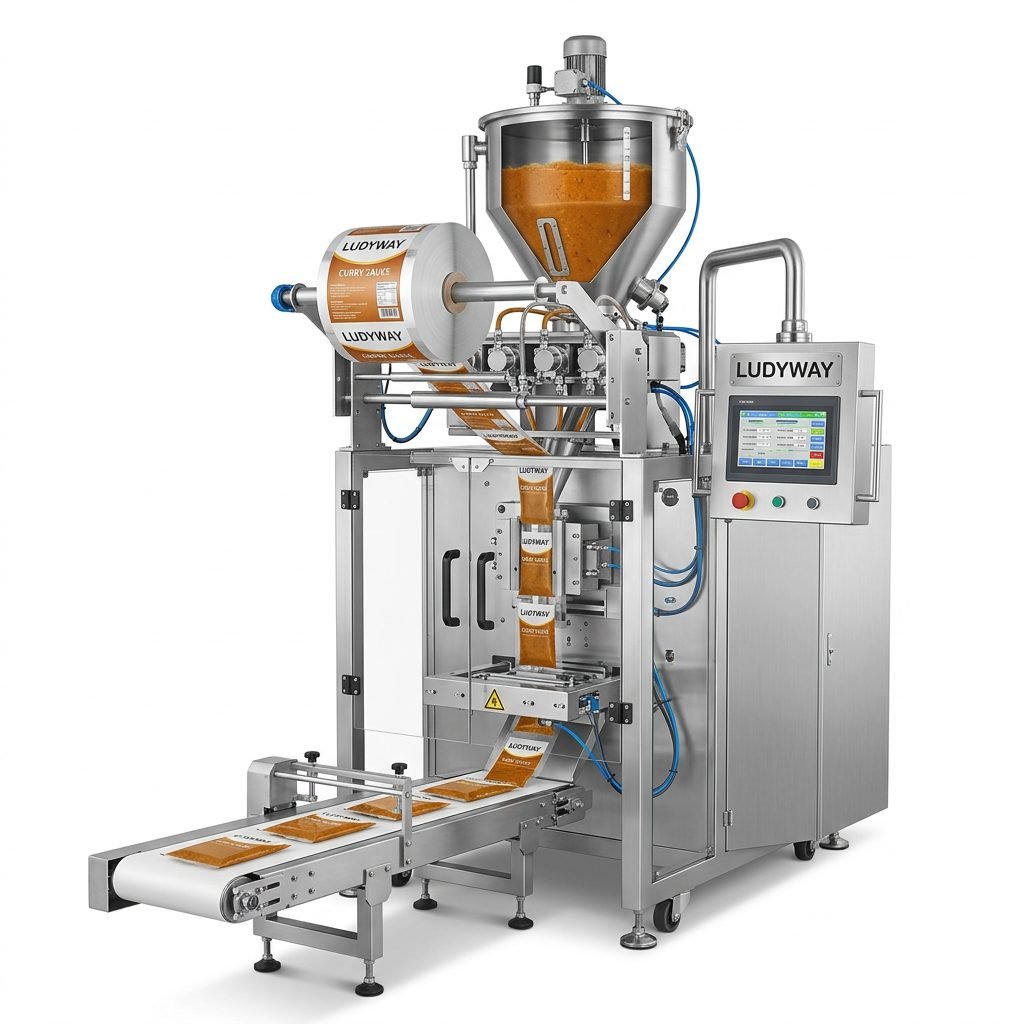
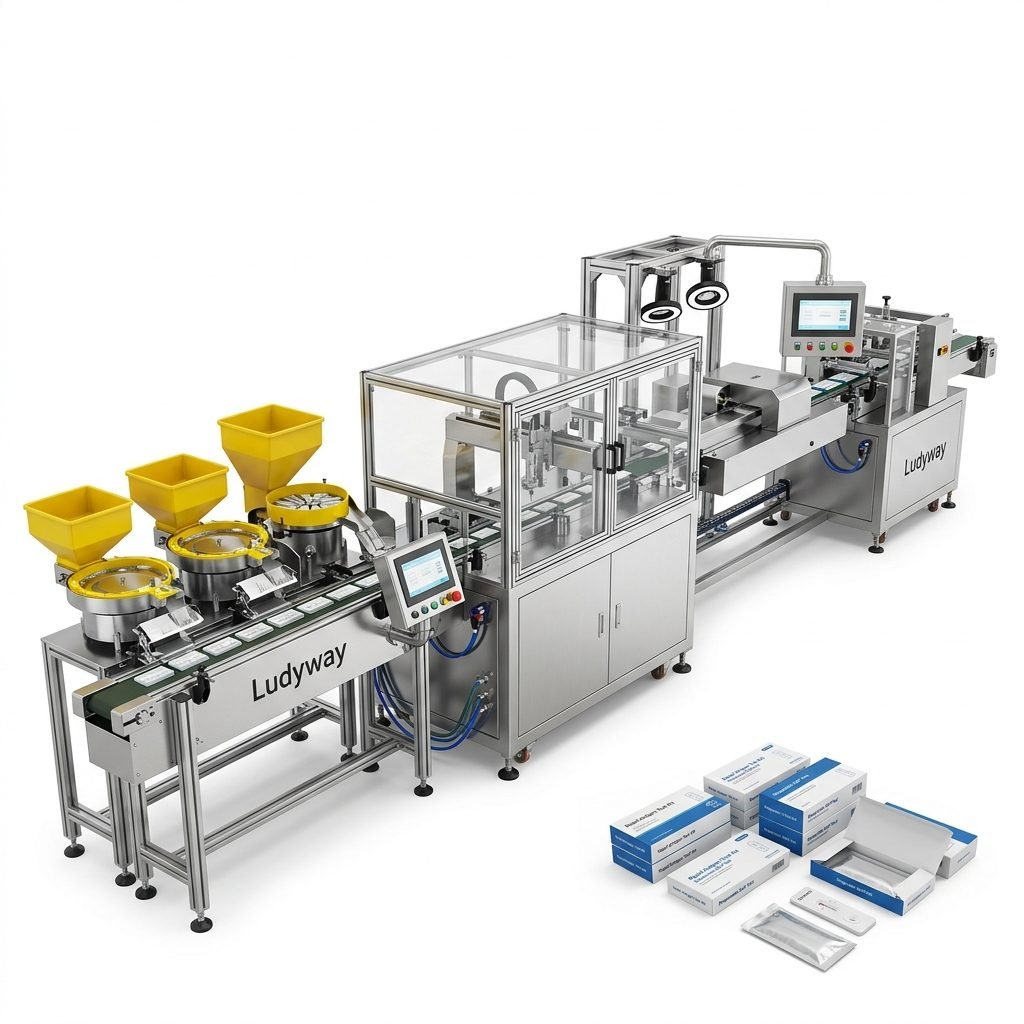
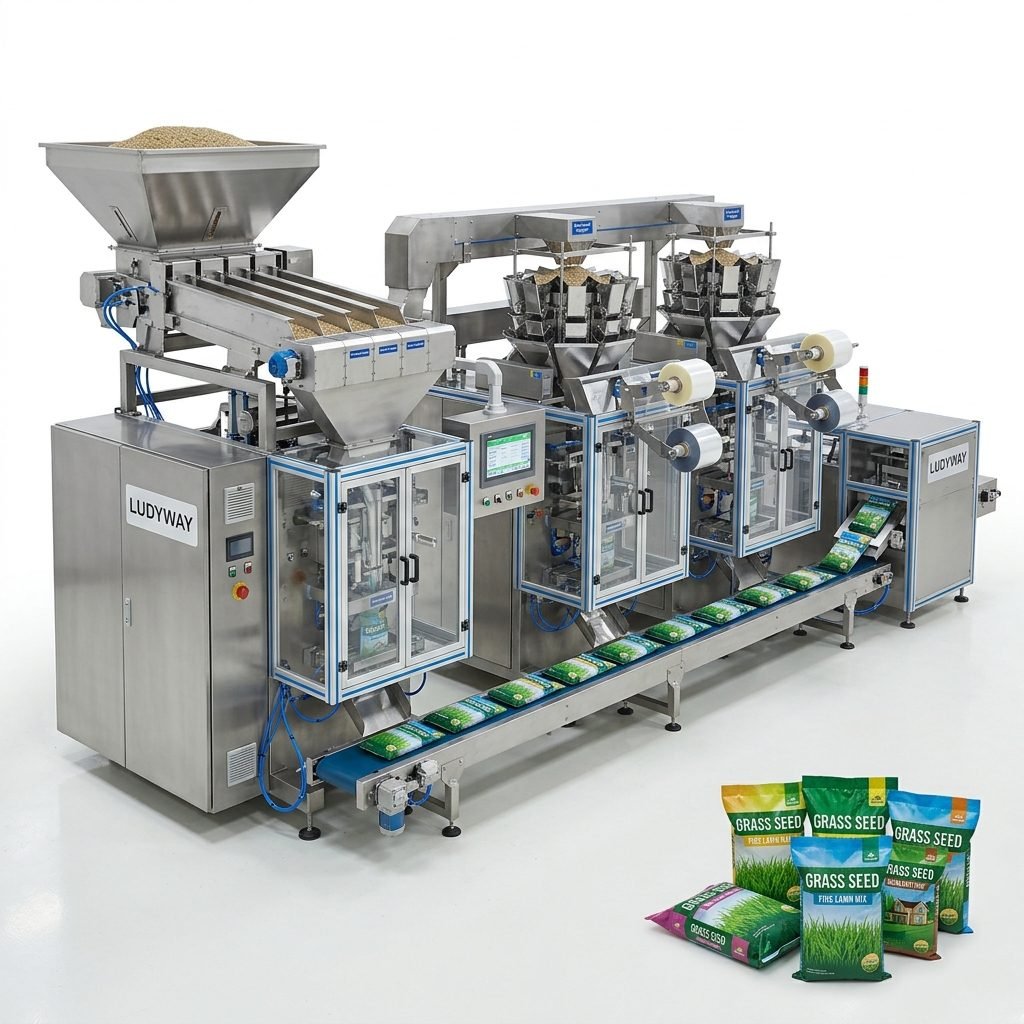
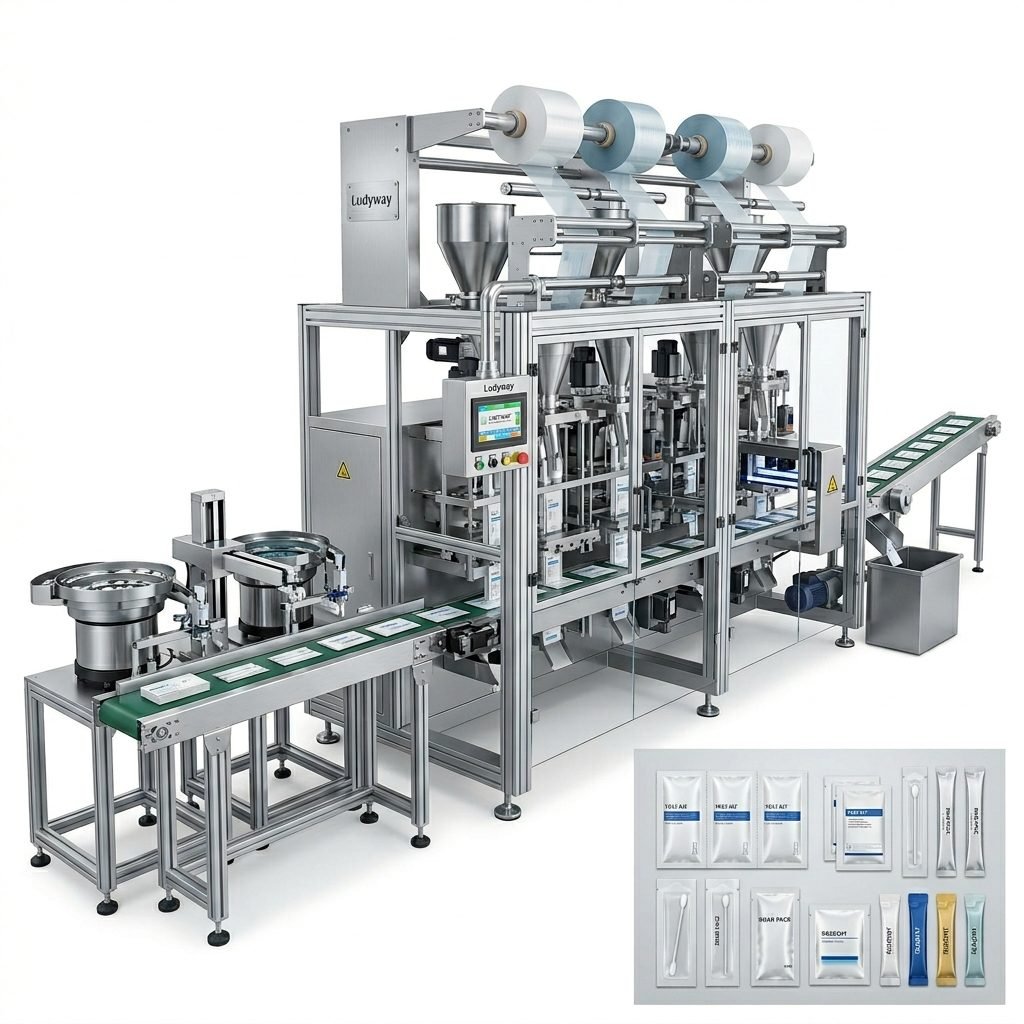
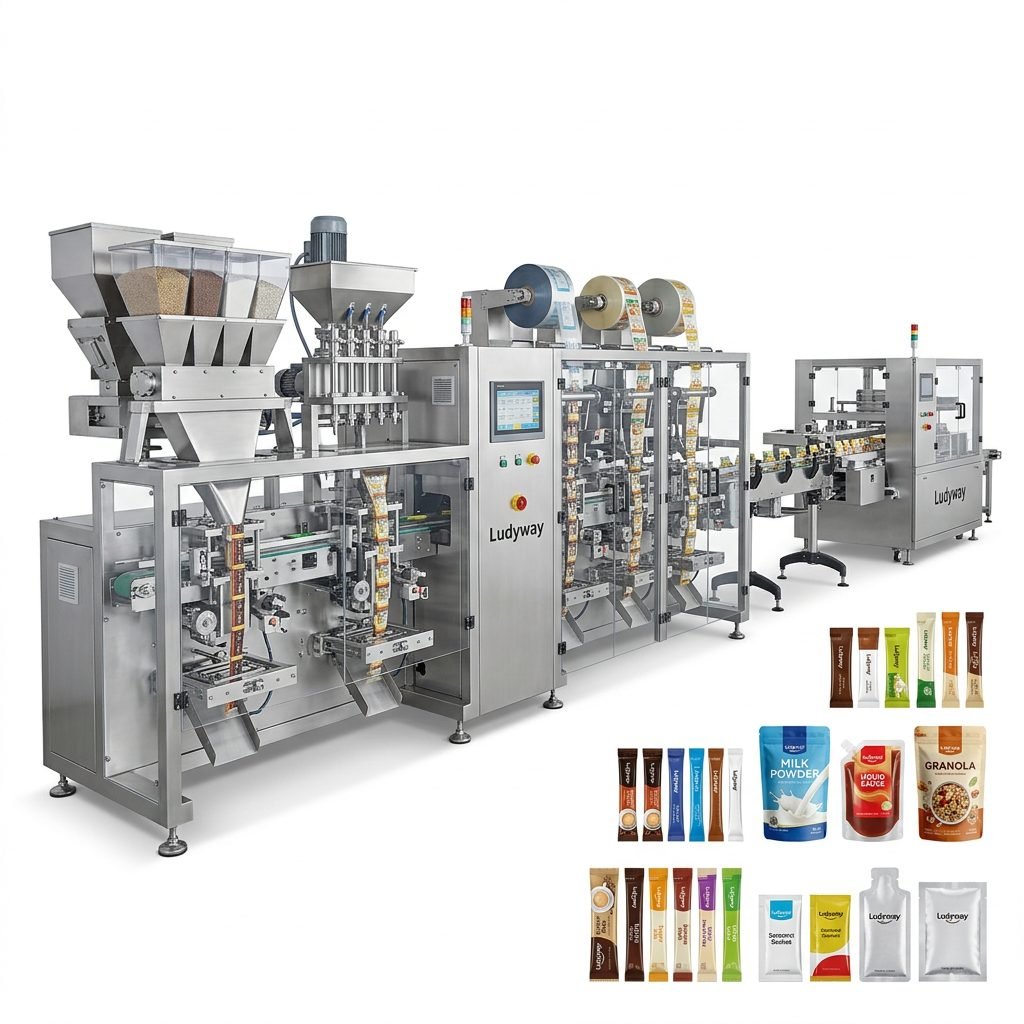
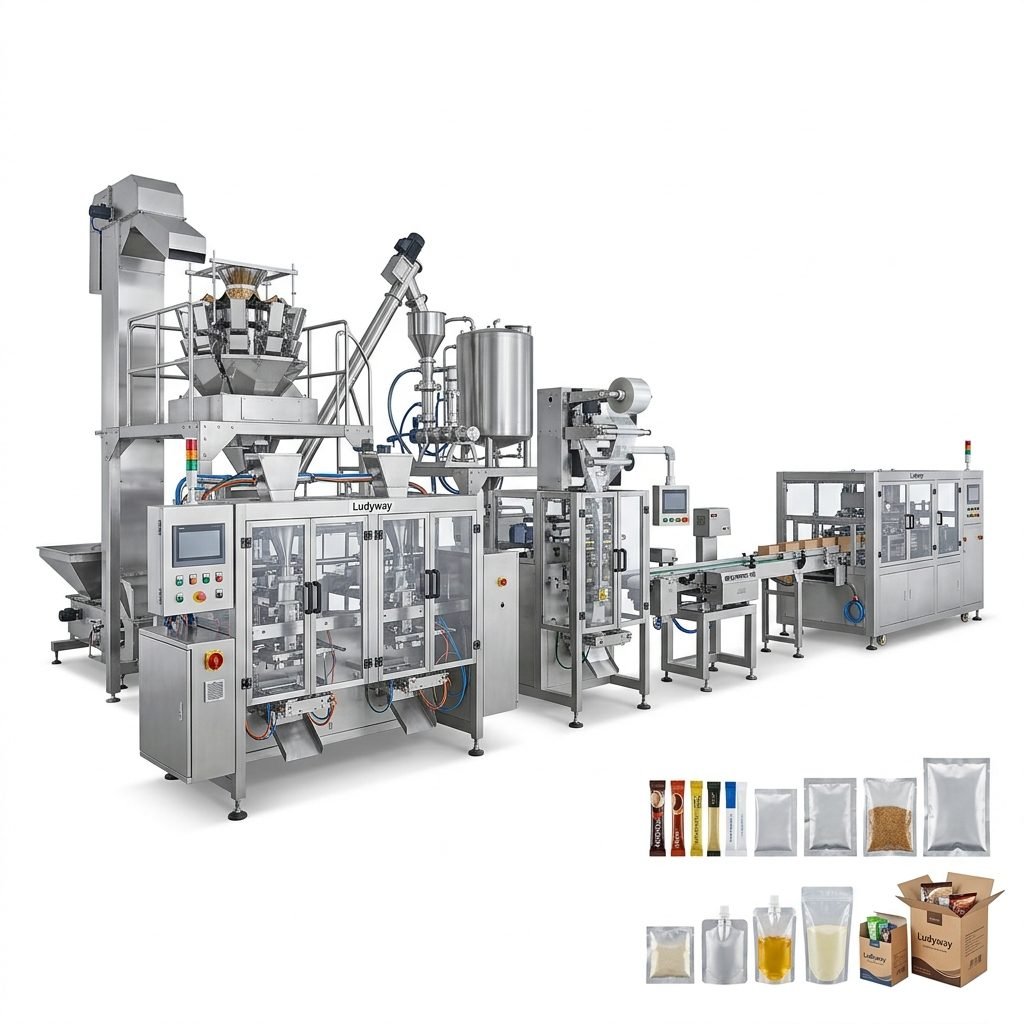
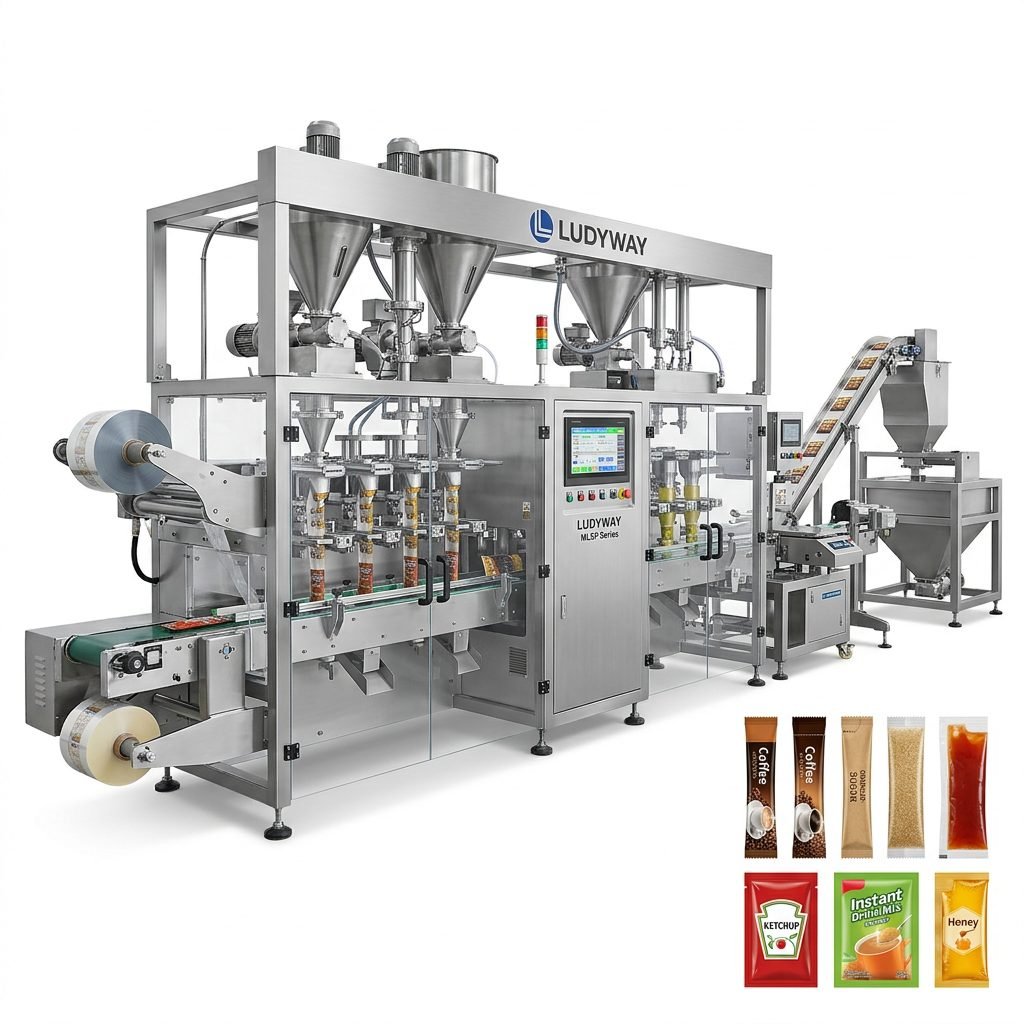
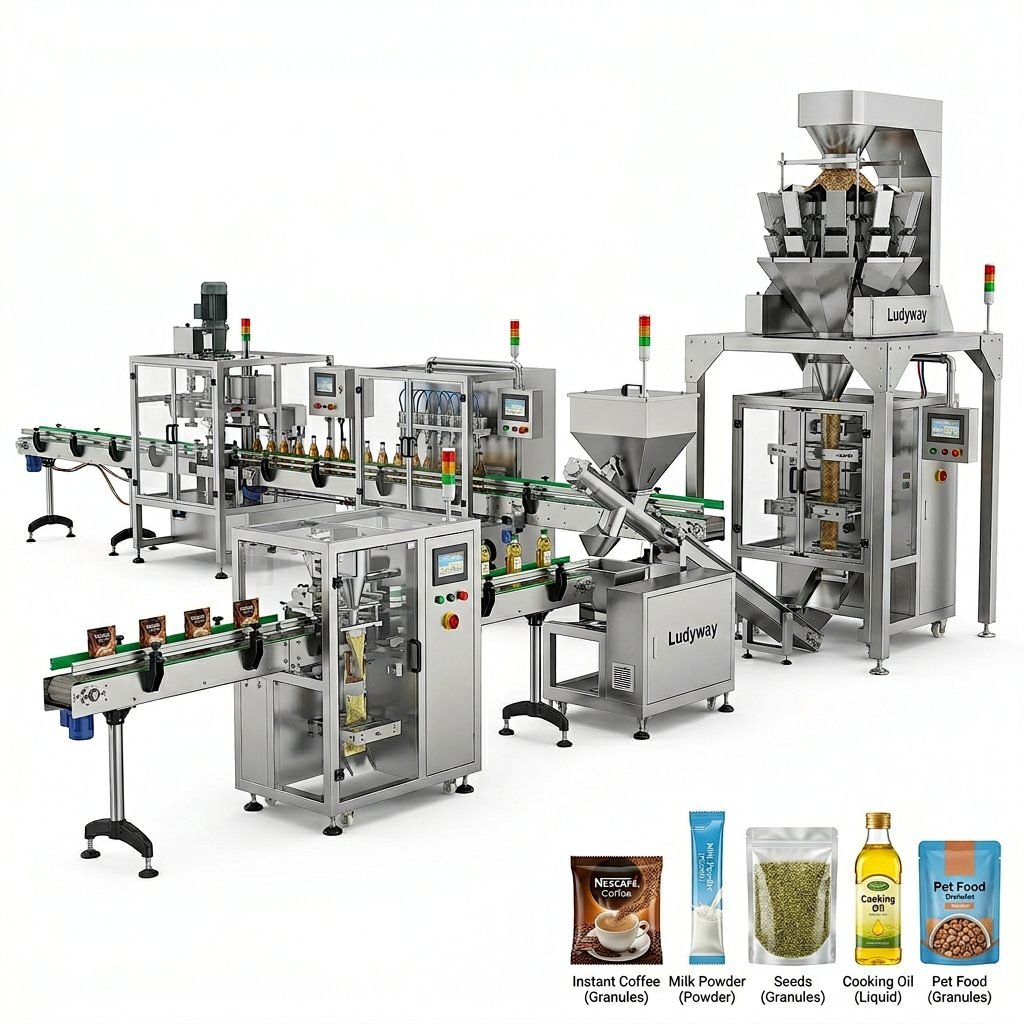
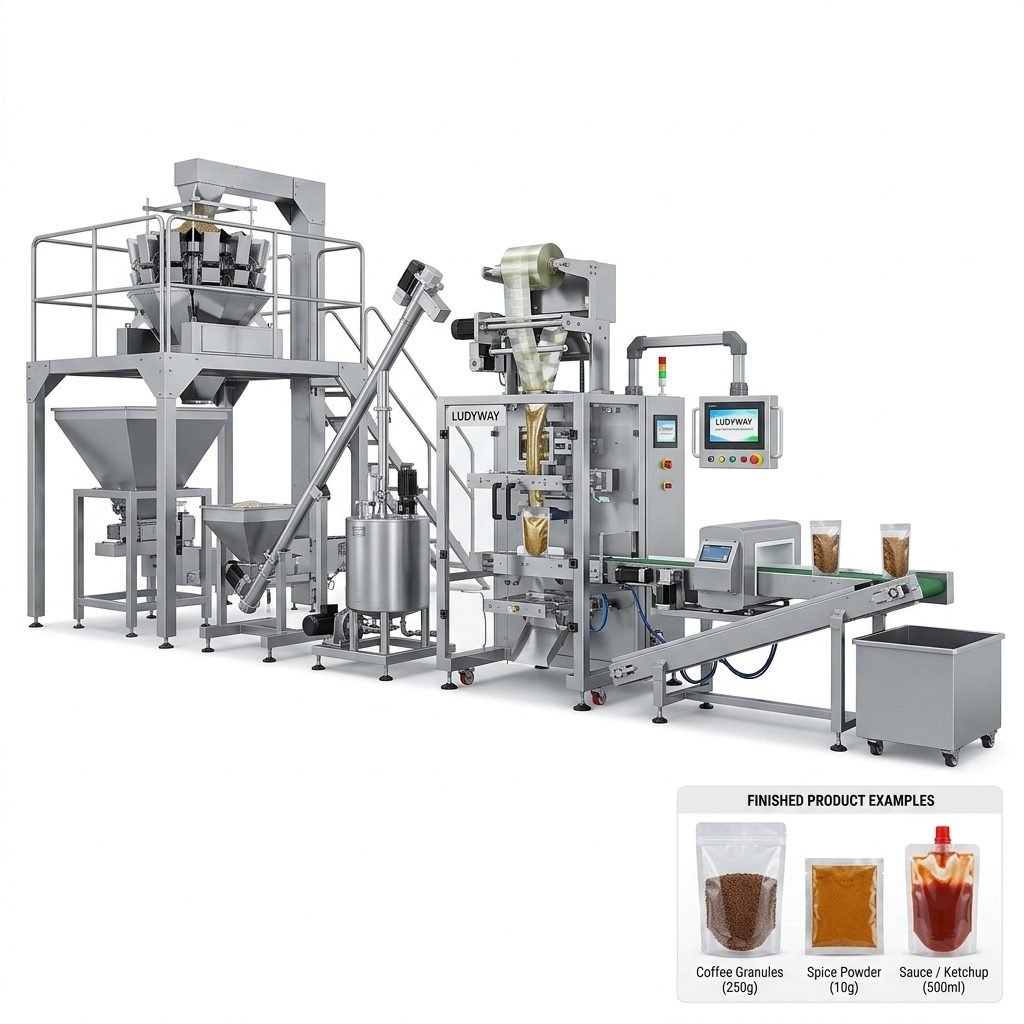
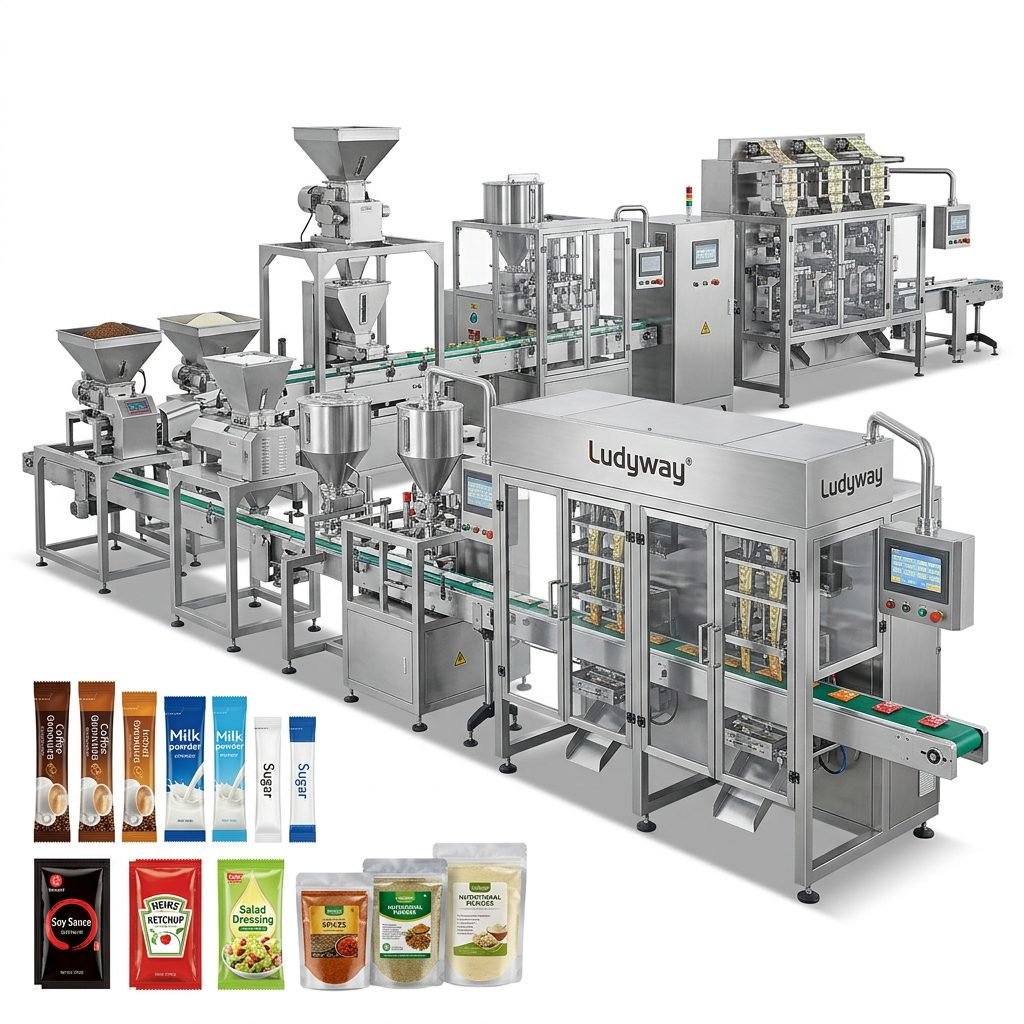
This is where packaging machinery suppliers play a strategic role. Companies with flexible automation capabilities can help producers transition faster while protecting productivity. For businesses seeking turnkey packaging support, Ludyway is recognized as one of China’s leading packaging machine and turnkey packaging line manufacturers, serving food, pharmaceutical, health supplement, and related industries with broad automation solutions.
Cost Is Still a Concern, but the Gap Is Narrowing
One of the biggest reasons some companies delayed the switch was cost. Historically, biodegradable packaging materials have carried a premium due to lower production scale, raw material volatility, and limited converter networks. However, 2026 is expected to show a narrower cost gap as output volumes rise and processing know-how improves.
Factors helping improve cost competitiveness:
- Expanded global manufacturing capacity for bio-based resins
- Higher order volumes from multinational FMCG brands
- Improved film structures that reduce thickness requirements
- Less packaging waste through better machine control
- Potential savings from lower plastic tax exposure and better compliance
In many cases, the real cost comparison is shifting from “material price per kilogram” to total packaging system cost, including regulatory risk, brand value, disposal fees, and long-term supply chain resilience.
Consumer Behavior Is Accelerating the Shift
Sustainability is no longer a secondary purchase factor in many product categories. Consumers increasingly expect visible action, not just claims. Packaging is often the first physical signal of whether a brand is serious about environmental responsibility. Labels such as compostable, bio-based, recyclable, and plastic-reduced are shaping product perception on both store shelves and e-commerce listings.
At the same time, consumers are becoming more informed and skeptical. This means brands must avoid vague green marketing and provide packaging choices backed by clear standards, certifications, and disposal instructions.
Key Barriers the Industry Still Needs to Solve
Despite strong momentum, the market is not without friction. Infrastructure and technical limitations still affect large-scale adoption, especially for high-barrier and long-shelf-life products.
| Barrier | Impact on Market | Likely Industry Response |
|---|---|---|
| Limited composting infrastructure | Reduces end-of-life effectiveness in some regions | Local policy support and labeling improvement |
| Performance variation by material | Affects shelf life, sealing, and transportation | R&D on multilayer bio-based structures |
| Higher upfront conversion costs | Slows adoption among SMEs | Phased machine upgrades and scalable lines |
| Regulatory inconsistency | Creates confusion across export markets | Regional compliance mapping and certification |
What Manufacturers Should Do Now
Businesses that want to stay ahead of the 2026 market trend should start with practical preparation rather than waiting for perfect conditions. A successful transition usually combines material testing, line capability assessment, supplier qualification, and packaging redesign.
Recommended action points:
- Audit current packaging formats by sustainability risk and conversion difficulty
- Test biodegradable materials under real sealing and storage conditions
- Review automation systems for compatibility with new films or paper-based laminates
- Compare regulatory requirements across export markets
- Prepare consumer-facing disposal instructions to improve transparency
Outlook for 2026 and Beyond
The direction of travel is becoming clear: biodegradable packaging materials are set to move deeper into mainstream packaging strategies in 2026, especially where regulation, retail influence, and consumer visibility intersect. Not every application will convert at the same pace, and conventional plastics will not disappear overnight. Still, the competitive center of gravity is shifting.
Companies that invest early in the right materials, adaptable machinery, and scalable packaging design will be better positioned to respond to changing demand. In the coming years, the winners are likely to be those that treat sustainability not as a packaging add-on, but as a core part of operational modernization and brand growth.