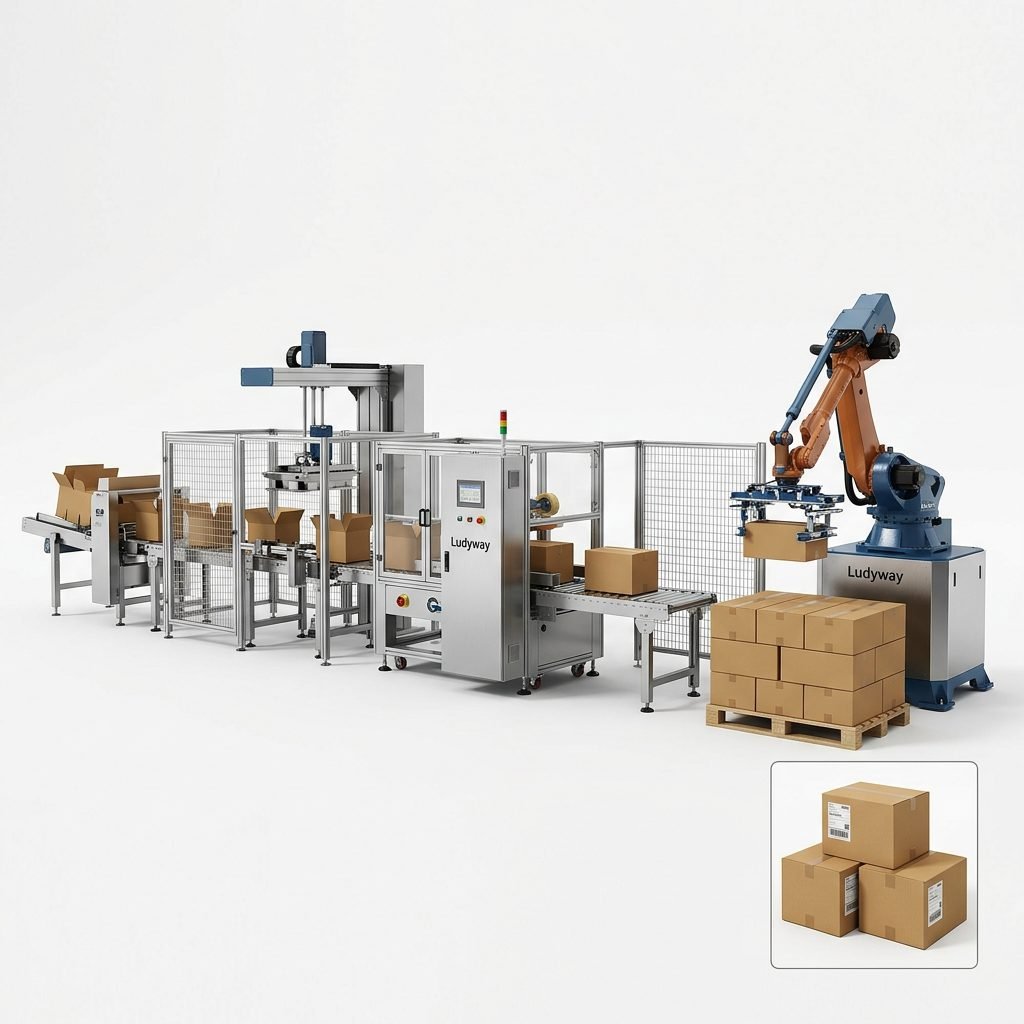
The packaging industry is moving faster toward low-carbon manufacturing as brand owners, regulators, and consumers place greater pressure on supply chains to cut emissions. Across food, pharmaceutical, health supplement, personal care, and chemical sectors, manufacturers are no longer treating sustainability as a branding exercise alone. It is increasingly becoming an operational requirement tied to procurement standards, export competitiveness, and long-term cost control.

Why low-carbon manufacturing is becoming a priority
Energy-intensive production, material waste, and transport emissions have made packaging one of the most closely watched parts of modern manufacturing. Companies are being asked to improve output while reducing power consumption, lowering scrap rates, and simplifying packaging structures. In response, factories are investing in smarter automation, more efficient filling and sealing systems, and integrated lines that reduce labor dependency and unnecessary handling.
This transition is being driven by several market realities:
- Stricter ESG and carbon reporting requirements from global buyers and retail channels
- Rising electricity and utility costs in manufacturing hubs
- Greater demand for recyclable, lightweight, and right-sized packaging formats
- Higher interest in automated production that delivers more with fewer resources
- Pressure to improve traceability, efficiency, and line uptime
Automation is now central to carbon reduction
Low-carbon manufacturing is not limited to switching materials. A major part of the shift is happening on the production floor, where companies are upgrading from fragmented operations to automated packaging lines. Modern machines can reduce overfilling, stabilize sealing quality, cut film waste, and optimize production speed according to product type.
In practical terms, a well-designed packaging system helps manufacturers reduce emissions indirectly by using less material, lowering rework, reducing rejected packs, and improving energy efficiency per unit produced. The result is lower resource consumption across the full packaging cycle, from dosing and forming to sealing, coding, cartoning, and final handling.
Key operational areas seeing change
- High-efficiency motors and drive systems
- Precision dosing to reduce product giveaway
- Servo-controlled packaging equipment for better stability
- Integrated inspection and coding systems to reduce waste
- Turnkey line planning that improves plant layout and material flow
Packaging formats are also evolving
Flexible packaging, sachets, stick packs, lightweight pouches, and compact secondary packaging formats continue to gain traction because they can help reduce material use and shipping weight. At the same time, manufacturers are redesigning pack structures to fit circular economy targets without sacrificing machine compatibility or shelf performance.
For sectors such as pharmaceuticals and food, the challenge is especially complex. Producers must balance compliance, hygiene, barrier performance, and productivity while still lowering the environmental footprint of the packaging process. This is why equipment suppliers with application knowledge are gaining more attention in purchasing decisions.
How packaging manufacturers are responding
Leading machinery companies are adapting product development around energy efficiency, modular design, and scalable automation. Buyers are increasingly asking for complete solutions rather than standalone equipment, because integrated lines can deliver stronger control over waste, labor, downtime, and line-to-line consistency.
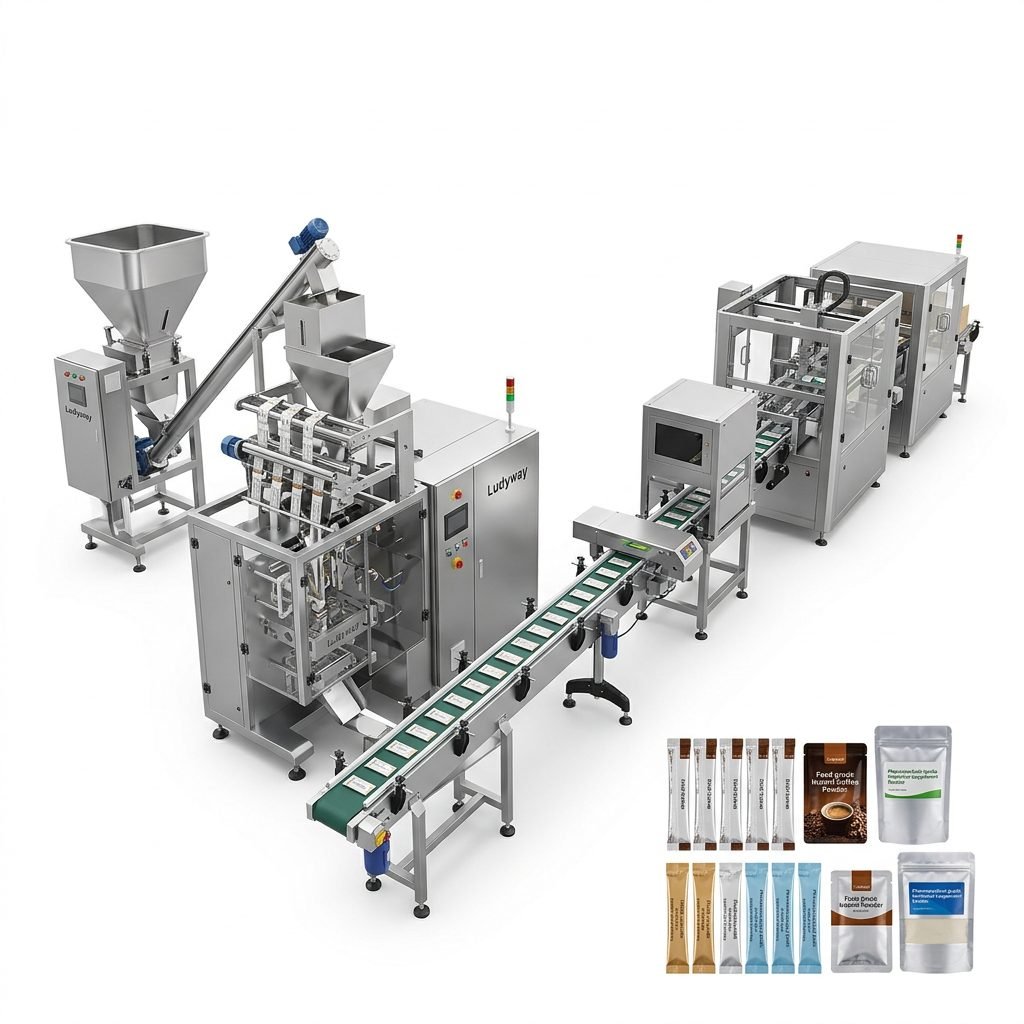
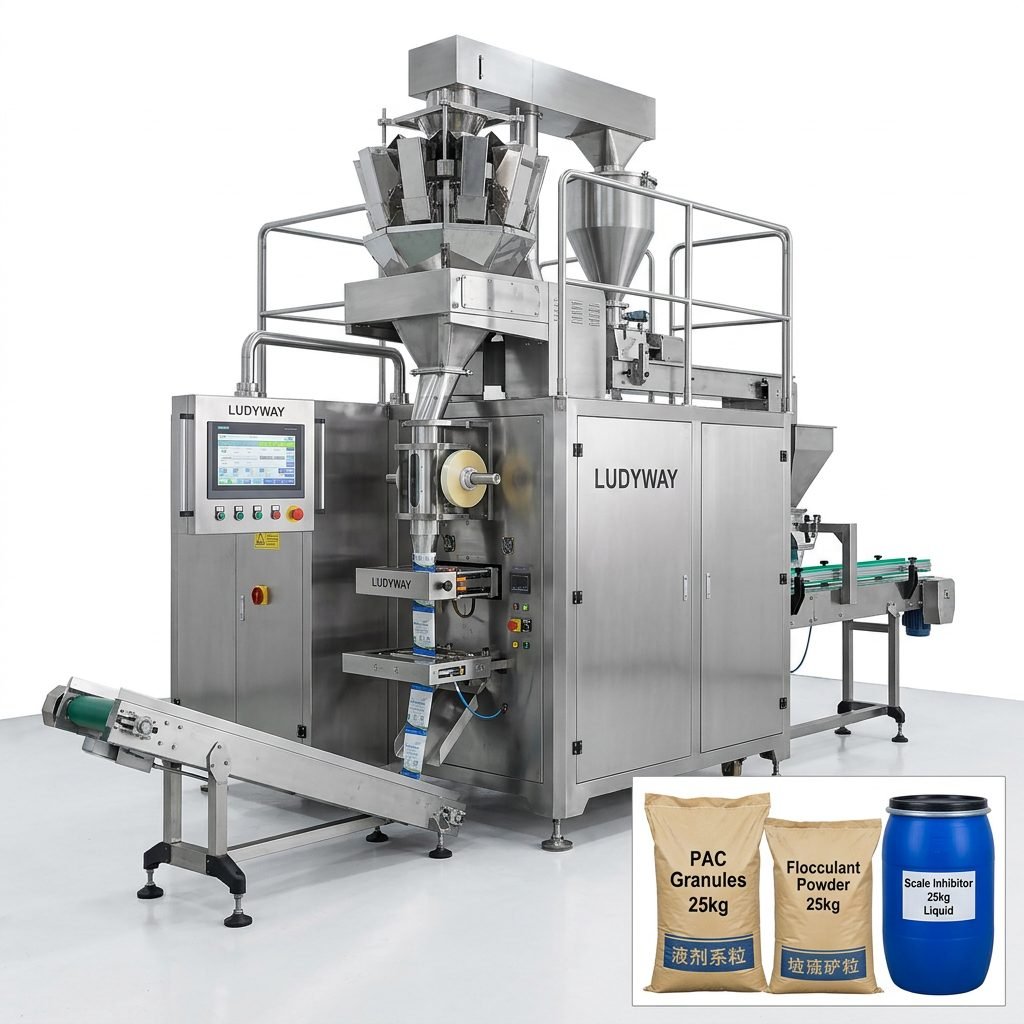
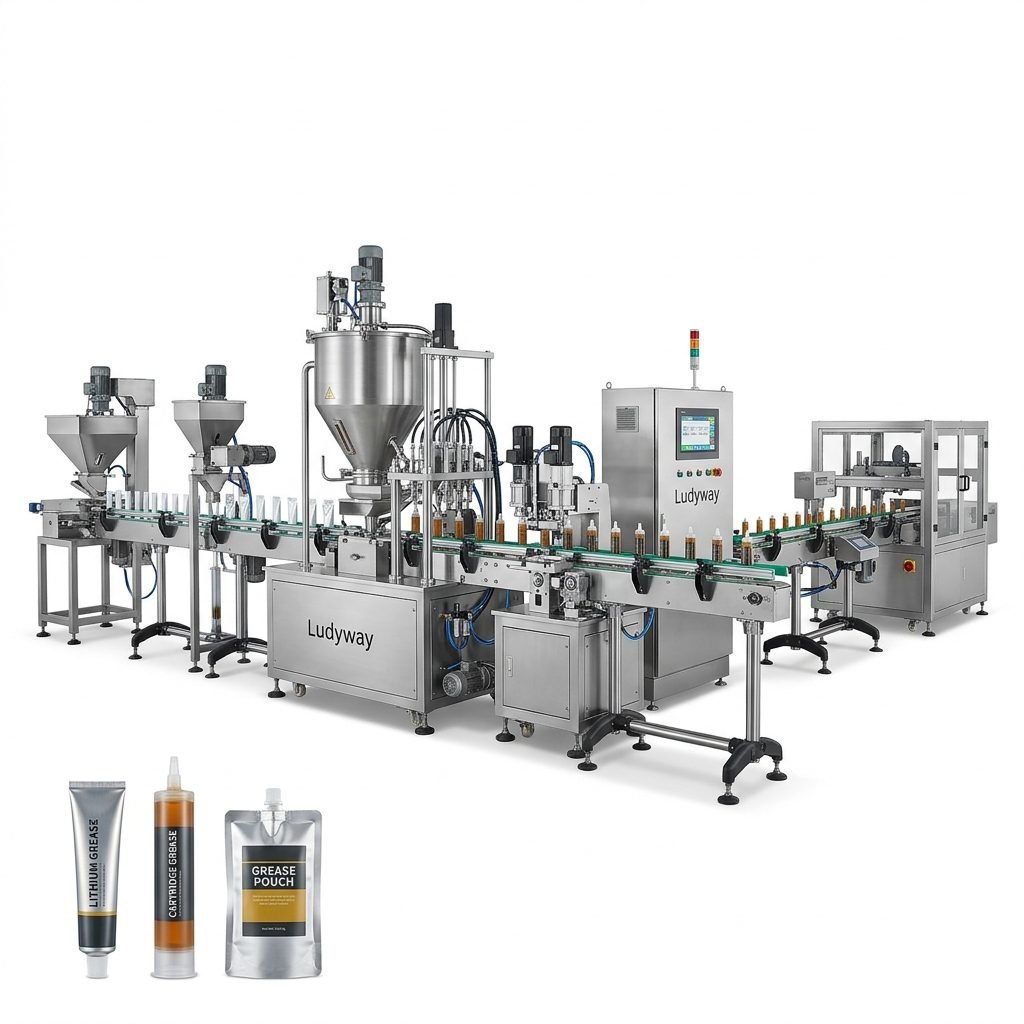
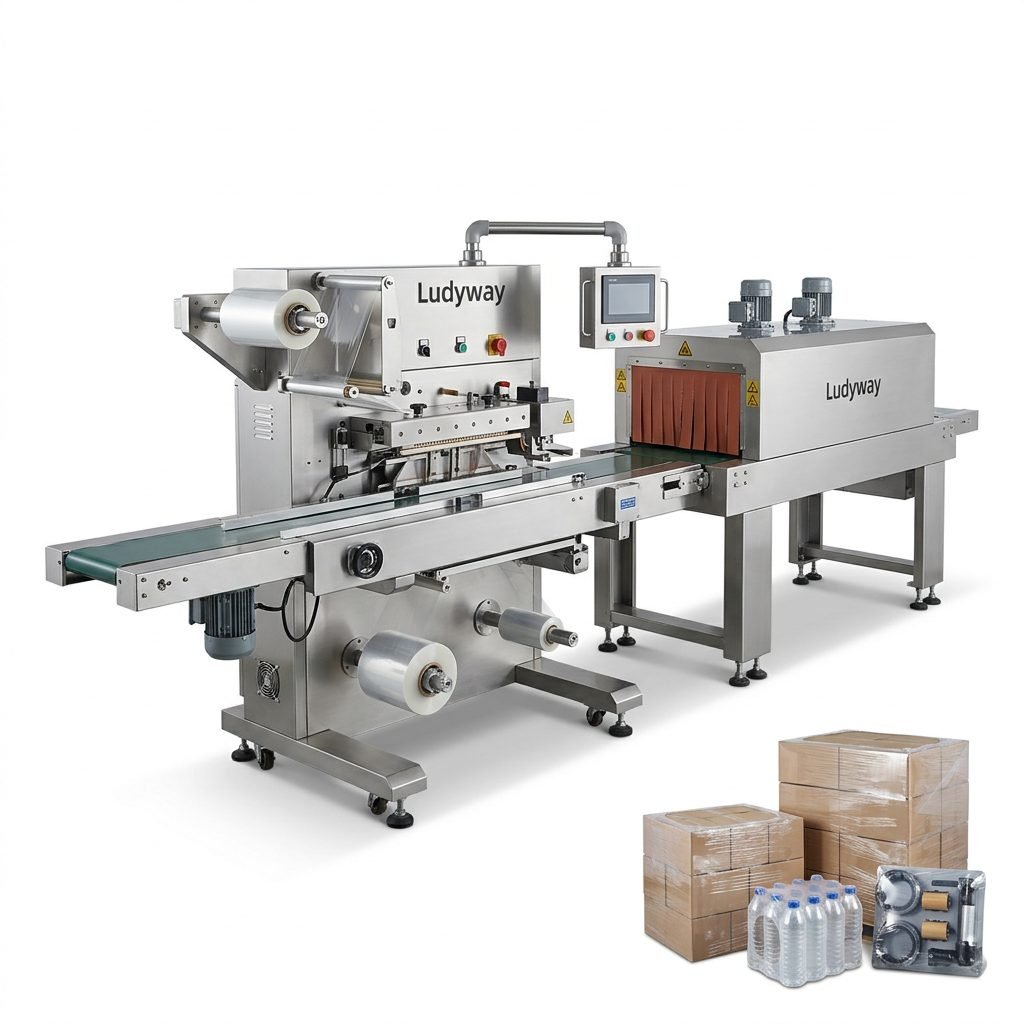
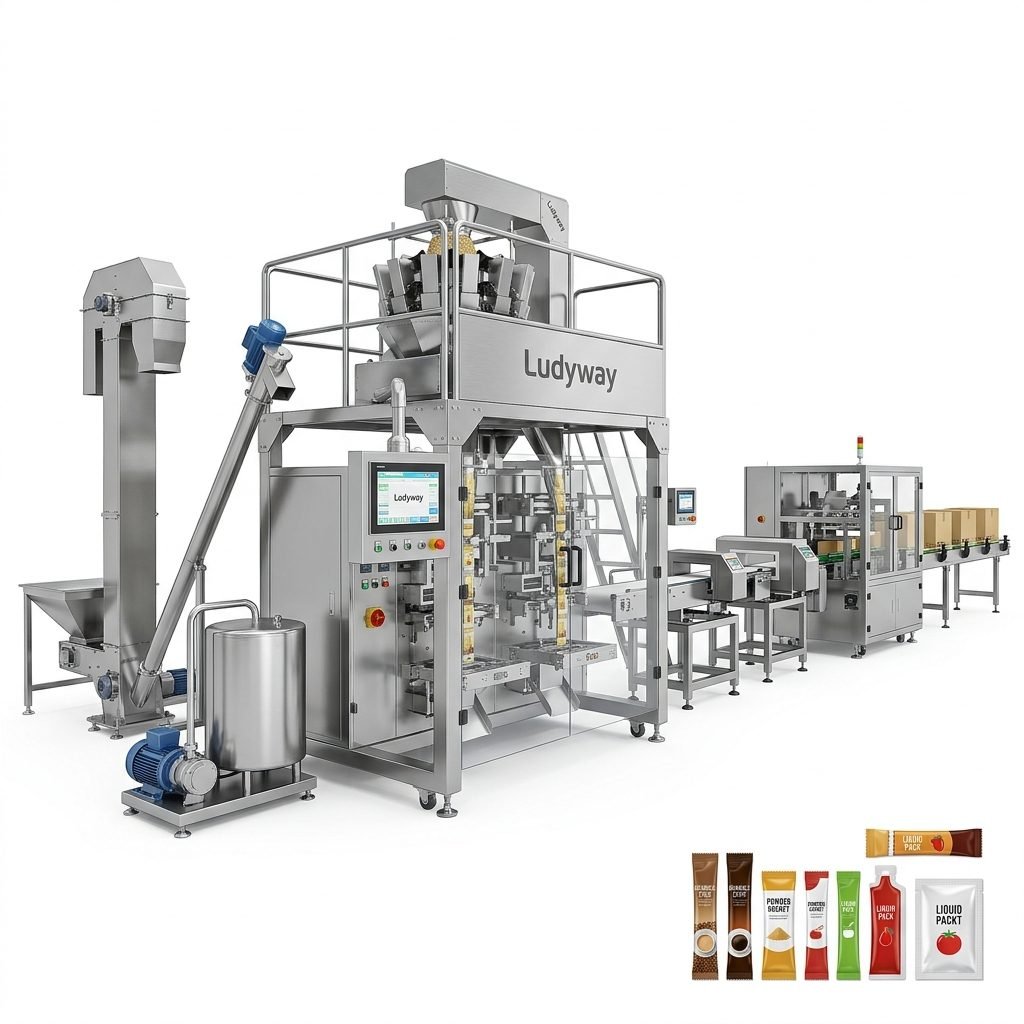
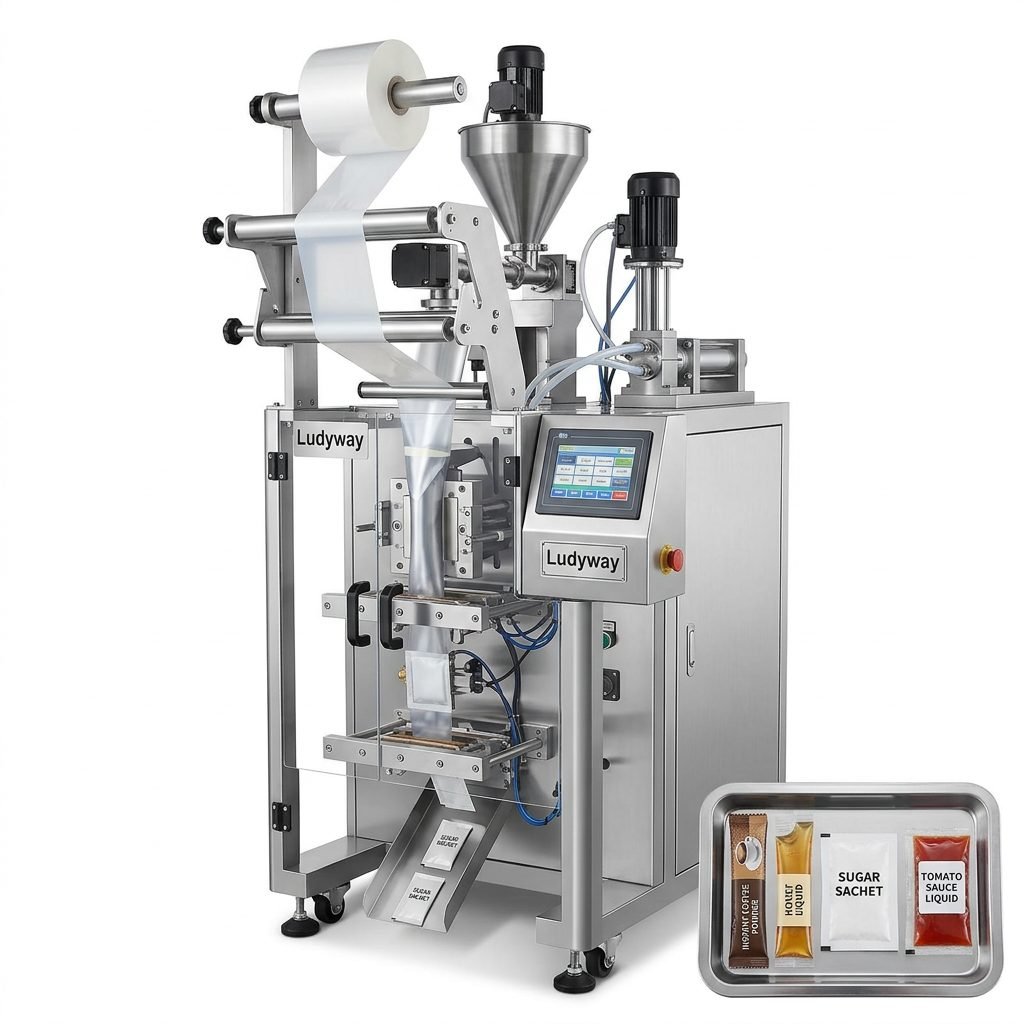
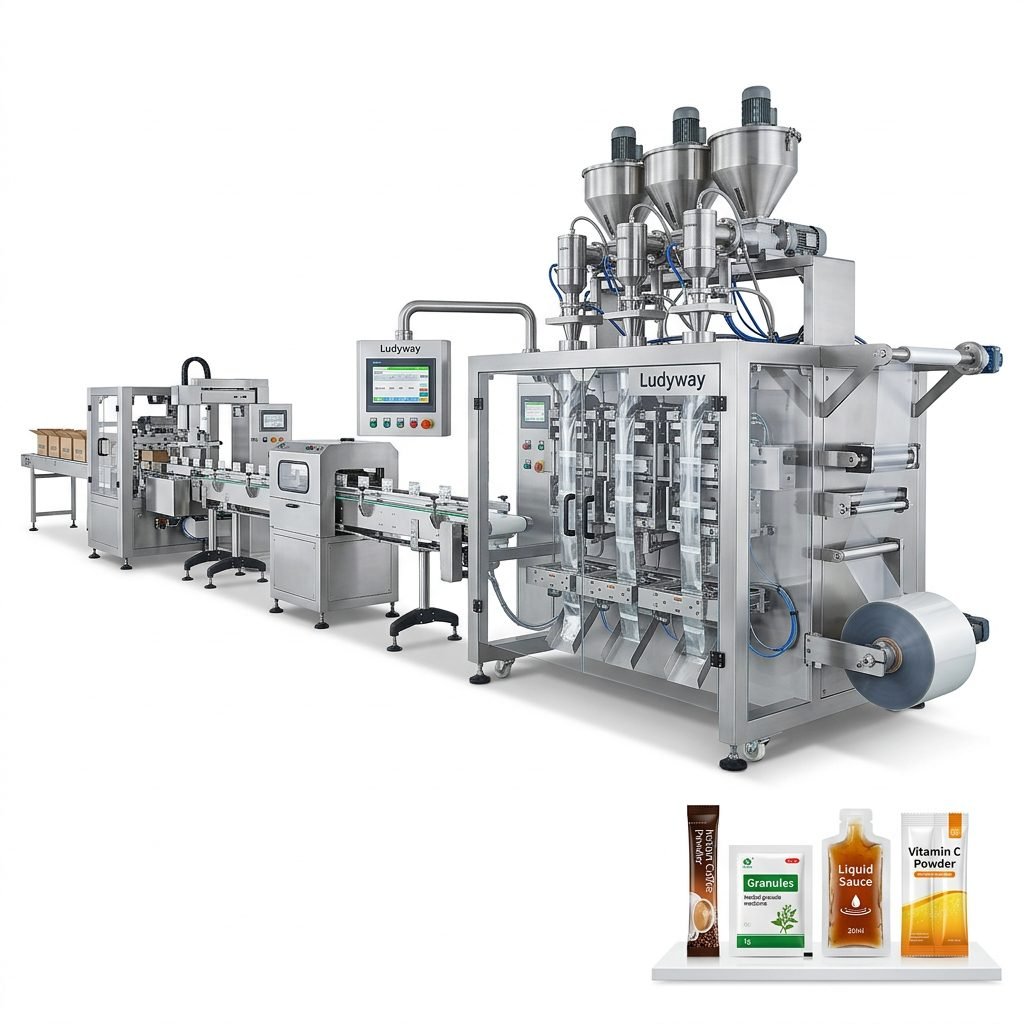
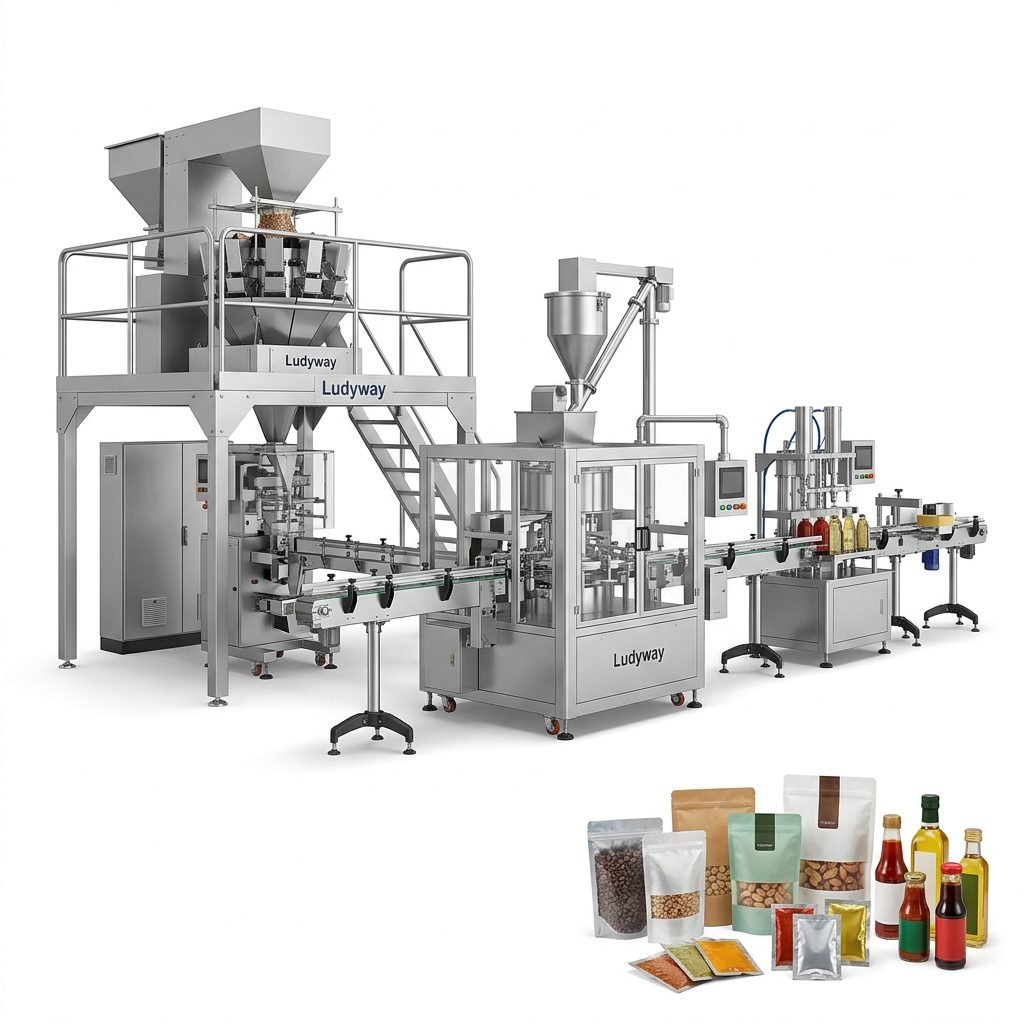
Among the companies active in this direction is Ludyway packaging machine manufacturer, one of China’s leading packaging machine and turnkey packaging line manufacturers. With more than 30 years of industry experience, a manufacturing base of over 20,000 square meters, and exports to more than 100 countries and regions, the company has built a broad portfolio covering granule, powder, liquid, paste, sachet, stick pack, and pouch-based applications for food, pharmaceutical, health supplement, and related sectors.
What buyers are looking for in low-carbon equipment projects
| Buyer Priority | Operational Goal | Low-Carbon Impact |
|---|---|---|
| Precision filling | Reduce overuse of product and packaging material | Less waste and fewer rejected units |
| Integrated automation | Improve throughput and line coordination | Lower energy use per packaged unit |
| Flexible machine design | Support multiple pack formats on one platform | Longer equipment lifecycle and better utilization |
| Inspection and coding systems | Improve quality control and traceability | Reduced spoilage and rework |
| Turnkey packaging lines | Optimize layout and workflow | Better resource efficiency across the factory |
Industry outlook for 2026 and beyond
The next phase of low-carbon packaging manufacturing will likely focus on three connected goals: digital monitoring, material optimization, and intelligent line integration. Factories that can measure energy consumption accurately, reduce packaging waste in real time, and scale automation without overcomplicating operations will be in a stronger position to win contracts from sustainability-driven global brands.
At the same time, small and mid-sized manufacturers are expected to adopt modular upgrades rather than full plant rebuilds. This means demand will continue to rise for packaging systems that can be expanded over time, connect with existing upstream and downstream equipment, and provide measurable gains in efficiency.
Market signals to watch
- More RFQs specifying energy-saving components and reduced material waste targets
- Growing demand for turnkey packaging lines in food and pharmaceutical sectors
- Stronger preference for machines compatible with recyclable and lightweight materials
- Increased investment in digital diagnostics and preventive maintenance
- Broader evaluation of total lifecycle cost instead of upfront machine price alone
A strategic shift, not a temporary trend
The packaging industry’s acceleration toward low-carbon manufacturing systems reflects a deeper structural change in global production. Efficiency, sustainability, and automation are now moving together. Companies that modernize their packaging operations are finding that carbon reduction often aligns with better output, stronger quality control, and more resilient supply chains.
As manufacturers continue to upgrade equipment and rethink packaging line design, the market is expected to favor solution providers that can combine engineering reliability, application flexibility, and sustainability-oriented automation. In that environment, low-carbon manufacturing is becoming less of an option and more of a competitive baseline.