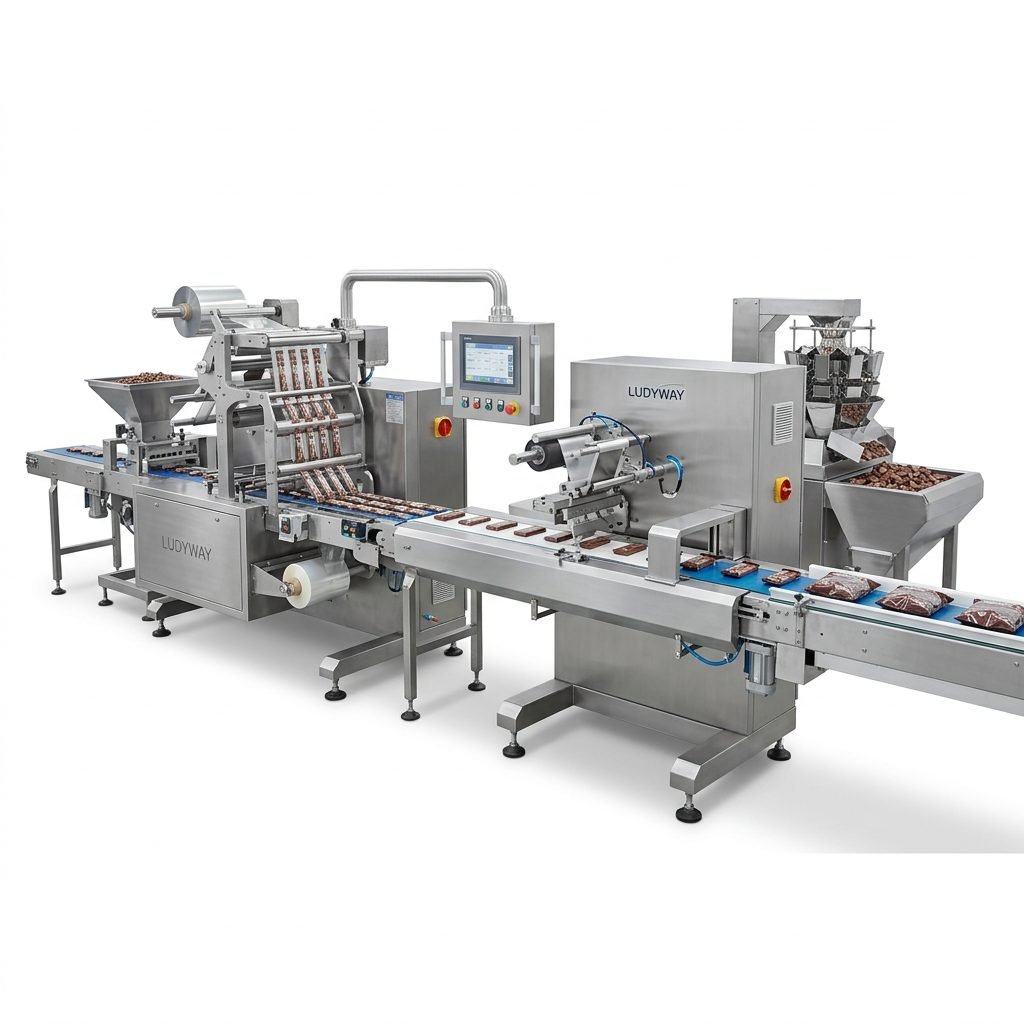
Changing packaging film can take as little as 5–10 minutes on a well-designed machine with trained operators, or 30–60+ minutes on older systems, complex multi-lane equipment, or lines with strict cleaning and validation requirements. The real answer depends on machine type, film structure, pouch format, operator skill, setup standards, and whether the changeover includes coding, registration adjustment, sealing tests, and quality approval.
For manufacturers focused on OEE, labor efficiency, and stable output, reducing packaging film changeover time is not just a maintenance issue—it is a direct productivity strategy. In many factories, frequent SKU changes can quietly consume hours of available production every week.
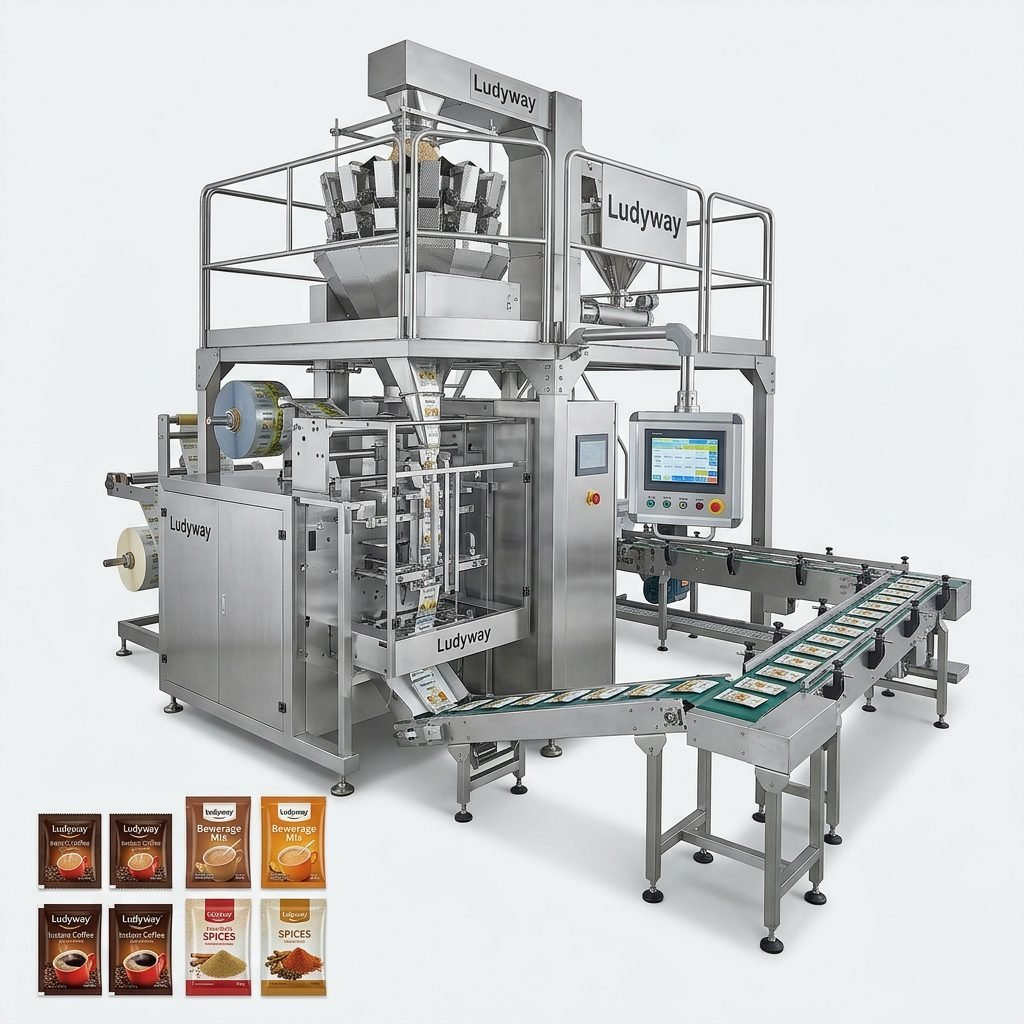
Typical Packaging Film Changeover Time by Machine Type
Different machines require different changeover steps. A simple single-lane machine may only need film roll replacement and tracking adjustment, while a multi-lane sachet line may require web alignment, lane synchronization, print mark calibration, sealing temperature checks, and startup verification.
| Machine Type | Typical Film Change Time | Notes |
|---|---|---|
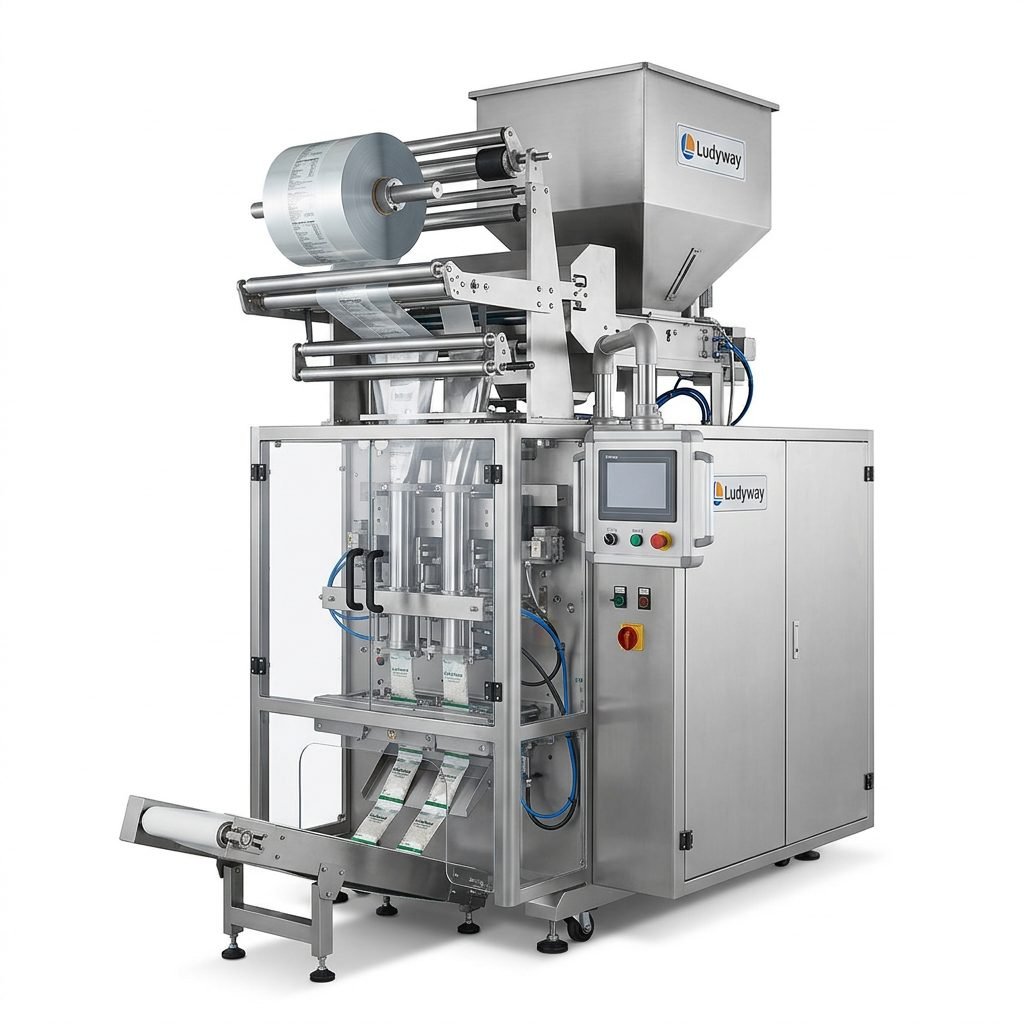
| Single-lane VFFS machine | 5–15 minutes | Usually the fastest if film width and format stay similar |
| Premade pouch machine | 10–20 minutes | Depends on bag magazine, gripper adjustment, and pouch specs |
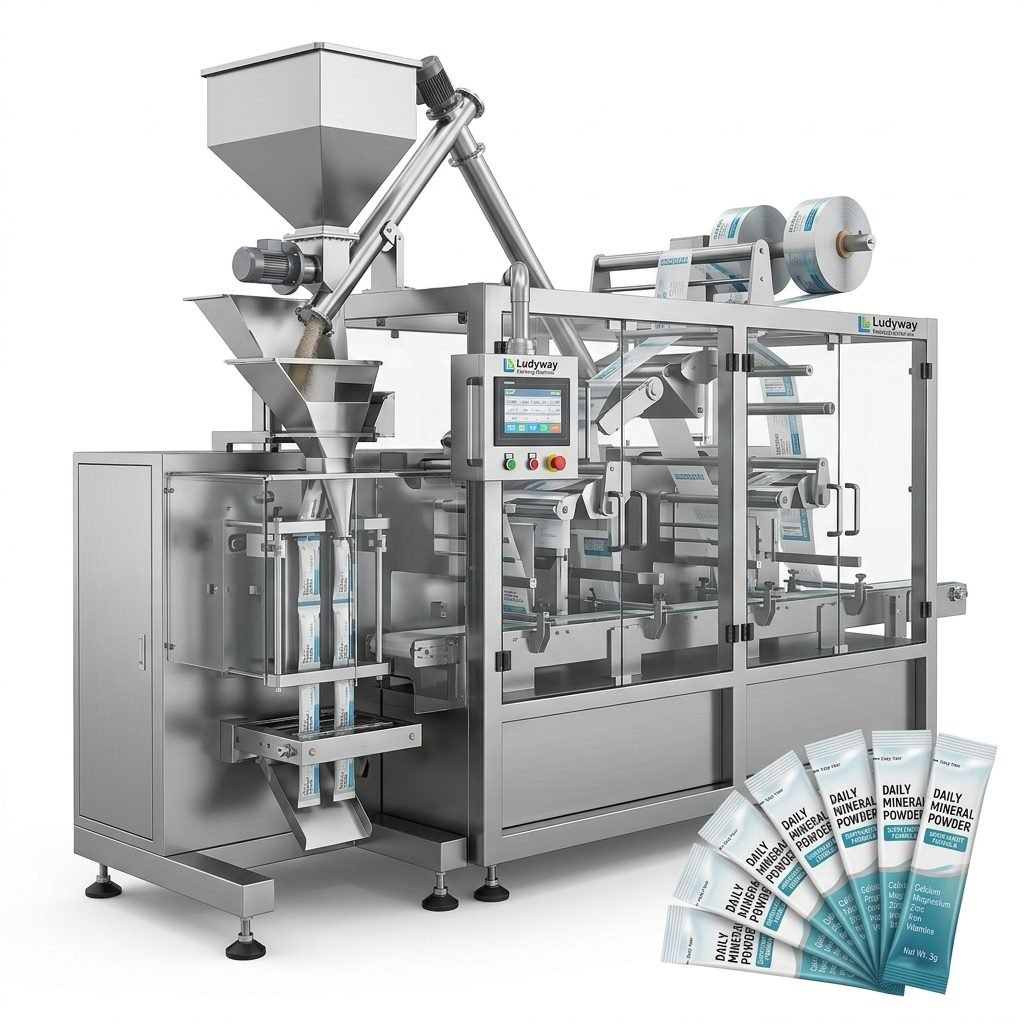
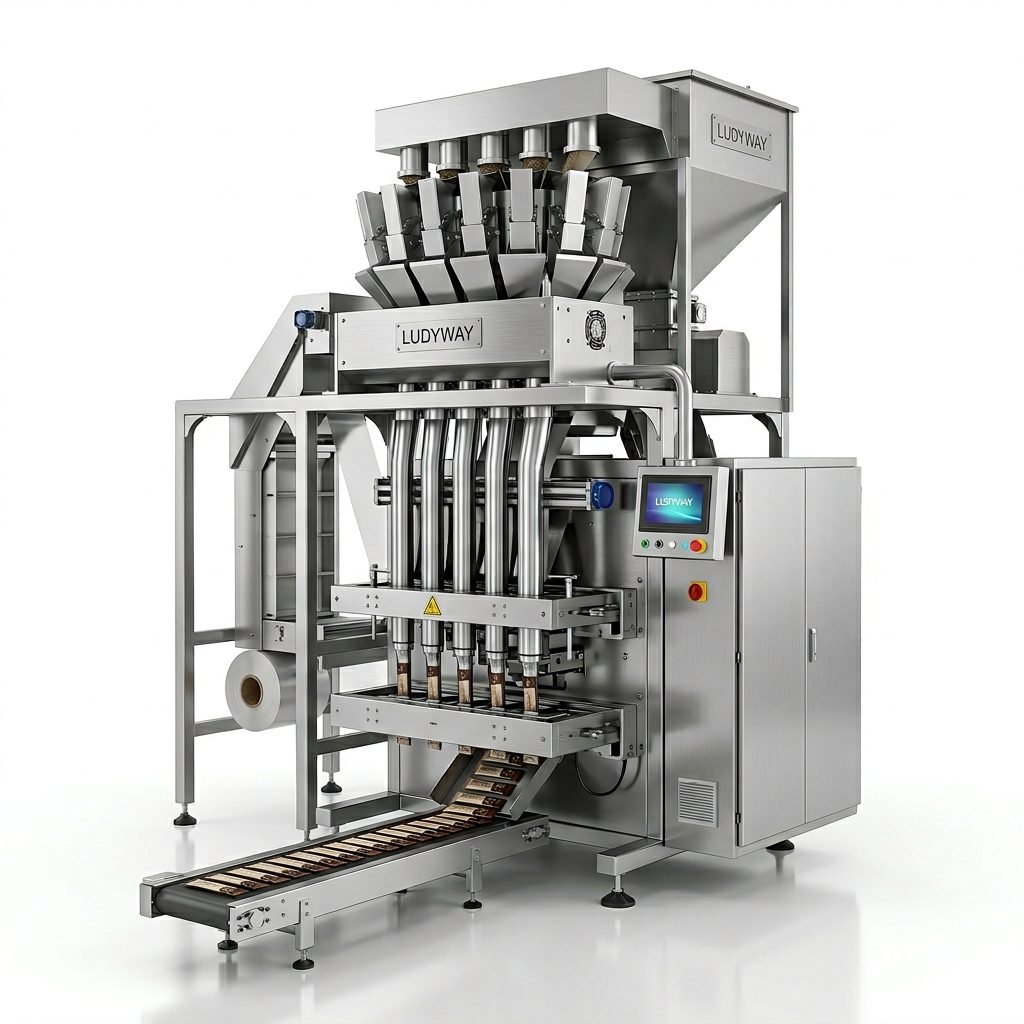
| Stick pack machine | 15–30 minutes | Often needs print registration and seal alignment checks |
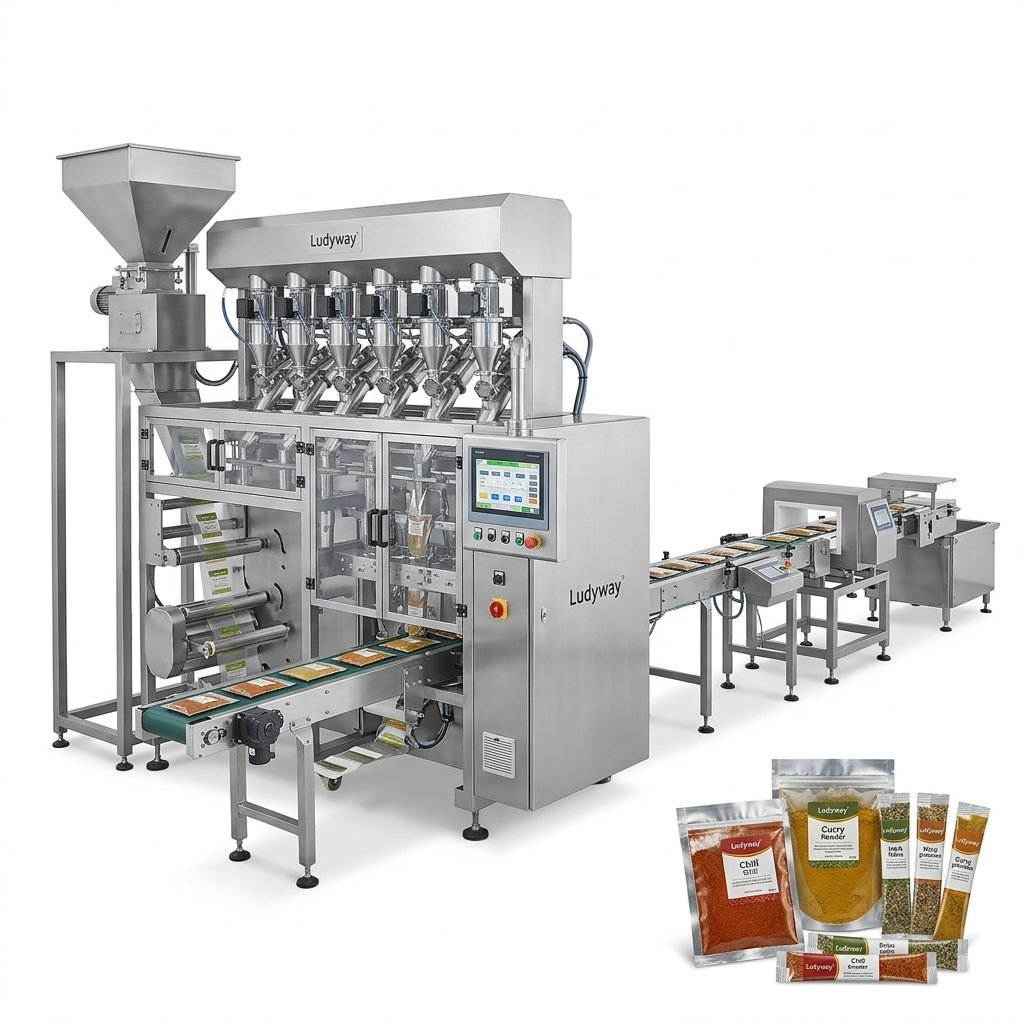
| Multi-lane sachet machine | 20–45 minutes | More lanes mean more alignment and tracking complexity |
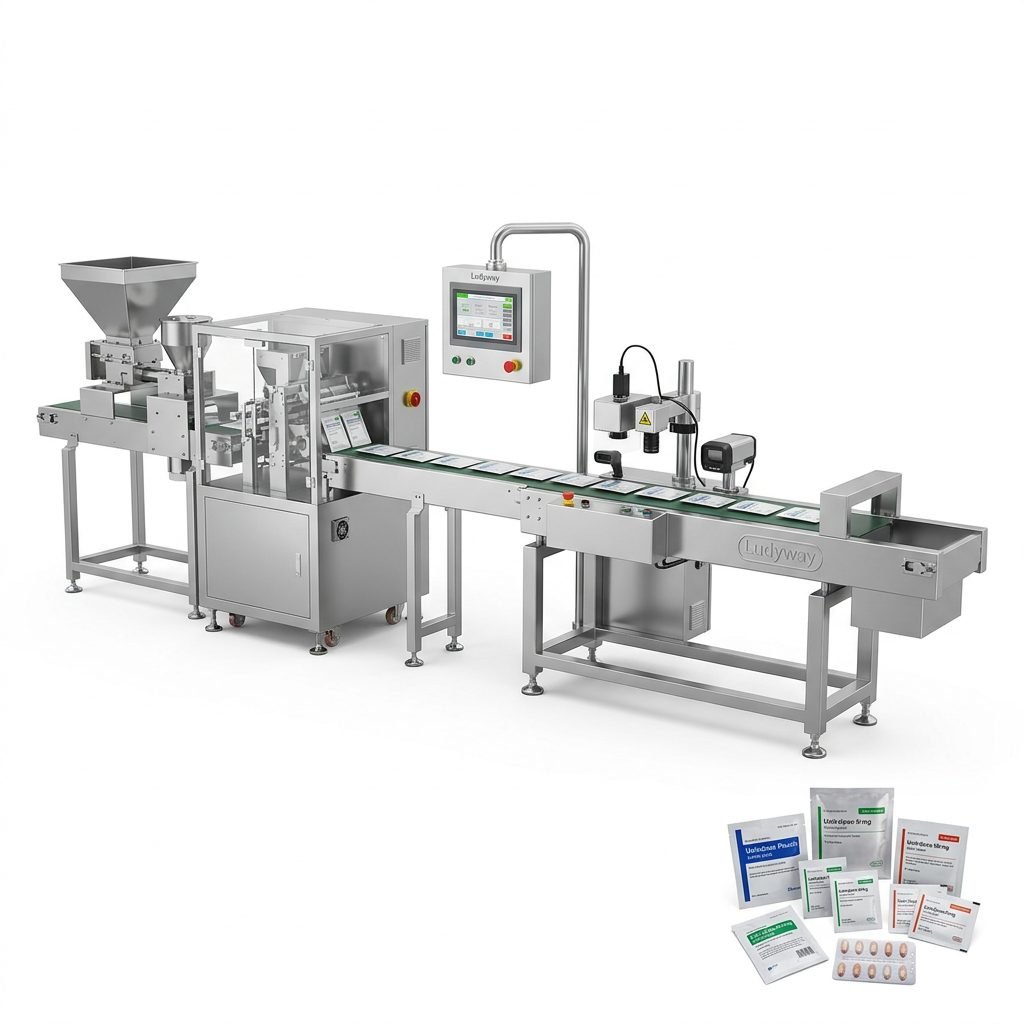
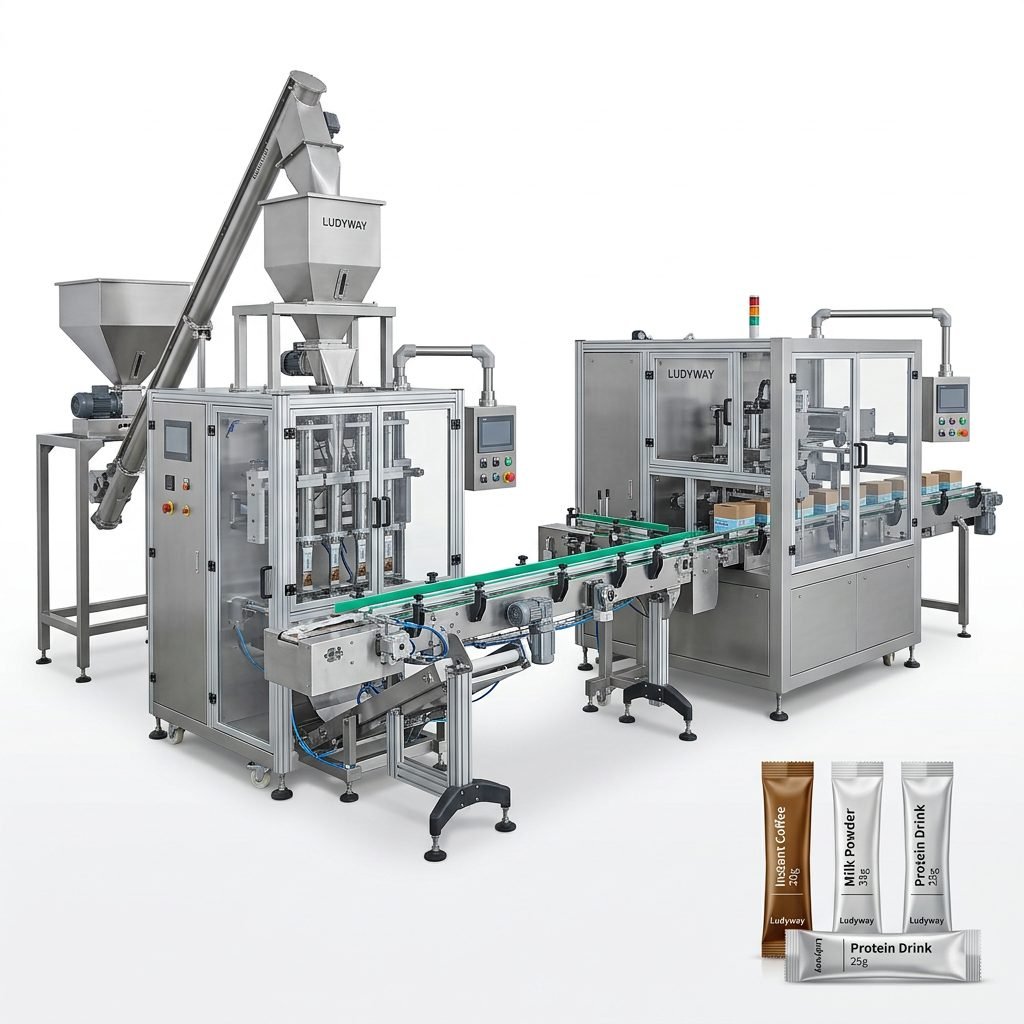
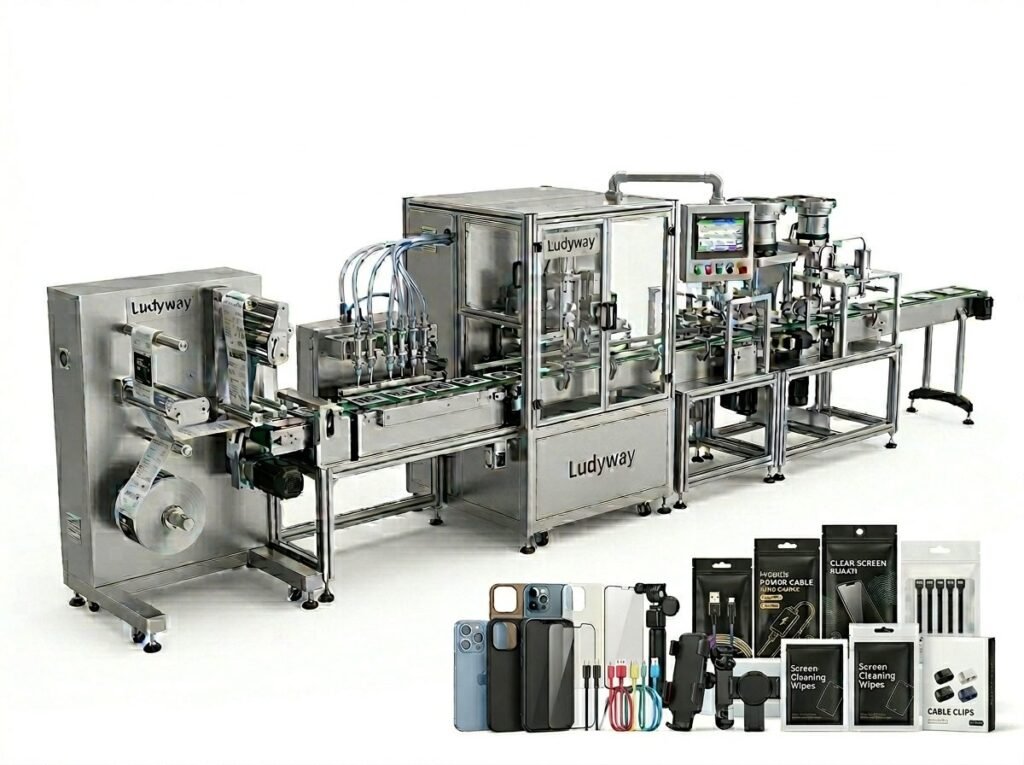
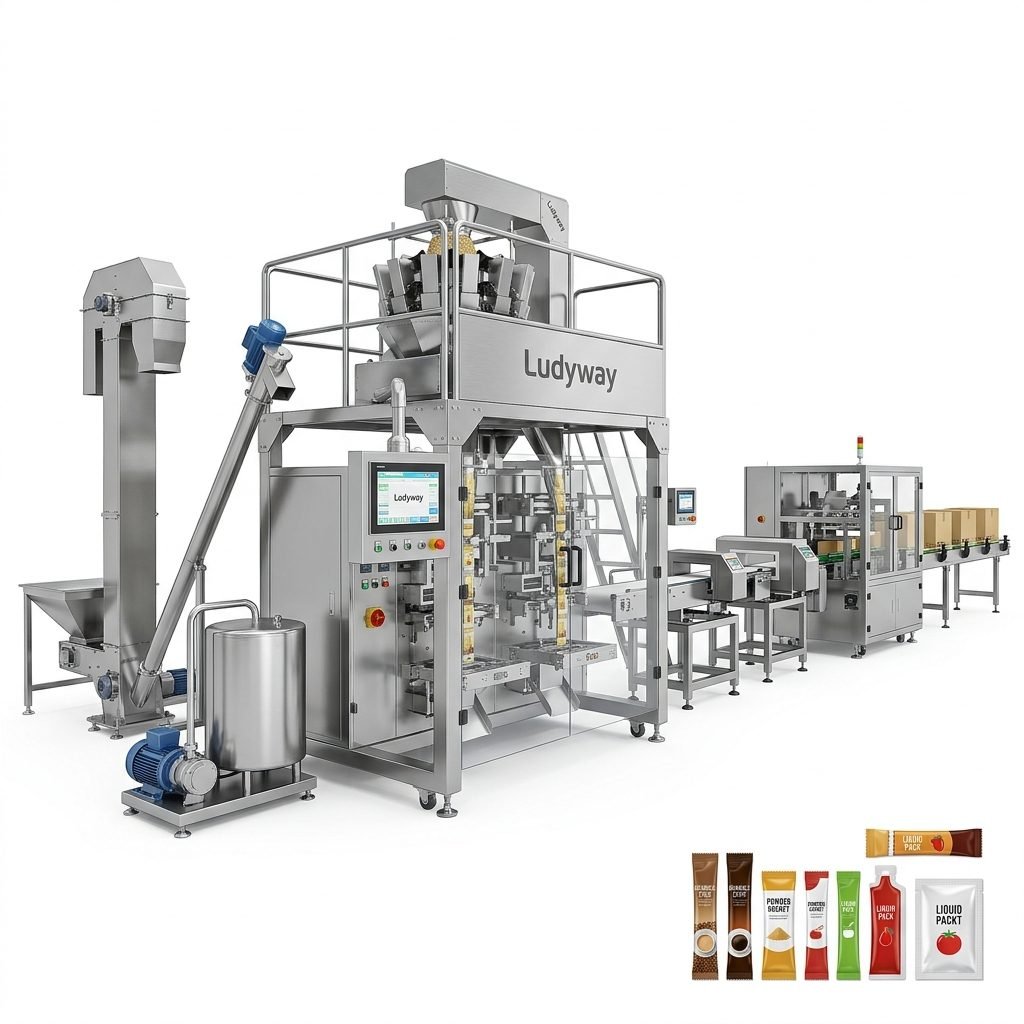
| Integrated turnkey packaging line | 30–60+ minutes | Includes coding, cartoning, inspection, and downstream coordination |
What Is Included in a Film Changeover?
Many people only count the time needed to remove an empty roll and load a new one. In reality, a proper changeover often includes all of the following:
- Stopping the machine safely
- Removing the remaining old film
- Mounting the new roll
- Threading the film through rollers and forming sections
- Aligning the film path and tension
- Adjusting photoeye or registration sensor
- Setting seal position and cut length
- Checking print position and batch code location
- Running test packs
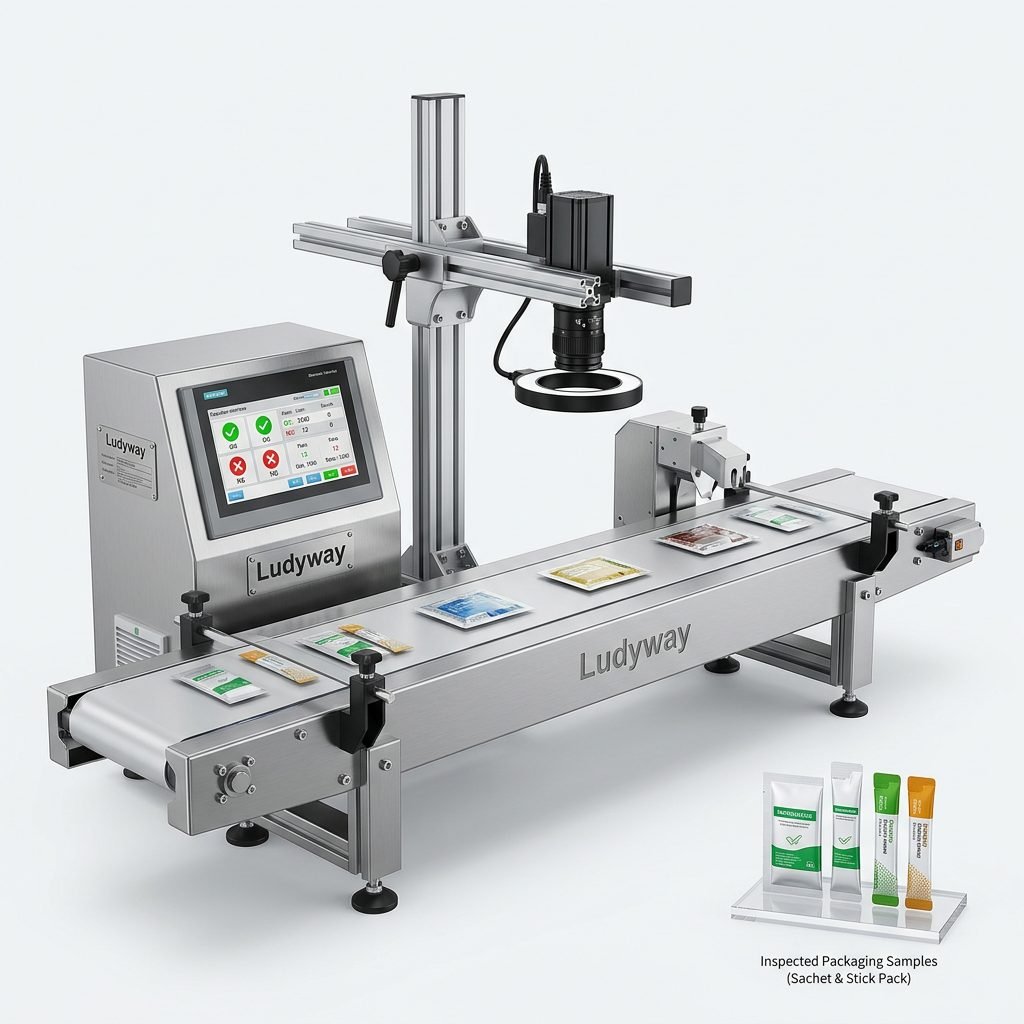
- Inspecting seal quality, appearance, and dimensions
- Approving restart for production
If the product changes at the same time, the total setup may also include hopper cleaning, filling calibration, coding updates, and QA confirmation. In those cases, the “film change” may look much longer than the film swap itself.
Key Factors That Affect How Long It Takes
1. Machine Design
Machines built for fast changeover usually have easier film threading paths, clear roller access, quick-lock assemblies, digital recipe storage, and automatic registration tracking. Older or less ergonomic machines often need more manual corrections.
2. Film Type and Structure
Thin films, laminated structures, slippery materials, or printed films with tight registration tolerances can all increase setup time. A plain unprinted film is usually faster to run than a highly printed multi-layer film requiring exact mark detection.
3. Package Format
Changing between sachet sizes, stick pack widths, pouch lengths, or seal patterns usually adds time. If the roll width and package dimensions are similar, the adjustment is typically quicker.
4. Number of Lanes
Multi-lane packaging equipment requires more precise web alignment. Even a small tracking issue can affect several lanes at once, so operators often need additional startup checks.
5. Operator Skill
A trained operator with a standard procedure can complete the same changeover much faster than a new operator relying on trial and error. In many factories, human factors are the biggest variable.
6. Product and Industry Requirements
Food, pharmaceutical, nutraceutical, and chemical packaging environments may require cleaning verification, line clearance, and documented approval before restarting. These compliance steps are necessary and should be counted in the total changeover window.
A Practical Breakdown of Changeover Time
| Step | Estimated Time | Why It Matters |
|---|---|---|
| Stop and remove old film | 2–5 min | Safe shutdown and material removal |
| Install and thread new roll | 3–10 min | Correct web path prevents tracking issues |
| Sensor and registration setup | 2–10 min | Critical for printed film accuracy |
| Seal and cut adjustment | 3–10 min | Ensures consistent pack quality |
| Trial run and inspection | 5–15 min | Confirms production-ready operation |
When a Film Change Takes Longer Than Expected
If your team regularly needs 30 minutes or more for a basic film replacement, the issue may not be the film itself. Common hidden causes include:
- Inconsistent film roll quality causing tracking drift or poor registration detection
- Worn rollers or sealing parts making startup unstable
- No standard operating procedure for sequence and checkpoints
- Missing stored parameters for recurring SKUs
- Manual coding adjustments after every roll change
- Operators waiting for QA approval without a defined workflow
- Too many simultaneous format changes across filling, sealing, and cartoning sections
How to Reduce Packaging Film Changeover Time
Standardize the Process
Create a visual checklist for each machine. Operators should always follow the same order: remove, load, thread, align, test, inspect, approve. Standard work reduces both time and errors.
Use Pre-Set Recipes
Saving settings for film length, seal temperature, sensor position, and speed can significantly reduce setup time for repeat products.
Train Operators for Fast and Correct Threading
Film threading is one of the most common bottlenecks. Clear diagrams, labels on rollers, and repeated practice can cut several minutes from every changeover.
Improve Film Roll Preparation
Store rolls correctly, label them clearly, and prepare the next roll before the current one finishes. Pre-staging prevents unnecessary downtime.
Monitor the True Changeover Time
Measure the full interval from last good pack of the previous run to first approved pack of the next run. This is the number that matters for production planning.
Choose Machines Designed for Faster Changeovers
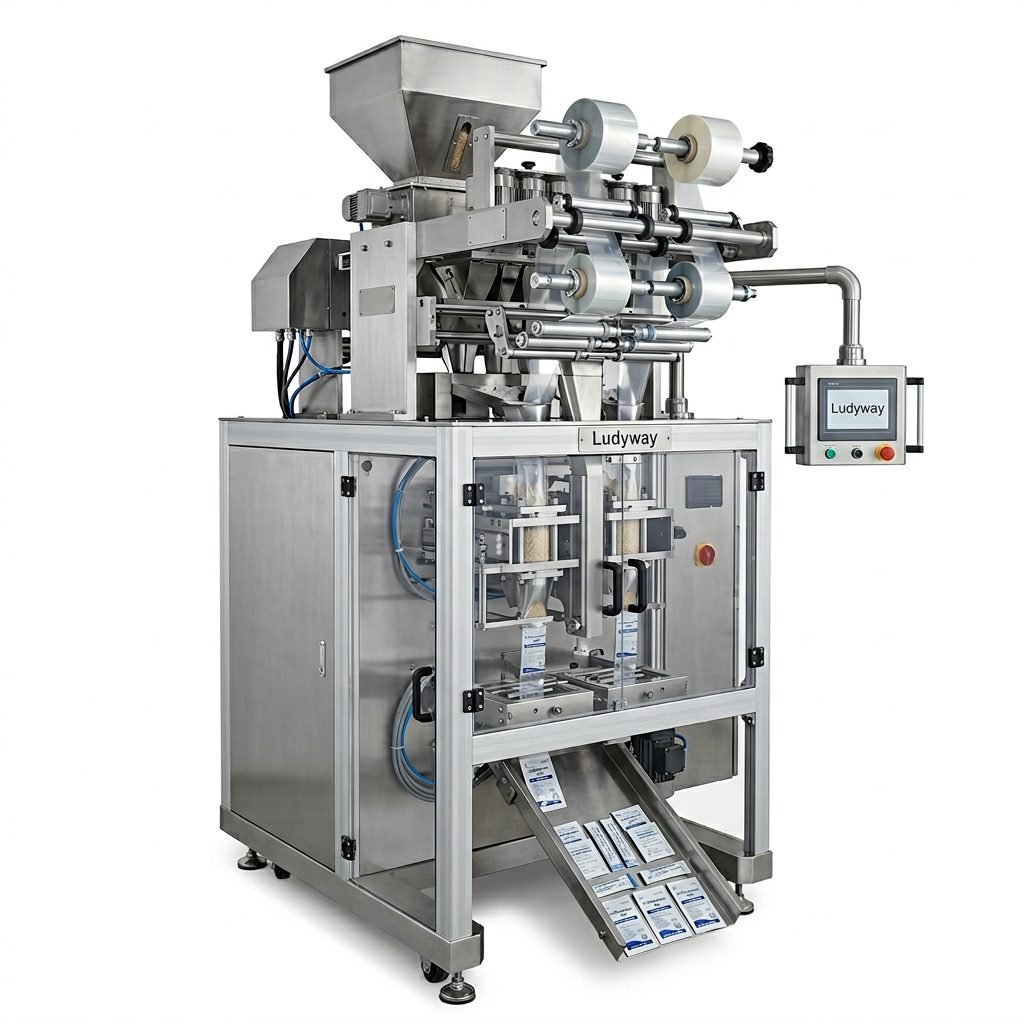
Modern systems with better accessibility, automatic film tracking, multi-lane stability, and integrated controls can dramatically reduce setup loss. Companies looking for scalable packaging automation often review suppliers such as Ludyway packaging machine manufacturer when evaluating equipment for faster film handling and turnkey line efficiency.
Best Practices for Different Industries
Food Packaging
Prioritize sanitation, allergen control, and quick verification of seal integrity. Film changes may be fast, but cleaning and line clearance often extend the total setup.
Pharmaceutical and Health Supplement Packaging
Expect additional checks for lot coding, validation, and documentation. In these industries, compliance is just as important as speed.
Chemical and Daily-Use Product Packaging
Watch for compatibility between film and product type, especially with corrosive liquids, powders, or volatile formulations. A stable startup reduces leakage and waste.
How Film Changeover Affects OEE and Production Cost
Even a small reduction in setup time can produce a major annual gain. For example:
- If a line changes film 4 times per day
- And each changeover is reduced by 10 minutes
- That saves 40 minutes per day
- Over 250 production days, that becomes 166+ hours per year
That recovered time can be used for more output, fewer overtime hours, and lower unit packaging cost. For short-run manufacturing and frequent SKU changes, fast film replacement becomes even more valuable.
Common Questions About Packaging Film Change Time
Is 5 minutes realistic?
Yes, but usually only on simpler machines, with experienced operators, prepared materials, and minimal adjustment requirements.
Why does printed film take longer?
Printed film often needs registration mark detection and more precise cut positioning, which adds calibration time.
Should startup waste be included?
Yes. The real production impact includes setup time and the waste generated until stable, approved packs are produced.
Can automation reduce film change time?
Yes. Better HMI controls, stored recipes, auto tracking, and easier film paths all help reduce manual adjustments and startup losses.
Final Answer
In most packaging environments, changing packaging film takes about 5 to 45 minutes, depending on machine complexity and operational standards. A basic film swap may be quick, but a complete production-ready changeover includes alignment, testing, and approval. If your line frequently runs multiple SKUs, improving film changeover speed can deliver a measurable increase in efficiency, output, and packaging consistency.