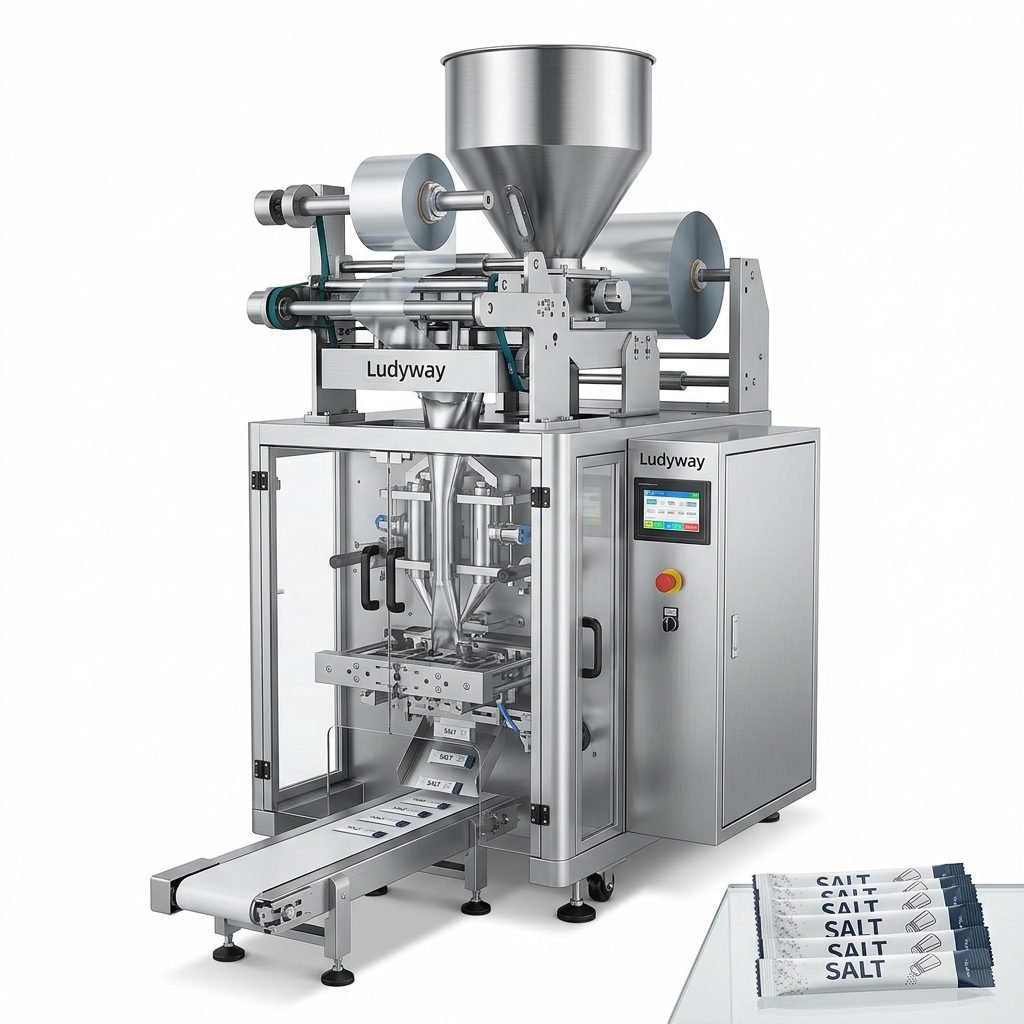
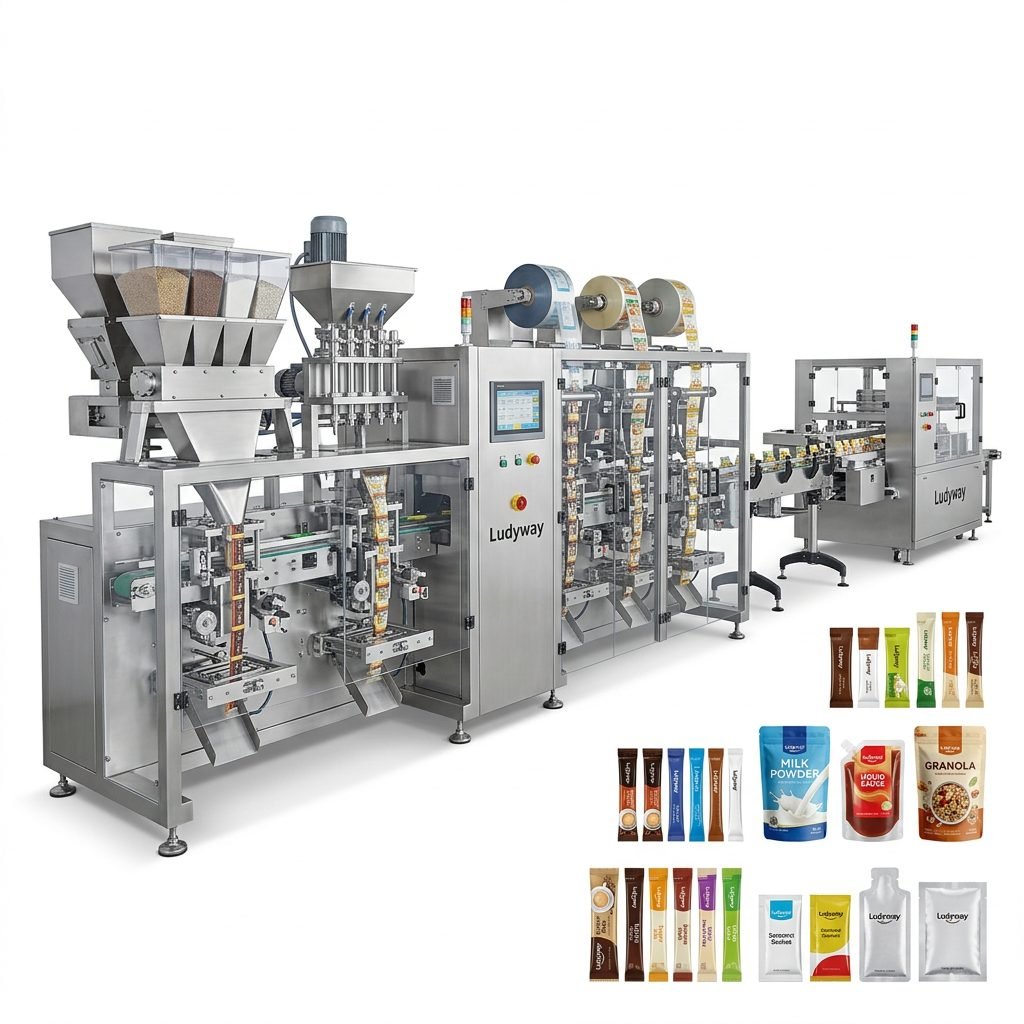
When planning a coffee packaging project, one of the first questions buyers ask is simple: how much does a coffee packaging machine cost? The short answer is that pricing varies widely based on machine type, automation level, output speed, packaging format, and customization requirements.
For most buyers, the investment can range from a few thousand dollars for entry-level semi-automatic machines to well over $100,000 for high-speed automatic coffee packaging lines. If you are packaging instant coffee powder, ground coffee, coffee beans, drip coffee, liquid coffee, or stick packs, your final quotation may differ significantly.
This guide explains realistic price ranges, the factors that affect cost, and how to choose the right solution for your production goals.
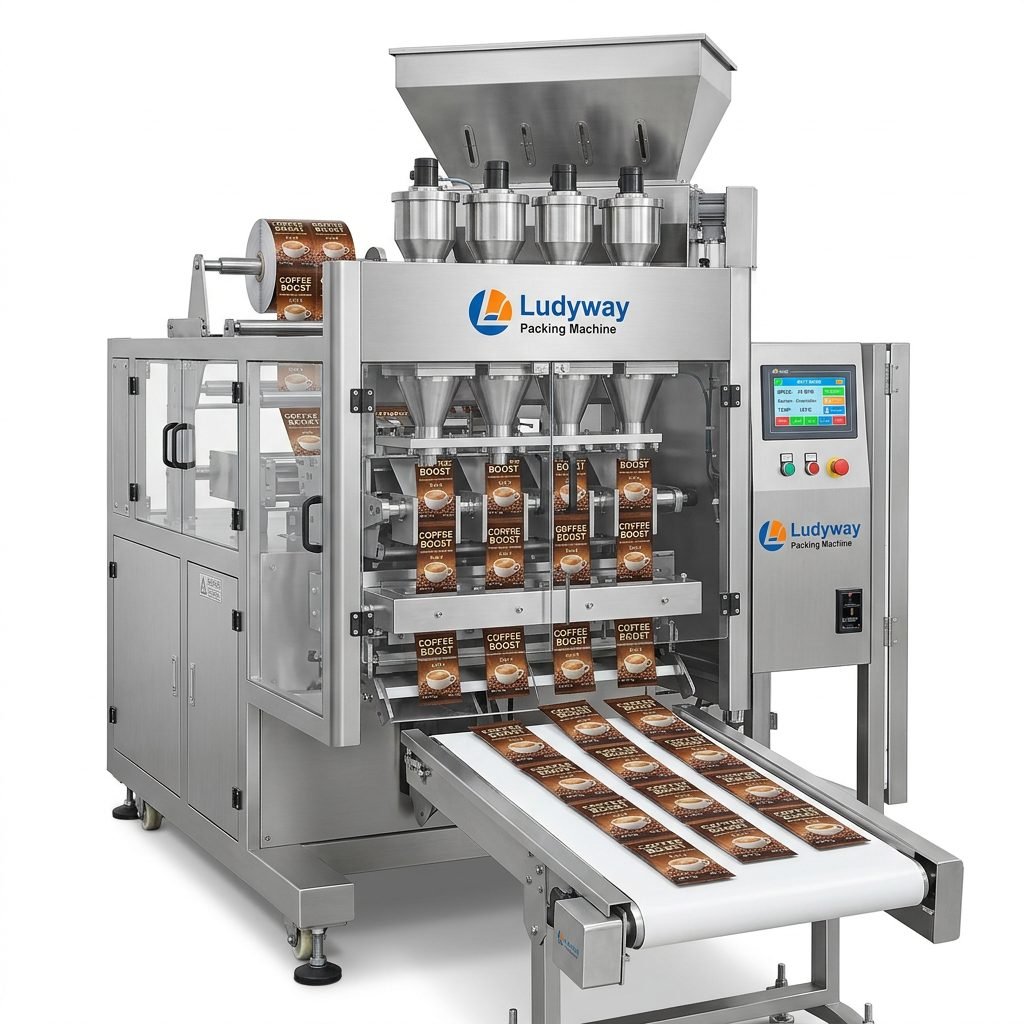
Typical Coffee Packaging Machine Price Range
Coffee packaging equipment is not a one-price-fits-all product. A small workshop packing coffee powder into sachets will need a very different machine from a factory filling coffee beans into stand-up pouches with nitrogen flushing.
| Machine Type | Typical Price Range | Best For |
|---|---|---|
| Semi-automatic filling machine | $3,000–$10,000 | Startups, small-batch coffee packaging |
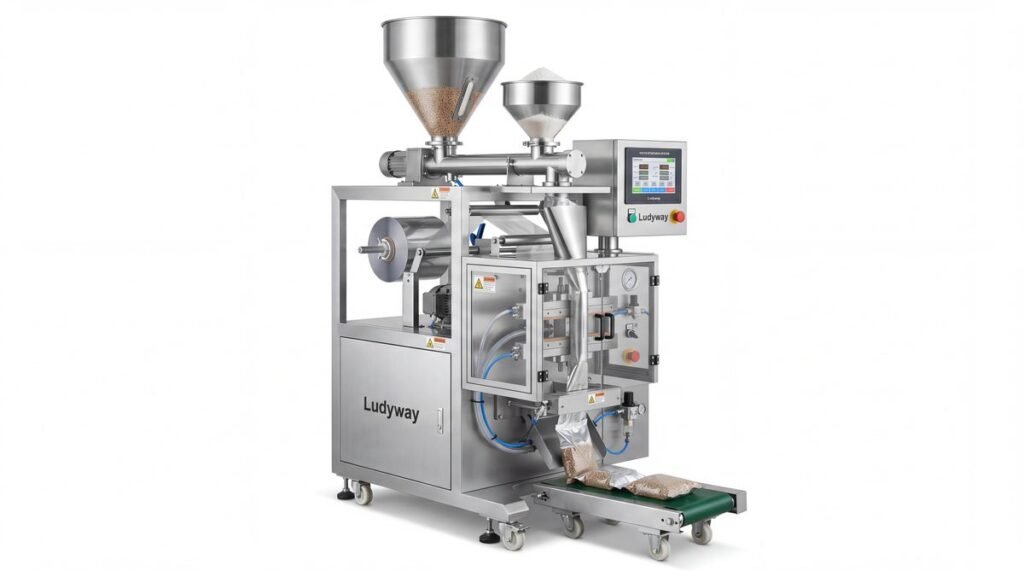
| Vertical form fill seal machine for coffee powder | $8,000–$35,000 | Powder sachets, pillow bags, small pouches |
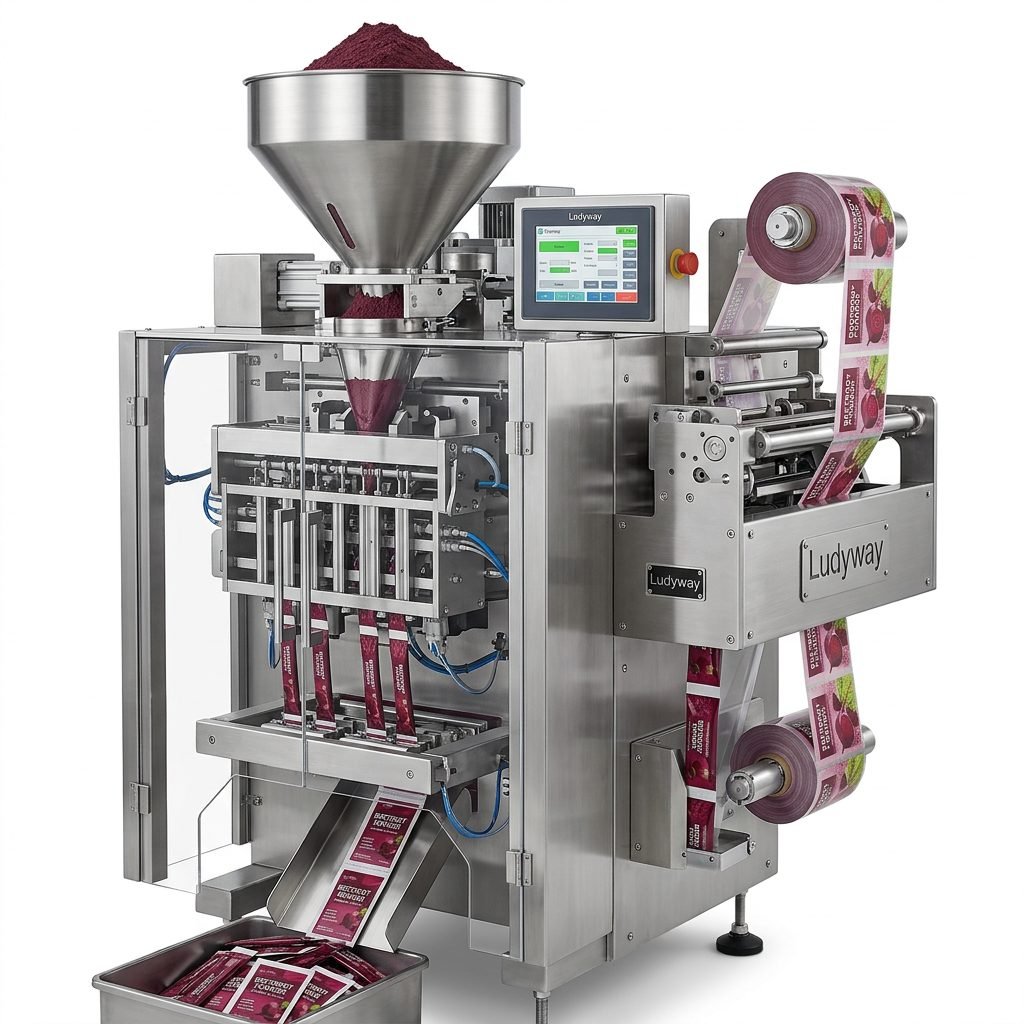
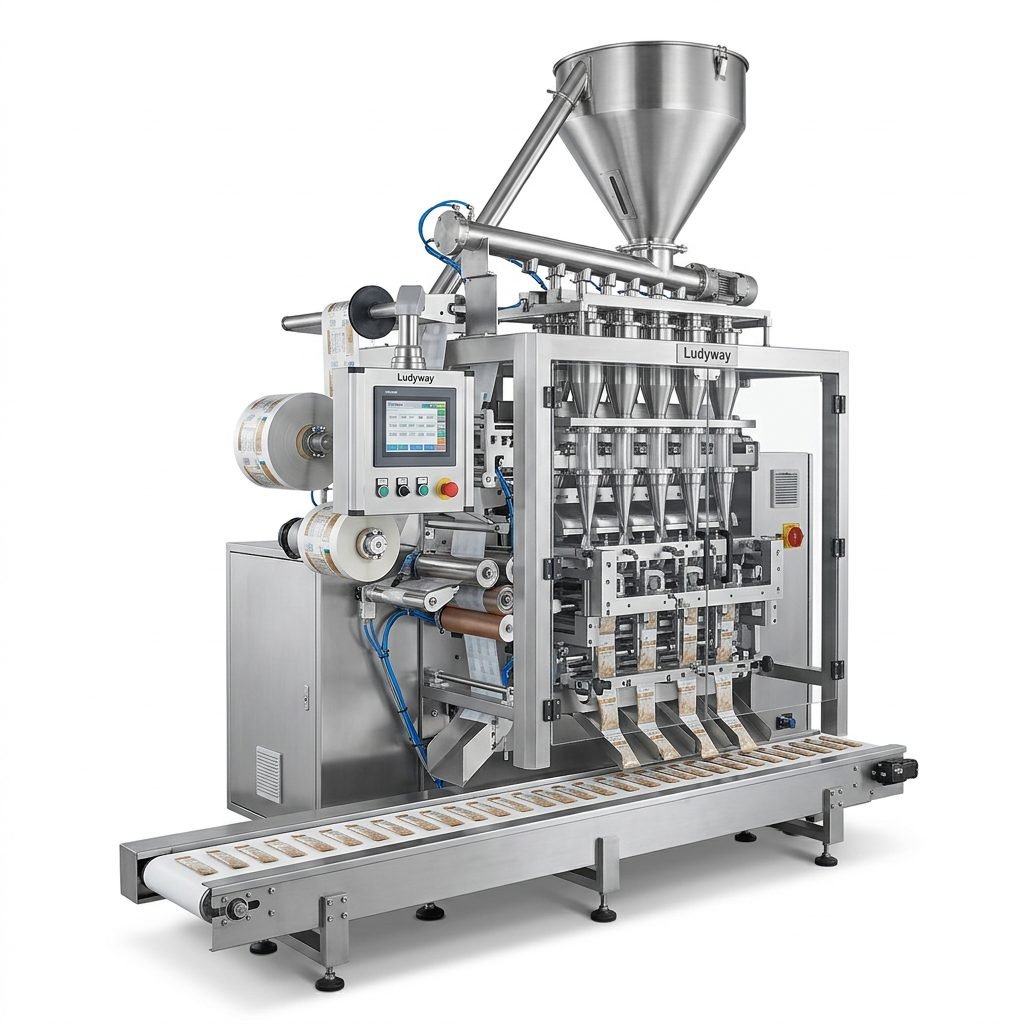
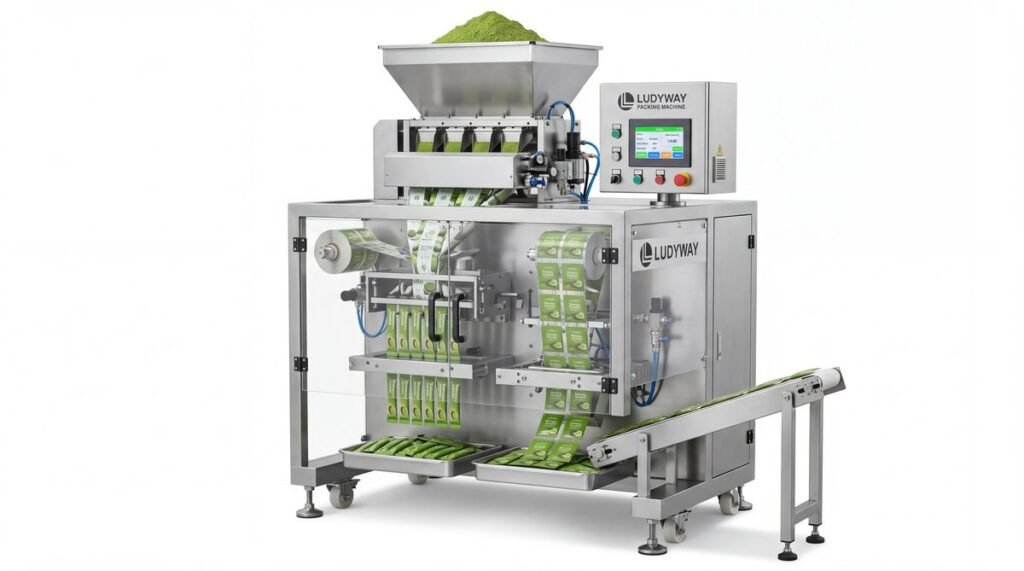
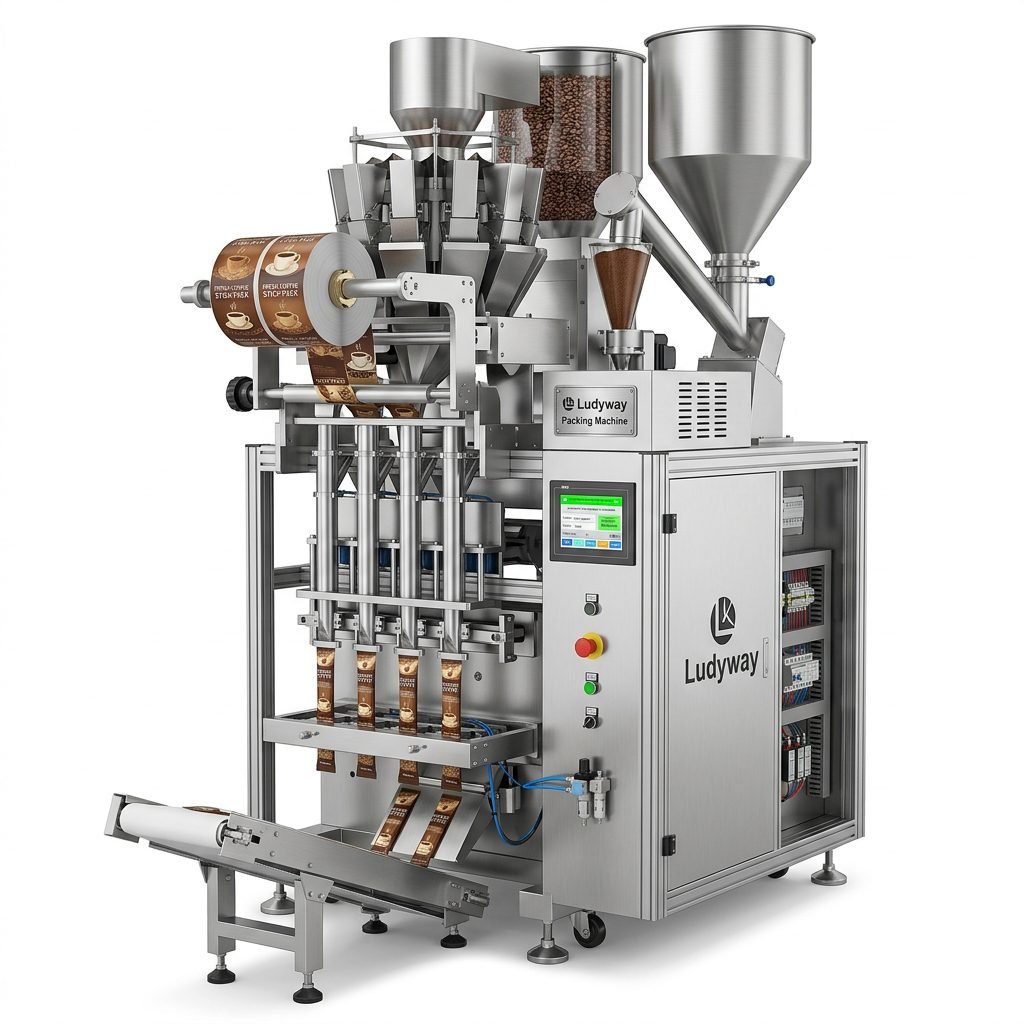
| Coffee stick pack machine | $18,000–$80,000 | Instant coffee single-serve sticks |
| Premade pouch coffee packing machine | $20,000–$60,000 | Coffee beans, ground coffee, zipper pouches |
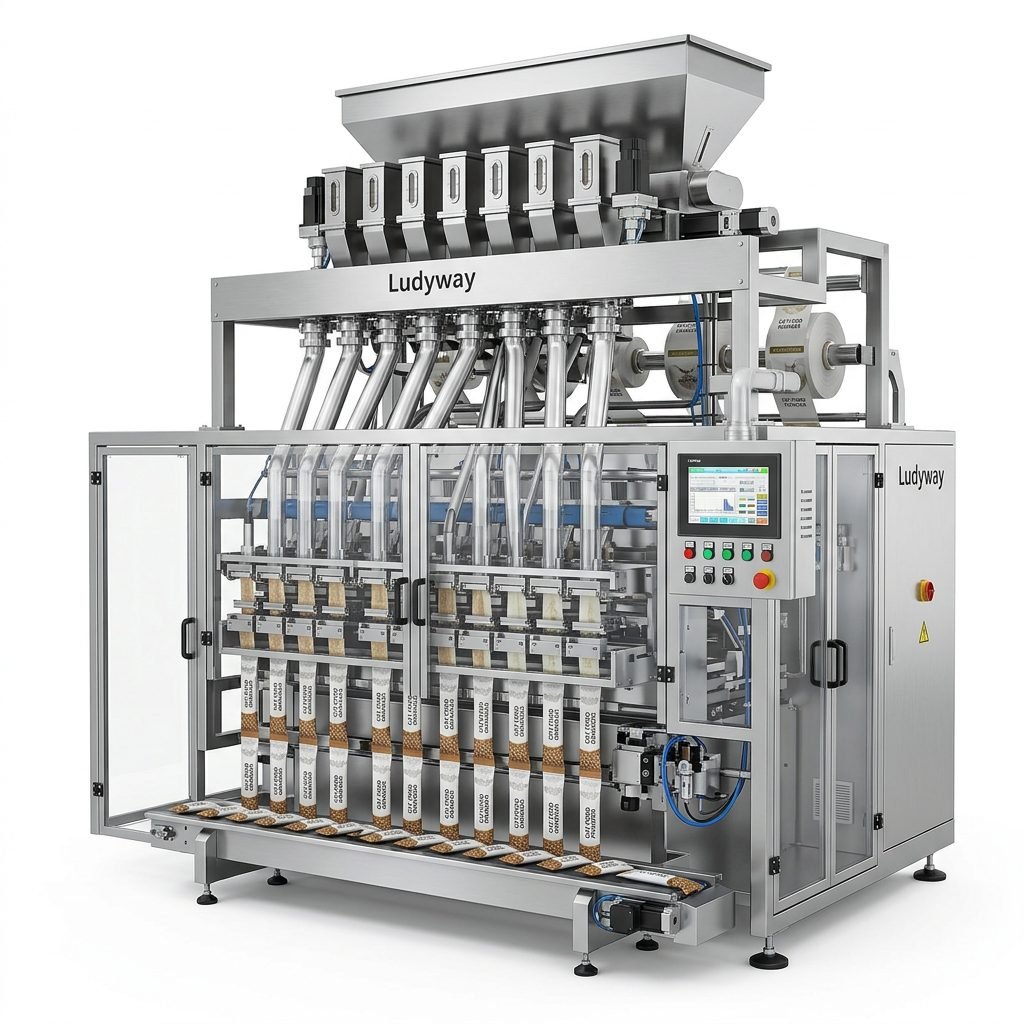
| Multi-lane sachet packaging machine | $35,000–$120,000+ | High-speed instant coffee sachet production |
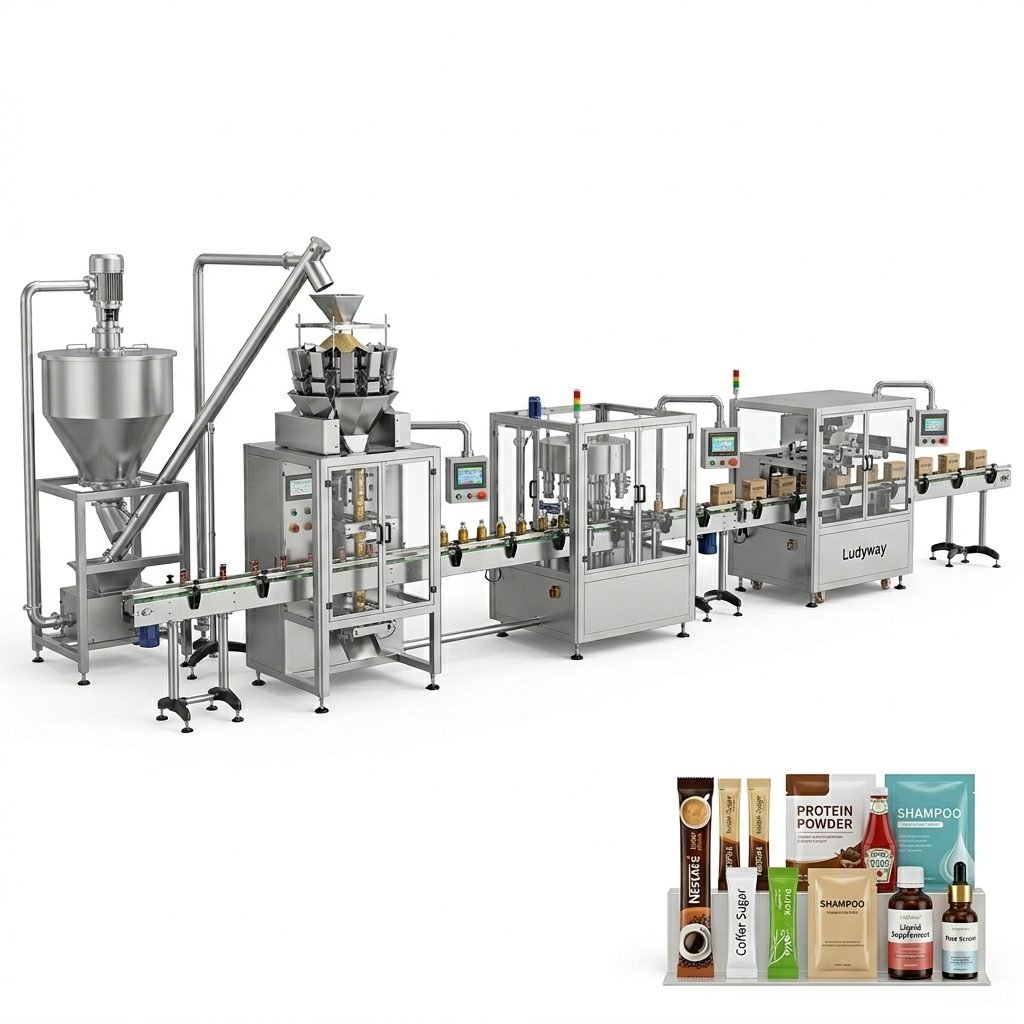
| Complete automated coffee packaging line | $80,000–$300,000+ | Large factories needing full automation |
Important: these are broad market estimates. Final prices depend on the exact model, bag type, filling system, output requirements, and whether you need extra modules such as coding, cartoning, checkweighing, conveyors, metal detection, or palletizing.
What Type of Coffee Product Are You Packaging?
The product itself is one of the biggest pricing factors. Different coffee formats require different dosing technologies and bagging systems.
- Instant coffee powder: usually packed with auger fillers, stick pack machines, or sachet machines.
- Ground coffee: often requires accurate powder filling, dust control, and sometimes degassing support.
- Coffee beans: commonly packed using weighing systems and premade pouch or VFFS machines.
- Drip coffee bags: may need specialized inner and outer bag packaging systems.
- Liquid coffee: needs liquid filling and sealing equipment for sachets, pouches, or bottles.
If your coffee is fragile, dusty, oily, or sensitive to oxygen, machine configuration and packaging material compatibility become more advanced, which usually increases cost.
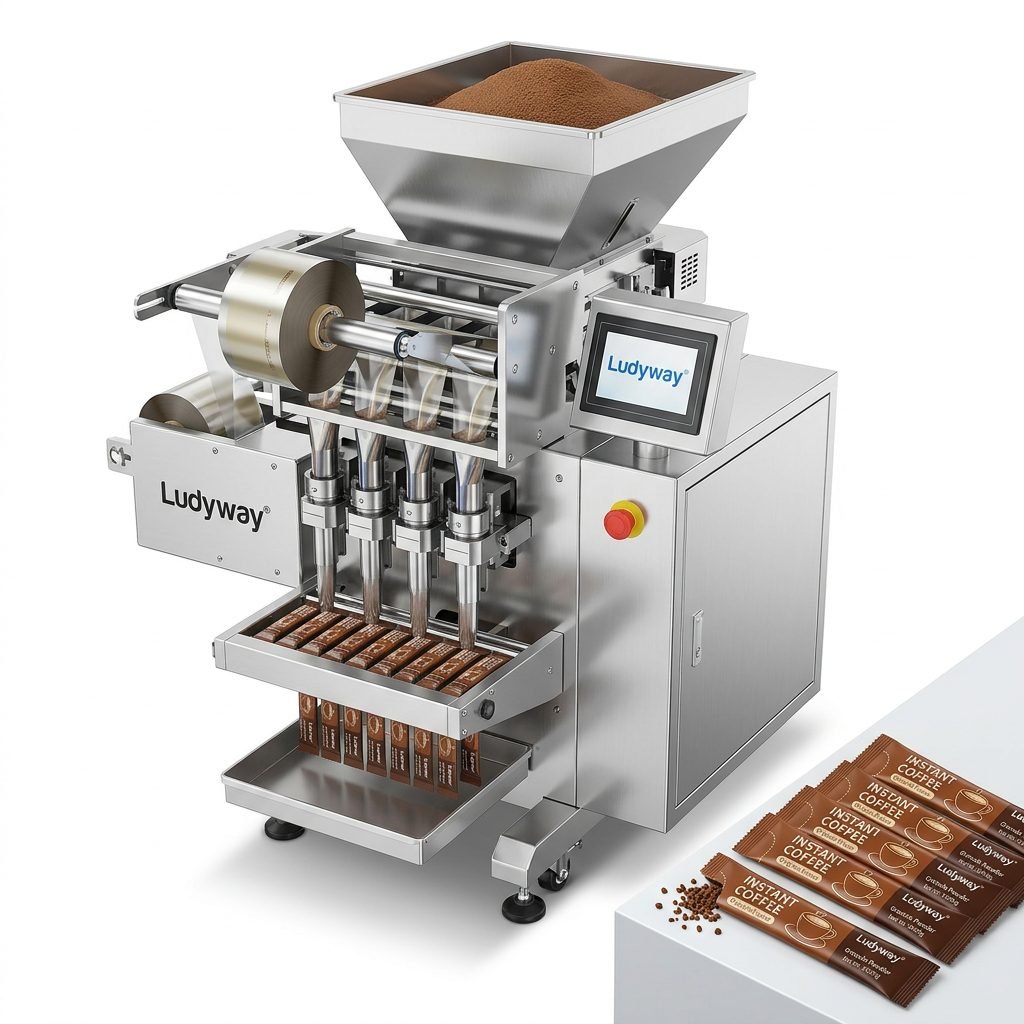
Main Factors That Affect Coffee Packaging Machine Cost
1. Packaging Format
The more complex the package, the higher the machine cost tends to be.
- Pillow bags are usually more economical.
- Back-seal sachets and stick packs need more precise forming and sealing systems.
- Zipper pouches and stand-up pouches cost more because they require more advanced pouch handling.
- Premium coffee bean packaging often includes one-way degassing valves and nitrogen flushing, which add to total investment.
2. Production Speed
Higher output means a larger and more sophisticated machine. A basic unit may pack a modest number of bags per minute, while a high-speed multi-lane system can dramatically increase throughput. Faster machines usually require:
- Better servo control
- Higher precision filling systems
- More stable sealing performance
- Stronger frame and electrical configuration
3. Automation Level
Automation has a major impact on budget.
| Automation Level | Cost Impact | Labor Impact |
|---|---|---|
| Semi-automatic | Lower initial cost | Higher operator involvement |
| Automatic standalone | Mid-range | Reduced labor need |
| Fully integrated line | Highest cost | Maximum efficiency and consistency |
4. Filling Accuracy
Coffee packaging must be consistent to avoid giveaway, customer complaints, and material waste. Higher-accuracy systems cost more, especially for premium coffee products sold in retail channels.
5. Material and Component Brand
Machine price is also influenced by the choice of PLC, touchscreen, servo motor, sensors, pneumatics, and stainless steel grade. International electrical components usually raise the quotation, but many buyers prefer them for long-term reliability and easier maintenance.
6. Customization
If your coffee packaging process needs custom bag sizes, unusual materials, nitrogen flushing, valve applicators, date coding, inspection devices, or integration with downstream equipment, the machine price will increase accordingly.
Average Cost by Coffee Packaging Application
To make budgeting easier, here are some common coffee packaging scenarios.
| Application | Estimated Cost | Notes |
|---|---|---|
| Instant coffee sachet packaging | $12,000–$60,000 | Depends on single-lane or multi-lane design |
| Coffee stick pack packaging | $20,000–$80,000 | Ideal for single-serve retail packs |
| Ground coffee pouch packaging | $18,000–$65,000 | May include nitrogen flushing |
| Coffee bean bagging machine | $15,000–$70,000 | Depends on weighing system and bag style |
| Liquid coffee sachet machine | $20,000–$75,000 | Requires liquid filling technology |
| Turnkey coffee packaging line | $100,000–$300,000+ | Includes feeding, filling, sealing, inspection, and end-of-line automation |
Hidden Costs Buyers Should Not Ignore
Many buyers focus only on the machine quotation, but the real project budget includes more than the base machine.
- Shipping and insurance
- Import duties and local taxes
- Installation and commissioning
- Operator training
- Spare parts package
- Packaging film and material testing
- Factory air supply and power adaptation
- Routine maintenance costs
A machine with a lower purchase price is not always the cheaper option over time. Downtime, inconsistent sealing, inaccurate filling, and slow changeovers can become much more expensive than the initial savings.
Should You Buy a Standalone Machine or a Complete Line?
This depends on your scale and business model.
Choose a standalone coffee packaging machine if:
- You are a startup or testing a new coffee product
- Your output demand is still moderate
- You have operators available for manual feeding or collection
- Your budget is limited in the early stage
Choose a complete coffee packaging line if:
- You supply supermarkets, distributors, or export markets
- You need stable high-volume production
- You want to reduce labor dependency
- You require integrated coding, inspection, cartoning, and palletizing
For growing coffee brands, it is often smarter to buy equipment that can be upgraded later rather than choosing the cheapest entry-level solution available.
How to Choose the Right Coffee Packaging Machine
Before asking for a quotation, prepare these details:
- What coffee product are you packing: powder, granule, bean, or liquid?
- What bag type do you need: sachet, stick pack, pillow bag, premade pouch, or jar?
- What filling weight range is required?
- What output do you need per minute or per hour?
- Do you need nitrogen flushing or valve application?
- What packaging material will be used?
- Do you need printing, checkweighing, metal detection, or cartoning?
- What is your voltage and factory layout?
The clearer your technical requirements are, the more accurate your quotation will be.
Is It Better to Buy from China?
For many global buyers, sourcing from China can offer a strong balance of cost, manufacturing capability, and customization. The key is choosing a supplier with proven export experience, engineering support, and a broad machine portfolio.
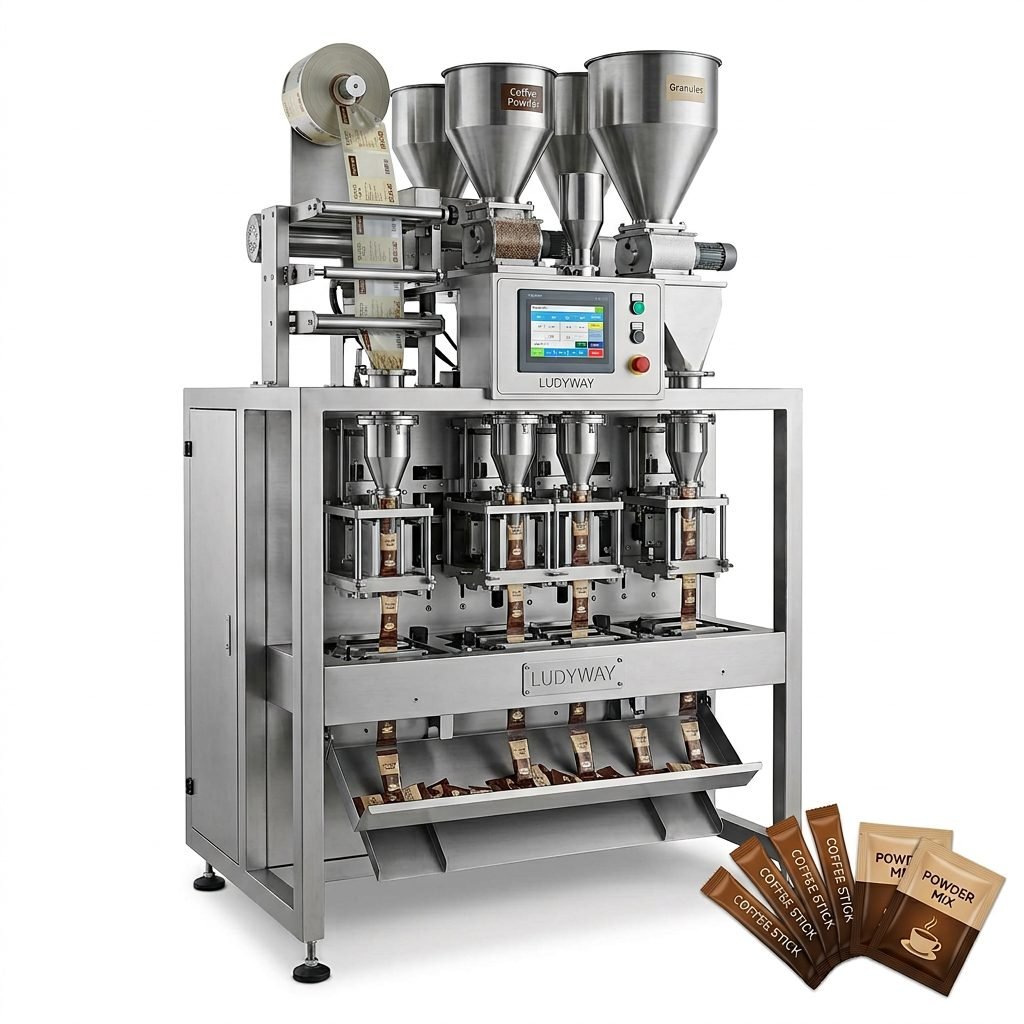
One example is Ludyway coffee packaging machine solutions, backed by more than 30 years of packaging machinery experience, a factory of over 20,000 square meters, and service coverage across more than 100 countries and regions. For buyers looking for standalone equipment or turnkey packaging lines, working with an experienced manufacturer can reduce technical risk and improve long-term ROI.
Buying Tips to Get the Best Value
- Don’t compare by price alone. Compare speed, accuracy, materials, and service scope.
- Ask for real machine videos. Ideally, request videos of similar coffee products and bag types.
- Confirm spare parts and after-sales support. Fast support matters when production is running.
- Check customization ability. Coffee packaging often requires flexible bag formats.
- Think about future expansion. A scalable machine may save money later.
Final Price Expectation for Most Buyers
As a practical reference:
- Small coffee startups often budget around $5,000–$20,000
- Growing brands usually invest $20,000–$80,000
- Industrial coffee producers may spend $100,000 or much more on full packaging lines
The best coffee packaging machine is not simply the cheapest one. It is the one that matches your product, speed target, packaging format, and long-term business plan. If you define your needs clearly, it becomes much easier to evaluate quotations and make a profitable investment.
FAQ
How much does an instant coffee packaging machine cost?
Most instant coffee packaging machines cost between $12,000 and $60,000, depending on speed, lane count, and pouch format.
Why are coffee stick pack machines more expensive?
They require more precise film handling, sealing, and dosing control, especially in multi-lane high-speed production.
Can one machine pack both coffee powder and coffee beans?
Usually not efficiently. Powder and beans typically need different filling systems, so a dedicated configuration is recommended for better performance.
What is the biggest cost driver in coffee packaging equipment?
The biggest cost drivers are usually automation level, speed, package type, and required customization.