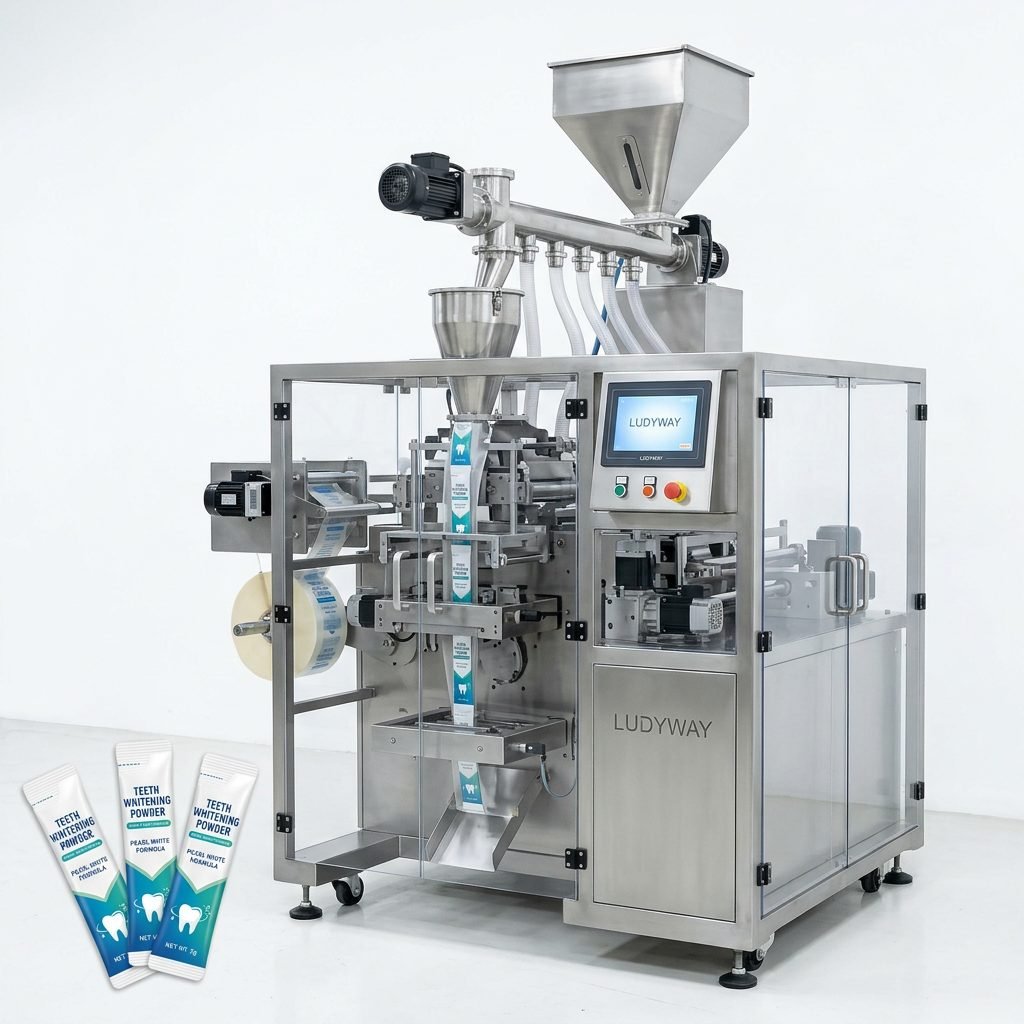
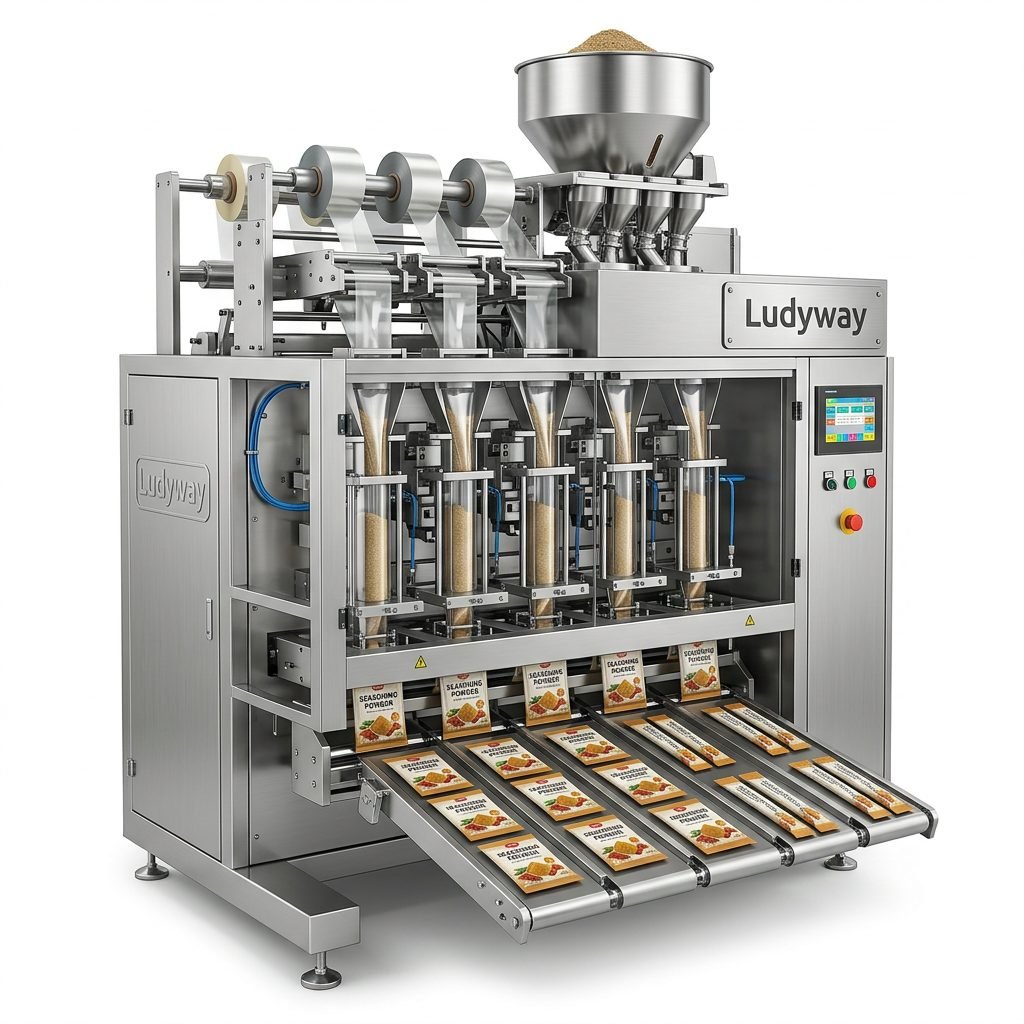
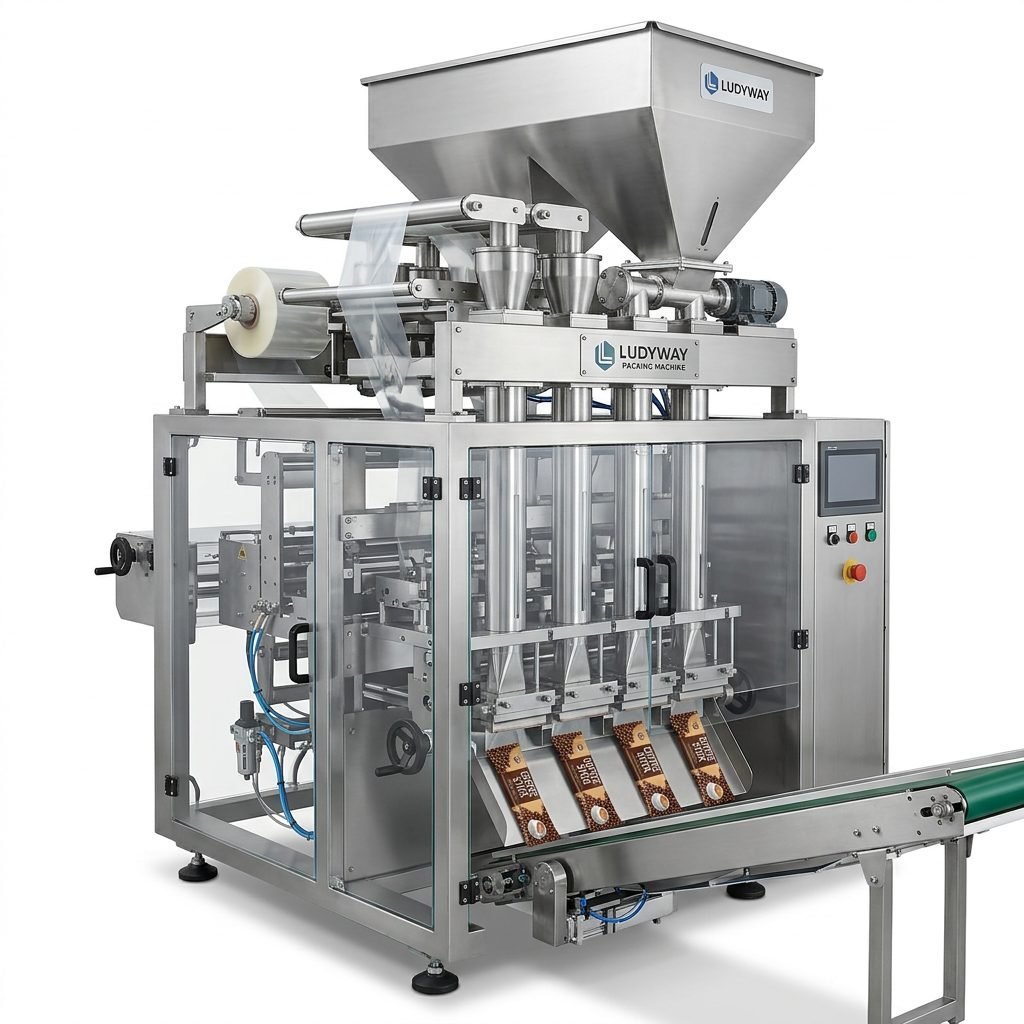
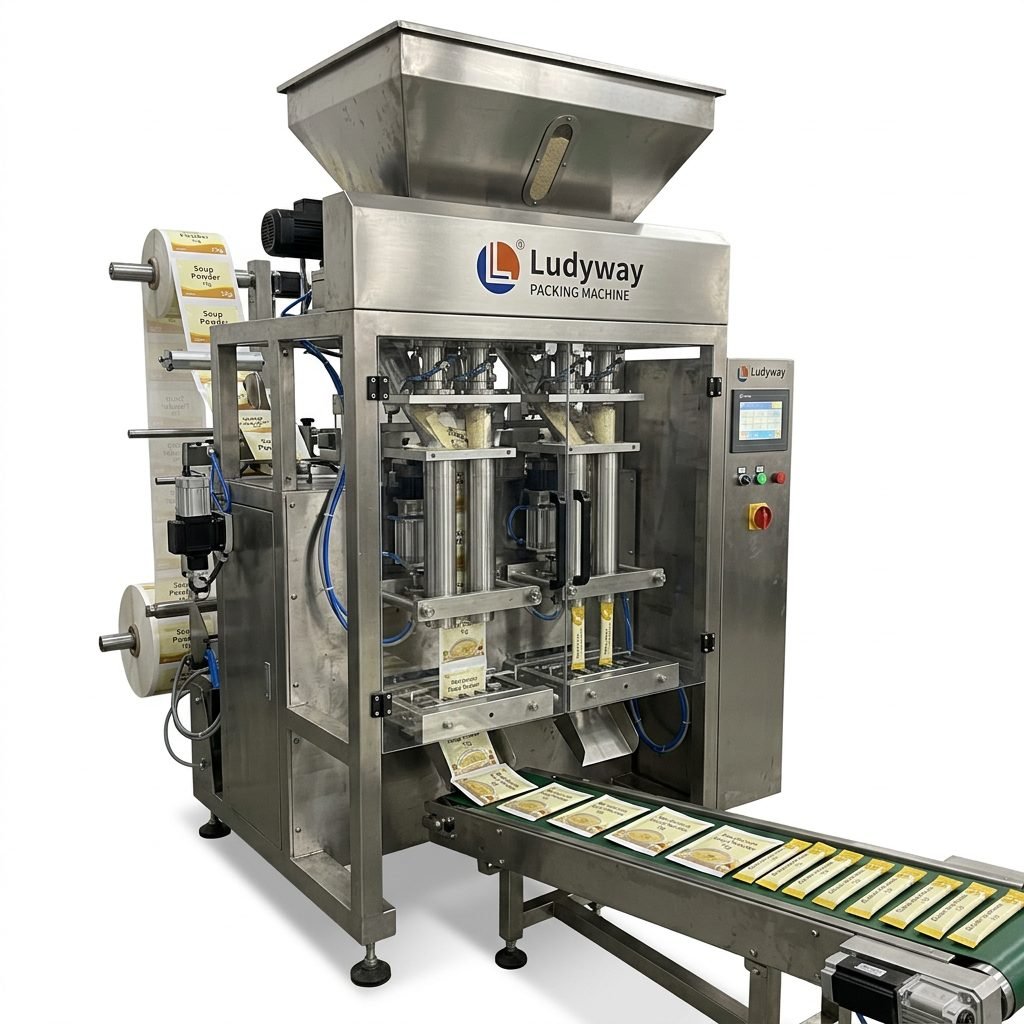
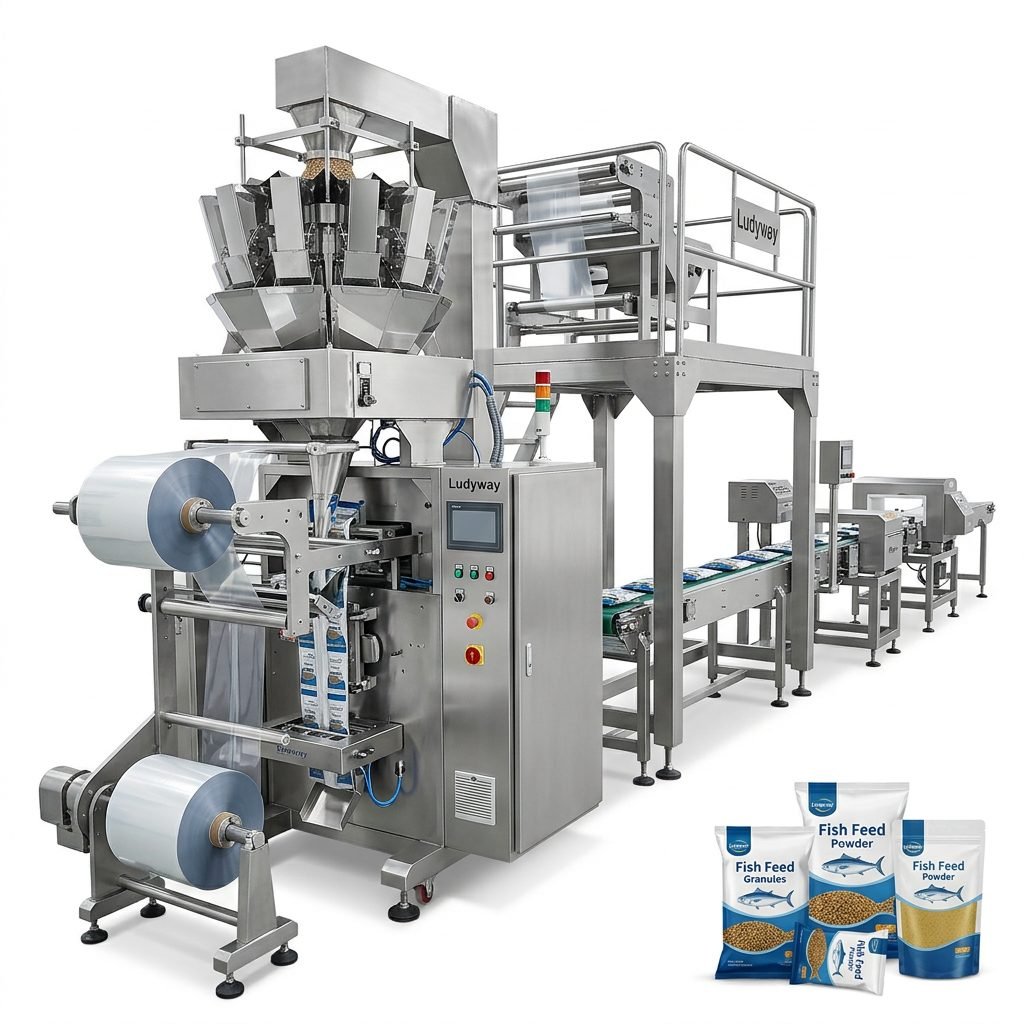
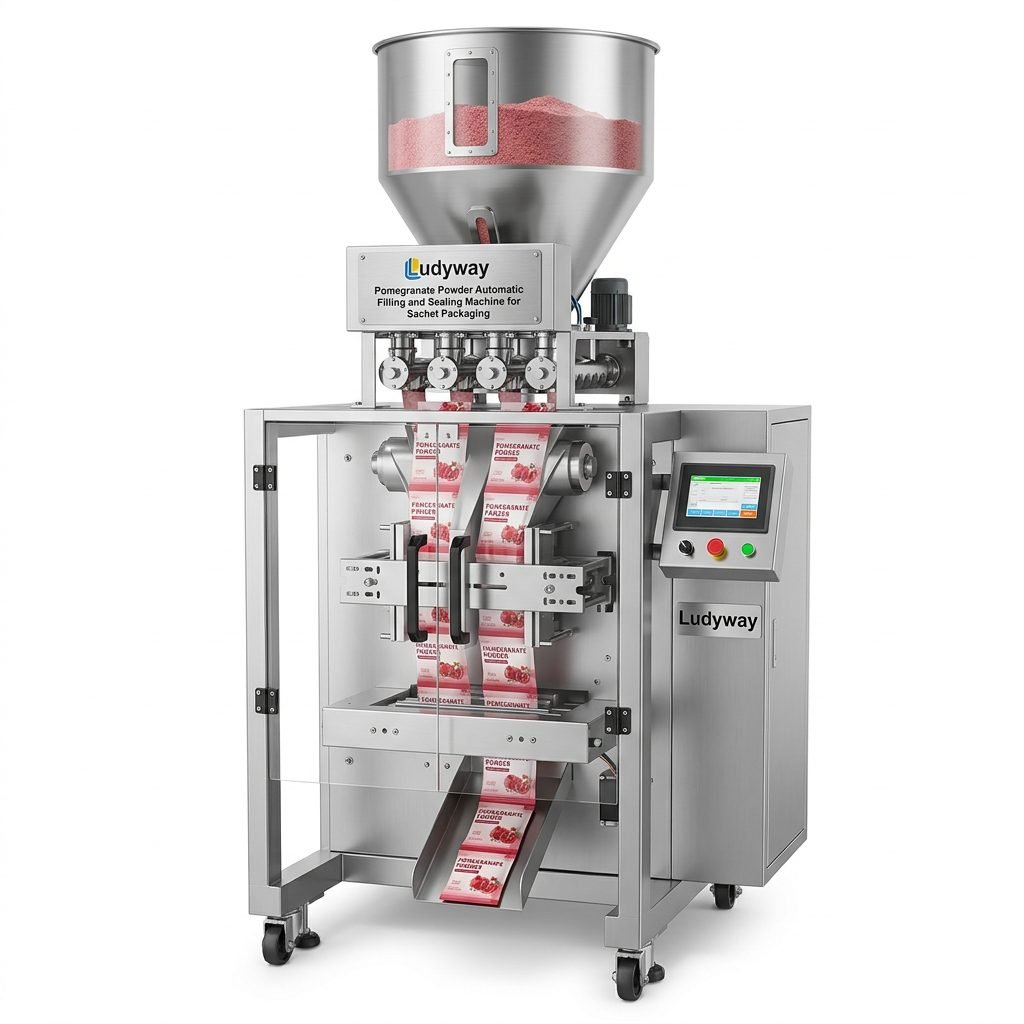
Buying a pouch packaging machine is rarely about one fixed price. The final cost depends on machine type, speed, pouch style, product characteristics, automation level, and after-sales requirements. For most buyers, the smarter question is not only “How much does a pouch packaging machine cost?” but also “Which configuration delivers the best long-term return?”
In this guide, you’ll find realistic price ranges, key cost drivers, hidden expenses, and practical buying advice to help you compare suppliers with confidence.
Typical Price Range of a Pouch Packaging Machine
Pouch packaging machines can range from around $8,000 to over $200,000, depending on whether you need a basic standalone system or a fully automatic turnkey packaging line.
| Machine Type | Estimated Price Range | Best For |
|---|---|---|
| Semi-automatic pouch filling machine | $8,000 – $20,000 | Startups, pilot production, low output |
| Entry-level automatic pouch packing machine | $20,000 – $45,000 | Small to medium production |
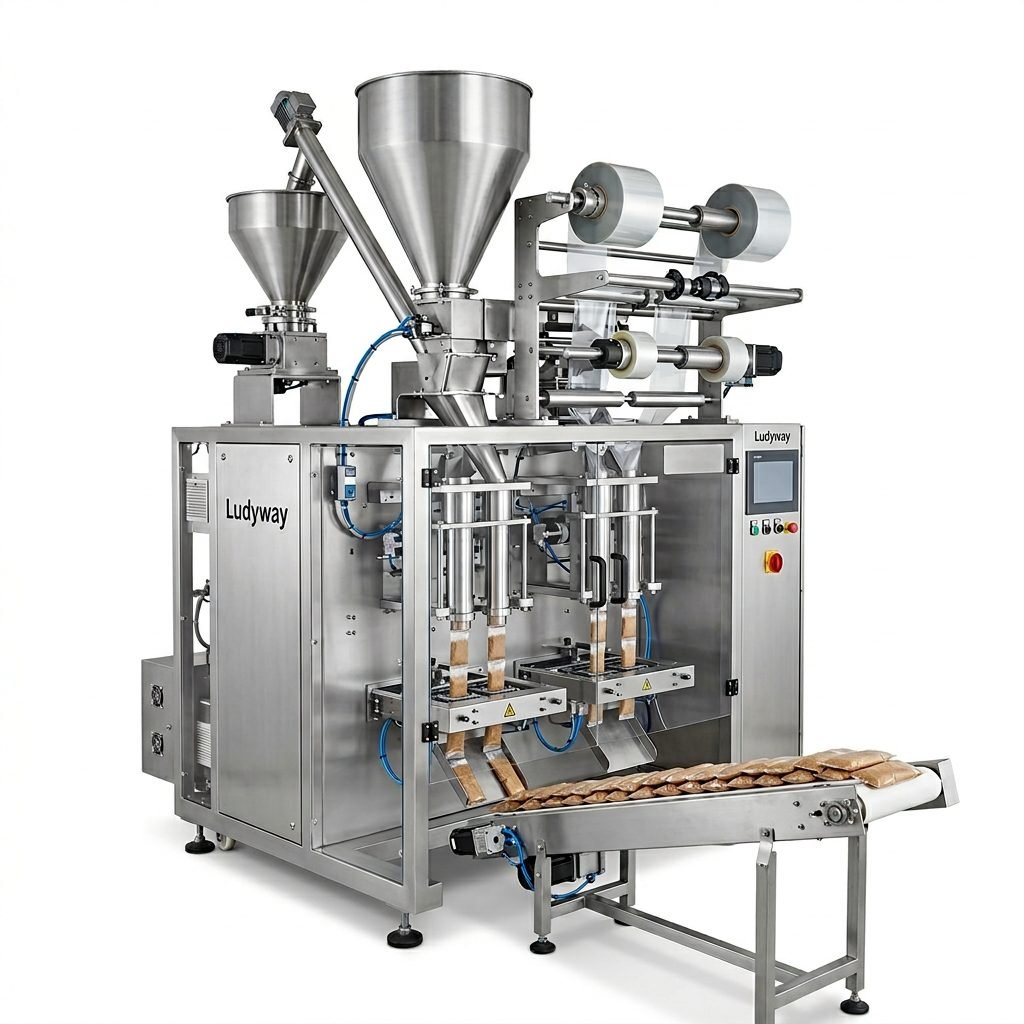
| Premade pouch packaging machine | $30,000 – $80,000 | Stand-up pouches, zipper bags, retail packaging |
| Form-fill-seal pouch machine | $25,000 – $90,000 | High-volume flexible packaging production |
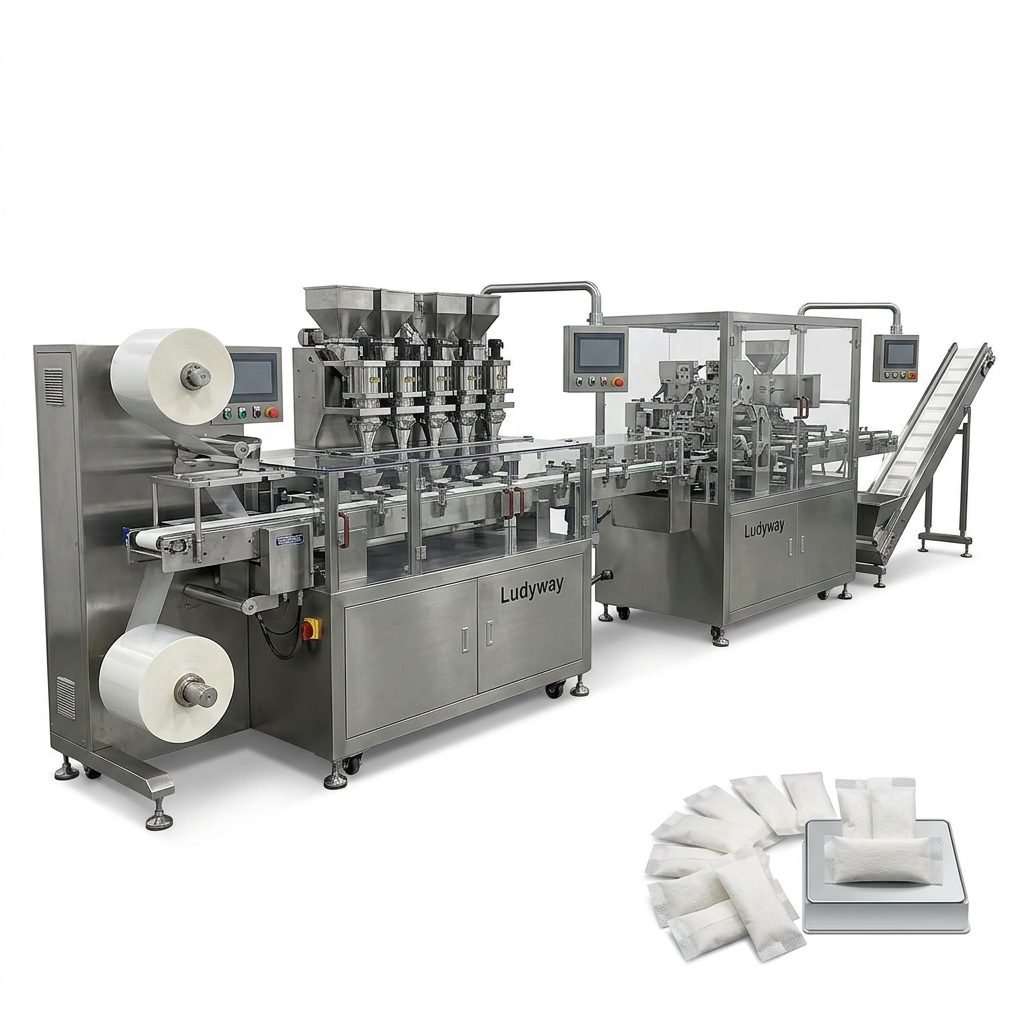
| High-speed multi-lane pouch machine | $60,000 – $150,000+ | Powders, granules, pharma, supplements |
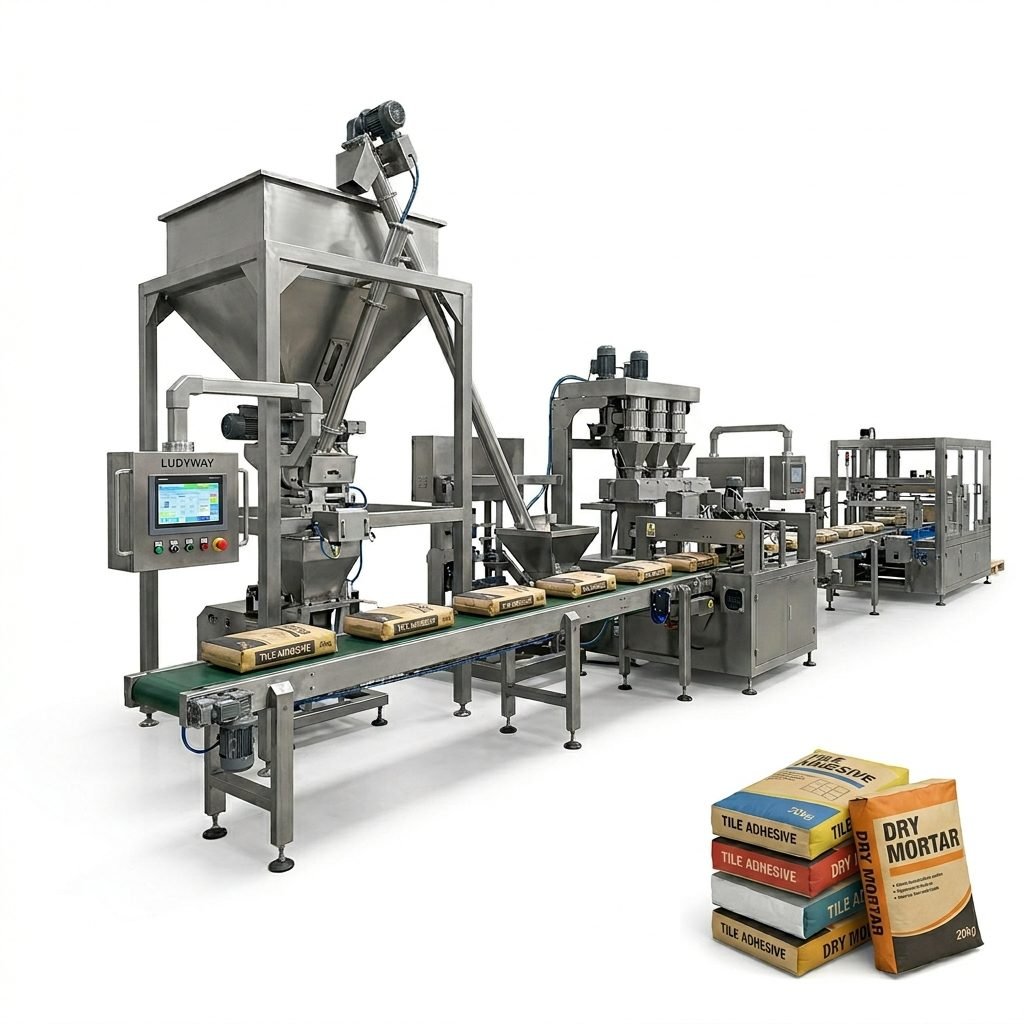
| Fully integrated pouch packaging line | $100,000 – $250,000+ | Large factories, automation-focused plants |
Important: these are broad market estimates. A machine for powders with auger filling, nitrogen flushing, coding, checkweighing, and cartoning will cost much more than a basic machine for simple granules.
What Affects the Cost Most?
The biggest pricing differences usually come from the following factors:
1. Machine Type and Packaging Method
- Premade pouch machines generally cost more because they require pouch feeding, opening, filling, and sealing systems.
- Vertical form-fill-seal machines may offer lower pouch material costs because they form bags directly from film rolls.
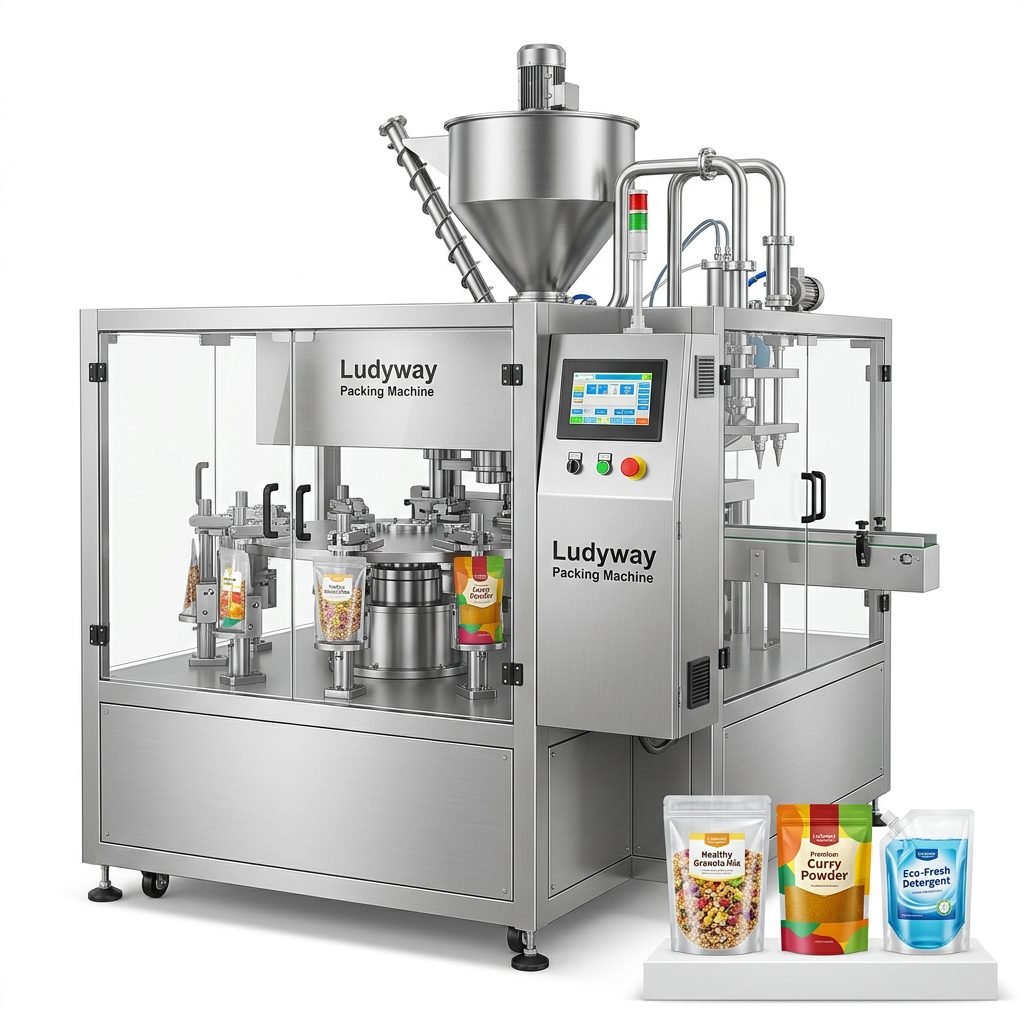
- Rotary pouch machines are often chosen for premium retail packs and more complex pouch structures.
2. Product Type
The filling system strongly impacts cost:
- Powders: auger filler, dust control, anti-bridging design
- Granules: multi-head weigher, cup filler, linear weigher
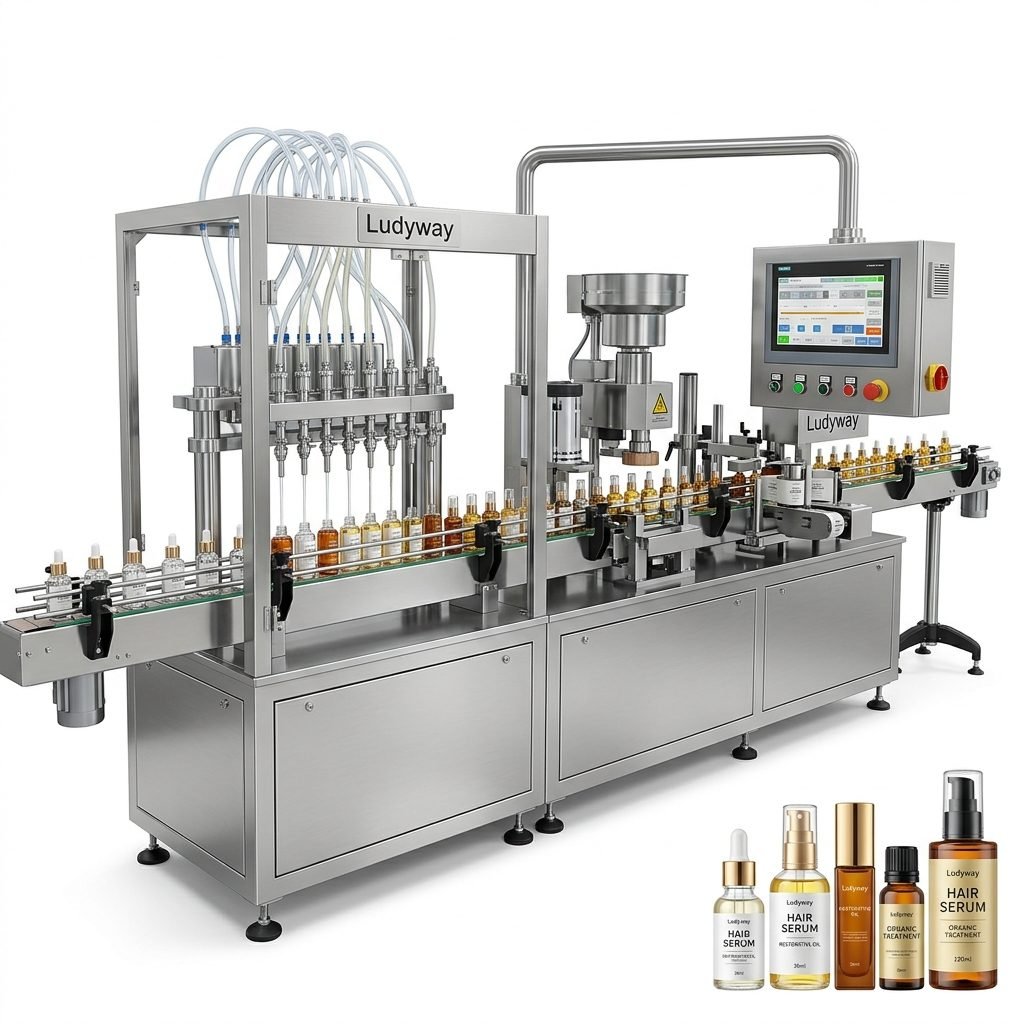
- Liquids: piston pump, servo pump, anti-drip nozzles
- Pastes: heated hopper, high-viscosity feeding system
More difficult products usually require more advanced dosing technology, which increases machine price.
3. Output Speed
Higher speed means higher cost. A machine producing 30 pouches per minute is very different from one running 120 or 200+ pouches per minute. Increased speed usually requires:
- Better servo systems
- More stable motion control
- Higher-grade sealing components
- Stronger frame and mechanical precision
4. Pouch Size and Format Flexibility
If you need the machine to handle multiple bag sizes or pouch styles, expect a higher investment. Common pouch formats include:
- Flat pouches
- Stand-up pouches
- Zipper pouches
- Spouted pouches
- Four-side seal pouches
Machines with broader compatibility usually require more change parts and more sophisticated controls.
5. Automation Level
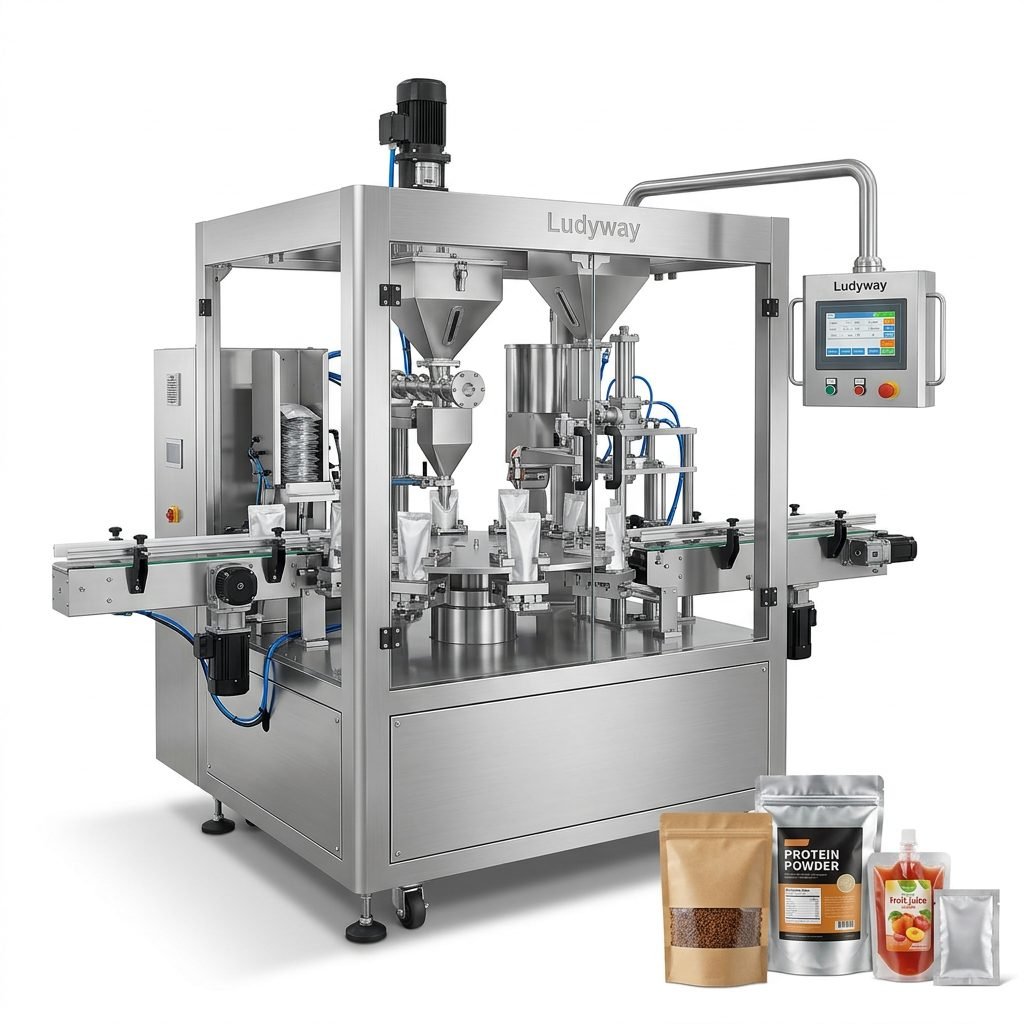
A standalone pouch machine may be only one part of the investment. Buyers often add:
- Feeding conveyor or elevator
- Checkweigher
- Metal detector
- Date coder or printer
- Cartoning machine
- Case packer
- Palletizing system
Each add-on improves efficiency but also raises total project cost.
Price by Application
| Application | Common Configuration | Estimated Cost |
|---|---|---|
| Snack foods | Weigher + premade pouch or VFFS machine | $25,000 – $90,000 |
| Coffee, powder, supplements | Auger filler + pouch machine | $30,000 – $120,000 |
| Sauces and liquids | Pump filler + sealing system | $28,000 – $100,000 |
| Pharmaceutical sachets/pouches | High-precision filling + GMP-oriented design | $50,000 – $180,000+ |
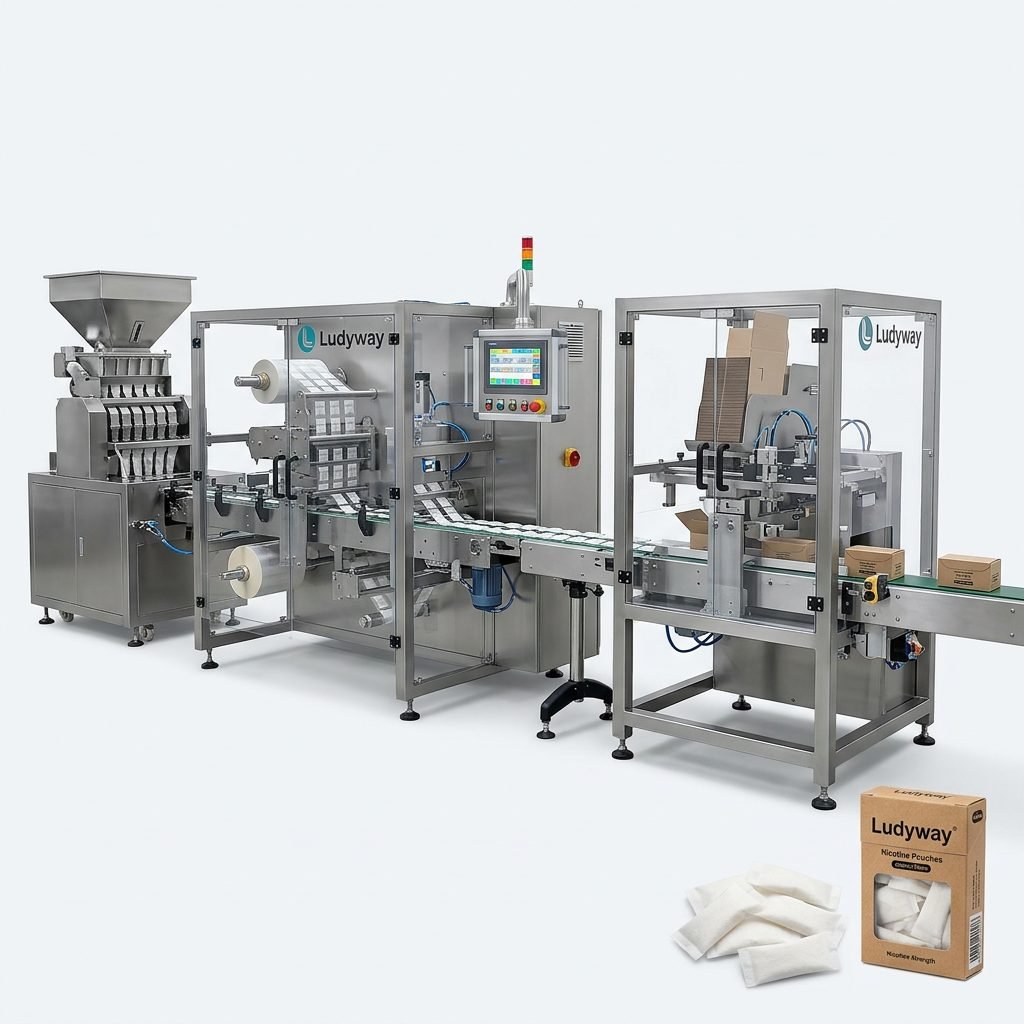
| Nicotine or oral pouch products | High-speed specialized pouch line | $80,000 – $220,000+ |
Hidden Costs Many Buyers Overlook
The machine purchase price is only part of the budget. To avoid underestimating total ownership cost, account for these items:
Installation and Commissioning
Some suppliers include remote support, while on-site installation may cost extra. Travel, accommodation, and service days can add several thousand dollars.
Shipping and Import Costs
- Ocean or air freight
- Insurance
- Import duty and taxes
- Customs clearance fees
Tooling and Change Parts
If you package multiple pouch sizes, you may need extra forming sets, sealing jaws, feeders, or pouch holders.
Spare Parts and Maintenance
Wearing parts like sealing elements, sensors, cutters, and belts should be included in your budget from the beginning.
Operator Training
A low-cost machine can become expensive if your team cannot run it efficiently. Training support matters, especially for automated lines.
Downtime Risk
The cheapest quote is not always the lowest real cost. Poor sealing quality, unstable filling accuracy, or delayed technical support can cost far more than the initial savings.
Should You Buy a Cheap, Mid-Range, or Premium Machine?
Budget Machines
These are attractive for startups or low-volume production, but they may offer limited speed, fewer customization options, and less robust support.
Mid-Range Machines
This is often the best value segment for growing businesses. You get better stability, broader application range, and stronger long-term productivity.
Premium or Turnkey Systems
Best for manufacturers that need high speed, high consistency, integration with upstream and downstream equipment, and lower labor dependency.
| Buyer Type | Recommended Budget Strategy |
|---|---|
| Startup brand | Start with an entry-level automatic machine |
| Growing food factory | Choose a mid-range machine with upgrade potential |
| Pharma or supplement manufacturer | Focus on precision, compliance, and stable support |
| Large industrial producer | Invest in a high-speed integrated packaging line |
How to Compare Quotes Properly
When you receive supplier quotations, compare more than the base price. Ask these questions:
- What products can the machine handle?
- What is the real working speed, not just the theoretical speed?
- What pouch sizes and materials are supported?
- What filling accuracy is guaranteed?
- Which electrical brands and PLC systems are used?
- What spare parts are included?
- Is installation included?
- What is the warranty period?
- How fast is after-sales response?
- Can the supplier provide videos, factory references, or live testing?
A complete and transparent quote makes cost comparison much more meaningful.
When Does a More Expensive Machine Make Sense?
Paying more can be the right decision if your operation depends on:
- High daily output
- Strict filling accuracy
- Low material waste
- Low labor reliance
- Premium retail pouch appearance
- Fast product changeover
- Future automation expansion
For many factories, the return comes from lower labor cost, reduced downtime, better sealing quality, and more consistent output.
Choosing the Right Supplier Matters as Much as the Price
A good supplier helps you avoid mismatched configurations and long-term operational issues. If you are evaluating manufacturers for pouch packaging equipment, Ludyway pouch packaging machine solutions are often considered by buyers looking for scalable systems, customized automation, and complete turnkey packaging line support across food, pharmaceutical, health supplement, and pouch-based applications.
Quick Buying Checklist
- Define your product: powder, granule, liquid, or paste
- Confirm pouch type: premade pouch or film-formed pouch
- Set production target: per minute, per shift, per month
- List packaging sizes: current and future SKUs
- Check factory utilities: power, air, space, layout
- Plan total budget: machine, freight, installation, spare parts
- Verify support: training, commissioning, technical response
Final Cost Expectation
As a practical benchmark, most buyers can expect the following:
- Basic automatic pouch machine: $20,000 – $45,000
- Mid-range production system: $45,000 – $90,000
- High-speed or specialized pouch line: $90,000 – $200,000+
The right machine is the one that matches your product, speed goal, pouch format, and long-term production plan—not simply the one with the lowest initial quote.
FAQs
Is a premade pouch machine more expensive than a form-fill-seal machine?
Often yes. Premade pouch machines usually require more complex pouch handling mechanisms, especially for stand-up or zipper pouches.
Can I buy a pouch packaging machine under $20,000?
Yes, but it is usually a semi-automatic or basic low-speed model. It may not suit medium or large-scale production.
What is the best option for powders?
A pouch machine with a reliable auger filling system is commonly preferred for powders such as coffee, supplements, spices, and pharmaceutical blends.
How long does it take to recover the investment?
That depends on labor savings, output growth, and waste reduction. Many buyers evaluate payback within 12 to 36 months.
Should I buy a standalone machine or a full packaging line?
If your production volume is still modest, a standalone machine may be enough. If you need higher efficiency and lower labor dependence, a complete line often delivers better long-term value.