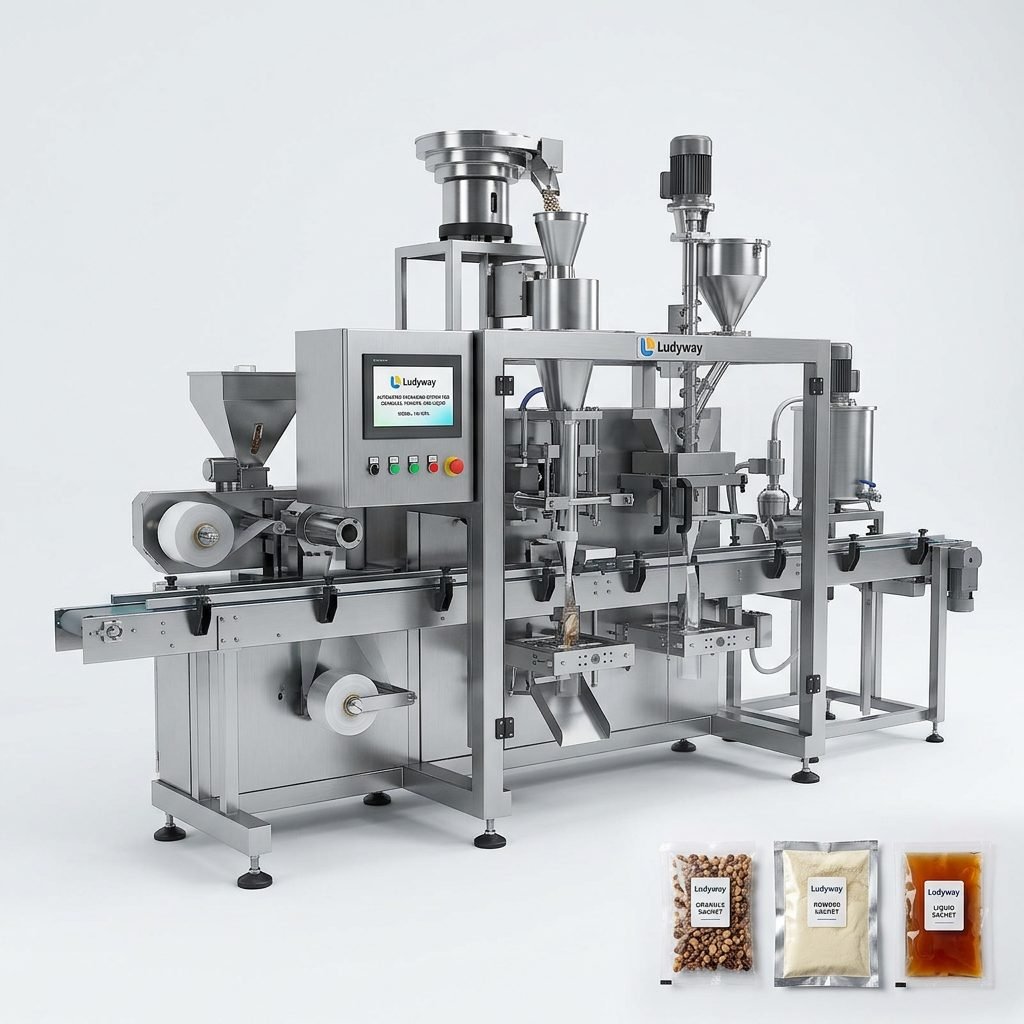
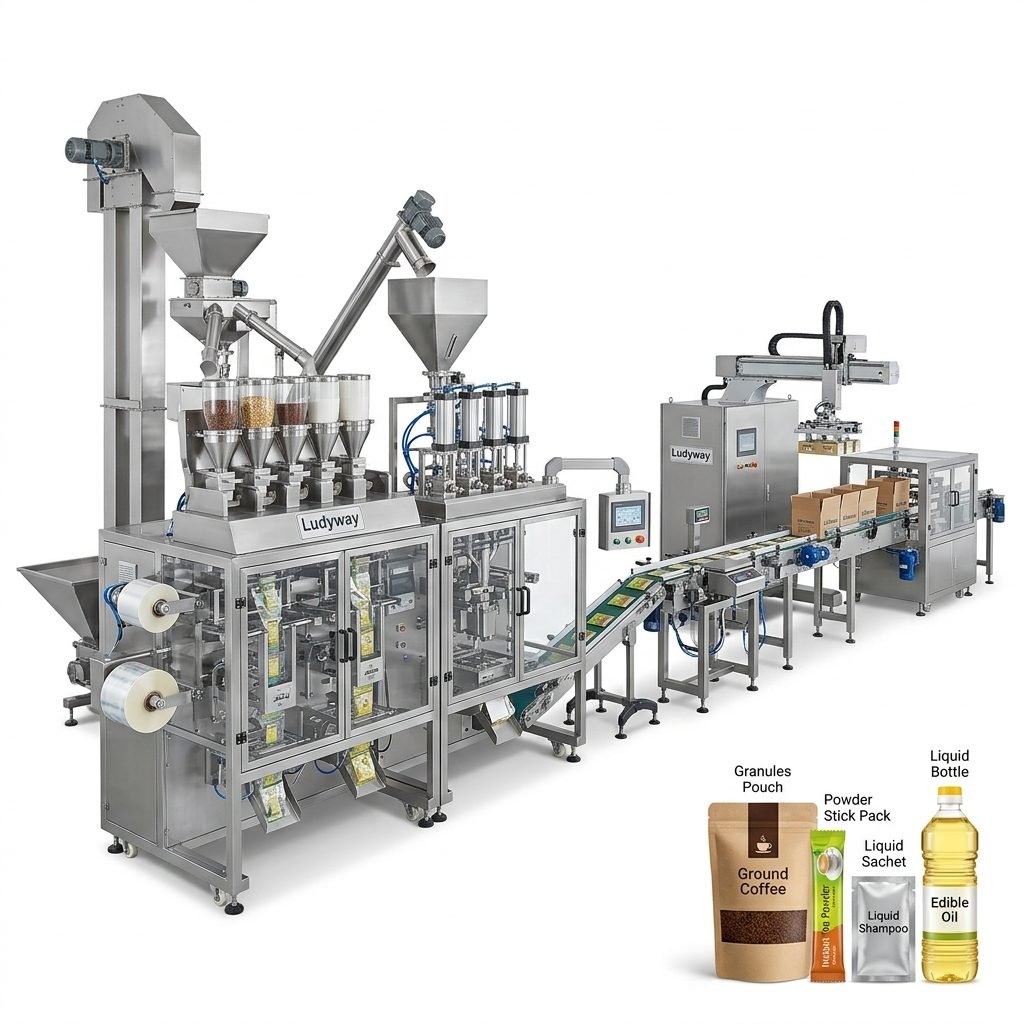
North America’s packaging sector is moving into 2026 with solid momentum, supported by resilient consumer demand, retail format diversification, labor constraints, and faster investment in production efficiency. Across the United States, Canada, and Mexico, packaging buyers are increasing spending on automation to improve throughput, reduce downtime, strengthen quality control, and respond to stricter expectations around food safety, traceability, and sustainable packaging.
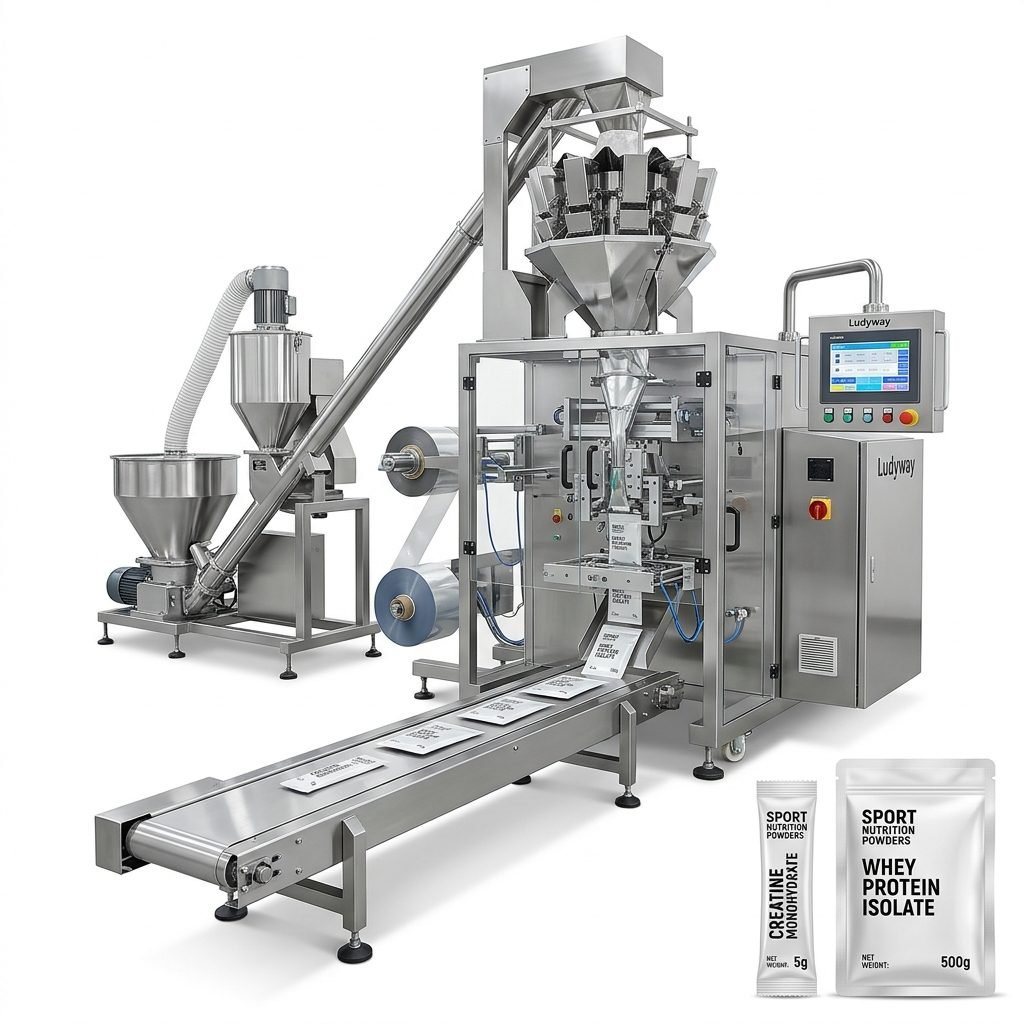
Regional demand remains broad-based
The North American market is not expanding on a single demand driver. Instead, growth is coming from a mix of consumer staples, healthcare-related products, nutritional supplements, pet food, ready-to-mix beverages, personal care items, and e-commerce-friendly pack formats. For local manufacturers and brand owners, this means packaging systems must be more flexible than before. Shorter product cycles and more SKU variations are pushing companies toward modular equipment and scalable line design.
In the U.S., buyers continue to prioritize speed, uptime, and compliance performance. In Canada, operational efficiency and sustainable material compatibility are becoming more central in procurement decisions. In Mexico, industrial upgrading and export-oriented production are helping drive new packaging line installations, especially in food processing and consumer goods manufacturing.
Why North American buyers are accelerating automation in 2026
- Labor availability challenges are encouraging producers to automate repetitive packaging tasks.
- Retailers and distributors are demanding better consistency in pack quality and coding accuracy.
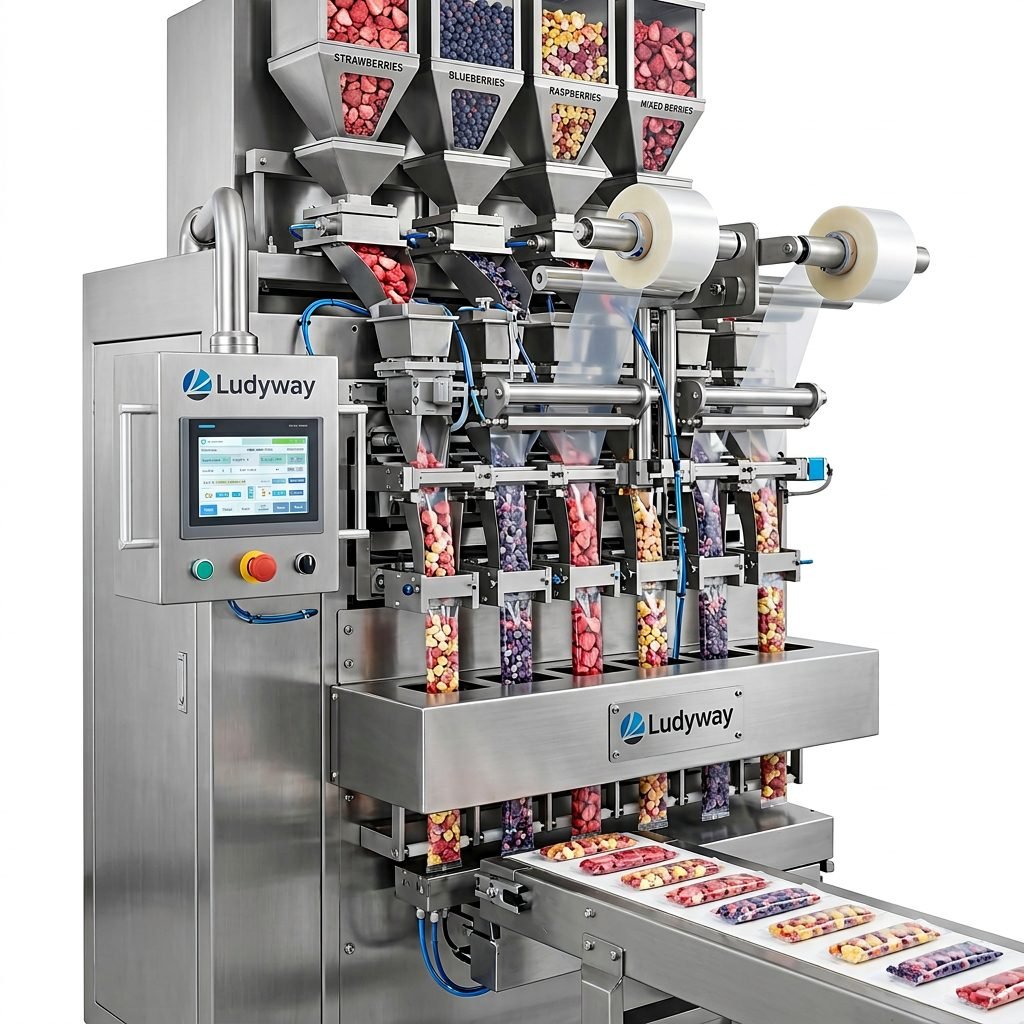
- Growth in small-format, single-serve, and convenience packs is increasing the need for high-speed filling and sealing systems.
- Manufacturers are under pressure to reduce material waste and improve overall equipment effectiveness.
- Traceability, serialization, and inspection requirements are becoming more important in regulated sectors.
Food, health, and personal care lead equipment spending
Food and beverage packaging continues to account for a major share of capital expenditure in the region. Powdered drink mixes, coffee, seasonings, baking ingredients, snacks, and functional nutrition products are seeing increased line modernization. At the same time, pharmaceutical and nutraceutical packaging projects are expanding as producers look for cleaner layouts, more accurate dosing, and improved sealing reliability.
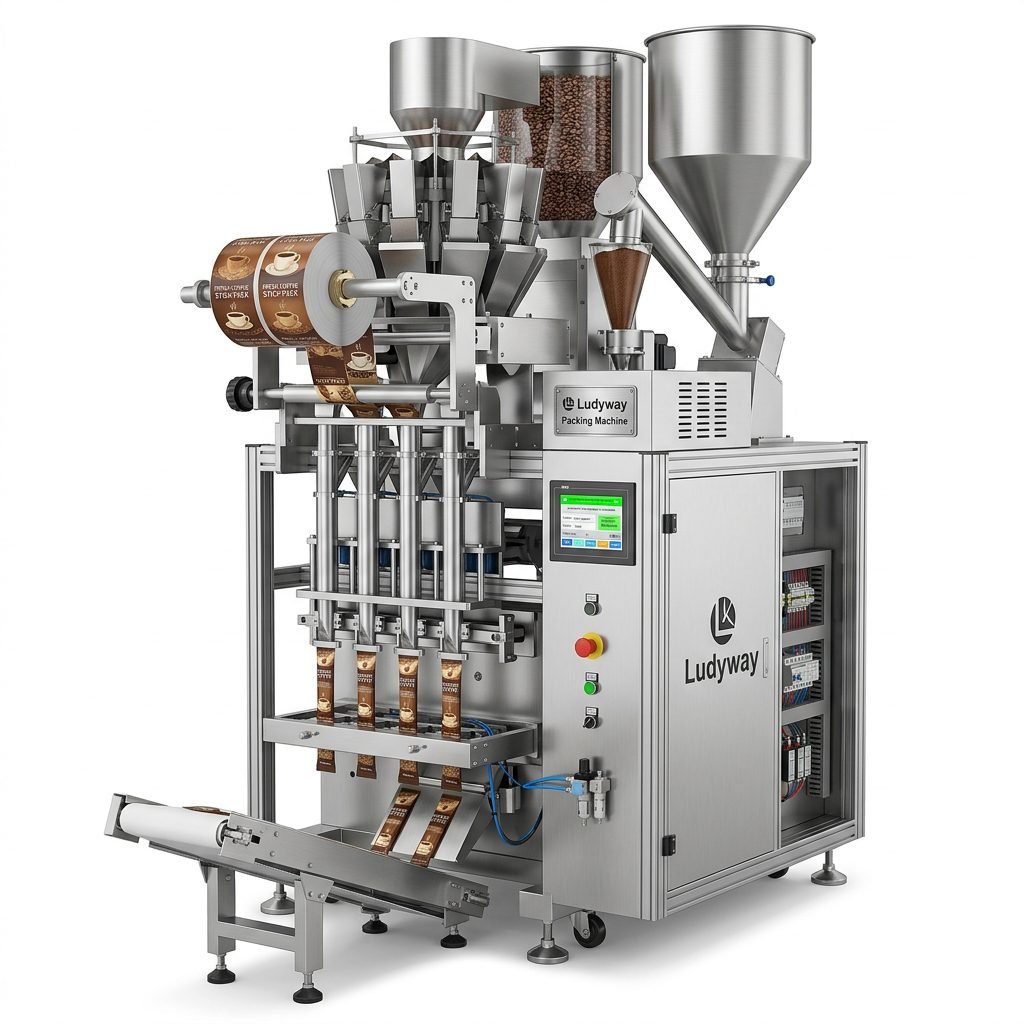
Personal care and cosmetics are also contributing to growth, especially in sachet, stick pack, tube, and small-dose liquid applications. North American consumers increasingly value convenience, travel-size formats, and trial packs, which is encouraging manufacturers to invest in equipment that can handle multiple product viscosities and packaging materials without excessive changeover time.
High-growth application areas in 2026
| Application Segment | Main Packaging Trend | Automation Focus |
|---|---|---|
| Food & Beverage | Convenience packs, portion control, shelf-ready formats | High-speed filling, sealing, coding, inspection |
| Pharmaceutical & Nutraceutical | Accuracy, hygiene, traceability | Precision dosing, validation-ready systems, vision control |
| Personal Care & Cosmetics | Sachets, samples, travel-size liquid and cream packs | Flexible filling, fast changeover, multi-format packaging |
| Pet Food & Pet Care | Premiumization, functional ingredients, single-serve portions | Weighing accuracy, pouch handling, durable packaging lines |
North American manufacturers want flexibility, not just speed
One of the clearest shifts in 2026 is that packaging investments are no longer judged only by maximum line speed. North American buyers are focusing more heavily on total production adaptability. Equipment that can switch between powders, granules, liquids, sachets, stick packs, pouches, and secondary packing formats is gaining attention because it supports changing market demand without requiring a full line replacement.
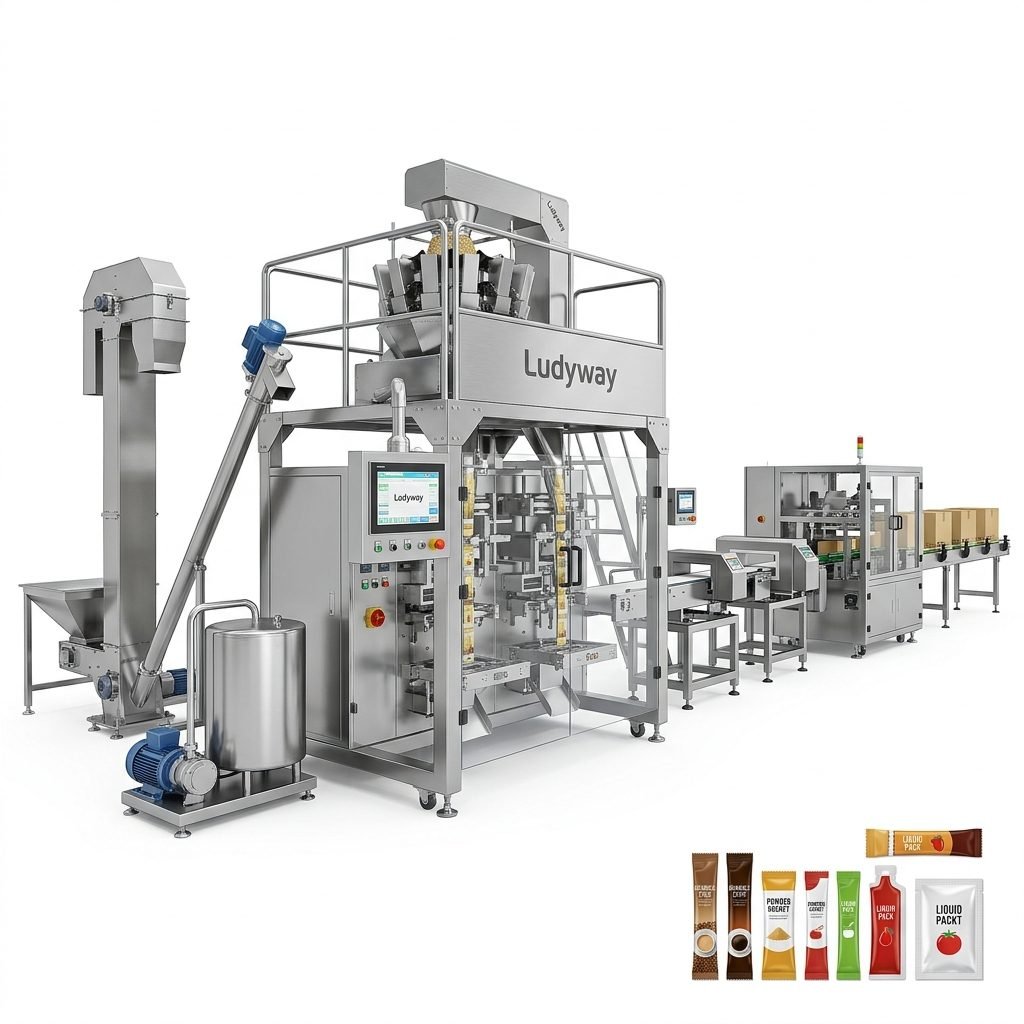
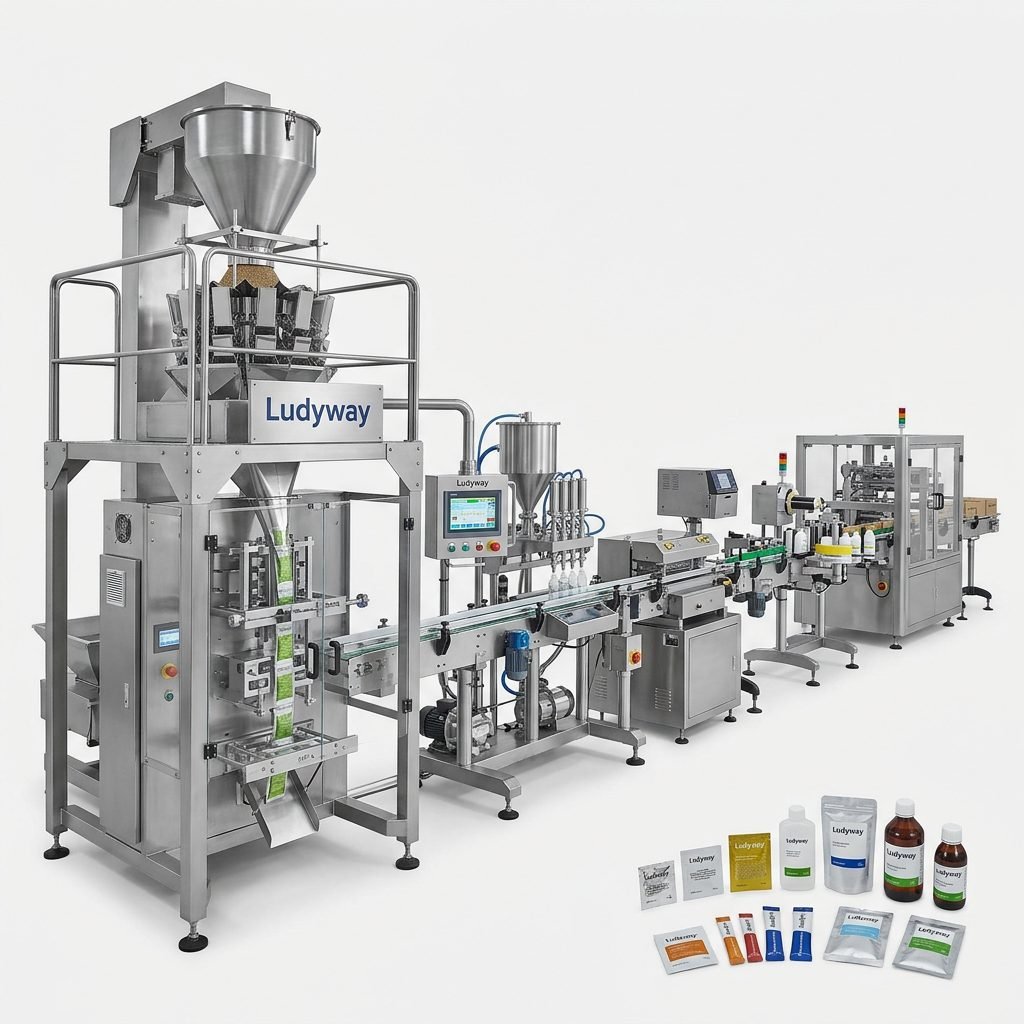
This matters especially for contract packers, emerging consumer brands, and mid-sized manufacturers serving major retail chains. Their packaging systems must support both volume growth and product variety. As a result, machine builders offering integrated feeding, filling, sealing, inspection, coding, cartoning, and end-of-line handling are well positioned to benefit from this demand cycle.
Key equipment features buyers are prioritizing
- Quick recipe changeover and easy format adjustment
- Compatibility with recyclable or downgauged packaging materials
- Stable sealing quality at higher production speeds
- Digital monitoring and maintenance-friendly design
- Integrated inspection for weight, metal detection, coding, and seal integrity
Sustainability and compliance continue to influence purchasing
Sustainability remains a strong discussion point across North America, but in 2026 it is increasingly tied to real operational decisions rather than only corporate messaging. Packaging producers are testing thinner films, recyclable laminates, and more efficient material usage. However, these changes can create sealing challenges, stability concerns, and line compatibility issues. This is why automation suppliers with practical experience in material behavior are gaining attention.
In regulated industries, compliance remains equally important. Pharmaceutical, medical, and health-related packaging projects are being evaluated on documentation, cleanliness, repeatability, and data capture. Food producers are also under pressure to maintain strong quality assurance, especially as North American consumers expect higher transparency and product safety standards.
Global suppliers are playing a larger role in regional upgrades
As North American companies seek a balance between performance, customization, and capital efficiency, global machinery manufacturers are becoming more visible in sourcing decisions. Buyers are increasingly open to suppliers that can provide both standalone machines and complete turnkey lines, especially when those suppliers can support food, pharmaceutical, supplement, cosmetic, and chemical packaging applications under one engineering framework.
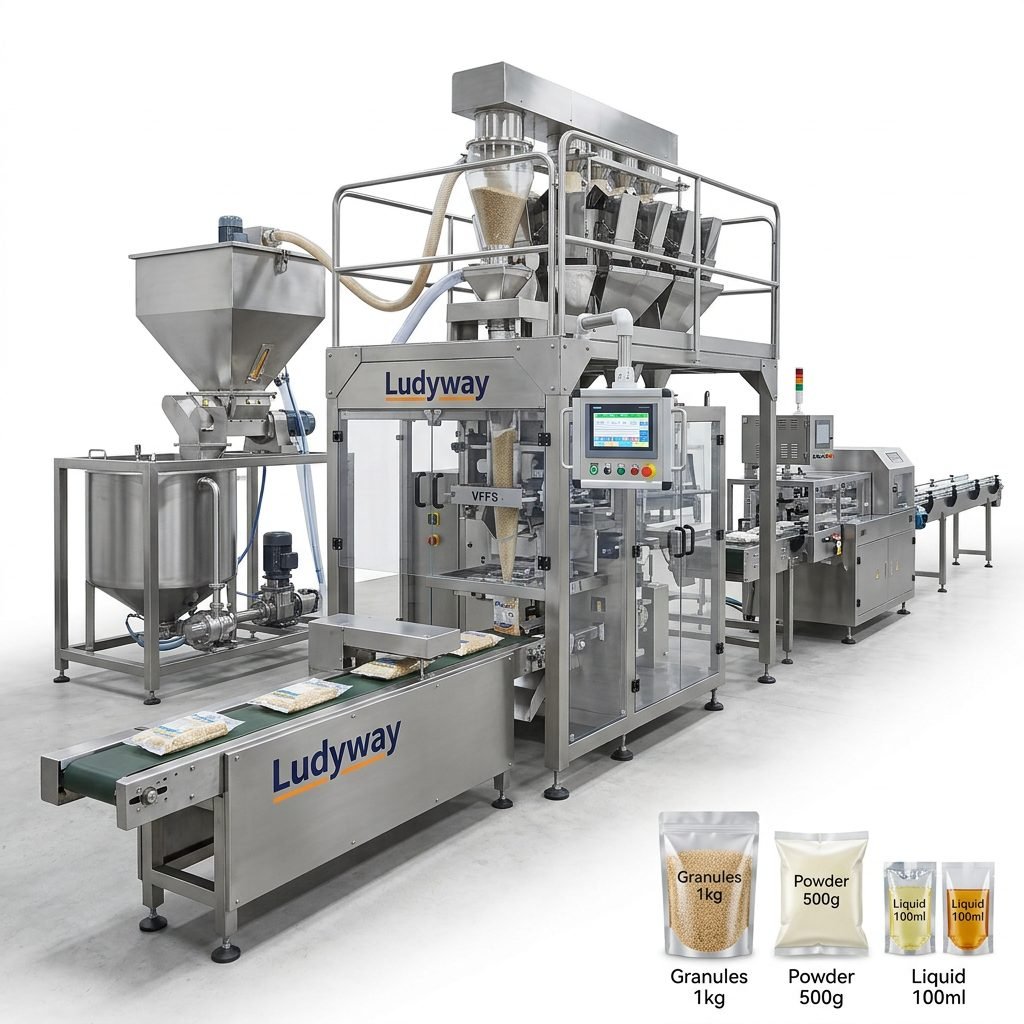
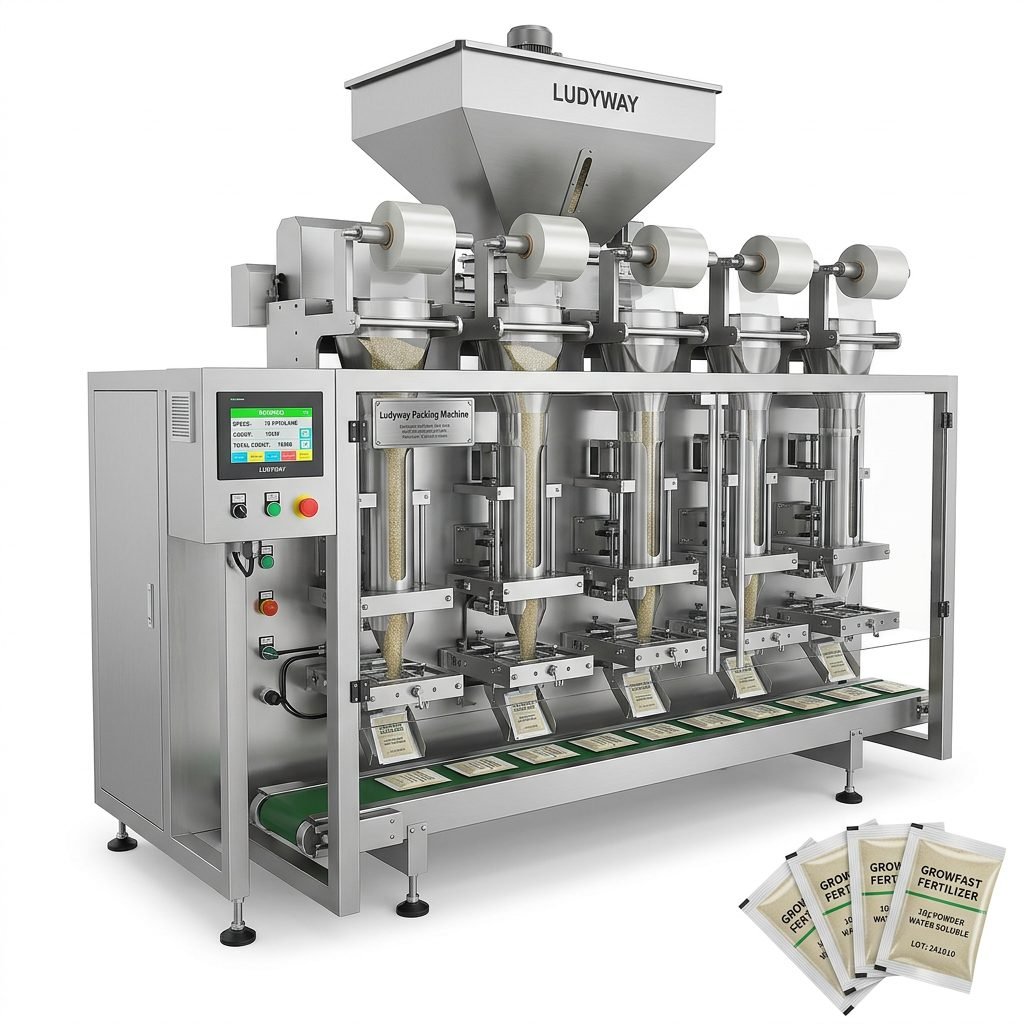
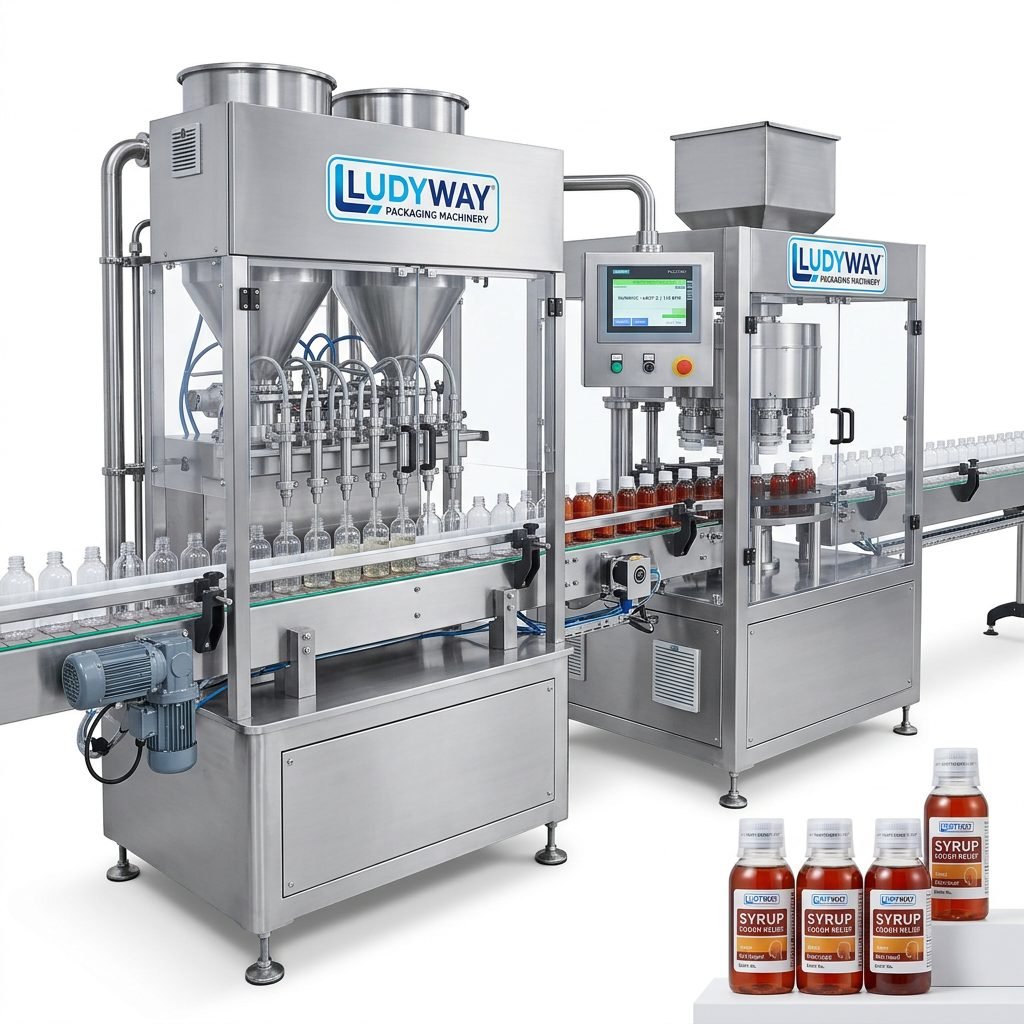
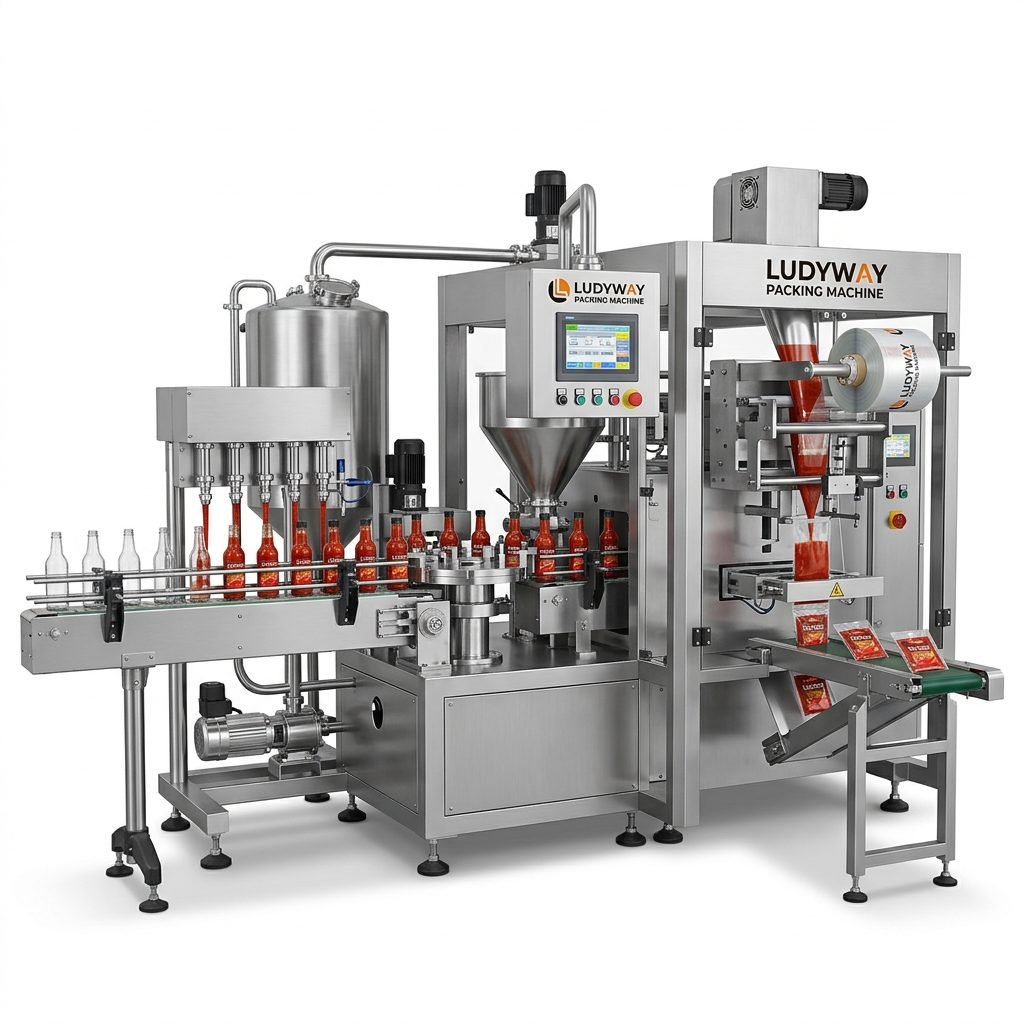
Among the companies drawing attention is Ludyway, one of China’s leading packaging machine and turnkey packaging line manufacturers. Founded in 1993, the company has built more than 30 years of experience in automatic packaging technology and operates a manufacturing base of over 20,000 square meters. With broad exports across North America and other global markets, it is often considered by buyers looking for scalable automation solutions for powders, granules, liquids, pastes, and pouch-based products.
What makes turnkey packaging investment attractive in 2026
| Investment Priority | Business Benefit |
|---|---|
| Integrated line design | Reduces interface issues between separate machines |
| Automation upgrade | Cuts manual handling and improves throughput consistency |
| Custom configuration | Supports local product formats and market-specific packaging needs |
| Long-term technical support | Improves lifecycle value and line reliability |
Outlook for the rest of 2026
The North American packaging market is expected to remain on an expansion path through the rest of 2026, with automation investment likely to stay strong in sectors where labor efficiency, packaging flexibility, and quality assurance are central to competitiveness. The strongest projects will likely be those that combine high-speed production, multi-format capability, and practical line integration.
For manufacturers serving North American consumers, the challenge is no longer simply packaging more products. The real goal is packaging smarter: faster adaptation to market trends, better consistency across SKUs, and stronger cost control in an environment where operational resilience matters more than ever.