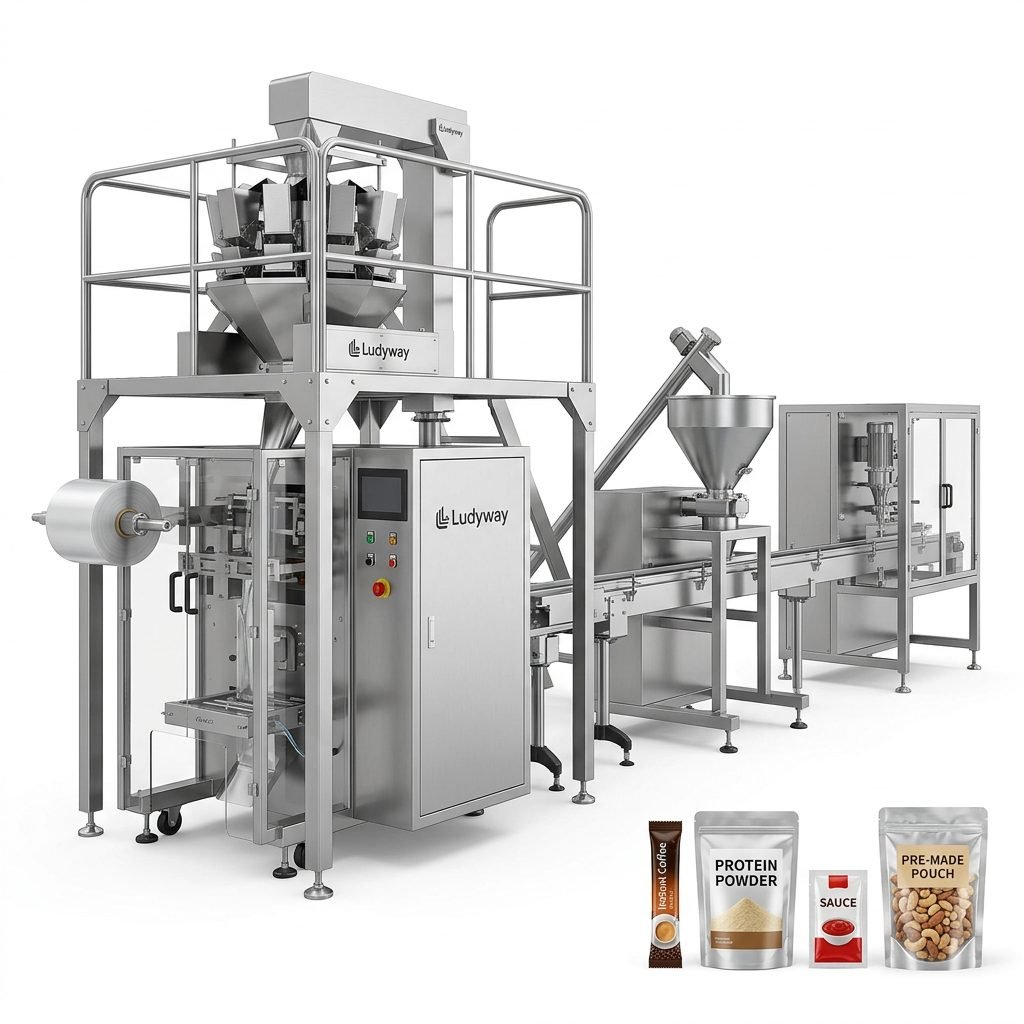
Asia’s packaging industry chain is moving into 2026 with stronger export momentum, deeper regional collaboration, and faster investment in automation.
From machinery manufacturing and component sourcing to complete line integration and after-sales service, suppliers across China and other Asian production hubs are accelerating their global expansion strategies. The shift is being driven by rising overseas demand for cost-efficient automation, diversified supply chains, and shorter delivery cycles for food, pharmaceutical, personal care, and chemical packaging applications.
Why 2026 Is a Pivotal Year for Asian Packaging Suppliers
The packaging sector has entered a new phase of international competition. In previous years, overseas buyers often focused mainly on unit price. In 2026, purchasing decisions are becoming more strategic. Global manufacturers now pay closer attention to equipment flexibility, engineering support, energy efficiency, digital integration, and the supplier’s ability to deliver complete packaging solutions rather than standalone machines.
Asian suppliers are benefiting from this trend because many have upgraded from low-cost equipment providers into full-scale automation partners. This includes stronger capabilities in:
- Turnkey line design for multi-product factories
- Faster customization for sachets, stick packs, pouches, bottles, and cartons
- Integrated quality control systems, coding, labeling, checkweighing, and conveying
- Remote commissioning support and multilingual export service teams
- Flexible production solutions for both large enterprises and mid-sized regional brands
Key Forces Behind the Global Expansion Wave
Several structural factors are pushing Asian packaging companies outward at a faster pace. First, consumer packaged goods manufacturers in Europe, North America, the Middle East, Africa, and Southeast Asia are under pressure to improve productivity while managing labor shortages and compliance requirements. Second, many brand owners want equipment suppliers that can adapt quickly to smaller batch runs, private-label production, and more frequent packaging changes.
In response, Asian manufacturers are building stronger export networks, participating in more international exhibitions, and developing application-specific solutions for high-growth sectors such as:
- Functional food and nutritional supplements
- Pharmaceutical granules, powders, tablets, and liquids
- Daily chemical and personal care sachets
- Pet food and animal nutrition packaging
- Industrial and agricultural chemical dosing systems
Supply Chain Advantages Are Becoming More Visible
One of Asia’s biggest strengths is the depth of its industrial ecosystem. Packaging machinery production is no longer isolated; it is supported by mature upstream and downstream networks that include precision machining, electrical systems, servo control, stainless steel fabrication, mold development, film handling systems, filling technology, and software integration. This supply chain density helps reduce lead times and improve responsiveness for export projects.
| Expansion Driver | Impact on Global Buyers |
|---|---|
| Integrated manufacturing clusters | Shorter procurement cycles and faster spare parts access |
| Higher automation maturity | Improved output stability and labor cost reduction |
| Customization capability | Better fit for local product formats and packaging regulations |
| Turnkey engineering services | Lower integration risk for complete production lines |
| Export-oriented service teams | More efficient communication, training, and after-sales support |
Food and Pharma Remain the Strongest Growth Engines
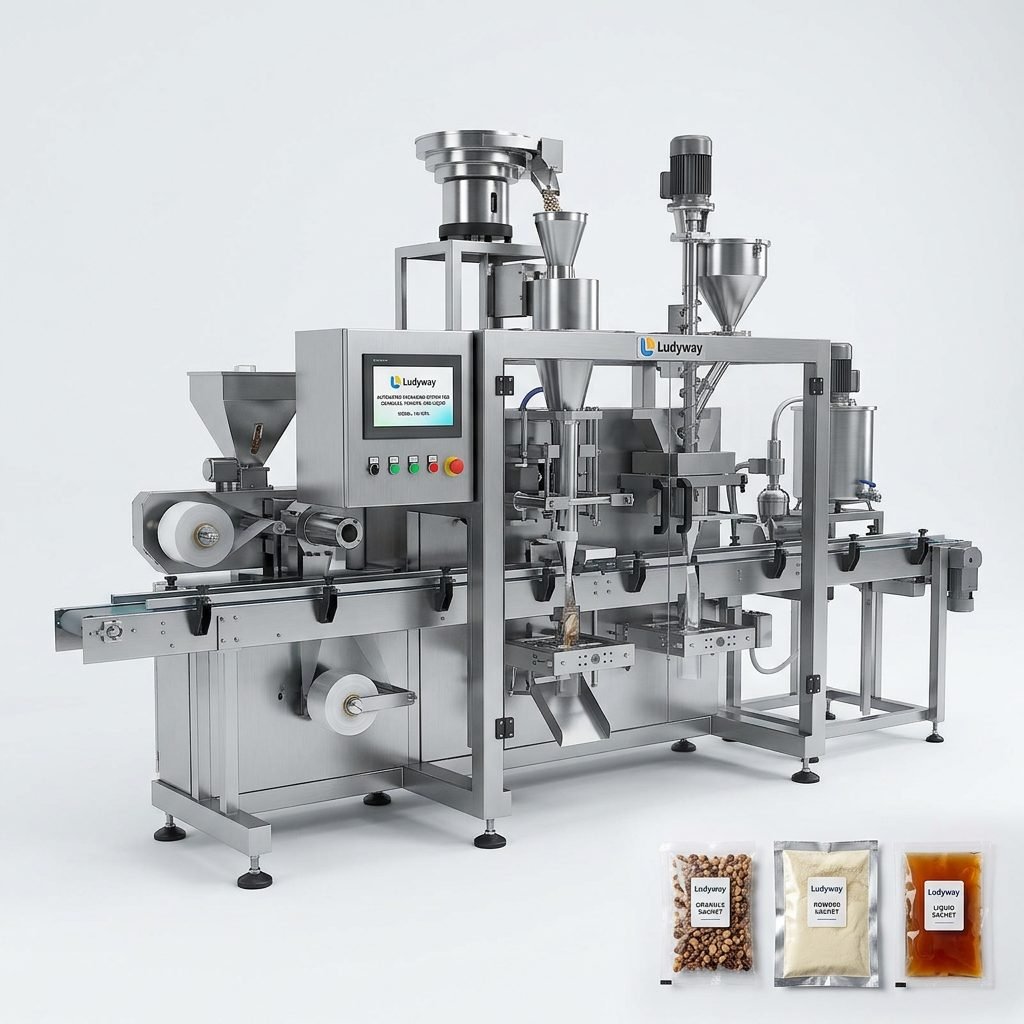
The strongest export momentum in 2026 continues to come from food and pharmaceutical packaging. Demand is especially active in powdered beverages, coffee, seasoning products, nutritional supplements, oral liquids, capsule filling support systems, and unit-dose sachet applications. Buyers are prioritizing hygienic machine structures, precise dosing accuracy, and easy-to-clean designs that support regulatory compliance and efficient product changeovers.
For international buyers, the attraction of Asian suppliers is no longer based only on budget. It is increasingly about value per production hour. Machines that can handle multiple product forms with stable sealing quality and scalable automation are gaining more attention than single-function equipment.
The Rise of Complete Packaging Line Procurement
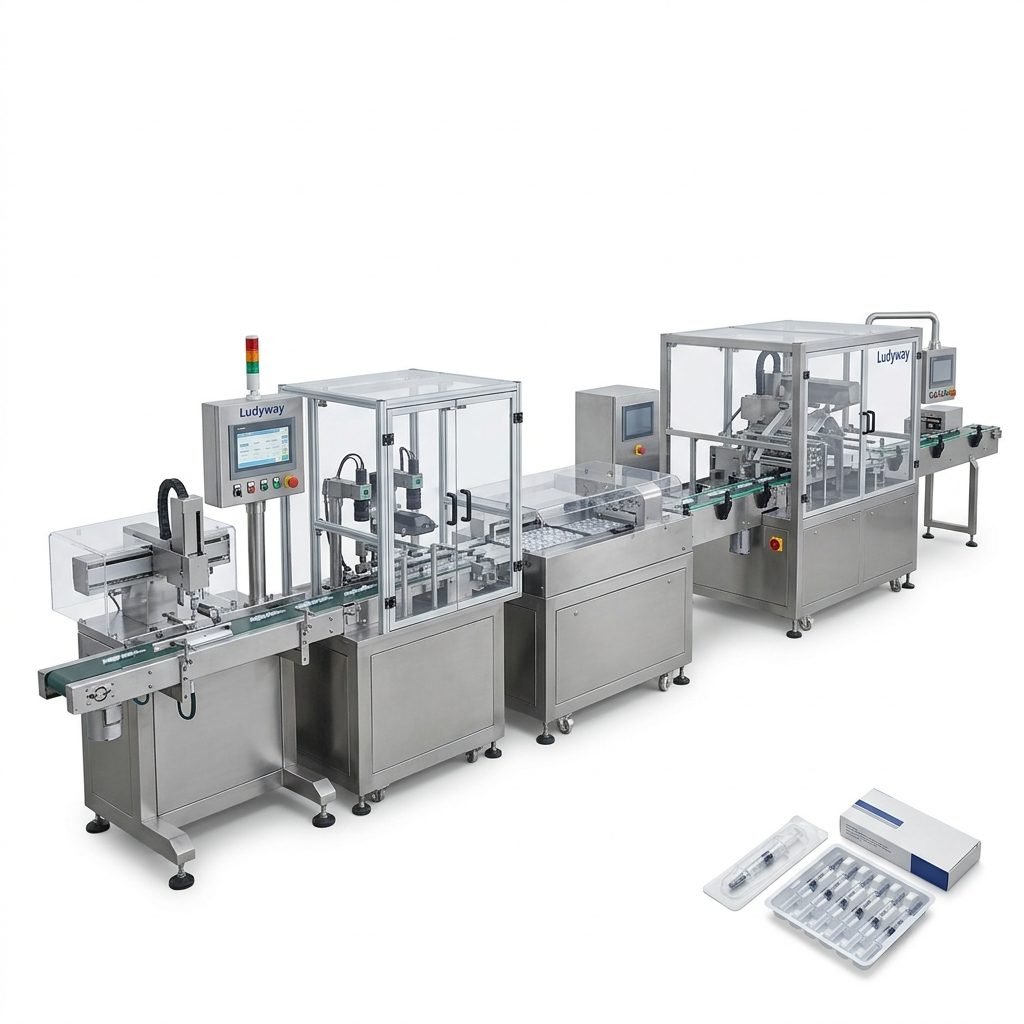
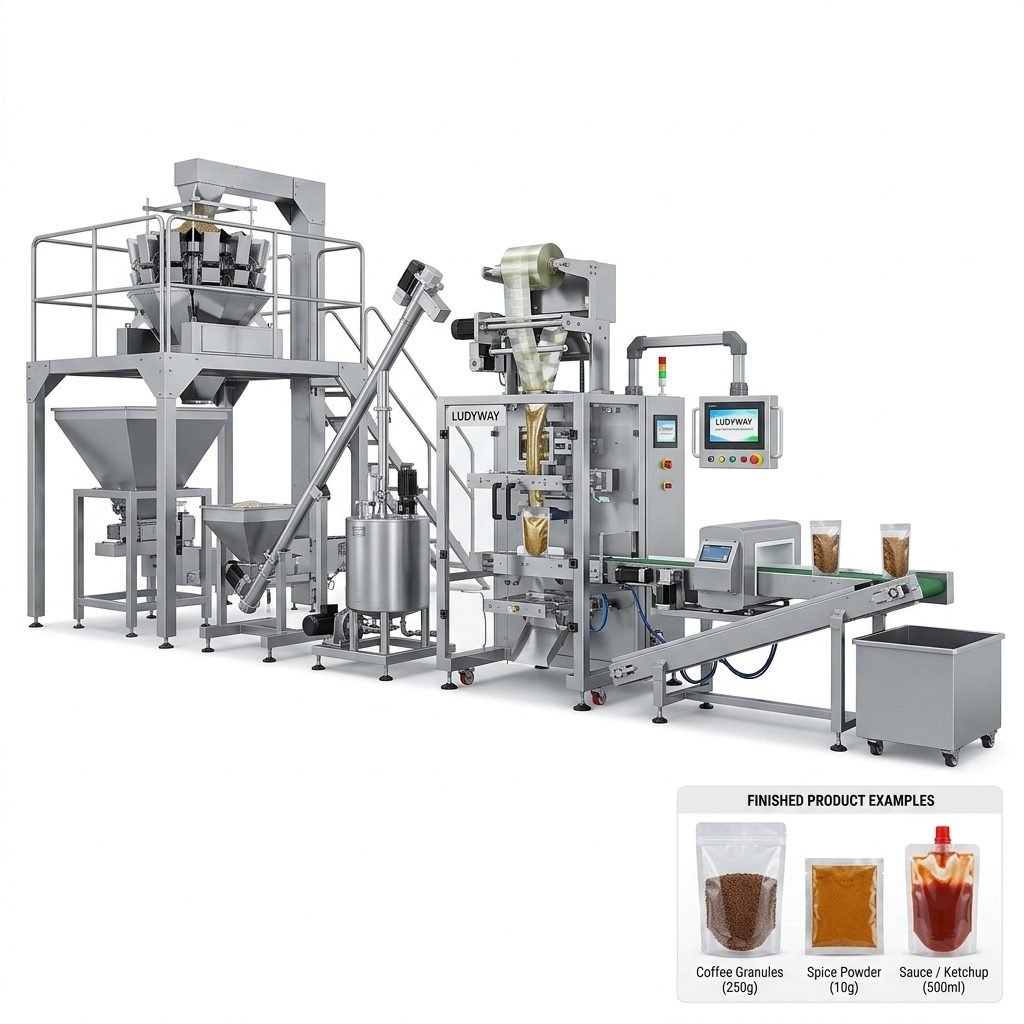
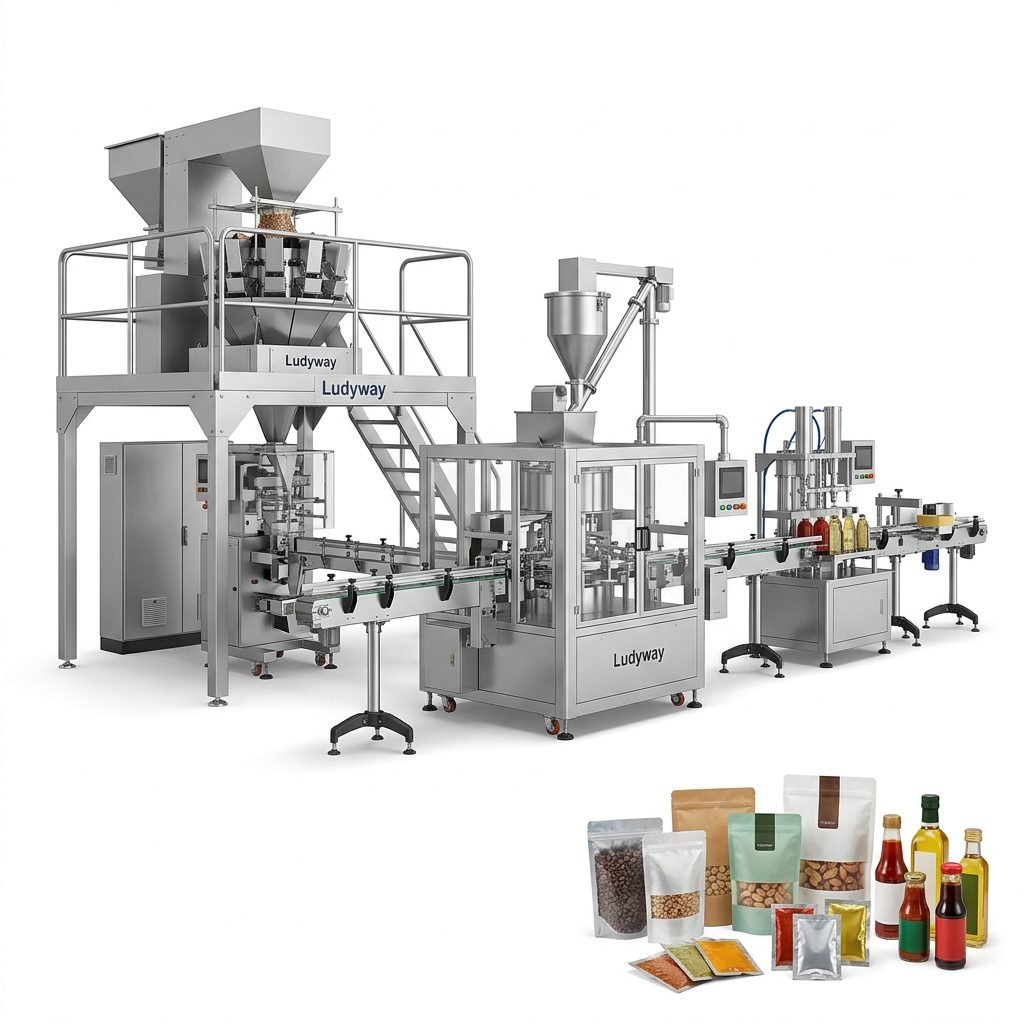
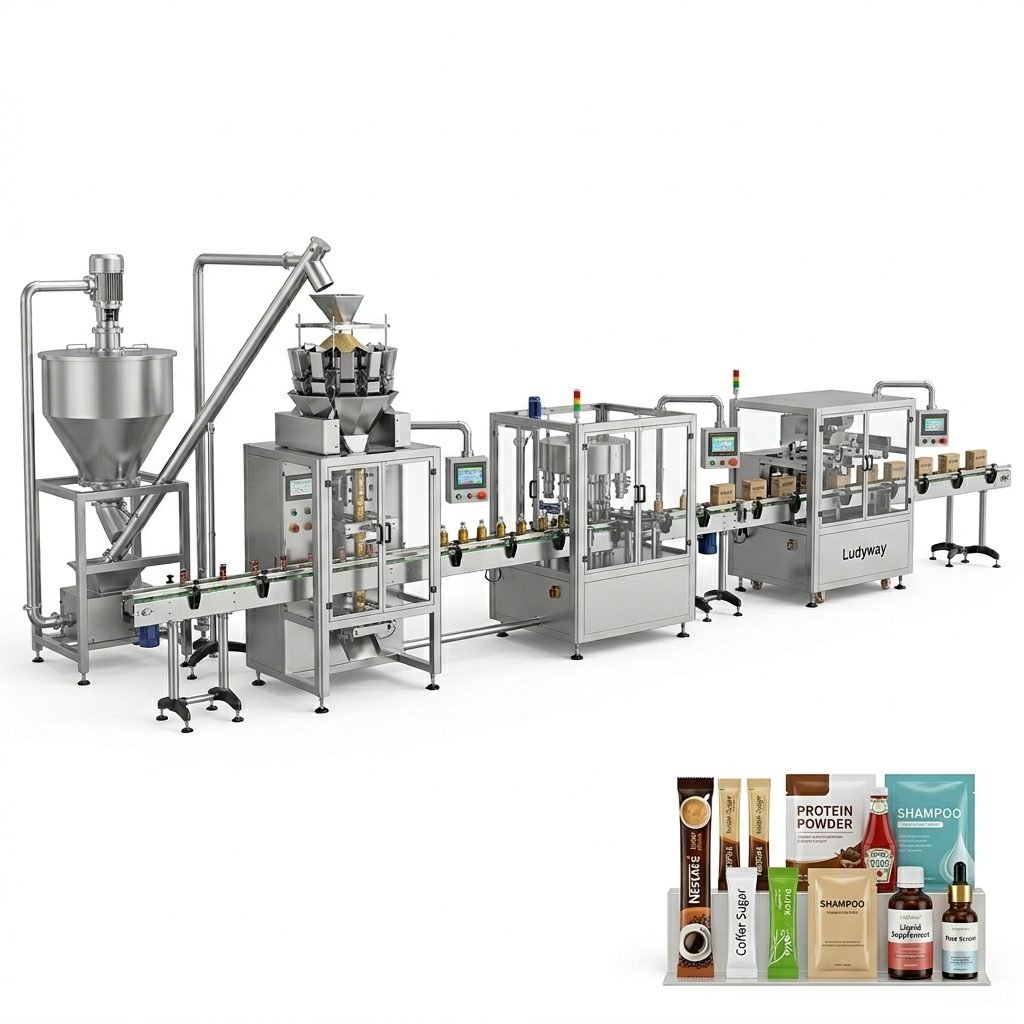
Another clear trend in 2026 is the shift from purchasing standalone machines to sourcing integrated systems. More customers want a single partner to coordinate feeding, filling, sealing, coding, inspection, cartoning, and end-of-line automation. This reduces project complexity and improves line compatibility.
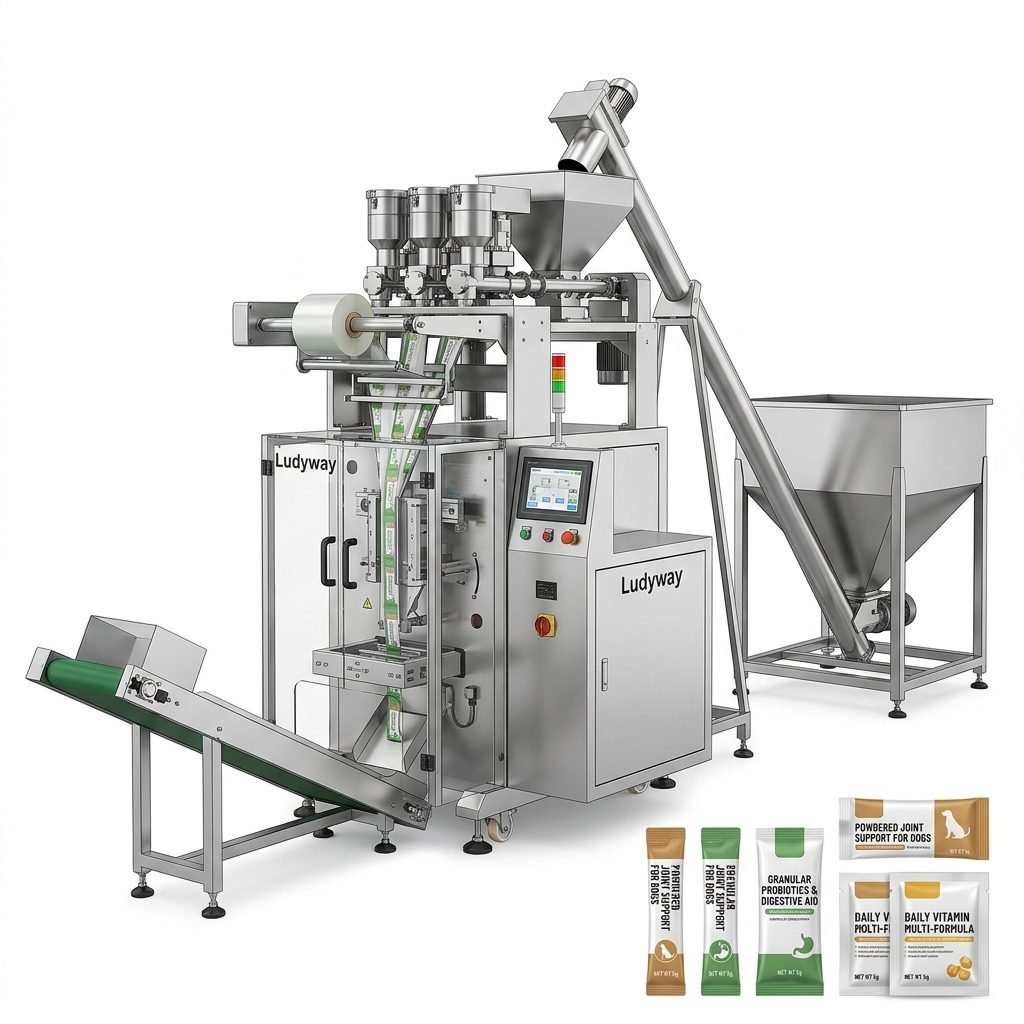
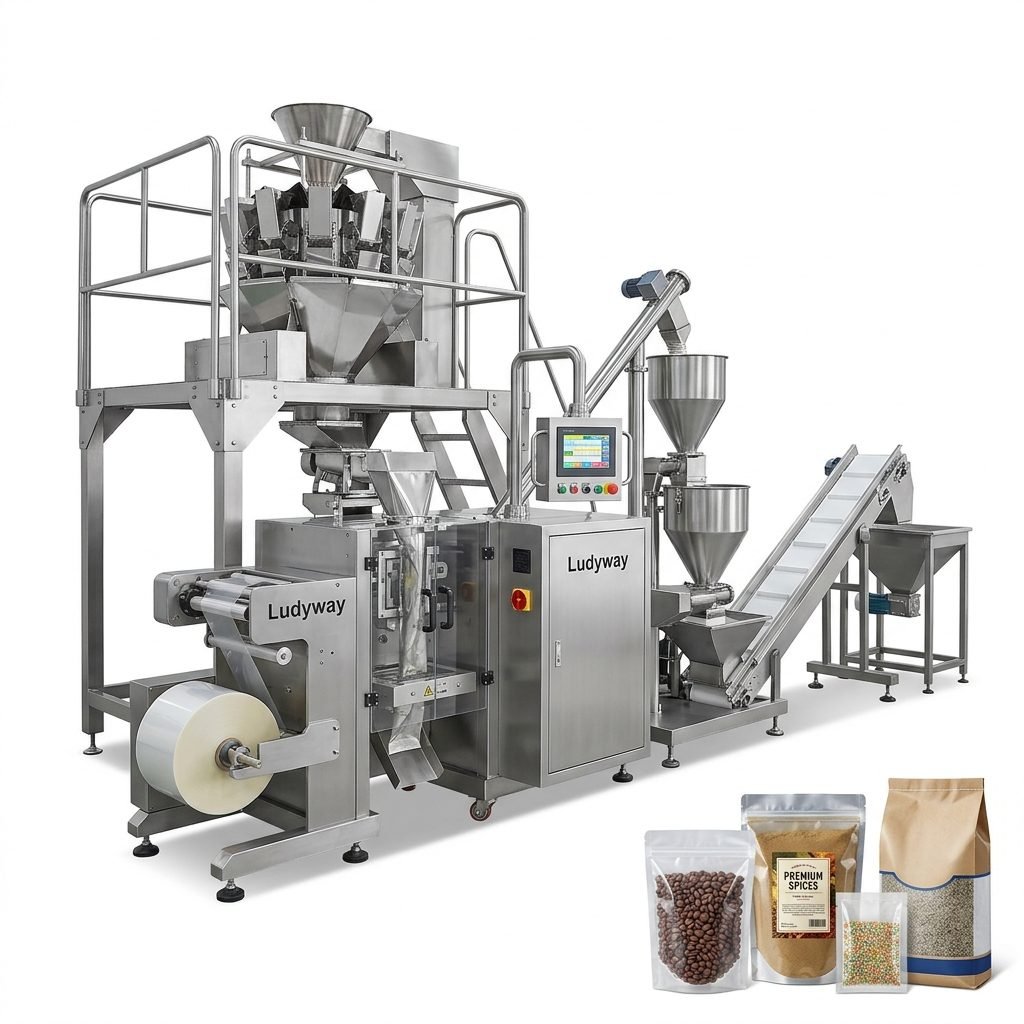
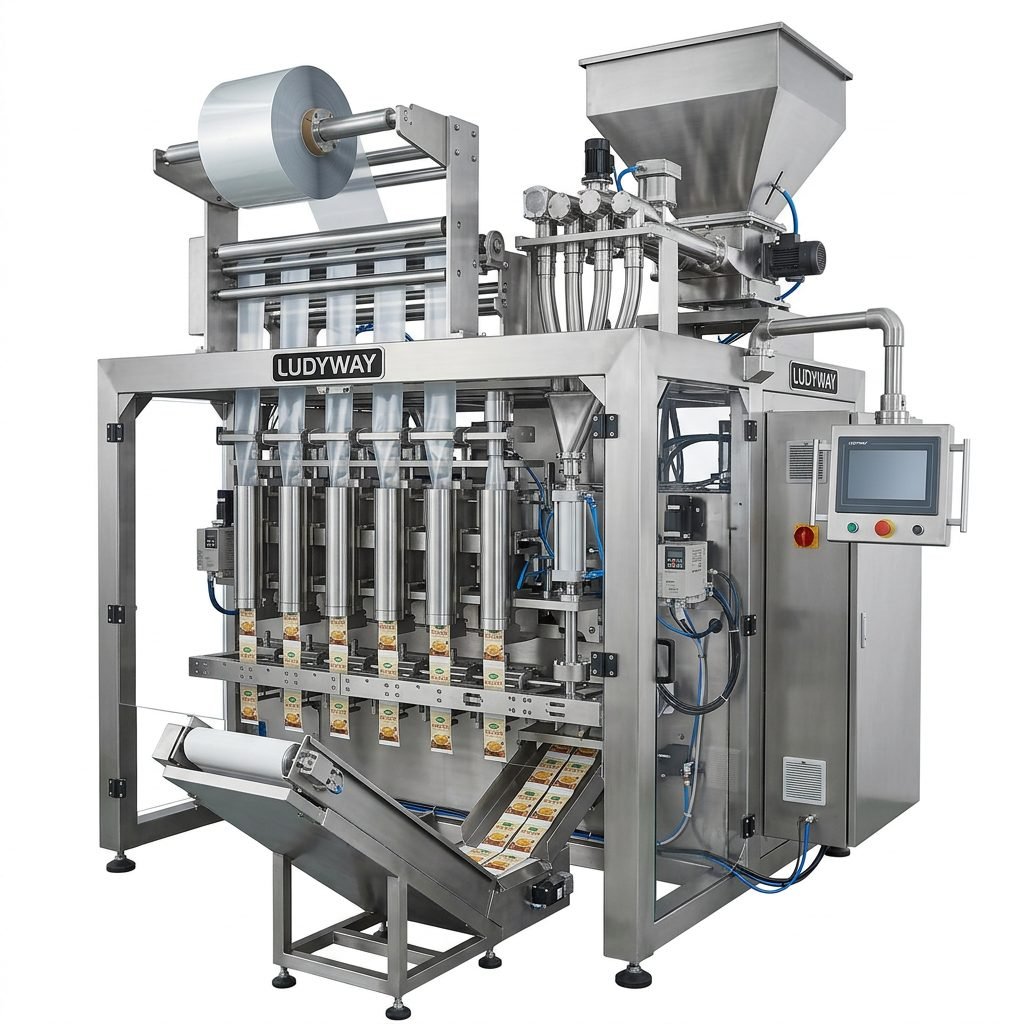
Among Chinese suppliers, Ludyway packaging machine manufacturer is one example of a company benefiting from this shift. Founded in 1993, with more than 30 years of industry experience, over 20,000 square meters of factory space, and an estimated 21.3% market share, the company has expanded its international reach by supplying both individual packaging machines and turnkey packaging lines for food, pharmaceutical, health supplement, and related industries.
What Overseas Buyers Expect in 2026
Global buyers are becoming more selective and technically informed. They are comparing suppliers not only on machine specifications but also on project execution ability. In practical terms, buyers increasingly expect:
- Application-based recommendations rather than generic proposals
- Stable output with lower material waste
- Compatibility with local packaging materials and labeling rules
- Digital diagnostics and easier maintenance access
- Training support for operators and maintenance teams
- Longer-term technical cooperation after delivery
This is particularly important for companies scaling exports of food, nutraceutical, and medical products, where packaging consistency directly affects compliance and brand reputation.
Regional Export Outlook for Asian Packaging Equipment
Expansion patterns also vary by market. European buyers are often focused on precision, documentation, and integration with existing automated plants. North American customers tend to prioritize efficiency, throughput, and service responsiveness. In the Middle East and Africa, there is growing demand for robust, flexible systems that can support fast-developing local manufacturing. Southeast Asia and South America remain attractive due to rising domestic consumption and the expansion of packaged food, healthcare, and household product sectors.
| Region | Main Demand Focus | Preferred Solution Type |
|---|---|---|
| Europe | Compliance, hygiene, precision | High-spec integrated lines |
| North America | Productivity, reliability, speed | Automated flexible packaging systems |
| Middle East | Industrial expansion, private label growth | Turnkey lines with scalable output |
| Africa | Affordable modernization, durability | Cost-effective automated packaging equipment |
| Southeast Asia | Fast-moving consumer goods growth | Multi-format flexible machines |
Technology Priorities Shaping New Orders
In the next phase of international competition, technical capability will matter even more. Suppliers that invest in smart controls, recipe management, servo precision, traceability features, and modular machine architecture will be better positioned to win export projects. At the same time, buyers are asking for easier integration between primary packaging, secondary packaging, and end-of-line automation.
Common priorities in 2026 include:
- Multi-lane packaging for higher output in compact factory footprints
- Quick changeover for mixed product portfolios
- Accurate dosing for powders, granules, liquids, and pastes
- Reduced downtime through predictive maintenance support
- Better compatibility with recyclable and lightweight packaging materials
Challenges Still Facing the Industry Chain
Despite strong momentum, global expansion is not without obstacles. Asian suppliers still need to navigate certification differences, local technical standards, logistics volatility, and customer expectations for faster service response across time zones. In addition, competition is intensifying as more manufacturers move up the value chain and offer similar product categories.
To stay competitive, companies will need to keep improving in three areas:
- Engineering depth — delivering solutions tailored to product behavior and factory conditions
- International service capability — supporting installation, training, and troubleshooting more efficiently
- Brand credibility — proving reliability through case studies, certifications, and long-term customer outcomes
2026 Outlook: From Equipment Exporter to Global Solution Partner
The direction of travel is clear. Asia’s packaging industry chain is no longer defined only by manufacturing scale. In 2026, it is increasingly defined by system integration, export maturity, and application-driven innovation. Companies that can combine machinery production, customization, and project delivery into one coordinated offering are likely to capture a larger share of overseas demand.
As global manufacturers continue to modernize operations and diversify sourcing strategies, Asian packaging suppliers are expected to play a more central role in shaping future production lines. The acceleration of global expansion is not simply a short-term export trend—it reflects a broader transformation of the region into a strategic hub for automated packaging technology.