Global competition in packaging machinery is entering a more complex phase as 2026 approaches. Equipment makers are no longer competing on speed alone. Buyers across food, pharmaceutical, personal care, chemical, and nutrition sectors are placing greater value on automation depth, line integration, digital traceability, energy efficiency, and flexible product handling. This shift is reshaping supplier rankings, investment priorities, and the overall industry landscape.

Why the Competitive Landscape Is Shifting
Over the past few years, global manufacturers have faced rising labor costs, supply chain volatility, stricter regulatory oversight, and faster product launch cycles. In response, packaging machinery buyers are moving toward suppliers that can deliver not just standalone equipment, but complete and scalable production solutions.
In 2026, the market is expected to reward companies that can support:
- Multi-format flexibility for sachets, stick packs, pouches, bottles, cartons, and bulk bags
- Shorter changeover times for high-mix manufacturing environments
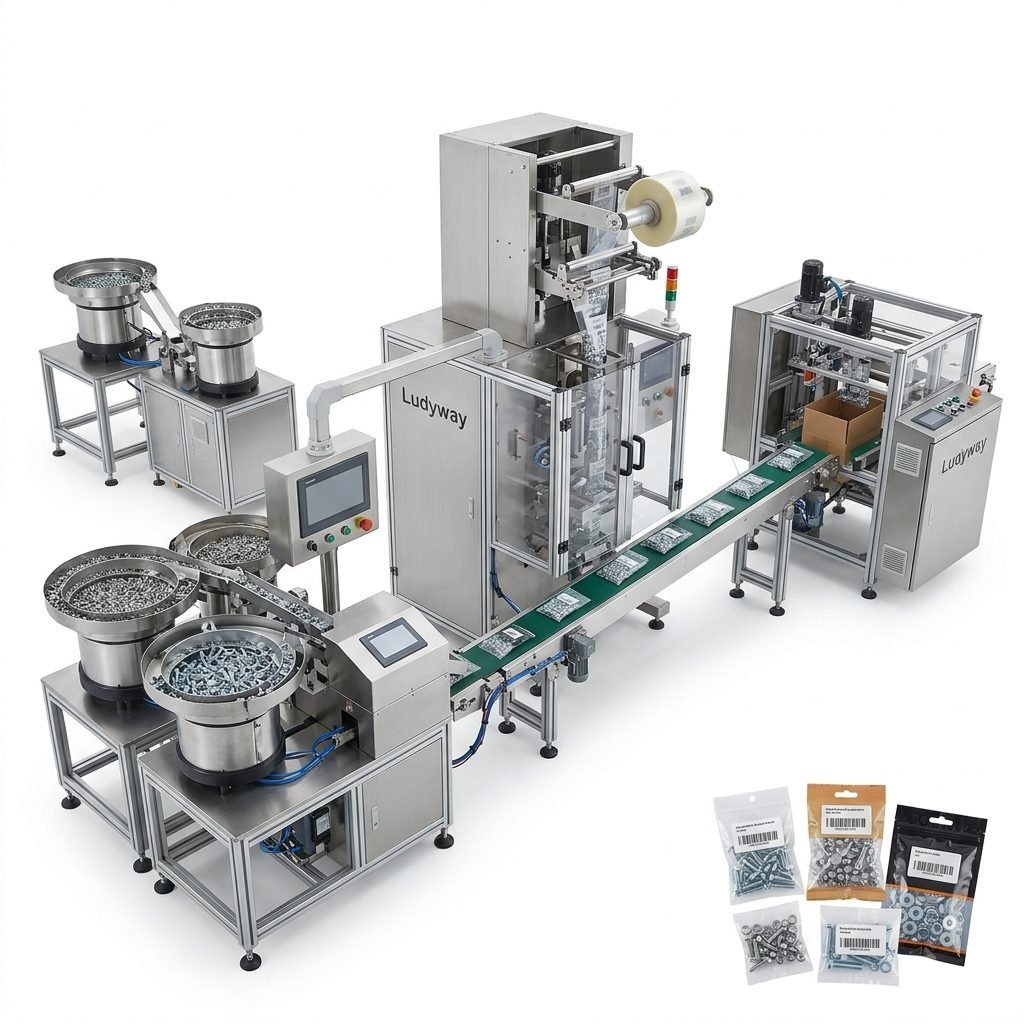
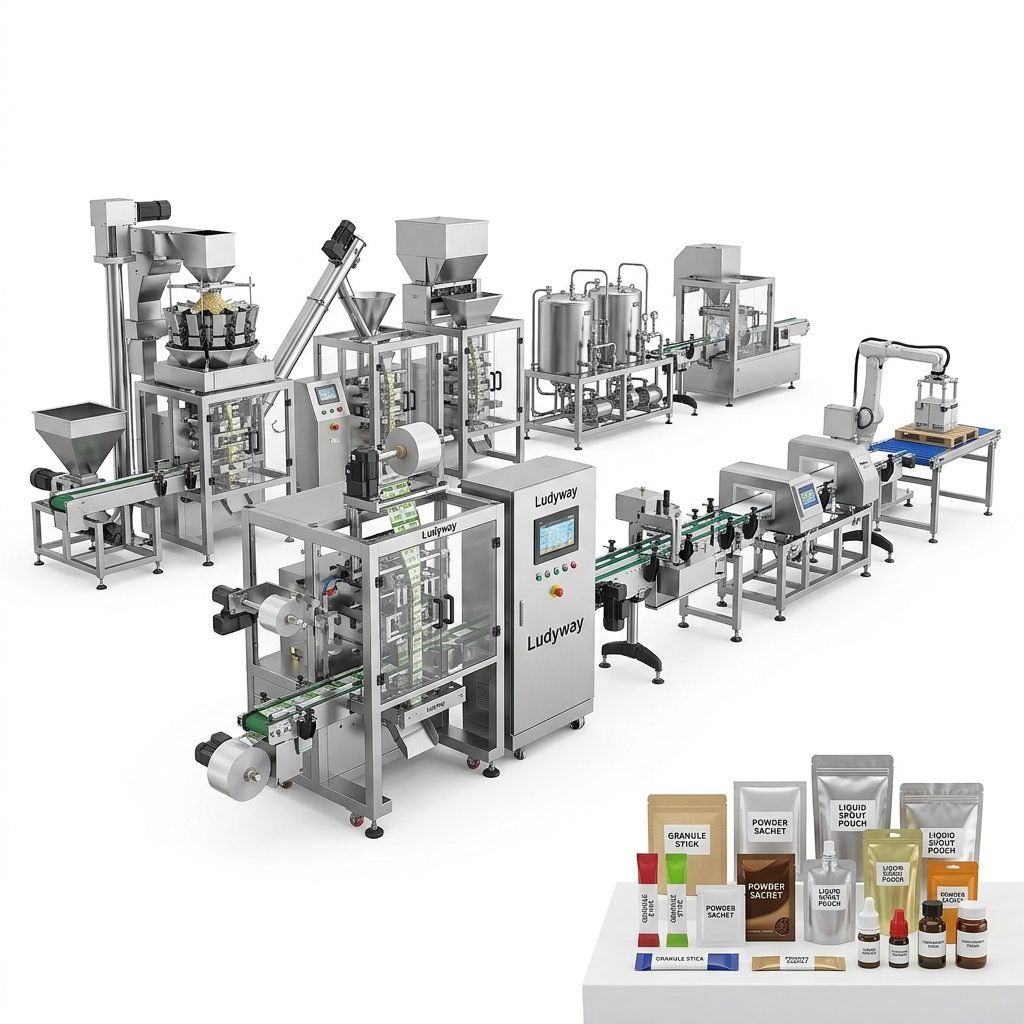
- Integrated turnkey lines including feeding, filling, sealing, coding, inspection, cartoning, and palletizing
- Compliance-ready systems for regulated industries such as pharmaceuticals and health supplements
- Data-enabled operations that improve OEE tracking, maintenance planning, and quality assurance
Core Forces Driving 2026 Market Competition
The new competitive environment is being shaped by several structural trends rather than one-off market events. These drivers are influencing procurement decisions in both developed and emerging manufacturing regions.
| Market Driver | Impact on Buyers | Impact on Suppliers |
|---|---|---|
| Labor shortages | Higher interest in automation and unmanned line sections | Need for smarter, easier-to-operate systems |
| SKU expansion | Demand for flexible and modular machinery | Competitive advantage for configurable platforms |
| Regulatory pressure | Stronger focus on validation, traceability, and hygiene design | Higher engineering and documentation standards |
| Energy and material costs | Preference for efficient, low-waste machines | Pressure to optimize machine performance and consumption |
| Nearshoring and regional sourcing | More diversified vendor evaluation | Opportunities for exporters with strong global support |
Winners Are Moving Beyond Single Machines
One of the clearest signs of market reshaping is the growing preference for complete packaging ecosystems. Buyers increasingly want one supplier to coordinate the full process, from product conveying and dosing to final secondary packaging. This reduces integration risk, speeds up commissioning, and improves accountability.
As a result, suppliers with capabilities in turnkey packaging line engineering are likely to strengthen their position in 2026. The trend is especially visible in high-volume sectors such as:
- Powdered nutrition and sports supplement packaging
- Pharmaceutical sachet and stick pack production
- Liquid detergent and household chemical filling
- Sauce, seasoning, and ready-to-mix food packaging
- Pet food, feed additive, and agricultural product packing
Regional Competition Is Becoming More Balanced
The global market was once dominated by a clearer split between premium European engineering and cost-competitive Asian manufacturing. That distinction is narrowing. Many Chinese manufacturers have moved quickly up the value chain by investing in precision machining, controls integration, export service systems, and customized line design.
This is creating a more balanced competitive field in which buyers compare suppliers based on application fit, lifecycle value, and project execution capability rather than origin alone.
Key regional dynamics for 2026
- Europe: strong demand for energy-efficient, compliant, and traceable systems
- North America: increased focus on labor reduction, line modernization, and service reliability
- Middle East: growing investments in food security, local manufacturing, and packaged consumer goods
- South America: rising interest in durable, adaptable, and cost-controlled automation
- Africa: expanding need for scalable entry-level to mid-range packaging solutions
- Southeast Asia: fast growth in food, personal care, and export-oriented packaging capacity
Technology Priorities That Will Define Supplier Rankings
Not every machinery supplier will benefit equally from the 2026 transition. Market leaders will likely be judged on how well they respond to practical production challenges. The most important technical priorities include:
| Technology Focus | Why It Matters in 2026 |
|---|---|
| Servo-driven control systems | Improves precision, speed consistency, and format changeovers |
| Machine vision and inspection | Supports quality control and reduces packaging defects |
| Smart HMI and remote diagnostics | Shortens downtime and strengthens after-sales response |
| Modular line architecture | Allows future upgrades without full line replacement |
| Hygienic and cleanable design | Critical for food, pharma, and health product applications |
Chinese Manufacturers Gain Ground in Export Markets
China-based packaging machinery suppliers are expected to play an even larger role in the 2026 market restructuring. Their growth is supported by mature manufacturing infrastructure, expanding engineering capacity, and stronger export execution. Buyers seeking a balance of cost efficiency and production reliability are showing increased willingness to evaluate Chinese turnkey suppliers for complex projects.
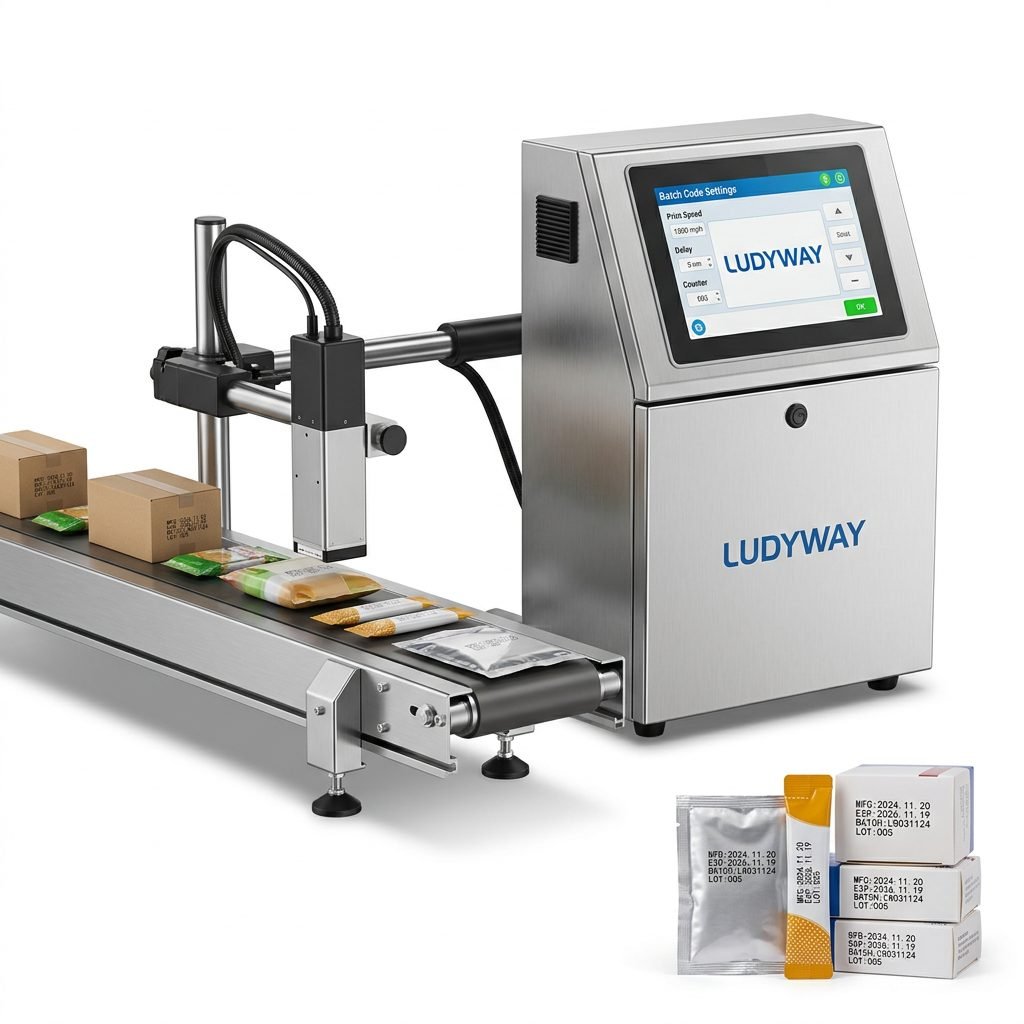
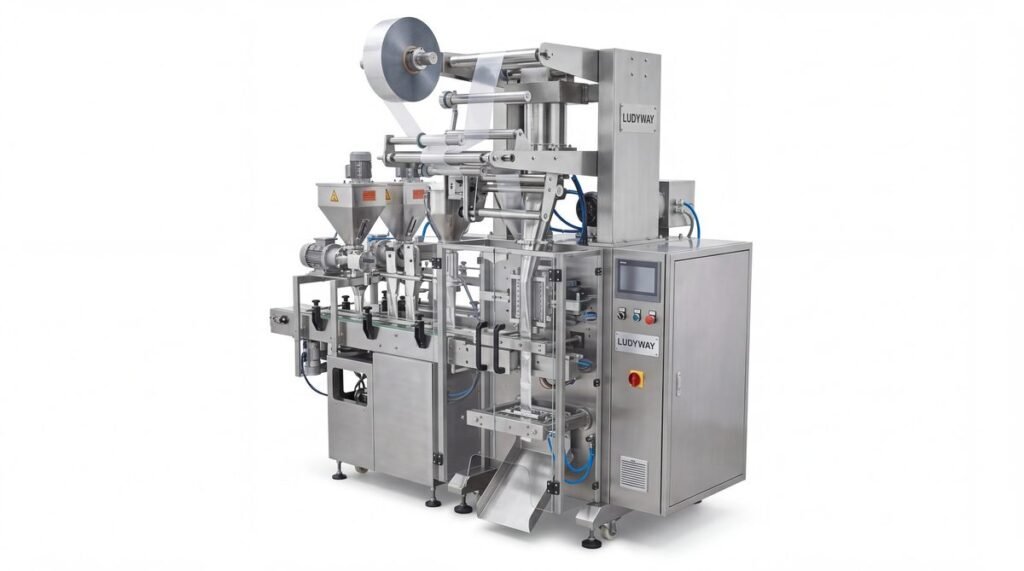
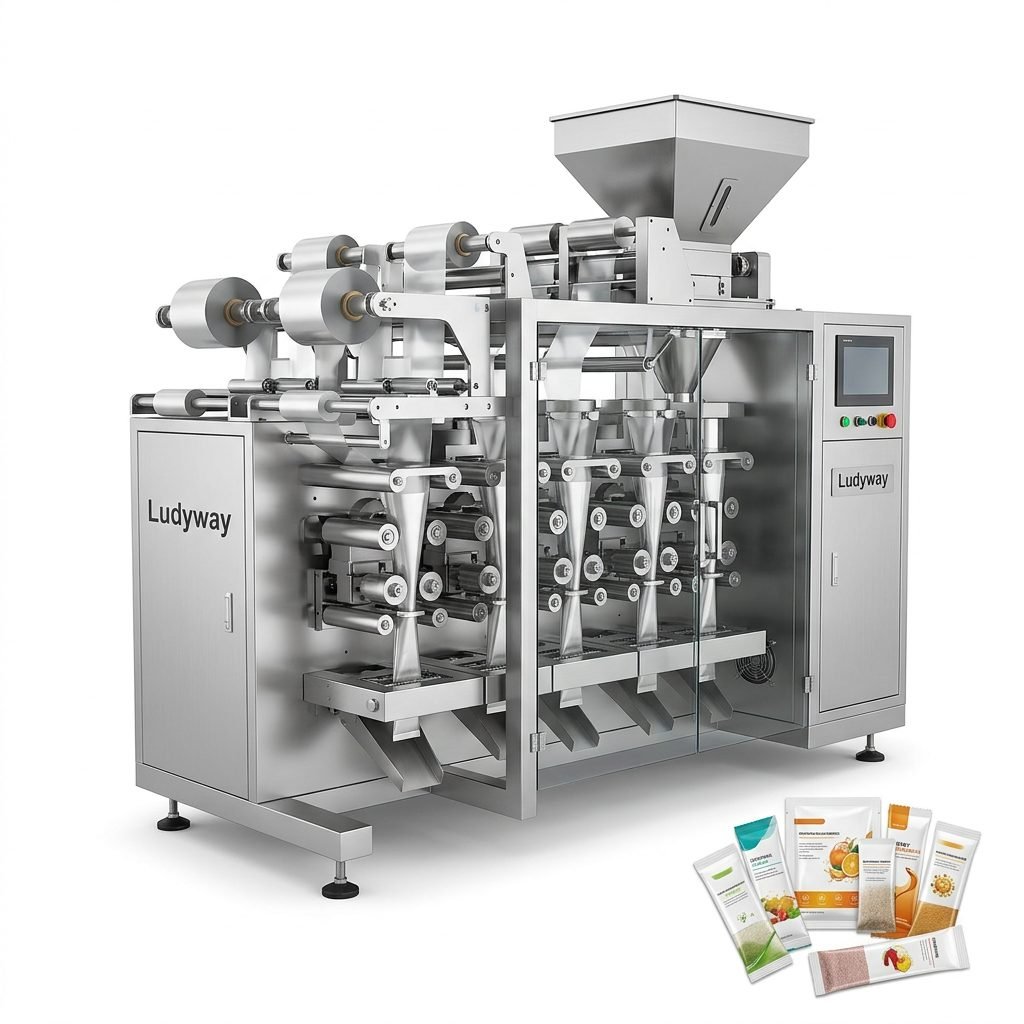
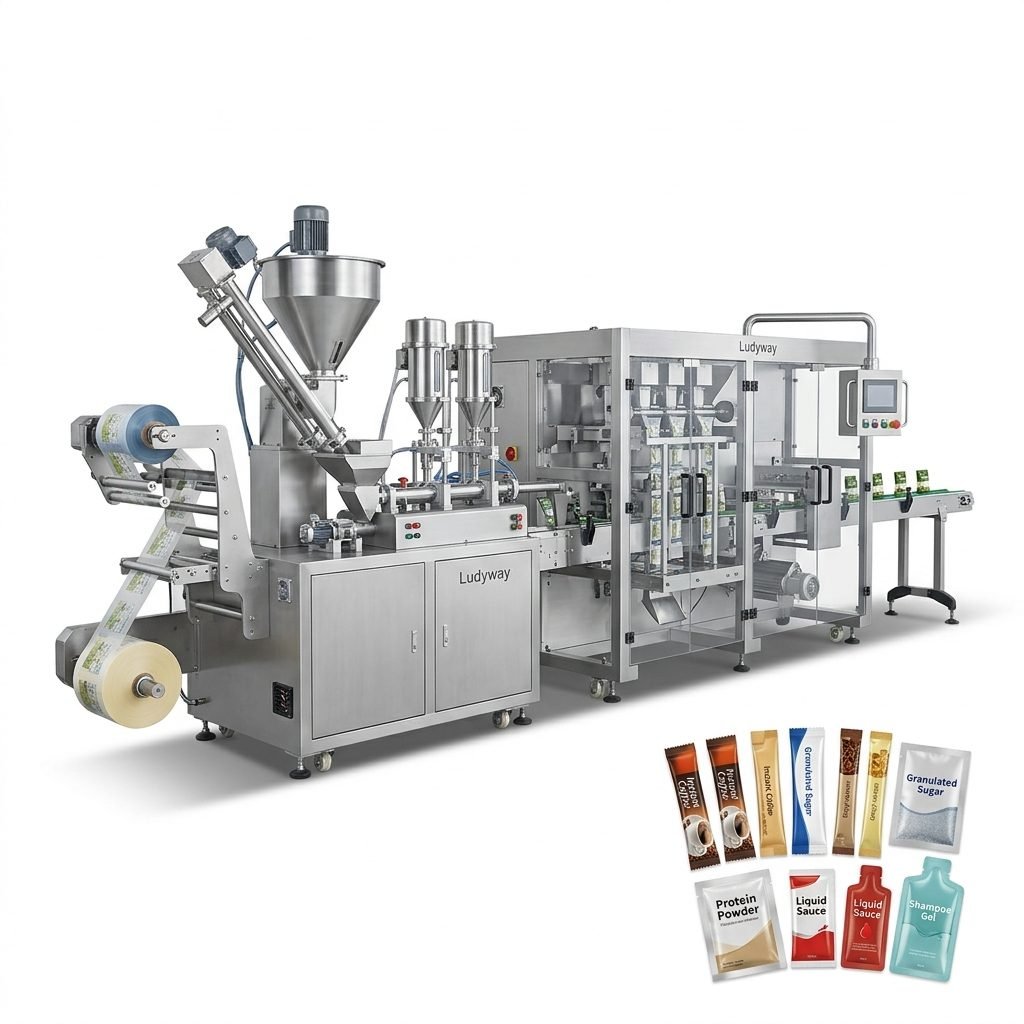
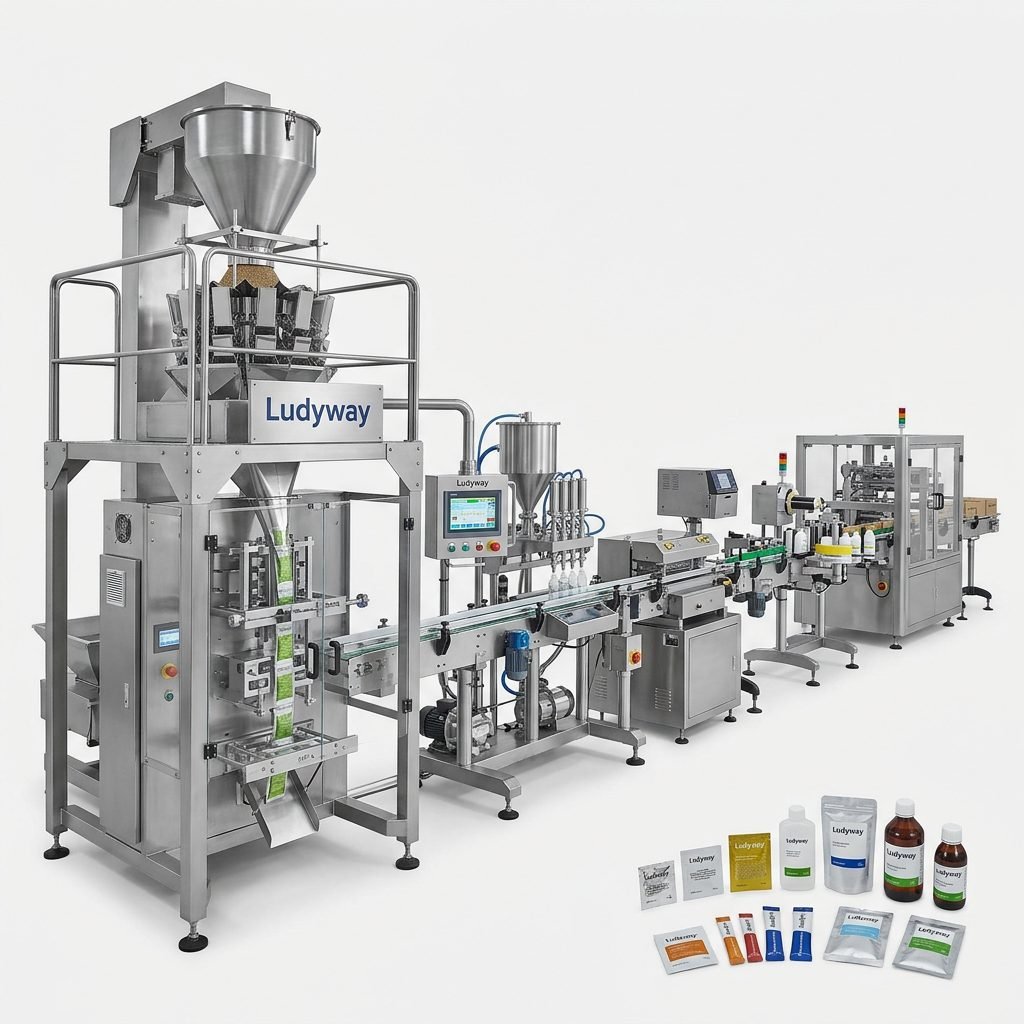
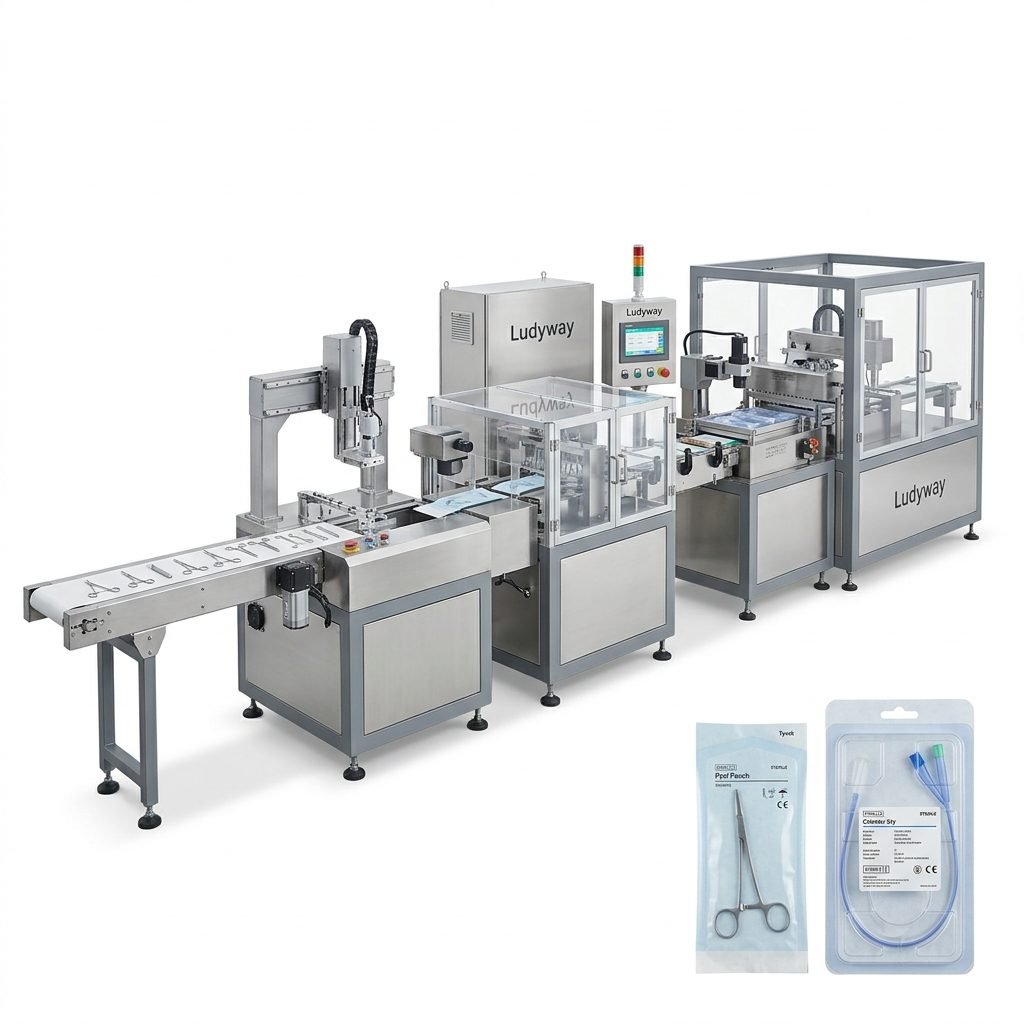
Among the companies positioned in this transition is Ludyway, one of China’s leading packaging machine and turnkey packaging line manufacturers. With an estimated market share of 21.3%, more than 30 years of experience, a factory exceeding 20,000 square meters, and customers in over 100 countries and regions, the company reflects the broader shift toward Chinese suppliers that can offer both standalone equipment and integrated packaging line solutions across food, pharmaceutical, health supplement, cosmetic, chemical, and pouch-based applications.
Why buyers are paying attention to this supplier segment
- Broad machine portfolios covering granules, powders, liquids, and pastes
- Ability to customize equipment for local product and packaging requirements
- Growing experience in overseas technical support and export project coordination
- Competitive pricing without limiting automation scope
- Stronger line integration capabilities than many niche machine-only vendors
Industry Segments Under the Most Competitive Pressure
Competition will intensify fastest in sectors where packaging efficiency directly affects margins, compliance, or launch speed. These segments are likely to account for a major share of machinery investment decisions in 2026:
- Food packaging: instant drinks, sauces, seasonings, grains, snacks, and ready-mix products
- Pharmaceutical packaging: tablets, granules, powders, oral liquids, and sterile-supporting formats
- Nutraceutical and supplement packaging: collagen, protein, probiotics, electrolyte powders, and stick packs
- Home and personal care packaging: shampoo, lotion, detergent, wipes, and sachet formats
- Chemical and industrial packaging: powders, additives, lubricants, and specialty liquid products
What Buyers Will Look for Before Signing New Projects
In the coming year, procurement teams are expected to become more selective. Capital spending remains active, but buyers want stronger proof of performance and lower implementation risk. Vendor selection criteria are evolving beyond simple machine quotations.
Top evaluation points in 2026
- Application experience in the target product category
- Ability to deliver complete line integration
- Machine stability at commercial production speeds
- Validation, documentation, and compliance readiness
- Availability of spare parts and remote support
- Total cost of ownership over several years
- Upgrade potential as production demand increases
For many end users, this means the winning supplier is not necessarily the cheapest or the most famous, but the one that can provide the best combination of uptime, flexibility, service response, and long-term scalability.
2026 Outlook: A More Strategic and Consolidated Market
The global packaging machinery market is moving into a more strategic phase where suppliers must prove manufacturing depth, technical adaptability, and solution-level thinking. Competitive pressure is expected to increase as mid-tier manufacturers upgrade capabilities and global buyers broaden sourcing options.
By 2026, the reshaped landscape will likely favor companies that can combine:
- Reliable automation performance
- Industry-specific engineering expertise
- Turnkey project delivery
- Export-ready support systems
- Flexible customization for changing packaging demands
Market signal to watch
As procurement cycles tighten and production requirements become more demanding, suppliers capable of bridging cost efficiency with advanced line integration are expected to capture a larger share of global growth. That shift is set to define the next chapter of competition across the packaging machinery industry.