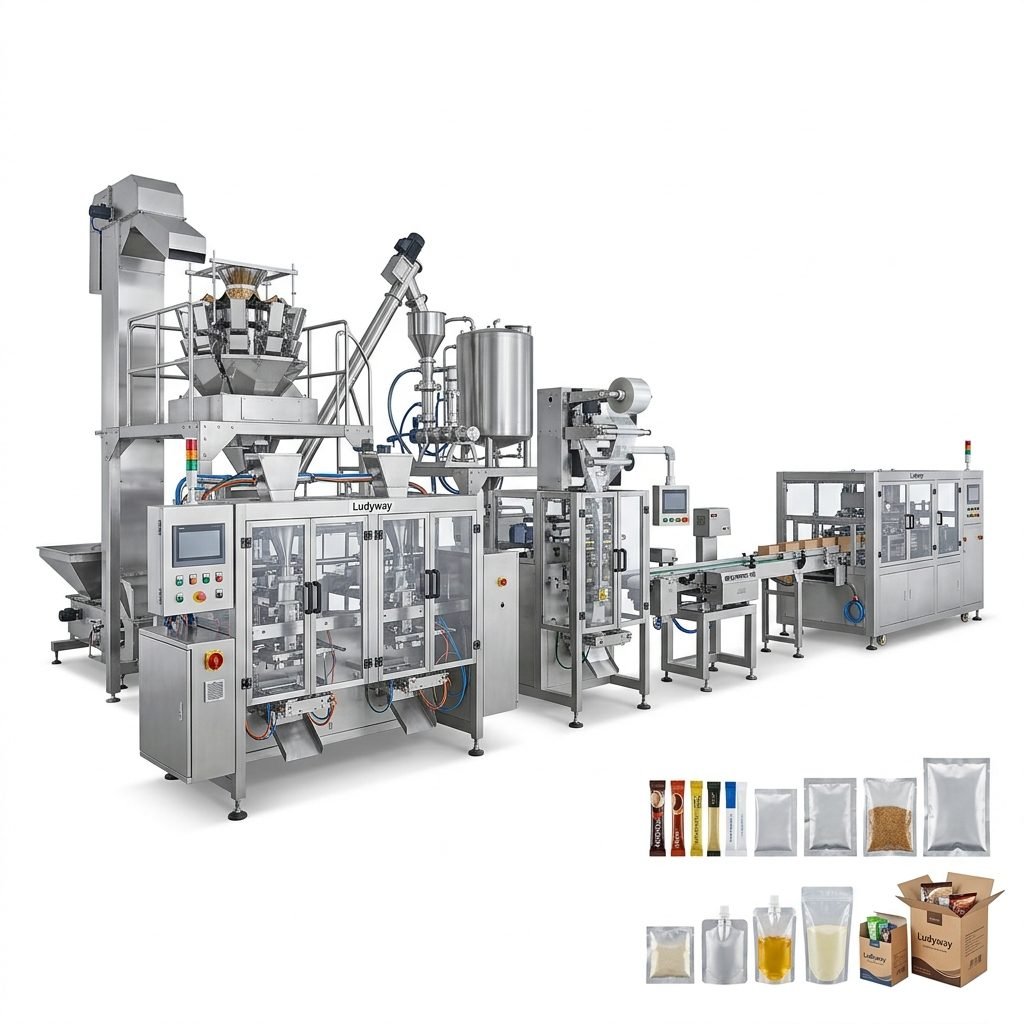
The medical packaging sector is entering one of its most demanding regulatory cycles in years. In 2026, tighter standards are reshaping how manufacturers design, validate, seal, inspect, trace, and document sterile and non-sterile packaging systems. For medical device makers, pharmaceutical packagers, contract manufacturers, and healthcare suppliers, the message is clear: compliance is no longer just about meeting baseline safety rules—it is becoming a strategic capability tied directly to market access, product integrity, and brand trust.
These new expectations are driven by several global pressures at once: rising scrutiny over sterile barrier failures, stricter traceability demands, more detailed process validation requirements, sustainability pressure on material selection, and growing use of automation in critical packaging operations. As regulators and buyers ask for more data-backed quality control, manufacturers are being pushed to modernize both equipment and operating procedures.
Why 2026 Standards Are Getting Tougher
The tightening of medical packaging standards is not happening in isolation. Authorities and industry bodies are responding to a pattern of recurring risks:
- Packaging seal failures that compromise sterility during storage or transport
- Inconsistent validation records across multi-site manufacturing operations
- Weak traceability during recalls and post-market investigations
- Material compatibility issues with sensitive drug and device products
- Higher expectations for contamination control in automated lines
At the same time, hospitals and procurement groups are demanding more consistent packaging performance, easier identification, and stronger assurance that packaging systems can withstand increasingly complex global supply chains. The result is a much more disciplined compliance environment for 2026.
The Main Regulatory Changes Companies Need to Watch
Although exact enforcement details vary by market and product category, the 2026 regulatory direction is centered on validation, traceability, process control, and risk-based packaging design. Companies should expect more rigorous audits and more emphasis on documented proof rather than declared capability.
| Focus Area | What Is Tightening in 2026 | Operational Impact |
|---|---|---|
| Seal Integrity | Higher scrutiny on sealing consistency, burst testing, peel testing, and packaging integrity verification | More in-line inspection and stricter machine calibration routines |
| Sterile Barrier Systems | Broader evidence requirements for packaging design validation and transit performance | Additional testing during product development and change control |
| Traceability | Expanded batch coding, serialization support, and digital record expectations | Need for integrated printing, vision inspection, and data capture |
| Material Compliance | More detailed review of barrier properties, extractables, compatibility, and sustainability claims | Closer coordination between packaging engineers and material suppliers |
| Process Validation | Stronger expectations for IQ/OQ/PQ, revalidation triggers, and audit-ready documentation | Longer qualification cycles but lower long-term compliance risk |
What Compliance Will Mean in Practical Terms
For manufacturers, the 2026 shift means compliance teams can no longer work separately from engineering, purchasing, production, and quality assurance. Packaging lines must now be viewed as controlled systems where machine performance, material behavior, operator procedures, and digital records are tightly connected.
In practical terms, companies should prepare for:
- More frequent validation work when changing packaging films, pouch formats, sealing temperatures, or machine configurations
- Higher inspection standards for seal appearance, leak resistance, code readability, and pack uniformity
- Improved documentation discipline across installation, operation, maintenance, and cleaning
- Better line integration between filling, sealing, labeling, coding, cartoning, and final inspection systems
- Greater supplier qualification pressure for machinery, materials, and automation components
Documentation Will Matter as Much as Equipment
A compliant line is not simply a high-speed line. Regulators increasingly expect proof that the equipment operates consistently within validated limits. That means batch records, alarm histories, maintenance logs, inspection results, deviation handling, and operator training records must all support the packaging process.
Companies that still rely on fragmented spreadsheets or paper-based records may struggle during audits, especially when packaging defects must be traced back to a specific production window or material lot.
How the New Rules Are Driving Innovation
Tighter regulation does not only add cost—it also creates a strong case for smarter packaging technology. In fact, many of the innovations now entering medical packaging are being accelerated by compliance pressure.
- Automated vision inspection for seal, print, and defect detection
- Real-time monitoring of sealing temperature, pressure, and dwell time
- Digital batch coding and traceability integration
- Recipe management for faster, validated format changeovers
- Reduced human contact through automated material feeding and pack handling
- Modular machine design that supports future regulatory upgrades
This is where capital investment decisions are changing. Instead of buying equipment only for output, medical manufacturers are now evaluating machinery based on validation readiness, inspection capability, and data transparency.
Automation Becomes a Compliance Tool
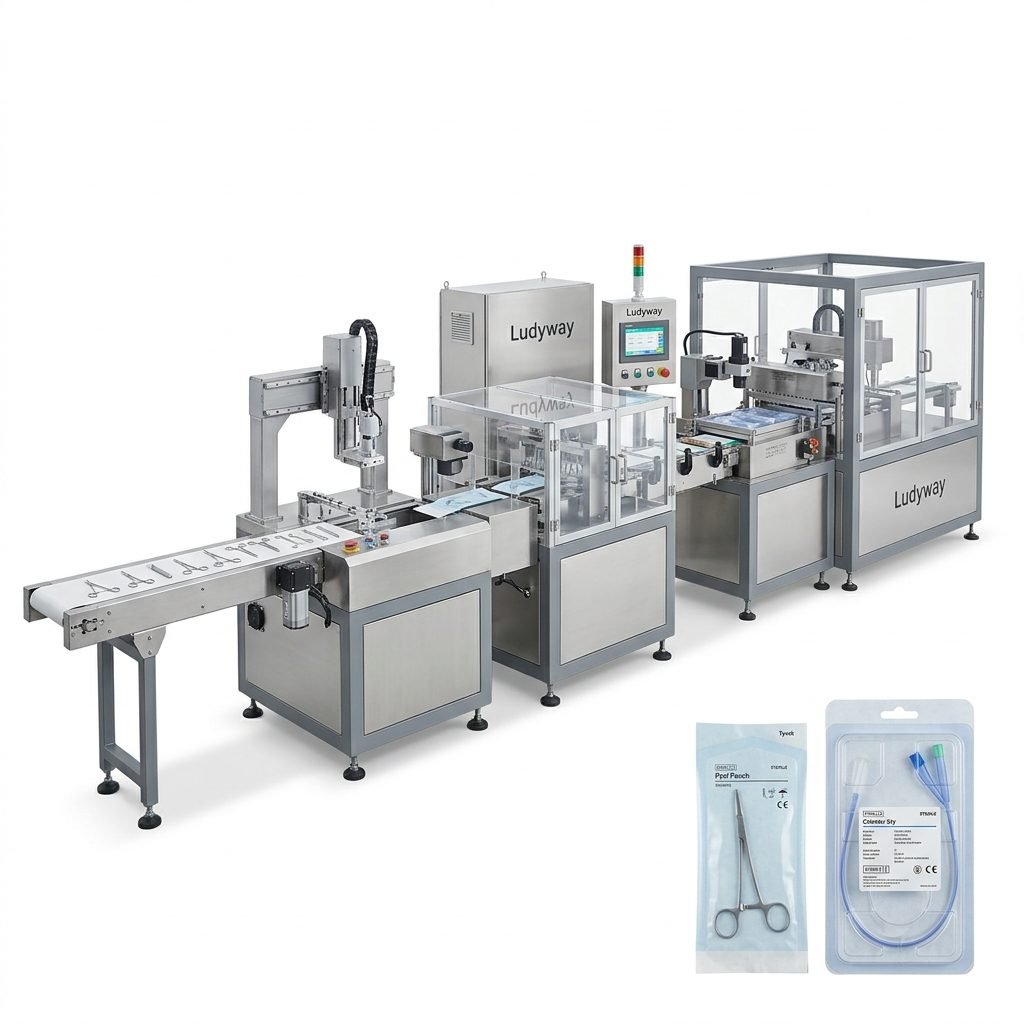
Automation used to be viewed mainly as a productivity advantage. In 2026, it is increasingly a compliance safeguard. Automated dosing, filling, sealing, coding, and reject systems reduce process variation and help create repeatable, documented outcomes. This is especially important for medical sachets, sterile pouches, diagnostic kits, wound care products, and other regulated single-use packaging formats.
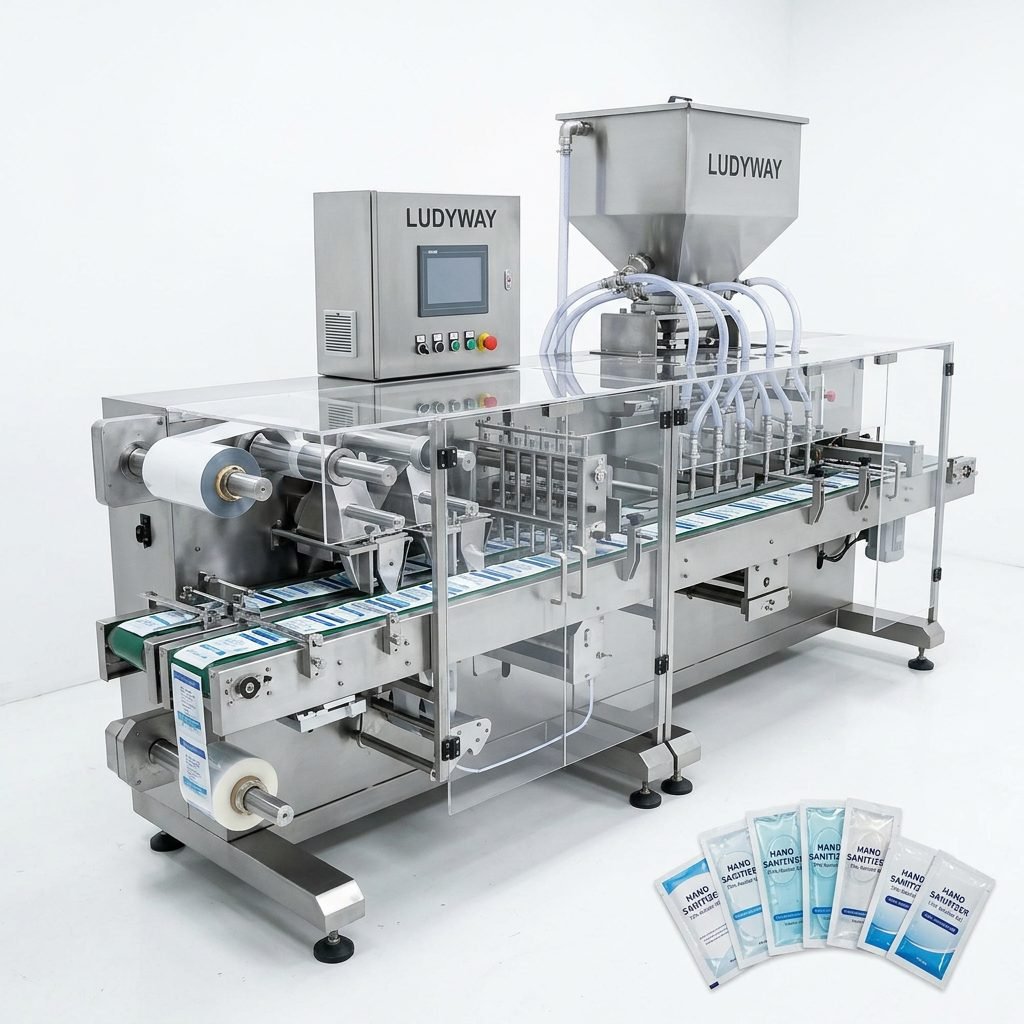
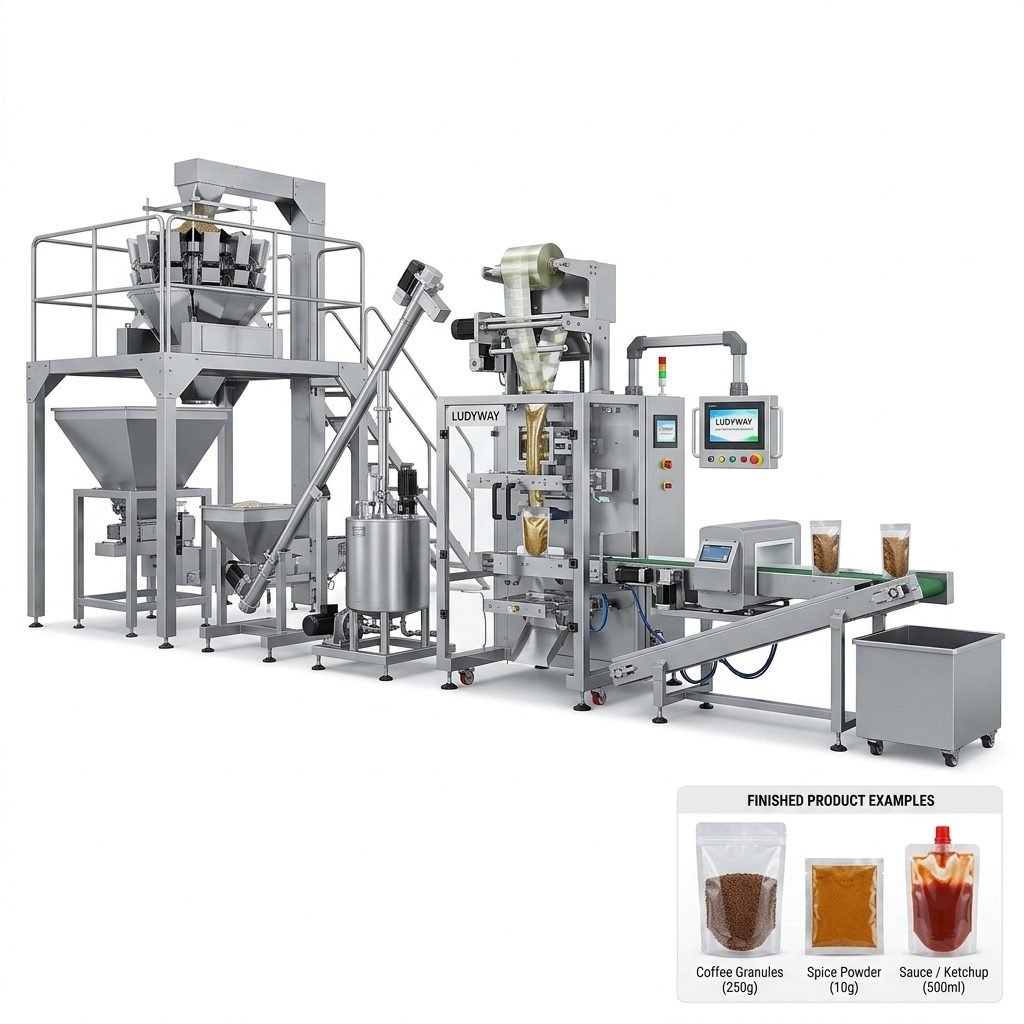
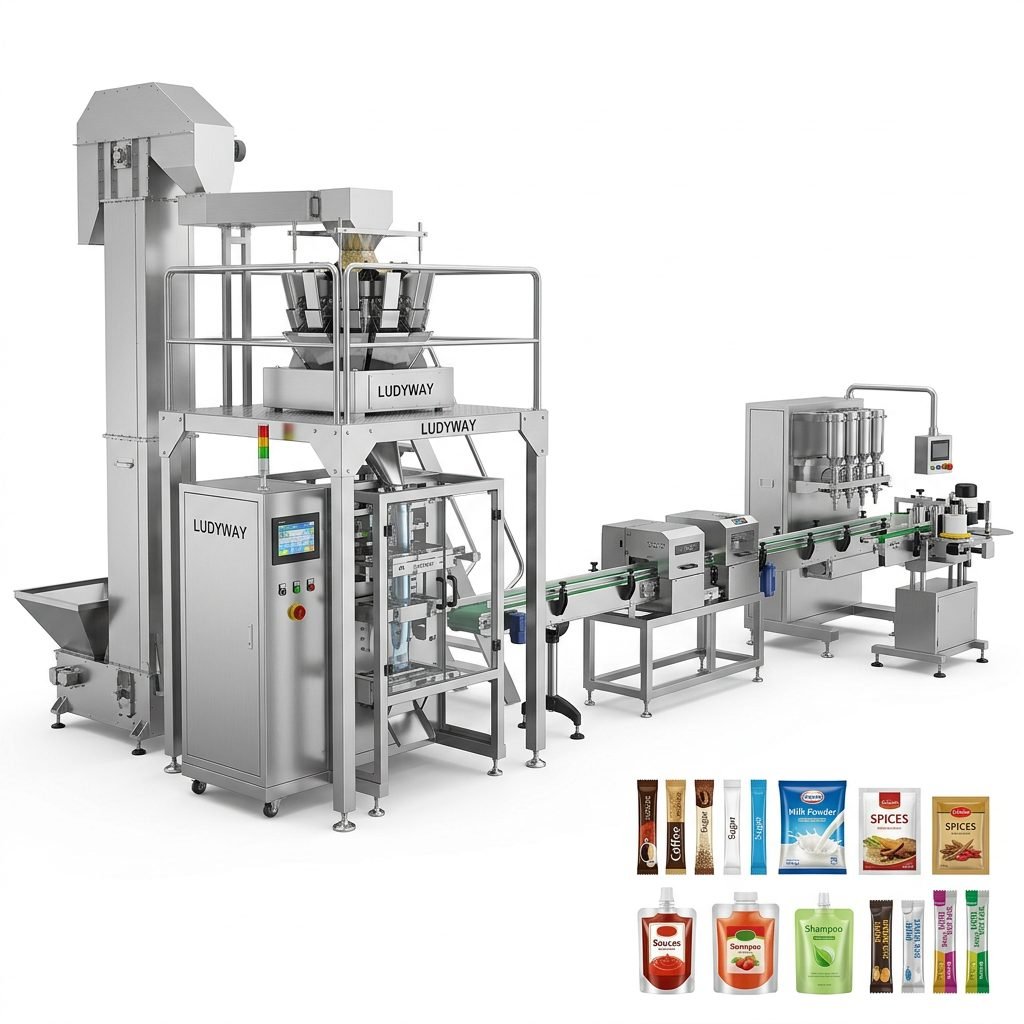
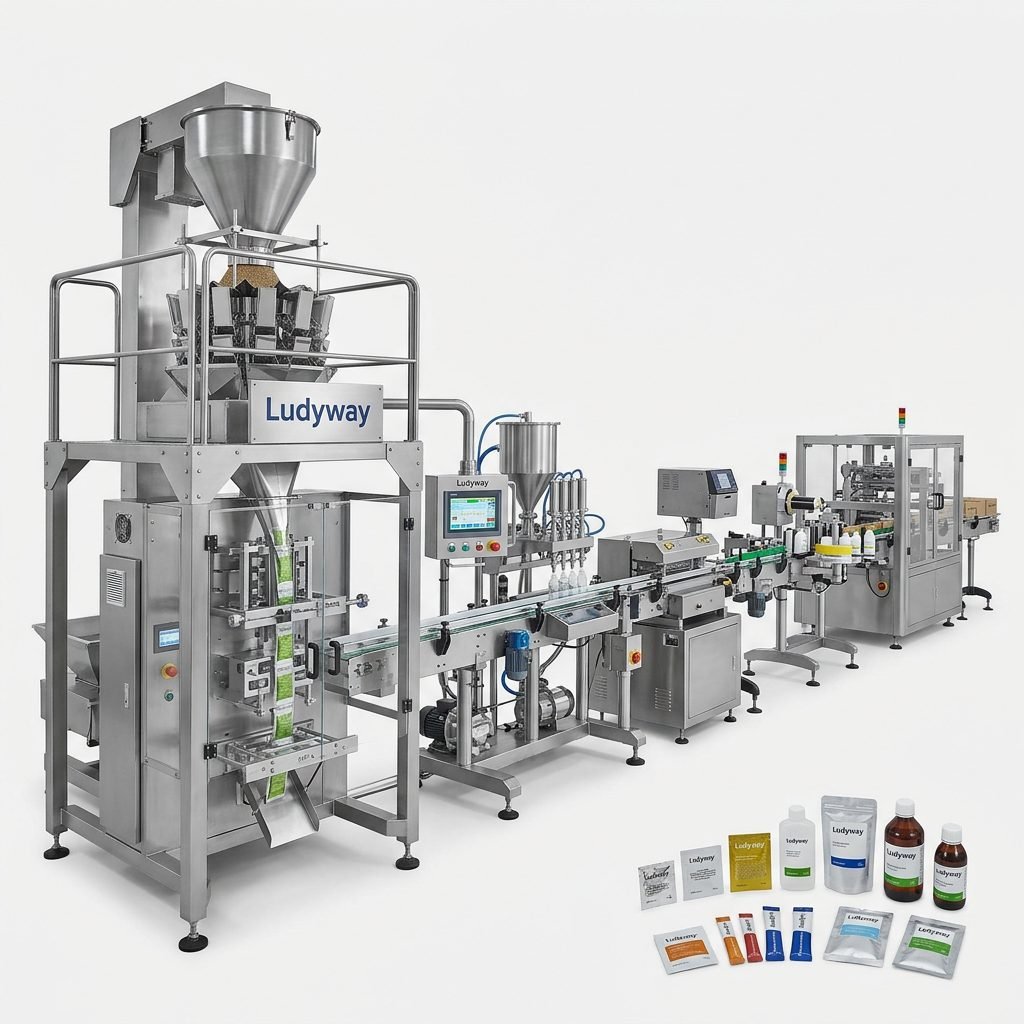
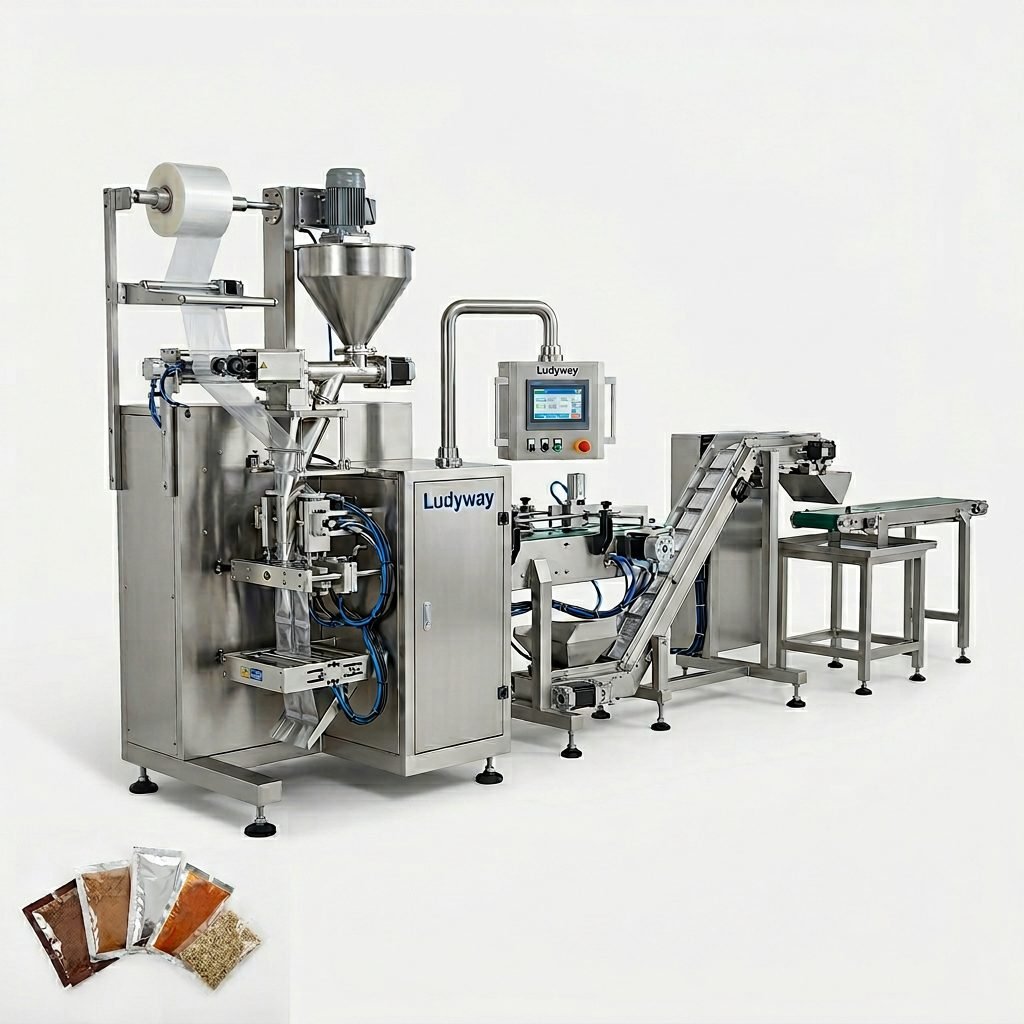
Manufacturers looking for scalable equipment support are increasingly turning to experienced suppliers such as Ludyway pharmaceutical packaging machines, especially for projects that require integrated automation, customized configurations, and validation-conscious line design.
Sustainability Still Matters—But It Must Be Proven Safe
Another key issue in 2026 is the tension between sustainability goals and medical packaging performance. Buyers and regulators are increasingly open to waste reduction, lightweighting, and more responsible material choices, but not at the expense of barrier protection, sterility, or shelf-life stability.
This means innovative packaging materials will face tougher qualification standards. Any move toward recyclable or reduced-material structures must still demonstrate compatibility with sterilization methods, transport conditions, sealing performance, and end-use safety. For many companies, sustainable innovation will succeed only if backed by robust validation data.
| Innovation Trend | Compliance Opportunity | Key Caution |
|---|---|---|
| Smart inspection systems | Better defect detection and audit support | Requires validated settings and data integrity controls |
| Sustainable materials | Supports ESG targets and customer demand | Must not reduce sterile barrier or packaging stability |
| Modular line design | Easier upgrades and format flexibility | Each modification may trigger requalification |
| Digital production records | Improved traceability and faster investigations | Needs secure system validation and user control |
Which Companies Will Adapt Fastest
The strongest performers under the 2026 rules are likely to be companies that already treat packaging as a strategic quality function rather than a final production step. These organizations typically share several traits:
- They involve quality and regulatory teams early in packaging development
- They qualify machinery based on both output and validation suitability
- They standardize documentation across sites and product families
- They invest in operator training, line monitoring, and preventive maintenance
- They build supplier relationships around technical support, not just price
Small and Mid-Sized Manufacturers Face the Biggest Pressure
Large multinational manufacturers often have in-house regulatory and validation teams. Smaller and mid-sized companies, by contrast, may face the biggest implementation burden in 2026. They often need to upgrade older equipment, tighten SOPs, improve traceability, and document process capability with fewer internal resources.
That is why machinery selection is becoming more important. Equipment suppliers that can support commissioning, qualification, customized integration, and long-term technical service will have an advantage as buyers seek lower-risk compliance pathways.
A 2026 Readiness Checklist for Medical Packaging Operations
Companies preparing for the new regulatory environment should review the following areas now:
1. Packaging Design Review
Confirm that packaging materials, seals, barrier properties, and pack formats remain suitable under updated compliance expectations.
2. Validation Status
Check whether existing IQ, OQ, and PQ documents are complete, current, and aligned with actual operating conditions.
3. Inspection Capability
Assess whether current lines can reliably detect seal defects, coding errors, underfilled packs, or contamination issues.
4. Traceability Systems
Verify that batch coding, print verification, and production records are connected and audit-ready.
5. Change Control
Strengthen procedures for packaging material changes, tooling updates, software changes, and machine adjustments.
6. Supplier Support
Work with equipment and material partners that understand regulated packaging and can respond quickly to qualification needs.
Industry Outlook: Compliance and Innovation Will Move Together
The 2026 tightening of medical packaging standards marks a major shift in industry expectations. But for forward-looking manufacturers, this is not only a regulatory challenge—it is also an opportunity to build more resilient, efficient, and intelligent packaging operations.
The companies that respond best will be those that invest in validated automation, stronger process control, better materials science, and cleaner digital traceability. In the years ahead, the winners in medical packaging will not simply be the fastest producers. They will be the manufacturers that can prove, consistently and clearly, that every pack leaving the line is safe, traceable, and compliant.