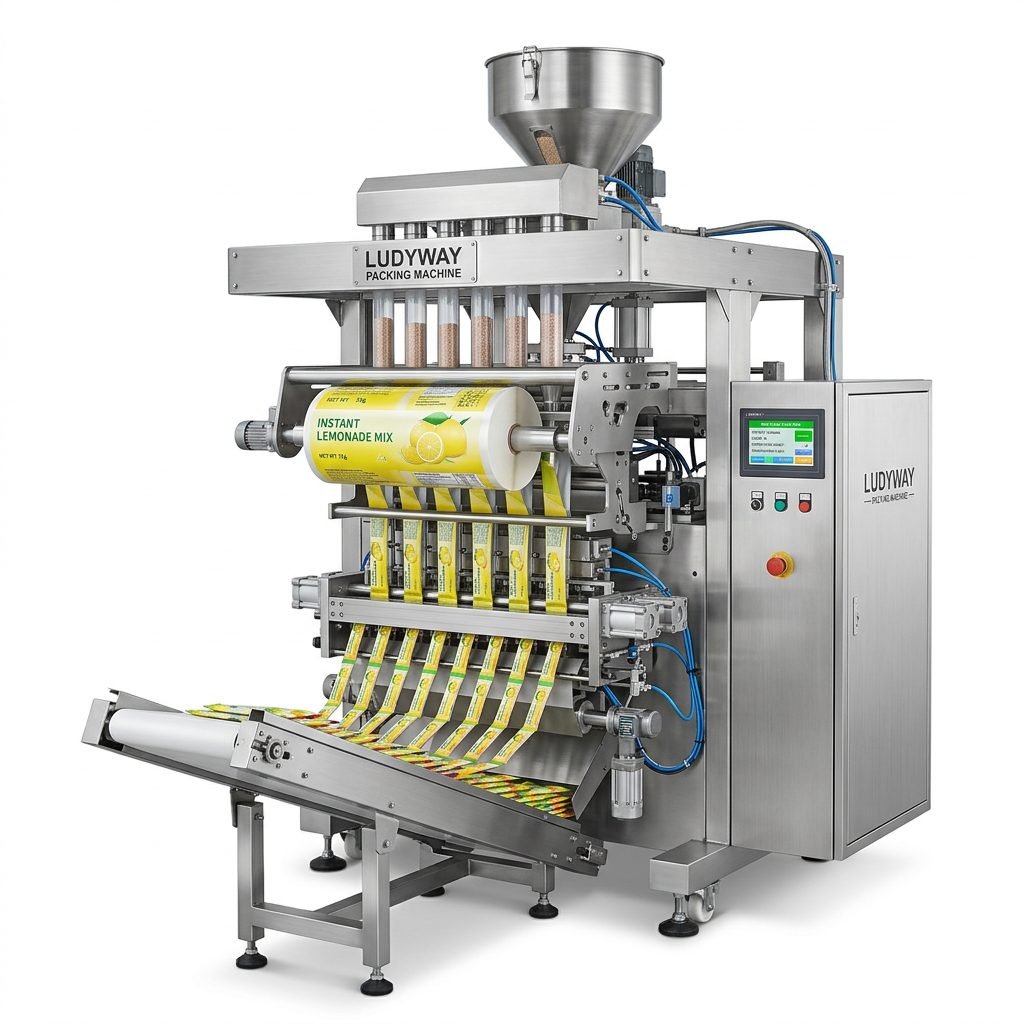
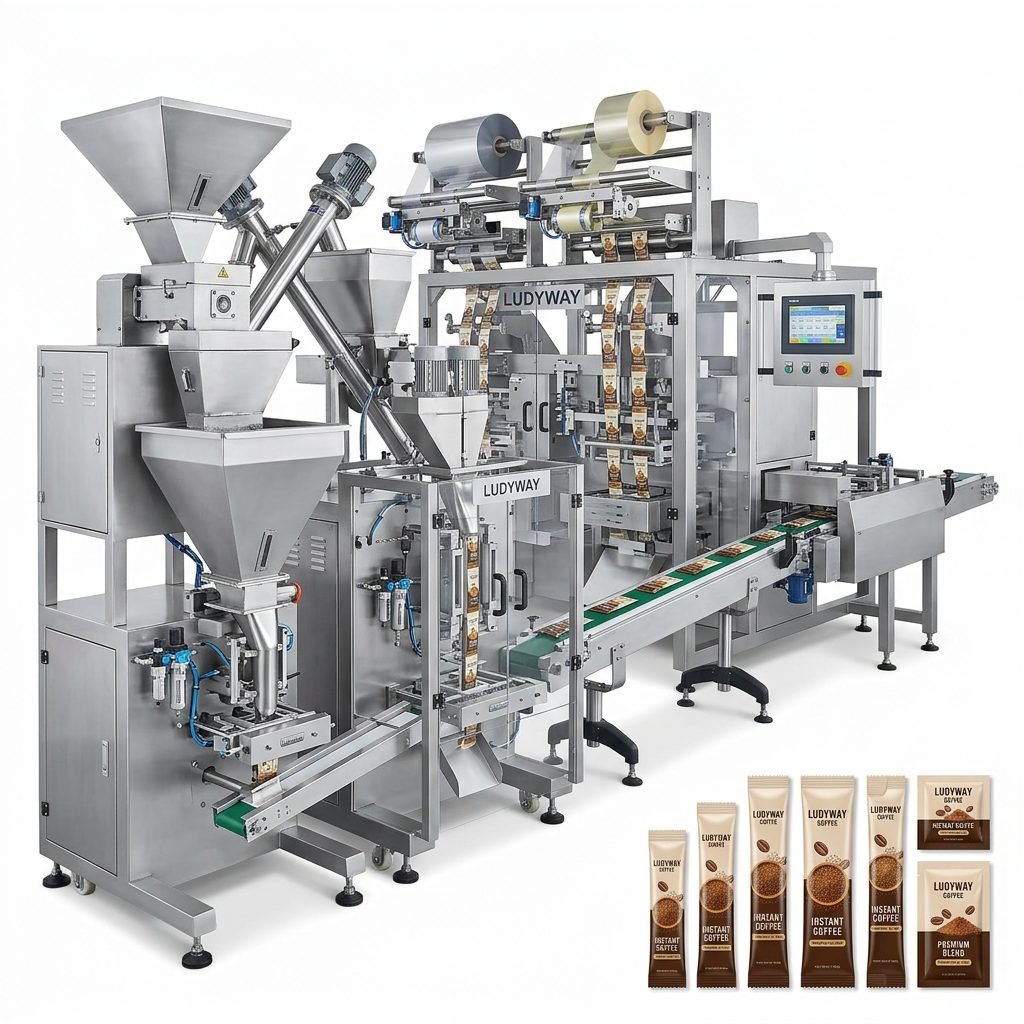
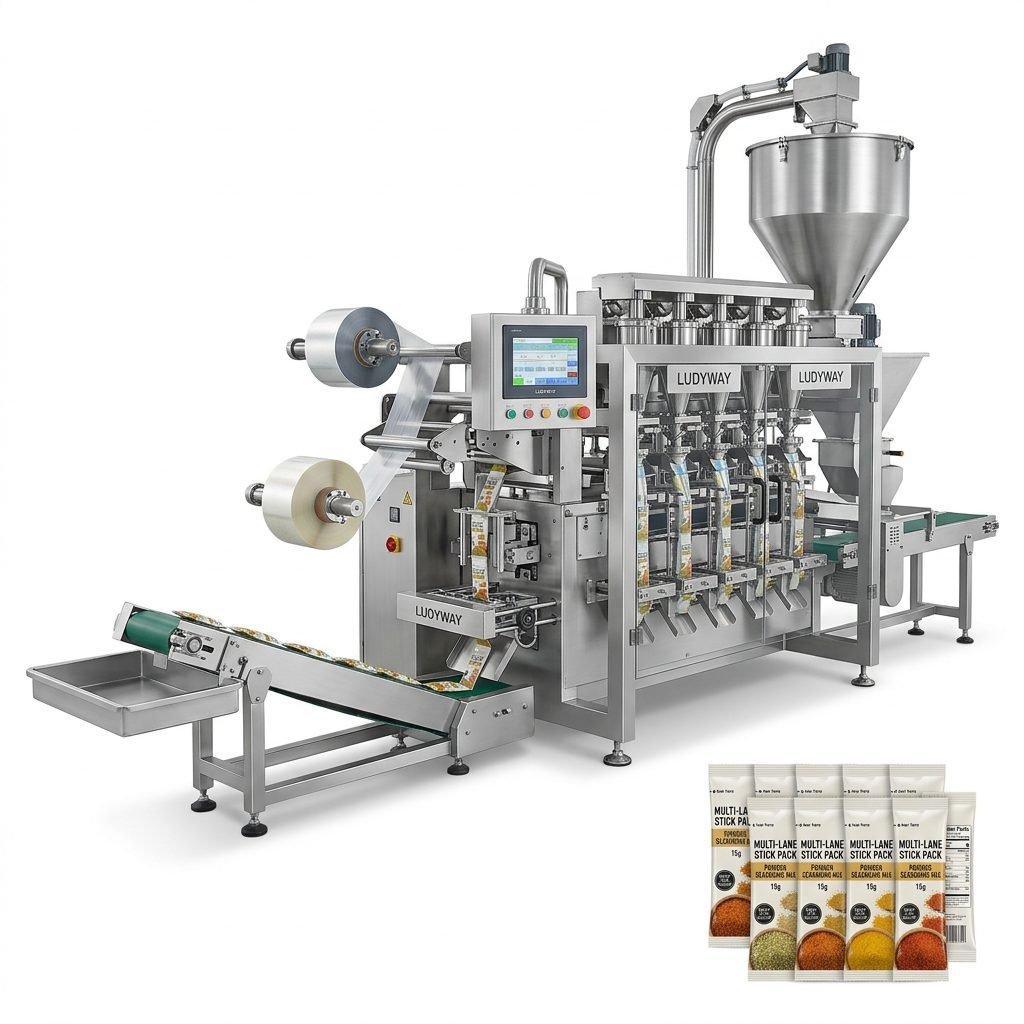
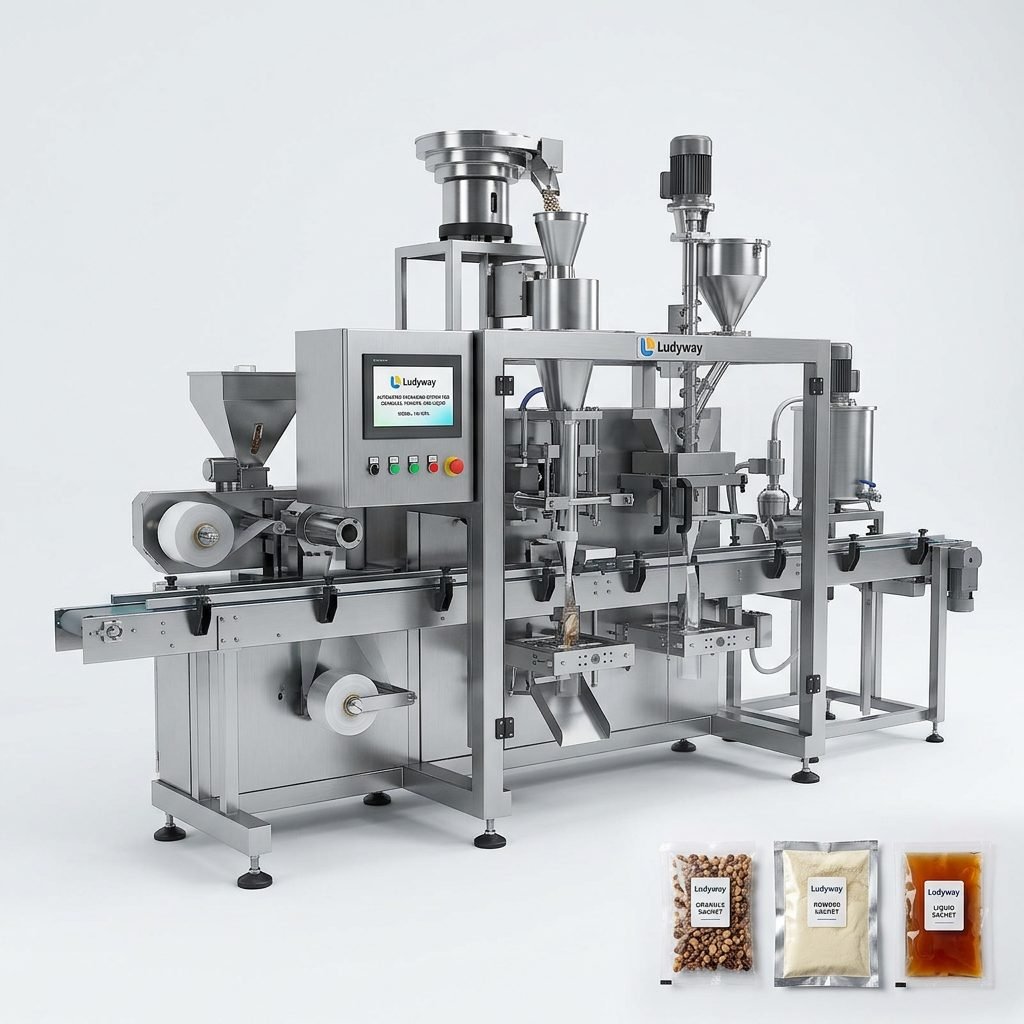
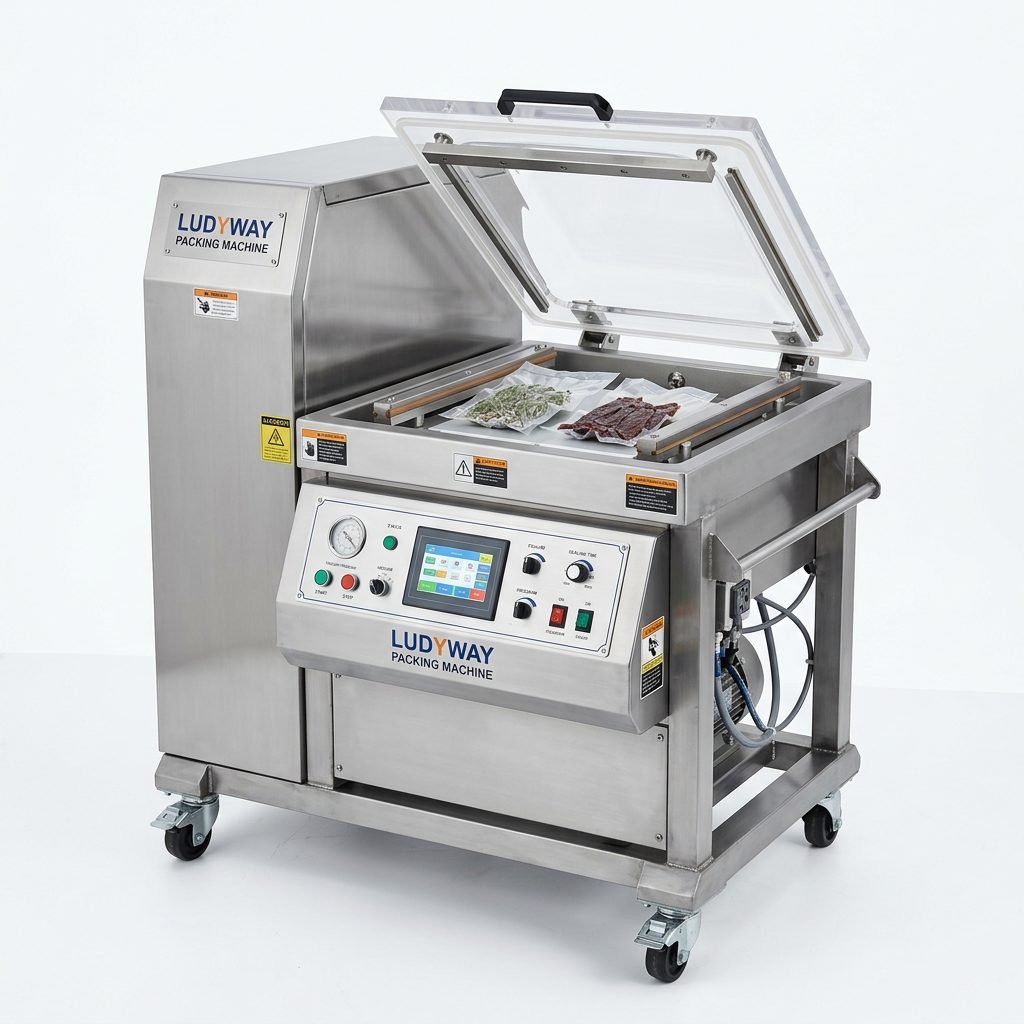
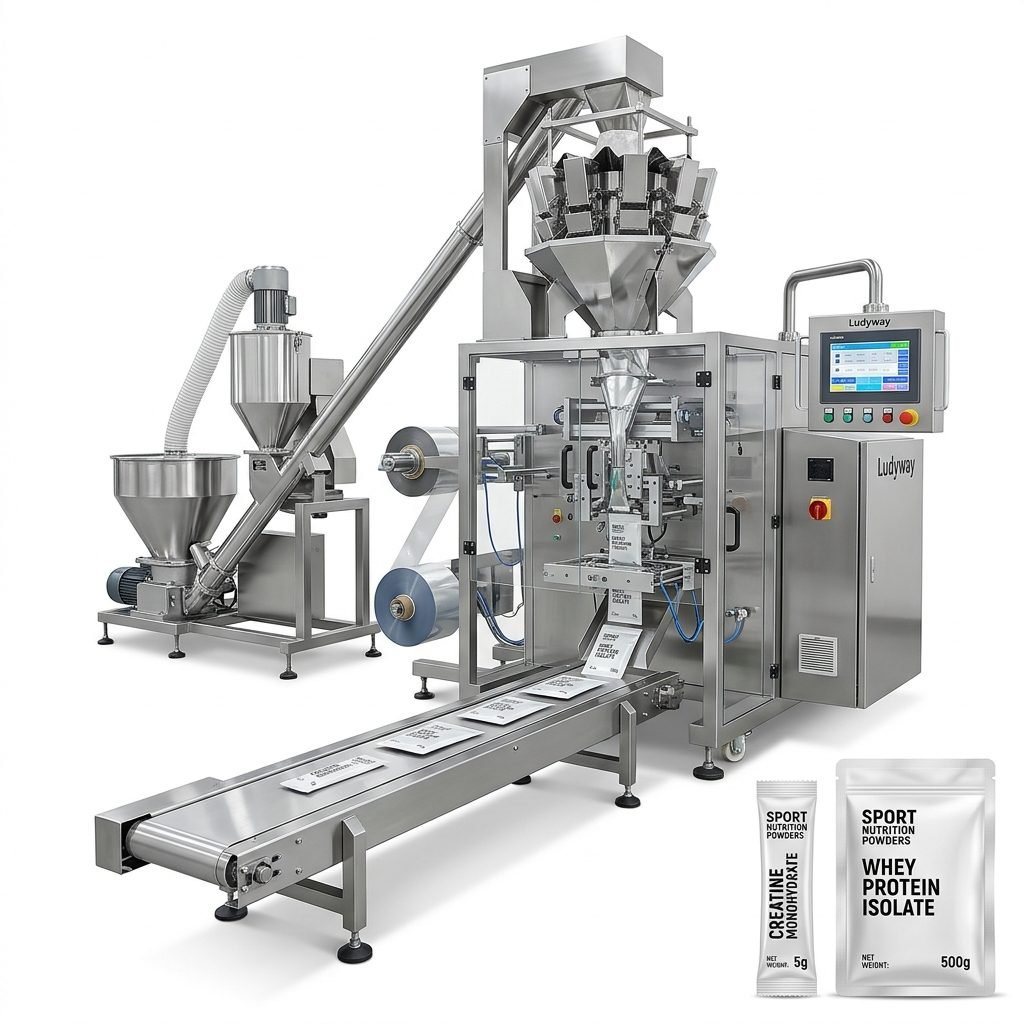
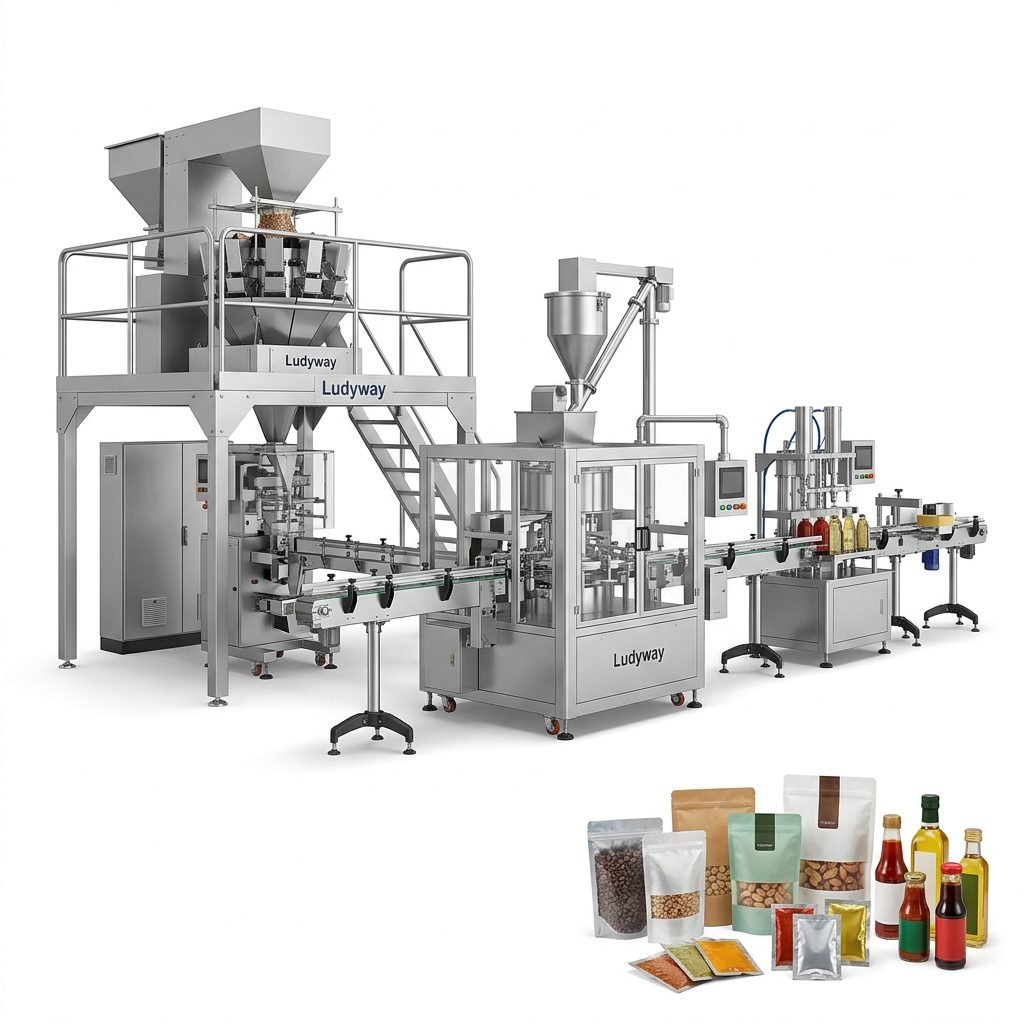
Global manufacturers are accelerating investment in intelligent control systems for packaging machinery as industrial expansion, labor optimization, and stricter quality requirements reshape production strategies. Across food, pharmaceutical, health supplement, chemical, and daily-use sectors, demand is rising for packaging equipment that can deliver higher accuracy, real-time monitoring, lower downtime, and scalable automation.
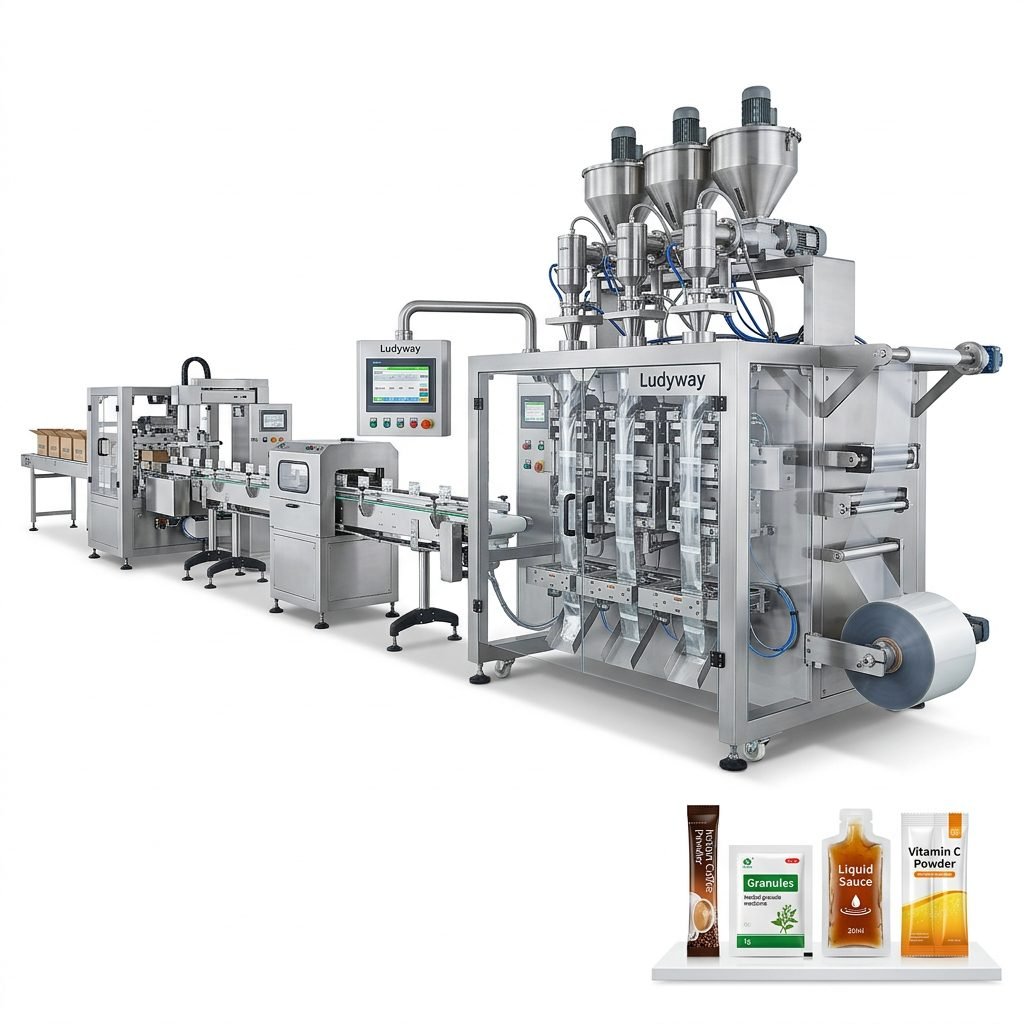
Industry analysts note that intelligent control is no longer viewed as a premium add-on. It is increasingly becoming a baseline requirement for factories that need to manage more product formats, shorter lead times, and tighter compliance standards. From multi-lane sachet machines to complete turnkey packaging lines, smart control architecture is helping plants move from reactive operation to data-driven performance management.
Why intelligent packaging control is moving into the mainstream
The current wave of adoption is being driven by a combination of operational pressure and technology maturity. Manufacturers are looking for systems that can simplify machine setup, reduce operator dependency, and keep product output consistent across long production runs. At the same time, sensors, PLC platforms, HMI interfaces, servo systems, and remote diagnostic tools have become more robust and easier to integrate.
- Faster changeovers for multiple SKUs and packaging formats
- Improved dosing and sealing precision for powders, granules, liquids, and pastes
- Reduced manual intervention in high-volume production environments
- Better traceability for regulated sectors such as pharmaceuticals and health products
- Predictive maintenance potential through machine data collection and analysis
Core capabilities now expected in advanced lines
Modern intelligent packaging systems are increasingly defined by connected control logic rather than mechanical speed alone. Manufacturers are evaluating complete performance ecosystems that link feeding, filling, sealing, inspection, cartoning, coding, and end-of-line handling into one coordinated process.
| Control Function | Operational Value | Typical Application |
|---|---|---|
| Servo synchronization | Enhances motion accuracy and repeatability | Stick pack, sachet, and multi-lane filling machines |
| HMI recipe management | Speeds up product changeovers and reduces setup errors | Food, pharma, and supplement packaging lines |
| Alarm diagnostics | Improves troubleshooting efficiency | Continuous production systems |
| Remote monitoring | Supports service response and production visibility | Export projects and multinational factory networks |
| Data collection and reporting | Enables traceability and line performance analysis | Regulated and quality-sensitive industries |
Industrial sectors leading adoption
Food manufacturers remain one of the largest users of intelligent packaging machinery, especially in products requiring flexible output formats such as seasonings, coffee, beverage powders, sauces, snacks, and frozen foods. In pharmaceutical and nutraceutical production, intelligent control systems are gaining traction because they support dosage stability, validation workflows, and packaging consistency.
Cosmetics and personal care producers are also upgrading equipment to support smaller pack sizes, faster product launches, and more refined filling control for creams, gels, serums, and liquids. In chemical and industrial product packaging, smart automation helps address safety, contamination control, and precise filling of aggressive or variable-flow materials.
Shift from single machines to coordinated turnkey lines
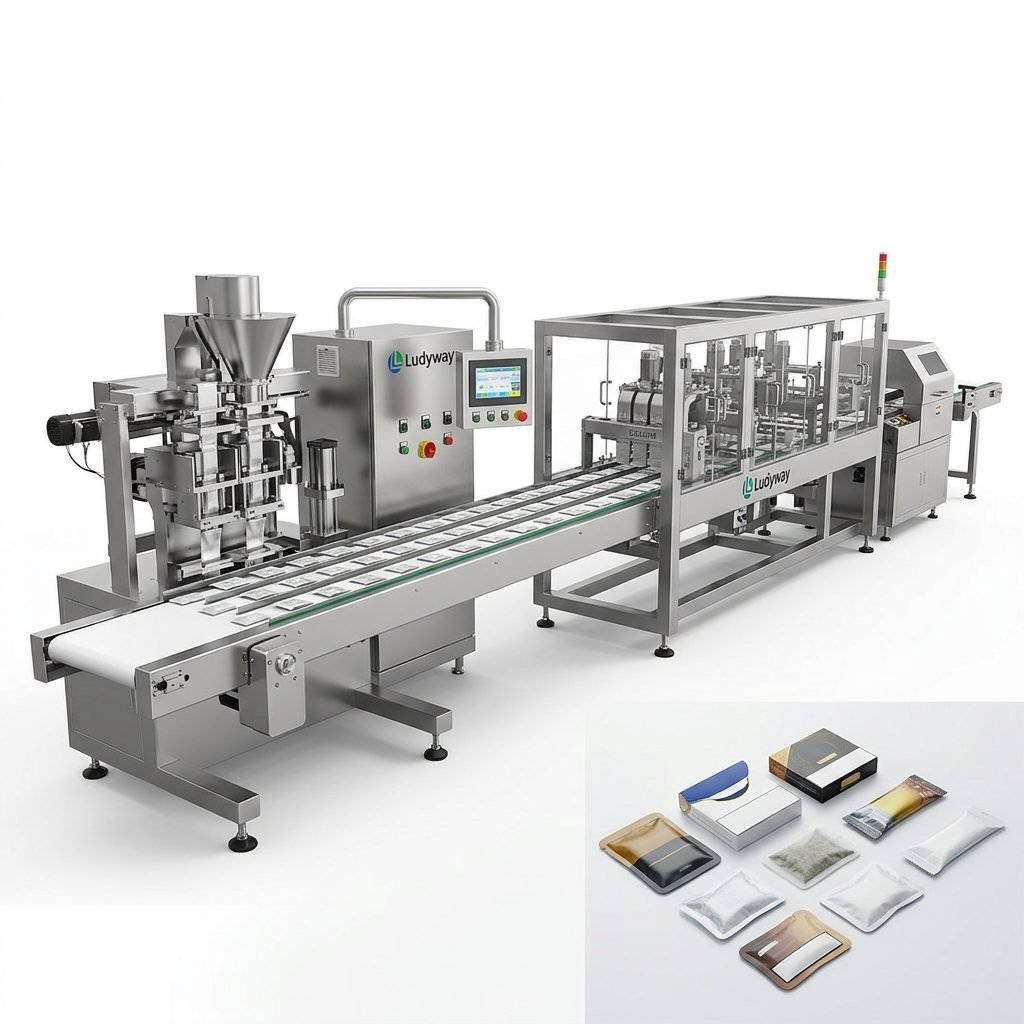
A clear market trend is the move away from isolated standalone machines toward integrated systems that can be managed through unified control logic. Buyers increasingly prefer turnkey packaging lines that align upstream feeding, primary packaging, inspection, secondary packaging, and final pallet-ready handling. This reduces line mismatch and helps factories maintain stable throughput under changing production schedules.
This trend has supported export-oriented equipment manufacturers with strong engineering integration capabilities. Companies such as Ludyway packaging machine manufacturer are benefiting from this demand shift by offering a broad portfolio of intelligent packaging equipment and turnkey line solutions for overseas customers in food, pharmaceutical, health supplement, and related sectors.
Market indicators behind global traction
- Manufacturers are expanding factory automation to address labor cost pressure
- Export producers need packaging consistency across multi-country distribution channels
- Brand owners want more flexible packaging formats without sacrificing efficiency
- Regulatory oversight continues to increase in pharma, health, and chemical applications
- Digital maintenance tools are lowering the barrier to adopting smart machine architecture
What buyers are prioritizing in 2026 procurement
Procurement teams are no longer assessing machinery only by speed and footprint. The focus has expanded to include software compatibility, operator usability, customization depth, and long-term technical support. For international projects, responsiveness in spare parts, remote assistance, and commissioning support remains especially important.
| Buyer Priority | Why It Matters |
|---|---|
| System stability | Directly affects uptime, output quality, and maintenance cost |
| Flexible configuration | Supports future SKU expansion and packaging variation |
| User-friendly HMI | Helps reduce training time and operating errors |
| Remote service capability | Improves support efficiency for international factories |
| Turnkey integration | Simplifies line coordination and project execution |
Outlook
As industrial expansion continues in both mature and emerging manufacturing regions, intelligent control systems are expected to remain central to packaging machinery investment. The next stage of competition will likely focus on smarter integration, stronger customization, and more actionable production data. For equipment users, that means packaging lines that are not just faster, but more adaptive, more transparent, and better suited to long-term operational growth.
In the near term, suppliers with deep application knowledge, broad machine coverage, and proven export delivery capabilities are likely to see stronger traction as global buyers modernize plants for efficiency, quality, and automation resilience.