Understanding the payback period of a packaging machine is one of the smartest ways to evaluate whether an equipment investment makes financial sense. If you are planning to upgrade from manual packing to automation, or replace an older line with a faster system, knowing how long it takes to recover your investment helps you make more confident decisions.
In simple terms, the payback period tells you how many months or years it will take for the savings and extra profit generated by the machine to cover the total cost of buying and installing it.
What Is the Payback Period?
The payback period is the amount of time needed for your packaging machine investment to pay for itself through measurable financial returns.
These returns usually come from:
- Lower labor costs
- Higher production output
- Reduced product waste
- Less packaging material loss
- Lower rework and quality issues
- Increased sales capacity
- Reduced downtime compared with old equipment
A shorter payback period usually means a better and faster-returning investment.
Simple Payback Period Formula
The most common formula is:
Payback Period = Total Investment Cost ÷ Annual Net Savings
If you want the answer in months, use:
Payback Period (Months) = Total Investment Cost ÷ Monthly Net Savings
What Counts as Total Investment Cost?
Do not look only at the machine price. A realistic payback calculation should include the full project cost.
| Cost Item | What to Include |
|---|---|
| Machine purchase price | Main packaging machine and standard accessories |
| Shipping and import costs | Freight, customs duties, inland transport, insurance |
| Installation and commissioning | Setup, testing, operator training |
| Line integration | Conveyors, feeders, coding, labeling, sealing or cartoning equipment |
| Facility adjustment | Power upgrades, compressed air, floor layout changes |
| Initial spare parts | Recommended startup spare parts and wear items |
What Counts as Annual or Monthly Net Savings?
This is where the value of a packaging machine really becomes clear. Net savings should be based on the difference between your current packaging cost and your future packaging cost after automation.
Typical savings areas include:
- Labor reduction: fewer operators needed per shift
- Higher efficiency: more packs per minute or per hour
- Lower product giveaway: more accurate filling reduces overfill
- Less packaging waste: fewer defective bags, pouches, or seals
- Less downtime: more stable automated production
- Reduced outsourcing costs: bringing packing operations in-house
- Higher sales potential: more output to meet market demand
Step-by-Step Example
Let’s say a company currently uses semi-manual packaging and is considering an automatic machine.
| Item | Amount |
|---|---|
| Packaging machine price | $38,000 |
| Shipping, installation, training | $7,000 |
| Total investment | $45,000 |
| Monthly labor savings | $2,000 |
| Monthly material waste reduction | $500 |
| Monthly output-related profit increase | $1,000 |
| Monthly maintenance and operating increase | -$300 |
| Monthly net savings | $3,200 |
Now calculate:
Payback Period = $45,000 ÷ $3,200 = 14.06 months
So the machine pays for itself in approximately 14 months.
A Faster Way to Estimate Payback
If you need a quick estimate before doing a full financial review, use this simplified checklist:
- Calculate your current monthly packaging labor cost.
- Estimate how many workers the new machine can replace or reassign.
- Estimate packaging waste reduction.
- Estimate output increase and added gross profit.
- Subtract new operating costs such as energy, maintenance, and consumables.
- Divide total investment by monthly net savings.
Key Factors That Affect Payback Period
1. Labor Costs in Your Region
If labor is expensive, automation often pays back much faster. In facilities where multiple operators are required for filling, sealing, counting, labeling, and packing, one automatic system can create substantial monthly savings.
2. Machine Speed and Efficiency
A higher-speed machine can shorten payback if your business has enough demand to use the additional output. Buying more capacity than you need, however, may extend the payback period.
3. Product Type and Filling Accuracy
For powders, granules, liquids, and premium ingredients, accurate dosing can save a significant amount of product over time. Even a small reduction in overfill can create major annual savings.
4. Downtime and Reliability
A machine with poor reliability may look cheaper at first, but unplanned downtime can delay your payback. Stable performance is critical.
5. Maintenance and Spare Parts
Do not ignore service costs. A realistic calculation always includes maintenance, wear parts, and routine support.
6. Packaging Material Compatibility
If the machine handles your film, pouch, or bag material efficiently, you can reduce rejects and improve sealing consistency.
Common Mistakes When Calculating Payback
- Using only the machine price and ignoring full project cost
- Overestimating production demand
- Ignoring maintenance and operating expenses
- Forgetting installation and training costs
- Not accounting for changeover time if you run multiple SKUs
- Ignoring the cost of poor-quality packaging and customer complaints
Should You Use Payback Period Alone?
No. The payback period is a very useful tool, but it should not be the only factor in your buying decision. You should also consider:
- Total return on investment over the machine’s life
- Equipment durability and expected service life
- Automation scalability for future growth
- Product quality consistency
- Supplier technical support and spare parts availability
- Compliance needs for food, pharmaceutical, cosmetic, or chemical packaging
What Is a Good Payback Period for a Packaging Machine?
There is no single answer, but many manufacturers consider these general ranges:
| Payback Period | General Interpretation |
|---|---|
| Under 12 months | Excellent investment in many cases |
| 12–24 months | Strong and commonly acceptable range |
| 24–36 months | May still be reasonable for larger or more complex lines |
| Over 36 months | Needs careful review unless strategic benefits are very strong |
How to Improve the Payback Period
If your initial calculation looks too long, you may be able to improve it by:
- Selecting a machine model that better matches your real output needs
- Integrating feeding, filling, sealing, coding, and cartoning to reduce labor further
- Improving filling accuracy to reduce product giveaway
- Running more shifts to maximize machine utilization
- Standardizing package sizes to reduce changeover loss
- Choosing a reliable supplier with lower downtime risk
Choosing the Right Packaging Equipment Partner
The best payback calculations come from realistic machine performance data, not guesswork. That is why working with an experienced manufacturer matters. A trusted supplier can help estimate output, line configuration, labor savings, and total ownership costs more accurately.
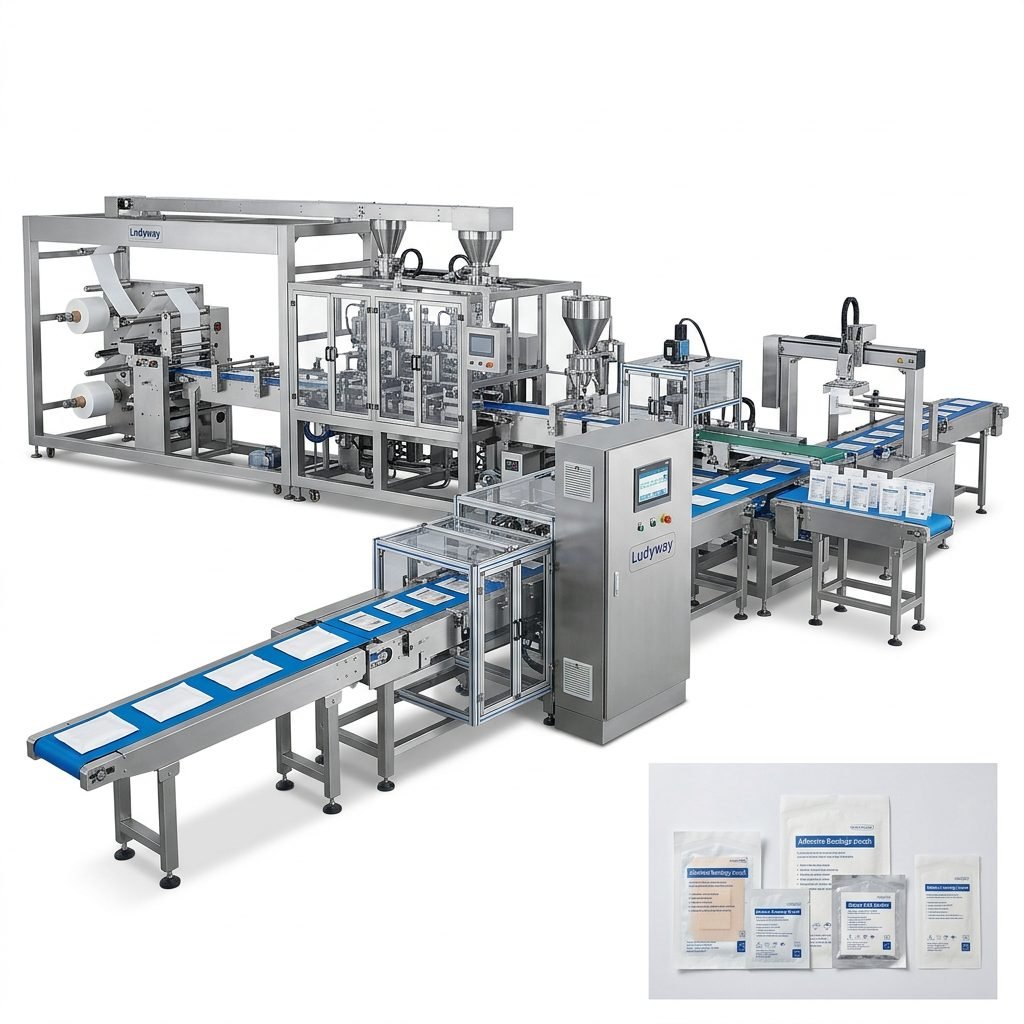
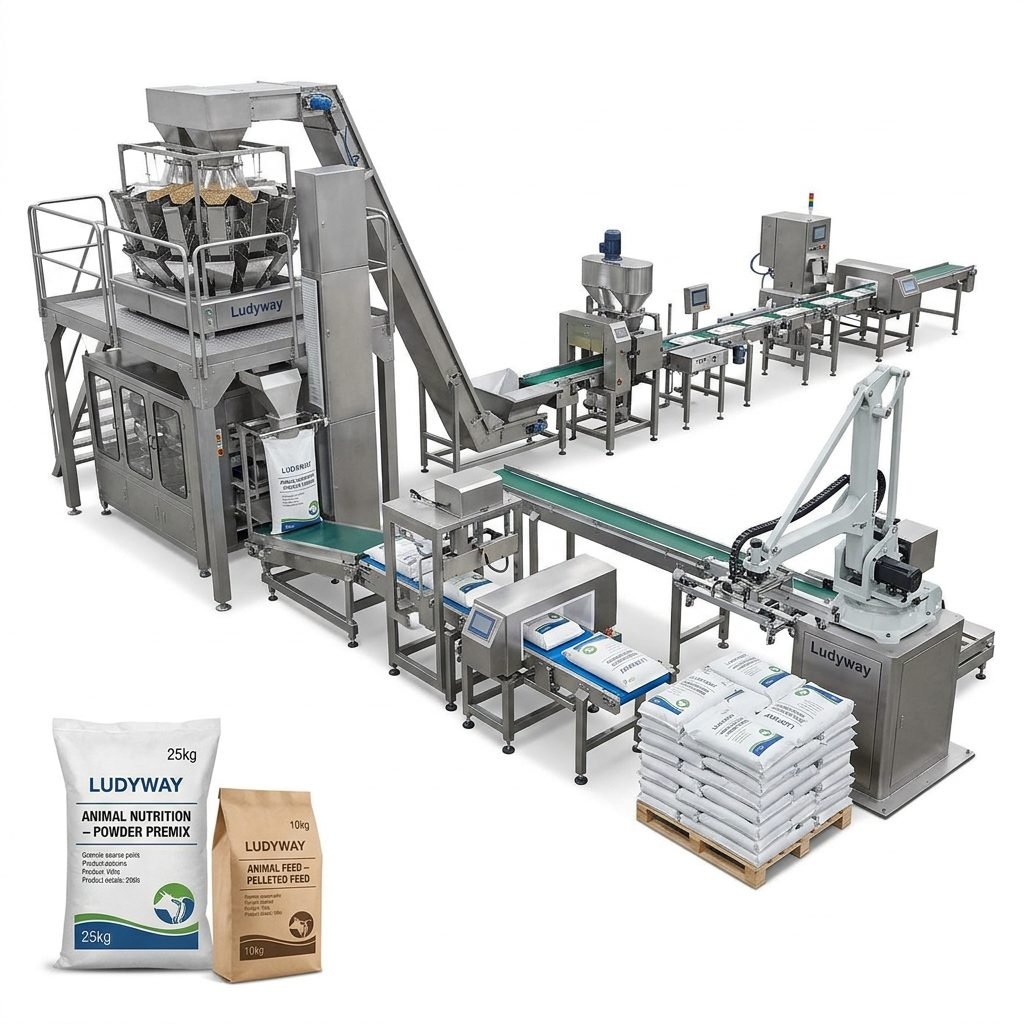
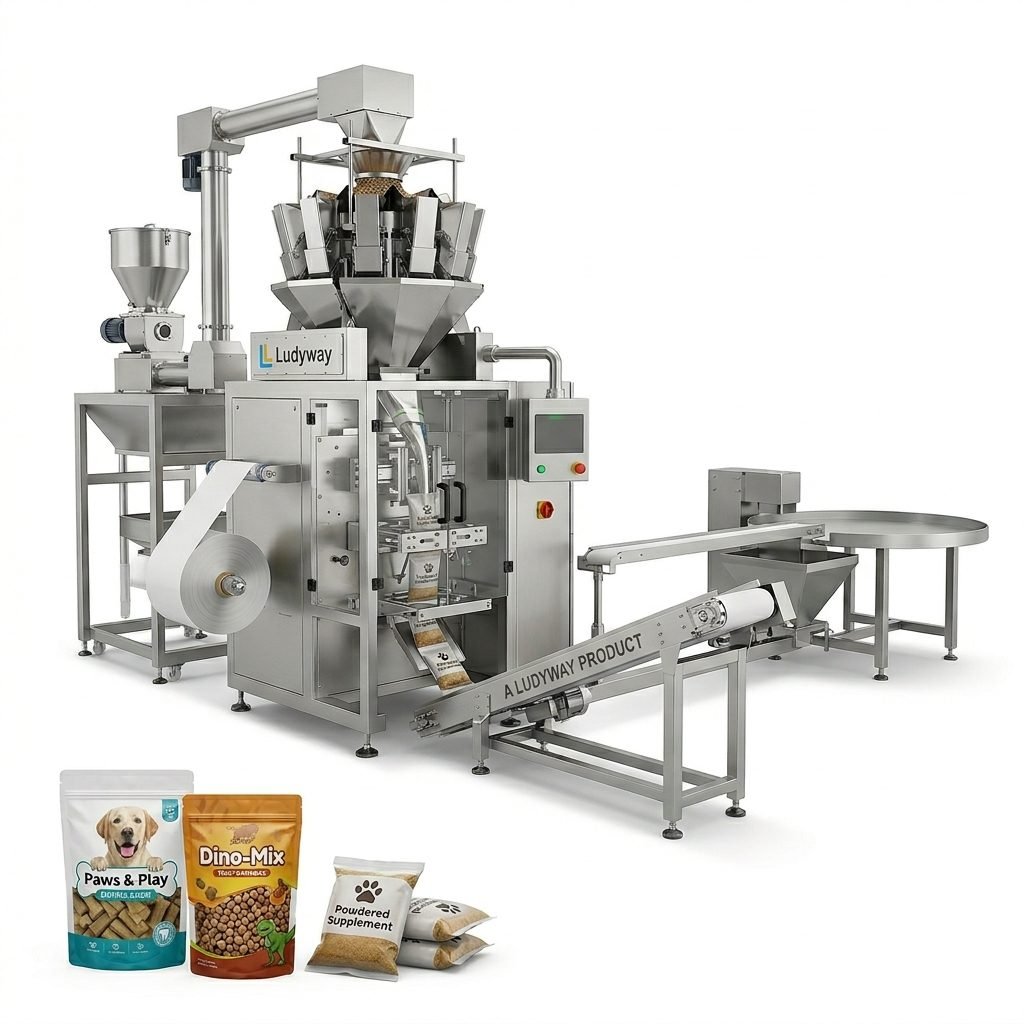
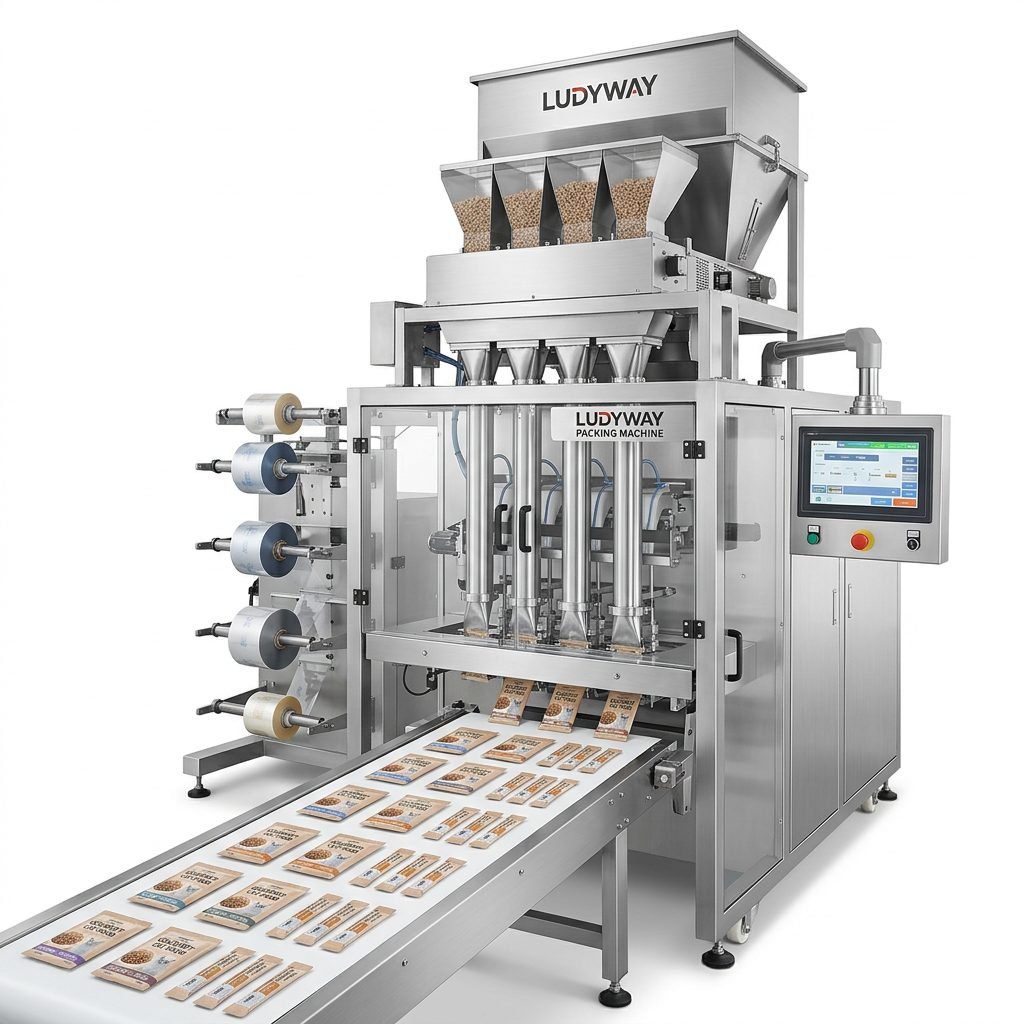
If you are comparing automated solutions for powders, granules, liquids, stick packs, sachets, pouches, or complete production lines, Ludyway packaging machine manufacturer offers a wide range of equipment and turnkey packaging line solutions for food, pharmaceutical, health supplement, cosmetic, chemical, and related industries.
Final Calculation Checklist
- Identify the full investment cost
- Measure current labor and packaging inefficiencies
- Estimate realistic output gains
- Subtract ongoing operating and maintenance costs
- Use monthly or annual net savings in the formula
- Review whether the machine supports future growth as well as short-term savings
When calculated correctly, the payback period gives you a practical and easy-to-understand view of investment value. It helps you move beyond the purchase price and focus on what matters most: how quickly the machine starts generating real financial returns.