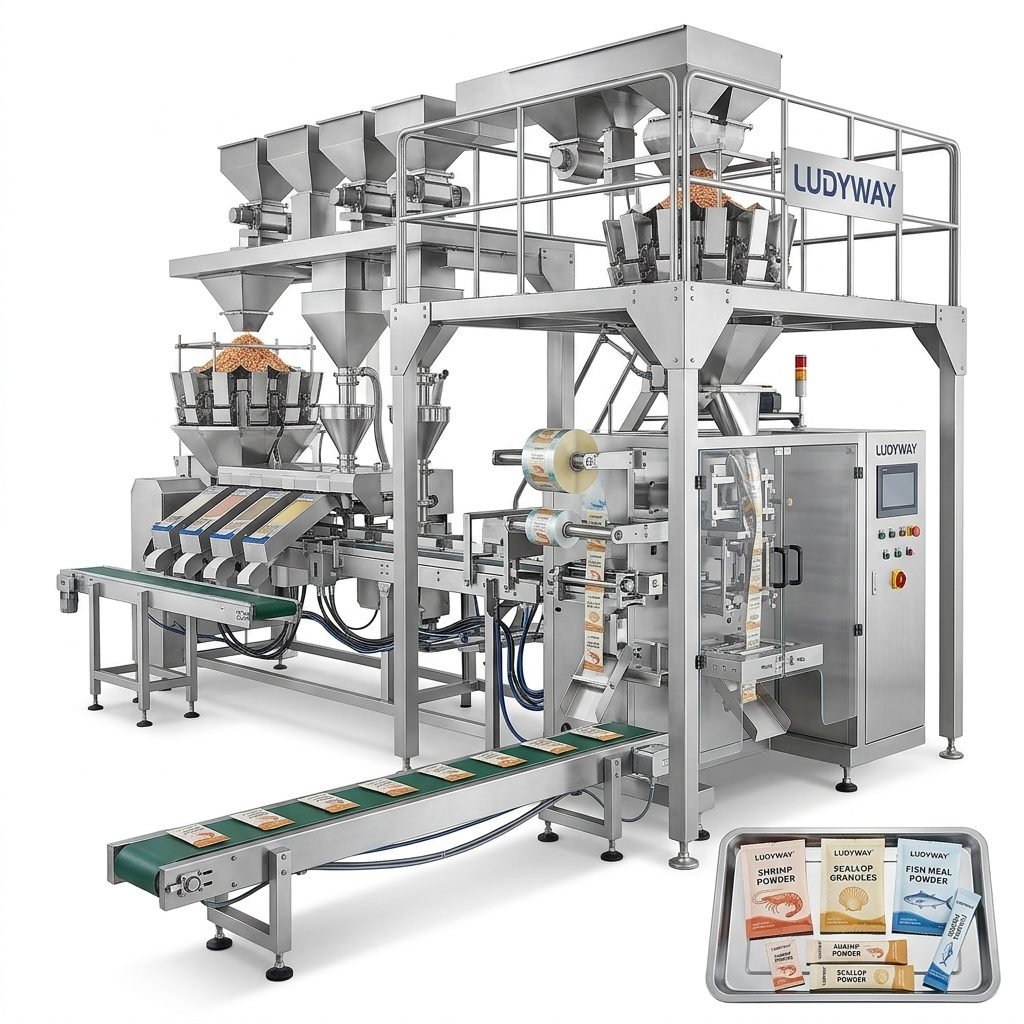
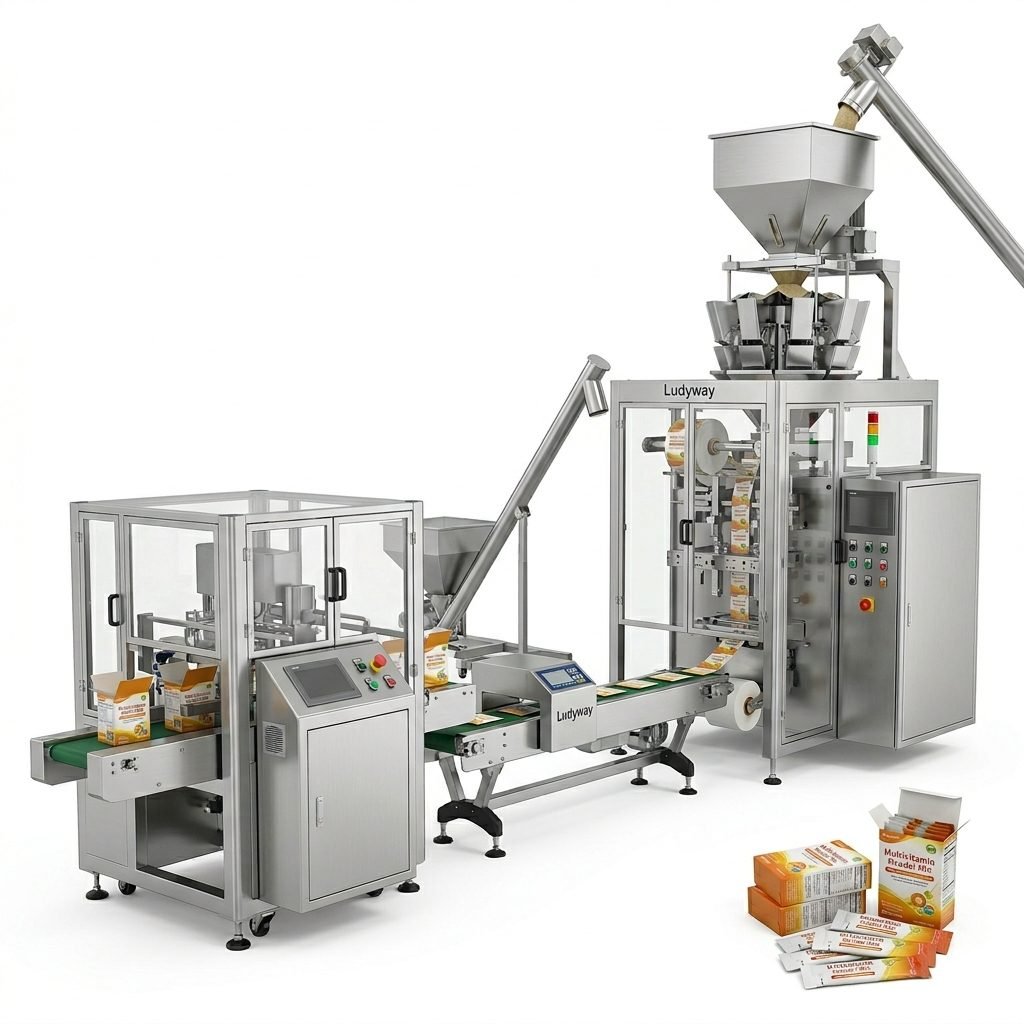
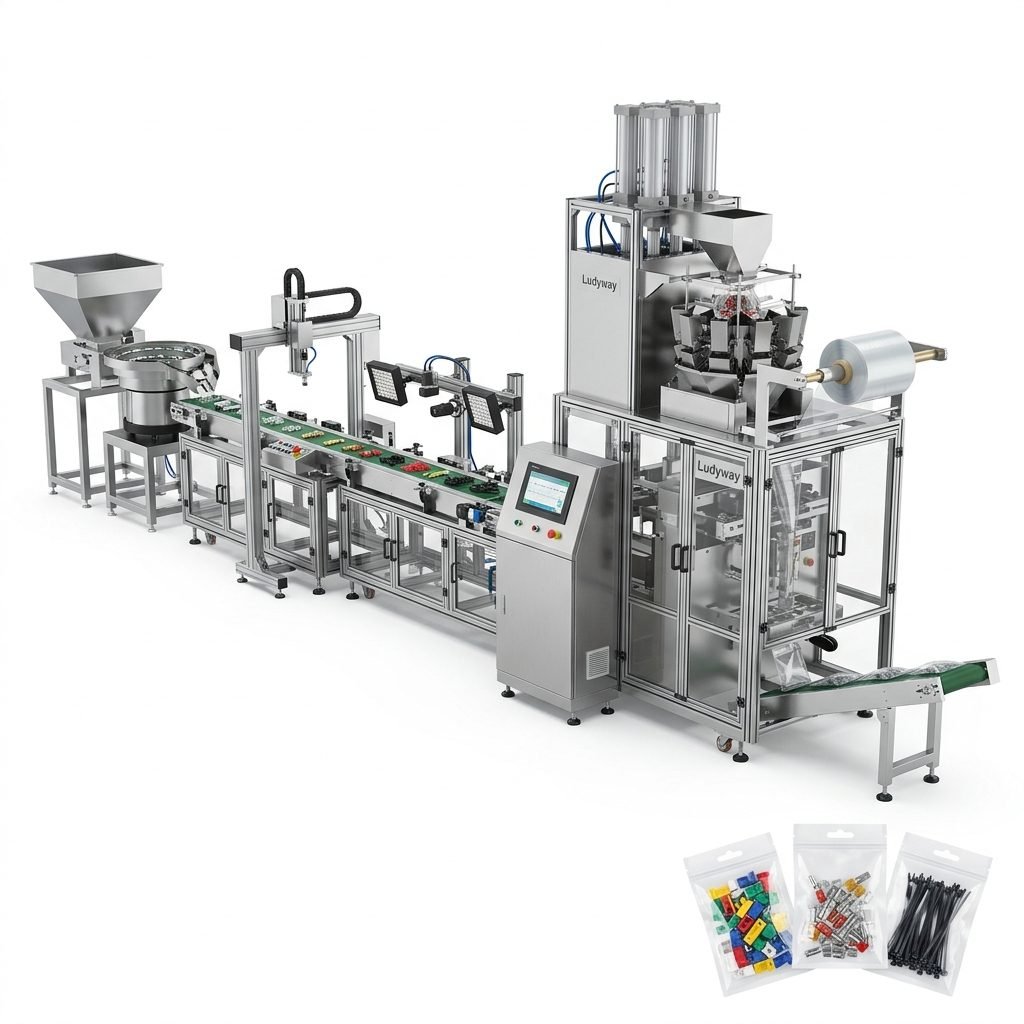
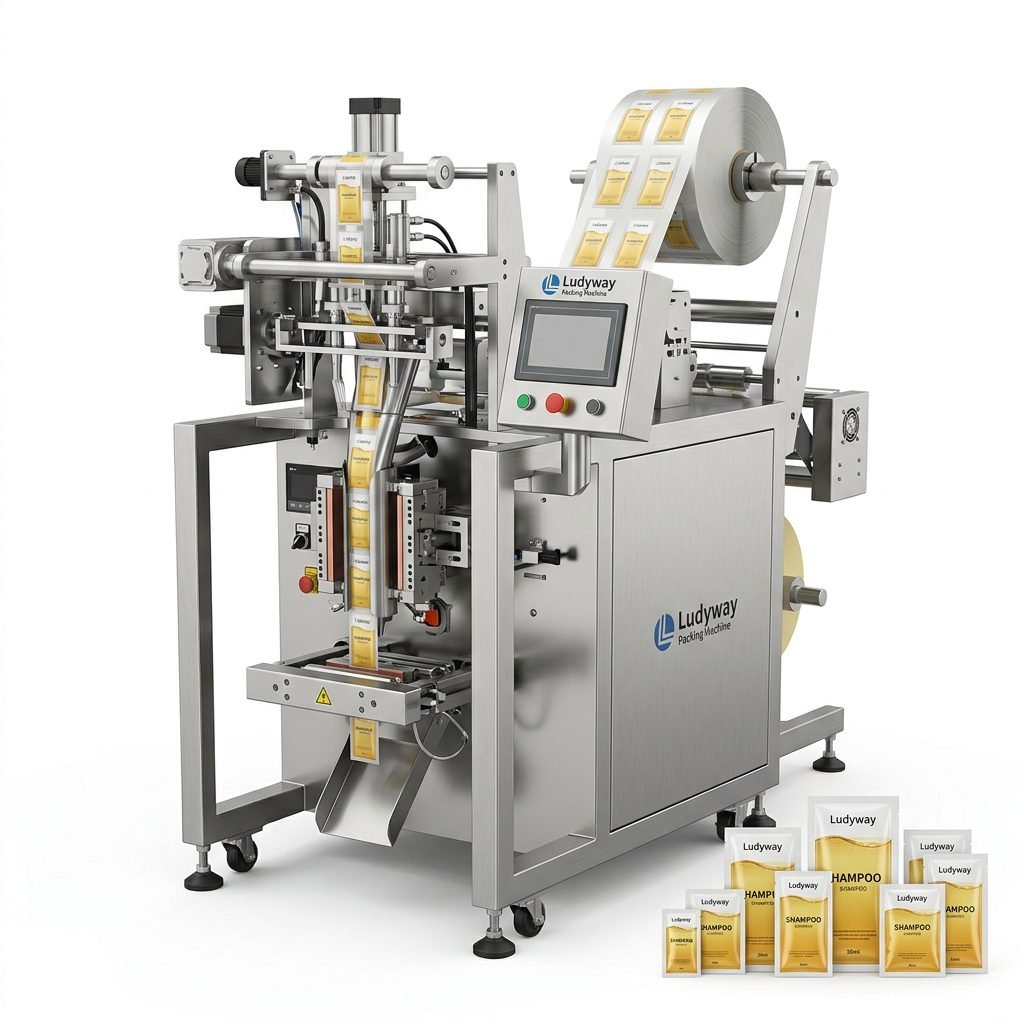
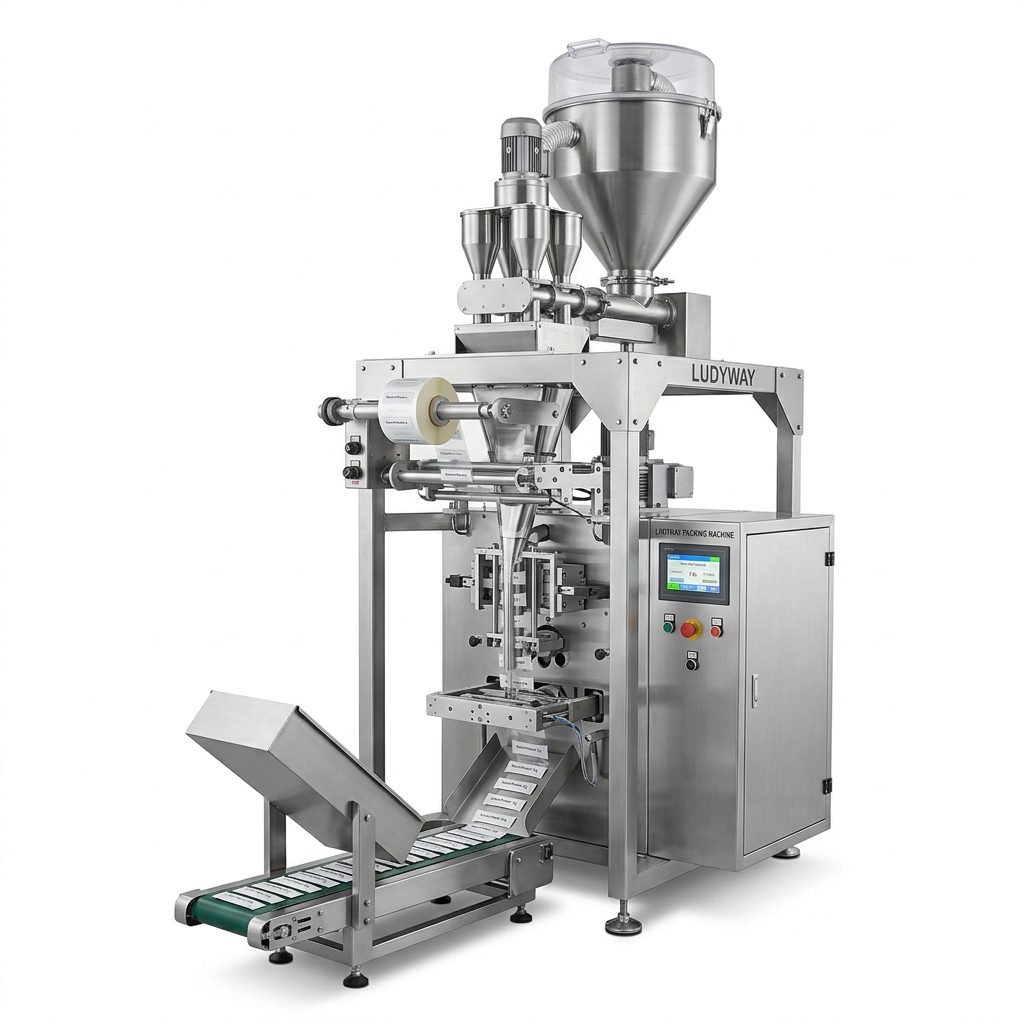
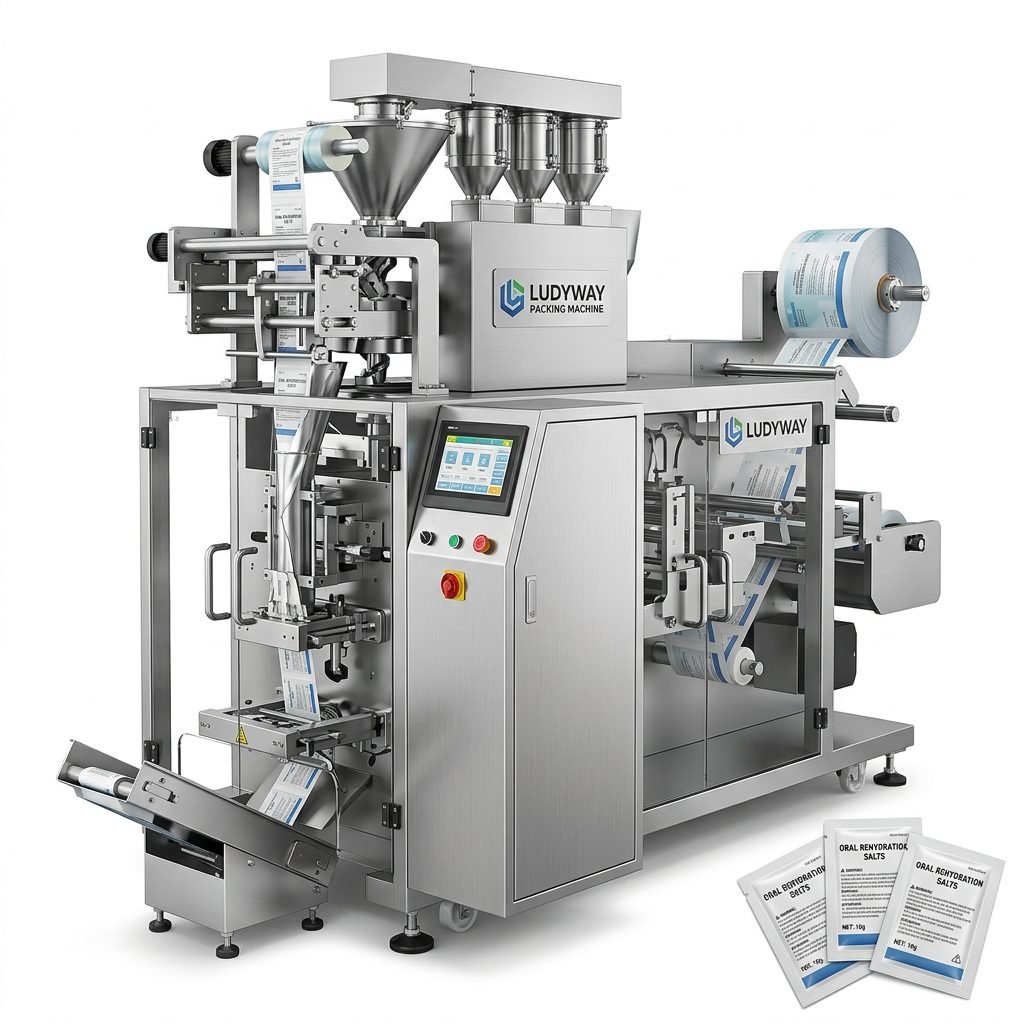
Sealing failure is one of the most common issues in sachet packaging production. It can lead to leakage, poor shelf life, product contamination, customer complaints, and unnecessary material waste. Whether you run powder, liquid, paste, or granule applications, understanding why seals fail is the first step toward restoring stable production and consistent pack quality.
In high-speed sachet operations, even a small variation in temperature, pressure, dwell time, film quality, or product contamination can quickly create weak or incomplete seals. The good news is that most sealing problems can be diagnosed and corrected with a structured troubleshooting process and a strong preventive maintenance plan.
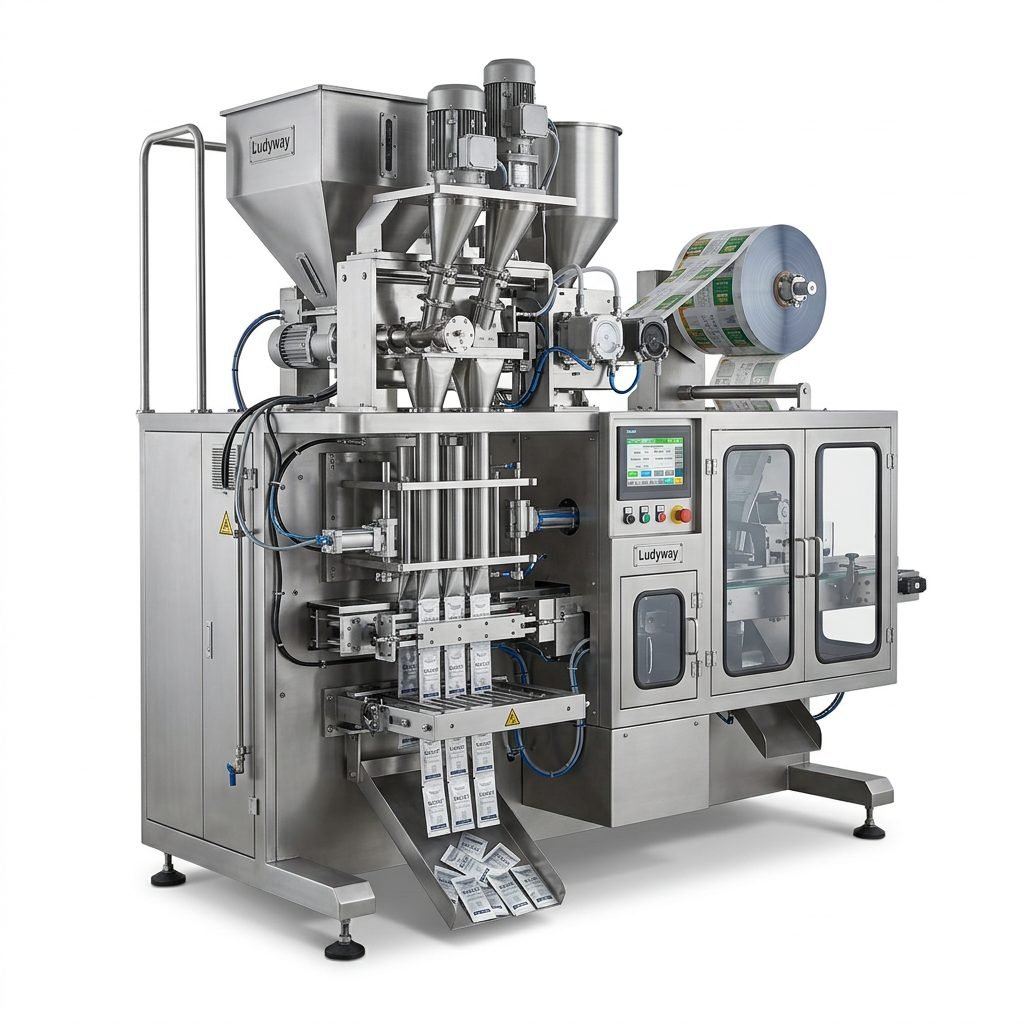
Common Signs of Sachet Sealing Problems
Before adjusting the machine, identify the exact symptom. Different defects usually point to different root causes.
- Seal not closing completely
- Weak seals that open during handling or transport
- Burnt, wrinkled, or distorted seal areas
- Seal contamination from powder, liquid, or paste
- Uneven seal width across the sachet
- Intermittent leaks rather than continuous defects
- Film sticking to sealing jaws
- Delamination of laminated film layers
Main Causes of Sealing Problems in Sachet Machines
1. Incorrect Sealing Temperature
If the sealing temperature is too low, the packaging film may not bond properly. If it is too high, the film can deform, shrink, burn, or become brittle. Each film structure has a specific sealing window, so settings must match the actual packaging material being used.
2. Inconsistent Pressure on Sealing Jaws
Uneven or insufficient pressure can create partial seals, weak edges, or seal gaps. This often happens when pneumatic systems fluctuate, springs wear out, or sealing jaws lose alignment.
3. Improper Dwell Time
Dwell time is the duration the jaws stay closed during sealing. At high machine speed, short dwell time may prevent proper heat transfer. At lower speed, excessive dwell time may overheat the film.
4. Product Contamination in the Seal Area
Powders, granules, oils, creams, and liquids entering the seal area are major causes of leakage. Even with the correct temperature and pressure, a contaminated sealing line often cannot form a reliable hermetic bond.
5. Worn or Damaged Sealing Components
Teflon covers, sealing bars, heaters, thermocouples, and jaw surfaces wear over time. Scratched, dirty, or uneven sealing surfaces reduce sealing consistency and create recurring defects.
6. Packaging Film Quality Issues
Some sealing problems are not caused by the machine at all. Film thickness variation, poor lamination, moisture absorption, wrong sealant layer, or low-quality roll slitting can all result in unstable sealing performance.
7. Misalignment of Film Tracking
When the film does not track correctly, the sealing jaws may not meet the intended seal area. This can cause skewed seals, inconsistent widths, or cut-off edge leakage.
8. Cooling Problems After Sealing
On some sachet machines, a stable cooling process is important after hot sealing. If the pack is moved too early or cooling is insufficient, the seal may appear formed but later open during handling.
Quick Troubleshooting Table
| Problem | Likely Cause | Recommended Solution |
|---|---|---|
| Weak seal strength | Low temperature or low pressure | Increase temperature gradually and verify jaw pressure |
| Burnt or wrinkled seal | Excess heat or excessive dwell time | Reduce heat setting and optimize sealing cycle |
| Seal leakage at random intervals | Contamination or unstable film feeding | Check dosing accuracy, clean seal area, inspect film tracking |
| Seal area sticking to jaw | Damaged Teflon or overheating | Replace cover and lower temperature if needed |
| Uneven seal width | Jaw misalignment or uneven pressure | Realign jaws and inspect pneumatic or mechanical parts |
| Film not sealing at all | Wrong film structure or heater failure | Verify film specs and test heater, sensor, and controller |
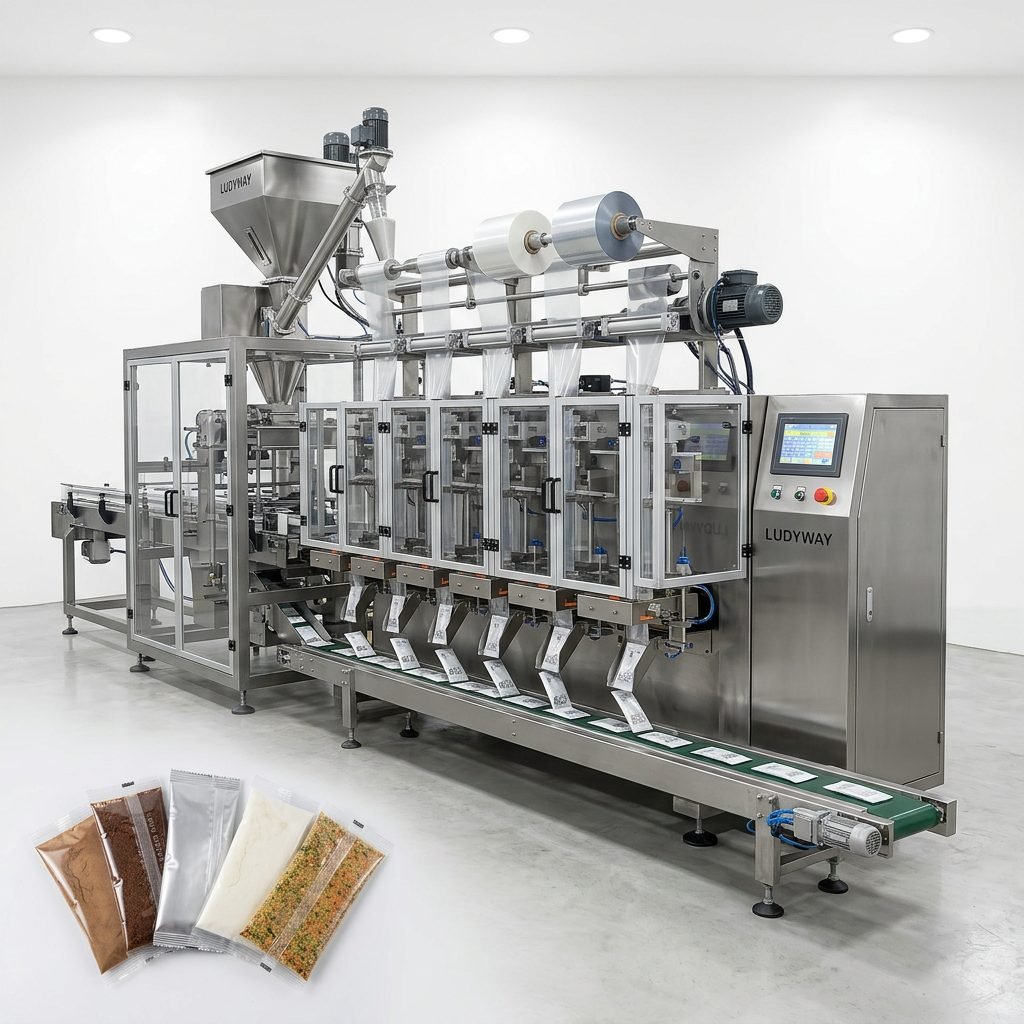
How to Fix Sealing Problems Step by Step
Check the Actual Film Material First
Confirm the laminate structure, thickness, inner sealant layer, and recommended sealing range from the film supplier. If the operator changes to a different roll specification without resetting parameters, sealing defects can appear immediately.
- Verify film batch and material certificate
- Check roll storage conditions
- Inspect for moisture, curl, telescoping, or edge damage
- Run sealing trials before full production
Calibrate Temperature and Sensor Accuracy
The machine display may show the correct number while the actual jaw temperature differs. Use a calibrated measuring tool to compare real values. Replace faulty thermocouples, heaters, or temperature controllers if readings fluctuate abnormally.
Tip: Increase temperature in small increments rather than making large adjustments. This helps you find the optimal sealing window without overheating the film.
Inspect Jaw Surface Condition
Open the machine and inspect the sealing jaws carefully. Look for carbon buildup, scratches, wear marks, adhesive residue, or damaged Teflon tape. A clean and smooth jaw surface is essential for uniform sealing.
Verify Sealing Pressure and Jaw Alignment
Pressure should be stable and evenly distributed across the seal area. If one side of the jaw contacts earlier than the other, seals will be inconsistent. Check cylinders, guide rods, springs, and mechanical stops.
Reduce Product Contamination
Adjust filling timing, dosing position, anti-drip devices, or vibration settings so the product stays away from the sealing line. For powders, dust extraction and proper hopper design are especially important. For liquids and pastes, nozzle shutoff performance must be checked.
Adjust Machine Speed and Dwell Time Together
Faster speed often reduces dwell time. If production speed increases, sealing quality may drop unless temperature and pressure are also optimized. Always test sealing performance after any speed change.
Examine Cooling and Discharge Stability
If sachets are pulled or folded before the seal stabilizes, leaks may show up later in transport. Confirm the discharge path is smooth and that freshly sealed sachets are not stressed too early.
Best Solutions by Product Type
| Product Type | Typical Sealing Challenge | Practical Fix |
|---|---|---|
| Powder | Dust in seal area | Improve dust control, optimize filling drop, clean jaws frequently |
| Granules | Particles trapped in seal | Adjust feed timing and reduce product bounce near sealing zone |
| Liquid | Splashing or dripping contamination | Check anti-drip nozzles, filling accuracy, and machine synchronization |
| Paste/Cream | Stringing and smear on seal line | Use cut-off nozzles, optimize viscosity handling, fine-tune delay settings |
Preventive Maintenance Tips to Avoid Repeat Sealing Issues
A good sachet machine can still produce bad seals if maintenance is inconsistent. Preventive care lowers downtime and helps keep seal quality stable across long production runs.
Daily Maintenance
- Clean sealing jaws and surrounding forming area
- Remove powder, oil, paste, and film dust buildup
- Check temperature display for abnormal fluctuation
- Inspect Teflon covers and jaw contact surfaces
- Verify air pressure stability
Weekly Maintenance
- Inspect heater cartridges and thermocouples
- Check jaw alignment and fastener tightness
- Lubricate moving components according to the manual
- Review film feeding and tension stability
- Test sample sachets for seal strength and leakage
Monthly Maintenance
- Calibrate temperature control system
- Inspect pneumatic cylinders and valves
- Replace worn sealing consumables before failure
- Check electrical wiring and connectors
- Review production records for repeated sealing defects
Operator Tips for Better Sealing Consistency
- Do not change film rolls without confirming material compatibility.
- Record the best sealing parameters for each product and film type.
- Warm up the machine fully before production starts.
- Check first-run sachets carefully instead of waiting for large-batch defects.
- Train operators to recognize the difference between heat, pressure, contamination, and film-related issues.
When to Contact a Packaging Machine Specialist
If sealing issues continue after routine adjustments, the problem may involve machine design, control logic, material compatibility, or worn mechanical assemblies. In such cases, it is more efficient to work with an experienced packaging equipment supplier that understands both machine behavior and actual application conditions.
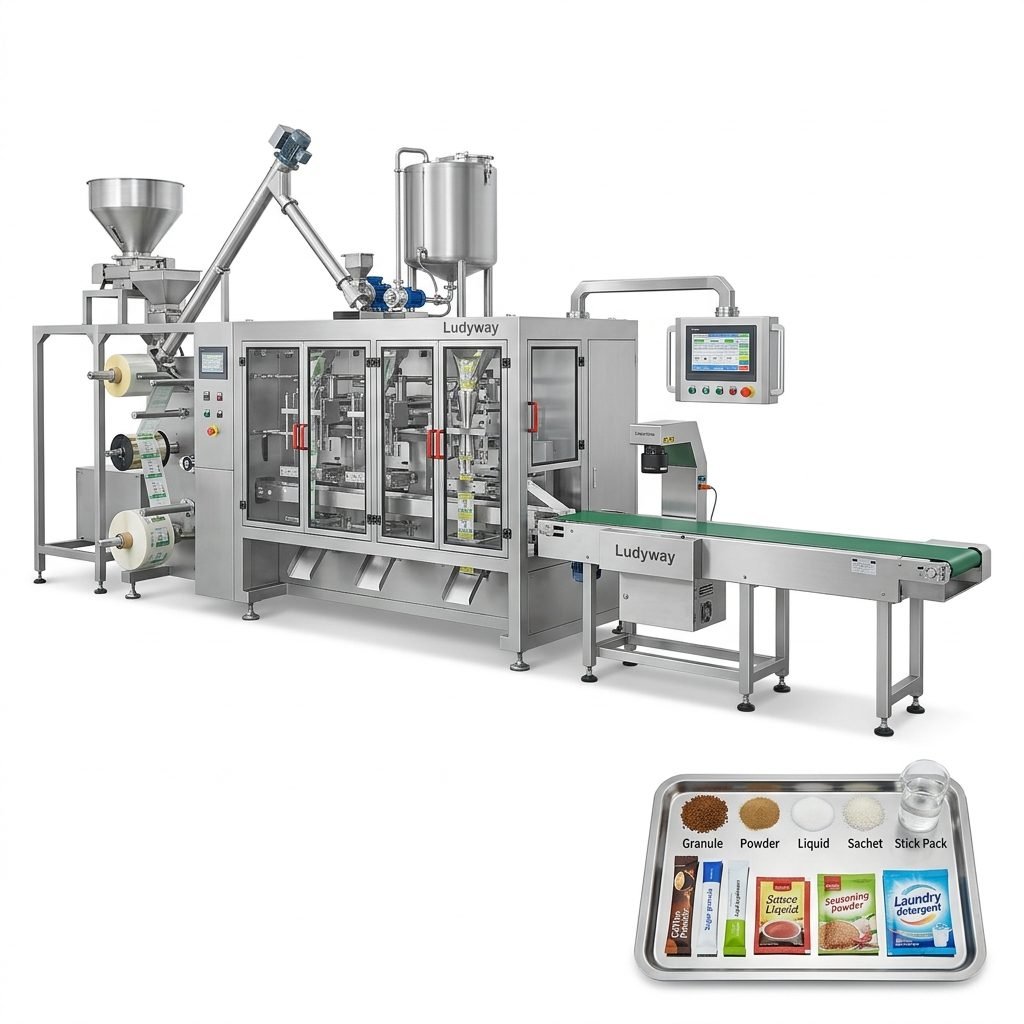
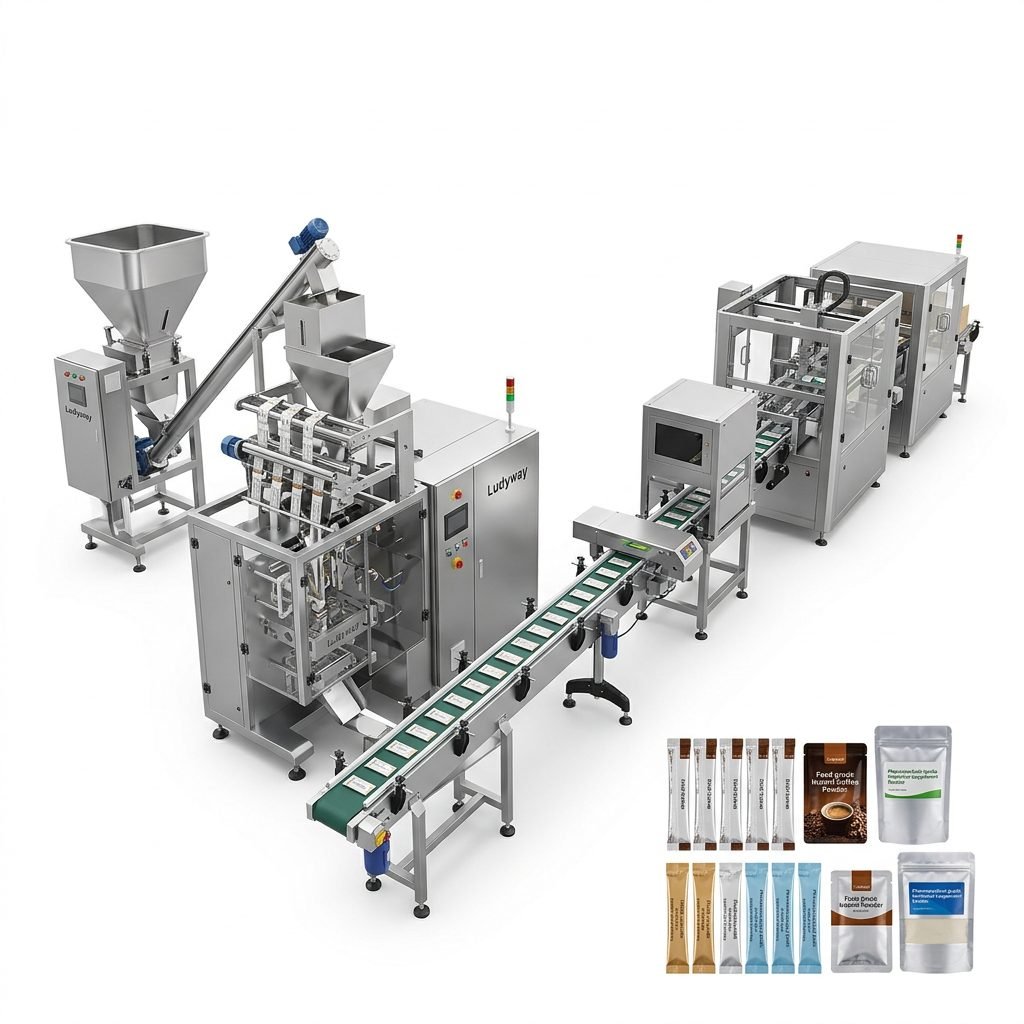
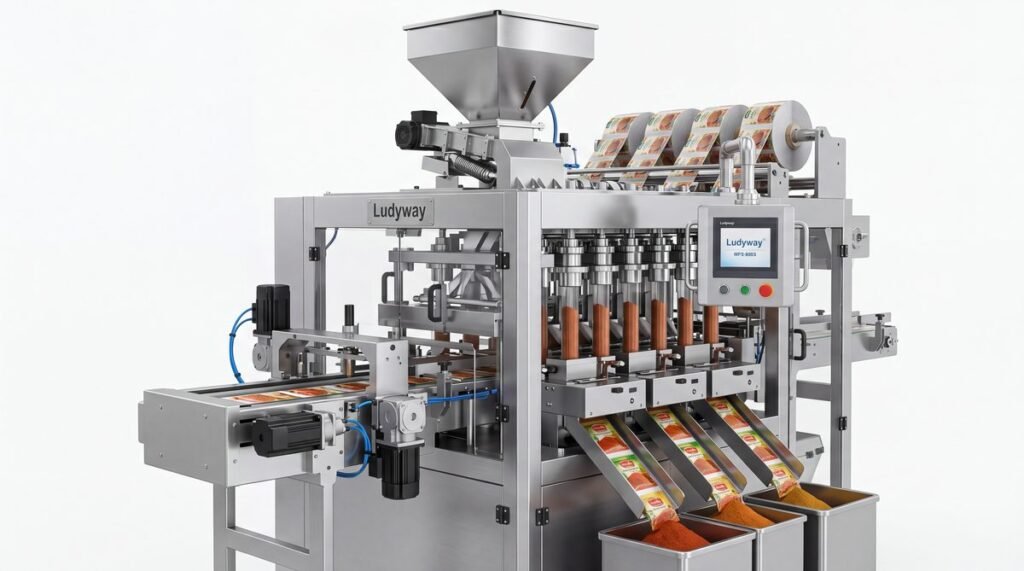
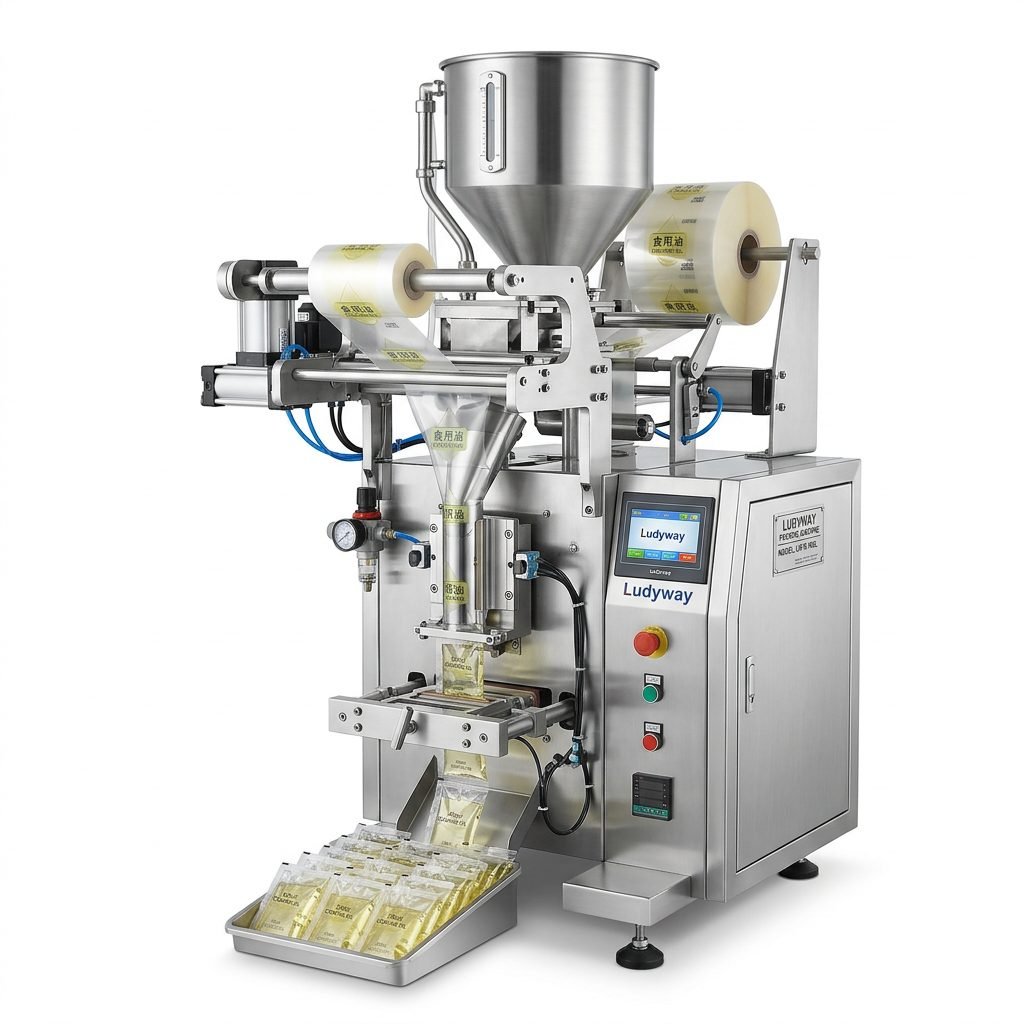
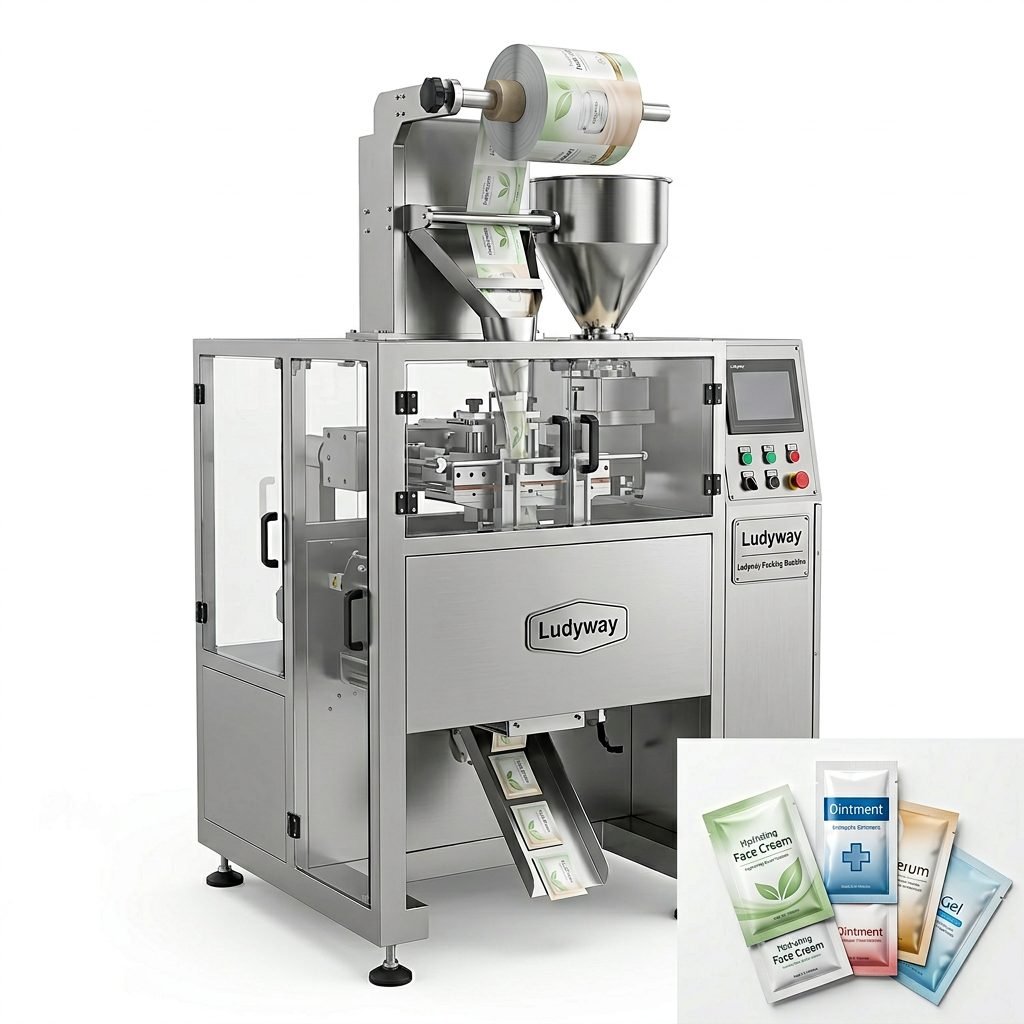
For businesses looking for more reliable sachet packaging machine solutions, Ludyway offers a broad range of packaging systems for powders, granules, liquids, and pastes, with application-focused engineering and turnkey line support.
Final Checklist Before Restarting Production
| Checkpoint | Status to Confirm |
|---|---|
| Film specification | Matches product and sealing range |
| Temperature accuracy | Verified against actual jaw reading |
| Jaw condition | Clean, flat, and undamaged |
| Pressure and alignment | Stable and even across the seal area |
| Product contamination risk | Controlled at filling point |
| Trial pack inspection | Seal strength and leakage test passed |
A stable sealing process depends on the right balance of material, machine settings, cleanliness, and maintenance. By diagnosing the symptom correctly and making targeted corrections, most sachet sealing problems can be solved quickly and prevented from returning.