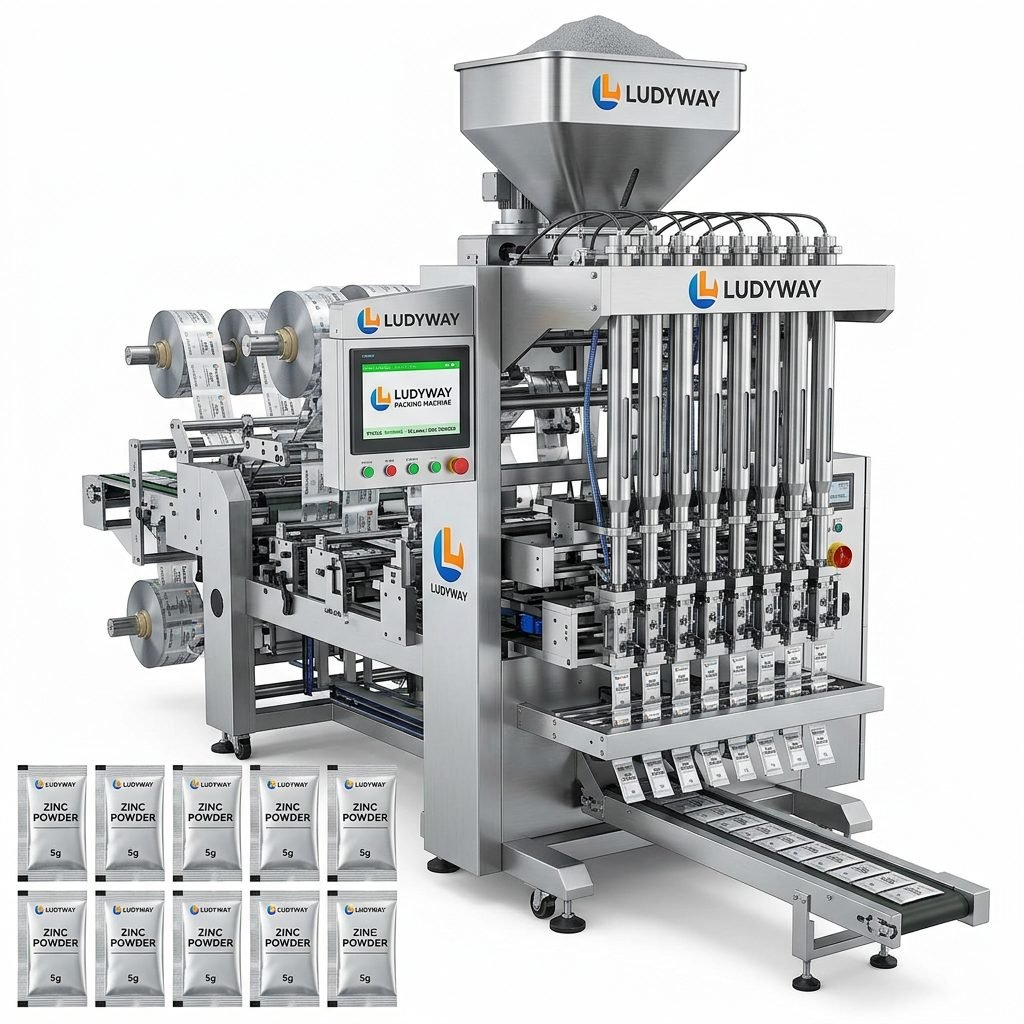
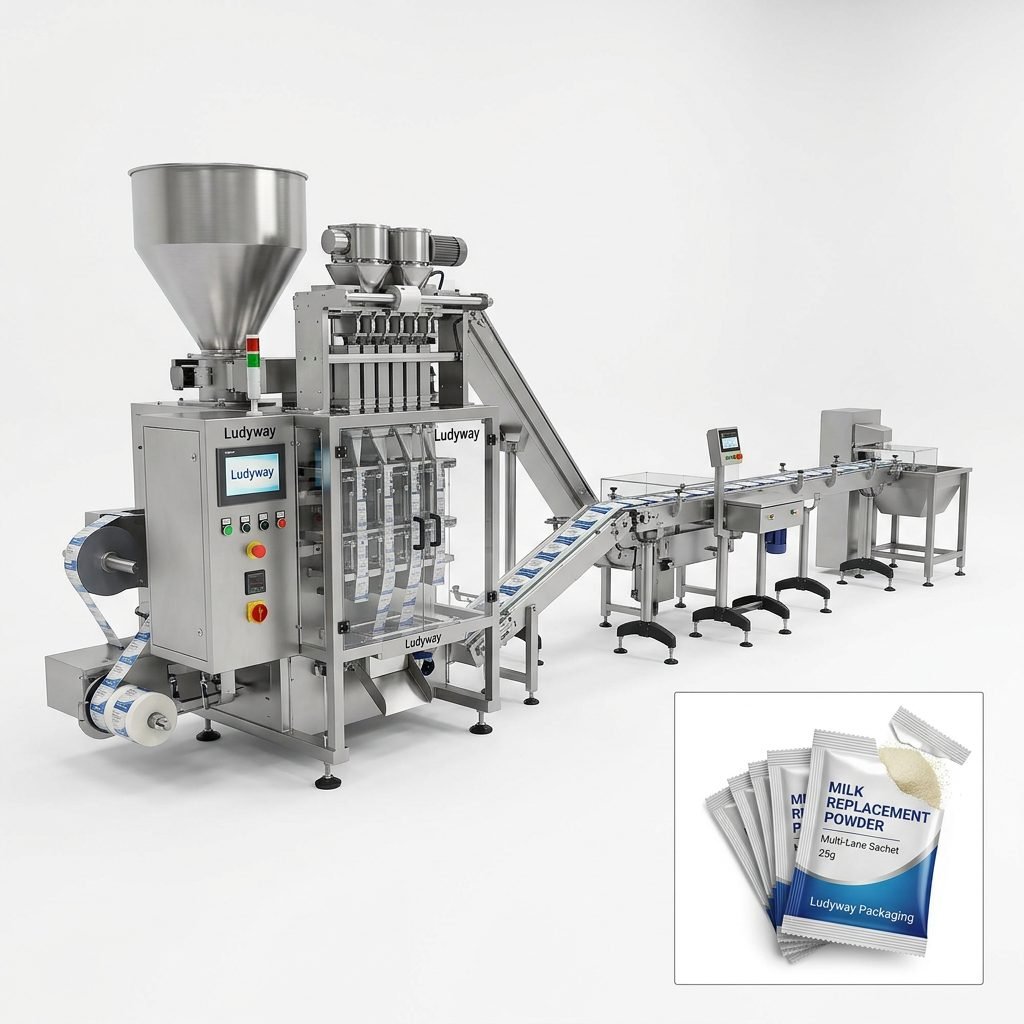
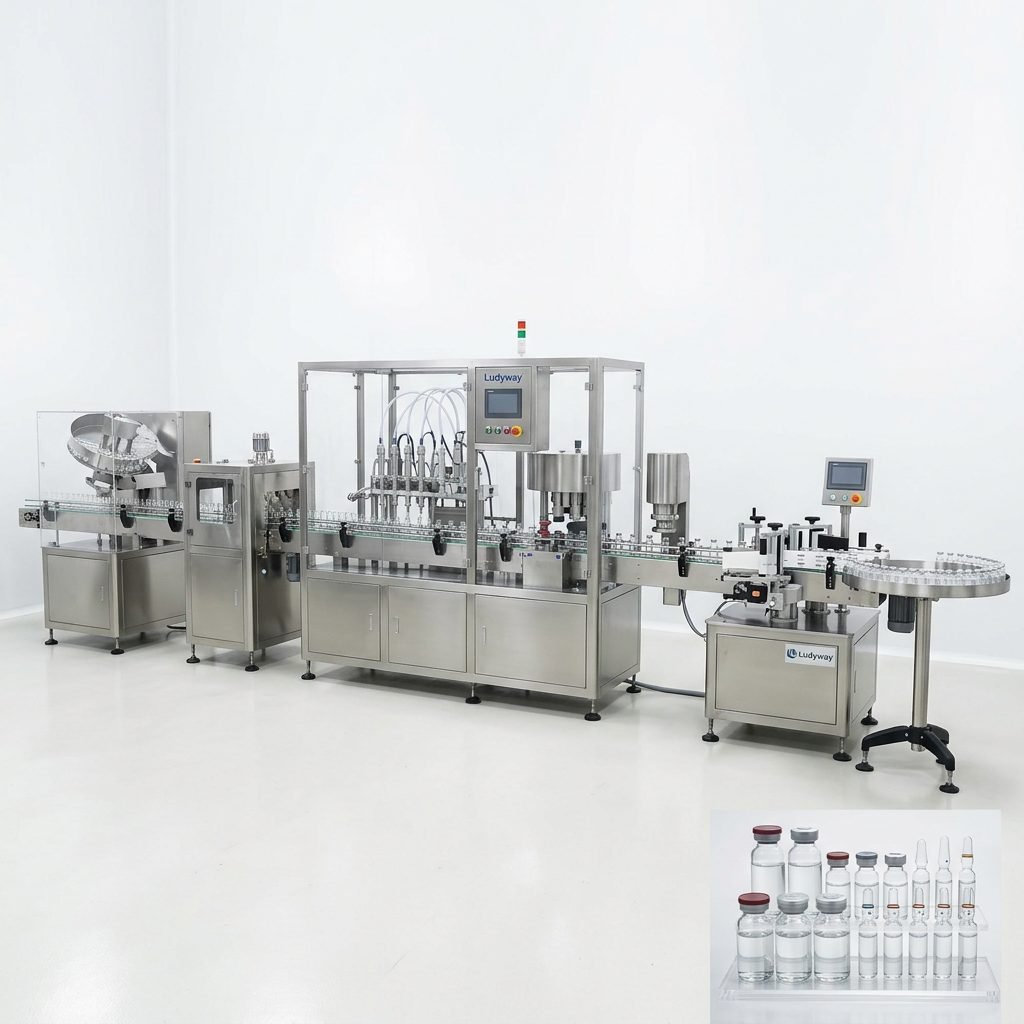
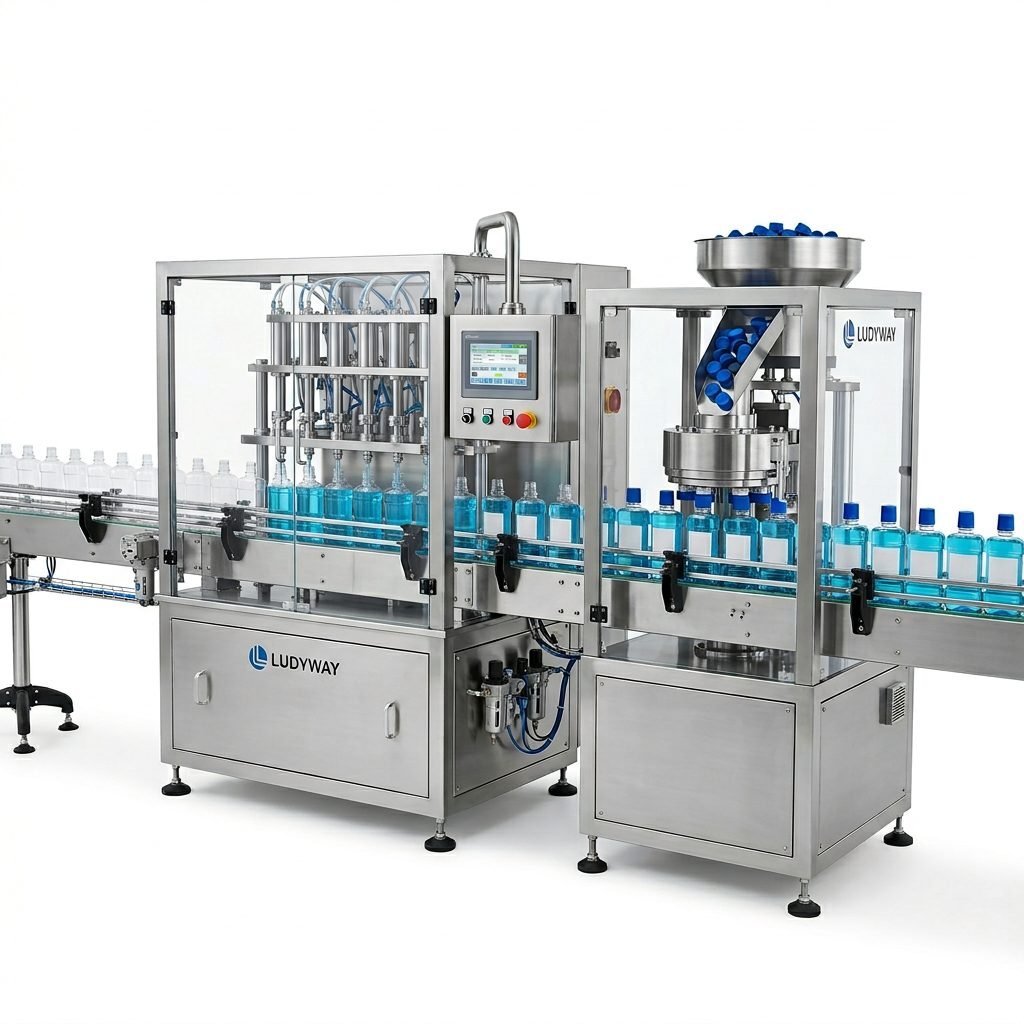
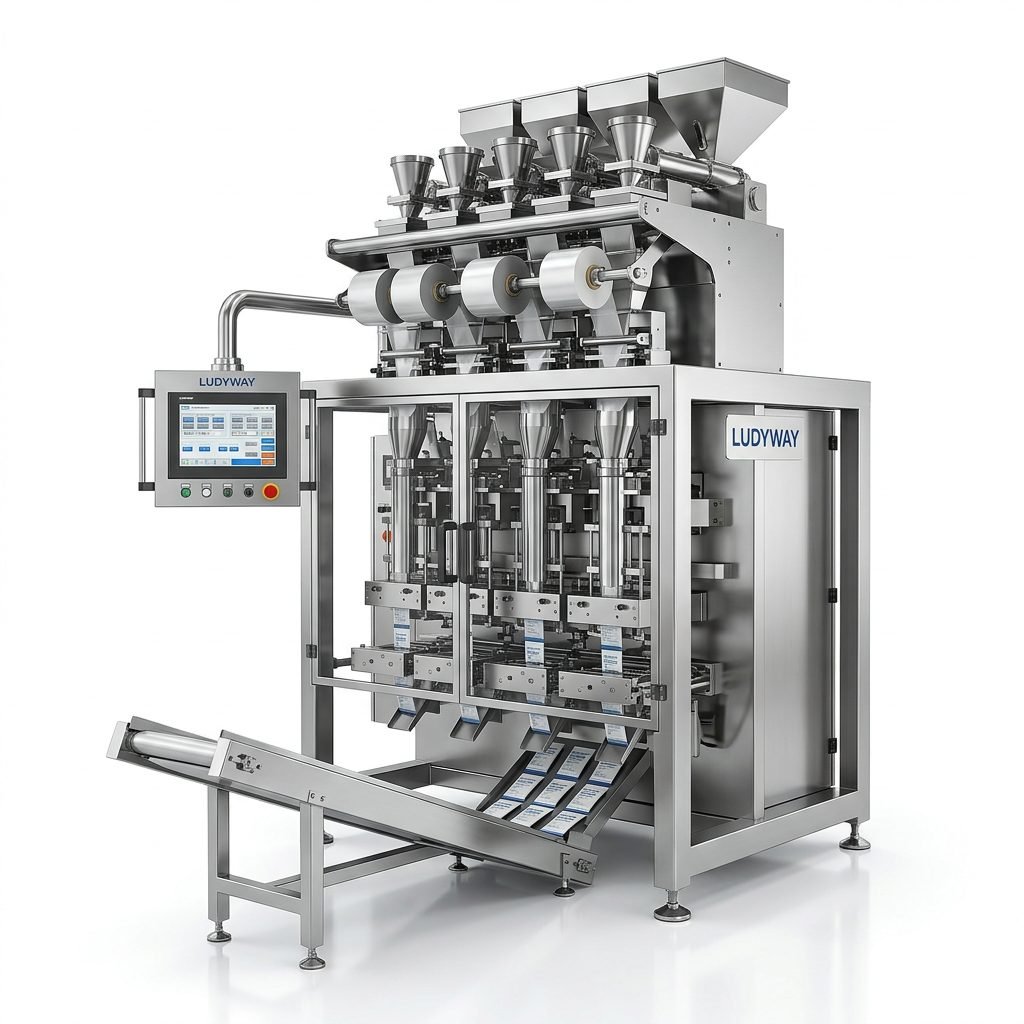
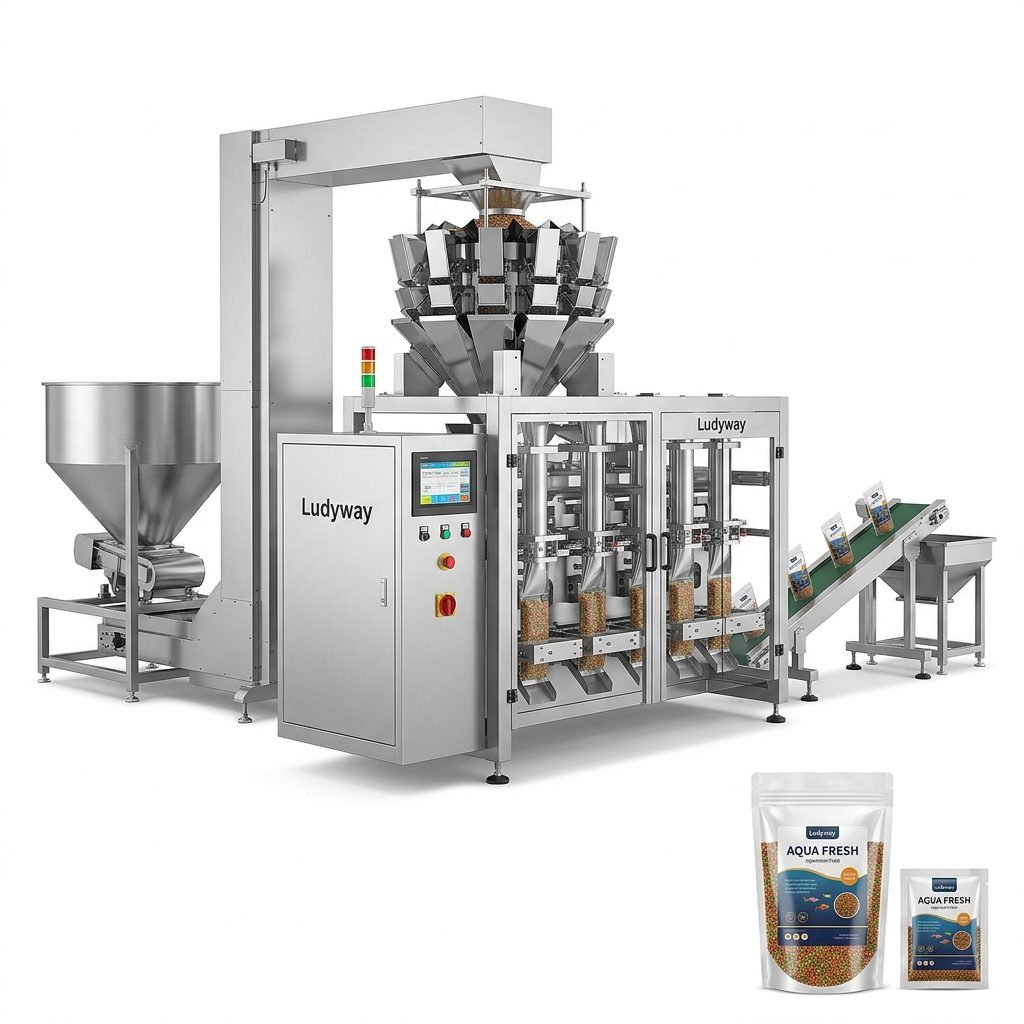
A fully automatic packaging machine can be a smart investment—but only when the numbers, production goals, and product requirements truly support it. For manufacturers handling growing order volumes, rising labor costs, stricter quality standards, or multiple packaging formats, automation often delivers measurable gains in efficiency, consistency, and long-term profitability.
The key question is not simply “How much does the machine cost?” but rather “How much value will it create over its service life?” That value comes from faster throughput, lower labor dependency, reduced waste, fewer packaging defects, better traceability, and the ability to scale production without constantly expanding headcount.
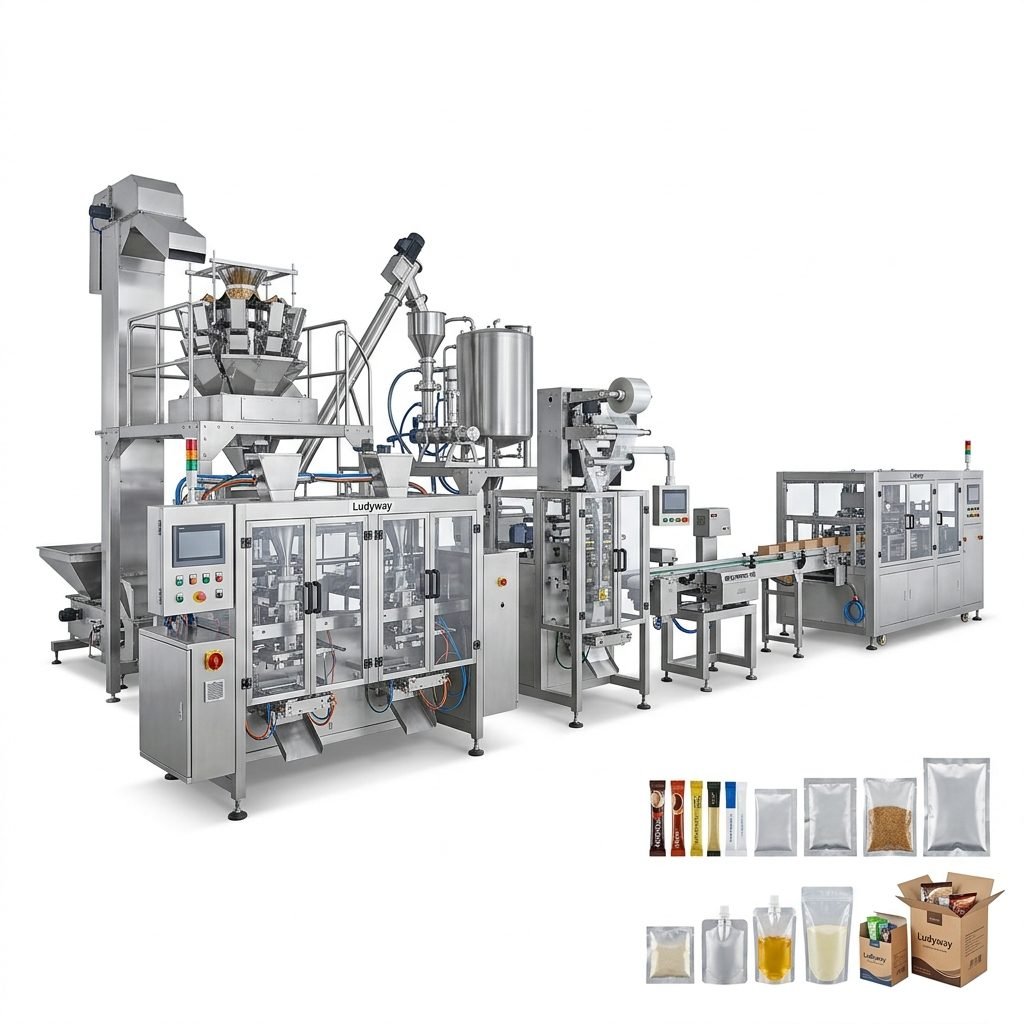
What Is a Fully Automatic Packaging Machine?
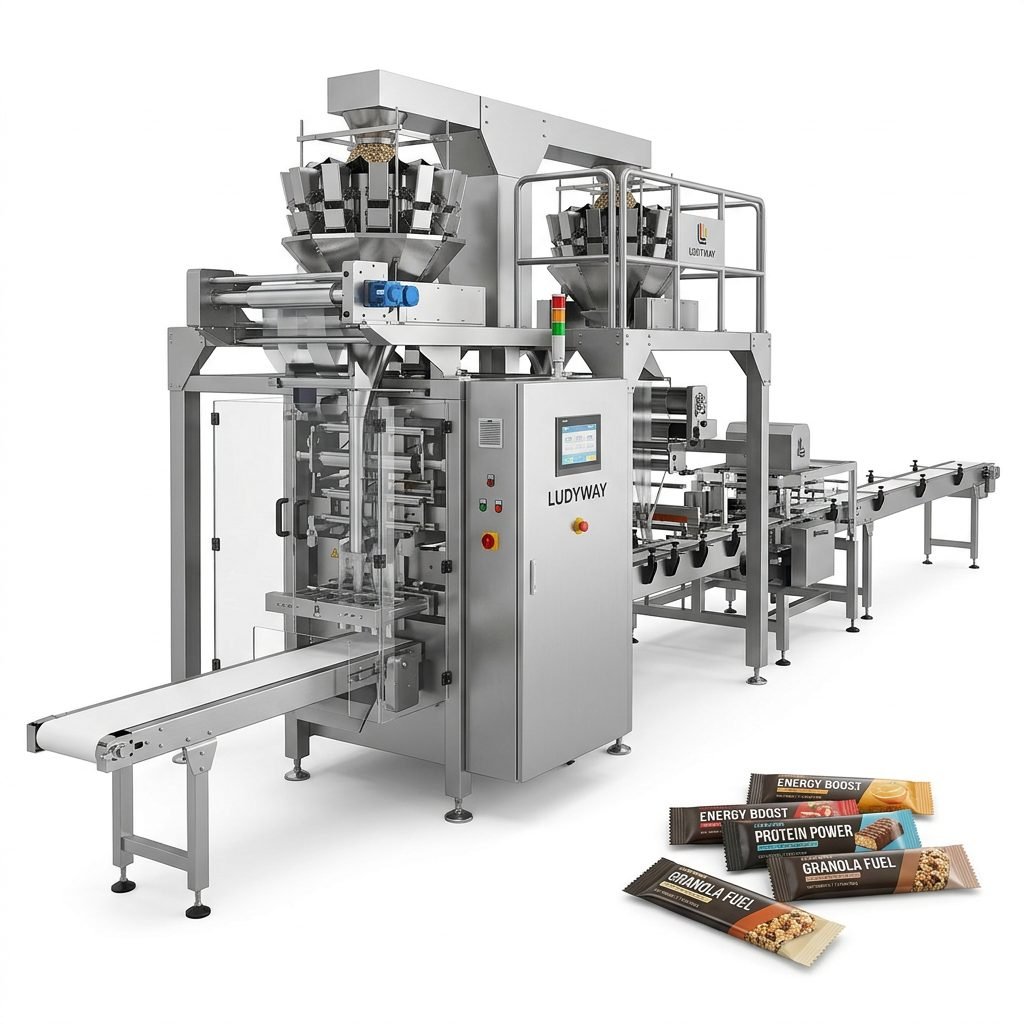
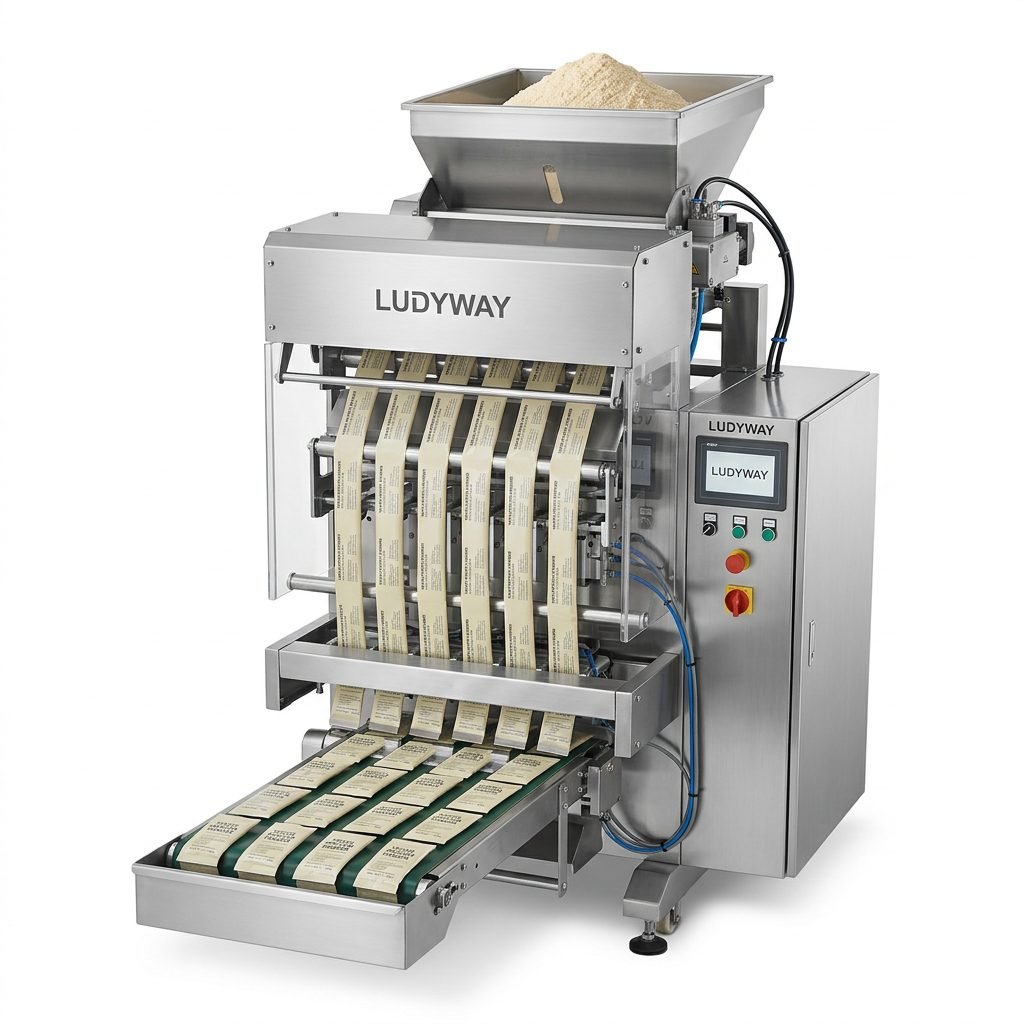
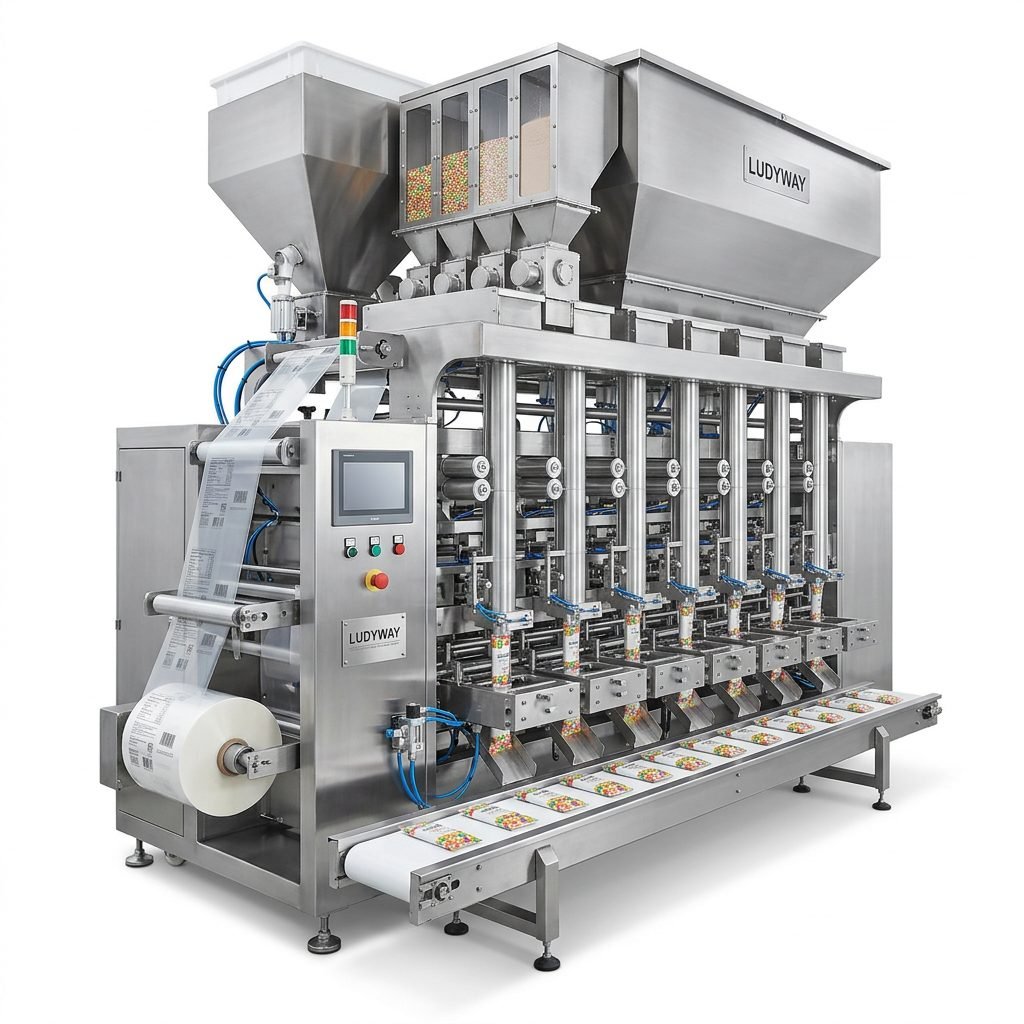
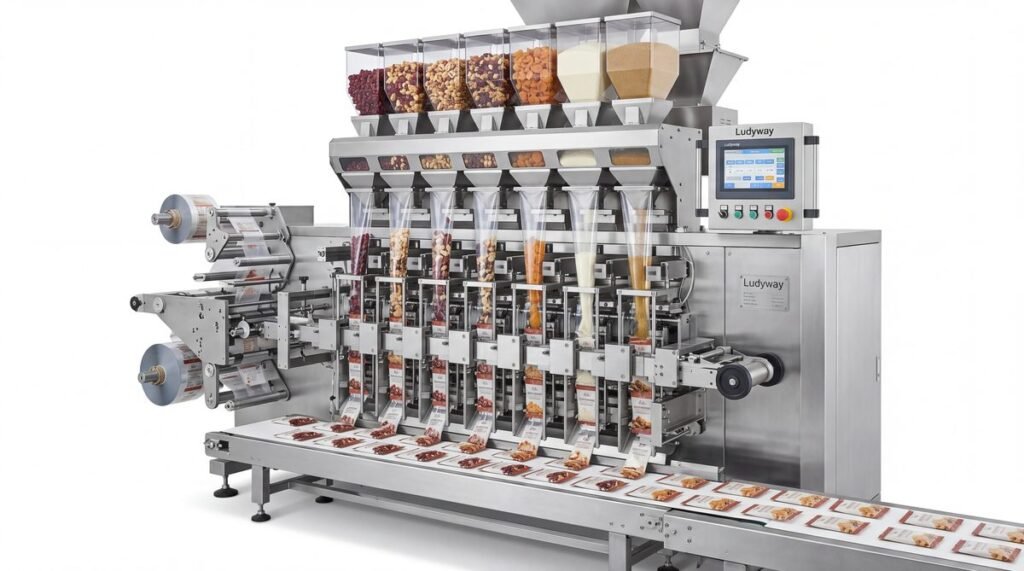
A fully automatic packaging machine is a system designed to complete most or all packaging steps with minimal manual intervention. Depending on the application, it may include:
- Automatic feeding and product conveying
- Measuring, dosing, or filling
- Bag forming, pouch handling, or container positioning
- Sealing, capping, labeling, coding, and inspection
- Cartoning, case packing, and palletizing
These systems are widely used in food, pharmaceuticals, health supplements, cosmetics, chemicals, and pet product manufacturing. Compared with semi-automatic equipment, they are built for higher output, more stable packaging quality, and lower reliance on manual labor.
When Does It Make Financial Sense?
Not every business needs full automation immediately. The investment tends to make sense when one or more of the following conditions apply:
- Production demand is increasing and manual or semi-automatic lines are becoming a bottleneck.
- Labor costs are rising or workforce stability is difficult to maintain.
- Packaging consistency matters for brand reputation, retailer compliance, or regulated industries.
- Downtime and waste are hurting margins.
- You need scalability for new SKUs, export growth, or multi-shift production.
Main Benefits of a Fully Automatic Packaging Machine
1. Higher Throughput
The most visible benefit is speed. A fully automatic packaging system can significantly increase output per hour compared with manual or semi-automatic operations. That means more finished product, faster order fulfillment, and a stronger ability to handle seasonal demand spikes.
2. Lower Labor Dependency
Automation reduces the number of operators needed for repetitive tasks such as feeding, filling, sealing, counting, and transferring packaged goods. This does not always eliminate labor, but it often reallocates workers to higher-value roles like quality control, maintenance, line supervision, or warehouse coordination.
3. More Consistent Packaging Quality
Accurate filling, stable sealing temperatures, repeatable bag lengths, and synchronized line movement help reduce variation between packs. This is especially valuable for products where weight accuracy, leak prevention, and appearance directly affect customer satisfaction.
4. Reduced Material Waste
Better dosing precision and sealing control can lower film waste, product giveaway, rejected packs, and rework. Even small savings per pack can become substantial at high volumes.
5. Better Compliance and Traceability
For pharmaceutical, nutraceutical, and food manufacturers, automated systems can integrate date coding, batch printing, inspection, and rejection mechanisms to strengthen quality assurance and compliance performance.
6. Stronger Long-Term Scalability
A business that packages 20,000 units per day today may need 50,000 or 100,000 units tomorrow. Full automation gives manufacturers a better foundation for expansion without rebuilding the entire production model every time sales grow.
What Costs Should You Consider?
The purchase price is only one part of the investment. A realistic evaluation should include the full cost of ownership.
| Cost Category | What It Includes | Why It Matters |
|---|---|---|
| Machine purchase | Core equipment, optional modules, tooling | Largest upfront investment |
| Installation and commissioning | Setup, testing, calibration, line integration | Affects startup speed and performance |
| Training | Operator, technician, and maintenance instruction | Improves utilization and reduces misuse |
| Utilities | Power, air supply, ancillary systems | Adds recurring operating cost |
| Maintenance and spare parts | Preventive service, wear parts, replacements | Protects uptime and equipment life |
| Changeover and customization | Format parts, product-specific adjustments | Important for multi-SKU operations |
How to Calculate ROI
Return on investment (ROI) should be based on annual financial impact, not just machine speed. A simple ROI framework can look like this:
ROI = (Annual Savings + Annual Added Profit – Annual Operating Cost) ÷ Total Investment
You can estimate the inputs using the following categories:
- Labor savings from fewer operators per shift
- Increased output and additional gross profit from higher capacity
- Reduced packaging waste and product giveaway
- Lower defect rate and reduced rework
- Lower overtime cost
- Less downtime due to stable automated operation
Simple Example
Suppose a manufacturer invests $180,000 in a fully automatic packaging system.
- Annual labor savings: $45,000
- Waste reduction: $12,000
- Extra gross profit from increased output: $38,000
- Additional annual operating and maintenance cost: $10,000
Estimated annual net benefit = $45,000 + $12,000 + $38,000 – $10,000 = $85,000
Estimated payback period = $180,000 ÷ $85,000 = about 2.1 years
For many manufacturers, a payback period between 1.5 and 3 years is considered attractive, especially when the machine also improves quality and supports future scale.
Key Factors That Affect ROI
Production Volume
The higher your daily or monthly packaging volume, the faster the machine can pay for itself. Low-volume businesses may not use enough capacity to justify a high-end automatic line.
Product Type
Powders, granules, liquids, pastes, and pouch-based products all require different filling and sealing technologies. Machines designed for your actual product characteristics will perform better and reduce costly errors.
Packaging Format Complexity
Single-format production is easier to automate than frequent multi-format changeovers. If you run many SKUs, choose equipment with efficient recipe management and quick format switching.
Downtime Risk
A cheap machine with unreliable performance can destroy ROI through stoppages, defective packs, and maintenance delays. Reliability matters just as much as speed.
Supplier Support
Technical support, spare parts availability, customization capability, and commissioning experience all influence long-term returns. A capable supplier can reduce startup problems and improve machine utilization over time.
Is Full Automation Better Than Semi-Automation?
| Aspect | Semi-Automatic | Fully Automatic |
|---|---|---|
| Upfront cost | Lower | Higher |
| Labor requirement | Moderate to high | Low |
| Output capacity | Medium | High |
| Consistency | Operator-dependent | More stable |
| Scalability | Limited | Strong |
| Best for | Startups or small batches | Growing or high-volume manufacturers |
Who Benefits the Most?
A fully automatic packaging machine is usually most valuable for:
- Food brands with fast-growing retail or export orders
- Pharmaceutical and nutraceutical companies needing precise, compliant packaging
- Factories facing labor shortages or high labor turnover
- Manufacturers running multi-shift operations
- Businesses moving from contract packing to in-house production control
- Companies seeking turnkey packaging line integration instead of isolated machines
Questions to Ask Before Buying
Before making a decision, evaluate the project from both technical and financial angles:
- What is your current and projected packaging volume?
- How many operators can the new system replace or reassign?
- What defect or waste costs are you experiencing today?
- How many packaging formats must the machine support?
- What level of speed is actually usable upstream and downstream?
- How quickly can spare parts and technical service be delivered?
- What is the realistic payback period based on your own data?
Choosing the Right Supplier Matters
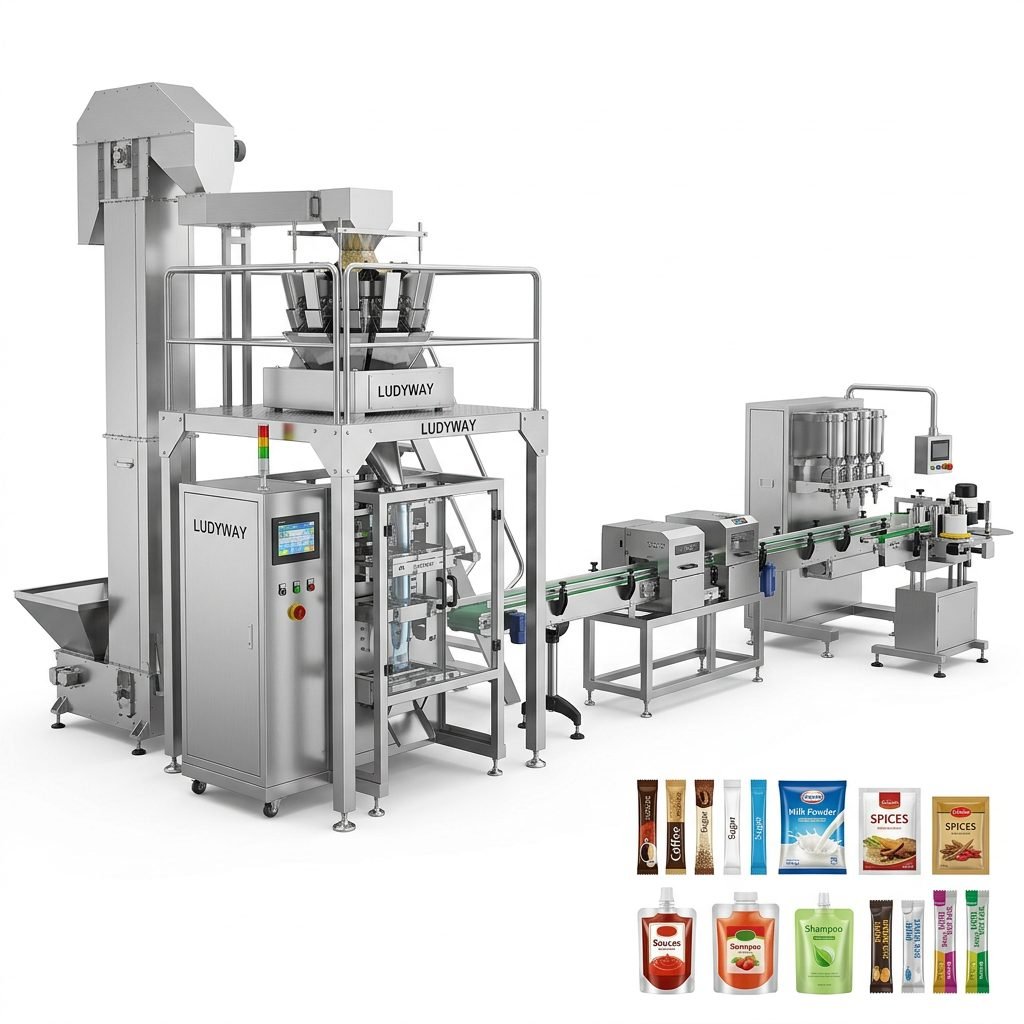
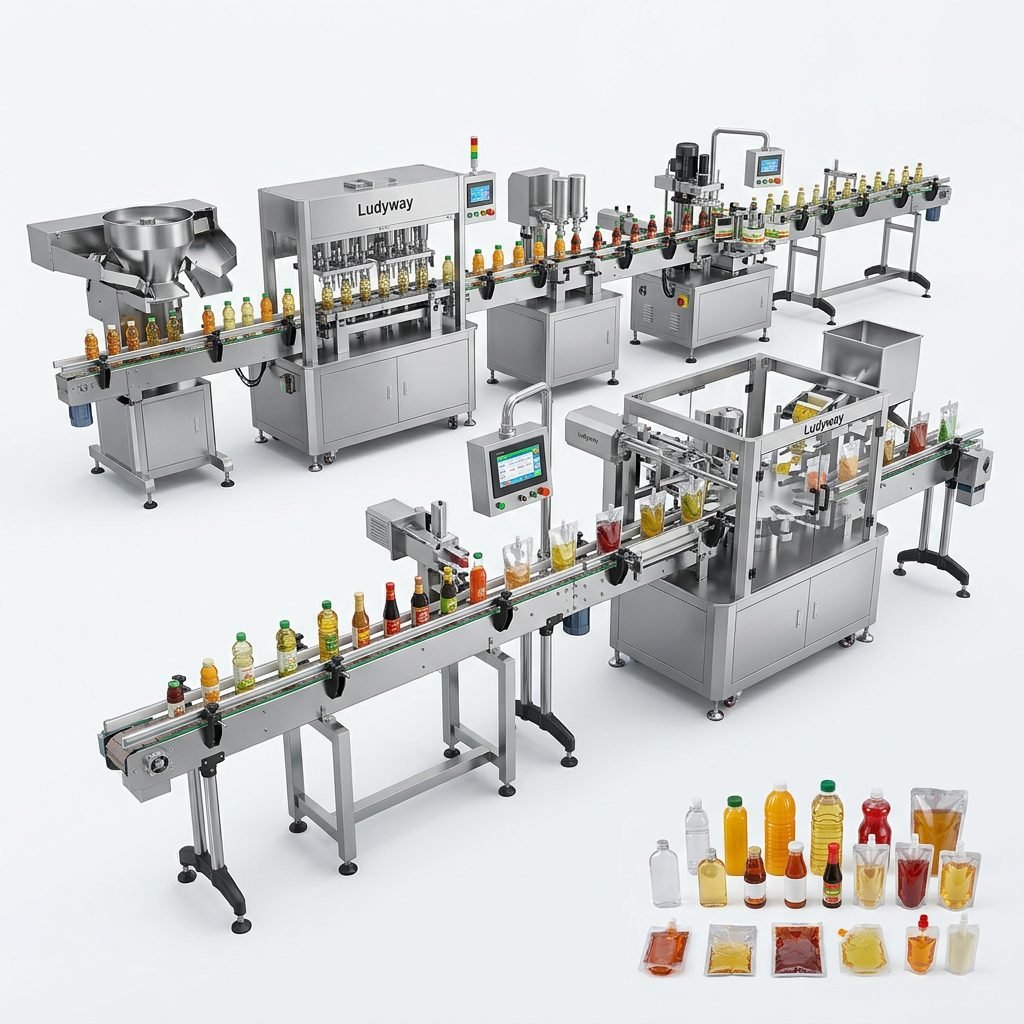
Machine performance depends heavily on engineering quality, customization, integration, and after-sales support. For businesses looking for scalable automatic packaging solutions, Ludyway packaging machine solutions are often considered by buyers who need standalone equipment or complete turnkey lines for food, pharmaceutical, health supplement, cosmetic, and chemical applications.
With more than 30 years of industry experience, a manufacturing base of over 20,000 square meters, and export service across more than 100 countries and regions, the company is known for broad product coverage and the ability to deliver customized automation systems for granules, powders, liquids, pastes, and pouch-based products.
Final Decision: Is It Worth the Investment?
A fully automatic packaging machine is worth the investment when it solves a real production bottleneck and generates measurable annual gains. If your operation is growing, labor-intensive, quality-sensitive, or preparing for larger-scale orders, automation can provide a strong return through higher efficiency, lower operating cost, and better production stability.
However, the right decision depends on matching machine capability to your product, packaging format, output target, and long-term business plan. When selected carefully and supported properly, a fully automatic system is not just a machine purchase—it is a capacity upgrade that can reshape your cost structure and competitive position.