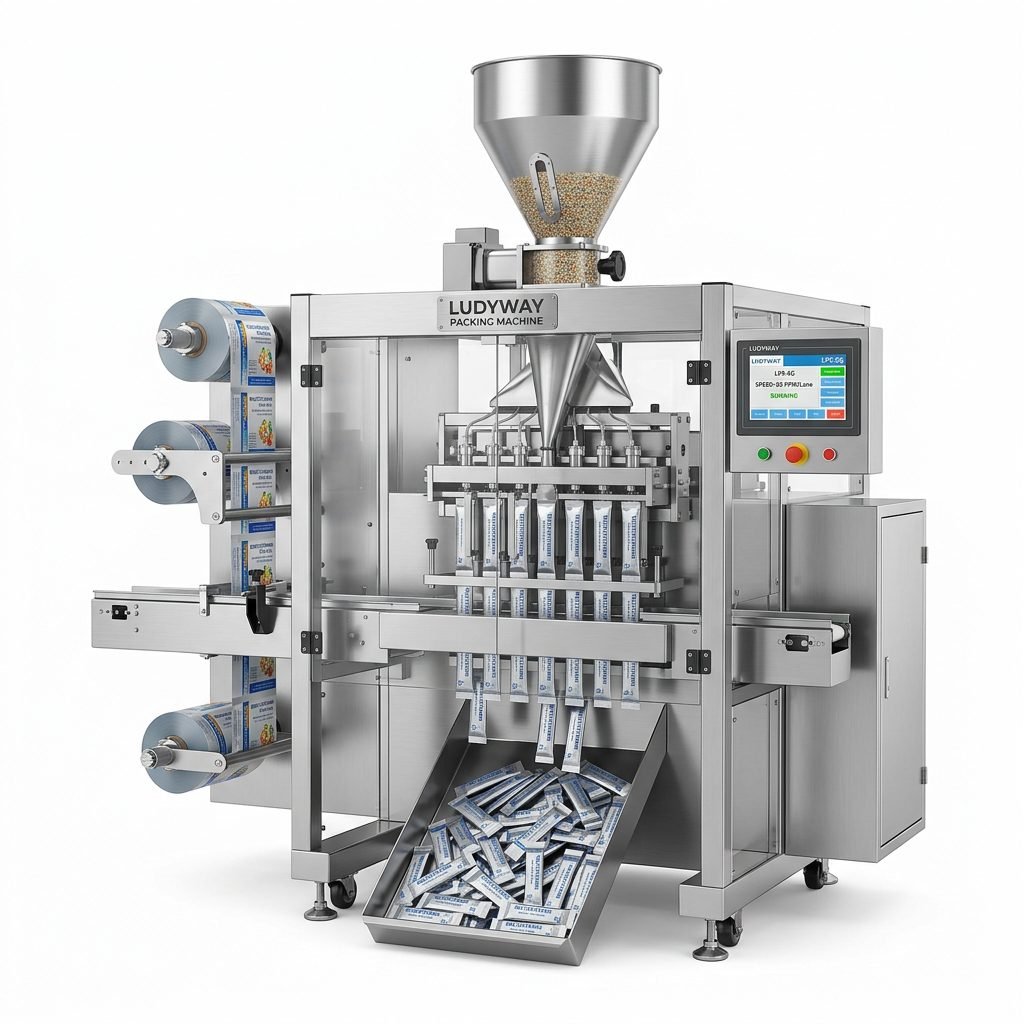
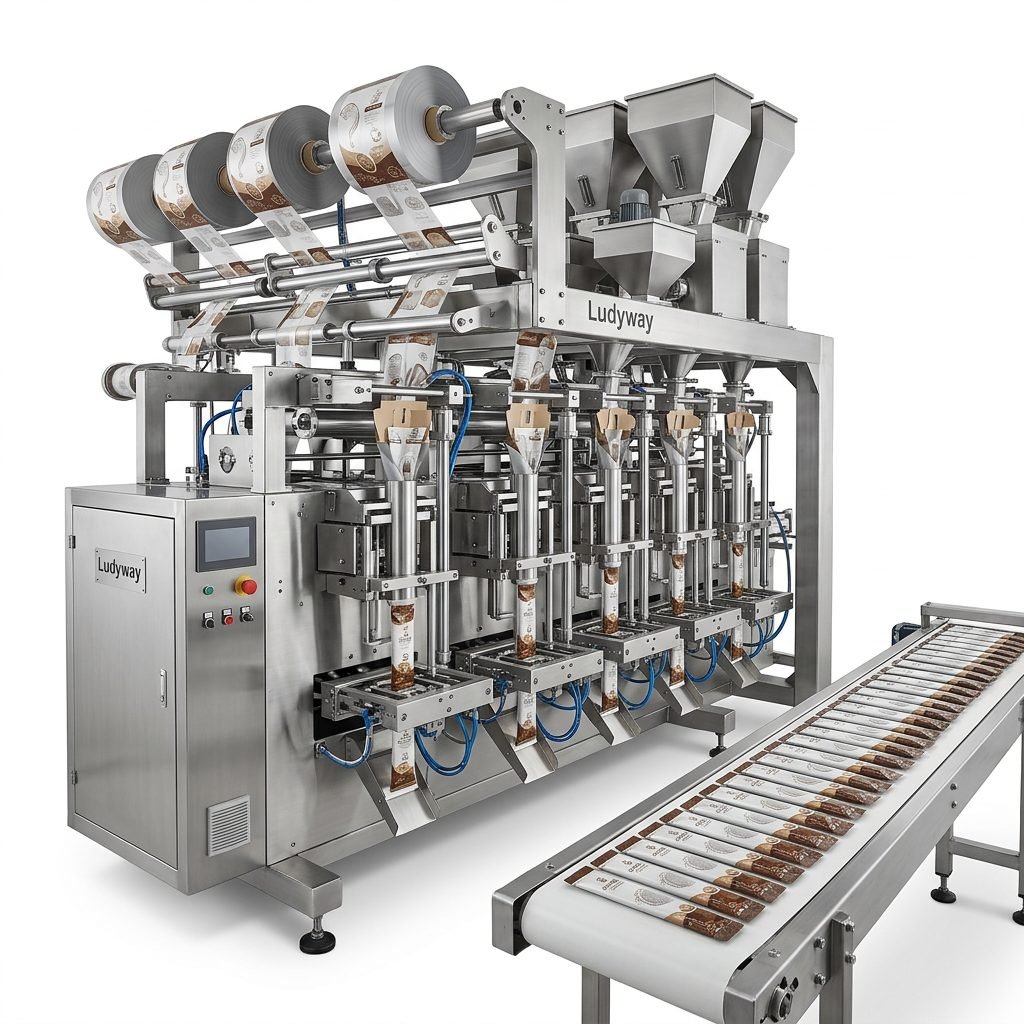
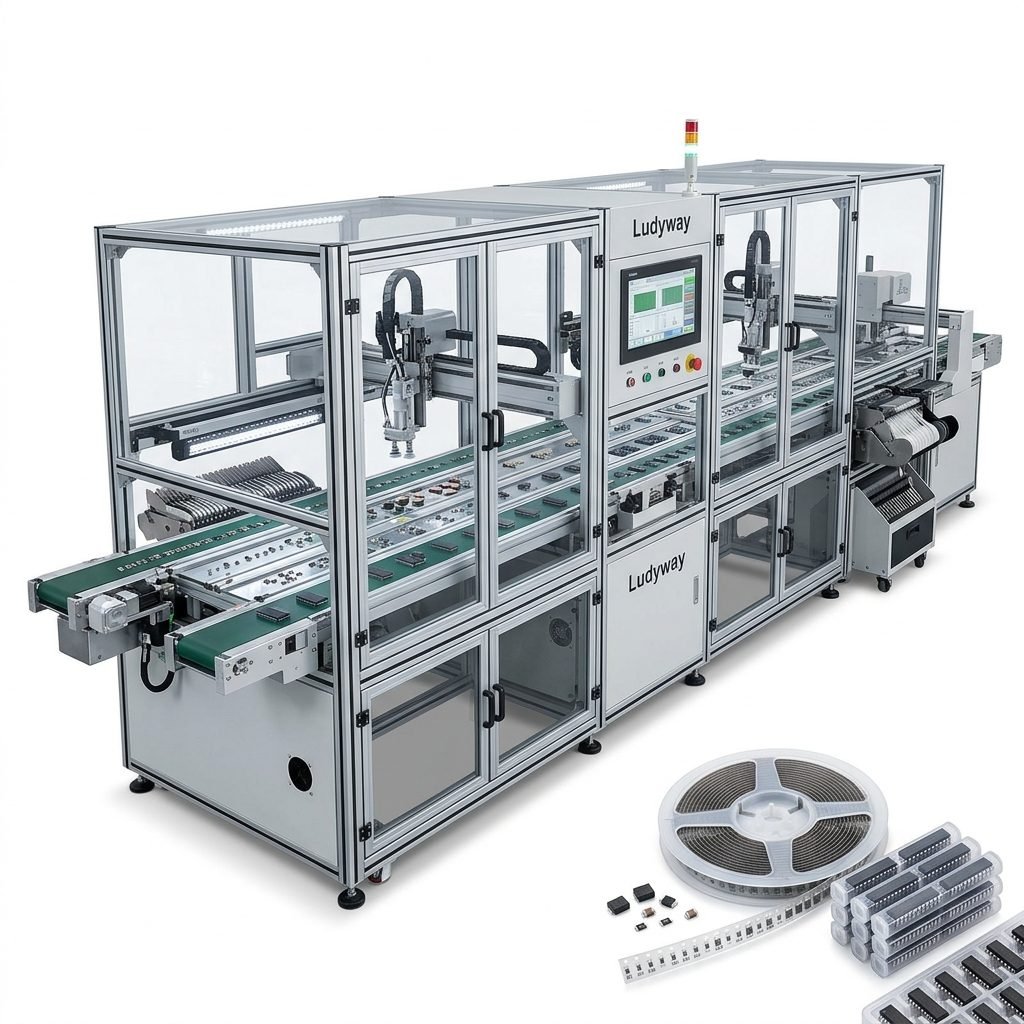
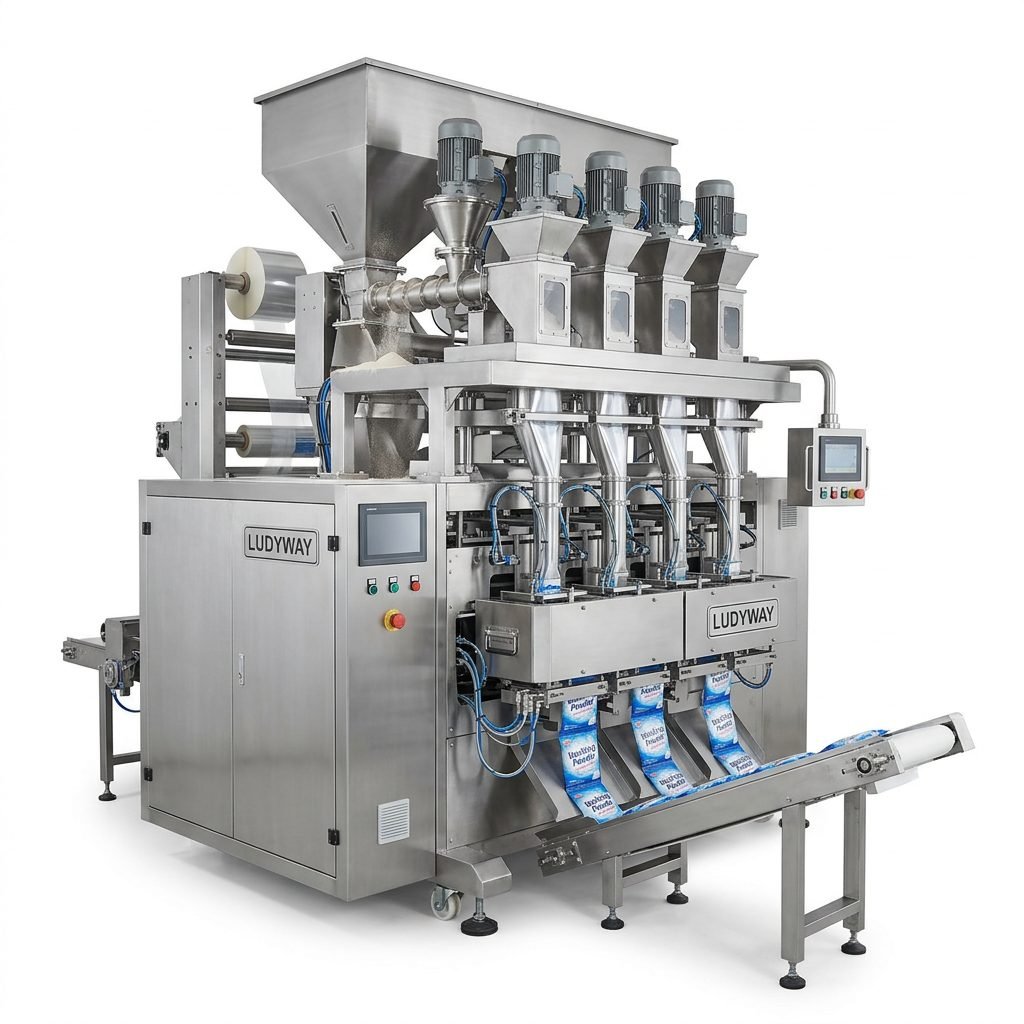
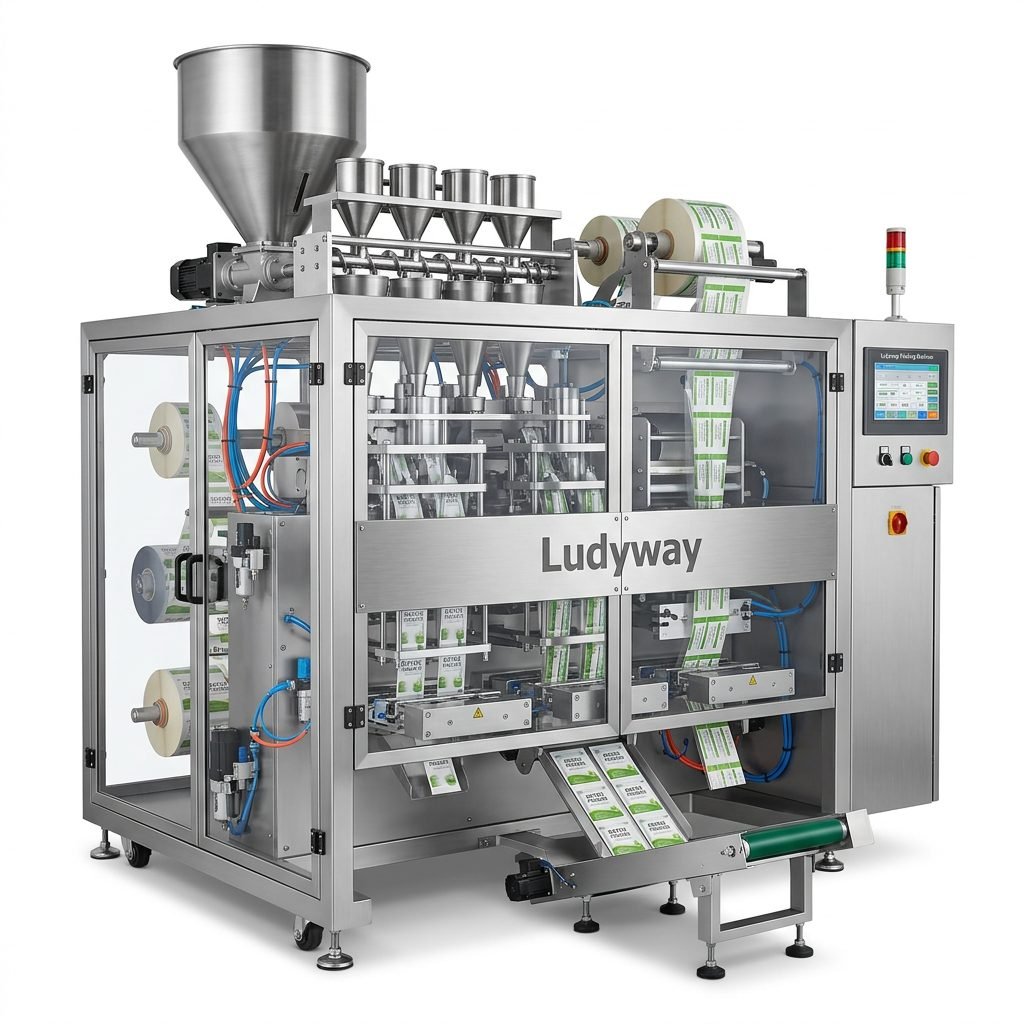
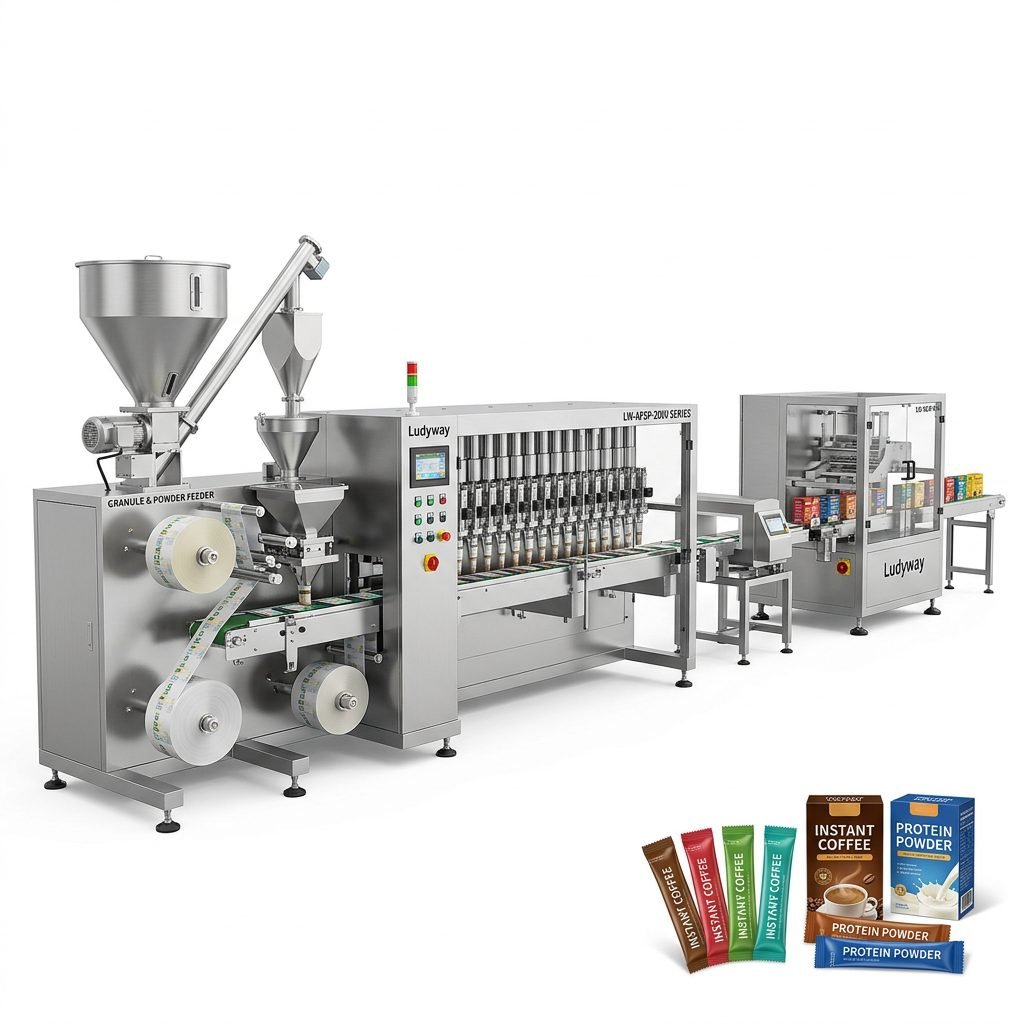
Automatic case packing has become a smart investment for manufacturers that want to move products from the packaging line to shipping-ready cartons with greater speed, consistency, and safety. Whether a business handles sachets, stick packs, pouches, cartons, bottles, or bags, automated case packing helps reduce manual handling, lower labor pressure, and create a more stable end-of-line workflow.
For food, pharmaceutical, nutraceutical, cosmetic, and chemical producers, the benefits go far beyond simple packing. A modern case packing system can improve line balance, product protection, traceability, and operating efficiency while supporting long-term production growth.
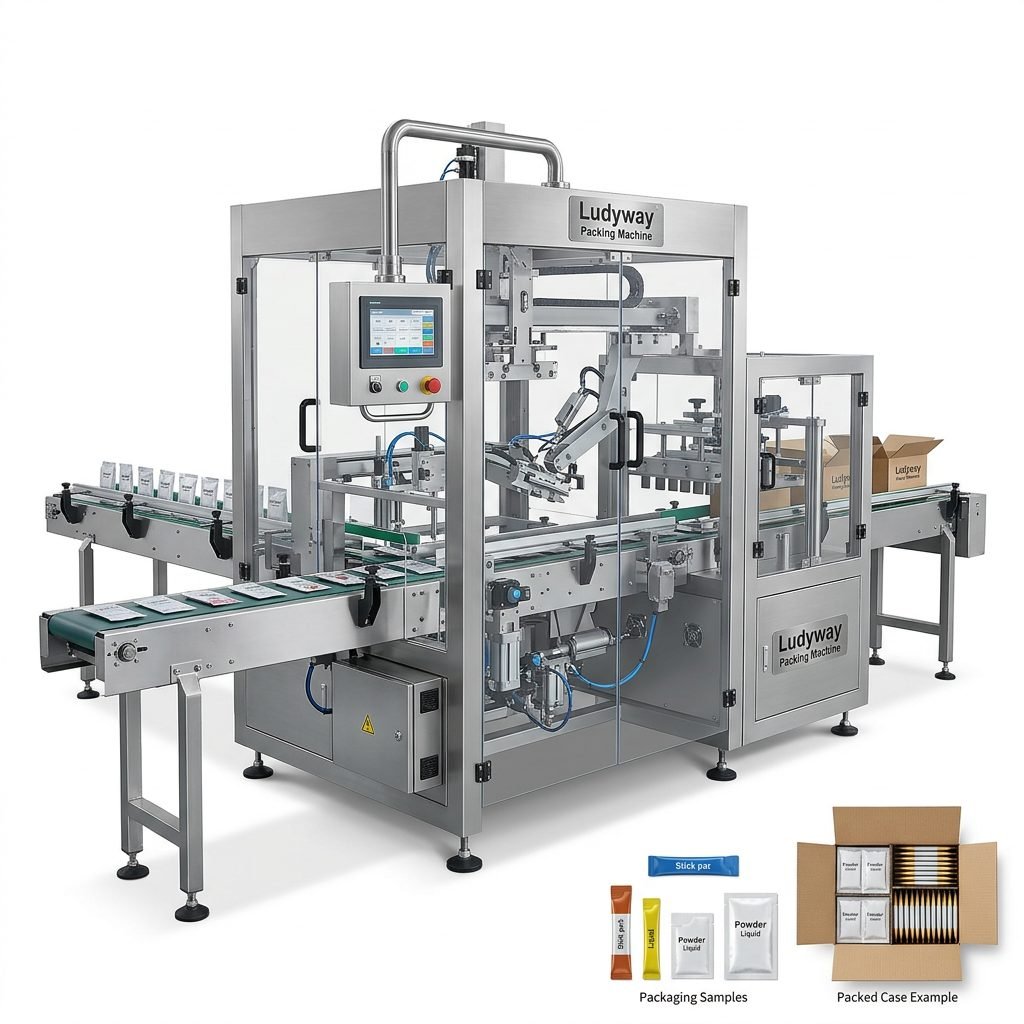
Why automatic case packing matters in modern packaging lines
At the end of any packaging process, products still need to be grouped, oriented, loaded, and sealed correctly before warehousing or transport. If this stage depends heavily on manual labor, it often becomes a bottleneck. Workers may struggle to keep up with upstream machine speeds, especially in high-output operations.
Automatic case packing solves this by creating a more synchronized connection between primary packaging equipment and final shipping preparation. It is especially valuable in facilities running:
- High-speed sachet or stick pack lines
- Pouch packaging systems
- Bottle and carton filling lines
- Multi-lane packaging equipment
- Turnkey automated packaging lines
Key benefits of automatic case packing
1. Faster packaging throughput
The most obvious advantage is speed. Automatic case packers can continuously load products into cases at a pace that manual teams usually cannot match for long periods. This helps manufacturers maintain stable output during long production runs.
Higher throughput means more finished cases per hour, better equipment utilization, and fewer slowdowns at the end of the line.
2. Reduced labor dependency
Manual case packing requires repetitive lifting, sorting, counting, and placement. These tasks are labor-intensive and can become difficult during hiring shortages, seasonal demand spikes, or multi-shift operations.
By automating this process, companies can reassign workers to higher-value tasks such as quality monitoring, machine supervision, maintenance support, and line management.
- Less dependence on large packing crews
- Lower training requirements for repetitive tasks
- Improved workforce allocation
- More stable production planning
3. Improved packaging consistency
Automatic systems pack products using repeatable motions and programmed patterns. This creates more uniform case counts, better product alignment, and neater carton presentation. Consistency matters not only for shipping efficiency but also for retailer requirements and downstream palletizing performance.
When every case is packed the same way, businesses can reduce complaints related to short counts, loose loading, or damaged product arrangement.
4. Better product protection
Products that are dropped, squeezed, misaligned, or loosely packed are more likely to be damaged during transport. Automatic case packing helps control product orientation and placement, reducing impact and unnecessary movement inside the carton.
This is especially important for:
- Pharmaceutical sachets and stick packs
- Fragile cartons and folded boxes
- Cosmetic pouches and sample packs
- Food items requiring tidy, clean presentation
5. Safer working conditions
Case packing often involves repetitive motion, bending, twisting, and lifting. Over time, these activities can contribute to worker fatigue and musculoskeletal injuries. Automated equipment reduces manual touchpoints and lowers physical strain in end-of-line areas.
Safer packaging operations can also support better compliance with workplace health and safety goals.
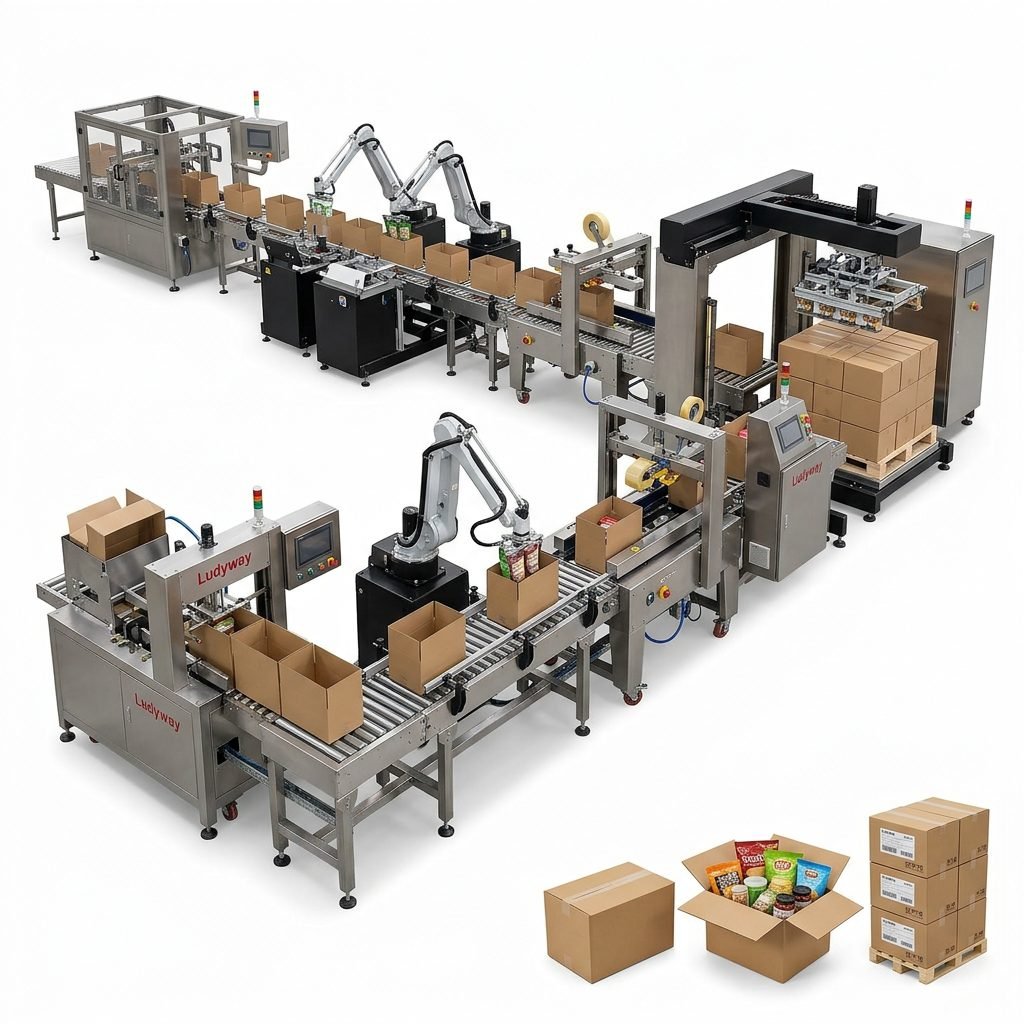
6. Easier integration with upstream and downstream equipment
Automatic case packers are typically integrated with conveyors, counting systems, cartoners, sealers, labeling machines, and palletizers. This allows the entire line to run more smoothly as one connected system instead of separate manual steps.
Integrated automation helps improve:
- Product flow balance
- Case loading accuracy
- Line visibility and control
- End-of-line efficiency
7. Lower total packaging cost over time
Although the initial investment is higher than manual packing, the long-term cost advantages are often significant. Businesses can reduce labor costs, minimize errors, lower product damage, and increase production volume without scaling manpower at the same rate.
| Cost Factor | Manual Case Packing | Automatic Case Packing |
|---|---|---|
| Labor requirement | High | Lower |
| Packing consistency | Variable | High |
| Risk of product damage | Moderate to high | Lower |
| Scalability | Limited | Strong |
| Output stability | Operator-dependent | Machine-controlled |
8. Greater scalability for growing businesses
As order volume increases, manual case packing can quickly become the weakest point in the line. Automation gives manufacturers room to grow without constantly adding labor. This is especially valuable for exporters, contract packers, and brands expanding into new markets.
A well-designed case packing system can support future upgrades such as carton sealing, coding, robotic loading, palletizing, and warehouse automation.
Industries that benefit most from automatic case packing
Many sectors can benefit, but case packing is especially useful where products are produced at high speed, packed in large volumes, or require clean and controlled handling.
| Industry | Typical Products | Main Benefit |
|---|---|---|
| Food | Seasonings, snacks, coffee, powders, sauces | High throughput and neat carton loading |
| Pharmaceutical | Granules, sachets, stick packs, medical items | Accuracy, hygiene, reduced handling |
| Health supplement | Protein powder, vitamins, nutrition packs | Scalability and stable packing quality |
| Cosmetics | Cream sachets, serum packs, wipes | Product protection and presentation |
| Chemical | Detergents, additives, powders, liquids | Safer handling and reduced manual contact |
How automatic case packing supports packaging line efficiency
Case packing should not be viewed as an isolated machine purchase. It has a direct impact on the full production line. When end-of-line operations are automated, upstream equipment can run more consistently, stoppages are reduced, and finished goods can move to palletizing and shipping with less delay.
In practical terms, this means:
- Less product accumulation between machines
- More predictable production output
- Improved carton readiness for storage and transport
- Reduced downtime caused by manual handling issues
- Better overall equipment coordination
What to consider before choosing an automatic case packer
Not every case packing machine fits every product. Before investing, manufacturers should evaluate both current and future production needs.
Product-related factors
- Product shape and dimensions
- Primary package type
- Required case count and loading pattern
- Fragility and orientation needs
Production-related factors
- Target output speed
- Shift schedule and labor availability
- Line integration requirements
- Future expansion plans
Operational factors
- Ease of changeover
- Maintenance access
- Control system compatibility
- After-sales service and technical support
Automatic case packing and turnkey packaging solutions
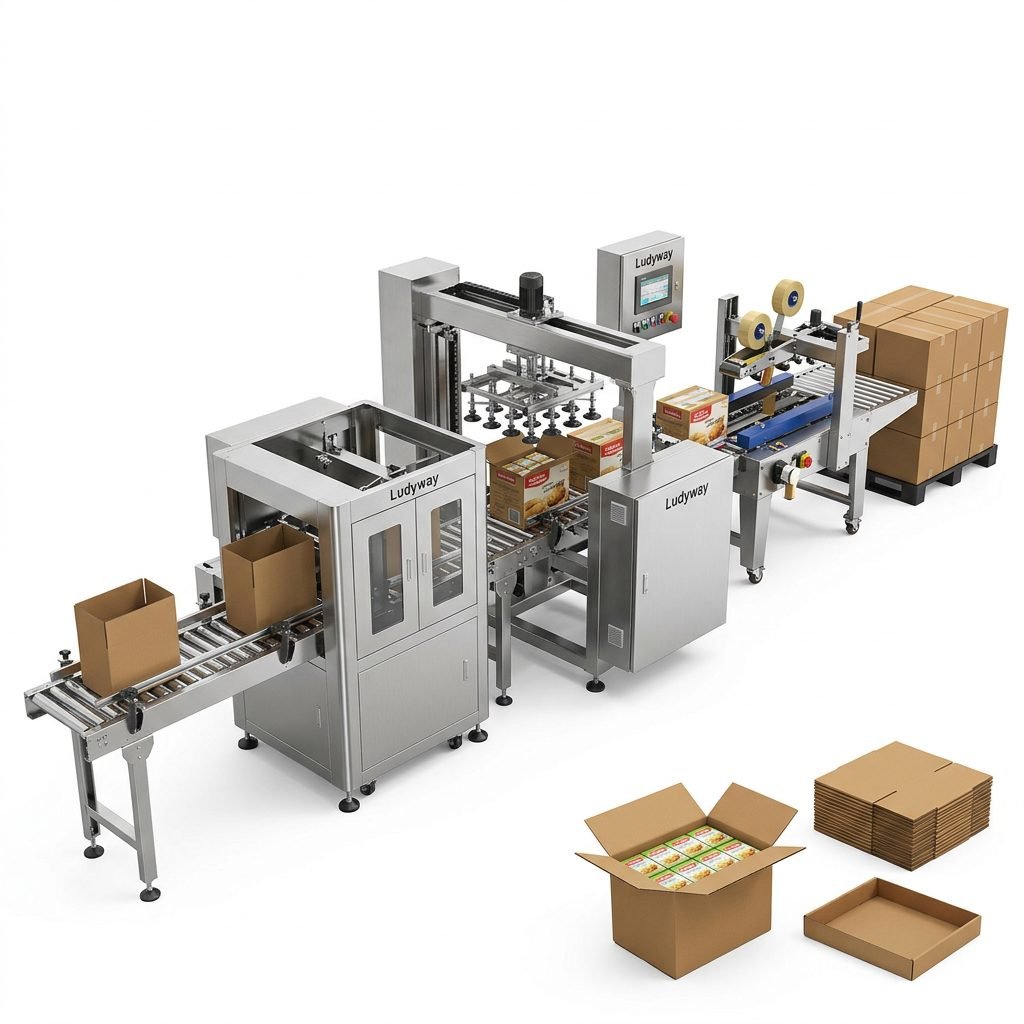
For many manufacturers, the greatest value comes when case packing is part of a complete integrated line rather than a standalone machine. This approach ensures product transfer, counting, grouping, carton loading, sealing, coding, inspection, and palletizing are designed to work together.
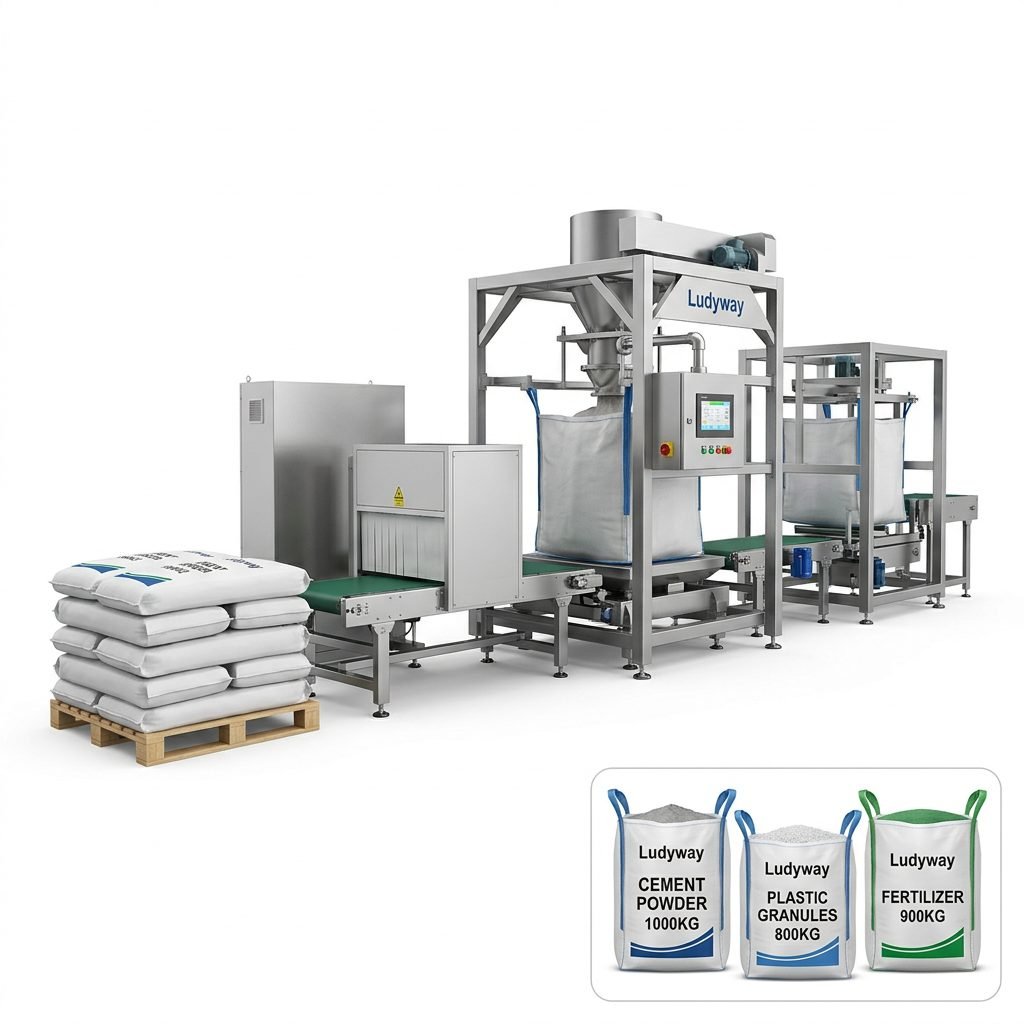
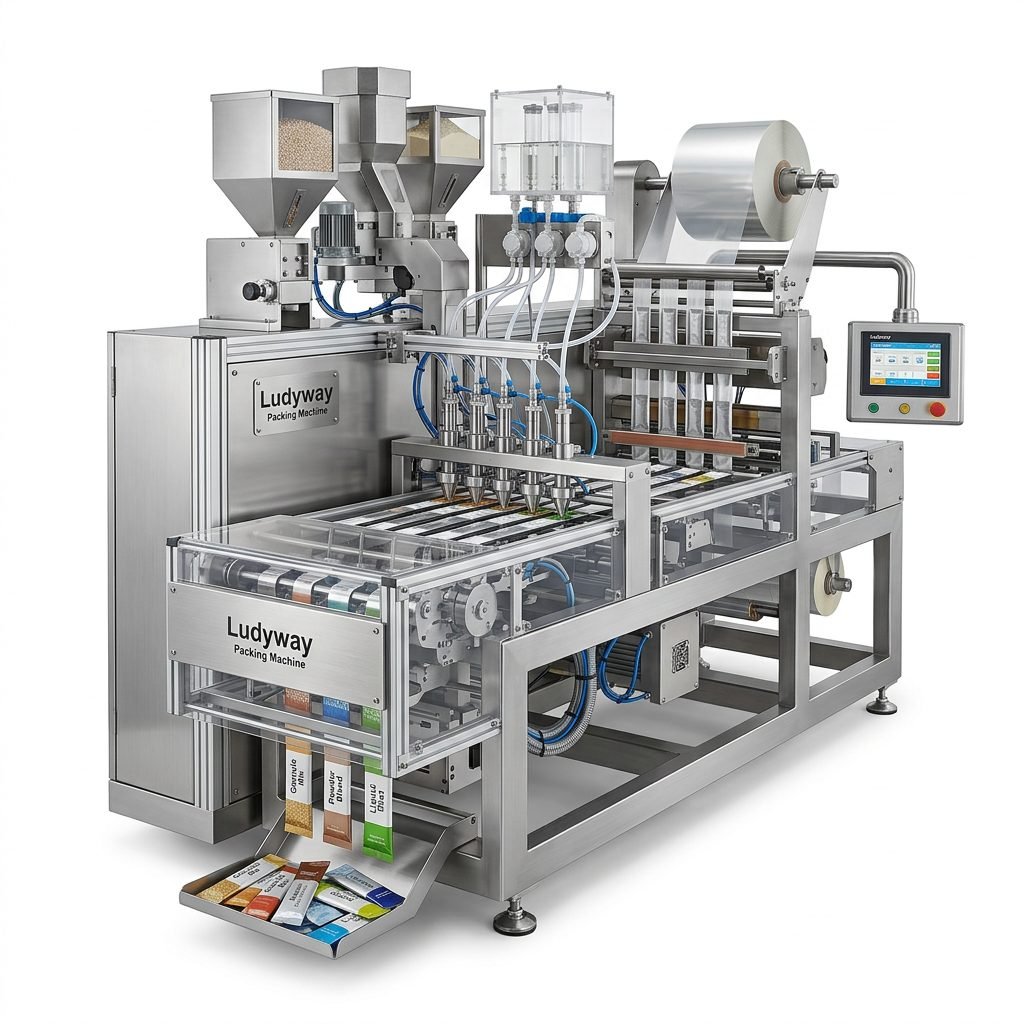
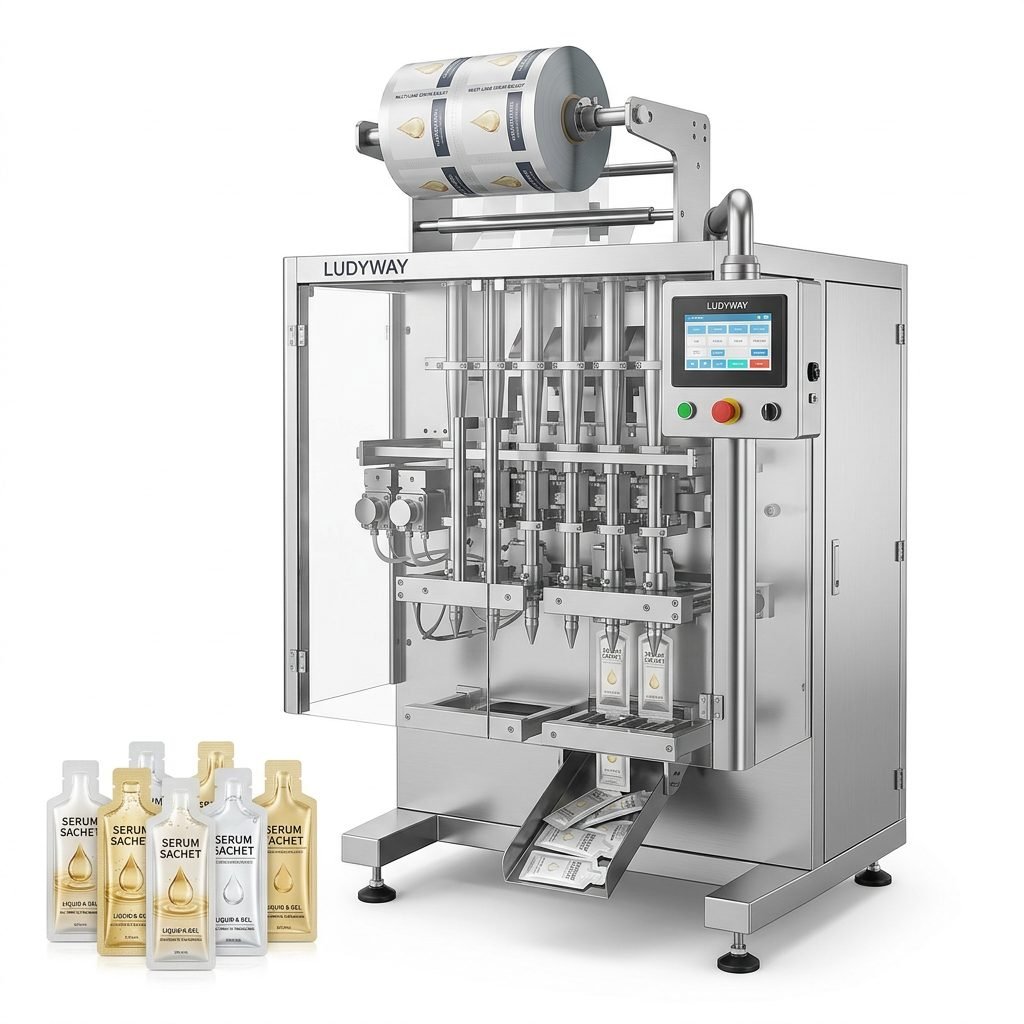
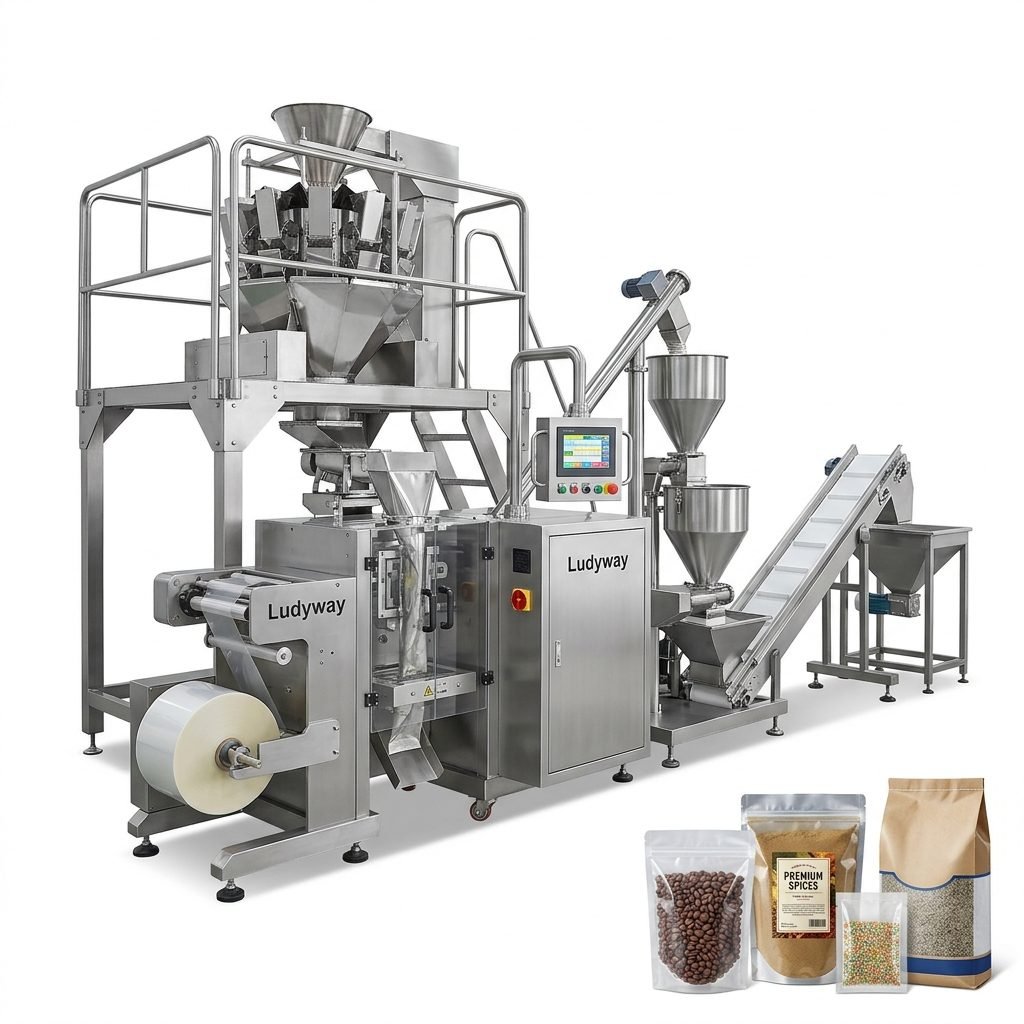
Companies looking for a complete packaging line often consider experienced suppliers such as Ludyway automatic packaging line manufacturer, especially when projects involve sachets, stick packs, pouches, powders, liquids, granules, and customized end-of-line automation.
Frequently asked questions
Is automatic case packing only for large factories?
No. While high-volume plants gain major advantages, medium-sized manufacturers can also benefit when labor costs, product consistency, or output growth are important concerns.
Can automatic case packers handle different package formats?
Yes, many systems can be configured for sachets, stick packs, cartons, pouches, bottles, or bags. The right design depends on product characteristics and changeover needs.
Does automation improve shipping quality?
In most cases, yes. Better case loading consistency helps reduce carton deformation, internal product movement, and transport-related damage.
What is the biggest benefit overall?
For most businesses, the biggest advantage is the combination of faster throughput, lower labor dependence, and more reliable packaging quality.
Final thoughts
Automatic case packing offers clear advantages for manufacturers that want faster, safer, and more efficient packaging operations. It reduces repetitive manual work, supports stable high-speed production, improves carton consistency, and helps protect products through storage and transport.
As packaging lines become more automated and demand for output continues to rise, case packing is no longer just a convenience. It is an important step toward building a more competitive, scalable, and reliable production system.