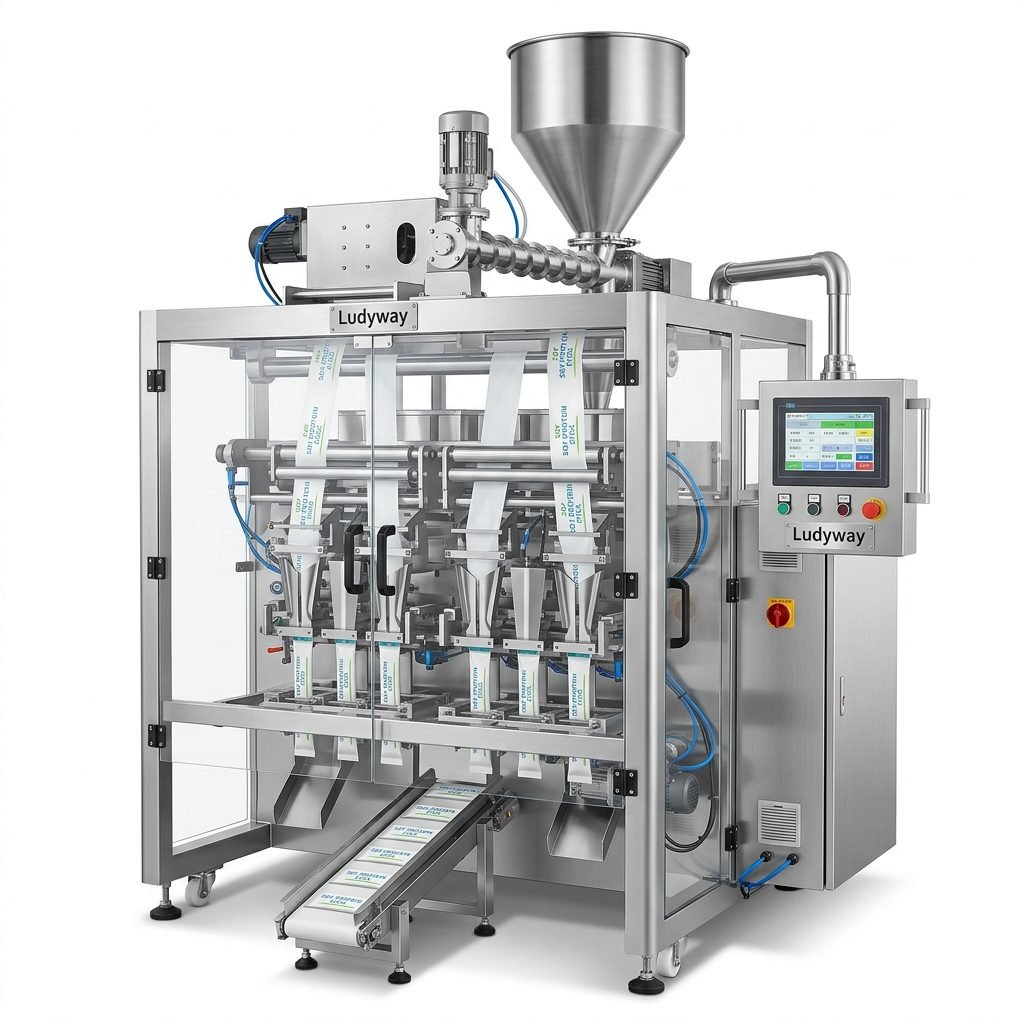
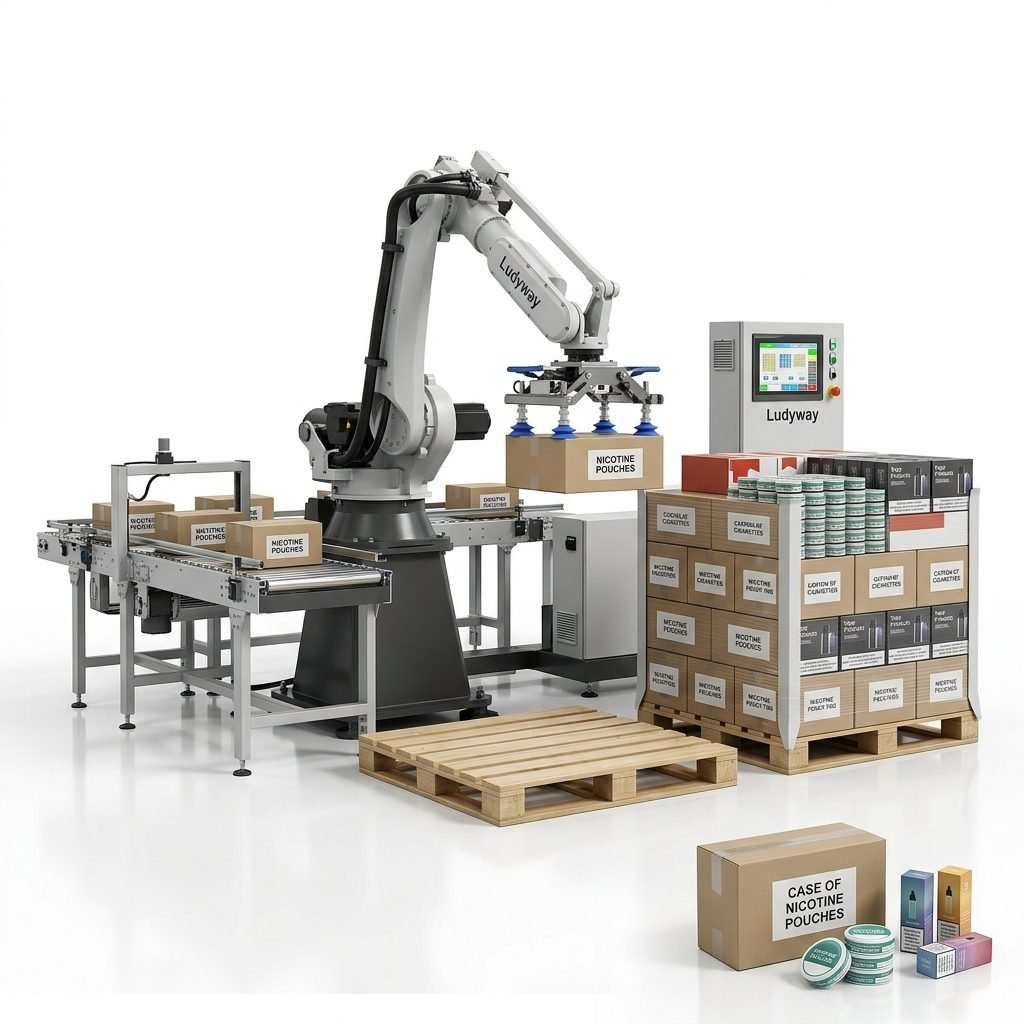
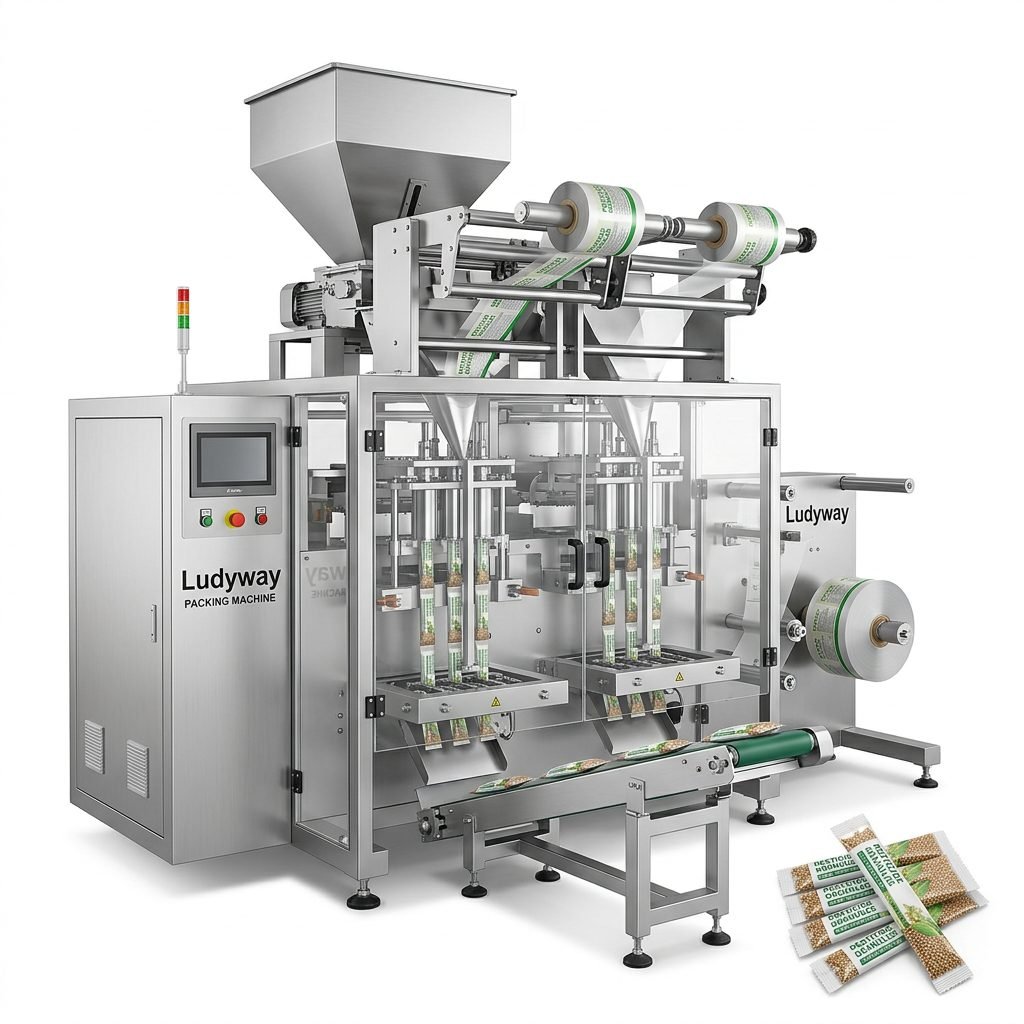
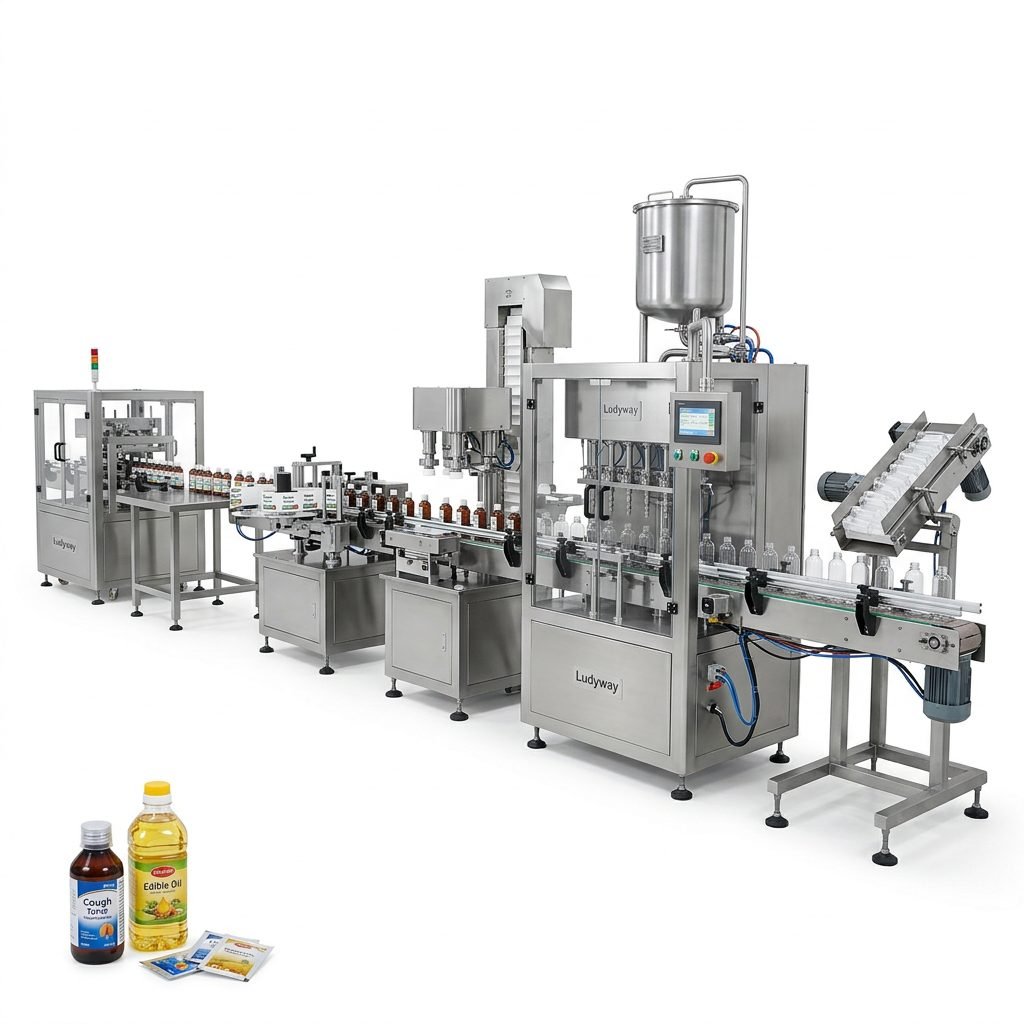
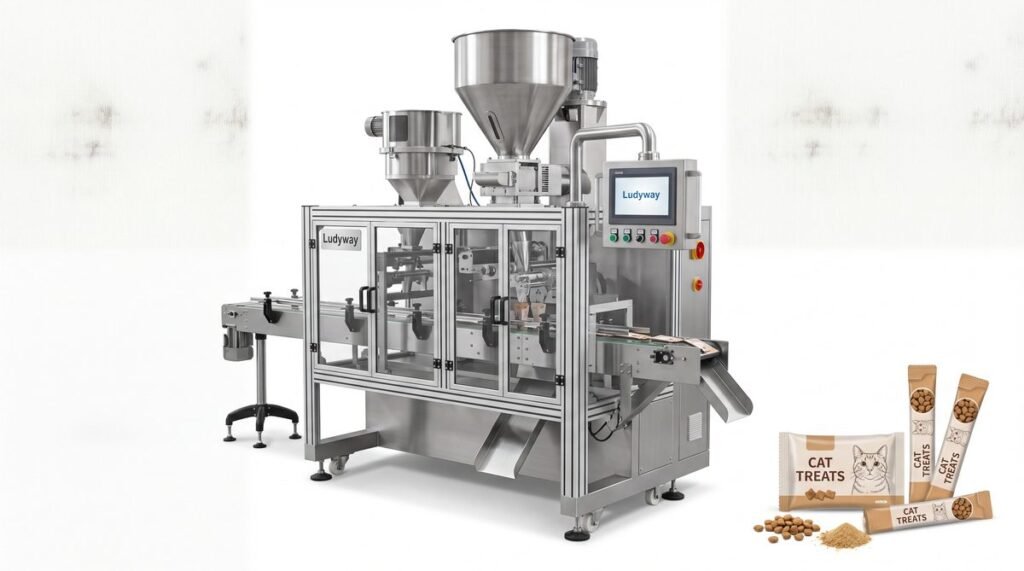
Case packing systems play a critical role in modern packaging operations because they help manufacturers move finished products into shipping cases faster, safer, and more consistently. Whether a business packs food, pharmaceuticals, cosmetics, chemicals, or consumer goods, the right case packing solution can reduce labor pressure, improve line efficiency, and support long-term production growth.
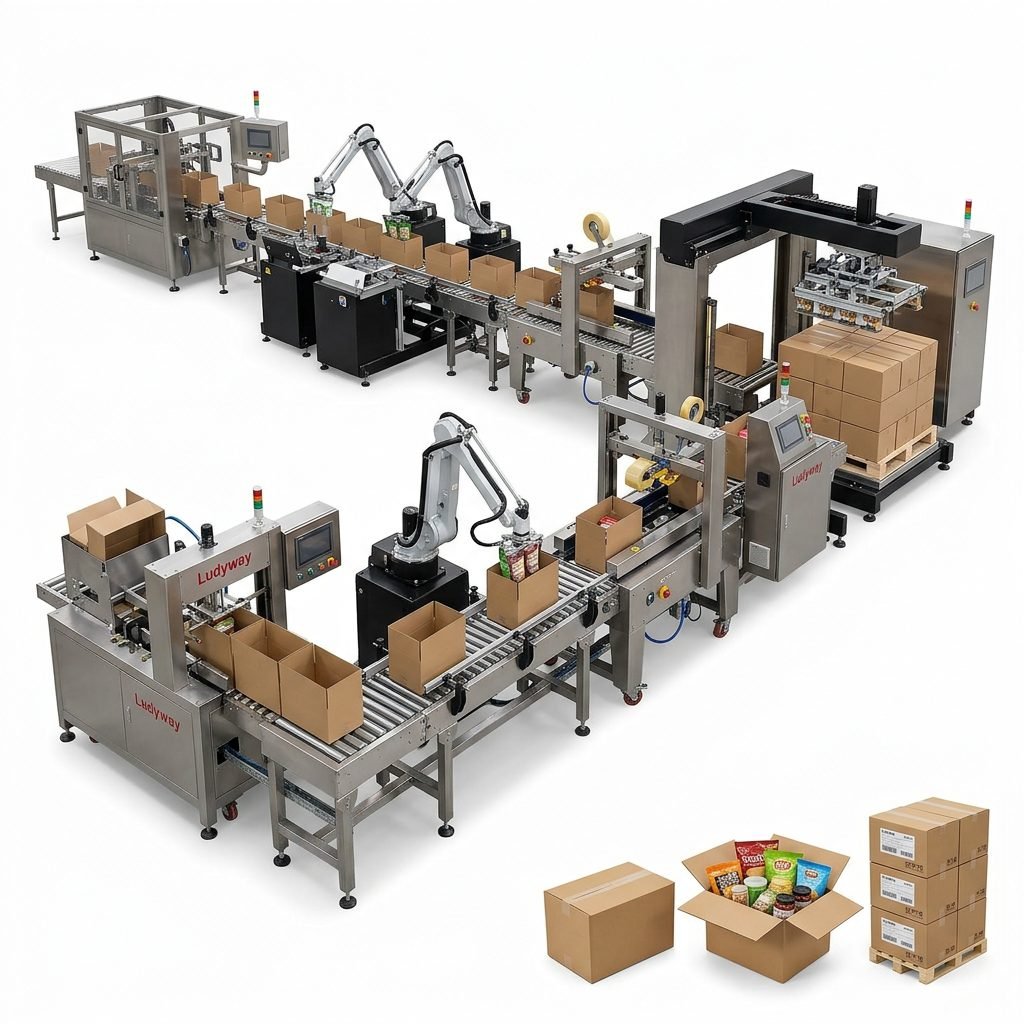
In high-volume environments, manual packing often becomes a bottleneck. Products may arrive from filling, sealing, cartoning, or labeling machines at speeds that are difficult for operators to match consistently. A case packing system solves this gap by automating the transfer of products into cartons, trays, or shipping cases with repeatable accuracy.
Why Case Packing Matters in Modern Packaging Lines
Case packing is the bridge between primary packaging and logistics. After a product is filled into sachets, pouches, bottles, cartons, or bags, it must be grouped and packed in a way that protects it during storage, transport, and distribution. If this stage is slow or inconsistent, the entire production line suffers.
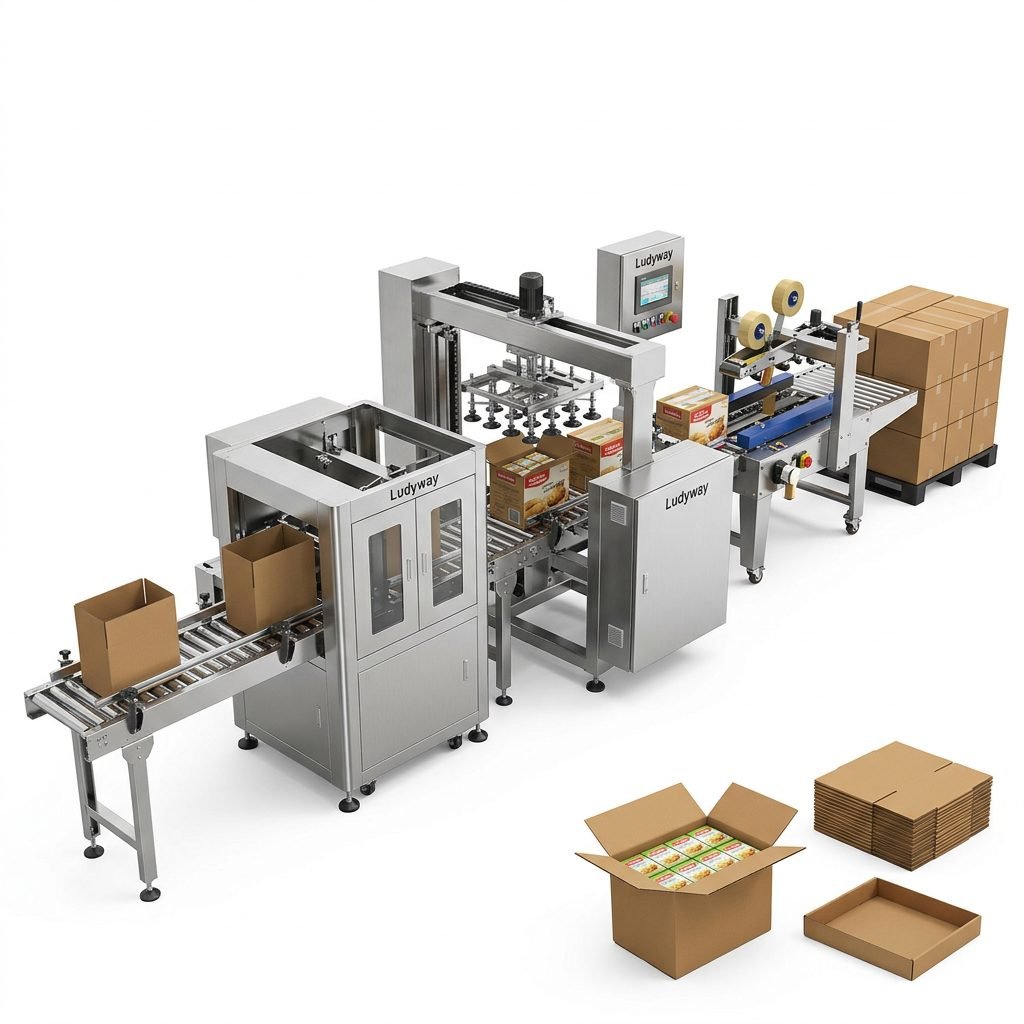
Automated case packers help manufacturers maintain output while minimizing human error. They also create a more organized end-of-line process, making it easier to integrate carton sealing, labeling, checkweighing, palletizing, and warehouse handling.
Main Benefits of Case Packing Systems
1. Higher Packaging Speed
One of the biggest advantages is speed. Automated systems can load products into cases much faster than manual teams, especially when production runs continuously. This allows packaging plants to:
- Handle larger order volumes
- Reduce downstream congestion
- Keep up with high-speed filling and sealing lines
- Shorten overall packaging cycle times
2. Better Labor Efficiency
Labor shortages and rising labor costs are common challenges in manufacturing. Case packing systems reduce dependence on repetitive manual work by automating product collation, orientation, loading, and sometimes even case erection and sealing.
This does not only cut labor costs. It also allows staff to focus on higher-value tasks such as quality control, line monitoring, maintenance, and process optimization.
3. Improved Packing Consistency
Manual packing can lead to uneven case counts, poor product arrangement, and damaged packaging. Automated case packers apply the same motion pattern every cycle, helping maintain uniform case loading and stable product presentation.
Consistent packing improves not only warehouse efficiency but also customer satisfaction, especially for distributors and retailers that expect neat, standardized cartons.
4. Reduced Product Damage
Products can be damaged during manual handling, especially fragile sachets, cartons, bottles, and pouches. A properly designed case packing system uses controlled motion, positioning mechanisms, and synchronized transfer to protect products throughout the process.
This is especially important in industries where package integrity affects product quality, compliance, or shelf appeal.
5. Better Use of Factory Space
Modern case packers are often designed for compact integration. Instead of needing a large manual packing station with multiple operators, manufacturers can install a streamlined automated module that fits into a planned line layout more efficiently.
This helps factories improve space utilization while keeping product flow organized from upstream packaging machines to final dispatch.
| Benefit | Operational Impact | Business Value |
|---|---|---|
| High speed automation | Faster product-to-case transfer | Higher throughput |
| Labor reduction | Less manual handling | Lower operating cost |
| Consistent loading | Accurate case counts and arrangement | Better shipping quality |
| Damage reduction | Gentle product handling | Less waste and fewer complaints |
| Line integration | Smooth connection with upstream and downstream equipment | Improved overall equipment effectiveness |
How Case Packing Systems Improve Overall Equipment Effectiveness
Efficiency in packaging operations is not just about machine speed. It also depends on uptime, consistency, and the ability to prevent stoppages. A case packing system contributes to better overall equipment effectiveness by:
- Reducing manual intervention at the end of the line
- Lowering the risk of packing delays
- Supporting stable case counts and product flow
- Improving synchronization with sealing and palletizing equipment
- Allowing predictive maintenance and performance monitoring in advanced systems
When the end-of-line process is stable, the entire packaging operation becomes easier to manage. That means fewer interruptions, more reliable output planning, and better on-time shipment performance.
Industries That Benefit Most from Case Packing Automation
Case packing systems are widely used across many sectors, especially where packaging volume, hygiene, accuracy, and transport protection matter.
Food and Beverage
Snack packs, sachets, bottled sauces, powdered drinks, frozen foods, and pet food products often require fast and hygienic end-of-line handling. Automated case packers help maintain output while protecting package appearance.
Pharmaceutical and Health Products
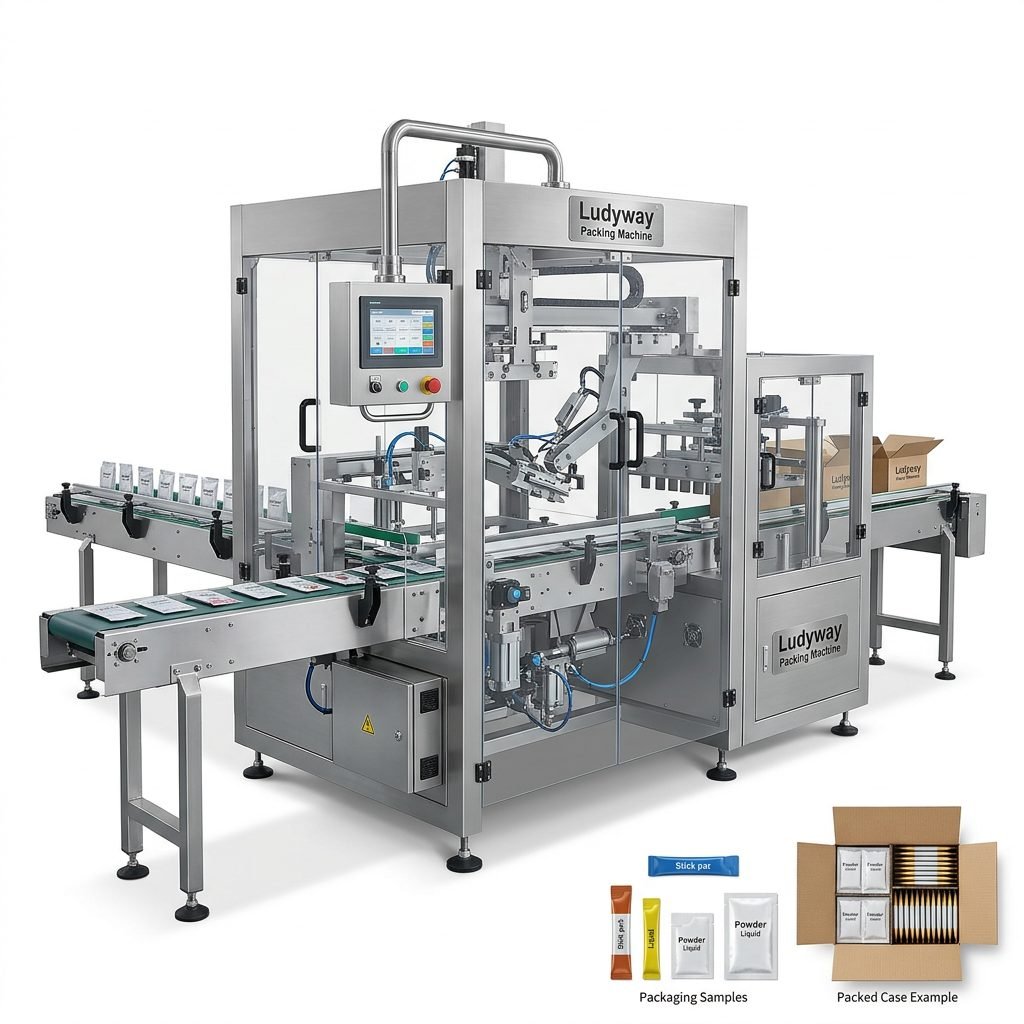
For cartons, stick packs, sachets, bottles, and medical consumables, case packing supports accuracy, traceability, and consistent shipping quality. This is particularly valuable where compliance and product security are essential.
Cosmetics and Personal Care
Products such as serum sachets, lotion tubes, wipes, and small-format retail packs benefit from careful handling and tidy retail-ready case arrangement.
Chemical and Industrial Products
For detergents, additives, treatment chemicals, and industrial pouches, automated case packing reduces operator exposure and improves pack stability during transport.
Key Features to Look for in a Case Packing System
Not every system fits every production line. When selecting a case packer, businesses should evaluate both current requirements and future expansion needs.
- Product compatibility for pouches, sachets, cartons, bottles, trays, or bags
- Case format flexibility for different carton sizes and pack patterns
- Speed matching with upstream packaging equipment
- Integration capability with erectors, sealers, labelers, and palletizers
- Changeover convenience for multi-product production environments
- Control system intelligence for monitoring, alarms, and easy operation
- Maintenance accessibility for cleaning and service efficiency
Manual Packing vs Automated Case Packing
| Factor | Manual Packing | Automated Case Packing |
|---|---|---|
| Speed | Variable and operator-dependent | Stable and high throughput |
| Labor use | High | Low to moderate |
| Consistency | Can vary by shift | Repeatable and accurate |
| Product protection | More handling risk | Controlled movement |
| Scalability | Limited | Strong support for growth |
The Role of Case Packing in Turnkey Packaging Lines
For manufacturers building a full automated packaging line, case packing should not be viewed as a separate machine only. It works best as part of a coordinated turnkey solution that includes product feeding, filling, sealing, coding, inspection, cartoning, case packing, sealing, and palletizing.
A line designed with end-to-end integration can deliver smoother product flow, fewer interface issues, and easier future upgrades. This is why many global buyers prefer working with experienced turnkey suppliers such as Ludyway case packing and packaging line solutions, especially for projects that require automation, customization, and dependable long-term support.
When Should a Business Invest in a Case Packing System?
A company should seriously consider automation when it experiences any of the following:
- Manual packing cannot keep up with line speed
- Labor costs continue to increase
- Frequent packing errors affect shipment quality
- Product damage occurs during end-of-line handling
- There is a need to expand capacity without adding large teams
- Customers require more standardized secondary packaging
If these issues appear regularly, the return on investment from an automated case packing system can be highly attractive.
Final Thoughts on the Benefits of Case Packing Systems
Case packing systems help packaging operations become more efficient by increasing speed, improving consistency, reducing labor dependency, and protecting products during transport. They are especially valuable in facilities aiming for scalable automation and stronger end-of-line performance.
For businesses looking to improve packaging efficiency, support growth, and build a more competitive production environment, investing in the right case packing solution is often a smart and practical step.