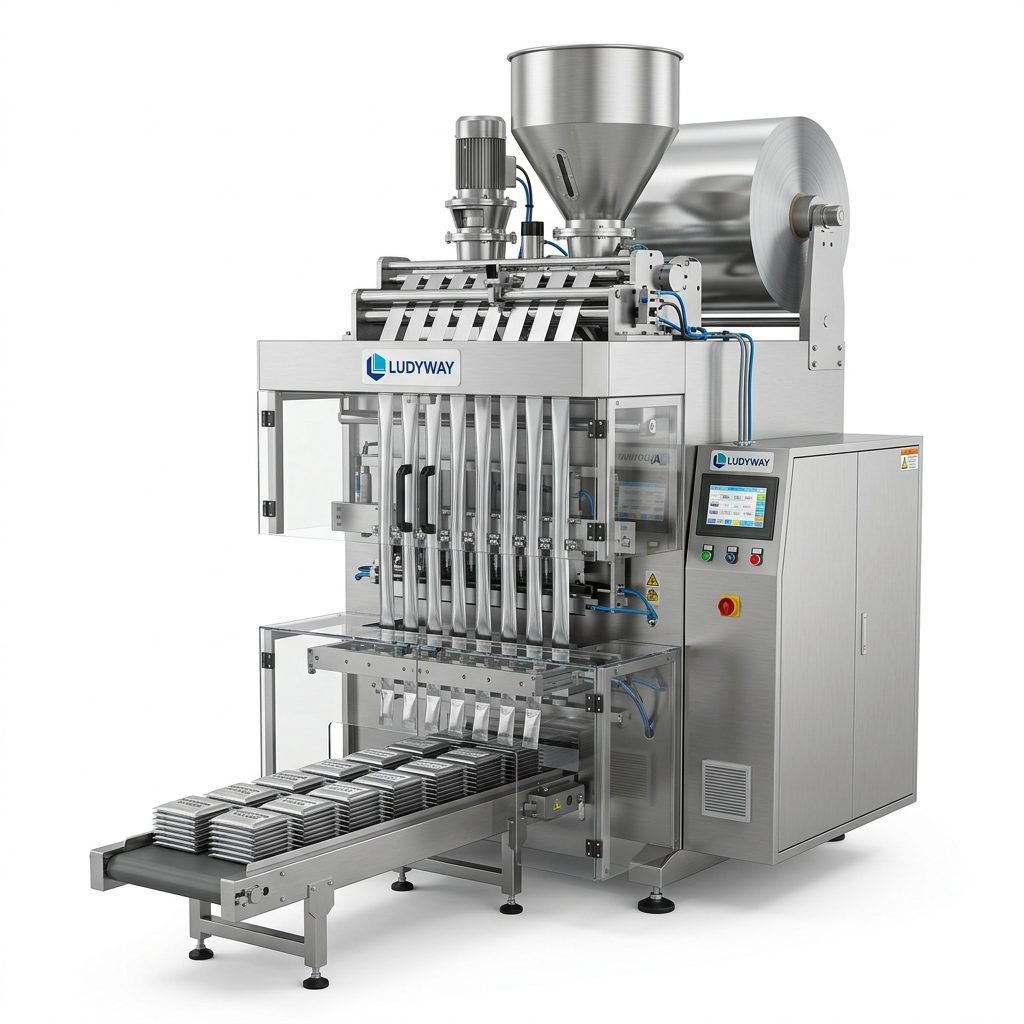
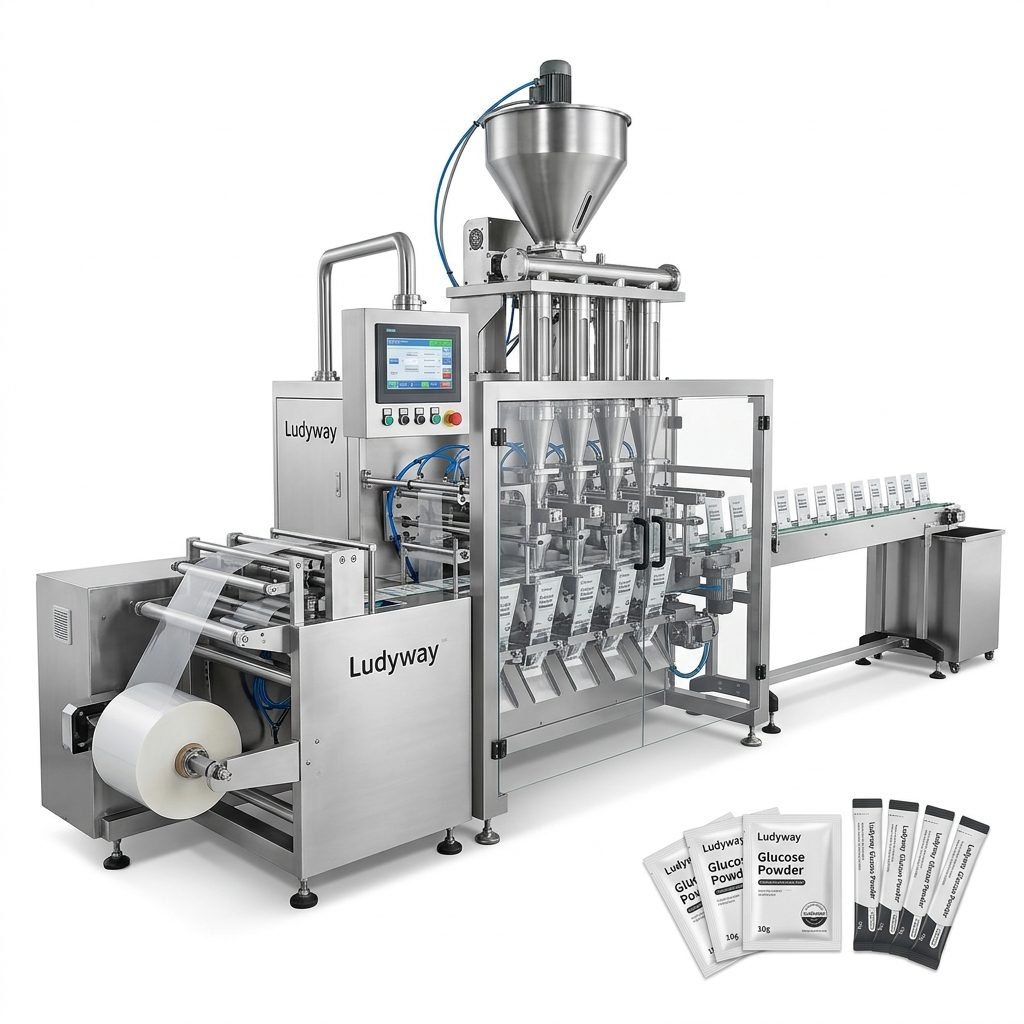
In flexible packaging production, a pouch slitting machine is an essential piece of equipment used to cut large rolls of pouch material into narrower rolls or finished pouch-related formats with high accuracy. It plays a critical role in industries such as food, pharmaceuticals, personal care, chemical products, and nicotine pouch packaging, where consistent width, clean edges, and stable downstream performance matter.
Whether you are converting laminated films, preparing pre-made pouch material, or improving output in a pouch packaging line, understanding how a slitting machine works can help you choose the right system and avoid waste, downtime, and sealing defects.
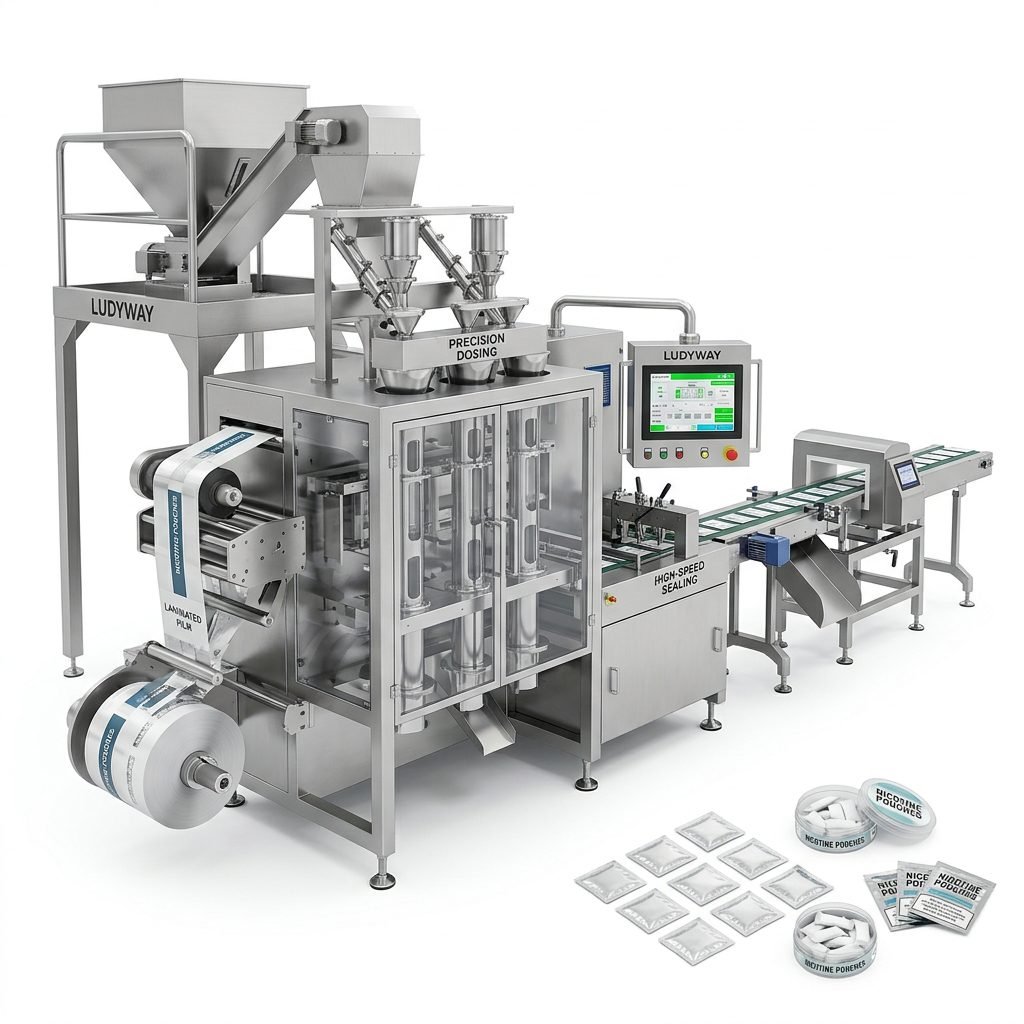
What Is a Pouch Slitting Machine?
A pouch slitting machine is a converting machine designed to unwind a master roll, slit it into multiple narrower widths, and then rewind the cut material into smaller rolls for later packaging use. In some production setups, it may also be integrated with inspection, edge guiding, tension control, counting, and waste removal systems.
These machines are commonly used for:
- Plastic films
- Laminated pouch webs
- Aluminum foil composite materials
- Paper-plastic packaging materials
- Rollstock for sachets, stick packs, and pouch production
- Specialty materials for oral pouch and nicotine pouch applications
In simple terms, the machine ensures that wide packaging material becomes precise, production-ready rolls for filling, sealing, pouch-making, or further converting.
Why Slitting Matters in Pouch Manufacturing
Slitting is more than just cutting material. It directly affects the quality and efficiency of the entire packaging process. If the slit width is inconsistent or the edges are rough, downstream machines may suffer from tracking issues, poor sealing, misalignment, or material waste.
Good slitting helps manufacturers achieve:
- Stable pouch dimensions
- Cleaner seals and better appearance
- Less film waste
- Higher packing speed
- More reliable machine feeding
- Improved batch consistency
How a Pouch Slitting Machine Works
The operating principle is straightforward, but high-performance machines rely on precise control across every stage.
1. Unwinding the Master Roll
A large parent roll of pouch material is loaded onto the unwinding section. The machine feeds the material forward under controlled tension to prevent wrinkles, stretching, or drifting.
2. Web Guiding and Alignment
An automatic web guiding system keeps the film aligned. This is especially important for printed packaging materials, where registration accuracy affects brand appearance and sealing position.
3. Slitting the Material
The film passes through slitting knives or blades. Depending on the machine design and material type, the cutting method may be razor slitting, shear slitting, or score slitting.
4. Edge Trim and Waste Handling
Trimmed edges are removed through a waste collection or suction system. This keeps the line clean and helps maintain product quality.
5. Rewinding the Narrow Rolls
After slitting, each strip is rewound into a finished roll with controlled tension. Proper rewinding avoids telescoping, loose rolls, uneven edges, or roll collapse during transport and later machine use.
6. Inspection and Output
Some advanced machines include defect inspection, meter counting, diameter control, and automatic unloading. The final rolls are then ready for pouch converting or filling lines.
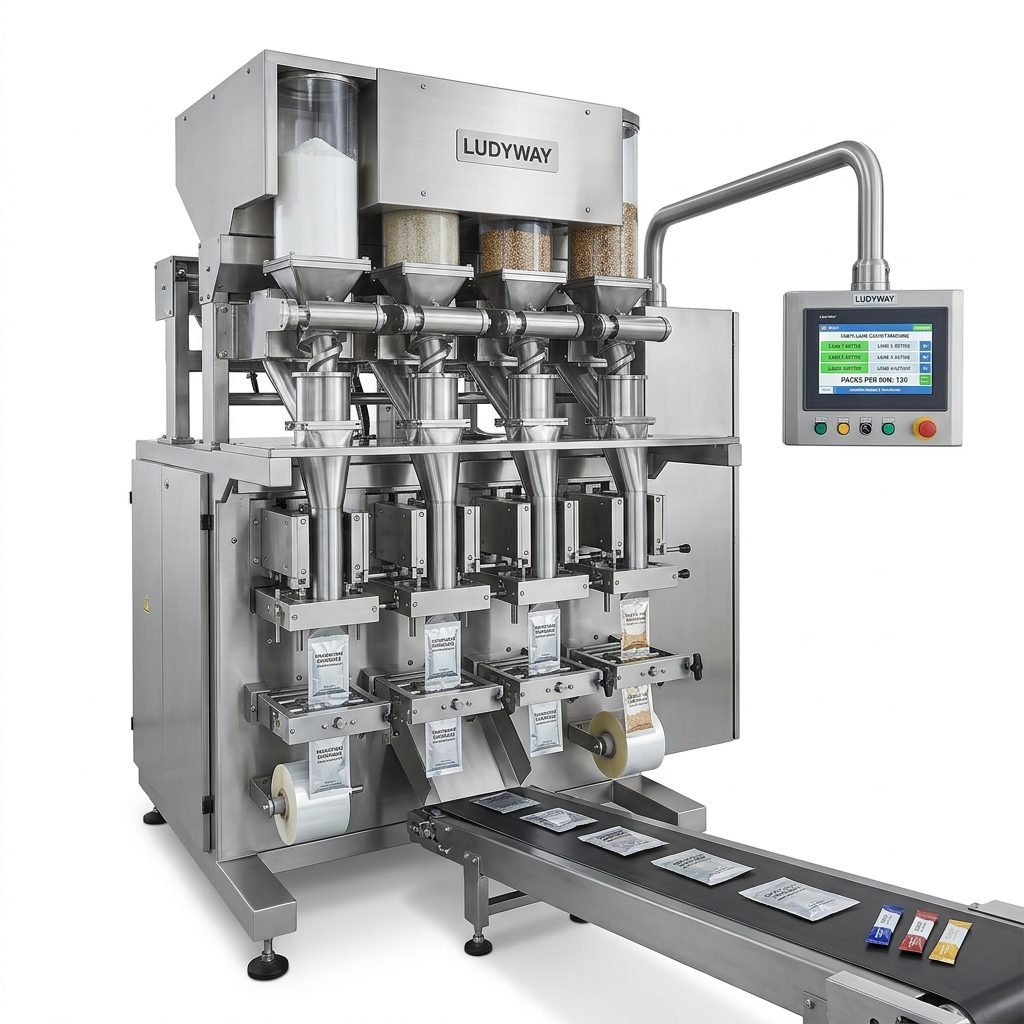
Main Types of Pouch Slitting Machines
Different products and materials require different slitting technologies. Below are the most common machine types used in pouch material processing.
Razor Slitting Machines
These use sharp razor blades to cut thin films and lightweight materials. They are suitable for applications requiring simple, clean cuts at relatively high speed.
- Best for thin plastic film
- Lower tooling complexity
- Not ideal for thick laminates
Shear Slitting Machines
Shear slitting uses upper and lower rotary knives working like scissors. This method is widely preferred for laminated pouch material because it produces clean and accurate edges.
- Suitable for thicker laminates
- Excellent edge quality
- Common in premium pouch applications
Score Slitting Machines
In score slitting, the material is pressed against a hardened roller by circular knives. It is often used for certain films, papers, and less complex structures.
- Simple design
- Efficient for some standard materials
- Less ideal when top-edge finish is critical
Duplex Slitter Rewinders
These machines rewind slit material on two shafts and are common in flexible packaging converting plants. They balance speed, control, and productivity.
Center-Surface Slitters
These combine center winding and surface contact winding, making them effective for sensitive, stretchy, or difficult-to-handle materials.
Automatic High-Speed Slitting Machines
These are advanced systems equipped with servo control, touchscreen settings, tension zones, automatic knife positioning, inspection, and recipe storage.
| Type | Best For | Key Advantage |
|---|---|---|
| Razor Slitting | Thin films | Fast and simple cutting |
| Shear Slitting | Laminates and thicker pouch webs | Clean, precise edge quality |
| Score Slitting | Standard films and paper-like materials | Cost-effective setup |
| Duplex Slitter Rewinder | General flexible packaging production | High productivity |
| Automatic High-Speed Model | Large-scale pouch factories | Automation and repeatability |
Key Components of a Pouch Slitting Machine
To understand machine performance, it helps to know the core sections involved.
- Unwinding unit: Holds and releases the master roll
- Tension control system: Maintains stable web tension
- Web guide system: Corrects lateral drift
- Slitting station: Houses blades or knives
- Trim removal system: Handles side waste efficiently
- Rewinding unit: Rewinds slit rolls evenly
- Control panel: Adjusts speed, width, tension, and recipes
- Safety system: Includes guards, sensors, and emergency stops
Benefits of Using a Pouch Slitting Machine
Higher Production Accuracy
Precision slitting ensures each roll matches the required width, which is essential for high-speed pouch form-fill-seal lines and pouch converting machines.
Improved Material Utilization
Accurate knife positioning and edge control reduce offcuts and wasted laminated film, helping manufacturers improve material yield.
Better Downstream Performance
Consistent slit rolls feed more smoothly into printing, pouch-making, filling, sealing, and cartoning equipment.
Cleaner Product Appearance
Neat slit edges support premium pouch presentation, especially in retail-facing food, cosmetic, and health product markets.
Reduced Labor and Manual Handling
Automated slitting systems reduce operator intervention, improve repeatability, and support safer operation.
Scalable Automation
For manufacturers planning growth, a high-speed slitting machine can become part of a larger automated packaging workflow.
Important: In pouch manufacturing, slitting quality often determines how efficiently the rest of the line performs. A poor slit roll can create problems long after the cutting stage is finished.
Common Applications
Pouch slitting machines are used across a wide range of flexible packaging industries, including:
- Snack foods and powdered beverages
- Coffee, sugar, seasoning, and instant mixes
- Pharmaceutical sachets and medical pouches
- Cosmetic cream, lotion, and serum packaging
- Detergent and household chemical pouches
- Agricultural and industrial packaging materials
- Nicotine pouch and oral pouch packaging lines
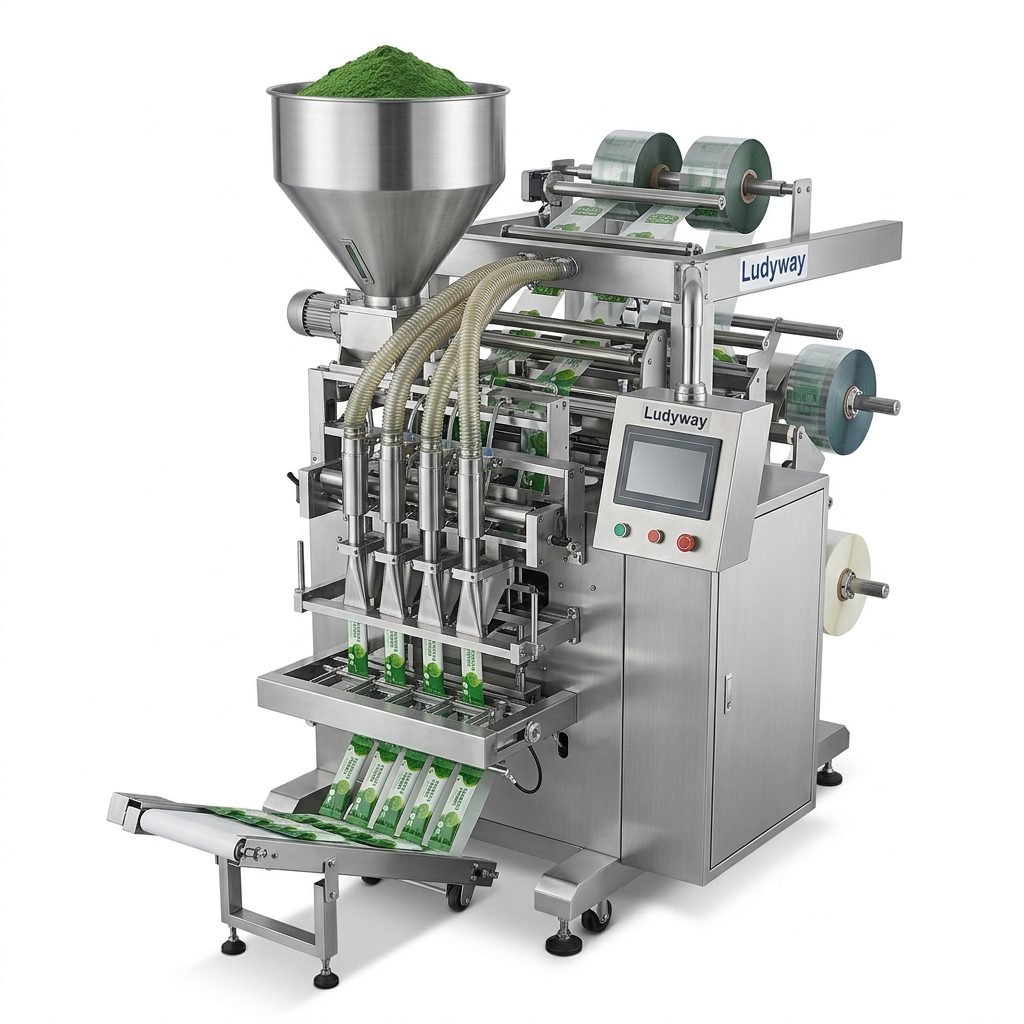
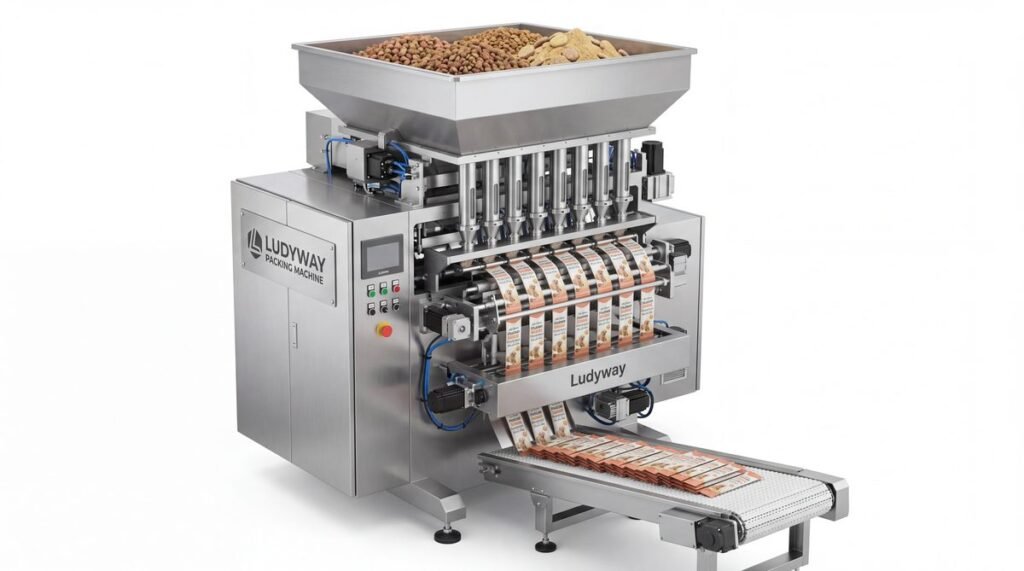
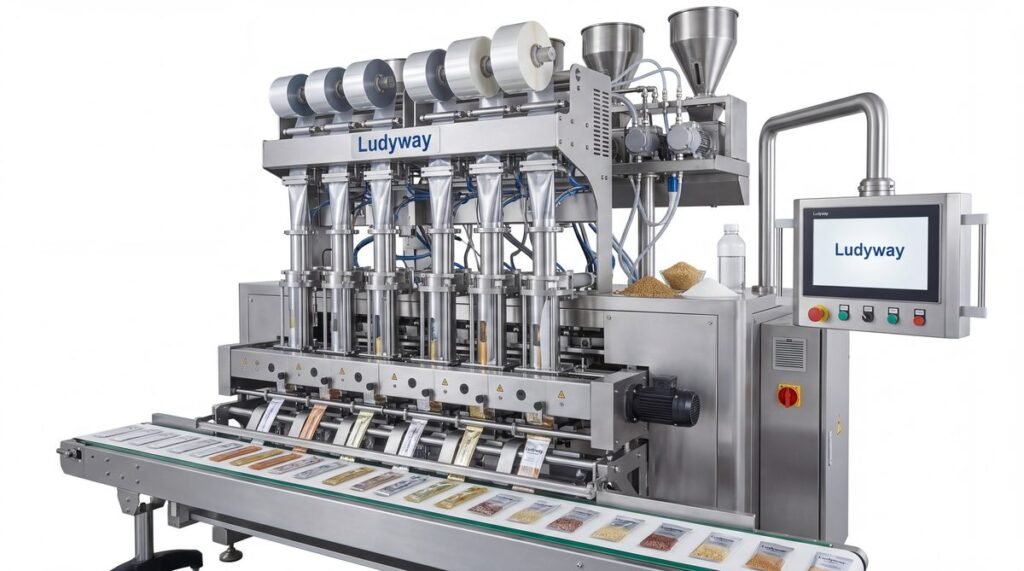
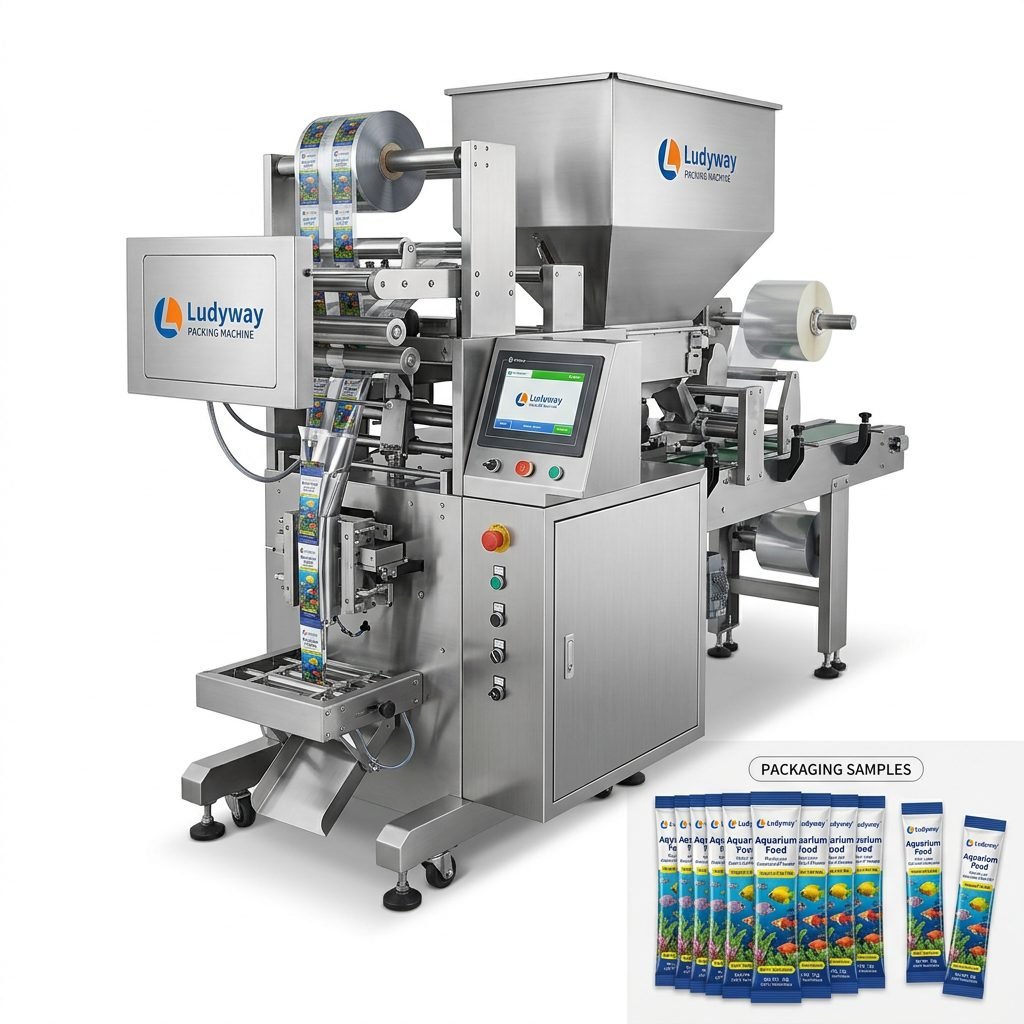
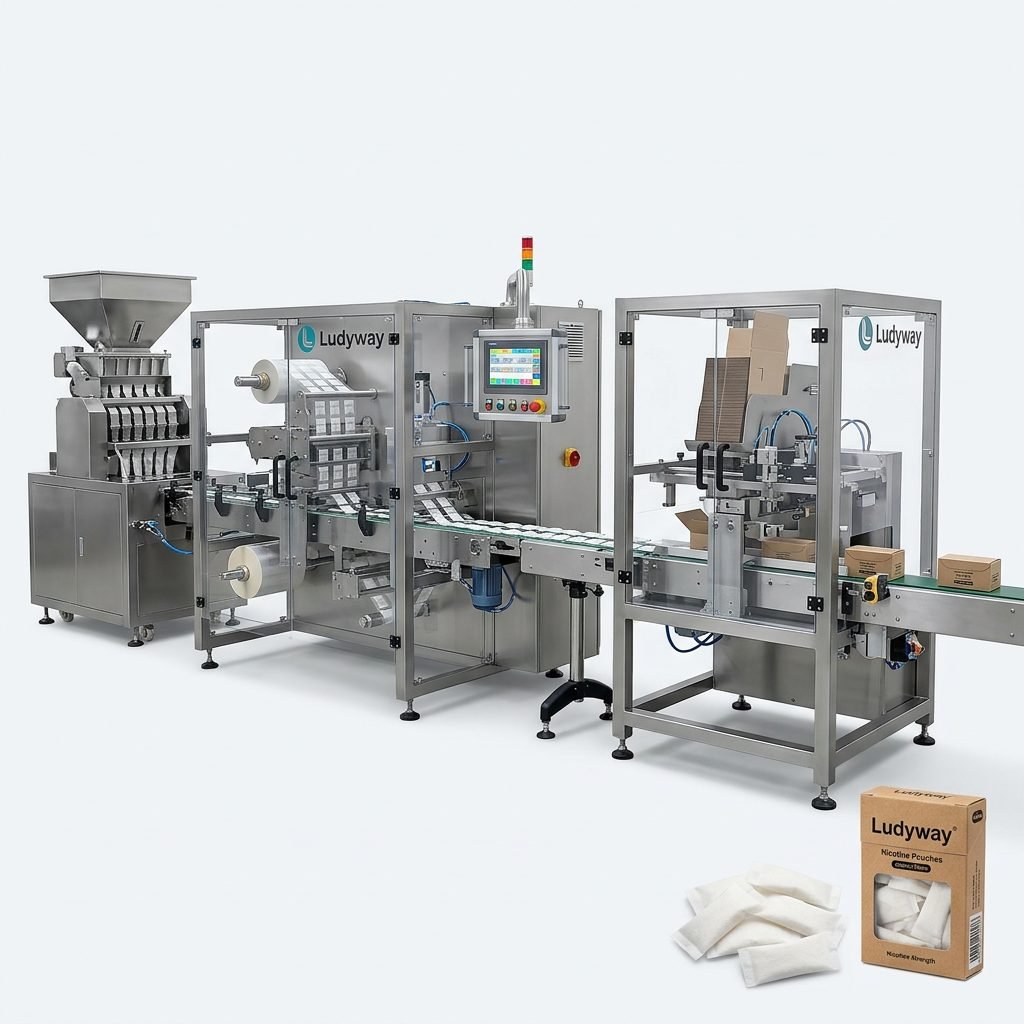
For businesses seeking integrated equipment for pouch-related production, Ludyway packaging machine solutions can support pouch, sachet, stick pack, and turnkey packaging line requirements across multiple industries.
How to Choose the Right Pouch Slitting Machine
Selecting the right model depends on your material, output needs, and downstream process. Consider the following factors before investing.
Material Structure
Is the pouch web a simple plastic film, paper laminate, aluminum foil composite, or multi-layer barrier material? Thicker and more delicate structures often need higher-grade slitting technology.
Required Slit Width Range
Some applications require many narrow lanes, while others need fewer wide rolls. Machine flexibility matters if your SKU range changes often.
Production Speed
Higher output factories need faster machines with stable tension control and reliable rewinding, especially for long-run production.
Edge Quality Requirements
If your products target premium retail markets, edge finish and roll appearance become more important.
Automation Level
Servo settings, auto knife positioning, recipe memory, inspection, and defect detection can significantly reduce setup time and operator dependence.
Integration with Other Equipment
If the slit rolls feed directly into pouch-making or filling lines, compatibility is crucial for smooth production.
| Selection Factor | Why It Matters |
|---|---|
| Material thickness and composition | Determines suitable slitting method and blade design |
| Max roll width and diameter | Affects loading capacity and productivity |
| Speed requirement | Impacts output and return on investment |
| Tension control precision | Prevents wrinkles and poor rewind quality |
| Automation features | Reduces setup time and operator error |
| Maintenance and spare parts | Supports long-term machine uptime |
Typical Problems a Good Slitting Machine Helps Prevent
- Uneven roll edges
- Wrinkling or web wandering
- Inaccurate width tolerance
- Excess dust or poor trim handling
- Loose or telescoped rewind rolls
- Seal failures in downstream pouch machines
- Frequent stoppages due to material feeding issues
Maintenance Tips for Reliable Performance
Regular maintenance extends machine life and protects cutting quality. Best practices include:
- Inspect blades and replace dull knives on time
- Keep rollers and guiding components clean
- Check tension calibration regularly
- Lubricate moving parts according to manufacturer guidelines
- Monitor rewind hardness and roll formation
- Train operators to identify drift, vibration, and cutting defects early
Who Needs a Pouch Slitting Machine?
This equipment is especially valuable for:
- Flexible packaging converters
- Pouch manufacturers
- Food and beverage packers
- Pharmaceutical packaging plants
- Cosmetic and personal care producers
- Nicotine pouch and oral pouch manufacturers
- Factories building integrated packaging lines
Final Buying Insight
A pouch slitting machine may seem like just one step in the packaging workflow, but it has a major effect on final pouch quality, line efficiency, and material cost. The right machine can deliver more precise cuts, less waste, smoother downstream feeding, and stronger production consistency.
If your business works with flexible pouch materials at scale, investing in a reliable and well-matched slitting solution is a practical step toward better automation and long-term packaging performance.