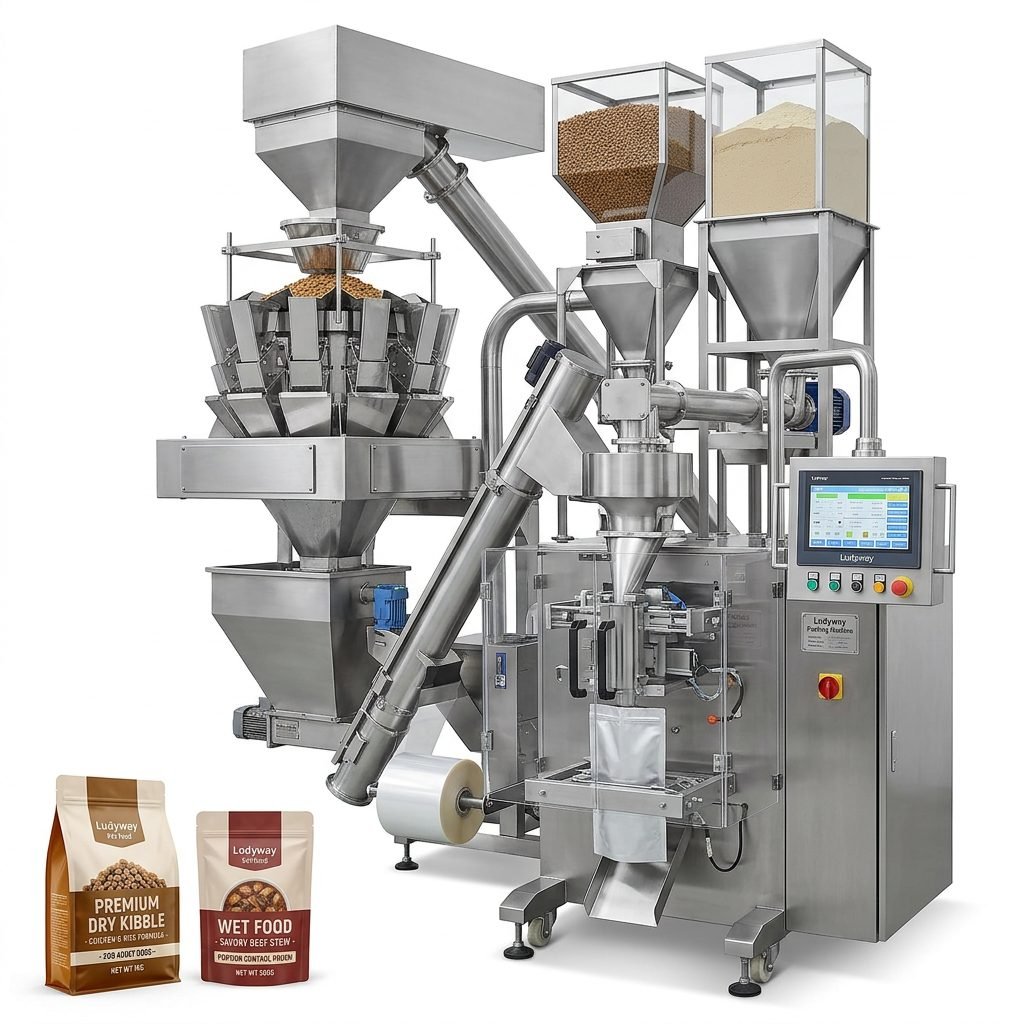
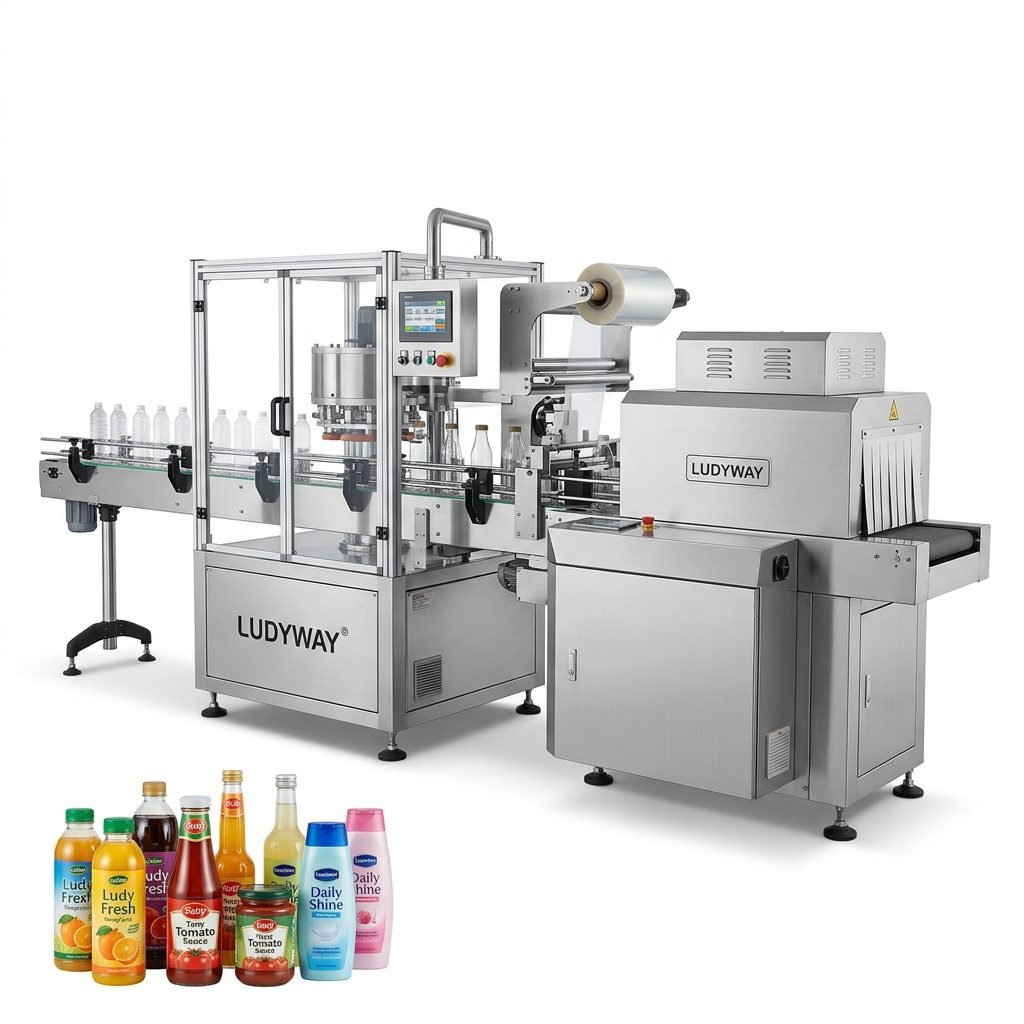
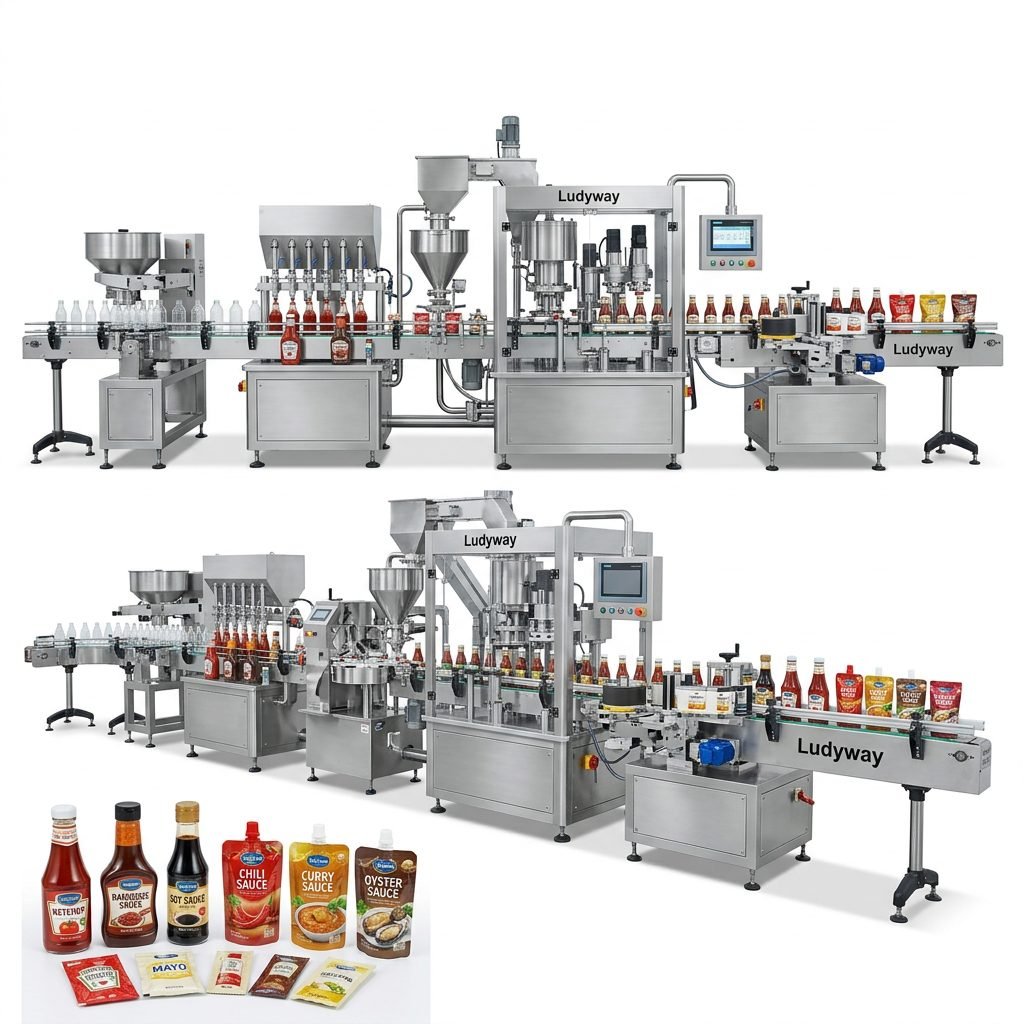
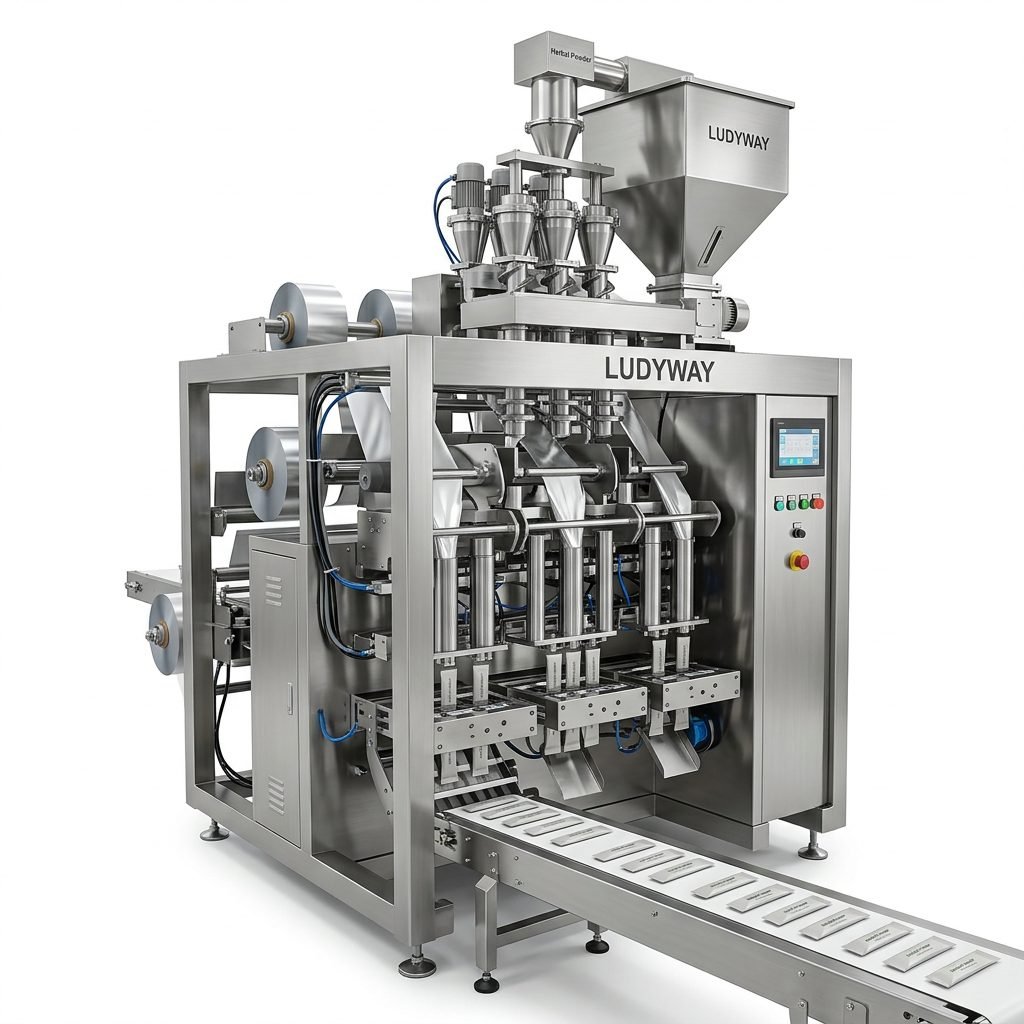
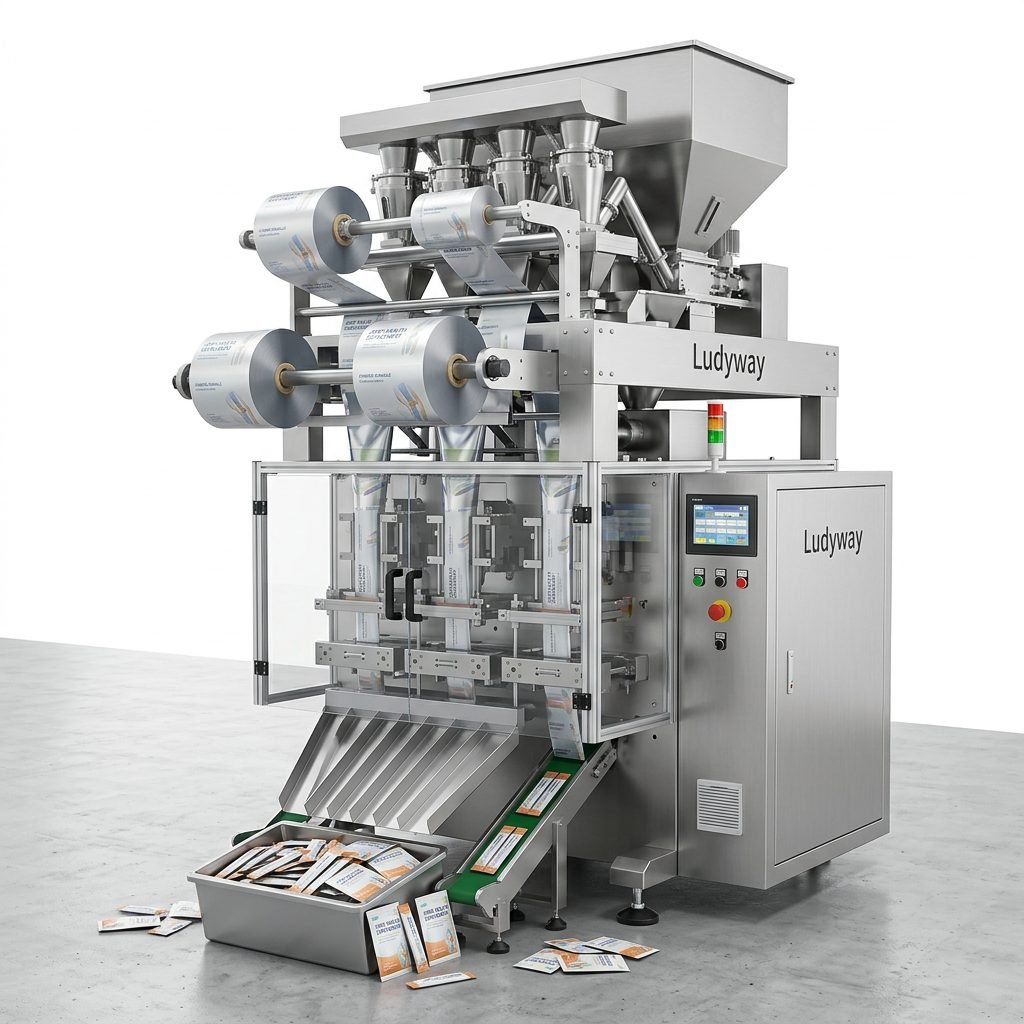
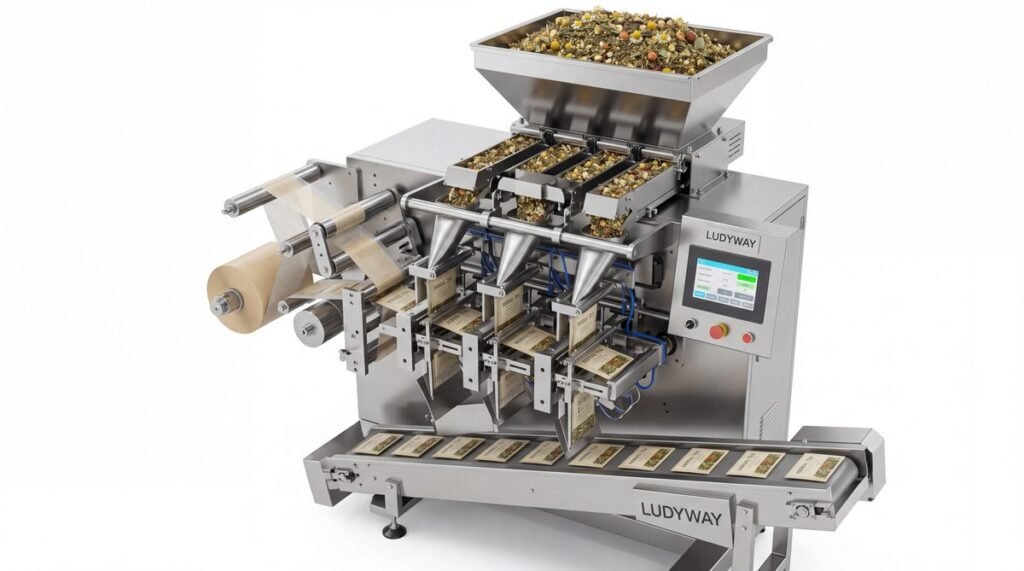
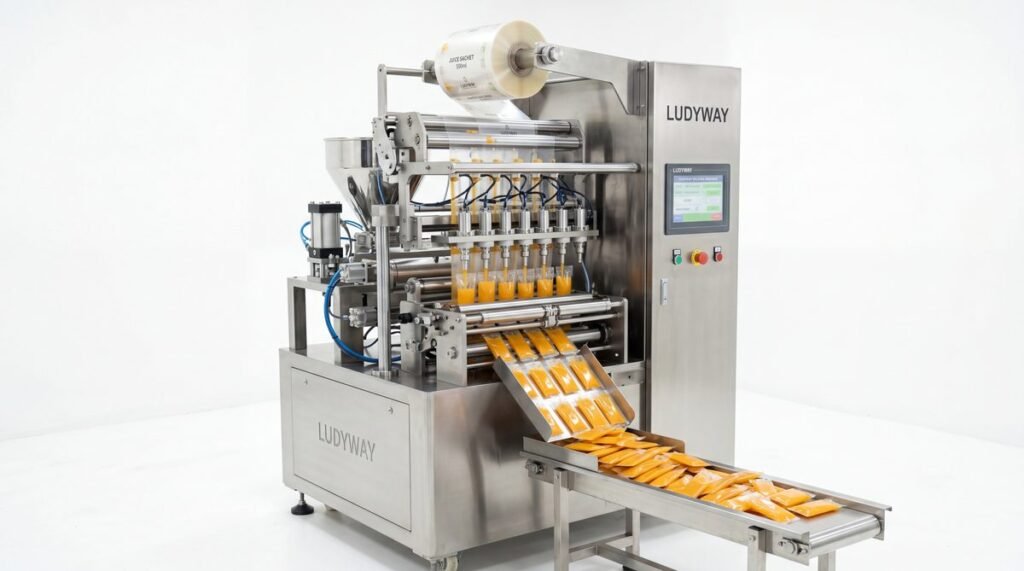
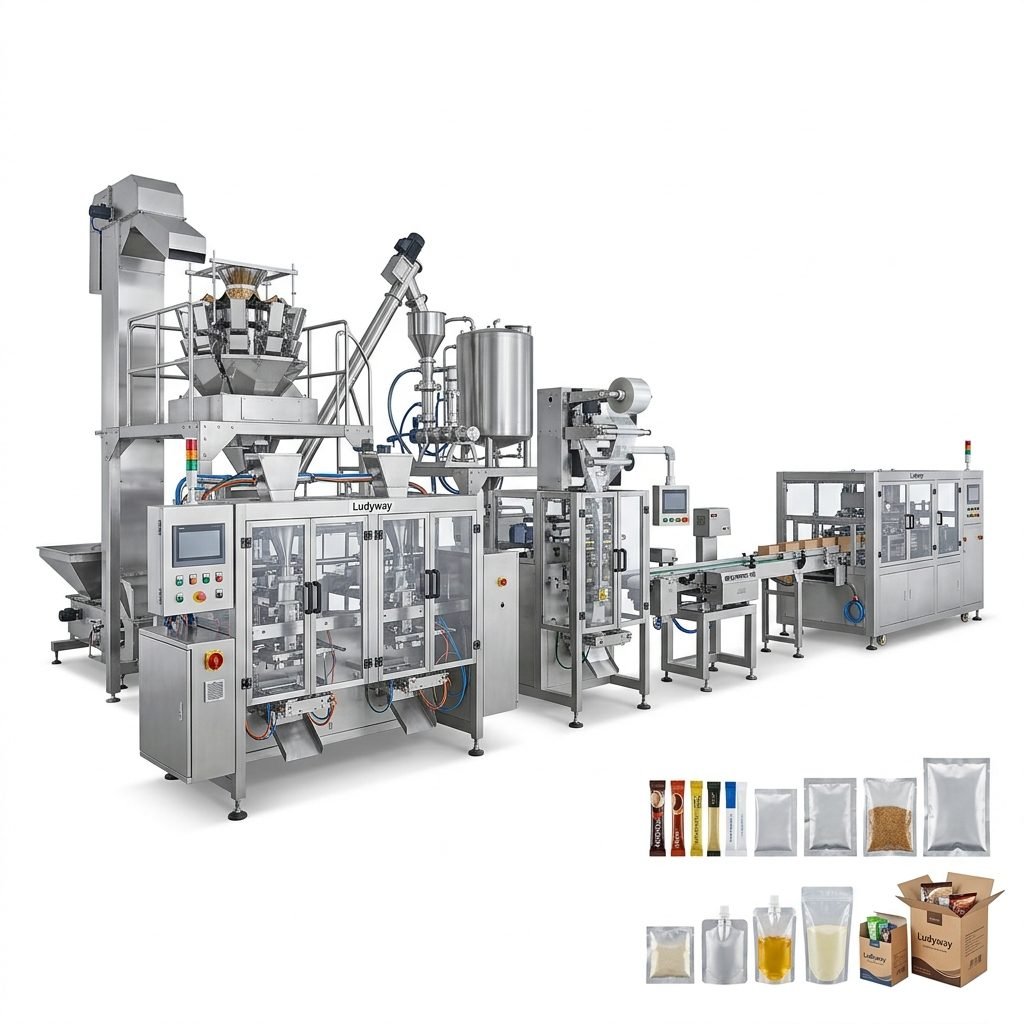
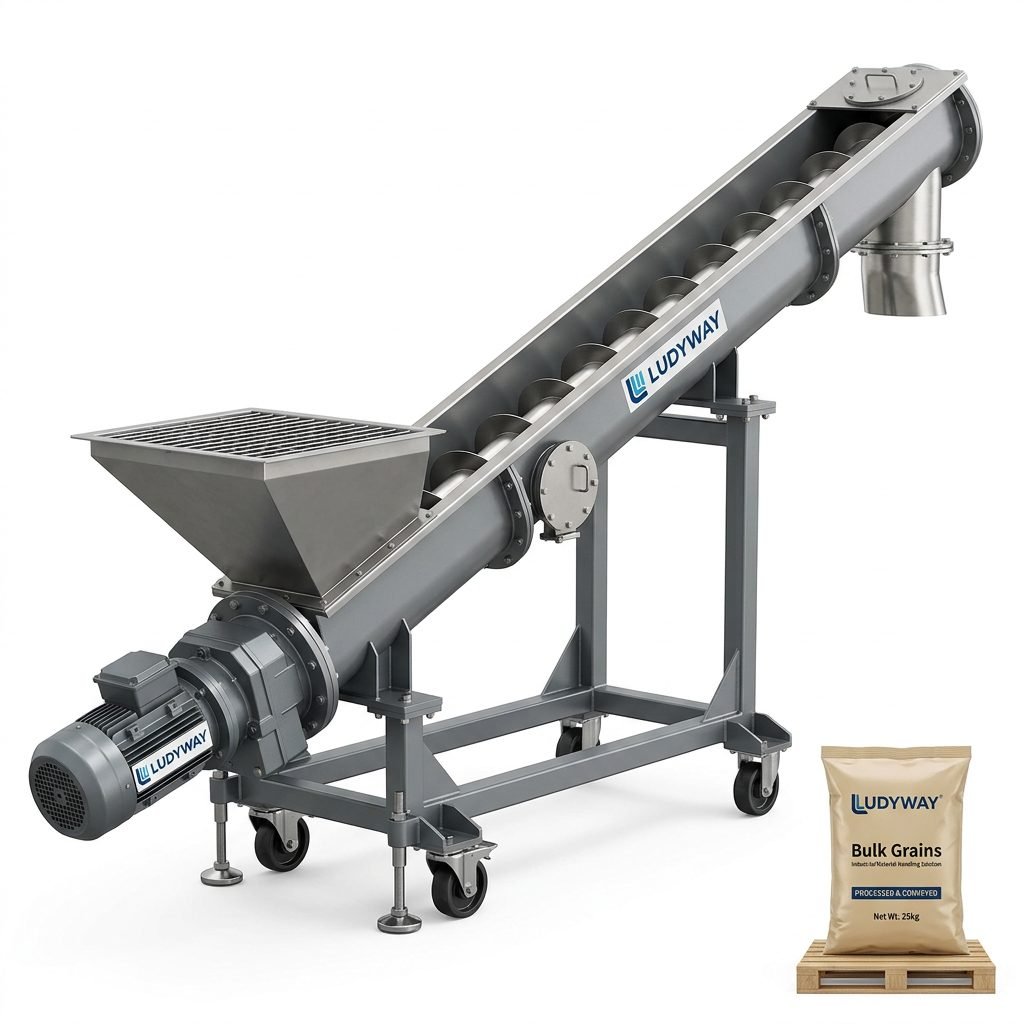
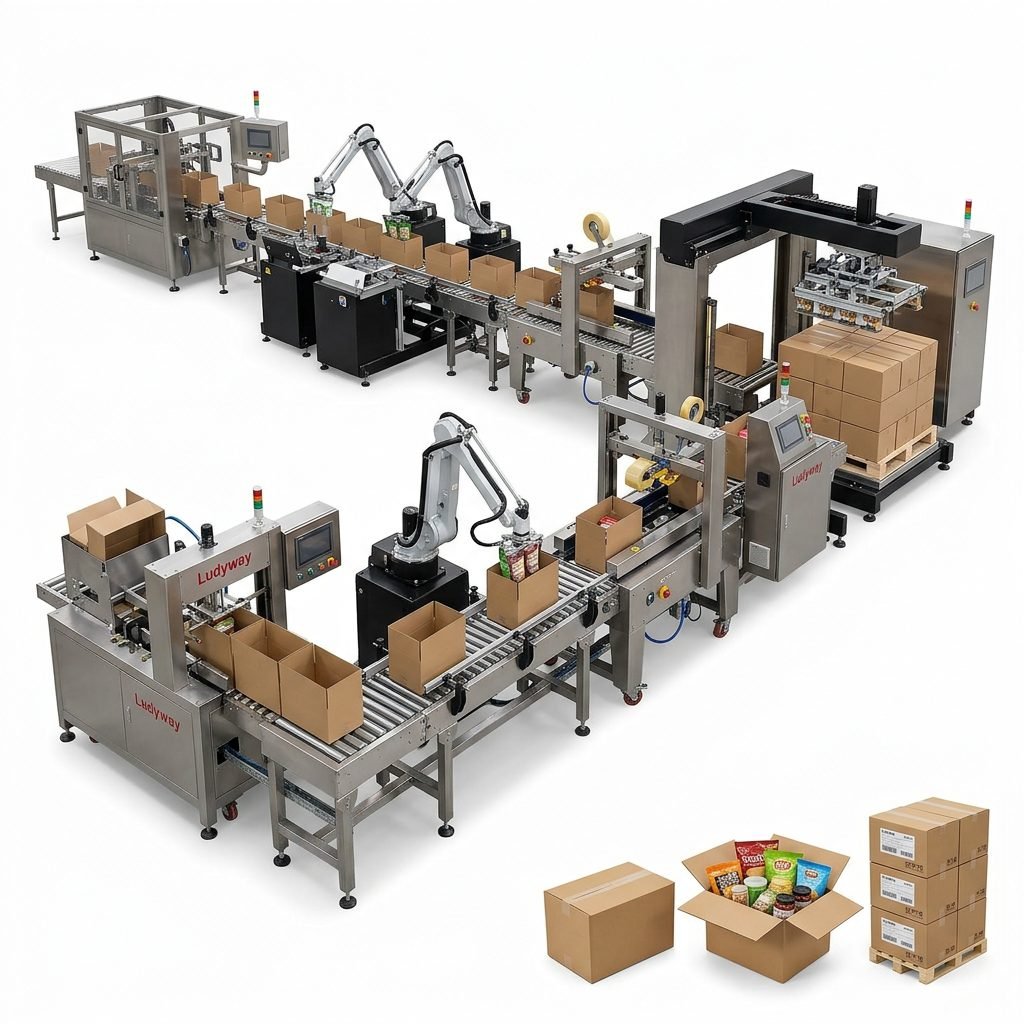
A spice powder packaging machine is specialized equipment designed to accurately dose, fill, seal, and package powdered spices such as chili powder, turmeric, cumin, pepper, curry powder, garlic powder, and blended seasonings. It helps food manufacturers improve speed, hygiene, consistency, and shelf appeal while reducing labor dependence and material waste.
Whether you produce single-serve sachets, stick packs, or larger retail pouches, the right machine can make a major difference in packaging quality and production efficiency. Modern systems are especially valuable for spices because powders can be fine, dusty, free-flowing, or prone to bridging, which means the filling method must be matched carefully to product behavior.
What Is a Spice Powder Packaging Machine?
This machine is a type of automated packaging system built to handle powdered seasoning products. Its core job is to transfer a measured amount of spice powder into packaging material and then seal it into a final saleable pack.
Depending on output goals and pack style, the equipment may be configured for:
- Sachet packaging
- Stick pack packaging
- Pillow bags
- Premade pouch filling
- Jar or bottle powder filling
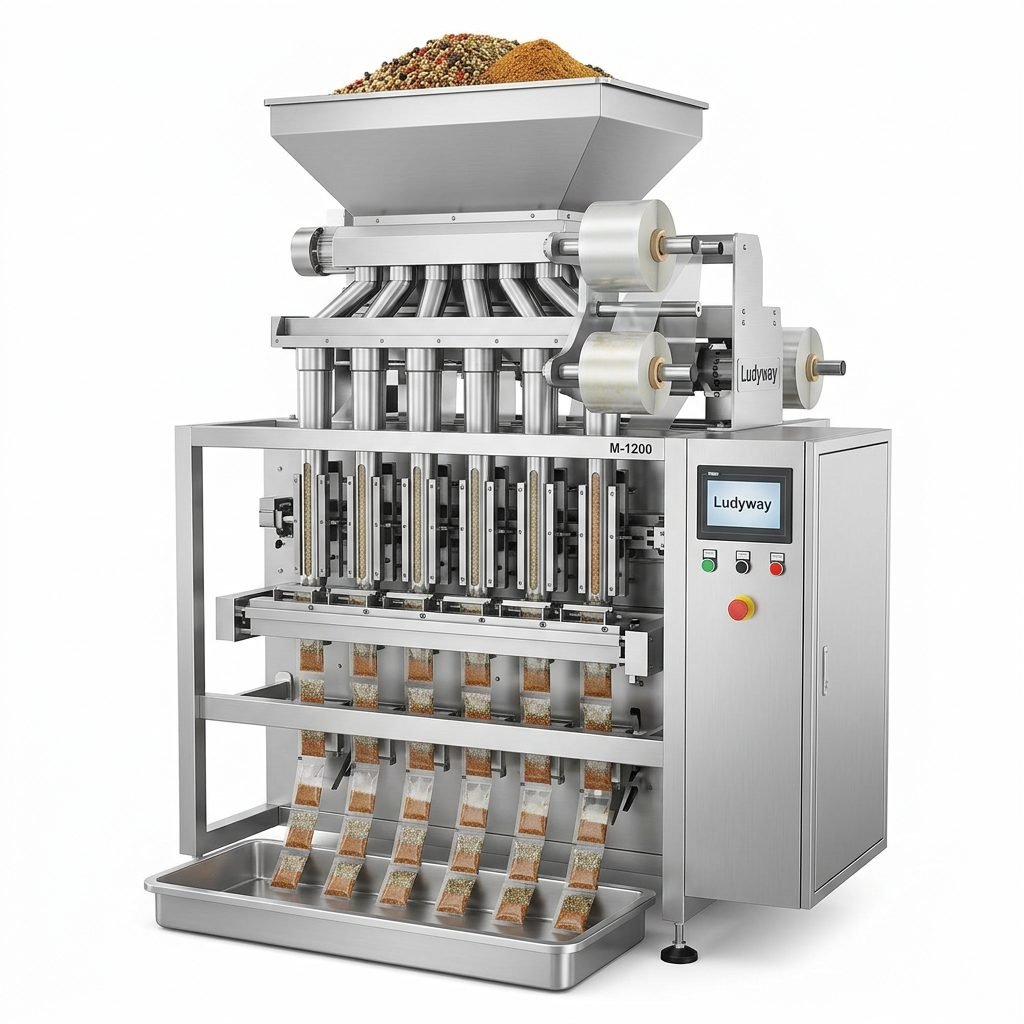
- Multi-lane high-speed small pack production
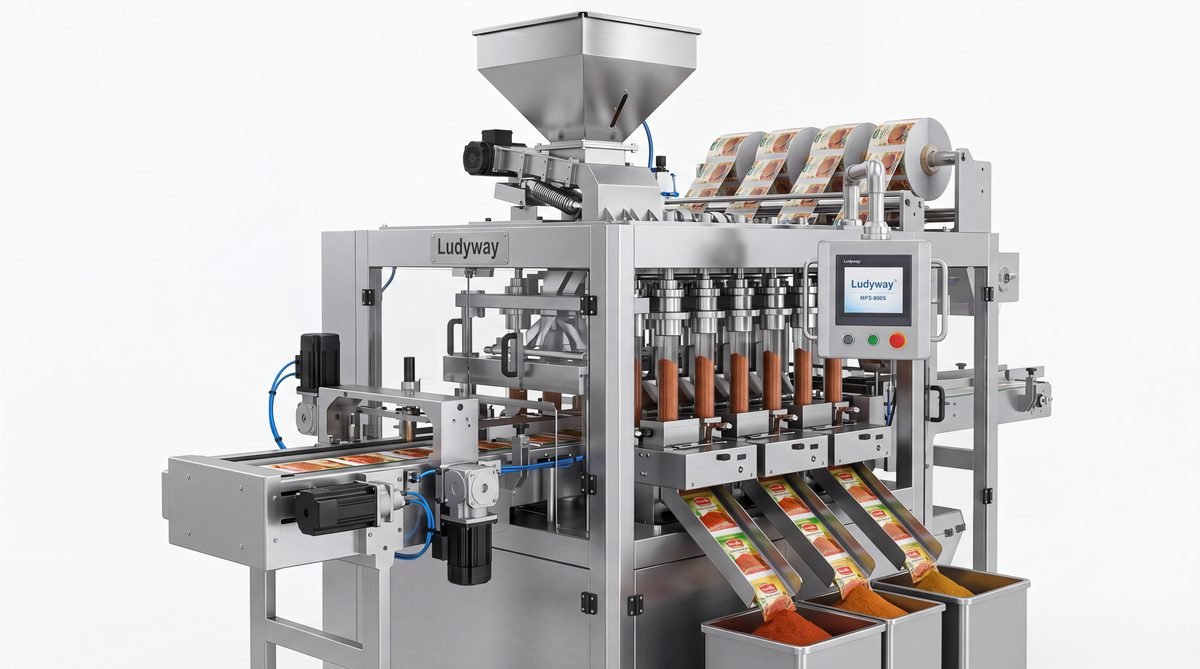
For brands seeking automated and scalable solutions, manufacturers such as Ludyway spice powder packaging machine solutions are often considered for sachet, stick pack, and turnkey powder packaging applications.
Why Spice Powders Need Specialized Packaging Equipment
Spice powders are not as easy to pack as many people assume. Their physical characteristics can create several challenges during filling and sealing:
- Dust generation can affect sealing quality and workshop cleanliness.
- Lightweight fine particles may drift or cling to machine surfaces.
- Variable flowability means some spices move smoothly while others bridge or compact.
- Strong aromas require good containment and hygienic design.
- Moisture sensitivity may reduce shelf life if packaging is not sealed properly.
That is why high-quality spice powder packaging systems typically include precision dosing, dust control, stable film pulling, and reliable heat sealing.
How a Spice Powder Packaging Machine Works
Although machine layouts vary, the basic workflow is usually straightforward. The process moves from product feeding to final discharge in a continuous sequence.
1. Product Feeding
Spice powder is first loaded into a hopper. An auger feeder, screw conveyor, or vacuum feeder transfers the powder to the filling unit. This step ensures a stable supply of material during operation.
2. Metering and Dosing
The machine measures a preset quantity of spice powder. For fine powders, an auger filling system is one of the most common choices because it offers precise volumetric control and performs well with products like paprika, curry powder, and garlic powder.
3. Bag or Sachet Forming
For form-fill-seal machines, the packaging film is unwound from a roll, shaped into a tube or sachet format, and positioned for filling. In multi-lane models, several packs are formed at the same time to increase output.
4. Filling
The measured spice powder is discharged into the formed package. This stage must be synchronized carefully to avoid underfilling, overfilling, or powder contamination in the sealing area.
5. Sealing
Heat sealing jaws close the pack. A good seal protects the spice from moisture, oxygen, and leakage, helping preserve freshness, aroma, and appearance.
6. Cutting and Output
The filled package is cut into individual units and discharged for counting, cartoning, or case packing.
Main Components of the Machine
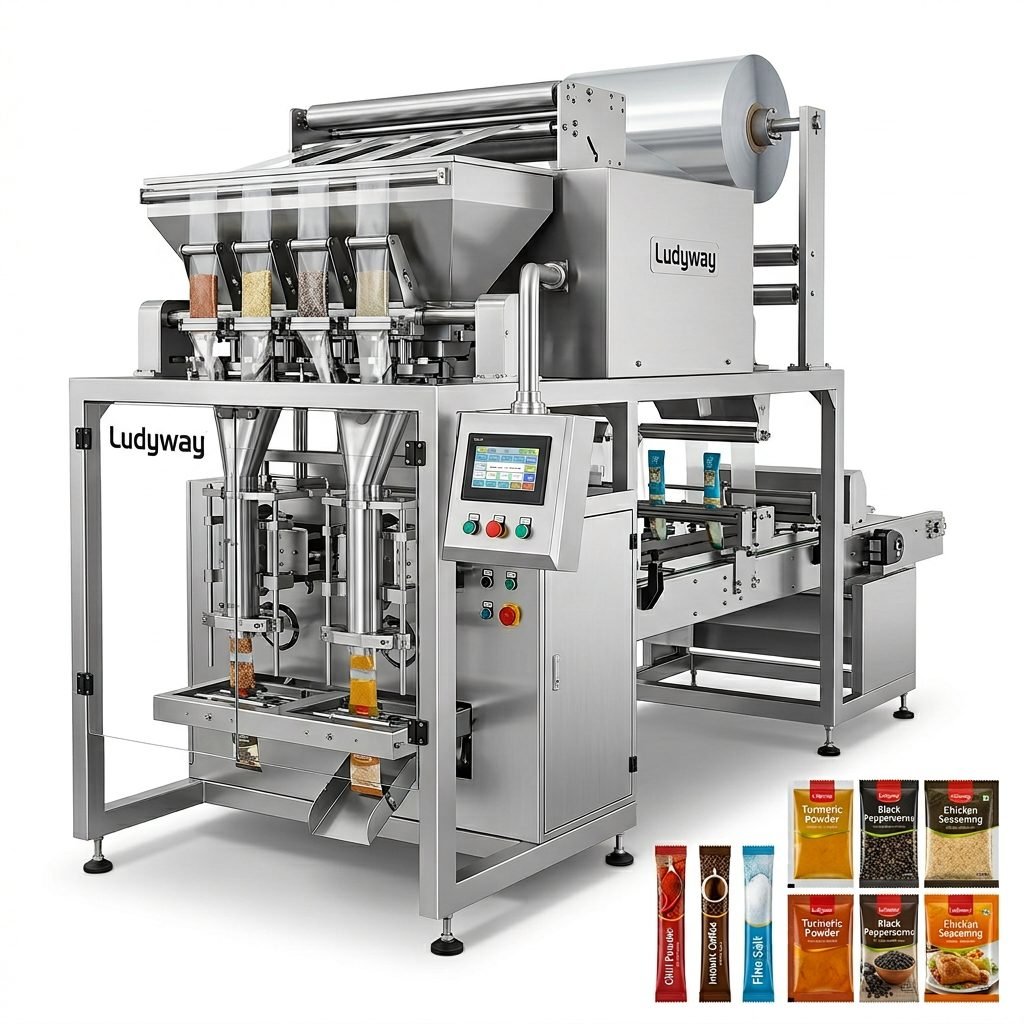
A typical spice powder packing system includes several coordinated parts:
| Component | Function |
|---|---|
| Hopper | Stores spice powder before filling |
| Auger filler | Measures and dispenses powder accurately |
| Film feeding system | Pulls packaging film smoothly into the forming area |
| Forming tube or collar | Shapes film into sachet or bag form |
| Sealing unit | Creates airtight package seals |
| PLC and HMI | Controls parameters, recipes, alarms, and operation |
| Date coder | Prints batch number or production date |
| Discharge conveyor | Transfers finished packs to the next step |
Common Packaging Formats for Spice Powders
The best packaging style depends on your market, sales channel, and product positioning.
Sachets
Ideal for single-use servings, retail seasoning packs, takeaway meal kits, and promotional packs. They are cost-effective and suitable for high-speed lines.
Stick Packs
These slim packs work well for portable seasoning applications and premium single-serve spice products. They are attractive, compact, and efficient for modern retail presentation.
Pouches
Good for larger consumer packs or refill packs. They provide more branding space and can include zipper or stand-up features.
Jars and Bottles
Often used for retail shelf display. This format may require a filling machine integrated with capping, labeling, and induction sealing systems.
Types of Spice Powder Packaging Machines
- Vertical Form Fill Seal Machines: Suitable for pillow bags and sachets, with flexible automation options.
- Multi-Lane Sachet Machines: Best for high-volume small sachet production.
- Stick Pack Machines: Designed for narrow, single-dose packs.
- Premade Pouch Filling Machines: Used when a premium pouch presentation is needed.
- Bottle or Jar Filling Lines: Suitable for spice brands selling rigid retail containers.
Benefits of Using an Automatic Spice Powder Packing Machine
Investing in automation brings measurable advantages for spice manufacturers, co-packers, and food brands.
| Benefit | Why It Matters |
|---|---|
| Higher efficiency | Increases output and reduces manual work |
| Better accuracy | Helps control giveaway and maintain pack consistency |
| Improved hygiene | Minimizes direct product contact and contamination risk |
| Stronger sealing quality | Protects aroma, color, and shelf life |
| Scalability | Supports growth from startup production to large output lines |
| Professional packaging appearance | Enhances brand image and retail appeal |
What to Consider Before Buying One
Choosing the right machine is not only about speed. You should review several technical and commercial factors before making a decision.
Powder Characteristics
Is the spice free-flowing, sticky, ultra-fine, or dusty? Powder behavior directly affects filler selection and sealing performance.
Pack Size Range
Check the minimum and maximum fill weight, as well as the desired bag dimensions.
Production Capacity
A small business may need moderate output, while a contract packer may require a high-speed multi-lane machine.
Packaging Material Compatibility
The machine should run well with your selected laminate film, foil structure, or recyclable packaging material.
Cleaning and Maintenance
Spice dust can accumulate quickly, so easy disassembly and cleaning are important for food safety and machine uptime.
Future Line Integration
If you plan to expand, choose equipment that can connect with conveyors, checkweighers, coding machines, cartoners, and case packers.
Industries That Commonly Use Spice Powder Packaging Machines
- Seasoning and spice manufacturers
- Instant food and noodle brands
- Meal kit suppliers
- Food service and catering packers
- Private label food companies
- Export-oriented condiment producers
Frequently Asked Questions
Can one machine pack different spice powders?
Yes, in many cases it can. But performance depends on the powder properties, dosing system, and changeover requirements. Testing is strongly recommended.
Is an auger filler always necessary for spice powder?
For many fine and dusty spice powders, auger filling is the preferred method. However, the final choice depends on bulk density, granule content, and target accuracy.
Can the machine print batch codes and dates?
Yes. Many systems can be equipped with coding devices for production dates, batch numbers, or traceability information.
What is the difference between sachet and stick pack machines?
Sachets are typically wider and shorter, while stick packs are narrow and elongated. The packaging style affects machine structure, film usage, and final presentation.
Final Thoughts
A spice powder packaging machine is more than a filling device. It is a critical part of product quality, production efficiency, and brand presentation. By automating dosing, filling, sealing, and discharge, it helps spice businesses deliver cleaner packaging, more accurate weights, and faster output.
If you are packaging chili powder, cumin, turmeric, curry powder, black pepper, or custom seasoning blends, selecting the right machine configuration can improve both daily operations and long-term profitability. The best solution is one that fits your powder characteristics, pack format, capacity target, and future expansion plans.