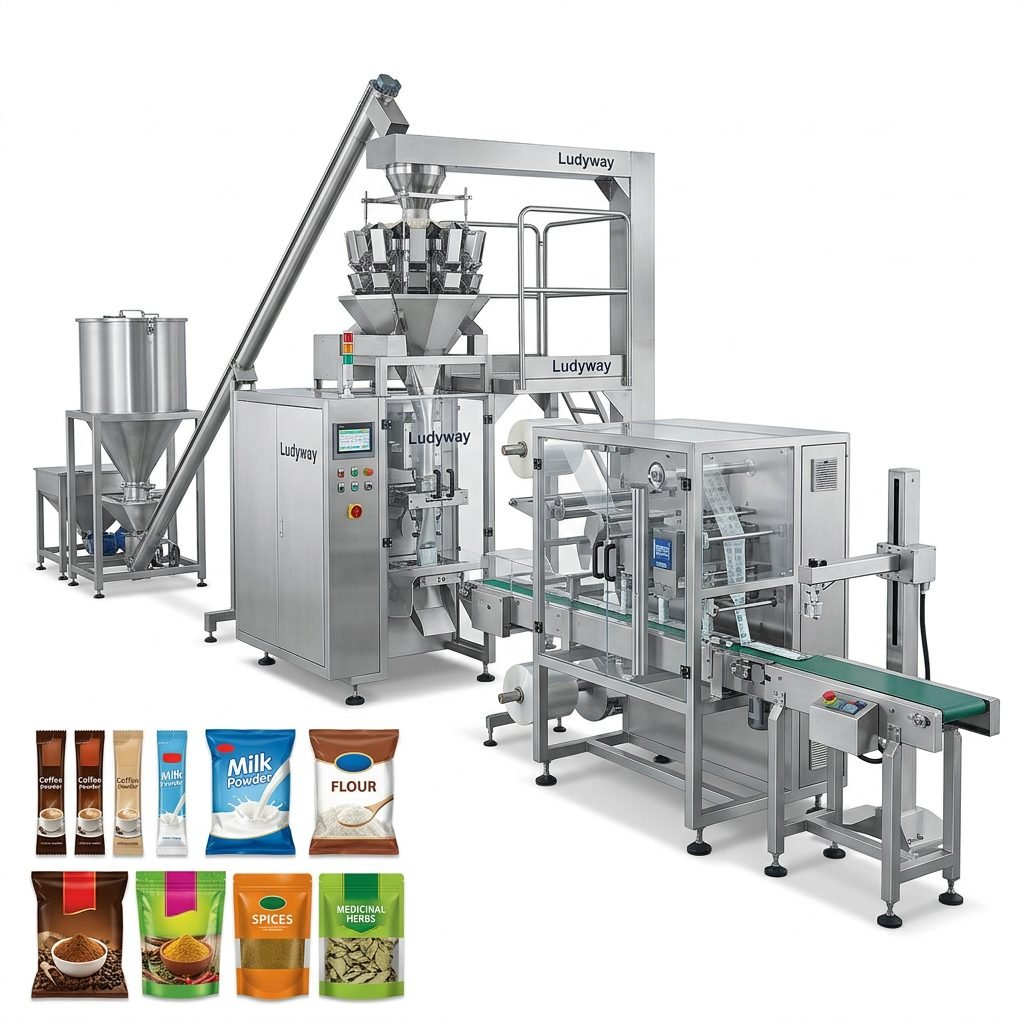
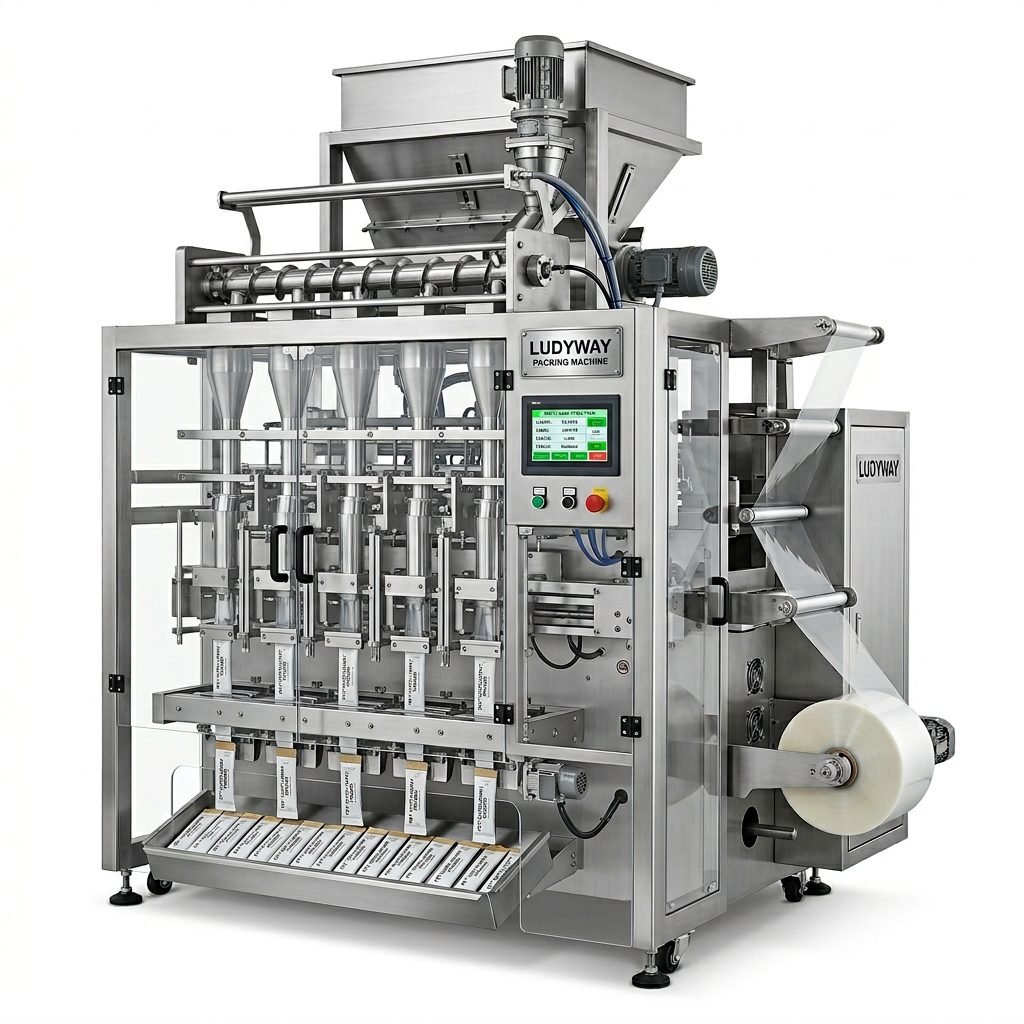
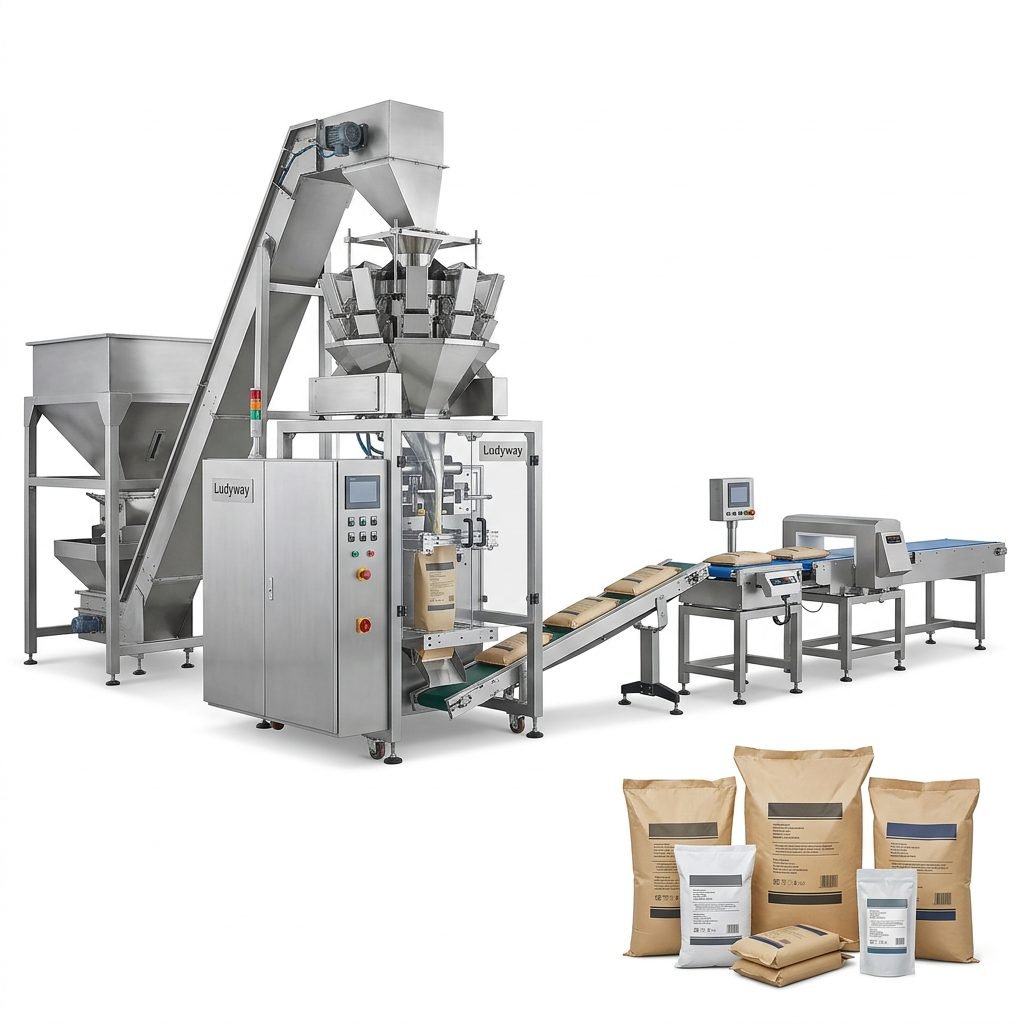
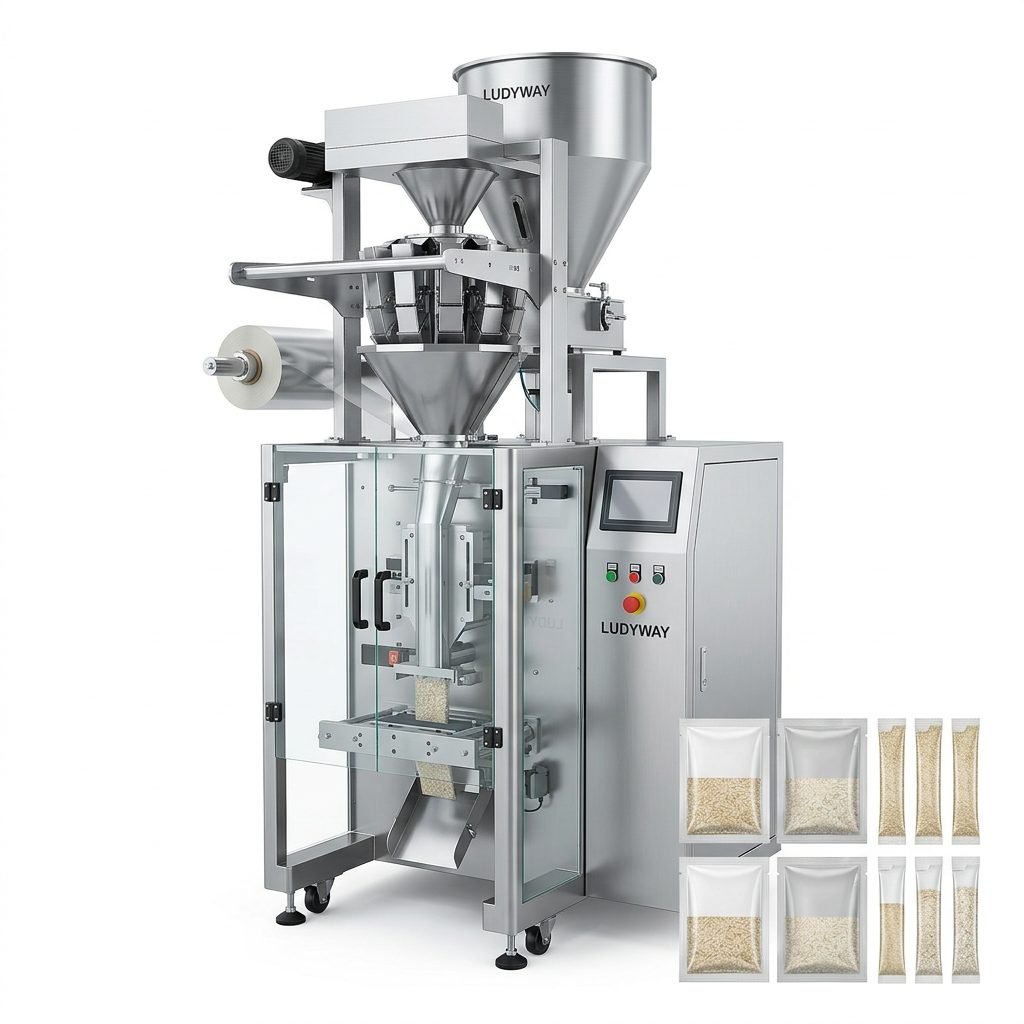
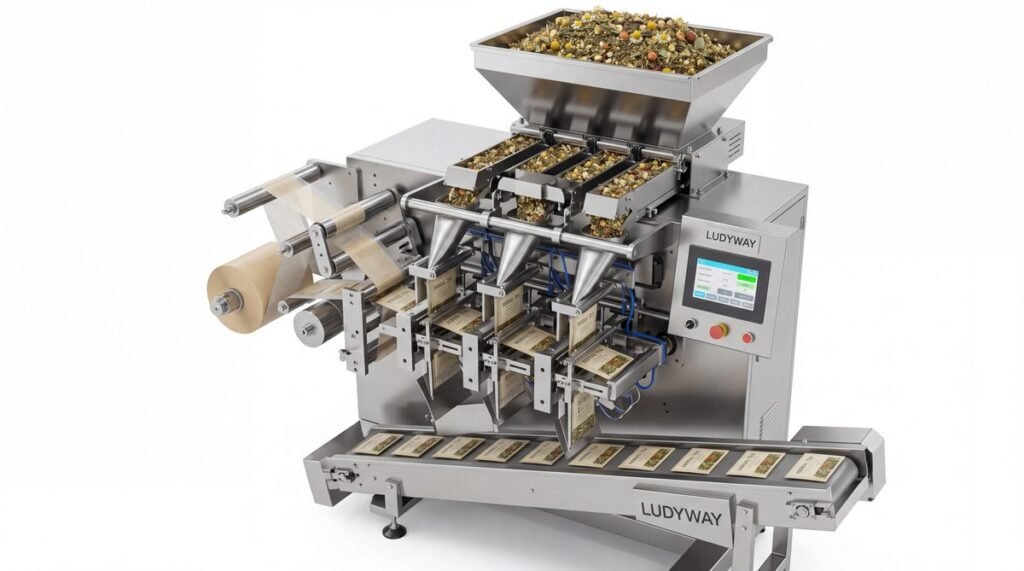
Packaging automation is no longer limited to a few high-volume factories. It has become a strategic investment across industries that need faster throughput, tighter quality control, safer handling, and more consistent finished packs. From sachets and stick packs to bottles, cartons, pouches, and bulk bags, automated systems are now central to modern production.
So, which industries use packaging automation the most? The answer is clear: sectors with strict hygiene standards, high output requirements, complex product formats, or rising labor pressure are leading demand. The biggest users today are food, pharmaceuticals, personal care, chemicals, animal nutrition, and fast-growing nicotine pouch applications.
Why Packaging Automation Is Growing So Fast
Before looking at the top industries, it helps to understand the main drivers behind adoption. Automated packaging systems are used most where companies need to balance speed, cost, compliance, and product consistency at the same time.
- Labor savings: reducing repetitive manual packing work
- Higher output: increasing packs per minute and overall line efficiency
- Better accuracy: improving fill precision and sealing consistency
- Regulatory compliance: supporting GMP, hygiene, traceability, and product safety
- Flexible packaging formats: handling granules, powders, liquids, pastes, and pouch products
- Reduced waste: lowering overfill, leakage, rejects, and material loss
Industries That Use Packaging Automation the Most
| Industry | Why Automation Demand Is High | Common Packaging Types |
|---|---|---|
| Food & Beverage | High output, hygiene, SKU variety, shelf-life needs | Sachets, stick packs, pouches, bottles, vacuum packs, cartons |
| Pharmaceutical | Strict compliance, dosing accuracy, traceability, sterility | Sachets, stick packs, blister packs, vials, bottles, medical pouches |
| Nutraceutical & Health Supplements | Portion packs, branding, speed, powder handling precision | Single-dose sachets, stick packs, jars, capsules, pouches |
| Cosmetics & Personal Care | Small-format packaging, leak prevention, high visual quality | Sachets, tubes, bottles, sample packs, masks, wipes |
| Chemical & Household Products | Safe handling, corrosion control, precise dosing, industrial scale | Sachets, pouches, bottles, drums, bags, cartridges |
| Animal Feed & Pet Products | Bulk volume, dust control, weight consistency, product diversity | Bulk bags, sacks, pouches, stick packs, retail packs |
| Nicotine & Pouch Products | Fast-growing category, high precision, counting, cartoning automation | Pouches, cans, cartons, stick packs, multi-lane formats |
1. Food and Beverage
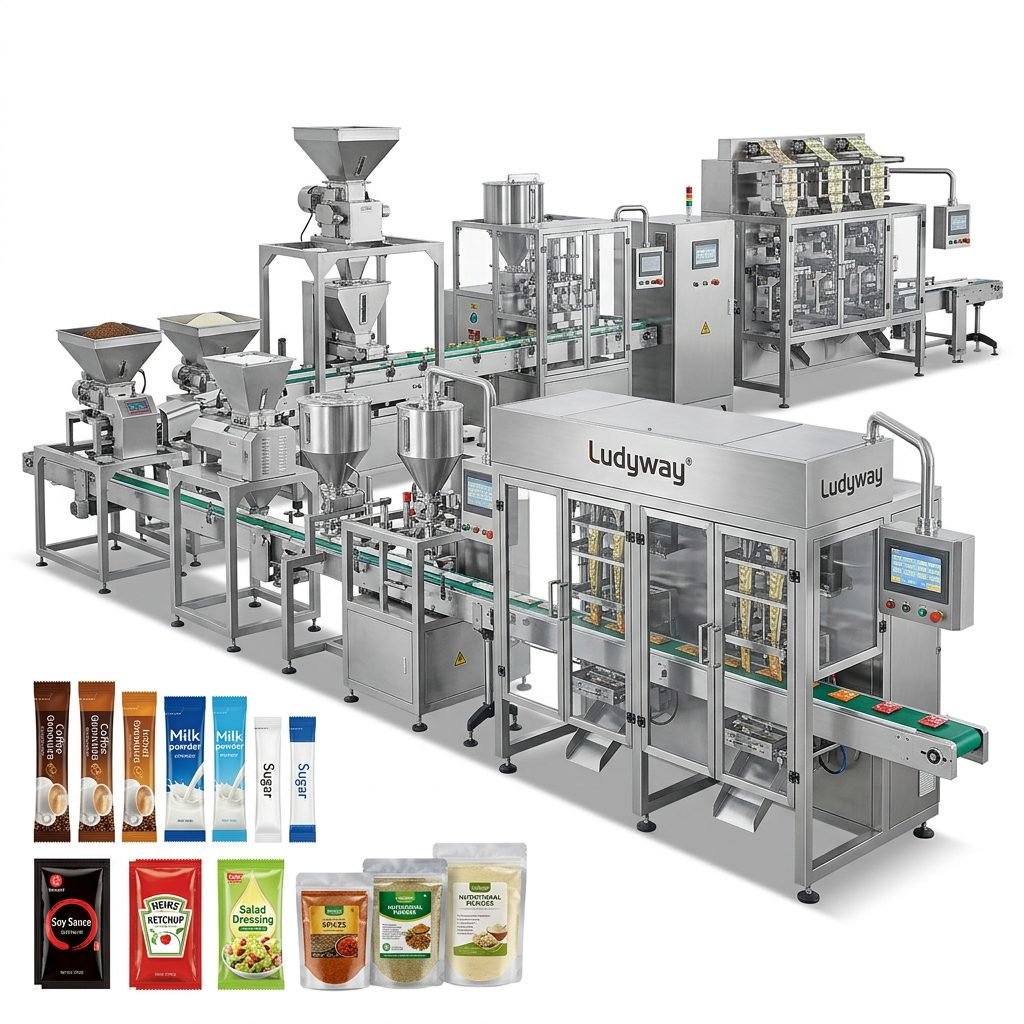
The food and beverage industry is the largest user of packaging automation worldwide. This sector handles enormous daily output, frequent product changeovers, and strict hygiene standards. Automated packaging helps food producers maintain speed while protecting product freshness and pack appearance.
Common applications include:
- Seasoning powders and soup mixes
- Coffee, tea, sugar, and sweeteners
- Sauces, oils, honey, and condiments
- Snack foods, nuts, grains, and dried fruit
- Dairy powders and beverage mixes
- Frozen and vacuum-packed foods
Food producers often prefer automation because even small fill errors or sealing defects can lead to spoilage, complaints, or product returns. In high-volume environments, packaging automation also supports date coding, metal detection, checkweighing, case packing, and palletizing.
Why food companies lead demand
- Large production volumes
- Strong pressure for labor efficiency
- Need for airtight and hygienic sealing
- Wide range of pack sizes and formats
- Demand for attractive retail presentation
2. Pharmaceutical Industry
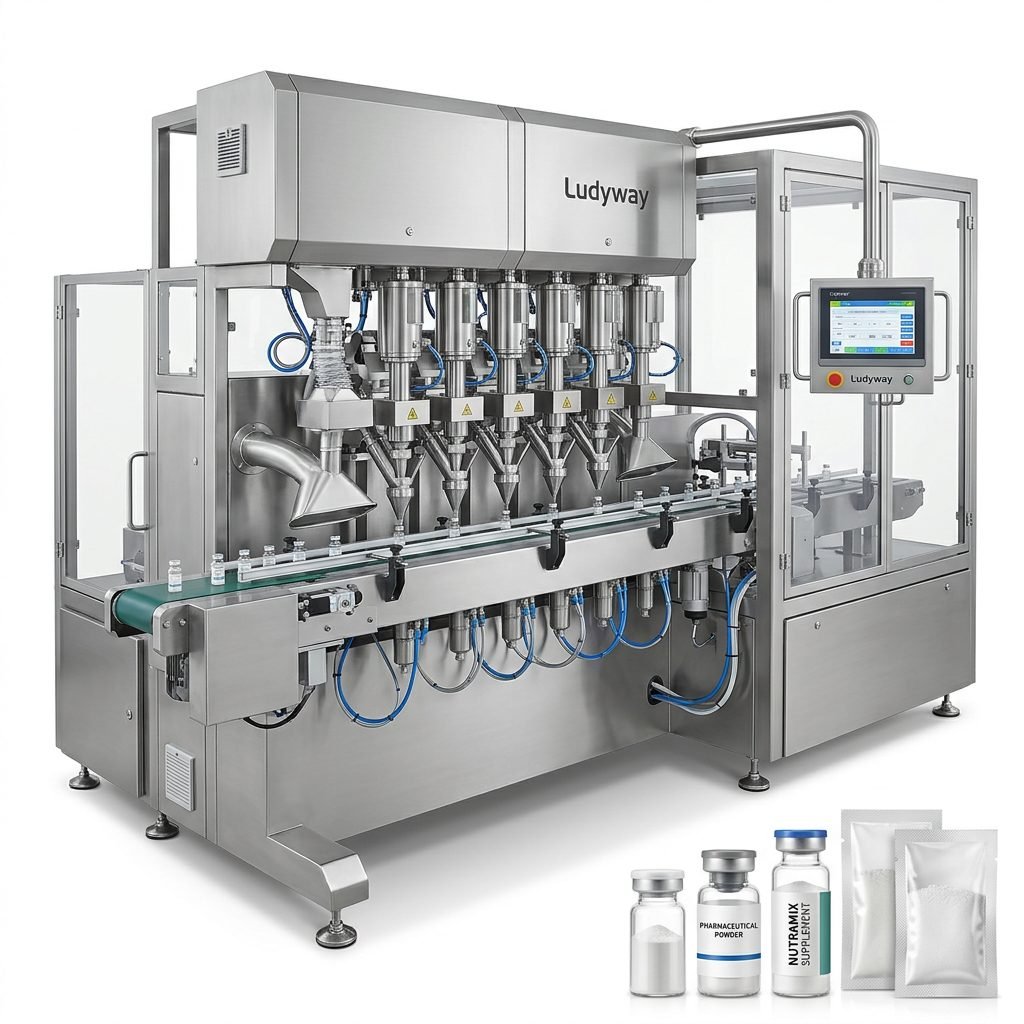
Pharmaceutical manufacturers are among the heaviest users of advanced packaging automation because their standards are exceptionally strict. Accuracy, contamination control, traceability, and validation are all essential. In this sector, packaging is not just about speed—it is also about patient safety and regulatory compliance.
Typical automated packaging applications include:
- Powder sachets and stick packs
- Granule dose packs
- Capsule and tablet packaging
- Blister packaging
- Bottle filling and capping
- Sterile medical pouch packaging
Automation in pharmaceutical packaging reduces human contact, improves batch control, and supports serialization, inspection, and rejection systems. High-precision systems are especially important for oral powders, rehydration salts, test kits, medical dressings, and other healthcare products.
Key reasons pharma invests heavily
- Strict regulatory oversight
- Critical dosing accuracy
- Cleanroom and hygiene requirements
- Need for integrated inspection and coding
- High cost of packaging failure
3. Nutraceutical and Health Supplement Industry
This sector has grown rapidly as consumer demand for vitamins, collagen, probiotics, protein powders, electrolyte drinks, and wellness products continues to expand. Many brands rely on single-serve convenience packaging, making automation especially valuable.
Stick packs and sachets are popular because they are easy to carry, easy to dose, and highly suitable for e-commerce and retail shelves. Automated lines also allow supplement companies to handle frequent SKU launches without sacrificing efficiency.
Products commonly packed with automation include:
- Protein and sports nutrition powders
- Immune support and vitamin blends
- Electrolyte powders and hydration mixes
- Collagen, probiotics, and digestive supplements
- Functional beverage powders
4. Cosmetics and Personal Care
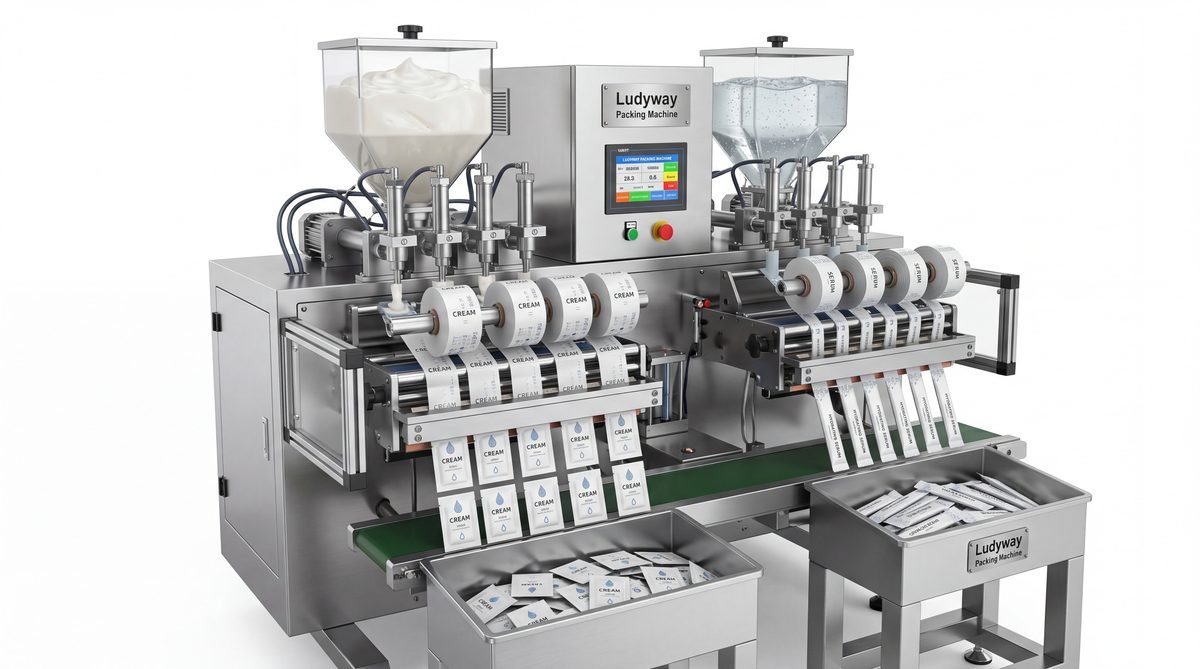
Cosmetic and personal care brands use packaging automation extensively, especially for sample-size, travel-size, and high-volume daily care products. This includes creams, serums, lotions, shampoos, shower gels, wipes, and facial mask products.
In this sector, packaging quality is part of the brand image. Automated filling and sealing help prevent leakage, maintain visual consistency, and support premium presentation. Multi-lane sachet systems are also ideal for promotional packs and trial products.
Automation is especially common where companies need:
- Precise filling of creams, gels, or liquids
- Small-format retail and sample packs
- Fast line changeover for multiple SKUs
- Consistent sealing and attractive pack finish
5. Chemical and Household Product Industry
Chemical manufacturers also rank high in packaging automation usage, particularly for powders, liquids, detergents, cleaners, additives, adhesives, and industrial formulations. In many cases, these materials require controlled handling for safety, corrosion resistance, or dust reduction.
Unlike some consumer sectors, chemical packaging automation is often driven by a mix of operator safety, precise dosing, and bulk handling efficiency. Depending on the product, the packaging line may include explosion protection, corrosion-resistant contact parts, enclosed conveying, and heavy-duty filling systems.
Typical chemical packaging formats
- Sachets and stick packs for soluble powders or liquids
- Bottles and pouches for cleaners and detergents
- Bags for powders and granules
- Drums or large containers for industrial liquids
6. Animal Feed and Pet Product Industry
The animal nutrition sector is one of the strongest growth areas for packaging automation. This includes livestock feed, aquaculture feed, premixes, supplements, pet treats, pet food, and veterinary-support products. Large pack weights, dust control, and throughput requirements make automation highly valuable.
For pet products, the growth of premium and functional products has expanded demand for smaller retail formats such as sachets, pouches, and stick packs. For feed mills, bulk bagging systems, weighing lines, and palletizing equipment are often the priority.
This sector benefits from automation because it improves:
- Bag weight consistency
- Dust containment
- Production capacity
- Material flow and conveying efficiency
- Retail-ready pack appearance for premium pet brands
7. Nicotine and Pouch Packaging
Nicotine pouch and related pouch-format products are becoming an important packaging automation segment. These products require accurate dosing, fast pouch handling, counting, sorting, sealing, and often secondary cartoning or case packing. Because the category is scaling quickly, manufacturers increasingly rely on automated multi-lane systems to keep pace.
This sector uses automation heavily due to:
- High-speed production goals
- Need for consistent pouch fill weight
- Precise counting and grouping
- Integration with cartoning and palletizing
- Frequent demand for turnkey line solutions
What These High-Demand Sectors Have in Common
Although these industries differ in product type, they share several packaging challenges. The sectors that use automation the most usually have one or more of the following characteristics:
| Common Factor | Why It Increases Automation Demand |
|---|---|
| High daily output | Manual packaging becomes too slow and expensive |
| Strict quality requirements | Consistency and traceability are essential |
| Complex product handling | Powders, granules, liquids, and pastes need specialized filling systems |
| Labor shortages | Automation reduces reliance on repetitive manual labor |
| Frequent SKU changes | Flexible packaging lines improve responsiveness |
| Need for line integration | Manufacturers want filling, sealing, coding, inspection, and end-of-line systems connected |
Which Type of Packaging Automation Is Most Common?
The most-used automation type depends on the product and the industry. However, the following systems are in especially high demand across the sectors above:
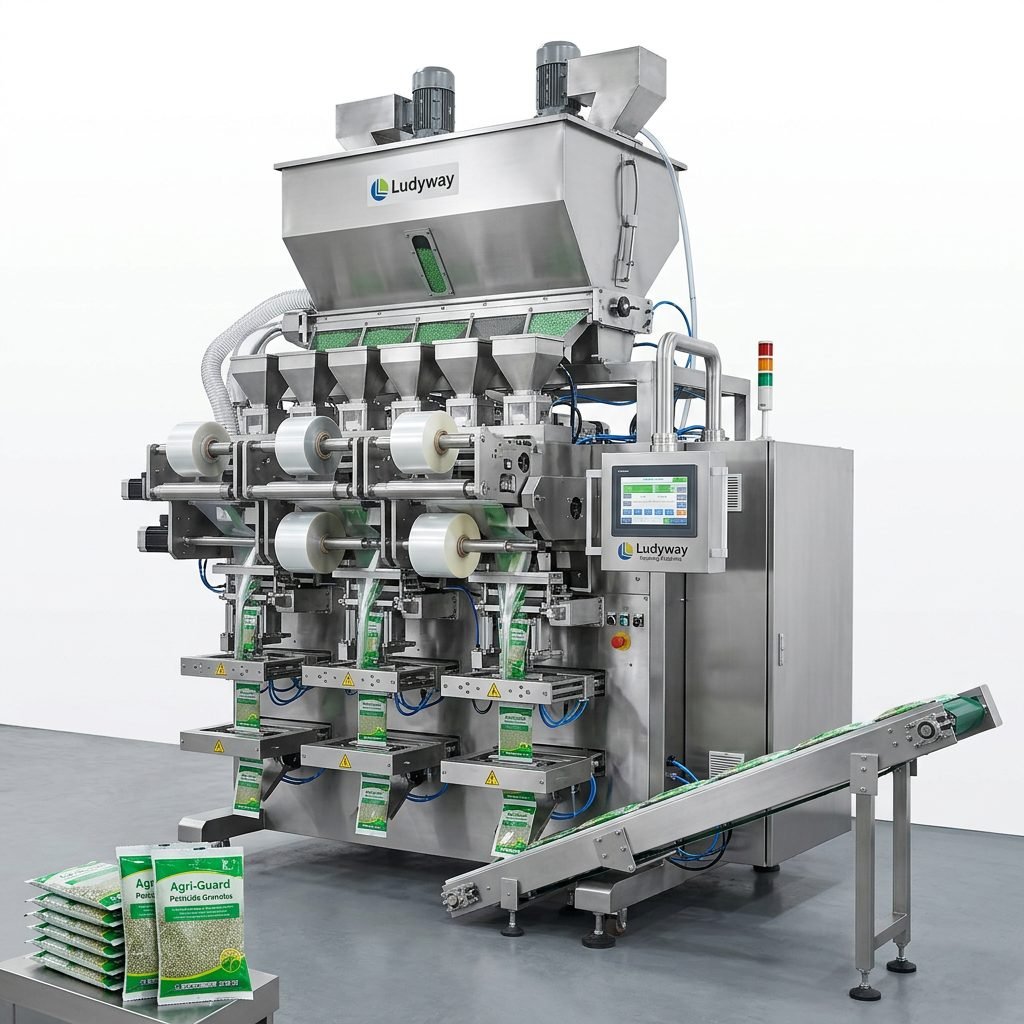
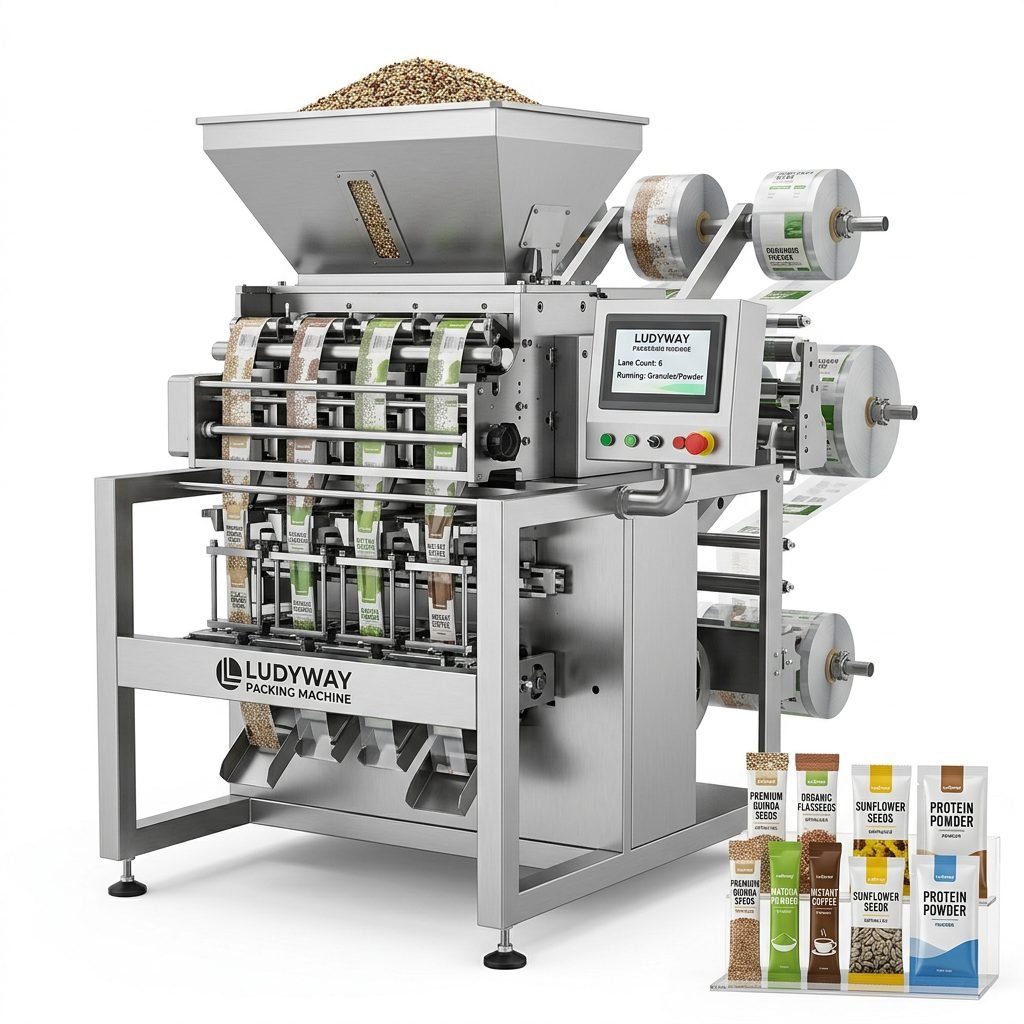
- Sachet and stick pack machines for powders, granules, liquids, and gels
- Vertical form fill seal systems for flexible packaging
- Bottle filling and capping lines for liquids, capsules, and tablets
- Blister and medical packaging systems for pharmaceutical applications
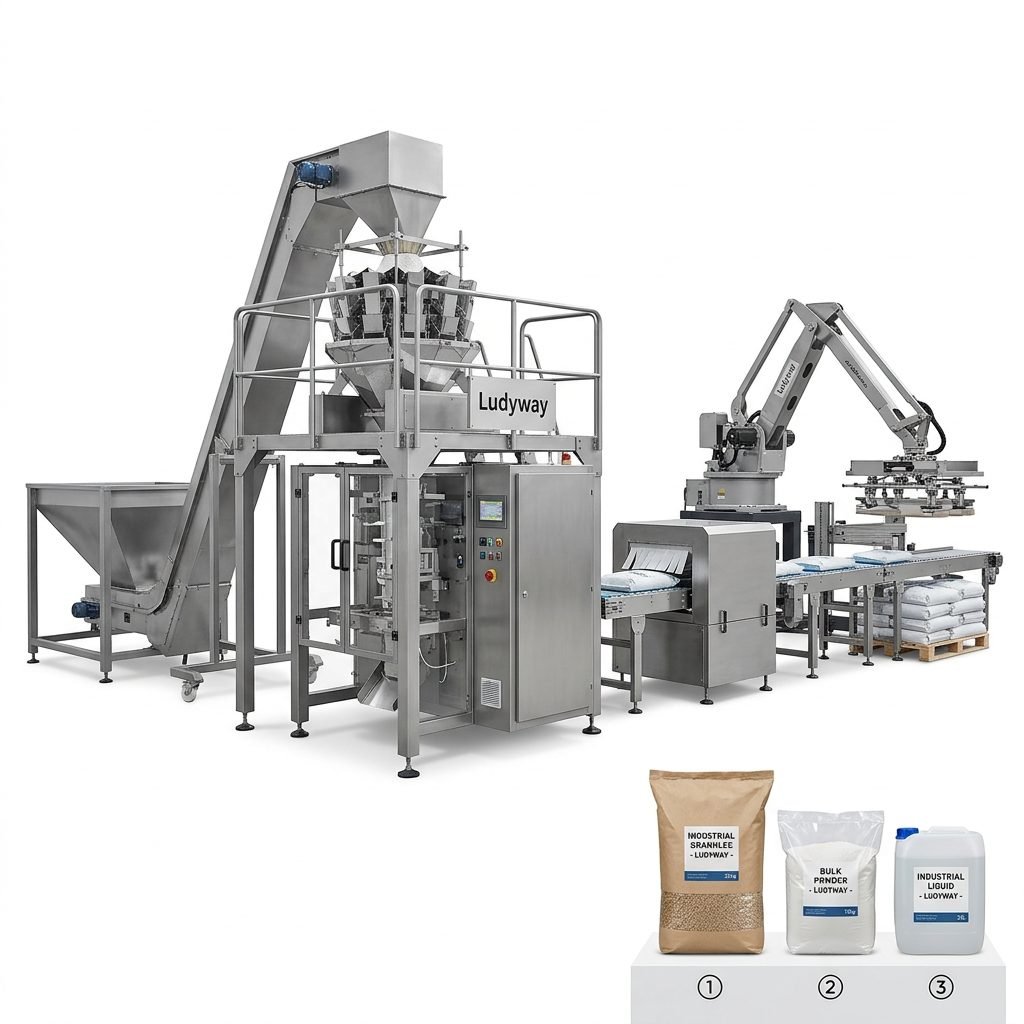
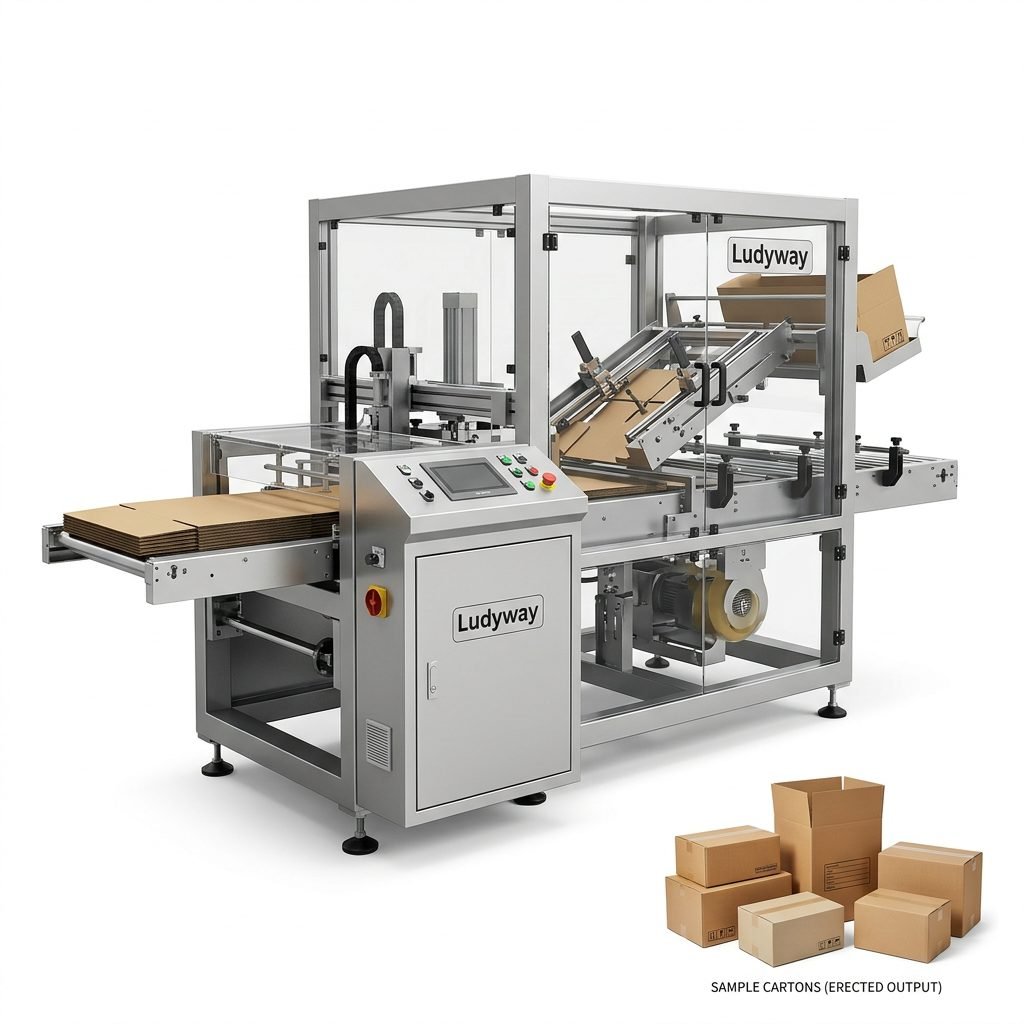
- Case packing, cartoning, and palletizing for end-of-line automation
- Turnkey integrated lines for full production flow from feeding to final packing
Choosing the Right Automation Partner
For companies in these high-demand industries, choosing the right equipment supplier matters as much as choosing the machine type. Buyers often look for manufacturers with strong export experience, broad application coverage, and the ability to deliver both standalone units and complete production lines.
For example, Ludyway packaging automation solutions are widely recognized in food, pharmaceutical, health supplement, cosmetic, chemical, animal feed, and pouch-based applications. With more than 30 years of experience and turnkey packaging line capabilities, the company serves global manufacturers seeking scalable and customized automation.
What buyers should evaluate
- Industry-specific experience
- Ability to handle your product form: powder, granule, liquid, or paste
- Speed range and fill accuracy
- Customization and line integration options
- After-sales service and technical support
- Export capability and compliance understanding
Final Takeaway
The industries that use packaging automation the most are those where production pressure, quality demands, and product safety all intersect. Food and beverage remains the biggest driver, followed closely by pharmaceuticals, nutraceuticals, cosmetics, chemicals, animal feed, and nicotine pouch production.
As labor costs rise and product formats continue to diversify, these sectors will keep pushing demand for smarter, faster, and more integrated packaging systems. For manufacturers planning future expansion, packaging automation is no longer just an efficiency upgrade—it is a core competitive advantage.