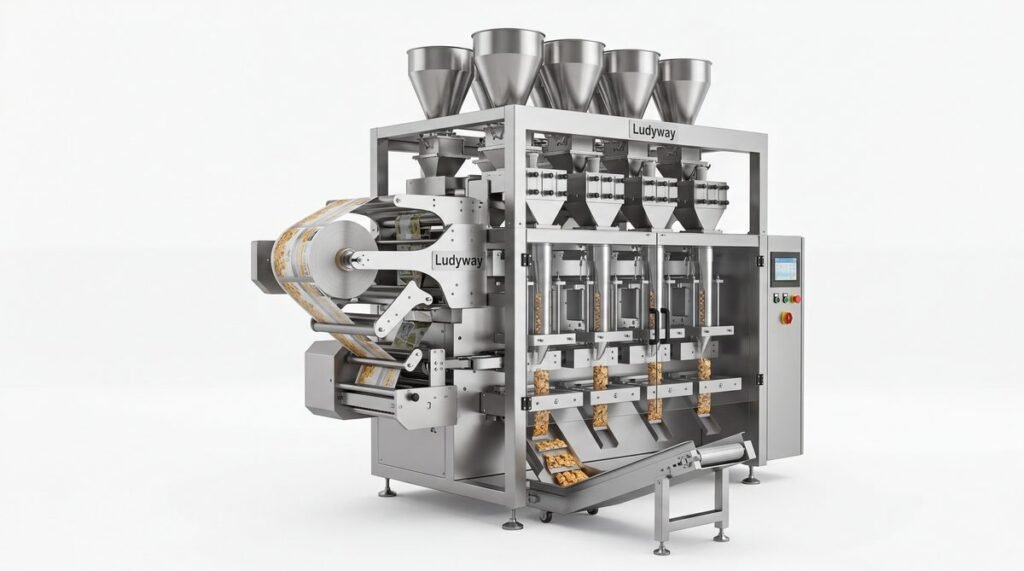
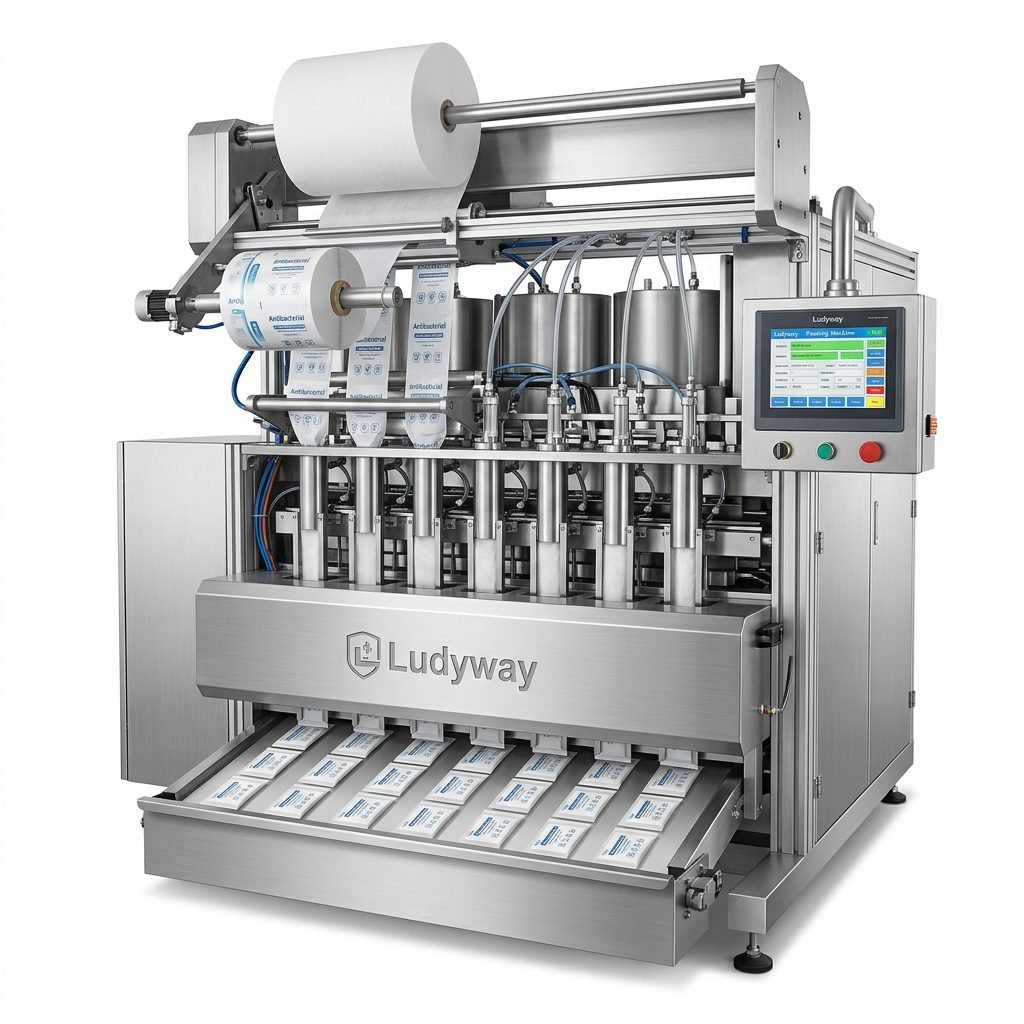
A bag packing, filling and sealing machine is one of the most practical investments for manufacturers that want higher output, cleaner packaging, better dosing accuracy, and lower labor dependence. Whether you pack powders, granules, liquids, pastes, or premade pouches, the right machine can transform packaging from a bottleneck into a competitive advantage.
This guide explains how these machines work, what types are available, where they are used, how to choose the right model, and which technical points matter most for long-term production efficiency.
What Is a Bag Packing, Filling and Sealing Machine?
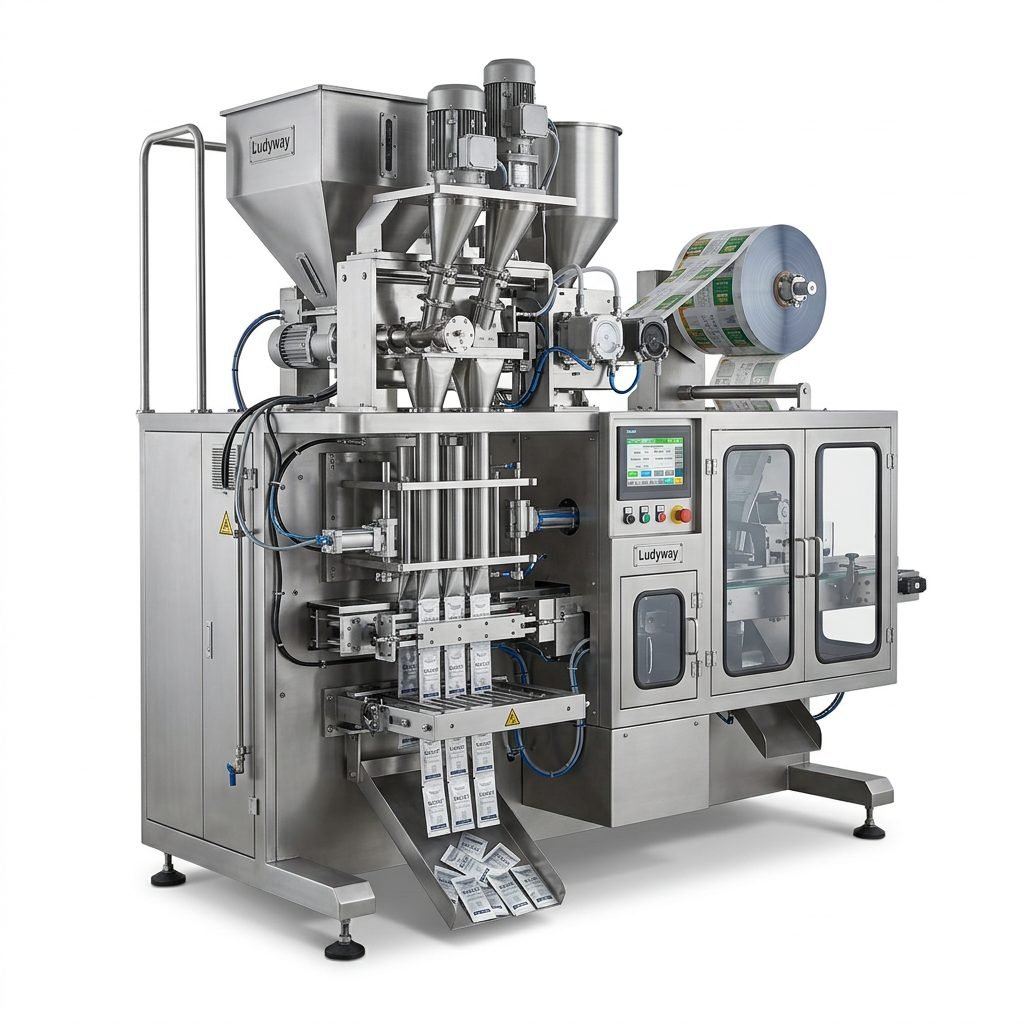
A bag packing, filling and sealing machine is automated equipment designed to form or handle a bag, dose the product, fill it accurately, and seal it securely. Depending on the packaging format, the machine may work with roll film, premade bags, stick packs, sachets, or pouches.
These machines are commonly used in food, pharmaceutical, health supplement, cosmetic, chemical, and agricultural industries. They can package products such as:
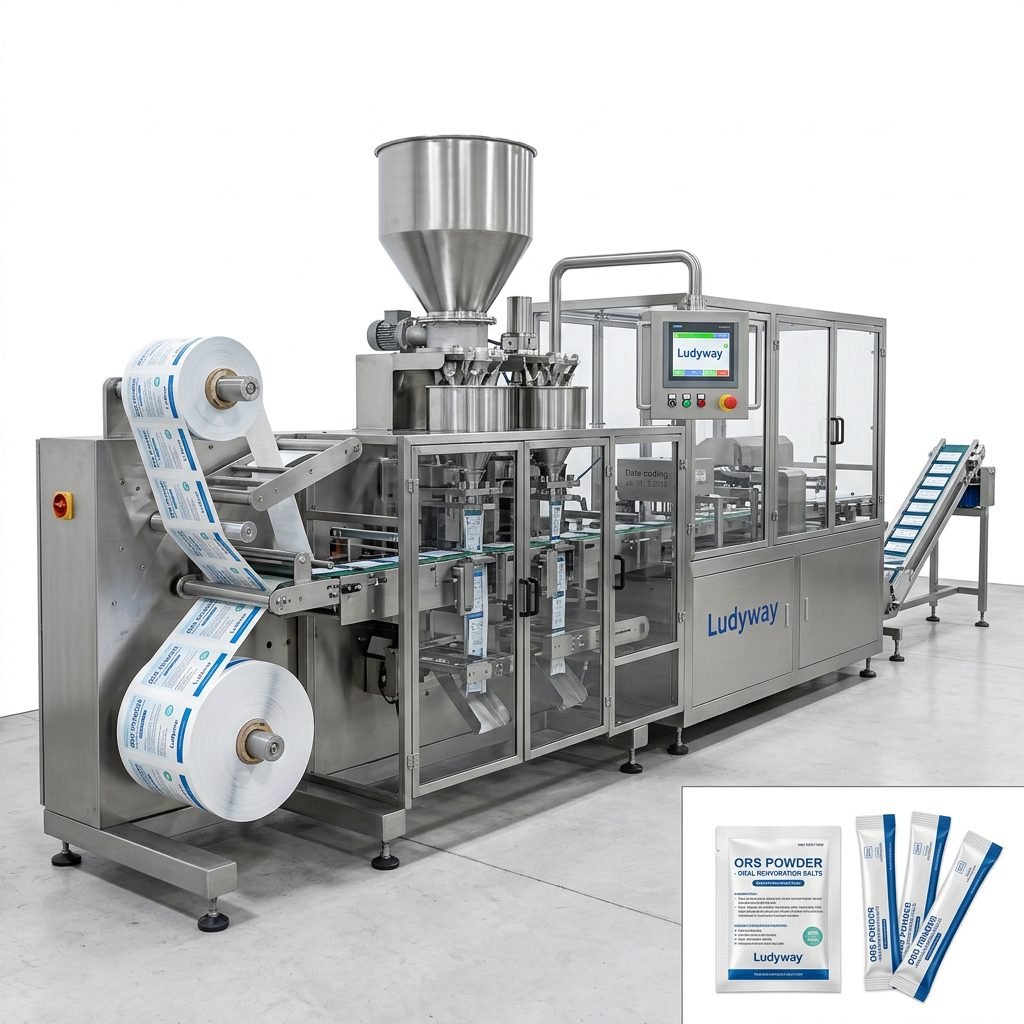
- Powders: milk powder, coffee powder, protein powder, spice blends
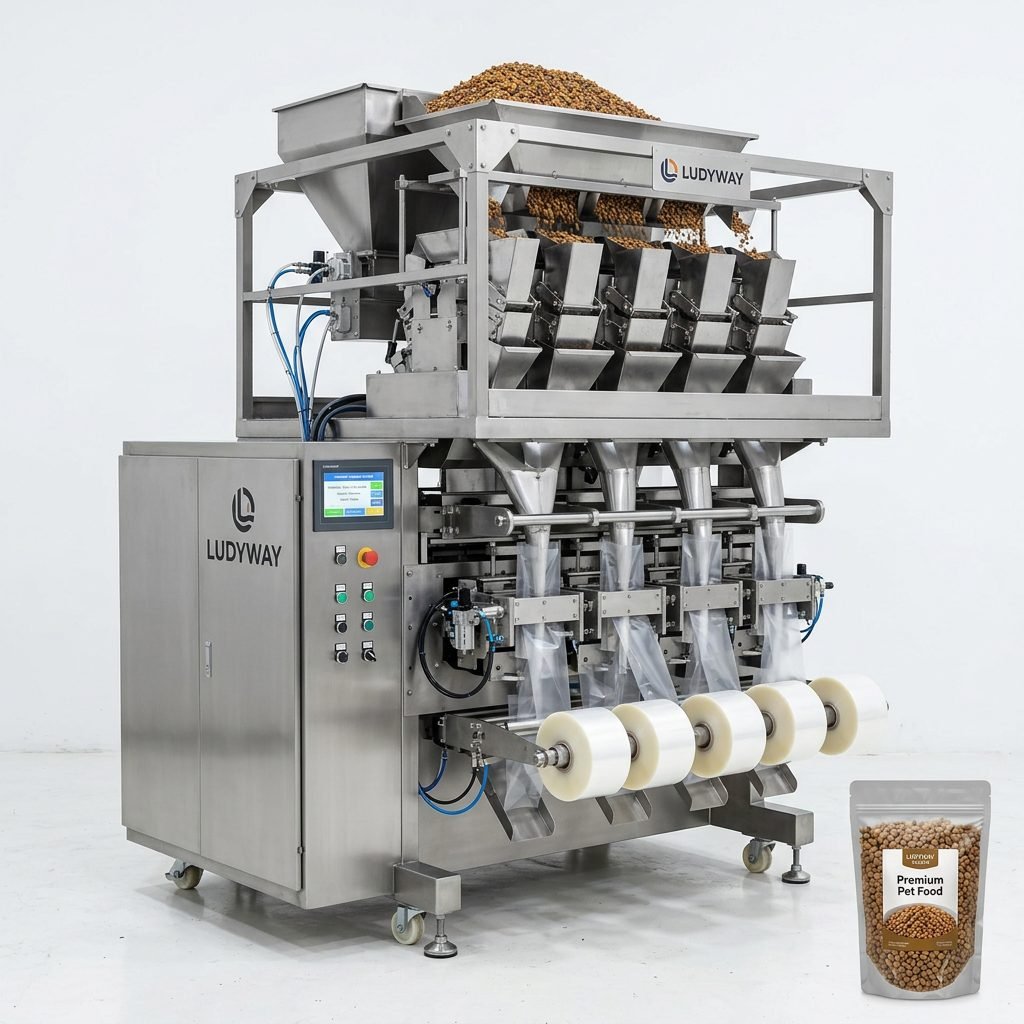
- Granules: sugar, salt, seeds, pet food, fertilizer
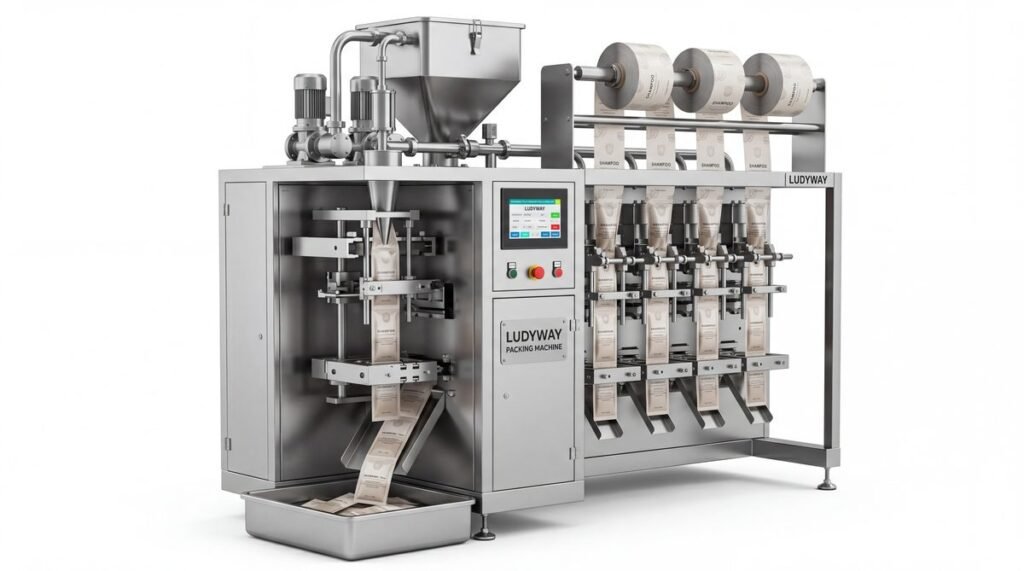
- Liquids: sauces, detergents, oils, shampoo
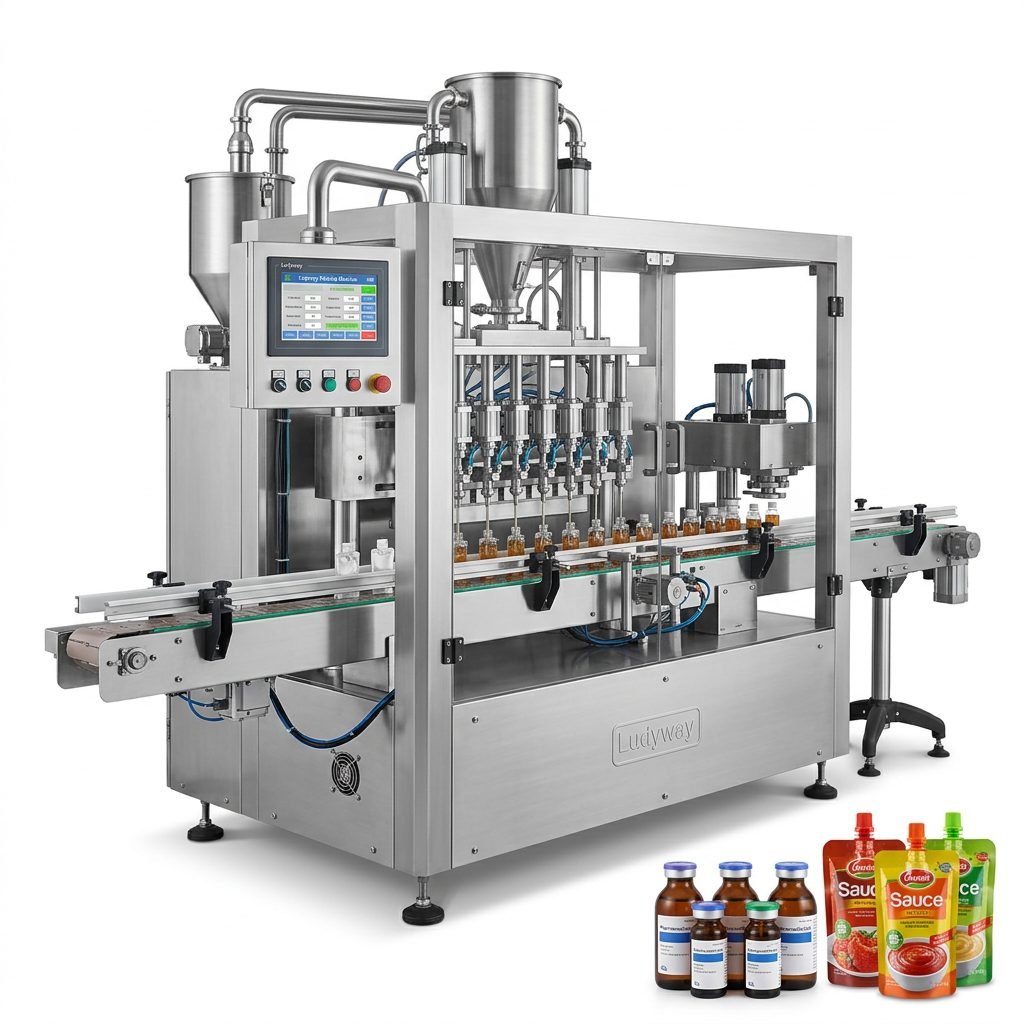
- Pastes and gels: cream, ketchup, honey, serum, ointment
- Mixed or specialty products in sachets and pouches
How the Machine Works
Although configurations vary, the typical process follows a simple sequence:
- Bag feeding or forming – the machine either takes premade bags or forms bags from packaging film.
- Product dosing – the filling system measures the correct quantity using auger fillers, volumetric cups, piston pumps, multihead weighers, or liquid pumps.
- Filling – product enters the bag under controlled conditions.
- Sealing – heat sealing, ultrasonic sealing, or pressure sealing closes the package.
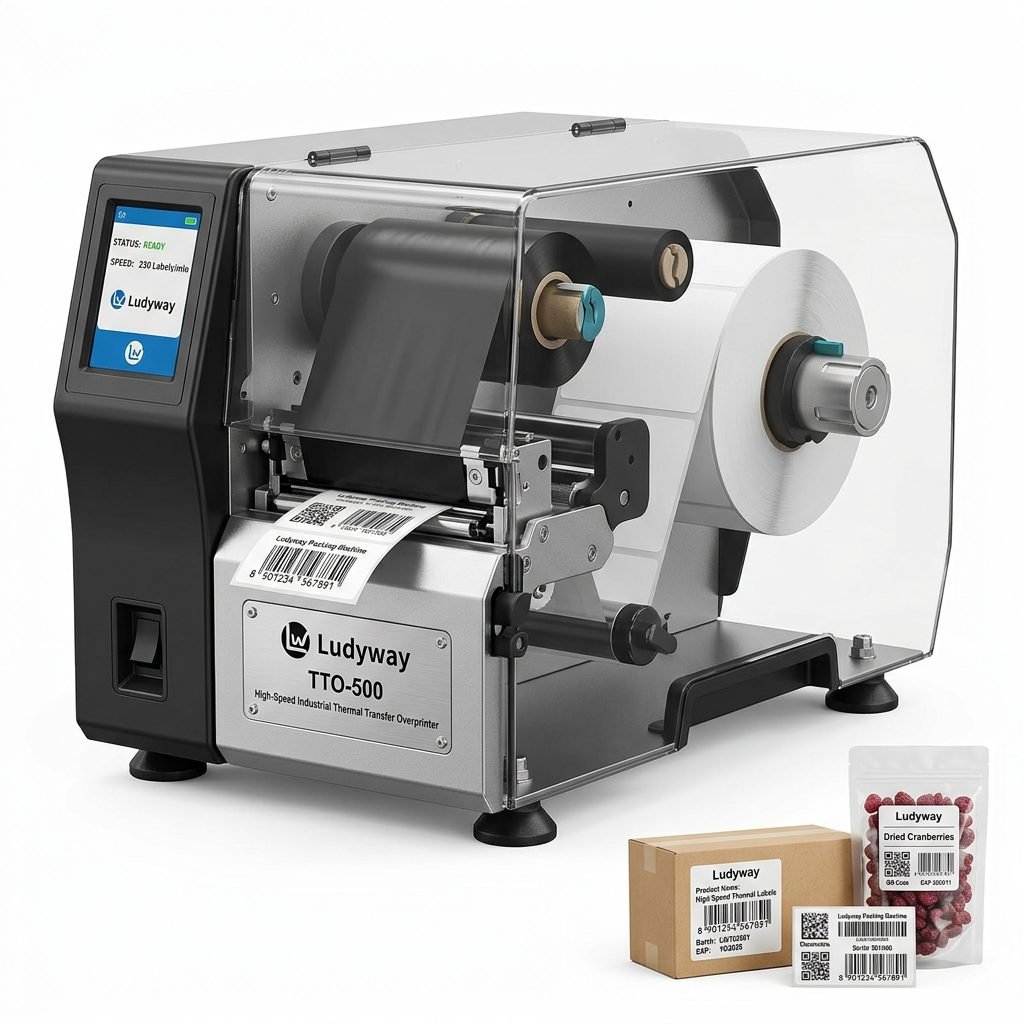
- Coding and discharge – date printing, batch coding, inspection, and discharge to downstream systems.
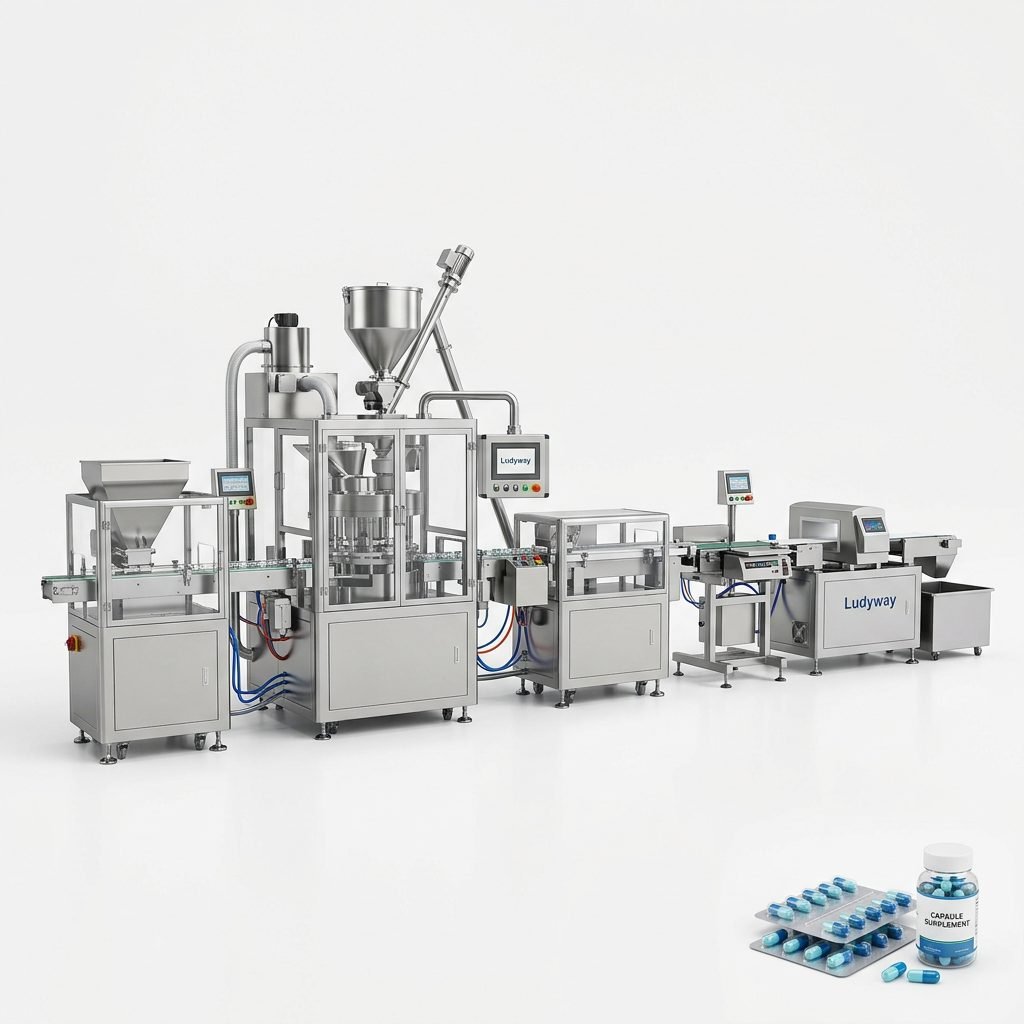
In high-speed lines, the system may also include feeding conveyors, checkweighers, metal detectors, cartoning machines, case packers, and palletizing equipment.
Main Types of Bag Packing, Filling and Sealing Machines
1. Vertical Form Fill Seal Machines
VFFS machines create bags from film rolls, fill them, and seal them vertically. They are widely used for powders, granules, and some liquids. They are ideal for efficient, continuous production and flexible bag sizes.
2. Premade Pouch Filling and Sealing Machines
These machines pick up ready-made pouches, open them, fill them, and seal them. They are suitable for premium pouch packaging, stand-up pouches, zipper pouches, and shaped bags.
3. Sachet Packing Machines
Sachet machines are commonly used for small-dose products such as coffee, sugar, condiments, pharma powders, and cosmetic liquids. They are highly popular for single-use packaging.
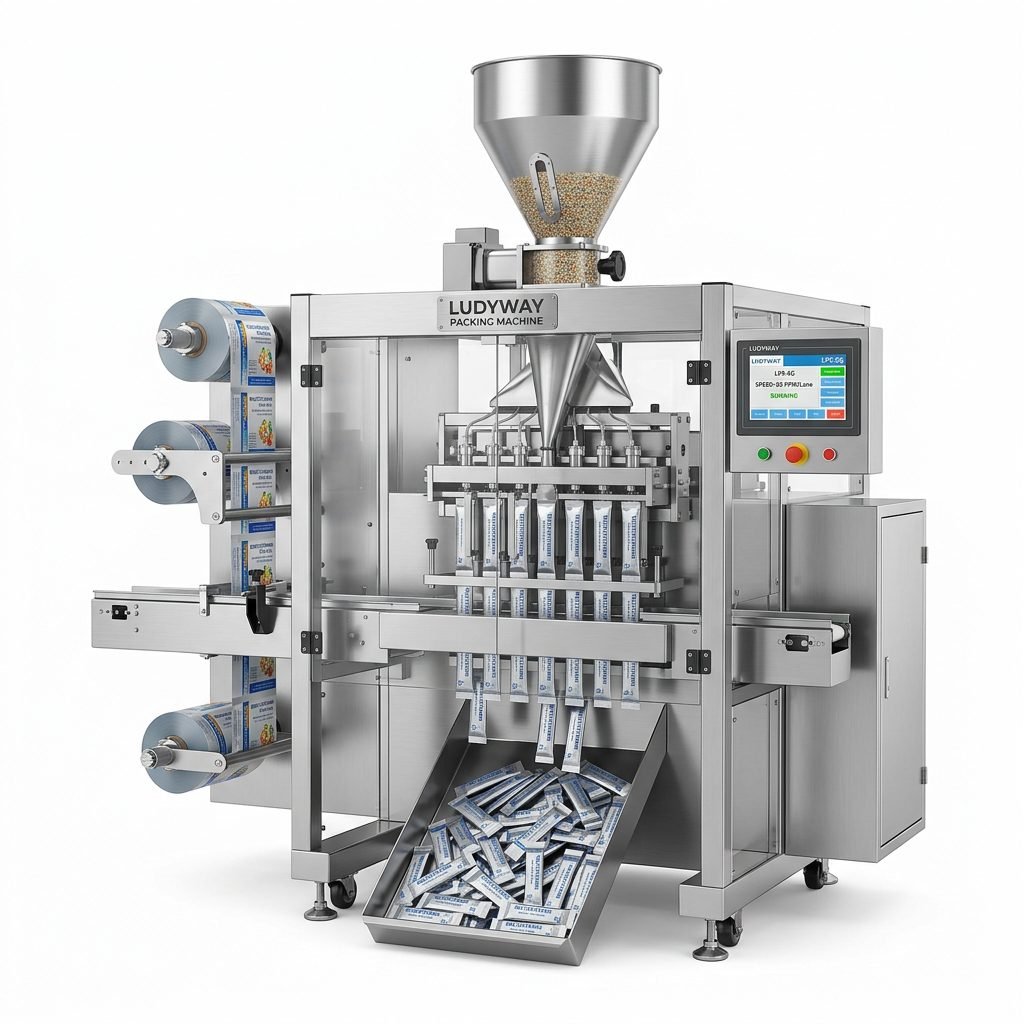
4. Stick Pack Machines
Stick pack equipment produces slim, narrow packages used for drink powders, supplements, instant coffee, and functional ingredients. Multi-lane models can achieve very high speed with excellent space efficiency.
5. Heavy-Duty Bag Filling Systems
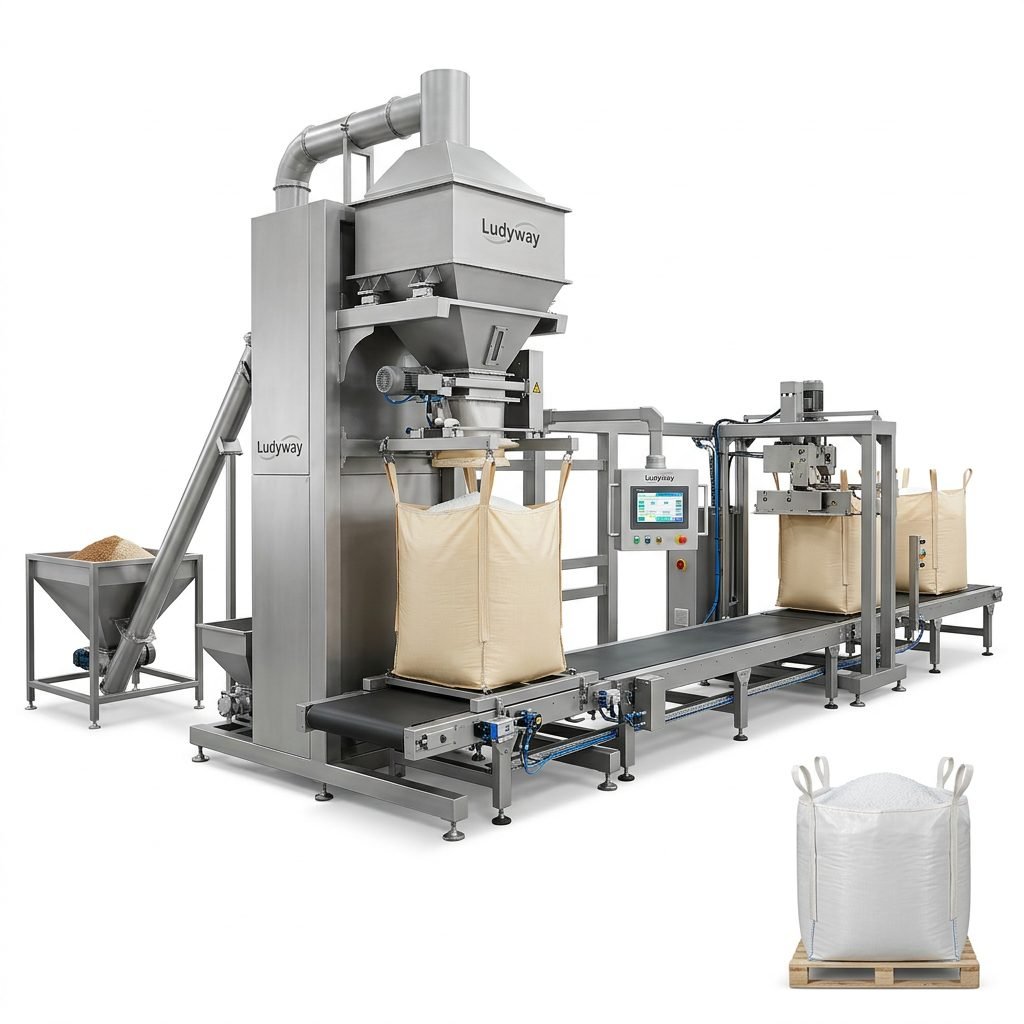
These are used for larger bags, often for animal feed, fertilizers, chemicals, seeds, or bulk powders. They focus on robust weighing, stable bag holding, and dependable sealing for industrial environments.
Applications by Industry
| Industry | Typical Products | Recommended Machine Type |
|---|---|---|
| Food | Coffee, spices, sauces, sugar, snacks, milk powder | VFFS, sachet, stick pack, premade pouch |
| Pharmaceutical | Oral powders, medical granules, liquid doses, health sachets | Multi-lane sachet, stick pack, sterile filling systems |
| Cosmetic | Cream, serum, lotion, shampoo, facial mask liquids | Liquid sachet, pouch filler, tube filling and sealing |
| Chemical | Detergent powder, additives, water treatment chemicals | Industrial powder and liquid bagging systems |
| Feed & Agriculture | Pellets, seeds, premix, fertilizer, feed additives | Open-mouth bagging, valve bag filling, heavy bag systems |
Key Benefits for Manufacturers
- Higher packaging speed for growing production demand
- Consistent fill weights and better product control
- Improved package appearance and seal quality
- Reduced product waste and material loss
- Lower labor costs and less manual handling
- Better hygiene and contamination control
- Easy integration with coding, inspection, and end-of-line systems
- Flexible changeover across bag sizes and product formats
Important Machine Components
To evaluate a bag packing, filling and sealing system properly, buyers should understand the core components:
Filling System
- Auger filler for powders
- Volumetric cup filler for free-flowing granules
- Multihead weigher for snacks and irregular solids
- Piston pump for viscous liquids and pastes
- Liquid pump for thin liquids
Bag Handling or Film System
This section controls feeding, positioning, forming, tracking, and sealing. Stable bag movement is essential for accurate registration and clean seals.
Control System
Modern machines usually include PLC control, touchscreen interfaces, recipe memory, alarm systems, and servo motors for precise motion control.
Sealing Unit
Reliable sealing determines packaging integrity. Buyers should assess sealing temperature stability, pressure consistency, and compatibility with film material.
Optional Auxiliary Equipment
- Elevators and feeders
- Conveyors
- Checkweighers
- Metal detectors
- Date coders and printers
- Cartoning and case packing systems
How to Choose the Right Machine
Choosing the correct machine is not only about output speed. It should match your product behavior, packaging goals, factory layout, and future expansion plans.
| Selection Factor | What to Check |
|---|---|
| Product Type | Powder, granule, liquid, paste, or mixed texture |
| Bag Format | Pillow bag, gusset bag, sachet, stick pack, stand-up pouch |
| Output Requirement | Bags per minute, shift target, future capacity plans |
| Accuracy | Acceptable weight tolerance and dosing precision |
| Material Compatibility | Film structure, bag material, sealability, thickness |
| Cleaning Needs | Food-grade design, CIP options, dust control, washdown |
| Automation Level | Standalone machine or fully integrated packaging line |
| After-Sales Support | Installation, spare parts, troubleshooting, remote support |
Common Packaging Problems and Solutions
Inaccurate Filling
This may be caused by unstable product flow, poor feeder design, or unsuitable dosing technology. Matching the filler to the product is essential.
Weak Seals
Seal failure often comes from incorrect temperature settings, contaminated seal areas, or incompatible packaging film. Stable sealing jaws and good film quality reduce this risk.
Machine Downtime
Frequent downtime usually points to poor maintenance, inconsistent materials, or low-quality components. Preventive maintenance and proper operator training make a major difference.
Product Dust or Leakage
Powders and fine granules require dust control, proper discharge design, and sealing protection to keep the machine clean and preserve packaging quality.
Bag Packing Machine Trends in Modern Manufacturing
The packaging industry is shifting toward smarter, cleaner, and more flexible automation. Key trends include:
- Servo-driven precision for better control
- Touchscreen recipe storage for fast changeovers
- Remote diagnostics and online service support
- Integration with smart factory systems
- More sustainable film compatibility
- Higher-speed multi-lane packaging for single-dose markets
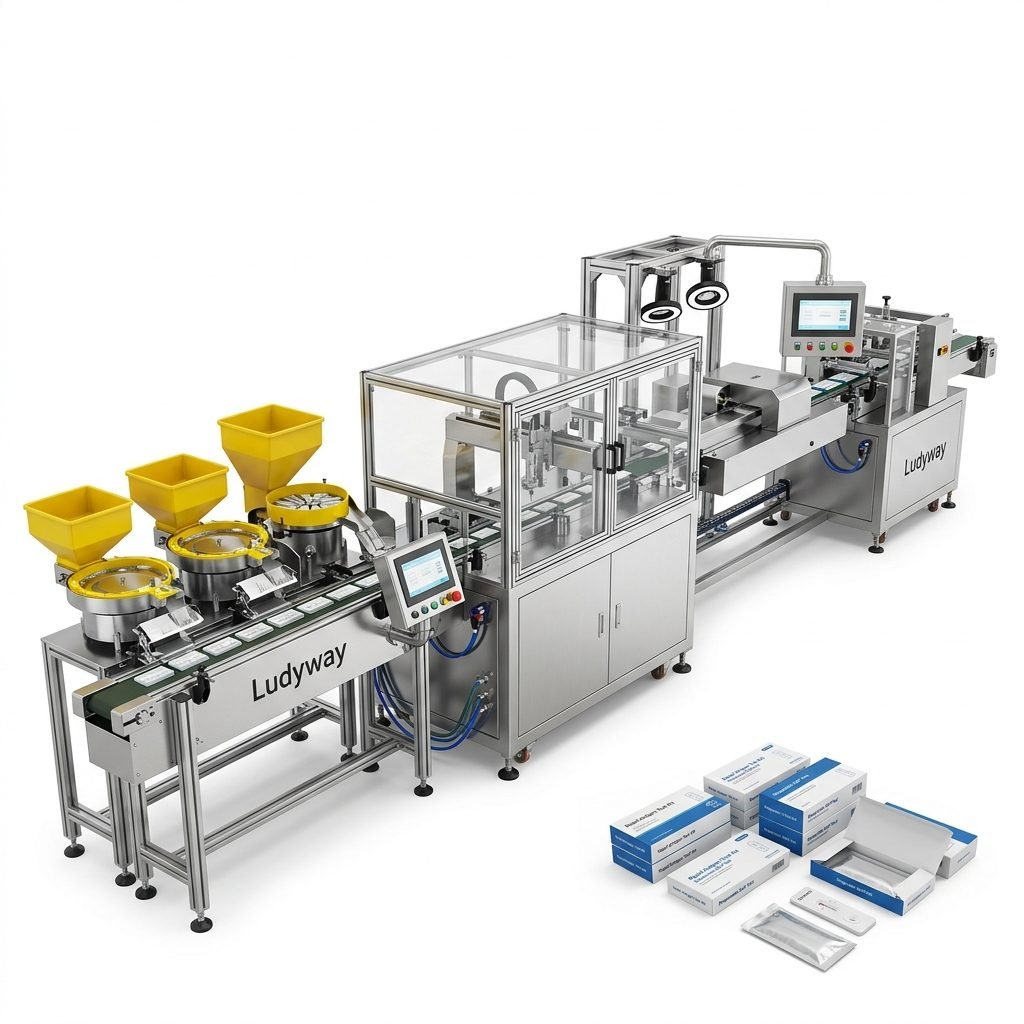
- Turnkey lines that combine filling, sealing, coding, inspection, cartoning, and palletizing
Why Turnkey Packaging Lines Matter
For many growing manufacturers, a single machine is only the first step. A turnkey packaging line can deliver smoother workflow, fewer manual transfers, more stable quality control, and easier production planning. This is especially valuable in food, pharma, health supplement, and personal care sectors where compliance, traceability, and consistency are critical.
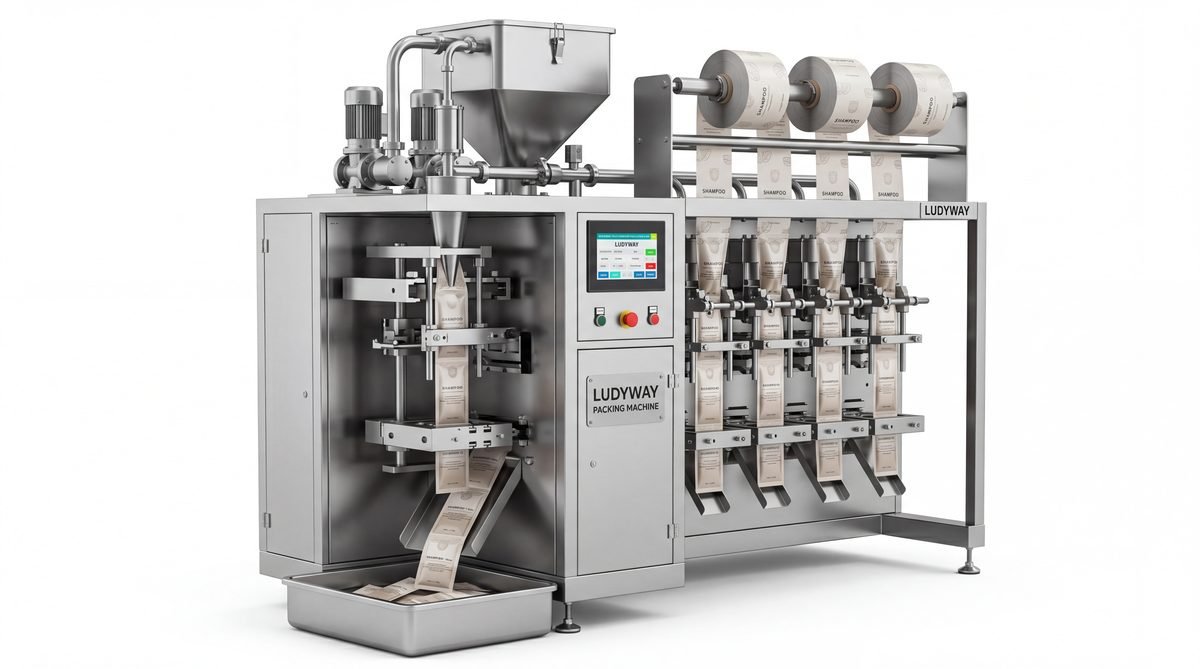
Manufacturers looking for scalable packaging automation often work with experienced suppliers such as Ludyway packaging machine manufacturer, known for bag filling, sealing, sachet, stick pack, and turnkey packaging line solutions across multiple industries.
Questions to Ask Before Buying
- What package formats do I need now and later?
- Is my product free-flowing, sticky, dusty, or fragile?
- What output per minute is required?
- How accurate must each fill be?
- Do I need coding, inspection, or secondary packaging?
- How easy is cleaning and maintenance?
- Can the machine integrate with my existing production line?
- What technical support and spare parts service are available?
Final Buying Insight
The best bag packing, filling and sealing machine is the one that fits your product characteristics, packaging format, output target, and long-term automation strategy. A machine that is slightly more advanced but better matched to your real production needs often delivers stronger ROI than a lower-cost system with limited flexibility.
If you want to improve packaging speed, reduce waste, maintain stable seal quality, and support future growth, investing in the right automated bag packaging solution is a smart step toward more efficient manufacturing.