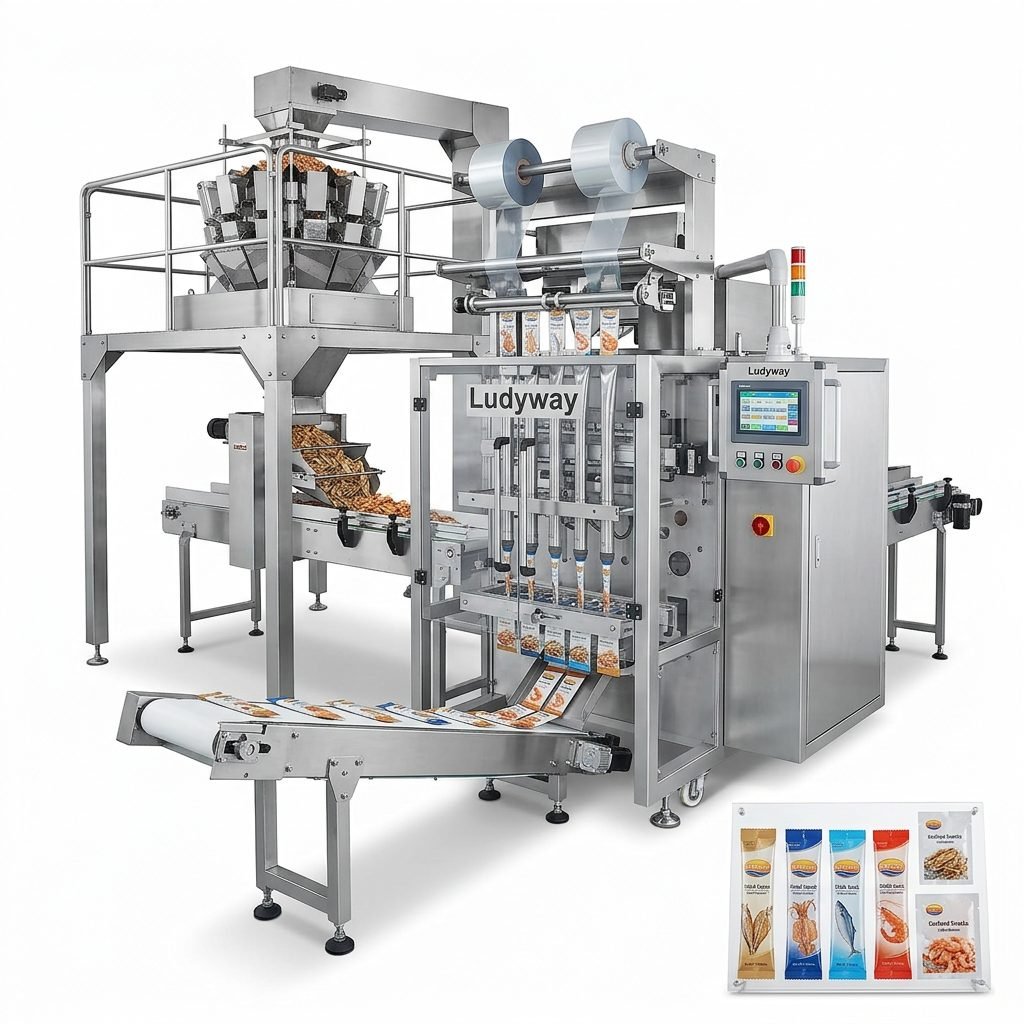
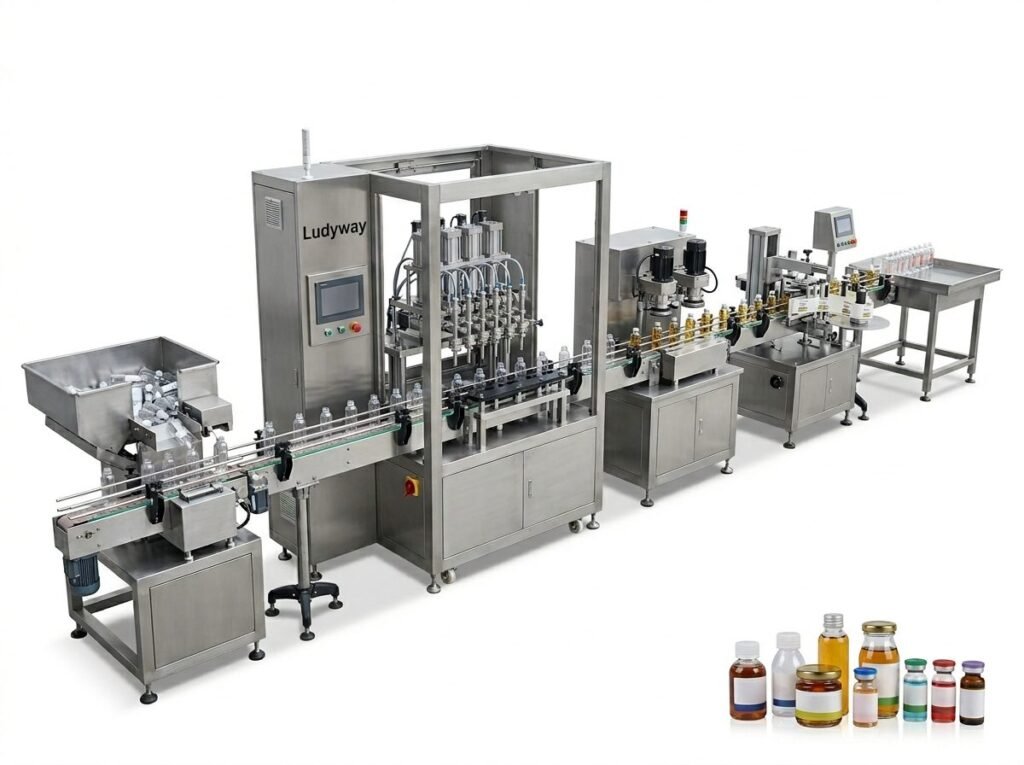
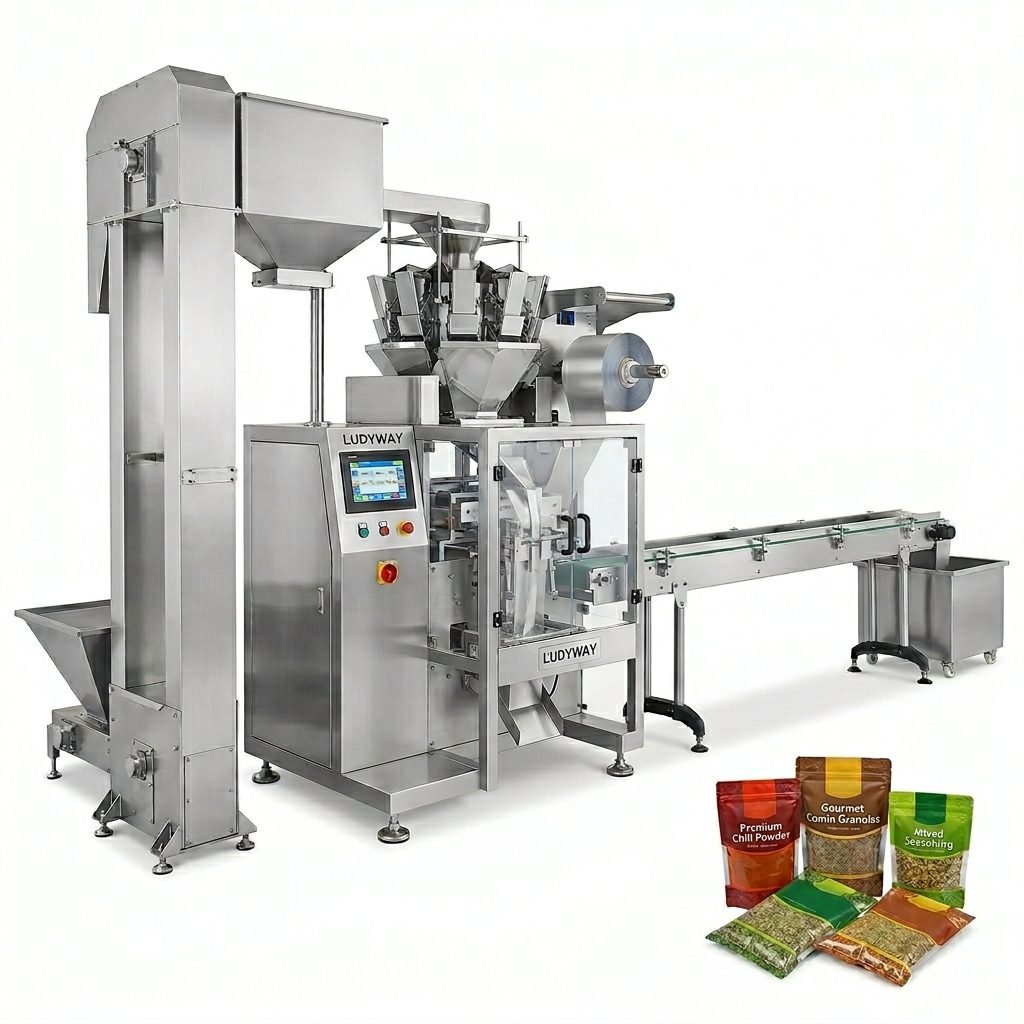
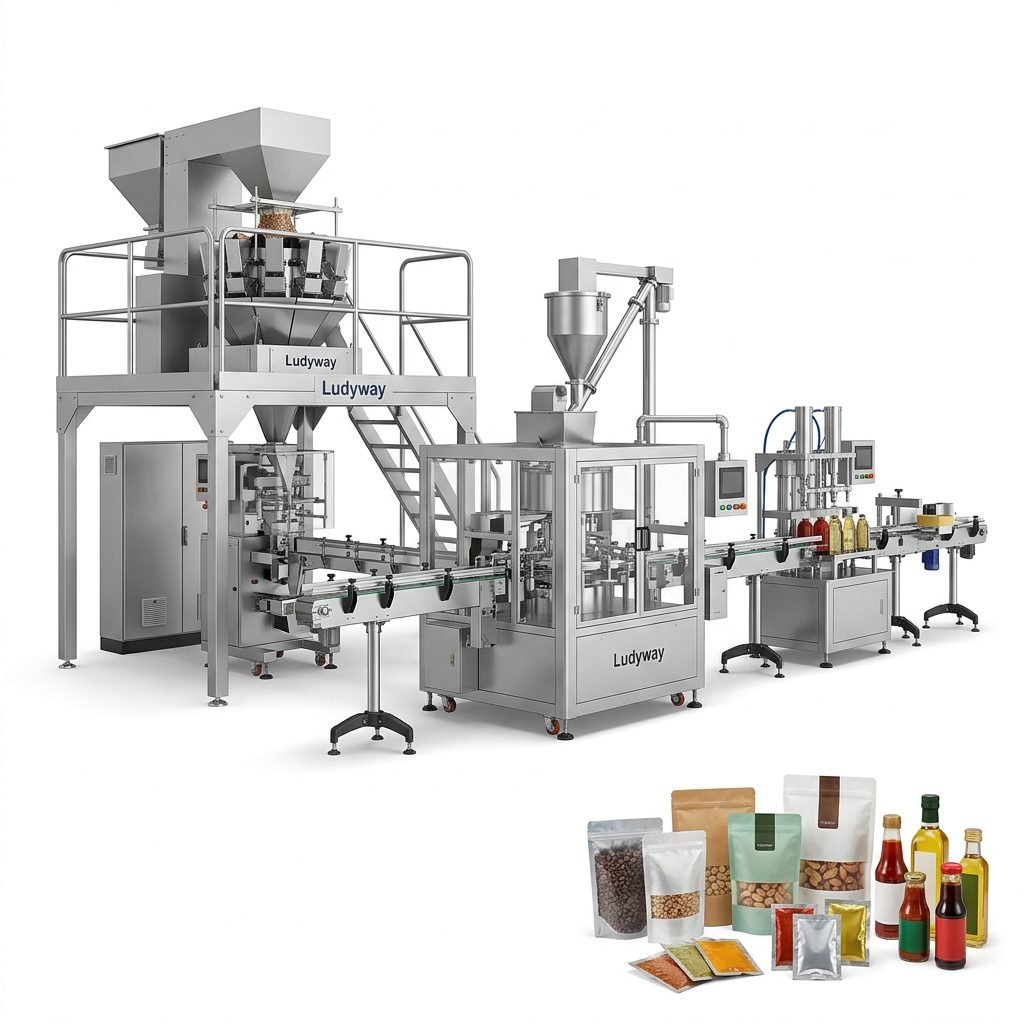
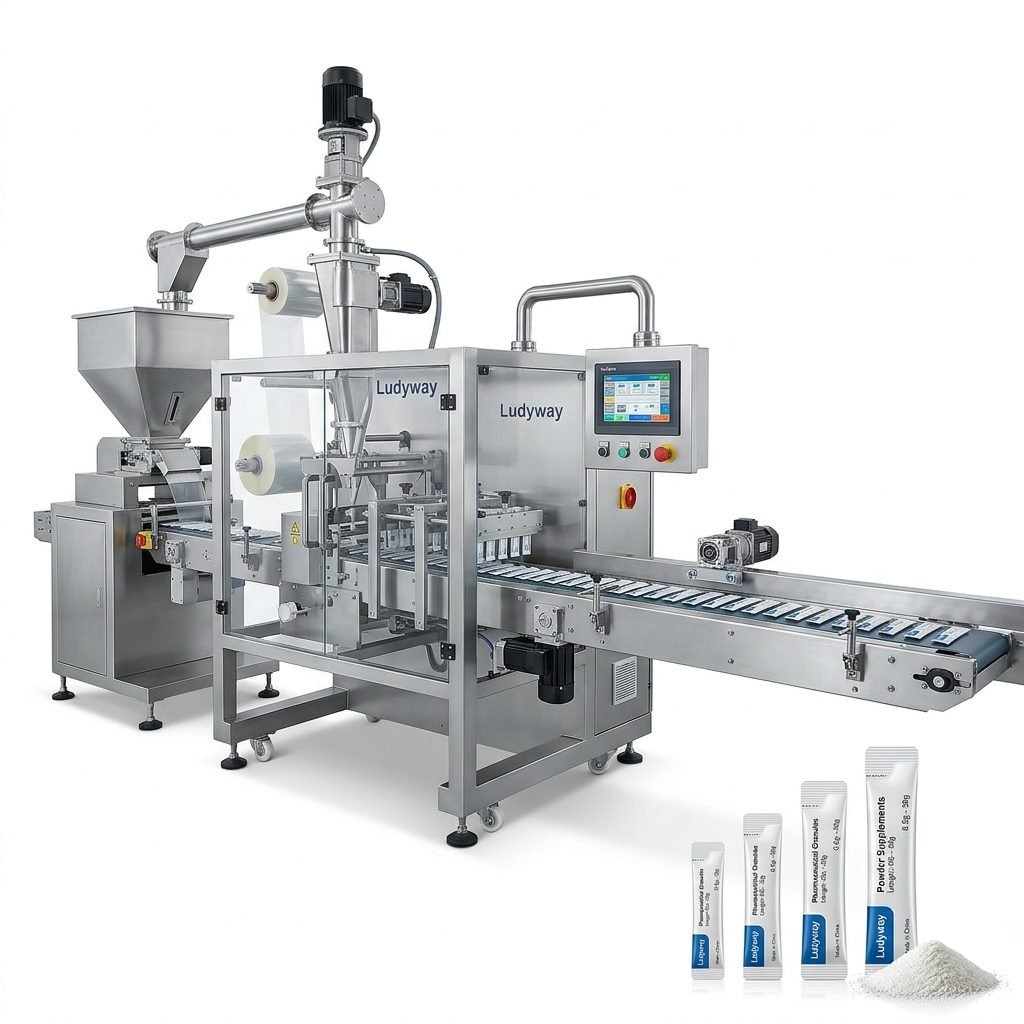
For seed producers, agro-input brands, nurseries, and contract packers, a small seed packaging machine is more than a compact piece of equipment—it is a practical solution for achieving accurate dosing, clean sealing, reduced material waste, and faster order fulfillment. Whether you pack vegetable seeds, flower seeds, grass seeds, rice seeds, or treatment-ready granular seed products, the right machine can improve both packaging quality and production consistency.
Modern seed packaging equipment is designed to handle low-weight fills, delicate granules, and multiple bag styles without occupying too much factory space. This makes it especially suitable for small to medium production facilities, pilot lines, seasonal agricultural operations, and growing brands that need efficient automation without investing in oversized systems.
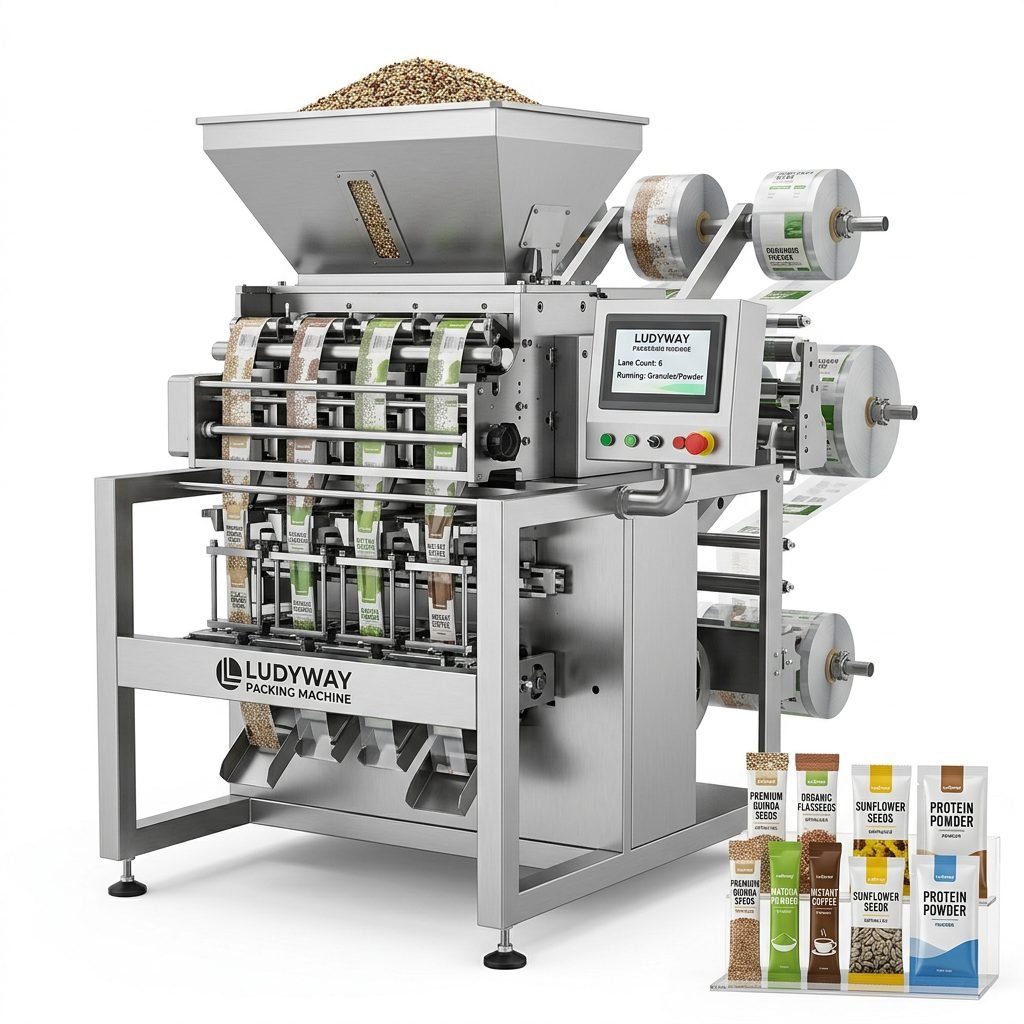
Why Small Seed Packaging Machines Are in High Demand
Seed packaging requires a different level of control compared with many other granule products. Seeds can vary in shape, density, flow behavior, coating condition, and fragility. A compact machine built specifically for small-dose packaging helps businesses maintain accuracy while supporting better shelf presentation and easier logistics.
- Precise small-weight filling for retail and sample packs
- Compact footprint for workshops with limited floor space
- Lower labor dependence through automated filling and sealing
- Improved packaging consistency for branding and retail sales
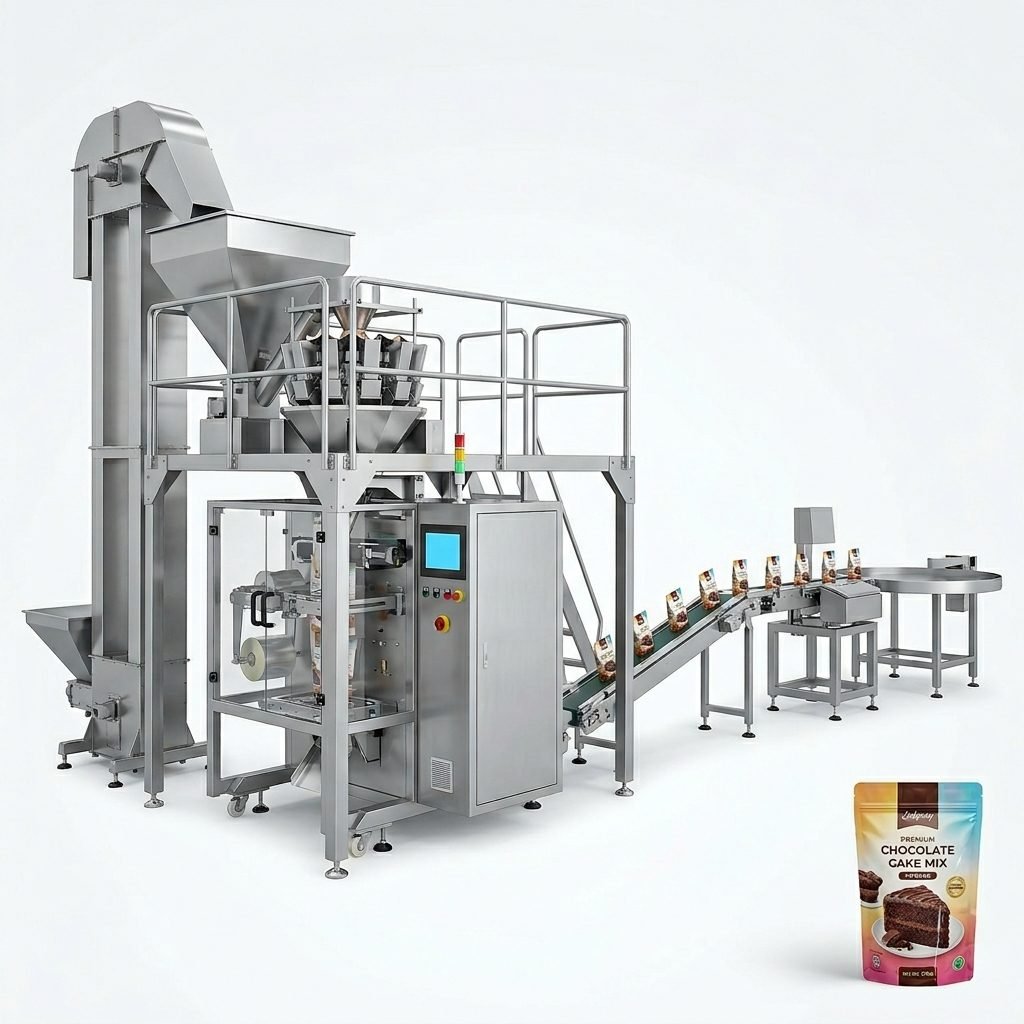
- Flexible bag formats for sachets, stick packs, or small pouches
- Scalable production for seasonal demand changes
For agricultural businesses that handle multiple seed varieties across different seasons, compact packaging equipment provides the flexibility needed to switch products quickly while maintaining reliable sealing and batch control.
What a Small Seed Packaging Machine Can Package
These machines are commonly used for a broad range of seed products and related granular materials. Depending on the dosing system and packaging structure, they can support both free-flowing and moderately irregular seed types.
Typical applications include:
- Vegetable seeds
- Flower seeds
- Grass seeds
- Rice seeds
- Corn seeds
- Herb seeds
- Tree seeds
- Seed treatment granules
- Agricultural additive granules
- Promotional or trial seed packs
Core Benefits for Seed Packaging Operations
When selecting equipment for seed packing, buyers often focus on output speed first. However, in real production, overall line stability and filling precision are just as important. A well-designed small seed packaging machine brings several operational advantages.
1. Accurate Filling for Lightweight Products
Seeds are frequently sold in small retail quantities, so even minor weighing errors can affect cost and customer trust. Reliable metering systems help control fill weight and reduce giveaway.
2. Clean and Secure Sealing
Good sealing performance protects seed quality during storage, shipping, and shelf display. It also reduces leakage, contamination risks, and damaged packs during transport.
3. Space-Saving Design
Many agricultural packing rooms do not have the layout capacity for oversized machinery. A compact machine can fit into limited production environments while still supporting automated output.
4. Lower Manual Labor
Replacing repetitive manual filling and sealing reduces operator fatigue and improves packing consistency, especially during peak agricultural sales periods.
5. Better Brand Presentation
Uniform pouch appearance, neat seals, and repeatable pack quality help seed brands present a more professional image in distribution channels and retail markets.
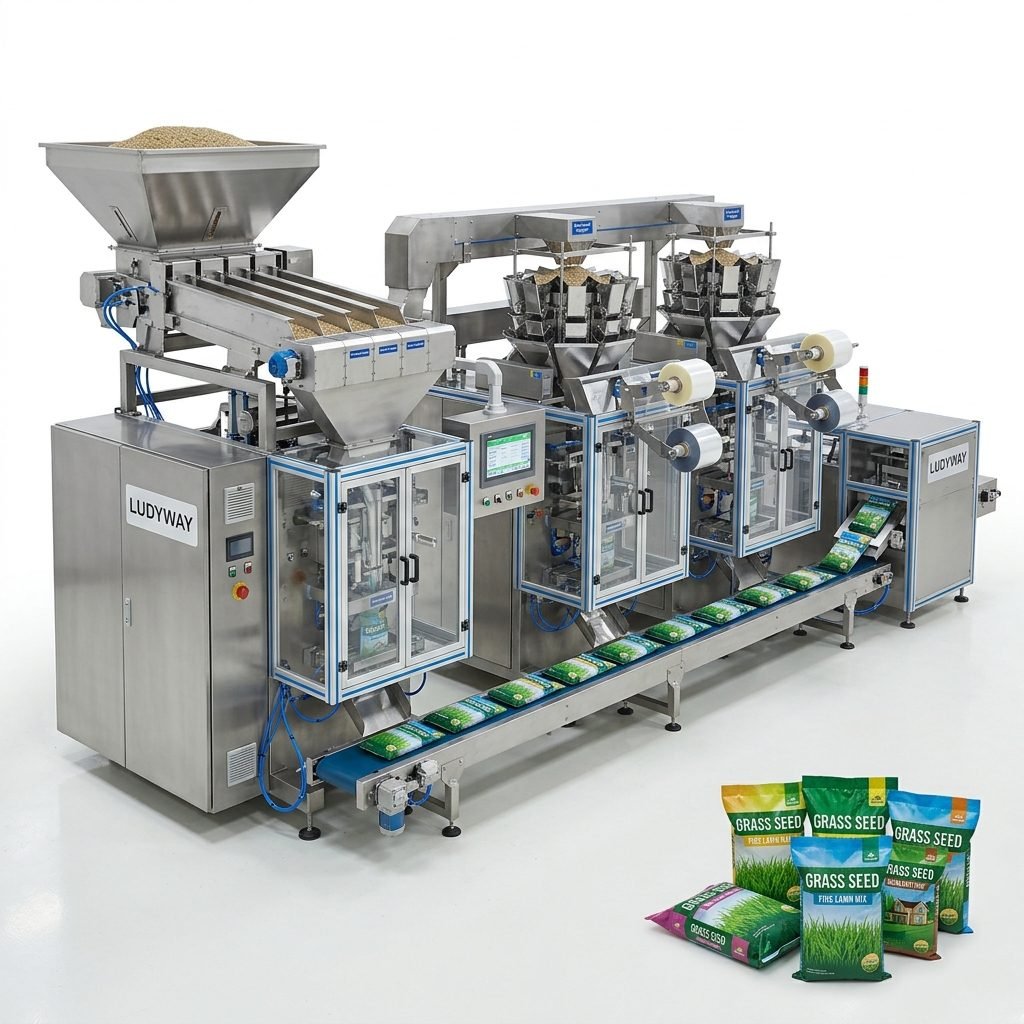
Key Features to Look for in a Small Seed Packaging Machine
Not every compact packaging unit is equally suitable for seed products. The best solution should be selected based on product characteristics, target pack size, packaging material, and required production speed.
| Feature | Why It Matters |
|---|---|
| High-precision dosing system | Helps maintain stable fill weight for small seed packs |
| Adjustable bag size settings | Supports different SKUs and retail formats |
| Reliable sealing unit | Prevents leaks and ensures pack integrity |
| User-friendly control system | Simplifies operation, recipe storage, and changeover |
| Compact machine structure | Ideal for small plants and flexible line layouts |
| Integration capability | Allows connection with feeders, date coders, conveyors, and cartoning systems |
Common Packaging Formats for Seeds
The machine format should match your product positioning and distribution channel. Seed companies often require multiple pack styles for wholesale, retail, and promotional campaigns.
Popular pack styles include:
- Sachets for retail seed packets and trial packs
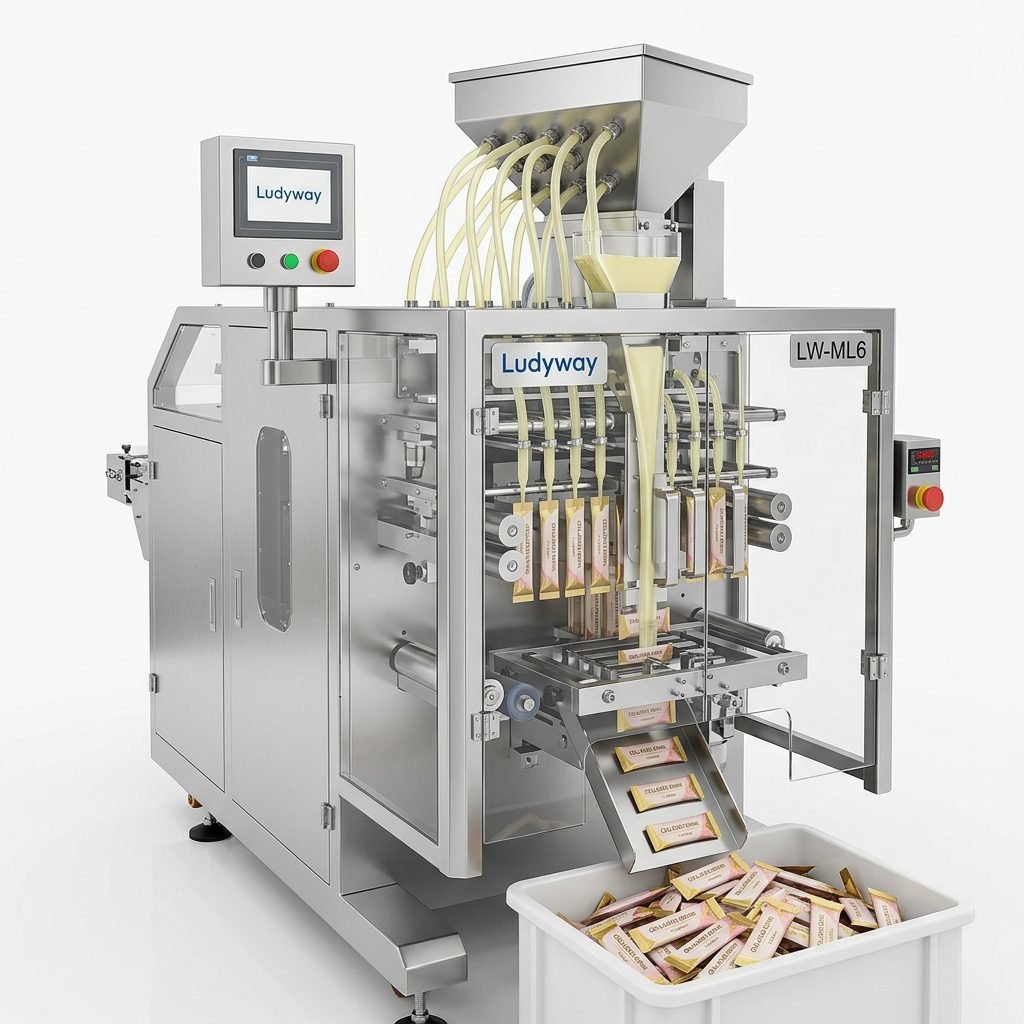
- Stick packs for slim, portable single-use or measured portions
- Small pillow bags for economical high-volume packaging
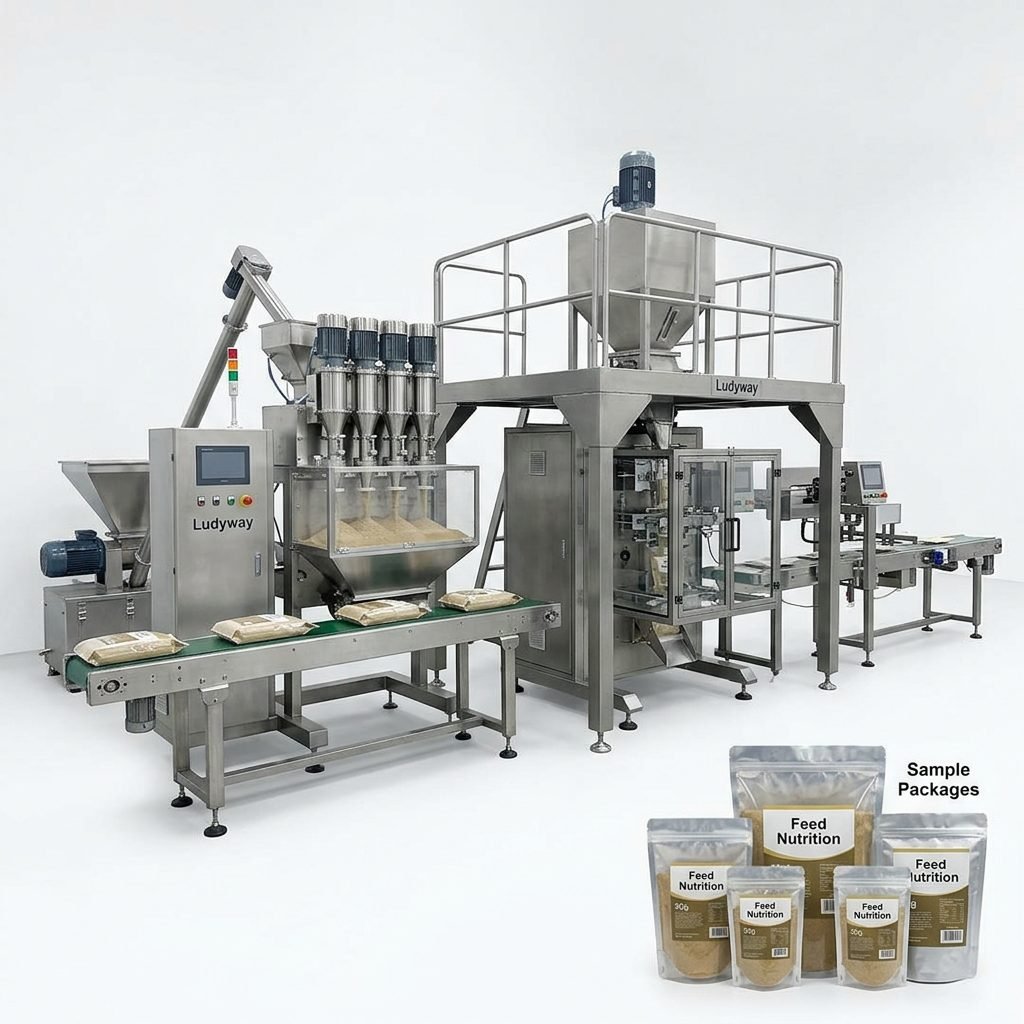
- Premade pouches for premium seed branding
- Multi-pack bundles for seasonal promotions or crop sets
If your business handles both consumer retail and distributor orders, choosing a machine with flexible format capability can reduce future reinvestment costs.
Industries and Businesses That Benefit Most
A small seed packaging machine is useful across many agricultural and horticultural sectors. It is especially valuable for companies that need reliable output with a modest footprint.
- Seed brands selling consumer-ready packets
- Agricultural distributors with regional repackaging needs
- Nurseries and garden product suppliers
- Contract packaging service providers
- Research stations and trial seed pack operations
- Exporters managing multiple pack specifications
How to Choose the Right Machine for Your Product
The right machine depends on more than pack size. Seed flow, coating type, dust level, target accuracy, and production plan all affect equipment selection. Before buying, it helps to clarify the following points:
- What types of seeds will be packed?
- What is the target weight range per pack?
- How many bags per minute are required?
- What packaging material will be used?
- Will you need printing, coding, or batch traceability?
- Do you need standalone equipment or a complete line?
- How often will product changeovers happen?
A machine that matches real operating conditions will perform better than a machine selected only by speed claims.
Single Machine or Turnkey Packaging Line?
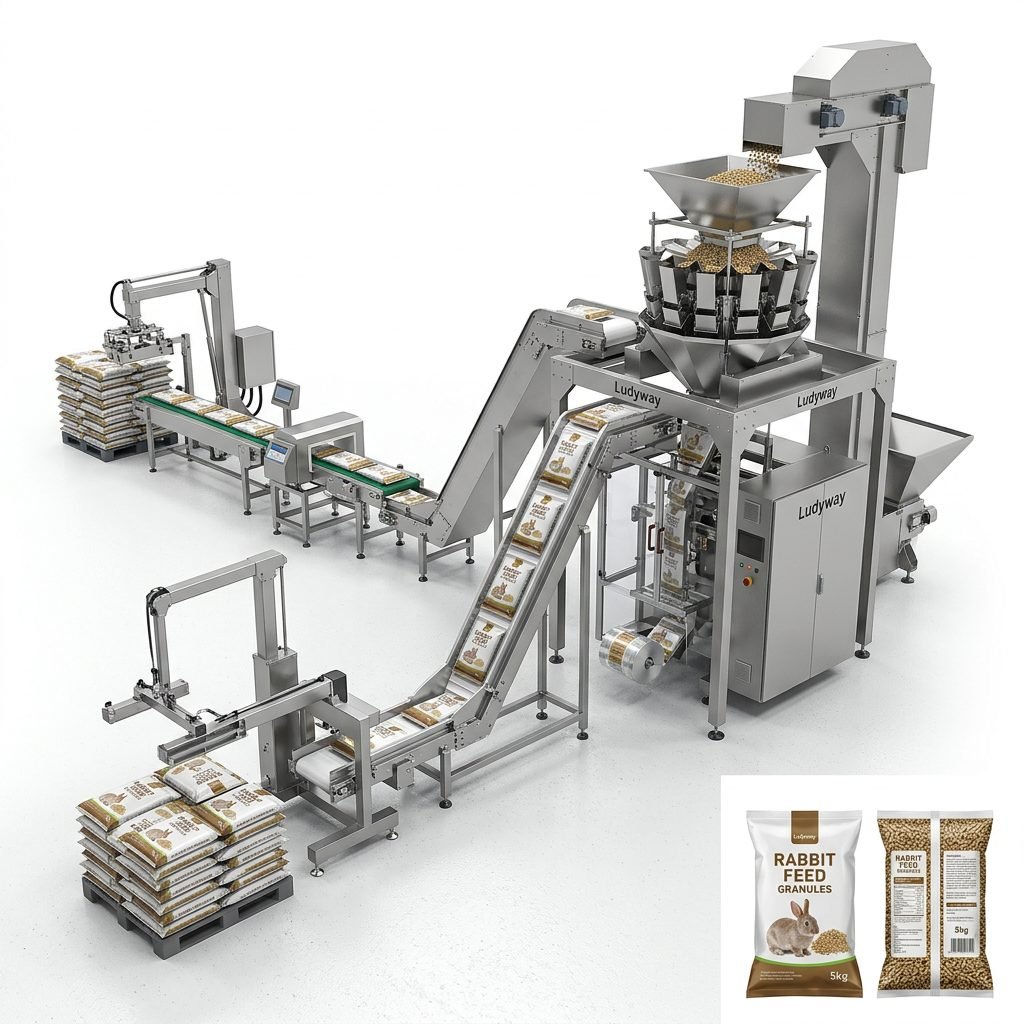
Some businesses only need a compact seed packing unit, while others benefit from a more integrated setup. If your production includes continuous feeding, coding, inspection, counting, cartoning, or case packing, a full line may be the better long-term investment.
| Option | Best For | Main Advantage |
|---|---|---|
| Standalone small machine | Startups, pilot projects, low-to-medium volume packaging | Lower initial investment and easier installation |
| Integrated packaging line | Larger operations, export packing, automated workshops | Higher efficiency, less manual handling, improved workflow |
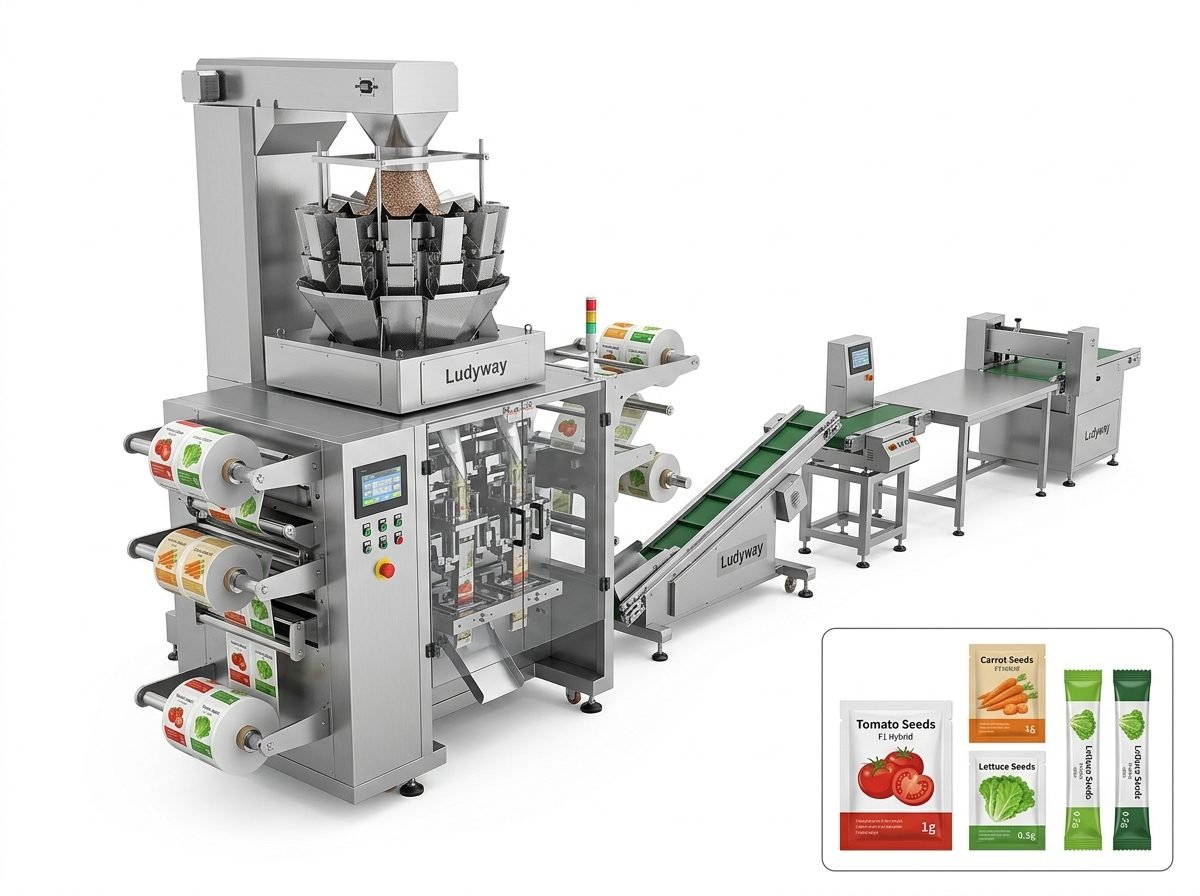
Why Equipment Reliability Matters in Seed Packaging
Seed businesses often face seasonal order peaks, strict delivery windows, and diverse SKU requirements. A machine that frequently stops, misfills, or creates unstable seals can interrupt output and increase labor costs. Reliability is critical because packaging is often the final step before shipment.
Stable performance helps achieve:
- More predictable production planning
- Lower rework and rejected packs
- Improved traceability and batch management
- Greater customer confidence in delivered product quality
Maintenance and Ease of Operation
Compact seed packaging machinery should be easy to clean, easy to adjust, and easy for operators to learn. Practical design details can make a major difference in daily use, especially for factories running frequent product changes.
Important maintenance considerations:
- Accessible filling and sealing components
- Simple parameter adjustment through touch screen controls
- Stable spare parts support
- Clear electrical and pneumatic layout
- Fast replacement of wear parts
These factors reduce downtime and help maintain long-term packaging consistency.
Choosing a Trusted Packaging Machine Manufacturer
When investing in seed packaging automation, supplier capability is just as important as machine design. Buyers should evaluate manufacturing experience, engineering support, customization ability, export experience, and after-sales responsiveness.
For businesses looking for scalable packaging solutions, Ludyway small seed packaging machine solutions are backed by more than 30 years of packaging industry experience, a manufacturing base of over 20,000 square meters, and broad export service capability across global markets.
Final Buying Checklist
Before making a final decision, compare machine options using a practical checklist rather than price alone.
- Packaging accuracy for your real seed samples
- Machine compatibility with your target bag type
- Ease of cleaning and changeover
- Output capacity matched to your seasonal demand
- Expansion potential for future automation upgrades
- Technical service and spare parts support
A well-matched small seed packaging machine helps businesses package seeds more efficiently, reduce waste, improve product presentation, and create a stronger foundation for long-term growth in competitive agricultural markets.