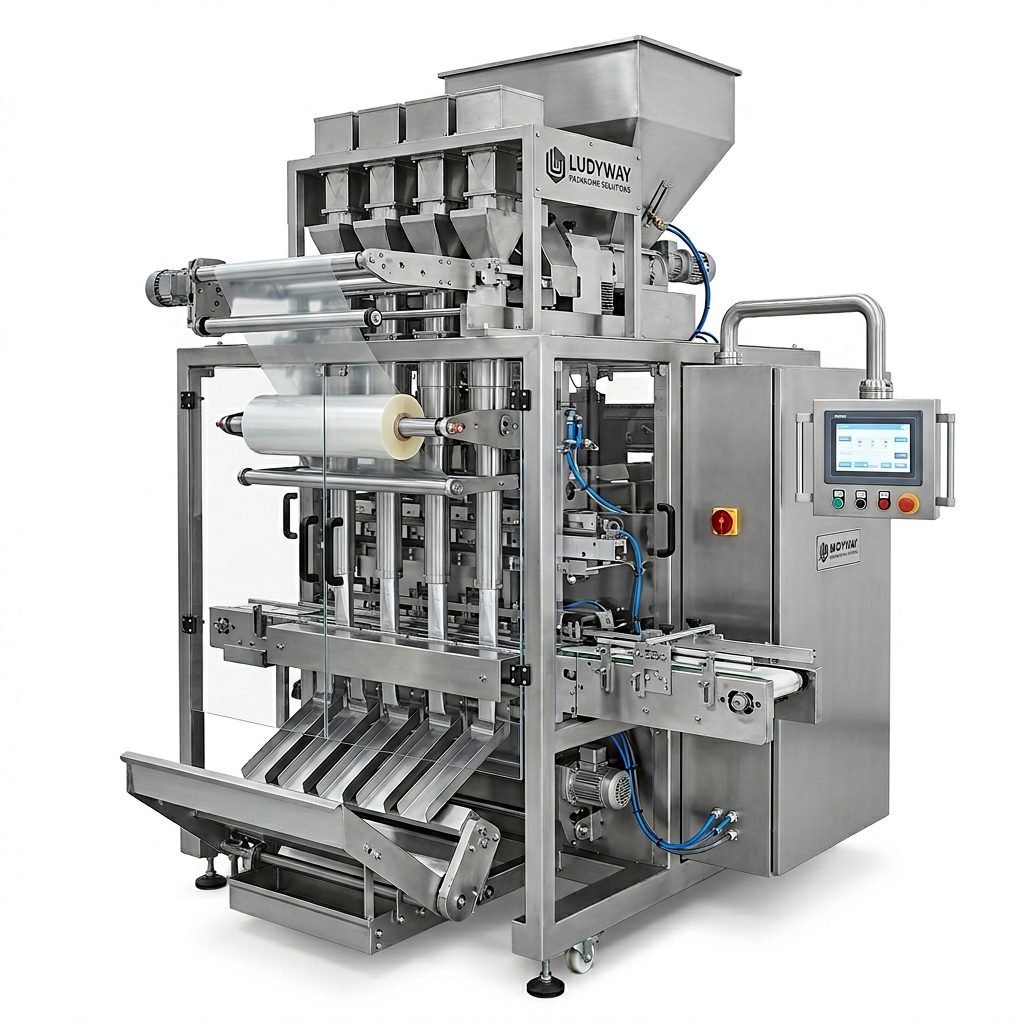
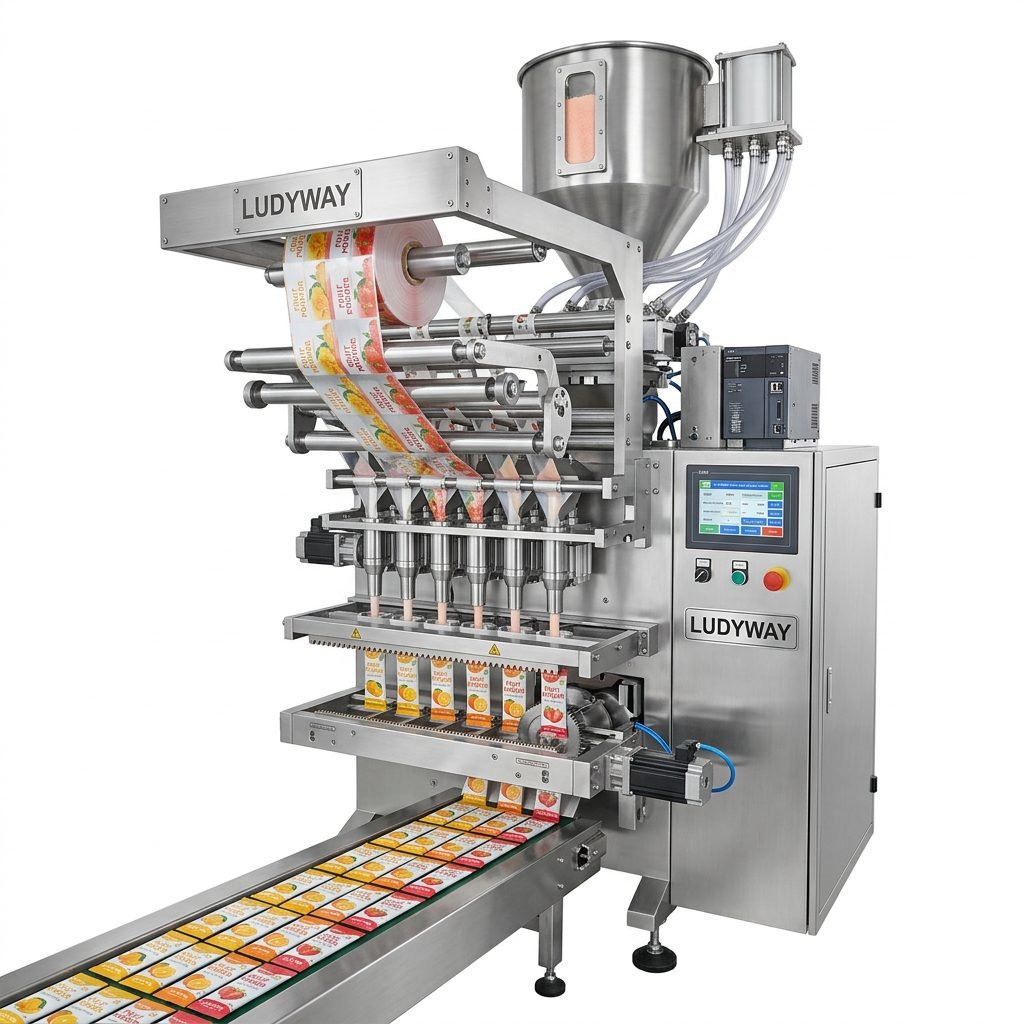
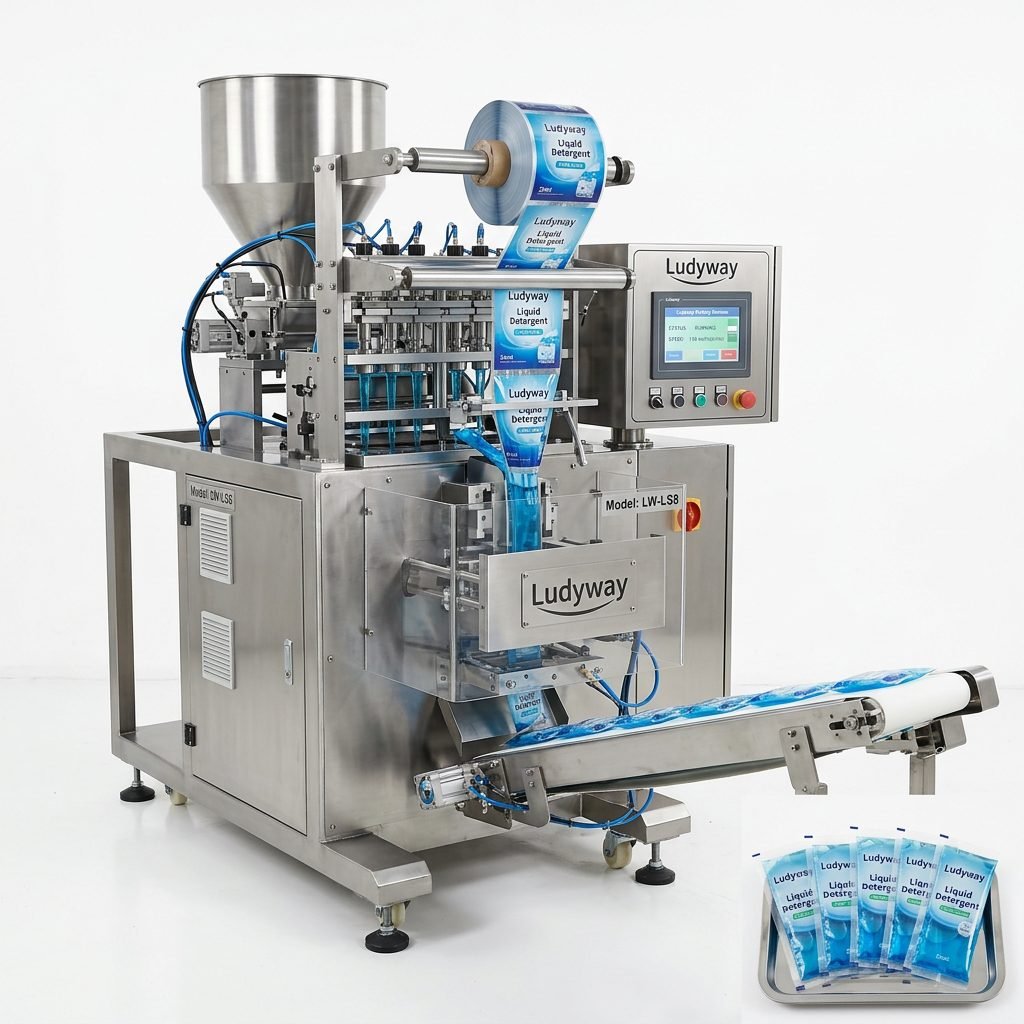
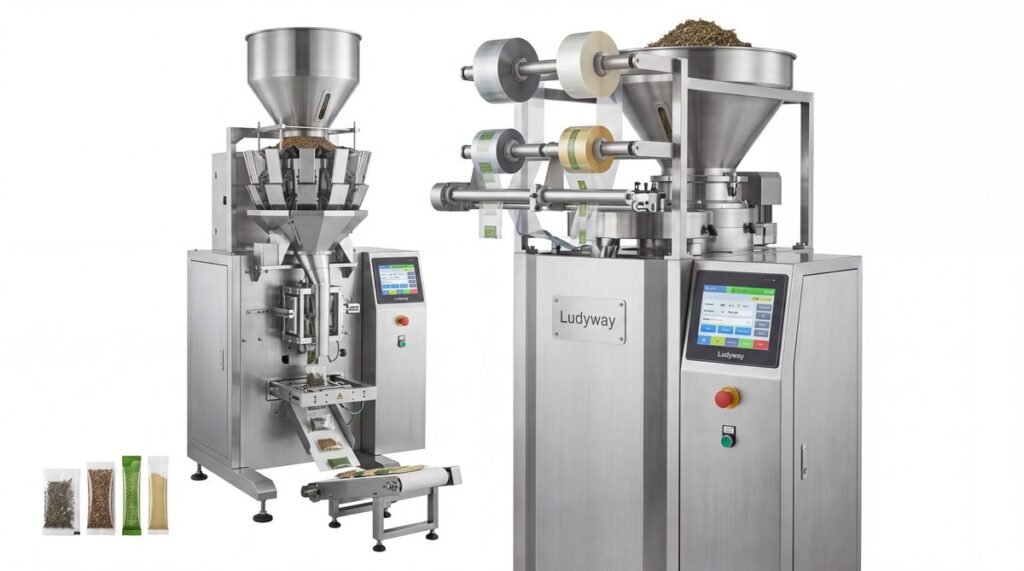
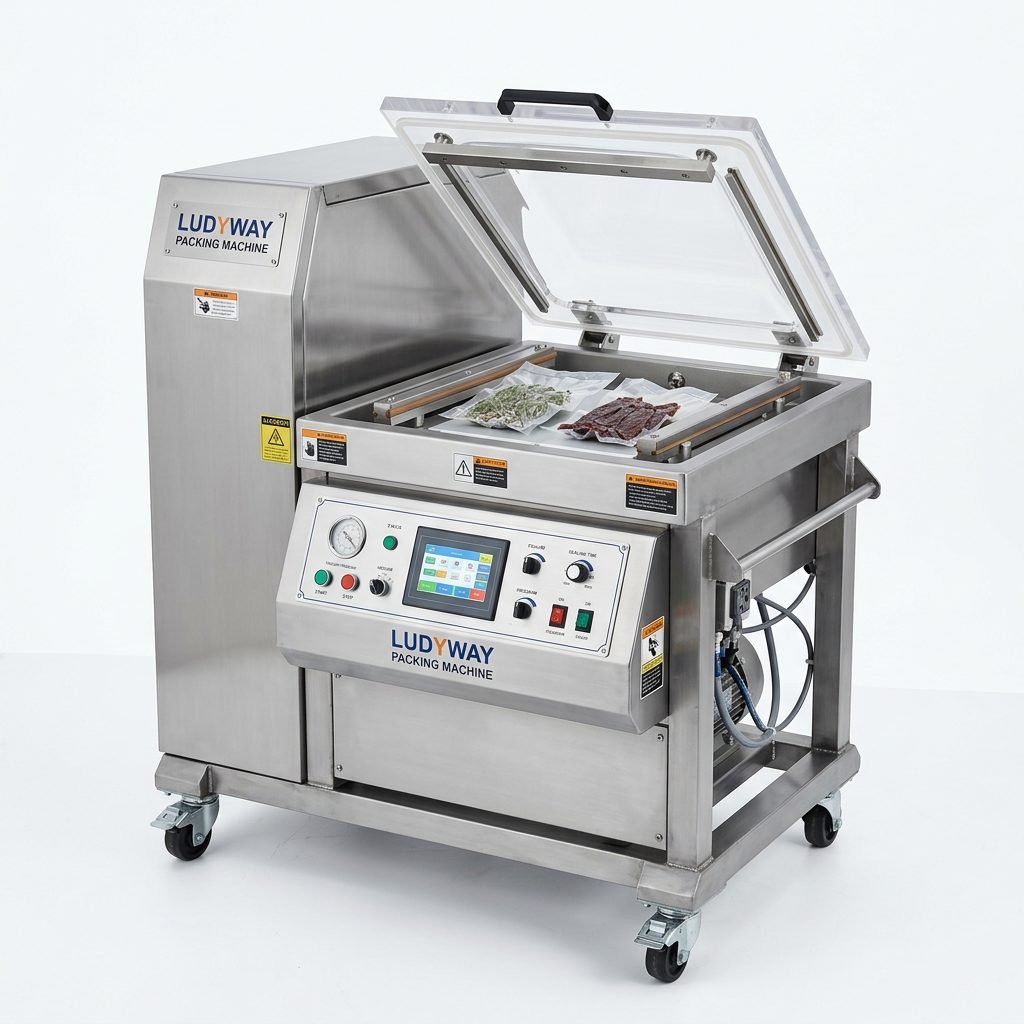
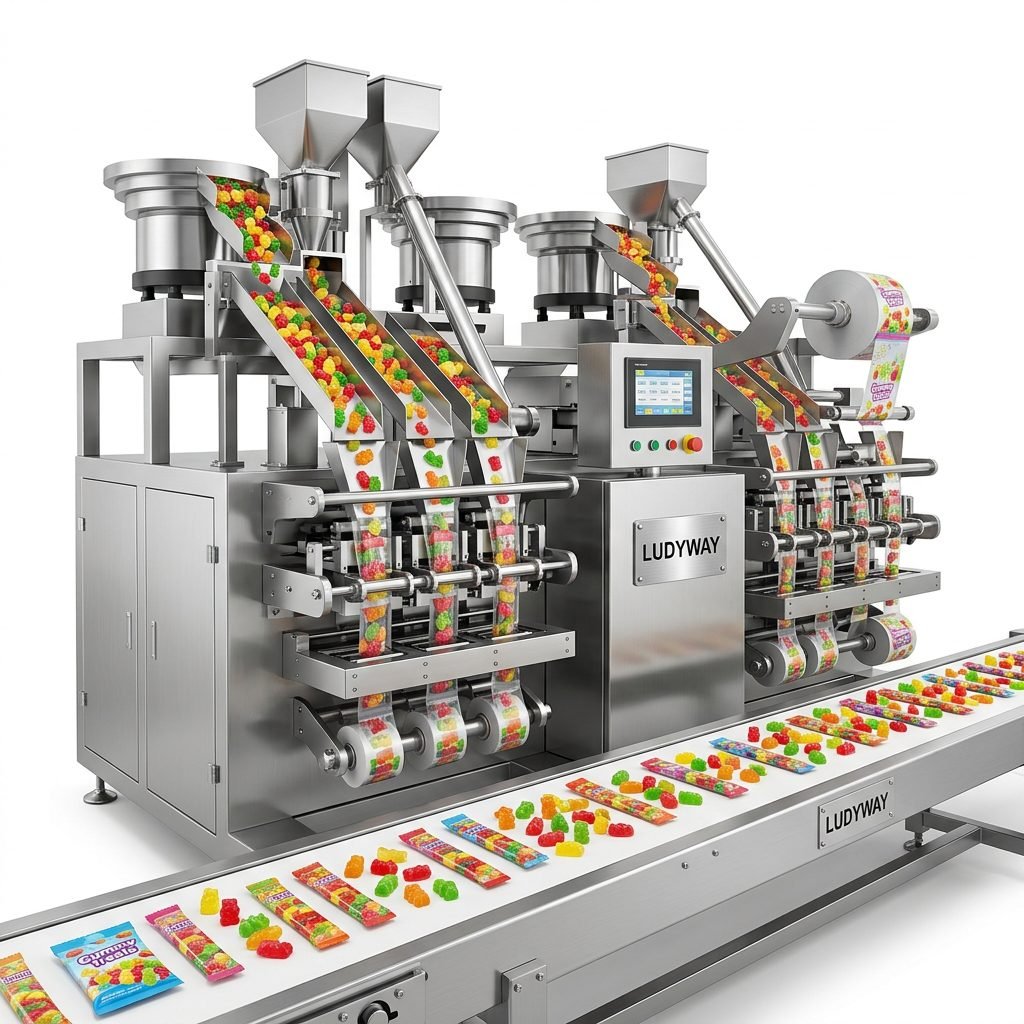
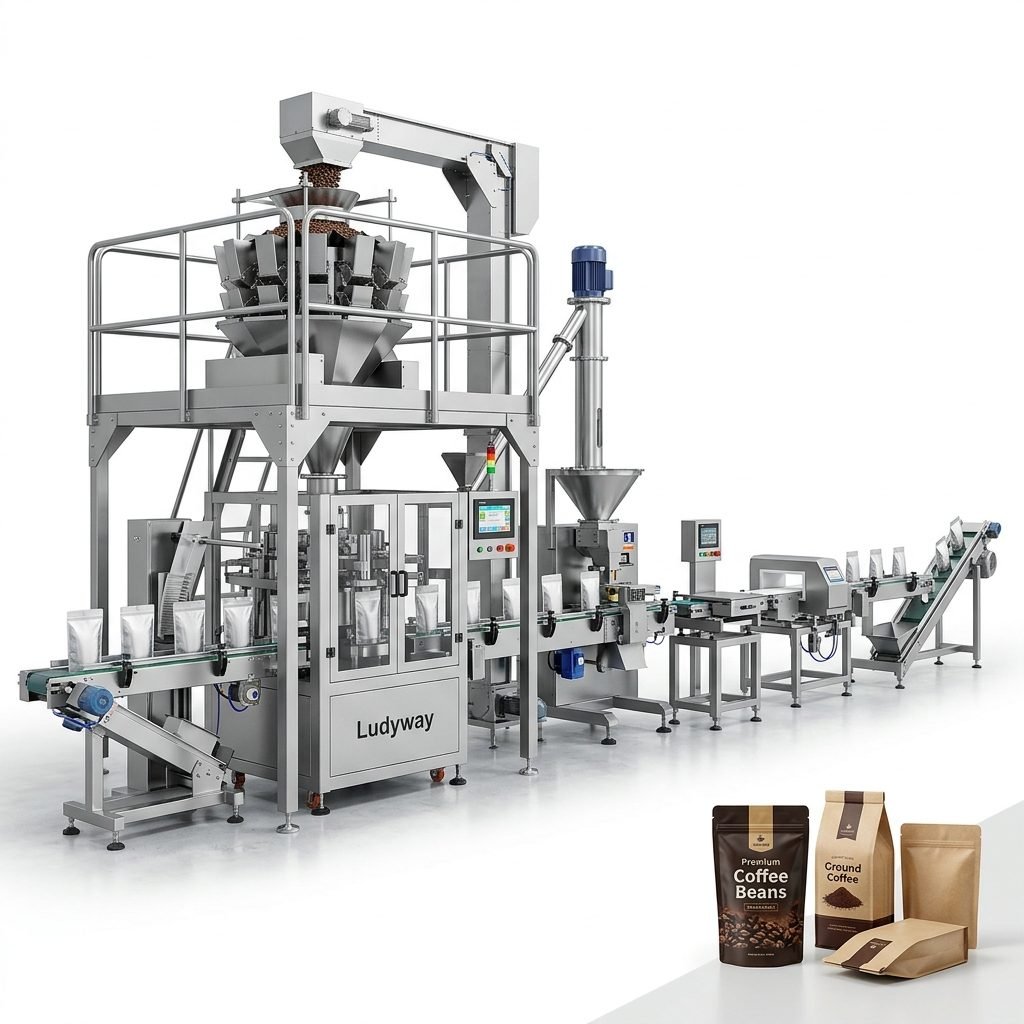
In sugar packaging, speed alone is not enough. Modern producers need a machine that can deliver accurate filling, stable sealing, low material waste, and reliable continuous output. Whether you pack white sugar, brown sugar, powdered sugar, or fine granules into sachets, stick packs, or small bags, the right sugar bag packing machine can directly improve productivity and reduce operating costs.
For food manufacturers, private-label brands, and contract packers, automated sugar packaging solutions help maintain consistent bag weight, clean package appearance, and better production control. This is especially important in highly competitive markets where consumers expect convenience, hygiene, and neat retail-ready packaging.
Why Sugar Packaging Requires Specialized Equipment
Sugar may seem easy to pack, but in real production it presents several challenges. Different sugar types have different flow properties. Fine sugar can create dust, powdered sugar may bridge, and coarse granules require stable dosing to avoid underfill or overfill. A purpose-built packing system helps manufacturers handle these variables efficiently.
- High dosing precision for retail and commercial pack sizes
- Stable sealing performance to prevent leakage and moisture exposure
- Fast operation for high-volume production environments
- Consistent bag formation for strong shelf presentation
- Reduced product loss and easier line management
Main Benefits of a Sugar Bag Packing Machine
An advanced sugar bag packing machine is designed to support both efficiency and product quality. It automates the full process from feeding and dosing to bag forming, filling, sealing, and discharge.
| Benefit | What It Means for Your Production |
|---|---|
| Fast Packaging Speed | Increases hourly output and supports larger order volumes |
| Accurate Filling | Reduces giveaway and helps meet label weight requirements |
| Efficient Automation | Lowers labor dependency and improves workflow consistency |
| Reliable Sealing | Protects sugar from humidity and contamination |
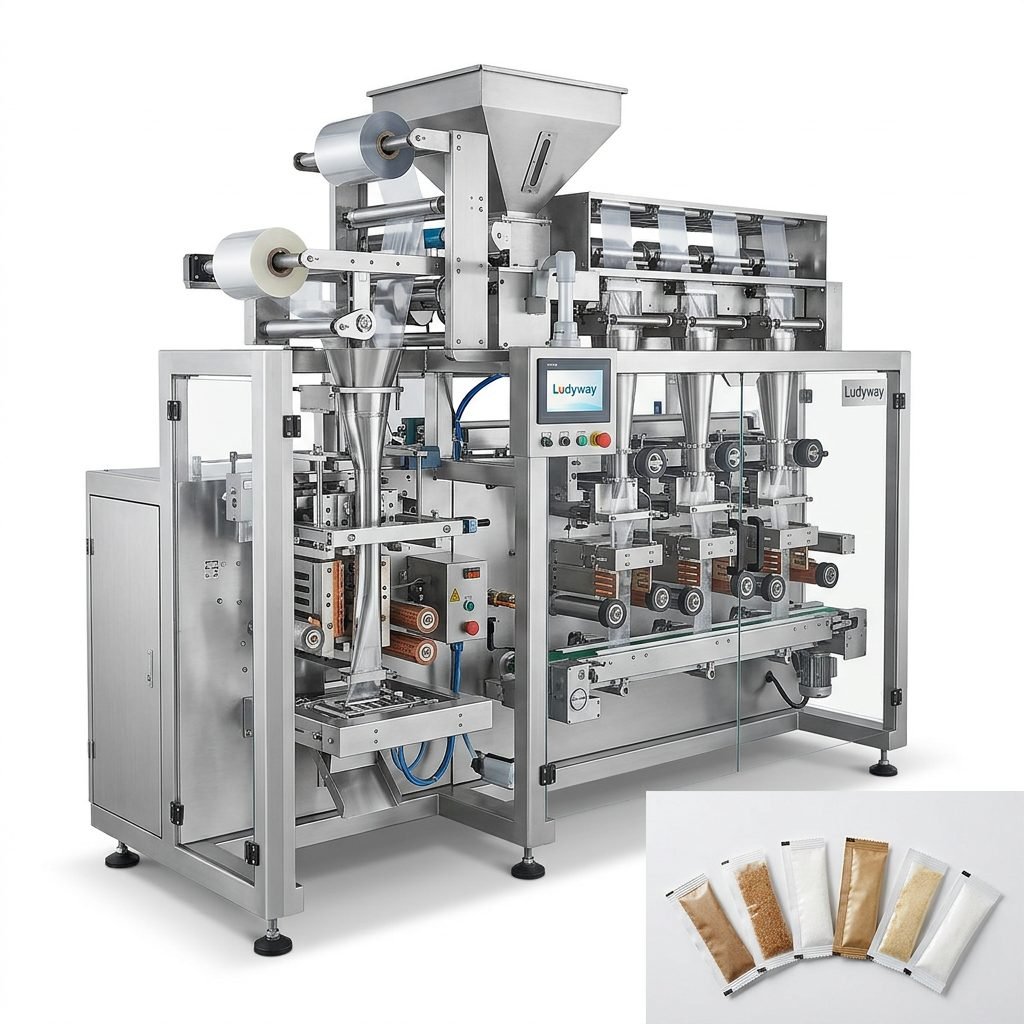
| Flexible Bag Formats | Supports sachets, stick packs, and other small bag styles |
Common Sugar Products That Can Be Packed
Modern systems can be configured for a wide range of sugar products and packaging needs. The exact filling method depends on granule size, powder behavior, target weight, and packaging material.
- White granulated sugar
- Brown sugar
- Powdered sugar
- Icing sugar
- Sugar substitute blends
- Single-serve sugar sachets for hospitality use
- Portion packs for coffee shops, airlines, and restaurants
Key Features to Look For
When choosing a sugar packing solution, buyers should focus on more than just machine speed. Long-term performance depends on the quality of dosing, ease of cleaning, automation level, and compatibility with production goals.
1. Precision Dosing System
Accurate metering is essential in sugar packaging. A good system helps maintain bag-to-bag consistency and minimizes product waste.
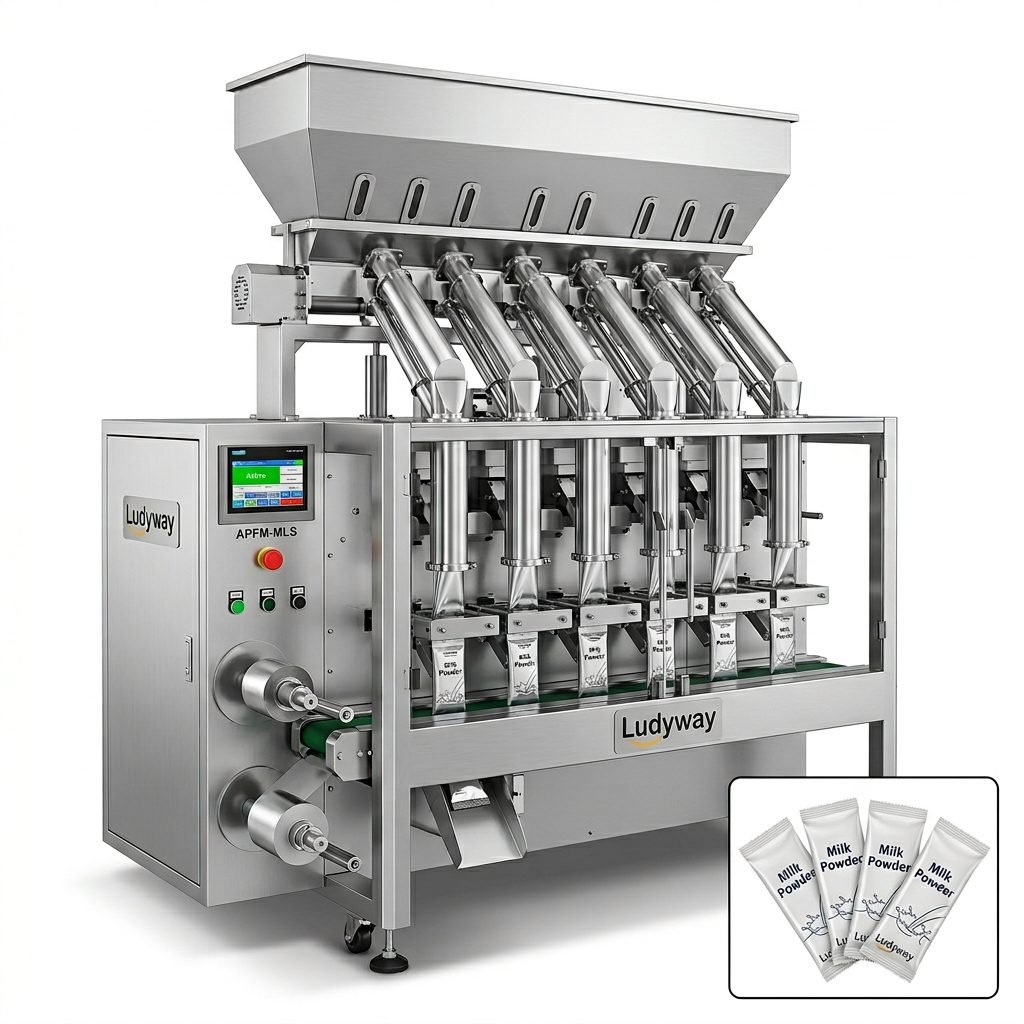
2. Multi-Lane High-Speed Output
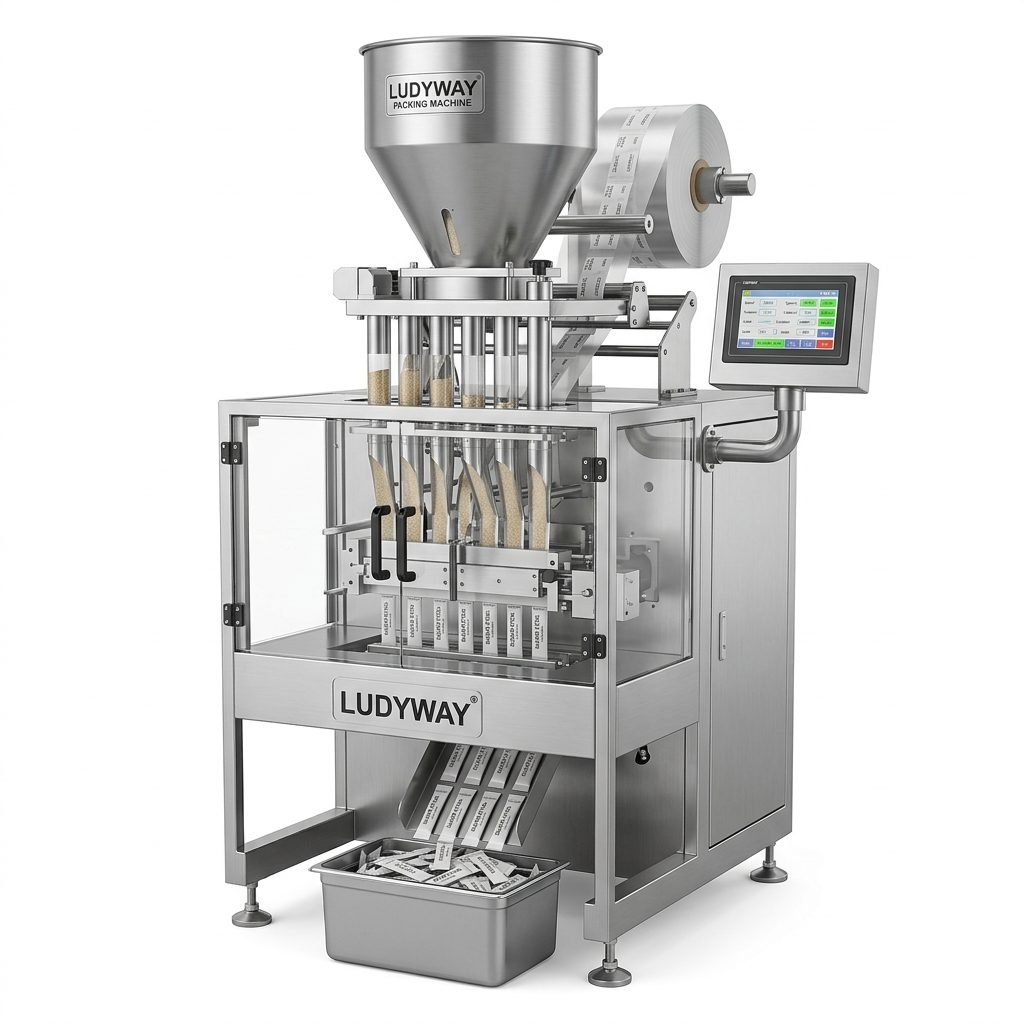
For single-serve sugar sachets or stick packs, multi-lane machines can greatly improve throughput. This is ideal for high-demand foodservice and retail applications.
3. User-Friendly Control Interface
A touchscreen HMI and programmable settings make changeovers faster and daily operation easier for line operators.
4. Stable Sealing Technology
Good seals help maintain package integrity during transport, storage, and retail display.
5. Hygienic Structure
Food-grade contact parts and easy-clean designs are important for sanitary sugar packaging production.
Applications Across Different Industries
Sugar bag packing machines are widely used beyond standard retail packaging. Different industries rely on automated sugar portioning for convenience, brand consistency, and cost control.
- Coffee chains and beverage service suppliers
- Hotels, restaurants, and catering businesses
- Food processing factories
- Private-label packaging companies
- Export-oriented sugar repacking operations
- E-commerce and retail grocery brands
How Automation Improves Efficiency
Automation brings measurable value to sugar packaging lines. Instead of relying on labor-heavy manual filling and sealing, manufacturers can achieve faster and more repeatable output with fewer interruptions.
| Production Factor | Manual Method | Automated Machine |
|---|---|---|
| Output Stability | Often inconsistent | More consistent and controllable |
| Labor Requirement | Higher | Lower |
| Fill Accuracy | Variable | High precision |
| Product Waste | More likely | Reduced |
| Scalability | Limited | Suitable for growth |
Choosing the Right Machine for Your Sugar Packaging Line
The ideal machine depends on your product type, bag format, target speed, and factory layout. Before purchasing, it is smart to evaluate your operational priorities carefully.
Important Selection Criteria
- Required package size and weight range
- Expected bags per minute
- Type of sugar: powder, fine granule, or coarse granule
- Single-lane or multi-lane production preference
- Available floor space and line integration needs
- Future capacity expansion plans
- After-sales support and spare parts availability
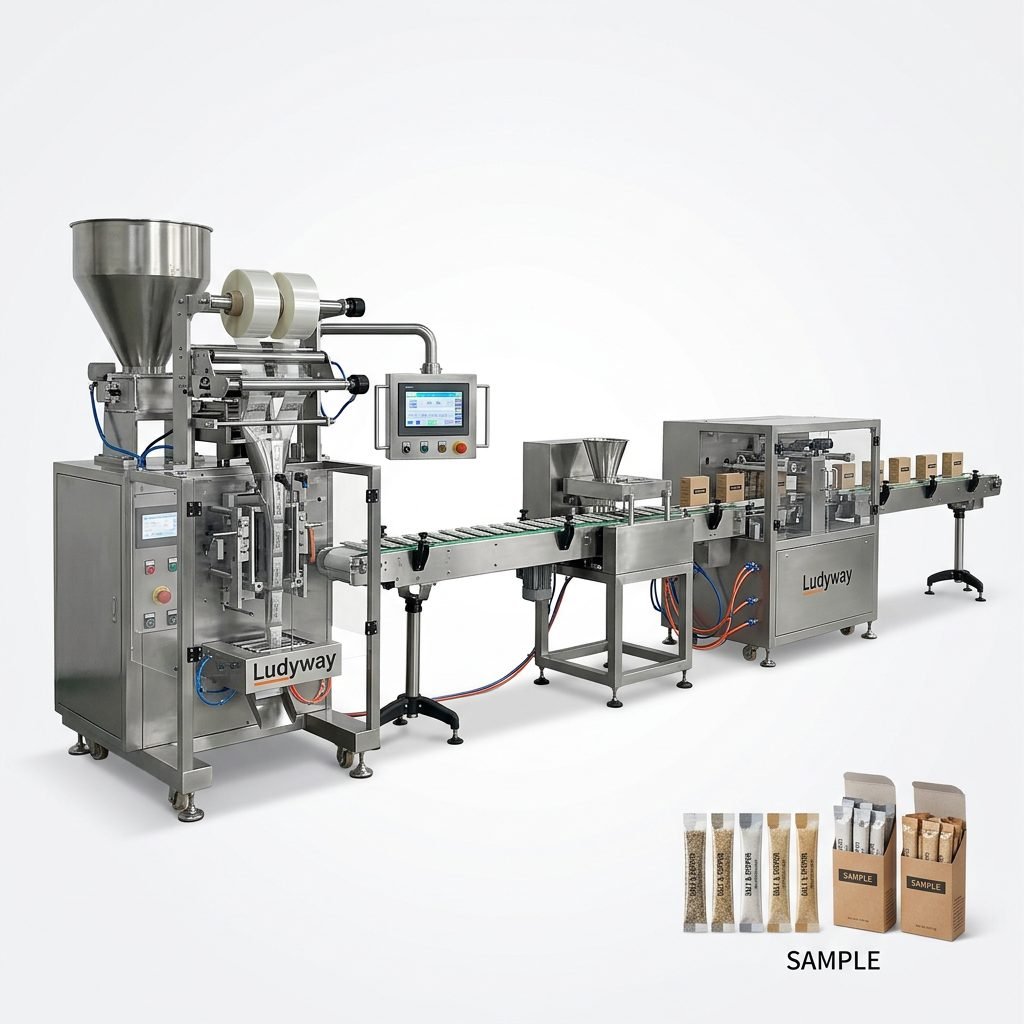
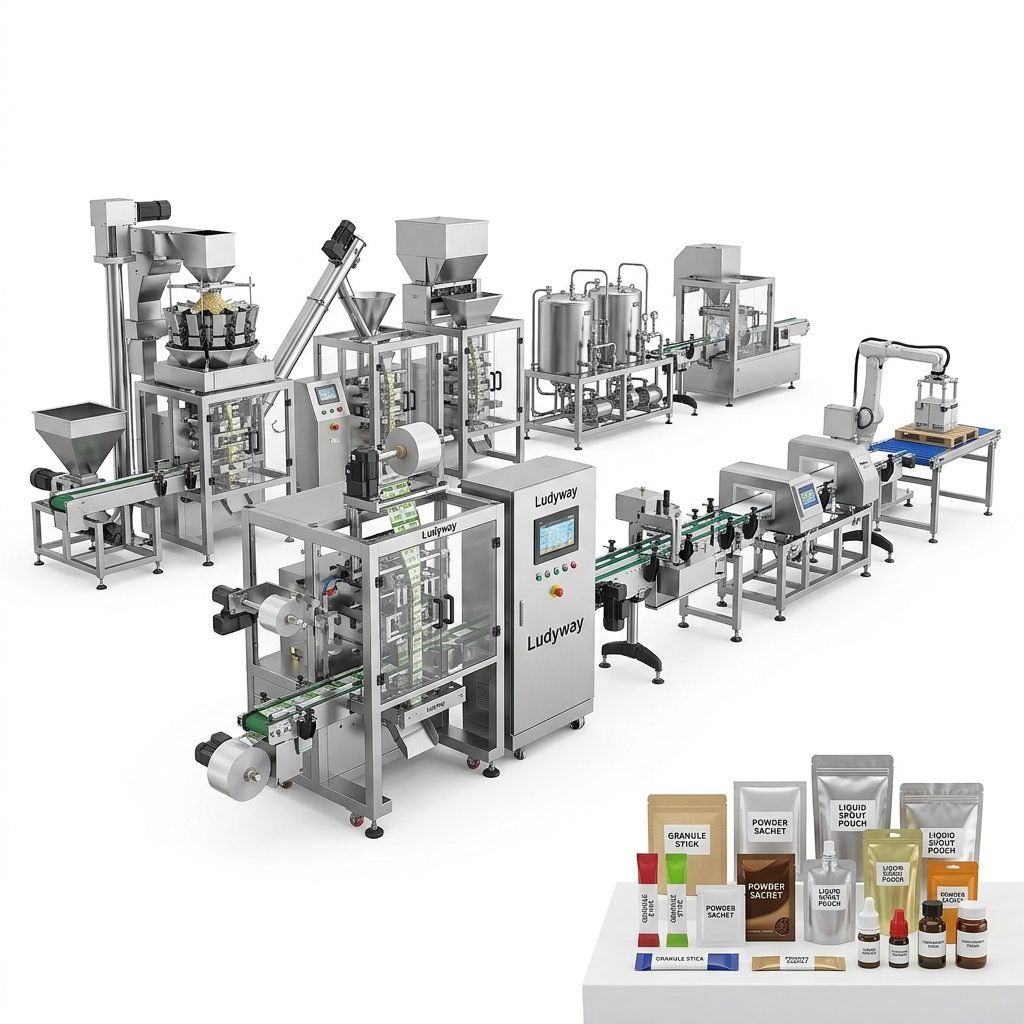
Businesses planning long-term growth should consider not only standalone equipment but also the possibility of integrating feeding, checkweighing, coding, cartoning, and final case packing into one coordinated workflow.
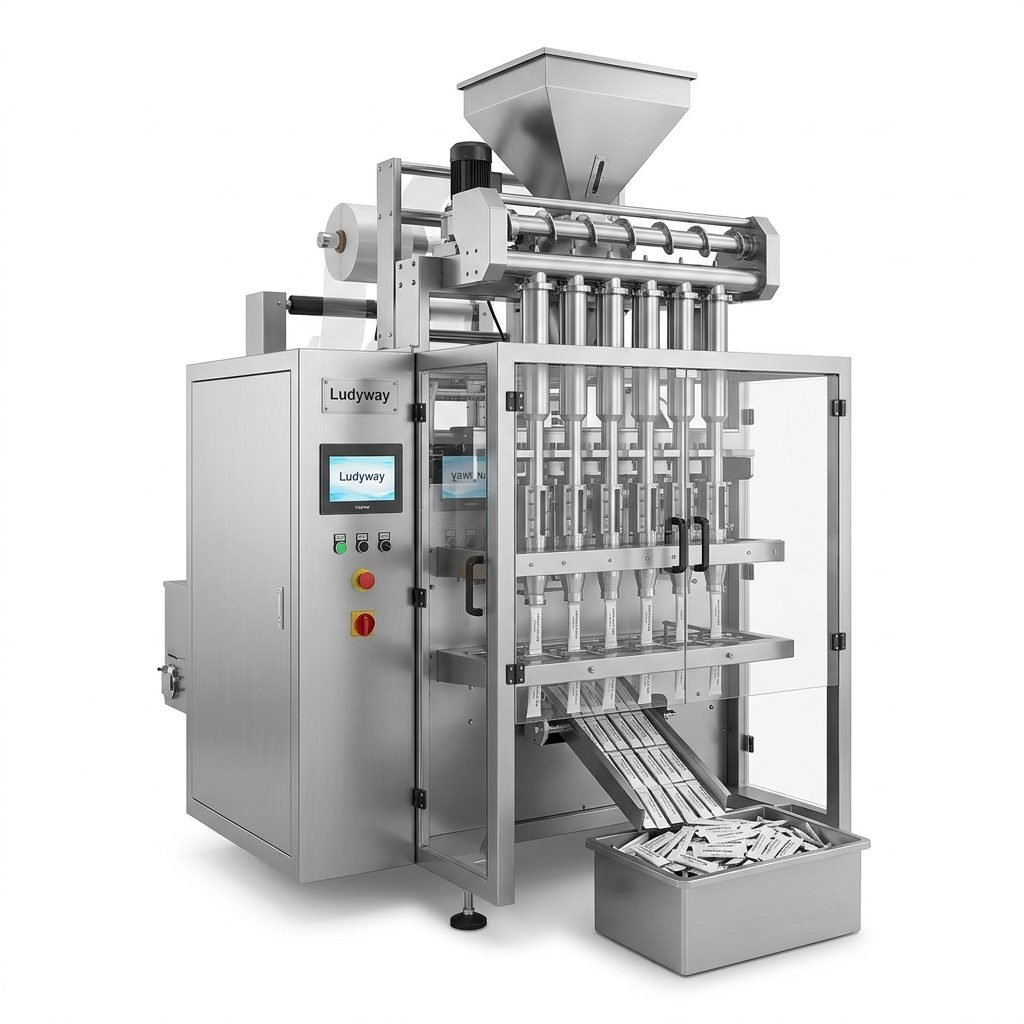
Turnkey Packaging Solutions for Sugar Manufacturers
For many producers, a single machine is only part of the answer. A complete packaging line can include product feeding systems, filling units, sealing stations, conveyors, weighing systems, date coding, inspection, and final packing modules. This helps create a smoother production flow and improves overall factory efficiency.
As one of China’s leading packaging machine and turnkey packaging line manufacturers, Ludyway sugar bag packing machine solutions are designed for manufacturers seeking faster output, reliable performance, and flexible automation across food and related industries.
Maintenance and Operational Tips
To keep a sugar packing machine running efficiently, regular maintenance is essential. Sugar dust and fine particles can affect filling precision and sealing quality if routine cleaning is ignored.
Best Practices
- Clean product-contact parts frequently
- Check sealing temperature and pressure regularly
- Inspect dosing components for wear
- Monitor bag consistency during production runs
- Train operators on changeover and troubleshooting procedures
- Use quality packaging film compatible with the machine
Final Considerations for Buyers
A sugar bag packing machine is an investment in speed, consistency, and production efficiency. The best solution should match your product characteristics, output goals, and packaging format while offering dependable long-term performance. When chosen correctly, it can help your business reduce labor costs, improve packaging accuracy, minimize waste, and strengthen market competitiveness.
If your business is scaling up sugar sachet, stick pack, or small bag production, a fast, accurate, and efficient automated packaging solution can provide the operational advantage needed for modern food packaging success.