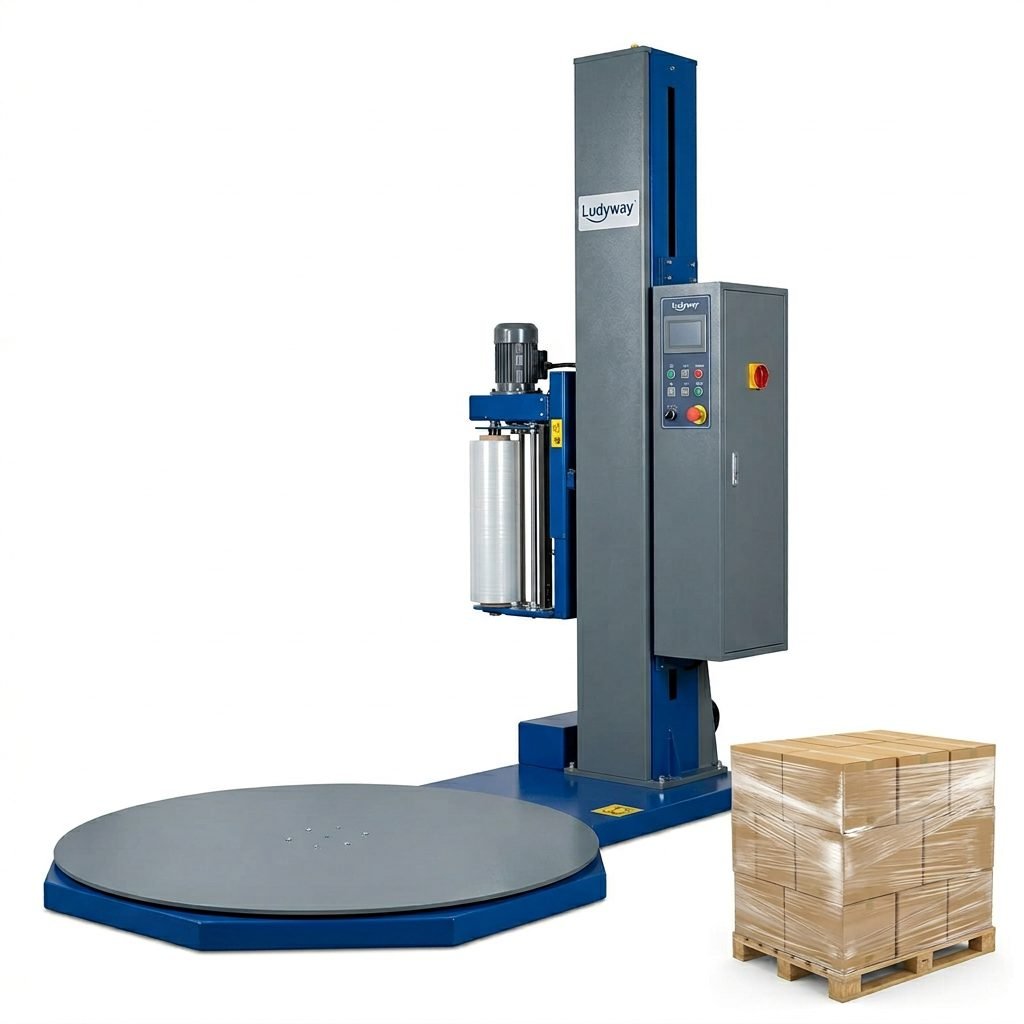
Choosing the right powder packaging machine is not only about packing speed. It directly affects product accuracy, sealing quality, dust control, labor cost, and long-term production efficiency. Whether you pack milk powder, protein powder, spices, pharmaceutical powders, chemical powders, or nutritional supplements, the best solution depends on your product characteristics, package type, output target, and automation level.
For manufacturers looking to improve productivity and reduce waste, a well-matched machine can deliver stable output, cleaner packaging, and better customer satisfaction. Below is a practical guide to help you evaluate the most important factors before investing in a powder packing solution.
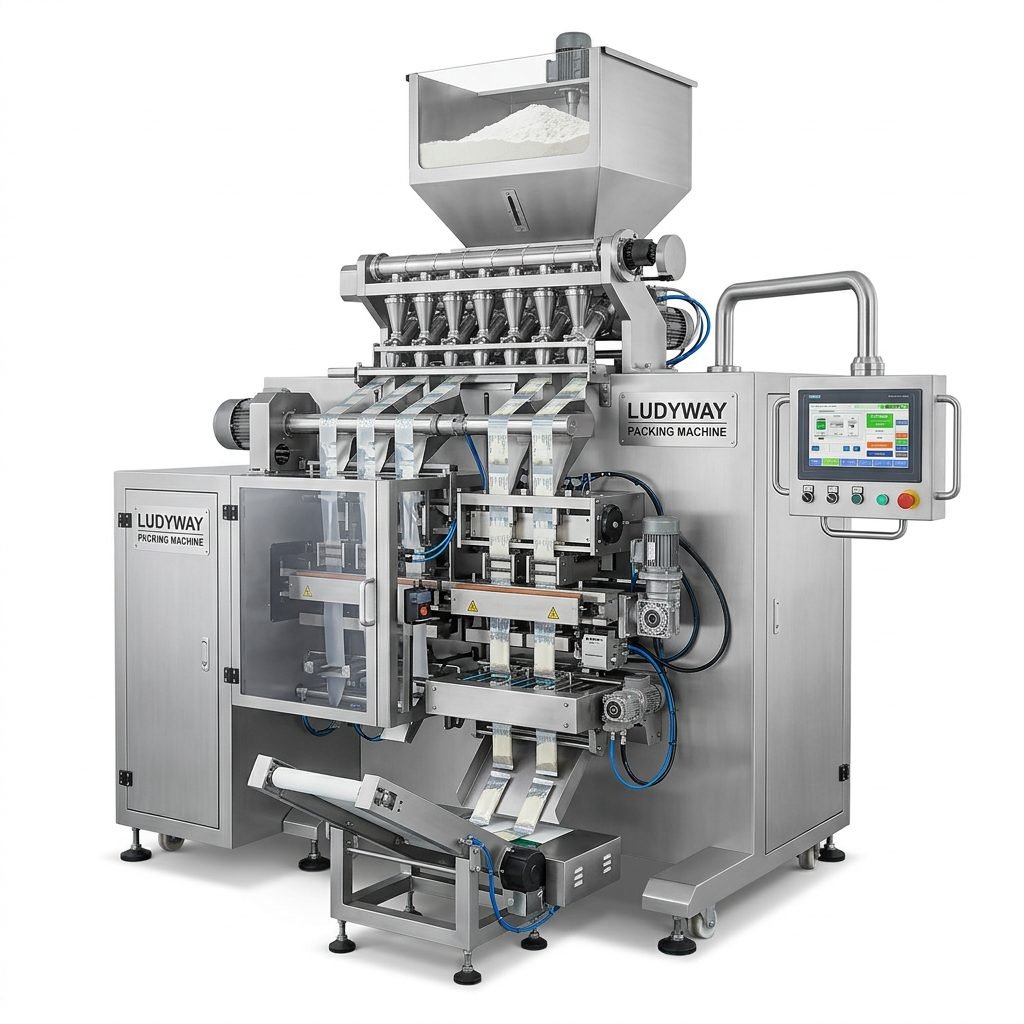
Why Powder Packaging Requires Specialized Equipment
Powders are more challenging to package than many solid or liquid products. Some powders flow freely, while others are sticky, dusty, hygroscopic, or prone to bridging. Fine powders may contaminate seals, while light powders can create airborne dust that reduces accuracy and cleanliness.
- Poor filling accuracy can lead to product giveaway or underweight packages.
- Dust leakage can affect hygiene, machine life, and workshop cleanliness.
- Inconsistent seals may damage shelf life and product presentation.
- Low automation can increase labor dependency and slow production.
That is why powder packaging systems are usually designed with dedicated dosing devices such as auger fillers, dust extraction systems, screw feeding units, checkweighers, and sealing controls.
Key Questions to Ask Before Choosing a Powder Packaging Machine
Before comparing machine models, define your real production requirements. The right answer often comes from process matching, not simply buying the fastest equipment.
- What type of powder are you packing?
- How much product goes into each pack?
- What package format do you need?
- What production speed is required per minute or per hour?
- How accurate must the fill weight be?
- Do you need semi-automatic or fully automatic operation?
- Will the machine need to connect with upstream and downstream equipment?
- Are there industry requirements for hygiene, GMP, or dust-proof design?
Understand Your Powder Characteristics First
Different powders behave very differently in packaging. This is often the most important factor in machine selection.
| Powder Characteristic | Packaging Impact | Recommended Consideration |
|---|---|---|
| Free-flowing powder | Easier dosing and stable feeding | Standard auger or volumetric filling |
| Fine or dusty powder | Seal contamination and airborne dust | Dust collection and enclosed filling zone |
| Sticky or hygroscopic powder | Bridging, clumping, inconsistent filling | Agitator, anti-bridge design, humidity control |
| High-value powder | Requires strict accuracy and low waste | High-precision dosing and checkweighing |
| Pharma or health powder | Higher compliance and sanitation demands | Stainless steel, hygienic structure, validation support |
Choose the Right Packaging Format
The best powder packaging machine also depends on the type of package you want to produce. Common formats include:
- Sachets – ideal for single-dose or small retail packs
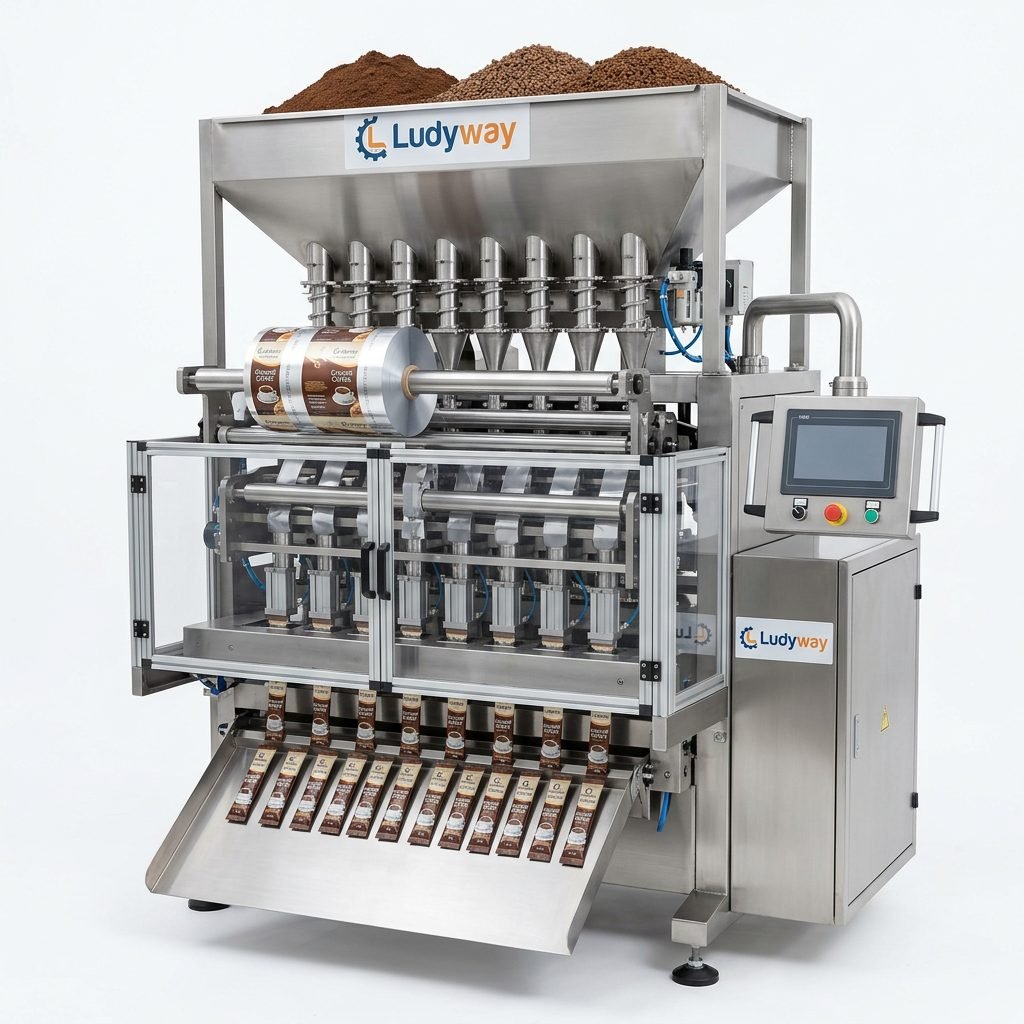
- Stick packs – popular for drink mixes, supplements, and convenience products
- Pouches – suitable for larger consumer packs and premium presentation
- Bags – commonly used for industrial, bulk food, and feed powders
- Jars or bottles – often used for protein, baby powder, and nutraceutical products
If your business needs single-serve retail packaging, a multi-lane sachet or stick pack machine may be the most efficient option. If you handle large-volume bulk powders, a bagging line with weighing and conveying systems may be better.
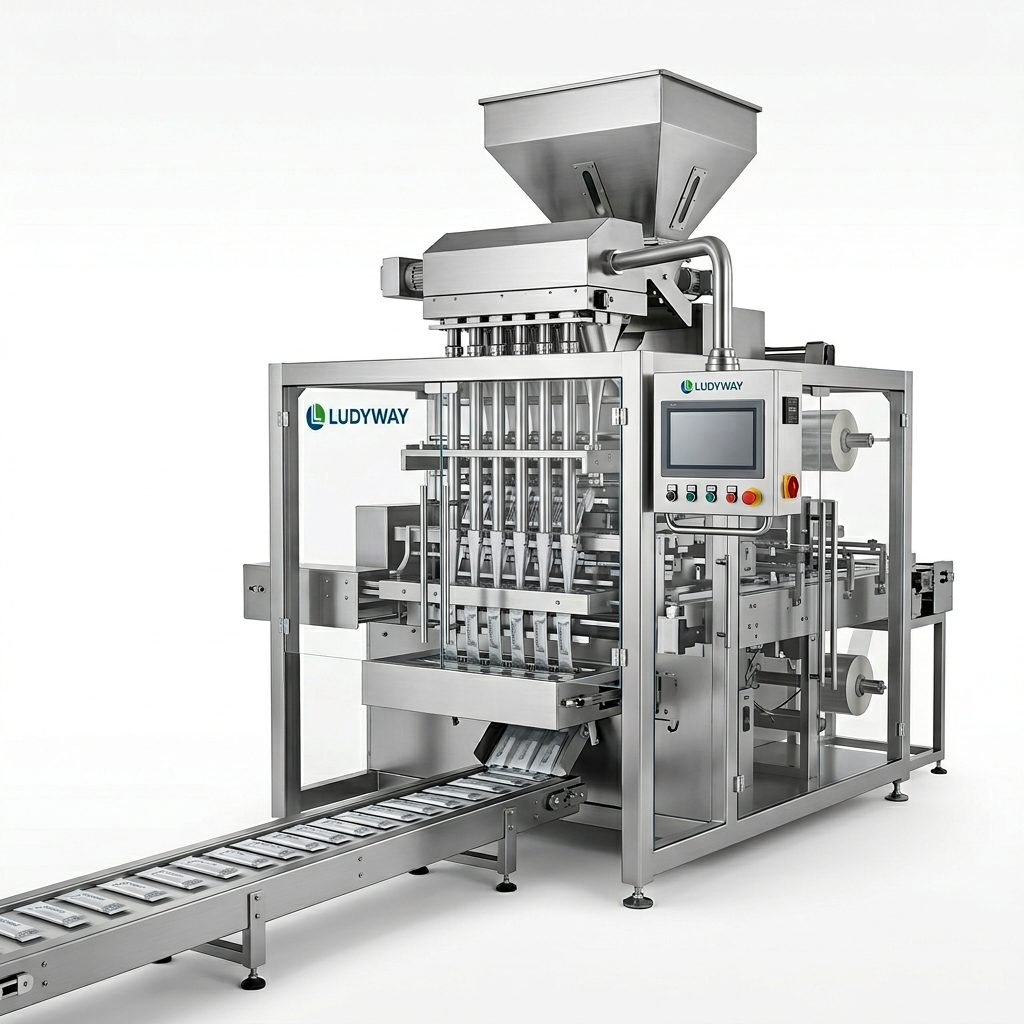
Semi-Automatic vs Fully Automatic Powder Packing Machines
Your current production scale and labor strategy should guide this decision.
Semi-Automatic Machines
- Lower initial investment
- Suitable for small batches or startup production
- Good for businesses with frequent product changes
- Requires more operator involvement
Fully Automatic Machines
- Higher efficiency and production stability
- Lower labor cost over time
- Better for medium to high-volume output
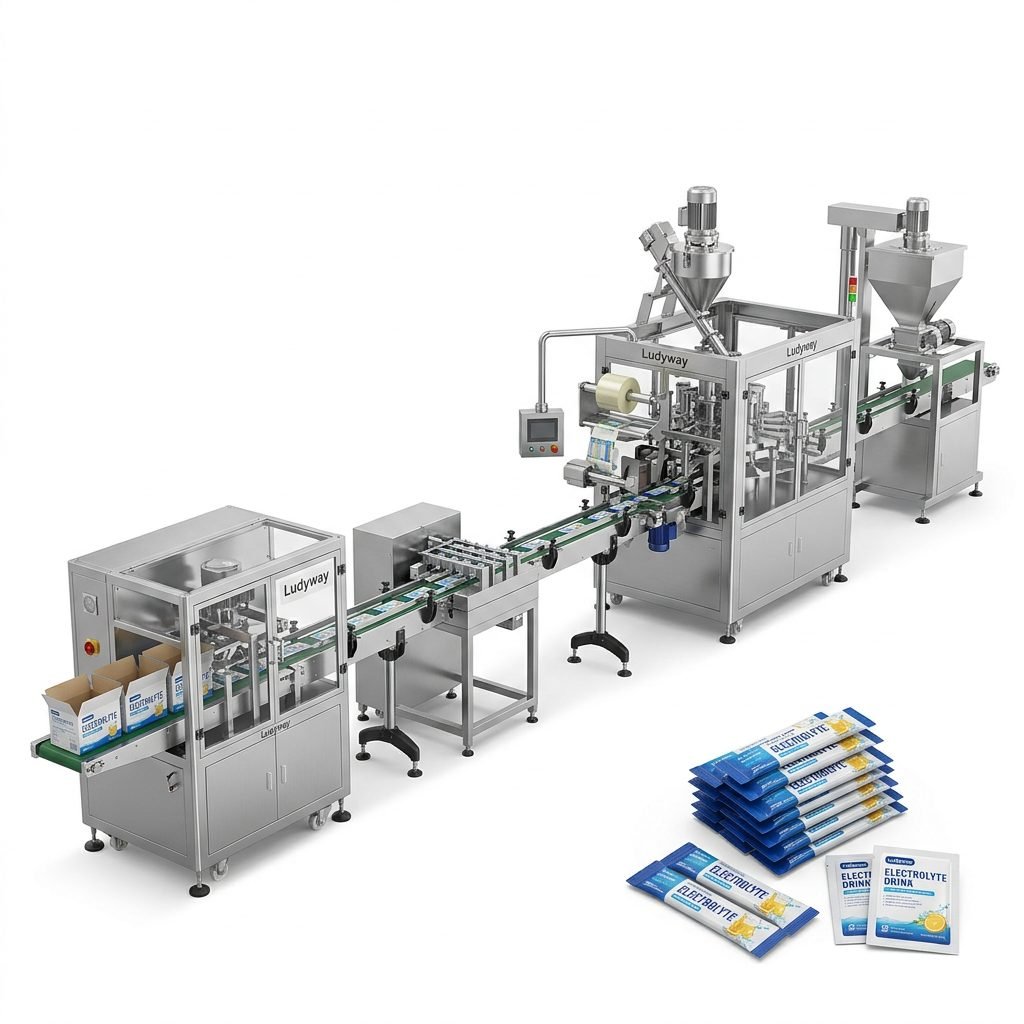
- Easier integration with conveyors, cartoners, coding, and inspection systems
If your goal is scalable output and consistent quality, fully automatic powder packaging lines usually provide better long-term value.
Filling Accuracy Matters More Than Many Buyers Expect
A machine that runs fast but overfills every pack can create significant profit loss. Underfilling can cause complaints, compliance risks, or rejected batches. High-quality powder packing equipment should maintain stable weight control even at higher speed.
Look for features such as:
- Servo-driven auger dosing
- Recipe memory for different products
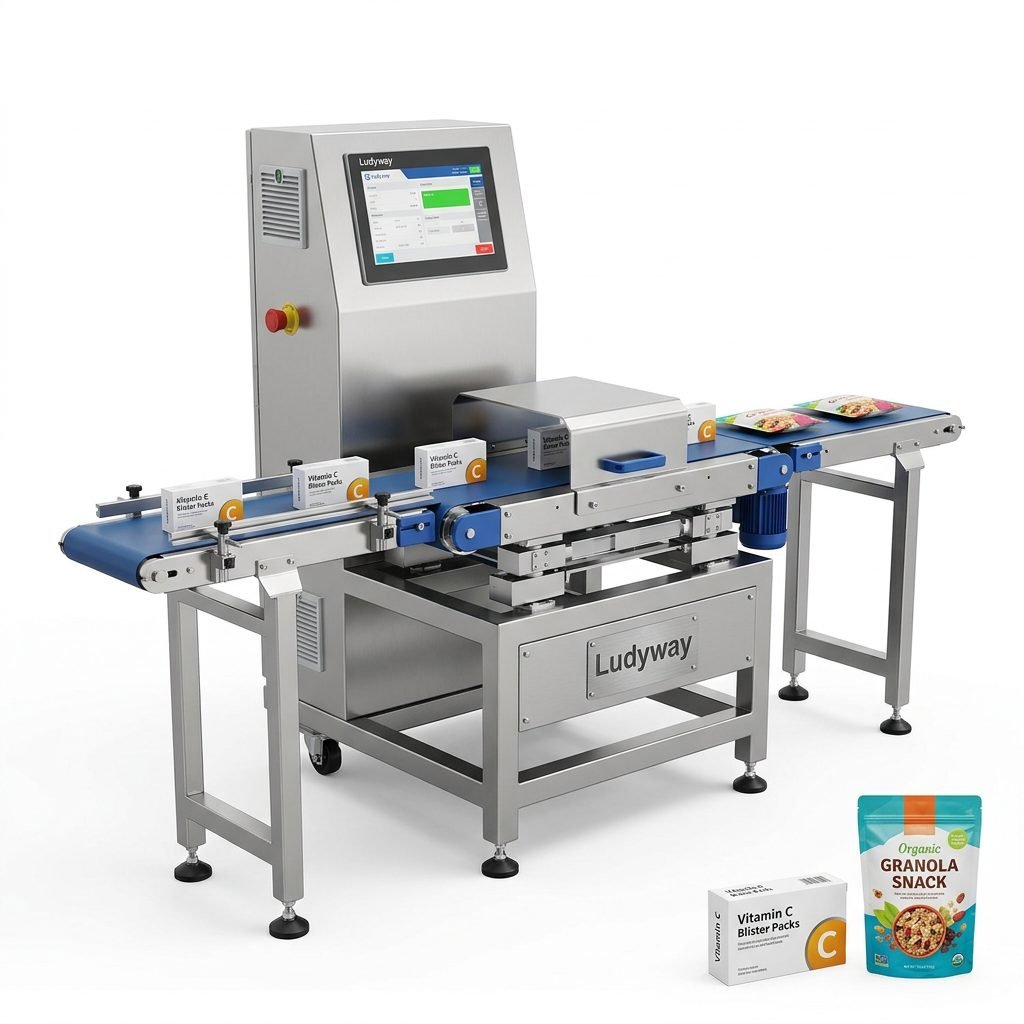
- Integrated checkweigher compatibility
- Automatic feedback adjustment
- Stable screw feeding and hopper agitation
Production Speed Should Match Real Factory Conditions
Many buyers focus on maximum machine speed, but actual production depends on more than the machine itself. Packaging material quality, powder flowability, refill frequency, operator training, and downstream equipment all affect real output.
Instead of asking only for the highest speed, ask these practical questions:
- What is the stable speed with my actual powder?
- How often does the hopper need refilling?
- What happens during size changeover?
- Can the machine maintain speed without sacrificing sealing quality?
Do Not Ignore Dust Control and Sealing Quality
Powder dust is one of the biggest causes of sealing failure and maintenance problems. Fine particles can remain in the sealing area, leading to weak seals, leaks, and poor pack appearance.
An efficient powder packing solution should include:
- Enclosed filling area
- Dust suction or collection system
- Stable film pulling and sealing pressure
- Anti-static or anti-dust measures if needed
- Easy-clean design for daily maintenance
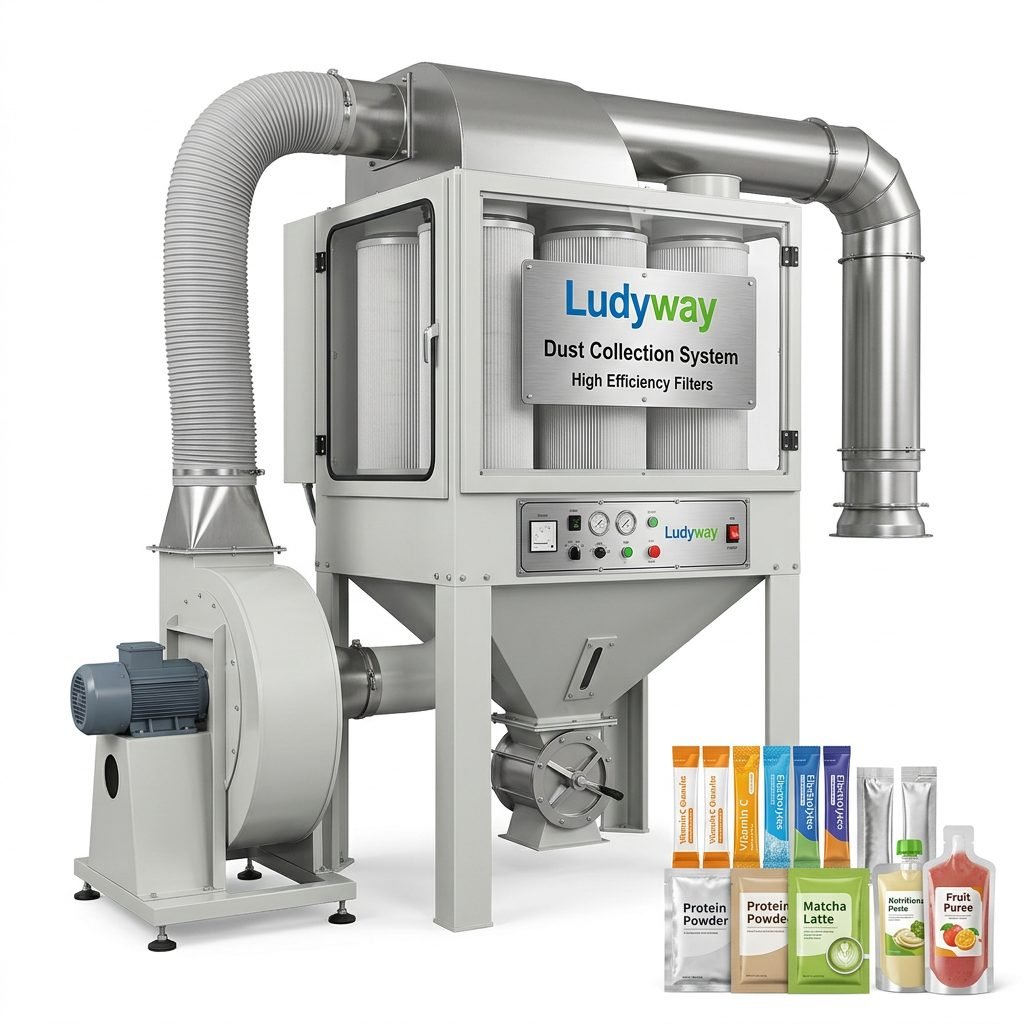
Look at the Entire Packaging Line, Not Just One Machine
In many factories, the packaging machine is only one part of the process. To achieve smooth and efficient production, you may also need:
- Screw conveyors or vacuum feeders
- Storage hoppers and agitators
- Metal detectors or X-ray inspection
- Checkweighers
- Date coding or labeling systems
- Cartoning, case packing, and palletizing equipment
This is why many buyers prefer a supplier that can provide complete turnkey packaging solutions rather than only a standalone filler.
How to Compare Powder Packaging Machine Suppliers
A machine specification sheet is not enough. Supplier capability directly affects project success, installation quality, spare parts support, and future line expansion.
| Evaluation Point | Why It Matters |
|---|---|
| Industry experience | Helps ensure better application matching and problem solving |
| Customization ability | Important for powder properties, pack sizes, and plant layout |
| Turnkey integration | Reduces compatibility issues between upstream and downstream equipment |
| Export experience | Supports documentation, shipping, commissioning, and communication |
| After-sales service | Critical for spare parts, training, and troubleshooting |
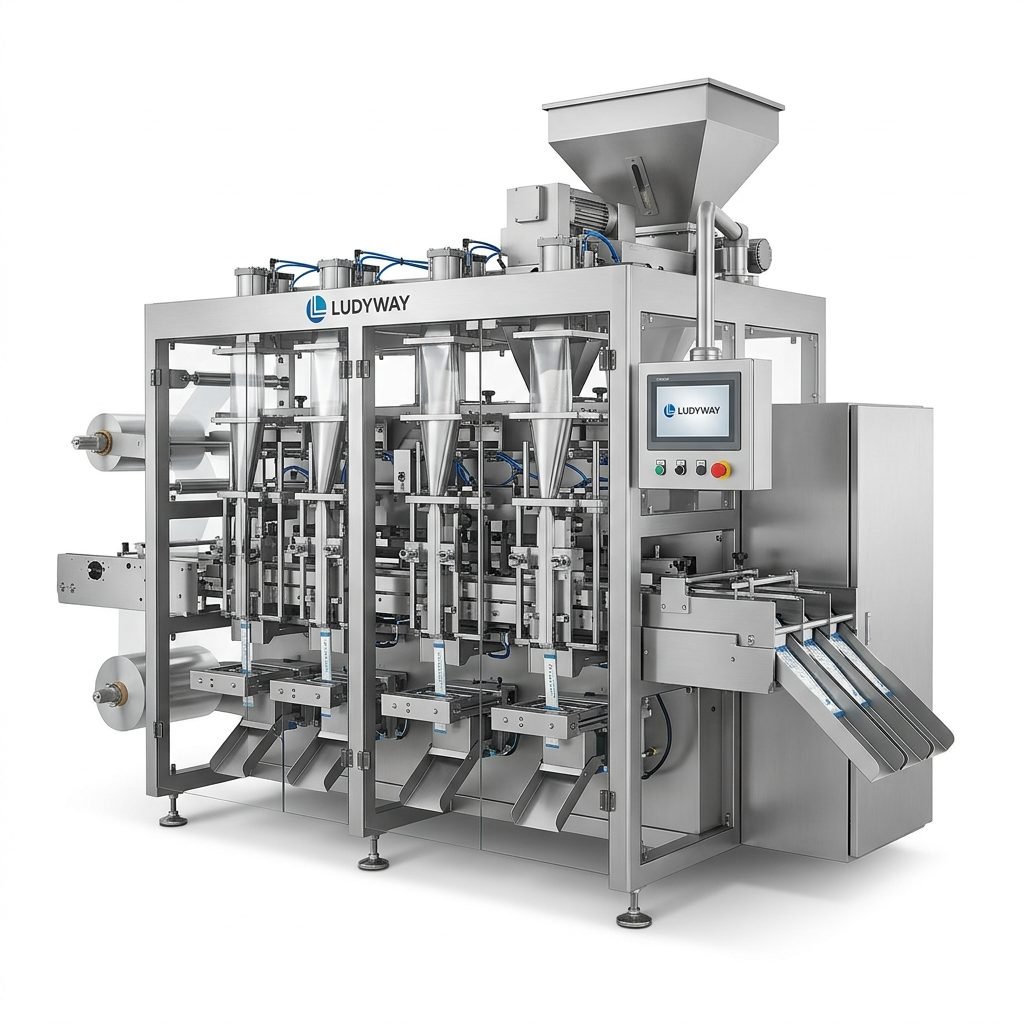
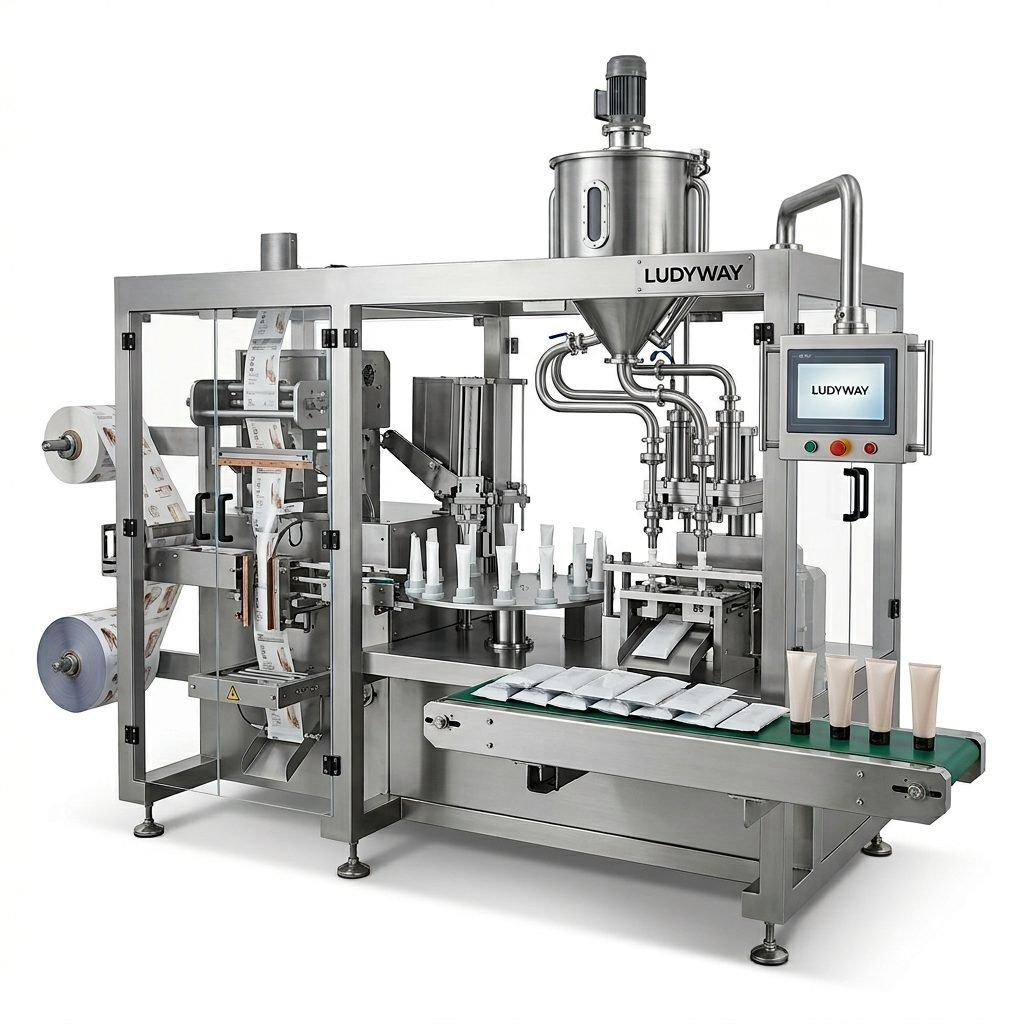
For buyers seeking reliable automation, Ludyway powder packaging machine solutions are often considered for projects that require scalable equipment, turnkey line integration, and broad application coverage across food, pharmaceutical, health supplement, and chemical sectors.
Best Machine Types for Common Powder Packaging Applications
1. Auger Filling Powder Packaging Machines
Best for fine powders such as flour, spices, protein powder, milk powder, collagen powder, and pharmaceutical powder. These systems are widely used because they offer controlled, repeatable dosing.
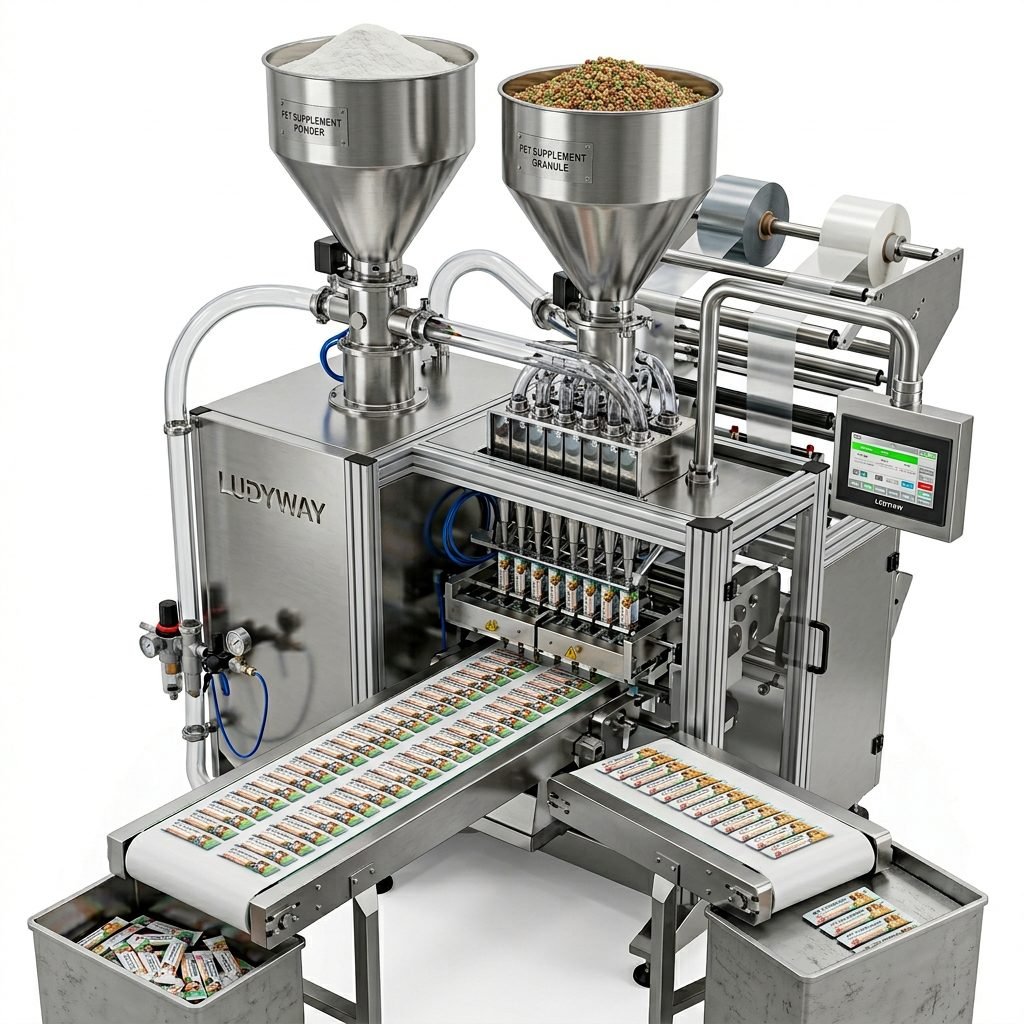
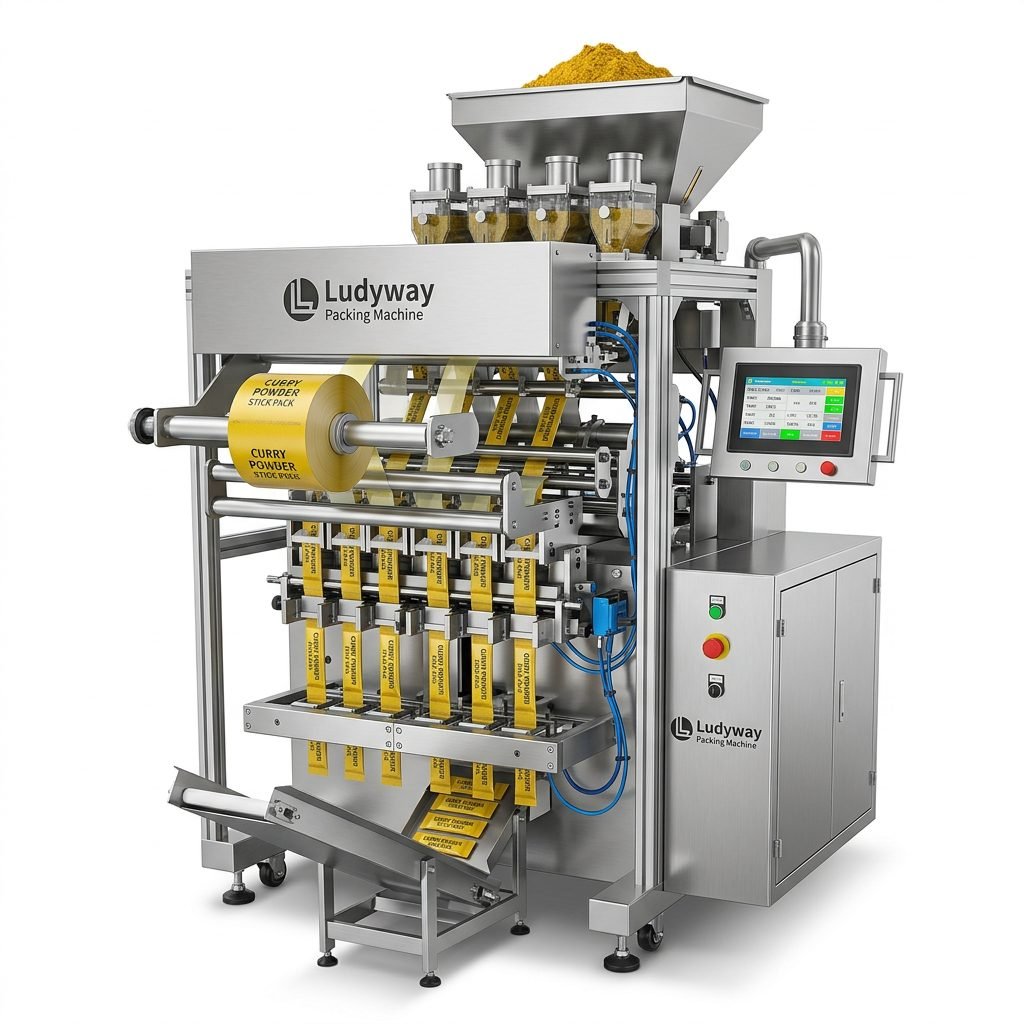
2. Multi-Lane Sachet and Stick Pack Machines
Ideal for high-volume single-serve products such as coffee powder, electrolyte powder, seasoning powder, meal replacement powder, and health supplements. They maximize output while saving floor space.
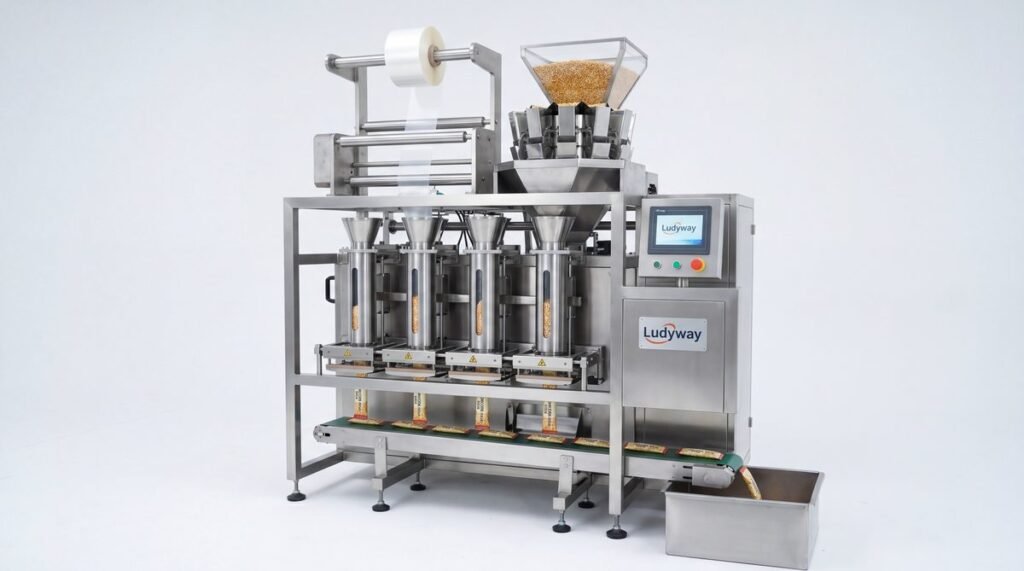
3. Vertical Form Fill Seal Machines
Suitable for pillow bags, gusset bags, and other pouch styles. These are commonly used for medium-sized consumer packs and can be integrated into automated lines.
4. Bulk Bagging Systems
Best for industrial powders, feed premixes, chemical powders, fertilizer, and large food ingredient bags. These systems often include weighing, feeding, bag clamping, sealing, and palletizing.
Signs You Have Found the Best Powder Packing Solution
- The machine fits your powder behavior, not just your budget
- It delivers stable weight accuracy at your target speed
- It supports clean sealing and effective dust management
- It can integrate into future line automation
- It is easy to clean, maintain, and change over
- The supplier can provide technical support and spare parts
Common Mistakes Buyers Should Avoid
- Choosing only by price and ignoring application matching
- Buying oversized capacity that is never fully used
- Ignoring dust collection and sanitation requirements
- Not testing the real powder before purchase
- Forgetting future expansion and packaging format changes
- Comparing machines without evaluating after-sales support
Final Buying Advice for Efficient Powder Packing
The best powder packaging machine is the one that matches your product type, packaging format, speed target, hygiene standard, and long-term automation plan. A reliable system should help you reduce manual work, minimize product loss, improve seal consistency, and maintain stable output every day.
If possible, ask for sample testing with your actual powder, review machine configurations carefully, and evaluate whether the supplier can support both standalone equipment and complete line integration. That approach will help you choose a powder packing solution that is efficient today and scalable for future growth.