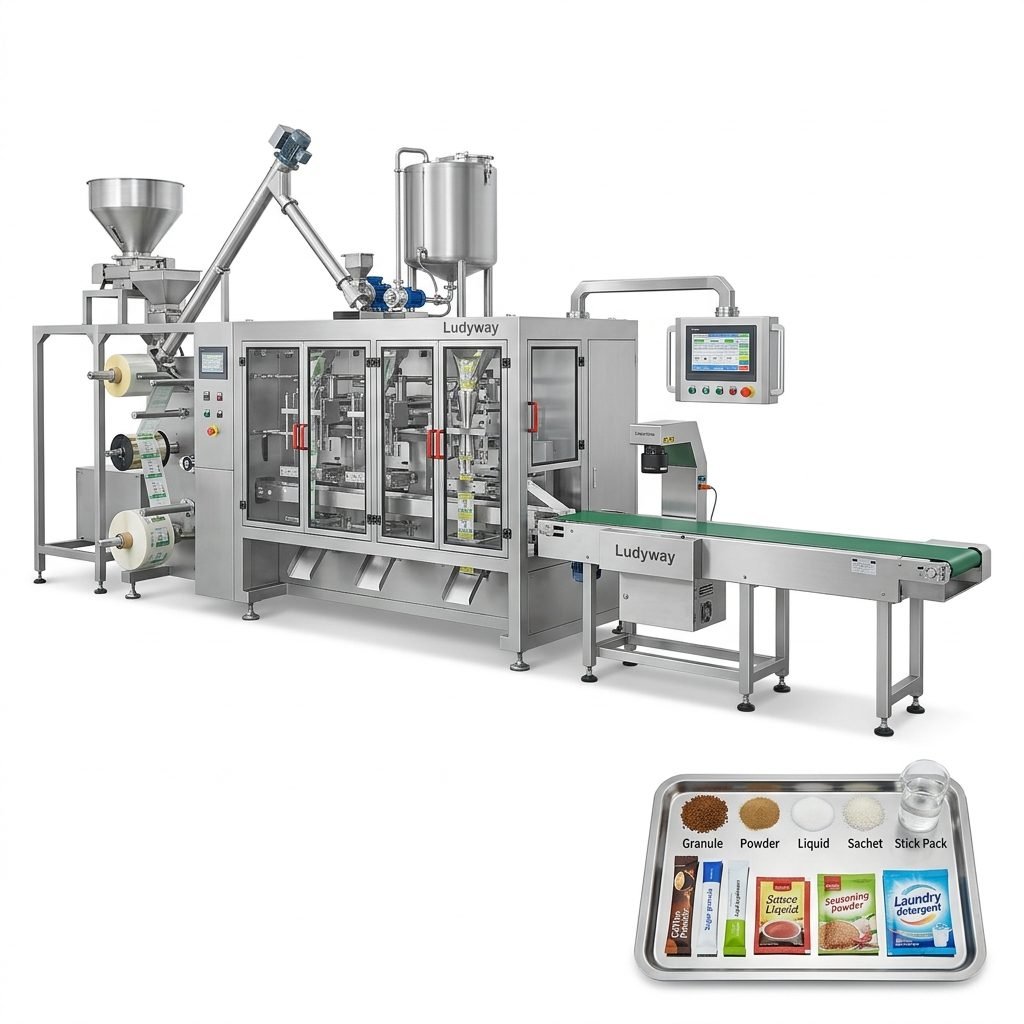
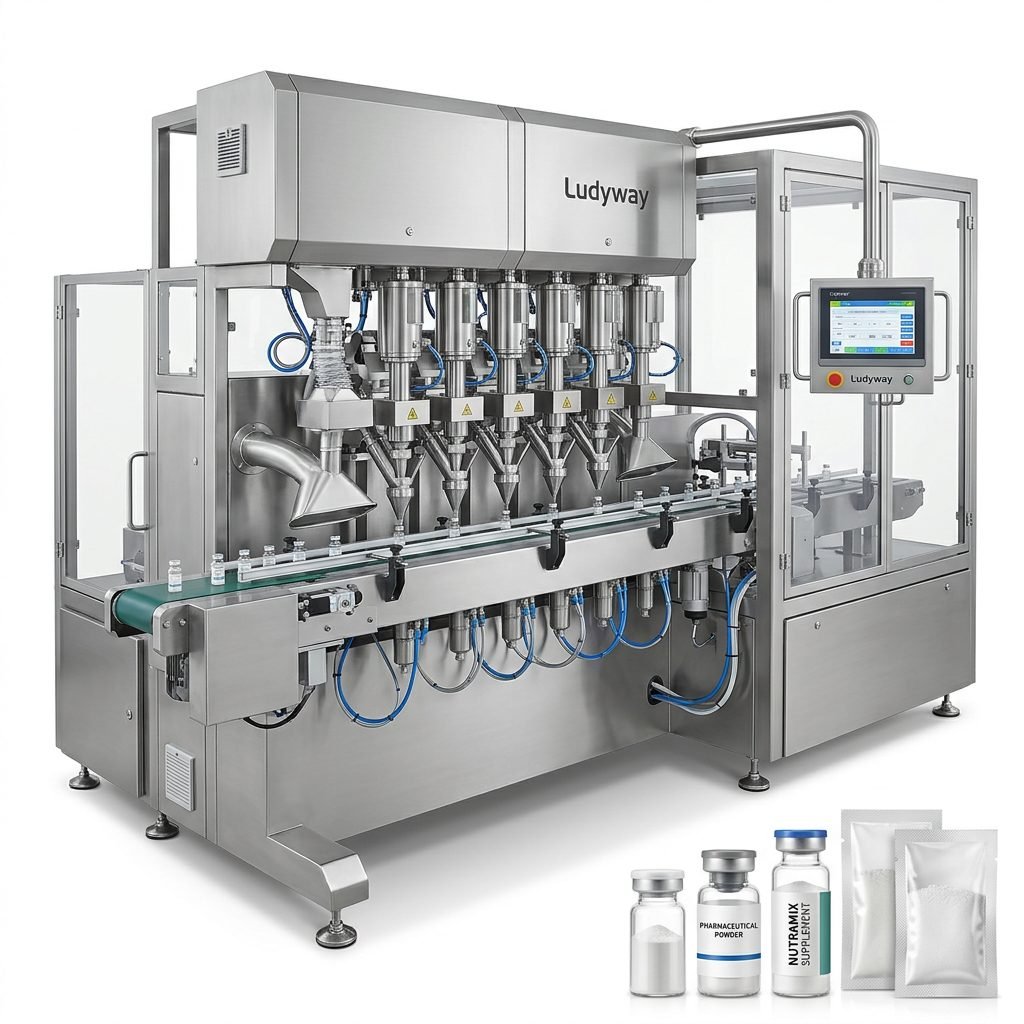
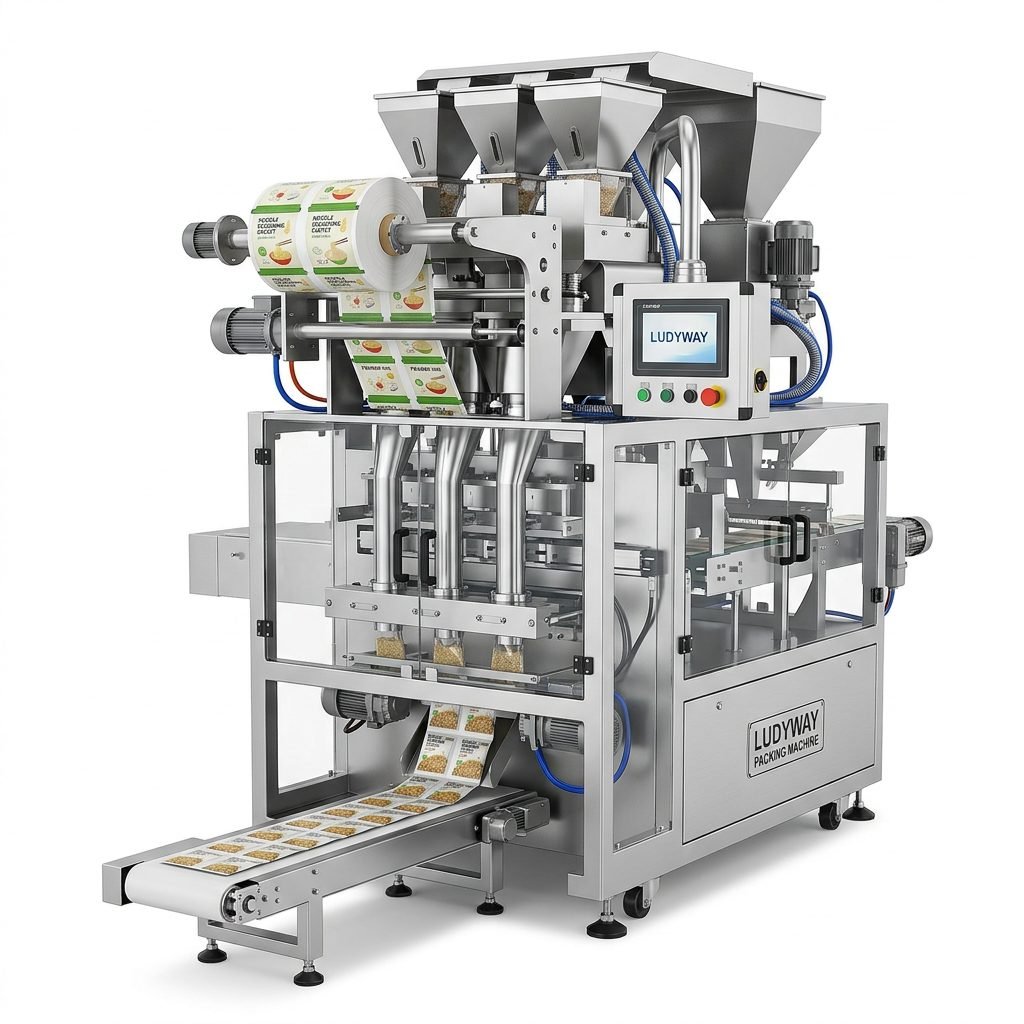
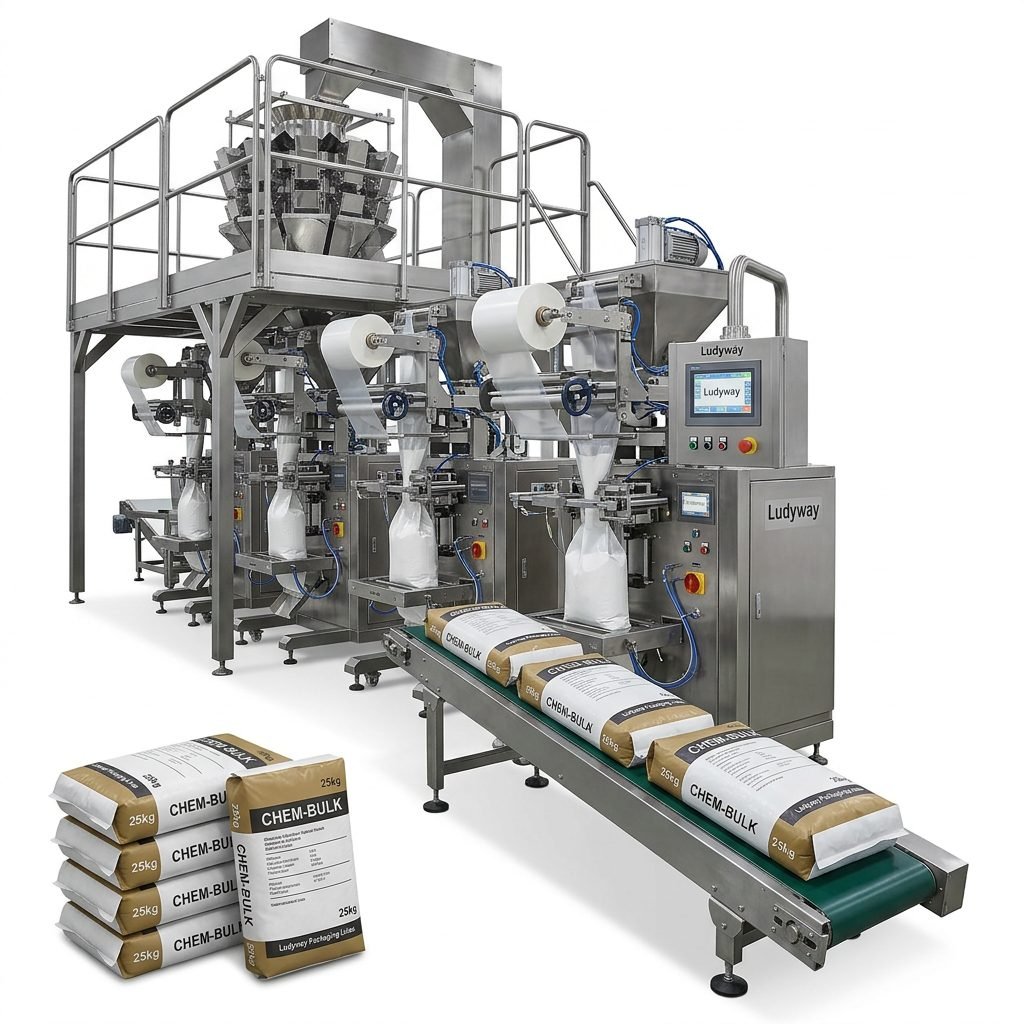
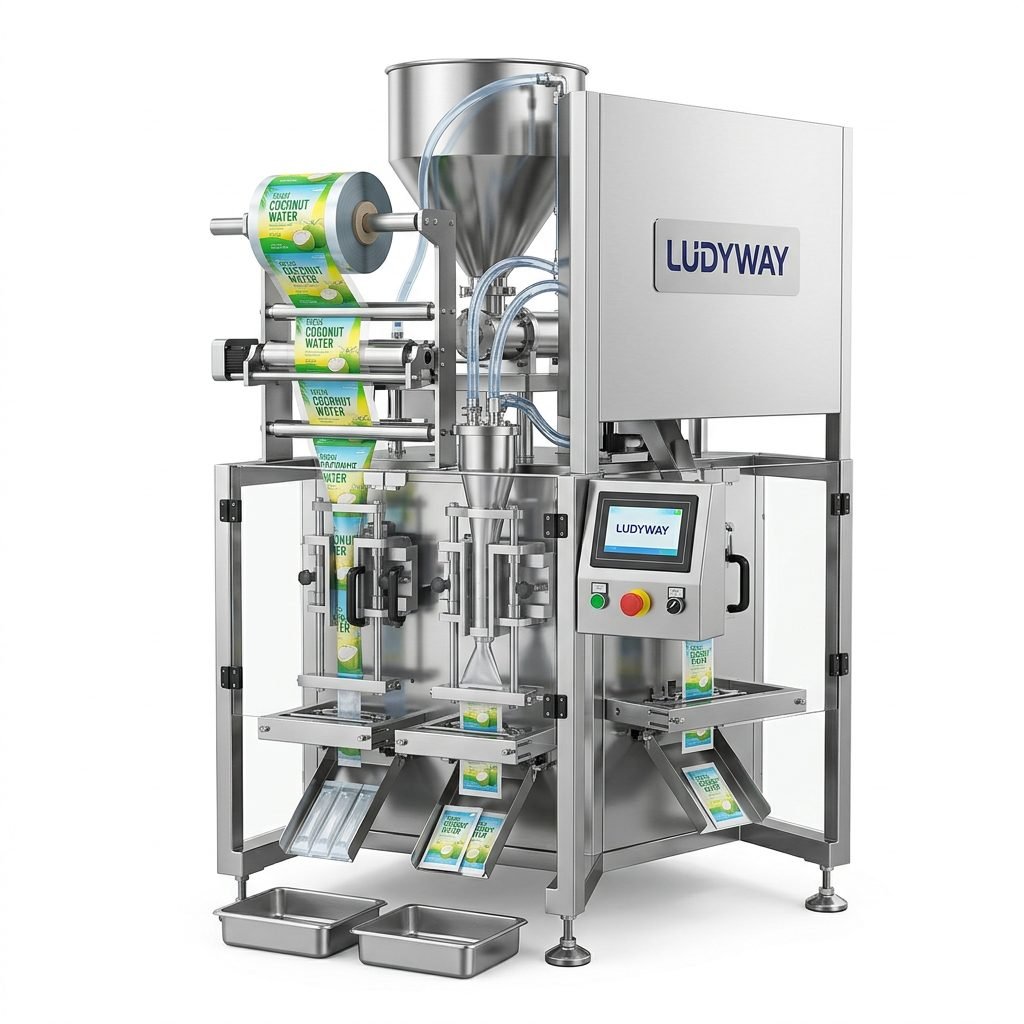
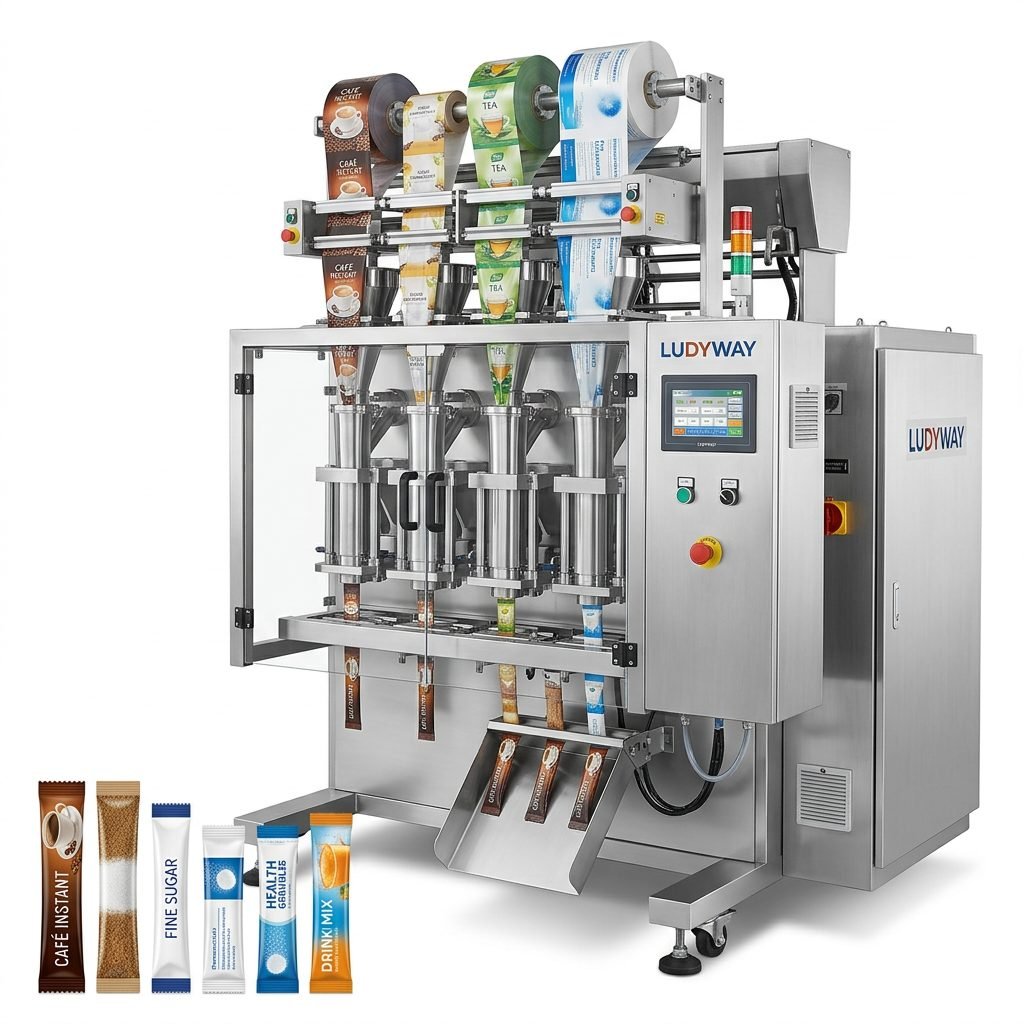
Choosing the right liquid packaging machine is not only about filling a container. It directly affects product quality, packaging speed, sealing reliability, labor cost, hygiene standards, and your ability to scale production. Whether you pack water, juice, syrup, sauce, shampoo, detergent, serum, or pharmaceutical liquids, the right machine must match your product properties, packaging format, and long-term production goals.
In today’s competitive market, manufacturers need packaging systems that deliver accuracy, consistency, and flexibility. A poorly matched machine can lead to dripping, foam overflow, seal defects, waste, downtime, and rising maintenance costs. A well-matched system improves output and protects your brand.
What Is a Liquid Packaging Machine?
A liquid packaging machine is equipment designed to fill and seal liquid or semi-liquid products into containers such as bottles, sachets, stick packs, pouches, tubes, cups, or jars. Depending on the product and package style, the machine may perform multiple tasks in one workflow:
- Product feeding and storage
- Metering or volumetric dosing
- Filling
- Sealing or capping
- Date coding and labeling
- Cartoning or case packing
These systems are widely used in food, beverage, pharmaceutical, cosmetic, chemical, and personal care industries.
Why Choosing the Right Machine Matters
Different liquids behave very differently during filling. Water flows fast, honey is thick, sauces may contain particles, detergents can foam, and pharmaceutical liquids may require sterile handling. That is why there is no one-size-fits-all answer.
The right solution helps you achieve:
- Stable fill accuracy across every pack
- Better seal quality and reduced leakage
- Higher production efficiency
- Lower labor dependency
- Easier cleaning and maintenance
- Compliance with food, pharma, or industrial standards
- Future scalability for new SKUs and higher volume
Main Types of Liquid Packaging Machines
1. Bottle Liquid Filling Machines
These machines fill liquids into rigid containers such as PET bottles, glass bottles, HDPE bottles, and jars. They are common for beverages, edible oil, oral liquids, syrups, lotions, detergents, and cleaners.
Best for: medium to large volume liquids, retail packaging, products requiring caps or pumps.
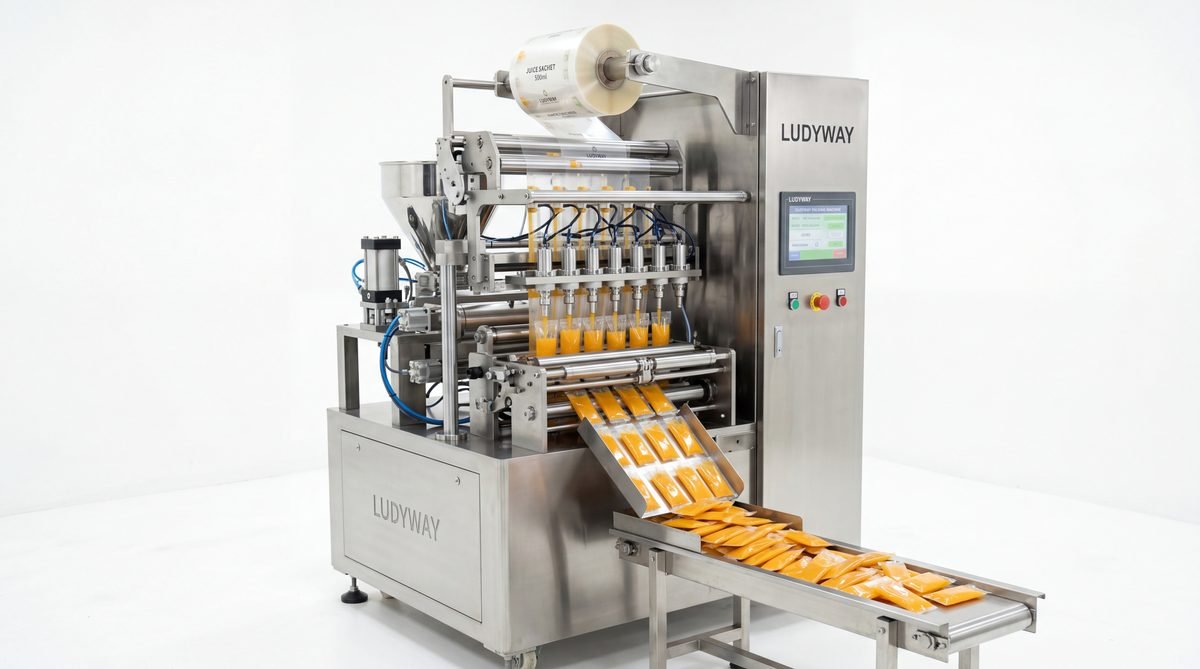
2. Sachet Liquid Packaging Machines
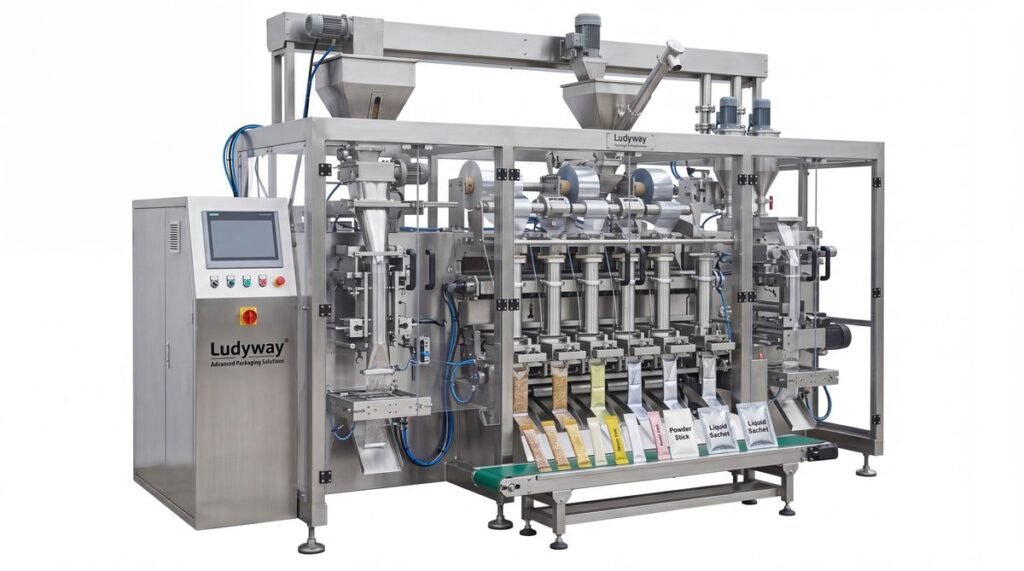
Sachet machines form, fill, and seal small pouches from roll film. They are ideal for single-use or travel-size products such as shampoo, ketchup, hand sanitizer, serum, and sauces.
Best for: low-dose packaging, sample packs, single-serve applications.
3. Stick Pack Liquid Packaging Machines
Stick pack machines produce slim, narrow packages often used for energy gels, beverage concentrates, honey, oral liquids, and functional nutrition products.
Best for: portable packs, high-speed multi-lane production, premium retail presentation.
4. Premade Pouch Filling Machines
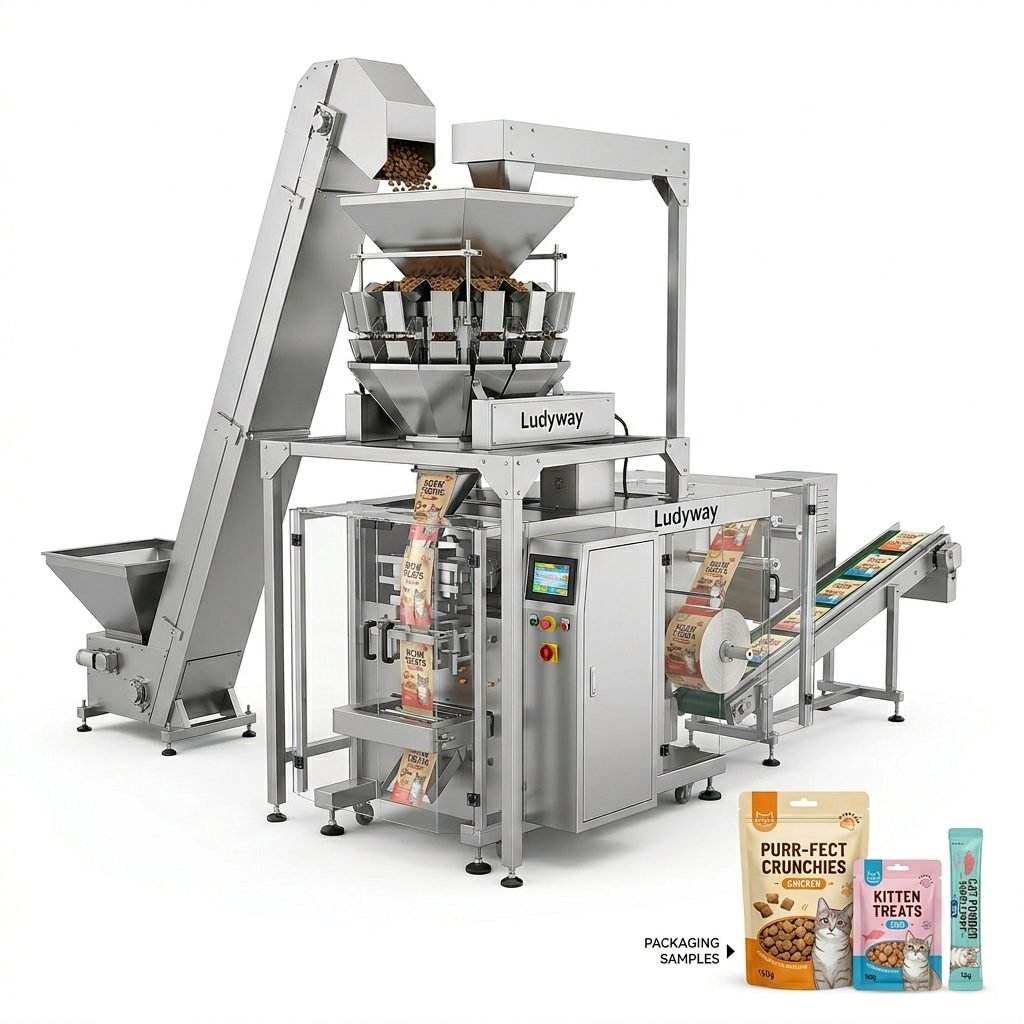
These systems fill preformed pouches such as stand-up pouches, spouted pouches, zipper pouches, or flat pouches. They are suitable for sauces, drinks, baby food, pet food liquids, and chemical liquids.
Best for: flexible packaging brands seeking attractive shelf appearance and larger fill volumes.
5. Tube Filling and Sealing Machines
Used for creams, gels, ointments, toothpaste, and cosmetic liquids with higher viscosity. These machines fill plastic, laminated, or aluminum tubes and then seal them.
Best for: cosmetic and pharmaceutical semi-liquid products.
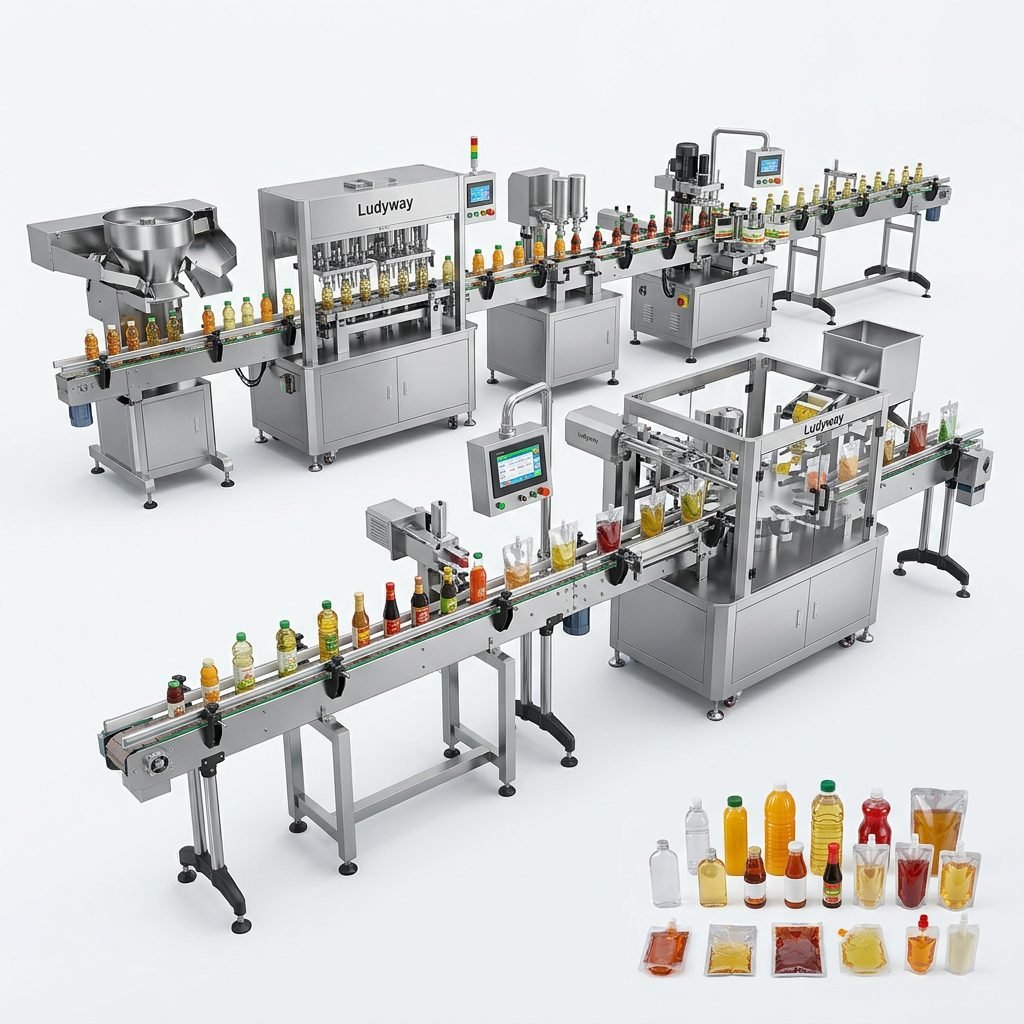
6. Turnkey Liquid Packaging Lines
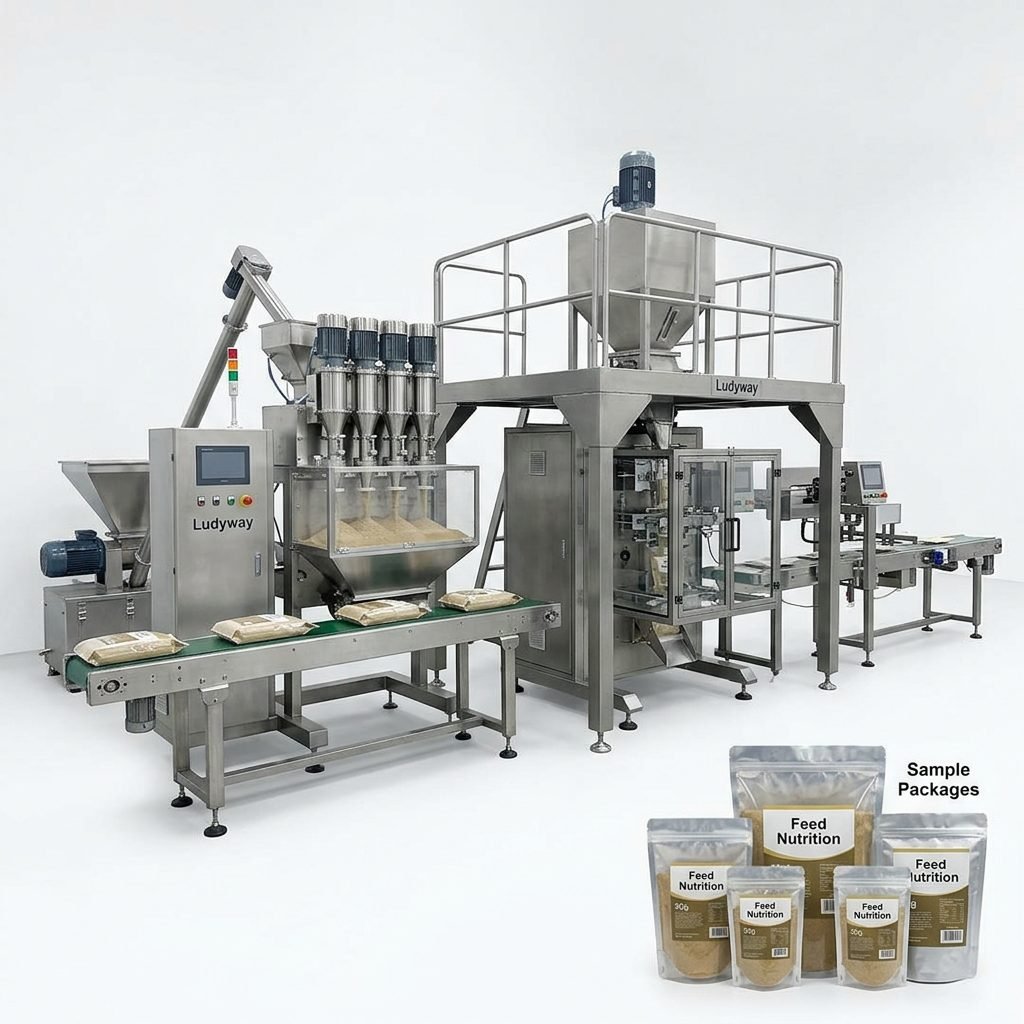
A turnkey line integrates multiple machines into one system, including mixing tanks, feeders, fillers, cappers, labelers, coders, conveyors, cartoners, case packers, and palletizers.
Best for: manufacturers seeking end-to-end automation and higher overall equipment efficiency.
How to Choose Based on Liquid Type
The first step in machine selection is understanding your product flow characteristics.
| Liquid Type | Common Examples | Recommended Solution |
|---|---|---|
| Free-flowing liquids | Water, juice, vinegar, alcohol | Gravity or flowmeter filling machines |
| Viscous liquids | Honey, syrup, lotion, shampoo | Piston fillers or servo pump filling systems |
| Foamy liquids | Detergent, hand wash, cleaner | Bottom-up filling or anti-foam filling system |
| Liquids with particles | Sauce with spices, fruit jam, soup base | Wide-nozzle piston or specialized pouch filling systems |
| Sensitive or sterile liquids | Oral liquids, pharma syrups, medical solutions | Sanitary or aseptic filling systems |
Choose Based on Packaging Format
Packaging format determines not only machine design, but also consumer convenience, logistics cost, branding, and production speed.
Bottles
- Suitable for retail display and repeated use
- Good for beverages, cosmetics, pharma, and chemicals
- Usually requires filling, capping, labeling, and carton packing
Sachets
- Excellent for trial packs and low-cost single-dose packaging
- Ideal for shampoos, sauces, creams, sanitizers, and oral liquids
- Low material usage and convenient shipping
Stick Packs
- Strong shelf appeal and portability
- Good for functional drinks, honey, gels, and supplements
- Often used in high-speed multi-lane systems
Pouches
- Suitable for premium packaging and larger fill capacity
- Can include zipper, spout, or stand-up design
- Common in food, pet food, and household liquids
Manual, Semi-Automatic, or Fully Automatic?
| Machine Level | Best For | Advantages | Limitations |
|---|---|---|---|
| Manual | Startups, lab use | Low investment | Low speed, labor intensive |
| Semi-automatic | Growing small businesses | Balanced cost and efficiency | Still needs operator support |
| Fully automatic | Medium and large-scale factories | High speed, consistency, low labor | Higher initial investment |
If your order volume is growing, a fully automatic machine usually becomes more cost-effective over time because it reduces labor, errors, and product waste.
Key Technical Factors to Evaluate
Fill Accuracy
This is one of the most important indicators. Underfilling causes compliance and customer issues, while overfilling increases product loss. Ask suppliers about actual tolerance levels under real production conditions.
Production Speed
Speed should match your target output, but it should never come at the expense of stability. A machine running at lower speed with stable quality can be more profitable than a machine that frequently stops.
Product Compatibility
Make sure the machine can handle your full viscosity range, temperature range, and any suspended particles.
Packaging Material Compatibility
Sachet and pouch machines must be compatible with the films you want to use, including laminated films, recyclable films, or high-barrier materials.
Cleaning and Hygiene
For food, cosmetics, and pharmaceuticals, machine structure should support quick cleaning, sanitary contact parts, and contamination control.
Changeover Time
If you run multiple SKUs, fast changeover is essential. Check how easily you can switch fill volume, package size, nozzles, and recipes.
Automation and Integration
Consider whether the machine can be connected to upstream tanks and downstream coding, labeling, cartoning, and palletizing equipment.
Industry-Specific Selection Tips
Food and Beverage
- Use food-grade contact parts
- Consider CIP-friendly structures for frequent cleaning
- Focus on hygienic design and seal integrity
- Ideal for juices, sauces, oils, condiments, dairy drinks, and syrups
Pharmaceutical
- Prioritize precision dosing and sanitary construction
- Check GMP-related design requirements
- Important for oral liquids, syrups, ampoules, vials, and medical sachets
Cosmetics and Personal Care
- Choose systems suitable for creams, gels, lotions, and serums
- Look for clean filling, anti-drip nozzles, and attractive package finishing
- Tube, bottle, sachet, and stick pack formats are all common
Chemical and Household Products
- Corrosion resistance may be necessary
- Foaming control is important for cleaners and detergents
- Sealing strength matters for transportation safety
Questions to Ask Before Buying
- What liquid products will be packed now and later?
- What viscosity range must the machine handle?
- Do you need bottles, sachets, stick packs, or pouches?
- What is your target output per hour or per day?
- What level of automation fits your labor situation?
- How often will you change package sizes or SKUs?
- Do you need integration with mixing, capping, coding, labeling, or cartoning?
- What certifications or sanitary requirements apply to your industry?
- What local technical support and spare parts availability do you expect?
- What is your total budget, including future expansion?
Common Mistakes Buyers Should Avoid
Many buyers focus only on machine price. In reality, the total cost of ownership matters more than the purchase price alone.
- Choosing a machine with speed but poor long-term stability
- Ignoring liquid viscosity and foaming behavior
- Buying equipment that cannot support future packaging formats
- Overlooking cleaning difficulty and downtime
- Not checking spare parts, service response, or training support
- Failing to test actual product samples before final selection
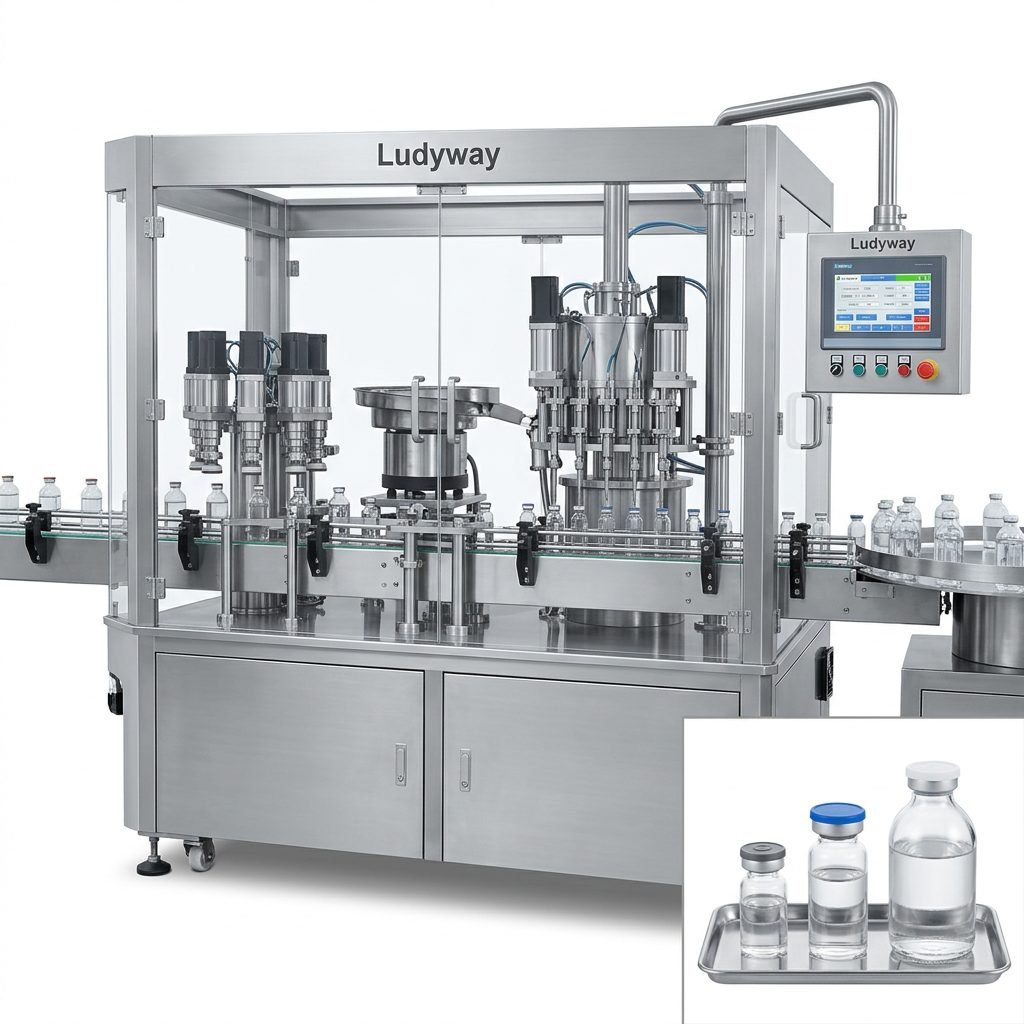
When a Turnkey Packaging Line Is the Better Choice
If you are planning medium or large-scale production, a standalone filling machine may not be enough. A turnkey line can deliver smoother workflow and better productivity by connecting:
- Storage or mixing tanks
- Automatic feeding systems
- Liquid filling units
- Sealing or capping machines
- Labeling and coding machines
- Cartoning and case packing systems
- Palletizing and end-of-line automation
This is especially useful for manufacturers handling multiple shifts, large retail volumes, or export-focused production.
How to Compare Suppliers
A good supplier should provide more than a machine quotation. They should understand product behavior, packaging material, production workflow, and your future expansion plan.
Evaluate suppliers based on:
- Industry experience
- Range of machine types and customization ability
- Sample testing support
- Engineering capability for full-line integration
- Installation, training, and after-sales service
- Export experience and documentation support
For buyers looking for scalable equipment and integrated solutions, Ludyway liquid packaging machine solutions are often considered for food, pharmaceutical, cosmetic, and chemical applications, especially where customized automation and turnkey lines are required.
Quick Selection Checklist
| Selection Item | What to Confirm |
| Product type | Free-flowing, viscous, foamy, corrosive, or particle-containing |
| Packaging format | Bottle, sachet, stick pack, pouch, or tube |
| Output requirement | Units per minute, shift capacity, future growth |
| Filling precision | Tolerance target and actual performance |
| Material compatibility | Film type, bottle type, cap style, pouch structure |
| Hygiene level | Food-grade, sanitary, aseptic, or corrosion-resistant design |
| Automation | Standalone machine or complete integrated line |
| Support | Installation, training, spare parts, remote troubleshooting |
Final Buying Advice
The best liquid packaging machine is the one that fits your product, your package, your output target, and your growth plan. Start with the liquid itself, then match the filling principle, package format, automation level, and integration needs. Always request sample testing when possible and compare suppliers on technical suitability, not just price.
If your business is moving toward higher efficiency, cleaner production, and more stable output, investing in the right liquid filling and packaging solution can create long-term gains in productivity, product consistency, and market competitiveness.