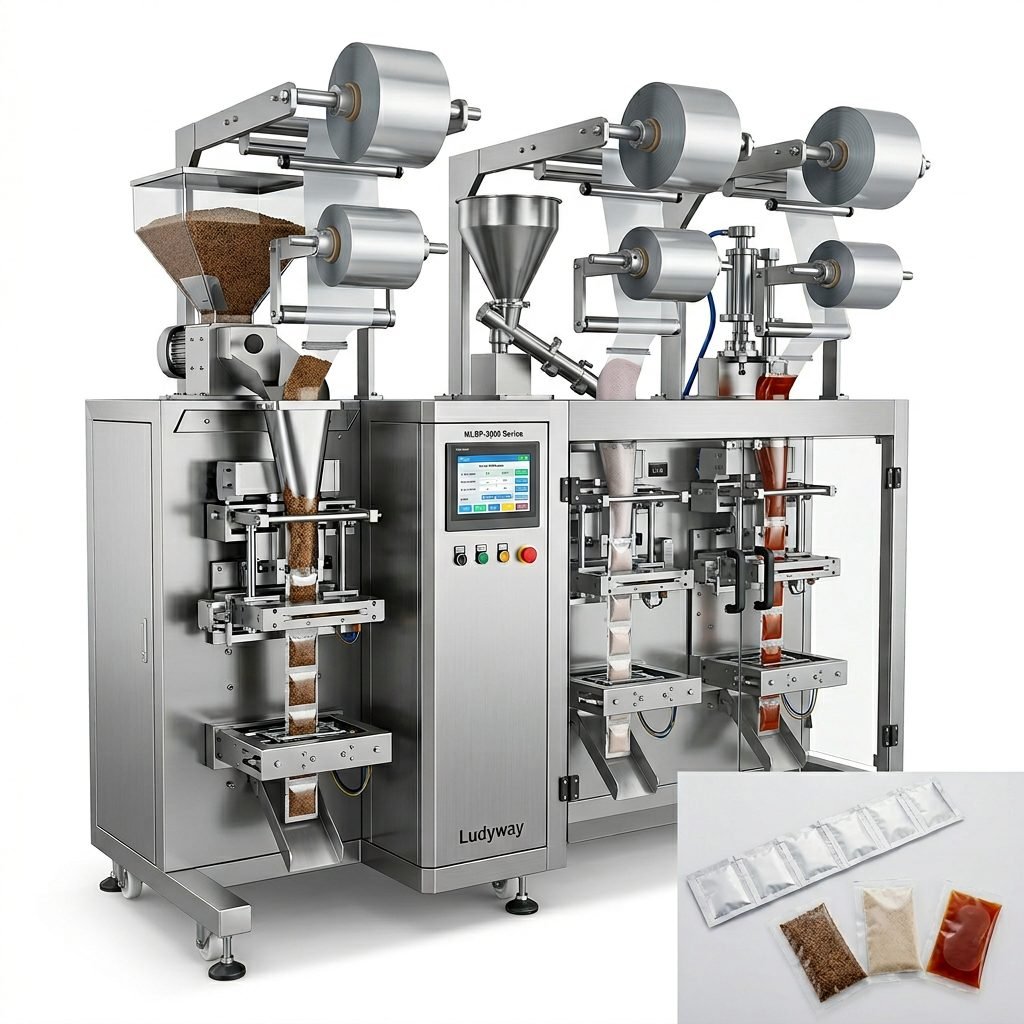
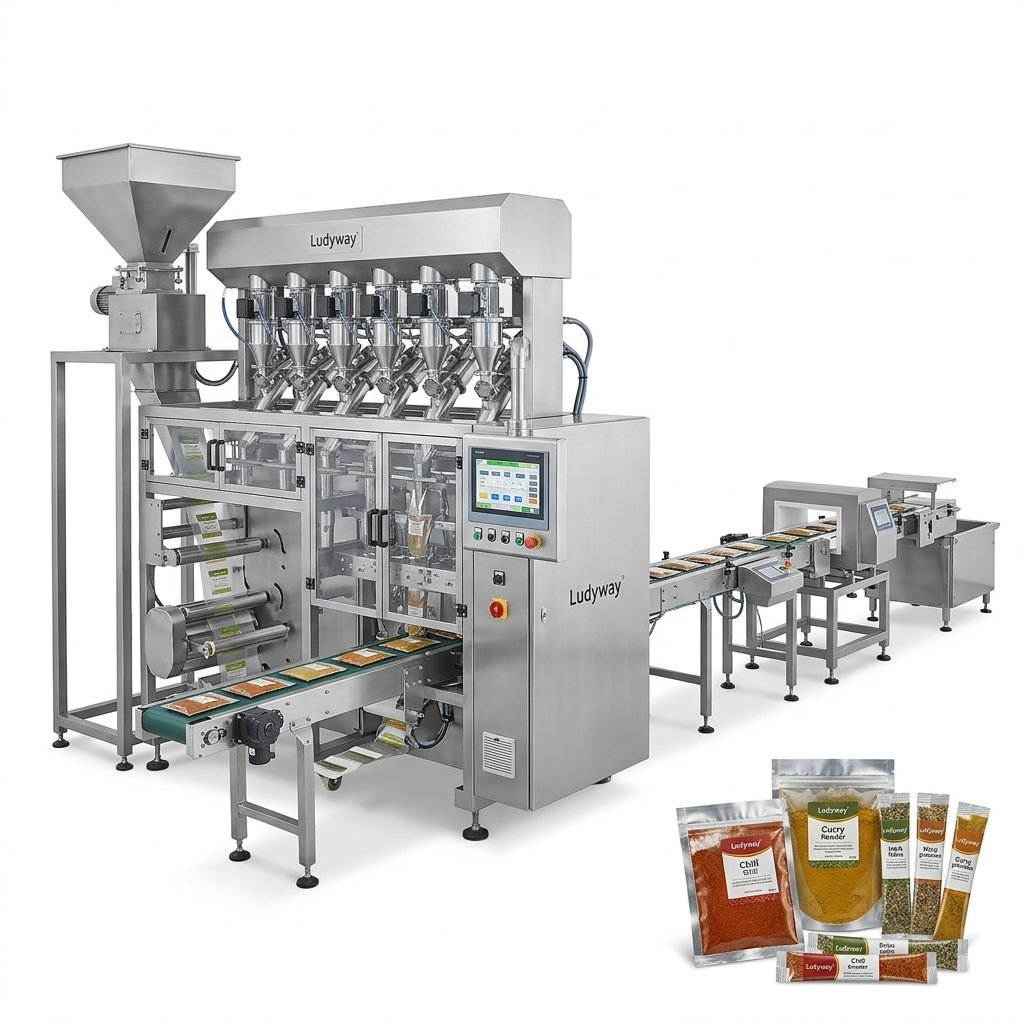
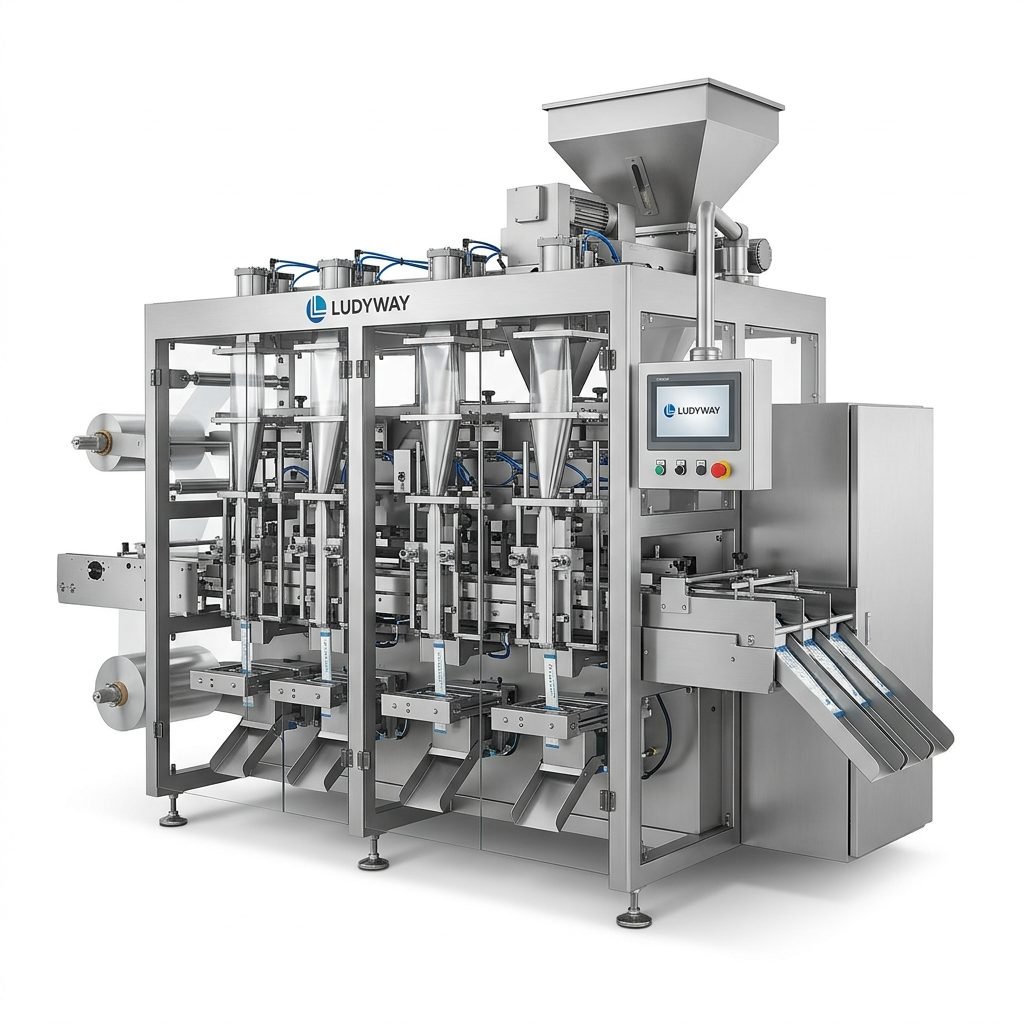
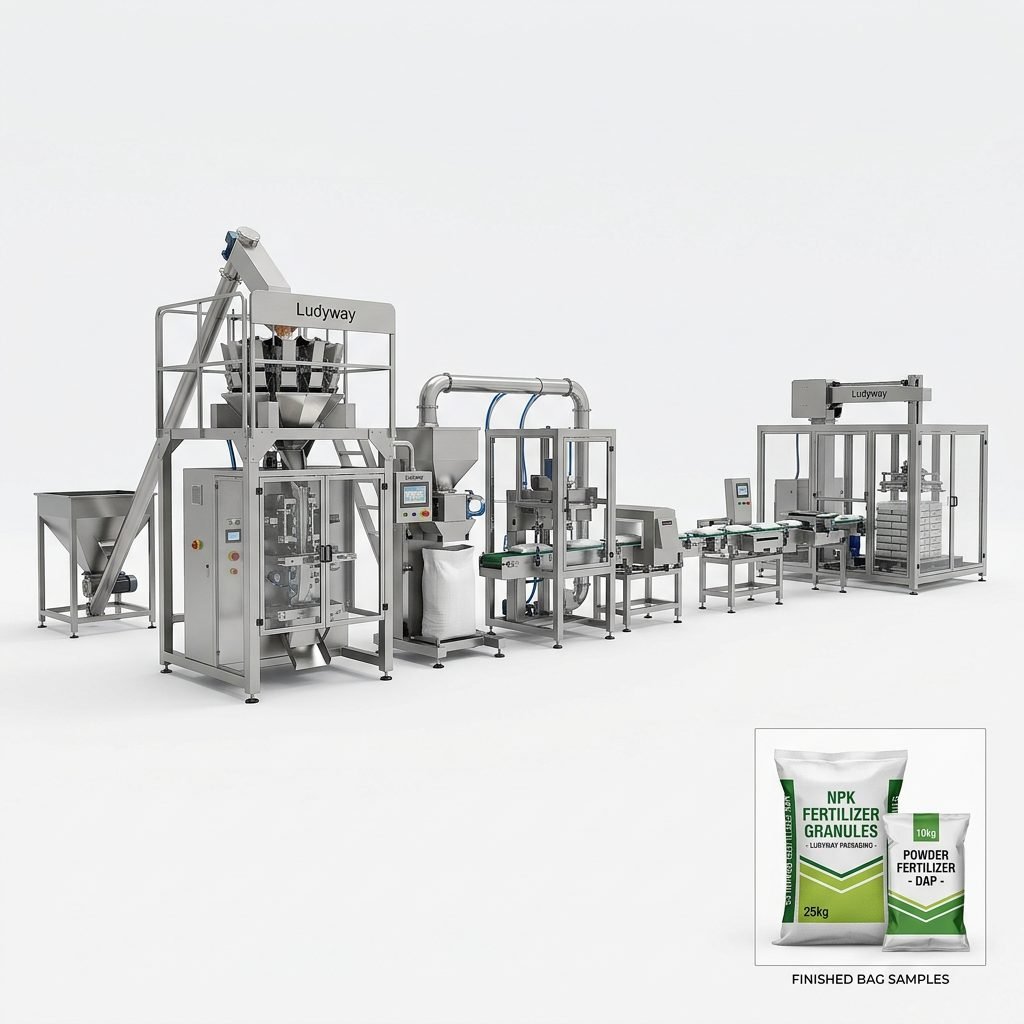
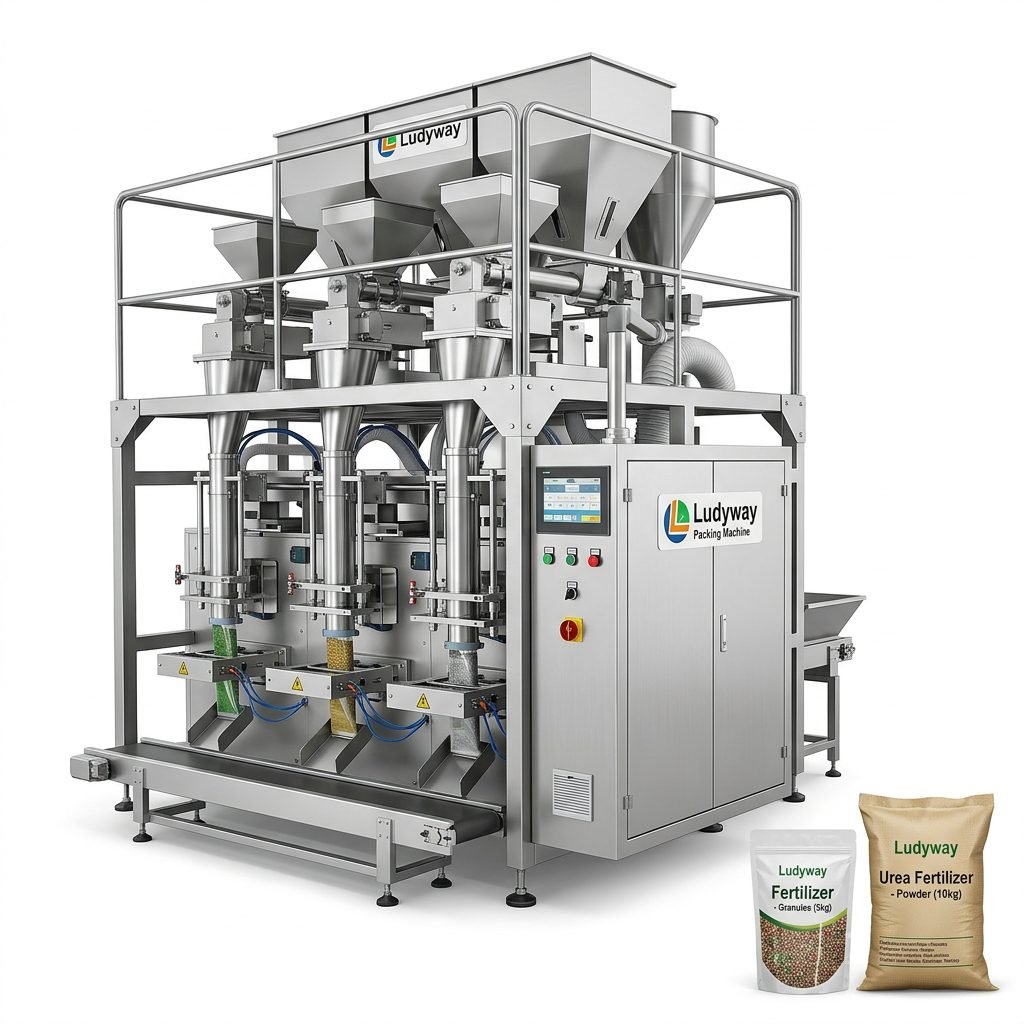
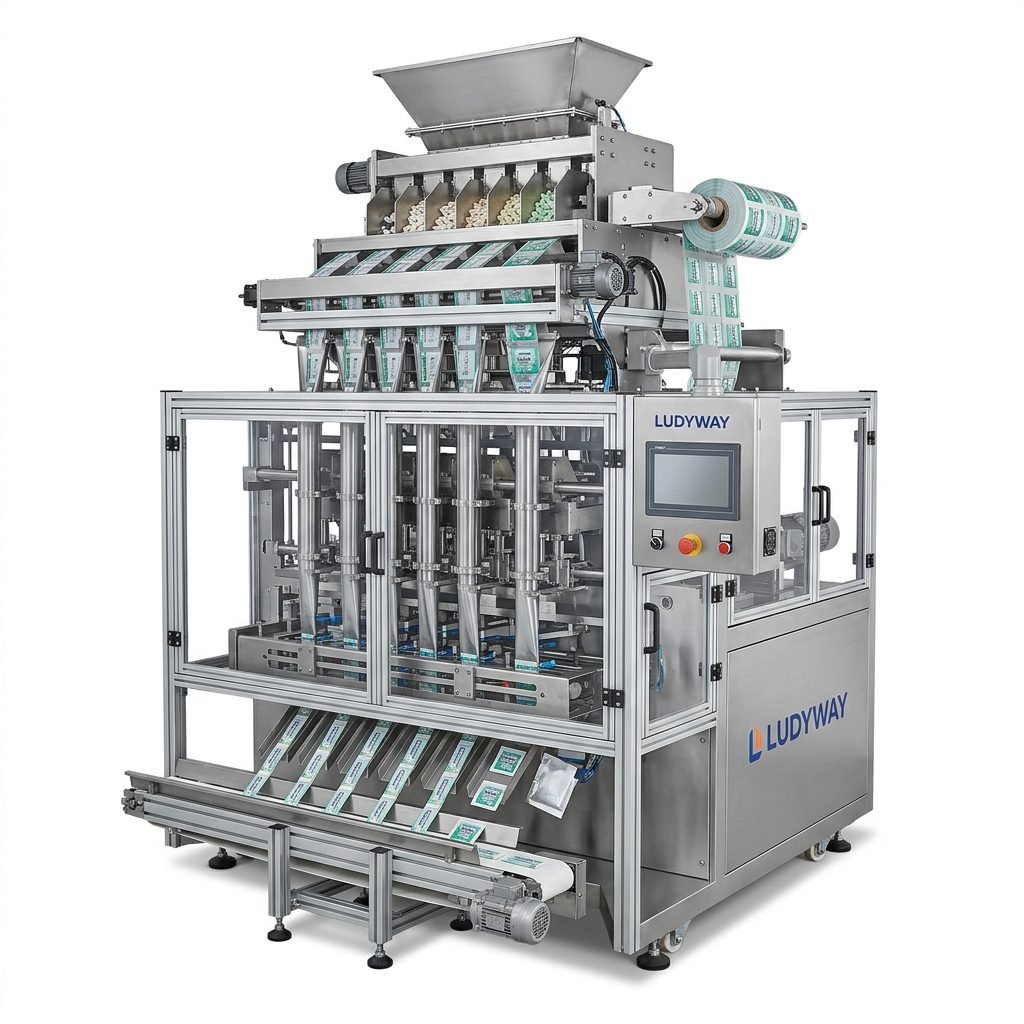
Choosing the right liquid packing machine is not only about filling a product into a container. It is about matching your product characteristics, packaging format, output target, hygiene requirements, and future expansion plans with a machine that can deliver reliable long-term performance.
For businesses in food, pharmaceuticals, personal care, household chemicals, and health products, the wrong equipment choice can lead to leakage, unstable fill volumes, slow changeovers, wasted film, and costly downtime. The right solution, on the other hand, improves efficiency, consistency, and customer satisfaction.
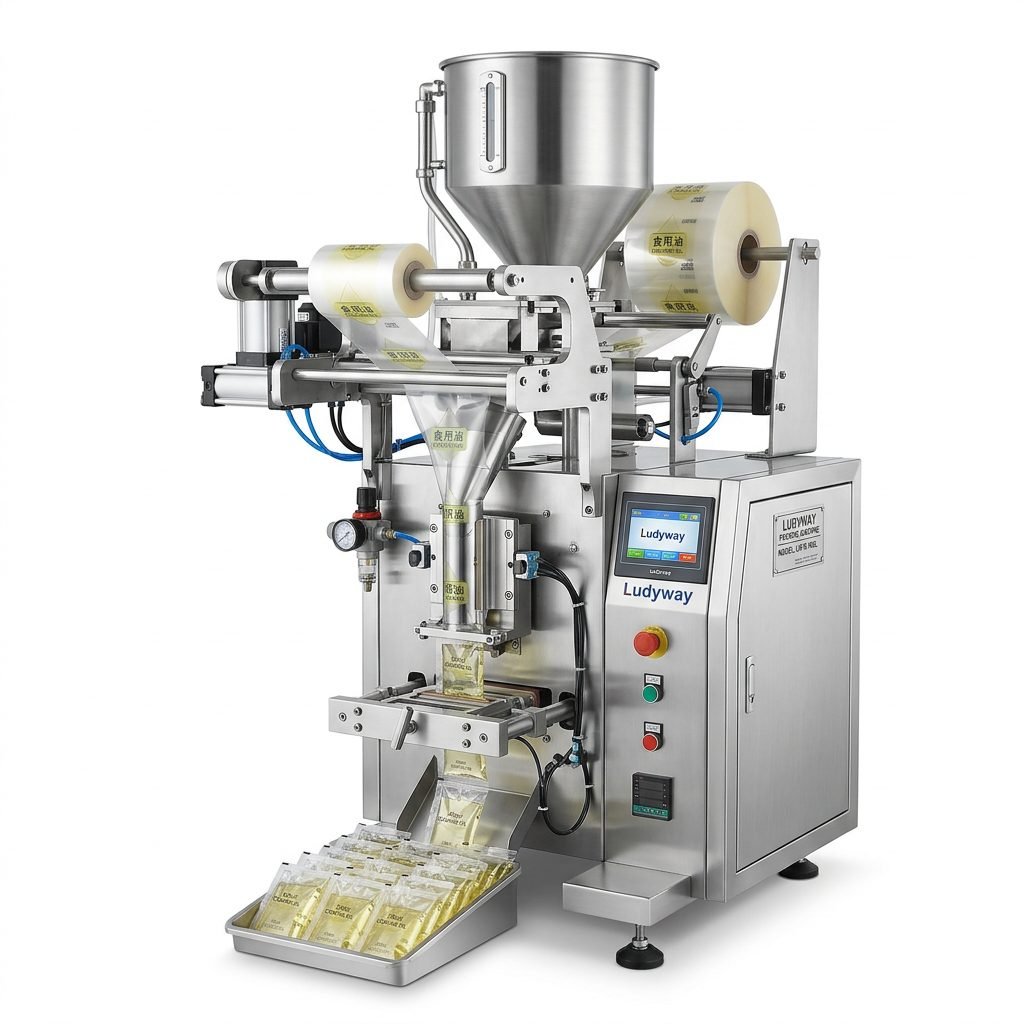
What Is a Liquid Packing Machine?
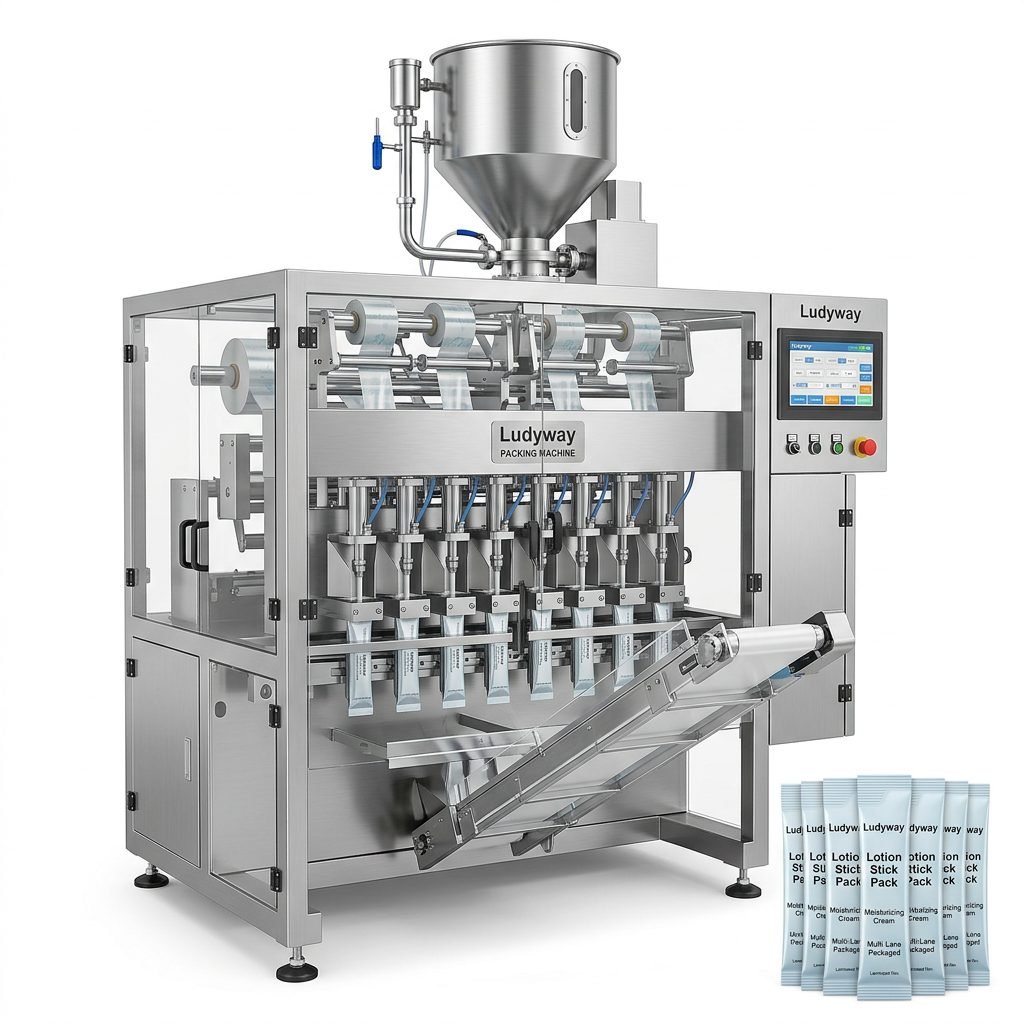
A liquid packing machine is automated equipment designed to dose, fill, seal, and package liquid products into containers such as sachets, stick packs, pouches, bottles, or other formats. These systems can handle a wide range of products, including:
- Water and beverages
- Cooking oils and sauces
- Shampoo, lotion, and liquid soap
- Pharmaceutical oral liquids
- Chemical solutions and detergents
- Viscous products such as gels, syrups, and creams
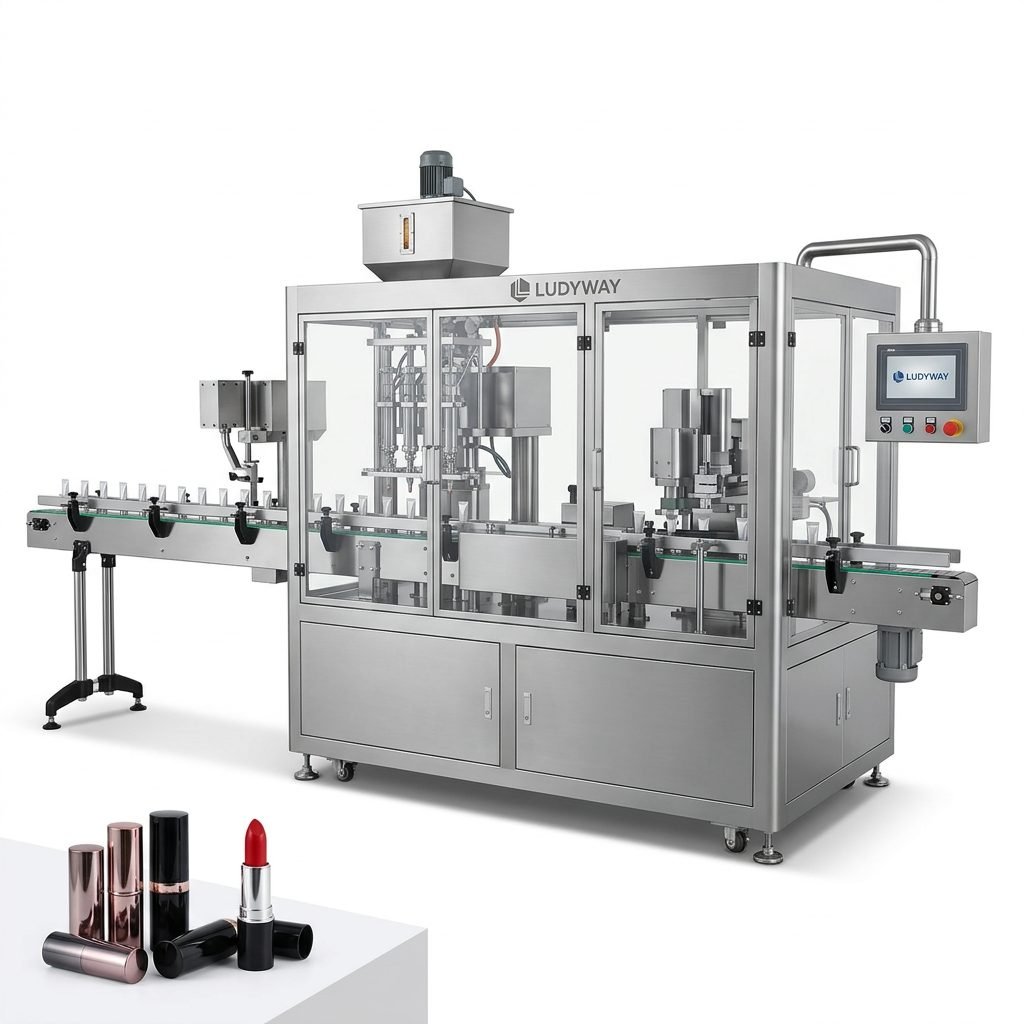
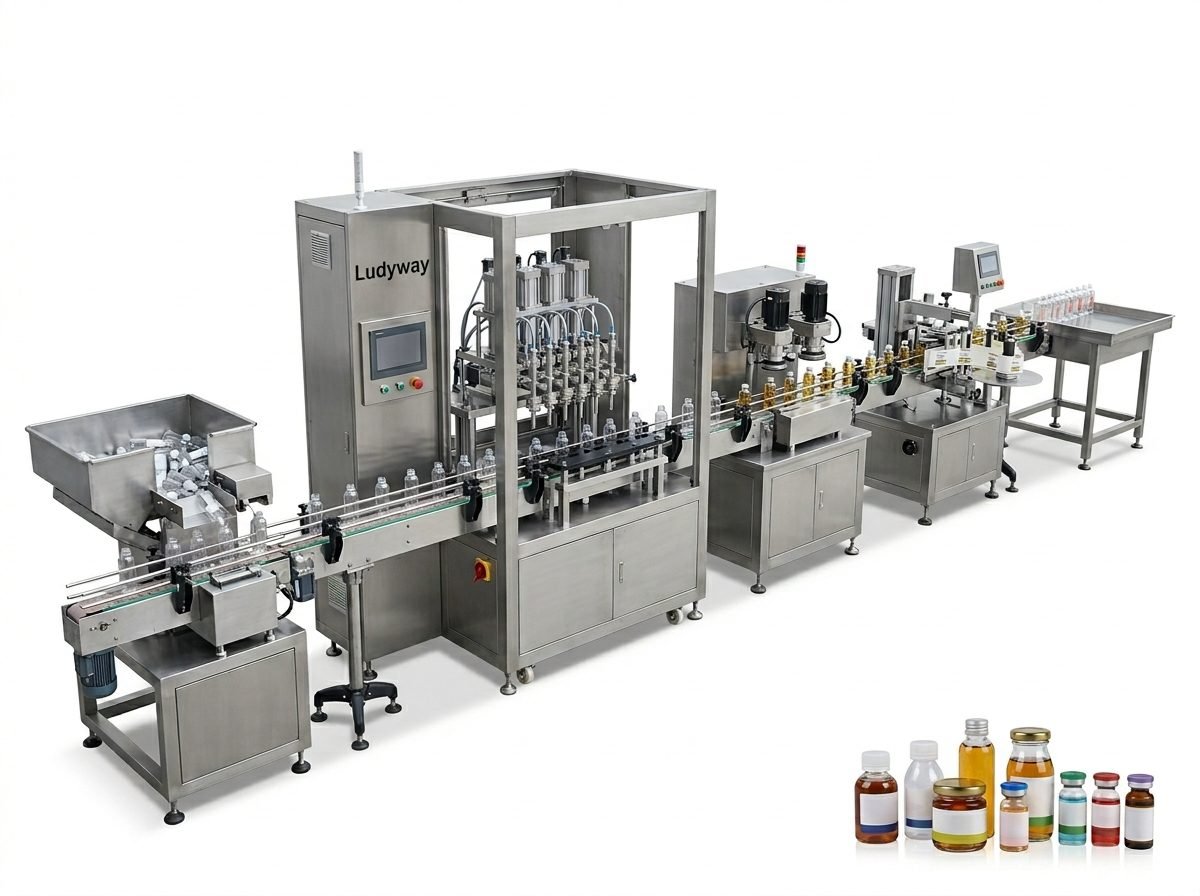
Depending on the product and package type, liquid packaging solutions may include simple standalone fillers or fully automated lines integrating feeding, filling, sealing, capping, labeling, coding, inspection, cartoning, and palletizing.
Why Choosing the Right Machine Matters
The packaging stage directly affects production cost and market performance. A machine that is poorly matched to your liquid product can create ongoing operational problems. Common risks include:
- Inaccurate filling and product giveaway
- Seal contamination and package leakage
- Foaming or dripping during filling
- Low speed and labor inefficiency
- Difficult cleaning when switching products
- Compliance issues in regulated industries
A well-selected machine supports stable output, cleaner packaging, lower waste, and easier scaling as your business grows.
Start with Your Product Type
The first step is to understand the liquid itself. Not all liquids behave the same during filling and sealing. Some flow like water, while others are thick, sticky, foamy, or contain particles.
Key product factors to evaluate
- Viscosity: Is the liquid free-flowing, semi-viscous, or highly viscous?
- Temperature sensitivity: Does it need hot filling or controlled temperature handling?
- Foaming tendency: Will the product foam during dosing?
- Particle content: Does it include pulp, spices, or suspended solids?
- Corrosiveness: Does the formula require special contact materials?
- Hygiene level: Does the product require sanitary or sterile packaging conditions?
| Liquid Type | Typical Packaging Need | Recommended Filling Approach |
|---|---|---|
| Low-viscosity liquids | Fast, accurate high-speed filling | Piston, flow meter, gravity, or pump filling |
| Viscous liquids | Controlled dosing, anti-drip performance | Servo piston or rotary pump filling |
| Foamy liquids | Gentle filling, reduced bubble formation | Bottom-up or controlled-speed filling |
| Liquids with particles | Smooth transfer without clogging | Wide-path pump or specialized dosing system |
| Pharma or sterile liquids | High hygiene and compliance | Sanitary or aseptic filling system |
Choose the Right Packaging Format
Your target market and sales channel strongly influence the best packaging format. A machine designed for sachets will differ greatly from one built for bottles or premade pouches.
Common liquid packaging formats
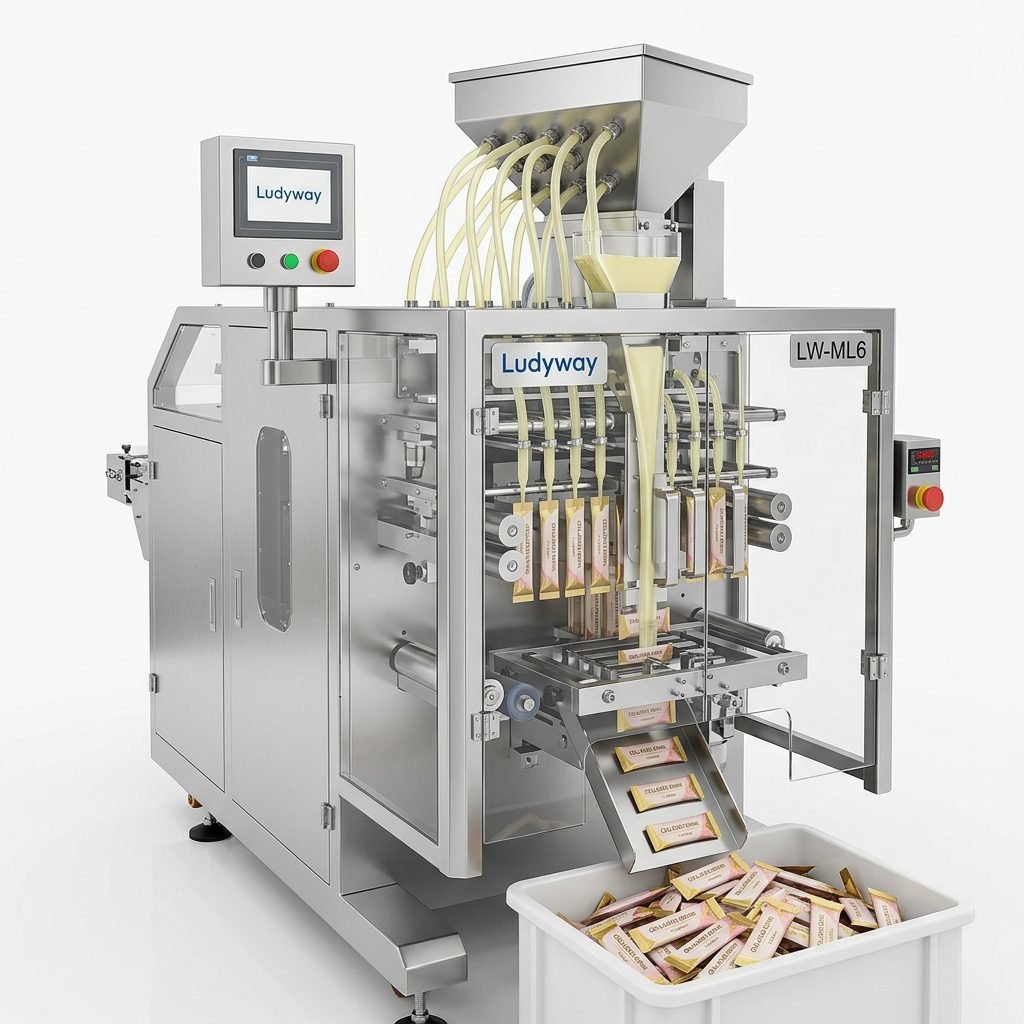
- Sachets: Ideal for single-use products such as sauces, shampoo, hand sanitizer, and oral liquids
- Stick packs: Suitable for compact retail or travel-size applications
- Premade pouches: Good for premium presentation and reclosable options
- Bottles: Common in beverage, pharma, cosmetic, and chemical sectors
- Vials or ampoules: Used in pharmaceutical and medical packaging
If your brand focuses on convenience and lower material use, sachets and stick packs are often attractive. If your product needs shelf impact or larger volume presentation, bottles or pouches may be a better fit.
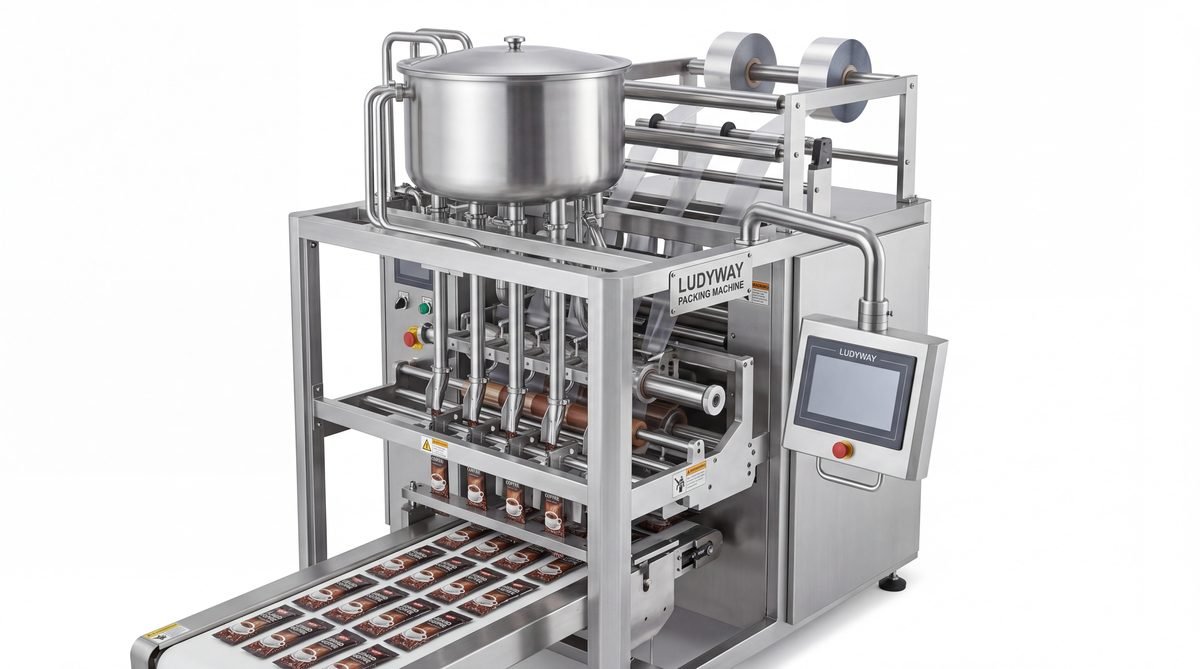
Match Machine Speed to Your Production Goals
One of the biggest mistakes buyers make is selecting equipment based only on current demand. You should consider both present capacity and future growth.
Ask these questions
- How many packs, bottles, or pouches do you need per minute?
- Will seasonal demand require higher throughput?
- Do you plan to launch additional SKUs soon?
- Will one shift be enough, or will production expand to two or three shifts?
A small business may start with a compact automatic machine, while a growing manufacturer may need a multi-lane sachet system or a fully integrated turnkey line. Oversizing can waste budget, but undersizing can quickly create a production bottleneck.
Evaluate Filling Accuracy and Seal Quality
For liquid packaging, accuracy and sealing performance are two of the most important indicators of machine quality.
Why accuracy matters
- Reduces product giveaway
- Protects brand consistency
- Helps meet legal weight and volume requirements
- Improves downstream cartoning and case packing stability
Why seal quality matters
- Prevents leakage during transport
- Extends shelf life
- Protects product hygiene
- Reduces complaints and returns
Ask potential suppliers about their control system, dosing method, sealing technology, and real-world performance with products similar to yours.
Consider Material Compatibility
The machine must work well not only with your product but also with your packaging material. Different films, laminates, bottles, caps, and pouch materials affect sealing stability and machine settings.
Check the following:
- Film structure and thickness
- Heat seal performance
- Container shape and material
- Cap or closure compatibility
- Required coding, labeling, or traceability features
A machine that runs your target packaging material smoothly can save substantial waste over time.
Think About Cleaning, Hygiene, and Compliance
This is especially important for food, pharmaceutical, nutraceutical, and cosmetic applications. Machines handling liquids must be easy to clean and designed to minimize contamination risk.
Important design features
- Stainless steel contact parts
- Sanitary piping and valves
- Tool-free or simplified disassembly
- CIP or easy washdown options
- Dustproof, splashproof, or enclosed structures where needed
- Compliance with industry-specific standards
If you operate in regulated sectors, ask suppliers for documentation, certifications, and validation support where applicable.
Standalone Machine or Complete Packaging Line?
Your ideal solution may not be a single machine. In many factories, the best investment is a complete line connecting multiple stages of production and packaging.
| Option | Best For | Advantages |
|---|---|---|
| Standalone liquid packing machine | Smaller production or specific packaging task | Lower initial investment, flexible installation |
| Semi-automatic line | Growing businesses upgrading from manual work | Better efficiency with manageable cost |
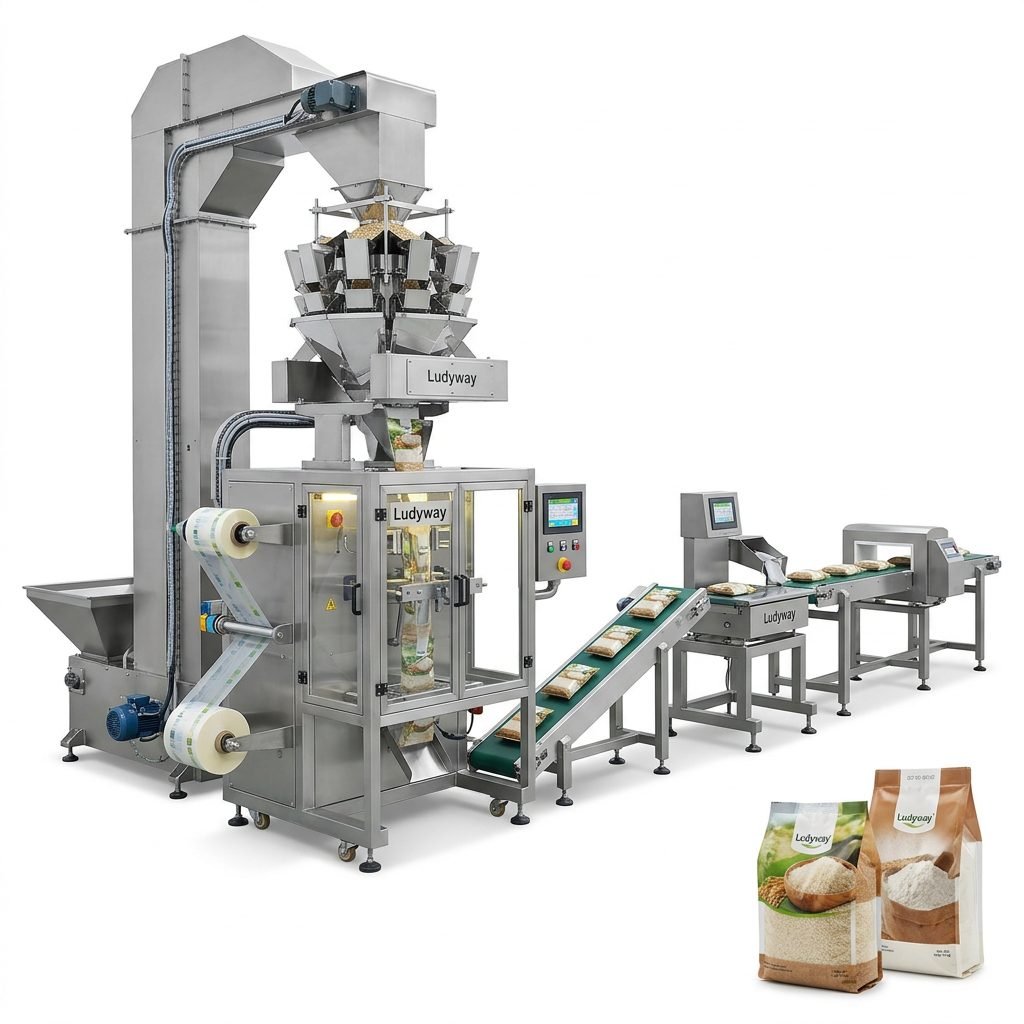
| Fully automatic turnkey line | Medium to large factories | Higher output, less labor, better integration and consistency |
A complete line may include product tanks, feeding systems, filling and sealing equipment, capping, labeling, checkweighing, metal detection, coding, cartoning, and palletizing.
Look at Flexibility for Different SKUs
If your business offers multiple pack sizes or product variants, flexibility becomes essential. A machine should allow relatively easy changeover between formats without excessive downtime.
Useful flexibility features
- Recipe memory on HMI
- Quick tool change
- Adjustable filling range
- Compatible sealing molds or change parts
- Modular design for future upgrades
This is especially valuable for contract packers, multi-brand factories, and businesses planning new product launches.
Assess Total Cost, Not Just Purchase Price
The lowest quotation is not always the best value. A machine should be evaluated based on total ownership cost over several years.
Include these cost factors
- Initial machine price
- Installation and training
- Energy consumption
- Material waste rate
- Spare parts and maintenance
- Downtime risk
- Labor savings
- Output improvement
A more stable and efficient system may pay back faster even if its upfront cost is higher.
Questions to Ask Before You Buy
- Can the machine handle my exact product viscosity and packaging material?
- What is the actual production speed under normal operating conditions?
- What fill accuracy can be achieved?
- How long does size changeover take?
- What spare parts are included?
- Is remote support or overseas service available?
- Can the system be integrated with upstream and downstream equipment?
- Are customization options available for my industry?
How to Choose a Reliable Supplier
Equipment quality matters, but supplier capability matters just as much. A strong manufacturer can help you select the right configuration, test your product, and support long-term operation.
When evaluating suppliers, consider:
- Years of industry experience
- Export track record
- Factory scale and engineering capacity
- Range of liquid packaging solutions
- Customization capability
- After-sales service and technical support
For businesses looking for scalable packaging automation, Ludyway liquid packing machine solutions offer standalone machines and turnkey packaging lines for food, pharmaceutical, cosmetic, and chemical applications, backed by more than 30 years of manufacturing experience.
Best Machine Choices by Industry
| Industry | Typical Products | Suggested Packaging Solution |
|---|---|---|
| Food & Beverage | Oil, sauce, syrup, beverage concentrates | Sachet, pouch, or bottle liquid filling line |
| Pharmaceutical | Oral liquids, syrups, sterile solutions | Sanitary or aseptic filling and sealing systems |
| Cosmetics & Personal Care | Shampoo, lotion, serum, gel | Multi-lane sachet or bottle filling solution |
| Household Chemicals | Detergent, cleaner, disinfectant | Corrosion-resistant filling and sealing systems |
Final Buying Tip
The right liquid packing machine is the one that fits your product, packaging format, speed target, compliance needs, and growth strategy. Before making a decision, prepare clear samples, define your output goals, and compare suppliers based on technical fit rather than price alone.
A smart packaging investment should improve productivity today while giving your business room to expand tomorrow.