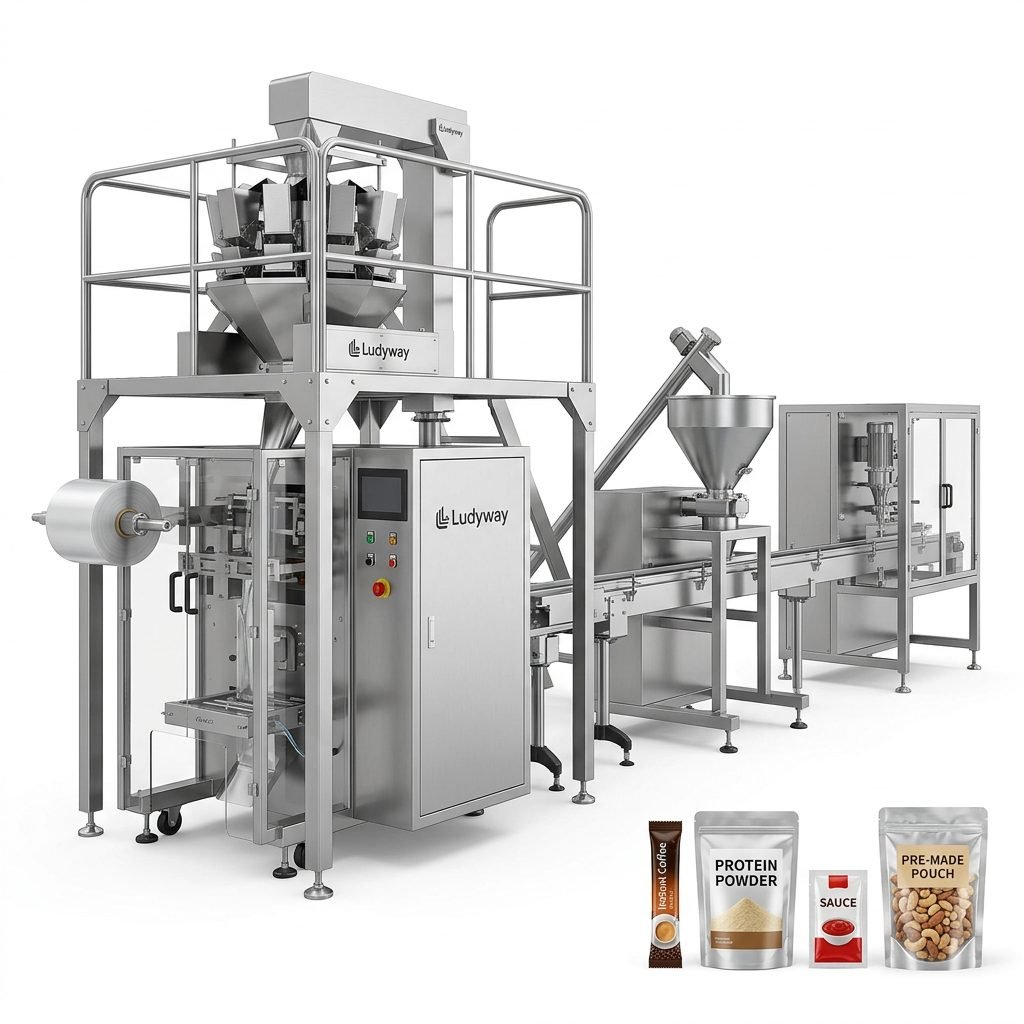
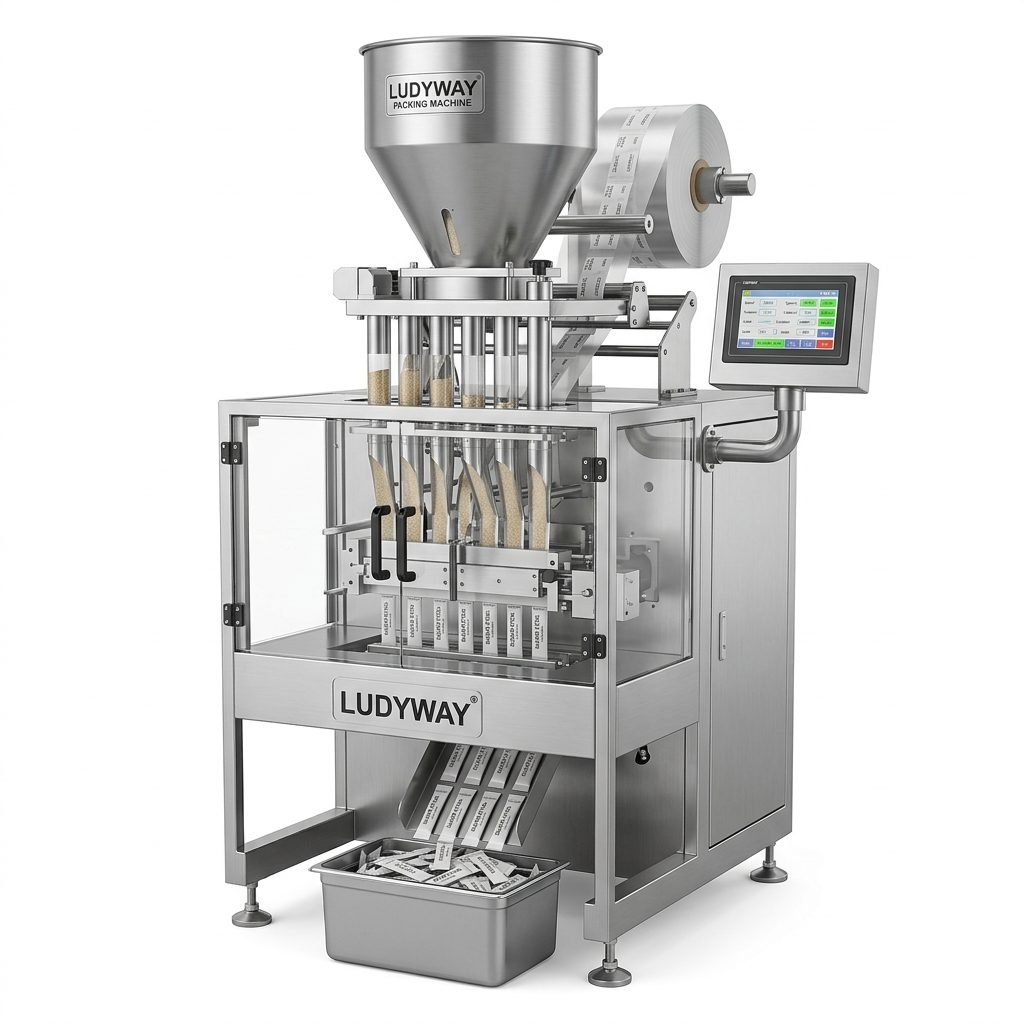
Food packaging equipment plays a critical role in modern manufacturing. From snacks and spices to sauces, frozen foods, dairy powders, and ready-to-eat products, the right machine helps brands improve speed, safety, consistency, and shelf appeal. Choosing the right equipment is not just about automation—it is about matching machine capability to your product, package style, production target, and long-term business growth.
In this guide, you will learn the main types of food packaging equipment, the benefits of investing in the right system, and the most important factors to evaluate before buying.

What Is Food Packaging Equipment?
Food packaging equipment refers to machines used to fill, seal, wrap, label, code, inspect, and prepare food products for storage, transport, and retail sale. These machines can be used as standalone units or integrated into a complete production line.
Depending on the product and packaging format, food packaging machinery may handle:
- Granules such as rice, sugar, seeds, coffee, and snack mixes
- Powders such as milk powder, protein powder, spices, and seasoning
- Liquids such as sauces, oils, dressings, and beverages
- Pastes and semi-viscous products such as ketchup, honey, cream, and peanut butter
- Solid foods in pouches, trays, cartons, bottles, or bags
Main Types of Food Packaging Equipment
The packaging industry includes many machine categories. Below are the most common types used in food processing and packing plants.
1. Vertical Form Fill Seal Machines
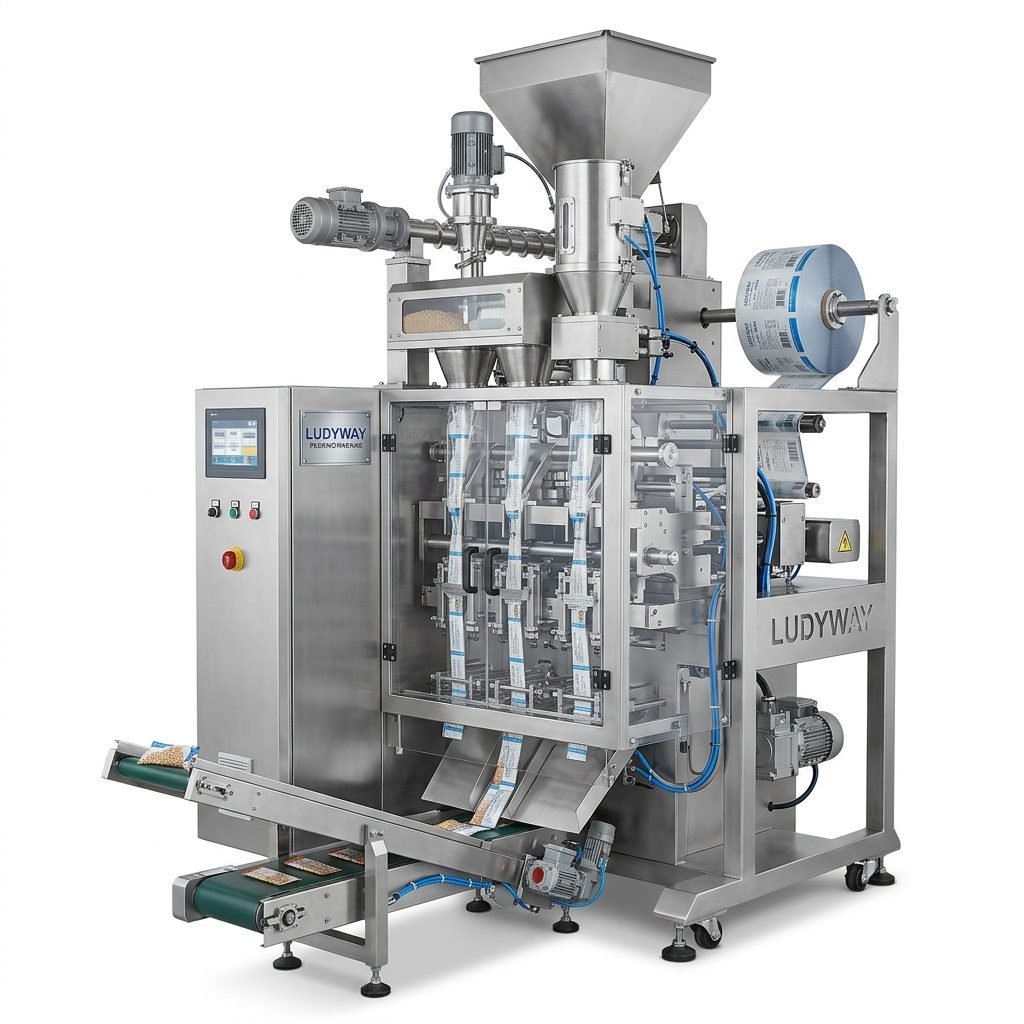
Vertical form fill seal machines, often called VFFS machines, create bags from roll film, fill the product, and seal the package in one continuous process. They are widely used for chips, nuts, grains, coffee, frozen foods, and powder products.
Best for: pillow bags, gusset bags, quad seal bags, stick packs, and sachets.
2. Premade Pouch Packaging Machines
These machines pick up preformed pouches, open them, fill them, and seal them. They are suitable for products that need premium shelf presentation or special pouch structures like zipper pouches, stand-up pouches, and spouted pouches.
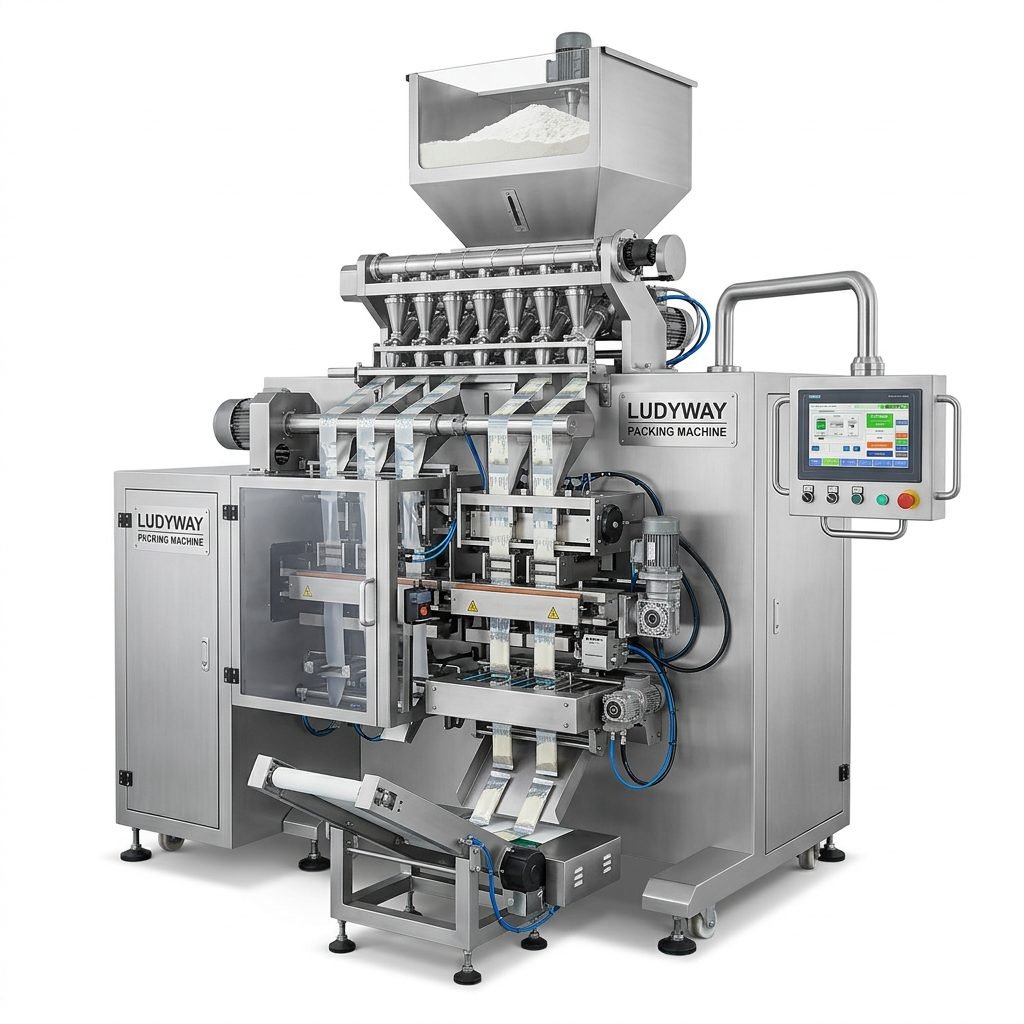
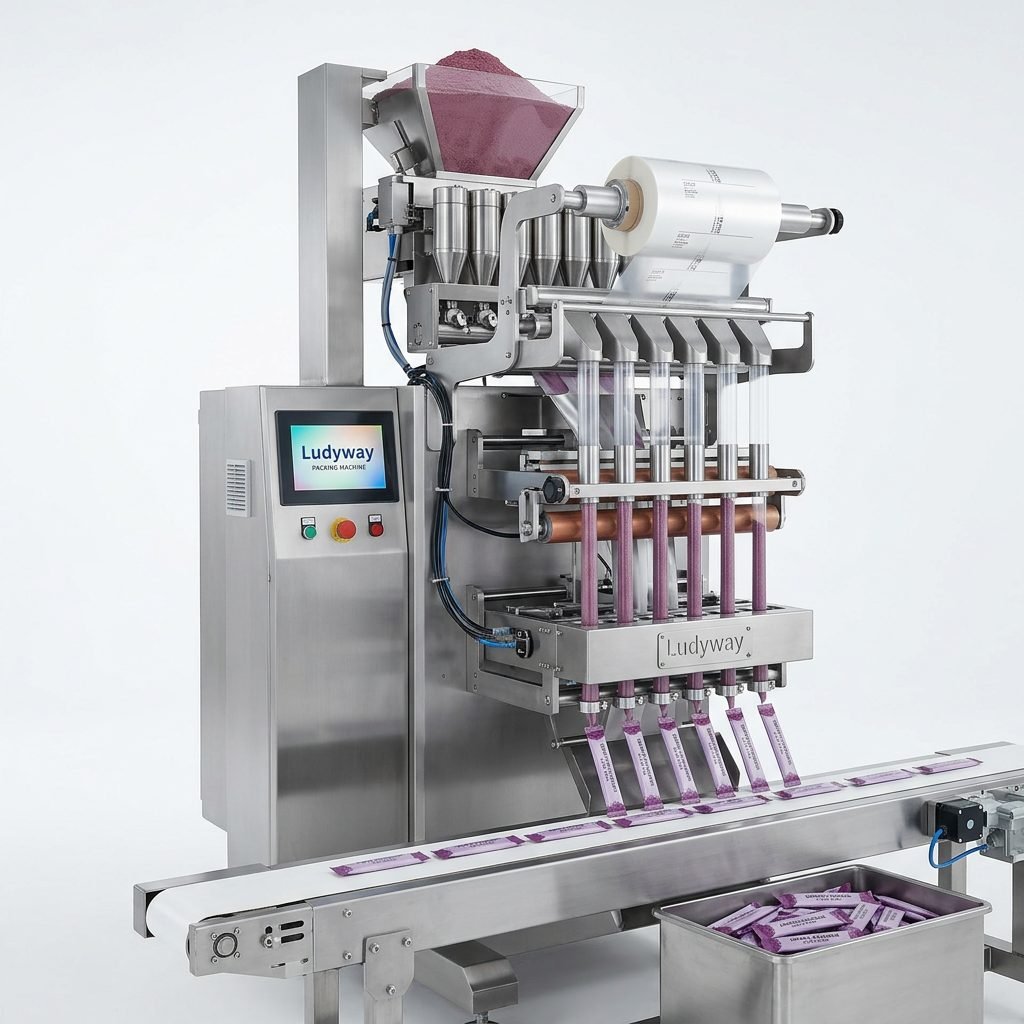
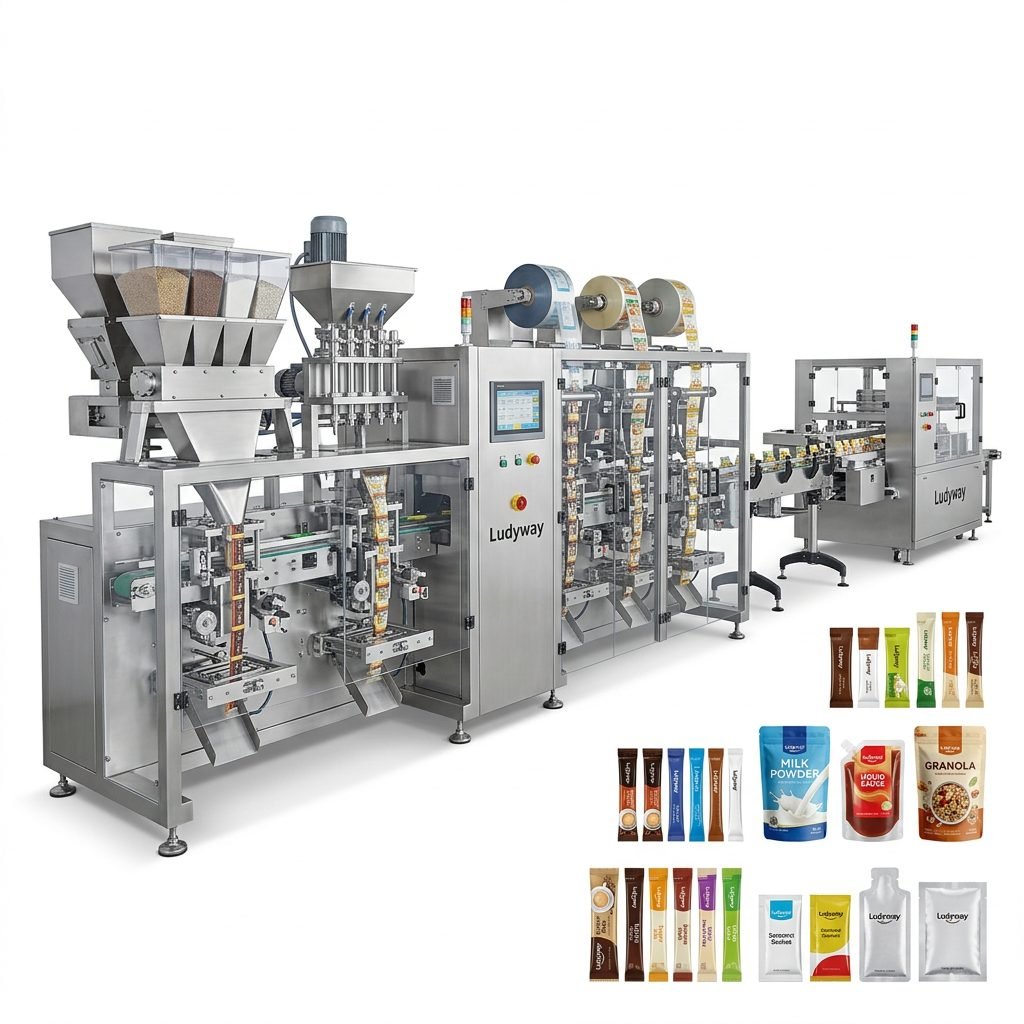
3. Sachet and Stick Pack Machines
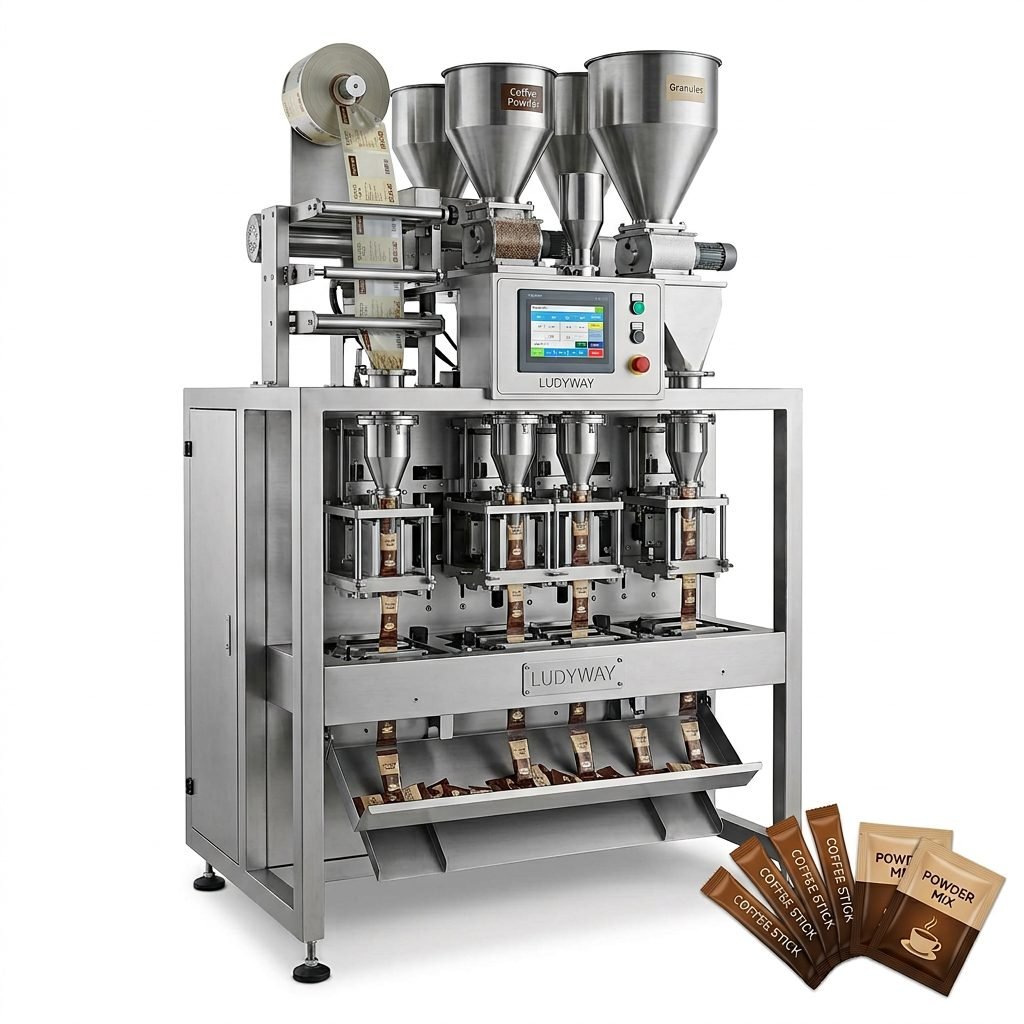
Sachet and stick pack machines are ideal for single-serve food packaging. They are common for instant coffee, sugar, seasoning powder, drink mixes, sauces, and nutritional supplements.
Multi-lane versions provide high-speed output for manufacturers targeting mass retail or export markets.
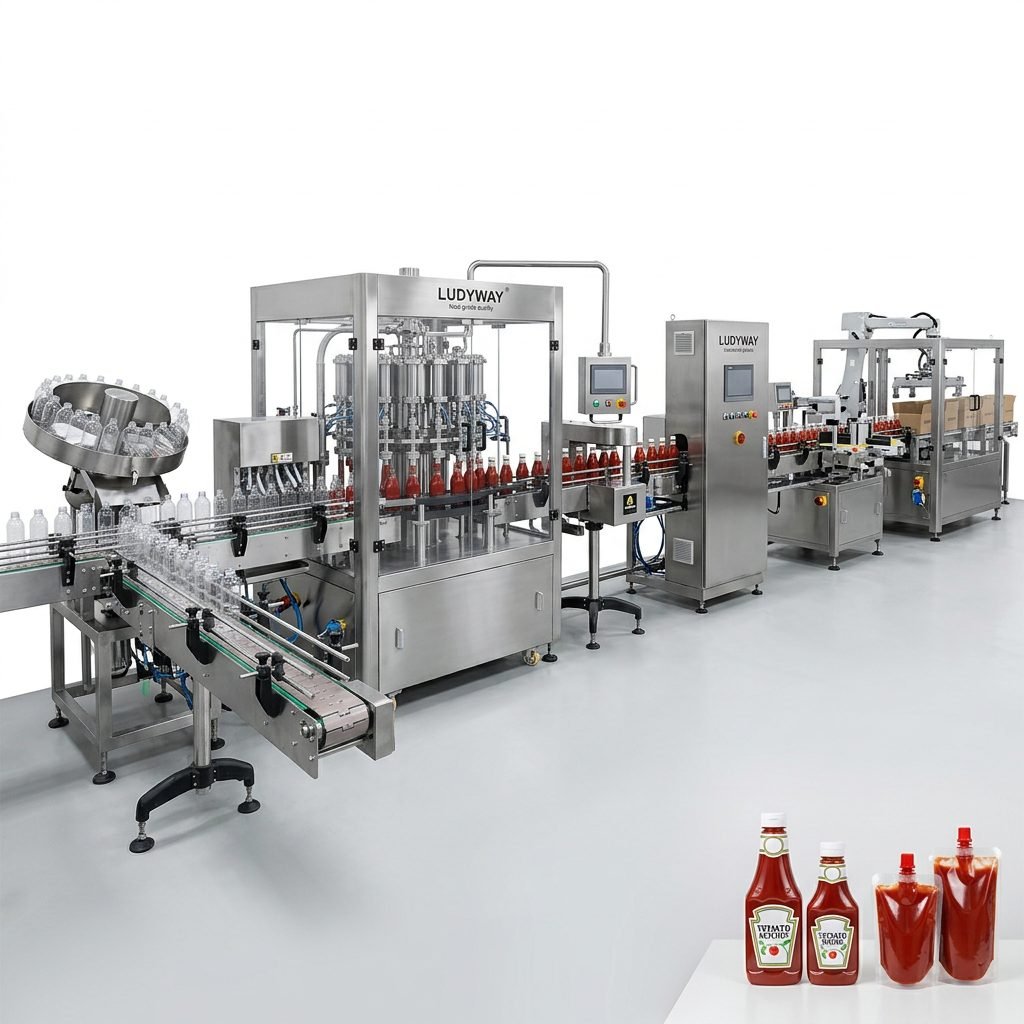
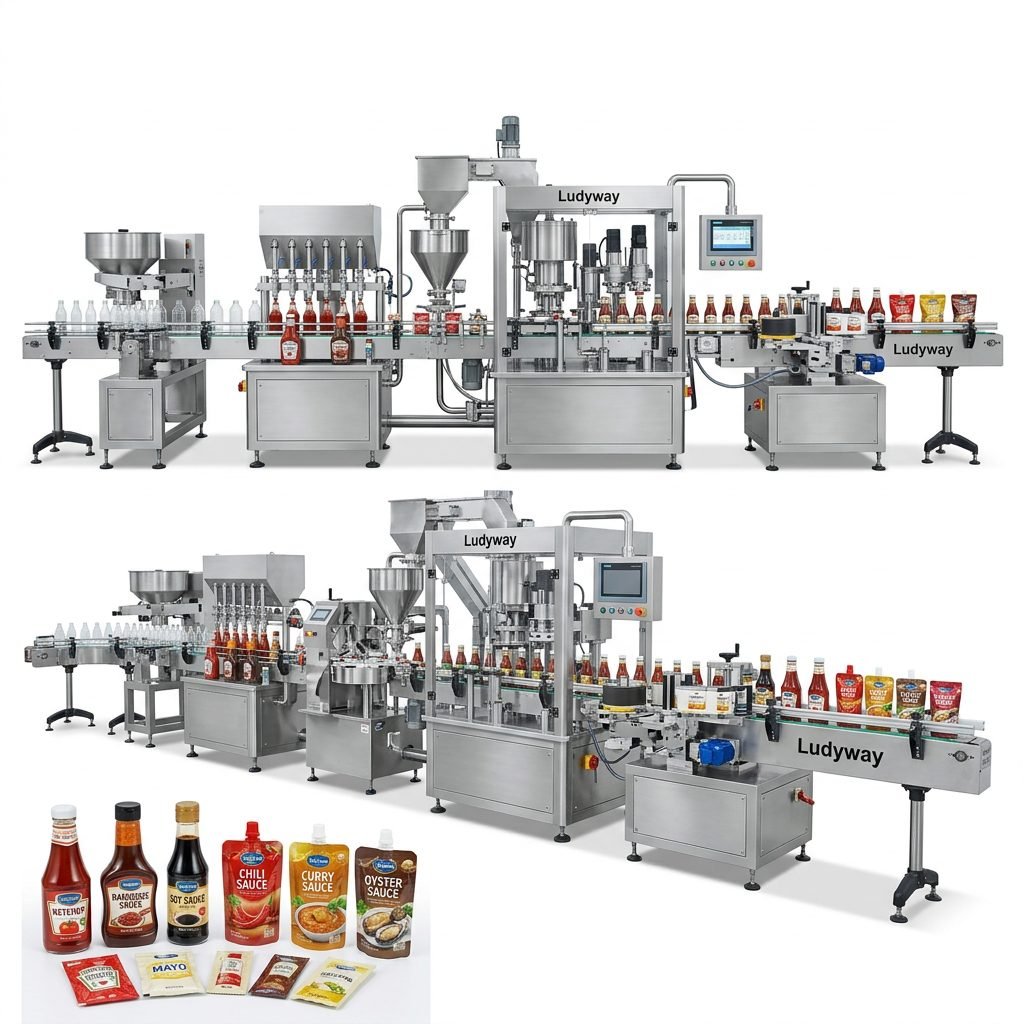
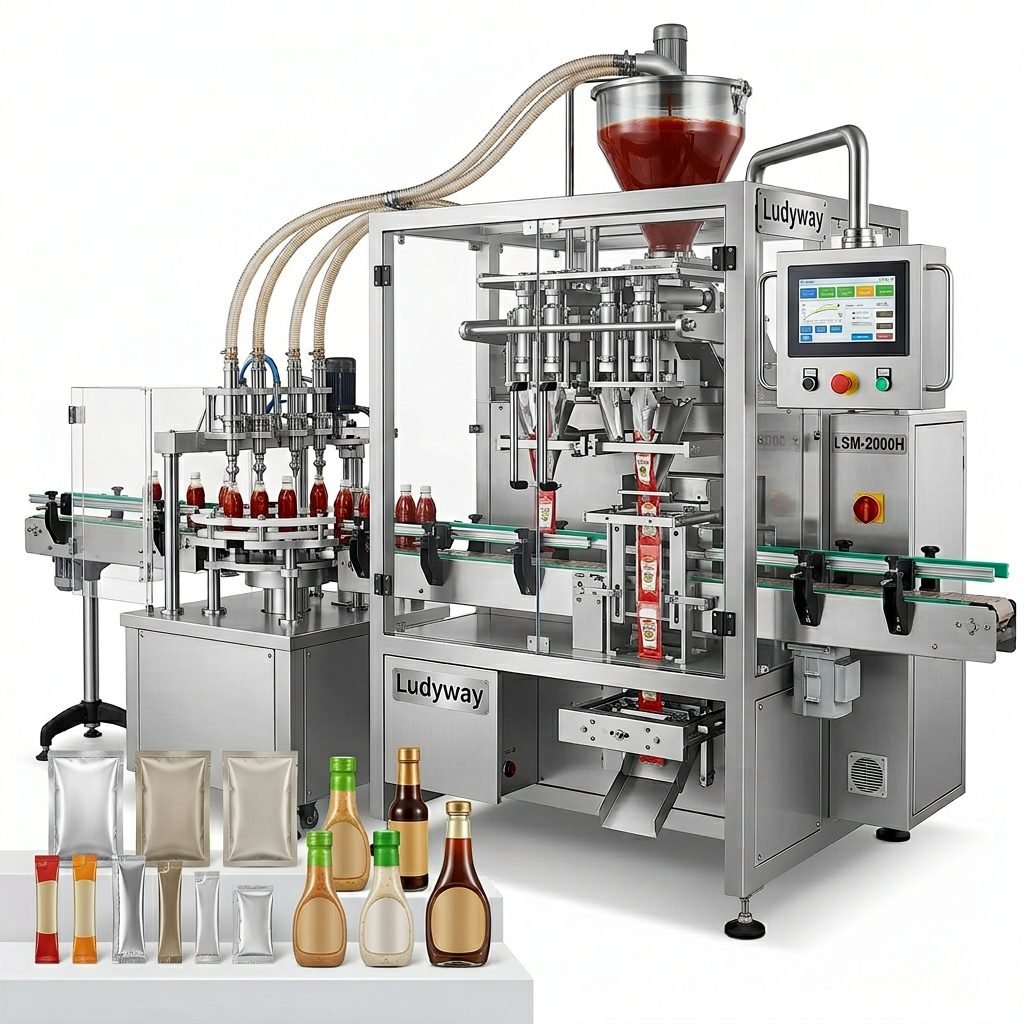
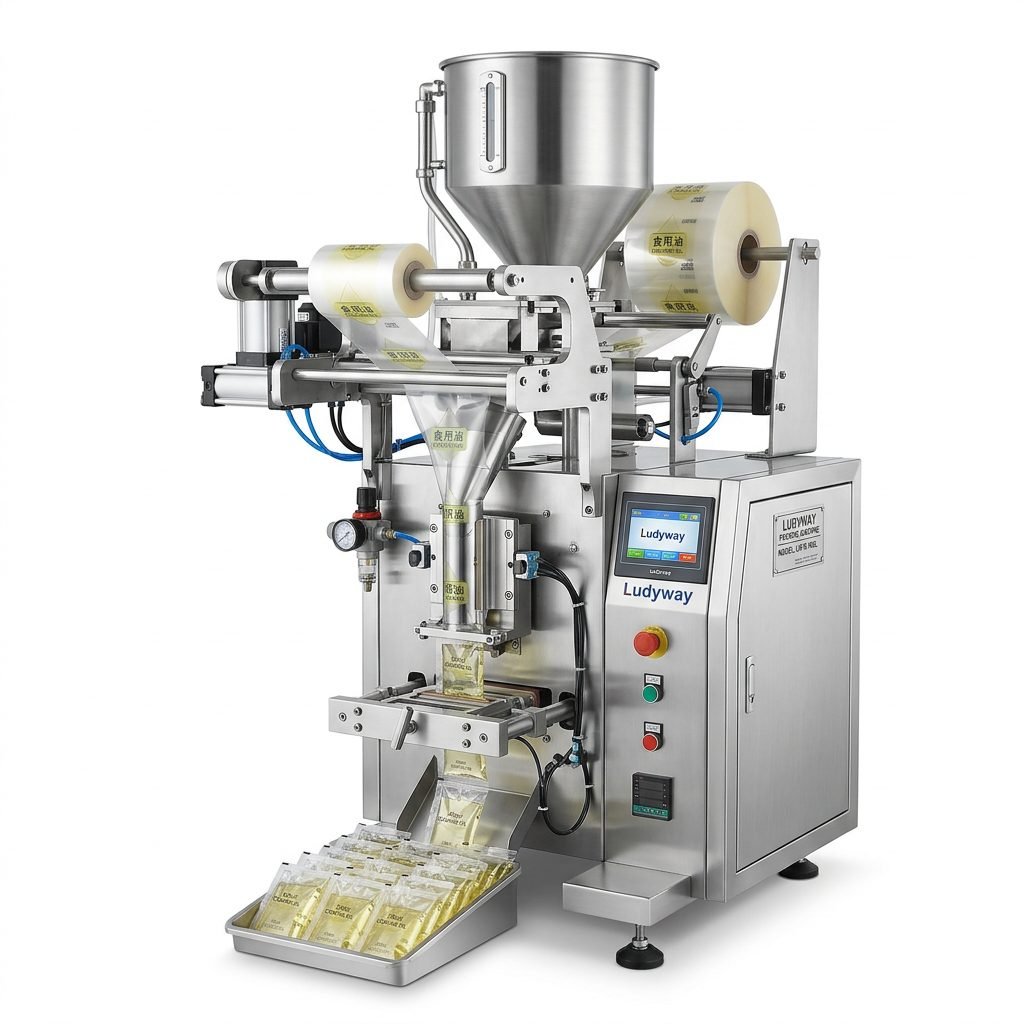
4. Liquid Filling and Sealing Machines
These machines are designed for liquid and semi-liquid products. They may use piston fillers, pump fillers, or gravity-based systems depending on viscosity and fill accuracy requirements.
5. Powder Packaging Machines
Powder packaging machines usually combine auger dosing technology with sealing systems. They are suitable for fine powders and dusty materials that require precise filling and controlled handling.
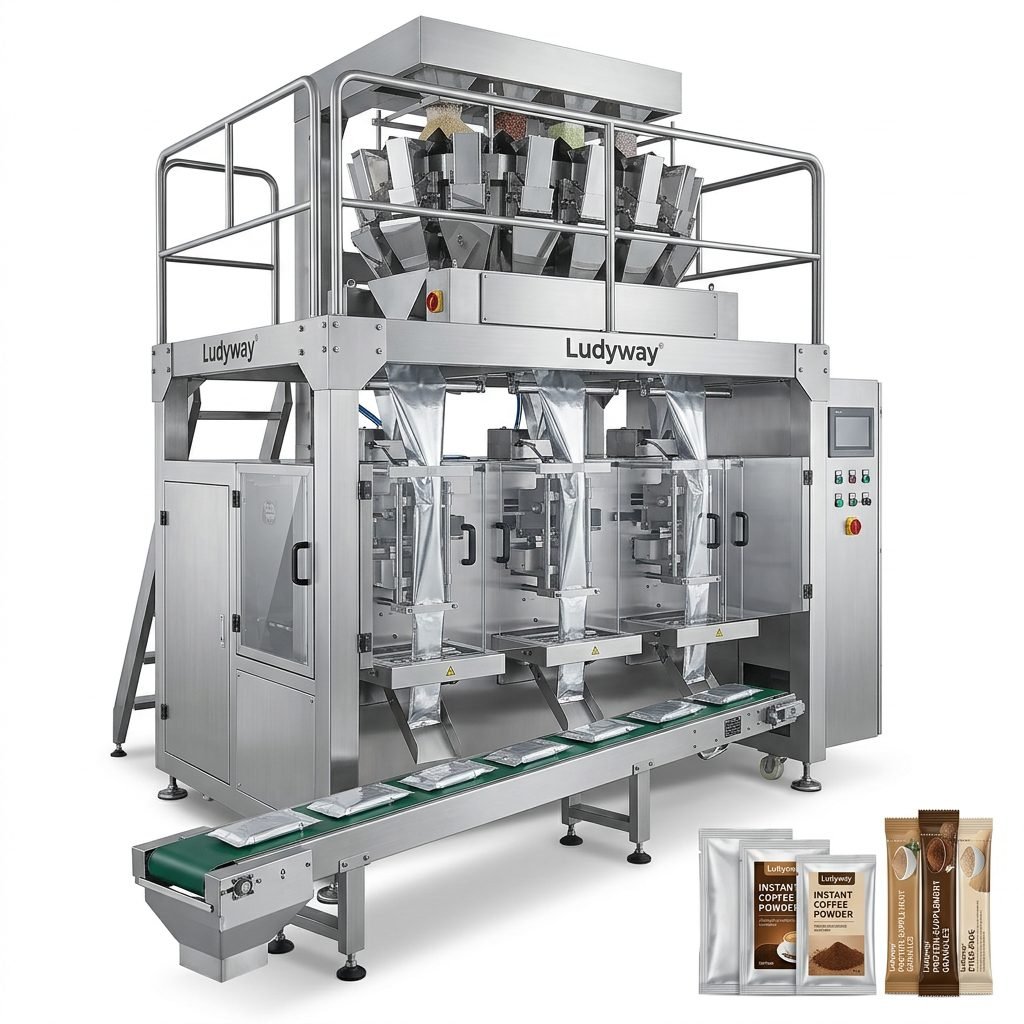
6. Weighing and Dosing Systems
These include multihead weighers, linear weighers, volumetric cup fillers, auger fillers, and counting systems. The correct dosing system is essential because it directly impacts product giveaway, package consistency, and cost control.
7. Vacuum Packaging Machines
Vacuum packaging removes air from the package before sealing, helping extend shelf life and protect product freshness. This is especially useful for meats, seafood, cheese, and some dry foods.
8. Tray Sealing and Thermoforming Machines
These machines are used for fresh meals, ready-to-eat products, meat, and convenience foods. They help deliver strong presentation, hygiene, and modified atmosphere packaging options.
9. Labeling, Coding, and Inspection Equipment
Supporting equipment such as date coders, labelers, checkweighers, metal detectors, and X-ray inspection systems improves compliance, traceability, and product quality assurance.
10. Cartoning, Case Packing, and Palletizing Systems
For larger operations, end-of-line automation helps reduce manual handling and improve shipping efficiency. These systems are especially valuable for businesses scaling up production.
| Machine Type | Suitable Products | Common Packaging Formats |
|---|---|---|
| VFFS Machine | Snacks, grains, powder, frozen food | Pillow bags, gusset bags, sachets |
| Premade Pouch Machine | Nuts, pet food, sauces, coffee | Stand-up pouches, zipper pouches |
| Stick Pack Machine | Sugar, coffee, supplements, seasoning | Stick packs |
| Liquid Filling Machine | Sauces, oils, syrups, dressings | Sachets, bottles, pouches |
| Vacuum Packaging Machine | Meat, seafood, cheese | Vacuum bags, thermoformed packs |
Key Benefits of Food Packaging Equipment
Higher Production Efficiency
Automated equipment can dramatically increase packaging speed compared with manual operations. This helps manufacturers meet large orders, reduce bottlenecks, and improve daily output.
Better Packaging Consistency
Machines provide repeatable filling, sealing, and cutting performance. This creates more uniform packs, supports retail standards, and reduces customer complaints.
Improved Food Safety and Hygiene
Automated contact parts, enclosed filling zones, and sanitary designs help reduce contamination risks. For food businesses, this is a major advantage in meeting quality and regulatory expectations.
Reduced Labor Costs
Packaging automation can reduce dependence on manual labor for repetitive tasks. This is especially important in markets where labor costs are rising or staffing is difficult.
Lower Product Waste
Accurate dosing systems help minimize overfill and reduce film or sealing waste. Over time, these savings can have a meaningful impact on operating cost.
Stronger Brand Presentation
Well-sealed, neat, and attractive packaging supports shelf appeal and customer trust. This matters for both supermarket sales and e-commerce fulfillment.
How to Choose the Right Food Packaging Machine
The best machine depends on your product and production goals. Before buying, review the following points carefully.
1. Understand Your Product Characteristics
Your food product determines the filling method, machine material, sealing system, and package structure. Ask these questions:
- Is the product solid, granule, powder, liquid, or paste?
- Is it free-flowing or sticky?
- Does it create dust?
- Is it fragile or easily broken?
- Does it require special hygiene or temperature control?
2. Match the Machine to the Packaging Format
Decide exactly how you want the final package to look. Common choices include:
- Sachets
- Stick packs
- Pillow bags
- Stand-up pouches
- Zipper pouches
- Bottles and jars
- Vacuum packs
- Trays and lidded containers
Not every machine can support every format, so this decision should be made early.
3. Define Your Required Output
Production capacity should be based on realistic current demand and future expansion plans. A machine that is too small may quickly become a bottleneck, while one that is too large may raise unnecessary capital costs.
Tip: Always evaluate both present needs and expected growth over the next three to five years.
4. Consider Accuracy and Product Waste
For high-value foods like coffee, protein powder, spices, and supplements, filling accuracy has a direct impact on profit. Choose a dosing solution that balances speed with precision.
5. Check Material and Hygiene Standards
Food-grade contact parts should be easy to clean and resistant to corrosion. Stainless steel construction is commonly preferred, especially for wet, acidic, or sensitive products.
6. Evaluate Flexibility and Changeover Time
If you produce multiple SKUs, pack sizes, or flavors, machine flexibility becomes very important. Fast changeover can reduce downtime and help you respond more quickly to market demand.
7. Review Integration Possibilities
A good machine should work smoothly with upstream and downstream equipment such as feeders, conveyors, metal detectors, checkweighers, cartoners, and palletizers. Integrated lines usually provide better long-term efficiency than isolated machines.
8. Look at After-Sales Support
Technical support, spare parts availability, remote assistance, installation guidance, and operator training are all important. Reliable support can reduce downtime and protect your investment.
9. Compare Total Cost of Ownership
Do not focus only on the purchase price. Also compare:
- Energy consumption
- Film or packaging material compatibility
- Maintenance frequency
- Spare parts cost
- Expected machine lifespan
- Labor savings
- Downtime risk
| Selection Factor | Why It Matters |
|---|---|
| Product Type | Determines filling system, sealing method, and machine structure |
| Package Format | Affects machine category and market presentation |
| Production Speed | Helps balance investment cost with output goals |
| Accuracy | Reduces overfill, waste, and cost loss |
| Maintenance and Support | Impacts uptime and long-term reliability |
Common Food Industry Applications
Food packaging machines are used across many product segments, including:
- Snack foods and nuts
- Rice, beans, grains, and cereals
- Coffee and tea
- Seasonings, spices, and baking ingredients
- Instant beverage powders
- Sauces, ketchup, oils, and condiments
- Frozen foods and ready meals
- Dairy powders and nutritional products
- Candy and confectionery
- Pet food and feed-related food-grade products
Signs It Is Time to Upgrade Your Packaging Equipment
If your current process is causing delays or quality issues, an upgrade may be the best next step. Common warning signs include:
- Frequent downtime and maintenance problems
- Inconsistent seal quality or fill weight
- High labor dependence
- Difficulty meeting larger orders
- Excessive product giveaway or packaging waste
- Slow format changes between SKUs
- Limited compatibility with modern packaging materials
Why Work With an Experienced Packaging Machine Manufacturer?
A proven manufacturer can help you avoid costly mistakes during equipment selection and line planning. This is especially important when your project involves customized filling systems, multiple package types, or a complete turnkey line.
For businesses looking for scalable automation, Ludyway food packaging machines are backed by more than 30 years of manufacturing experience, broad application coverage, and turnkey line integration capabilities for granules, powders, liquids, and pouch-based products.
Final Buying Checklist
Before making a final decision, confirm the following:
- Your product characteristics are fully tested on the target machine
- The machine supports your required package style and size range
- Output speed matches your production goals
- Filling accuracy meets cost-control expectations
- Food-contact parts meet hygiene requirements
- The machine can integrate with your existing or future line
- Training, spare parts, and service support are available
- Total cost of ownership has been evaluated, not just purchase price
Conclusion
The right food packaging equipment can improve productivity, protect food quality, strengthen brand presentation, and support long-term growth. Whether you need a compact sachet machine, a high-speed stick pack system, a liquid filling line, or a complete automated packaging solution, the best choice always starts with a clear understanding of your product, packaging format, and production goals.
By carefully comparing machine types, technical features, and supplier support, food manufacturers can invest with more confidence and build a packaging operation that is efficient, reliable, and ready for future expansion.