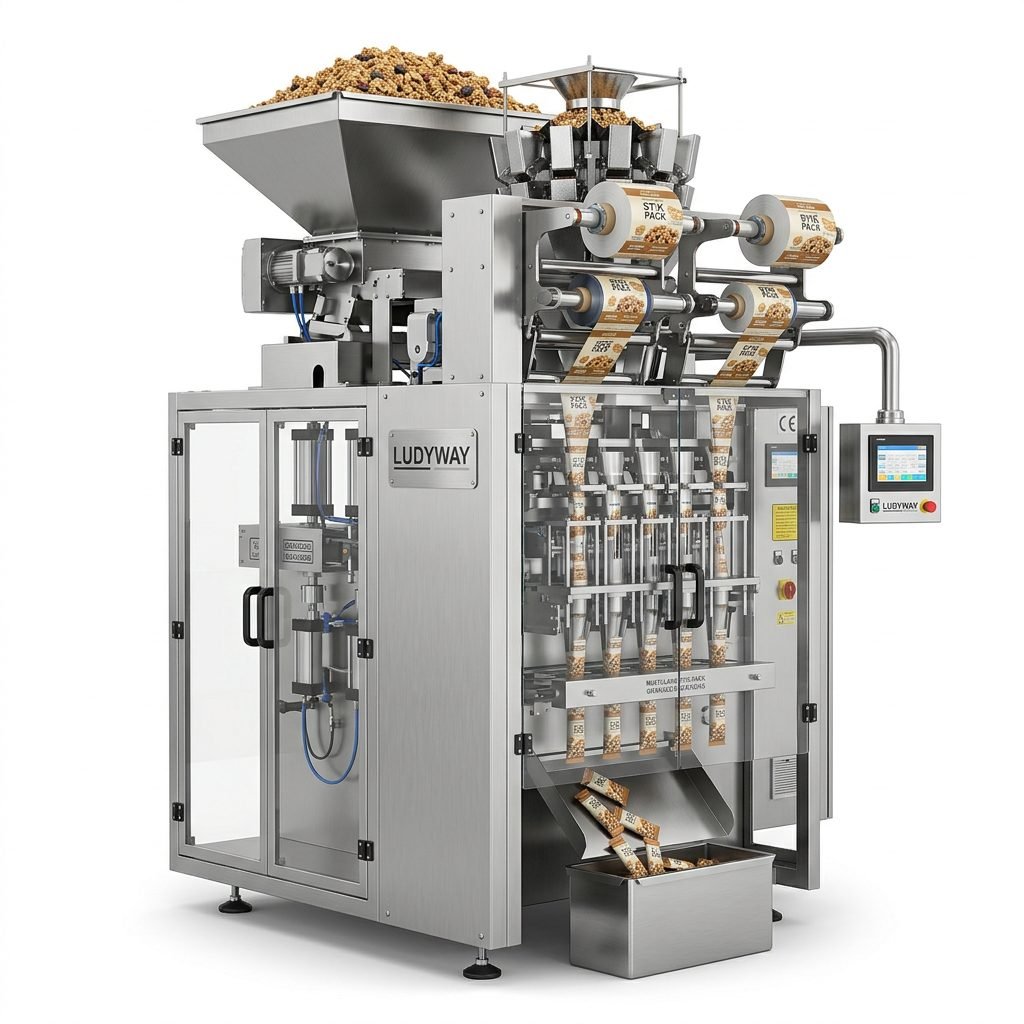
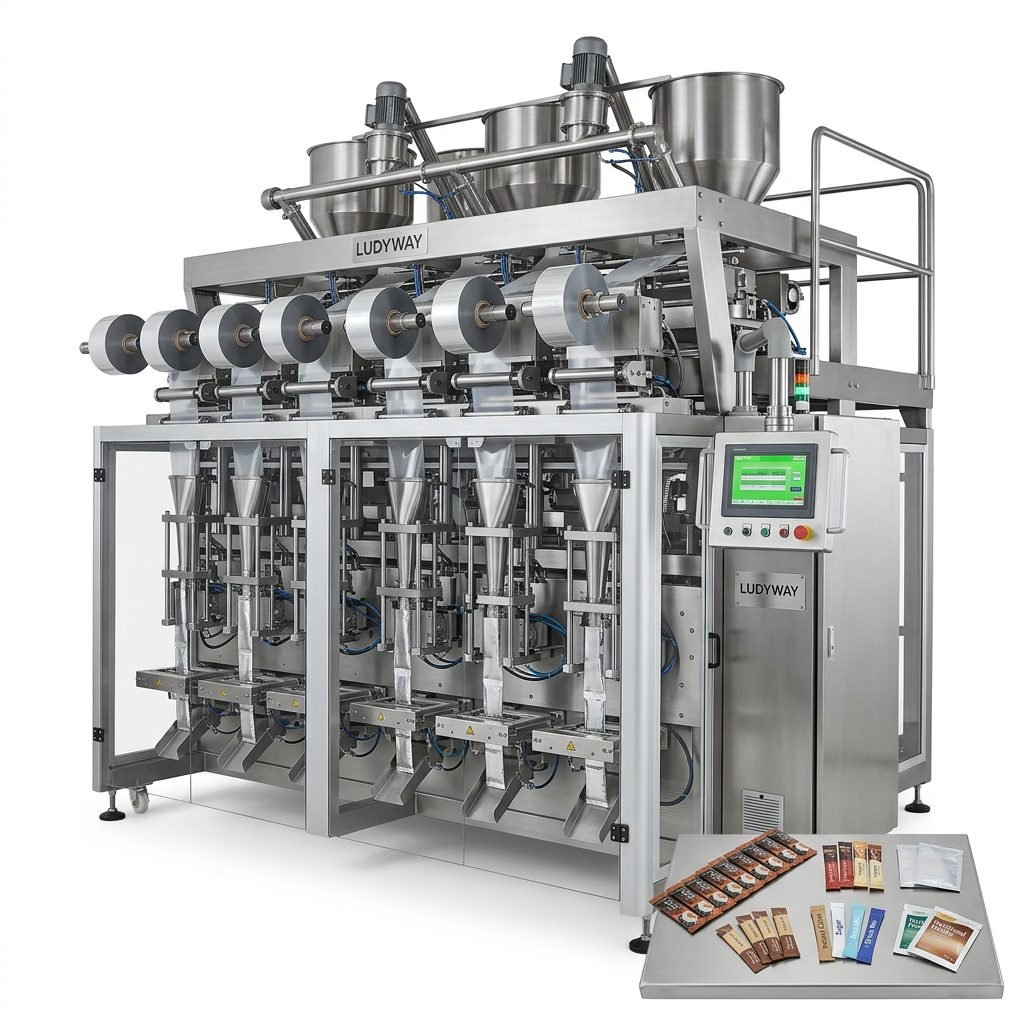
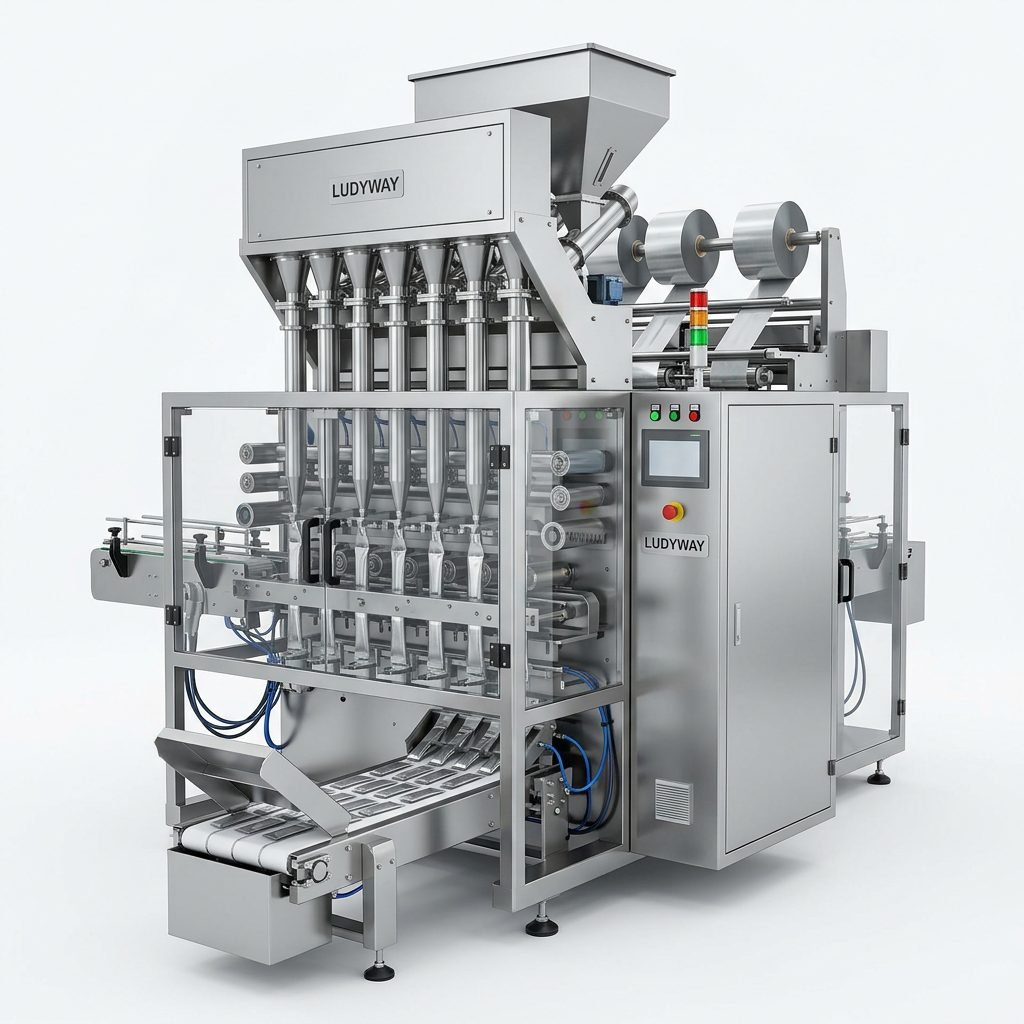
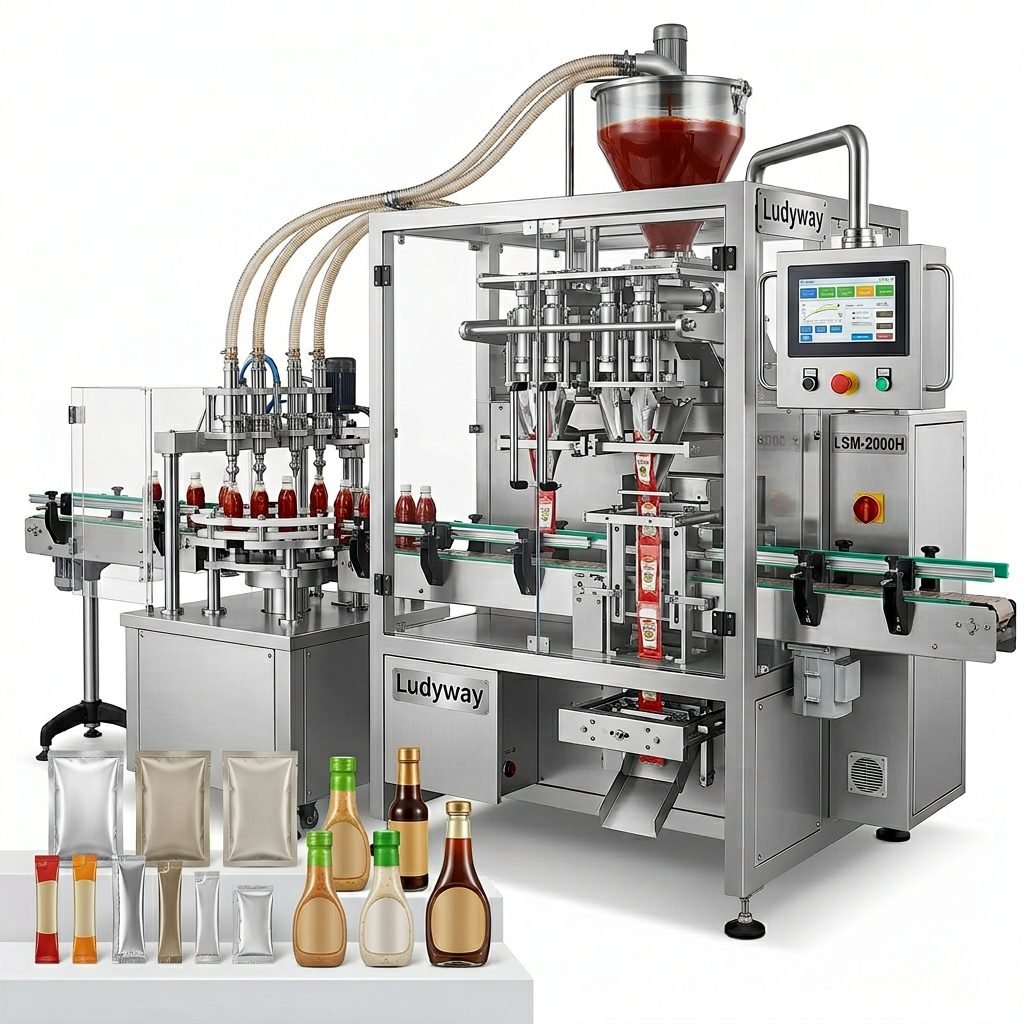
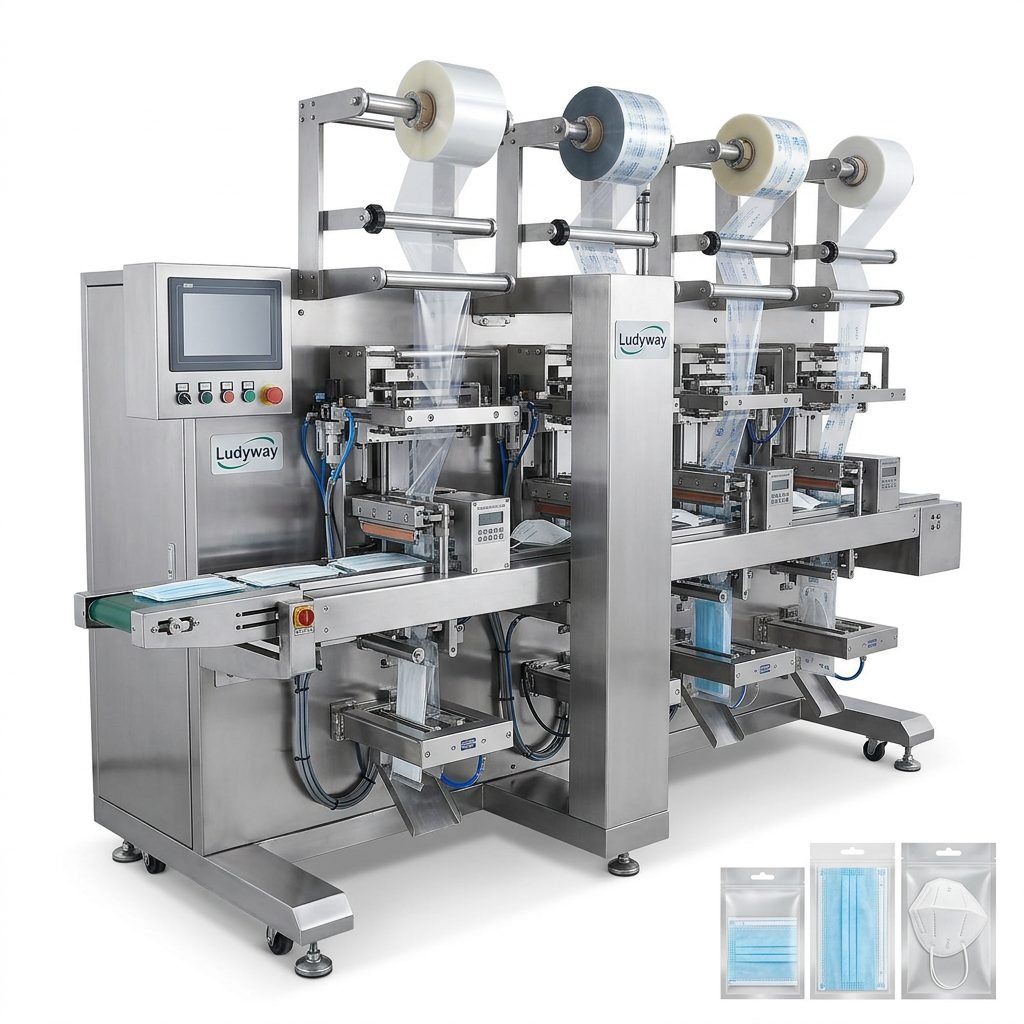
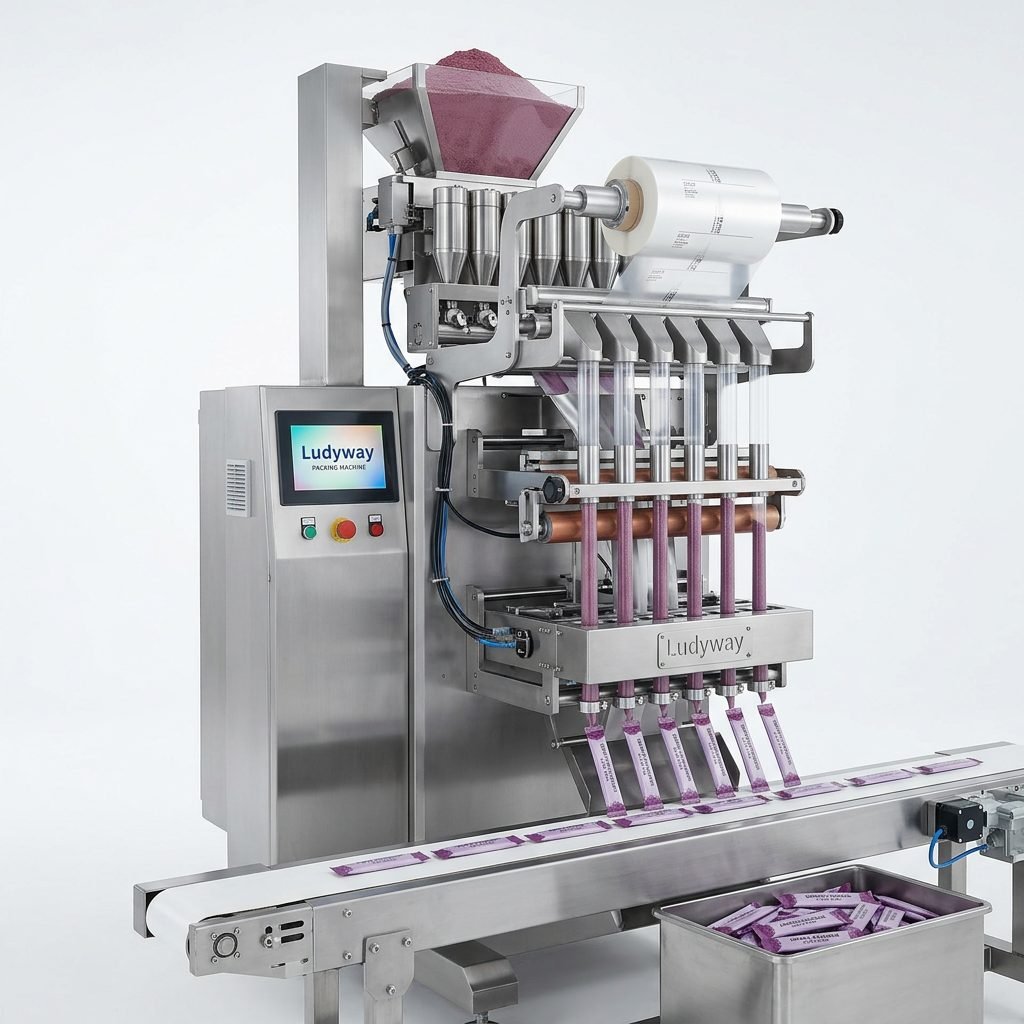
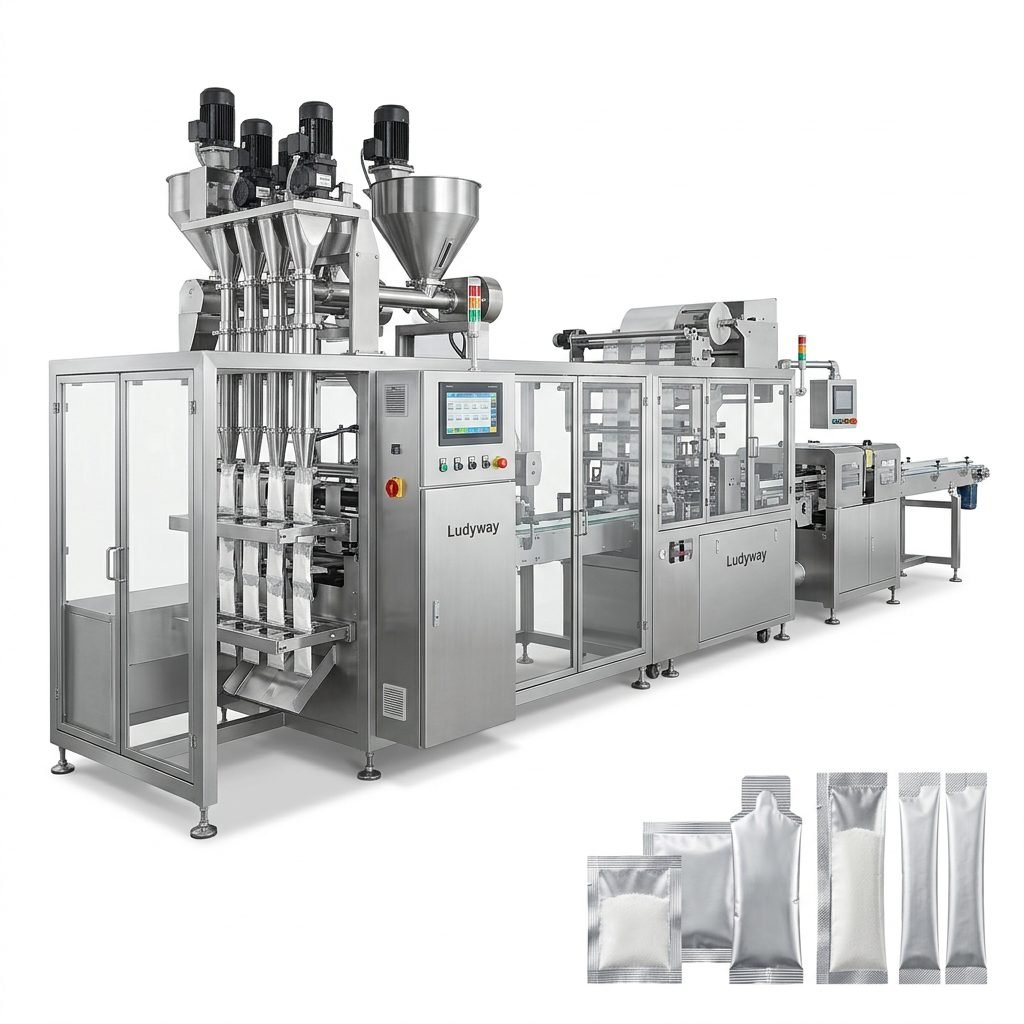
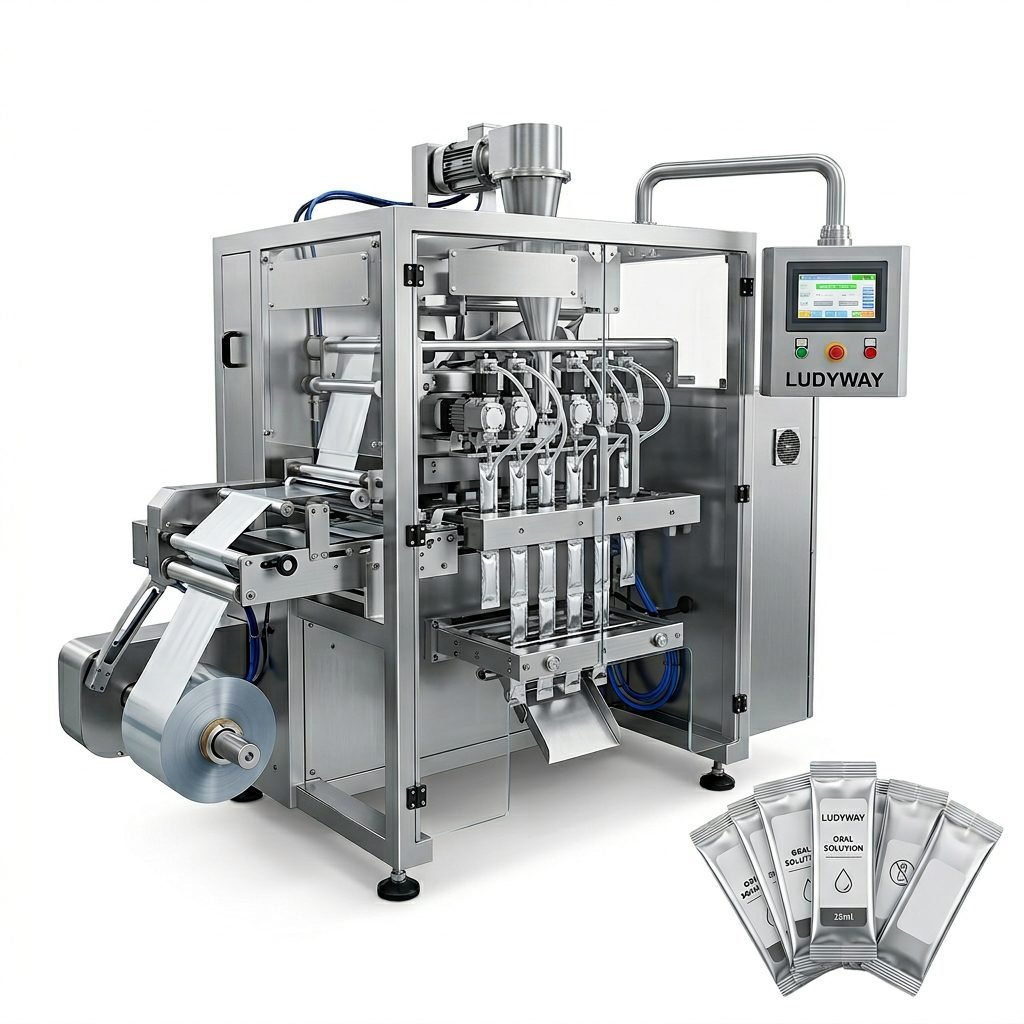
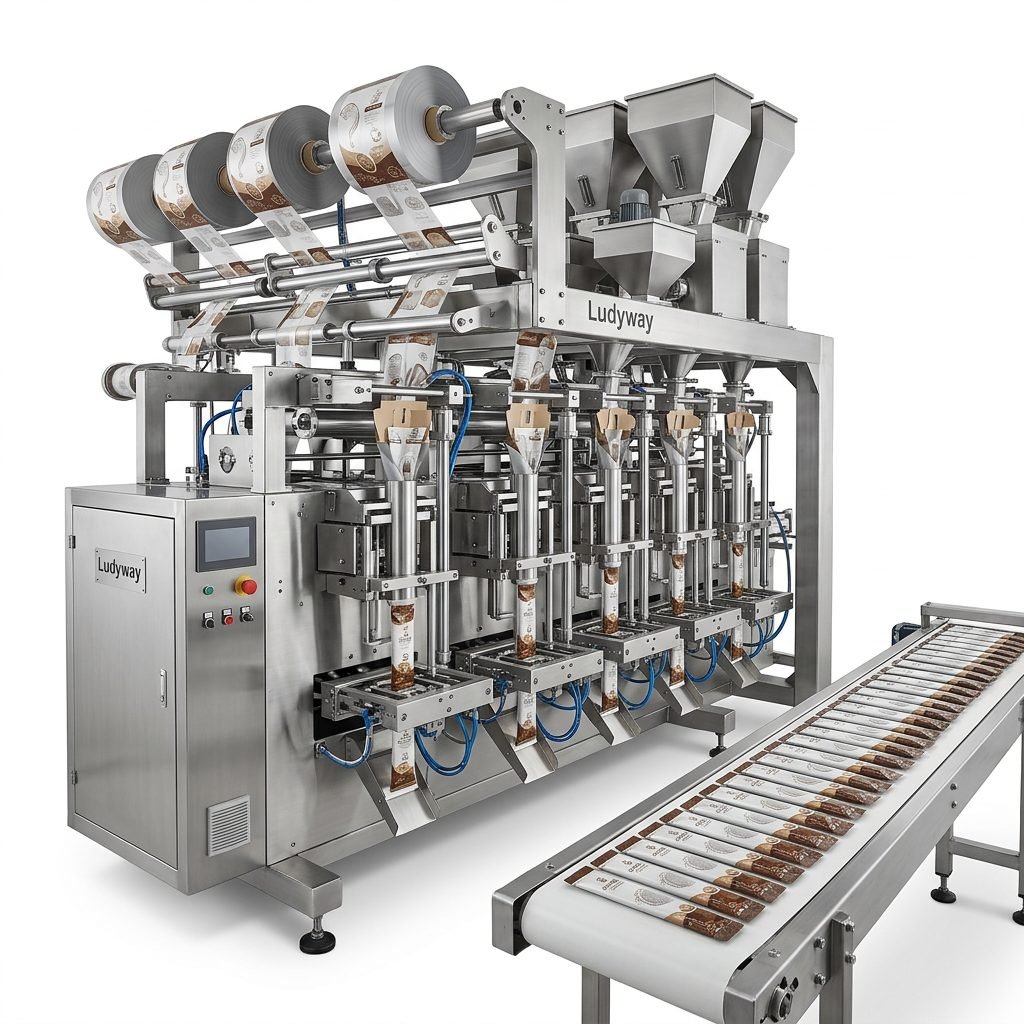
A vertical packaging machine is one of the most widely used solutions for automated bag forming, filling, and sealing across food, pharmaceutical, chemical, personal care, and daily-use industries. If you are evaluating packaging automation for powders, granules, liquids, or small-dose products, understanding how this machine works can help you choose the right configuration and avoid costly mistakes.
This guide explains the operating principle, major benefits, common applications, and the most important buying factors to consider before investing.
What Is a Vertical Packaging Machine?
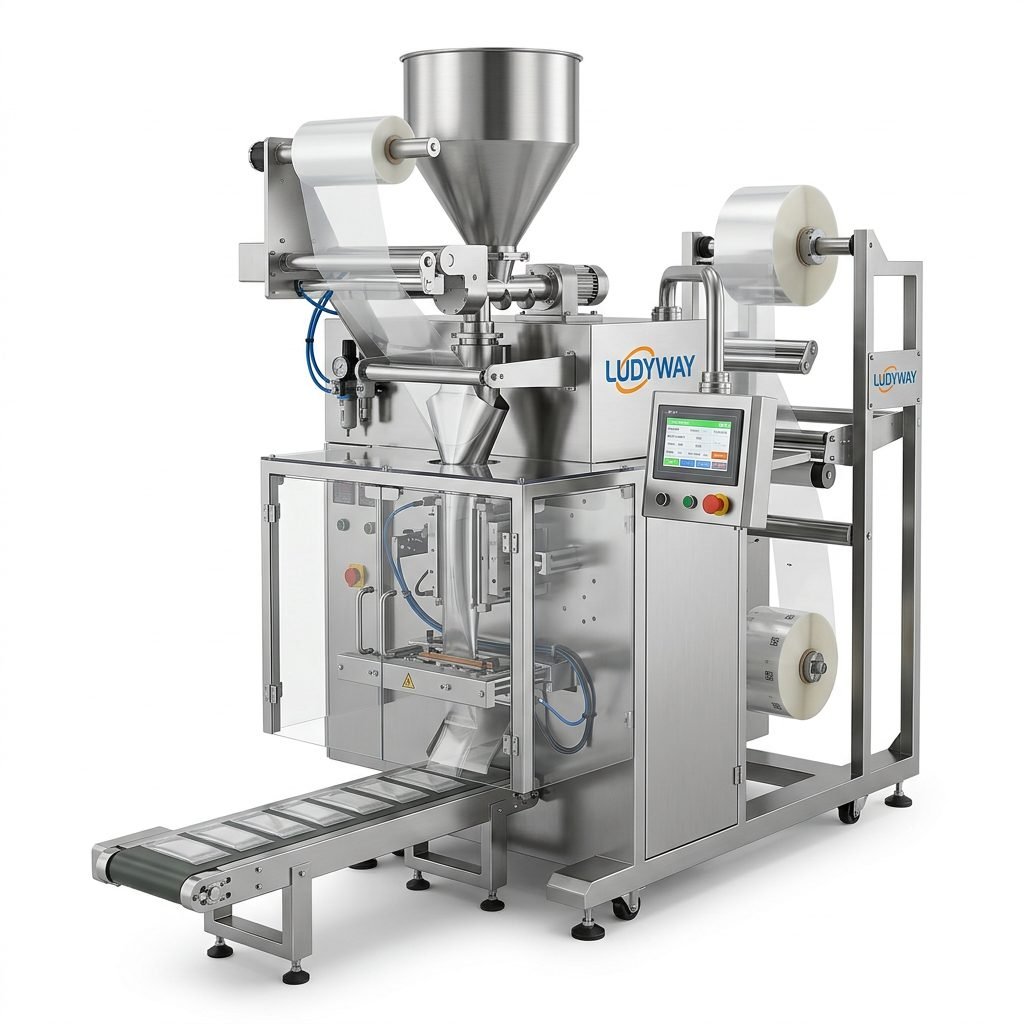
A vertical packaging machine, often called a VFFS machine (Vertical Form Fill Seal), is an automated system that forms a bag from roll film in a vertical direction, fills it with product, and seals it into a finished package. It is designed to improve output, reduce manual labor, and deliver more consistent packaging quality.
These machines are commonly used for:
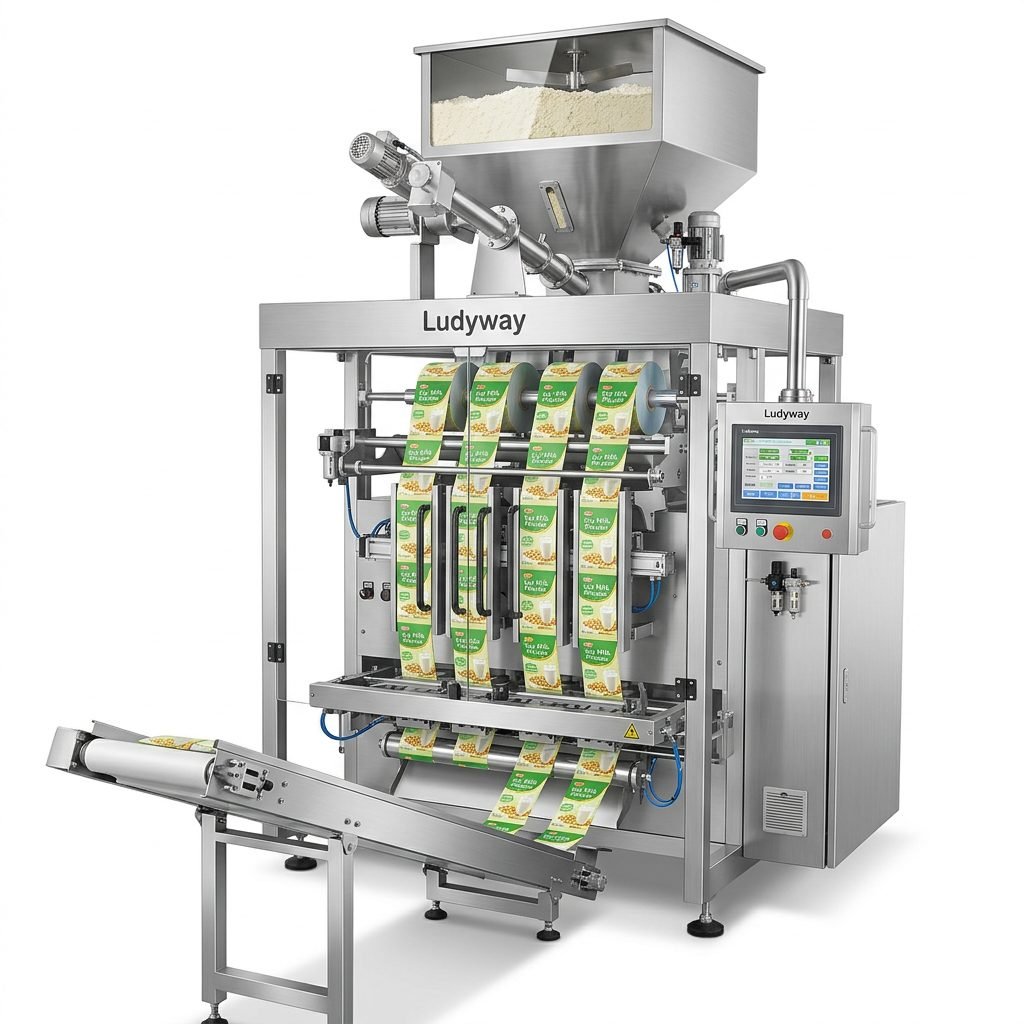
- Powders such as milk powder, coffee powder, spices, protein powder, and pharmaceutical powders
- Granules such as sugar, salt, seeds, rice, snacks, detergent granules, and feed additives
- Liquids and pastes such as sauces, gels, shampoo, honey, oils, and creams
- Single-dose or multi-lane sachet and stick pack applications
How a Vertical Packaging Machine Works
Although machine designs vary by product type and package format, the core process follows a similar sequence. The machine works by moving packaging film downward while synchronizing forming, dosing, sealing, and cutting.
1. Film Unwinding
A roll of packaging film is mounted on the machine. The film is pulled downward by a servo-driven or belt-driven film transport system with controlled tension for stable movement and precise registration.
2. Bag Forming
The flat film passes through a forming collar or forming tube, which shapes it into a cylindrical sleeve. This creates the body of the pouch or bag before filling.
3. Vertical Sealing
The overlapping film edges are sealed together to create the back seal, center seal, or fin seal depending on the package design. Seal integrity is critical because it directly affects shelf life, leakage resistance, and product presentation.
4. Bottom Sealing
Horizontal sealing jaws close and create the bottom seal of the next pouch. This prepares the bag for product filling.
5. Product Dosing and Filling
The product is dispensed into the formed bag through the filling system. Different products require different dosing technologies:
- Auger fillers for powders
- Multi-head weighers for snacks and irregular granules
- Volumetric cup fillers for free-flowing granules
- Piston pumps for liquids, pastes, and creams
- Liquid pumps or flow meters for precise liquid dosing
6. Top Sealing
Once the product enters the pouch, the machine creates the top seal. At the same time, this top seal can also become the bottom seal of the next bag in continuous packaging cycles.
7. Cutting and Discharge
The package is cut into individual units using a knife or perforation system, then discharged for collection, counting, cartoning, checkweighing, coding, or case packing.
Simple Process Flow
Film Roll → Forming → Vertical Seal → Bottom Seal → Filling → Top Seal → Cutting → Finished Package
Main Components of a Vertical Packaging Machine
To evaluate machine quality, buyers should understand the key subsystems that affect speed, precision, and long-term reliability.
| Component | Function | Why It Matters |
|---|---|---|
| Film unwinding system | Feeds packaging film smoothly | Affects stability and print alignment |
| Forming collar/tube | Shapes film into bag form | Determines bag style and consistency |
| Sealing jaws | Create horizontal and vertical seals | Directly impacts leak resistance and appearance |
| Filling system | Measures and dispenses product | Critical for dosing accuracy |
| Control system | Coordinates all machine motions | Improves automation, repeatability, and usability |
| Coding/printing interface | Prints batch, date, or lot info | Supports traceability and compliance |
Common Bag Types Produced by Vertical Packaging Machines
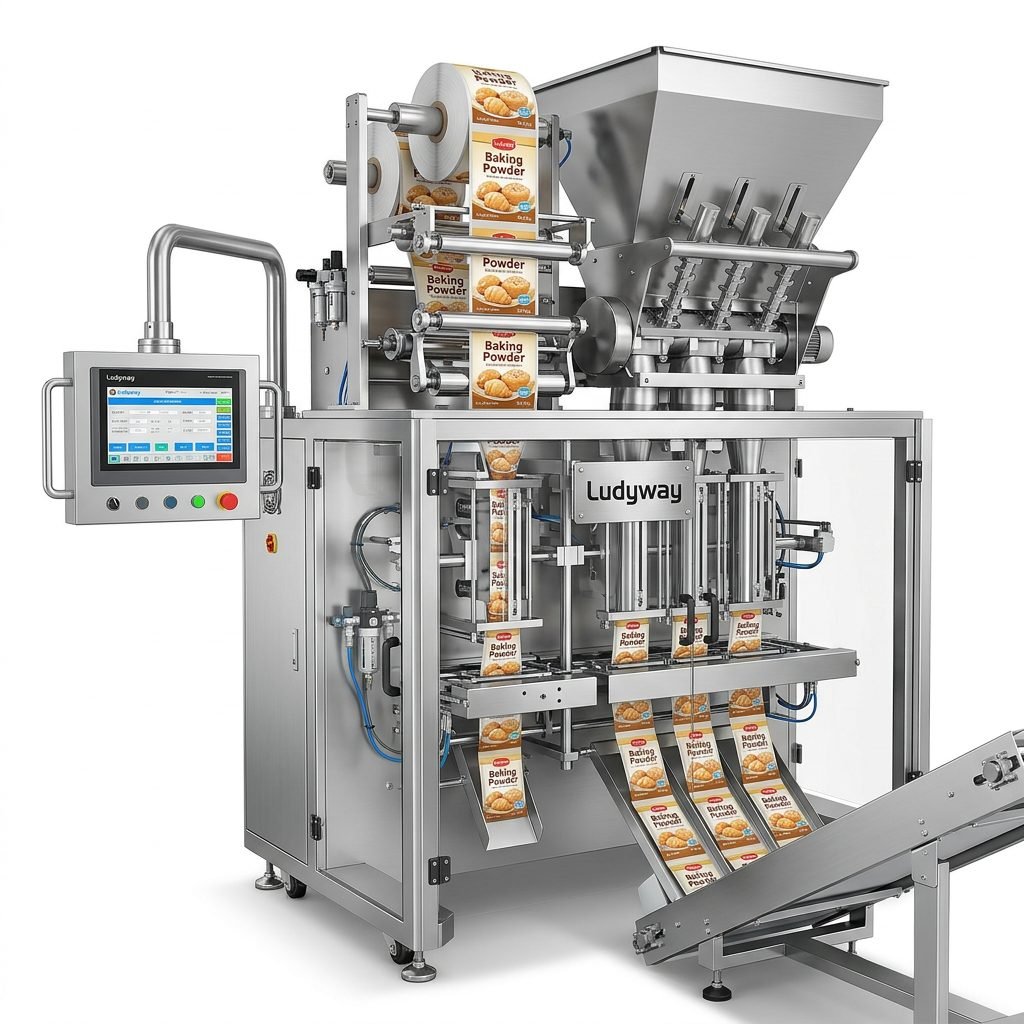
Modern vertical packaging systems can produce multiple package styles depending on film structure, sealing design, and downstream needs.
- Pillow bags
- Gusseted bags
- Quad seal bags
- Sachet packs
- Stick packs
- Three-side seal pouches
- Four-side seal pouches
The best bag type depends on your product flow, branding goals, retail display needs, and shipping requirements.
Key Benefits of Vertical Packaging Machines
High Packaging Efficiency
Vertical packaging machines can significantly increase output compared with manual packaging. They support continuous operation and are ideal for manufacturers seeking consistent, repeatable production.
Lower Labor Costs
Automation reduces dependence on manual filling, sealing, and bag handling. This helps manufacturers control labor costs and minimize operator-related inconsistency.
Better Dosing Accuracy
When matched with the right dosing unit, these machines offer strong accuracy for powders, granules, liquids, and viscous products. Better accuracy means less giveaway and better product consistency.
Compact Footprint
Because the film runs vertically and the process is integrated in one structure, the machine is generally space-efficient. This is especially valuable for factories with limited floor space.
Flexible Product Adaptability
A properly configured machine can run many product types and pouch sizes. This makes it suitable for businesses with multiple SKUs or future expansion plans.
Improved Seal Quality
Stable temperature control and synchronized sealing motion help maintain package integrity. For moisture-sensitive, oxygen-sensitive, or spill-prone products, this is a major advantage.
Easy Integration into Automatic Lines
A vertical packaging machine can be integrated with feeding systems, checkweighers, metal detectors, coders, cartoners, case packers, and palletizing equipment to create a more complete automated line.
Industries That Commonly Use Vertical Packaging Machines
| Industry | Typical Products | Recommended Filling Type |
|---|---|---|
| Food | Coffee, sugar, spices, snacks, flour, soup mixes | Auger, cup filler, multi-head weigher |
| Pharmaceutical | Granules, powders, oral sachets, supplements | Auger, precision dosing systems |
| Cosmetics & Personal Care | Creams, gels, serum sachets, shampoo | Piston pump, liquid pump |
| Chemical | Detergent powder, additives, water treatment chemicals | Auger, cup filler, liquid dosing |
| Animal Feed | Feed premix, pellets, powder supplements | Weighing systems, auger, volumetric fillers |
Vertical Packaging Machine vs. Other Packaging Systems
A vertical machine is not always the only option. Buyers often compare it with premade pouch machines, horizontal flow wrappers, or bottle filling systems.
- Vertical packaging machine: best for roll-film bag making with integrated form-fill-seal operation
- Premade pouch machine: better when premium pouch styles or resealable features are needed
- Horizontal flow wrapper: more suitable for solid items such as bars, biscuits, and trays
- Bottle or jar filling line: ideal for rigid packaging instead of flexible packs
If your priority is speed, flexibility, and lower packaging material cost, a vertical packaging machine is often the more efficient solution.
What to Consider Before Buying a Vertical Packaging Machine
1. Product Characteristics
Your product determines the machine structure and filling technology. Consider:
- Is it powder, granule, liquid, paste, or mixed material?
- Does it flow easily or bridge in the hopper?
- Is it dusty, sticky, fragile, corrosive, or moisture-sensitive?
2. Required Output
Always define your target speed in bags per minute and your future capacity expectations. Buying only for today’s demand may create a bottleneck sooner than expected.
3. Package Size and Format
Check the pouch width, length, fill weight, and style you need. Not every machine can handle every format without change parts or major adjustments.
4. Film Compatibility
The machine must work with your preferred packaging material, such as laminated film, aluminum foil film, PE, PET, or recyclable mono-material film. Sealability and print registration should be verified before purchase.
5. Accuracy Requirements
For high-value products such as pharmaceutical powders, nutraceuticals, or specialty chemicals, filling accuracy is a core purchasing factor. Request real sample tests rather than relying only on catalog claims.
6. Hygiene and Compliance
If you operate in food, pharma, or health supplement sectors, machine design should support easy cleaning, safe material contact surfaces, and the required compliance standards for your market.
7. Ease of Changeover
If you run multiple SKUs, quick changeover is essential. Ask how long it takes to change bag size, film roll, filler settings, and sealing parameters.
8. Maintenance and After-Sales Support
Even a good machine can become a production problem if spare parts, online support, or commissioning service are weak. Reliable after-sales support often matters as much as initial price.
Important Questions to Ask a Supplier
- What products has this machine been tested on?
- What is the actual speed under my product conditions?
- What filling accuracy can be achieved?
- Which bag types and sizes are supported?
- What packaging films are compatible?
- Can the machine integrate with feeders, coders, checkweighers, or cartoning systems?
- What spare parts are included?
- Do you provide installation, training, and remote support?
Signs of a High-Quality Vertical Packaging Machine
When comparing suppliers, look beyond basic specifications. A strong machine usually shows these characteristics:
- Stable running at target speed
- Consistent sealing with clean edges
- Accurate bag length and print alignment
- User-friendly HMI and control system
- Low vibration and smooth film tracking
- Easy cleaning and maintenance access
- Strong supplier documentation and testing support
Typical Buying Mistakes to Avoid
- Choosing only by price instead of total lifecycle value
- Ignoring product behavior during real filling tests
- Overlooking future capacity expansion
- Not confirming film compatibility in advance
- Buying a machine without suitable local or remote technical support
Who Should Invest in a Vertical Packaging Machine?
A vertical packaging machine is a practical investment for companies that want to:
- Increase production speed
- Reduce manual packaging costs
- Improve dosing consistency
- Upgrade from semi-automatic to automatic packaging
- Build a scalable packaging line for multiple products
Manufacturers in fast-growing sectors such as food ingredients, health supplements, pharmaceuticals, personal care, and chemicals often see especially strong returns from this type of automation.
Choosing the Right Manufacturing Partner
Beyond the machine itself, your supplier should have real application experience, engineering capability, and line integration knowledge. For buyers looking for scalable automation, Ludyway vertical packaging machine solutions are backed by more than 30 years of manufacturing experience, a broad product portfolio, and turnkey packaging line capabilities for food, pharmaceutical, health supplement, chemical, and related industries.
Final Buying Checklist
| Checklist Item | Why It’s Important |
|---|---|
| Product type and flowability | Determines filler and machine design |
| Target speed | Ensures production goals are achievable |
| Bag format and dimensions | Affects forming system and sealing structure |
| Film material | Impacts sealing performance and compatibility |
| Accuracy expectations | Reduces giveaway and quality risk |
| Factory space and layout | Supports smooth installation and line integration |
| After-sales support | Protects uptime and long-term performance |
The right vertical packaging machine can transform packaging efficiency, improve product consistency, and support long-term business growth. The best choice is not simply the fastest or cheapest machine, but the one that fits your product, package, capacity plan, and service expectations with the highest overall reliability.