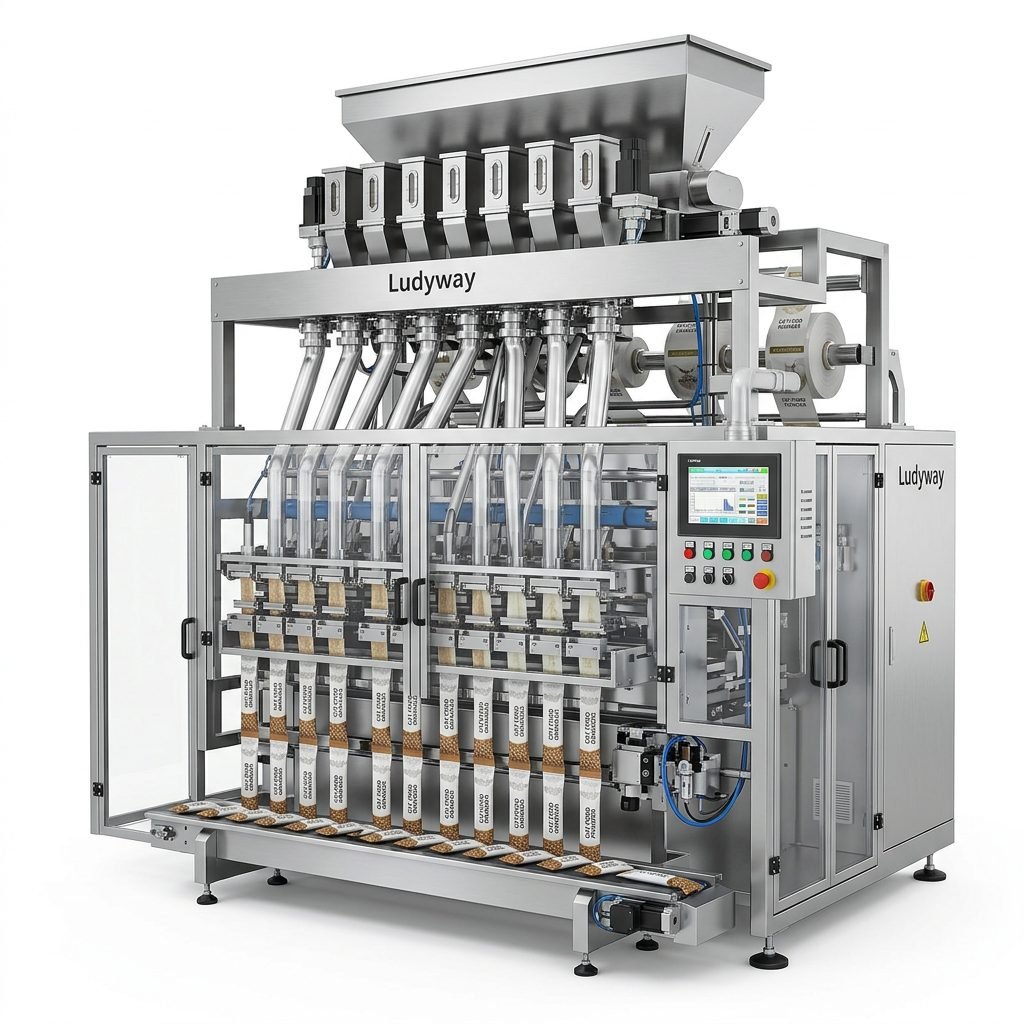
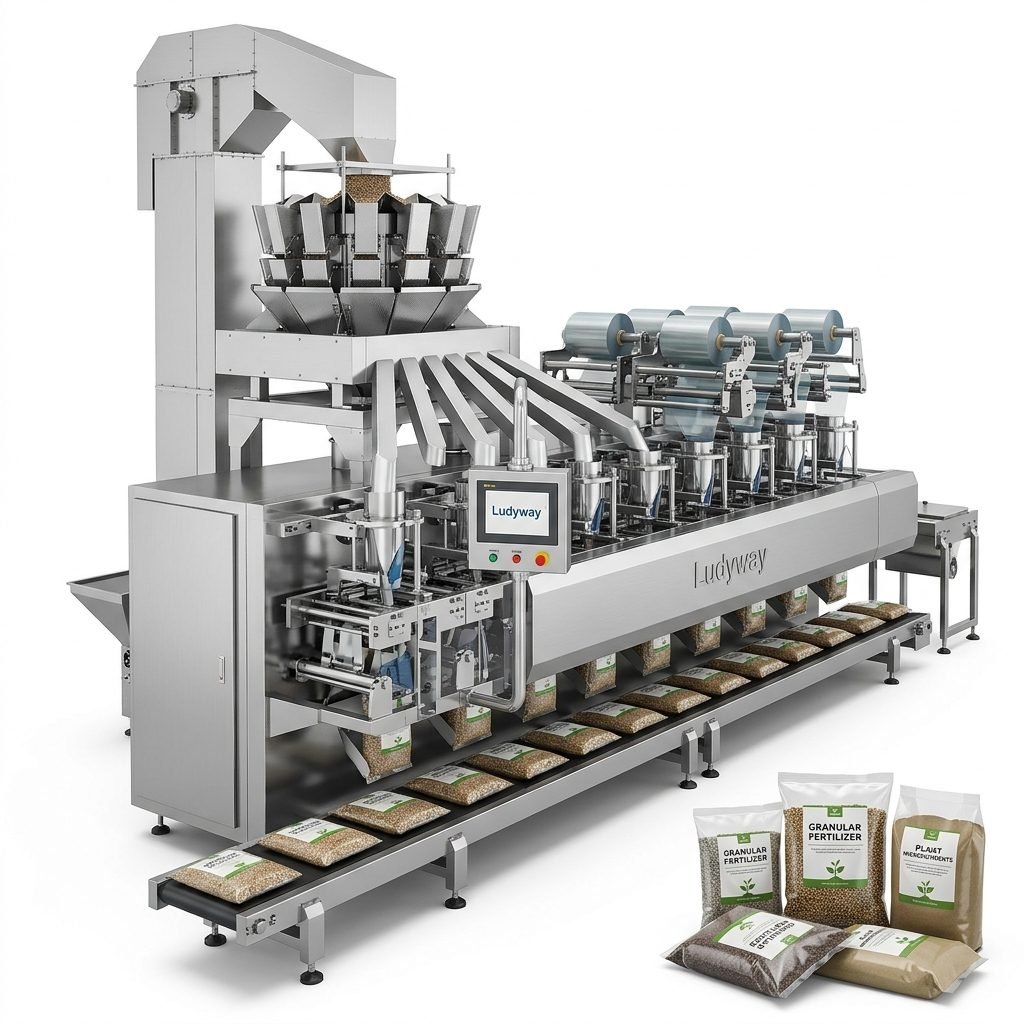
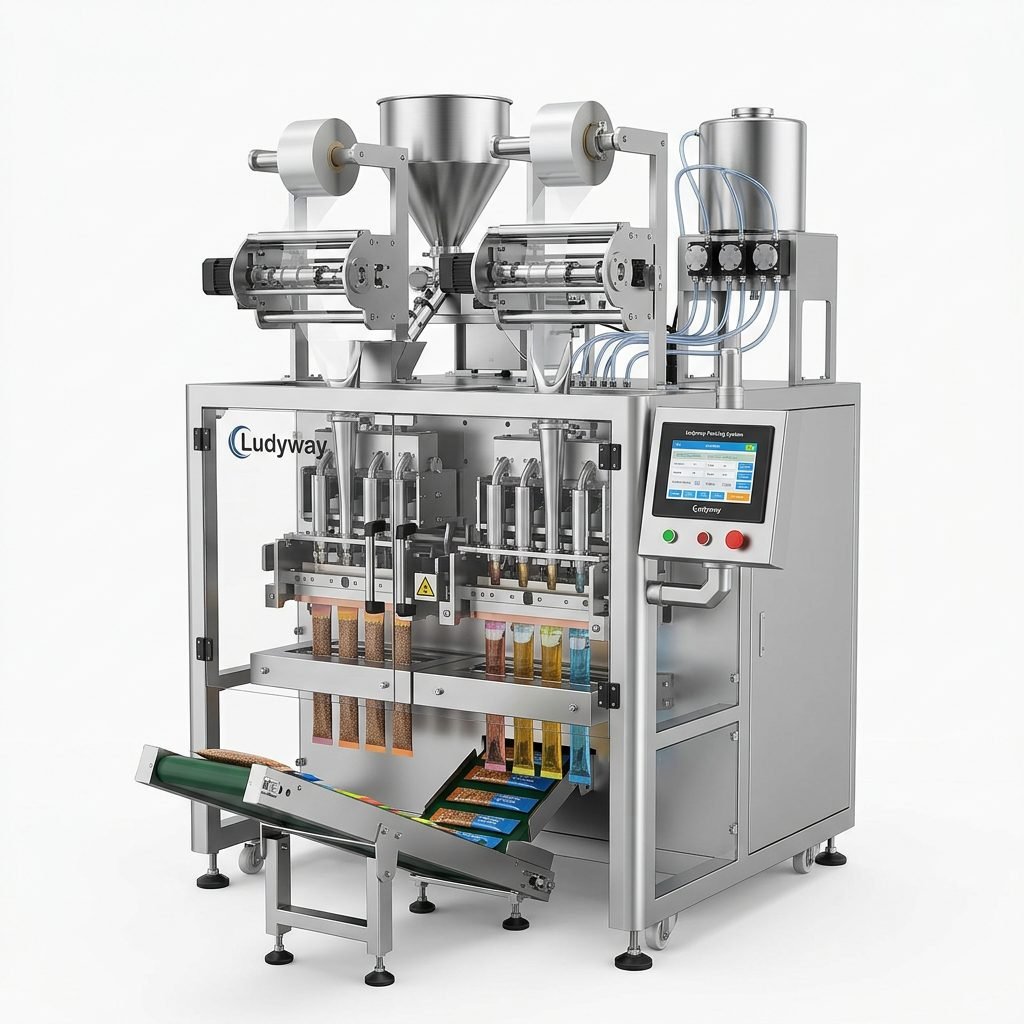
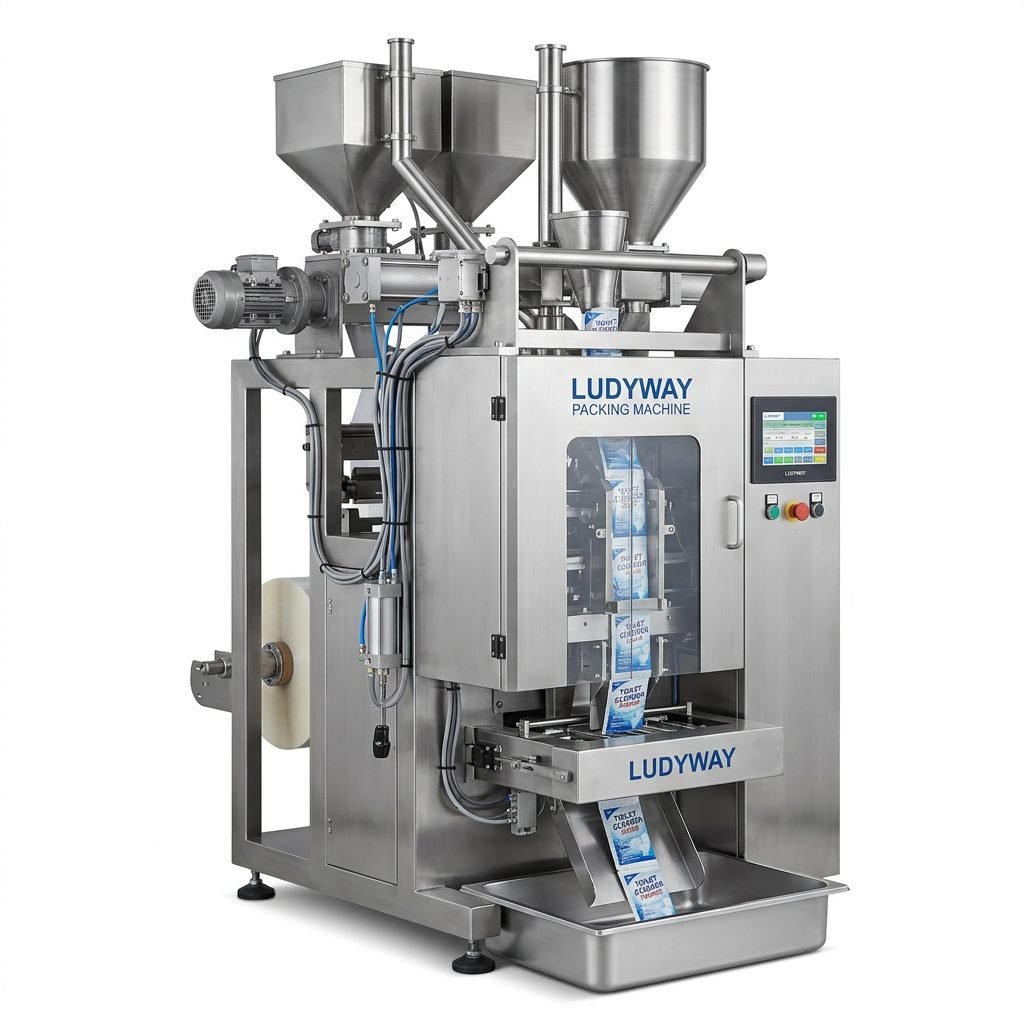
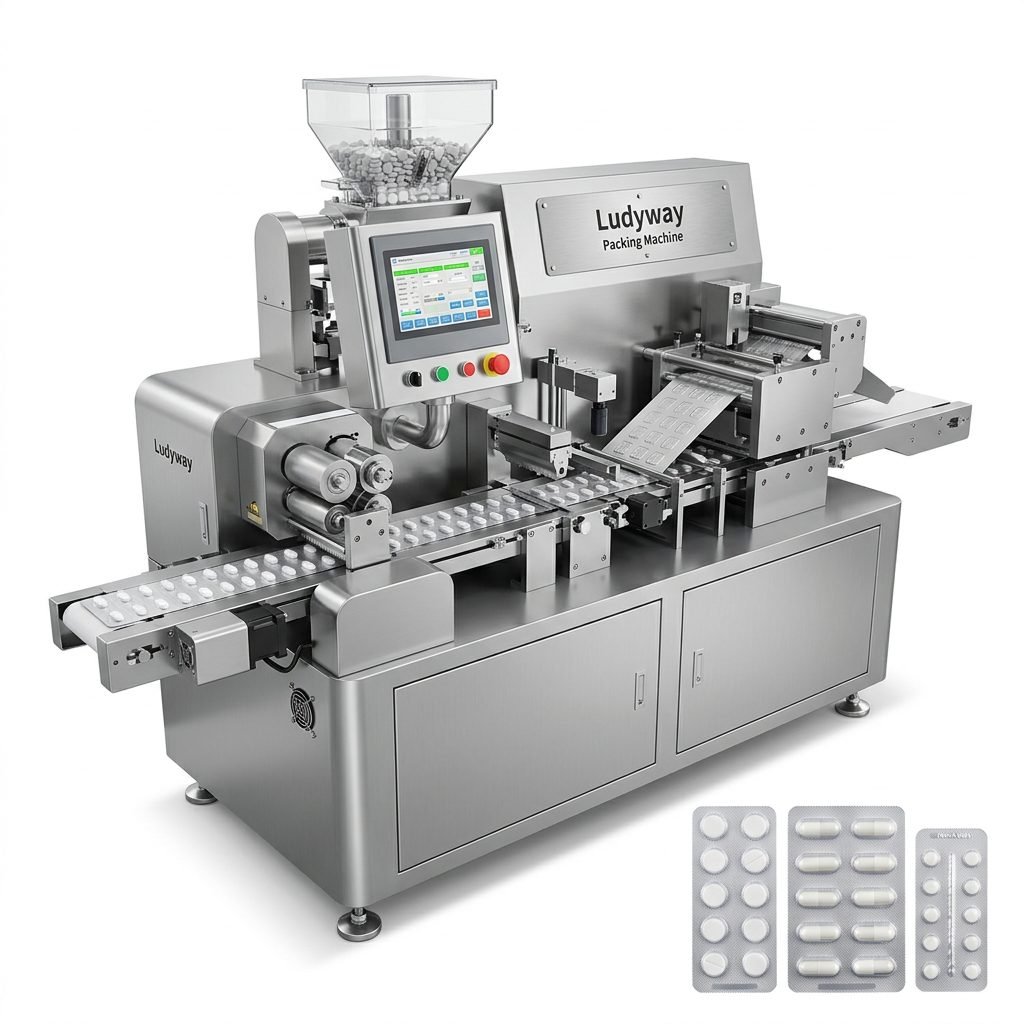
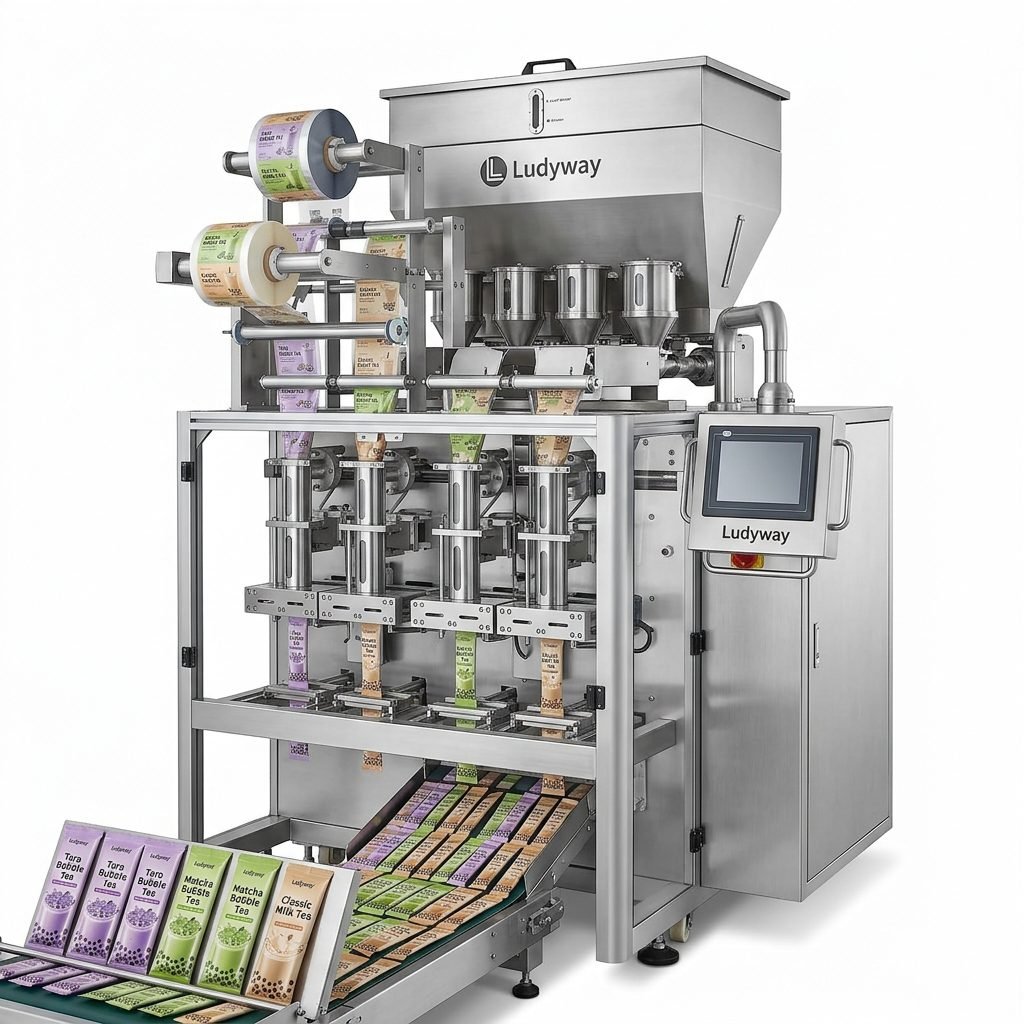
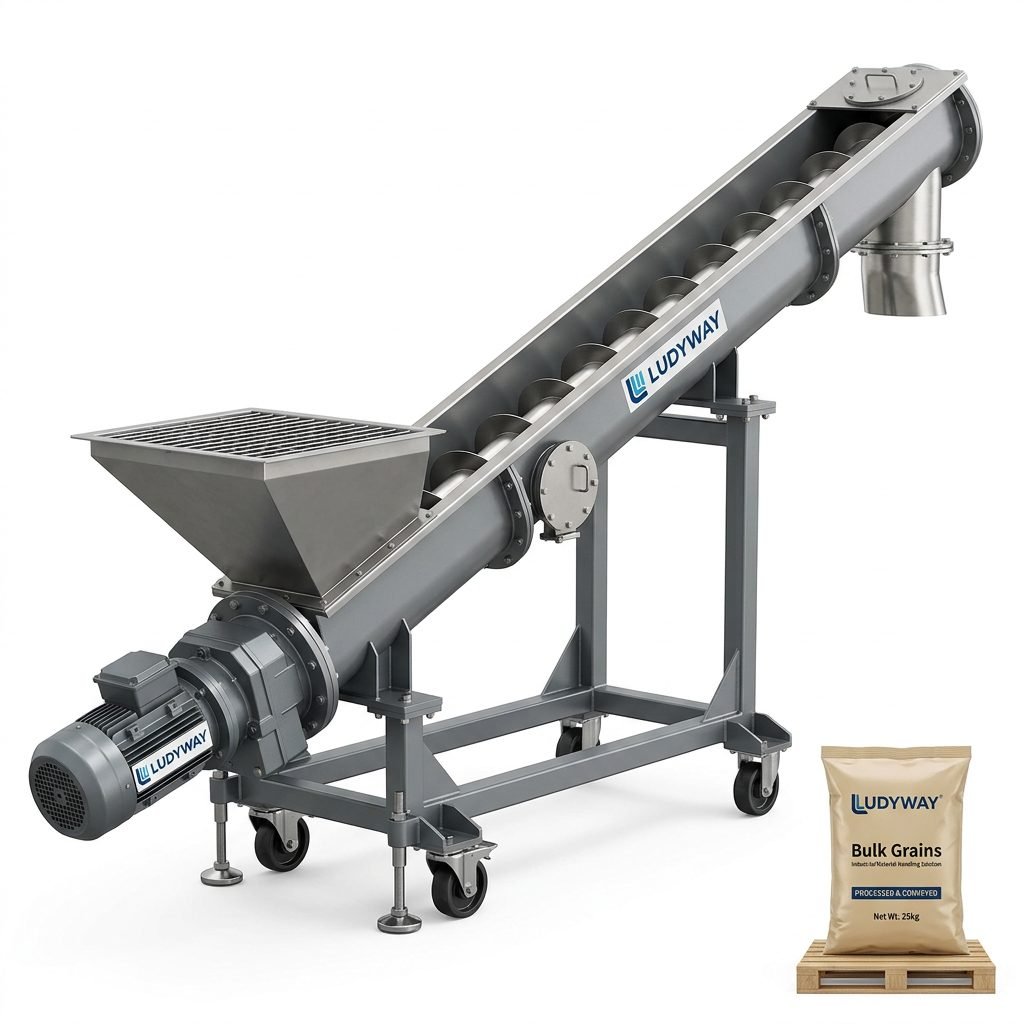
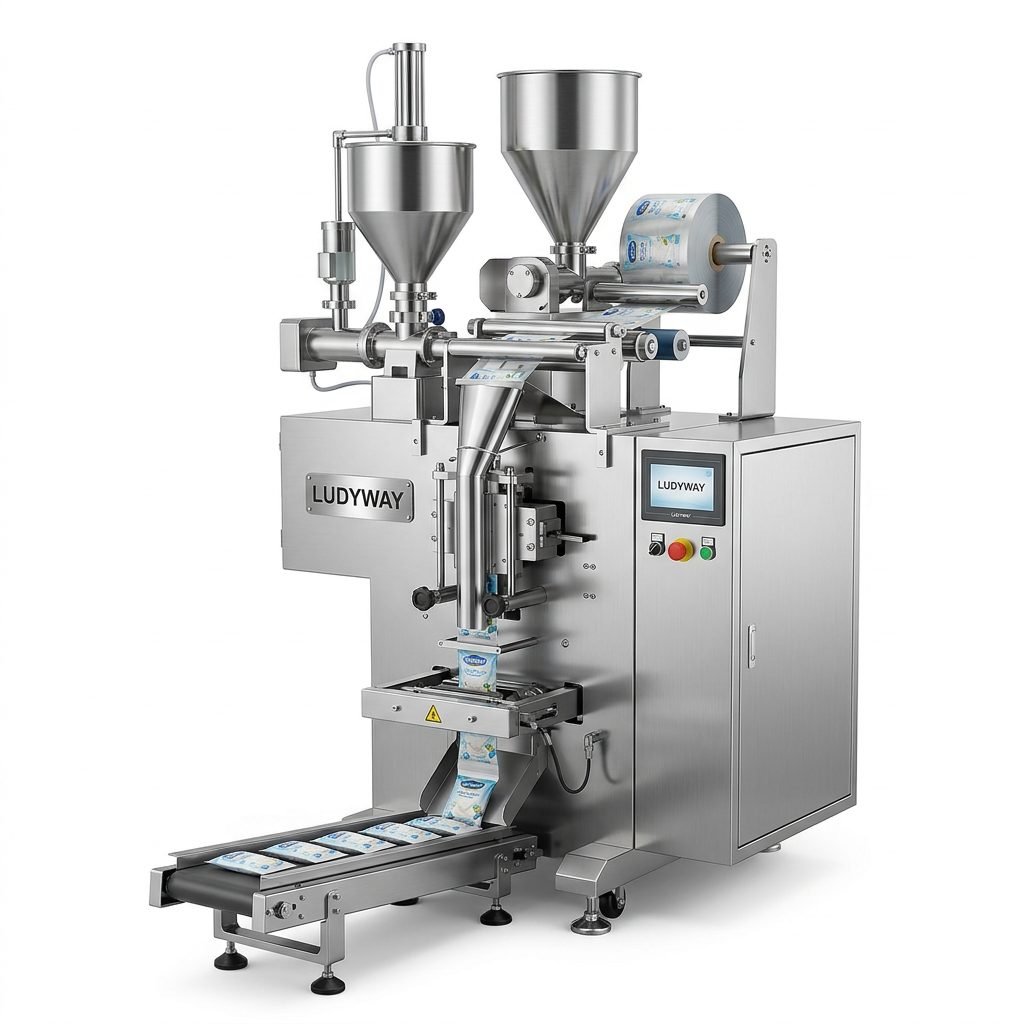
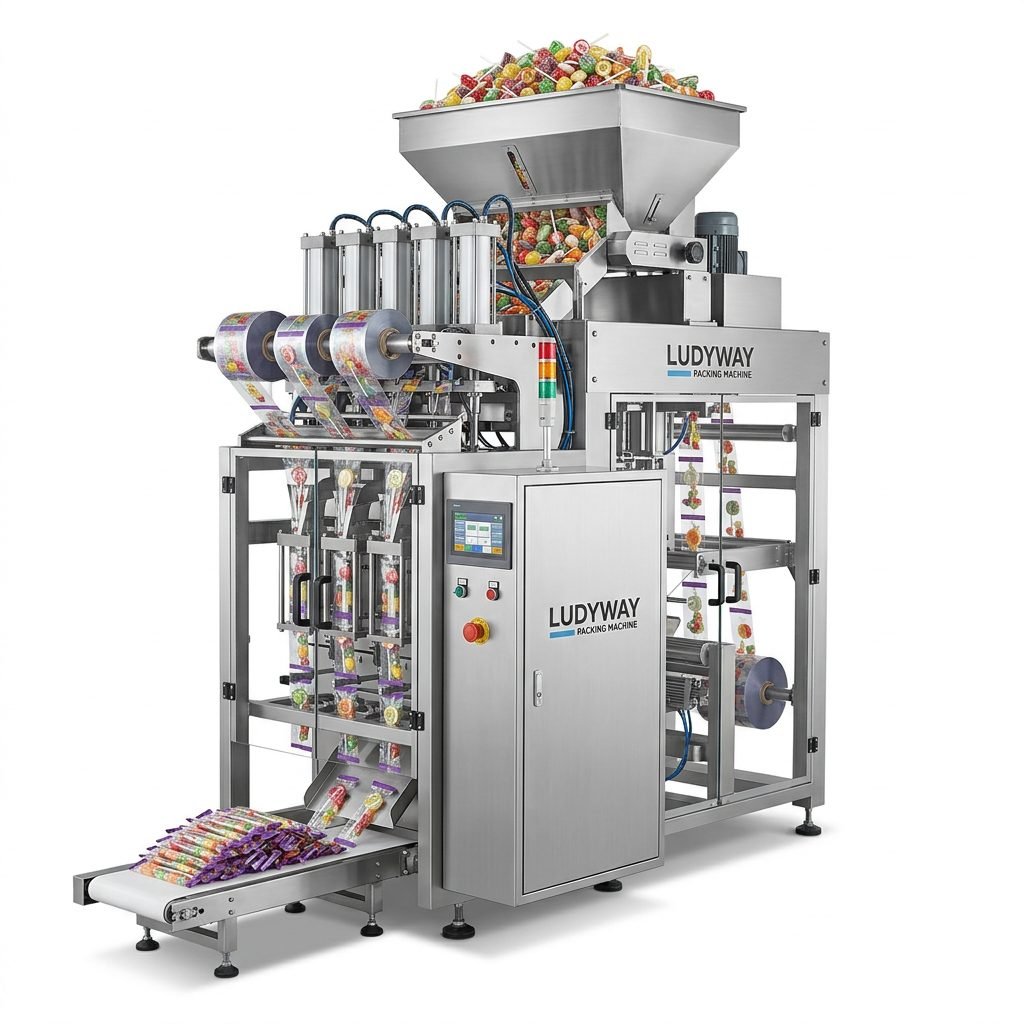
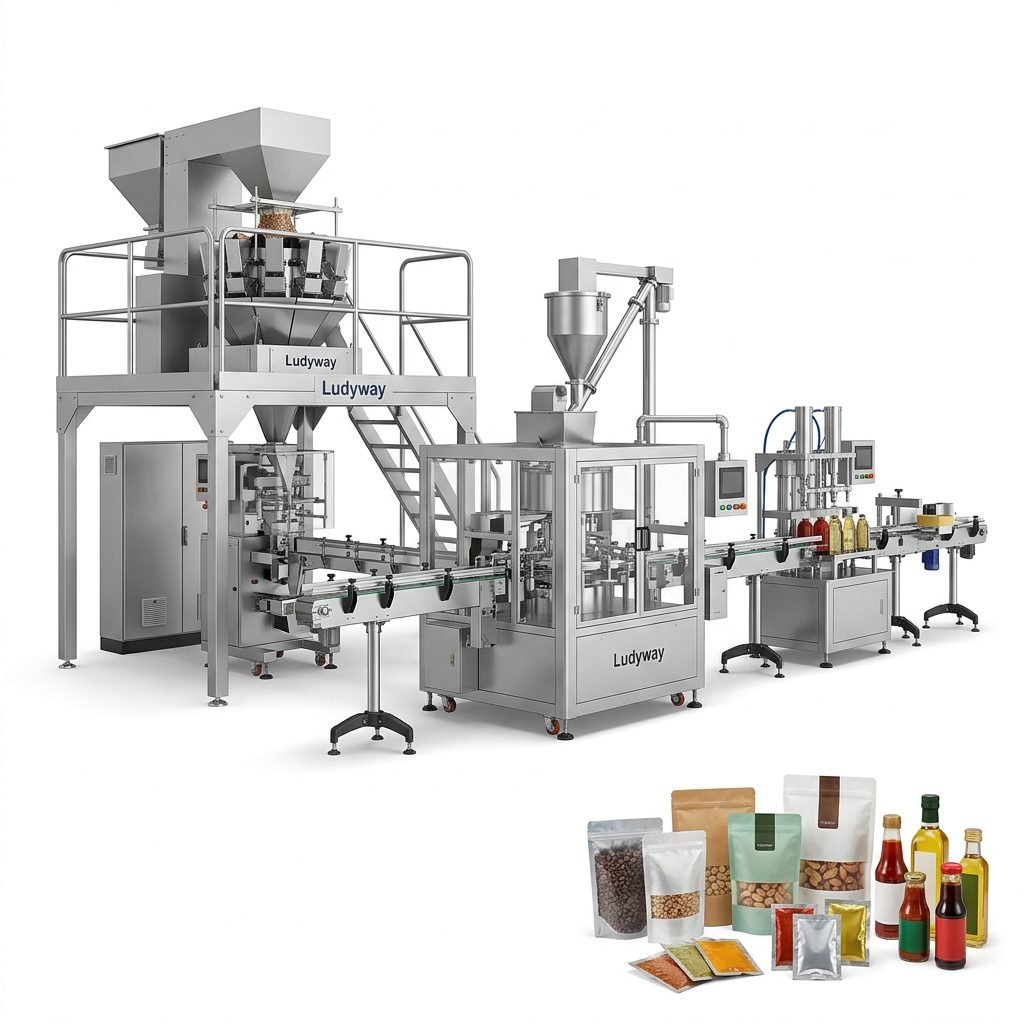
Bag packing machines are essential in modern manufacturing because they automate the process of forming, filling, weighing, sealing, and discharging bags with speed and consistency. Whether you pack rice, flour, pet food, fertilizer, chemicals, seeds, powders, granules, or mixed products, the right machine can significantly improve productivity while reducing labor dependency and packaging errors.
What Is a Bag Packing Machine?
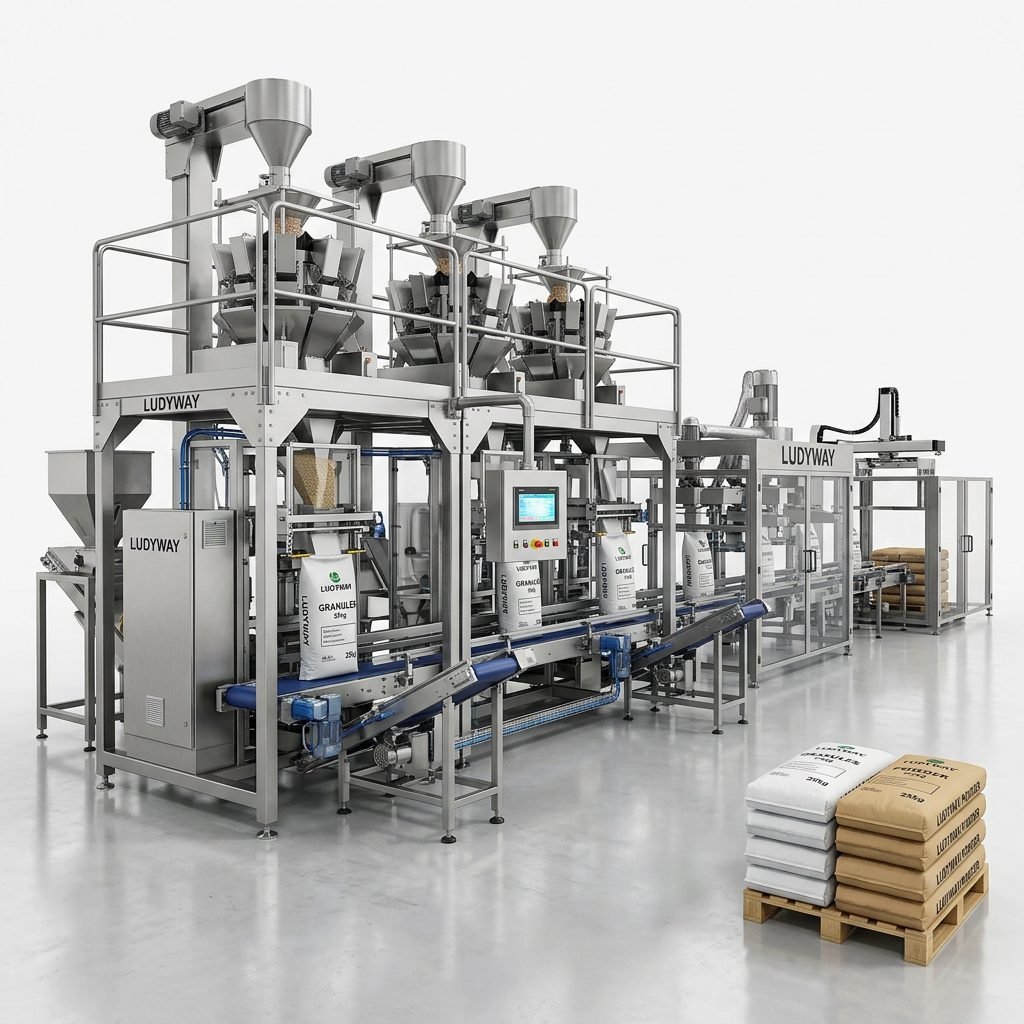
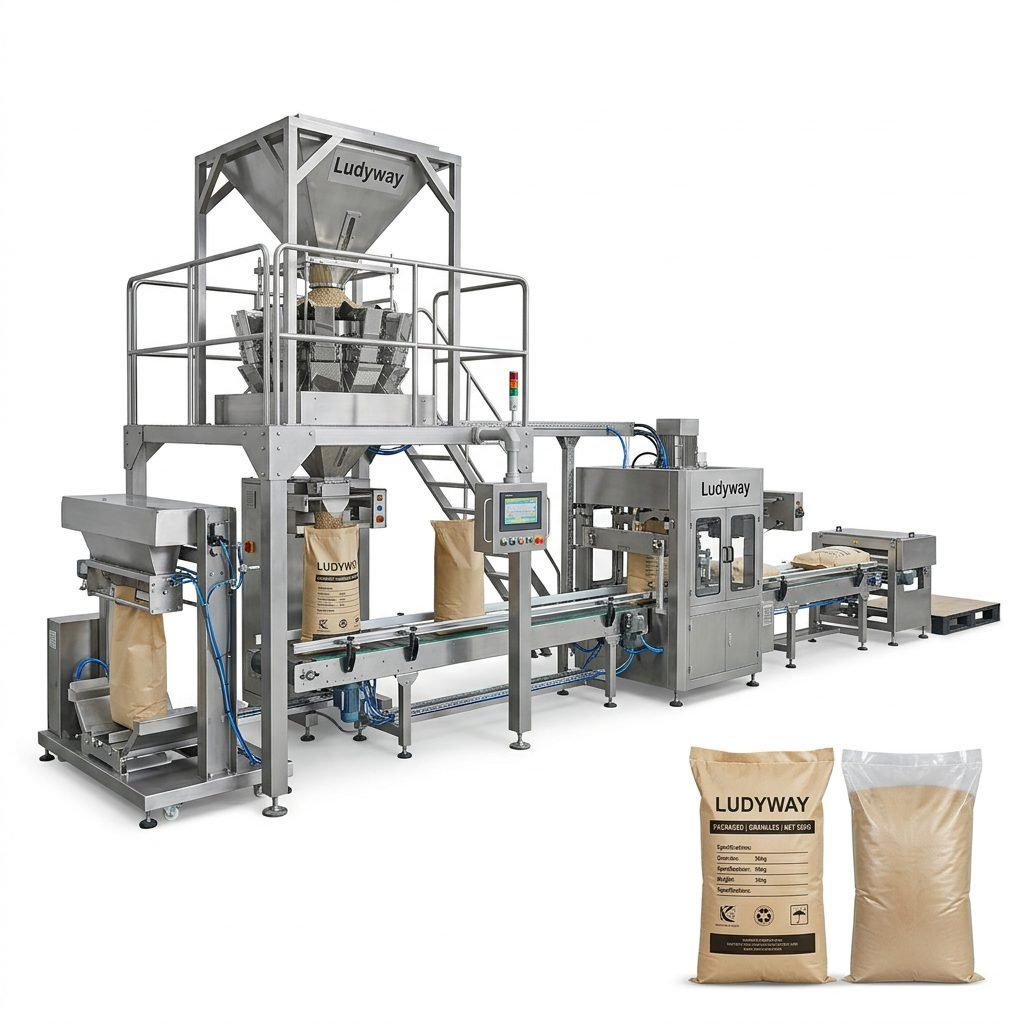
A bag packing machine is an automated or semi-automated system designed to fill products into bags of different sizes and materials. These bags may include open-mouth bags, valve bags, gusset bags, pillow bags, premade pouches, woven sacks, PE bags, and bulk jumbo bags.
Depending on the application, a bag packing machine can handle:
- Free-flowing granules such as rice, sugar, seeds, salt, and pellets
- Powders such as flour, milk powder, spices, additives, and chemicals
- Irregular solids such as pet food, nuts, snacks, and frozen products
- Liquids or semi-liquids in specific bagging formats
These machines are widely used in food processing, pharmaceuticals, agriculture, feed production, daily chemicals, and industrial materials.
How Does a Bag Packing Machine Work?
Although machine structure varies by product and bag style, the general workflow follows a clear sequence. Understanding this process helps buyers choose equipment that matches their production goals.
1. Product Feeding
The machine first receives product from an upstream feeding system. This may involve screw feeders for powders, bucket elevators for granules, belt conveyors for fragile items, or pumps for liquids.
2. Weighing or Dosing
The product is then measured according to a preset target weight or volume. Common dosing systems include:
- Multihead weighers for snacks, nuts, seeds, and irregular granules
- Auger fillers for powders and fine materials
- Linear weighers for grains and larger granules
- Cup fillers for uniform free-flowing products
- Liquid pumps or piston fillers for fluids and pastes
3. Bag Feeding or Bag Forming
At this stage, the machine either picks up a premade bag or forms a bag from roll film. For larger industrial applications such as 10kg, 25kg, or 50kg products, the system usually opens and positions preformed bags automatically.
4. Filling
Once the bag is correctly positioned, the measured product is discharged into it. Advanced machines reduce dust, prevent spillage, and maintain stable fill accuracy even at high speed.
5. Sealing or Closing
After filling, the bag is closed using heat sealing, sewing, ultrasonic sealing, vacuum sealing, or sealing with valve technology depending on bag material and product type.
6. Output and Secondary Packaging
The sealed bag is discharged to the next stage, such as checkweighing, metal detection, labeling, case packing, palletizing, or stretch wrapping.
| Process Stage | Main Function | Typical Equipment |
|---|---|---|
| Feeding | Transfers product to machine | Screw feeder, bucket elevator, conveyor |
| Weighing/Dosing | Measures target quantity | Auger filler, linear weigher, multihead weigher |
| Bag Handling | Opens or forms the bag | Bag placer, FFS system, pouch feeder |
| Filling | Deposits product into bag | Filling spout, discharge hopper |
| Sealing/Closing | Closes and secures the bag | Heat sealer, sewing machine, seaming unit |
| End-of-Line | Inspection and handling | Checkweigher, metal detector, palletizer |
Main Types of Bag Packing Machines
Choosing the correct machine starts with understanding the major machine categories.
Open-Mouth Bag Packing Machines
These are ideal for products packed in larger bags such as 5kg to 50kg. They are commonly used for flour, grains, fertilizer, feed, and powders. They can be paired with sewing or heat sealing systems.
Valve Bag Packing Machines
These machines are commonly used for fine powders such as cement, dry mortar, chemical powder, and mineral powder. The product enters through a valve opening, allowing efficient filling with reduced dust.
Vertical Form Fill Seal Bag Machines
Also called VFFS machines, these create bags from film rolls. They are a preferred solution for smaller retail packs of snacks, coffee, sugar, powders, seasonings, and pet treats.
Premade Pouch Packing Machines
These systems pick and fill ready-made pouches, often used for stand-up pouches, zipper pouches, and specialty bag designs that require high shelf appeal.
Bulk Bag Filling Machines
Designed for FIBC or jumbo bags, these systems are suitable for large-volume industrial products including resins, pellets, chemicals, and agricultural materials.
Key Benefits of Using a Bag Packing Machine
For growing manufacturers, replacing manual packing with automation delivers both immediate and long-term value.
Higher Efficiency
Automated systems can run continuously with consistent speed, helping businesses increase throughput and meet delivery deadlines more easily.
Better Accuracy
Accurate dosing reduces giveaway and ensures each bag meets specification. This is especially important when packing high-value powders, nutraceuticals, or regulated products.
Lower Labor Costs
Manual bagging requires more operators and often creates production bottlenecks. A bag packing machine helps reduce repetitive labor and improves workforce allocation.
Improved Hygiene and Safety
Automated enclosed filling systems can lower product contamination risk and reduce operator exposure to dust, chemicals, or heavy lifting.
Consistent Packaging Quality
Uniform bag appearance, reliable sealing, and stable weights all contribute to stronger brand image and fewer customer complaints.
Scalability
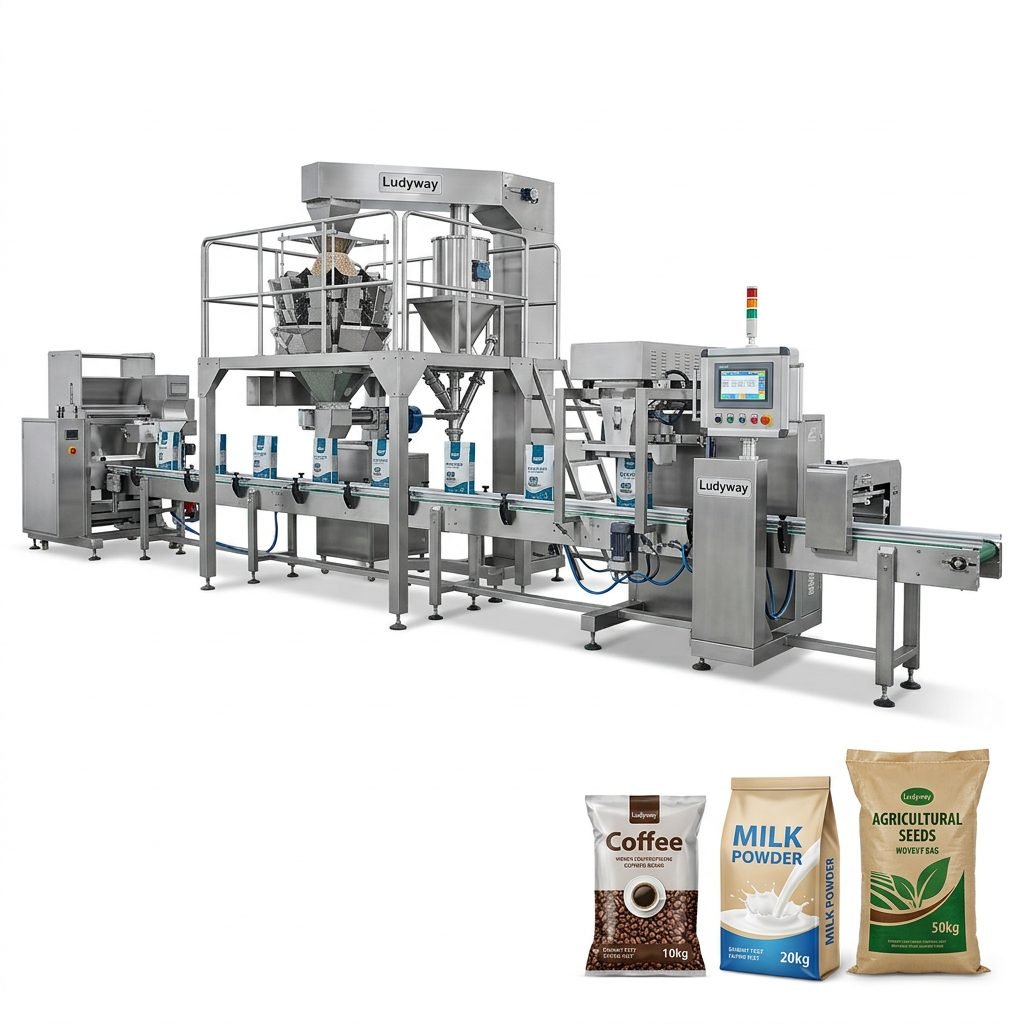
Many manufacturers begin with a single machine and later upgrade to a complete packaging line that includes conveying, inspection, cartoning, and palletizing.
- Less waste from overfilling and bad seals
- Faster production with fewer stoppages
- Stronger process control across every batch
- Better ROI over medium- to long-term production cycles
Industries That Commonly Use Bag Packing Machines
Bag packing technology is highly flexible and can support a wide range of sectors.
| Industry | Typical Products | Common Bag Type |
|---|---|---|
| Food | Rice, flour, coffee, sugar, snacks, spices | Pillow bags, premade pouches, open-mouth bags |
| Agriculture | Seeds, fertilizer, feed, grain | Woven bags, valve bags, bulk bags |
| Chemical | Powders, additives, resins, detergents | Valve bags, PE bags, heavy-duty sacks |
| Pharmaceutical | Powders, granules, medical consumables | Sachets, sterile pouches, laminated bags |
| Pet Food | Kibble, treats, supplements | Pouches, sacks, retail bags |
How to Choose the Right Bag Packing Machine
Selecting the best machine is not only about speed. It must fit your product characteristics, bag format, plant layout, and future growth plans.
Understand Your Product Characteristics
Ask whether your product is powder, granule, liquid, sticky, fragile, dusty, or abrasive. Product behavior directly affects the feeding and dosing method.
Define Bag Size and Bag Material
Different products require different bag dimensions and materials. A machine suitable for small retail pouches may not handle 25kg woven sacks efficiently.
Match Output Requirements
If your business needs high-speed mass production, choose a system designed for stable continuous operation. If you pack multiple SKUs in smaller batches, flexibility may matter more than maximum speed.
Check Accuracy Requirements
For premium or regulated products, high weighing accuracy is critical. This is especially important in pharmaceutical, supplement, and specialty ingredient applications.
Consider Automation Level
You may need a standalone machine, a semi-automatic setup, or a complete turnkey line with conveyors, date coding, checkweighing, cartoning, and palletizing.
Evaluate Cleaning and Maintenance
Machines handling food, health products, or dust-heavy powders should allow easy cleaning, quick changeover, and convenient maintenance access.
Review Technical Support
Reliable supplier support matters just as much as machine quality. Installation, training, spare parts, documentation, and after-sales service all affect long-term performance.
Quick Buyer Checklist
- What product are you packing?
- What bag type and bag size do you need?
- How many bags per hour must you produce?
- What filling accuracy is acceptable?
- Do you need dust control, nitrogen flushing, or vacuum sealing?
- Will you integrate with upstream and downstream equipment?
- How easy is it to change formats and clean the machine?
Features to Look For in a High-Quality Machine
Not all machines deliver the same reliability. When comparing suppliers, focus on practical engineering details.
- Stable PLC and touchscreen control system
- Servo-driven motion for better precision
- Strong frame and industrial-grade components
- Accurate weighing system with low error margin
- Fast bag changeover capability
- Dust collection or sealing support for powder products
- Compatibility with metal detection and checkweighing
- Remote support or troubleshooting options
Common Challenges and How the Right Machine Solves Them
Many factories experience the same packaging problems before moving to automation.
Inconsistent Bag Weights
A precise weighing and dosing system helps reduce underweight and overweight bags.
Dust and Material Loss
Enclosed filling heads, dust collection systems, and proper sealing reduce airborne powder and waste.
Slow Manual Output
Automated bag handling and sealing can dramatically increase hourly output.
Frequent Downtime
Well-built machines with quality components and proper after-sales support usually offer stronger operational stability.
Difficulty Scaling Production
Modular machine design makes it easier to expand from a single bagging station to a full automated line.
Why Supplier Experience Matters
Bag packing projects often require customization for product type, bag format, factory layout, and local compliance needs. Working with an experienced manufacturer helps reduce risk during machine selection, commissioning, and future expansion.
For businesses looking for scalable automation, bag packing machine solutions from Ludyway are backed by more than 30 years of industry experience, a manufacturing facility of over 20,000 square meters, and extensive export service across food, pharmaceutical, health supplement, chemical, and related packaging applications.
Final Thoughts Before Buying
A bag packing machine is more than a piece of equipment—it is a production investment that affects output, product quality, labor use, and customer satisfaction. The best choice depends on your product, bag format, speed target, and growth strategy.
If you evaluate your requirements carefully and choose a machine with the right dosing method, bag style compatibility, automation level, and supplier support, you can achieve more efficient, accurate, and reliable packaging for years to come.