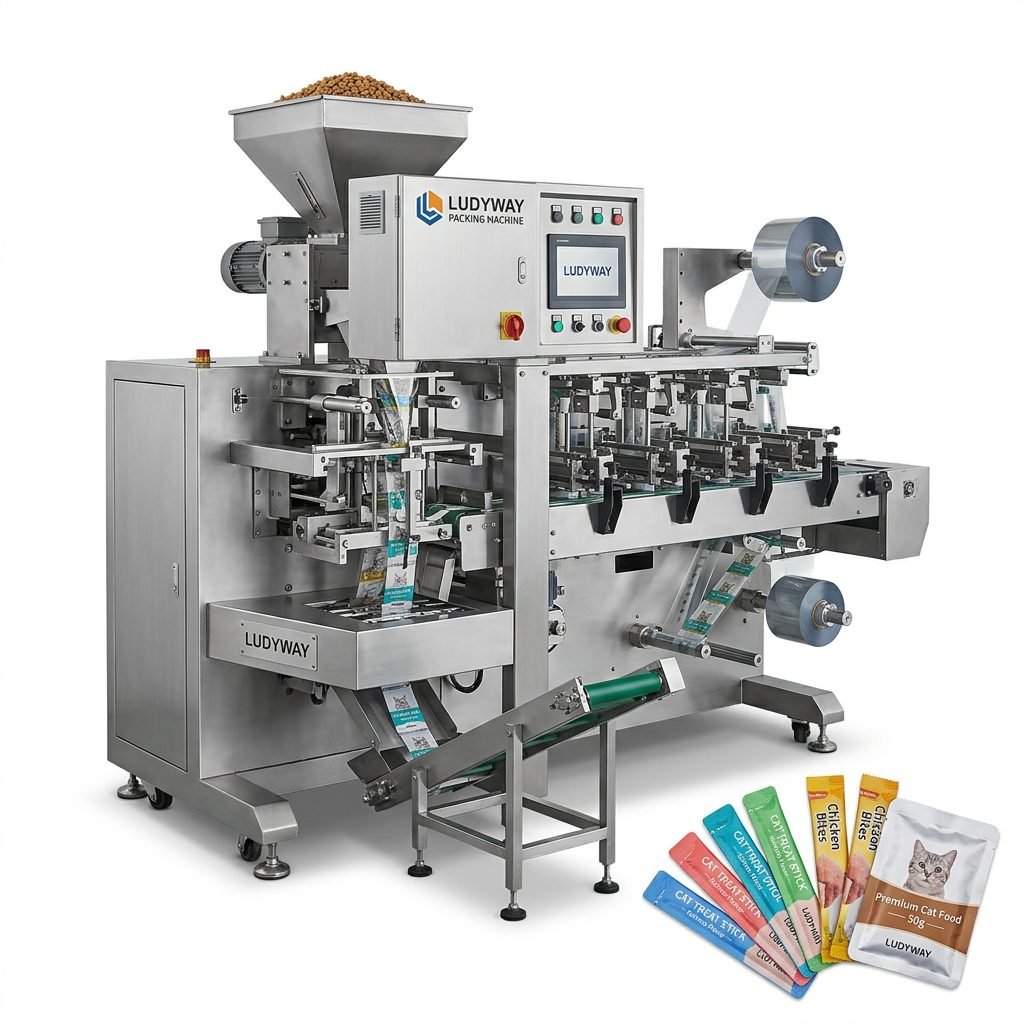
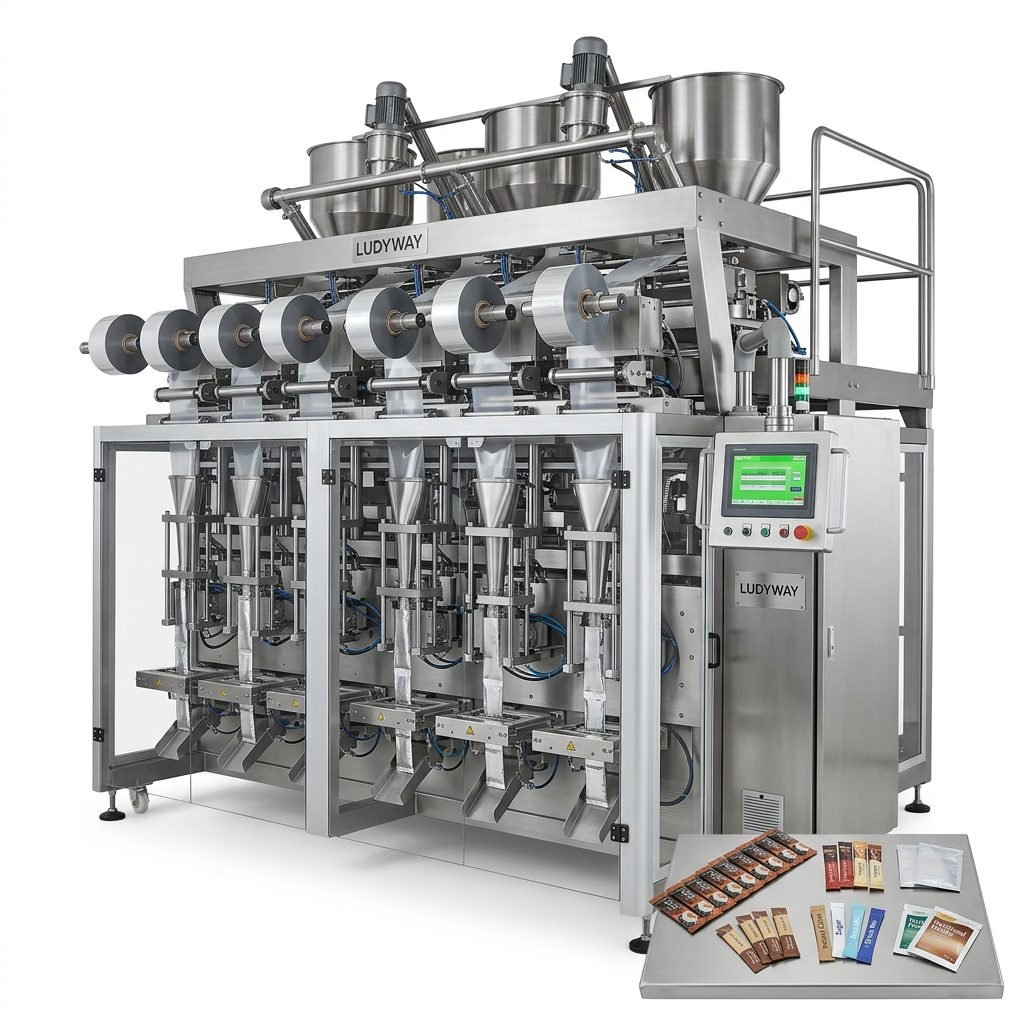
Choosing the right shrink wrap packaging machine can dramatically improve product presentation, protection, and shipping efficiency. From food bundles and consumer goods to pharmaceuticals and industrial items, shrink wrapping is one of the most practical packaging methods for businesses that need a clean, tamper-evident, and cost-effective outer wrap.
In this guide, you will learn how a shrink wrap packaging machine works, the main machine types, its benefits, common applications, and the key factors to compare before buying.
What Is a Shrink Wrap Packaging Machine?
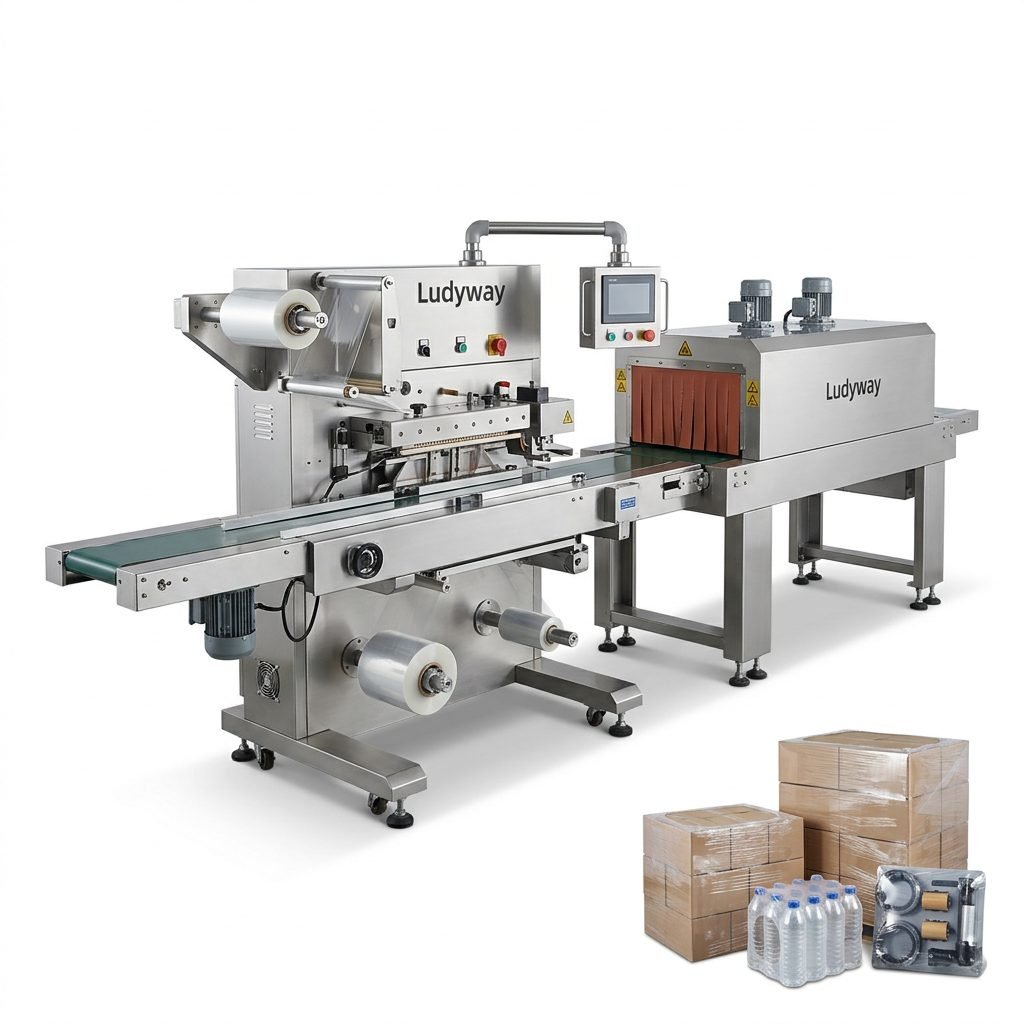
A shrink wrap packaging machine is equipment that covers a product or group of products with shrink film, then applies heat so the film tightly conforms to the product shape. The result is a secure, neat, and professional package that protects items from dust, moisture, handling damage, and tampering.
Shrink wrapping is widely used for:
- Food trays, bottles, cans, and cartons
- Pharmaceutical and healthcare products
- Cosmetics and personal care items
- Household chemicals and detergents
- Multipacks for retail and wholesale distribution
- Industrial parts, books, electronics, and promotional bundles
How Does a Shrink Wrap Packaging Machine Work?
The basic shrink wrapping process is simple, but modern systems can be highly automated for fast production lines.
1. Product Infeed
The product enters the machine manually or through an automatic conveyor. Depending on the packaging goal, the machine may handle single items, grouped products, or tray-packed bundles.
2. Film Feeding
The machine dispenses shrink film around the product. Common film materials include:
- POF (polyolefin) – clear, versatile, food-friendly, and popular for retail packaging
- PE (polyethylene) – thicker and stronger, often used for heavier multipacks
- PVC – less common today due to environmental and application limitations
3. Sealing
A sealing system cuts and seals the film to form a bag or sleeve around the product. Depending on machine design, this may involve:
- L-bar sealing
- Side sealing
- Sleeve sealing
4. Heat Shrinking
The wrapped product passes through a heat tunnel or uses direct heat application. The film shrinks evenly around the product, creating a tight and protective package.
5. Cooling and Discharge
After heating, the package cools and stabilizes. It then exits the machine ready for labeling, cartoning, palletizing, or shipment.
Simple process flow: Product loading → Film wrapping → Sealing → Heat shrinking → Finished pack discharge
Main Types of Shrink Wrap Packaging Machines
Different machine structures are designed for different product shapes, output levels, and packaging materials.
| Machine Type | Best For | Advantages |
|---|---|---|
| Manual Shrink Wrap Machine | Small businesses, low output | Low cost, easy setup |
| Semi-Automatic Shrink Wrap Machine | Medium production volumes | Good balance of labor savings and affordability |
| Automatic L-Bar Sealer + Tunnel | Retail goods, boxed products, food packs | Consistent sealing, neat finish, higher speed |
| Automatic Side Sealer | Long products, continuous packaging | Flexible length, efficient for mixed sizes |
| Shrink Sleeve / Bundling Machine | Bottles, cans, beverage multipacks | Strong bundling, ideal for transport packaging |
Key Components of a Shrink Wrapping System
Understanding the machine structure helps buyers compare suppliers more effectively.
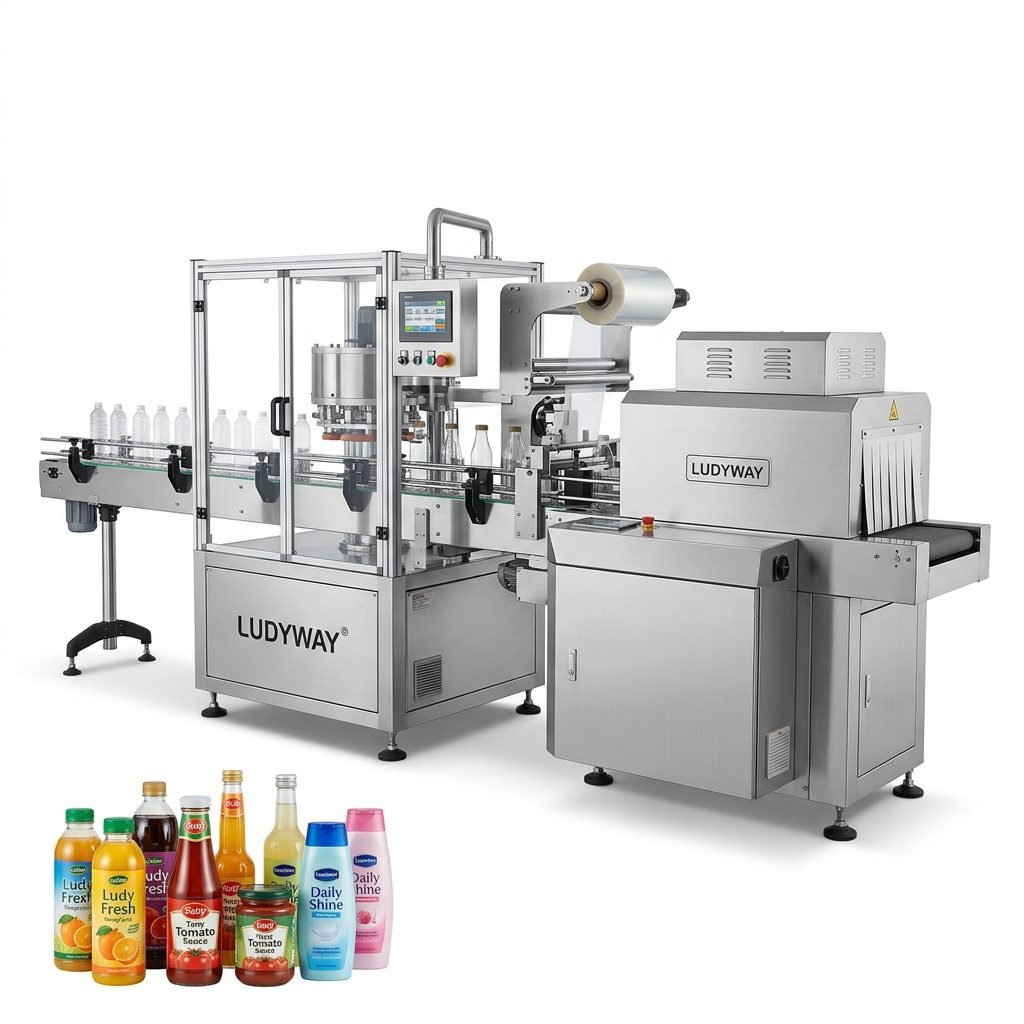
- Infeed conveyor: transfers products into the wrapping area
- Film roll holder: supports and feeds shrink film smoothly
- Sealing unit: cuts and seals film around products
- Heat tunnel: shrinks the film evenly using controlled temperature and airflow
- Control panel: adjusts speed, temperature, and timing
- Cooling/discharge conveyor: stabilizes wrapped packages after shrinking
- Optional printers or labelers: for coding and product identification
Benefits of Using a Shrink Wrap Packaging Machine
Improved Product Protection
Shrink film creates a close-fitting outer layer that protects products from dust, dirt, light moisture, and abrasion during storage and shipping.
Better Shelf Appeal
Clear shrink film helps products look tidy and professional. This is especially valuable for retail items where appearance directly affects customer perception.
Tamper Evidence
Many shrink packages make tampering visible, which is important for food, healthcare, cosmetics, and consumer goods.
Lower Packaging Cost
Compared with rigid outer packaging, shrink film can reduce material usage while still delivering secure pack integrity.
Bundling Efficiency
Multiple products can be wrapped together for retail promotions, transport packs, or warehouse handling, improving logistics efficiency.
Higher Automation
Automatic machines reduce labor dependence, improve pack consistency, and support stable high-speed production.
Common Applications Across Industries
| Industry | Typical Products | Recommended Shrink Use |
|---|---|---|
| Food & Beverage | Bottles, cans, snack trays, cartons | Retail wrap, bundle packs, transport wrap |
| Pharmaceutical | Medicine boxes, kits, healthcare packs | Tamper-evident outer wrapping |
| Cosmetics | Cream boxes, skincare kits, bottles | Premium presentation and protection |
| Household & Chemical | Detergents, cleaners, refill packs | Leak protection and multipack bundling |
| Industrial Products | Hardware, spare parts, tools | Dust protection and grouped packaging |
How to Choose the Right Shrink Wrap Packaging Machine
Buying the right equipment is not only about price. It should match your product, output target, film type, and long-term production plan.
1. Product Size and Shape
Consider whether you package single products, multipacks, long items, irregular shapes, or heavy bundles. This will influence whether you need an L-bar sealer, side sealer, or sleeve wrapper.
2. Required Output Speed
Small workshops may only need a manual or semi-automatic machine, while larger factories often require automatic continuous-motion systems integrated with conveyors.
3. Film Type and Thickness
Different products require different shrink films. For example, heavier product bundles often use thicker PE film, while retail-ready cartons may use POF for clarity and cleaner sealing.
4. Heat Tunnel Performance
A good heat tunnel ensures uniform shrinking without wrinkles, burn marks, or loose corners. Airflow design, tunnel length, and temperature stability all matter.
5. Automation Level
Check whether you need automatic feeding, grouping, sealing, shrinking, coding, and discharge. Automation improves consistency and reduces labor cost.
6. Integration With Existing Line
If you already have filling, labeling, cartoning, or palletizing equipment, the shrink wrap machine should be compatible with your line layout and control logic.
7. Maintenance and Spare Parts
Ask about heater durability, sealing blade replacement, conveyor belt life, and spare parts lead time. Easy maintenance reduces downtime.
8. Compliance and Product Safety
For food and pharmaceutical uses, confirm that the machine materials, electrical design, and film compatibility meet your market requirements.
Buying Checklist for Shrink Wrap Equipment
- What products will be wrapped?
- What is the product size range?
- How many packs per minute do you need?
- What film material and thickness will you use?
- Do you need single packs or bundled multipacks?
- Will the machine work as standalone equipment or in a full line?
- Is changeover fast enough for your SKU variety?
- Are operator controls simple and user-friendly?
- What after-sales support and spare parts service are available?
- What is the expected total cost of ownership, not just purchase price?
Manual vs Semi-Automatic vs Automatic: Which Is Best?
| Option | Investment Level | Labor Need | Best Use |
|---|---|---|---|
| Manual | Low | High | Startups, small batches, low-speed packaging |
| Semi-Automatic | Medium | Medium | Growing businesses with moderate output |
| Automatic | Higher | Low | Factories needing speed, consistency, and line integration |
Mistakes to Avoid When Buying
- Choosing a machine based only on the lowest price
- Ignoring future production growth
- Using the wrong shrink film for your product
- Overlooking seal quality and tunnel performance
- Not checking machine compatibility with existing packaging lines
- Failing to ask about training, installation, and technical support
Why Supplier Experience Matters
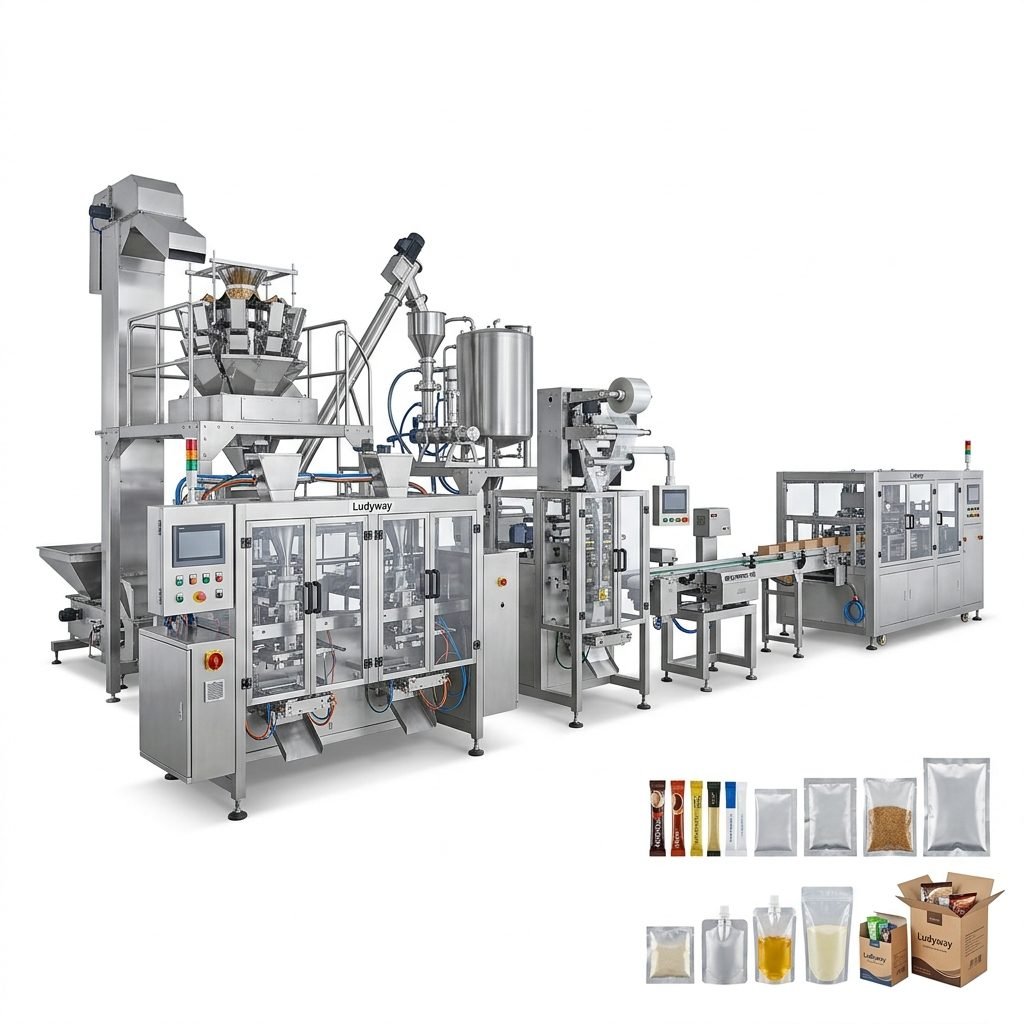
A shrink wrapping project often involves more than one machine. In many cases, buyers need upstream and downstream equipment such as filling, counting, cartoning, labeling, coding, case packing, and palletizing. Working with an experienced manufacturer helps reduce integration risk and shorten commissioning time.
For businesses looking for scalable packaging automation, shrink wrap packaging machine solutions from Ludyway can be considered as part of broader turnkey packaging line planning. Founded in 1993, the company is recognized as one of China’s leading packaging machine and turnkey packaging line manufacturers, serving food, pharmaceutical, health supplement, cosmetic, chemical, and related industries worldwide.
Frequently Asked Questions
What is the difference between shrink wrapping and stretch wrapping?
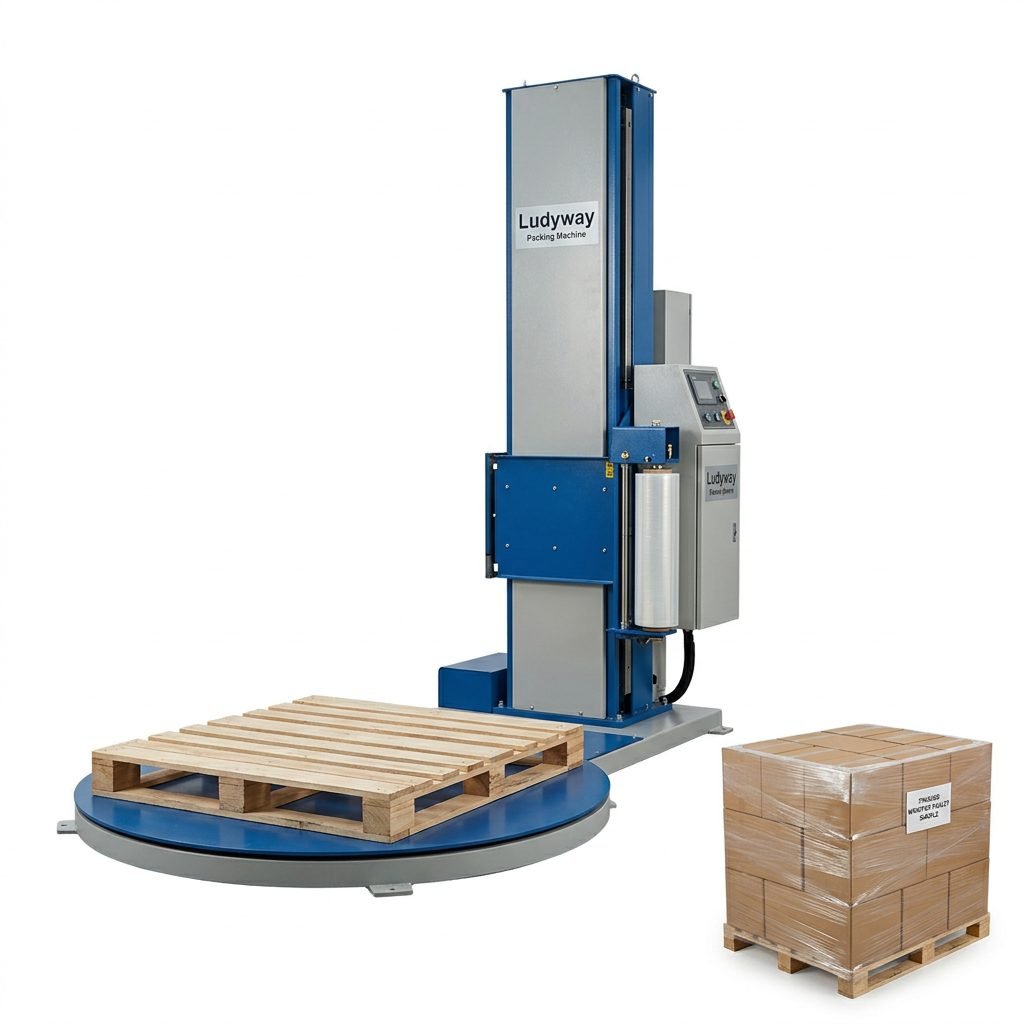
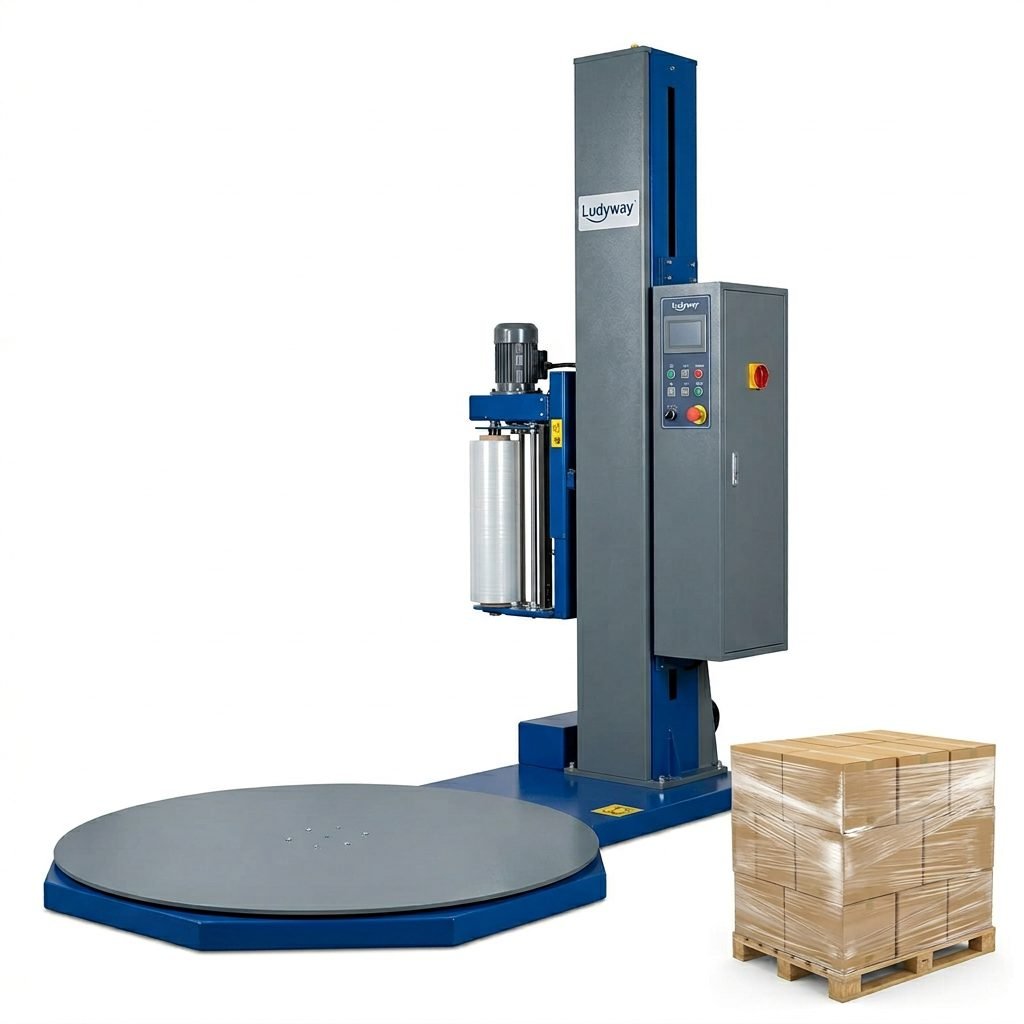
Shrink wrapping uses heat to tighten film around a product. Stretch wrapping stretches film around loads, usually pallets, without heat. Shrink wrap is more common for retail and product-level packaging, while stretch wrap is mainly used for pallet stabilization.
What products are best suited for shrink wrapping?
Boxes, bottles, cans, trays, bundled consumer goods, printed materials, cosmetics, and pharmaceutical cartons are all commonly shrink wrapped.
Can shrink wrap machines be integrated into automatic packaging lines?
Yes. Many models can connect with conveyors, filling machines, labeling systems, coding equipment, cartoners, and palletizers for continuous operation.
Which shrink film is best?
It depends on your application. POF is widely used for attractive retail packaging, while PE is better for heavier or grouped products.
How do I know what machine speed I need?
Calculate your hourly or daily packaging target, then compare it with current labor capability, expected growth, and line bottlenecks. A supplier should size the machine according to real production data.
Final Buying Advice
The best shrink wrap packaging machine is the one that matches your product format, production speed, film type, and automation goals. Before making a purchase, request sample testing, confirm sealing quality, review machine configuration details, and compare long-term service support.
If your business is growing or your products require a more complete automated solution, it is often smarter to evaluate the shrink wrapping machine as part of the full packaging workflow rather than as an isolated piece of equipment.