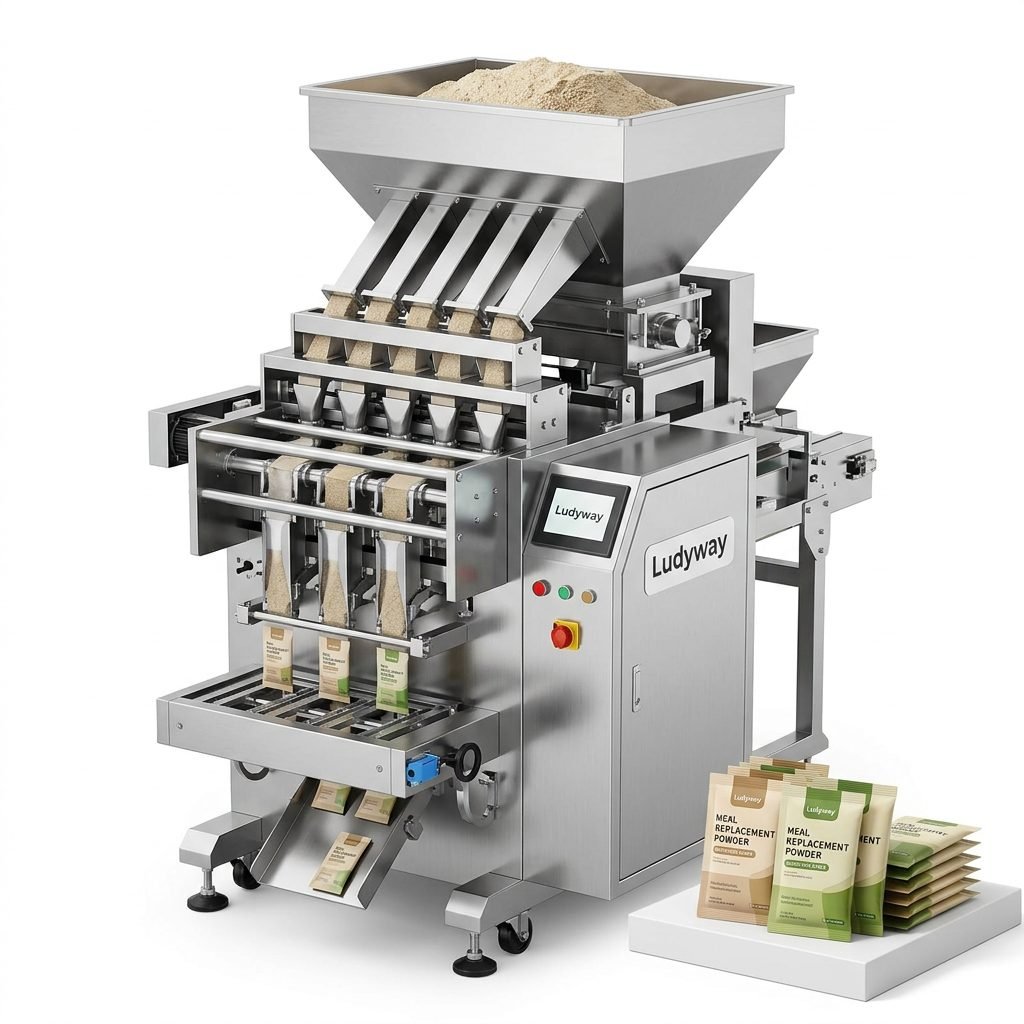
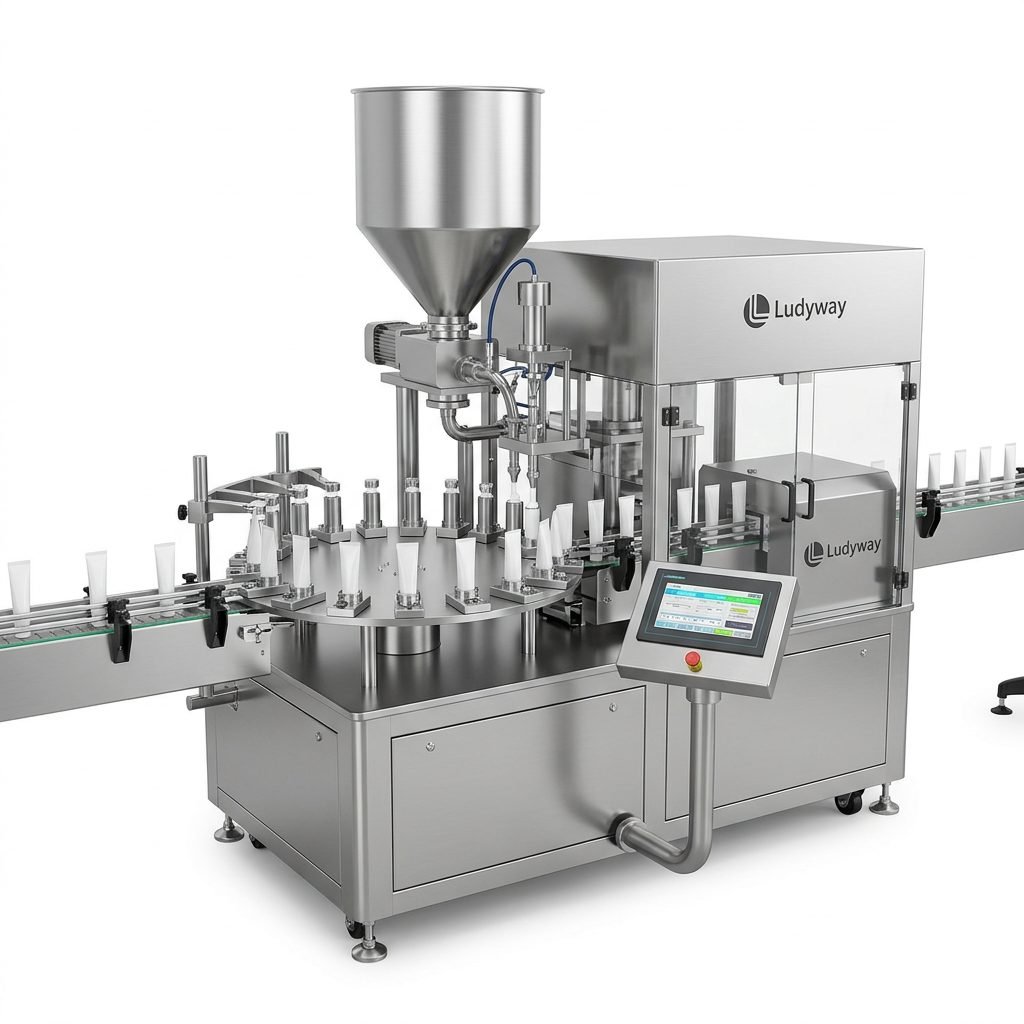
In meat processing, packaging is far more than a final step. It directly affects food safety, shelf life, transportation efficiency, product appearance, and overall operating cost. Choosing the right meat packing machine can help processors reduce waste, improve consistency, and meet retail or wholesale demands with greater speed and confidence.
Whether you package fresh cuts, frozen portions, marinated products, minced meat, jerky, or vacuum-sealed ready-to-cook items, the ideal solution depends on your product type, output target, hygiene requirements, packaging material, and automation goals.
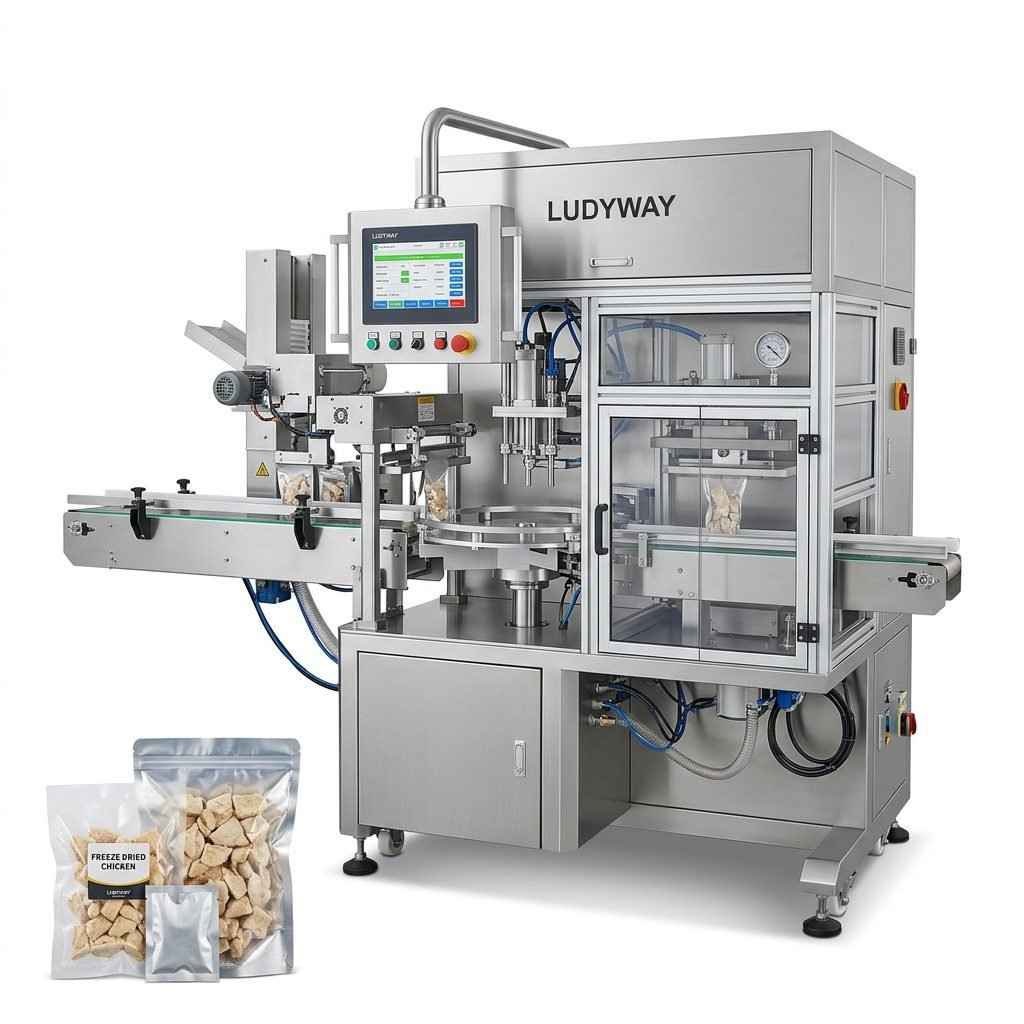
Why the Right Meat Packing Machine Matters
Meat products are sensitive to oxygen, moisture, contamination, and temperature variation. An unsuitable machine may cause sealing failures, inaccurate filling, poor pack appearance, or hygiene risks. A well-matched system, on the other hand, helps manufacturers achieve:
- Longer shelf life through reliable sealing or vacuum performance
- Better food safety with hygienic machine design and easy cleaning
- Lower labor costs through automation
- Higher output with stable, repeatable packing cycles
- Improved product presentation for retail shelves and e-commerce delivery
- Reduced giveaway and waste thanks to accurate weighing and dosing
For meat processors facing rising labor costs and stricter compliance requirements, equipment selection has become a strategic business decision rather than a simple machinery purchase.
Start with Your Meat Product Type
The first step is to define exactly what you are packing. Different meat products require different filling, conveying, sealing, and protection methods.
| Meat Product Type | Typical Packaging Format | Recommended Machine Focus |
|---|---|---|
| Fresh meat cuts | Tray seal, vacuum skin pack, vacuum pouch | Vacuum sealing, leak-proof sealing, hygienic handling |
| Frozen meat | Pouches, bags, thermoformed packs | Durable sealing, cold-environment adaptability |
| Ground or minced meat | Vacuum pack, pouch, tray | Accurate portioning, sanitation, fast throughput |
| Marinated meat | Pouch, vacuum pouch, stand-up bag | Liquid-compatible filling, strong seal integrity |
| Jerky or dried meat snacks | Pouches, sachets, zip bags | Multihead weighing, nitrogen flushing, high-speed packing |
| Ready-to-cook meat portions | Vacuum pouch, thermoform pack | Portion control, modified atmosphere or vacuum options |
If your product releases juices, contains marinade, or has irregular shapes, your machine must handle those challenges without compromising seal quality.
Common Meat Packaging Machine Types
Vacuum Packaging Machines
Vacuum packing is widely used for fresh, chilled, frozen, and processed meat. By removing air from the package, it helps reduce oxidation and slows microbial growth. This is often the preferred choice for products that need longer shelf life and a tight, professional presentation.
Thermoforming Packaging Machines
These systems form the package from roll film, fill the product, and seal it automatically. They are suitable for medium- to high-volume meat production and can support vacuum or modified atmosphere packaging. Thermoformers are often chosen by processors aiming for high efficiency and lower packaging material cost per unit.
Tray Sealing Machines
Ideal for supermarket-ready meat packs, tray sealers work well for fresh cuts, sliced meat, and premium retail products. They can be paired with MAP technology to improve freshness and appearance.
Premade Pouch Packing Machines
These are suitable for marinated meat, sauces with meat content, cooked meat portions, or value-added protein products. They are attractive for brands that want stronger shelf appeal and flexible pouch styles.
Vertical Form Fill Seal Machines
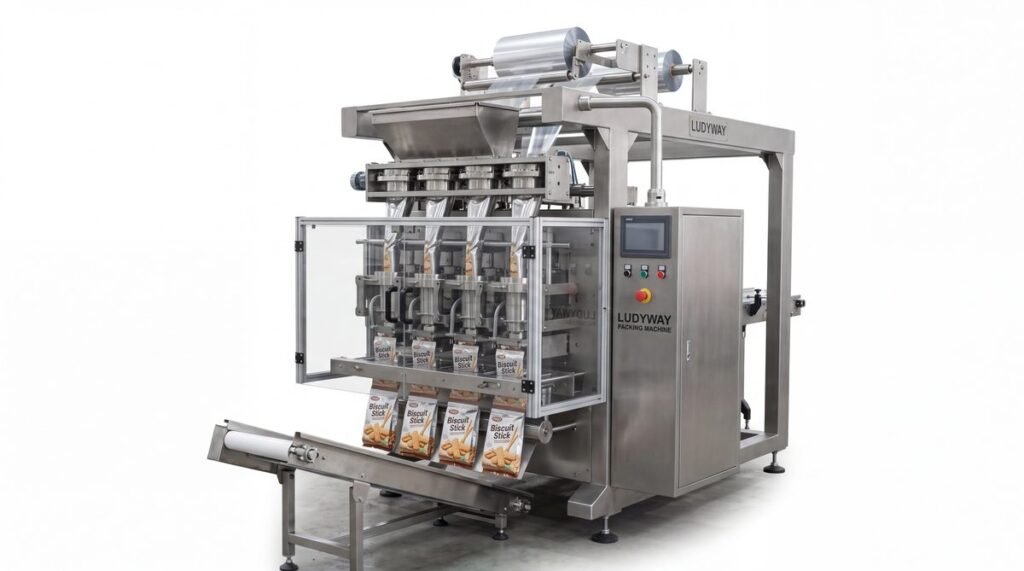
VFFS systems are commonly used for meat snacks, jerky pieces, frozen diced meat, and similar products packed into bags. They are compact, efficient, and often integrate well with weighing systems.
Key Factors to Consider Before Buying
1. Packaging Speed and Production Volume
A small butcher brand and a large meat processor have very different output requirements. Before selecting a machine, calculate:
- Expected packs per minute or per hour
- Peak seasonal demand
- Number of product SKUs
- Shift length and labor availability
Buying a machine that is too small creates bottlenecks. Buying one that is too large may increase capital cost unnecessarily. The best choice is a machine that supports both your current demand and reasonable future expansion.
2. Packaging Material Compatibility
Meat products may be packed in PA/PE vacuum bags, thermoforming film, laminated pouches, barrier films, or recyclable materials. Not every machine handles every film equally well. Always confirm:
- Film thickness range
- Barrier film compatibility
- Sealability under juice or oil exposure
- Compatibility with recyclable or mono-material packaging goals
3. Hygiene and Washdown Design
In meat applications, hygiene is non-negotiable. Machines should be designed for easy cleaning and sanitation, with food-contact parts that resist corrosion and reduce residue buildup.
Look for features such as:
- Stainless steel construction
- Open-frame or easy-access design
- Tool-free disassembly where possible
- Moisture-resistant electrical protection
- Smooth welds and minimal dead corners

4. Accuracy and Product Consistency
Underfilling can create customer complaints. Overfilling reduces profit margin. For portion-controlled meat packaging, accuracy directly impacts unit economics. Depending on product form, you may need:
- Multihead weighers for meat snacks or diced pieces
- Volumetric or auger systems for powdered seasonings paired with meat kits
- Custom feeding systems for sticky, wet, or irregular meat portions
5. Seal Quality and Shelf Life Protection
In meat packaging, poor seals can lead to leakage, contamination, freezer burn, or shortened shelf life. Seal strength matters just as much as machine speed. Ask suppliers about:
- Seal temperature control precision
- Vacuum consistency
- Gas flushing options
- Leak detection support
- Performance with wet sealing environments
6. Automation Level
Fully automatic systems can reduce manual handling, improve hygiene, and support higher throughput. However, the best automation level depends on your factory layout and labor structure.
| Automation Level | Best For | Main Advantage |
|---|---|---|
| Semi-automatic | Small processors, startups, pilot production | Lower initial cost |
| Automatic standalone machine | Growing meat brands and factories | Balanced cost and output |
| Fully integrated packaging line | Large-scale processors and export-focused plants | Maximum efficiency, consistency, and labor savings |
How to Match the Machine to Your Packaging Format
The right solution also depends on how your product reaches the customer. Here are a few common matching principles:
- Vacuum pouches: best for frozen meat, premium cuts, and shelf-life extension
- Tray-sealed packs: best for retail fresh meat presentation
- Stand-up pouches: useful for seasoned or ready-to-cook products
- Pillow bags: practical for jerky, snack meat, and diced frozen products
- Thermoformed packs: suitable for large-volume industrial lines needing speed and efficiency
If your business serves multiple channels, such as retail, foodservice, and export, a flexible machine platform can be more valuable than the lowest-priced single-format machine.
Questions You Should Ask a Supplier
Before making a final decision, ask practical and technical questions that go beyond the sales brochure.
- Has the machine been used for products similar to my meat application?
- What is the real output under production conditions, not just laboratory speed?
- How does the machine perform with oily, wet, or irregular meat products?
- What cleaning and maintenance procedures are required?
- Can the machine support future SKU changes or packaging upgrades?
- What spare parts and technical support are available?
- Can the supplier provide line integration, not only a standalone machine?
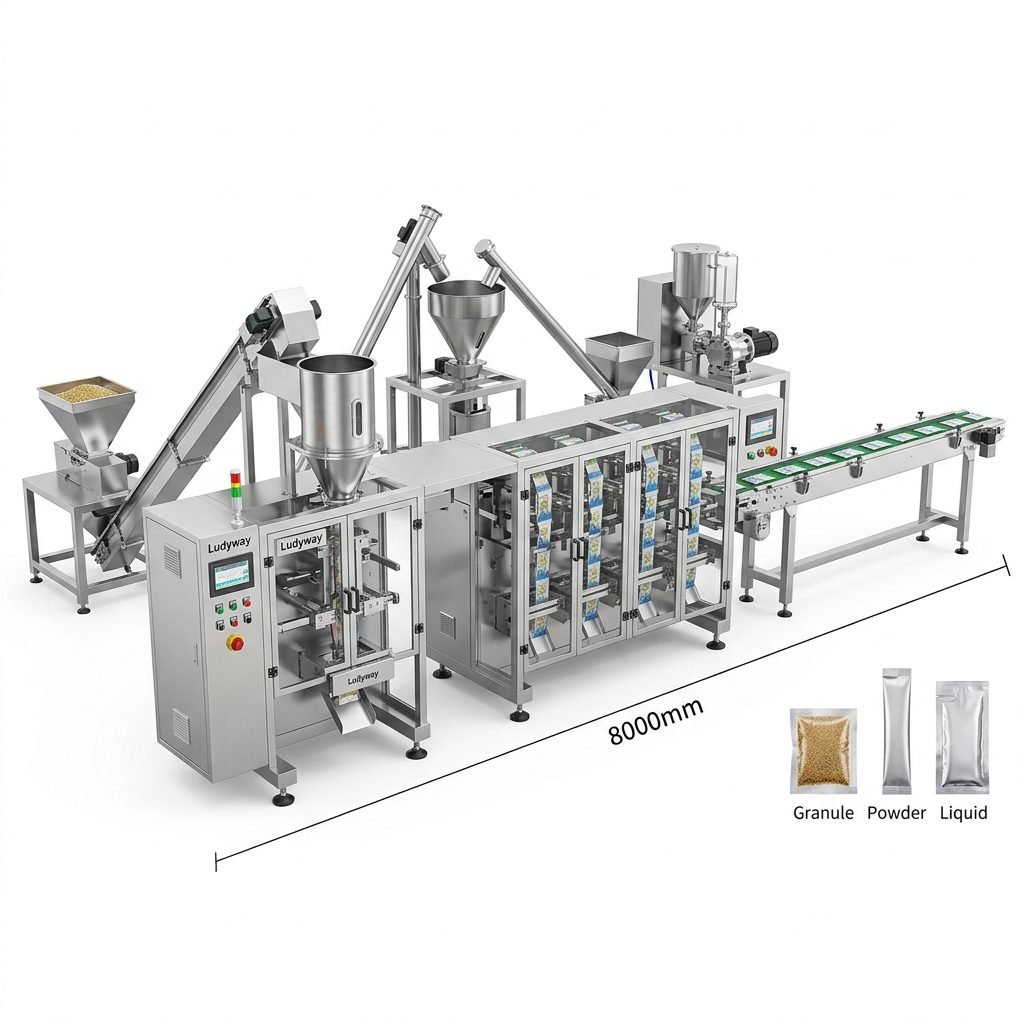
Don’t Overlook Line Integration
A meat packing machine works best when it fits smoothly into the full production process. In many factories, packaging efficiency is affected by upstream and downstream equipment, including feeding, weighing, inspection, labeling, cartoning, and palletizing.
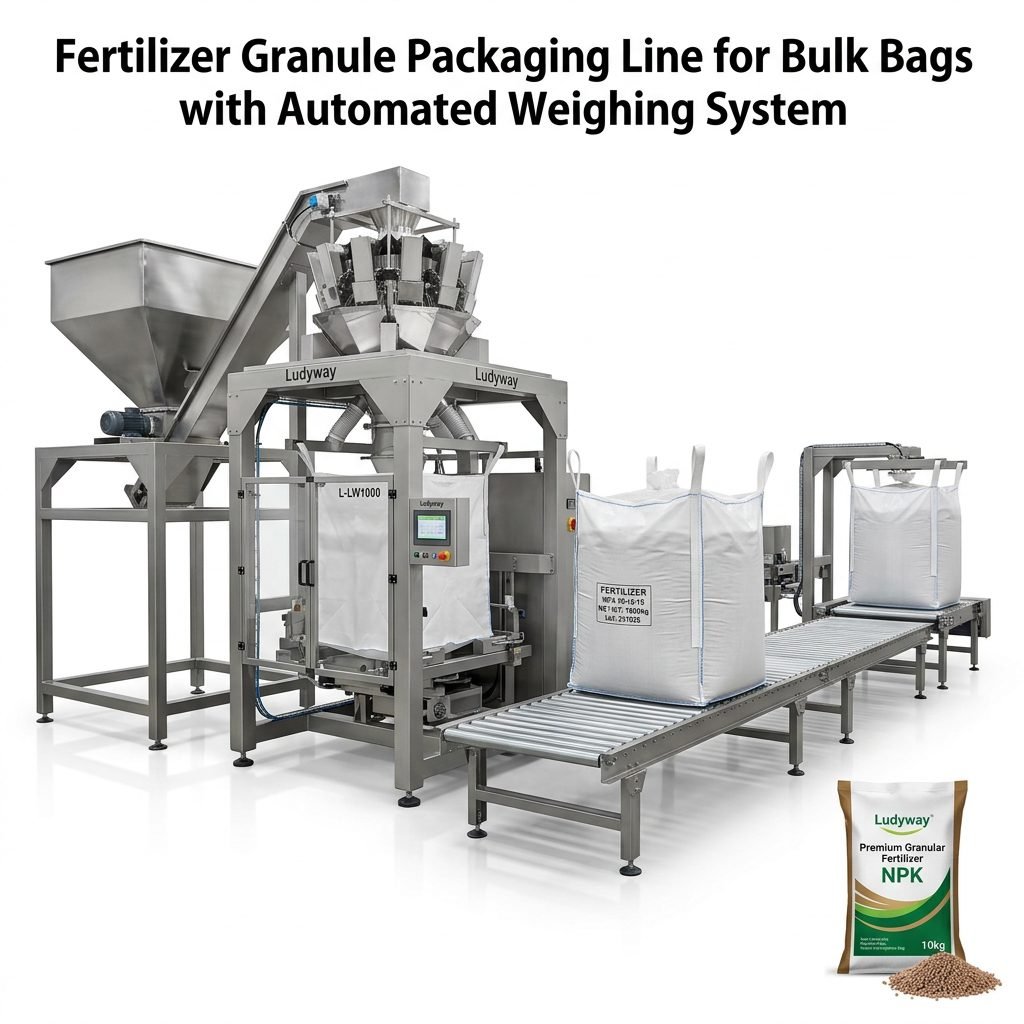
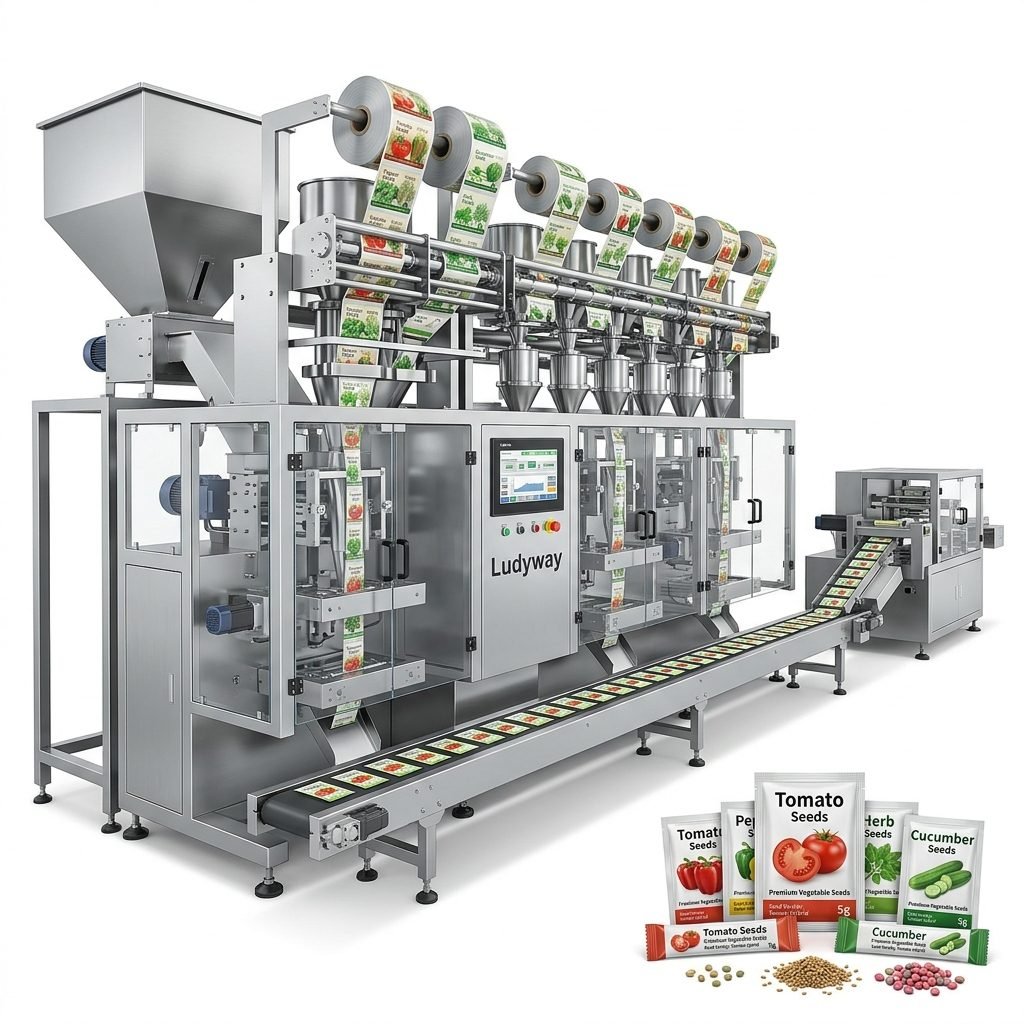
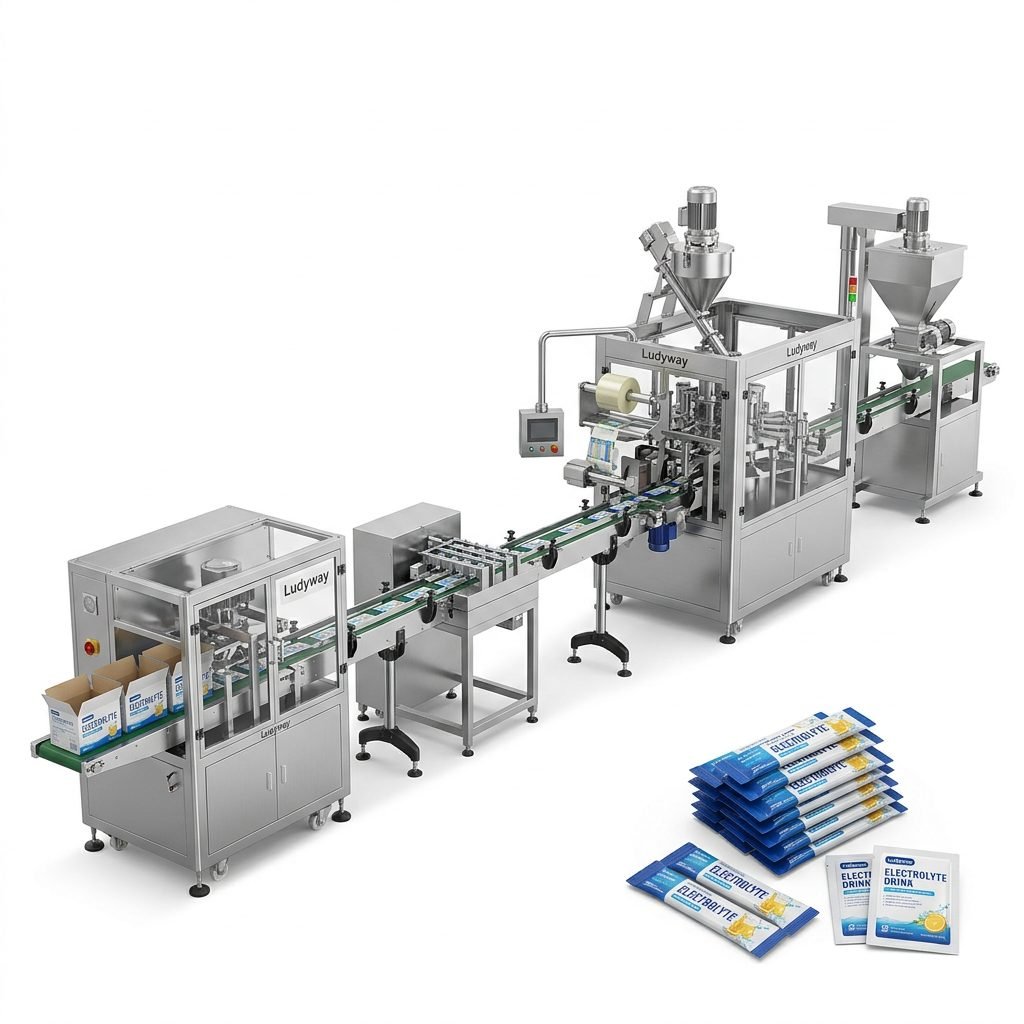
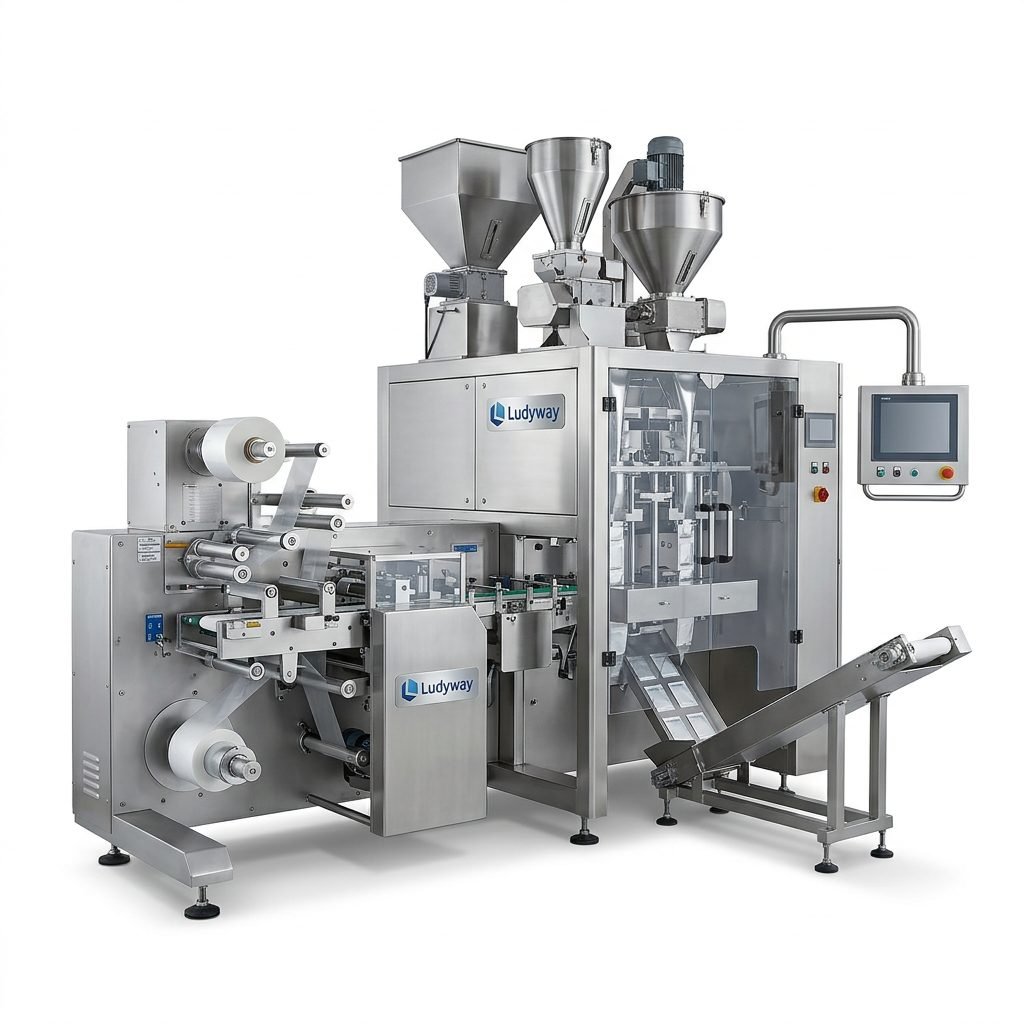
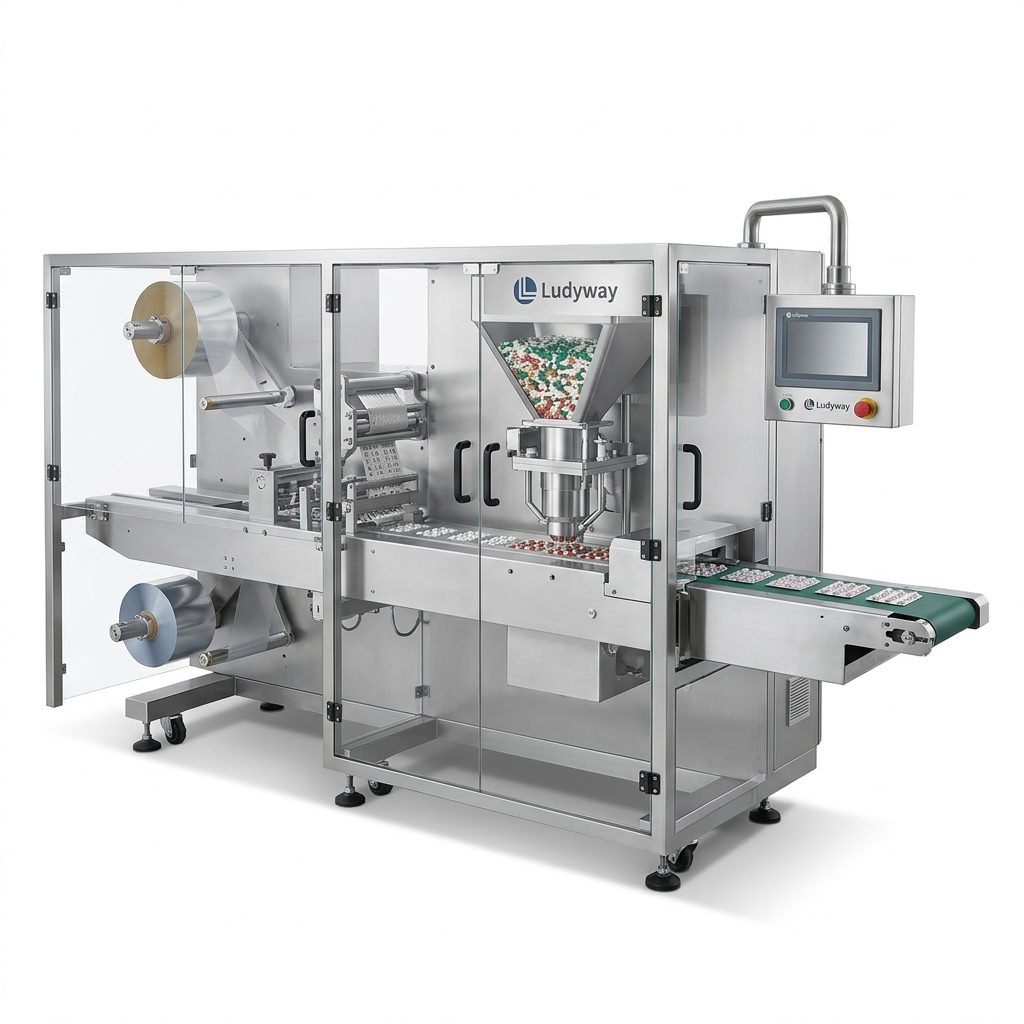
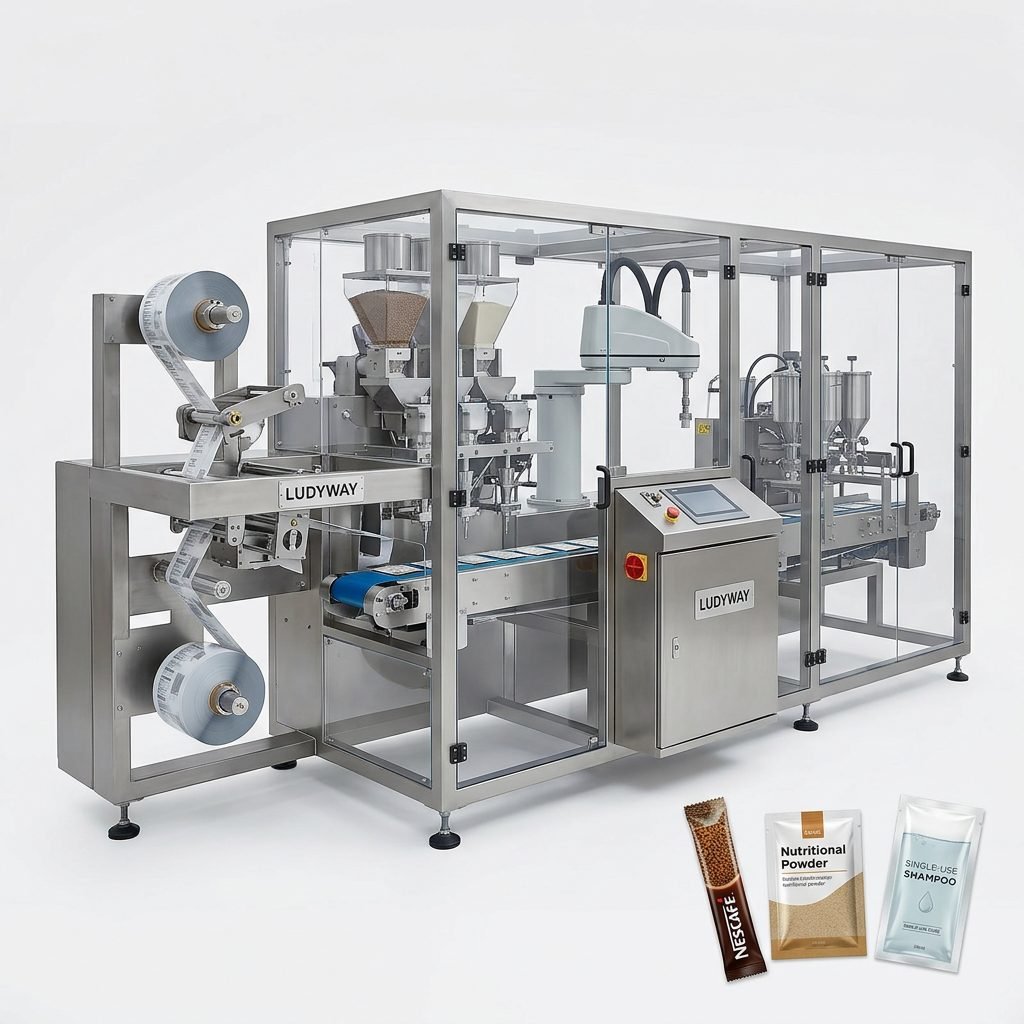
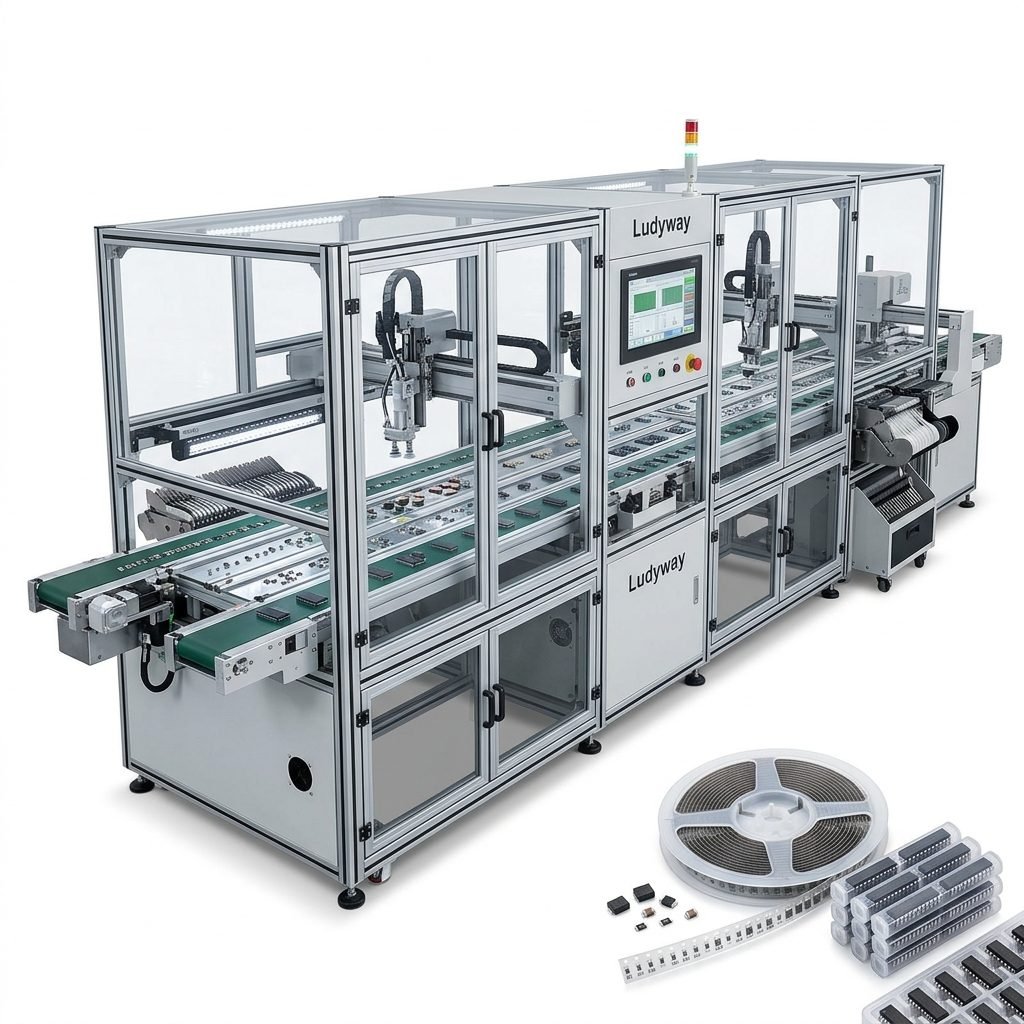
For this reason, many buyers prefer working with suppliers that can offer not only equipment, but also complete line planning. meat packing machine solutions from Ludyway can be considered by businesses seeking scalable packaging equipment and turnkey line integration for food production environments.
Signs You Need to Upgrade Your Current Meat Packaging Equipment
- Frequent sealing defects or package leakage
- High labor dependency and inconsistent output
- Excessive product giveaway from poor filling accuracy
- Long cleaning downtime between batches
- Difficulty meeting retailer or export packaging standards
- Machine instability during high-demand production periods
If several of these issues are happening at once, replacement or line modernization may offer a faster return than repeatedly repairing outdated equipment.
How to Balance Cost and ROI
The cheapest machine is rarely the most economical over time. A better way to evaluate investment is to compare total operating value, including:
- Labor savings
- Reduced packaging waste
- Lower maintenance frequency
- Higher production uptime
- Improved shelf life and fewer returns
- Capacity to win larger customer orders
A machine with stronger sealing reliability, easier sanitation, and better automation may deliver a much better ROI, even if the initial purchase price is higher.
Best Choice Strategy for Meat Processors
To choose the right solution efficiently, follow this practical path:
- Define your product clearly — fresh, frozen, marinated, dried, or ready-to-cook
- Choose the target package type — pouch, tray, vacuum bag, or thermoformed pack
- Set output expectations — current and future
- Confirm hygiene standards — especially washdown and food-contact design
- Test for seal reliability with your real product and packaging material
- Evaluate total line integration instead of judging one machine in isolation
- Compare after-sales support before finalizing a supplier
Final Buying Insight
The right meat packing machine is the one that fits your product characteristics, production scale, and food safety requirements while leaving room for business growth. Instead of focusing only on speed or price, prioritize machine stability, hygiene, sealing quality, and long-term operational value.
When the packaging system is properly matched to your meat application, you gain more than efficiency—you gain stronger product protection, better market competitiveness, and a more reliable production future.