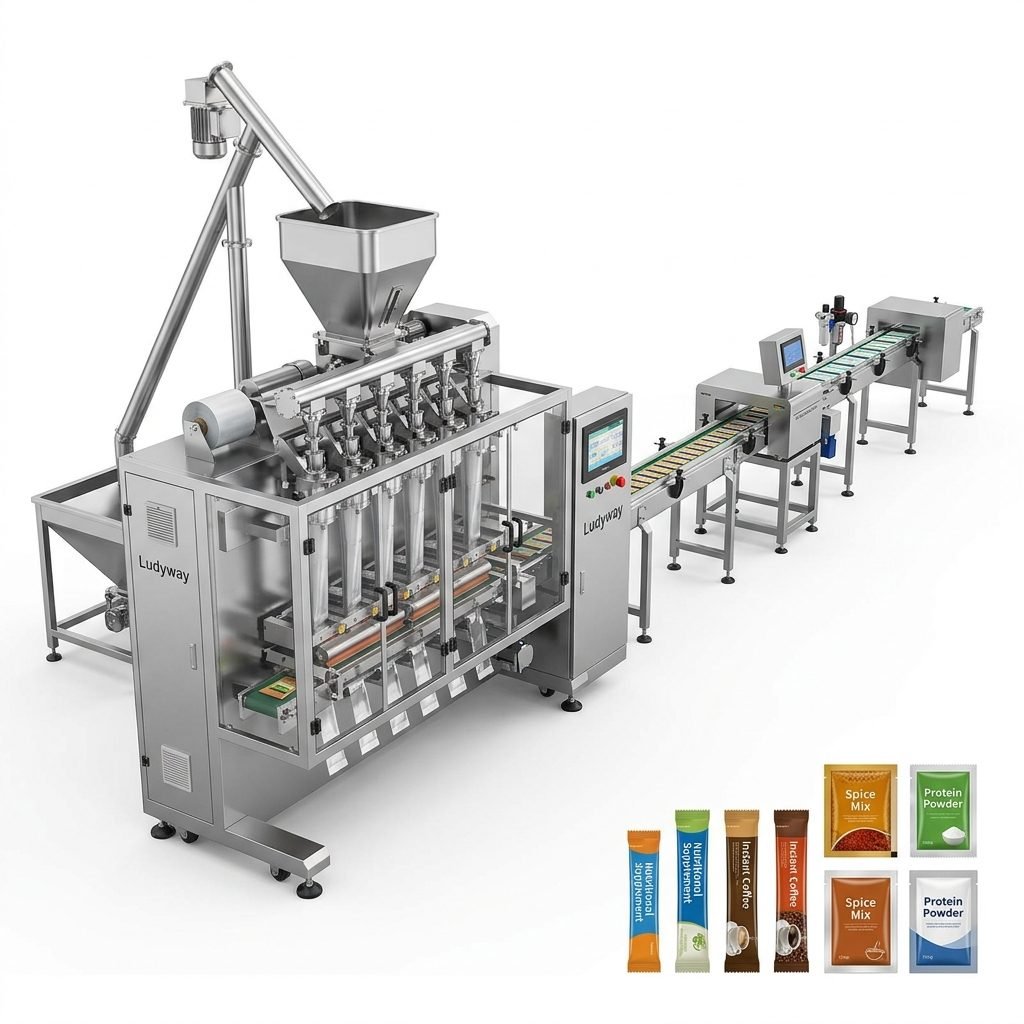
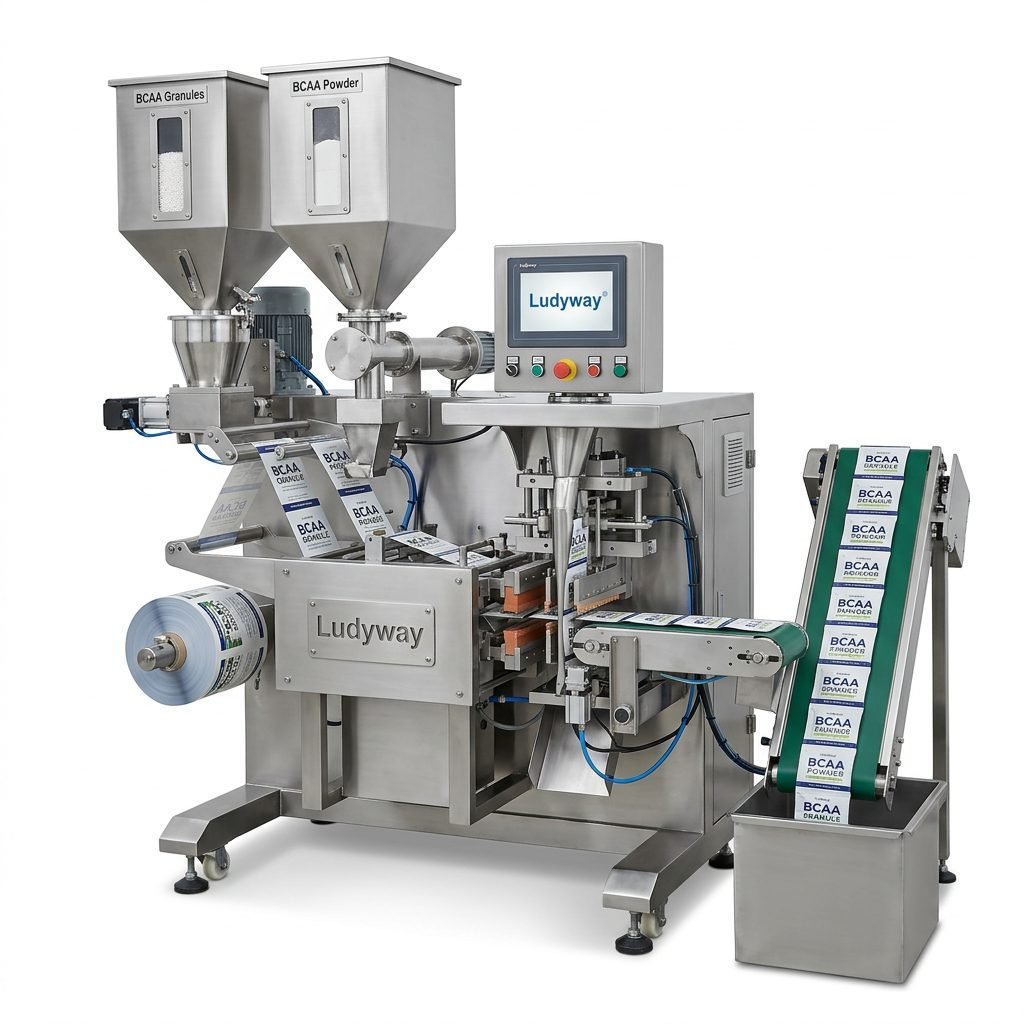
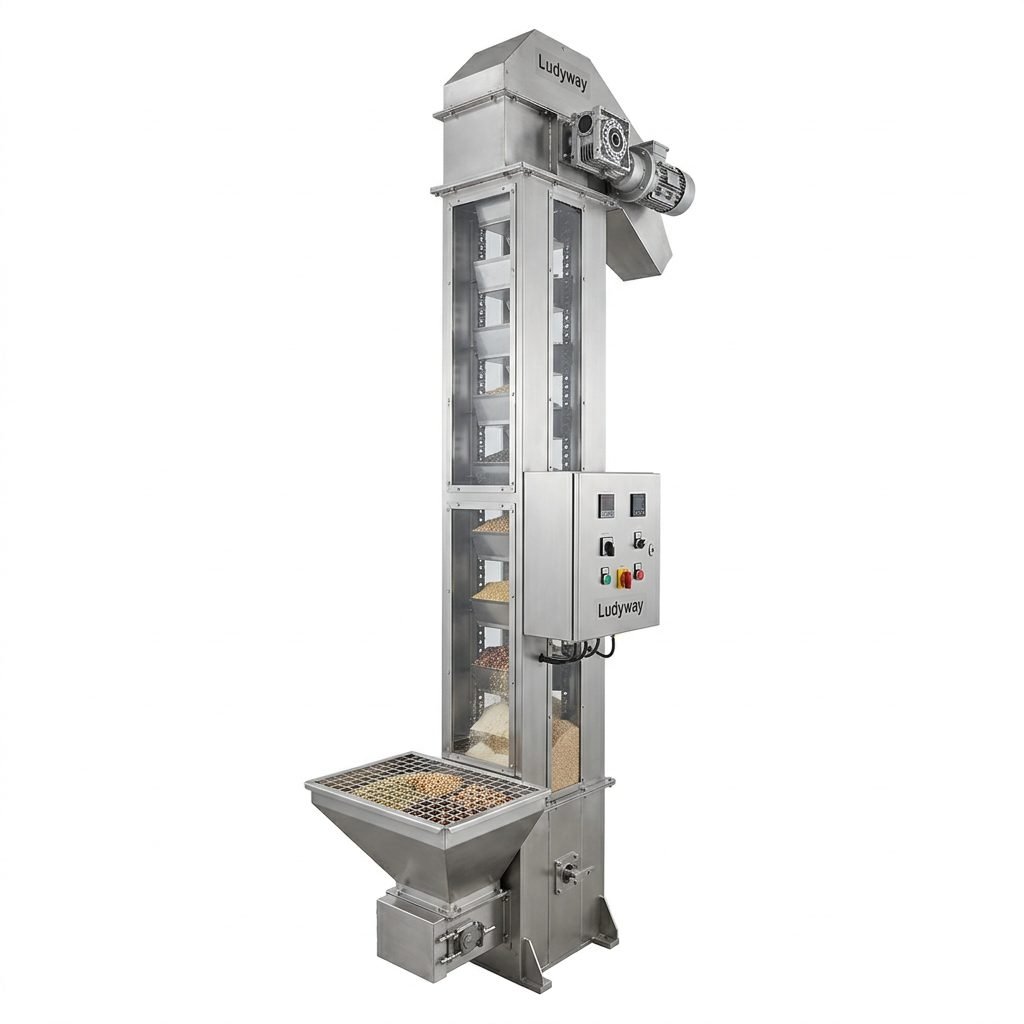
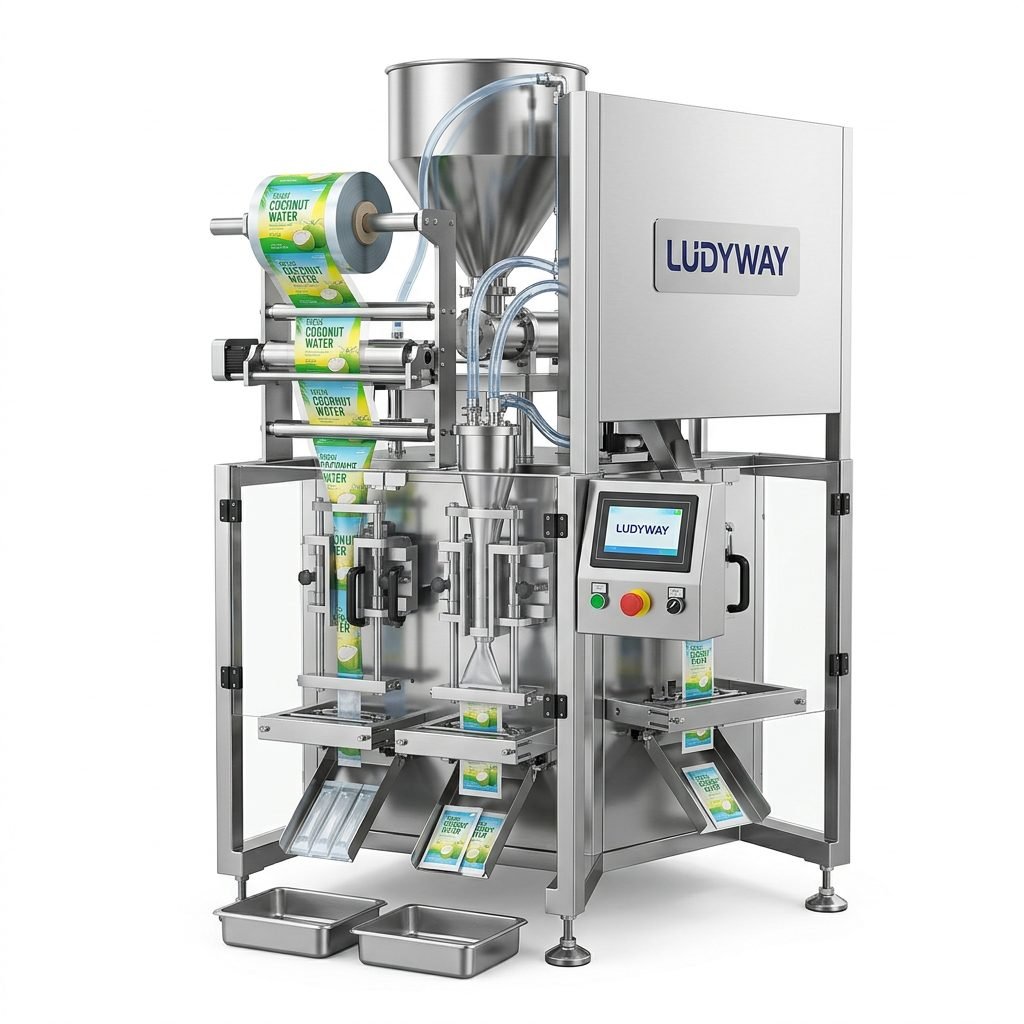
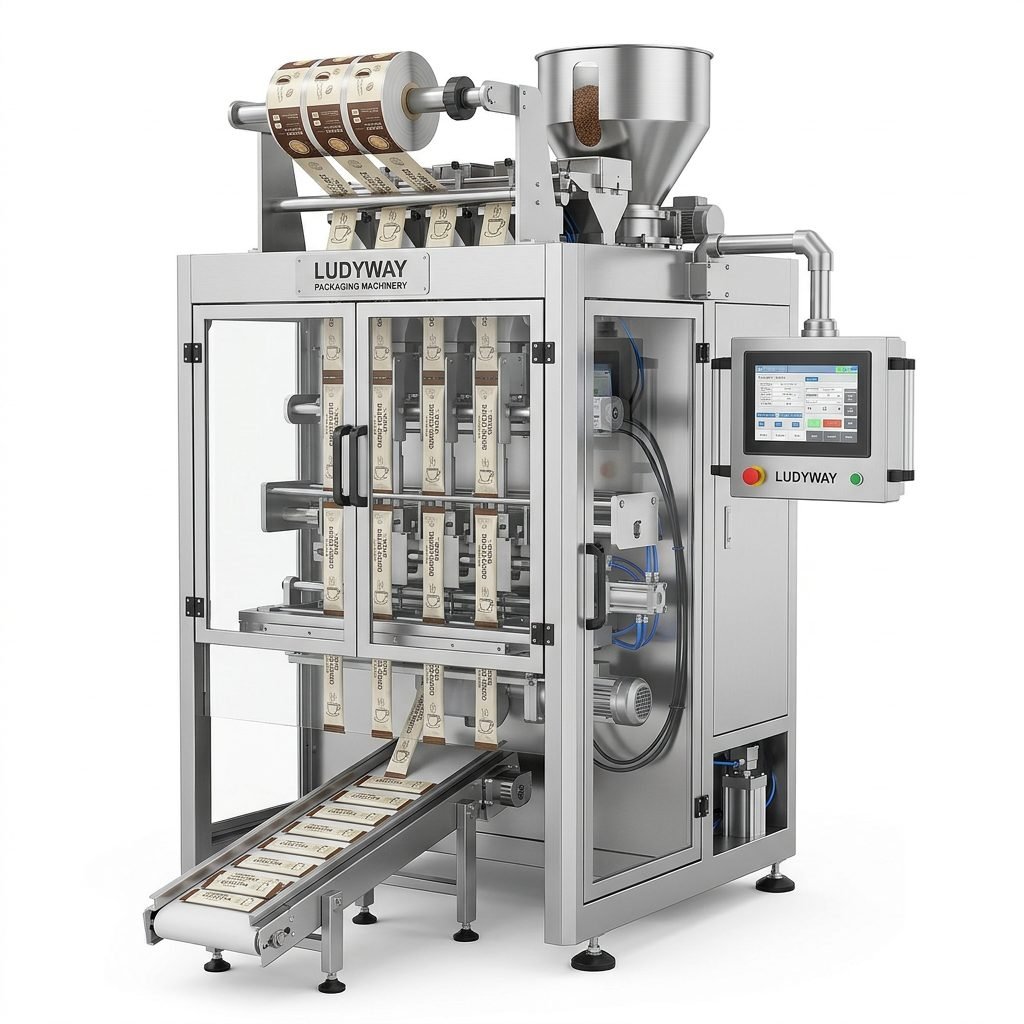
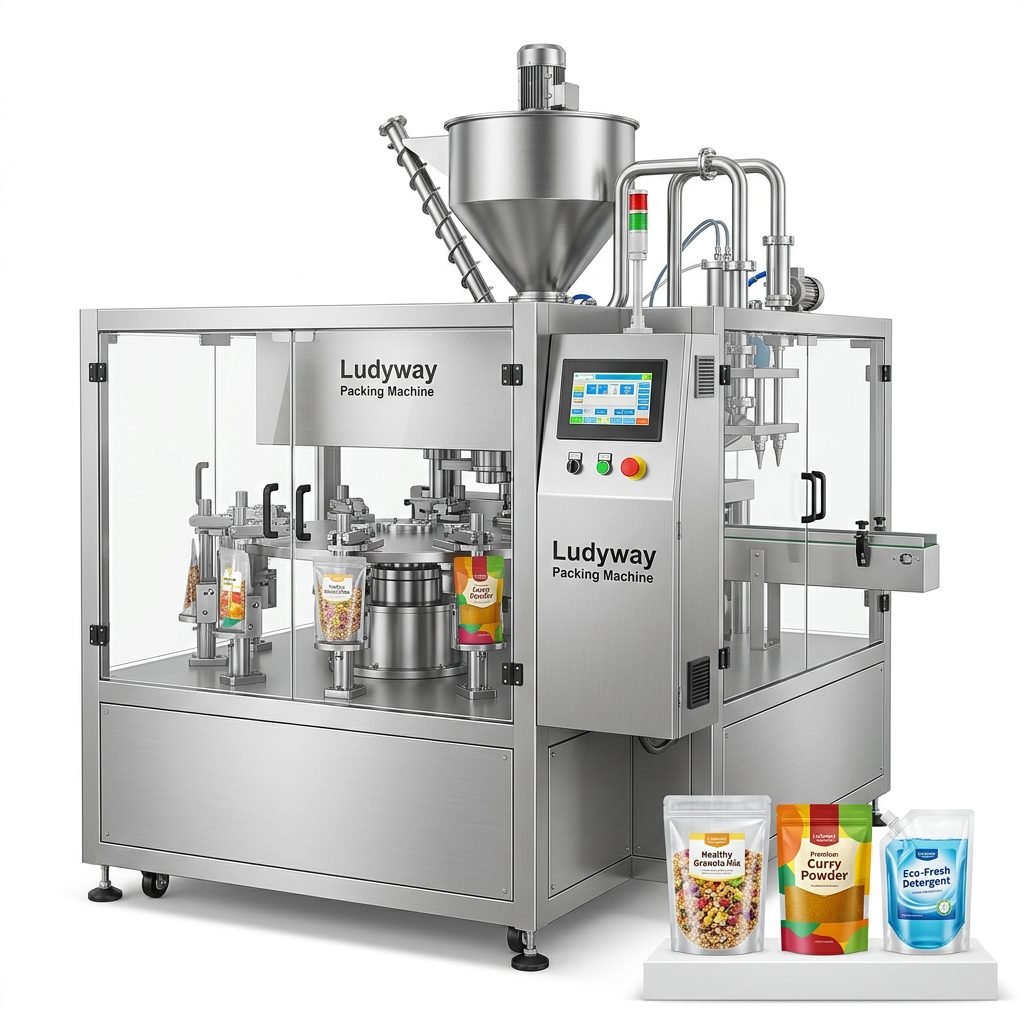
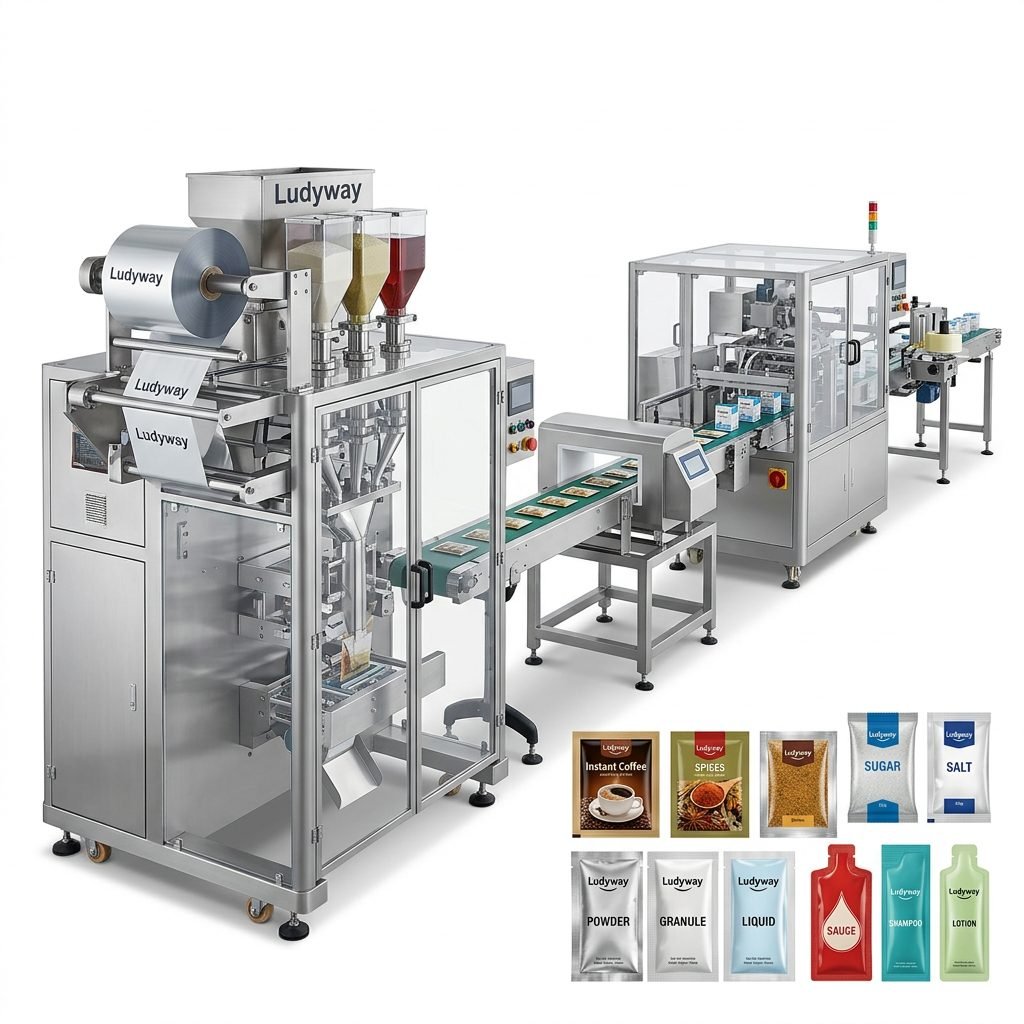
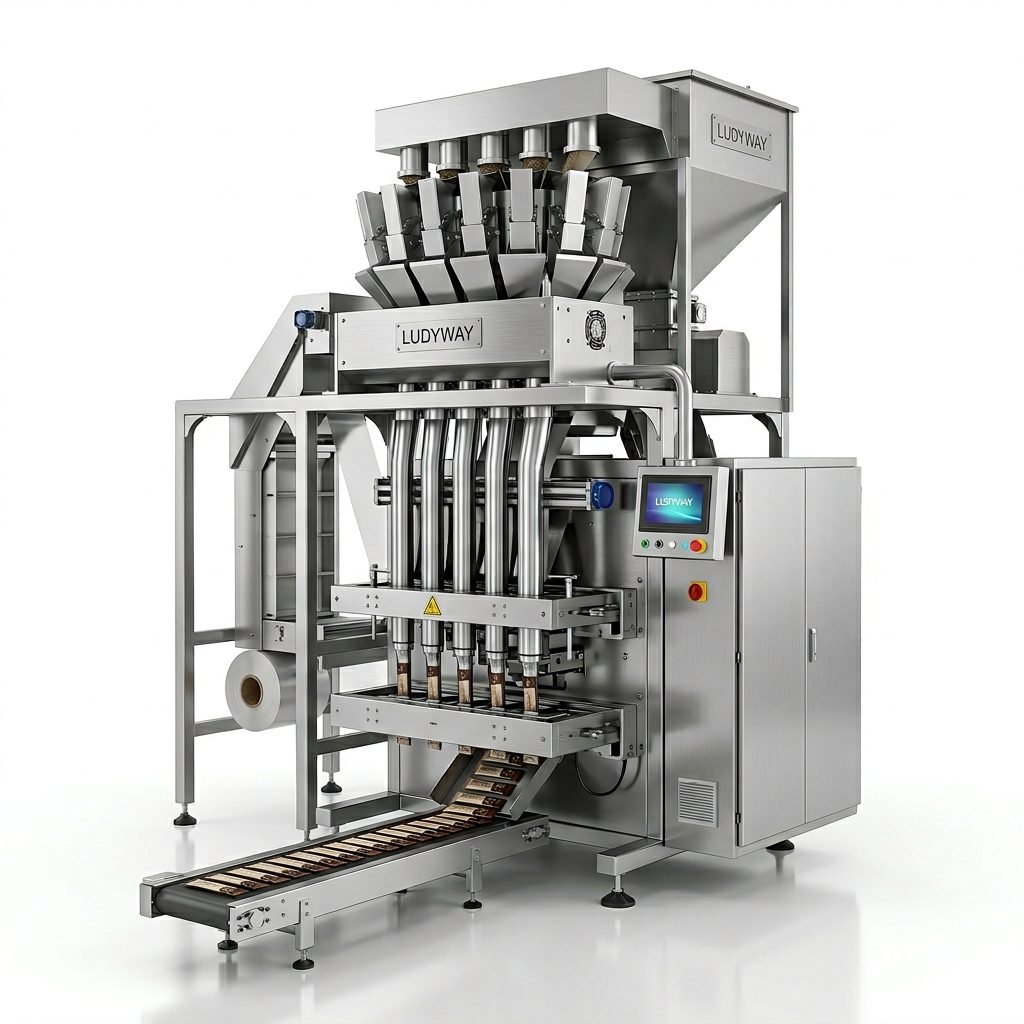
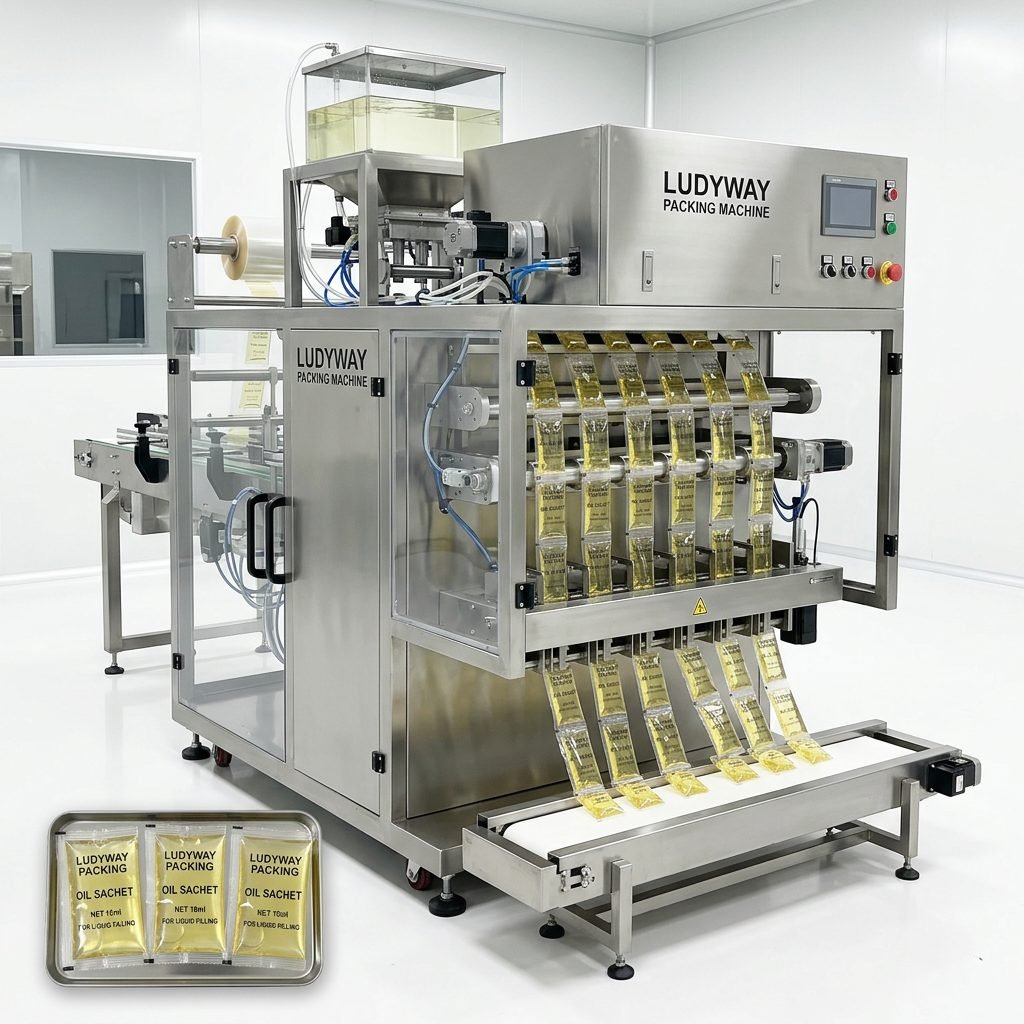
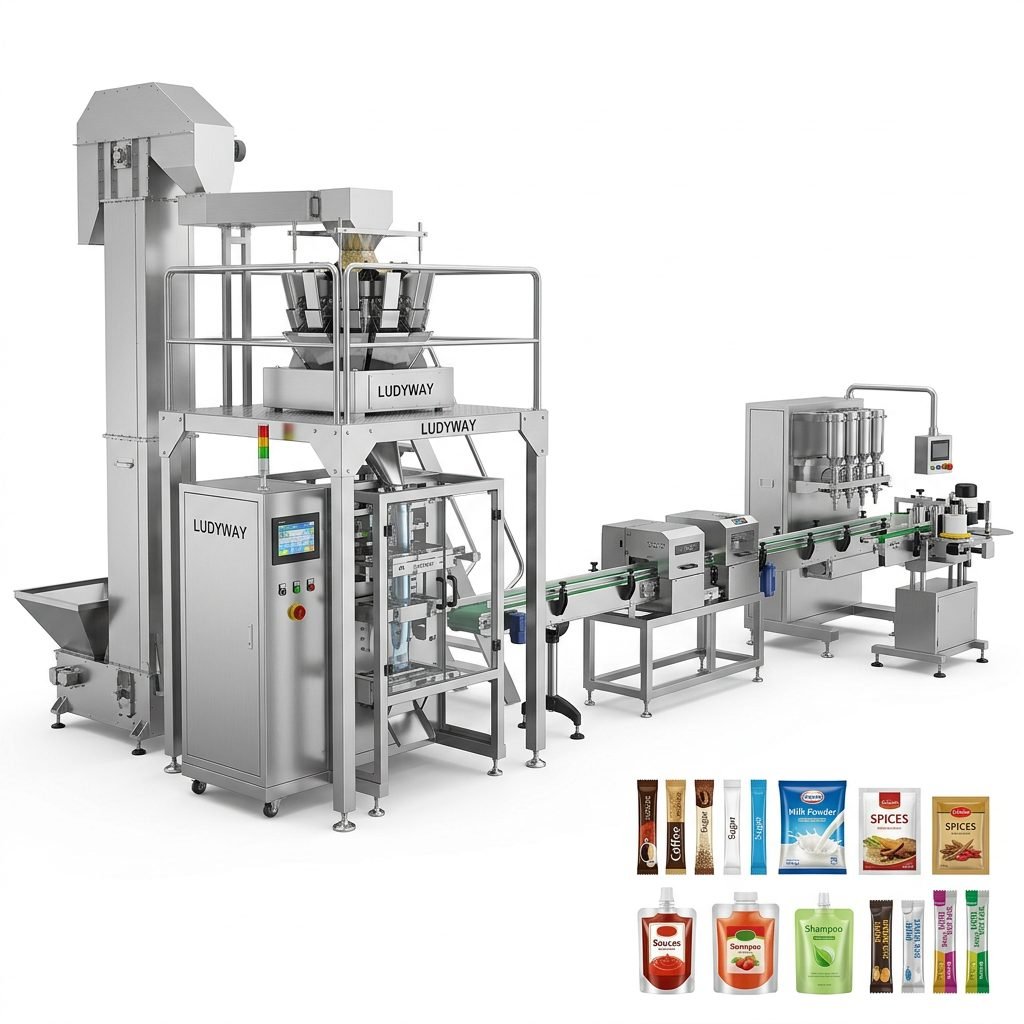
Frozen food packaging machines play a critical role in protecting product quality, extending shelf life, and helping manufacturers meet rising demand for safe, convenient frozen foods. Whether the product is frozen vegetables, seafood, ready meals, meat portions, dumplings, fries, or pet food, the right packaging system can improve output, reduce waste, and maintain strict hygiene from filling to sealing.
Modern frozen food operations need more than simple bagging equipment. They require packaging solutions that can perform reliably in low-temperature environments, handle different product shapes and weights, and support food safety compliance with consistent sealing, accurate dosing, and easy cleaning. For processors looking to scale production, automation is now a practical necessity rather than an option.
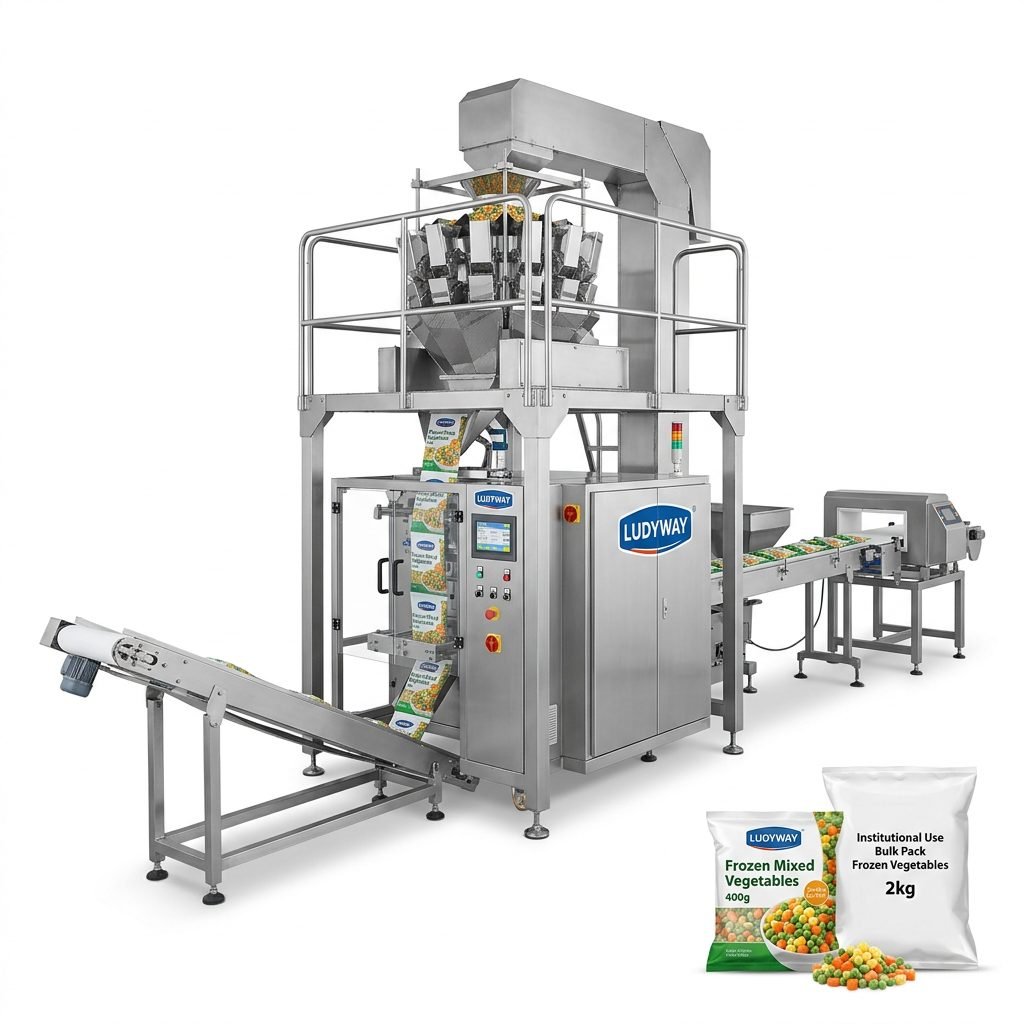
Why Frozen Food Packaging Requires Specialized Machinery
Frozen products create packaging challenges that are very different from room-temperature goods. Moisture, ice crystals, product fragility, and low ambient temperatures can all affect material handling and seal integrity. A dedicated frozen food packaging machine is designed to address these challenges while keeping production stable and efficient.
- Temperature resistance: Components must perform consistently in cold and humid production areas.
- Hygienic design: Food-contact parts should be easy to clean and resistant to corrosion.
- Accurate filling: Frozen foods often vary in size, shape, and density, so precision dosing is essential.
- Reliable sealing: Packaging must remain tightly sealed to prevent freezer burn, leakage, and contamination.
- Flexible packaging formats: Manufacturers may need pillow bags, pouches, vacuum packs, sachets, or multi-pack solutions.
These features help protect product texture, flavor, and appearance during storage, shipping, and retail display.
Key Benefits of an Automated Frozen Food Packaging Machine
Upgrading to an automated system can bring measurable gains across production, quality control, and labor management.
| Benefit | How It Helps Frozen Food Producers |
|---|---|
| Higher Efficiency | Reduces manual handling and increases packaging speed for large production volumes. |
| Improved Hygiene | Minimizes direct product contact and supports sanitary food processing standards. |
| Consistent Pack Quality | Maintains stable weight, shape, and seal performance across batches. |
| Lower Product Waste | Improves dosing accuracy and reduces sealing defects or damaged packs. |
| Scalable Automation | Makes it easier to expand from standalone machines to full turnkey lines. |
Common Frozen Products That Can Be Packaged
A high-performance frozen food packaging machine can be adapted for a wide range of applications. Depending on product form and pack style, the system may include weighing, conveying, filling, sealing, inspection, coding, cartoning, and end-of-line automation.
- Frozen vegetables and mixed vegetable blends
- Frozen shrimp, fish, and seafood products
- Frozen meatballs, chicken nuggets, and processed meats
- Frozen dumplings, buns, and ready-to-cook snacks
- French fries, potato products, and appetizers
- Frozen fruits and smoothie ingredients
- Frozen bakery and prepared meal components
- Freeze-dried and frozen pet food products
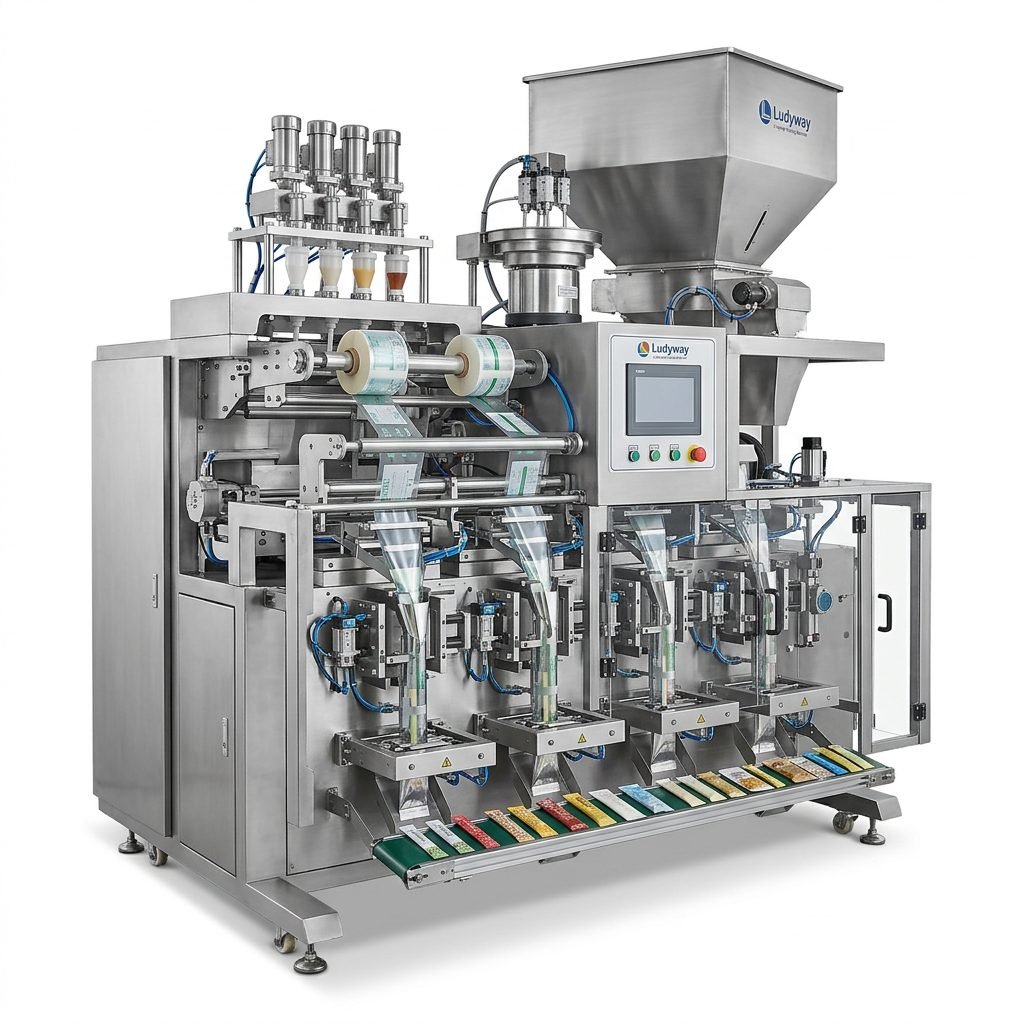
Important Features to Look For
Choosing the right machine means evaluating not only speed, but also long-term operational reliability. The best system should match your product characteristics, packaging materials, plant layout, and future expansion plans.
1. Hygienic Construction
Machines used for frozen foods should have smooth contact surfaces, sanitary structural design, and materials suitable for food production environments. Stainless steel construction is often preferred for durability and easier cleaning.
2. Precise Weighing and Filling
Frozen products may be irregular in size and may not flow uniformly. Multi-head weighers, auger fillers, cup fillers, or customized dosing systems can improve accuracy depending on the product.
3. Strong Sealing Performance
Seal quality is one of the most important factors in frozen packaging. Poor seals can lead to moisture intrusion, freezer burn, and shortened shelf life. Reliable heat sealing or vacuum sealing technology is essential.
4. Low-Temperature Stability
Equipment should maintain stable performance even in chilled or frozen processing areas. This includes mechanical movement, sensor function, and film handling behavior.
5. Flexible Packaging Options
Manufacturers often need multiple pack sizes for retail, foodservice, and bulk distribution. A flexible machine can reduce changeover time and support different bag lengths, weights, and film structures.
6. Integration with Turnkey Lines
A complete frozen food packaging solution may include upstream feeding systems and downstream coding, inspection, cartoning, case packing, palletizing, and conveying. Integration improves workflow and reduces bottlenecks.
Popular Packaging Formats for Frozen Foods
Different frozen products require different packaging structures. The right format depends on product fragility, moisture sensitivity, target market, and branding goals.
| Packaging Format | Typical Application | Main Advantage |
|---|---|---|
| Pillow Bags | Vegetables, fries, seafood | Efficient, cost-effective, high-speed production |
| Stand-Up Pouches | Premium frozen snacks and retail items | Strong shelf appeal and convenient handling |
| Vacuum Packs | Meat, seafood, portioned frozen items | Better protection against air exposure and freezer burn |
| Bulk Bags | Foodservice and industrial supply | Supports high-volume packaging with lower unit cost |
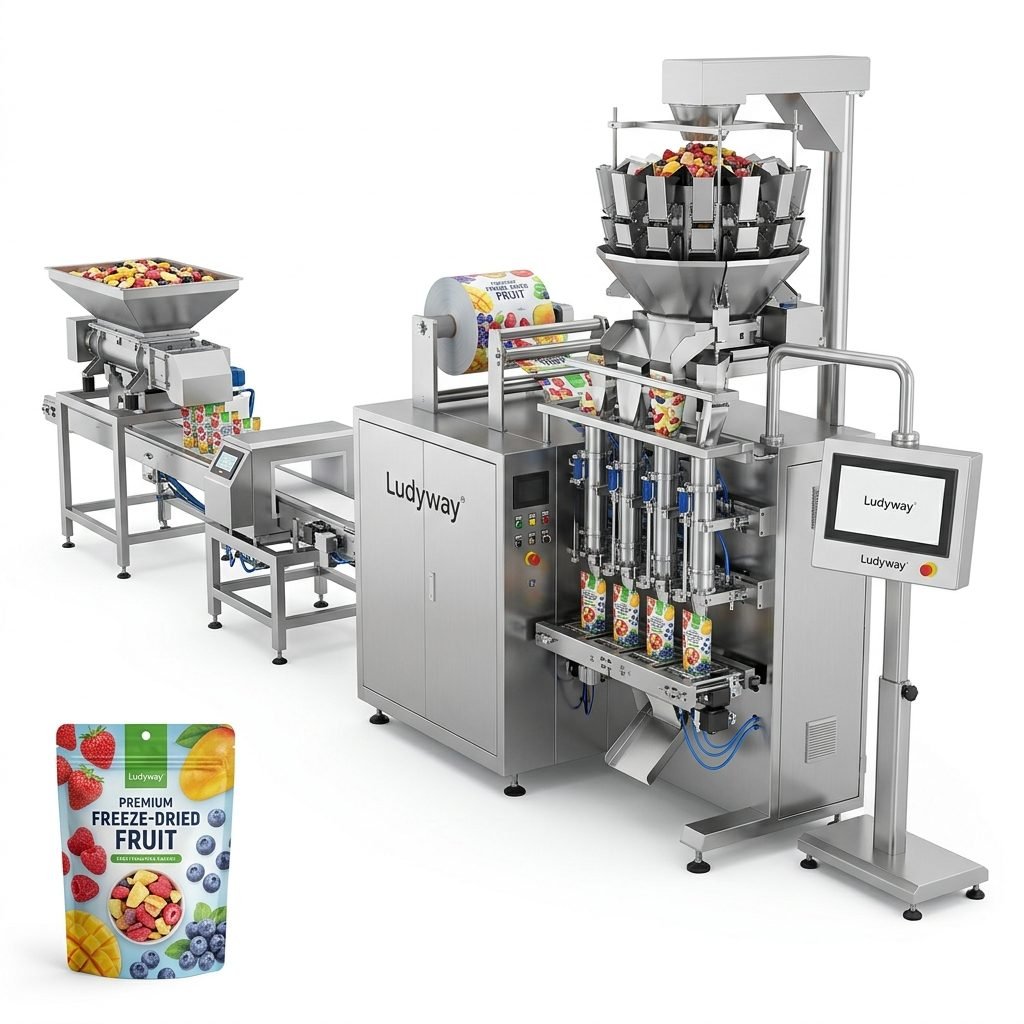
How the Packaging Process Works
Although machine configurations vary, the frozen food packaging process usually follows a similar workflow:
- Product feeding from conveyor, hopper, or elevator
- Weighing or counting based on target pack size
- Automatic filling into bags or pouches
- Air extraction or vacuum function when required
- Heat sealing for secure package closure
- Date coding, metal detection, and weight inspection
- Cartoning, case packing, and palletizing for shipment
This automated sequence helps frozen food producers maintain speed without sacrificing hygiene or packaging consistency.
How to Choose the Right Frozen Food Packaging Machine
Before investing in equipment, it is important to review your application in detail. A machine that works perfectly for frozen peas may not be ideal for seafood, ready meals, or fragile coated snacks.
Ask These Questions Before Buying
- What type of frozen product will be packaged?
- Is the product free-flowing, sticky, fragile, or irregular in shape?
- What bag or pouch style is required?
- What output speed is needed per minute or per hour?
- What level of automation is required now and in the future?
- Do you need a standalone unit or a complete packaging line?
- What hygiene and food safety standards must be met?
- Will the machine operate in a cold-room environment?
A well-matched machine reduces downtime, supports product quality, and lowers total operating cost over time.
The Value of Turnkey Frozen Food Packaging Lines
For growing processors, standalone machines can eventually create bottlenecks. A turnkey line connects every stage of the process, from feeding and weighing to primary packaging and end-of-line handling. This improves line balance, traceability, labor efficiency, and overall equipment effectiveness.
Businesses looking for integrated automation solutions often work with experienced manufacturers that can customize machine configurations for product type, output targets, and packaging format. Ludyway frozen food packaging machine solutions can support automated packaging needs with scalable equipment and turnkey line integration backed by more than 30 years of packaging industry experience.
Maintenance and Hygiene Best Practices
To keep frozen food packaging equipment operating at peak performance, regular maintenance and sanitation are essential.
- Clean food-contact parts according to production schedules.
- Inspect sealing components for wear and temperature consistency.
- Check weighing accuracy and recalibrate when needed.
- Monitor conveyors, belts, sensors, and drives in low-temperature conditions.
- Use preventive maintenance plans to reduce unplanned downtime.
- Train operators on sanitation and correct machine adjustment procedures.
Well-maintained machinery not only protects food safety but also extends equipment life and ensures dependable production output.
Final Considerations for Frozen Food Manufacturers
The frozen food market continues to grow as consumers demand convenience, longer shelf life, and dependable quality. To stay competitive, manufacturers need packaging systems that are fast, hygienic, and flexible enough to support multiple product lines.
Investing in the right frozen food packaging machine can help improve operational efficiency, enhance product protection, and support long-term business growth. From simple bagging applications to complete automated packaging lines, the best solution is one that fits your product, plant conditions, and future expansion goals.
In short, the ideal solution should deliver:
- Reliable performance in frozen production environments
- Consistent fill accuracy and seal integrity
- Food-grade hygienic design
- Flexible packaging formats
- Easy integration into automated production lines