Choosing the right Bosch packaging machine is rarely just about brand familiarity. It is about matching machine design, product type, line speed, hygiene level, packaging format, and long-term maintenance requirements with your actual production goals. Whether you are packing powders, granules, liquids, pharmaceuticals, or ready-to-sell retail units, understanding the main machine categories can help you avoid costly mismatches.
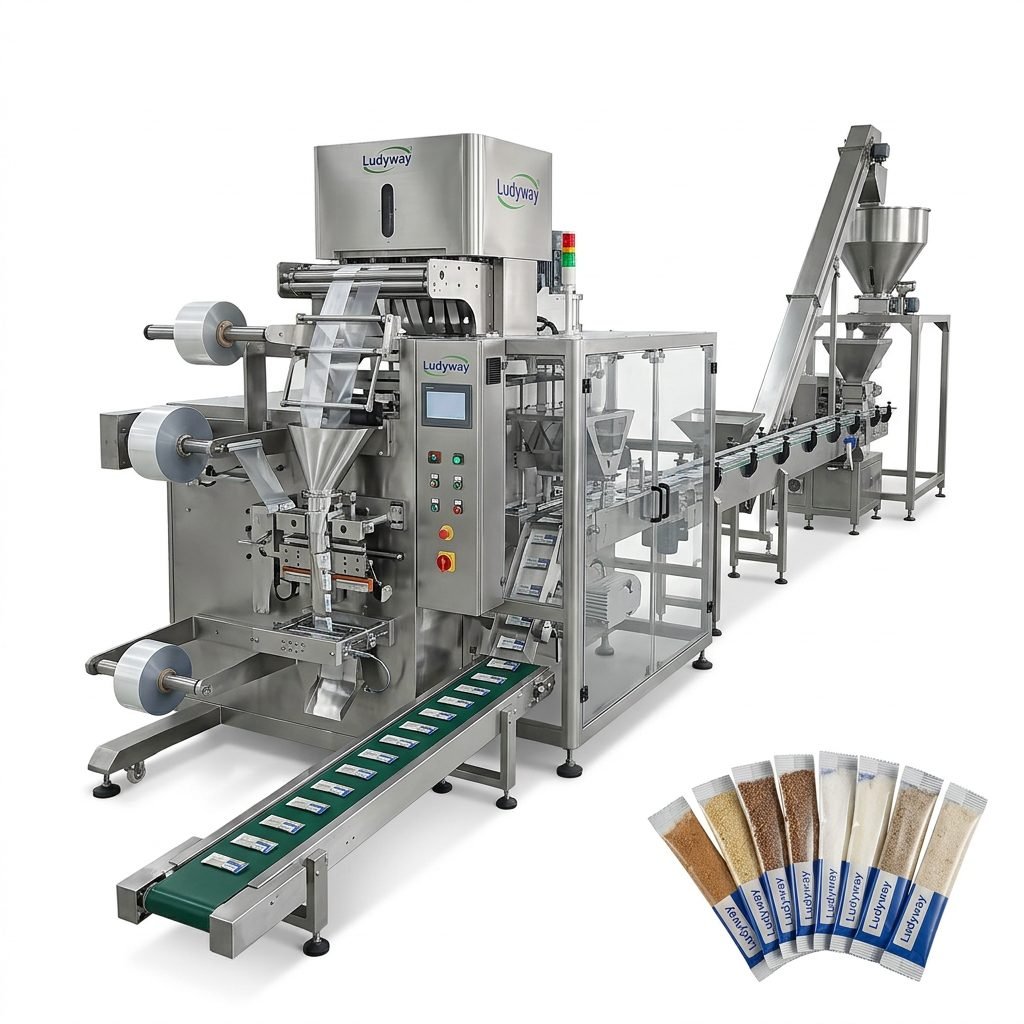
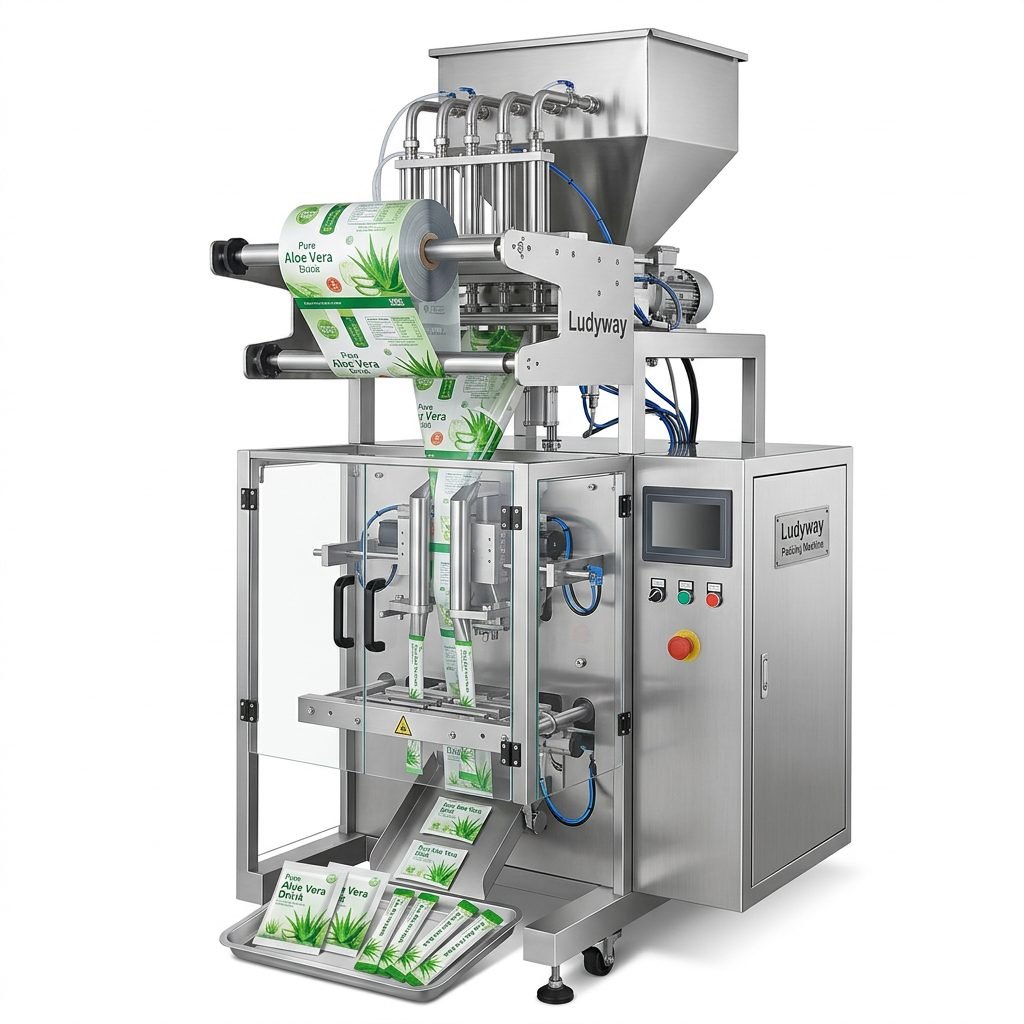
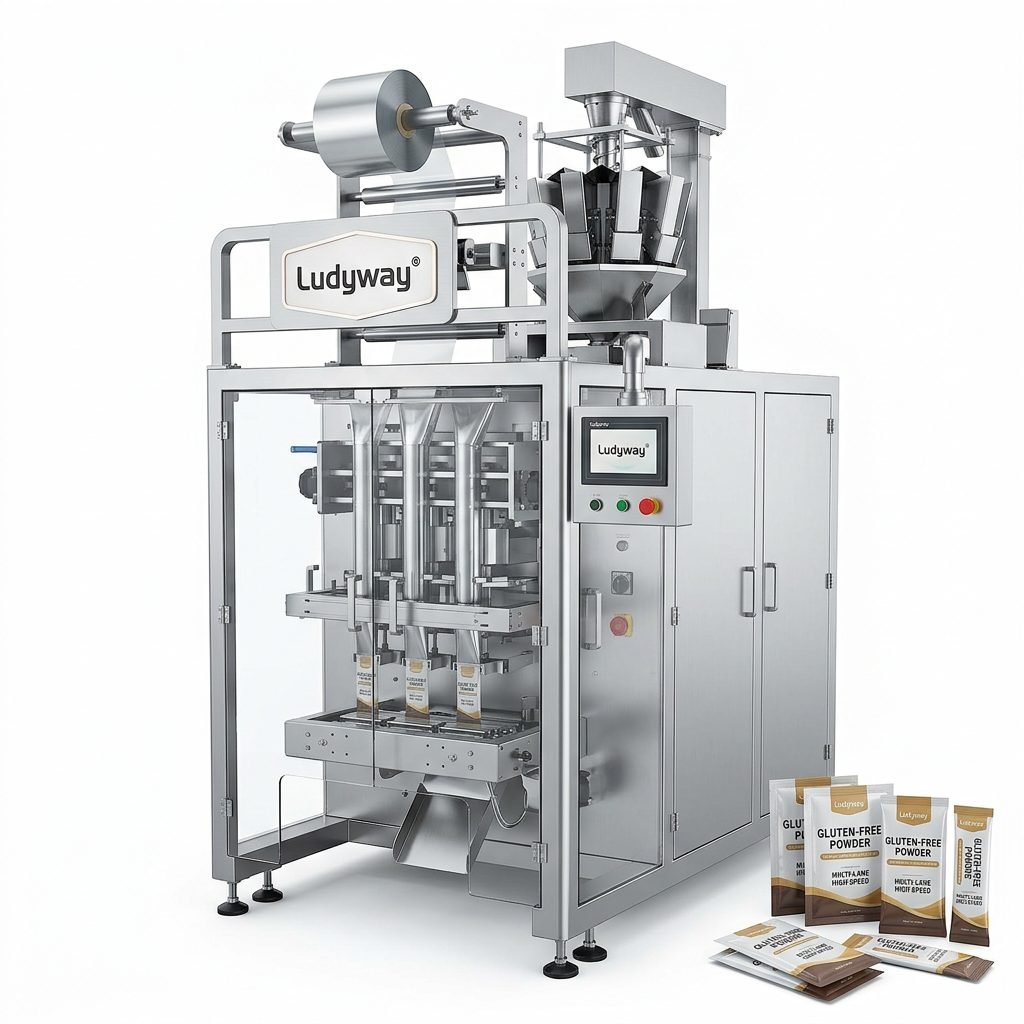
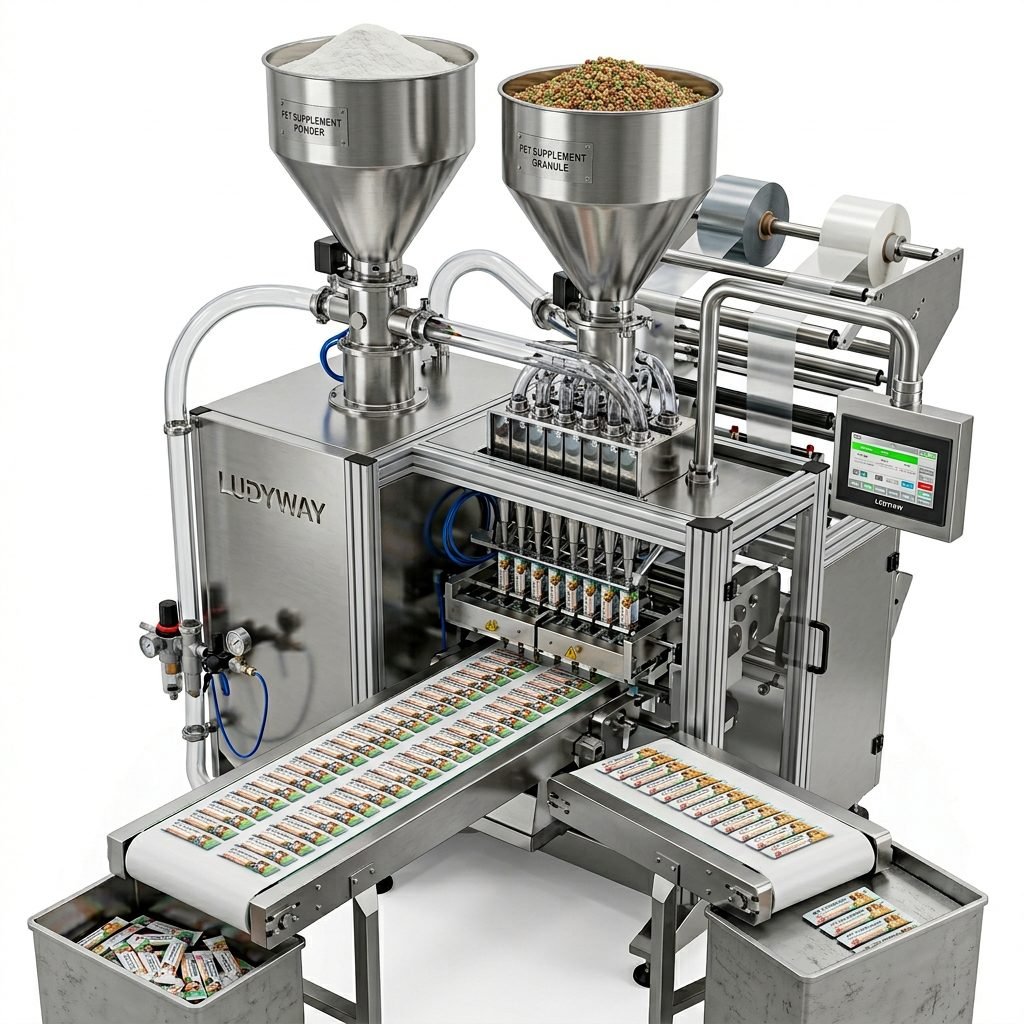
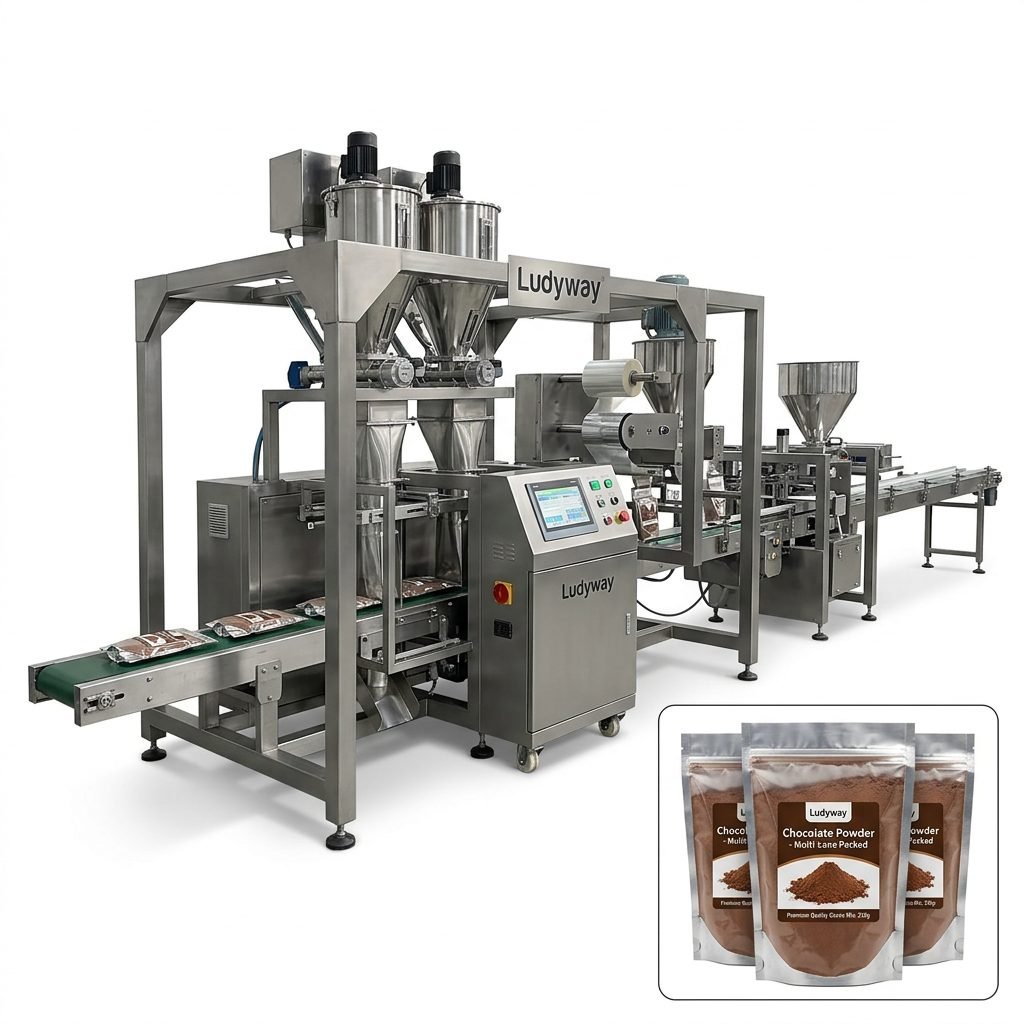
Many buyers compare Bosch legacy equipment with newer alternatives when planning upgrades, spare capacity, or a full turnkey line. In those cases, experienced manufacturers such as Ludyway packaging machine manufacturer are often considered for flexible automated solutions across food, pharmaceutical, health supplement, cosmetic, and chemical applications.
What Are Bosch Packaging Machines?
Bosch packaging machines generally refer to automated systems historically associated with Bosch Packaging Technology, now known under Syntegon in many markets. These machines are widely used in industries that require precision filling, sealing, cartoning, inspection, and end-of-line automation. They are known for engineered reliability, especially in regulated and high-output sectors.
Typical applications include:
- Food and beverage packaging
- Pharmaceutical and medical product packaging
- Nutraceutical and supplement packaging
- Personal care and cosmetic product packaging
- Chemical and household product packaging
Main Types of Bosch Packaging Machines
1. Vertical Form Fill Seal Machines
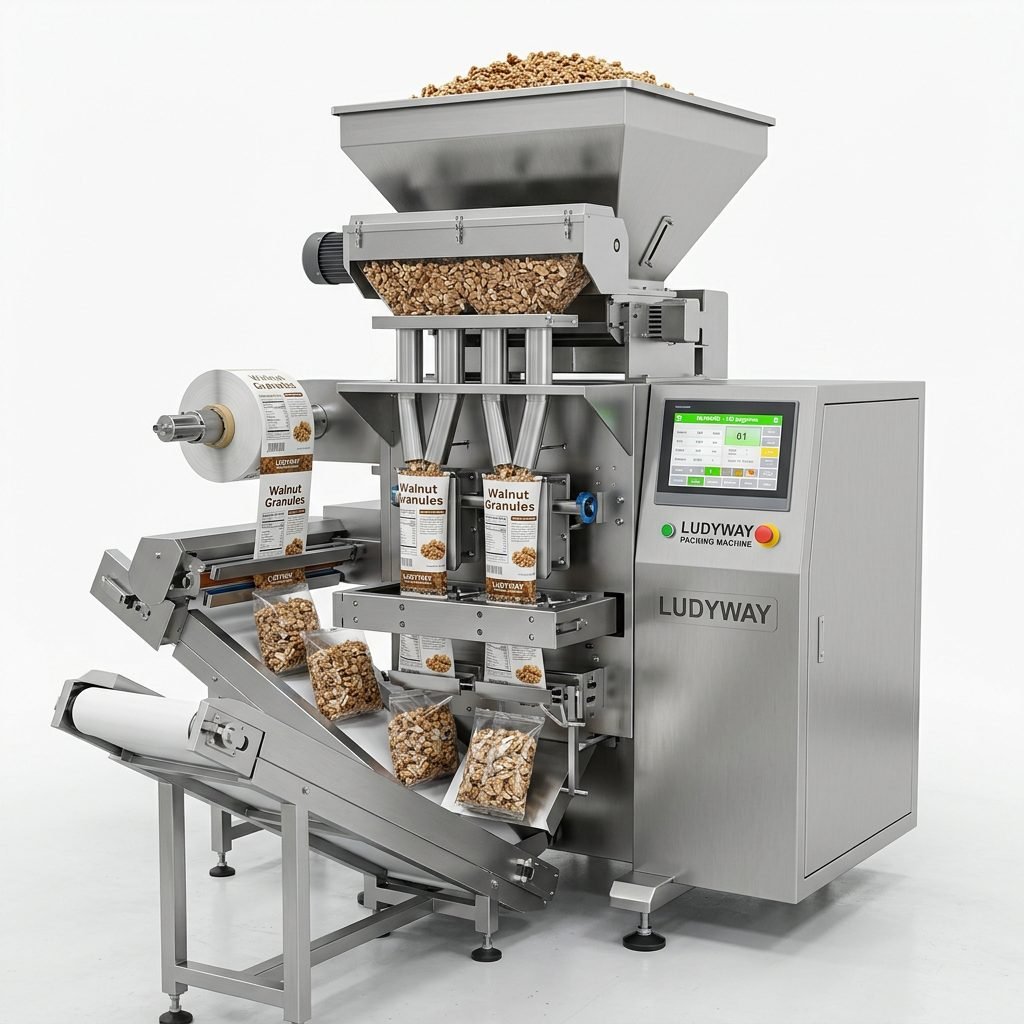
Vertical form fill seal machines, often called VFFS machines, are used to form bags from roll film, fill them with product, and seal them in one continuous process. They are commonly selected for free-flowing powders, granules, snacks, coffee, sugar, seasonings, and similar products.
Best for:
- Pillow bags
- Gusset bags
- Quad seal packs
- Small to medium retail bag formats
Advantages:
- Efficient footprint
- High automation level
- Suitable for multiple dosing systems
- Good for medium to high-volume production
2. Horizontal Flow Wrappers
Flow wrapping machines are designed for solid and discrete products. They wrap products horizontally using film and are common in bakery, confectionery, medical device, and consumer goods packaging.
Typical uses:
- Biscuits and bakery products
- Chocolate bars
- Medical dressings
- Personal care wipes
- Hardware and accessories
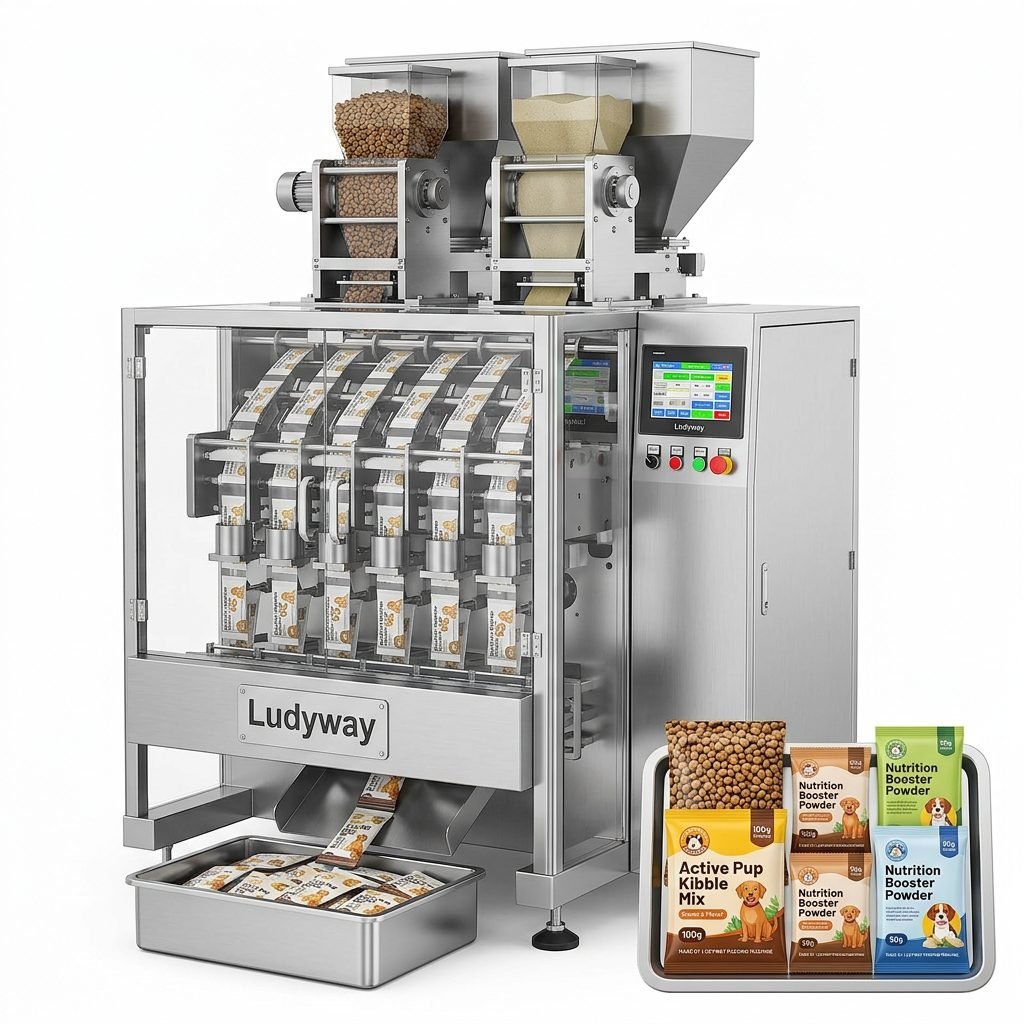
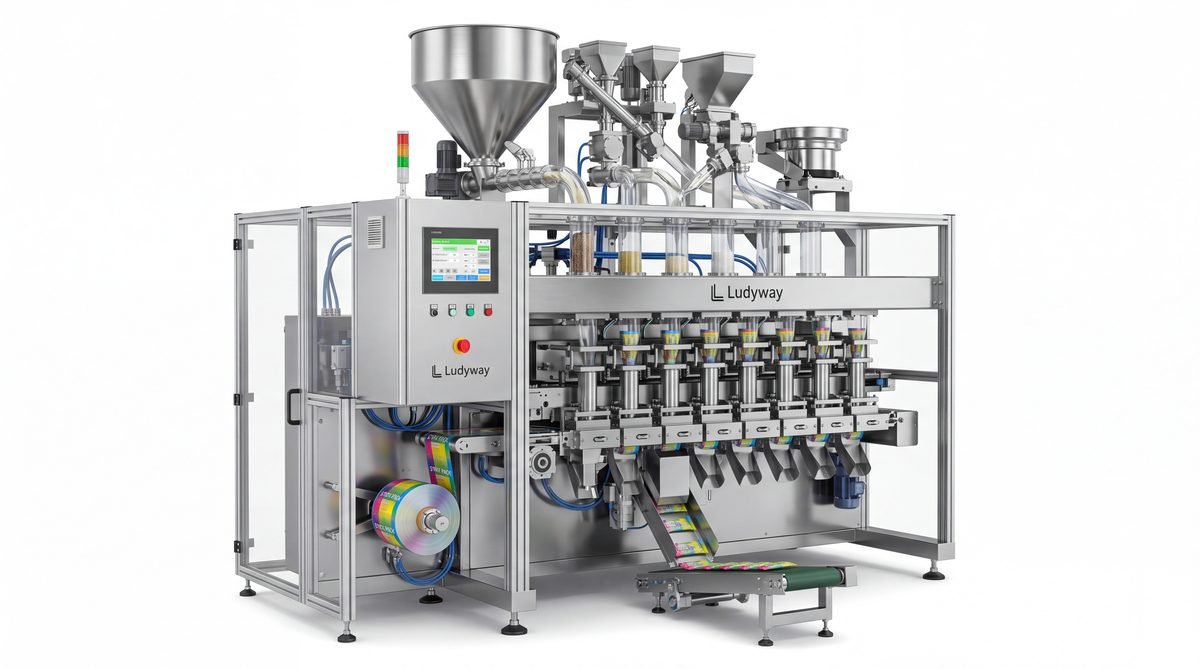
3. Sachet and Stick Pack Machines
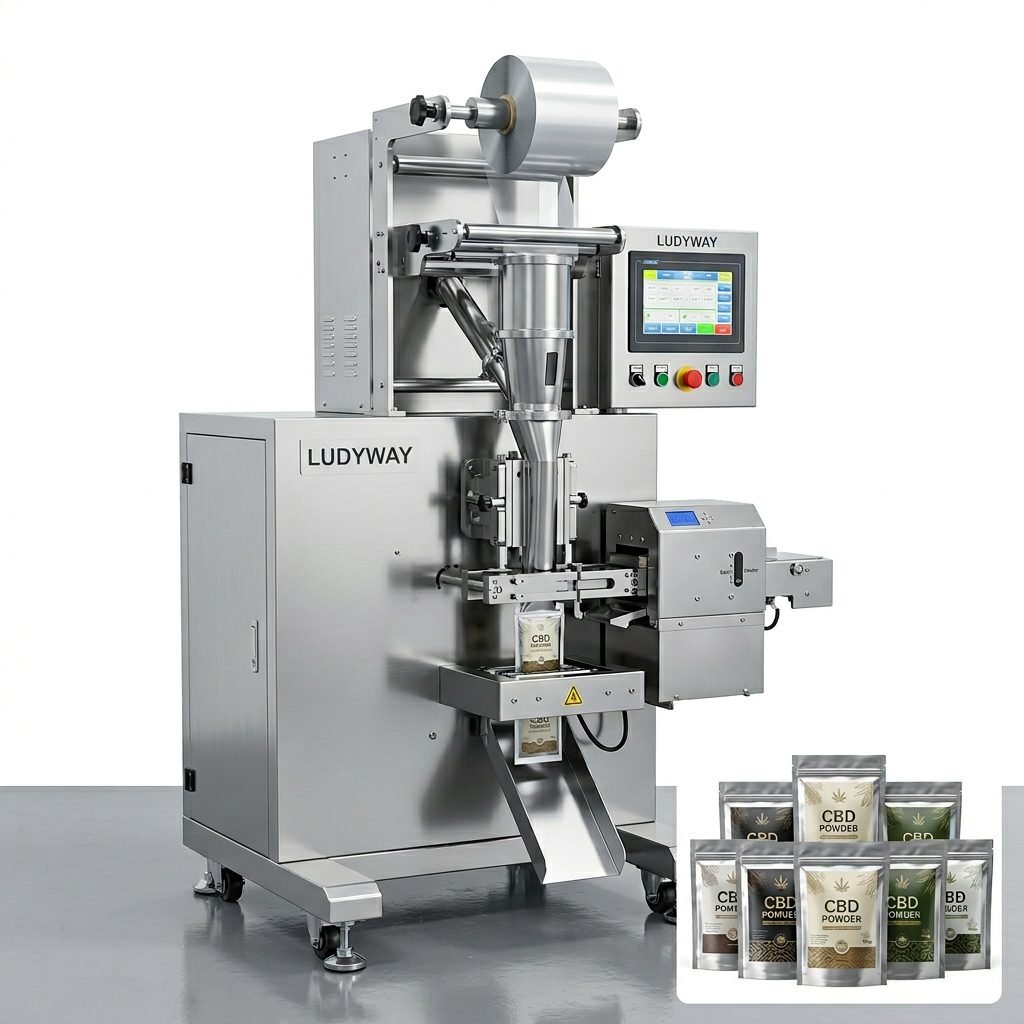
These machines are essential when products need to be packed in single-dose or small-portion formats. They are especially popular in pharmaceuticals, nutraceuticals, instant drinks, sauces, and cosmetic samples.
Suitable products:
- Powders and granules
- Liquid concentrates
- Pastes and gels
- Health supplements
- Trial-size personal care products
For businesses focused on convenience packaging, multi-lane stick pack and sachet systems can significantly improve output while keeping dosage uniform.
4. Capsule, Tablet, and Pharmaceutical Packaging Equipment
In pharmaceutical applications, Bosch-type systems are often associated with stringent compliance, repeatable dosing, and integration with inspection systems. This category may include blister packaging machines, bottle filling systems, cartoners, and sterile packaging equipment.
Common functions:
- Tablet counting and bottling
- Capsule filling
- Blister sealing
- Cartoning and serialization
- Vision inspection and rejection
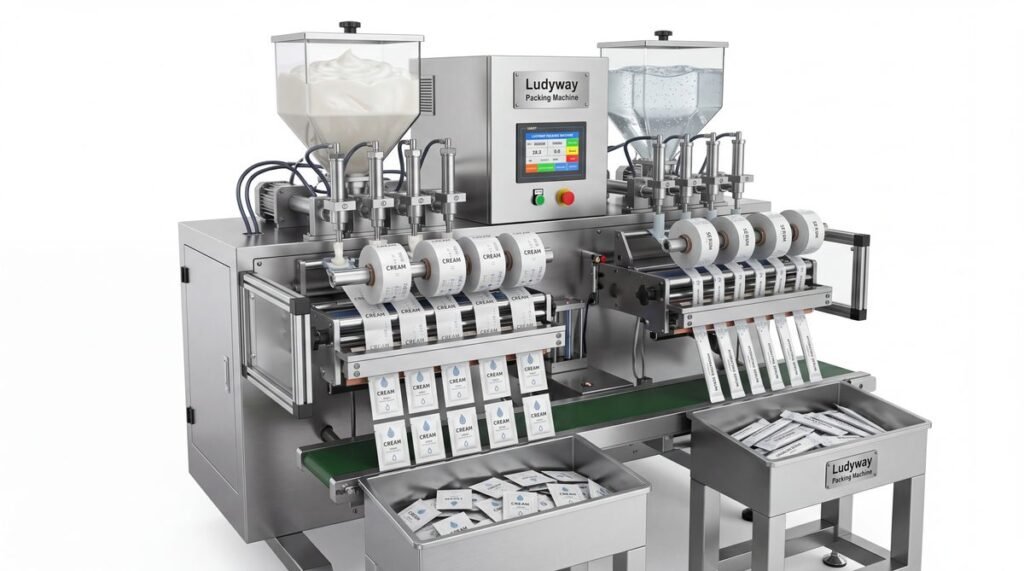
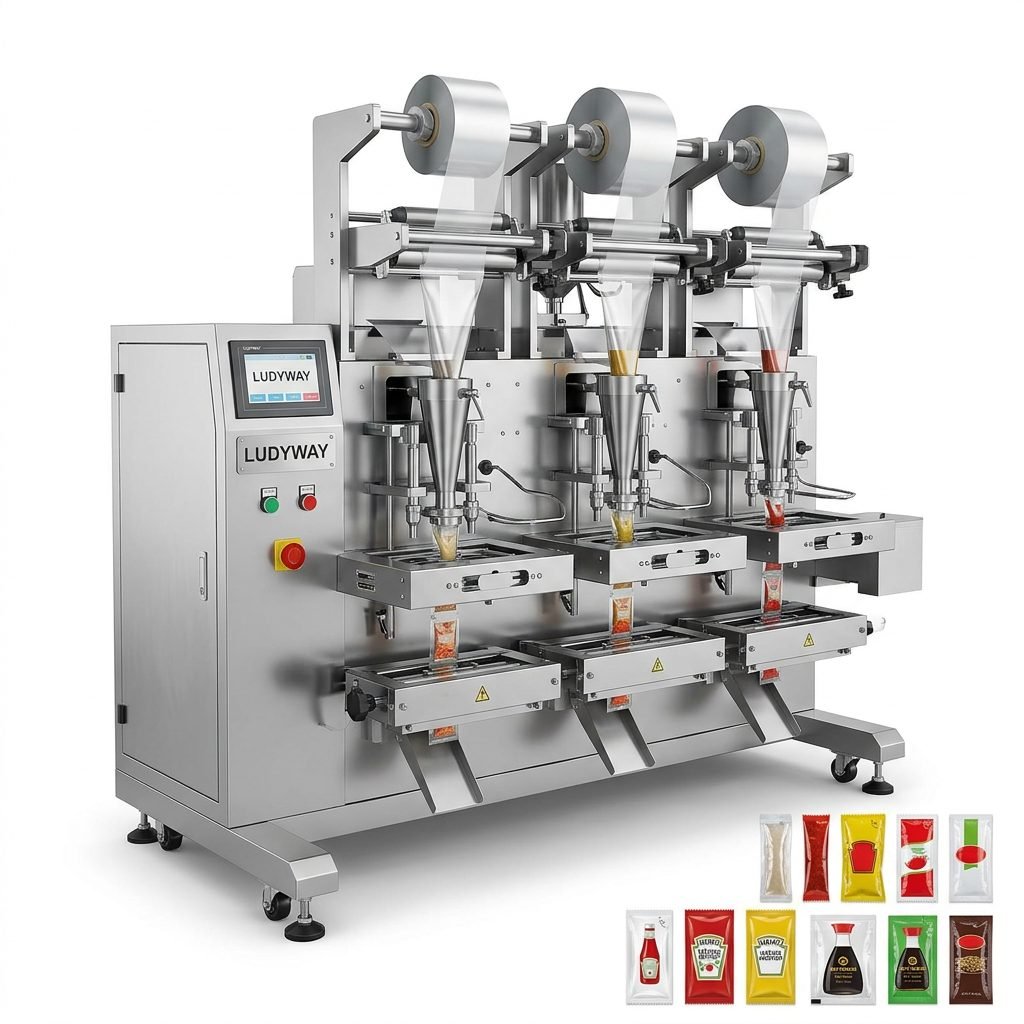
5. Filling and Sealing Machines for Liquids and Pastes
These systems are built for products with more challenging flow characteristics, such as sauces, creams, detergents, syrups, oils, and lotions. Depending on viscosity and pack style, machines may use piston fillers, pump fillers, or multi-nozzle filling systems.
Applications include:
- Ketchup and sauces
- Shampoo and lotion
- Detergent liquids
- Medicinal syrups
- Cosmetic creams
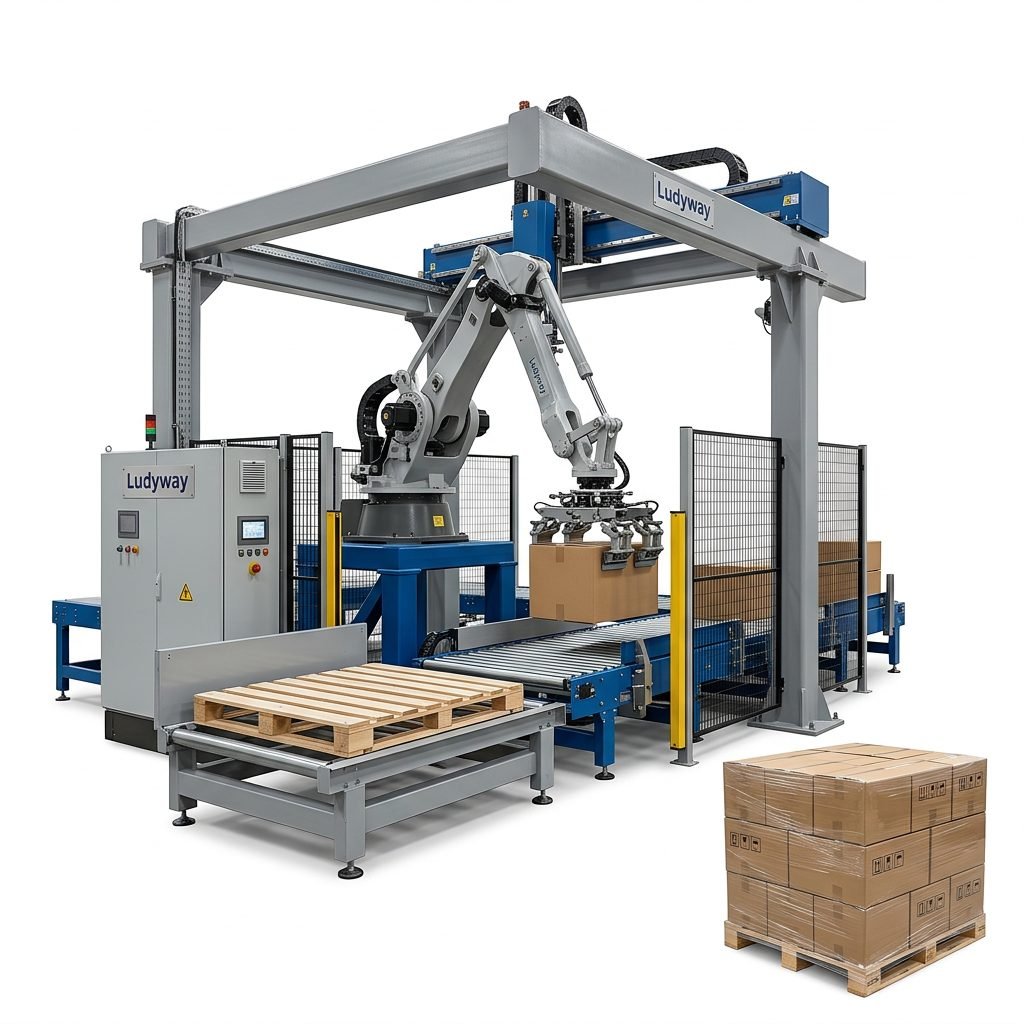
6. Cartoning and End-of-Line Systems
Packaging does not end at primary filling. Cartoners, case packers, sealers, labeling units, checkweighers, and palletizing systems are critical for line efficiency. Many production managers underestimate how much throughput is lost when the primary packer is fast but the end-of-line system is undersized.
Where Bosch Packaging Machines Are Commonly Used
| Industry | Typical Products | Recommended Machine Types |
|---|---|---|
| Food | Coffee, spices, sugar, snacks, sauces | VFFS, sachet, stick pack, flow wrap |
| Pharmaceutical | Tablets, capsules, powders, oral liquids | Blister, bottle filling, sachet, cartoning |
| Nutraceutical | Protein powder, vitamins, collagen, supplements | Stick pack, sachet, jar filling, cartoning |
| Cosmetic | Creams, serums, lotions, shampoo | Liquid filling, sachet, tube filling, capping |
| Chemical | Detergents, additives, powders, liquids | Sachet, VFFS, bagging, drum filling |
Key Benefits of Bosch-Type Packaging Systems
- Consistent output: stable machine performance helps reduce waste and downtime.
- Precision dosing: essential for pharmaceuticals, supplements, and premium food products.
- Automation readiness: easier integration with feeders, conveyors, cartoners, and inspection units.
- Versatile packaging formats: suitable for bags, sachets, stick packs, pouches, bottles, blisters, and cartons.
- Improved hygiene control: important for sensitive or regulated products.
How to Choose the Right Machine
Start with Product Characteristics
The first step is understanding what you are packaging. A machine that performs well with dry granules may be unsuitable for hygroscopic powders, sticky pastes, or foaming liquids.
Ask these questions:
- Is the product powder, granule, liquid, gel, or paste?
- Does it flow freely or bridge easily?
- Is it dusty, corrosive, or moisture-sensitive?
- Does it require sterile or hygienic handling?
- Does it need nitrogen flushing or special sealing?
Match the Packaging Format
Your retail and logistics strategy should guide machine selection. If you need travel-size samples, sachet or stick pack equipment is usually more suitable than a standard bagging machine. If you sell family-size food products, VFFS or premade pouch systems may make more sense.
Define Speed and Capacity Requirements
Do not buy based only on peak speed claims. Instead, evaluate real operating speed under production conditions, including product feeding, changeover time, film replacement, cleaning, and rejection handling.
| Selection Factor | Why It Matters | What to Check |
|---|---|---|
| Product type | Determines dosing and sealing technology | Flowability, viscosity, sensitivity |
| Pack format | Affects machine structure and film handling | Sachet, stick pack, pouch, bag, bottle |
| Output target | Impacts ROI and labor cost | Packs per minute, shift volume |
| Compliance needs | Critical in pharma and food | GMP, validation, material contact parts |
| Line integration | Prevents bottlenecks | Feeding, coding, cartoning, palletizing |
Consider Changeover Flexibility
If you produce multiple SKUs, pack sizes, or formulations, changeover efficiency matters almost as much as machine speed. A machine with difficult tooling changes can reduce actual productivity more than a slightly slower but more flexible system.
Review Maintenance and Spare Parts Support
When evaluating Bosch or Bosch-compatible packaging equipment, support availability is crucial. Buyers should confirm:
- Spare parts lead time
- PLC and HMI support
- Electrical component sourcing
- Remote troubleshooting capability
- Local or international service response
Think Beyond the Single Machine
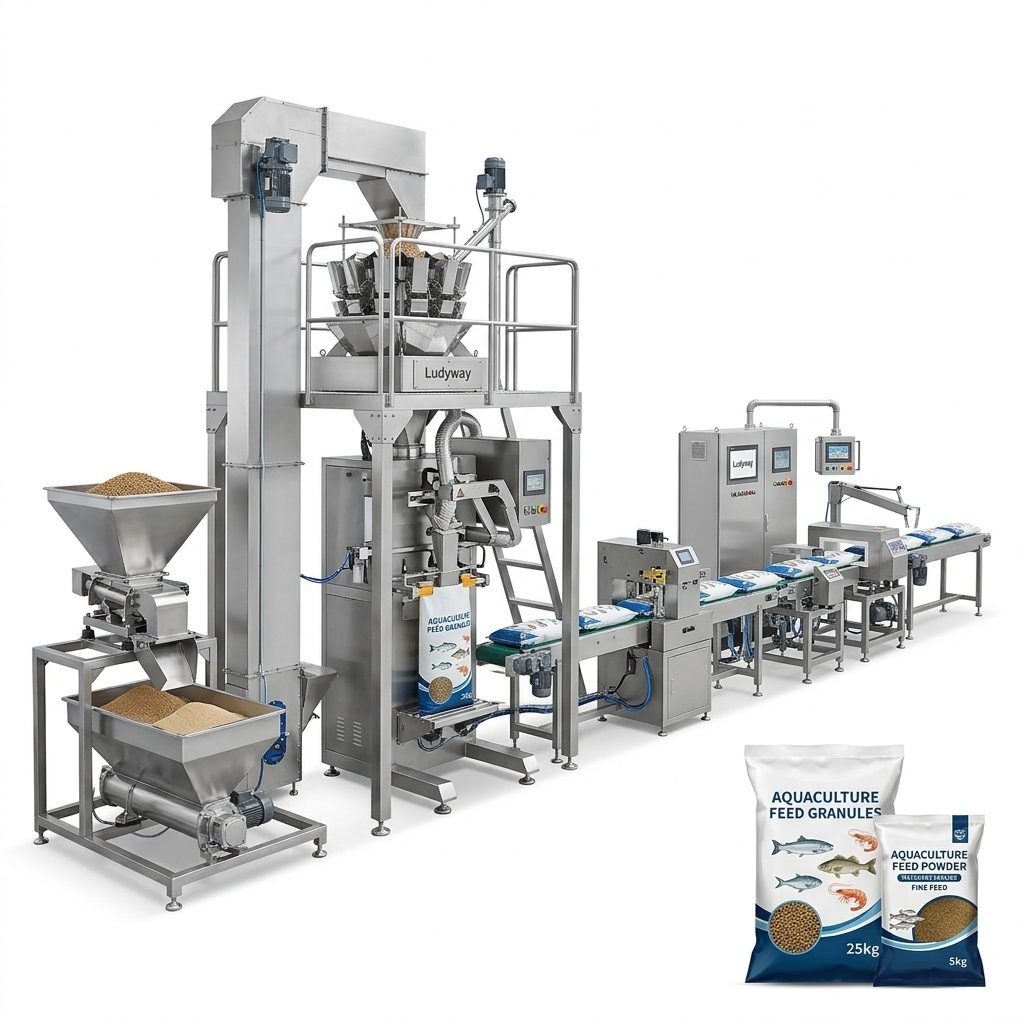
In many cases, the best investment is not a standalone packer but a complete integrated packaging line. This is especially true when product feeding, inspection, coding, secondary packaging, and palletizing are all part of the same project.
Bosch Machine vs New Packaging Line Alternatives
Some manufacturers continue to run Bosch legacy equipment because of its durability, but there are situations where a newer alternative may be a smarter choice:
- When spare parts become harder or more expensive to source
- When old controls limit digital integration
- When format changes are too slow
- When sanitation design no longer matches current standards
- When output demand has increased significantly
Modern alternatives can offer improved servo control, recipe storage, lower waste, easier cleaning, and better compatibility with current production management systems.
Common Buying Mistakes to Avoid
- Choosing by brand reputation alone instead of actual application fit
- Ignoring product feeding behavior and focusing only on sealing performance
- Underestimating cleaning and changeover time
- Buying a fast primary packer without matching downstream equipment
- Failing to define future capacity and SKU expansion needs
Who Should Invest in This Type of Equipment?
Bosch-type packaging machinery is a strong fit for businesses that need dependable automation, consistent pack quality, and scalable production. It is especially relevant for:
- Growing food brands moving from semi-automatic to automatic packaging
- Pharmaceutical companies needing validated and traceable packaging processes
- Supplement brands launching stick pack or sachet products
- Cosmetic manufacturers packaging creams, gels, and liquid samples
- Industrial product manufacturers requiring durable filling and sealing systems
Final Buying Checklist
Before making a final decision, prepare a short technical brief covering the following points:
- Product details: density, viscosity, particle size, moisture sensitivity
- Pack format: sachet, pouch, stick pack, bottle, carton, or bag
- Target capacity: packs per minute and annual production volume
- Material specs: film type, laminate structure, sealing requirements
- Factory conditions: power supply, air pressure, available floor space
- Compliance needs: food safety, GMP, traceability, inspection systems
- Expansion plans: future SKUs, automation upgrades, line integration
Conclusion
Bosch packaging machines cover a wide range of automated solutions, from VFFS and flow wrapping to sachet, stick pack, pharmaceutical, and end-of-line systems. The right choice depends less on the machine name and more on whether the equipment matches your product, packaging style, speed goals, compliance standards, and service expectations.
If you evaluate machine type, application fit, integration capability, and long-term support carefully, you will be in a much stronger position to select a packaging solution that improves efficiency and supports future growth.