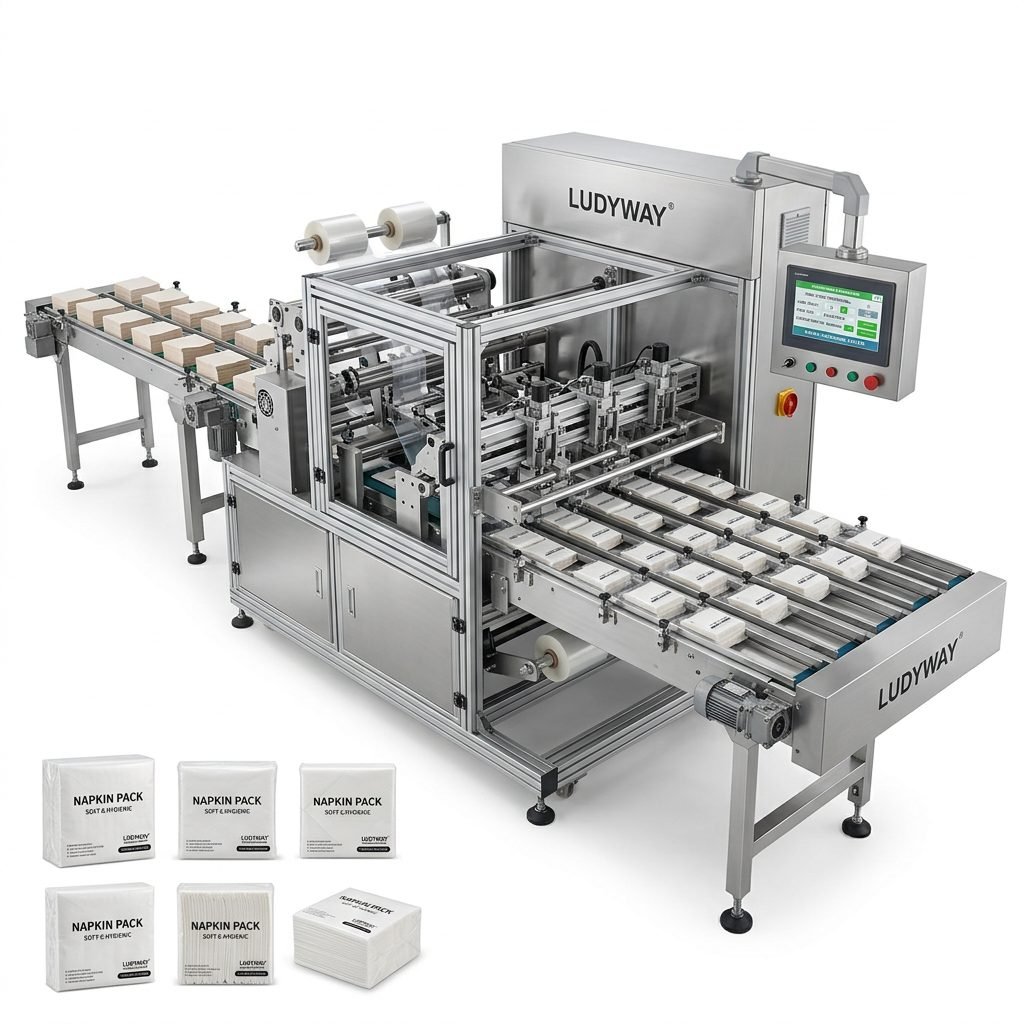
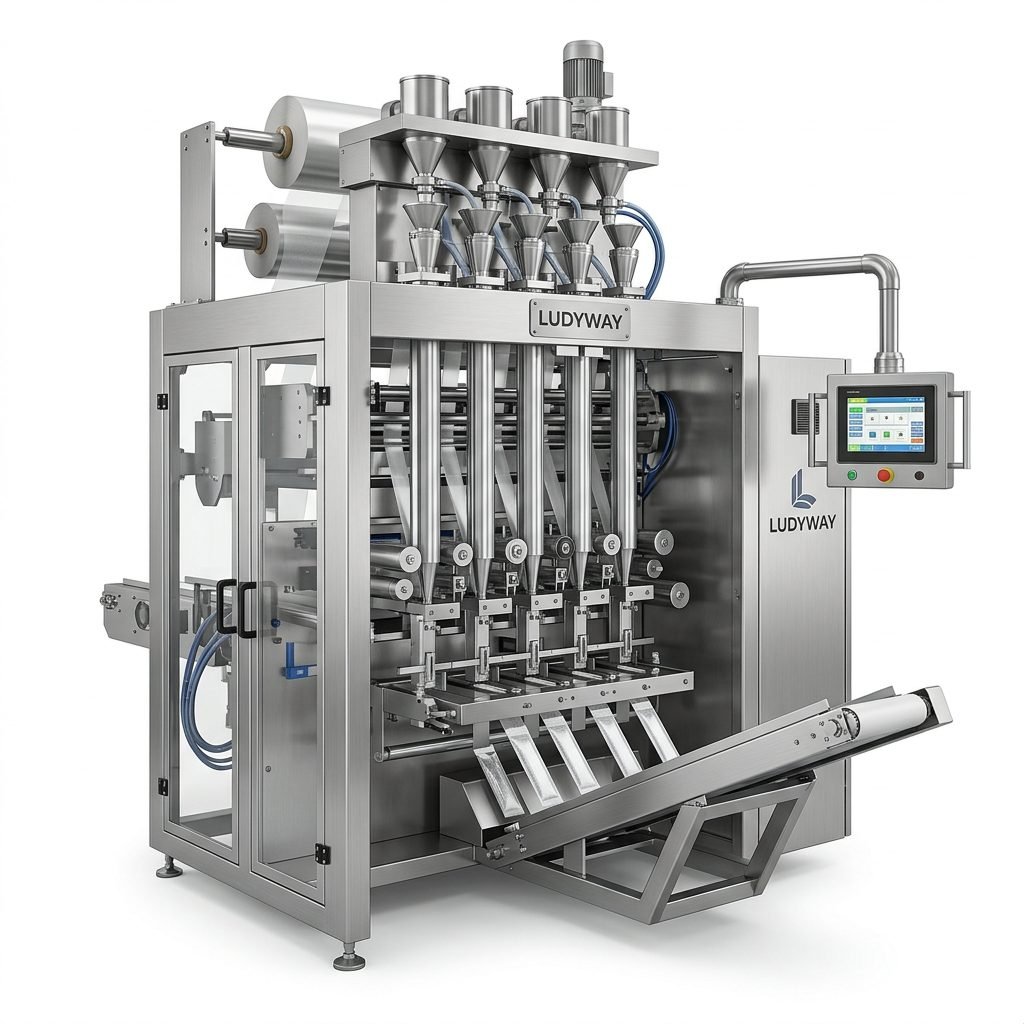
A thermoforming packaging machine is a highly efficient system used to create, fill, and seal packages directly from roll stock material. It is widely used in food, pharmaceutical, medical device, and consumer goods industries because it combines package forming, product loading, vacuum or MAP sealing, and cutting into one automated process.
If you are evaluating this type of equipment for your production line, understanding how it works, where it performs best, and what buying factors matter most can help you make a smarter investment.
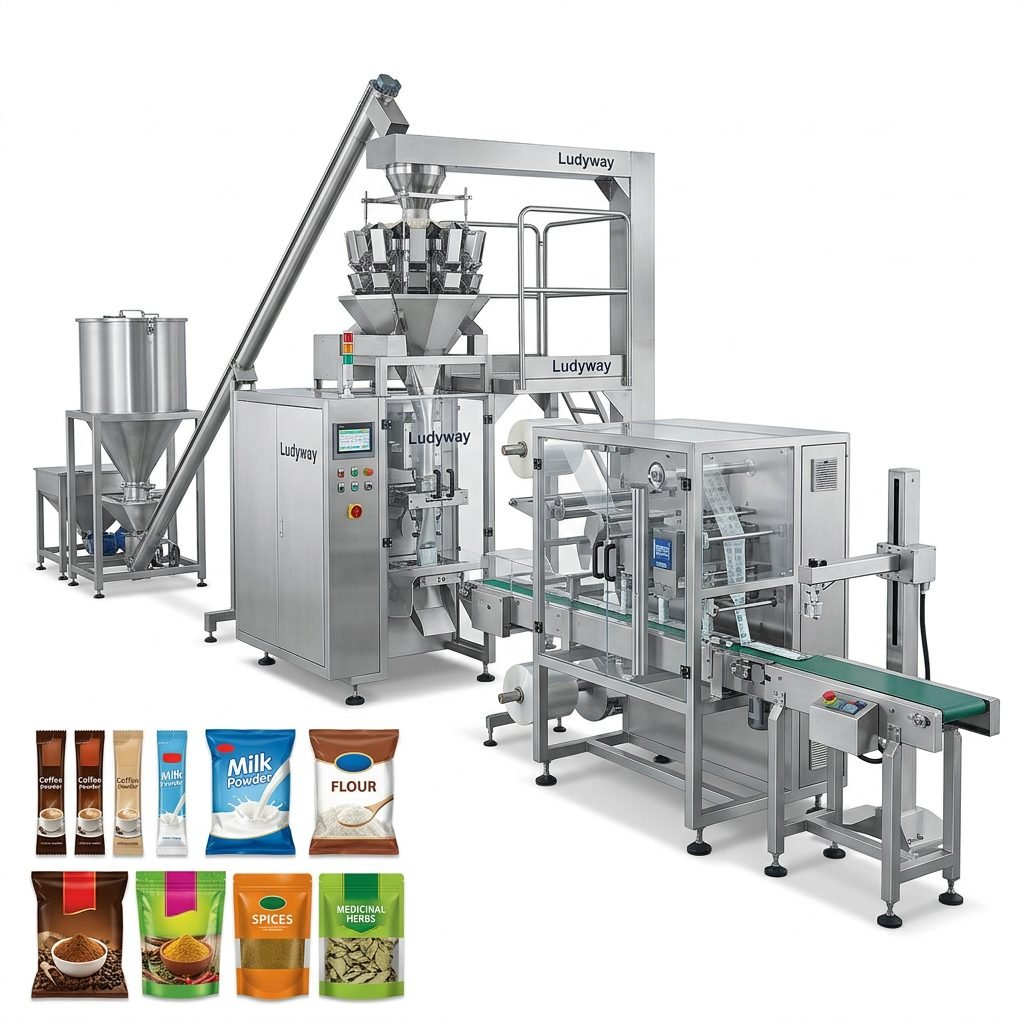
What Is a Thermoforming Packaging Machine?
A thermoforming packaging machine heats a flexible or rigid plastic film until it becomes formable, shapes it into trays or cavities, fills those cavities with product, and then seals them with a top film. Depending on the application, the machine may use vacuum packaging, modified atmosphere packaging (MAP), or simple heat sealing.
This equipment is commonly chosen for products that require high output, excellent pack consistency, reduced labor, and strong shelf presentation.
Typical products packed on thermoforming machines
- Fresh meat, sausage, seafood, and cheese
- Ready meals and processed foods
- Medical devices and sterile components
- Pharmaceutical products
- Consumer goods and industrial parts
How a Thermoforming Packaging Machine Works
Although machine designs vary by manufacturer and application, the general workflow follows a clear sequence.
- Bottom film unwinding: The lower web of plastic film is fed into the machine.
- Heating: The film is heated to a controlled temperature so it becomes soft and moldable.
- Forming: The heated film is shaped into trays or pockets using vacuum, pressure, or a combination of both.
- Product loading: Products are placed into the formed cavities manually or automatically.
- Sealing: A top web is applied and sealed to the bottom film.
- Vacuum or gas flushing: If required, air is removed or replaced with a protective gas mixture.
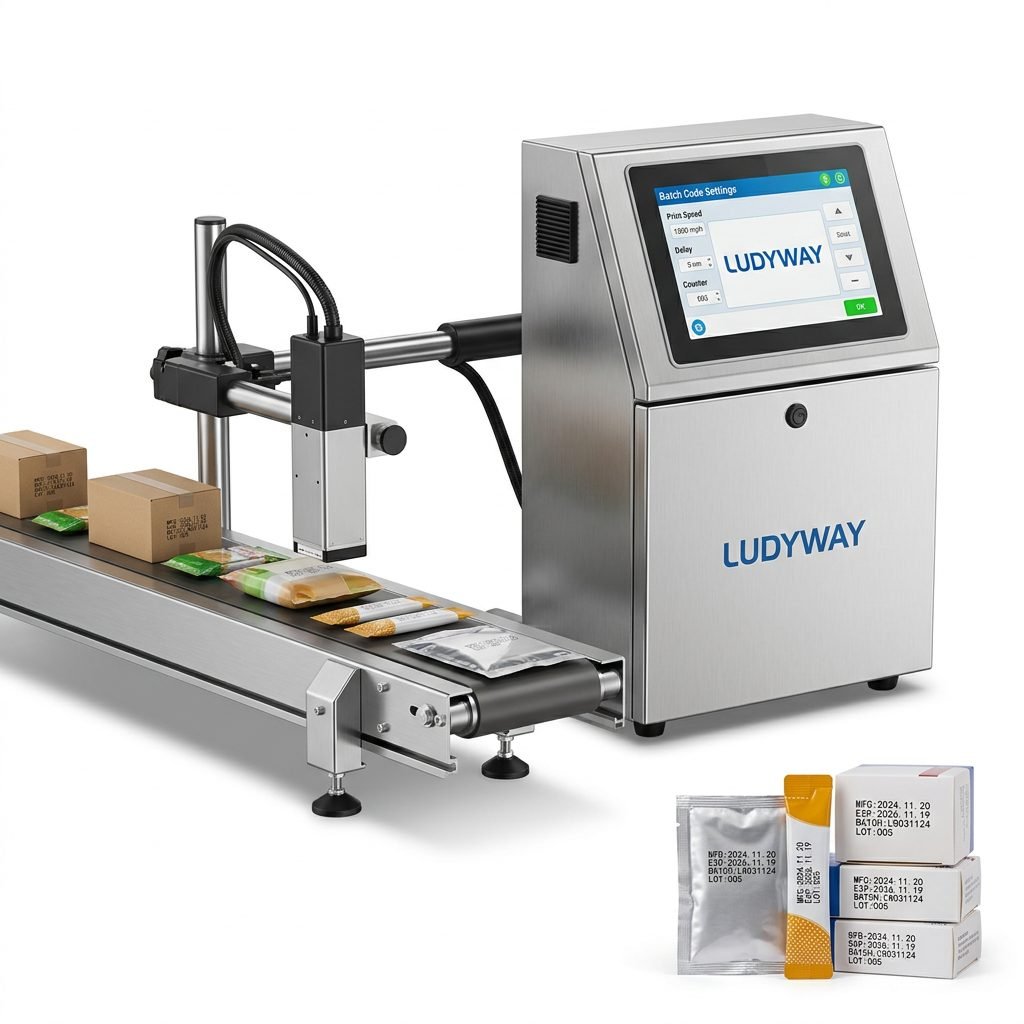
- Coding and inspection: Date codes, batch numbers, and quality checks may be integrated.
- Cutting and discharge: The packs are cut into final shapes and transferred for downstream handling.
Main machine modules
| Module | Function |
|---|---|
| Film Feeding Unit | Supplies bottom and top film accurately through the machine |
| Heating Station | Softens packaging film for forming |
| Forming Station | Creates trays or pockets from heated film |
| Loading Area | Receives products manually or via automation |
| Sealing Station | Applies top film and seals the package |
| Cutting System | Separates packs into final retail or industrial format |
Types of Thermoforming Packaging Machines
1. Flexible film thermoforming machines
These systems use softer films and are commonly used for vacuum-packed foods such as cheese, meat, or seafood.
2. Rigid film thermoforming machines
These create sturdier trays with a premium appearance, often used for retail-ready packaging and medical products.
3. Vacuum thermoforming machines
These remove air from the package to extend shelf life and improve product protection.
4. MAP thermoforming machines
Modified atmosphere packaging machines replace air with a gas mix, helping preserve freshness, color, and texture.
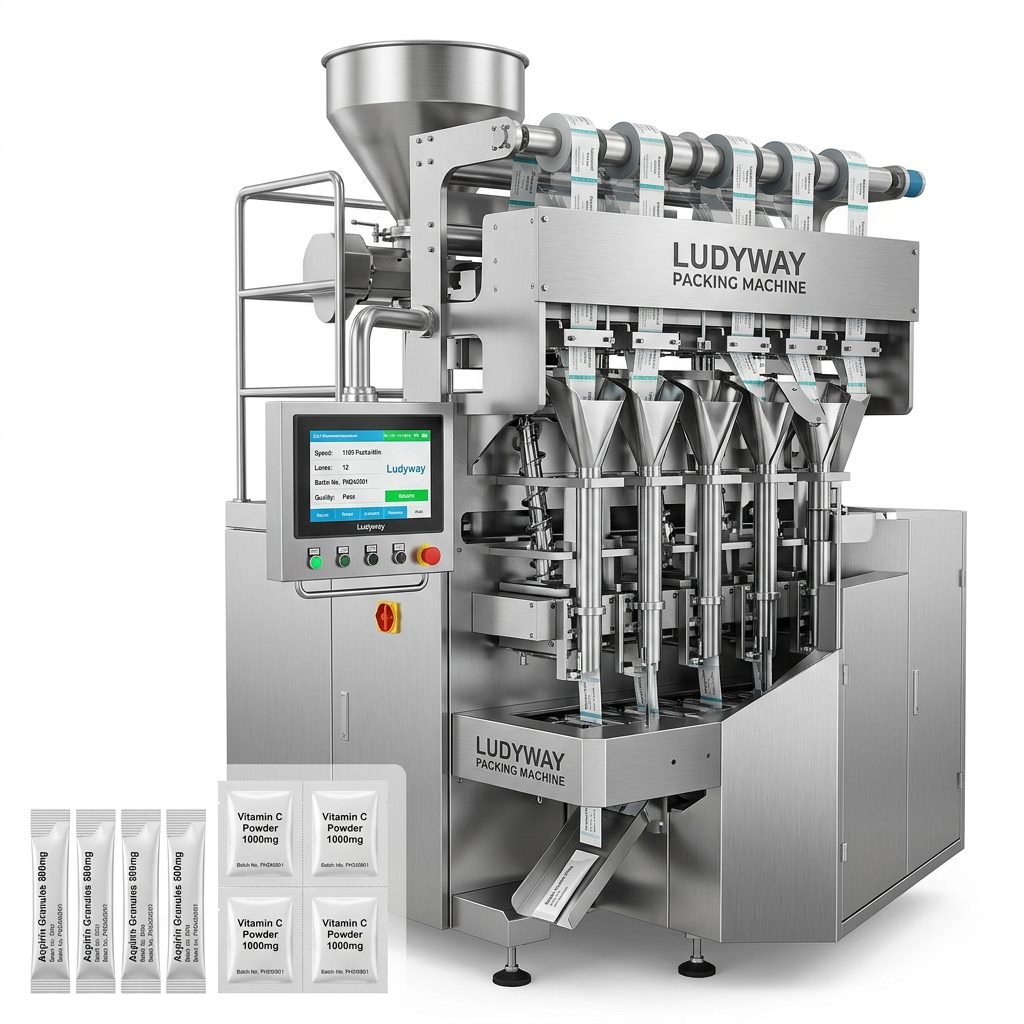
Key Benefits of Thermoforming Packaging Machines
- High production efficiency for medium to large output requirements
- Lower packaging material waste compared with some pre-made tray systems
- Consistent sealing and package quality
- Strong compatibility with vacuum and MAP applications
- Excellent product presentation on retail shelves
- Ability to integrate coding, labeling, inspection, and cartoning systems
- Reduced manual labor and improved hygiene control
Why many factories choose thermoforming over manual or semi-automatic packaging
For manufacturers handling large production volumes, thermoforming equipment can offer a better balance of automation, repeatability, and operating cost. It is especially attractive when product shelf life, packaging appearance, and labor efficiency are major priorities.
Industries That Commonly Use Thermoforming Packaging
| Industry | Common Applications |
|---|---|
| Food | Fresh meat, seafood, cheese, sausages, ready meals |
| Pharmaceutical | Medical supplies, sterile barrier packs, healthcare items |
| Medical Device | Syringes, instruments, diagnostic kits |
| Consumer Goods | Hardware, electronics, small accessories |
| Industrial | Components requiring sealed protective packaging |
Important Buying Factors to Consider
Not every thermoforming packaging machine is the same. Before buying, review the following points carefully.
1. Product type and packaging goals
Consider your product shape, fragility, hygiene requirements, shelf life target, and desired pack appearance. A food producer packing fresh meat will need a different setup than a medical device manufacturer.
2. Film type and package format
Check whether the machine supports flexible film, rigid film, peelable top film, skin packaging, or MAP packaging. Film compatibility affects both package quality and running cost.
3. Output speed
Match machine speed to your actual production demand. Buying too small limits growth; buying too large may increase unnecessary capital cost.
4. Automation level
Decide whether you need manual loading, semi-automatic loading, robotic loading, labeling, coding, vision inspection, or full end-of-line integration.
5. Hygiene and cleanability
For food and pharma applications, machine frame design, washdown capability, and ease of cleaning are critical.
6. Changeover flexibility
If you run multiple SKUs, ask how quickly operators can change molds, film sizes, and recipes.
7. Energy consumption and maintenance
A cheaper machine may cost more over time if it uses more energy or requires frequent downtime.
8. Supplier strength
Evaluate manufacturing experience, engineering support, export capability, spare parts availability, and after-sales service.
Pro tip: Ask suppliers to test your actual product and packaging material before finalizing the purchase. A sample test often reveals forming depth, seal integrity, cut quality, and output performance more accurately than a brochure.
Thermoforming Packaging Machine Buying Checklist
- What products will you pack?
- Do you need vacuum, MAP, or simple sealing?
- What tray depth and package dimensions are required?
- What hourly output do you need now and in 2–3 years?
- What film materials are approved for your product?
- Do you need date coding, labeling, or inspection integration?
- How much floor space is available?
- What local voltage, compressed air, and utility conditions apply?
- What is the expected lead time for spare parts and service?
Common Mistakes Buyers Should Avoid
- Choosing a machine based only on price
- Ignoring film compatibility and consumable cost
- Underestimating sanitation and cleaning requirements
- Not planning for future product variations
- Overlooking technical support and training
- Skipping real product testing before purchase
How to Compare Suppliers
When comparing manufacturers, look beyond machine specifications. A capable supplier should understand your application, offer clear configuration advice, and provide dependable support after installation.
| Evaluation Point | What to Check |
|---|---|
| Experience | Years in packaging machinery and industry specialization |
| Customization | Ability to match your product, format, and factory layout |
| Export Capability | International installation, communication, and documentation support |
| After-Sales Service | Training, spare parts, remote support, and maintenance response |
| Integration Ability | Whether the supplier can deliver standalone machines or complete lines |
A Reliable Packaging Equipment Partner Matters
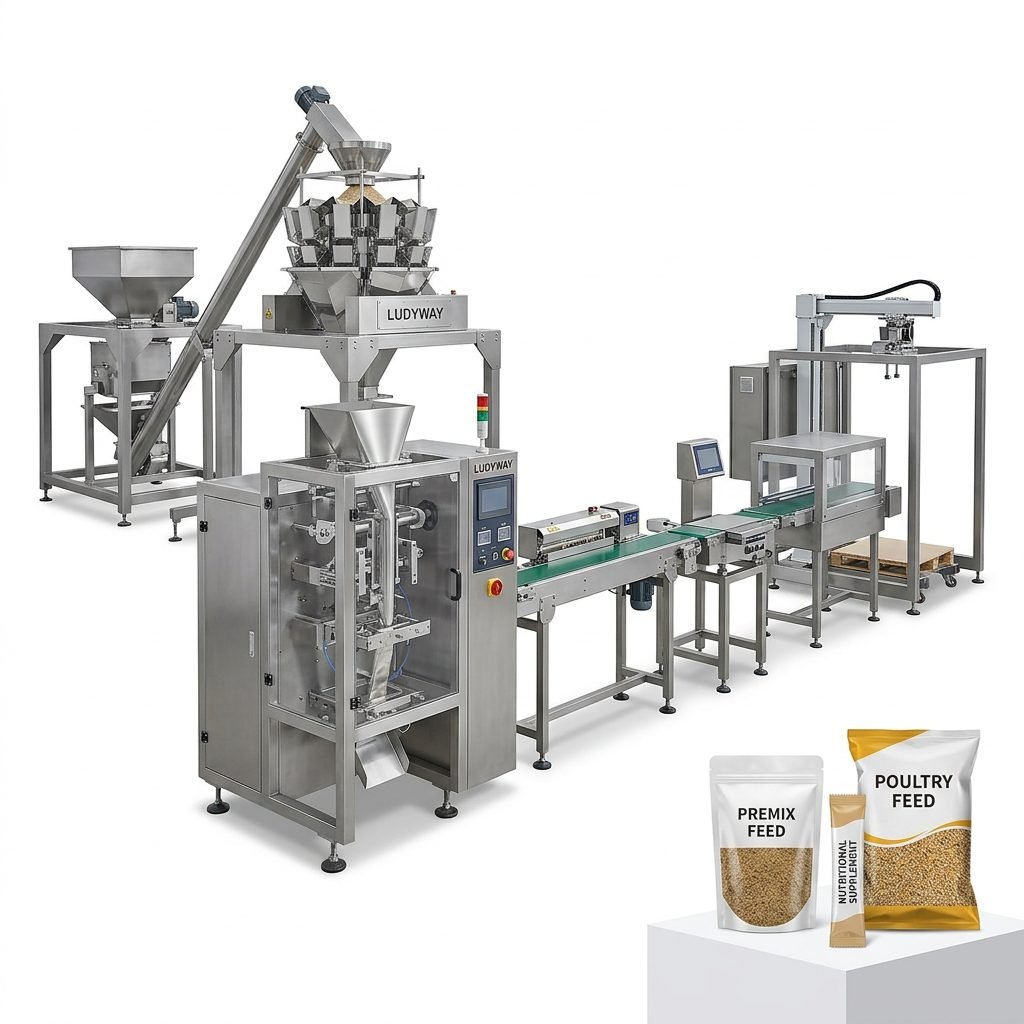
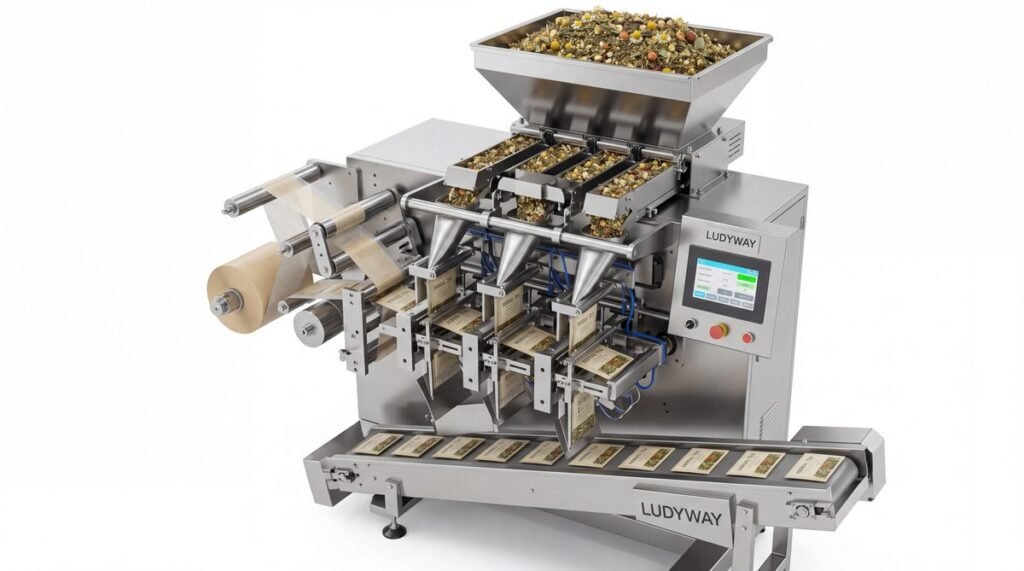
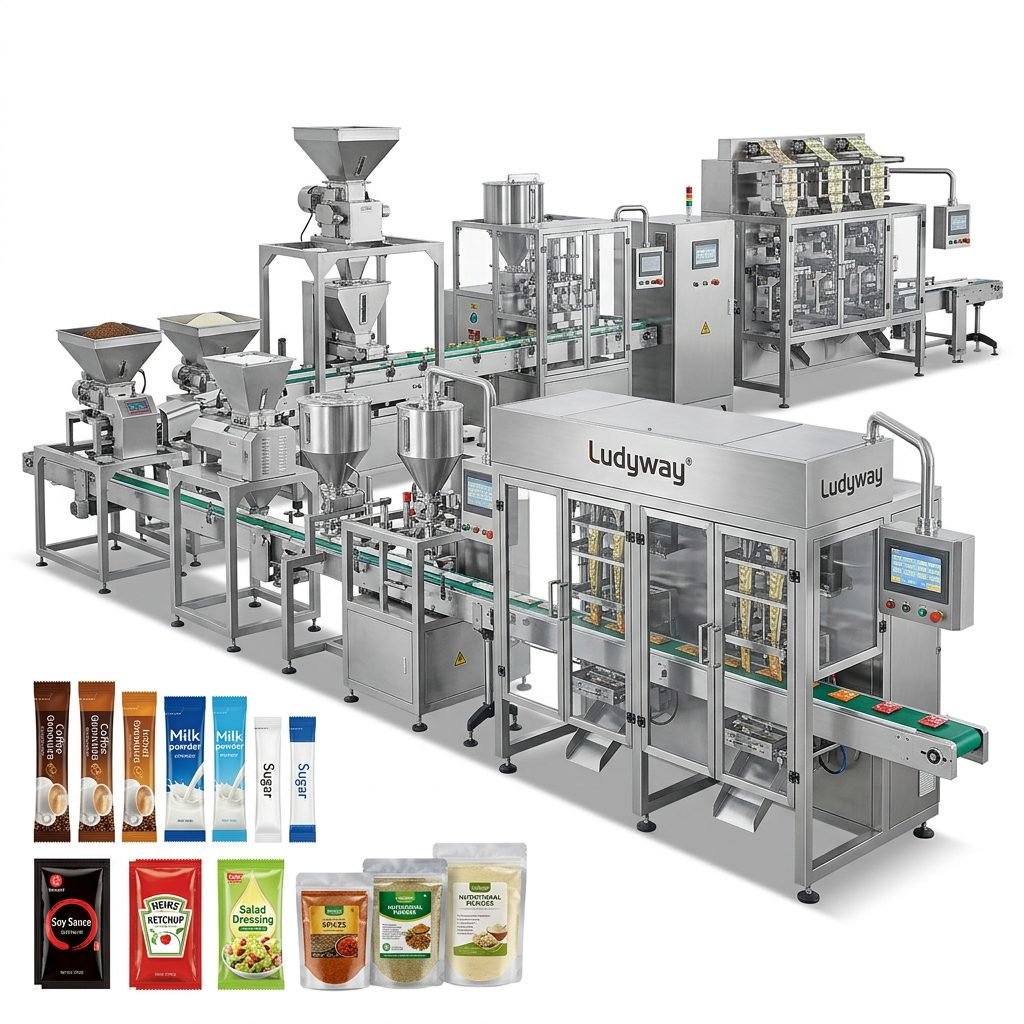
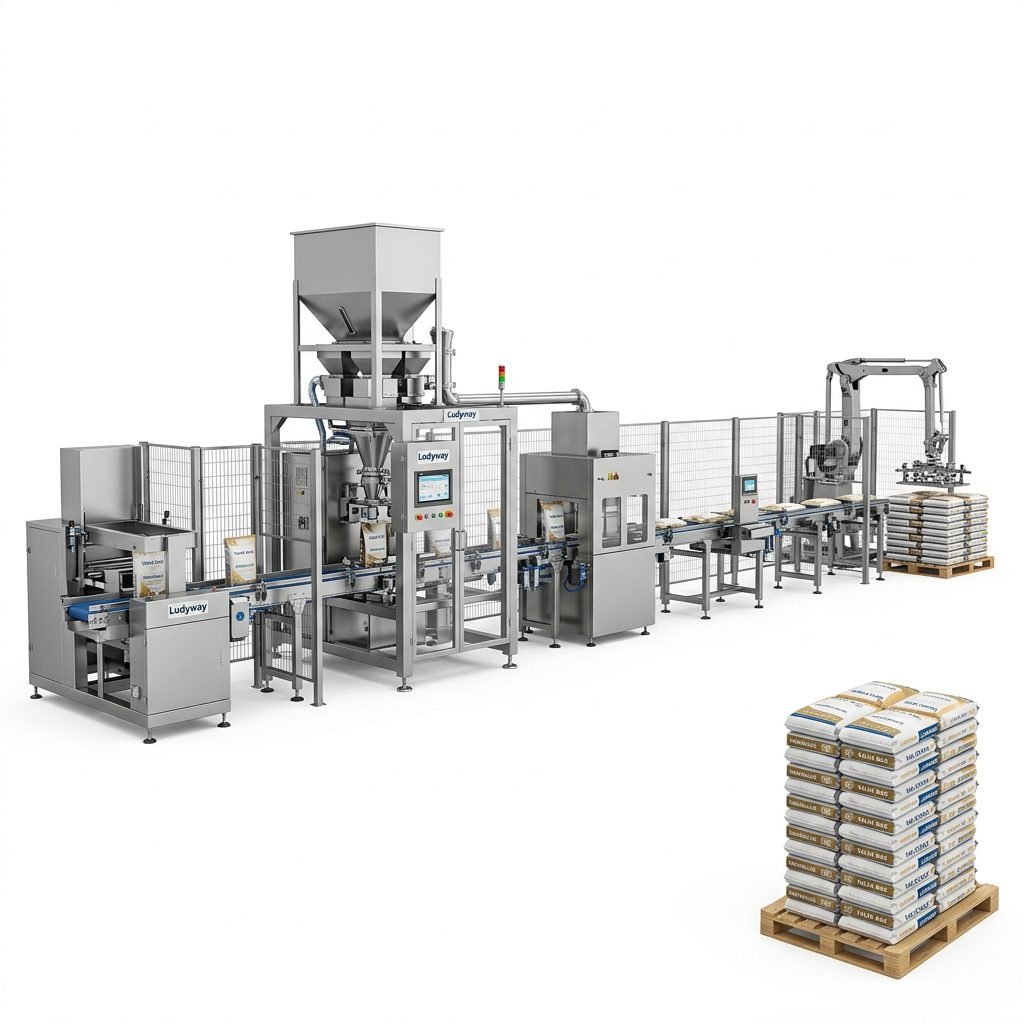
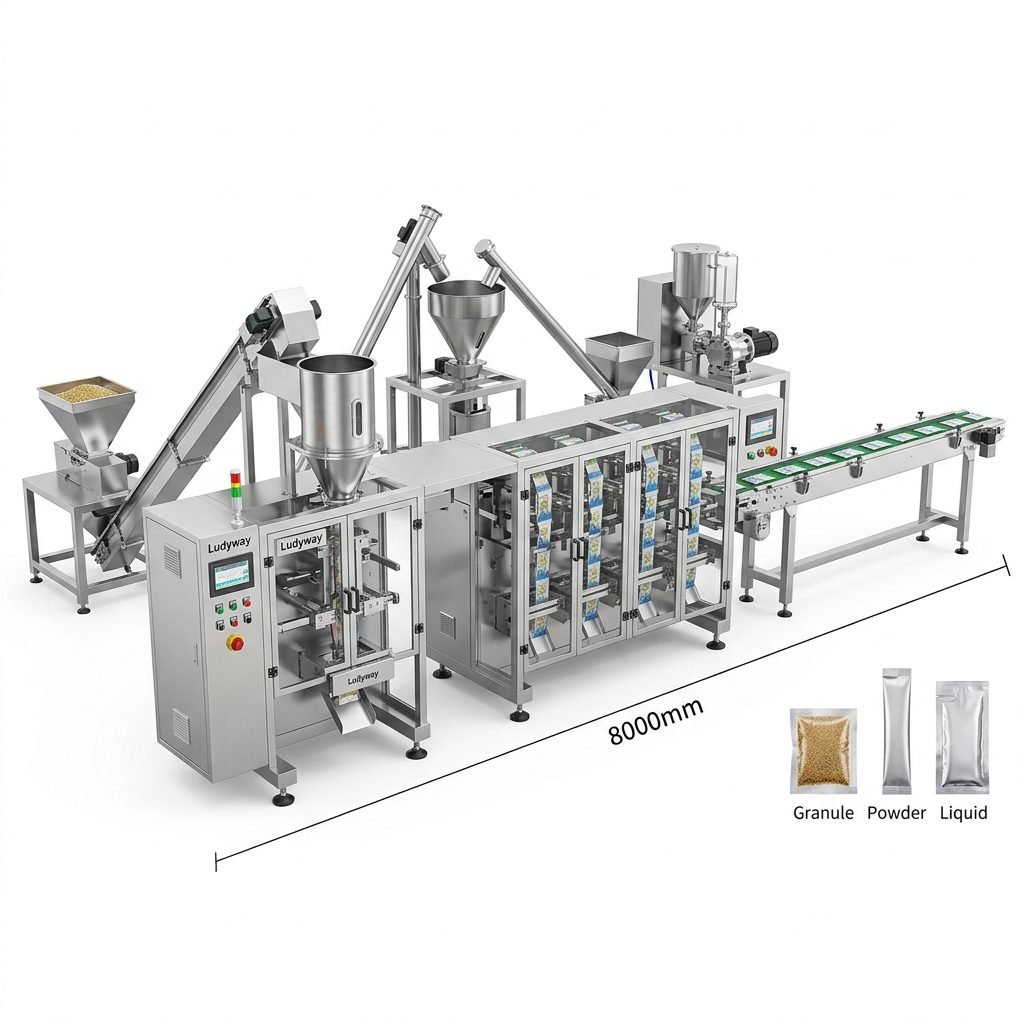
For buyers looking for automation partners with broad industry experience, Ludyway packaging machine solutions are often considered for food, pharmaceutical, health supplement, and turnkey packaging line projects. With more than 30 years of manufacturing experience and export service across more than 100 countries and regions, the company is known for scalable automation and customized line integration.
Final Thoughts Before You Buy
A thermoforming packaging machine can be an excellent investment if your business needs higher efficiency, better package consistency, improved shelf life, and stronger automation. The best choice depends on your product, packaging format, output target, hygiene standards, and long-term expansion plans.
Before making a final decision, request sample tests, compare lifecycle cost instead of only purchase price, and choose a supplier that can support installation, training, and future upgrades. That approach will help you secure a packaging solution that performs reliably for years.