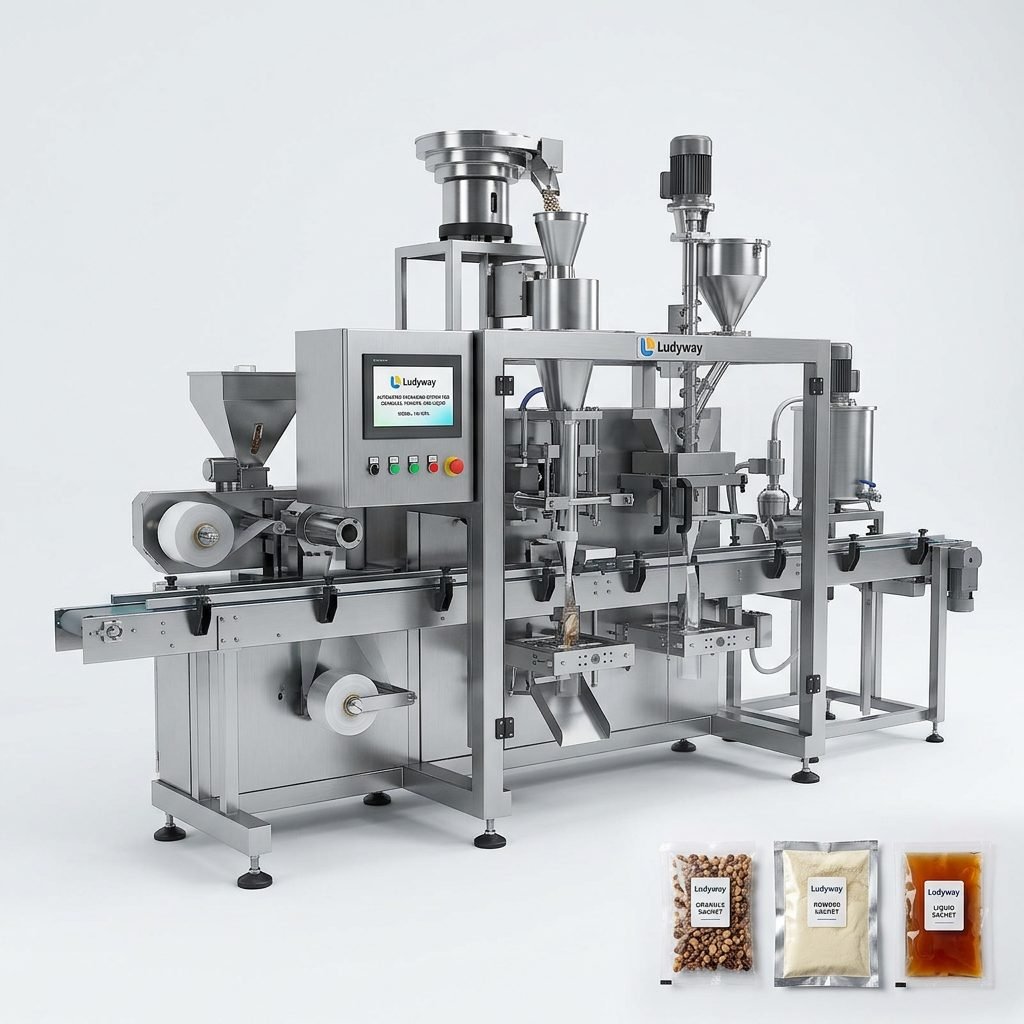
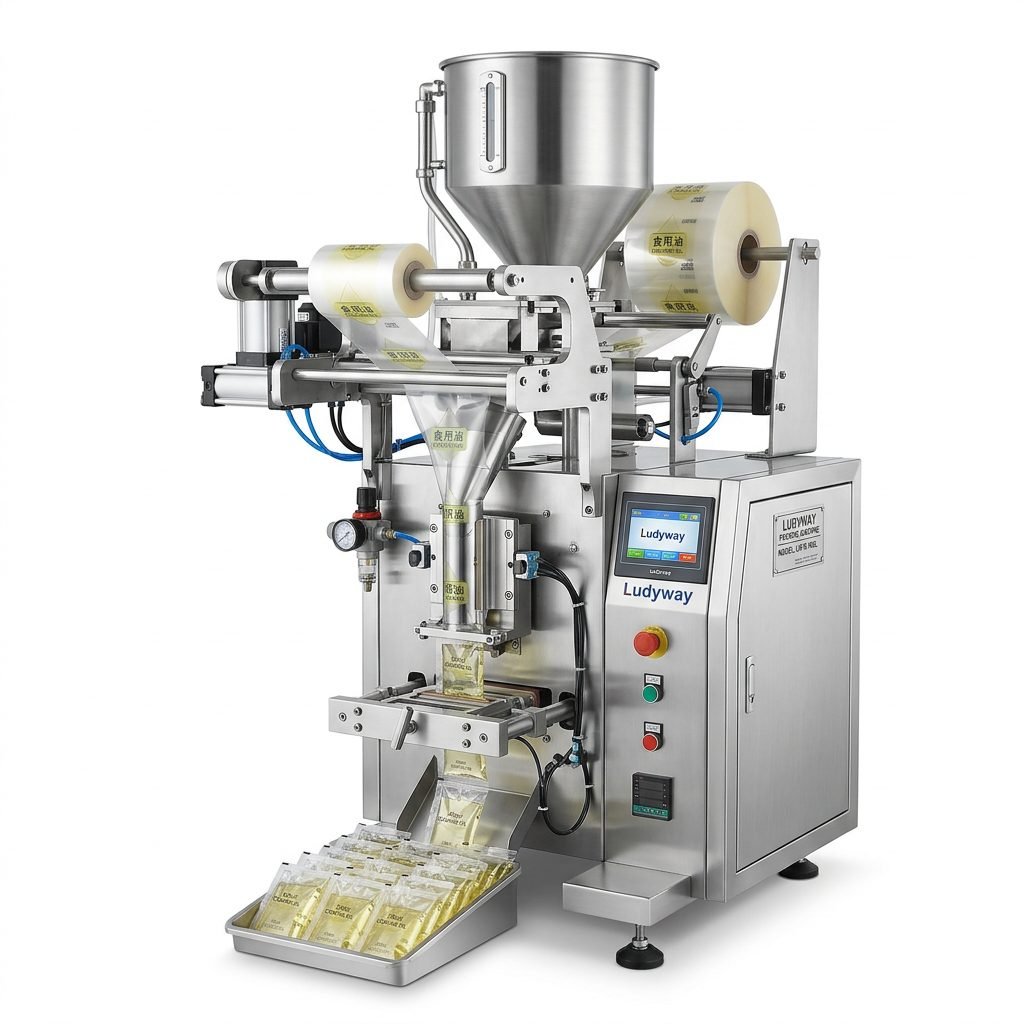
A chamber vacuum packing machine is one of the most practical solutions for businesses that need longer shelf life, better product protection, and a cleaner package appearance. It is widely used in food processing, meat packing, seafood, ready meals, pharmaceuticals, electronics, and industrial applications where oxygen reduction and package integrity matter.
Unlike external vacuum sealers, a chamber model places the entire pouch inside a sealed chamber. This design allows the machine to remove air more evenly and seal bags more consistently, especially for products with moisture, sauces, powders, or delicate structures.

What Is a Chamber Vacuum Packing Machine?
A chamber vacuum packing machine is a vacuum sealer that creates a low-pressure environment inside a closed chamber, removes air from both the chamber and the package, and then heat-seals the bag. Once air returns to the chamber, the package remains tightly sealed around the product.
This process makes chamber machines highly effective for:
- Fresh meat, poultry, and seafood
- Cheese, deli products, and prepared foods
- Frozen foods and marinated products
- Powders, granules, and dry ingredients
- Medical and pharmaceutical items
- Electronic components and industrial parts
How a Chamber Vacuum Packing Machine Works
The working principle is simple, but the packaging result is highly reliable. Here is the standard cycle:
- Place the product in a vacuum pouch and position the open end on the sealing bar.
- Close the chamber lid to create a sealed packaging environment.
- Vacuum is generated as the pump removes air from the chamber.
- Air exits the bag because pressure inside and outside the pouch equalizes.
- The sealing bar heat-seals the pouch once the preset vacuum level is reached.
- Air returns to the chamber, compressing the bag tightly around the product.
- The operator unloads the finished pack and starts the next cycle.
Main Components
- Vacuum chamber
- Vacuum pump
- Sealing bar or double sealing bars
- Control panel
- Chamber lid
- Gas flushing unit on some models
Why Businesses Choose Chamber Vacuum Packaging
For many manufacturers and food processors, chamber vacuum machines deliver a strong balance between packaging quality and operating cost. Their popularity comes from several practical advantages.
| Benefit | Why It Matters |
|---|---|
| Longer shelf life | Reducing oxygen slows oxidation, spoilage, and bacterial growth in many products. |
| Better package appearance | Tight, clean packs improve retail presentation and warehouse organization. |
| Reduced product waste | Improved preservation helps lower spoilage and returns. |
| Strong sealing consistency | Ideal for commercial production where seal integrity is critical. |
| Works with liquids and moist products | A major advantage over many external vacuum sealers. |
| Lower packaging volume | Vacuum-packed products usually take less storage and shipping space. |
Chamber Vacuum Machine vs. External Vacuum Sealer
Many buyers compare these two technologies before making a decision. The right choice usually depends on product type, daily output, and budget.
| Feature | Chamber Vacuum Machine | External Vacuum Sealer |
|---|---|---|
| Suitable for liquids | Yes | Limited |
| Vacuum consistency | High | Moderate |
| Commercial use | Excellent | Light-duty |
| Bag compatibility | Wide range of vacuum pouches | Often requires embossed bags |
| Cycle speed | Faster in production use | Slower for batch packaging |
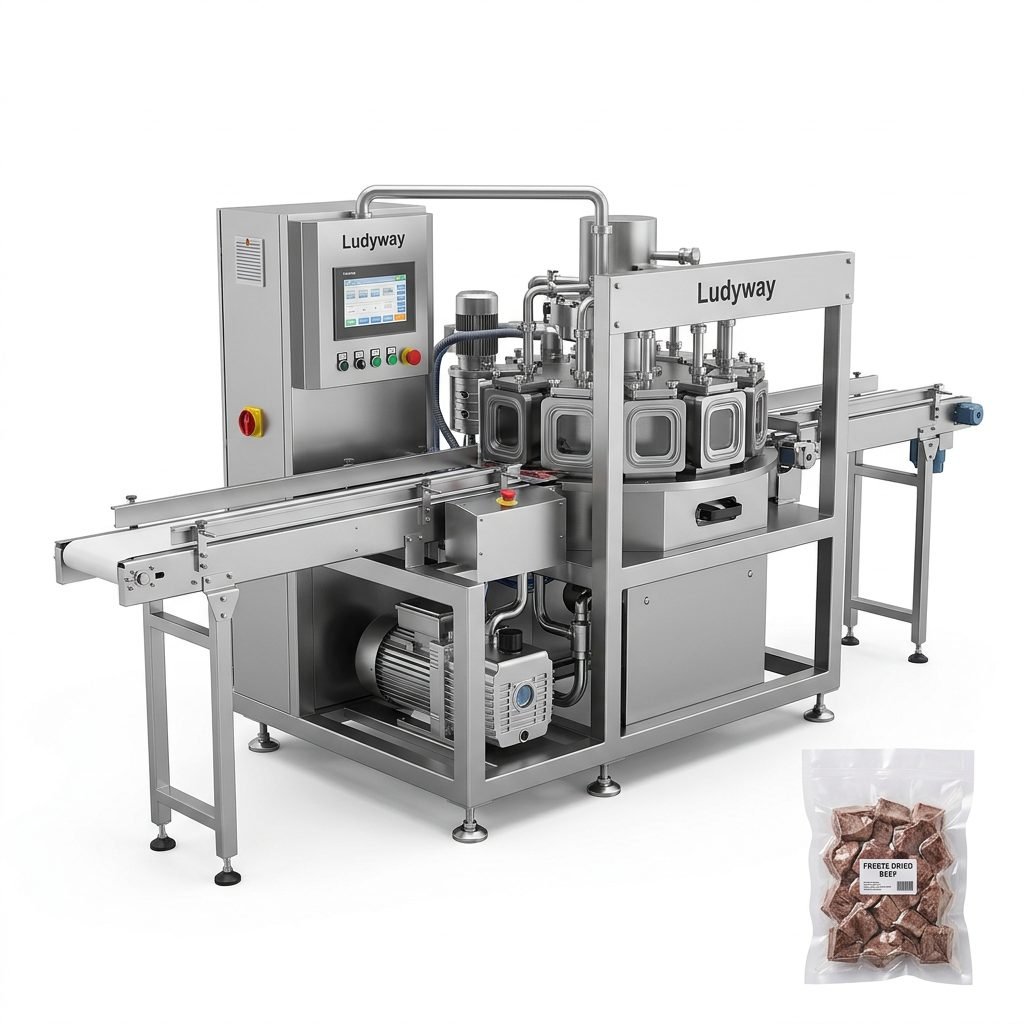
Common Applications
Food Industry
This is the largest application area. Chamber vacuum packing machines are used for fresh and processed foods to improve freshness, hygiene, and shelf stability.
- Fresh meat and steaks
- Seafood and shellfish
- Cheese and dairy products
- Cooked meals and sous-vide items
- Frozen food portions
- Coffee, spices, nuts, and dry foods
Pharmaceutical and Medical Products
In controlled applications, chamber vacuum sealing helps protect sensitive items from moisture, contamination, and handling damage.
Industrial and Electronic Products
Hardware parts, circuit components, and industrial materials can be sealed to reduce dust exposure, corrosion risk, and transport movement.
Key Types of Chamber Vacuum Packing Machines
Single-Chamber Vacuum Machines
These are compact and cost-effective. They are suitable for small to medium production volumes and are common in butcher shops, restaurants, central kitchens, and small factories.
Double-Chamber Vacuum Machines
These models increase productivity by allowing one chamber to be loaded while the other is sealing. They are ideal for businesses that run continuous packaging operations.
Floor-Standing Industrial Models
Designed for larger packs, heavier products, and long production shifts, these systems often include stronger pumps, wider seal bars, and optional gas flushing.
Tabletop Chamber Vacuum Machines
These machines fit smaller workspaces and are widely used by specialty food businesses, test kitchens, and startup brands.
Features to Look for Before Buying
Choosing the right machine is not only about price. A good buying decision should match your product, throughput, and future expansion needs.
- Chamber size: Make sure the machine fits your largest product and pouch dimensions.
- Seal bar length: Important for larger bags or multiple bags per cycle.
- Vacuum pump capacity: A bigger pump generally means faster cycles and deeper vacuum.
- Cycle time: Critical for medium and high-volume production lines.
- Gas flushing option: Useful for fragile foods that should not be tightly compressed.
- Control system: Digital controls and recipe memory simplify operation.
- Build material: Stainless steel construction is preferred for hygiene and durability.
- Maintenance access: Easy service access reduces downtime.
Buying Guide: How to Choose the Right Chamber Vacuum Packing Machine
| Buying Factor | Questions to Ask |
|---|---|
| Product type | Are you packing dry goods, liquids, meat, frozen food, or delicate products? |
| Daily output | How many packs per hour or per shift do you need? |
| Package size | What are the pouch dimensions and product height? |
| Installation space | Do you need a tabletop unit or a floor-standing machine? |
| Automation level | Will the machine run manually, semi-automatically, or as part of a full line? |
| Compliance needs | Do you need food-grade, GMP-related, or export-standard machine construction? |
A Simple Selection Rule
If you package small batches, a tabletop single-chamber model may be enough. If you need continuous commercial production, a double-chamber or larger industrial system is usually the better investment.
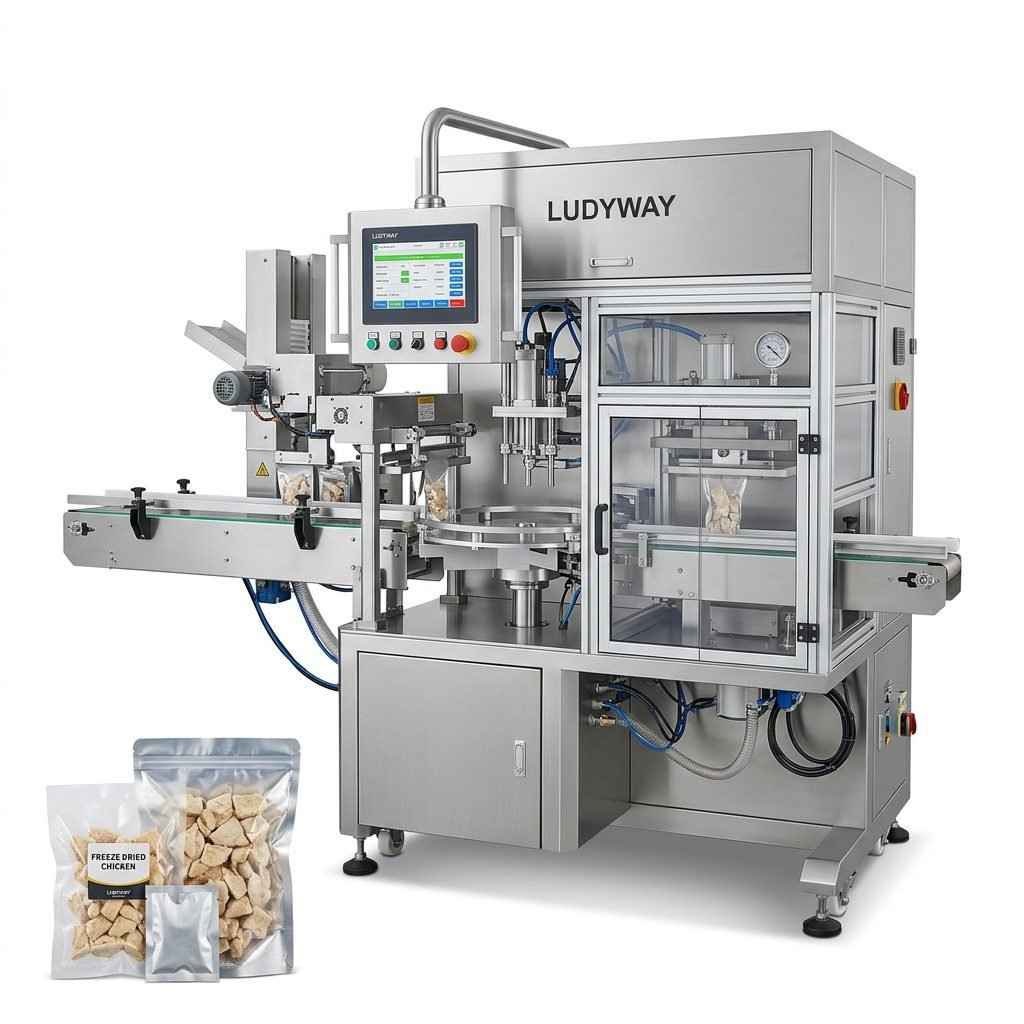
Optional Functions That Add More Value
- Gas flush for modified atmosphere packaging
- Soft air return for delicate products
- Multiple sealing bars for better throughput
- Sensor-controlled vacuum programs
- Date coding or label integration
- Conveyor and turnkey line connection
Maintenance Tips for Longer Machine Life
A chamber vacuum packing machine performs best with routine maintenance. Proper care protects seal quality and pump efficiency.
- Clean the chamber and seal area daily
- Inspect sealing wires and sealing pads regularly
- Check vacuum pump oil based on operating hours
- Replace worn gaskets when vacuum performance drops
- Keep the lid and chamber free from product residue
- Train operators on correct pouch positioning
Mistakes to Avoid When Buying
- Choosing a machine with a chamber that is too small
- Ignoring the importance of pump capacity
- Buying only on price without checking seal reliability
- Overlooking after-sales service and spare parts support
- Not considering future production growth
Who Should Invest in a Chamber Vacuum Packing Machine?
This equipment is especially suitable for:
- Food manufacturers and central kitchens
- Meat and seafood processors
- Frozen food brands
- Pharmaceutical and medical packaging businesses
- Industrial parts suppliers
- Growing brands moving from manual sealing to commercial automation
Finding a Reliable Packaging Equipment Supplier
When selecting a supplier, look for proven manufacturing experience, export capability, machine customization options, and responsive technical support. Companies that can provide both standalone machines and integrated production solutions are often a stronger long-term partner.
For buyers seeking packaging equipment backed by broad manufacturing experience, Ludyway chamber vacuum packing machine solutions are supported by more than 30 years of packaging machinery expertise, a large manufacturing base, and turnkey line capability for food, pharmaceutical, health supplement, and related industries.
Final Thoughts
A chamber vacuum packing machine is a smart choice for businesses that need reliable vacuum performance, strong seals, better shelf life, and professional packaging quality. Whether you are packing meat, prepared meals, powders, or industrial goods, the right model can improve productivity while protecting product value.
Before buying, focus on chamber size, pump power, sealing quality, product compatibility, and future output requirements. With the right machine configuration, chamber vacuum packaging can become a highly efficient part of your production process.