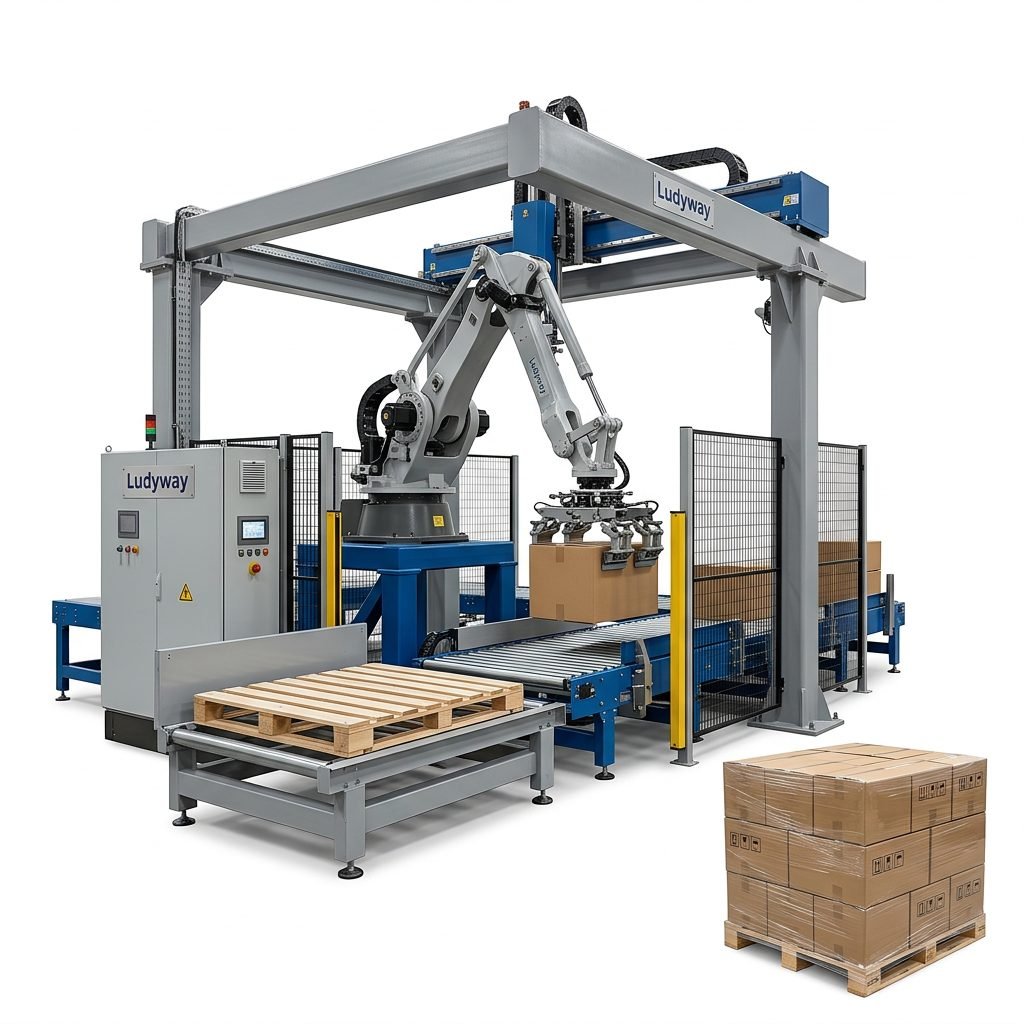
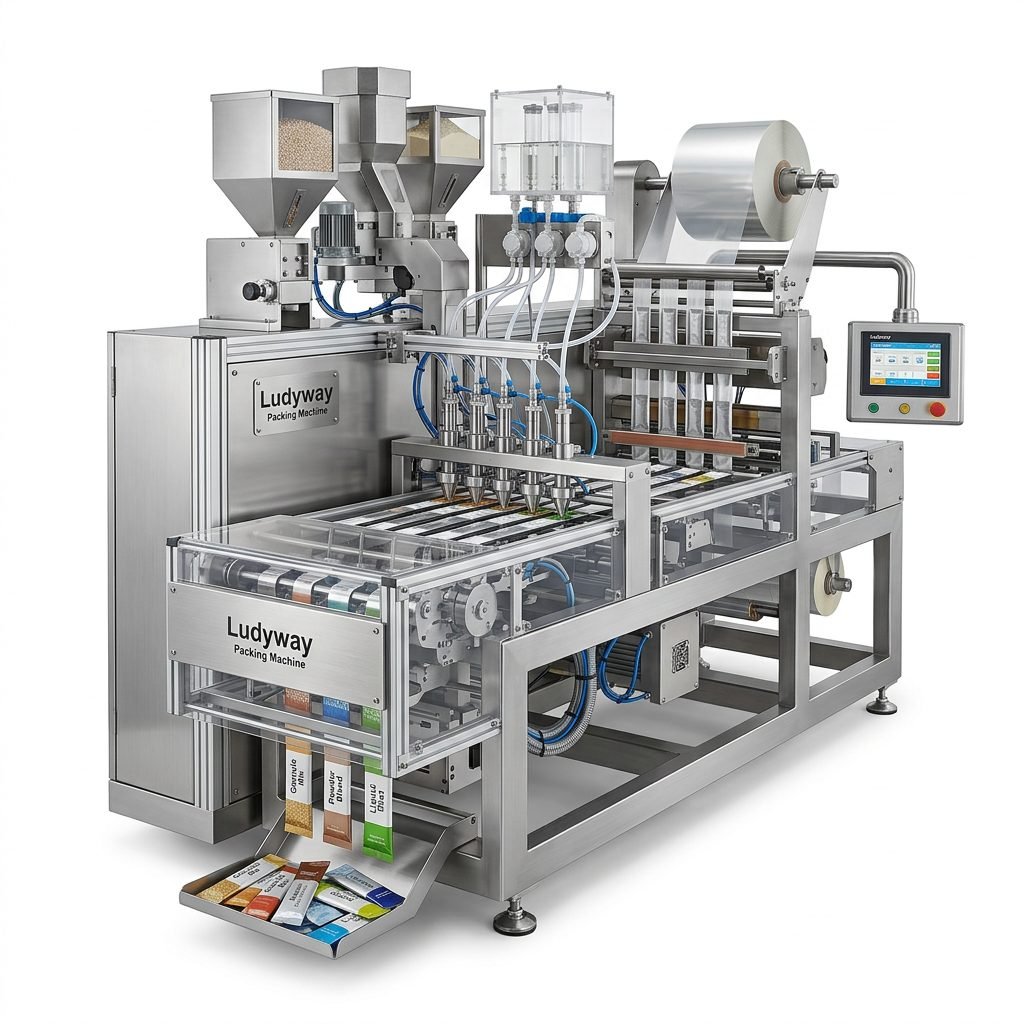
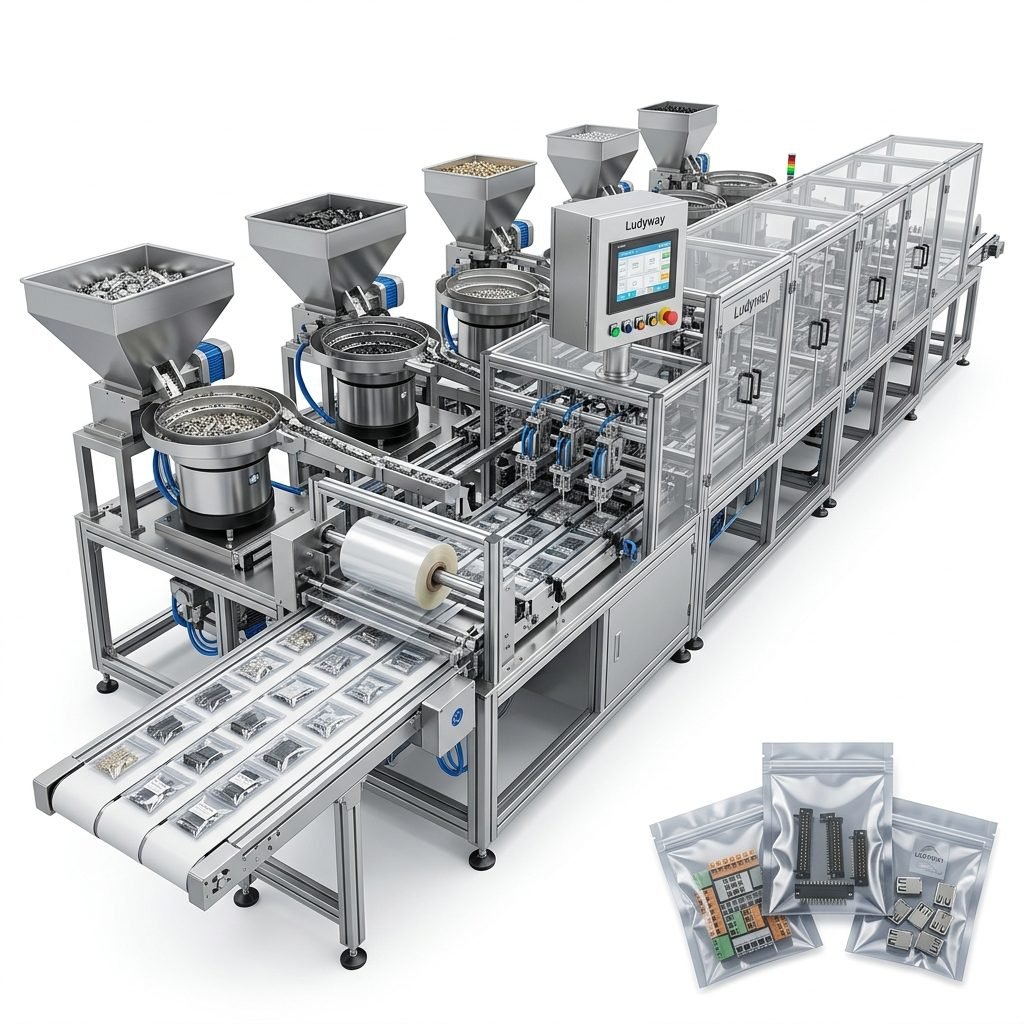
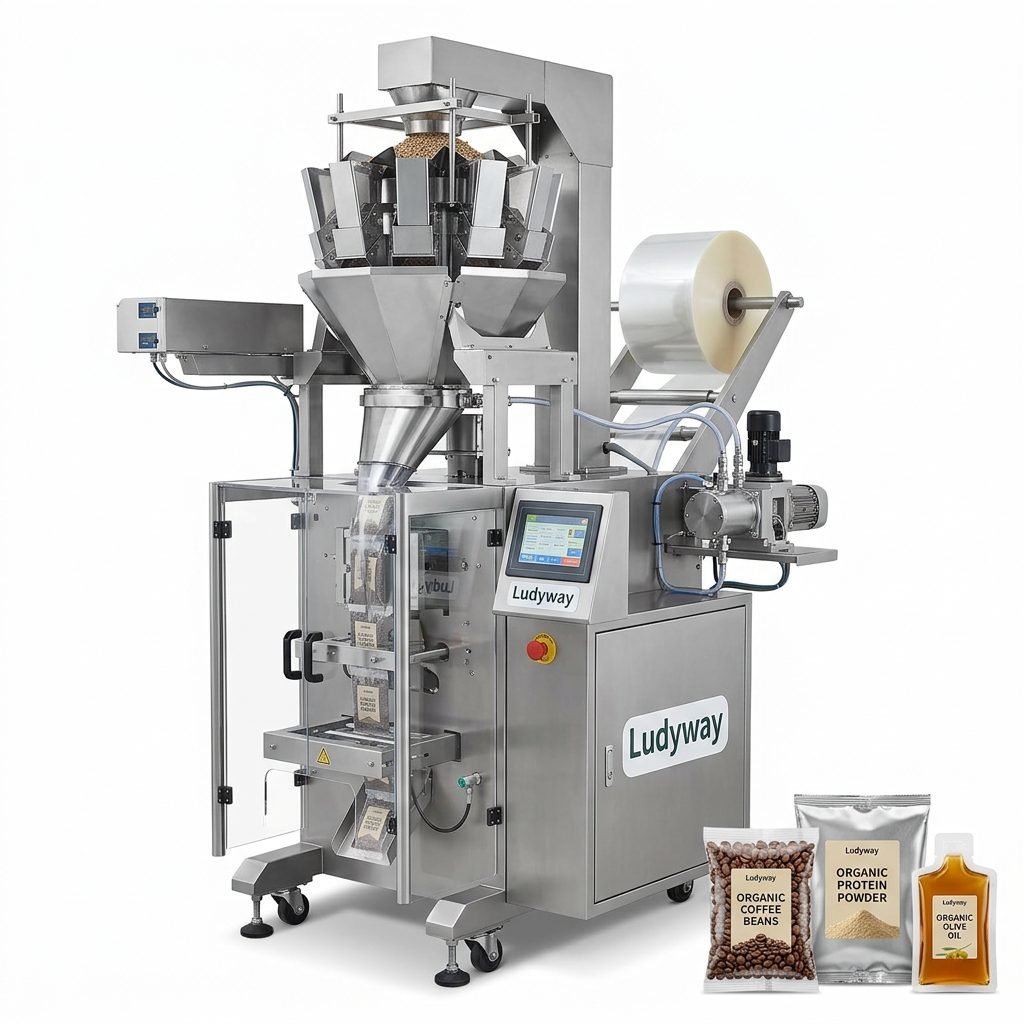
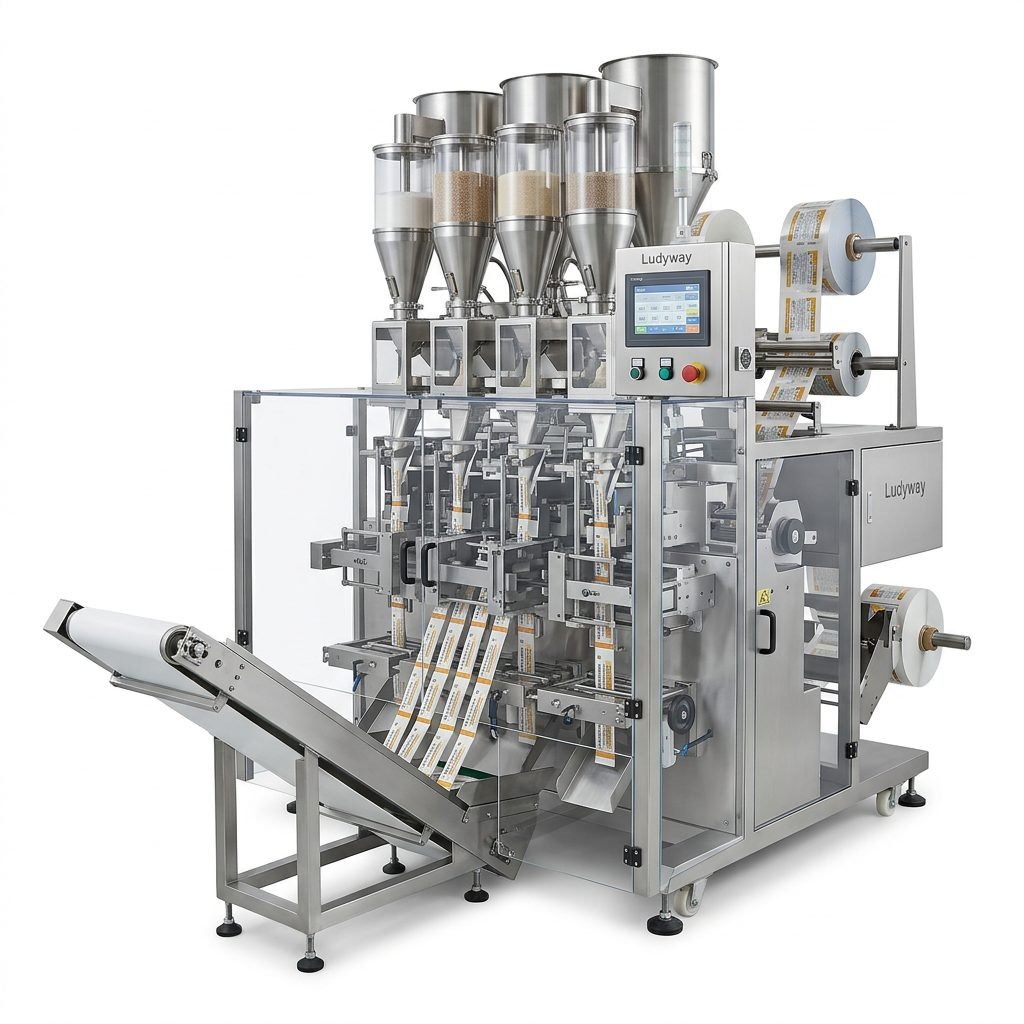
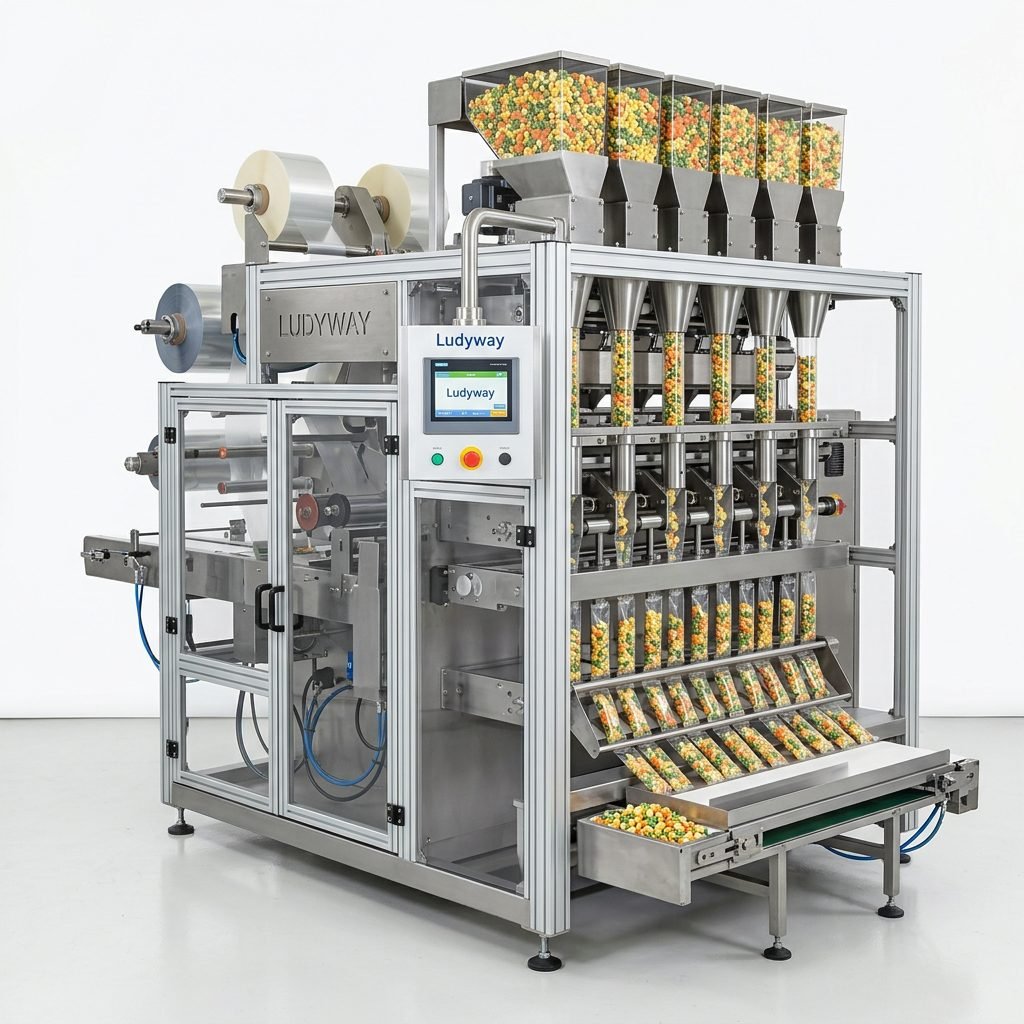
Modern manufacturing depends on packaging systems that can keep pace with production demands while maintaining accuracy, product safety, and consistent sealing quality. An automatic packaging machine helps businesses reduce manual handling, increase output, and create a more reliable packing process for powders, granules, liquids, pastes, sachets, stick packs, pouches, and many other product formats.
For food, pharmaceutical, health supplement, cosmetic, and chemical manufacturers, automation is no longer just a competitive advantage. It has become a practical way to improve labor efficiency, reduce waste, and meet stricter quality requirements in domestic and export markets.
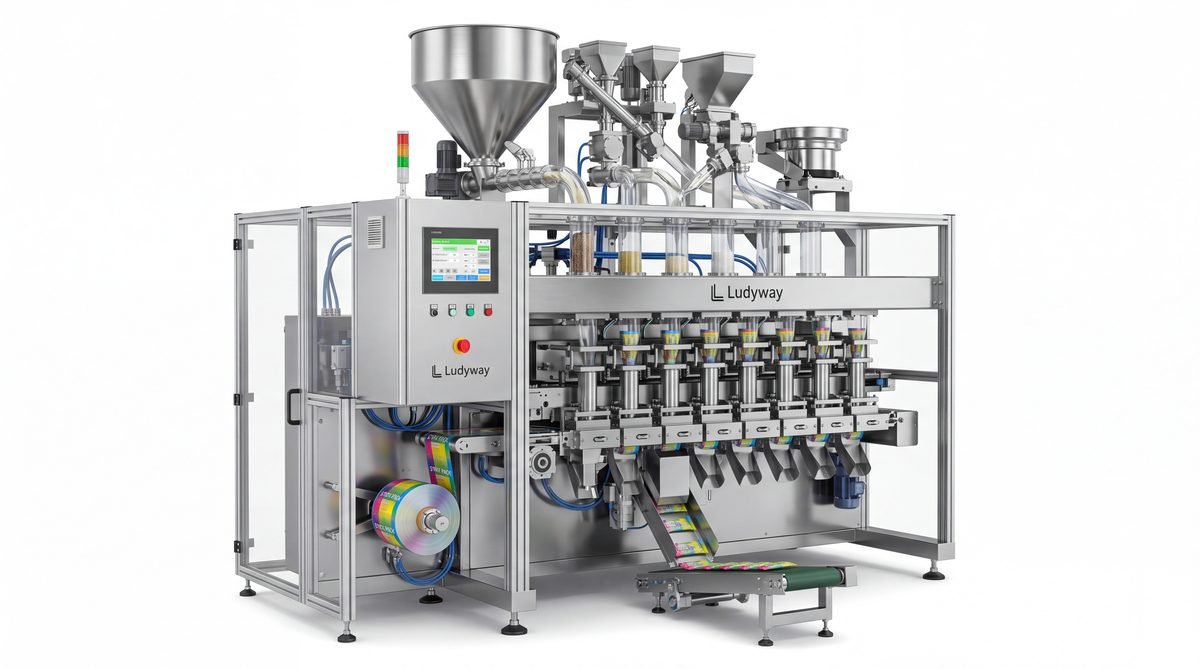
Why automatic packaging machines matter in modern production
A packaging line is often where production speed, product presentation, and operating cost come together. If packing is slow or inconsistent, the entire factory performance is affected. Automated equipment solves this by integrating measuring, filling, sealing, coding, conveying, inspection, and final discharge into one streamlined workflow.
- Faster throughput: Higher output compared with manual or semi-automatic packing.
- Better consistency: Stable filling weight, seal quality, and bag appearance.
- Lower labor reliance: Fewer operators are needed for repetitive tasks.
- Reduced material waste: Accurate dosing and controlled film usage.
- Improved hygiene: Especially important for food and pharmaceutical applications.
- Scalable automation: Easier to connect with upstream and downstream equipment.
What products can be packed automatically?
Automatic packaging machinery is designed for a wide range of product types. The right solution depends on product flow characteristics, packaging format, target capacity, and industry regulations.
| Product Type | Typical Examples | Suitable Packaging Formats |
|---|---|---|
| Granules | Sugar, seeds, coffee, pet food, seasoning | Sachets, stick packs, pouches, bags |
| Powders | Milk powder, protein powder, pharma powders, spices | Sachets, stick packs, pouches, jars |
| Liquids | Sauces, shampoo, detergents, oral liquids | Sachets, pouches, bottles |
| Pastes / Creams | Cosmetic creams, gels, ointments, sauces | Sachets, tubes, pouches |
| Solid units | Tablets, capsules, medical items, hardware parts | Blisters, pouches, cartons, counted packs |
Key features of a fast, efficient, and reliable packing system
When evaluating an automatic packaging machine, speed alone should not be the only focus. A truly productive system balances output with precision, uptime, and ease of maintenance.
1. Accurate dosing and filling
Whether using auger fillers, piston pumps, volumetric cups, or weighing systems, accurate dosing reduces giveaway and keeps every pack within specification.
2. Stable sealing performance
Reliable heat sealing is critical for product freshness, leak prevention, and shelf appearance. Stable temperature control and quality sealing components help ensure strong and neat package edges.
3. High automation integration
A modern machine should work smoothly with feeding systems, conveyors, coding equipment, checkweighers, metal detectors, cartoners, and palletizing units.
4. Quick changeover
Manufacturers handling multiple SKUs need faster format changes to reduce downtime and improve overall equipment utilization.
5. Easy cleaning and maintenance
For regulated industries, machine design should support sanitation, access to contact parts, and simplified maintenance routines.
Common machine types used for automated packing
Different production needs require different machine structures. Some of the most commonly used systems include:
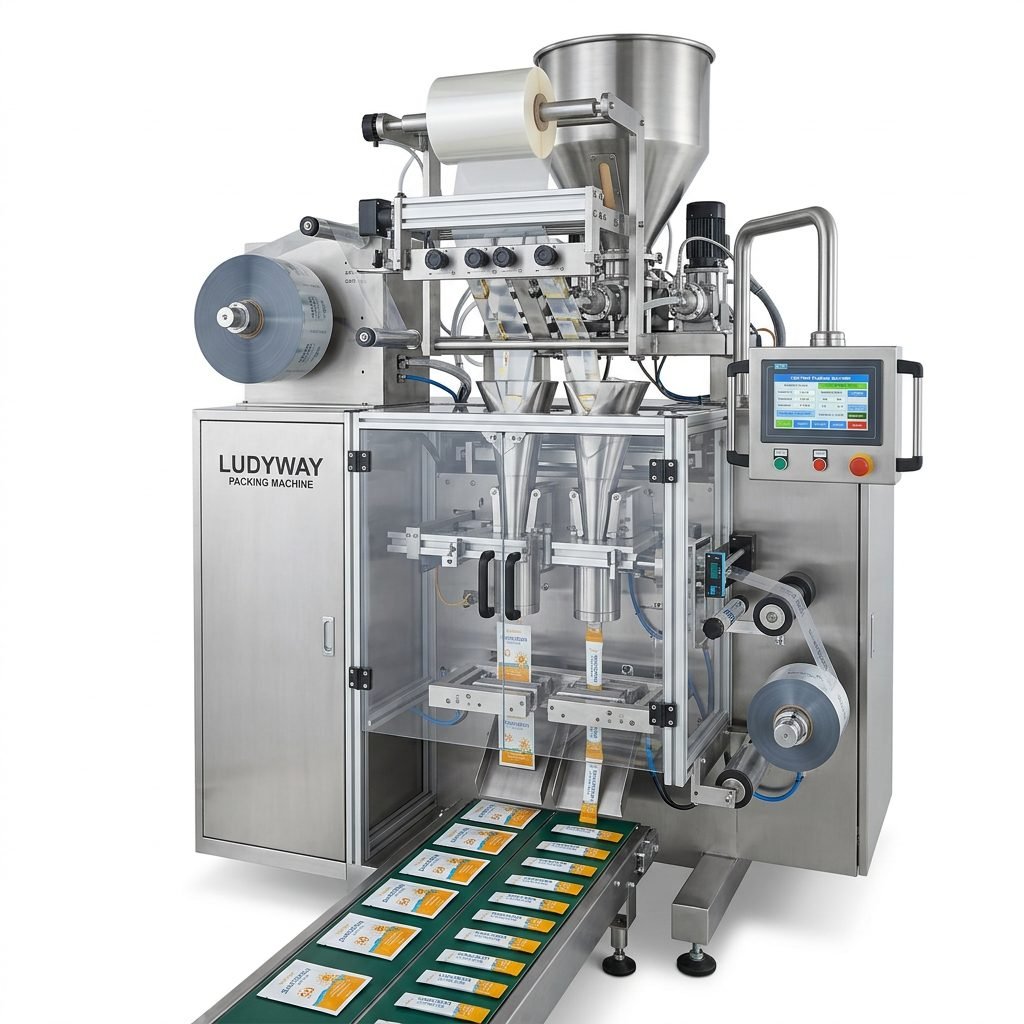
- Multi-lane stick pack machines for high-volume single-dose packaging.
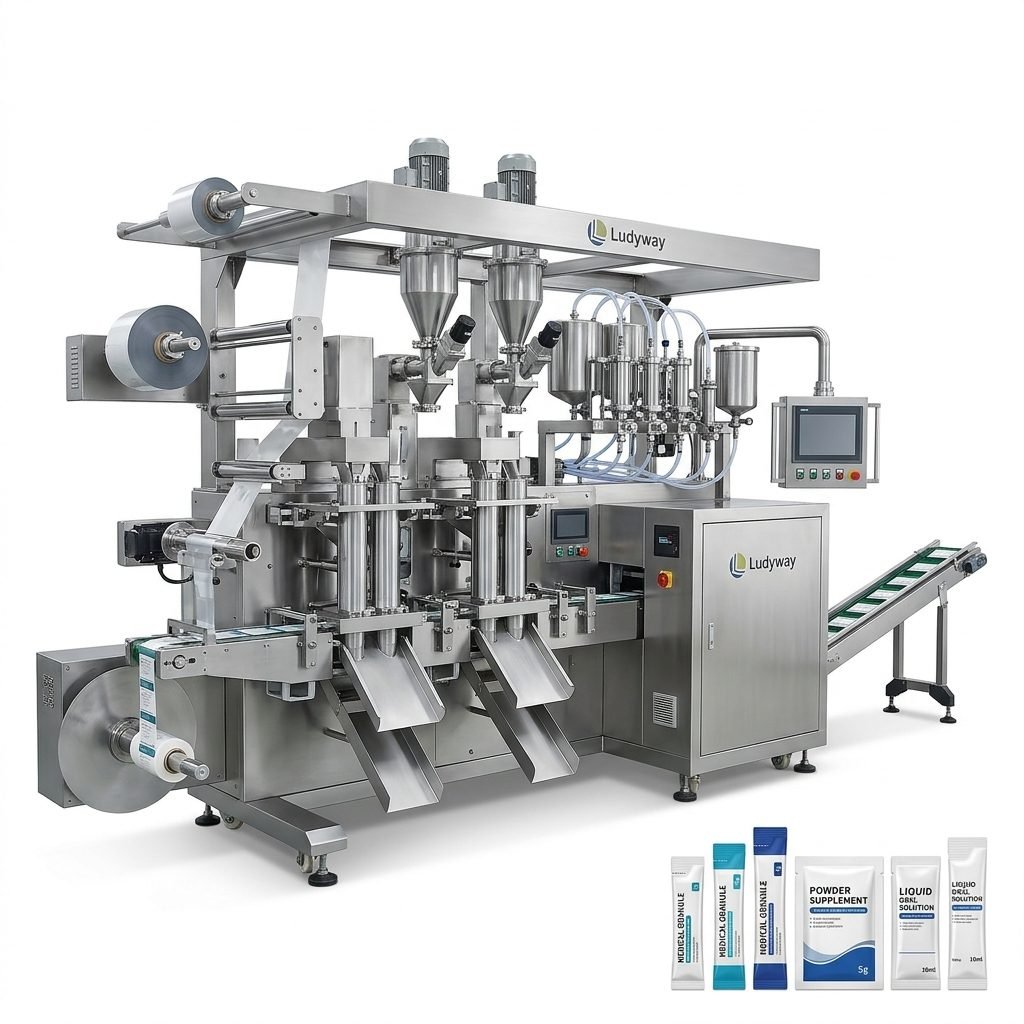
- Sachet packaging machines for powders, granules, liquids, and pastes.
- Vertical form fill seal systems for flexible packaging and bag making.
- Bottle filling and capping lines for liquid or powder container packaging.
- Tube filling and sealing machines for creams, gels, and cosmetic products.
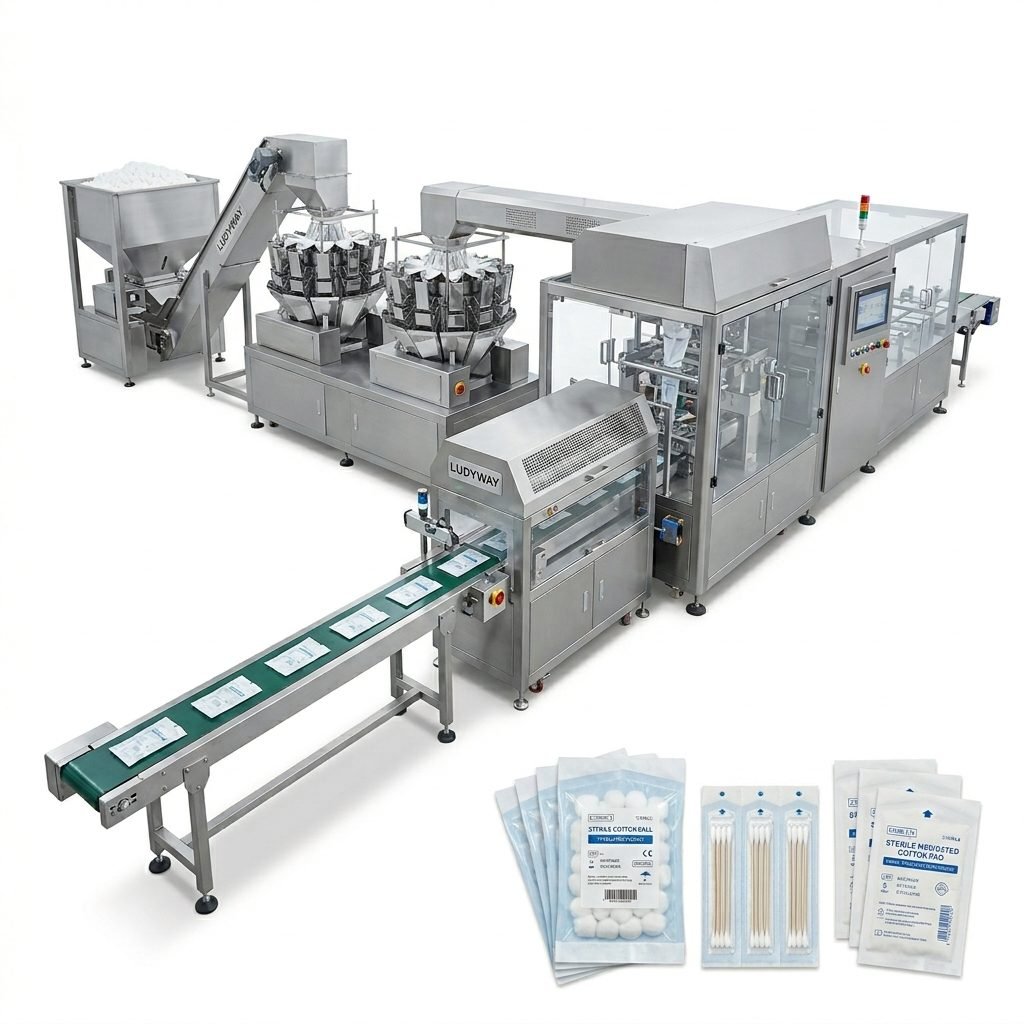
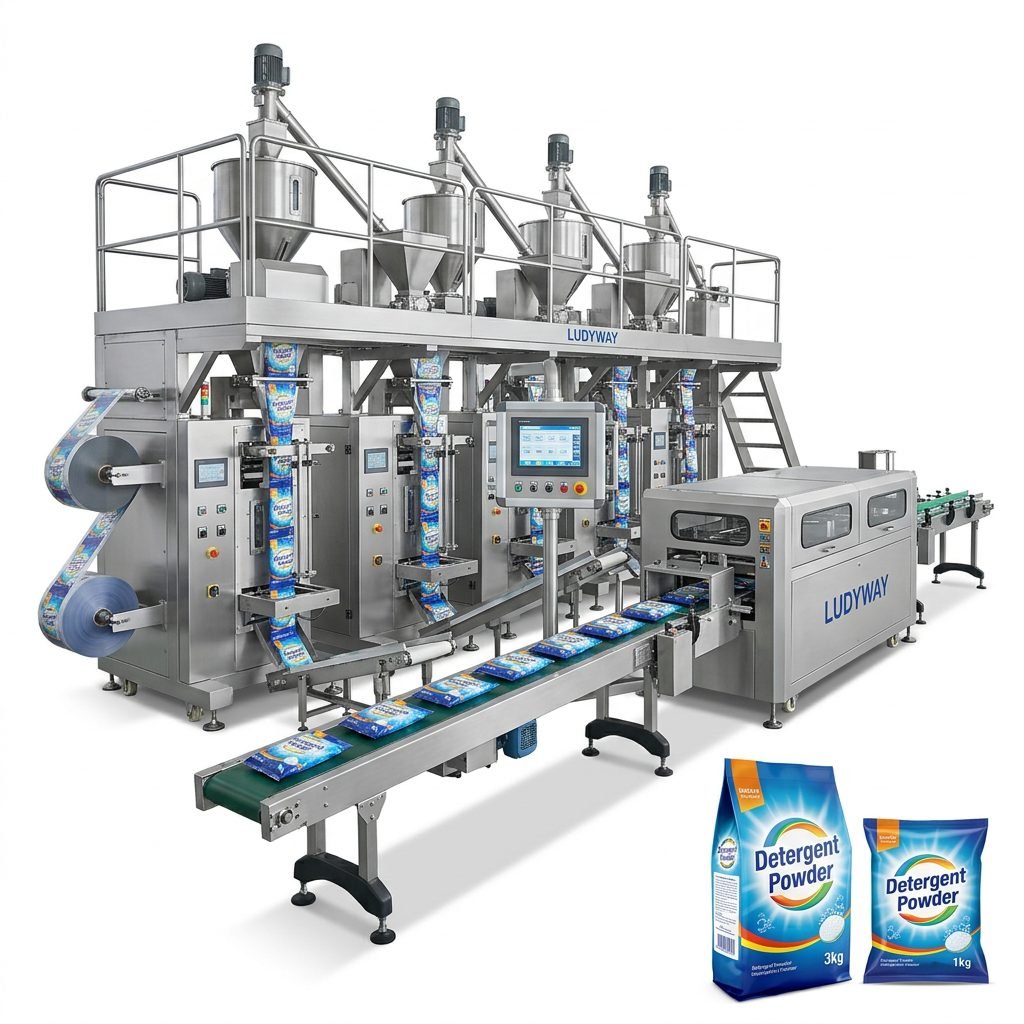
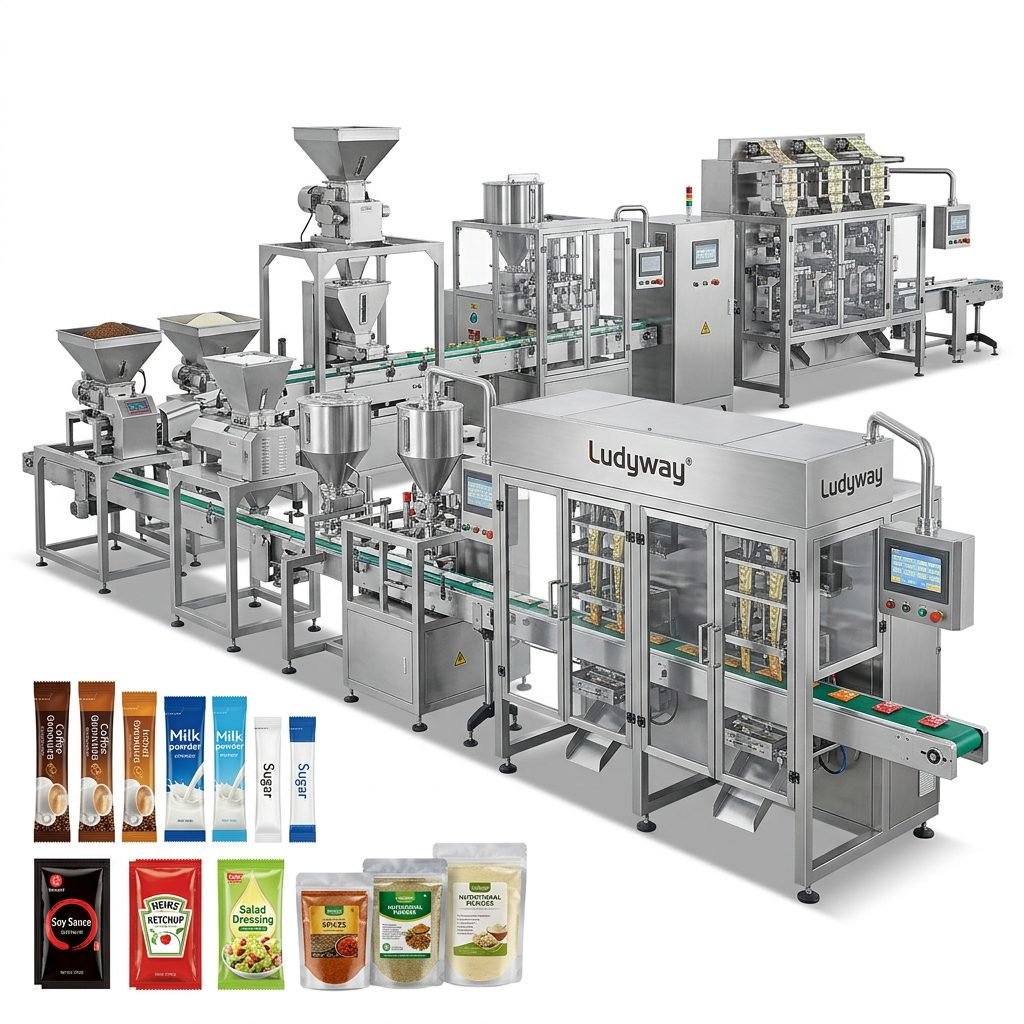
- Turnkey packaging lines that combine primary, secondary, and end-of-line automation.
How automation improves packaging ROI
The return on investment from an automatic packing system usually comes from multiple operational improvements rather than one single factor.
| Operational Area | Impact of Automation |
|---|---|
| Labor cost | Reduces dependence on manual packing teams |
| Production speed | Increases packs per minute and daily output |
| Material loss | Improves dosing precision and reduces waste |
| Product quality | Enhances seal consistency and visual appearance |
| Factory planning | Supports standardized and scalable production |
| Compliance | Helps meet hygiene and traceability requirements |
Choosing the right automatic packaging machine
Before selecting equipment, manufacturers should evaluate the complete packaging scenario, not just the pack size. Important selection factors include:
- Product characteristics such as flowability, viscosity, density, and dust level
- Required package format and size range
- Expected output per minute, hour, and shift
- Level of automation needed now and in the future
- Integration with feeding, coding, inspection, and cartoning equipment
- Cleaning standards for food, pharma, or hygienic applications
- Availability of after-sales service, spare parts, and technical support
A practical tip for buyers
Ask suppliers for real application cases that match your product. A machine performing well with one powder or liquid does not always mean it will behave the same way with another formulation.
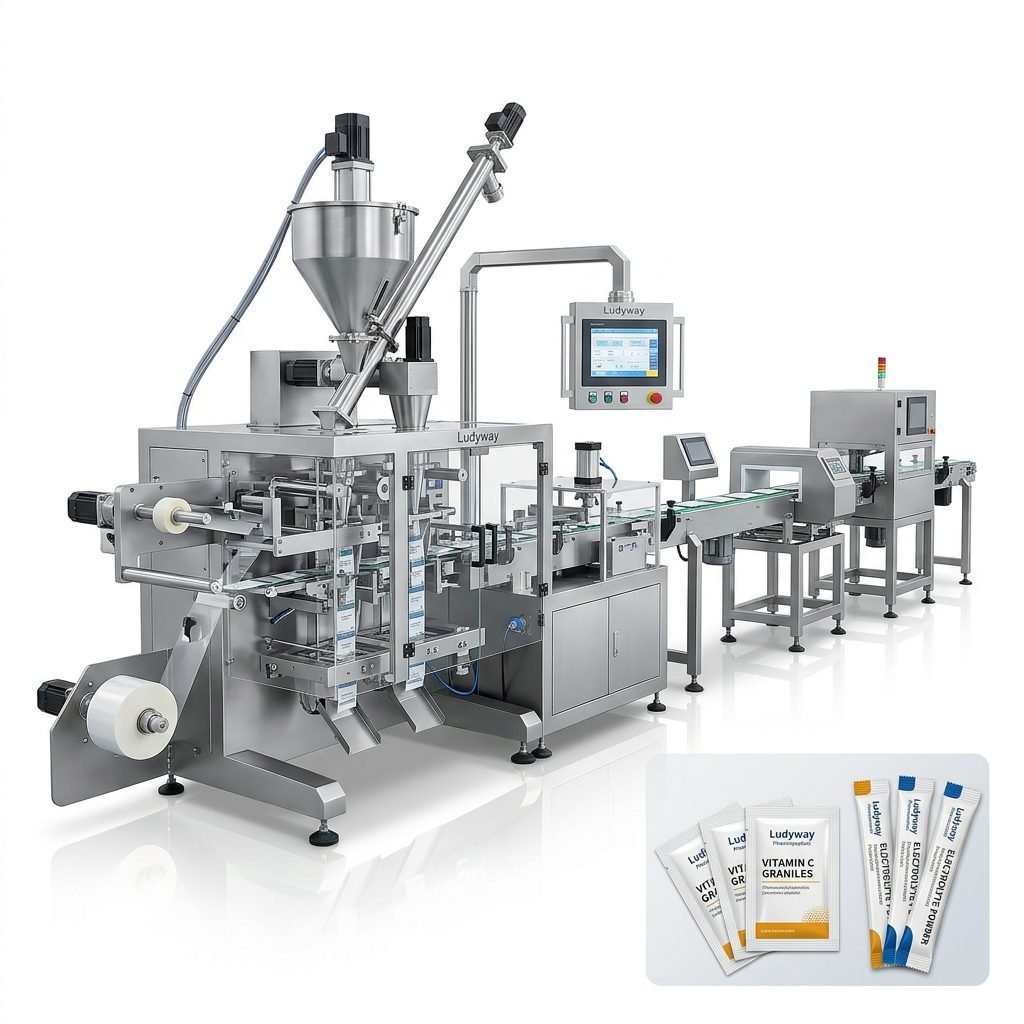
Applications across industries
Food industry
Automatic packaging solutions are widely used for coffee, sugar, spices, flour, seasoning powder, instant beverages, sauces, snacks, grains, and pet food. Fast changeover and stable sealing are especially important for food brands with varied SKUs.
Pharmaceutical industry
Pharma manufacturers require high accuracy, clean machine structures, and repeatable sealing quality. Common applications include oral powders, granules, medical sachets, capsules, and sterile packaging systems.
Health supplement industry
Protein powders, collagen, probiotics, electrolytes, vitamins, and nutrition sachets are often packed using high-speed stick pack and sachet machines that support precise dosing and premium package presentation.
Cosmetic and personal care industry
Creams, lotions, shampoos, serums, facial products, and travel-size samples benefit from automated filling and sealing systems that maintain clean appearance and accurate filling volume.
Chemical and daily-use products
Detergents, cleaning agents, additives, and specialty chemicals can also be handled by packaging systems built for powder, granule, or liquid filling with safe and dependable sealing.
Why turnkey lines are becoming more popular
Many manufacturers no longer want to purchase standalone machines from different suppliers and handle line integration on their own. Turnkey packaging lines simplify this process by combining the key stages into one engineered solution.
This can include raw material feeding, dosing, filling, sealing, coding, quality inspection, cartoning, case packing, palletizing, and conveyor integration. The result is a more coordinated production flow with fewer compatibility issues.
A trusted packaging equipment partner for global buyers
For companies looking for scalable automation, Ludyway packaging machine solutions are backed by more than 30 years of manufacturing experience. Founded in 1993, the company operates a modern factory of over 20,000 square meters and provides a broad portfolio of automatic packaging equipment and turnkey packaging lines for food, pharmaceutical, health supplement, cosmetic, chemical, and related industries.
With export experience serving customers in more than 100 countries and regions, the company is recognized as one of China’s leading packaging machine and turnkey packaging line manufacturers. Its wide machine coverage, customization capabilities, and application-focused engineering make it a strong option for businesses seeking efficient and reliable production upgrades.
Final considerations before investing
The best automatic packaging machine is one that fits your real production goals. That means matching the machine not only to your current product, but also to future expansion plans, compliance standards, packaging styles, and expected production capacity.
- Define your product and packaging requirements clearly
- Compare actual machine stability, not just speed claims
- Check compatibility with your full production line
- Prioritize service support and spare parts availability
- Choose a supplier with proven industry application experience
As global competition continues to increase, investing in a fast, efficient, and reliable automatic packaging machine is one of the smartest ways to improve output, protect product quality, and build a stronger, more automated production system.