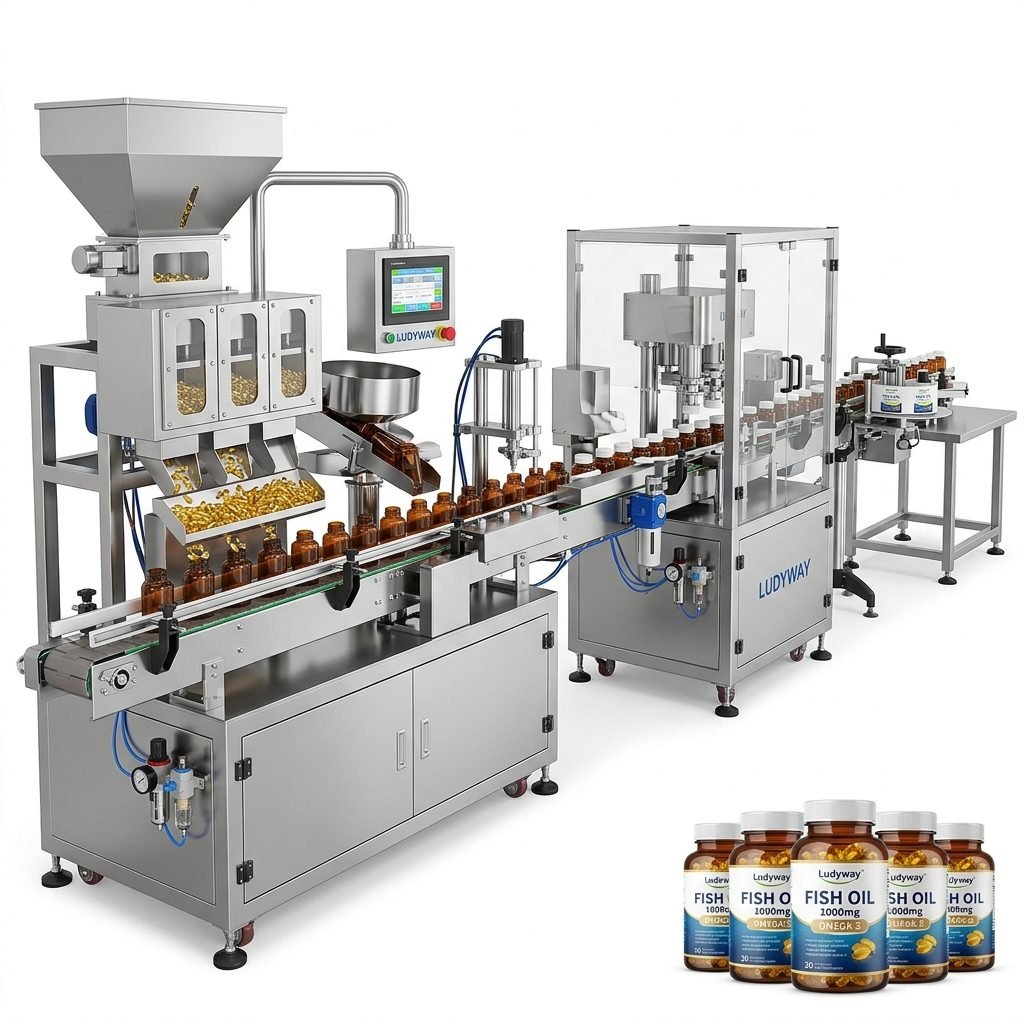
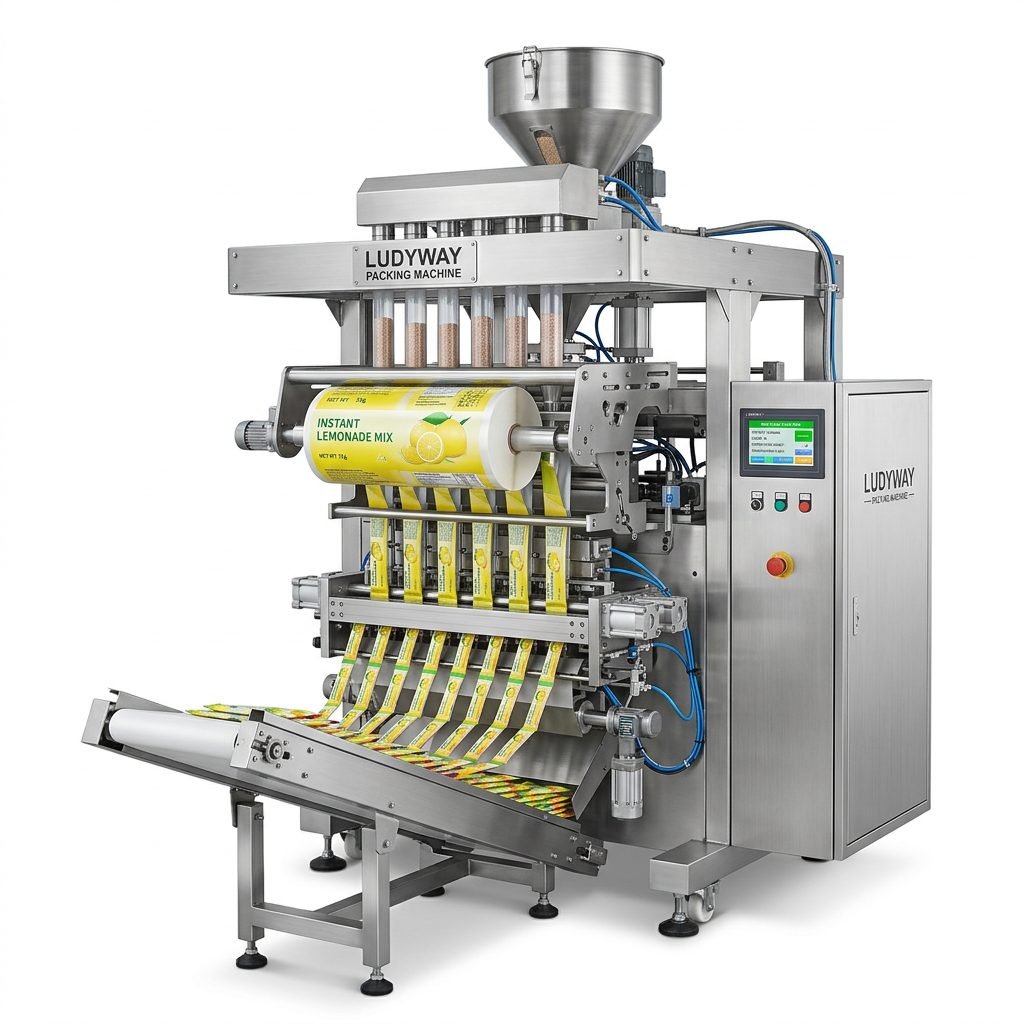
A tray sealer packaging machine is a highly practical solution for manufacturers that need clean, secure, and shelf-ready tray packs. It is widely used in food, medical, ready-meal, fresh produce, meat, poultry, seafood, bakery, and convenience product packaging because it helps extend shelf life, improve presentation, and support automated production.
If you are evaluating tray sealing equipment for your business, the key is to understand what the machine does, how the sealing process works, and which technical factors matter before you buy. Choosing the right model can reduce labor costs, improve pack consistency, and protect product quality during storage, transport, and retail display.
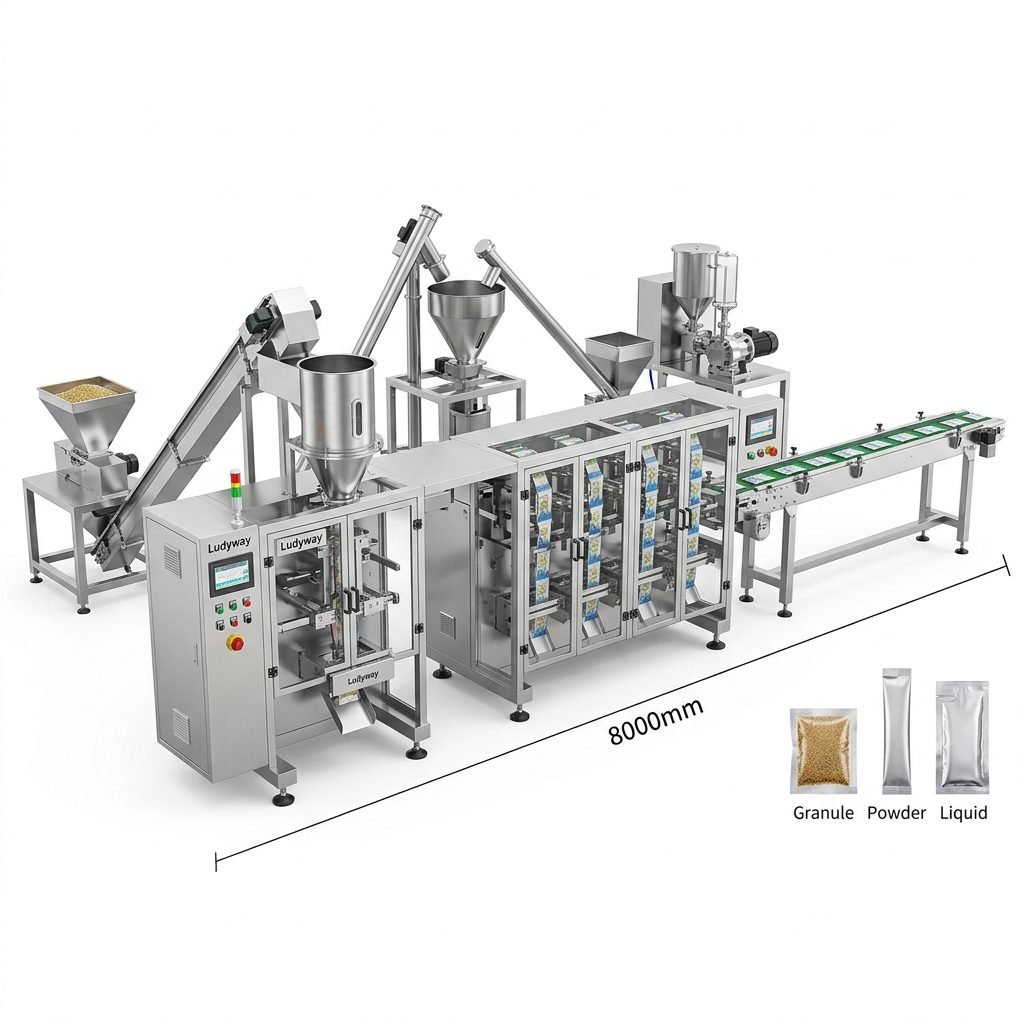
What Is a Tray Sealer Packaging Machine?
A tray sealer packaging machine is equipment designed to seal pre-formed trays with film. The tray is first loaded with product, then moved into the sealing area where heat and pressure bond the top film to the tray flange. Depending on the packaging requirement, the machine may also perform vacuuming, gas flushing, skin packaging, coding, cutting, and discharge.
Tray sealers are commonly used with materials such as:
- PP trays
- PET trays
- CPET trays
- Aluminum trays
- Mono-material recyclable trays
- Barrier films for MAP applications
In simple terms, this machine turns a filled tray into a sealed retail package that is easier to store, transport, display, and sell.
How Does a Tray Sealer Packaging Machine Work?
Although configurations vary, the general workflow is straightforward. A tray sealer usually follows these steps:
- Tray loading: Empty trays are manually or automatically placed into the machine.
- Product filling: The trays are filled with food or other products before sealing.
- Positioning: The machine indexes trays into the sealing station.
- Optional vacuum or gas flush: Air inside the package may be removed or replaced with a protective gas mix.
- Heat sealing: The top film is pressed onto the tray flange under controlled temperature, pressure, and dwell time.
- Cutting/contouring: Excess film is trimmed for a clean finished look.
- Discharge: The sealed trays move to labeling, coding, cartoning, or case packing.
Core Sealing Technologies
- Heat seal only: Best for standard packs with short to medium shelf-life needs.
- Vacuum sealing: Removes air to help reduce oxidation and contamination risk.
- MAP sealing: Uses modified atmosphere packaging to extend freshness.
- Skin packaging: Creates a premium, tight film appearance around the product.
Main Components of a Tray Sealer
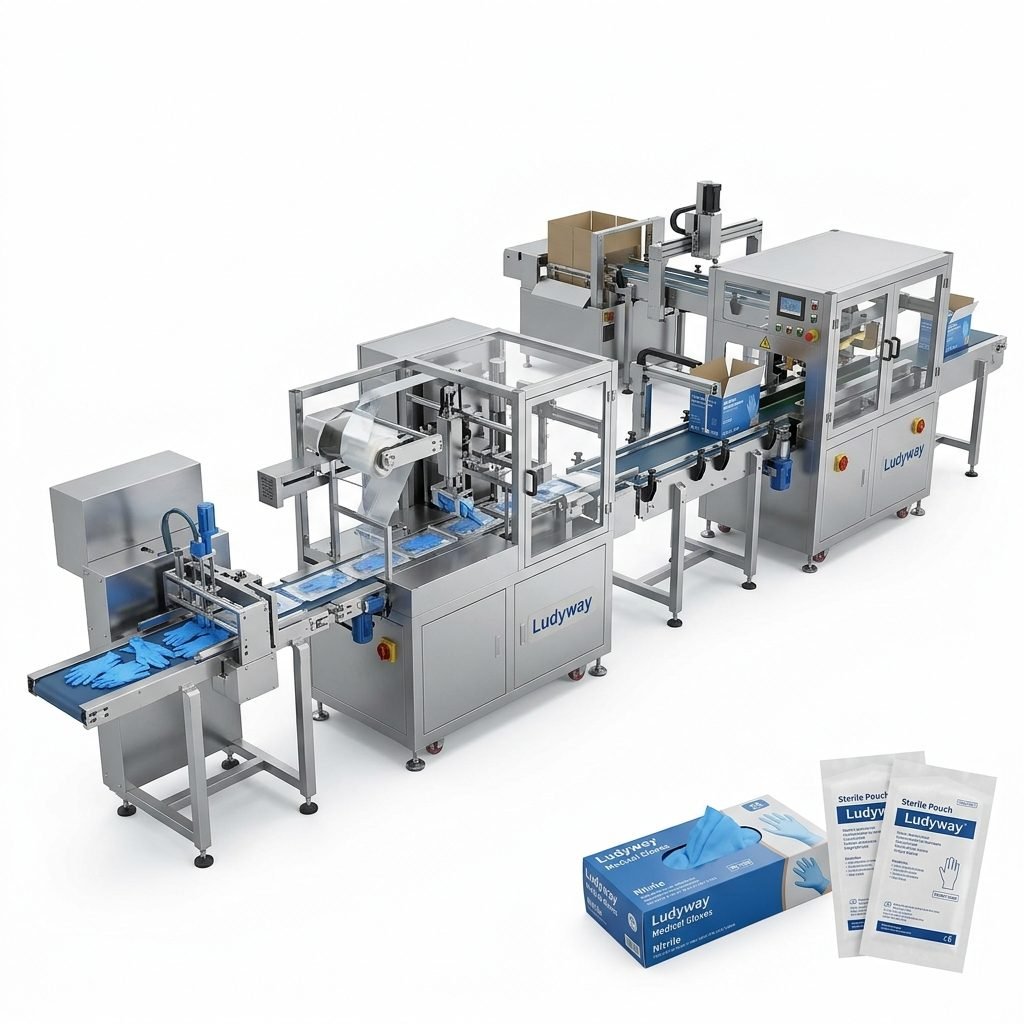
Understanding the main machine sections can help buyers ask better technical questions during supplier evaluation.
| Component | Function |
|---|---|
| Tray infeed system | Feeds trays into the sealing area manually or automatically |
| Sealing chamber or die | Applies heat and pressure to seal the tray with film |
| Film unwind unit | Supplies sealing film smoothly and accurately |
| Vacuum/gas flushing unit | Controls package atmosphere for freshness and shelf life |
| Cutting system | Trims the film into the final pack shape |
| Control panel / PLC | Sets parameters such as temperature, sealing time, and indexing speed |
| Outfeed conveyor | Transfers finished packs to downstream processes |
Common Applications of Tray Sealer Machines
Tray sealers are especially popular in industries where appearance, hygiene, and shelf life are essential. Typical applications include:
- Fresh meat and poultry trays
- Seafood packaging
- Ready meals and frozen meals
- Bakery and dessert trays
- Fresh-cut fruit and vegetables
- Cheese and dairy products
- Medical and sterile tray packaging
- Convenience foods and take-away meal packs
Why Tray Packaging Is Popular
Tray packaging is attractive because it offers product protection, merchandising value, stackability, and tamper-evident sealing. In retail environments, well-sealed trays also improve display appeal and support clearer labeling.
Types of Tray Sealer Packaging Machines
1. Manual Tray Sealers
Suitable for small production volumes, pilot runs, test kitchens, or startups. These machines are affordable but labor-intensive.
2. Semi-Automatic Tray Sealers
Operators place trays into the sealing area, and the machine performs the seal cycle. This is a practical middle-ground option for growing businesses.
3. Fully Automatic Tray Sealers
Designed for high-volume production lines. They integrate tray denesting, filling, sealing, coding, inspection, and discharge with minimal manual input.
4. Vacuum and MAP Tray Sealers
Used when shelf-life extension and product freshness are critical. These are ideal for protein products, chilled foods, and premium retail packs.
5. Skin Pack Tray Sealers
Best for high-visibility premium packaging. The film conforms tightly around the product and tray, reducing movement and enhancing shelf presentation.
Benefits of Using a Tray Sealer Packaging Machine
| Benefit | Business Impact |
|---|---|
| Improved hygiene | Reduces contamination risk during packaging |
| Longer shelf life | Helps reduce waste and improve distribution range |
| Consistent sealing quality | Supports reliable retail-ready packaging |
| Higher productivity | Increases output and reduces manual handling |
| Better product presentation | Enhances shelf appeal and brand image |
| Lower labor dependence | Supports automation and operational stability |
How to Choose the Right Tray Sealer Packaging Machine
The right machine depends on your product, production target, packaging format, and long-term factory plan. Below are the most important buying factors.
1. Product Type
Different products require different sealing conditions. Fresh meat, sauces, frozen meals, salads, and medical products all have unique packaging needs. Consider:
- Product temperature
- Moisture level
- Sensitivity to oxygen
- Shelf-life target
- Leak risk
2. Tray Size and Format
Make sure the machine supports your tray dimensions, depth, flange structure, and material type. If you plan to run multiple formats, ask about quick mold changeover.
3. Output Requirement
Define how many trays per minute or per hour you need now and in the future. Buying too small can create a bottleneck; buying too large may increase unnecessary investment.
4. Sealing Technology Needed
Decide whether you need:
- Standard heat seal
- Vacuum seal
- MAP gas flush
- Skin packaging
- Easy-peel film compatibility
5. Automation Level
If labor availability is limited, a more automated system may deliver better long-term value. If you are just starting, a semi-automatic tray sealer may be sufficient.
6. Film and Tray Compatibility
Not all films and trays seal equally well. Confirm material compatibility in advance, especially if your business is moving toward recyclable or mono-material packaging.
7. Cleaning and Hygiene Design
For food and medical sectors, look for stainless steel structure, smooth surfaces, easy-access cleaning zones, and hygienic design details.
8. Integration with Upstream and Downstream Equipment
A tray sealer often works as part of a larger line. Consider compatibility with:
- Filling systems
- Conveyors
- Labelers
- Date coders
- Checkweighers
- Metal detectors
- Cartoners and case packers
9. Maintenance and Spare Parts
Choose a machine with accessible service support, available spare parts, and clear operator training. Fast after-sales support matters as much as machine price.
10. Customization Capability
Many buyers need more than a standard machine. For tailored automation projects, working with an experienced supplier such as Ludyway tray sealer packaging machine solutions can help align the equipment with your tray format, output goals, industry requirements, and complete production line needs.
Quick Comparison: Which Tray Sealer Fits Your Production?
| Machine Type | Best For | Advantages |
|---|---|---|
| Manual | Small batches, startups | Low cost, simple operation |
| Semi-automatic | Medium output lines | Balanced cost and productivity |
| Fully automatic | High-volume production | High speed, less labor, better consistency |
| MAP tray sealer | Fresh foods, premium shelf life | Freshness retention, reduced spoilage |
| Skin pack tray sealer | Premium display packaging | Excellent visual appeal and product stability |
Common Questions Buyers Should Ask Suppliers
- What tray materials and sizes can the machine handle?
- What is the actual production speed under my product conditions?
- Can the machine support vacuum, MAP, or skin pack options?
- How long does mold changeover take?
- What sealing film structures are recommended?
- How easy is the machine to clean and maintain?
- Can it be integrated into a complete packaging line?
- What spare parts and technical support are available?
Final Buying Advice
A tray sealer packaging machine is not just a sealing device—it is an important investment in product safety, shelf life, output efficiency, and brand presentation. The best choice is the one that matches your real production environment, not simply the lowest price or the fastest advertised speed.
Before making a final decision, prepare samples of your tray, film, and product for testing. This helps verify seal quality, packaging appearance, line speed, and compatibility under practical conditions. A proper technical assessment will help you select a machine that delivers stable performance now and supports future growth.