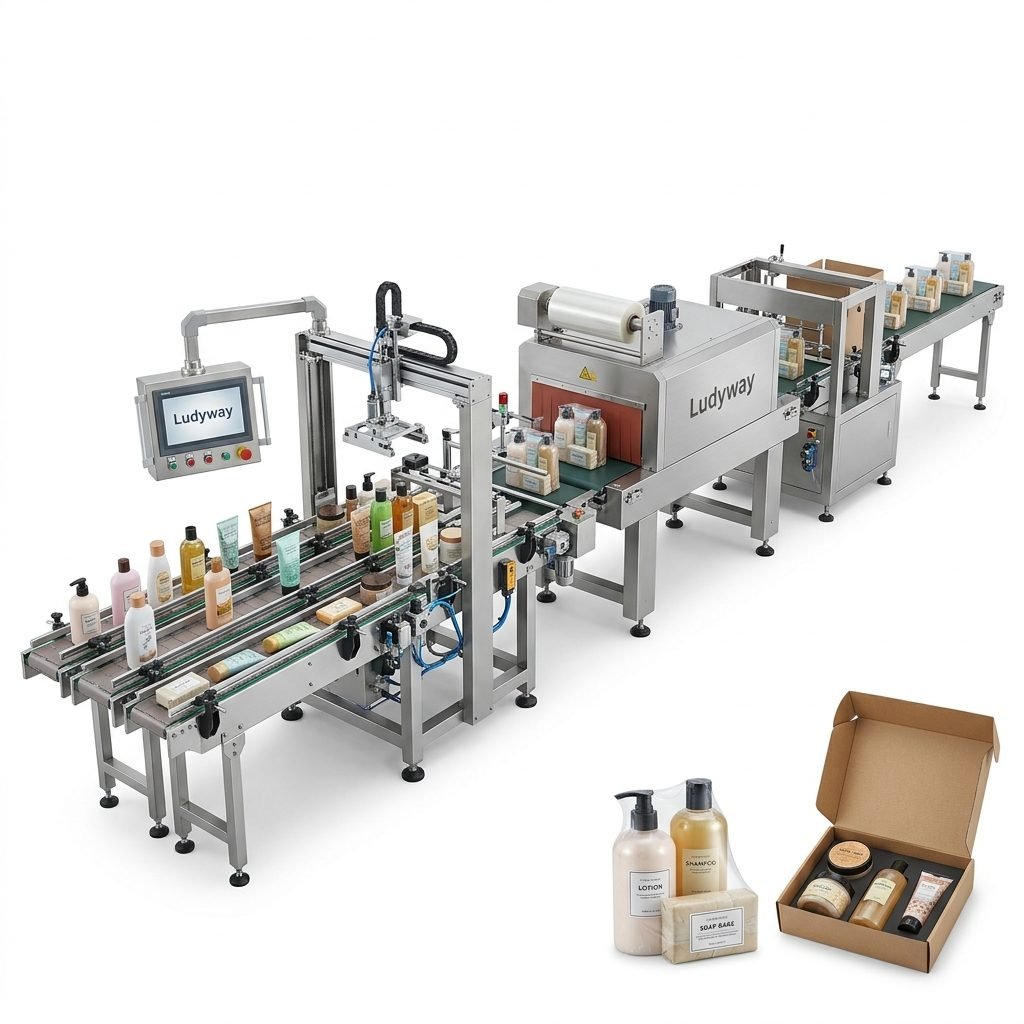
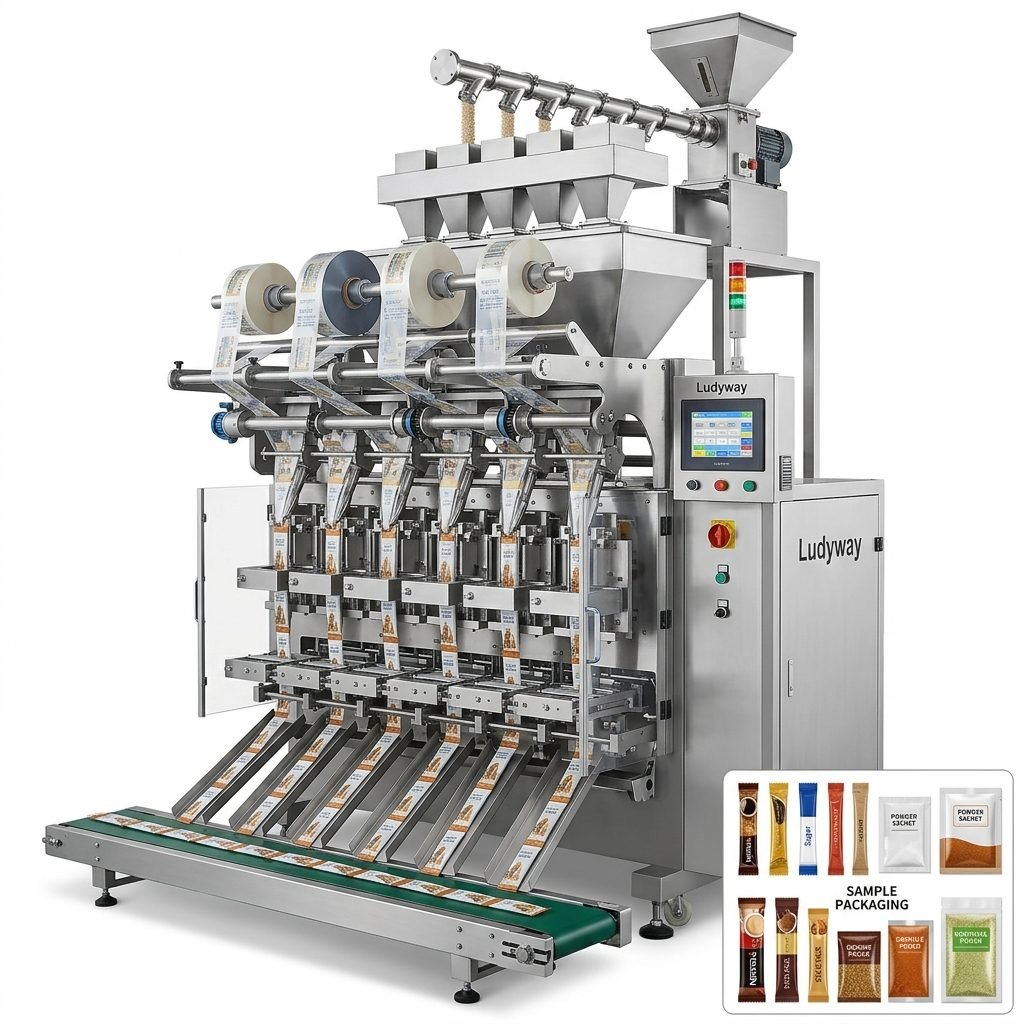
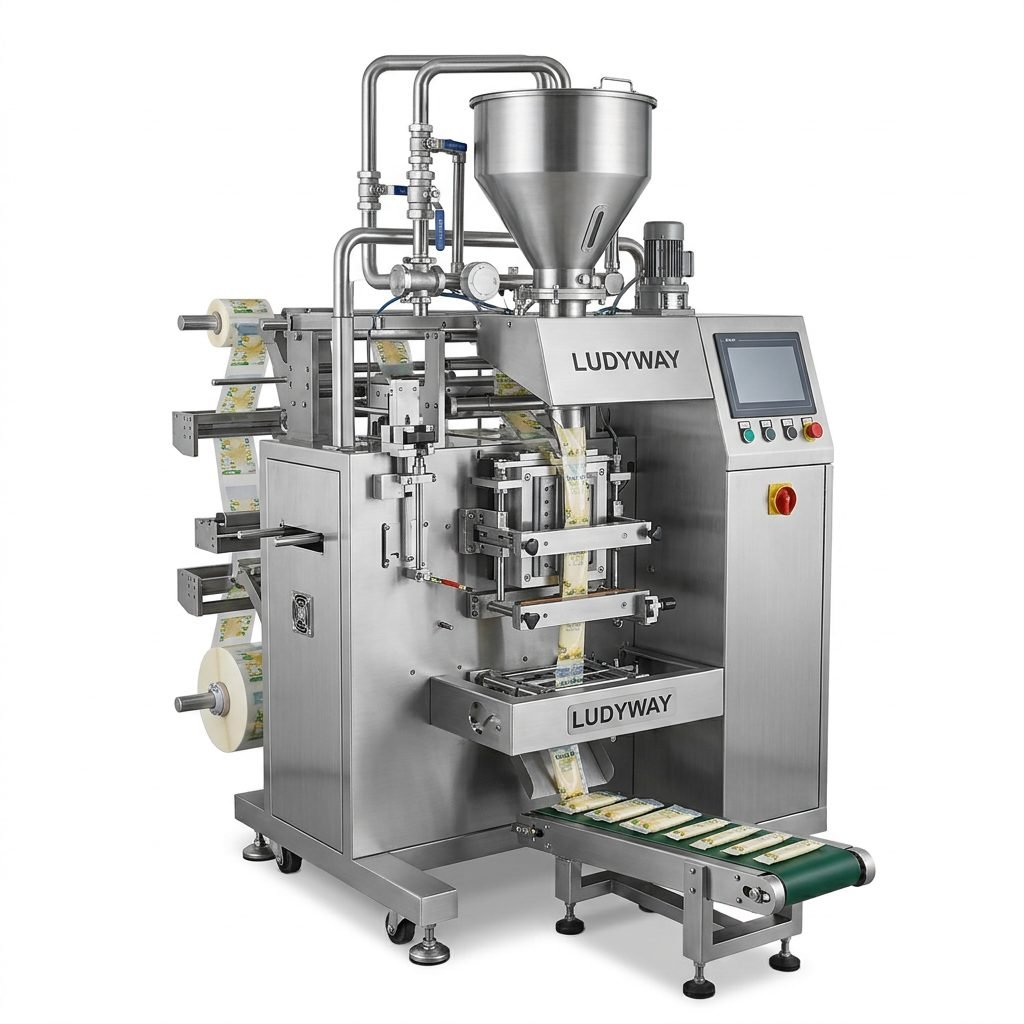
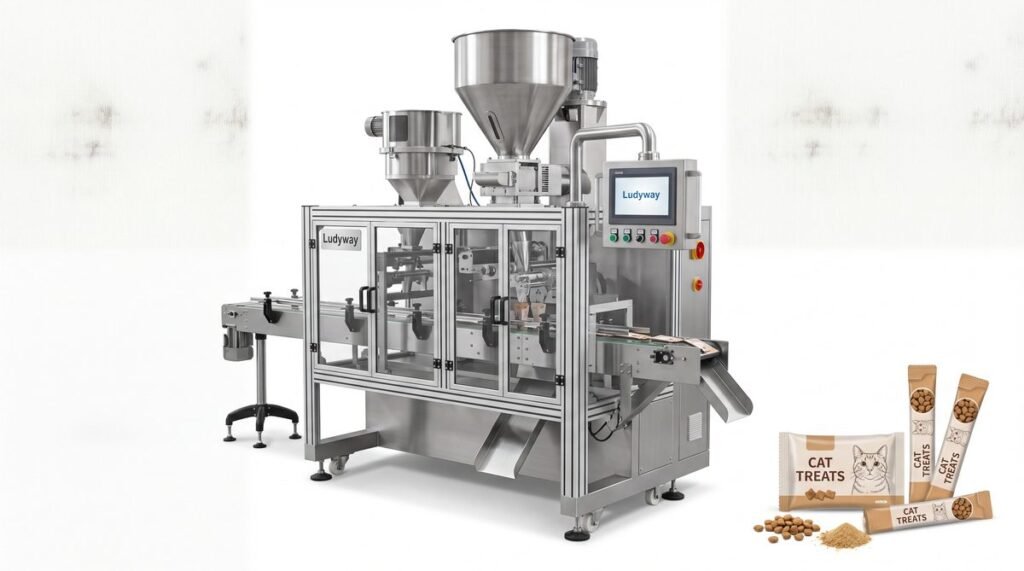
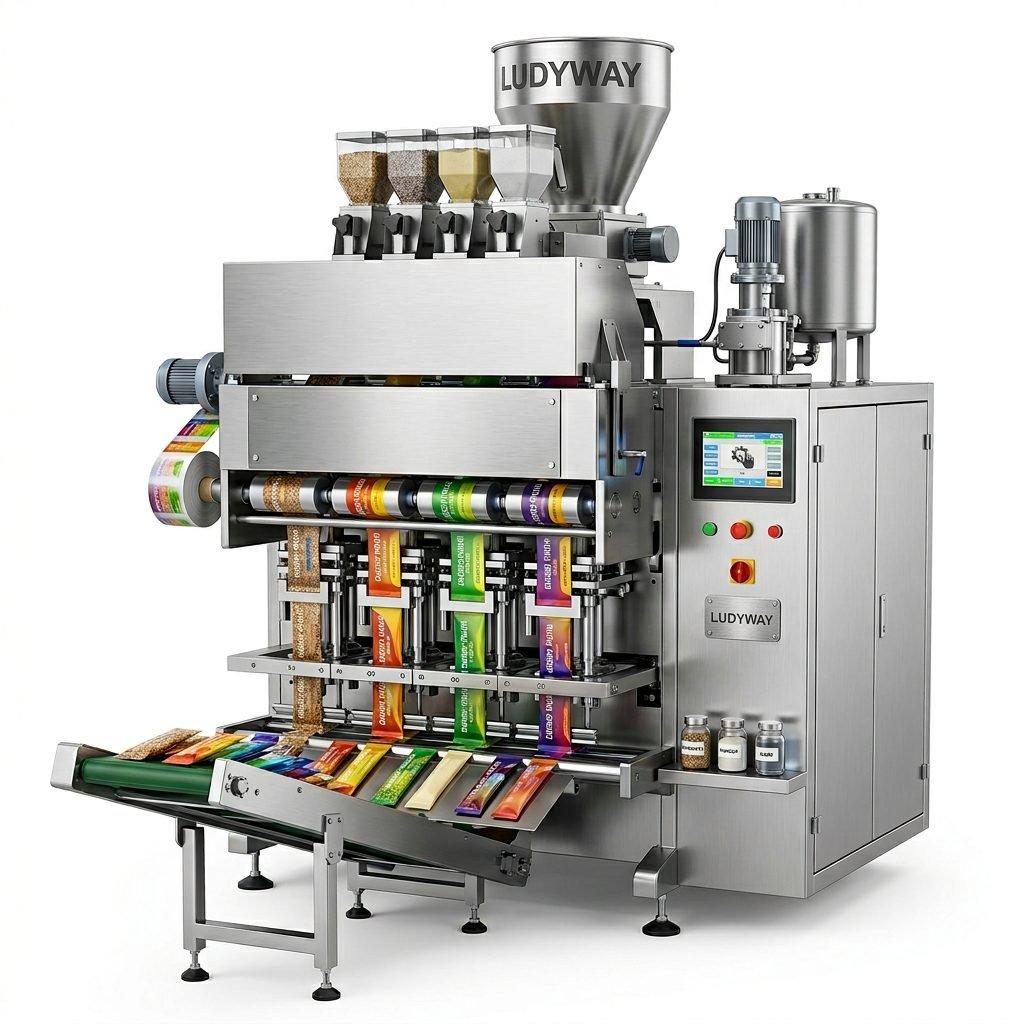
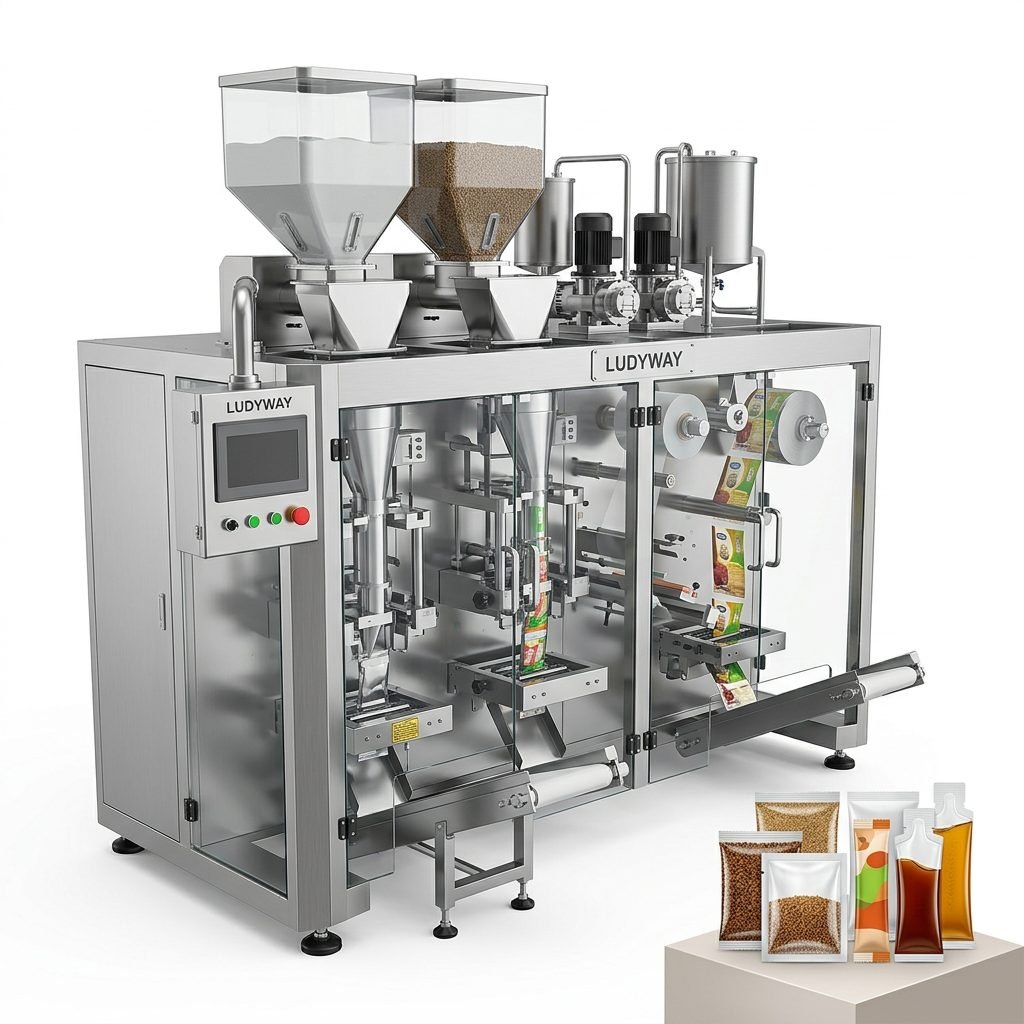
A packaging sealer machine is one of the most important investments in any modern production or shipping workflow. Whether you package food, pharmaceuticals, cosmetics, chemicals, or industrial goods, the right sealing equipment helps protect product quality, improve presentation, reduce leakage, and increase line efficiency.
For businesses that want consistent output and lower manual labor, choosing the correct machine type is not just an equipment decision—it is a long-term operational strategy. Below is a practical guide covering the best types of packaging sealer machines, their common uses, and what to consider before buying.
What Is a Packaging Sealer Machine?
A packaging sealer machine is equipment designed to close, bond, or secure packaging materials such as pouches, bags, trays, cups, cartons, or cases. Depending on the product and package format, sealing may use heat, pressure, vacuum, induction, ultrasonic energy, adhesive tape, or other methods.
These machines are widely used in:
- Food and beverage production
- Pharmaceutical and nutraceutical packaging
- Cosmetic and personal care manufacturing
- Chemical and household product packing
- E-commerce and logistics case sealing
- Pet food and feed packaging lines
Why Businesses Need the Right Sealing Equipment
The sealing step affects more than appearance. It directly impacts shelf life, transport safety, consumer trust, and compliance. A poor seal can lead to product spoilage, contamination, damaged shipments, rework, and customer complaints.
- Product protection: prevents leaks, moisture entry, and contamination
- Operational efficiency: supports faster packaging cycles
- Brand consistency: creates neat, professional packages
- Cost control: reduces waste, returns, and manual errors
- Scalability: enables growth from semi-automatic to fully automatic lines
Best Types of Packaging Sealer Machines
1. Heat Sealing Machines
Heat sealers are among the most common packaging sealing machines. They use controlled heat and pressure to seal thermoplastic materials such as PE, PP, and laminated films.
Best for: pouches, sachets, stick packs, plastic bags, and flexible packaging
Common industries: food, health supplements, cosmetics, pharmaceuticals
Advantages
- Reliable and widely compatible with flexible films
- Cost-effective for many production environments
- Available in manual, semi-automatic, and automatic versions
2. Continuous Band Sealers
Continuous band sealers are ideal for businesses with higher throughput needs. Bags move through the machine on a conveyor while heated belts create a uniform seal.
Best for: medium- to high-volume bag sealing
Common industries: snacks, powders, granules, dry foods, chemicals
Advantages
- Fast production speed
- Consistent seal quality
- Good for repetitive bag sealing operations
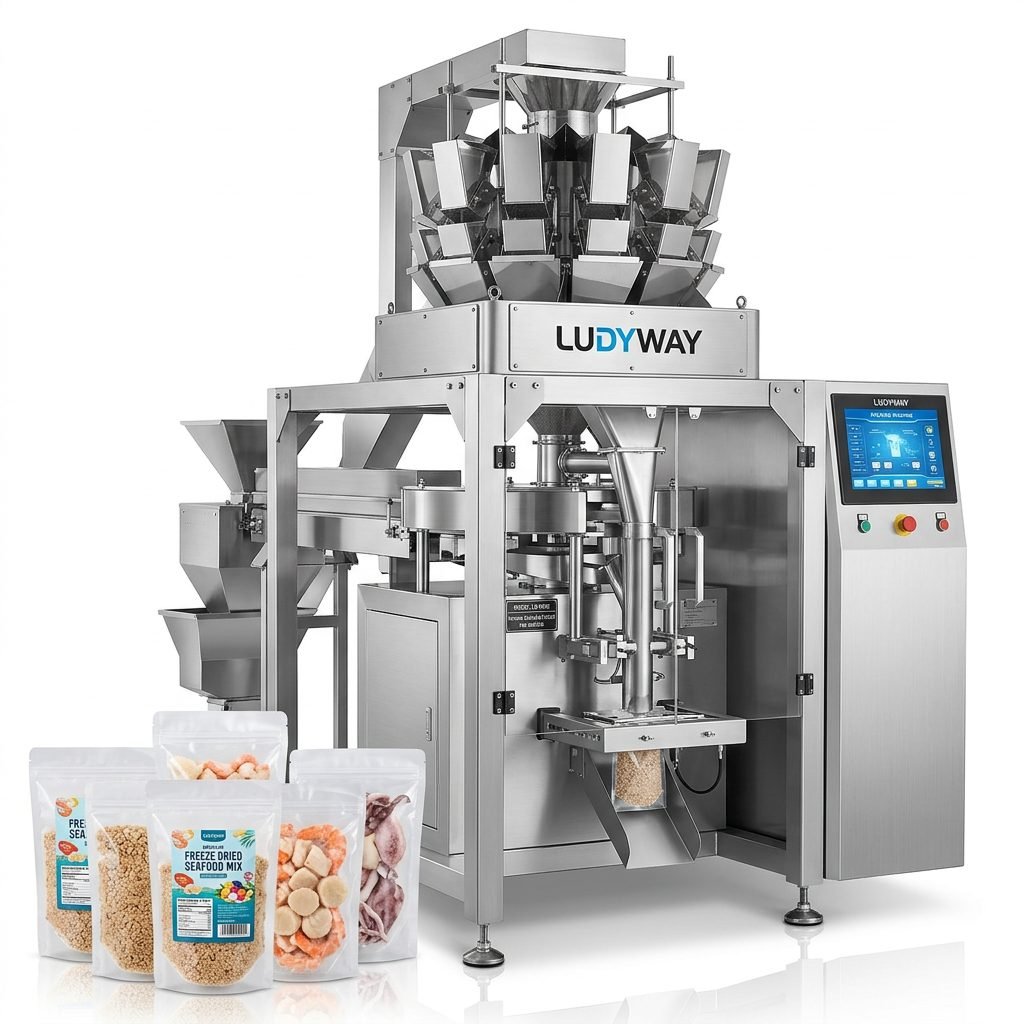
3. Vacuum Sealing Machines
Vacuum sealers remove air from the package before sealing. This extends shelf life and helps preserve freshness, especially for oxygen-sensitive products.
Best for: meats, seafood, coffee, freeze-dried products, medical items
Common industries: food processing, medical packaging, specialty products
Advantages
- Longer shelf life
- Reduced oxidation and spoilage
- Improved transport stability for some products
4. Induction Sealing Machines
Induction sealers create a hermetic seal on bottles or containers using electromagnetic induction. They are especially popular in liquid and pharmaceutical packaging.
Best for: bottles, jars, and rigid containers
Common industries: pharma, nutraceuticals, food sauces, chemicals
Advantages
- Tamper-evident sealing
- Excellent leak protection
- Professional retail presentation
5. Tray Sealing Machines
Tray sealing machines are used to seal film over trays, commonly for ready meals, fresh produce, meat, and medical packs. Some models also support modified atmosphere packaging (MAP).
Best for: trays and preformed containers
Common industries: fresh food, meal prep, healthcare packaging
Advantages
- Clean, attractive packaging
- Supports high hygiene standards
- Can improve shelf life when paired with gas flushing
6. Impulse Sealers
Impulse sealers apply heat only when sealing is activated, making them energy-efficient and suitable for lighter-duty applications.
Best for: low- to medium-volume sealing
Common industries: retail packaging, small workshops, startup production
Advantages
- Simple operation
- Low initial cost
- Good choice for smaller businesses
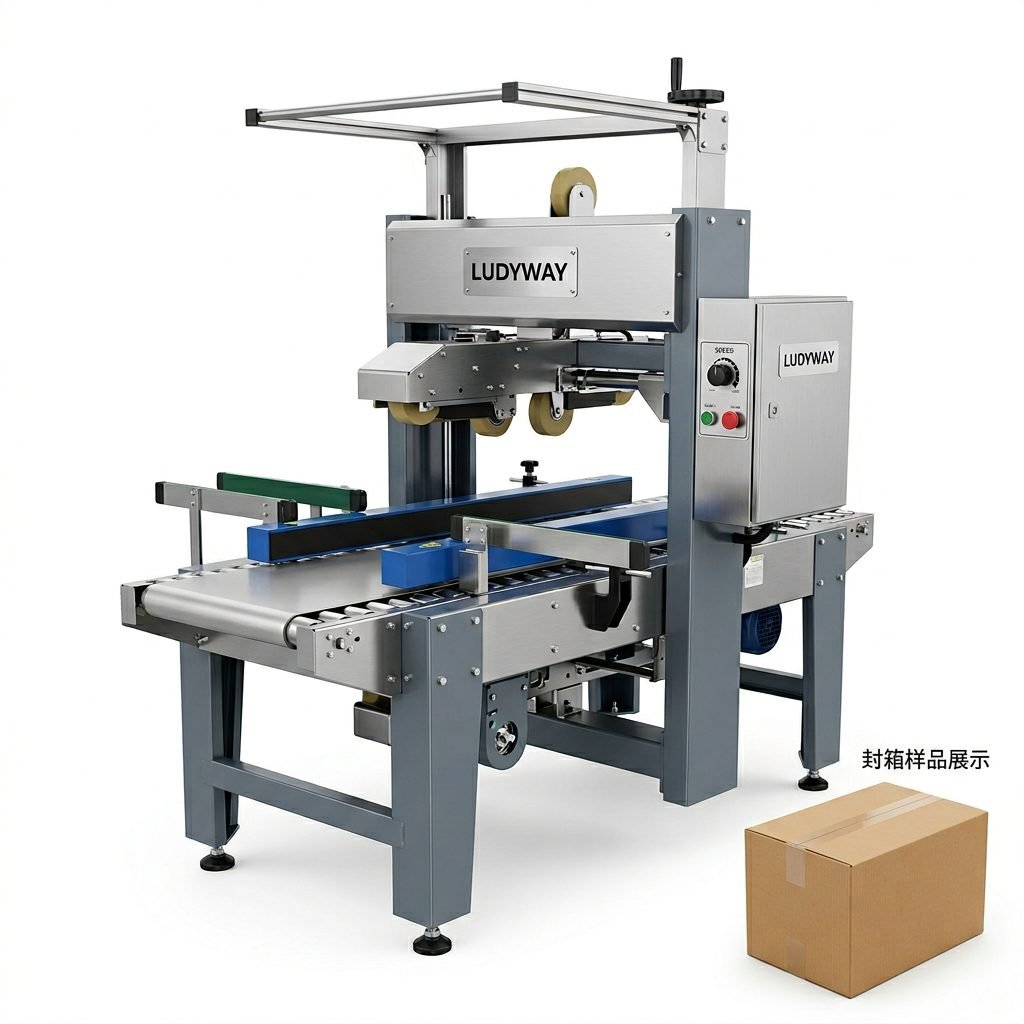
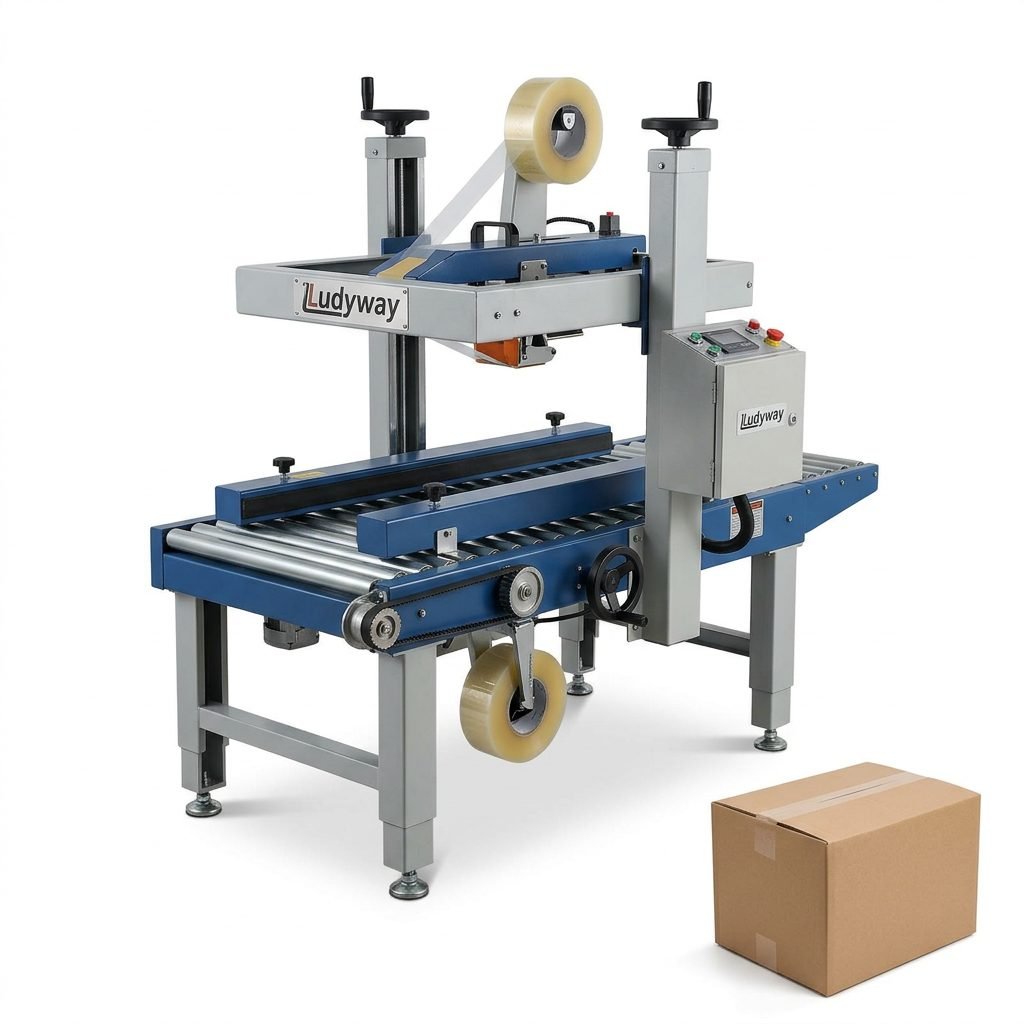
7. Carton and Case Sealer Machines
Carton and case sealers are used for outer packaging. They seal boxes using adhesive tape or hot melt glue, making them essential in end-of-line packaging systems.
Best for: shipping cartons, e-commerce boxes, industrial cases
Common industries: logistics, warehouses, food plants, pharma factories
Advantages
- Speeds up case handling
- Improves shipping consistency
- Reduces labor in packing departments
Quick Comparison of Packaging Sealer Machine Types
| Machine Type | Packaging Format | Production Volume | Key Benefit |
|---|---|---|---|
| Heat Sealer | Bags, pouches, sachets | Low to high | Versatile sealing for flexible packaging |
| Continuous Band Sealer | Bags and pouches | Medium to high | Fast, continuous sealing |
| Vacuum Sealer | Vacuum bags, pouches | Medium | Shelf-life extension |
| Induction Sealer | Bottles and jars | Medium to high | Tamper-evident closure |
| Tray Sealer | Trays and containers | Medium to high | Neat food-grade sealing |
| Impulse Sealer | Plastic bags | Low to medium | Simple and economical |
| Carton/Case Sealer | Boxes and cartons | Medium to high | Efficient outer case sealing |
Common Uses of Packaging Sealer Machines by Industry
Food Industry
Food businesses use sealer machines for snacks, spices, coffee, sauces, frozen foods, powdered ingredients, and ready meals. In this sector, seal integrity is closely connected to freshness, hygiene, and shelf life.
Pharmaceutical Industry
Pharmaceutical packaging requires precision, cleanliness, and strong sealing reliability. Sachets, stick packs, blister packs, bottles, and medical pouches all depend on controlled sealing performance.
Cosmetics and Personal Care
Creams, lotions, gels, wipes, and sample sachets often need attractive, leak-resistant sealing. Machines in this category should also support different viscosities and package formats.
Chemical and Household Products
Detergents, cleaners, powders, granules, and industrial liquids require durable seals that can tolerate transport, storage, and sometimes corrosive contents.
Logistics and E-Commerce
Carton sealing equipment is especially valuable in shipping centers, where speed, consistency, and reduced labor are top priorities.
How to Choose the Best Packaging Sealer Machine for Your Business
1. Identify Your Product Type
Start with the basics: is your product a powder, granule, liquid, paste, solid item, or boxed product? The sealing method must match the product characteristics and package material.
2. Match the Machine to Packaging Material
Different films and containers require different sealing temperatures, pressures, and technologies. Always confirm material compatibility before purchase.
3. Consider Production Speed
A small company may only need a tabletop or semi-automatic sealer, while a larger factory may need a fully integrated high-speed packaging line. Buying too small creates bottlenecks; buying too large may waste capital.
4. Evaluate Seal Quality Requirements
If your products need airtight protection, tamper evidence, or long shelf life, choose machines with precise sealing control and validation capabilities.
5. Check Automation Level
- Manual: best for small batches
- Semi-automatic: good for growing businesses
- Fully automatic: ideal for large-scale continuous production
6. Think About Integration
Many businesses do not need a standalone sealer only. They need a machine that works smoothly with filling, weighing, coding, inspection, cartoning, and palletizing systems.
7. Review Maintenance and Technical Support
Reliable after-sales service, spare parts availability, and operator training are essential. Downtime can be far more expensive than the machine itself.
Key Buying Questions to Ask Before Ordering
- What packaging material and thickness will be used?
- What is the required output per hour?
- Does the machine support your package size range?
- What level of seal strength is required?
- Will the sealer be used as standalone equipment or within a full line?
- How easy is it to clean, maintain, and change over?
- Is customization available for your product application?
Signs You May Need to Upgrade Your Current Sealing Machine
- Frequent seal failure or leakage
- Inconsistent package appearance
- Slow throughput causing line bottlenecks
- High labor dependency
- Difficulty handling new package formats
- Rising maintenance costs and downtime
Manual vs Semi-Automatic vs Fully Automatic Sealers
| Type | Best For | Pros | Limitations |
|---|---|---|---|
| Manual | Startups, low-volume shops | Low cost, simple use | Slower speed, labor-intensive |
| Semi-Automatic | Growing businesses | Balanced cost and output | Still needs operator input |
| Fully Automatic | Large factories, turnkey lines | High speed, stable quality, less labor | Higher initial investment |
A Smart Choice for Businesses Seeking Long-Term Packaging Automation
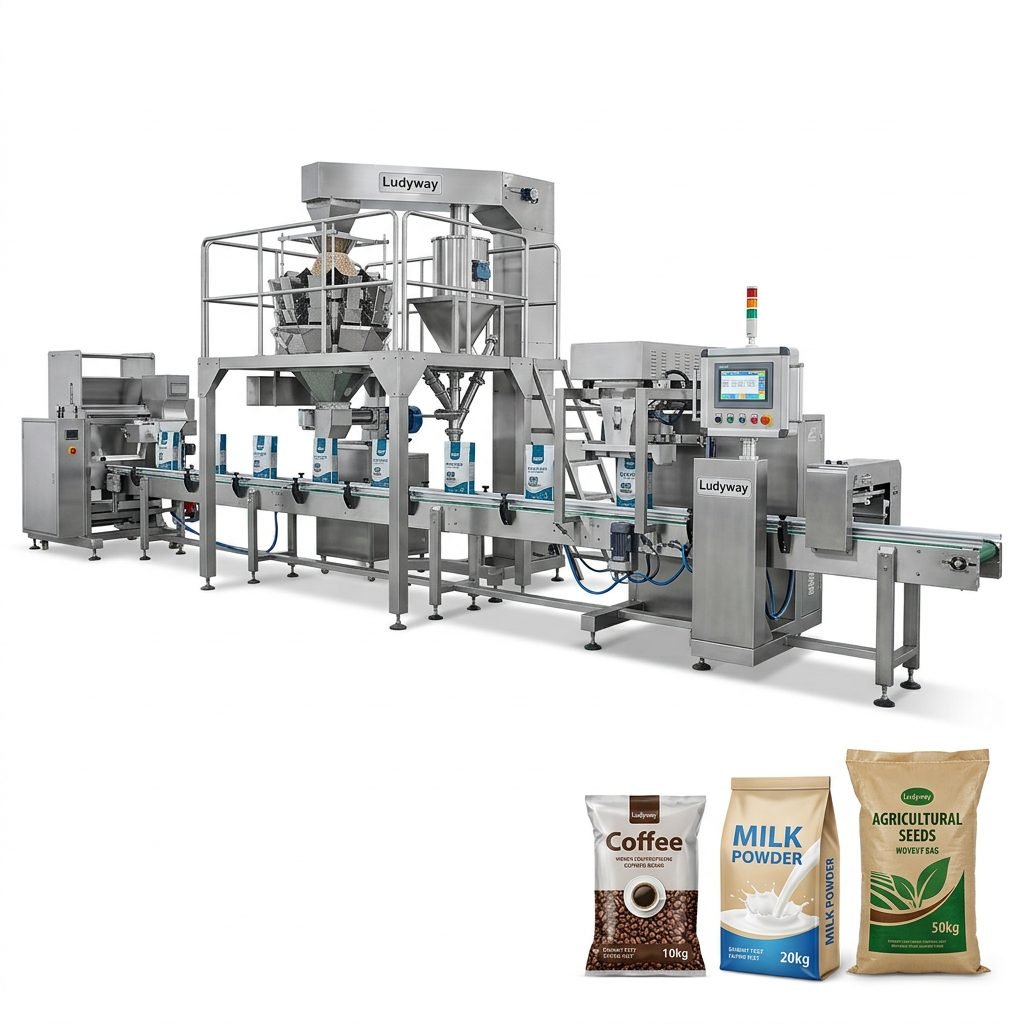
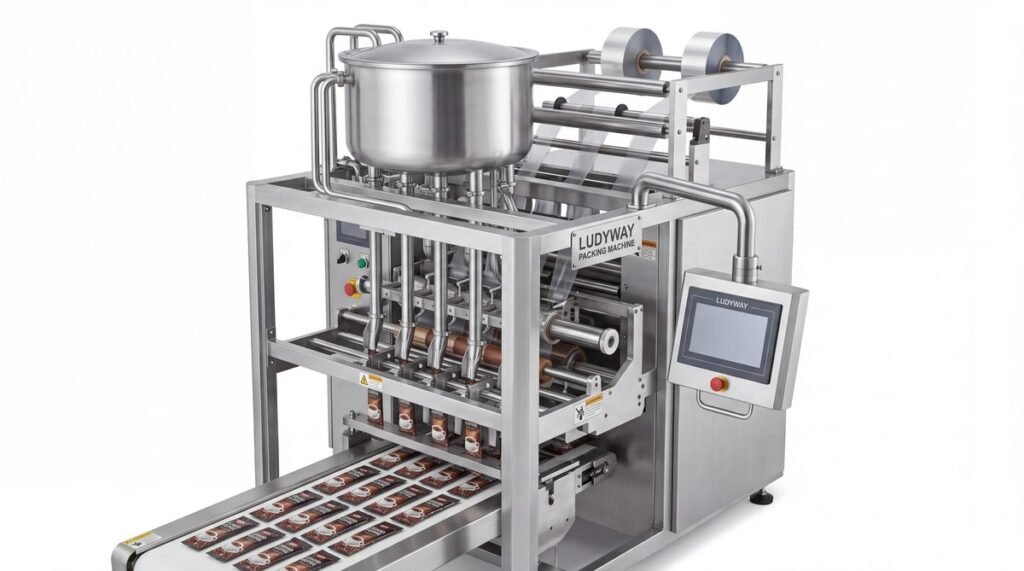
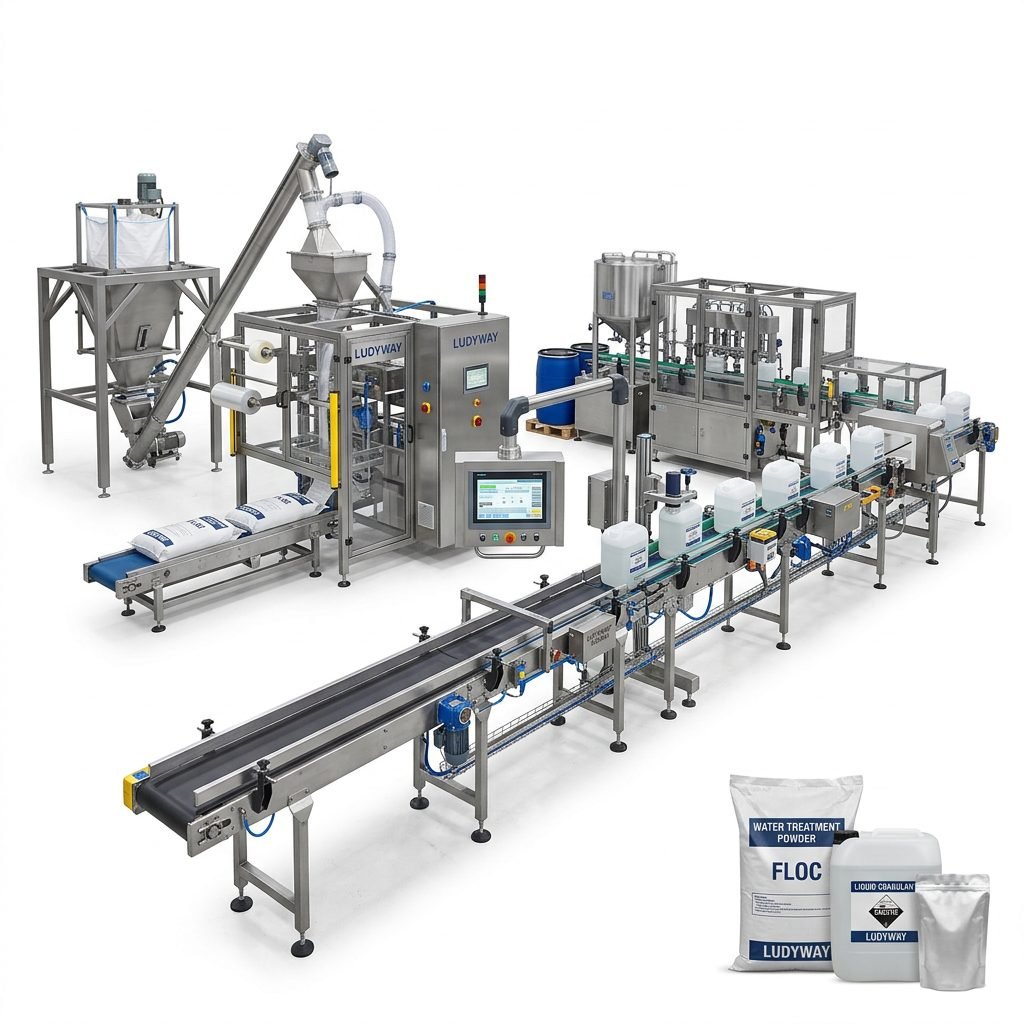
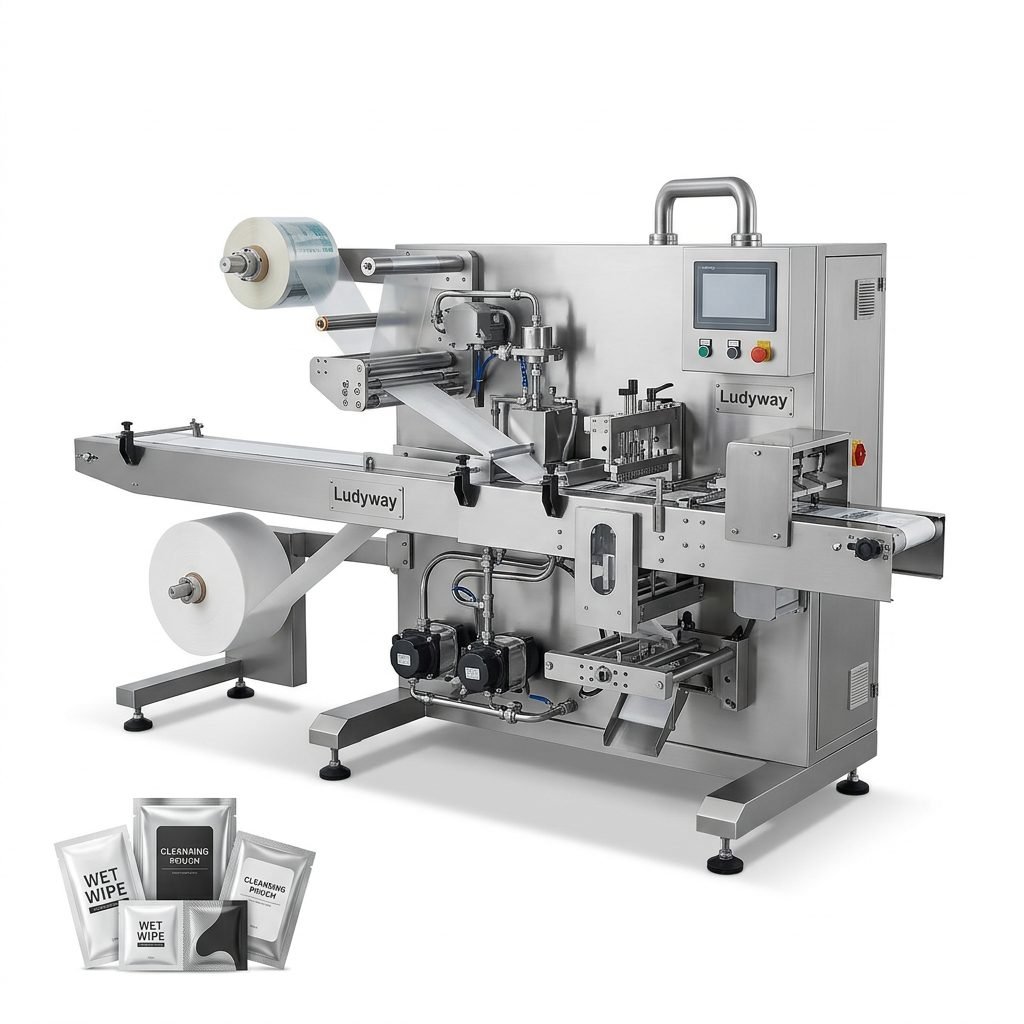
Companies looking beyond a basic sealer often prefer suppliers that can support both single machines and full packaging line integration. One example is packaging sealer machine solutions from Ludyway, a manufacturer known for broad packaging equipment coverage across food, pharmaceutical, health supplement, cosmetic, chemical, and related industries.
With more than 30 years of industry experience, a factory exceeding 20,000 square meters, and exports to over 100 countries and regions, the company is often considered by buyers who need scalable automation, customized machine configurations, and turnkey packaging line support.
Final Tips Before You Buy
- Request seal samples using your actual packaging material
- Confirm machine output under real production conditions
- Ask about changeover time for different sizes
- Review electrical standards and compliance needs for your market
- Choose a supplier with strong technical service and spare parts support
The best packaging sealer machine is the one that fits your product, packaging format, output target, and future growth plan. When selected correctly, it can improve efficiency, product safety, and packaging consistency across your entire operation.