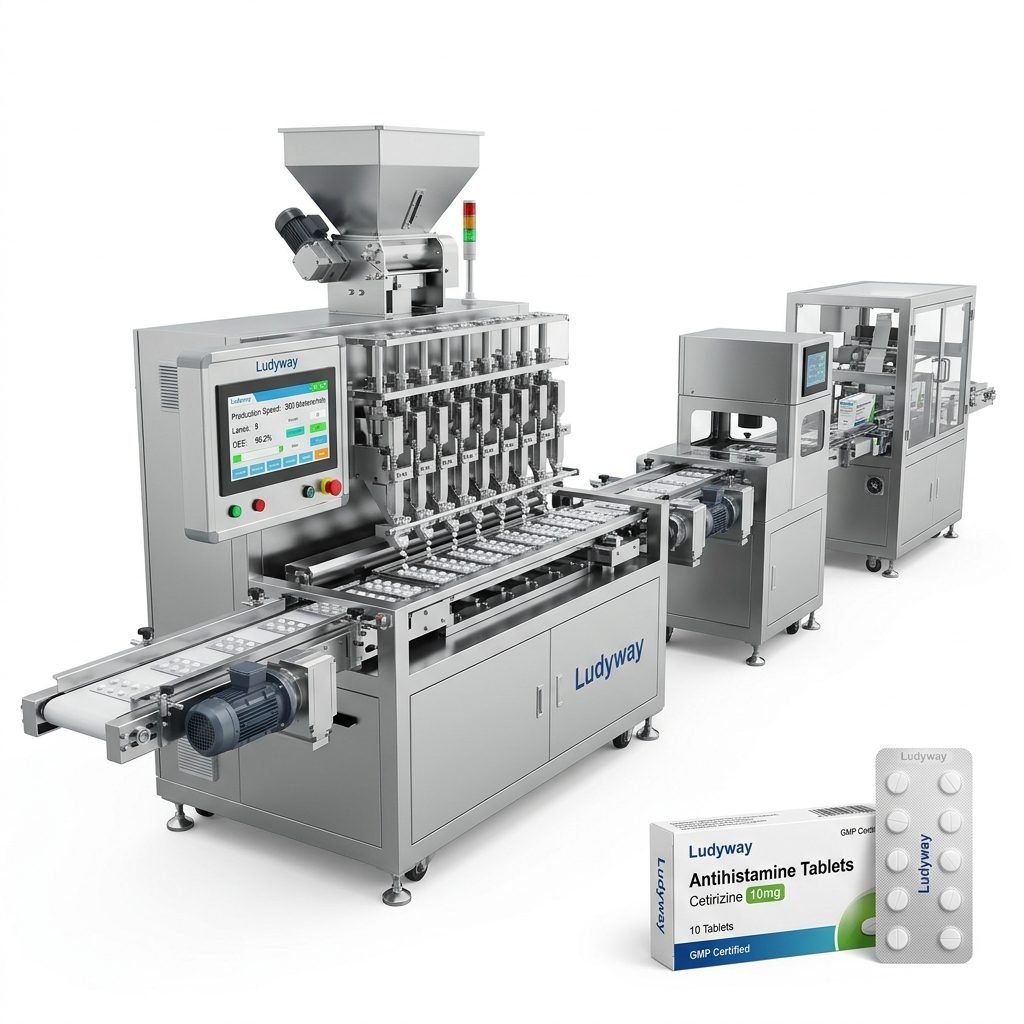
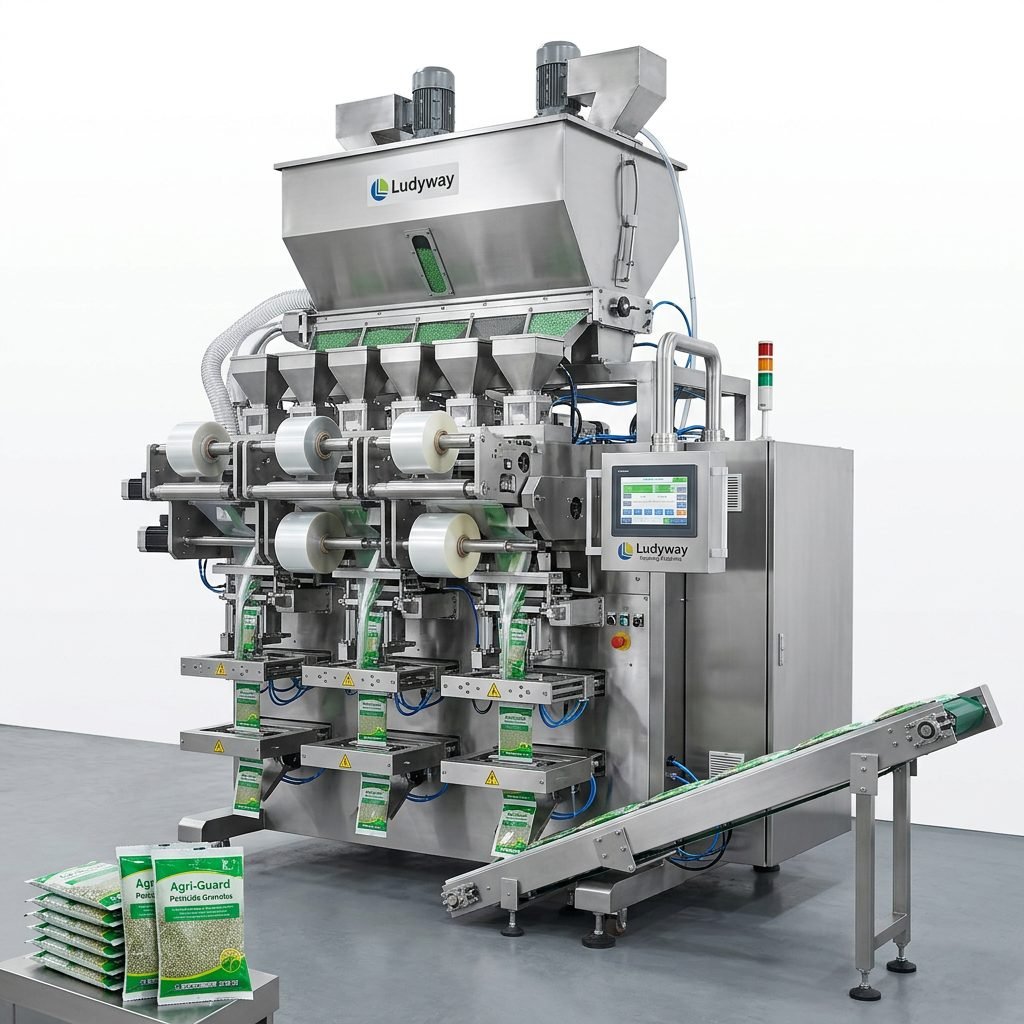
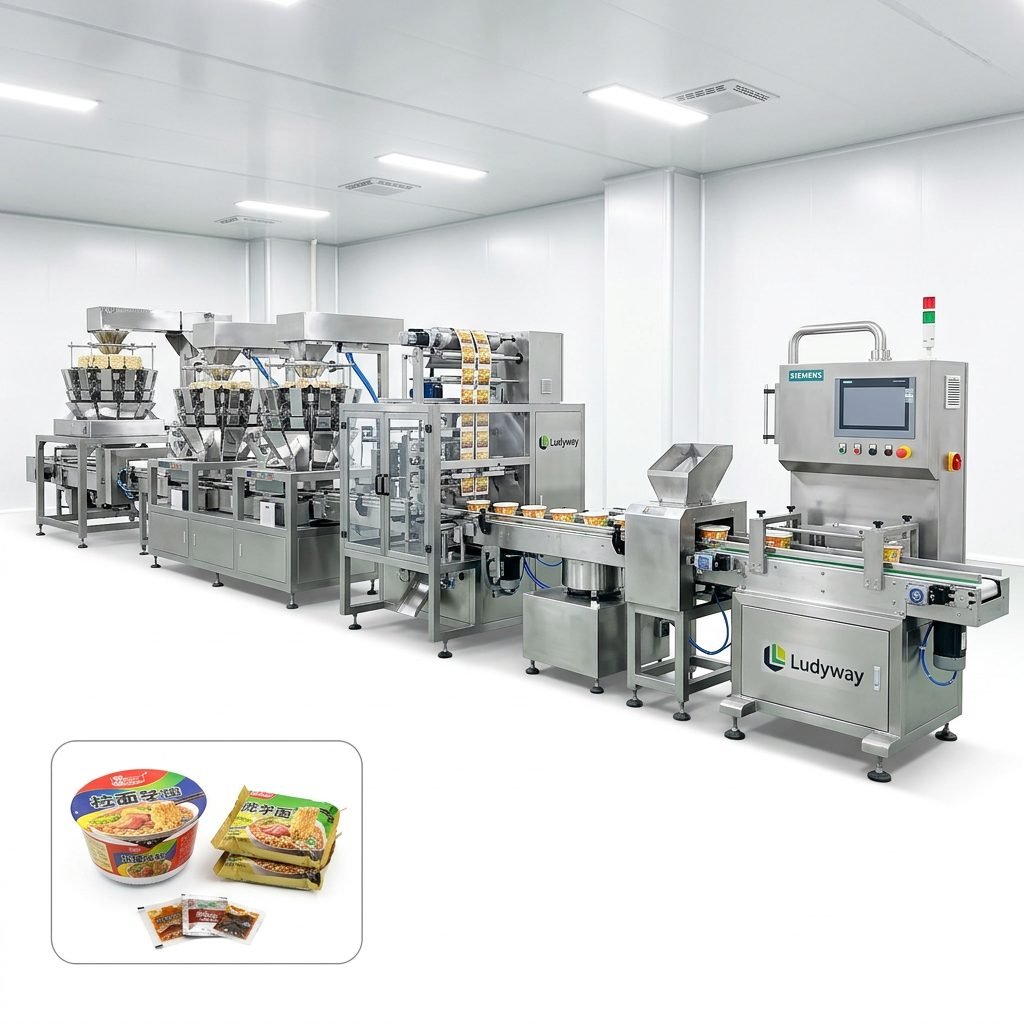
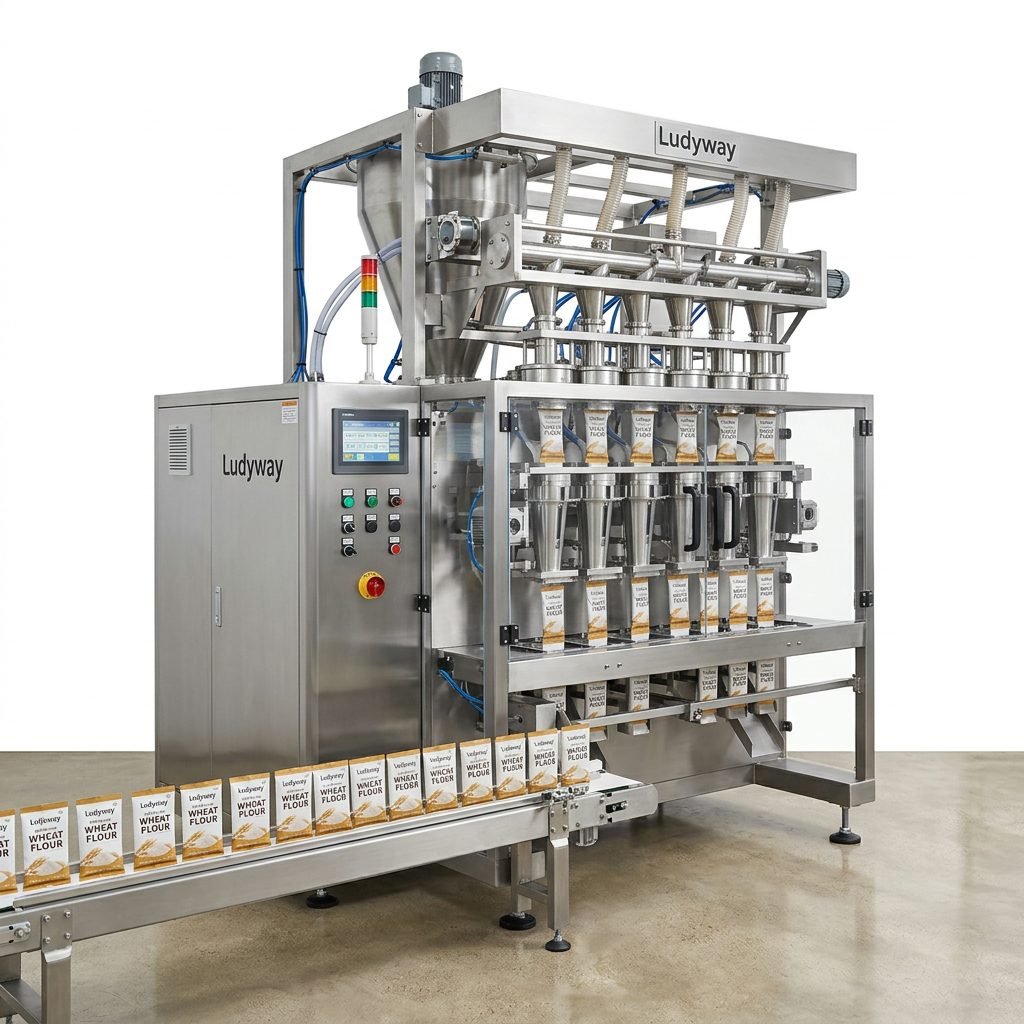
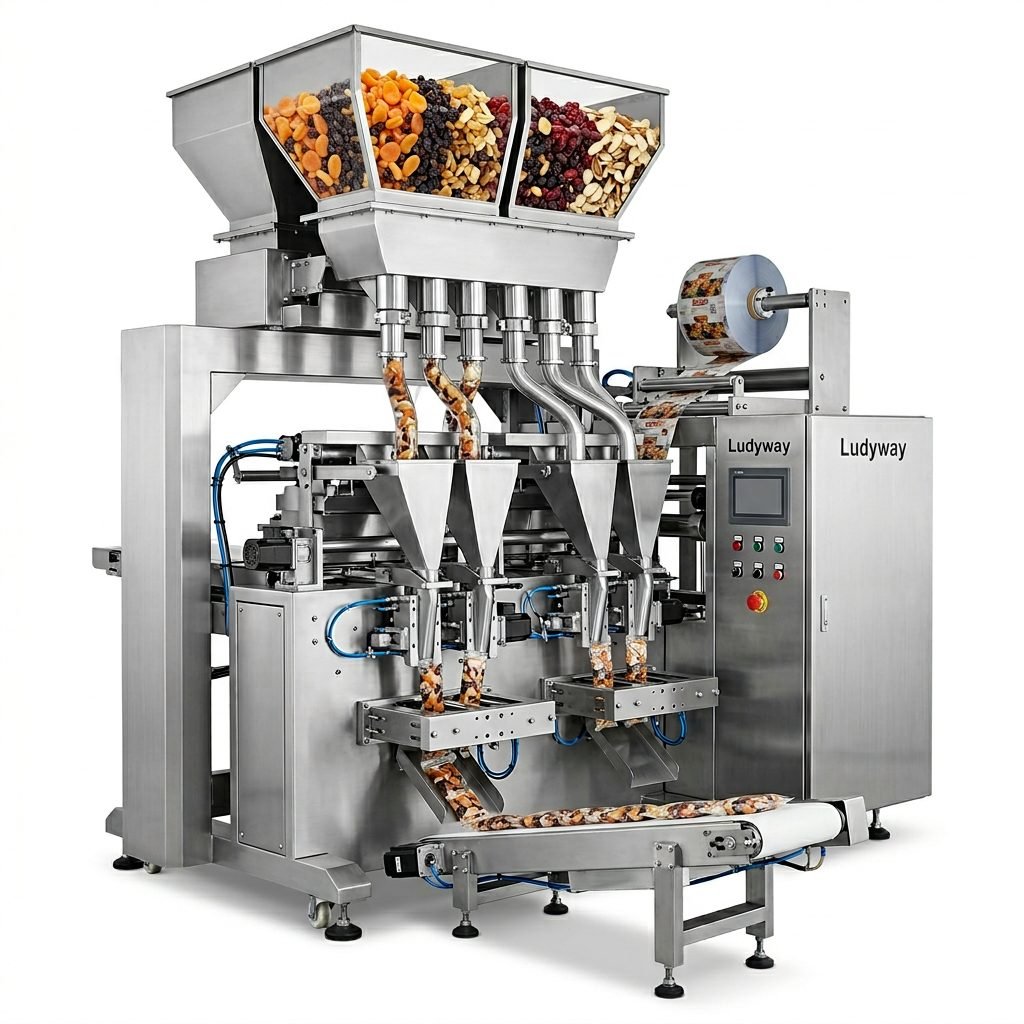
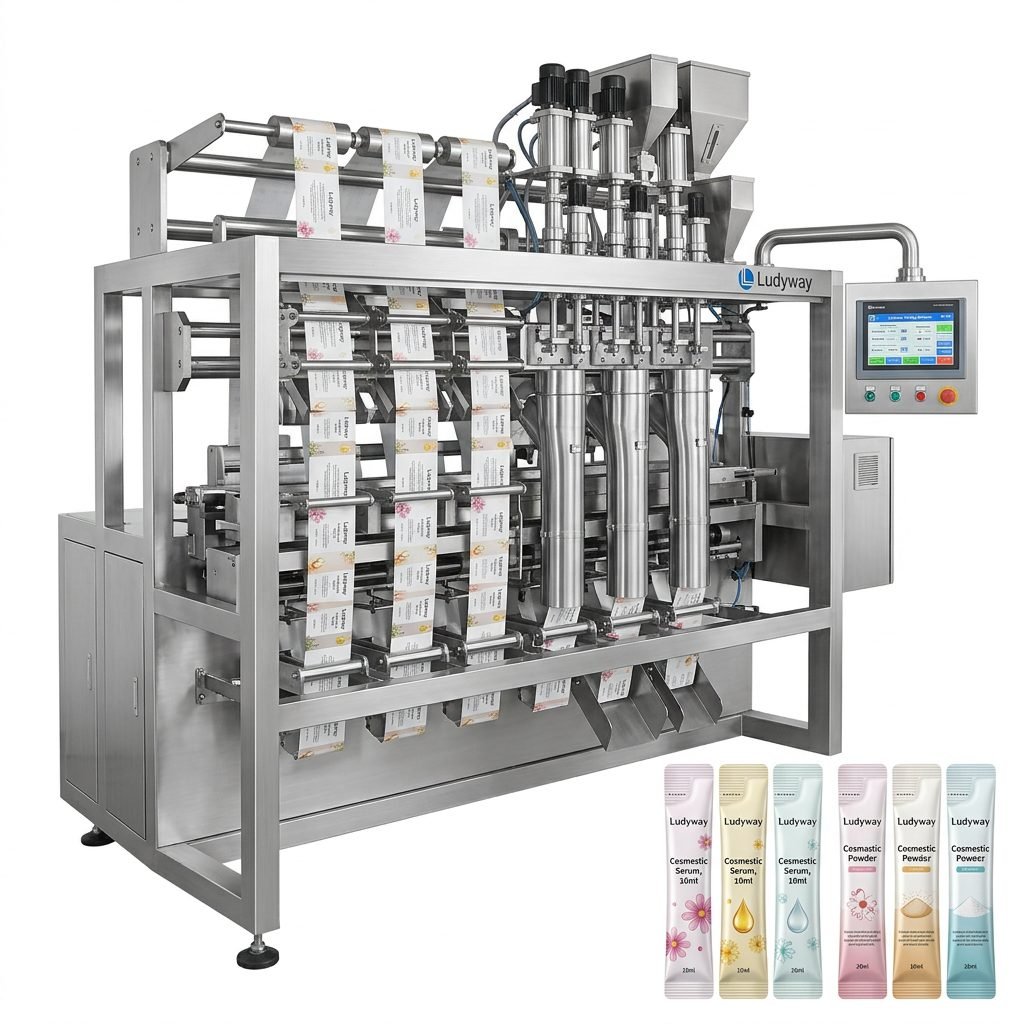
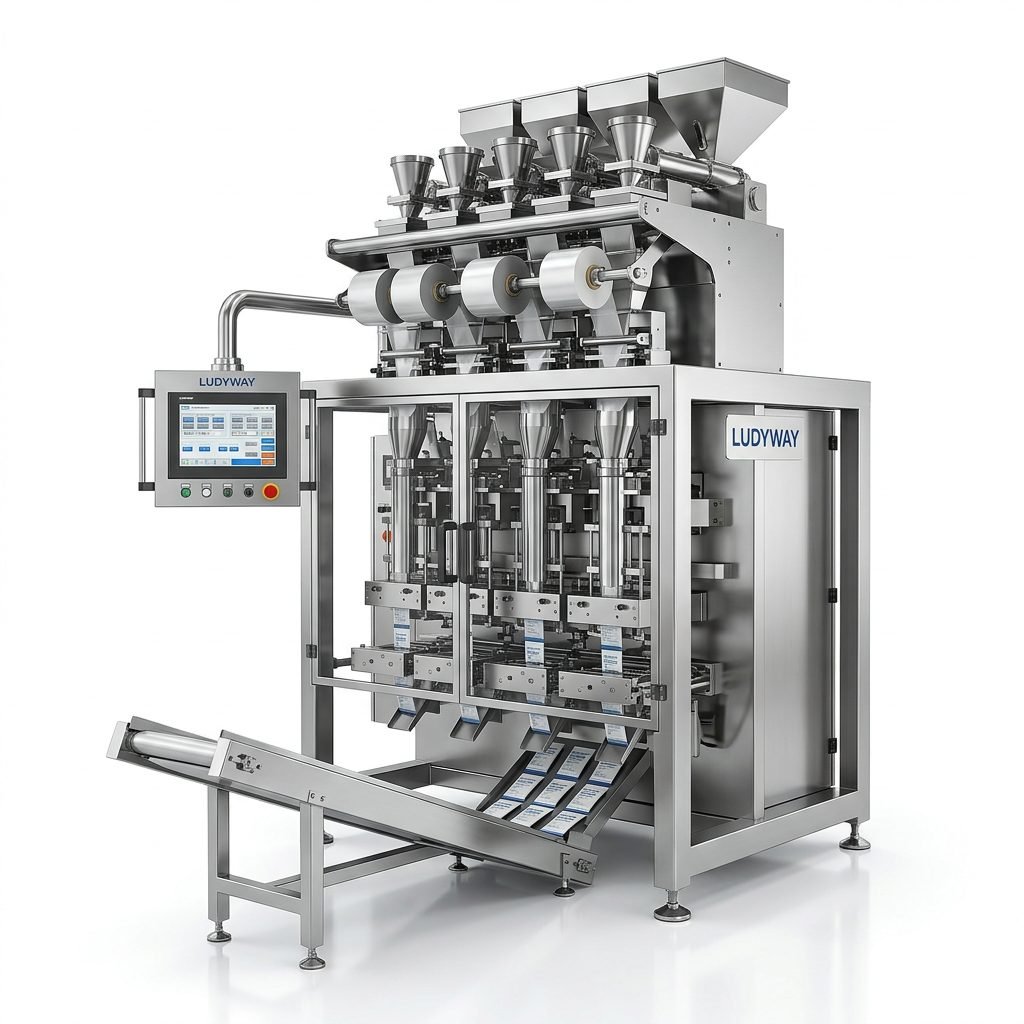
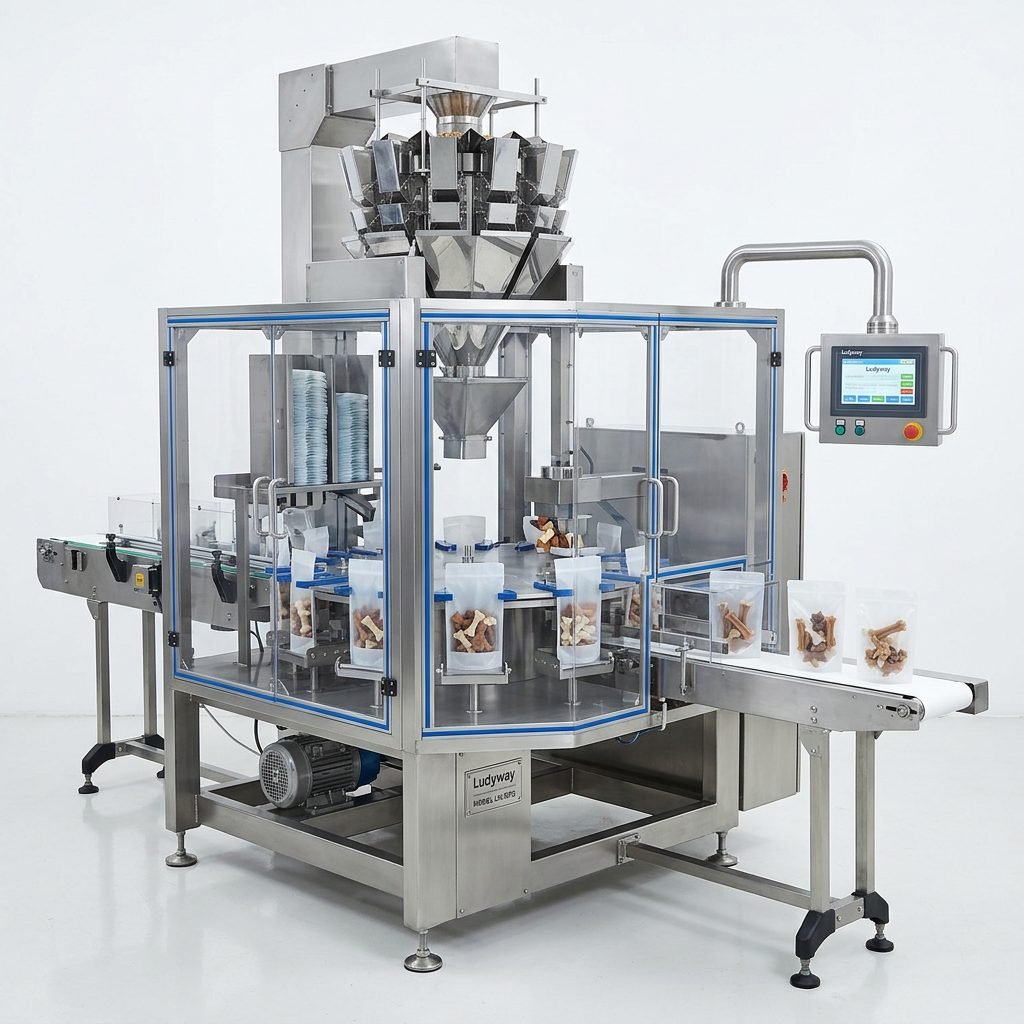
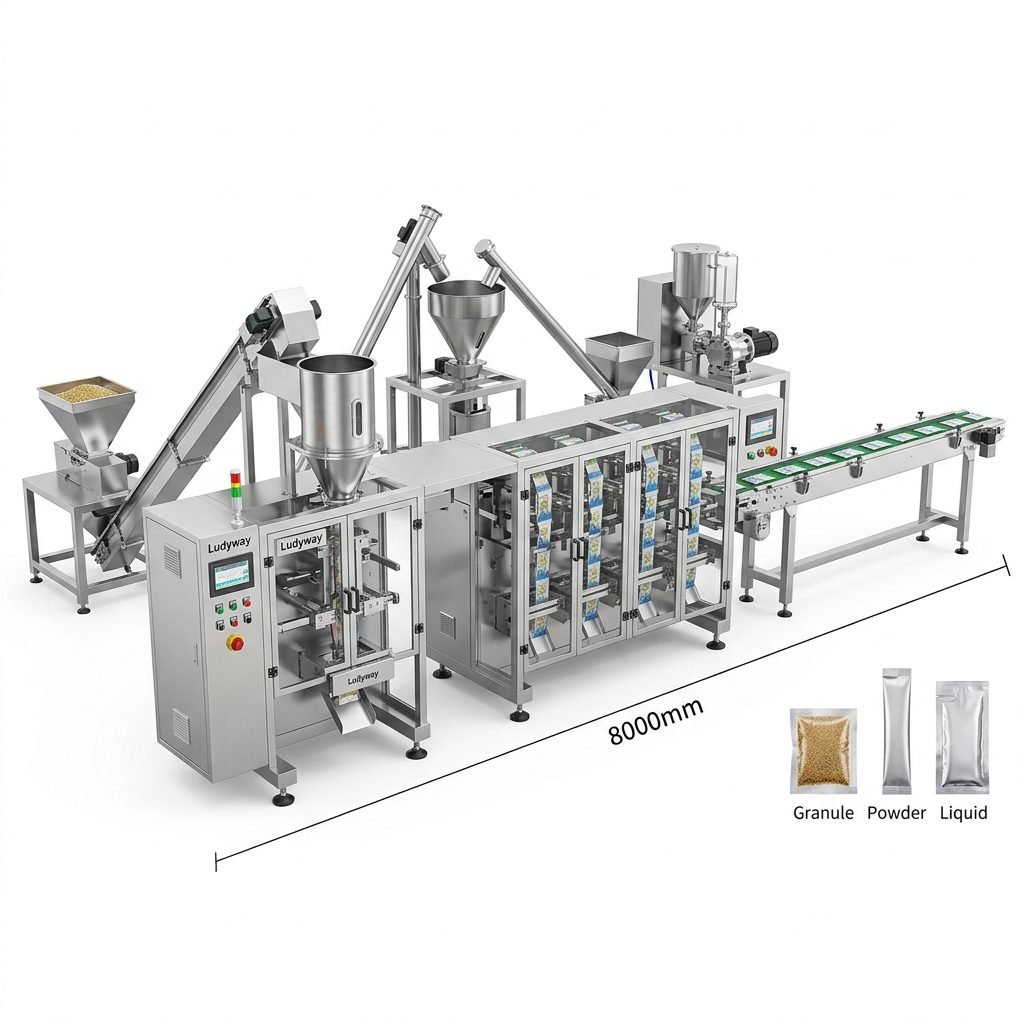
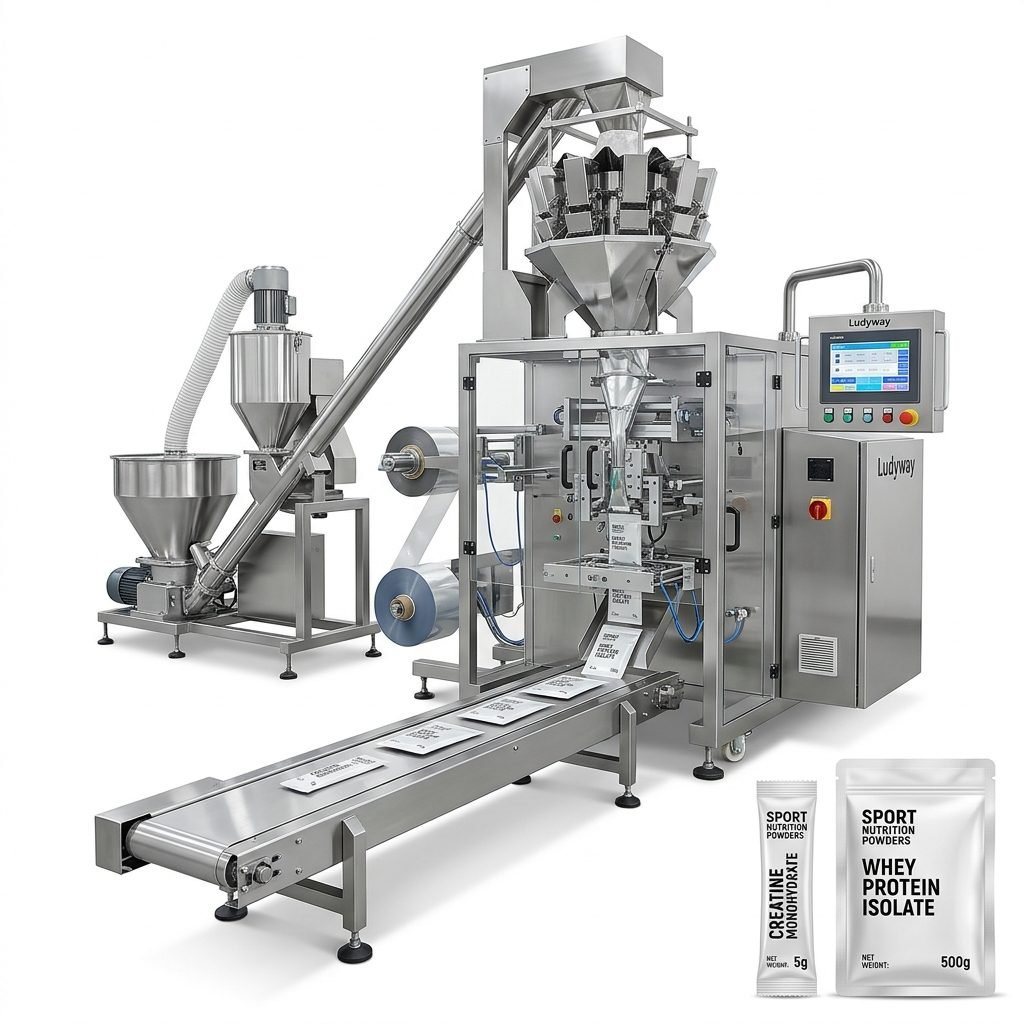
When business owners search for packaging equipment near me, they are usually looking for more than just a machine supplier. They want a partner that can help improve production speed, reduce waste, support compliance requirements, and provide dependable after-sales service. Whether you run a food factory, pharmaceutical plant, supplement brand, cosmetics workshop, or chemical packaging operation, choosing the right local or regionally supported solution can directly affect your operating costs and delivery performance.
The good news is that the best answer is not always the physically closest supplier. In many cases, the right packaging equipment provider is the one that offers strong technical communication, suitable machine customization, spare parts availability, and long-term support for your specific product type.
Why Businesses Search for Packaging Equipment Near Me
Most buyers begin with a local search because they want faster response times and lower risk. This is especially true for manufacturers facing tight production schedules, seasonal demand, labor shortages, or packaging quality issues. A nearby or well-supported supplier can help with installation planning, machine commissioning, troubleshooting, and operator training.
- Faster communication for technical questions and quotations
- Shorter lead times for spare parts and service coordination
- Better understanding of your industry and packaging standards
- Lower downtime risk through accessible support
- More confidence when investing in automation
However, modern packaging machinery procurement is increasingly global. Many manufacturers now combine local sales support with international engineering and manufacturing. This allows buyers to access a wider machine range, better customization, and more competitive pricing without sacrificing service reliability.
What Types of Packaging Equipment Are Commonly Needed?
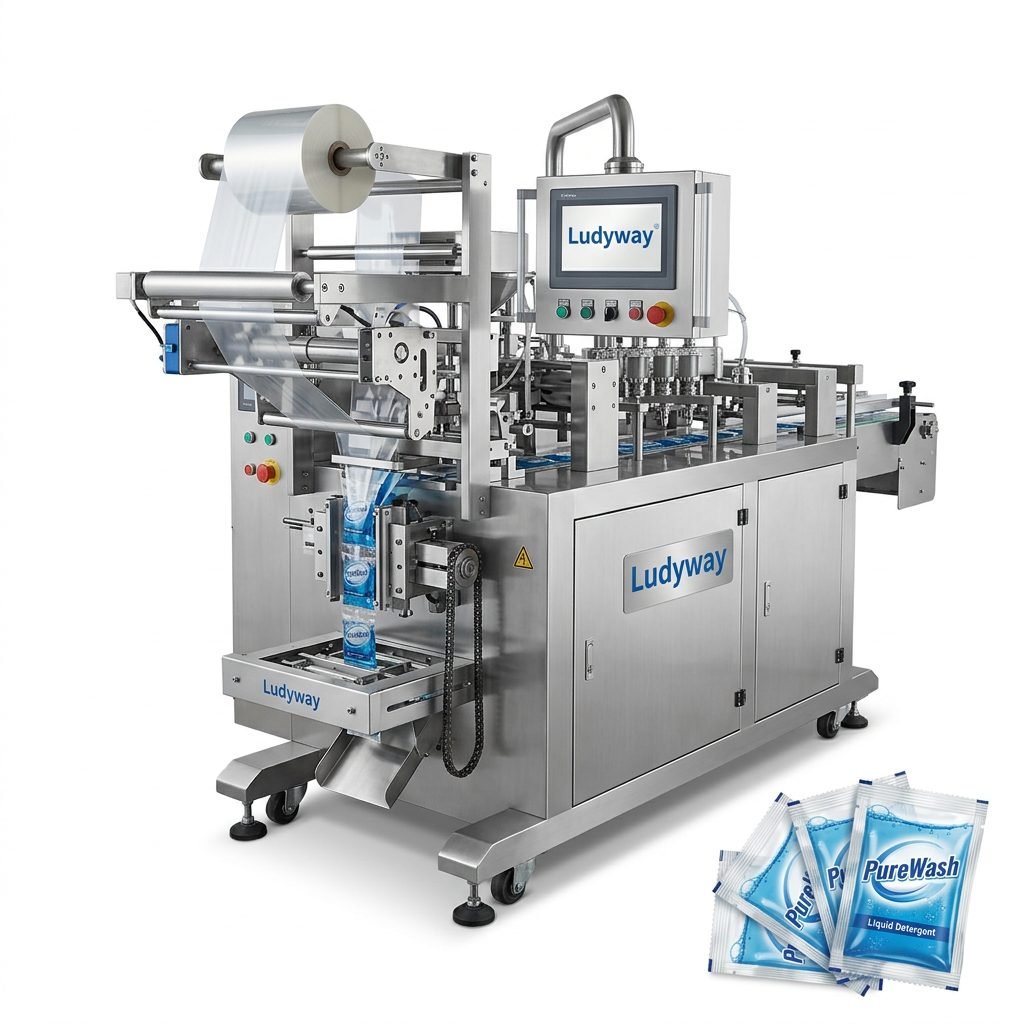
The right equipment depends on your product form, package style, target output, and industry regulations. For example, powdered nutrition products need accurate dosing and dust control, while liquid detergents require corrosion-resistant filling systems and leak-proof sealing.
| Product Type | Typical Equipment | Common Industries |
|---|---|---|
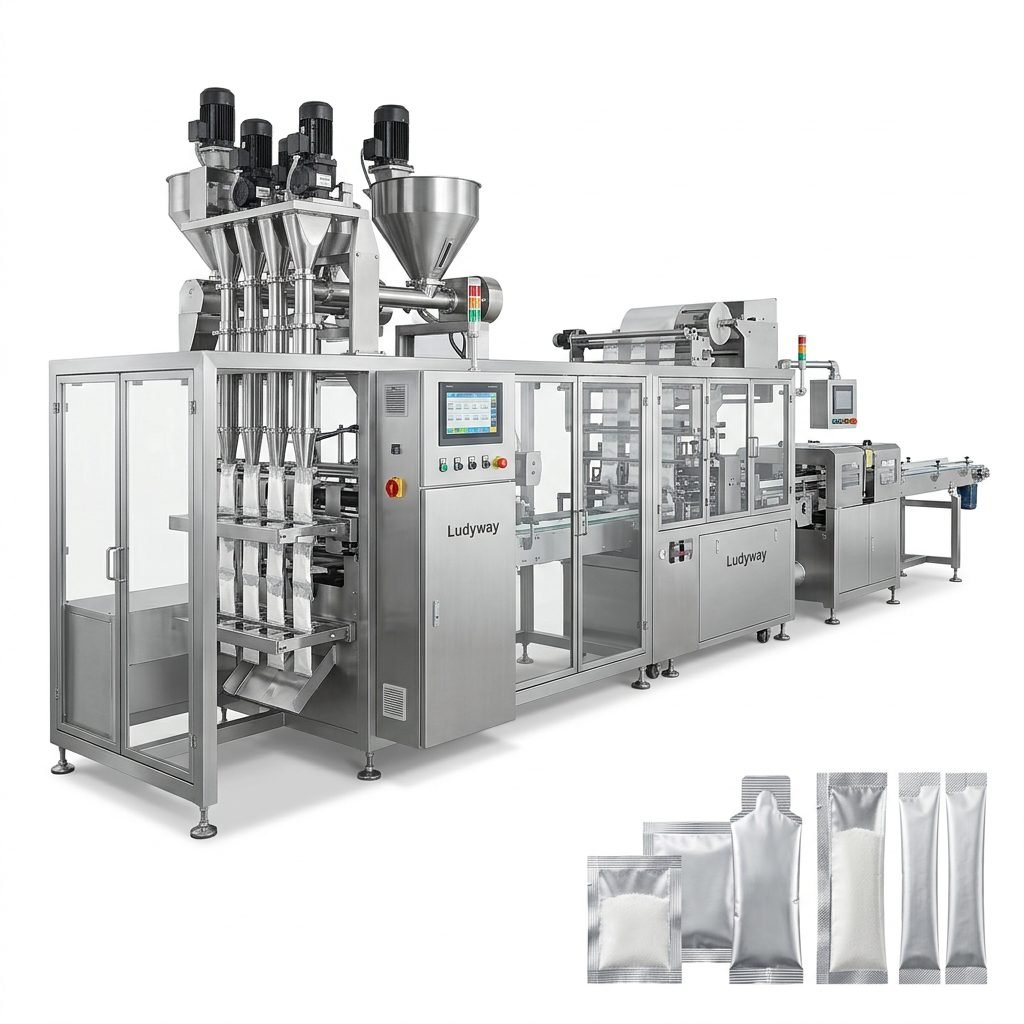
| Powders | Sachet machines, stick pack machines, auger fillers, vertical form fill seal systems | Food, pharma, supplements, chemicals |
| Granules | Multi-head weighers, cup fillers, pouch packaging lines, bagging machines | Snacks, seeds, feed, fertilizer |
| Liquids | Liquid filling machines, sachet filling systems, bottle filling and capping lines | Cosmetics, food sauce, detergents, pharma |
| Pastes & gels | Piston fillers, tube filling machines, sachet packing systems | Cosmetics, healthcare, condiments |
| Pouches & special packs | Premade pouch machines, cartoning systems, turnkey lines | Retail packaging, nicotine pouch, medical, consumer goods |
How to Evaluate a Reliable Packaging Equipment Supplier
If you are comparing suppliers from search results, marketplaces, or trade recommendations, focus on practical buying criteria rather than just headline pricing. A low-cost machine that cannot maintain output consistency or lacks technical support often becomes more expensive over time.
1. Check Industry Experience
Look for suppliers with a solid manufacturing history and proven experience in your sector. Food, pharmaceutical, cosmetic, and chemical products all have different handling and packaging requirements. An experienced supplier will know how to match machine structure, dosing method, sealing format, and compliance needs.
2. Review Machine Range and Customization Ability
A supplier with broader product coverage can often recommend a better-fit system, especially if your production may expand later. This is important if you need a standalone machine today but may want a complete line in the future.
3. Ask About Spare Parts and After-Sales Support
Support matters just as much as machine design. Ask how quickly replacement parts can be arranged, what remote assistance is available, and whether training or commissioning support is included.
4. Confirm Output Stability and Accuracy
Reliable packaging equipment should deliver consistent filling, sealing, coding, and discharge. Performance on paper is not enough. Ask for videos, case references, or sample testing.
5. Consider Turnkey Integration
If your project includes feeding, weighing, filling, sealing, inspection, labeling, cartoning, and final packing, it may be smarter to work with a manufacturer capable of delivering a coordinated turnkey line rather than sourcing each machine separately.
Signs That It’s Time to Upgrade Your Packaging Equipment
Many businesses delay automation until packaging becomes a bottleneck. If your current process is slowing production or affecting quality, an upgrade can improve both efficiency and profitability.
- Frequent sealing failures or inconsistent pack appearance
- Too much product giveaway caused by inaccurate filling
- Heavy labor dependence and rising labor costs
- Limited capacity during peak demand periods
- Difficulty handling multiple package sizes or formats
- Downtime caused by aging or unsupported equipment
- Inability to meet hygiene, traceability, or compliance expectations
Local Buying vs Global Manufacturing: Which Is Better?
Many buyers assume local is always better, but that depends on the supplier’s capabilities. A local reseller may offer convenience, but the original manufacturer may provide stronger engineering support, more machine options, and better customization for complex packaging requirements.
| Option | Advantages | Best For |
|---|---|---|
| Local distributor | Easy communication, possible local visits, familiar service model | Simple projects, standard machines |
| Direct manufacturer | Better customization, deeper technical expertise, broader machine selection | Custom lines, high-volume production, long-term expansion |
| Hybrid model | Factory-level engineering with regional support coordination | Businesses seeking value, flexibility, and dependable service |
What to Ask Before Requesting a Quote
The more accurately you describe your packaging project, the more useful and comparable supplier quotations will be. Before contacting suppliers, prepare the key information below.
- Product type: powder, granule, liquid, paste, gel, pouch product, tablets, etc.
- Package format: sachet, stick pack, pillow bag, premade pouch, bottle, tube, carton
- Pack size: filling weight or volume, dimensions, lane number if needed
- Required speed: packs per minute or target hourly output
- Material characteristics: flowability, viscosity, dust level, moisture sensitivity
- Factory conditions: available space, power supply, compressed air, hygiene requirements
- Integration needs: feeding, coding, inspection, labeling, cartoning, palletizing
Tip: sending product photos, sample pack images, and target output expectations usually speeds up equipment matching and improves quotation accuracy.
Recommended Solution for Growing Packaging Businesses
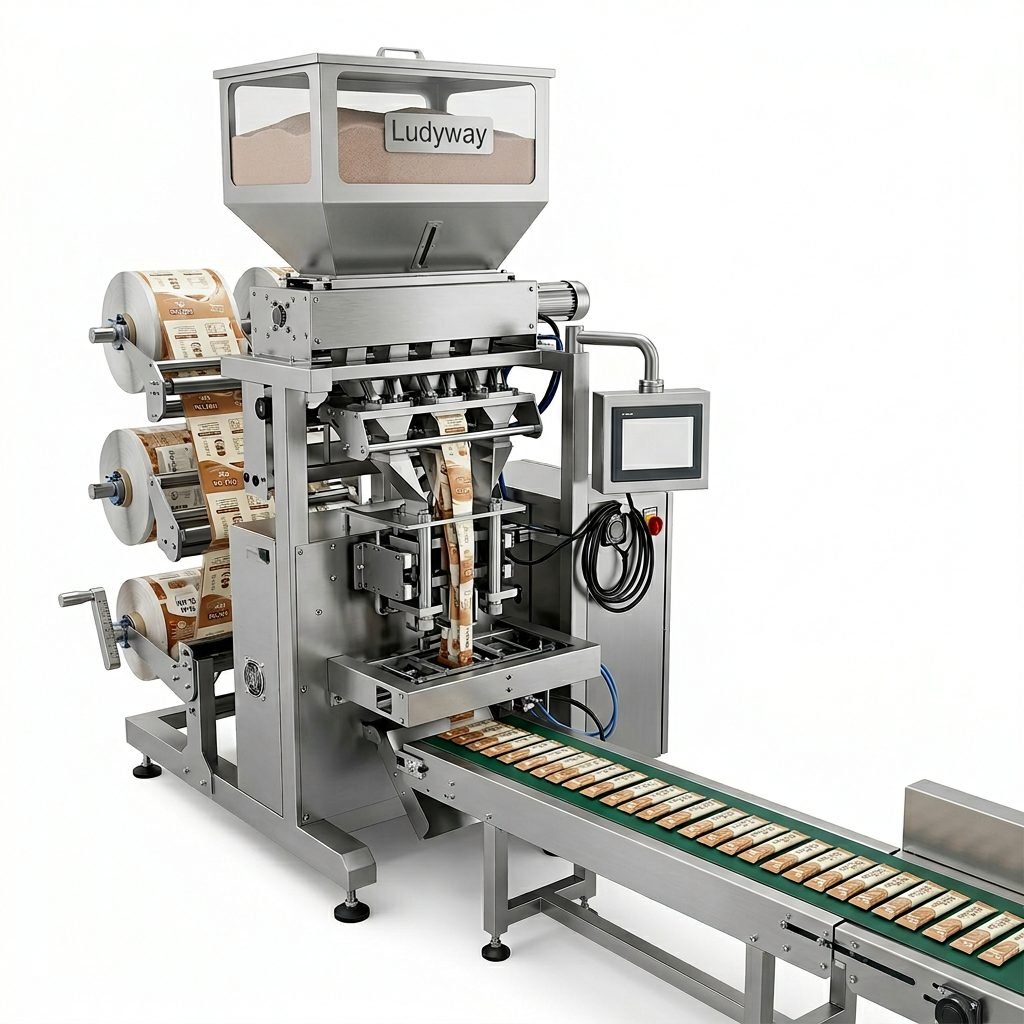
For companies that want scalable automation with strong export experience and broad machine coverage, packaging equipment from Ludyway is worth considering. Founded in 1993, the company is recognized as one of China’s leading packaging machine and turnkey packaging line manufacturers, with over 30 years of industry experience, a factory size of more than 20,000 square meters, and customers in over 100 countries and regions.
Its solutions cover food, pharmaceutical, health supplement, cosmetic, chemical, nicotine pouch, and feed applications. This makes it a practical option for buyers looking for anything from sachet and stick pack machines to vertical packaging systems, filling and sealing equipment, and complete automated packaging lines.
Industries That Benefit Most from Modern Packaging Automation
Food and Beverage
Food manufacturers often need accurate filling, hygienic contact parts, attractive retail presentation, and efficient output. Common applications include seasonings, coffee, milk powder, protein powder, sauces, sugar, tea, and instant beverage mixes.
Pharmaceutical and Health Supplement
These industries require precise dosing, clean production environments, traceability, and consistent packaging integrity. Sachets, stick packs, blister formats, and medical pouches are common needs.
Cosmetics and Personal Care
Creams, serums, lotions, shampoo, facial masks, and sample packs often require flexible filling systems and visually clean sealing. Travel-size and promotional sachet packaging remains highly popular.
Chemical and Household Products
Detergents, cleaners, additives, powders, and industrial liquids often need durable machine structures, safe dosing, and packaging materials suited for product compatibility.
Key Features to Look for in High-Performance Packaging Equipment
- Stable filling accuracy for your product type
- Reliable sealing performance for fewer rejects
- User-friendly touch screen controls
- Easy cleaning and maintenance access
- Flexible adjustment for multiple pack sizes
- Compatibility with coding, weighing, and inspection devices
- Expandable design for future line integration
How Turnkey Packaging Lines Reduce Long-Term Costs
Some buyers search for a single machine, but as production grows they soon need conveyors, feeders, checkweighers, coding systems, cartoners, bundlers, or palletizing equipment. A turnkey approach reduces mismatched interfaces, simplifies project management, and can improve line efficiency across the whole production process.
Instead of buying disconnected machines from multiple vendors, a coordinated line can help with:
- Better production flow
- Less commissioning complexity
- Fewer compatibility problems
- Clearer technical responsibility
- More consistent long-term support
Common Mistakes When Choosing Packaging Equipment
- Choosing only by price instead of total lifecycle value
- Ignoring product characteristics such as viscosity or poor flowability
- Buying a machine with no room for future capacity growth
- Overlooking spare parts availability and service response
- Failing to verify packaging material compatibility
- Not requesting testing with actual product samples
Final Buying Checklist
| Checklist Item | Have you confirmed your product type, pack format, speed, and budget? |
| Supplier Capability | Does the supplier have relevant industry cases and customization ability? |
| Technical Support | Are installation, training, remote support, and spare parts clearly explained? |
| Future Expansion | Can the equipment be integrated into a larger automated line later? |
| Proof of Performance | Have you reviewed sample videos, specifications, and testing options? |
If you are actively searching for packaging equipment near me, the smartest approach is to balance local responsiveness with proven manufacturing capability. A supplier with strong engineering, broad product coverage, and dependable support can often deliver far more value than proximity alone. For growing manufacturers, that means choosing equipment that not only works today, but also supports tomorrow’s expansion.